
Maximizing Efficiency And Profit With Vaynerchuk’s Shelving Tactics
By Tom Seest
At RackingWorld, we help guide you through selecting warehouse storage systems and racking.
Be sure to read our other related stories at RackingWorld to learn more about warehouse storage systems.
How Would Gary Vaynerchuk Revitalize Your Warehouse Shelving Strategy?
In today’s ever-evolving business landscape, warehouse efficiency isn’t just an operational concern; it’s a competitive advantage. Enter the powerhouse mindset of a contemporary marketing luminary — imagine how he would reshape your warehouse shelving strategy, particularly focusing on pallet racking.
The foundation of a successful warehouse shelving strategy starts with optimizing space to make every square foot work harder for you. Efficient pallet racking systems can drastically improve your inventory management, enabling faster picking and restocking. Too many businesses overlook the transformation that innovative pallet racking can bring, often running their warehouses like they did a decade ago. That mentality is outdated and is an inefficiency that can cost you.
In a climate where logistics and inventory turnover are paramount, envision launching a social media campaign that highlights your newly optimized pallet racking system. Share behind-the-scenes footage showcasing the implementation process, and demonstrate how it streamlines operations. Engage your audience with stories that reveal the tangible benefits, such as reduced lead times and increased same-day fulfillment capabilities. If Amazon can deliver within two days and keep winning customers, what’s stopping you from capitalizing on improved shelf management?
Consider the recent supply chain disruptions. These events have led many companies to rethink their logistics. It’s time to pivot. By embracing advanced pallet racking solutions that allow for greater scalability and adaptability in your shelving strategy, you position your business not just to react but to thrive. Say goodbye to clutter and inefficiency — invest in selective racking or narrow aisle systems to get the most out of your warehouse space.
Moreover, leverage today’s technology to track and manage your inventory. Implementing a Warehouse Management System (WMS) can integrate seamlessly with your pallet racking strategy, providing real-time visibility and data analytics. This data can empower you to make informed decisions, such as identifying which items are your top performers and adjusting your stock levels accordingly.
Brand loyalty thrives on efficiency. When customers see you consistently meeting their needs via an optimized warehouse operation, they trust you more. Thus, by applying innovative pallet racking techniques and integrating with cutting-edge technology, you not only elevate your warehouse strategy but also enhance your overall brand perception.
In a world where the consumer is king, revamping how you manage your warehouse isn’t just smart—it’s essential. So, take a cue from the disruptive minds and prepare to elevate your business by revitalizing your pallet racking strategy today.
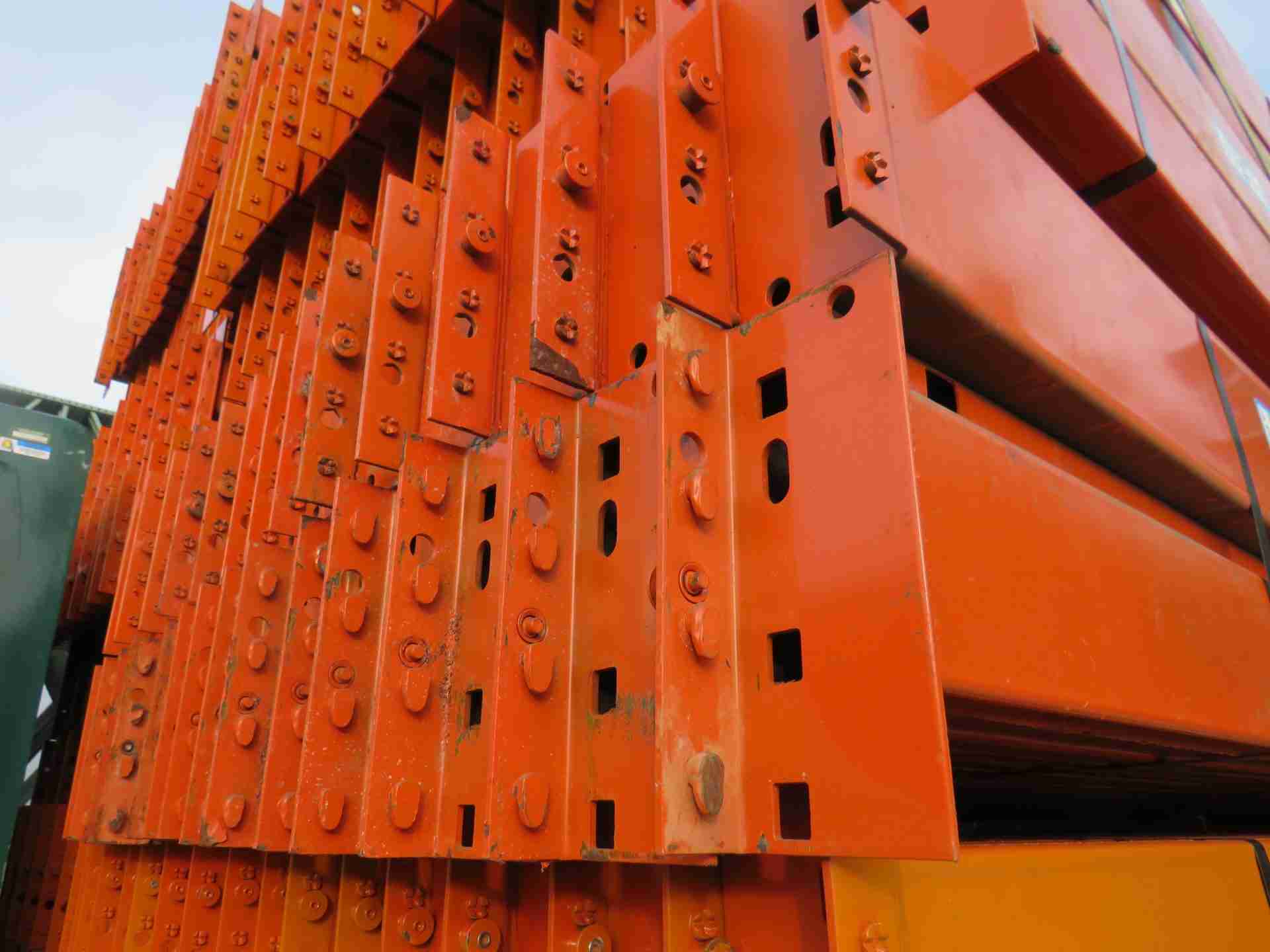
How Would Gary Vaynerchuk Revitalize Your Warehouse Shelving Strategy?
How Would Gary Vaynerchuk Revitalize Your Warehouse Shelving Strategy?
- Warehouse efficiency is crucial for competitive advantage in the modern business landscape.
- Optimizing pallet racking improves inventory management by facilitating faster picking and restocking.
- Many businesses maintain outdated shelving strategies that can lead to inefficiencies.
- Showcase your enhanced pallet racking system through social media campaigns to highlight operation improvements.
- Embrace advanced pallet racking solutions for scalability and adaptability in your shelving strategy.
- Implement a Warehouse Management System (WMS) for real-time inventory tracking and informed decision-making.
- Efficient warehouse operations enhance brand loyalty by consistently meeting customer needs.

How Would Gary Vaynerchuk Revitalize Your Warehouse Shelving Strategy?
Table Of Contents
- How Would Gary Vaynerchuk Revitalize Your Warehouse Shelving Strategy?
- How Can Social Media Boost Warehouse Shelving Awareness?
- What Are The Key Elements Of An Effective Shelving Strategy?
- How Can Storytelling Enhance Shelving Product Presentations?
- What Role Does Customer Feedback Play In Shelving Decisions?
- How Can Influencers Improve The Perception Of Warehouse Shelving?
- What Digital Tools Can Optimize Shelving Organization And Design?
- Conclusion
- Other Resources
- Glossary Of Terms
- Other Questions
- Checklist
How Can Social Media Boost Warehouse Shelving Awareness?
In the dynamic world of logistics and warehousing, where efficiency reigns supreme, companies still struggle to garner attention for essential tools like pallet racking systems. But there’s a hidden opportunity on social media—an underutilized powerhouse that can drive awareness and propel businesses to new heights.
Imagine a warehouse supplier sharing a video showcasing the elegant design and robust functionality of their pallet racking systems. By using attention-grabbing visuals and engaging content, businesses can leverage platforms such as Instagram, TikTok, and LinkedIn to create awareness, inform, and entertain their target audience. For instance, a recent TikTok trend highlighted transformation stories where ineffective shelving solutions were replaced with innovative pallet racking systems. These quick, relatable clips garnered thousands of views, showcasing how the right shelving can optimize storage space and increase operational efficiency.
Moreover, a well-crafted social media strategy fuels word-of-mouth marketing. When stakeholders see compelling content about pallet racking and its benefits, they are more inclined to share. Case studies exemplifying success stories can be shared through LinkedIn articles, garnering attention from business associates and potential clients. Take the recent shift toward eco-friendly practices; if your pallet racking system incorporates sustainable materials, you can harness this movement by sharing articles and posts emphasizing how your products minimize the carbon footprint.
Engagement doesn’t have to be limited to just imagery and text. Host live Q&A sessions on platforms like Facebook or Instagram, where industry experts answer questions about warehouse optimization. This positions your brand as a thought leader, enhancing credibility and trust. Today’s audience is increasingly focused on authenticity; by highlighting real client experiences and using testimonials, you can humanize your brand while driving awareness for your pallet racking solutions.
Current events are also prime fodder for social media buzz. As supply chain challenges persist, consider creating posts that address how effective pallet racking alleviates congestion issues in warehouses. Sharing insightful industry commentary around these trends not only boosts your brand’s visibility but also reinforces your expertise.
Ultimately, a multifaceted social media approach can significantly elevate awareness of warehouse shelving solutions, specifically pallet racking. By captivating your audience with engaging content and positioning your brand as a vital resource, you will not only drive traffic to your products but also establish a formidable presence in the industry. Embrace this opportunity—it’s time to let the world know just how critical pallet racking is to the modern warehouse landscape.
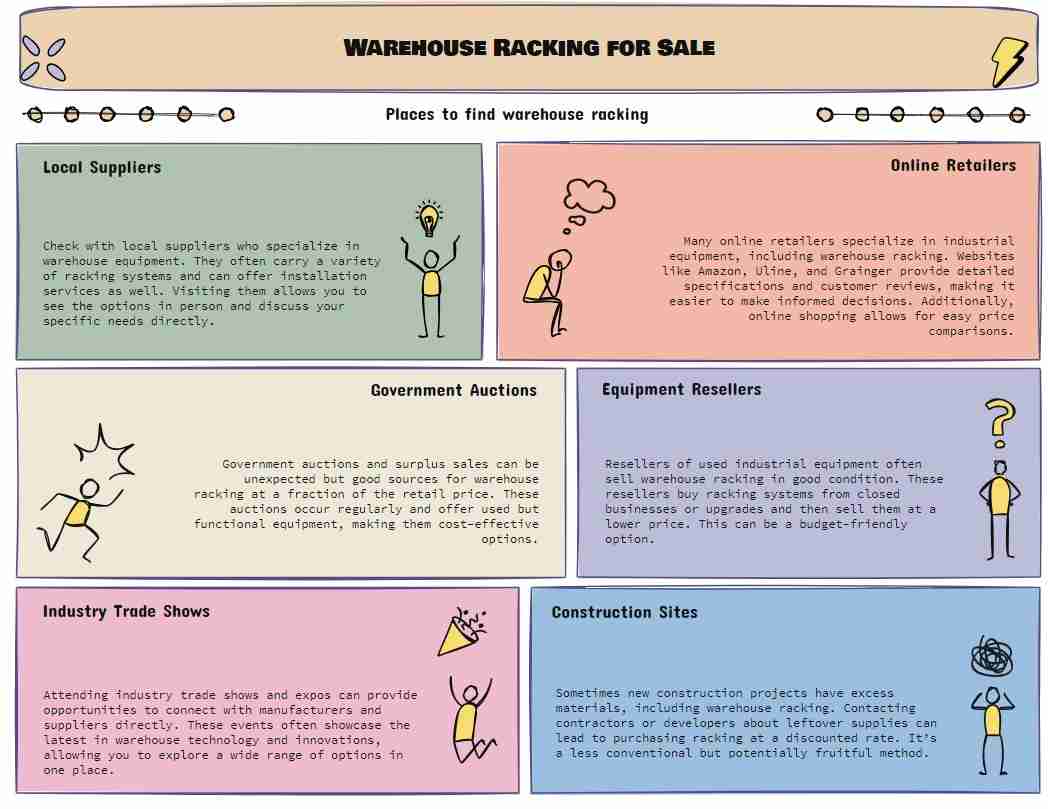
How Can Social Media Boost Warehouse Shelving Awareness?
How Can Social Media Boost Warehouse Shelving Awareness?
- Logistics and warehousing firms struggle to draw attention to pallet racking systems despite their importance.
- Social media presents an underutilized opportunity to increase awareness and engagement for these tools.
- Dynamic content, such as videos on platforms like Instagram, TikTok, and LinkedIn, can showcase the benefits of pallet racking systems.
- Successful case studies and eco-friendly practices can enhance credibility and attract interest among stakeholders.
- Interactive sessions, like live Q&As, help position brands as thought leaders in warehouse optimization.
- Content addressing current supply chain challenges can further boost brand visibility and expertise.
- A multifaceted social media strategy is key to enhancing awareness and establishing a significant industry presence.
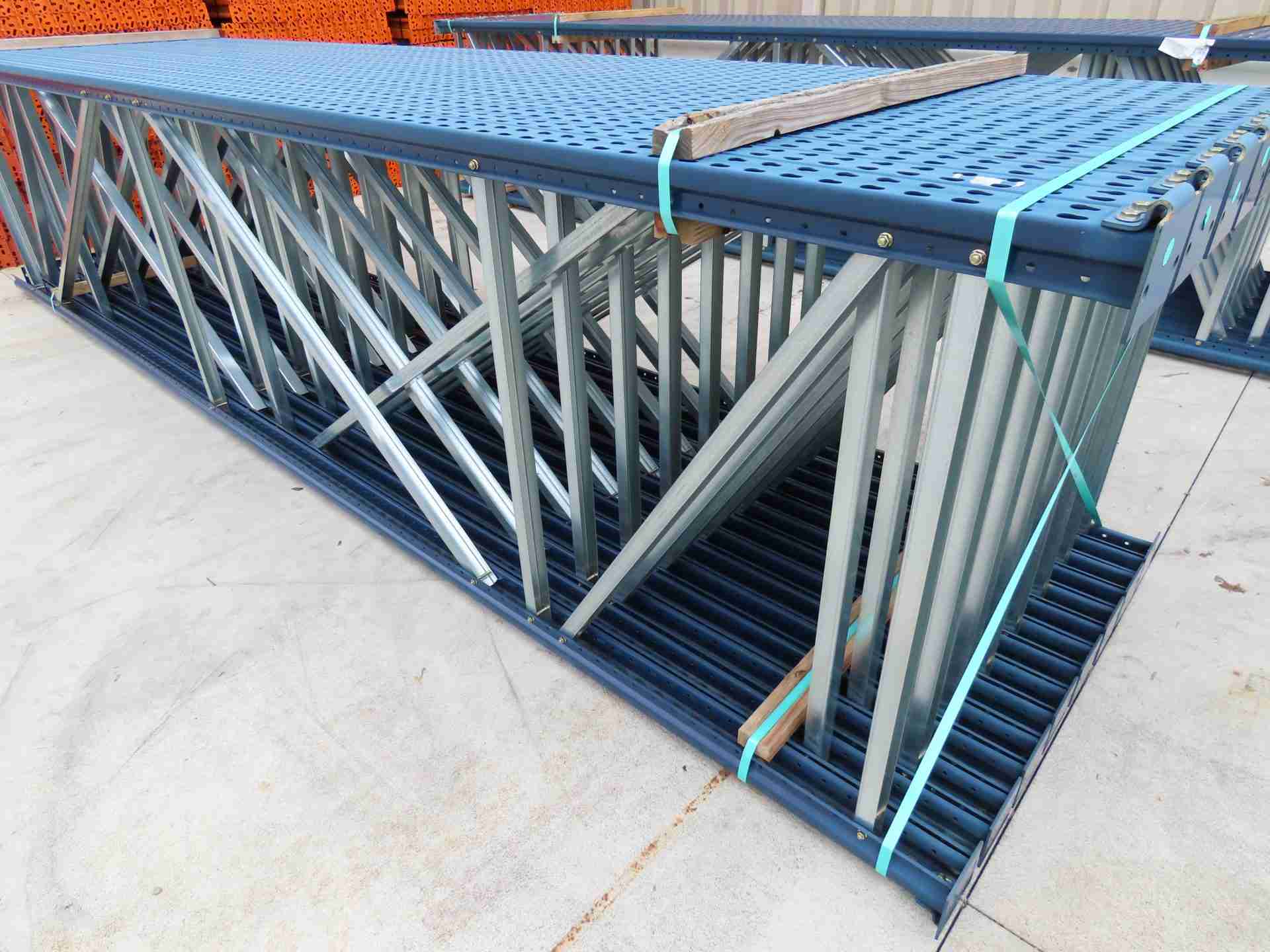
How Can Social Media Boost Warehouse Shelving Awareness?
What Are The Key Elements Of An Effective Shelving Strategy?
A standout shelving strategy is pivotal to maximizing space, enhancing efficiency, and driving profitability. It’s not just about storing products aesthetically; it’s about strategically positioning them to optimize workflow and customer access. Whether you’re in a bustling retail environment or a sprawling warehouse, an effective shelving strategy revolves around several key elements.
1. Understand Your Inventory Needs:
To craft a winning shelving strategy, start by evaluating your inventory. Are your products bulky and heavy? Consider Pallet Racking systems that cater to such needs—highly efficient for storing large quantities while enabling easy access. Conversely, if your inventory consists of smaller items, you may lean toward retail shelving or display units that encourage customer visibility.
2. Flexibility and Scalability:
The only constant in business is change. Markets shift, consumer demands evolve, and new products emerge. Your shelving strategy should embrace flexibility, allowing for reconfiguration as new trends arise. Take a cue from the tech industry: as companies like Amazon continuously adapt their logistics, they embrace modular shelving systems that can be quickly adjusted to accommodate new products, such as seasonal items or trending tech gadgets.
3. Accessibility and Flow:
A well-thought-out shelving strategy doesn’t just benefit the organization; it enhances customer experience too. Assess the flow of traffic within your store or warehouse. Place high-demand products within reaching distance, while less popular items can dwell a little further back. Think of how grocery giants like Costco position their best-sellers and seasonal favorites at the front, driving traffic and sales.
4. Safety and Compliance:
In today’s landscape, safety cannot be an afterthought. Shelving systems must adhere to local regulations, especially with heavy-duty setups like Pallet Racking. Regular safety audits and staff training are vital to ensure that everyone knows how to interact with your shelving systems, minimizing risks and creating a safe environment for both employees and customers. Recent events globally have underscored the importance of workplace safety; implementing best practices here shields your business from potential liabilities.
5. Technology Integration:
Finally, embrace technology. Inventory management systems can link seamlessly with shelving to automate stock tracking and replenish shelves in real-time. Major retailers are using smart shelving to analyze customer behaviors and preferences, adapting their layouts accordingly.
In summary, an effective shelving strategy is more than just a set of metal shelves; it’s a comprehensive approach that encompasses inventory management, flexibility, customer access, safety, and technology integration. By prioritizing these elements, you’ll not only keep your operations running smoothly but also enhance the overall customer experience.
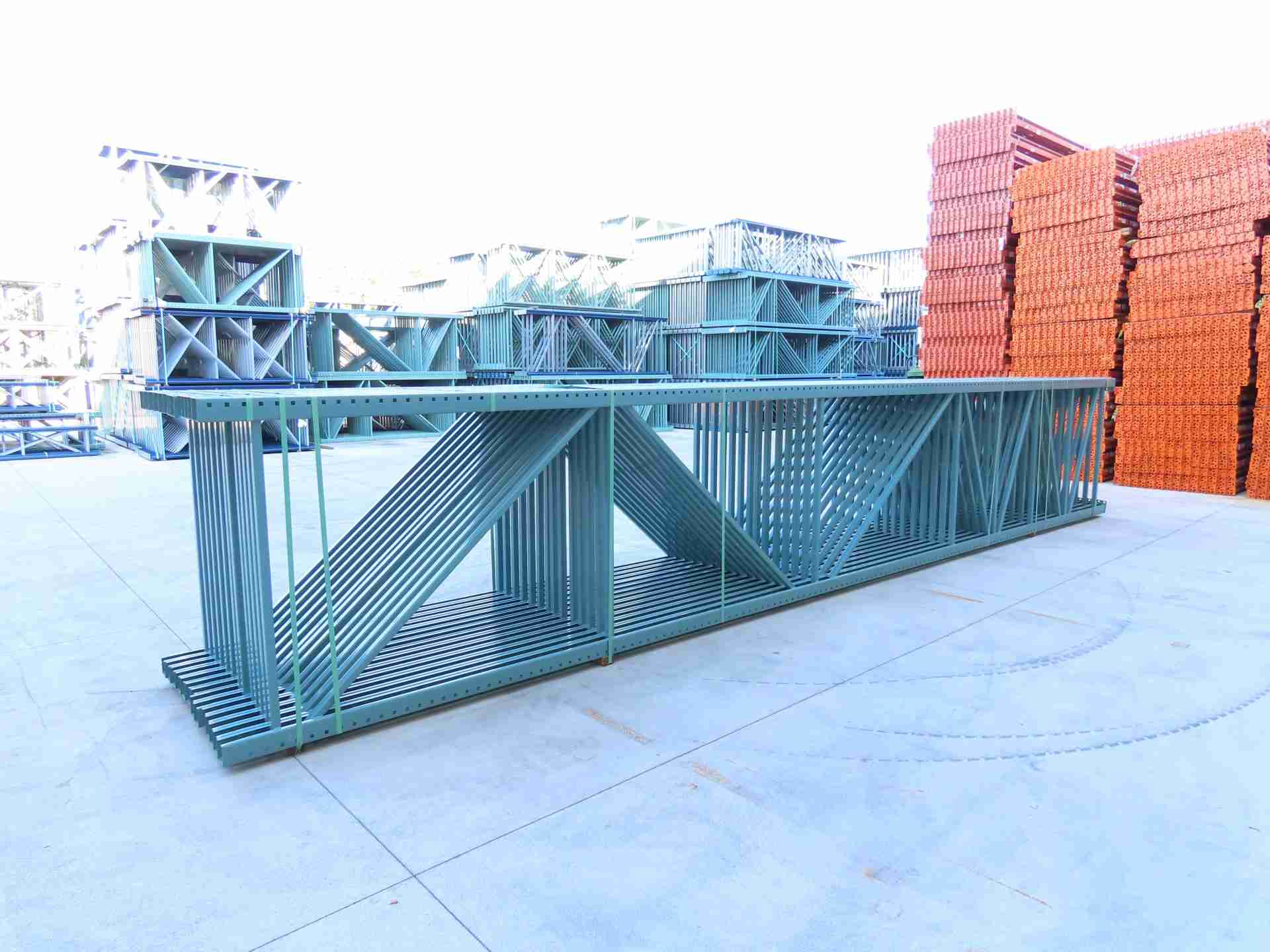
What Are The Key Elements Of An Effective Shelving Strategy?
What Are The Key Elements Of An Effective Shelving Strategy?
- Standout shelving strategy enhances space, efficiency, and profitability beyond aesthetics.
- Understand inventory needs to select appropriate shelving, such as Pallet Racking for bulky items or retail shelving for smaller products.
- Embrace flexibility and scalability to adapt to changing markets and inventory trends, similar to practices by companies like Amazon.
- Enhance accessibility and flow by strategically placing high-demand products within reach to improve customer experience and sales.
- Ensure safety and compliance with regulations, conducting regular audits and staff training to minimize risks.
- Integrate technology for real-time inventory management and to adapt layouts based on customer behavior.
- Overall, an effective shelving strategy is comprehensive, focusing on inventory management, customer access, safety, and tech integration for operational efficiency.
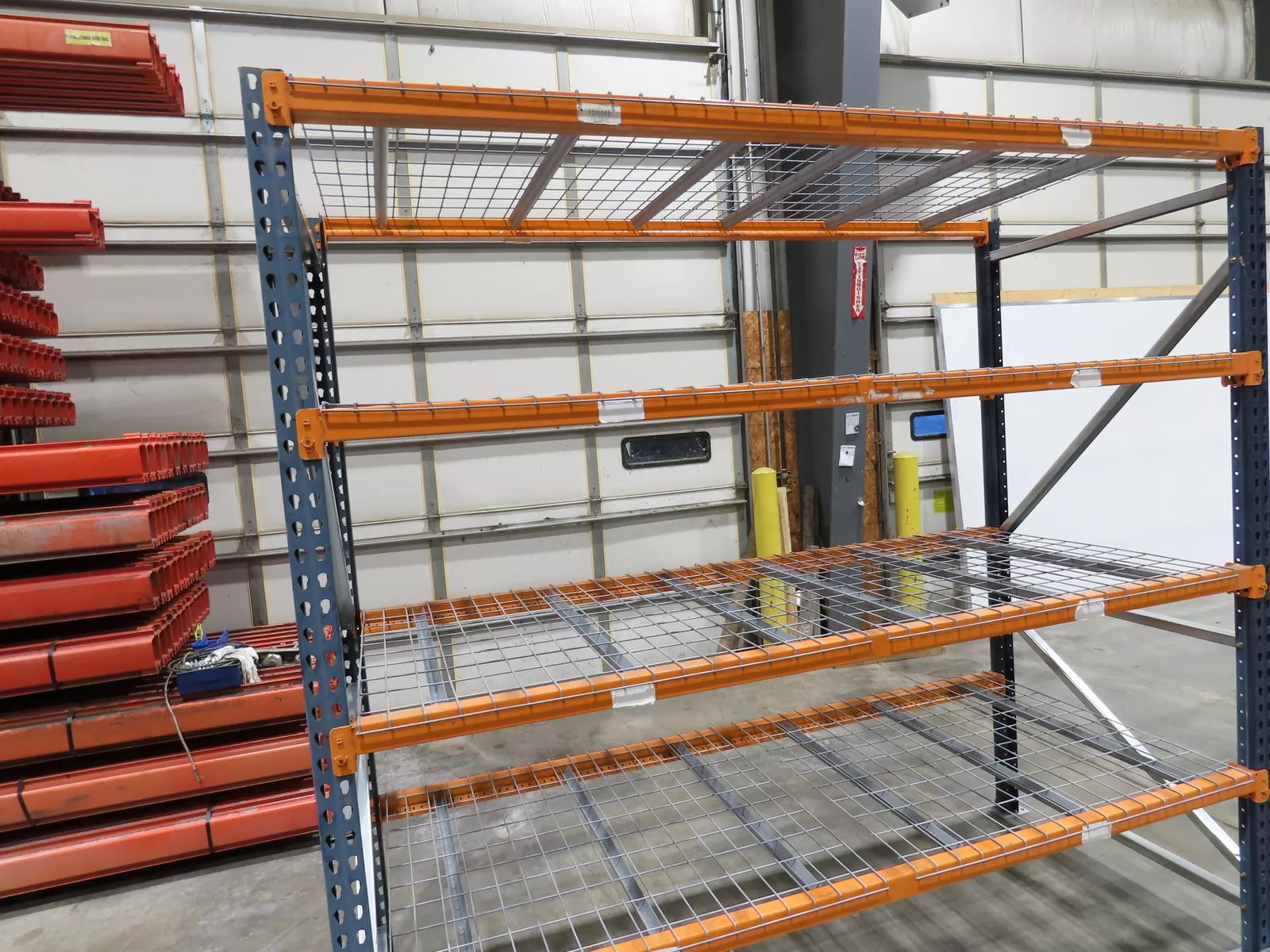
What Are The Key Elements Of An Effective Shelving Strategy?
How Can Storytelling Enhance Shelving Product Presentations?
In today’s competitive retail environment, engaging shoppers is more crucial than ever. One powerful way to captivate your audience and drive sales is through storytelling. When products are given a narrative, especially in their shelving arrangements, they come alive, transforming simple displays into compelling experiences.
Take, for instance, the popular trend in visual merchandising with pallet racking setups. Equipped with the efficiency and space-saving benefits of pallet racking, retailers often stick to a functional approach—stack it high and let the products shine. But what if they added a story behind those stacks? Imagine a vibrant display of organic products framed by the narrative of sustainable living. Instead of just showcasing these items, retailers could craft a storyline around the farmers who grow the food, illustrating their dedication to ecological practices. When consumers connect with the origins of the products, they’re more likely to choose them over a competing brand, driven by an emotional connection.
Similarly, consider the recent shift in pop-up retail experiences. Brands like Warby Parker have utilized storytelling not just in their omnichannel approach, but also in how they display products within temporary venues. By using shelving to tell their brand’s journey—highlighting their commitment to giving back through programs that provide eyewear to those in need—they establish a deeper bond with customers willing to invest in their products. This narrative-driven display stands in contrast to traditional retail shelves which often lack any emotional hooks.
Moreover, integrating current events into shelving presentations can enhance the storytelling element. With the growing emphasis on mental health, a retailer could dedicate a section on shelves to mindfulness products. Each item could be paired with a tag or note sharing a brief story about how it helps promote well-being, or testimonials from customers who found solace through specific products. This storytelling not only informs but also resonates with consumers who increasingly seek brands that align with their values.
In essence, storytelling in shelving product presentations transforms mere displays into persuasive narratives. Make the most out of that pallet racking – it can be a powerful ally in creating a memorable customer experience. By wrapping products in the thread of a compelling story, retailers not only showcase their offer but foster connections that encourage loyalty and drive sales. Let your shelves tell a story, and watch as customers respond not just with their dollars, but with their hearts.

How Can Storytelling Enhance Shelving Product Presentations?
How Can Storytelling Enhance Shelving Product Presentations?
- Engaging shoppers in a competitive retail environment is crucial for driving sales.
- Storytelling can transform product displays into compelling experiences.
- Pallet racking setups in visual merchandising can be enhanced with narratives.
- Creating a storyline around products, like organic items, fosters emotional connections.
- Brands can use storytelling in pop-up retail experiences to build deeper customer bonds.
- Integrating current events, like mental health awareness, can enhance product storytelling.
- Storytelling in shelving presentations encourages customer loyalty and sales growth.
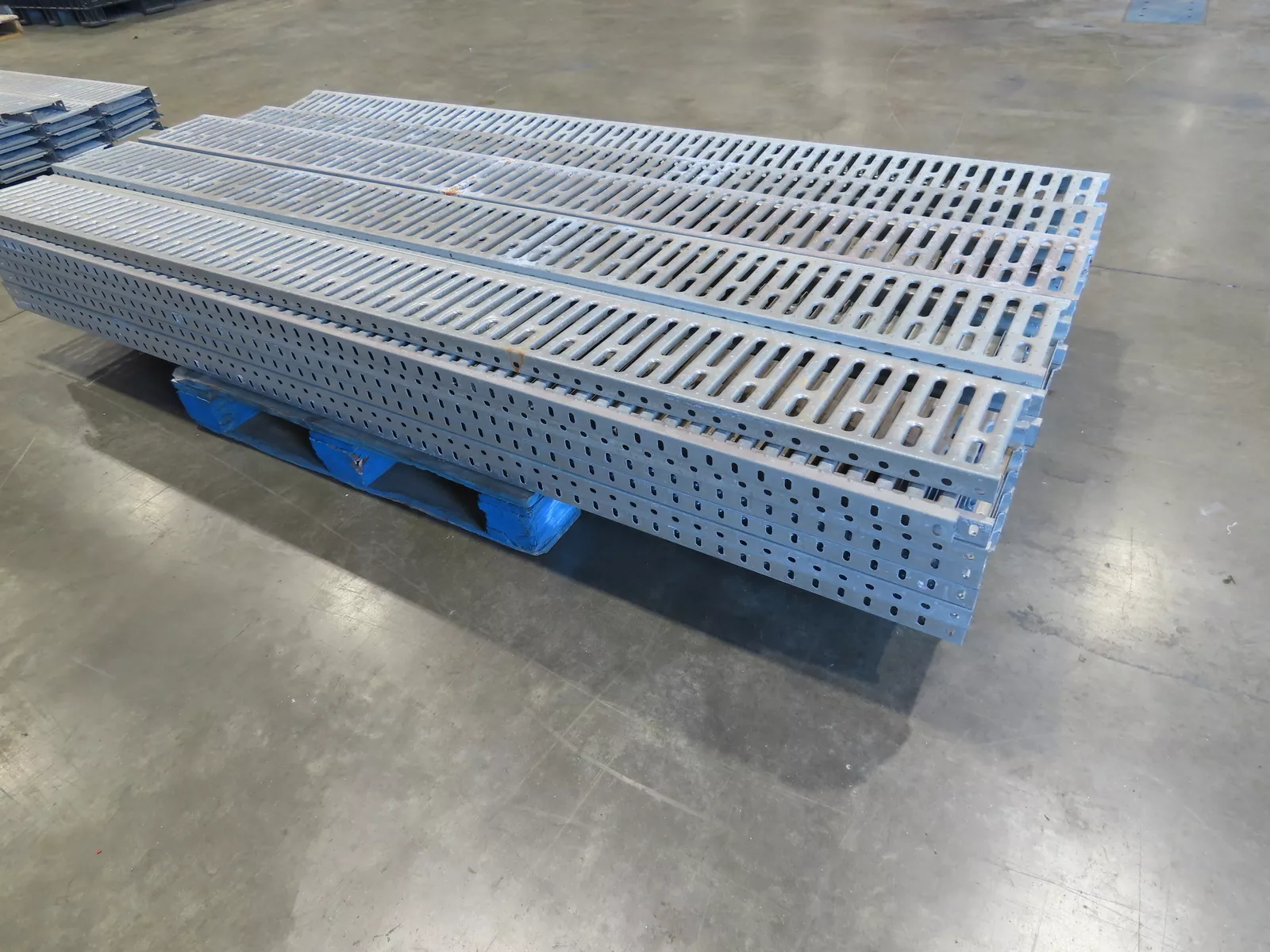
How Can Storytelling Enhance Shelving Product Presentations?
What Role Does Customer Feedback Play In Shelving Decisions?
In today’s fast-paced retail environment, understanding customer feedback is not merely a courtesy—it’s a strategic necessity, especially when it comes to making informed shelving decisions. The way products are displayed on pallet racking can make or break a sale. Research shows that well-organized shelves not only enhance the shopping experience but also significantly impact purchasing behavior.
Take, for instance, how major retailers adapted to the pandemic’s demands. With consumers flocking to online shopping, many businesses re-evaluated their in-store displays. Stores like Target and Walmart heard loud and clear from their customers—they wanted a seamless transition from online browsing to in-store shopping. In response, they redesigned their pallet racking systems to better reflect customer needs, including wider aisles and strategically placed high-demand items. It wasn’t just about aesthetics; customer feedback was the driving force behind these changes.
Effective shelving decisions also hinge on seasonal trends and customer preferences. For example, with the rise of eco-conscious consumerism, retailers received feedback expressing a desire for sustainable products. Brands like IKEA capitalized on this trend by altering their pallet racking configurations to feature sustainability-focused products prominently. Not only did this enhance their brand’s reputation, it also led to increased sales for those items, illustrating the direct correlation between listening to customers and profitability.
From these examples, it’s clear that successful shelving strategies are fueled by feedback loops. Surveys, social media polls, and direct customer interactions provide invaluable insights into shopper behavior. Retailers that don’t actively pursue this feedback risk falling behind. Indeed, many have implemented real-time analytics tools to monitor customer responses to shelving layouts and product placements.
Consider also the emerging trend of experiential shopping—customers crave unique experiences. Feedback has shown a growing demand for interactive displays. Retailers are utilizing this information to adapt their pallet racking setups, introducing more engaging visual merchandising strategies, such as interactive kiosks integrated into shelving designs.
Customer feedback is the lifeblood that informs effective shelving decisions. Retailers striving for success must not underestimate the power of listening to their customers. In a world where consumer preferences shift rapidly, those who harness this feedback and adapt their shelf space accordingly will not only survive but thrive. The marketplace is loud—are you listening?

What Role Does Customer Feedback Play In Shelving Decisions?
What Role Does Customer Feedback Play In Shelving Decisions?
- Understanding customer feedback is crucial for informed shelving decisions in today’s retail environment.
- Well-organized shelves significantly impact the shopping experience and purchasing behavior.
- Major retailers like Target and Walmart redesigned their displays based on customer desires for a seamless online-to-in-store transition.
- Seasonal trends and eco-conscious consumerism influence effective shelving, as seen with IKEA’s focus on sustainability.
- Successful shelving strategies rely on feedback loops, including surveys and social media polls, to gain insights into shopper behavior.
- Experiential shopping trends are driving demand for interactive displays, prompting retailers to enhance visual merchandising strategies.
- Retailers must actively listen to customer feedback to adapt their strategies and succeed in a rapidly changing marketplace.
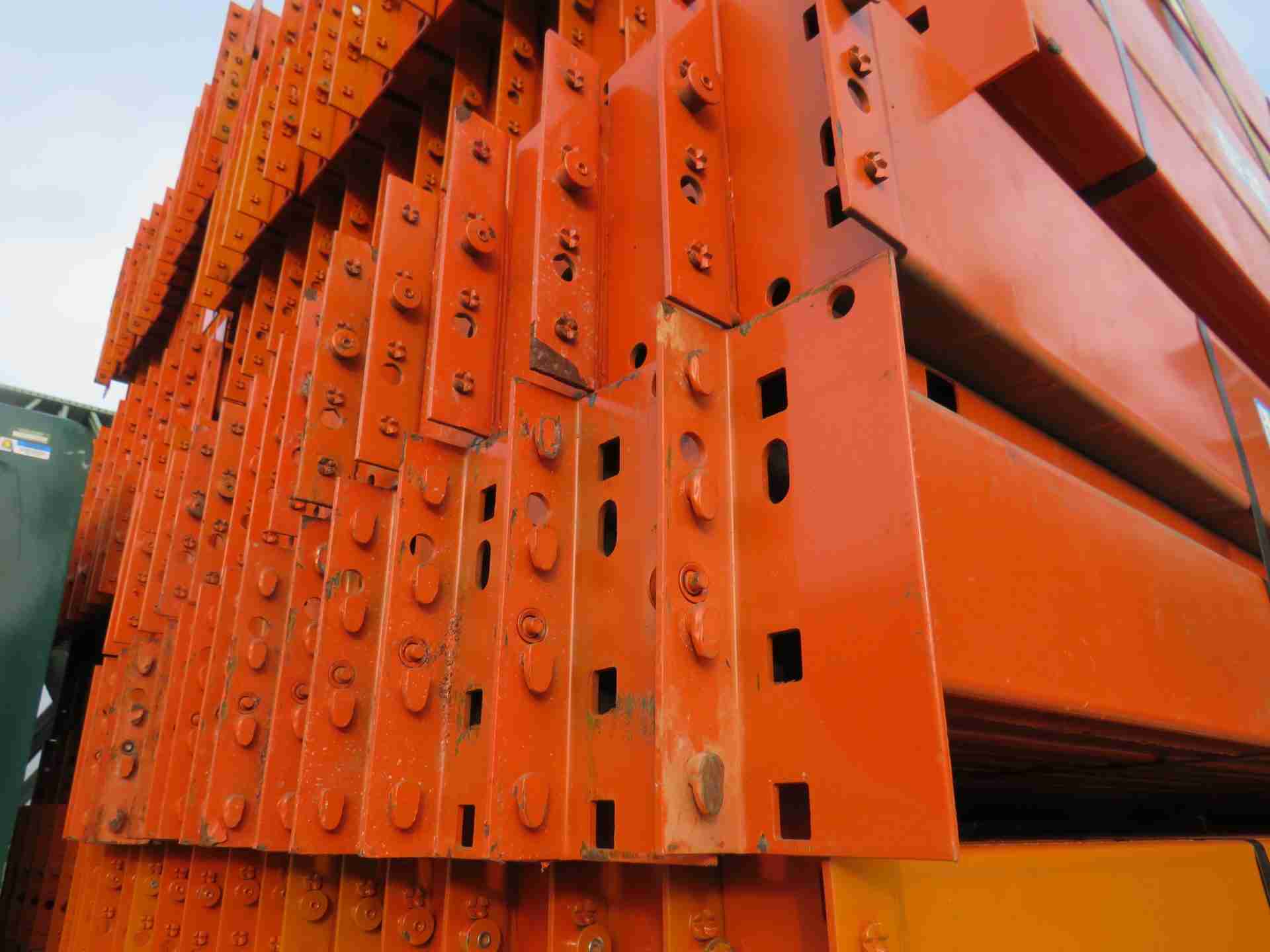
What Role Does Customer Feedback Play In Shelving Decisions?
How Can Influencers Improve The Perception Of Warehouse Shelving?
In today’s content-driven marketplace, influencers hold a significant sway over public opinion. The industrial sector, particularly warehouse shelving and storage solutions like pallet racking, stands to benefit greatly from this phenomenon. Surprisingly, many potential customers view warehouse shelving as mundane or complex—a far cry from the sleek and vibrant worlds often portrayed in lifestyle branding. So how can influencers turn the tide and reshape perceptions?
Showcasing Real-World Applications
Influencers can breathe life into pallet racking systems by demonstrating their practical uses in creative ways. Imagine a popular DIY influencer visiting a local warehouse and turning the shelving into a workspace or creative area. Such a transformation not only showcases the functional aspects of pallet racking but also sparks imagination among followers. Instead of just seeing rows of steel and wood, potential customers begin to envision these racks as versatile solutions in their own settings.
Telling the Sustainability Story
Current events emphasize the growing demand for sustainability. Influencers who focus on eco-friendly practices can highlight how modern pallet racking systems contribute to smarter resource management. For example, by discussing how vertical pallet racking maximizes space efficiently, they can educate audiences on how warehouses are optimizing their layouts to reduce energy consumption. This not only enhances the perception of pallet racking as a practical tool but also frames it as a part of a larger movement towards sustainability.
Engaging with Educational Content
Influencers skilled in educational content can tackle the misconceptions surrounding warehouse shelving by breaking down the complexities in an engaging manner. For instance, a well-explained infographic or video on the benefits of various types of pallet racking can demystify choices for small business owners or warehouse managers. When influencers show their expertise in a relatable format, they can help their audience make informed decisions and showcase pallet racking as essential rather than daunting.
Creating Challenges and Contests
Consider the impact of social media challenges or contests that encourage the innovative use of warehouse shelving. An influencer could create a “Best Pallet Racking Setup” contest where followers submit creative organization strategies in their businesses. This approach combines competition with community, fostering engagement and promoting the idea that warehouse shelving can be a stylish, professional element rather than an eyesore.
As influencers step into the role of educators and innovators, they can change the narrative around warehouse shelving. By showcasing practical uses, highlighting sustainability, and engaging audiences creatively, they can transform pallet racking from simply an industrial necessity into a sought-after solution that adds value and style.
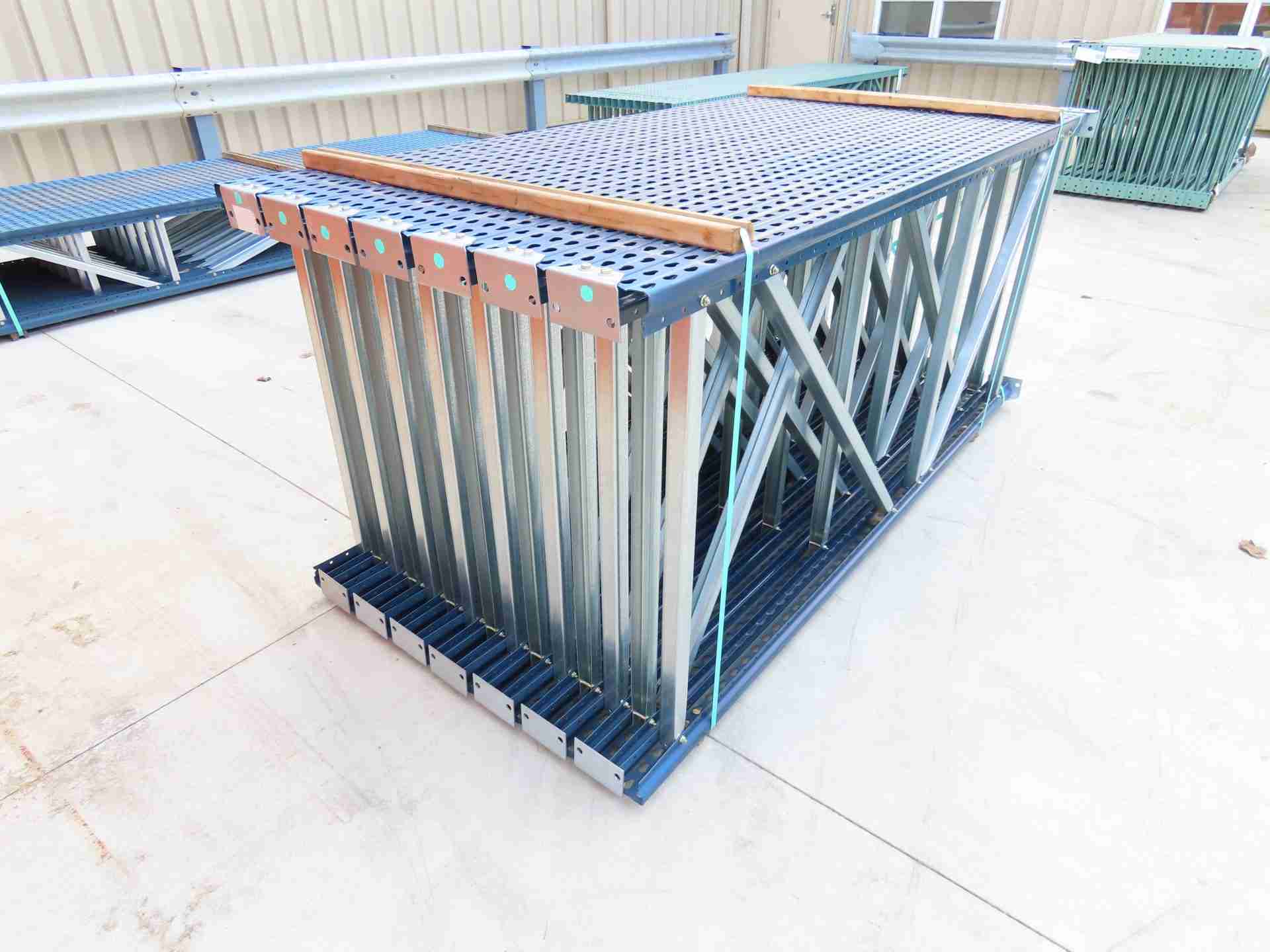
How Can Influencers Improve The Perception Of Warehouse Shelving?
How Can Influencers Improve The Perception Of Warehouse Shelving?
- Influencers significantly shape public opinion in today’s content-driven marketplace.
- The industrial sector, particularly warehouse shelving like pallet racking, can greatly benefit from influencer engagement.
- Potential customers often perceive warehouse shelving as mundane or complex, limiting its appeal.
- Influencers can showcase real-world applications of pallet racking, transforming perceptions into versatile, functional solutions.
- Sustainability-focused influencers can highlight how modern pallet racking contributes to efficient resource management and reduced energy consumption.
- Educational content creators can demystify pallet racking options, helping audiences make informed decisions.
- Engaging social media challenges can promote innovative uses of warehouse shelving, fostering community and enhancing its desirability.
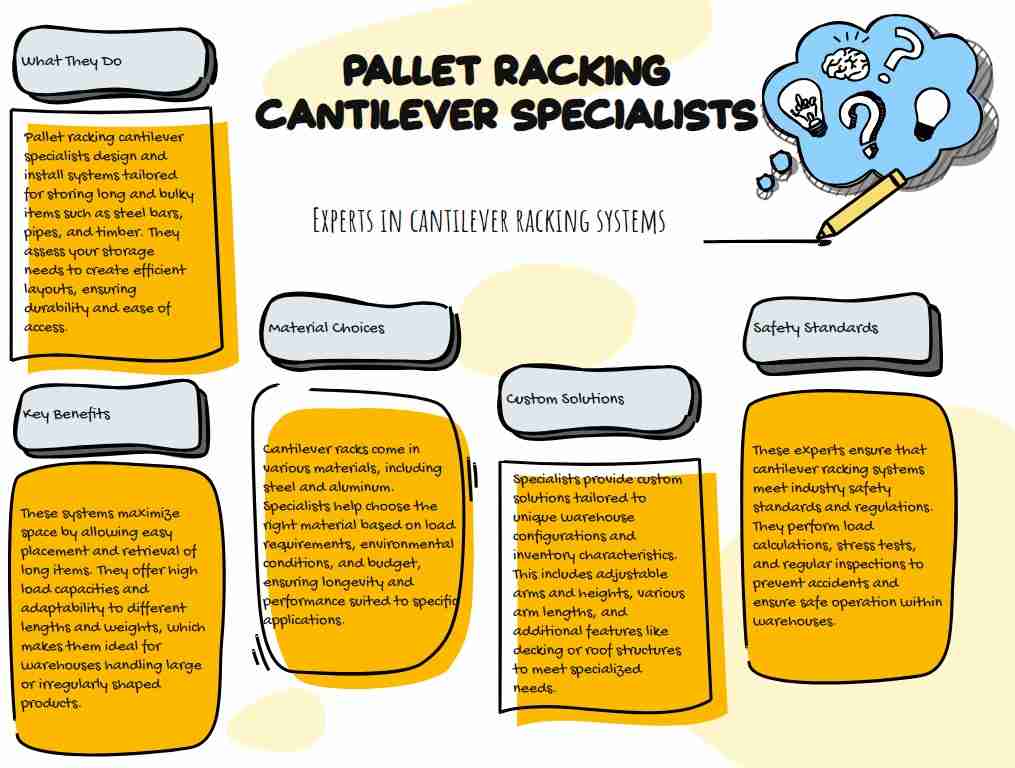
How Can Influencers Improve The Perception Of Warehouse Shelving?
What Digital Tools Can Optimize Shelving Organization And Design?
In the fast-paced world of retail and warehouse management, the optimization of shelving organization and design is more crucial than ever. Gone are the days where manual inventory management and rudimentary shelving designs sufficed. Today, emerging digital tools can take your shelving strategies to the next level, enhancing not only operational efficiency but also the customer experience.
One standout solution is Warehouse Management Systems (WMS). These sophisticated platforms are equipped with features that allow you to visualize your entire storage facility, integrating seamlessly with inventory management. For instance, tools like Fishbowl or Cin7 can help organizations implement effective pallet racking systems by providing real-time data on stock levels and sales trends. This means you can effectively allocate space for your pallet racking units, ensuring that your most-ordered items are easily accessible, while lower-demand items are stored further back.
Additionally, consider leveraging 3D modeling software to design your shelving systems. Programs like SketchUp or AutoCAD can bring your designs to life, allowing you to experiment with diverse layouts and identify the most efficient shelving configuration before making a single investment. Imagine crafting a shelving design that not only maximizes your storage space but also enhances customer navigation and visibility. This is a game-changer for retailers looking to drive sales.
On the more advanced side, artificial intelligence can analyze historical sales data to suggest optimal shelving layouts based on peak business hours and seasonal trends. Retail leaders like Walmart are increasingly adopting AI to reshape their inventory management and layout strategies, especially in light of changing consumer behaviors post-pandemic.
Furthermore, mobile inventory management applications allow your staff to conduct regular audits and inventory checks seamlessly. Using tablets or smartphones, team members can easily scan items and receive alerts regarding re-stocking needs, ensuring that shelves are always stocked and organized effectively. Tools like Sortly or Zoho Inventory provide these capabilities with minimal learning curve, making adoption swift and efficient.
As the industry evolves, investing in these digital tools is no longer an option; it’s a necessity to optimize shelving organization and design. Companies that embrace these innovations will not only see a drastic improvement in operational efficiency but will also cultivate a more engaging shopping experience for customers.
By harnessing the power of technology in your shelving design, you set the stage for improved productivity and increased profitability. Don’t get left behind; optimize your operations and watch your business thrive!
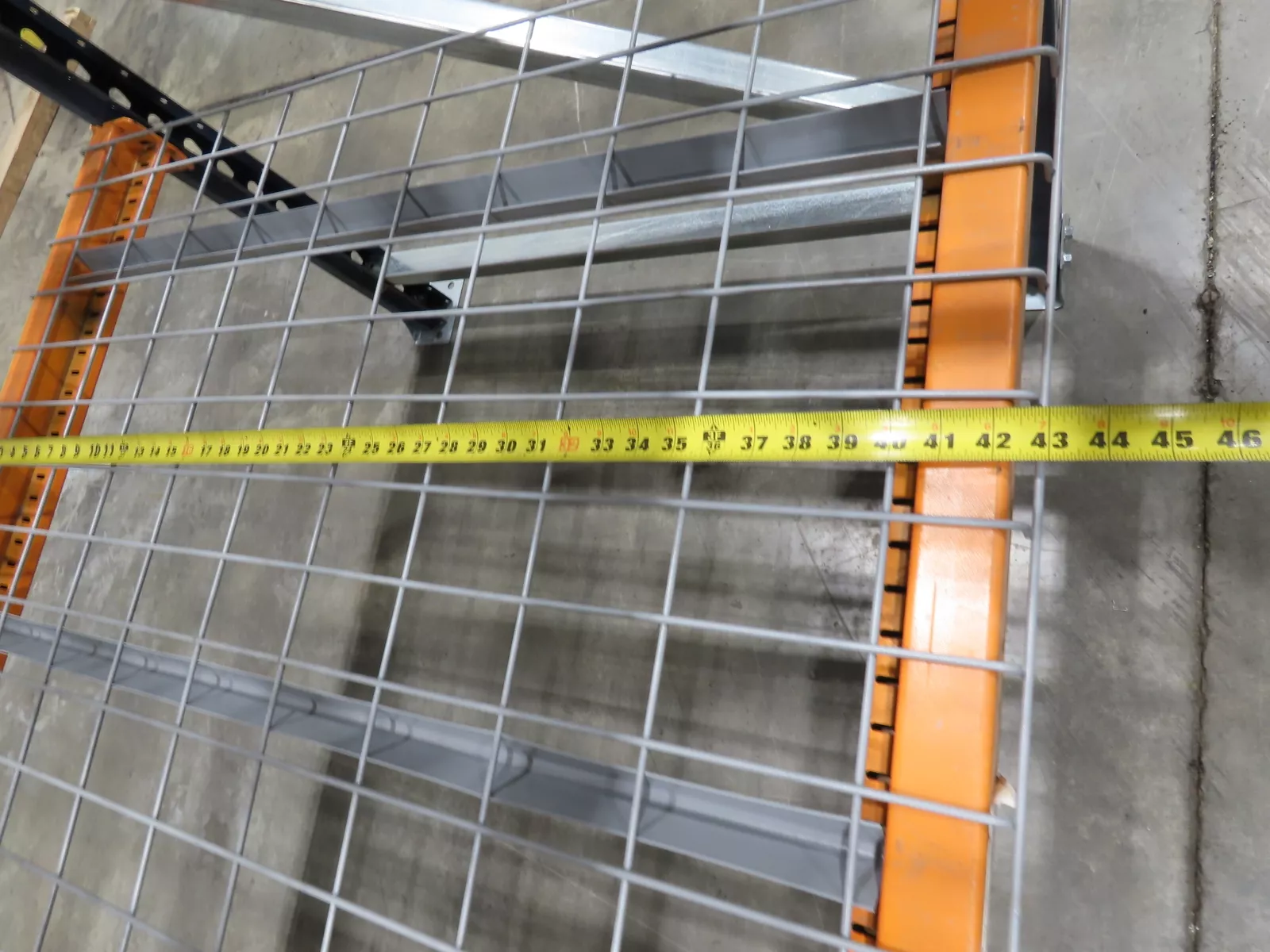
What Digital Tools Can Optimize Shelving Organization And Design?
What Digital Tools Can Optimize Shelving Organization And Design?
- Digital tools are crucial for optimizing shelving organization and design in retail and warehouse management.
- Warehouse Management Systems (WMS) help visualize storage facilities, integrating with inventory management for real-time data on stock levels.
- 3D modeling software like SketchUp or AutoCAD allows for experimentation with shelving layouts to maximize space and improve customer navigation.
- Artificial intelligence can analyze historical sales data to suggest optimal shelving layouts based on trends and peak hours.
- Mobile inventory management apps enable staff to perform audits and inventory checks easily, ensuring shelves are well-stocked and organized.
- Investing in digital tools is essential for improved operational efficiency and enhancing the customer experience.
- Harnessing technology in shelving design can lead to increased productivity and profitability for businesses.
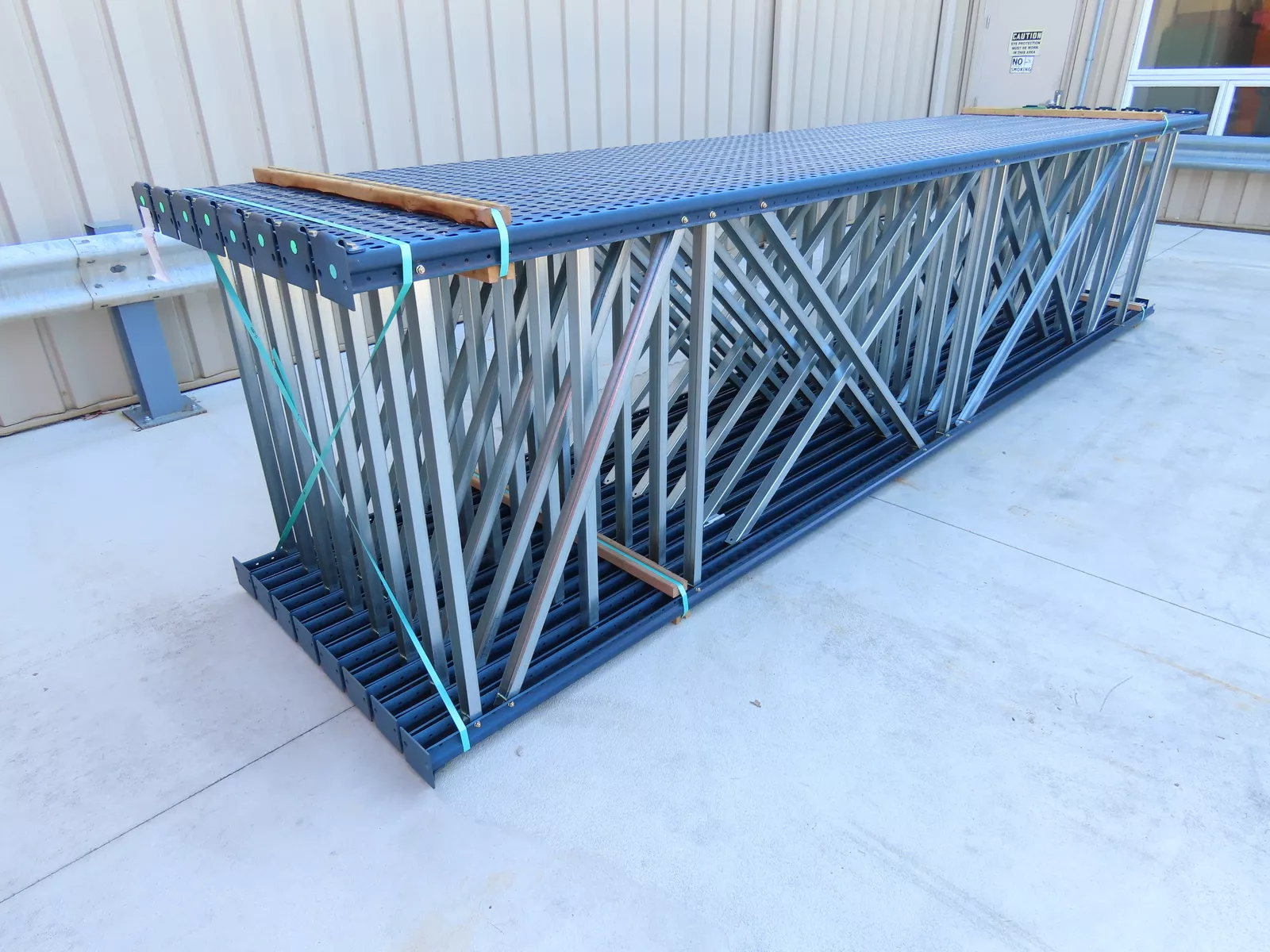
What Digital Tools Can Optimize Shelving Organization And Design?
Conclusion
In an era where efficiency can dictate success, optimizing your warehouse shelving strategy is not just beneficial—it’s imperative. Drawing inspiration from industry titans like Gary Vaynerchuk, it’s clear that a transformative approach is required to break free from outdated methods that plague many businesses today. As logistics and inventory turnover become increasingly critical, the revolution lies in advanced pallet racking systems that maximize space while enhancing operational flow.
At RackingWorld.com and Arrow Industrial Sales, we recognize that your shelving strategy is the backbone of your warehouse operations. Too many businesses continue to operate with methods that belong in the past, risking valuable time and resources. Recognizing this, we urge you to take action: upgrade your pallet racking solutions to improve inventory management, enabling you to fulfill orders faster and keep pace with customer demands.
Picture a warehouse where clutter is a thing of the past, and every square foot serves a purpose. By investing in innovative shelving, not only do you enhance efficiency, but you also set your operations apart from competitors. The advantages are manifold, from increased lead times to improved brand perception, every element contributes to a more satisfied customer base.
However, the clock is ticking! With challenges like recent supply chain disruptions looming over the industry, the time to pivot is now. Don’t let operational inefficiencies hold you back; reach out to Arrow Industrial Sales at (574) 349-6575 to discover tailored pallet racking solutions that meet the unique needs of your warehouse.
Moreover, harnessing the power of social media and storytelling can amplify your efforts, letting customers in on the improvements happening behind the scenes. A well-crafted narrative around your optimization journey will not only engage but also create trust; consumers want to align with brands that demonstrate reliability and innovation.
In summary, the path to revitalizing your warehouse shelving strategy leads through the integration of advanced technologies, a commitment to customer feedback, and the willingness to adapt to changing market conditions. Don’t let your business become a relic of the past; instead, embrace the future of warehousing with Arrow Industrial Sales. Call us today, and let’s transform your operations into a model of efficiency that can captivate your customers’ loyalty while boosting your bottom line. The time to act is now!
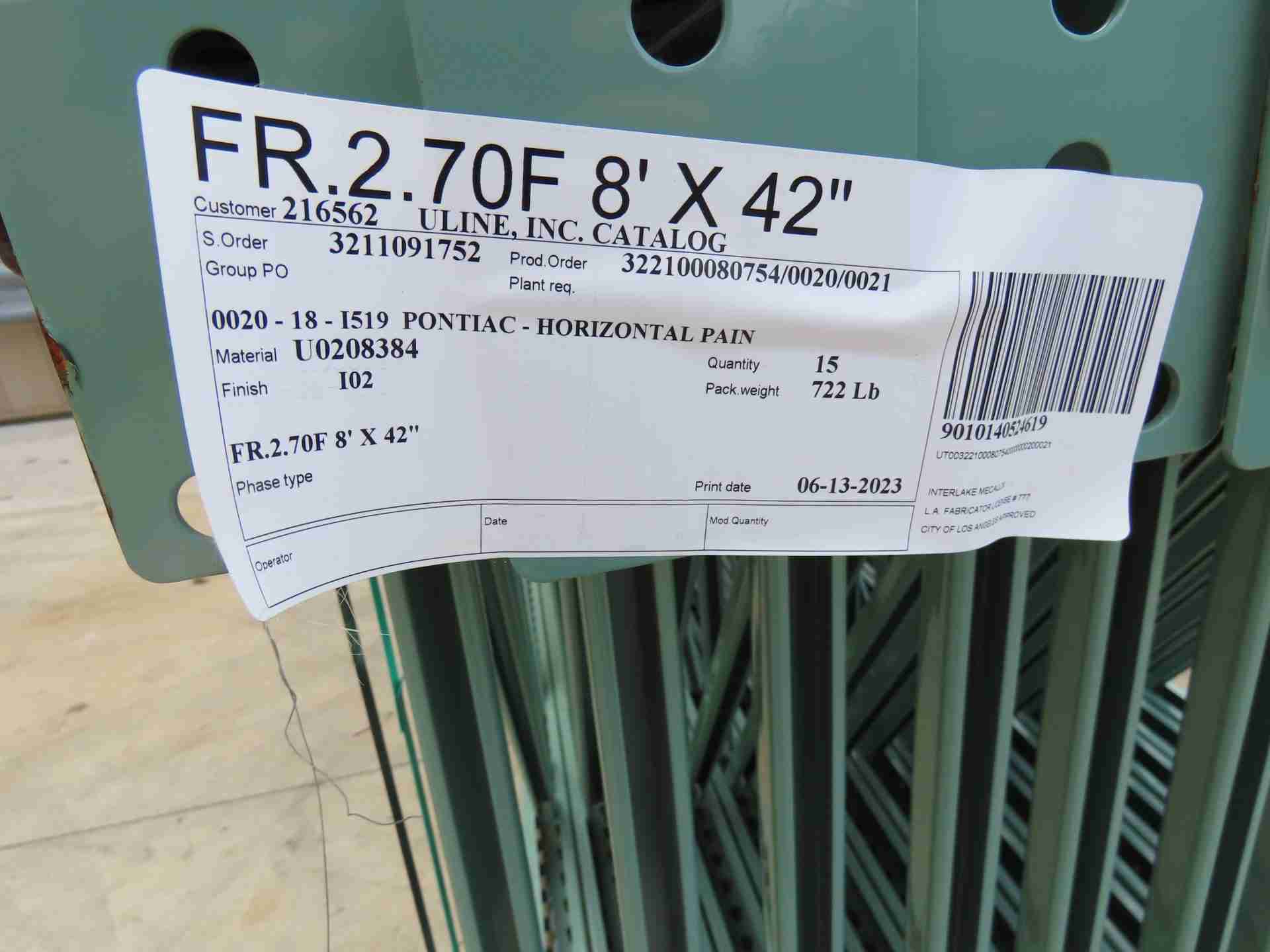
Conclusion
Conclusion:
- Optimizing warehouse shelving is essential for achieving operational efficiency and success.
- Outdated shelving methods hinder businesses; a transformative approach is necessary.
- Advanced pallet racking systems maximize space and improve operational flow.
- Upgrading pallet racking solutions enhances inventory management and speeds up order fulfillment.
- Investing in innovative shelving distinguishes your operations from competitors and boosts customer satisfaction.
- Timely adjustments are critical due to supply chain disruptions and operational inefficiencies.
- Effective storytelling and social media can foster customer trust and showcase improvements in warehouse operations.
Conclusion
Other Resources
Other Resources
Here is a list of other resources you can review online to learn more:
- CA Wire
- Chicago Pallet Racking
- Selective Pallet Racking Systems – Container Systems
- Interlake Mecalux
- Selective Racking
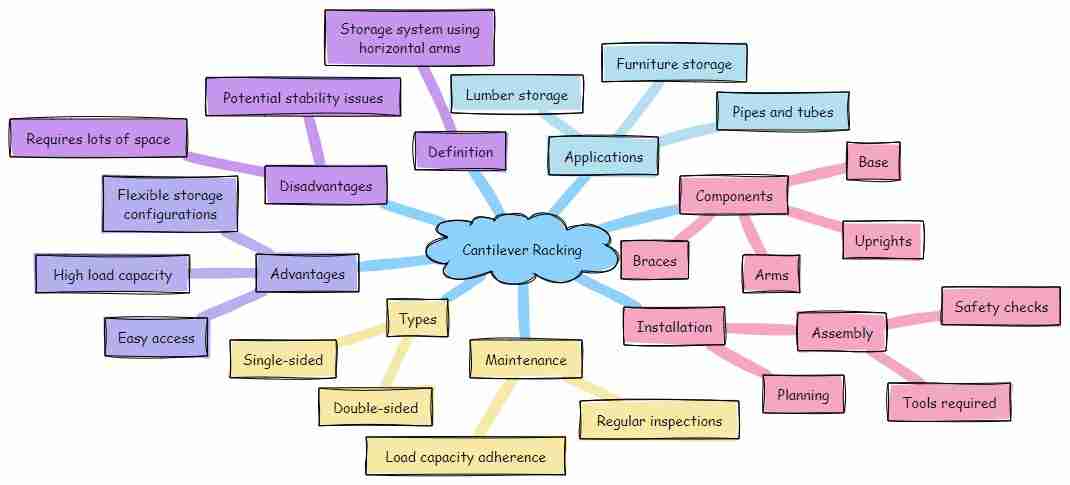
- What is Cantilever Racking? – AK Material Handling Systems
- Cantilever Rack Guide: Ordering Cantilever Racking
- Storage Equipment Manufacturers Association
- The Ultimate Pallet Racking Guide – Speedrack West
Use This Prompt To Get More Resources With Your Favorite Online AI Tool: Please provide me with a list of online articles with their URLs in a bulleted list that I can read regarding How Would Gary Vaynerchuk Revitalize Your Warehouse Shelving Strategy?
Other Resources
Glossary Terms
How Would Gary Vaynerchuk Revitalize Your Warehouse Shelving Strategy? – Glossary Of Terms
1. Inventory Management: The process of ordering, storing, and using a company’s inventory.
2. Value Proposition: A statement that explains how a product or service provides value to a customer, focusing on benefits.
3. E-commerce Fulfillment: The process of receiving, processing, and delivering orders to customers in the online retail space.
4. Omnichannel Strategy: A seamless approach to sales that integrates various shopping methods, including online, mobile, and in-store.
5. Lean Warehousing: A methodology aimed at minimizing waste in warehousing operations while maximizing productivity.
6. Cross-Docking: A logistics practice where products are directly transferred from incoming to outgoing transportation with minimal storage time.
7. Dynamic Slotting: A technique where inventory locations are adjusted based on demand patterns to optimize picking efficiency.
8. Pick and Pack: The process of picking items from storage and packing them for shipment to fulfill customer orders.
9. FIFO (First In, First Out): An inventory management concept where the oldest stock is sold first, reducing spoilage and obsolescence.
10. Batch Picking: A picking method where multiple orders are processed simultaneously to improve efficiency.
11. Safety Stock: Extra inventory held to prevent stockouts due to variability in supply and demand.
12. Data Analytics: The use of data analysis techniques to gain insights and improve decision-making in warehouse operations.
13. Supply Chain Optimization: The process of improving the efficiency of supply chain operations, including warehousing and logistics.
14. KPIs (Key Performance Indicators): Metrics used to evaluate the success of an organization in achieving its objectives.
15. Automation: The use of technology to automate warehouse processes such as inventory tracking, sorting, and order fulfillment.
16. Warehouse Management System (WMS): Software designed to support warehouse operations, including inventory control and order fulfillment.
17. Ergonomics: The science of designing the workplace to fit the worker, enhancing comfort and productivity.
18. SKU (Stock Keeping Unit): A unique identifier for each distinct product and service that can be purchased.
19. Lead Time: The amount of time it takes to complete a process, such as receiving inventory or shipping orders.
20. Visual Merchandising: The practice of maximizing sales by creatively arranging products for display.
21. Customization: Tailoring products or services to meet specific customer requirements and preferences.
22. Just-In-Time (JIT) Inventory: An inventory strategy that aligns raw-material orders with production schedules to reduce holding costs.
23. Shelf Life Management: Monitoring the expiration dates and storage conditions of products to minimize waste.
24. Reverse Logistics: The process of returning products back through the supply chain for reuse, recycling, or disposal.
25. Utilization Rate: A measure of how effectively warehouse capacity is being used, indicating operational efficiency.
26. Inventory Turnover: A ratio showing how many times inventory is sold and replaced over a period, a measure of sales efficiency.
27. Customer Experience (CX): The overall perception of a customer based on their interactions with a business across all touchpoints.
28. Physical Layout: The arrangement of shelves, goods, and workspaces within a warehouse, which affects workflow efficiency.
29. Agile Warehousing: A flexible approach to warehousing that can quickly adapt to changing demands and market conditions.
30. Social Media Marketing: Utilize platforms to engage with customers, promote products, and drive traffic to increase sales and customer loyalty.
Glossary Of Terms
Other Questions
How Would Gary Vaynerchuk Revitalize Your Warehouse Shelving Strategy? – Other Questions
If you wish to explore and discover more, consider looking for answers to these questions:
- What specific pallet racking techniques does Gary Vaynerchuk advocate for?
- How can businesses measure the efficiency of their current warehouse shelving strategy?
- What are the main benefits of advanced pallet racking systems over traditional ones?
- How is social media currently being used to promote warehouse shelving solutions?
- What platforms are most effective for showcasing warehouse shelving on social media?
- Are there case studies that illustrate the effectiveness of modern shelving strategies?
- What technologies can be integrated with pallet racking for improved inventory management?
- How can businesses create engaging narratives for their pallet racking products?
- What are some real-world examples of successful shelving strategies informed by customer feedback?
- How do influencers find and promote the use of warehouse shelving like pallet racking?
- What are the latest tools available for designing and organizing shelving solutions?
- How can feedback from social media engagement influence shelving strategies?
- What role does sustainability play in contemporary shelving design?
- How can businesses gather effective customer feedback for optimizing shelving layout?
- What are the safety considerations for implementing new shelving systems in warehouses?
Other Questions
Checklist
How Would Gary Vaynerchuk Revitalize Your Warehouse Shelving Strategy? – A Checklist
1. Assess Your Current Shelving Setup
_____ Evaluate your current warehouse layout and shelving systems.
_____ Identify any outdated practices that may be contributing to inefficiencies.
_____ Gather feedback from staff regarding current shelving challenges.
2. Optimize Space with Advanced Pallet Racking
_____ Research and implement efficient pallet racking systems (e. g. , selective racking, narrow aisle systems).
_____ Consider modular shelving solutions that can adapt to changing inventory needs.
_____ Implement 3D modeling software to visualize your new shelving layout before installation.
3. Incorporate Technology for Inventory Management
_____ Invest in a Warehouse Management System (WMS) for real-time inventory tracking.
_____ Use mobile inventory management apps for seamless stock audits and re-stocking alerts.
_____ Analyze sales data to adjust shelving designs based on peak demand periods.
4. Streamline Workflow and Customer Access
_____ Design shelving to enhance workflow by positioning high-demand items within reach.
_____ Create clear traffic patterns in your warehouse or retail space for optimal customer navigation.
_____ Regularly assess and shift product placements based on purchasing trends and customer flow.
5. Utilize Social Media for Awareness and Engagement
_____ Launch social media campaigns showcasing your updated pallet racking systems.
_____ Share behind-the-scenes footage of the shelving optimization process.
_____ Engage with your audience by telling success stories about your shelving improvements.
6. Embrace Storytelling in Product Presentations
_____ Create narratives around your products to foster emotional connections with customers.
_____ Use visual merchandising to highlight stories of product origins or sustainable practices.
_____ Feature customer testimonials alongside products to strengthen credibility.
7. Solicit and Act on Customer Feedback
_____ Regularly collect customer feedback regarding product displays and shelving arrangements.
_____ Monitor trends in customer preferences and adjust shelving strategies accordingly.
_____ Implement changes based on feedback to improve customer satisfaction and sales.
8. Leverage Influencers for Brand Perception
_____ Collaborate with influencers to showcase innovative uses of your pallet racking.
_____ Engage in sustainability discussions with influencers to promote eco-friendly shelving options.
_____ Create contests that encourage the community to share their unique shelving setups.
9. Ensure Safety and Compliance
_____ Conduct regular safety audits of your shelving systems to adhere to local regulations.
_____ Train staff on safe handling and interaction with shelving systems.
_____ Assess the structural integrity of heavier shelving setups regularly.
10. Continuously Adapt and Innovate
_____ Stay informed about industry trends and emerging technologies in warehouse management.
_____ Foster a culture of adaptability within your team to embrace new shelving strategies.
_____ Review and reevaluate your shelving strategies regularly to ensure they remain effective and efficient.
Utilize this checklist to implement enhancements in your warehouse shelving strategy based on the insights gathered in Tom Seest’s article. Monitor your progress and adjust your strategy as needed to ensure ongoing improvement and profitability.
Checklist
At RackingWorld, we help guide you through selecting warehouse storage systems and racking.
Be sure to read our other related stories at RackingWorld to learn more about warehouse storage systems.
0 Comments