
Revolutionizing Warehousing: Choosing The Right System
By Tom Seest
At RackingWorld, we help guide you through selecting warehouse storage systems and racking.
Be sure to read our other related stories at RackingWorld to learn more about warehouse storage systems.
Static Vs. Dynamic Racking Systems
When it comes to racking systems, the choice between static and dynamic is more than just a technical decision; it’s a reflection of values and vision. Picture two storerooms: one is a regimented space, items stacked neatly, predictable and reliable. The static racking system stands like a steadfast soldier, dependable in its simplicity. It’s a no-frills approach that prioritizes stability and familiarity. You walk in, you find what you need, and you carry on—it’s the type of system that appeals to the heart, fostering a sense of security and order.
Now, contrast that with a dynamic racking system. It’s fluid, adaptive, almost alive. Imagine a space where products glide effortlessly through the lanes, where technology and efficiency merge, fueling productivity. This is a system that responds to the rhythm of demand; it’s a system that dares to innovate. It’s invigorating and exciting, yet it still respects the fundamental principles of organization. That’s the allure of dynamic racking—it speaks to our head, inviting us to embrace change and efficiency while challenging the status quo.
In an era where every square foot counts, choosing a racking system should also come with a responsibility. Static systems may lace the shelves with predictability, but as markets shift and demand fluctuates, can they keep pace? Dynamic systems, though they require a greater initial investment, offer the potential for exponential returns—both ethically and economically. Amidst concerns of sustainability and resource allocation, one must consider the impact of their choices on the environment and the future.
Think about the workplace culture: static systems can promote a sense of teamwork and reliability, but dynamic racking systems can inspire ambition and drive. They encourage collaboration and adaptability, engendering a robust social fabric among employees. The debate is not simply about steel and beams but about creating spaces where human potential can thrive alongside logistical efficiency.
If you’re in the warehouse game, the question becomes more than just function; it’s about what type of legacy you want to build. Are we simply storing products, or are we creating environments where innovation meets reliability? The choice between static and dynamic is deeply personal, a nuanced decision that calls for introspection. Ultimately, it’s an investment in the future—yours and that of the team you lead. Let your choice inspire trust, confidence, and action, leading not just to operational efficiency but to a stronger, cohesive workforce driven by shared purpose.

Static Vs. Dynamic Racking Systems
Static Vs. Dynamic Racking Systems
- The choice between static and dynamic racking systems reflects values and vision.
- Static systems provide stability and familiarity, creating a dependable environment.
- Dynamic systems are fluid and adaptive, merging technology with efficiency.
- Dynamic systems offer potential for innovation and productivity, challenging the status quo.
- Static systems may struggle to adapt to market shifts, while dynamic systems require a higher initial investment but promise greater returns.
- Workplace culture is influenced by the type of racking system, promoting either reliability or ambition among employees.
- The decision between static and dynamic systems involves creating environments that foster innovation and collaboration while ensuring operational efficiency.

Static Vs. Dynamic Racking Systems
Table Of Contents
- Static Vs. Dynamic Racking Systems
- What Emotional Benefits Do Dynamic Racking Systems Offer?
- How Can Static Racking Improve Warehouse Efficiency?
- Are Dynamic Racking Systems Worth the Investment Long-Term?
- What Ethical Considerations Influence Racking System Choices?
- How Can We Measure the Success Of a Racking System Transition?
- Conclusion
- Other Resources
- Glossary Of Terms
- Other Questions
- Checklist
What Emotional Benefits Do Dynamic Racking Systems Offer?
When you think about a racking system, what comes to mind? Perhaps it’s a sprawling warehouse or a bustling retail space. But dig a bit deeper, and you’ll find that dynamic racking systems offer emotional benefits that resonate on profound levels, affecting not just operations but the people behind them.
Imagine the satisfaction of knowing that your goods are stored efficiently, minimizing waste while maximizing space. That’s a financial victory, sure, but it goes beyond numbers. It’s about providing a sense of security to those who rely on the smooth flow of goods. You can almost feel the relief of a warehouse manager who knows that every inch is working hard because dynamic racking systems make it possible. Each beam, each shelf, resonating with purpose, creates an environment where hard work is rewarded with results.
But it’s not only about the logistics. It’s about the people whose lives are intertwined with these systems. Picture the workers who feel empowered by the organization brought forth by dynamic racking. They move with purpose, experiencing less frustration and more motivation. This newfound efficiency fosters teamwork and camaraderie, creating a work culture where every employee feels valued. The emotional lift is real; when you walk into a well-organized space, you can practically feel the morale rise.
From an ethical standpoint, consider the environmental impact. More efficient space utilization means less clutter and waste. Workers can feel proud to be part of a company committed to sustainable practices. This connection deepens their loyalty and transforms the workplace from mere employment into a community dedicated to a greater good.
Think about the authority of leadership that comes from investing in advanced systems. Companies that implement dynamic racking not only stand out in efficiency but also in reputation. This proactive approach reflects a brand that cares about innovation and respects its workers, customers, and the environment. This is the kind of company that attracts talent and builds a loyal customer base—people want to be associated with a winner.
Finally, remember that every system represents a story. It’s the narrative of hard work, innovation, and people coming together to create a lasting impact. Dynamic racking is not just about optimized space; it’s about fostering a community where each individual plays a vital role. When stacked against the human experience, these racking systems offer far more than you might expect—they offer hope, connection, and a slice of pride.

What Emotional Benefits Do Dynamic Racking Systems Offer?
What Emotional Benefits Do Dynamic Racking Systems Offer?
- Dynamic racking systems provide emotional benefits that impact the operations and people involved.
- Efficient storage minimizes waste and maximizes space, offering a sense of security for those reliant on stable operations.
- Warehouse managers experience relief from knowing that their operations utilize every inch of space effectively.
- Workers gain empowerment and motivation from the organization that dynamic racking systems facilitate.
- Efficient systems foster teamwork and create a work culture where employees feel valued and morale increases.
- Dynamic racking contributes to sustainability, enhancing workers’ pride in being part of an environmentally-conscious company.
- Investing in such systems bolsters a company’s reputation, attracting talent and fostering customer loyalty.

What Emotional Benefits Do Dynamic Racking Systems Offer?
How Can Static Racking Improve Warehouse Efficiency?
Picture a warehouse where chaos reigns—pallets piled haphazardly, aisles cluttered, and your team running in circles, searching for items lost in the shuffle. Now, imagine transforming that chaos into a symphony of efficiency with the help of static racking. This isn’t just about saving space; it’s about breathing life into your operations.
Every time I walk into a warehouse, I’m struck by two things: the people and the products. Each one has a purpose, a story to tell, and when properly stored, their stories can unfold seamlessly. Static racking isn’t just a practical choice; it’s a promise to your workforce—a promise that their efforts will yield results. This system provides clarity and organization, offering a straightforward path to productivity. When you can see your inventory clearly, it’s not just good for the books; it’s good for morale. Workers move with purpose instead of frustration, fostering an environment where they can thrive.
Rationally speaking, static racking cuts down on wasted time searching for goods. The math is simple—you’re minimizing the risk of double handling, reducing the time spent on inventory counts, and freeing up valuable space. Those aisles that once felt like a labyrinth transform into well-marked thoroughfares. Your team can dive deep into their work without the incessant backdrop of confusion. Operational speed increases, costs decrease, and the whole environment improves.
Ethically, investing in efficient racking systems says something about your commitment to your employees. You care about their time and well-being. You’re not just looking at the bottom line but also how to create a workspace that respects their efforts. Beyond the numbers, it’s a human-centered approach that fosters loyalty and trust. Your workers aren’t just cogs in a wheel; they’re invaluable contributors to a mission greater than themselves.
And let’s not forget the social dynamics. The better organized your warehouse, the more seamless the collaboration between departments. Communication flows more freely when everyone can locate what they need when they need it. You’ll see team spirit soar as they band together, confident in their roles and energized by the newfound efficiency.
At the end of the day, static racking isn’t just about a steel structure; it’s about building a stronger, more capable community within your warehouse—a place where everyone plays a part in the success story. Your warehouse should be a well-oiled machine, and with static racking, you can start writing your success story today.

How Can Static Racking Improve Warehouse Efficiency?
How Can Static Racking Improve Warehouse Efficiency?
Here’s a bulleted summary of the text in a formatted HTML list:
- Static racking transforms chaotic warehouses into organized spaces, enhancing efficiency.
- Proper storage allows the unique stories of people and products to unfold seamlessly.
- It provides clarity and organization, improving productivity and worker morale.
- Reduces wasted time searching for goods, minimizes double handling, and frees up space.
- Investing in racking systems shows commitment to employees’ time and well-being.
- Improved organization fosters better communication and collaboration between departments.
- Static racking contributes to a stronger warehouse community, enhancing overall success.

How Can Static Racking Improve Warehouse Efficiency?
Are Dynamic Racking Systems Worth the Investment Long-Term?
When you hear the term “dynamic racking systems,” you might think it’s just trading floor space for a big, shiny contraption. But let’s dig a little deeper into the heart of the matter. Imagine stepping into a warehouse that runs with a rhythm, an efficient ballet of boxes and pallets, all moving in harmony. That’s the promise of dynamic racking. It’s more than metal shelves; it’s about optimizing every inch of your operation.
From the head’s perspective, consider the numbers. Yes, the initial investment might talk hefty, but the real magic happens when you look at the long game. Dynamic racking systems can boost storage capacity by 40% or more, turning air into assets. That’s not just smart; it’s downright savvy. A savvy business owner knows that every dollar spent must come with a return, and in this case, it’s almost guaranteed.
Then, we can’t ignore the gut feeling. Think about the workers on the floor—those folks moving boxes day in and out. A well-designed racking system means fewer strains, less back pain, and a lower likelihood of accidents. Can you put a price on a healthier workforce? The answer is a resounding no. It’s about values, too—knowing that you’ve invested not only in your bottom line but in the well-being of your team. That’s ethical business, and it fosters brand loyalty, both internally and externally.
Let’s talk narratives. Picture the story of a company that hesitated—held back by the fear of change, shackled by outdated methods. But then they took that leap into dynamic racking, and now, they’re the talk of the town. The warehouse is buzzing with efficiency; profits are soaring, and workers aren’t just satisfied—they’re thriving. Their journey transforms not just their business but also their entire community.
And don’t underestimate the power of social proof. As more companies embrace this innovative solution, it creates a ripple effect. When you see others thriving from their investment, it builds a sense of trust and confidence that you, too, can achieve that success.
It’s time to consider not just what dynamic racking systems can do for your racking space, but what they can do for your people, your profits, and the legacy your organization leaves behind. The opportunity isn’t just to save space; it’s about creating a workplace where everyone feels valued and empowered. Take the leap; your future self will thank you.

Are Dynamic Racking Systems Worth the Investment Long-Term?
Are Dynamic Racking Systems Worth the Investment Long-Term?
- Dynamic racking systems optimize warehouse operations, creating efficient workflows.
- Initial investments can be substantial, but dynamic racking can increase storage capacity by 40% or more.
- Improved racking systems contribute to employee well-being by reducing strains, back pain, and accidents.
- Investing in a healthy workforce fosters brand loyalty and aligns with ethical business practices.
- Companies embracing dynamic racking experience enhanced efficiency, rising profits, and improved employee satisfaction.
- Social proof plays a crucial role in encouraging other companies to adopt dynamic racking solutions.
- The shift to dynamic racking is not only about space saving but also about empowering employees and building a positive legacy.

Are Dynamic Racking Systems Worth the Investment Long-Term?
What Ethical Considerations Influence Racking System Choices?
When it comes to choosing a racking system, the choices we make extend far beyond mere metal and bolts; they echo the values we hold dear in our work and our lives. It’s about understanding what those racks represent—not just a means to stack boxes but a commitment to safety, responsibility, and ethics in the workplace. Each beam and shelf offers a poignant reminder that we are not just managing products; we’re managing people, each with families and dreams waiting on the other side of that warehouse wall.
Imagine standing in a bustling distribution center. The hum of machinery fills the air, punctuated by the sounds of hard work, as employees navigate their daily grind with purpose. Now think about the integrity of the equipment they rely on. Choosing a racking system built with ethical sourcing and sustainable materials doesn’t just feel good; it creates a ripple effect, setting a standard for the entire industry. By insisting on quality and durability, we aren’t merely protecting our products; we are safeguarding the very lives that depend on them.
There’s an emotional weight to making these choices, a reality that rests heavily on our shoulders. When we look beyond the costs and focus on the benefits of ethical sourcing, we recognize that investing in quality racking solutions can lead to enhanced safety, fewer accidents, and ultimately, happier workers. It’s an investment in trust—both in the systems we install and the people we employ.
On a rational level, the mathematics support this idea, too. Ethical choices often translate into long-term gains. Lower maintenance costs, increased reliability, and improved worker morale are all factors that can delight the bottom line. Ethical racking systems lead to fewer injuries, less turnover, and a reputation that draws in top talent. In today’s competitive landscape, that’s not just good ethics—it’s good business.
Lastly, think about the stories that unfold in these environments. Each racking system shaped by an organization’s ethical considerations tells a story—the story of leadership, accountability, and the commitment to something greater than profit margins. It creates a culture where social responsibility meets operational excellence, inspiring others to join the journey. In choosing wisely, we not only uplift our own workplaces but set the bar for entire industries to follow. Let’s make sure our choices resonate with the heart, head, and gut, fostering a generation of racking systems that truly reflect our shared values.
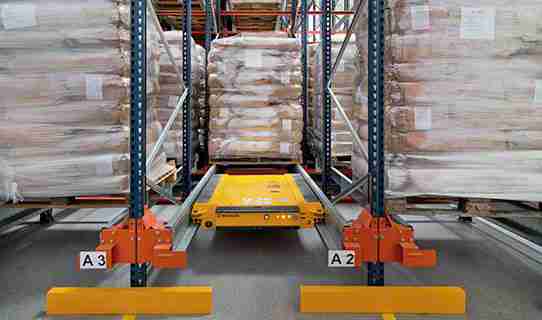
What Ethical Considerations Influence Racking System Choices?
What Ethical Considerations Influence Racking System Choices?
- Choosing a racking system reflects our values and commitment to safety, responsibility, and ethics.
- Racking systems symbolize more than just storage; they affect the lives of employees and their families.
- Opting for ethically sourced, sustainable materials in racking sets industry standards and creates a positive ripple effect.
- Investing in quality racking solutions enhances safety, reduces accidents, and fosters employee satisfaction.
- Ethical choices in racking lead to long-term gains, including lower maintenance costs and improved worker morale.
- Racking systems embody leadership and accountability, contributing to a culture of social responsibility.
- Making mindful choices in racking elevates not just individual workplaces but sets benchmarks for entire industries.

What Ethical Considerations Influence Racking System Choices?
How Can We Measure the Success Of a Racking System Transition?
Transitioning to a new racking system is like setting sail into uncharted waters. They say fortune favors the bold, and when it comes to reshaping your space and optimizing efficiency, boldness is just the start of the adventure. To measure the success of this transition, you need a clear compass—a way to gauge not just numbers, but also the heart of your operations.
First and foremost, look to your people. The success of a racking system doesn’t lie solely in how many pallets you can store but in how it impacts the daily lives of your team. Survey staff before and after the transition. Do they feel more empowered? Are they navigating the aisles with confidence, or do they feel like they’re lost in a maze? By tapping into their experiences, you’re not just collecting data; you’re building trust. Remember, a great system isn’t just efficient; it’s one that makes work easier and safer for everyone involved.
Next, examine the numbers. How does the throughput stack up against old metrics? Are your loading and unloading times decreased? Is inventory accuracy improving? These figures may be cold and hard, but they’re your financial lifeblood. Use them to tell a story—one of transformation, growth, and potential. By aligning your performance metrics with emotional narratives, you not only preserve the integrity of your operations but give team members a sense of purpose in their roles.
Your ethical compass matters too. Is the racking system sustainable? Does it comply with safety standards, and does it positively impact the community? Today, people look beyond profits; they care about how a company operates within its environment. You want your enterprise to stand as a beacon of integrity—a place where employees and customers can feel proud.
Finally, connect on a social level. Share success stories within your workforce and beyond. Did a simple change in racking methodology help reduce injuries? Perhaps a specific layout enabled faster deliveries? These stories resonate, fostering a sense of accomplishment that everybody wants to be part of.
By measuring not just the tangible, but also the intangibles—the spirit, the experience, the ethical stance—you can chart your course through your racking system transition with confidence. After all, every shelf tells a story, and it’s up to you to ensure that it’s a success worth telling.

How Can We Measure the Success Of a Racking System Transition?
How Can We Measure the Success Of a Racking System Transition?
- Transitioning to a new racking system requires boldness and clarity, much like navigating uncharted waters.
- The impact on employees is crucial; survey their experiences before and after the transition to gauge success.
- Success isn’t just about storage capacity; it’s about making work easier and safer for everyone involved.
- Analyze performance metrics such as throughput, loading and unloading times, and inventory accuracy for tangible success indicators.
- Consider the ethical implications of the racking system, including sustainability and safety compliance.
- Share success stories within the workforce to foster a sense of accomplishment and pride in the new system.
- Measure intangibles like team spirit and community impact to ensure a comprehensive assessment of the transition’s success.

How Can We Measure the Success Of a Racking System Transition?
Conclusion
Choosing between static and dynamic racking systems is not merely a technical decision; it’s a crossroads reflecting the core values and aspirations of an organization. Static racking systems, with their regimented and predictable structures, offer a comforting sense of stability and order. Imagine walking into a space where everything is in its place, reassuring workers that they can find what they need without chaos. This reliability fosters a feeling of belonging among employees, creating an environment rooted in teamwork and consistency.
Now juxtapose that with dynamic racking systems—akin to a vibrant ecosystem brimming with life. These systems are adaptive, responding fluidly to varying demands. They promise not just efficiency but an invigorating departure from the status quo. For the forward-thinking organization, this means harnessing cutting-edge technology to enhance productivity and ignite a spark of innovation within the workforce. Such an environment invites employees to take ownership of their roles, encouraging collaboration and cultivating a shared ambition that transforms the workplace into a thriving community.
The implications of your choice extend beyond the confines of the warehouse. Static systems may provide reliable storage, but they can lag in responsiveness, especially in an ever-evolving marketplace. Dynamic systems, while potentially requiring a heftier initial investment, often yield substantial long-term benefits, ethically and economically. They promote sustainability—maximizing space while minimizing waste—and align with modern business practices that prioritize both profit and responsibility.
These decisions influence workplace culture profoundly. A well-designed racking system can boost employee morale, elevating their experience from tedious to rewarding. When workers feel empowered by their environment, productivity soars, contributing to a cohesive team spirit grounded in shared achievements.
Consider the larger narrative here: this isn’t just about metal and beams; it’s about creating legacies. The legacy of a company isn’t forged in mere transactions but in the community it nurtures, the values it embodies, and the respect it commands. Choosing wisely means not just optimizing a racking system but investing in the future—of your people, your operations, and your brand. Ask yourself: will your choice simply manage inventory, or will it cultivate an environment where innovation flourishes and trust thrives? Your decision can be the turning point that elevates your organization from functional to exceptional, creating a tapestry of growth, commitment, and pride for everyone involved.

Conclusion
Conclusion:
- Choosing a racking system reflects an organization’s core values and aspirations.
- Static racking systems provide stability and predictability, fostering teamwork and consistency.
- Dynamic racking systems offer adaptability and efficiency, enhancing innovation in the workplace.
- Dynamic systems may require a higher initial investment but provide significant long-term benefits.
- These choices profoundly influence workplace culture and employee morale.
- Investing in a racking system is about creating a legacy and nurturing a strong community within the company.
- The right decision can transform operations, fostering an environment of growth and trust.

Conclusion
Other Resources

Other Resources
Here is a list of other resources you can review online to learn more:
- Warehouse Racking System: Powerful Guide to Optimise, 2024
- Cantilever Racks Chicago
- ASSP
- Illinois
- Teardrop Racks – Pallet Rack World
- Chicago Pallet Racking
- Total Warehouse
- Warehouse Storage Racks
- Interlake Mecalux
- Bradford Systems
- Mustang Material Handling
- Storage Equipment Manufacturers’ Association
- Heavy-Duty Cantilever Storage Racks
- SEMA
- Warehouse Racking Layout: The Ultimate Guide – Conger
- Used Pallet Rack for Sale in Illinois – American Surplus
- Selective Pallet Racking Systems
- Chicago Pallet Racking
- The Complete Pallet Rack Guide – Simply Rack
- Interlake Mecalux
Use This Prompt To Get More Resources With Your Favorite Online AI Tool: Please provide me with a list of online articles with their URLs in a bulleted list that I can read regarding Static Vs. Dynamic Racking Systems

Other Resources
Glossary Terms
Static Vs. Dynamic Racking Systems – Glossary Of Terms
1. Static Racking: A storage system with fixed shelving or racks that do not move, providing stable storage for goods.
2. Dynamic Racking: A racking system that allows the movement of pallets or goods, often using gravity or mechanical systems.
3. Pallet: A flat transport structure used to support goods in a stable way during storage or shipment.
4. SKU (Stock Keeping Unit): A unique identifier for each distinct product and service that can be purchased.
5. FIFO (First In, First Out): A method of inventory management where the oldest stock is sold first to reduce waste.
6. LIFO (Last In, First Out): An inventory management method where the most recently produced or acquired items are sold first.
7. Load Capacity: The maximum weight or volume that a racking system can safely accommodate.
8. Selectivity: The ease with which specific items can be accessed in storage; influenced by the design of the racking system.
9. Throughput: The rate at which goods are processed and moved through a storage system.
10. Density: The amount of storage space utilized relative to the available space, affecting inventory efficiency.
11. Warehousing: The process of storing goods in a facility until they are required for distribution.
12. Automated Storage and Retrieval System (AS/RS): A system that uses robotics and automation to manage the storage and retrieval of goods.
13. Selective Racking: A type of static racking that allows direct access to each pallet, enhancing flexibility.
14. Double Deep Racking: A system that stores pallets two deep, increasing storage density but reducing access.
15. Drive-In Racking: A high-density storage solution where pallets are stored on rails, allowing forklift access from one side.
16. Mobile Racking: A type of dynamic racking that moves on tracks to create aisles as needed, optimizing space utilization.
17. Push Back Racking: A dynamic system where pallets are stored on inclined rails, allowing the next pallet to push the previous one back.
18. Pallet Flow Racking: A system that utilizes gravity to move pallets from the loading side to the unloading side.
19. Cross-Docking: A logistics practice where incoming goods are directly transferred to outbound shipments without storage.
20. Inventory Turnover: A measure of how often inventory is sold and replaced over a specific period.
21. Dead Space: Areas in a warehouse that are not utilized for storing or retrieving goods, often leading to inefficiency.
22. Safety Stock: Extra inventory kept on hand to mitigate stockouts due to demand fluctuations or supply chain disruptions.
23. Picking: The process of selecting and retrieving items from storage to fulfill customer orders.
24. Replenishment: The process of restocking inventory to maintain desired inventory levels.
25. Bulk Storage: Storing items together in large quantities rather than individually, often in less accessible areas.
26. APPS (Automated Pallet Placement Systems): Technology used for automating the placement of pallets onto racking systems.
27. E-commerce Fulfillment: The process of receiving, processing, and delivering online orders.
28. Slotting: The technique of organizing inventory within a warehouse to optimize storage efficiency and picking speed.
29. Ergonomics: The practice of designing workspaces to reduce fatigue and improve productivity for warehouse workers.
30. Compliance: Adhering to industry regulations and standards regarding storage safety, accessibility, and inventory management.

Glossary Of Terms
Other Questions
Static Vs. Dynamic Racking Systems – Other Questions
If you wish to explore and discover more, consider looking for answers to these questions:
- What are the key differences between static and dynamic racking systems?
- What are the initial costs associated with implementing a dynamic racking system?
- How do static and dynamic racking systems affect worker safety?
- What types of businesses benefit most from dynamic racking systems?
- Can dynamic racking systems be integrated into existing warehouse layouts?
- What are some real-world examples of companies successfully using dynamic racking systems?
- What maintenance requirements are involved with dynamic racking systems?
- How do static systems compare to dynamic systems in terms of scalability?
- What are the environmental impacts of using dynamic versus static racking systems?
- How does the choice of racking system influence employee morale and productivity?
- What metrics should be focused on to evaluate the success of a racking system transition?
- How do racking systems impact inventory management practices?
- What training is required for staff when transitioning to a new racking system?
- Are there any common mistakes companies make when choosing a racking system?
- How can businesses justify the higher costs of dynamic racking systems to stakeholders?

Other Questions
Checklist
Static Vs. Dynamic Racking Systems – A Checklist
Racking System Selection Checklist: Heart, Head, and Gut Appeals
Emotional Appeals
_____ Does the system create a sense of security and order for employees?
_____ How will the chosen system positively impact employee morale and teamwork?
_____ Are there emotional benefits that resonate with the workers, fostering pride and motivation?
Rational Appeals
_____ Have you analyzed the potential return on investment (ROI) for both static and dynamic systems?
_____ What is the expected increase in efficiency (e. g. , reduced search times, improved inventory accuracy)?
_____ Are you prepared to present and track key performance metrics before and after the transition?
Ethical Appeals
_____ Is the racking system sourced from sustainable materials?
_____ Does the chosen system comply with safety and quality standards, ensuring the well-being of your workforce?
_____ How does your choice reflect company values, and will it enhance your reputation among clients and employees?
Authority Appeals
_____ Have you consulted industry experts or case studies to understand the best practices in racking systems?
_____ Are you aware of the longevity and reliability of different systems based on industry standards?
_____ What feedback do you have from other businesses that have implemented similar systems?
Narrative Appeals
_____ What story does your chosen racking system tell about your company’s commitment to innovation and efficiency?
_____ Can you communicate a vision of transformation that resonates with both staff and stakeholders?
_____ How will the new system inspire a narrative of growth and community within the workplace?
Social Appeals
_____ How will the selected system improve collaboration and communication among teams?
_____ Are there opportunities to share success stories post-transition that can boost morale and strengthen community?
_____ What mechanisms will you put in place to solicit continuous feedback and engagement from employees regarding the new system?
Use this checklist to guide your decision-making process on racking systems, ensuring that your choice aligns with your values, goals, and the well-being of your workforce.

Checklist
At RackingWorld, we help guide you through selecting warehouse storage systems and racking.
Be sure to read our other related stories at RackingWorld to learn more about warehouse storage systems.
0 Comments