
Efficient Cross-Docking: Maximizing Space And Productivity
By Tom Seest
At RackingWorld, we help guide you through selecting warehouse storage systems and racking.
Be sure to read our other related stories at RackingWorld to learn more about warehouse storage systems.
Optimizing Layout for Cross-Docking with Racking
Imagine the hustle and bustle of a warehouse, every worker in sync like a well-rehearsed dance. It’s not just about moving products; it’s about improving lives—yours and those of your teammates. Optimizing layout for cross-docking with racking is more than just a technical exercise; it’s an essential strategy that entwines the very heart of efficiency with the spirit of teamwork.
Picture this: a well-designed racking system doesn’t merely hold products; it serves as the backbone of a thriving operation. Racking, positioned strategically, minimizes the distance your team has to travel from inbound to outbound areas, reducing not just time but also fatigue. Each step saved is a moment reclaimed—moments that could mean fulfilling a dream, supporting a family, or building a community. Your workers aren’t just cogs in a machine; they’re the lifeblood of your business, and every effort to optimize layout enhances their experience and performance.
Let’s get down to brass tacks. Rationally speaking, an optimized layout improves throughput. You’re not just moving boxes; you’re maximizing every square inch of that precious warehouse space. A well-planned cross-docking system dramatically shortens handling time and slashes operational costs. With racking designed for swift transfer, you’re boosting productivity without sacrificing quality. It speaks to the strategic mind, showing that every decision counts, and every improvement yields returns.
But it’s also about ethics—operating a business with integrity. When you enhance efficiency, you’re not only providing better service to your customers, but you’re also ensuring stable jobs. Workers can take pride in their tasks, knowing they’re part of something bigger—a system that values their contributions and fosters a positive workplace culture. This kind of environment breeds trust and loyalty, ensuring your team is committed to the mission.
Now, reflect on the stories that arise from these humdrum boxes and racks. Every item moved tells a tale—of families served, of communities built. Celebrate those victories, however small they may seem. When layout optimization comes alive, it’s not just logistics; it’s a lifeline for those depending on your success. In the grand narrative of your operation, racking isn’t merely a tool; it’s a testament to resilience, innovation, and a future that everyone can believe in and rally behind.
So let’s roll up those sleeves, think critically about layout optimization, and embrace the fine art of racking—not just for profit, but for the community we serve. Each thoughtful change you make resonates beyond the warehouse walls, creating a ripple effect of trust, collaboration, and enduring success.
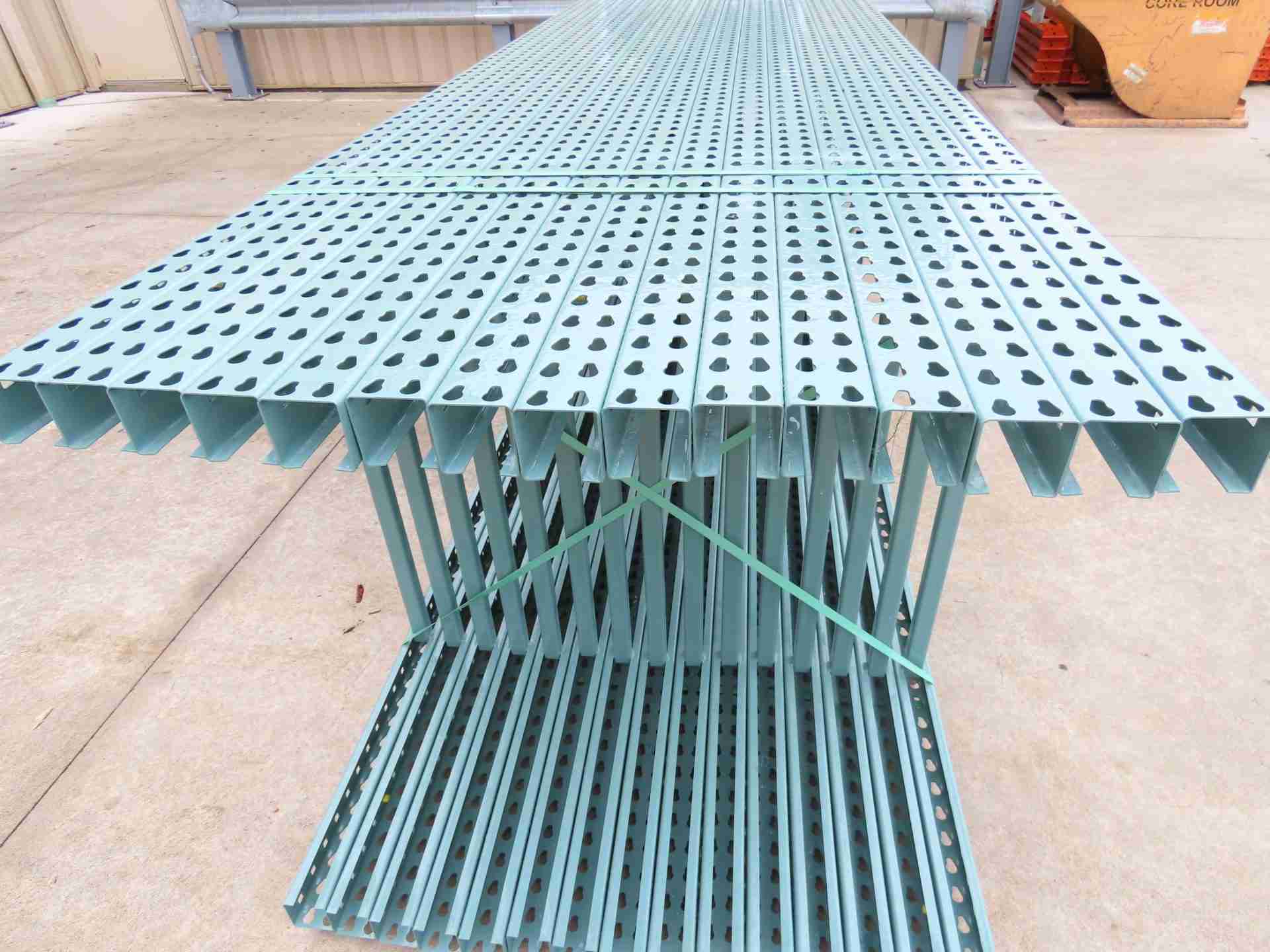
Optimizing Layout for Cross-Docking with Racking
Optimizing Layout for Cross-Docking with Racking
- Warehouse operations resemble a well-rehearsed dance, highlighting the importance of teamwork.
- Optimized cross-docking layouts enhance efficiency and support worker well-being by reducing travel distances.
- A strategic racking system boosts productivity and minimizes fatigue for workers.
- Improving warehouse layout increases throughput and maximizes use of space, leading to cost savings.
- Enhancing operational efficiency contributes to better customer service and job stability for employees.
- Celebrating the impact of each item moved reinforces a sense of community and shared purpose.
- Thoughtful changes in layout foster trust and collaboration, creating lasting success beyond the warehouse.
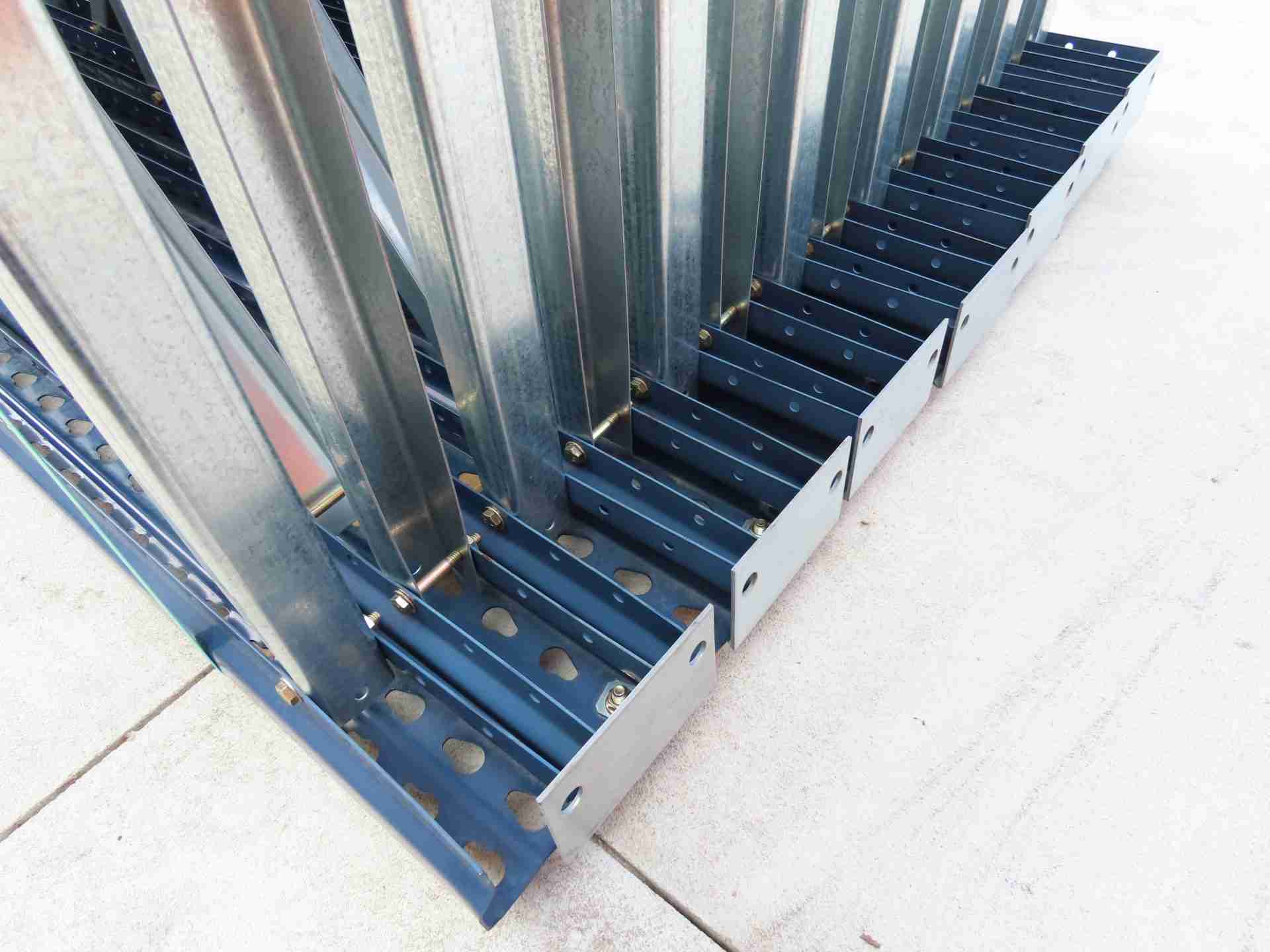
Optimizing Layout for Cross-Docking with Racking
Table Of Contents
- Optimizing Layout for Cross-Docking with Racking
- How Can Data-Driven Decisions Enhance Your Racking Efficiency?
- What Are the Ethical Implications Of Inefficient Layout Designs?
- How Can Industry Best Practices Improve Your Cross-Docking Layout?
- What Role Does Leadership Play In Optimizing Cross-Docking Layouts?
- How Can Cross-Docking Layout Efficiency Improve Customer Satisfaction?
- Conclusion
- Other Resources
- Glossary Of Terms
- Other Questions
- Checklist
How Can Data-Driven Decisions Enhance Your Racking Efficiency?
Imagine stepping into a warehouse, a sprawling landscape where metal towers stretch towards the ceiling like the ribs of an ancient beast. This is where your products rest, waiting for the moment they’ll embark on a journey to their next destination. But how do you decide which path to take, which racking systems will maximize your efficiency and productivity? Here’s where data-driven decisions come in, transforming instinct into action.
Think about it: each item on those shelves has a story—when it was received, how long it’s been stored, how often it’s picked. By harnessing data from your racking systems, you strip away the guesswork. It’s like uncovering a hidden map that guides you toward optimizing space and reducing waste. When you analyze that information, you gain insights that can help you adjust your layout, streamline your operations, and potentially save you significant time and money. It’s not just numbers on a screen; it’s a lifeline for everyone involved, from the floor staff to the CEO.
The ethical imperative of utilizing data is striking. In an age when every square foot counts, why would you let inefficiencies linger? By prioritizing data collectives, you’re not only improving your bottom line but also fostering a responsible work environment. You’re trusting your employees with optimized workflows, reducing their stress, and making their jobs easier. People feel valued when they see their workplace evolve through thoughtful, informed decisions.
And there’s a deeply human element to this journey. Think of the worker who doesn’t have to navigate the rabbit warren of disorganized aisles anymore, but instead can seamlessly retrieve the right product in record time. That’s a victory. The feeling of accomplishment ripples through the team, igniting camaraderie and pride in a job well done.
Engaging with data doesn’t just elevate efficiency; it cultivates a community. When your people see the tangible results of data-driven insights, they invest in the mission and rally for the collective success of the operation. Every improvement, every ounce of increased productivity turns into a story—a narrative shared among teammates, echoing through the aisles of your warehouse long after the last product is shipped.
In this pursuit, harnessing data is not merely a tactical maneuver; it’s a call to arms. Equip your operation with the tools to make informed choices, and watch how your racking transforms into not just storage, but a pillar of prosperity. Listen to the numbers; they’ll tell you exactly what’s possible.

How Can Data-Driven Decisions Enhance Your Racking Efficiency?
How Can Data-Driven Decisions Enhance Your Racking Efficiency?
- Warehouse environment is compared to a vast landscape with soaring metal towers representing racking systems.
- Data-driven decisions optimize efficiency and productivity by analyzing item histories and storage metrics.
- Insights derived from data help adjust layouts and streamline operations, saving time and money.
- Utilizing data fosters a responsible workplace, reducing stress and improving employee workflows.
- Organized systems enhance the retrieval process, boosting team morale and camaraderie.
- Engagement with data not only improves efficiency but also builds a community invested in collective success.
- Data utilization is essential for informed decision-making, turning racking systems into pillars of prosperity.

How Can Data-Driven Decisions Enhance Your Racking Efficiency?
What Are the Ethical Implications Of Inefficient Layout Designs?
When we talk about layout designs, we often get caught up in the numbers—how many racking systems will fit, how much product can be stored? But let’s take a step back. Think about the people behind those numbers. Every day, workers navigate these spaces, and it’s their safety and well-being that should hold the highest priority. Inefficient layouts aren’t just inconveniences; they can lead to serious ethical dilemmas.
Imagine a warehouse where workers are required to walk long distances just to retrieve items, or worse, maneuver through tight aisles that put them at risk. These inefficiencies not only waste time but can lead to injuries that ripple through families and communities. When a worker is hurt due to poorly designed spaces, it’s not just a statistic—it’s a real person who might miss work, face medical bills, and feel the strain at home. This scenario is a gut punch that shouldn’t be taken lightly.
We have to consider the ethical responsibility of businesses when designing these layouts. Can they justify risking worker safety for a mere inch of extra storage space? The rational answer is a resounding no. Ethical businesses recognize that their success is intertwined with the well-being of their employees. They gain not just loyalty from their workforce, but a sense of trust that enhances productivity and morale.
Engaging, transparent communication about layout design changes fosters a culture of community. Instead of top-down decisions, involve your workers in the planning process. They know the space better than anyone and can provide invaluable feedback that improves efficiency without compromising safety. This approach goes beyond aesthetics—it’s about crafting an environment where workers feel valued and heard, leading to a healthier and more productive atmosphere.
Layout designs are not simply a question of logistics; they are a manifestation of societal values. When inefficiency compromises safety, it sends a message—that profit matters more than people. However, when we consciously consider layout efficiency, we empower workers, safeguard their health, and foster a sense of belonging. The choice is clear; let’s prioritize not just what fits, but who fits into these spaces, because at the end of the day, it’s the people that truly lift the weight of the industry.
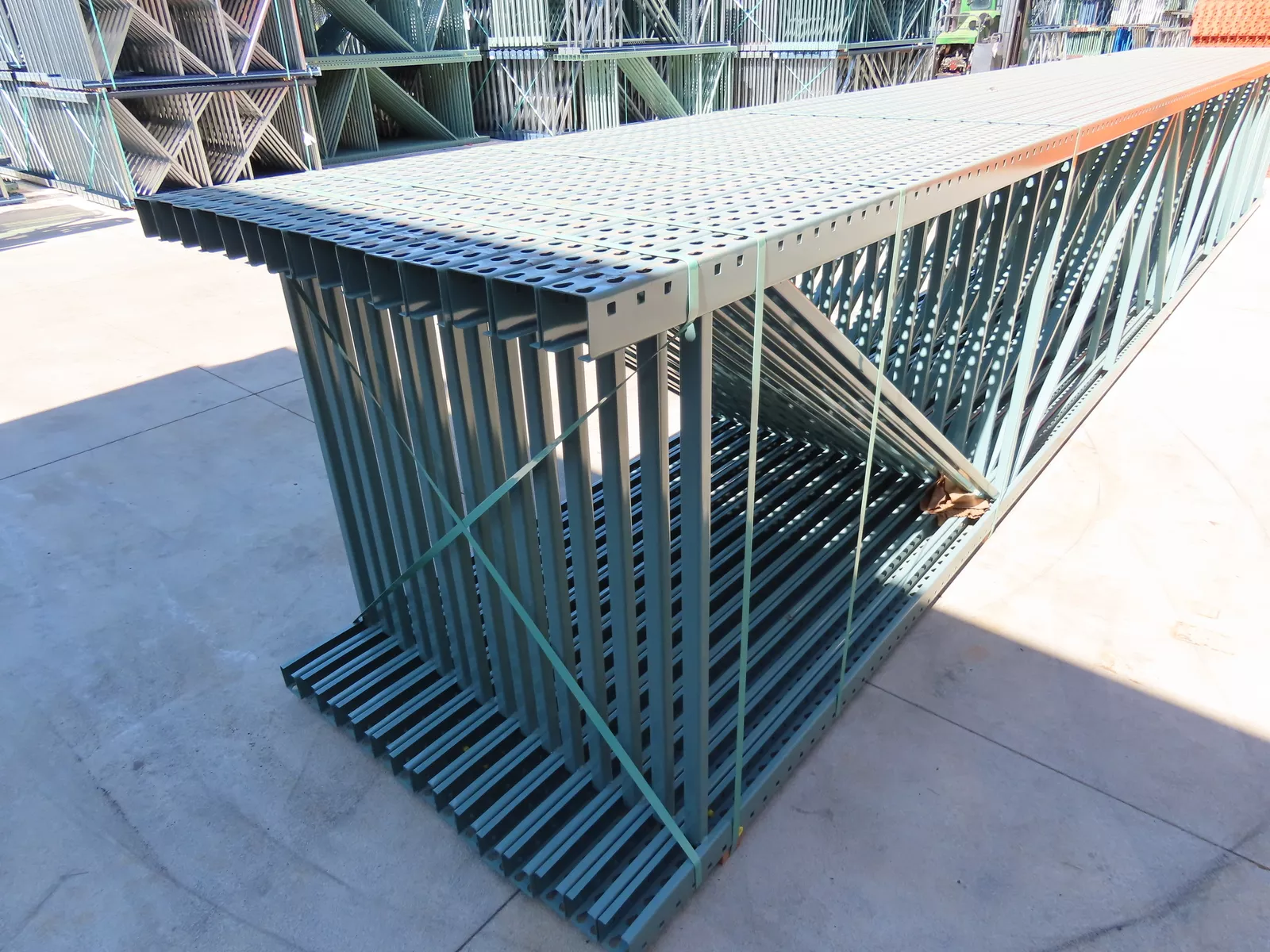
What Are the Ethical Implications Of Inefficient Layout Designs?
What Are the Ethical Implications Of Inefficient Layout Designs?
- Layout designs should prioritize worker safety and well-being over mere numbers and storage capacity.
- Inefficient layouts can lead to serious ethical concerns, including increased risk of injuries for workers.
- Injuries due to poor design can have far-reaching effects on workers’ lives and their families.
- Businesses have an ethical responsibility to design layouts that do not jeopardize worker safety for minimal storage gains.
- Involving workers in the planning process enhances safety, efficiency, and fosters a sense of community.
- Layout design reflects societal values; prioritizing efficiency should not come at the cost of safety.
- Putting people first in design leads to greater loyalty, trust, and productivity in the workplace.
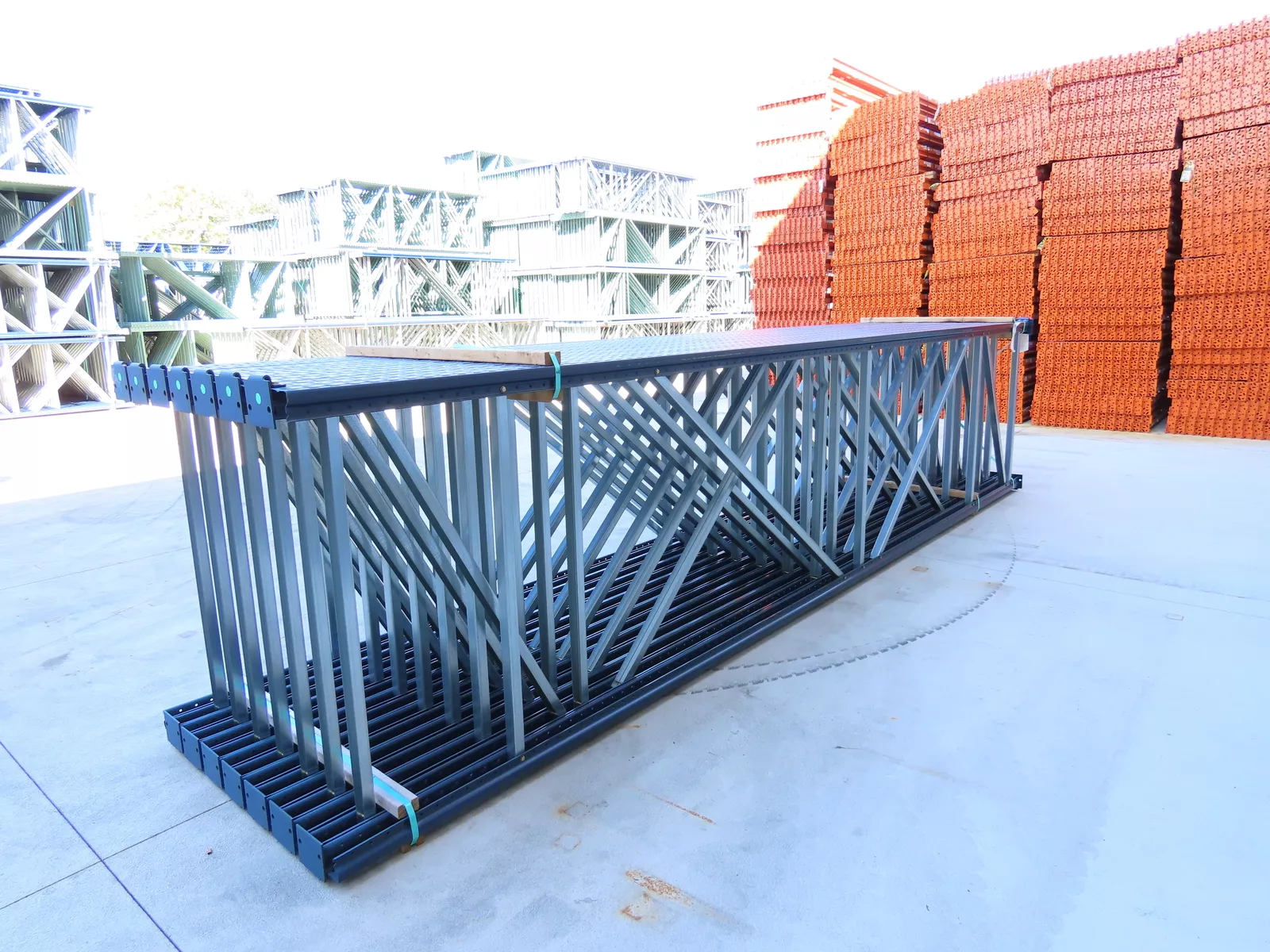
What Are the Ethical Implications Of Inefficient Layout Designs?
How Can Industry Best Practices Improve Your Cross-Docking Layout?
When you step onto the shop floor of a bustling cross-docking facility, you can almost feel the pulse of productivity. It’s a rhythm built on industry best practices—a carefully orchestrated dance that transforms chaos into seamless efficiency. The layout is the stage, and when designed with precision, it becomes a powerful catalyst for success. Think of your racking systems as more than just shelves; they are the backbone supporting swift movement and vibrant communication across the warehouse.
Imagine the impact of optimizing your cross-docking operations: trucks arriving and departing in a choreography that minimizes downtime and maximizes throughput. You’re not just moving products; you’re ensuring that goods reach those who depend on them—businesses, families, neighborhoods—all relying on timely deliveries. When your racking systems facilitate smooth transitions, you’re not only improving the operational side of things but also uplifting the human spirit. It feels good to know that you’re part of a process that helps others, sparking a connection that transcends mere logistics.
Now, let’s engage the mind because data doesn’t lie. Studies show that implementing industry best practices can boost productivity by up to 30%. Think of that—lasting efficiencies that can translate into cost savings, improved service levels, and ultimately, a healthier bottom line. Rationally speaking, wouldn’t you want to harness strategies that have been tested, refined, and celebrated by experts in the field?
But let’s not forget the ethical dimension of our choices—operating a facility that prioritizes integrity is crucial. When you align your layouts with best practices, you’re not just chasing profit; you’re committing to sustainability and safety for every worker on the floor. Best practices ensure that employees can navigate the space confidently, reducing accidents and stress, fostering a culture of care and responsibility.
When you embrace these principles, sharing success stories becomes second nature. It breeds a community of like-minded operators rallying behind excellence. Success is infectious, and when others see your achievements, they become inspired to elevate their own operations.
Ultimately, improving your cross-docking layout isn’t just about moving products efficiently; it’s about creating an environment where everyone—from top management to the operators on the floor—can share in a mission bigger than themselves. It’s a quest for excellence, driven by passion, grounded in best practices, and fueled by the heartbeat of industry innovation.

How Can Industry Best Practices Improve Your Cross-Docking Layout?
How Can Industry Best Practices Improve Your Cross-Docking Layout?
- Cross-docking facilities thrive on industry best practices, transforming chaos into seamless efficiency.
- Well-designed layouts and racking systems serve as crucial backbones for swift movement and communication.
- Optimizing cross-docking operations minimizes downtime and maximizes throughput, ensuring timely deliveries.
- Implementing best practices can increase productivity by up to 30%, leading to cost savings and improved service levels.
- Prioritizing integrity in operations fosters sustainability, safety, and a culture of care for workers.
- Sharing success stories inspires a community of operators to pursue excellence and elevate their own practices.
- Improving cross-docking layouts creates an environment where everyone collaborates towards a shared mission of excellence.
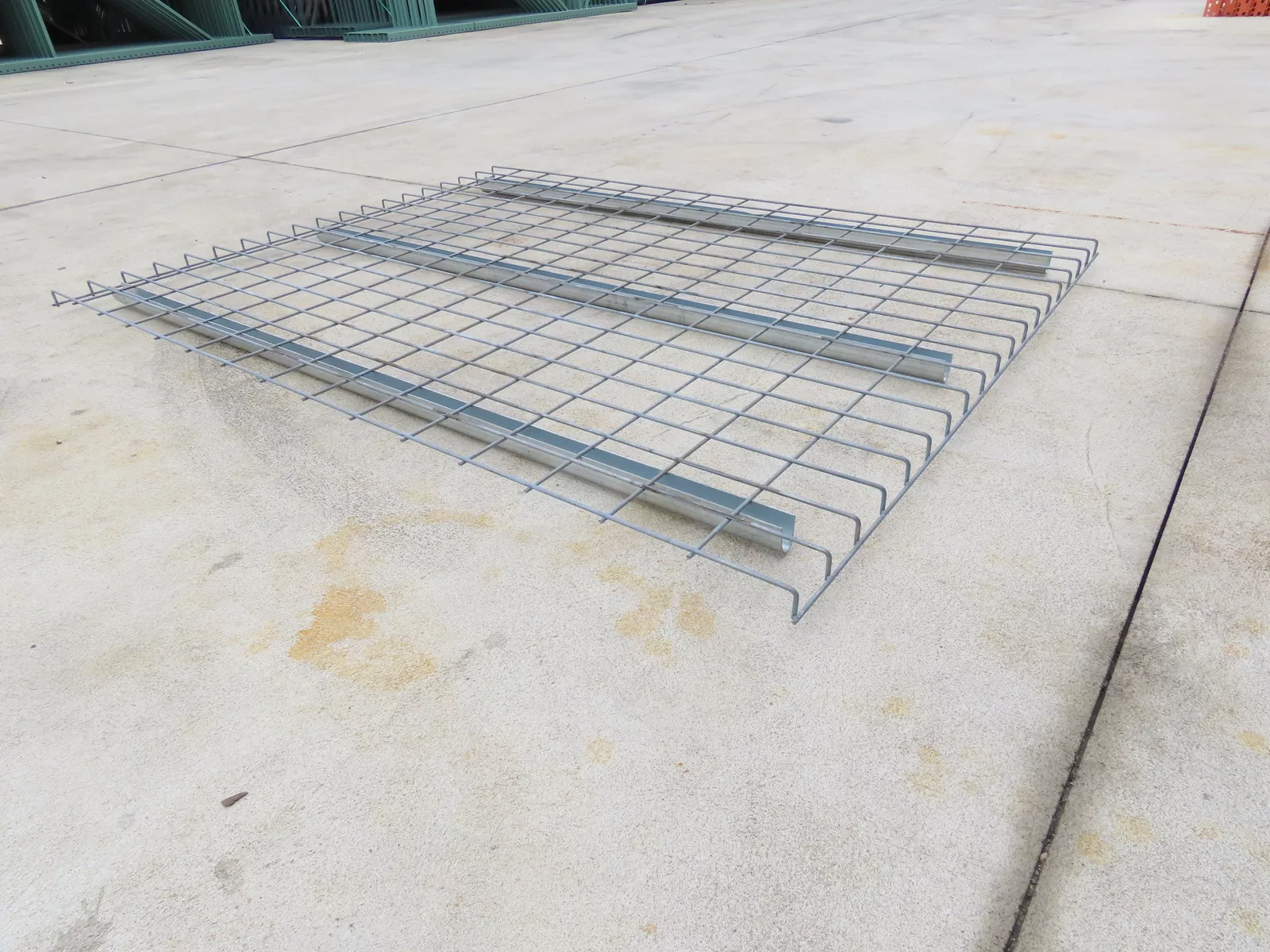
How Can Industry Best Practices Improve Your Cross-Docking Layout?
What Role Does Leadership Play In Optimizing Cross-Docking Layouts?
In the world of logistics, the layout of a cross-docking facility can be the difference between a well-oiled machine and a chaotic mess. The unsung heroes behind this optimization? Leaders who not only understand the machinery of their operations but also the heartbeats of their teams. It’s one thing to move products efficiently, but it’s a different ball game when you consider the lives that depend on those operations.
Imagine the sight of a bustling warehouse—pallets flying, employees working harmoniously. This doesn’t just happen. It’s a carefully orchestrated dance, birthed from decisive leadership that prioritizes strategic racking, streamlined workflows, and employee engagement. A leader who steps in, communicates a clear vision, and rallies the troops inspires trust and confidence. It’s about more than just metrics; it’s about people.
When leaders take the reins in optimizing layouts, they’re not just making logistical decisions. They’re tapping into a narrative that connects each team member to the mission, weaving a tapestry of responsibility and pride. It’s easy to get lost in spreadsheets and algorithms, but true leadership sees the individual behind the numbers. The person loading the trucks or sorting the packages—those are the folks who feel the weight of each decision made at the top.
Moreover, ethical leadership fosters a culture where collaboration flourishes. When leaders prioritize communication, they invite input from their teams, valuing every voice in the process. This not only enhances the facility’s efficiency but also builds a sense of belonging. The layout becomes more than just an arrangement of spaces; it transforms into a representation of trust, teamwork, and shared success.
The authority of a leader is reinforced through these interactions. Knowledge is vital, yes, but the ability to listen, adapt, and empower is paramount. Leaders who actively engage their teams create a ripple effect that resonates throughout the operation. Optimized layouts don’t just improve throughput—they elevate morale, ignite passion, and foster a spirit of unity.
So next time you think about cross-docking layouts, remember: it’s not merely about the floor plan. It’s about leading with heart, tapping into the potential of your people, and turning a simple layout into an efficient, thriving ecosystem. Because at the end of the day, what matters most isn’t just the products moved, but the lives positively impacted in the process. That is the true power of leadership in logistics.

What Role Does Leadership Play In Optimizing Cross-Docking Layouts?
What Role Does Leadership Play In Optimizing Cross-Docking Layouts?
- The layout of a cross-docking facility significantly impacts operational efficiency.
- Effective leadership is crucial for optimizing logistics and understanding team dynamics.
- Successful operations involve strategic racking and streamlined workflows, driven by clear communication.
- Leaders connect team members to the mission, fostering responsibility and pride.
- Ethical leadership promotes collaboration, enhancing efficiency and creating a sense of belonging.
- Active engagement and listening empower teams, creating a positive ripple effect on morale.
- Ultimately, leadership in logistics is about impacting lives and turning layouts into thriving ecosystems.
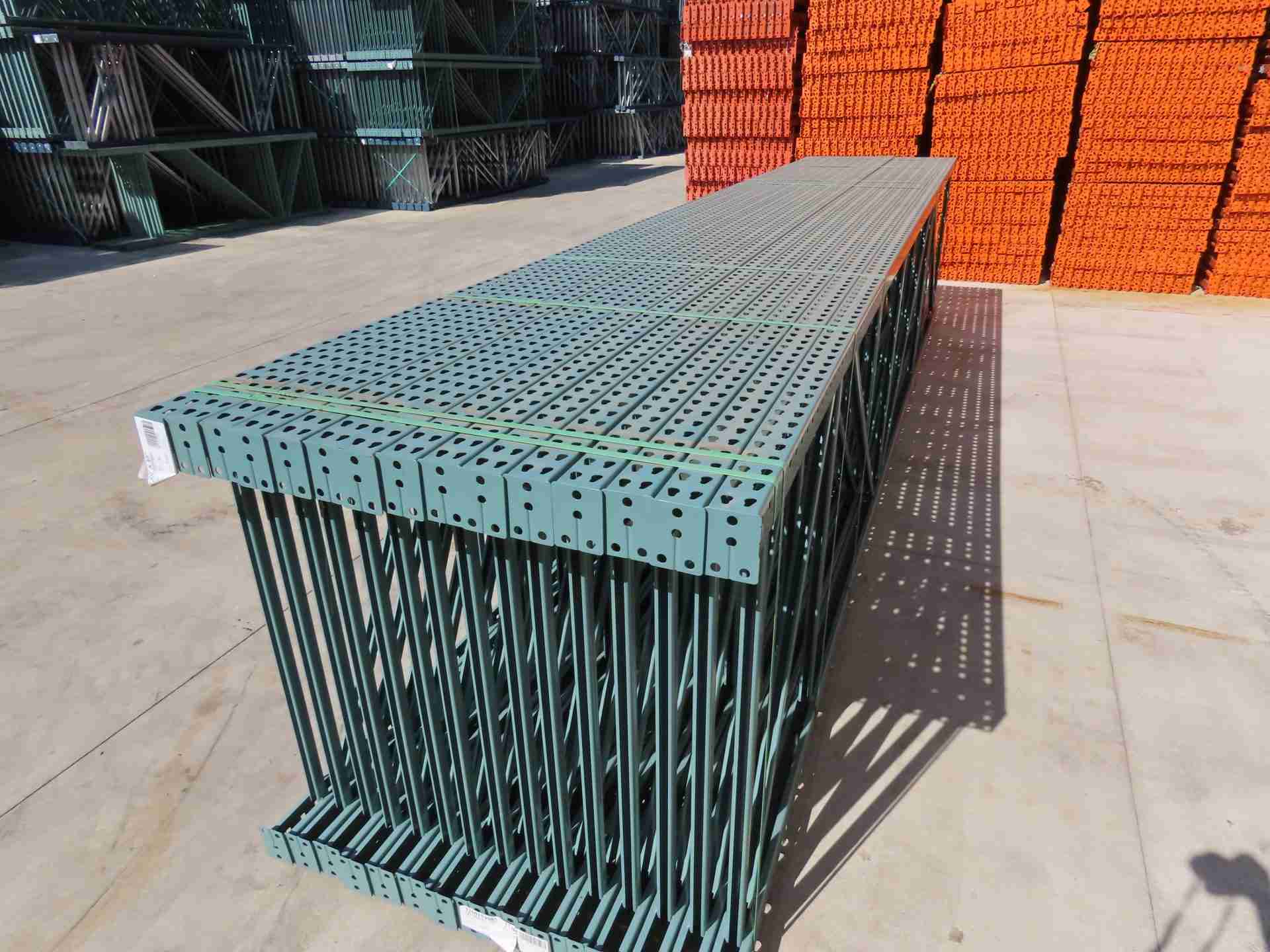
What Role Does Leadership Play In Optimizing Cross-Docking Layouts?
How Can Cross-Docking Layout Efficiency Improve Customer Satisfaction?
In today’s hyper-connected world, where the click of a button can summon products from across the globe, the efficiency of cross-docking layouts isn’t just a game changer for logistics—it’s the unsung hero of customer satisfaction. Imagine a family eagerly awaiting a package, their excitement bubbling as delivery day approaches. Every moment counts; every second of waiting is etched into their experience with your brand. When cross-docking operates seamlessly, that package doesn’t just arrive on time; it arrives with a promise fulfilled, a relationship solidified.
At the heart of cross-docking is a meticulously crafted layout, where racking systems are not merely structures but facilitators of speed. Think about the last time you rushed to resolve a problem and succeeded. That sense of accomplishment is replicated in a well-designed cross-docking environment, where products are swiftly transferred from inbound to outbound without any delay. This efficiency speaks volumes; it communicates reliability, a quality that customers deeply value. They’re not just receiving a package; they’re experiencing a commitment to excellence. When their needs are met swiftly, the gratitude they feel fuels brand loyalty—a currency that never depreciates.
But let’s break it down further. Rationally, when you streamline operations, you cut costs and reduce waste—both of which lead to better pricing for your customers. Ethically, you uphold your values through exceptional service, respecting both your customers’ time and their purchasing power. When your supply chain operates like a well-oiled machine, it sends a clear message: you care.
Let’s not forget the authority that comes with efficiency. Customers want to trust brands that demonstrate mastery in their craft. Efficient cross-docking showcases expertise that positions your organization as a leader in the industry. It’s a narrative where each role—every worker, every movement—is a vital piece of a larger puzzle, working towards the collective goal of delighting the customer.
Lastly, think about the community that stands behind every box. A satisfied customer shares their experience, influencing friends and family—spreading the word about a brand that delivers. It’s a ripple effect, a social proof of your commitment to quality and reliability. Optimizing your cross-docking layout isn’t just about lifting boxes; it’s about lifting spirits, forging connections, and earning trust in every delivery. Because at the end of the day, it’s not just business—it’s deeply personal.
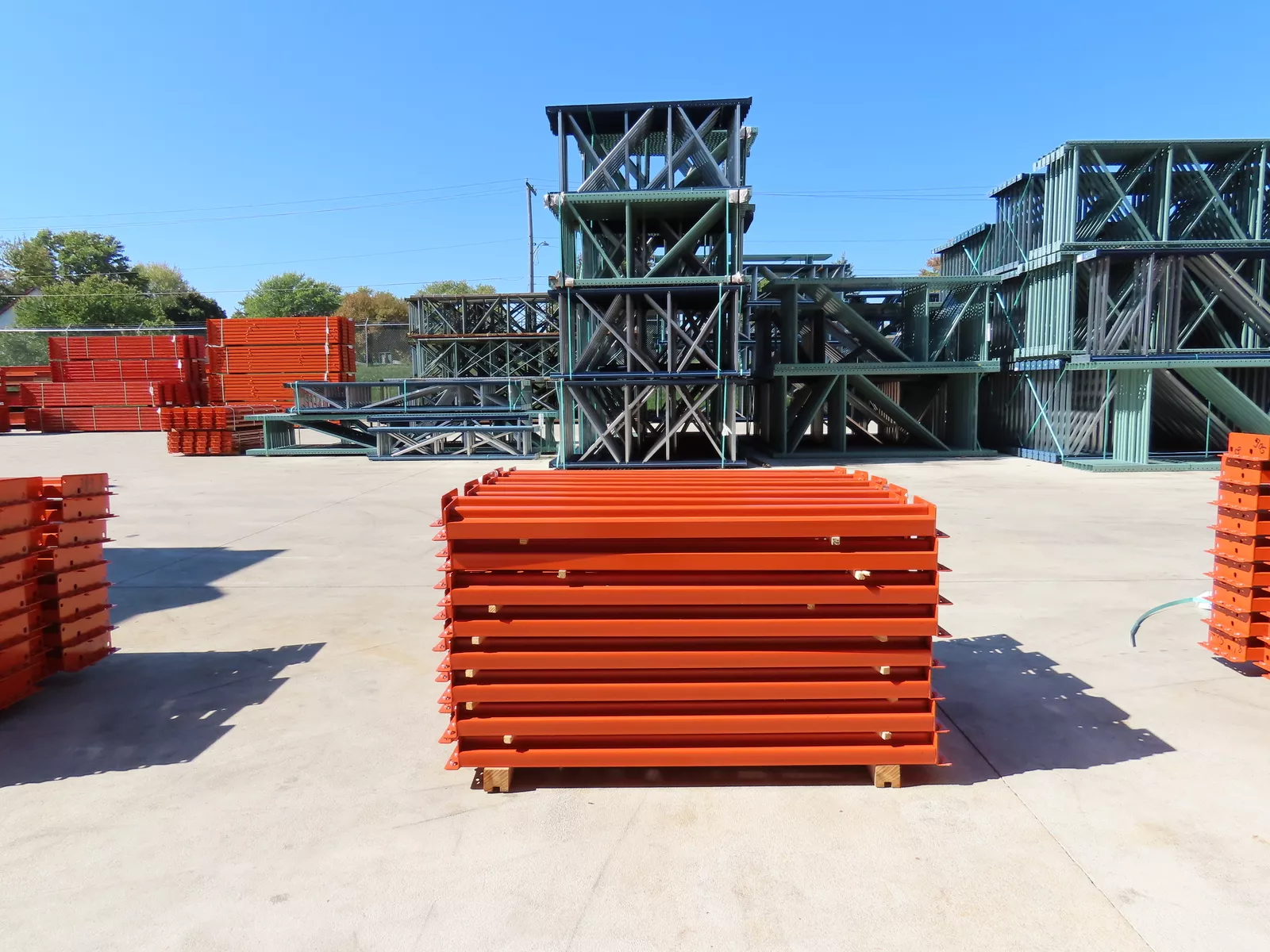
How Can Cross-Docking Layout Efficiency Improve Customer Satisfaction?
How Can Cross-Docking Layout Efficiency Improve Customer Satisfaction?
- The efficiency of cross-docking layouts enhances customer satisfaction in a hyper-connected world.
- A well-crafted layout facilitates rapid transfers, ensuring packages arrive on time and build customer relationships.
- Swift operations communicate reliability, which is highly valued by customers and fosters brand loyalty.
- Streamlined operations lead to cost-cutting and waste reduction, benefiting pricing for customers.
- Efficient cross-docking showcases expertise, positioning brands as industry leaders.
- Satisfied customers share their experiences, creating a ripple effect of positive social proof for the brand.
- Optimizing cross-docking is about more than logistics; it’s about strengthening personal connections and trust.
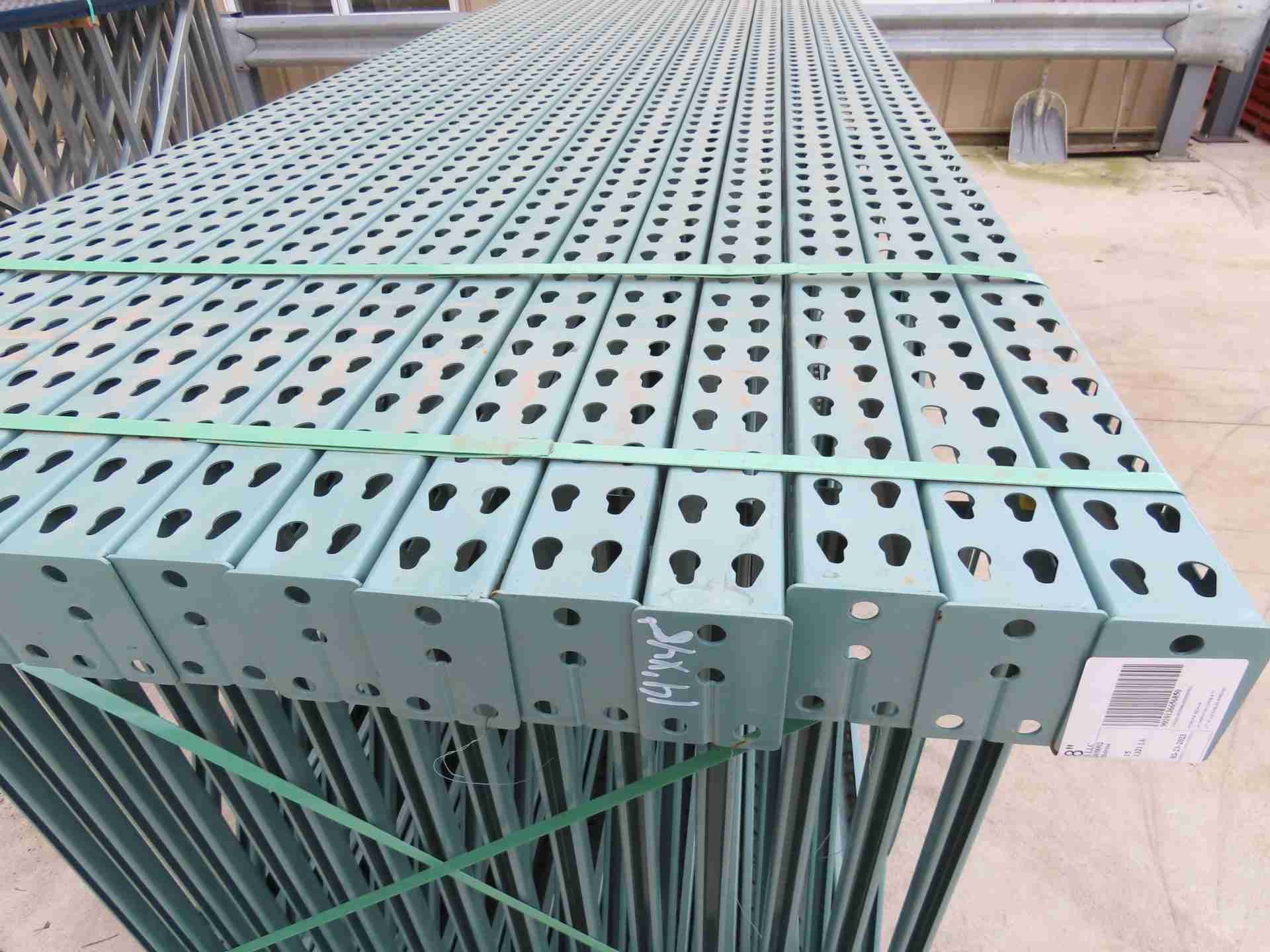
How Can Cross-Docking Layout Efficiency Improve Customer Satisfaction?
Conclusion
In the whirlwind world of logistics, the silent complexity of cross-docking management often gets overshadowed, yet it holds the keys to operational success. Bound together by the dance of teamwork and meticulous planning, optimizing your layout with an effective racking system is not merely a technical requirement; it’s a heartfelt mission that transforms lives. Imagine a warehouse bustling with energy, where every worker knows they play a pivotal role—not just in moving products, but in enhancing the quality of life for customers and teammates alike. Each improvement in layout isn’t just about cutting costs; it’s about reclaiming moments that workers can spend with family or contribute to their communities.
Rationally, a well-planned racking strategy enhances throughput and maximizes warehouse space, directly impacting your bottom line. Think of it as a calculated investment—less time lost means more resources available to invest in your workforce. And in an ethical sense, committing to an optimized layout demonstrates a profound respect for your team’s safety and well-being. When layouts are designed with worker experience in mind, injuries drop and morale skyrockets. This isn’t just a cost-saving measure; it’s a moral obligation that cultivates loyalty and trust, creating a culture where every individual feels valued.
Moreover, storytelling comes to life in the humble racking systems that support day-to-day operations. Each box transported tells a narrative—families fed, dreams supported, communities served. This perspective challenges us to view logistics not merely as a series of processes but as a lifeline connecting us with those who rely on our services.
Leadership in optimizing layouts is crucial; it acts as the guiding compass for sustainable success. Involving employees in the design process leads to a deeply engaged workforce, heightening their sense of ownership and pride. As leaders, we must measure success not only by key performance indicators but also by the connections we foster through transparent communication.
The ripple effect of these changes ultimately shapes customer satisfaction. Timely, reliable deliveries enhance brand loyalty, which in today’s fast-paced environment, can define a company’s standing in the marketplace. When we approach operations with a focus on efficiency and an understanding of the human element, we forge bonds of trust that extend beyond transactions. This is not just about logistics; it’s about lifting the spirits of those we serve, honoring the human stories behind every product delivered. Embrace innovation, welcome feedback, and continually strive for excellence—not just in profit, but in the community fabric we weave together day after day.
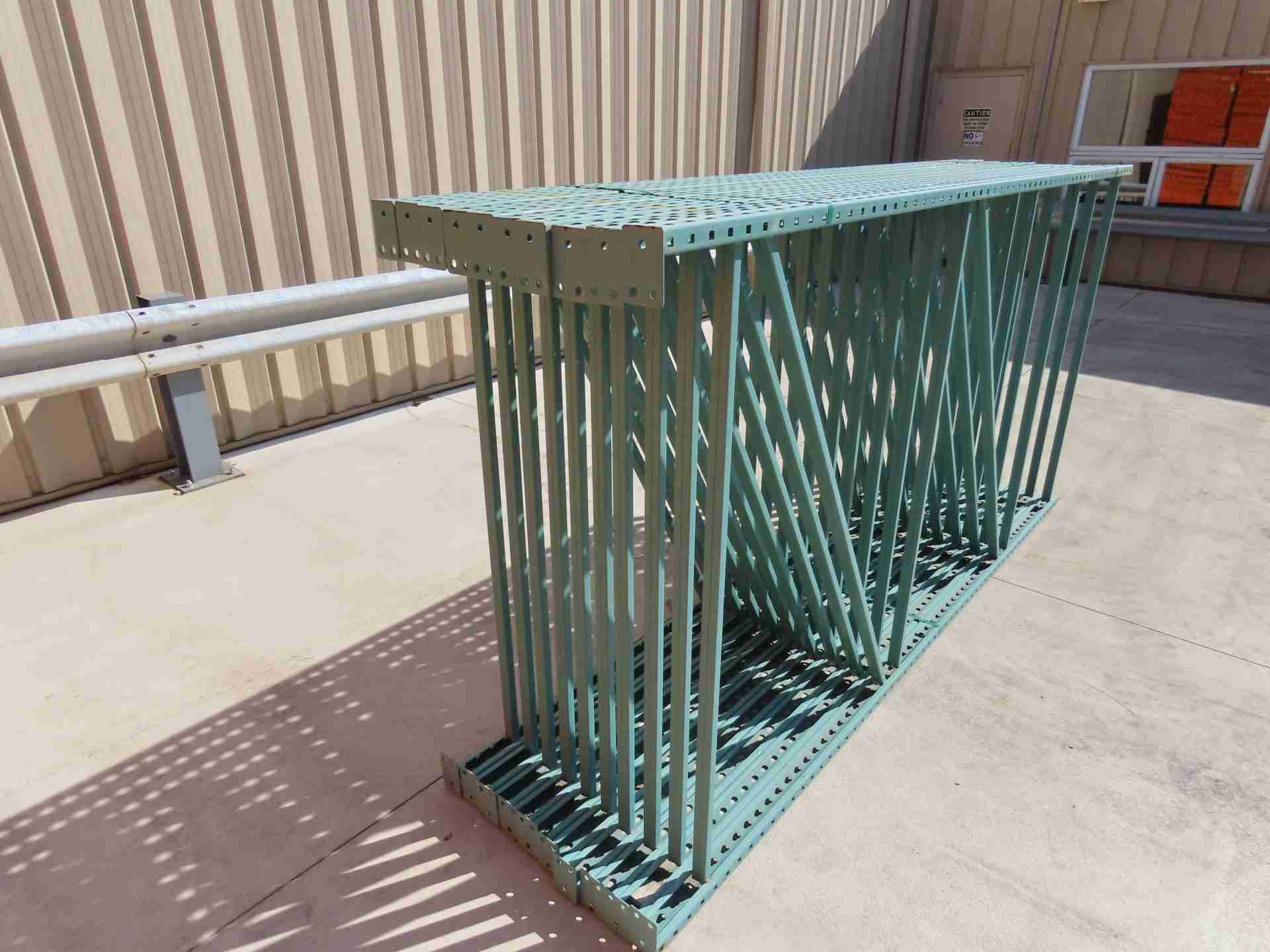
Conclusion
Conclusion:
- Cross-docking management is a crucial but often overlooked component of logistics operations.
- An effective racking system optimizes warehouse layout and enhances operational efficiency.
- Improvements in layout contribute to the well-being of both workers and customers, freeing up time for family and community engagement.
- A well-planned racking strategy increases throughput and maximizes space, impacting profitability positively.
- Designing layouts with worker experience in mind reduces injuries and boosts morale, fostering a culture of loyalty and trust.
- Leadership involvement in layout optimization and employee engagement creates a sense of ownership and pride among staff.
- Focusing on operational efficiency along with the human element strengthens customer satisfaction and brand loyalty.
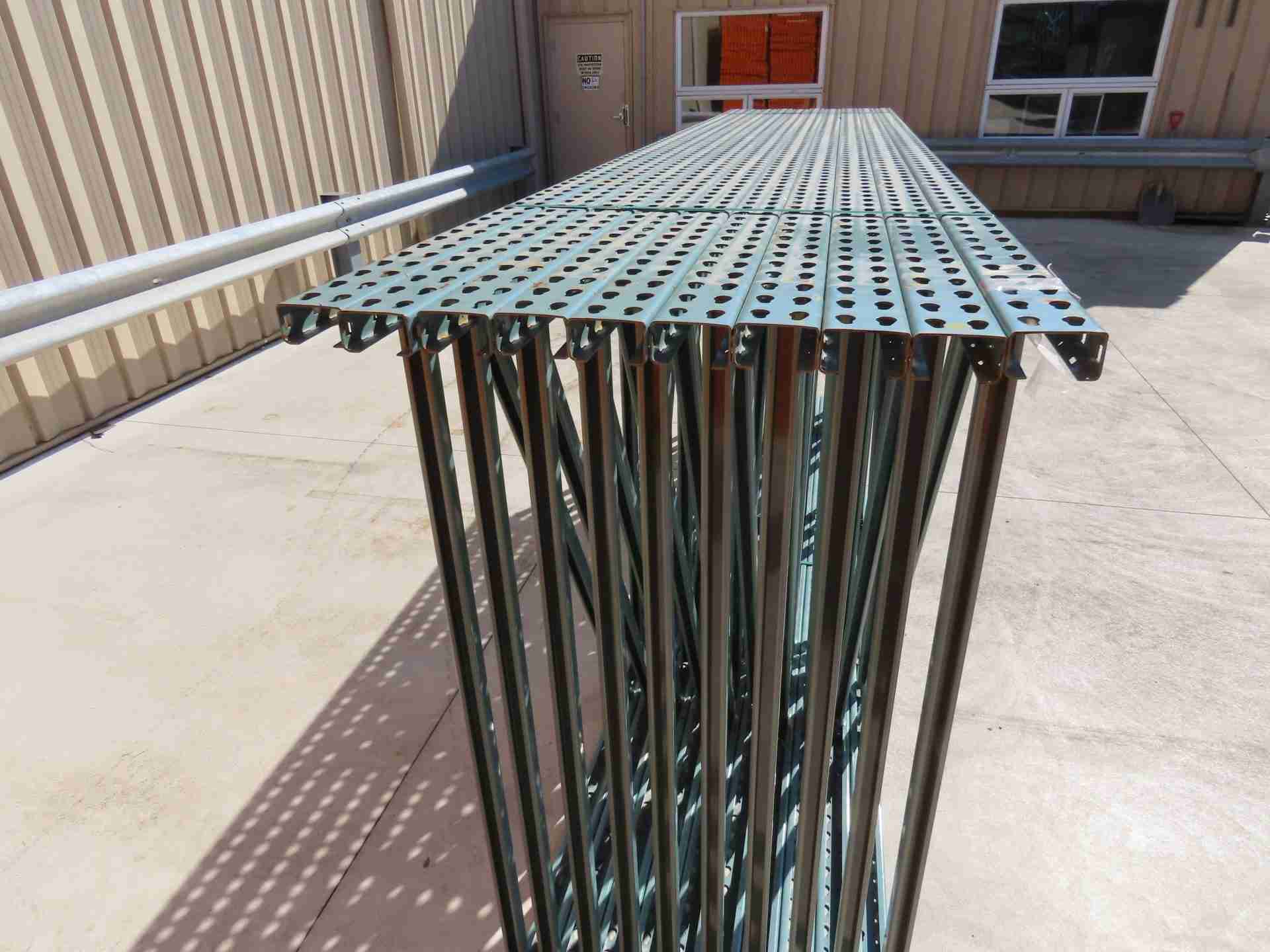
Conclusion
Other Resources
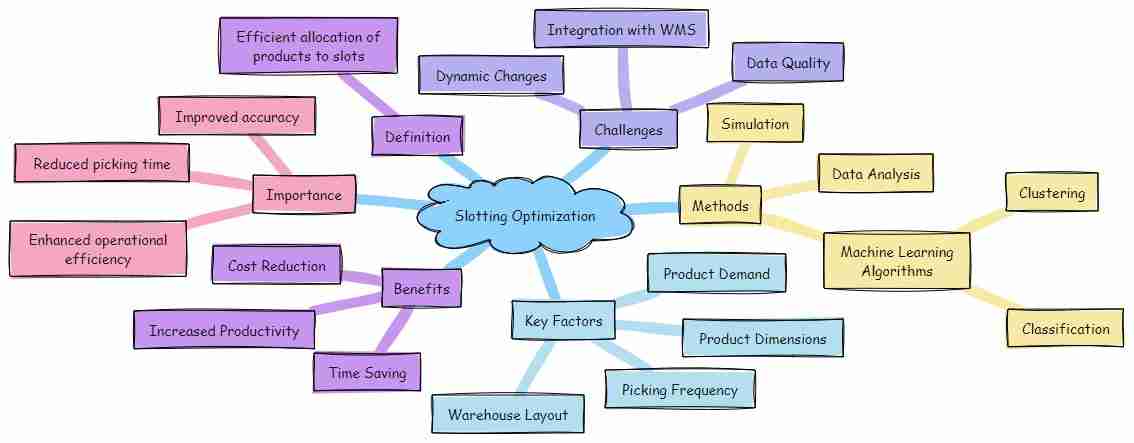
Other Resources
Here is a list of other resources you can review online to learn more:
- Interlake Mecalux
- Warehouse Racking Chicago, IL
- Pallet Rack Systems – New and Used Pallet Racking and Shelving Experts
- International Warehouse Logistics Association
- Pallet Racks, Pallet Racking, Pallet Shelves in Stock – ULINE
- Interlake
- Chicago Pallet Racking
- American Society of Safety Professionals
- The Complete Pallet Rack Guide – Simply Rack
- Teardrop Racks – Pallet Rack World
- Iowa Illinois Warehouse Racking
- IIWS Inc. Rack Installation Illinois & Rack Repairs Illinois
- Pallet Racking systems in Illinois and Great Lakes
- WERC
- Chicago Pallet Racking
- Warehousing Education and Research Council: https://www.werc.org/
- CA Wire
- Selective Racking
- Pallet Racking 101: A Comprehensive Guide & Options Explained
- Warehouse Storage Racking in Illinois
Use This Prompt To Get More Resources With Your Favorite Online AI Tool: Please provide me with a list of online articles with their URLs in a bulleted list that I can read regarding Optimizing Layout for Cross-Docking with Racking
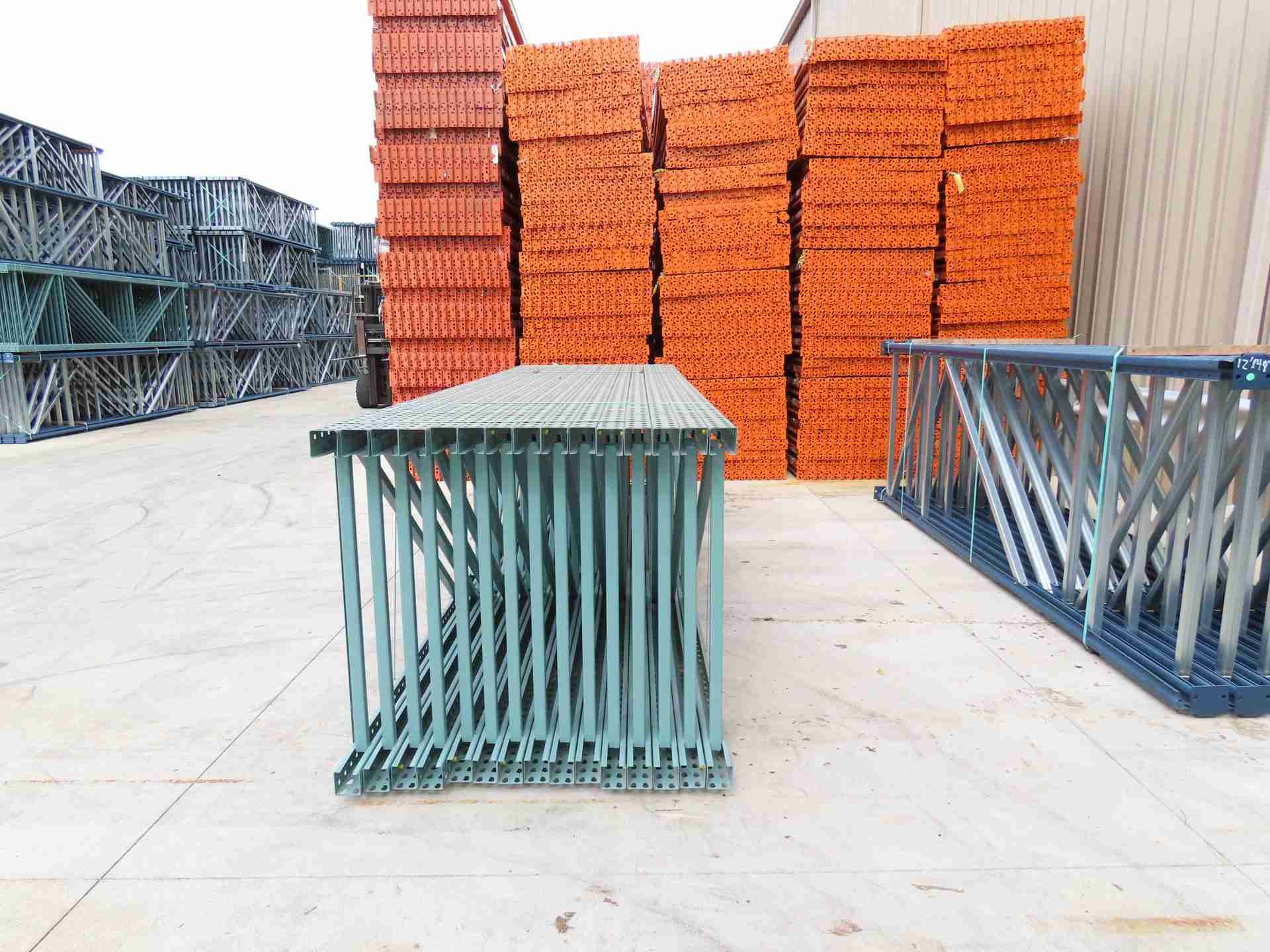
Other Resources
Glossary Terms
Optimizing Layout for Cross-Docking with Racking – Glossary Of Terms
1. Cross-Docking: A logistics practice where incoming shipments are directly transferred to outgoing trucks, minimizing storage time.
2. Racking: A system of storage structures designed to hold products or materials in warehouses efficiently.
3. Layout: The arrangement of physical space within a facility, including the positioning of racking, pathways, and equipment.
4. Throughput: The rate at which products are processed and moved through a facility.
5. Flow: The movement of goods through a facility from receiving to shipping, essential for efficiency in cross-docking.
6. Dock Door: The entry point for trucks to load or unload goods, strategically positioned to facilitate fast transfers.
7. Receiving Area: The zone where incoming shipments are delivered and inspected before cross-docking.
8. Shipping Area: The designated space for organizing and dispatching outgoing shipments.
9. Lean Management: A methodology that aims to reduce waste and improve efficiency throughout a process.
10. FIFO (First In, First Out): An inventory management method ensuring that the oldest stock is used or shipped first.
11. Real-Time Inventory: A continuous, updated record of stock levels within the facility, crucial for effective cross-docking.
12. Bays: Sections within a racking system intended for storing or displaying products.
13. Pallets: Flat structures used to support goods during storage and transportation, often stacked in racking systems.
14. Pick Path: The route taken by warehouse personnel to retrieve items, optimized to reduce travel time.
15. Inventory Turnover: A measure of how quickly inventory is sold and replaced, indicating sales efficiency.
16. Load Optimization: The practice of arranging goods on pallets or trucks to maximize space and minimize transport costs.
17. Workstation: An area designated for tasks such as sorting, packing, or inspecting products in the cross-docking process.
18. Safety Stock: Extra inventory kept on hand to prevent stockouts due to unexpected fluctuations in demand.
19. SKU (Stock Keeping Unit): A distinct version of a product, identified for inventory management and tracking.
20. Warehouse Management System (WMS): Software designed to support daily warehouse operations, including inventory tracking and reporting.
21. Traffic Flow: The movement patterns of people and equipment within a facility, critical for efficient operations.
22. Kitting: The process of assembling individual items into ready-to-ship packages or kits.
23. Ergonomics: The study of designing equipment and workspace layouts that optimize human efficiency and comfort.
24. Automation: The use of technology to perform tasks without human intervention, enhancing speed and accuracy in operations.
25. Supplier Coordination: The process of aligning with suppliers to ensure smooth delivery of products for cross-docking.
26. Buffer Zone: An area set aside for temporary storage of goods to manage inventory fluctuations effectively.
27. DAC (Dock Area Configuration): The strategic arrangement of dock doors, receiving/shipping areas, and racking for optimal workflow.
28. Functional Design: The approach of creating layouts and systems that meet operational needs effectively.
29. Cycle Time: The total time taken from the beginning of a process to its completion, important for measuring efficiency.
30. Space Utilization: The percentage of available space that is actively used for storage or operations, emphasizing efficiency in layout planning.
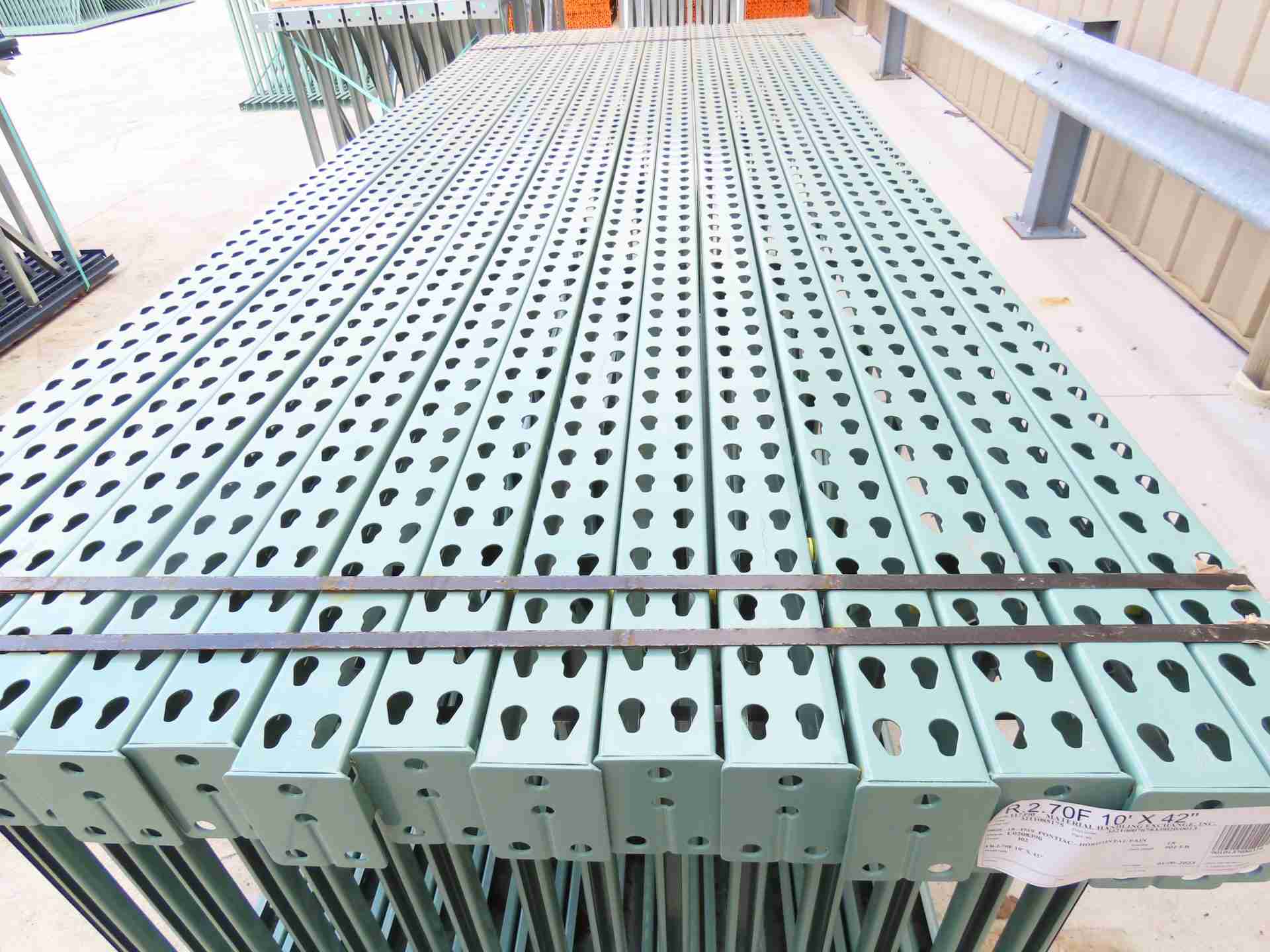
Glossary Of Terms
Other Questions
Optimizing Layout for Cross-Docking with Racking – Other Questions
If you wish to explore and discover more, consider looking for answers to these questions:
- What specific strategies are recommended for optimizing cross-docking layouts?
- How can businesses measure the effectiveness of their cross-docking efficiency?
- What types of racking systems are best suited for cross-docking?
- What are the most common challenges faced when implementing an optimized layout?
- How can technology aid in enhancing cross-docking efficiency?
- What role does employee feedback play in layout design decisions?
- Are there case studies that demonstrate successful cross-docking layout optimizations?
- How can companies balance cost savings with safety and employee satisfaction?
- What ongoing training is recommended for employees in an optimized cross-docking environment?
- How often should warehouses reassess their cross-docking layouts for improvements?
Other Questions
Checklist
Optimizing Layout for Cross-Docking with Racking – A Checklist
Checklist for Optimizing Cross-Docking Layouts: Engaging Heart, Head, and Gut
Emotional Appeals
1. Visualize the impact of an efficient layout on your team—how would it improve their daily work lives?
2. Share success stories among workers that highlight the human element behind every delivery.
Rational Appeals
3. Analyze data to identify inefficiencies in your current racking system.
4. Review best practices from industry leaders that have proven successful in enhancing productivity.
Ethical Appeals
5. Ensure layout designs prioritize worker safety and well-being.
6. Engage employees in layout planning to foster a collaborative and inclusive environment.
Authority Appeals
7. Consult logistics experts on the best racking strategies tailored for your specific operations.
8. Implement metrics to measure the effectiveness of layout changes on throughput and efficiency.
Narrative Appeals
9. Create a company narrative that connects racking layouts to customer satisfaction and community impact.
10. Use storytelling to share how optimized layouts have made a difference in fulfilling customer needs.
Social Appeals
11. Foster a culture of teamwork where every team member feels their work contributes to a larger mission.
12. Encourage sharing of best practices among peers to cultivate collective knowledge and improvement.
Use this checklist as a guide to deepen engagement with your team and elevate your cross-docking operations to new heights!
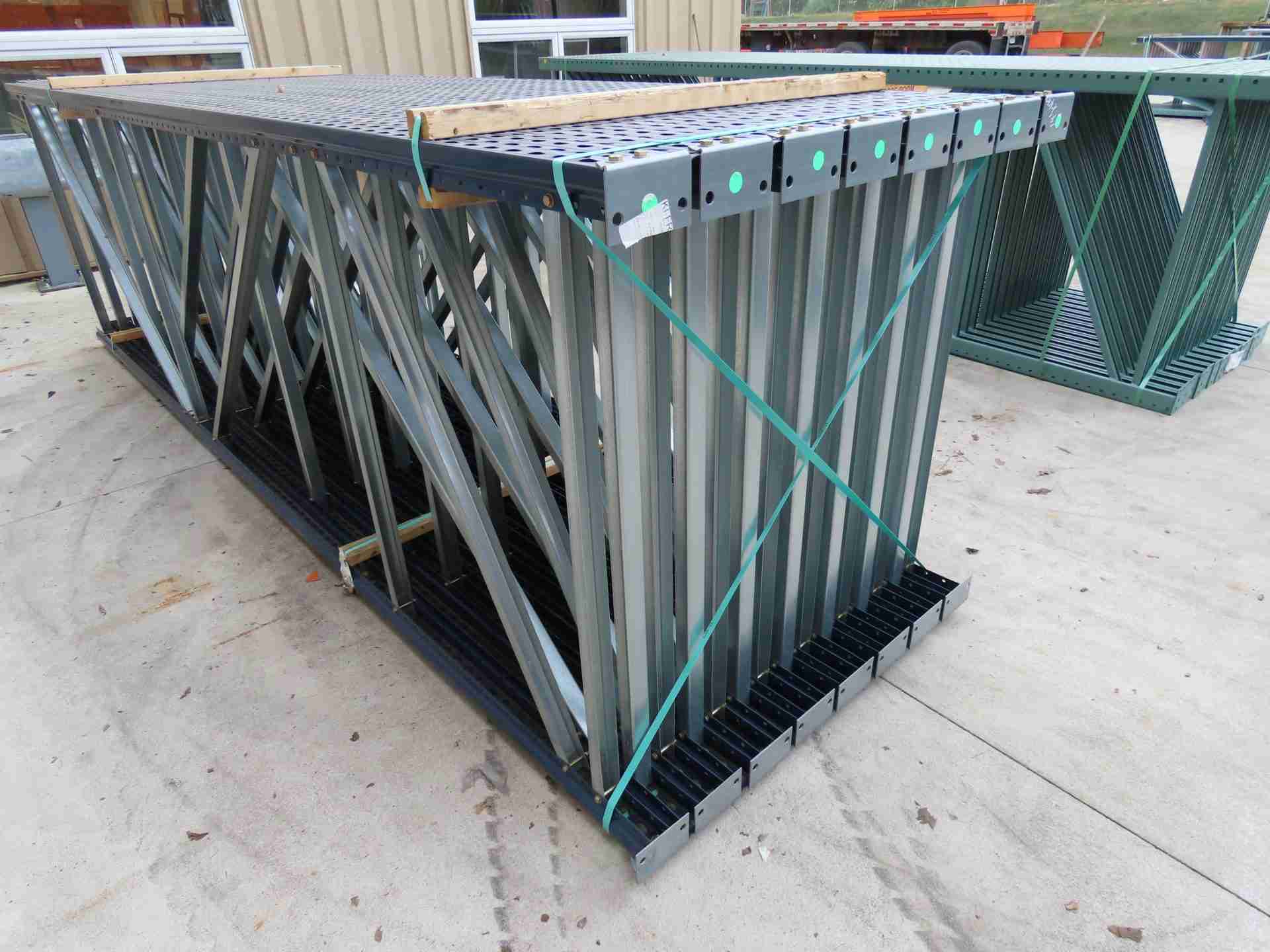
Checklist
At RackingWorld, we help guide you through selecting warehouse storage systems and racking.
Be sure to read our other related stories at RackingWorld to learn more about warehouse storage systems.
0 Comments