
Protect Your Investment: Identify Rack Damage Early
By Tom Seest
At RackingWorld, we help guide you through selecting warehouse storage systems and racking.
Be sure to read our other related stories at RackingWorld to learn more about warehouse storage systems.
How to Spot Hidden Rack Damage Before It Fails
When it comes to Racking, we often put our trust in the infrastructure that surrounds us. It’s easy to overlook the quiet guardians of our goods, those steel beams and shelves that hold countless lives and livelihoods in their embrace. But hidden damages can linger like a ticking time bomb, waiting for the right moment to spring a surprise. Unchecked, they lead to catastrophic failures, disrupting not just your business but impacting everyone who relies on it.
So how do we spot these hidden dangers? First, listen to that gut feeling. If something seems off—if your racking feels unstable or if you notice unusual wear—take a moment to trust that instinct. You don’t have to be a structural engineer to recognize an issue; experience and intuition can often guide you. Approach each rack with a keen eye. Does the steel gleam as it should? Are there any visible dents or unusual distortions? Look for something that just doesn’t feel right.
Engaging your employees in this process not only fosters a sense of community but cultivates a culture of vigilance. After all, who knows those racking systems better than the folks who work around them every day? Create a dialogue around safety; make it a topic of conversation. Share stories of near-misses or items that have gone astray because of unnoticed damage. This brings the issue closer to home—it transforms dispassionate processes into human experiences.
Be proactive and conduct regular inspections, keeping in mind that each slight bend or crack could signify a larger issue. Use a checklist and make it a habit—you wouldn’t drive your car without checking the tires, so why ignore your racking? As you inspect, consider the ethical implications: failures could endanger lives or livelihoods. Your diligence isn’t just about maintaining equipment; it’s about safeguarding your team and their families.
When you see something, say something. It’s simple, yet incredibly powerful. By fostering a culture of openness, you create a shared responsibility. Your vigilance can save someone from a mishap, a daunting prospect that weighs heavily on all of us. So let’s step up, look closer, and ensure our racking remains steadfast. Trust in your instincts, act decisively, and prioritize safety. Together, we can prevent those hidden hazards from ever seeing the light of day.

How to Spot Hidden Rack Damage Before It Fails
How to Spot Hidden Rack Damage Before It Fails
- Racking systems are vital infrastructure that support goods and livelihoods.
- Hidden damages in racking can lead to catastrophic failures if unchecked.
- Trust your instincts if something seems off with the racking.
- Engage employees in safety discussions to cultivate a culture of vigilance.
- Conduct regular inspections using a checklist to identify potential issues early.
- Foster a culture of openness where everyone feels responsible for safety.
- Prioritize safety to prevent hidden hazards and protect lives and livelihoods.

How to Spot Hidden Rack Damage Before It Fails
Table Of Contents
- How to Spot Hidden Rack Damage Before It Fails
- What Are the Emotional Impacts Of a Sudden Rack Failure?
- How Can I Rationally Assess the Risk Of Rack Damage?
- What Ethical Responsibilities Do We Have to Ensure Safety In Storage?
- Which Authorities Set Standards for Rack Safety and Maintenance?
- How Does Peer Influence Affect My Decisions on Rack Inspections?
- Conclusion
- Other Resources
- Glossary Of Terms
- Other Questions
- Checklist
What Are the Emotional Impacts Of a Sudden Rack Failure?
When we talk about racking in storage facilities, it’s easy to focus on the mechanics—the beams, the weight, the engineering magic that allows us to store the goods of industry stacked high and wide. But what we often overlook are the emotional impacts of a sudden rack failure. Picture this: you walk into a warehouse, and suddenly, everything changes. The thud of metal collapsing breaks the silence, and a well-ordered space becomes a scene of chaos.
The immediate emotional response is a mix of fear and disbelief. Workers, who thought they were safe, suddenly find themselves in a fray, wondering if anyone was injured. That gut-wrenching panic pulls at the heart—because we’re not just talking about racks and pallets, but the livelihoods resting on those shelves. The fear lingers, and it’s not just about the physical damage; it’s about trust.
Ask yourself: what happens to morale when a sudden rack failure occurs? Workers might feel vulnerable, questioning whether their safety is truly prioritized. That feeling of unease spills into the wider workplace environment, affecting productivity and engagement. Reason tells us it’s essential to have safety protocols in place, yet every statistic and safety bulletin pales in comparison to the human element. This is where ethics comes into play; businesses should commit to ensuring the emotional and physical safety of their teams.
And let’s delve into authority. No one wants to be the person who overlooks the likelihood of failure. A single catastrophe can diminish the trust that employees place in their leaders. Conversely, organizations that prioritize safety foster an environment that not only protects their people but inspires confidence.
Narratively, imagine a warehouse where workers band together to tackle the aftermath of a rack failure. They share stories of near misses and learn from one another, transforming an incident into invaluable training. In doing so, they cultivate a sense of community that transcends the metal and wood that surrounds them. This sense of social responsibility grows as they stand not just for themselves but for each other—encouraging vigilance and proactive prevention.
In wrestling with the emotional impacts of a sudden rack failure, we’re challenged to ask ourselves what kind of workplace culture we want to foster. Do we choose fear or resilience? Trust or doubt? The answer, it seems, rests not only on how we build our racking systems, but on the humanity that drives our efforts in the first place.

What Are the Emotional Impacts Of a Sudden Rack Failure?
What Are the Emotional Impacts Of a Sudden Rack Failure?
- Racking systems in storage facilities are often analyzed for their mechanical aspects, overshadowing emotional consequences of failure.
- A sudden rack failure incites immediate fear and disbelief among workers, disrupting their sense of safety.
- Emotional impacts include a lingering sense of vulnerability and mistrust affecting workplace morale and productivity.
- Safety protocols are crucial, yet the emotional well-being of teams must also be prioritized by businesses.
- Leadership’s credibility can be jeopardized by overlooking safety risks, impacting employee trust.
- Post-incident recovery can foster community and valuable learning among workers, emphasizing social responsibility.
- The culture of a workplace can be defined by either fear or resilience, hinging on the value placed on human safety and support.

What Are the Emotional Impacts Of a Sudden Rack Failure?
How Can I Rationally Assess the Risk Of Rack Damage?
When assessing the risk of rack damage, it’s easy to get bogged down in numbers and spreadsheets, but let’s take a moment to step back and consider the big picture. Racking isn’t just metal and bolts; it’s a lifeline for countless businesses, an essential system that supports everything from the tiniest box of screws to massive pallets of goods. To rationally assess the risk, we need to engage both our minds and our hearts.
Start by thinking about the folks who rely on those racks day in and day out—the warehouse workers, truck drivers, managers, and everyone in between. Each of them plays a part in a larger narrative that relies on dependable infrastructure. When a rack goes down, it’s not merely an inconvenience; it can lead to delays, injuries, and lost revenue. So, consider the social impact: How does damage ripple through your operation and affect those who work tirelessly to keep things running smoothly? Their livelihoods depend on a safe environment, and it’s up to us to protect that.
Next, focus on the hard data—how many times have you inspected your racking? What does the maintenance history show? Use your head to understand the common pitfalls. Regular inspections highlight wear and tear that could otherwise lead to catastrophic failures. Engaging with industry standards can lend an air of authority to your decisions, showing that you’re not just reacting; you’re proactively safeguarding your assets.
And let’s not forget the ethics involved in this responsibility. It’s our duty to provide a safe working environment. Ignoring potential risks isn’t just shortsighted; it’s downright reckless. Diligently assessing your racks reflects not just good business sense, but also respect for every individual who walks through those aisles.
Finally, trust your gut. If something feels off when you’re surveying your racking, listen to that instinct. You don’t have to be an industry expert to recognize when something might be amiss. Engaging with your team for their insights can be invaluable; they’re on the ground and know the day-to-day intricacies better than anyone else.
By merging heart, head, and gut instincts, you can take methodical steps to ensure the security of your racks. Embrace this challenge, and foster a culture of safety and accountability, ensuring your warehouse remains functional, efficient, and, most importantly, safe.

How Can I Rationally Assess the Risk Of Rack Damage?
How Can I Rationally Assess the Risk Of Rack Damage?
- Racking systems are crucial for various businesses, providing support for goods ranging from small items to large pallets.
- It’s essential to consider the human elements involved—warehouse workers, truck drivers, and managers who rely on racking for their daily operations.
- Rack failures can lead to significant consequences, including delays, injuries, and lost revenue, affecting the livelihoods of many individuals.
- Regular inspections and maintenance are key to identifying wear and tear, helping prevent catastrophic failures.
- Adhering to industry standards demonstrates proactive asset management and a commitment to safety.
- Assessing rack safety reflects ethical responsibility towards creating a secure working environment for all employees.
- Trusting instincts and collaborating with team members can uncover potential issues and improve overall safety in the workplace.

How Can I Rationally Assess the Risk Of Rack Damage?
What Ethical Responsibilities Do We Have to Ensure Safety In Storage?
When it comes to storage, we often think of it as simply a matter of convenience—of keeping our belongings safe and tidy. But underneath that convenience lies a profound responsibility. We are stewards of our items, entrusted to protect not just our possessions, but the very systems we rely on every day. This starts with something as straightforward yet crucial as racking. The truth is, when we step into a storage facility or warehouse, we are entering a space where our decisions can have real consequences.
Picture this: a hardworking individual, maybe a single parent, counting on that storage unit not just for their belongings, but for a semblance of peace in chaotic times. Now, imagine if that peace is shattered by an accident—an unstable rack collapses, putting not just items at risk, but the safety of the people who rely on them. That scenario isn’t just hypothetical; it happens. Every time we choose to cut corners, ignore safety protocols, or overlook maintenance, we increase the risks not just for ourselves, but for our community. It’s about understanding that our choices echo beyond the walls of our storage spaces, touching lives in ways we might not even see.
Ethically, we have a duty to uphold high safety standards. Every piece of racking in our facilities deserves to be treated with respect; it’s not just metal and wood holding things together but a lifeline to the lives and livelihoods that depend on it. We must commit ourselves to regular inspections, training, and adherence to regulations that might seem tedious but are there to protect us all. Authority in this context is not just about following rules; it’s about embracing a culture of accountability and care. When we act with integrity, we foster an environment of trust that reverberates through our communities.
Let’s not forget the impact of our actions on others. We share our spaces with families, colleagues, and even strangers. Each time we prioritize safety, we are fostering a sense of community, forging connections based on our commitment to one another. Together, we can be the vigilant guardians who ensure safety in storage—not just for our benefit, but for every individual whose life intersects with our choices. So let’s step up, take responsibility, and create a safer tomorrow for everyone.

What Ethical Responsibilities Do We Have to Ensure Safety In Storage?
What Ethical Responsibilities Do We Have to Ensure Safety In Storage?
- Storage is not just about convenience; it carries a profound responsibility to protect possessions and the systems we rely on.
- Decisions in storage facilities can have significant real-world consequences, affecting individuals’ safety and peace of mind.
- Neglecting safety protocols can lead to accidents, compromising the safety of both items and individuals relying on them.
- There is an ethical duty to uphold high safety standards, treating storage infrastructure with respect.
- Regular inspections, training, and adherence to safety regulations are essential for protecting everyone involved.
- Fostering a culture of accountability and care enhances trust within the community.
- Prioritizing safety in shared spaces strengthens community connections and creates a safer tomorrow for all.

What Ethical Responsibilities Do We Have to Ensure Safety In Storage?
Which Authorities Set Standards for Rack Safety and Maintenance?
When it comes to ensuring the safety and maintenance of racking systems, several authorities work tirelessly behind the scenes, crafting guidelines and standards that protect not just goods, but lives. Think about it: when you walk into a warehouse, the towering shelves filled with precious inventory are more than just steel and rivets; they are a testament to diligent effort and human ingenuity. This is where the likes of OSHA (Occupational Safety and Health Administration) and ANSI (American National Standards Institute) step in, establishing a framework that governs workplace safety. Their regulations are not merely suggestions; they are lifelines for those who rely on these structures day in and day out.
The heart of this matter is simple: we owe it to ourselves and our colleagues to create a safe working environment. Imagine a warehouse buzzing with activity, where the hum of machinery is punctuated by the trust that the racking systems holding the weight of the world around you are reliable. This responsibility doesn’t fall onto just any shoulders; it’s on everyone involved—managers, warehouse personnel, and safety officers alike. By adhering to established standards and performing regular maintenance, we safeguard not only the inventory but the human lives that interact with these systems.
On a rational level, the cost of neglecting racking safety is staggering. According to industry statistics, improperly maintained systems can lead to catastrophic failures, resulting in serious injuries and even fatalities. This is not just an abstract concern; it’s a stark reality for too many. By proactively following the guidelines set forth by OSHA and ANSI, companies can prevent such tragedies, fostering an environment where everyone feels valued and secure.
Ethically, following these standards is about doing what’s right. It’s not just about compliance; it’s about instilling a culture of safety that resonates through every layer of the organization. The narrative isn’t just one of rules and regulations, but of people—families relying on their breadwinners to come home safe from work each night.
So, let’s rally together, and reinforce this vital framework. Each inspection, every repair, is a commitment to care for each other within the fabric of our workplaces. When we elevate safety standards, we’re not just ticking boxes; we’re building a legacy of trust and community that can inspire a new generation of workers to step into the future, confident and secure.

Which Authorities Set Standards for Rack Safety and Maintenance?
Which Authorities Set Standards for Rack Safety and Maintenance?
- Several authorities, including OSHA and ANSI, create guidelines to ensure the safety of racking systems in warehouses.
- Racking systems represent significant human effort and ingenuity, supporting both goods and lives.
- Regulations from these organizations are critical for maintaining workplace safety and protecting personnel.
- Creating a safe working environment is a shared responsibility among managers, personnel, and safety officers.
- Neglecting racking safety can lead to catastrophic failures, serious injuries, and fatalities.
- Adhering to safety standards fosters a culture of safety and values the well-being of all employees.
- Elevating safety standards builds a legacy of trust and community for future workers.

Which Authorities Set Standards for Rack Safety and Maintenance?
How Does Peer Influence Affect My Decisions on Rack Inspections?
When it comes to racking inspections, the choices you make can ripple through your team and safety protocols like a pebble tossed into a still pond. Picture this: you’re standing there, checking the integrity of your racks, surrounded by colleagues who look to you for assurance. That moment isn’t just about metal and bolts; it’s about the lives that depend on those shelves holding strong. Peer influence has a way of tightening the bonds of responsibility among us. We often find ourselves unconsciously mirroring the diligence, or lack thereof, of those around us.
Your decisions on racking inspections, driven by what you observe in others, aren’t just informed by how many inspections your colleagues conduct but by the culture of safety they foster. If everyone values thoroughness, you’ll likely feel a pull to be just as meticulous. But consider this: neglecting to perform a proper inspection because “everyone else seems to be getting by” is not just a loss of accountability; it’s a gamble with consequences that could affect an entire team.
Let’s be honest; we’re social creatures influenced by the packs we run with. It comes down to a simple question of ethics: do you want to be seen as someone who cuts corners? As you weigh your next decision on rack inspections, think of the stories that unfold in warehouses, where a single oversight can lead to serious injuries or costly damages. This isn’t just about safety protocols; this is about integrity, and integrity has a way of spreading. When you stand tall in your commitment to diligence, you inspire those around you to do the same.
Now, let’s not forget the authority we wield. Those in leadership positions are watching, and if they see you taking inspections seriously, they’re more likely to follow suit. You can be the catalyst that ignites a culture of accountability; your actions can lead the charge. Remember, every time you conduct a thorough inspection, you’re not just fulfilling a duty; you’re making a statement—one that resonates deeply with your peers.
So, the next time you’re faced with the decision of how deeply to engage in racking inspections, let the influence of your peers guide you, but let your own principles steer the ship. It’s about trust, camaraderie, and ultimately, a commitment to keeping each other safe.

How Does Peer Influence Affect My Decisions on Rack Inspections?
How Does Peer Influence Affect My Decisions on Rack Inspections?
- Your choices in racking inspections impact team dynamics and safety protocols.
- Inspecting racks is not just about equipment; it involves the safety of lives.
- Peer influence shapes individual diligence and accountability in safety practices.
- A culture that values thoroughness encourages meticulous inspections amongst all team members.
- Neglecting inspections due to observing lax standards can have serious consequences.
- Leadership behavior can be influenced by your commitment to thorough inspections.
- Your integrity and commitment to safety can inspire others and foster a culture of accountability.

How Does Peer Influence Affect My Decisions on Rack Inspections?
Conclusion
In a world where metal racks stand as the unsung heroes of our warehouses, their unseen vulnerabilities can lead to devastating consequences. Our racking systems are foundational, but they come with an enormous responsibility: ensuring safety for everyone who stretches their fingers toward the goods they safeguard. Each dent, crack, or creak isn’t just a technical issue—it’s a moment for reflection. It’s about pausing and asking ourselves, “What’s at stake if I overlook this?” Trust your instincts; if something feels off, it likely is. That gut feeling, coupled with a watchful eye and a dedicated inspection routine, form the backbone of a robust safety culture.
Engagement with your colleagues can elevate this culture into something powerful. When you encourage dialogue about safety, you shift perceptions from mere protocol to a shared responsibility woven through personal stories and lived experiences. This is a call to action, urging you to speak up when you see something amiss. Remember that every precaution taken is not just an act of compliance; it’s a pledge to safeguard not just products but the people who rely on them.
Delving deeper reveals the emotional toll that can arise from failures—an incident can instigate panic and fear among workers, questioning the sanctity of their environment and impacting morale. Therefore, it’s not just about regulations set by authorities like OSHA; it’s an ethical commitment to prioritize the well-being of our teams. By focusing on preventive measures, you’re not just preserving inventory but honoring the trust and livelihoods that hinge on your actions.
Think of the ripple effects of your choices. When you foster a culture of vigilance, you create a legacy of resilience. Imagine walking into a warehouse buzzing with diligent workers, unified by a commitment to safety. Your efforts inspire not only adherence to standards but a sense of community—transforming mundane checklists into milestones of care.
In this shared journey, every inspection, every repaired bolt, and every preventive action plays a crucial role. Stand firm, be the leader who embodies integrity and accountability, and let your influence spur others on. Together, we can ensure that our racking systems are not only structures of steel but pillars of trust, safeguarding our people today for a more secure tomorrow.
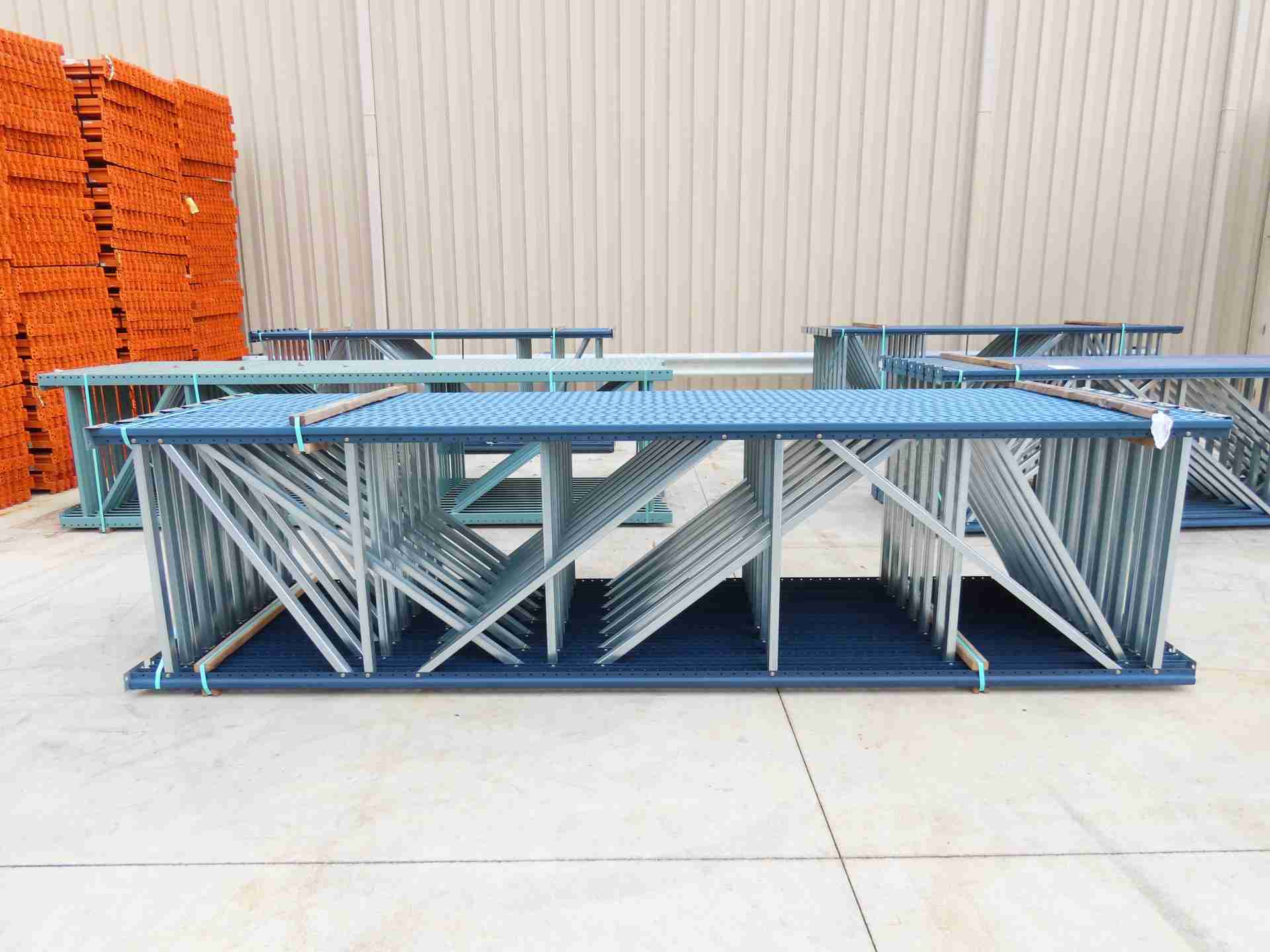
Conclusion
Conclusion:
- Metal racks in warehouses are foundational yet vulnerable, requiring constant vigilance for safety.
- Small damages like dents or cracks should prompt reflection on potential risks and safety protocols.
- A robust safety culture relies on intuition, regular inspections, and open communication among colleagues.
- Encouraging dialogue about safety transforms it from a protocol into a shared responsibility.
- Failures can create panic and fear, underscoring the ethical commitment to prioritize worker well-being.
- Fostering a culture of vigilance promotes resilience and unites workers around safety initiatives.
- Every action taken towards safety reinforces trust and contributes to a secure environment for all.

Conclusion
Other Resources

Other Resources
Here is a list of other resources you can review online to learn more:
- Illinois Pallet Racking – WPRP
- The Complete Pallet Rack Guide – Simply Rack
- Material Handling Safety
- Cantilever Rack Guide: Ordering Cantilever Racking
- IIWS Inc. Rack Installation Illinois & Rack Repairs Illinois
- Warehouse Racking Systems: Beginner’s Guide to Rack Systems
- BMH Equipment LLC
- Pallet Rack Systems – New and Used Pallet Racking and Shelving Experts
- Selective Racking
- Cantilever Racks Chicago
- RMI
- Cantilever Racking Specialists – Get the Right Racks
- Arrow Industrial Sales
- Warehouse Racks, Warehouse Racking in Stock – ULINE
- Pallet Racking systems in Illinois and Great Lakes
- National Safety Council
- New Cantilever Racks and Racking Kits
- BMH
- Pallet Racking systems in Illinois, Great Lakes
- Rack Manufacturers Institute
Use This Prompt To Get More Resources With Your Favorite Online AI Tool: Please provide me with a list of online articles with their URLs in a bulleted list that I can read regarding How to Spot Hidden Rack Damage Before It Fails

Other Resources
Glossary Terms
How to Spot Hidden Rack Damage Before It Fails – Glossary Of Terms
1. Rack: A framework or structure for storing goods in warehouses or distribution centers.
2. Damage: Physical harm that affects the integrity or functionality of a structure.
3. Hidden Damage: Damage that is not immediately visible, often requiring inspection to identify.
4. Inspection: A systematic examination of equipment or infrastructure to identify issues.
5. Deformation: The alteration of the original shape of a rack due to stress or impact.
6. Somatic Damage: Impact-related damage that affects the outer surface or body of the rack.
7. Cracks: Fractures in the material that can compromise the strength of the rack.
8. Rust: Oxidation of metal, indicative of corrosion that can weaken rack components.
9. Load Capacity: The maximum weight a rack can safely hold without failure.
10. Stress Testing: A method of testing that involves applying loads to determine if a rack meets safety standards.
11. Upright: The vertical component of a rack that supports the beams and load.
12. Beam: The horizontal support element of the rack that holds the inventory.
13. Footing: The base of the rack that provides stability and support.
14. Safety Factor: A measure of the load capacity relative to the expected maximum load.
15. Buckling: The sudden failure of a rack component under compressive stress.
16. Vertical Distortion: Changes in the alignment or position of upright structures.
17. Torsion: Twisting forces that can lead to structural failure in racks.
18. Splice: A connection point between two rack sections.
19. Signage: Labels or warnings placed on racks to indicate load limits and safety information.
20. Inspection Tool: Instruments used to assess the condition and integrity of racks.
21. Clearance: The space around and above racks, critical for safe operation and inspection.
22. Pallet: A platform used for transporting and storing goods on racks.
23. Load Distribution: The manner in which weight is spread across the shelving or pallet surfaces.
24. Tilt: An angle adjustment or alteration from the original vertical position of a rack.
25. Stability: The ability of a rack to maintain its position and support loads without tipping over.
26. Hardware: The nuts, bolts, and fasteners used for assembling racks.
27. Maintenance: Routine actions taken to ensure the proper functioning and safety of racks.
28. Drop Test: A testing method where a known weight is released from a height to determine structural integrity.
29. Forklift Impact: Damage caused by forklifts during loading or unloading processes.
30. Compliance: Adherence to safety regulations and standards regarding rack usage and maintenance.

Glossary Of Terms
Other Questions
How to Spot Hidden Rack Damage Before It Fails – Other Questions
If you wish to explore and discover more, consider looking for answers to these questions:
- What are the signs of hidden rack damage to look for?
- How often should rack inspections be conducted?
- What tools or checklists can be used for effective rack inspections?
- What specific training should employees receive regarding rack safety?
- What are the potential legal implications of rack failure?
- How can we effectively engage employees in safety discussions?
- What are the most common types of rack damage?
- How does rack maintenance impact overall warehouse efficiency?
- What role do managers play in promoting a culture of safety?
- What are the long-term costs associated with neglecting rack inspections?
- How do industry standards vary across different organizations?
- What support is available for warehouses to enhance their safety protocols?
- Are there case studies of successful rack safety implementations?
- What psychological factors influence employee behavior towards safety?

Other Questions
Checklist
How to Spot Hidden Rack Damage Before It Fails – A Checklist
Rack Safety Checklist: Protecting Lives and Livelihoods
Emotional Appeals
_____ Trust Your Instincts: If something feels off about your racking, take it seriously. Your gut feeling can be a crucial first line of defense.
_____ Engage Human Stories: Share anecdotes about safety and near-misses with your team to foster a culture of vigilance and mutual responsibility.
Rational Appeals
_____ Conduct Regular Inspections: Set a schedule for routine checks and adhere to it. Document findings to track any changes over time.
_____ Know Your Maintenance History: Review past inspection reports to identify patterns or recurrent issues that need attention.
Ethical Appeals
_____ Commit to Safety Standards: Make a pledge to uphold safety protocols to protect your team. Ignoring potential hazards is not just reckless—it’s unethical.
_____ Foster a Culture of Accountability: Encourage employees to report concerns without fear of repercussions; every voice matters.
Authority Appeals
_____ Understand Industry Guidelines: Familiarize yourself with safety standards set by OSHA and ANSI. Ensure compliance in all maintenance activities.
_____ Get Involved in Training: Participate in or organize workshops on racking safety to reinforce the importance of proper inspections among your team.
Narrative Appeals
_____ Develop Team Safety Stories: Create a shared narrative by documenting how your team overcame safety challenges. Use these stories to inspire commitment to proactive inspections.
_____ Visualize Consequences: Encourage employees to consider the impact of safety lapses on their lives and families, transforming abstract concerns into personal responsibility.
Social Appeals
_____ Encourage Peer Engagement: Promote teamwork during inspections. A collaborative approach can bolster accountability and thoroughness.
_____ Lead by Example: Be a role model for safety practices. Your commitment to thorough inspections influences colleagues to prioritize safety as well.
By utilizing this checklist, you can create a culture that prioritizes safety, accountability, and community, ensuring that your racking systems are both reliable and secure for everyone involved.

Checklist
At RackingWorld, we help guide you through selecting warehouse storage systems and racking.
Be sure to read our other related stories at RackingWorld to learn more about warehouse storage systems.
0 Comments