
Restore Safety And Strength: Replace Your Cantilever Arms Now
By Tom Seest
At RackingWorld, we help guide you through selecting warehouse storage systems and racking.
Be sure to read our other related stories at RackingWorld to learn more about warehouse storage systems.
How to Replace Damaged Cantilever Arms
When you’re staring down the barrel of a damaged cantilever arm, you might feel a mix of frustration and dread. It’s easy to think that tackling this repair is a job for someone else, but let’s pump the brakes for a moment. This is a chance to reconnect with the tools of the trade, to dig deep into that reservoir of latent skill we all carry. You’re not just replacing machinery; you’re standing up against wear and tear, both of the metal and of your spirit.
Start by assessing the situation. Examine the racking system and pinpoint exactly what’s gone awry. Maybe it’s a crack that could compromise the entire structure or a bend that keeps your shelves from standing tall. Whatever the case, understand that recognizing the problem is half the battle. Each nick and scratch tells a story, but they don’t have to dictate your future. With a little elbow grease, you can create a new chapter.
Next, gather your materials: replacement arms, safety gear, and the trusty tools that have seen you through countless repairs. Don’t underestimate the importance of quality parts; cutting corners here can lead to more headaches down the road. You’re not just making a fix; you’re making a commitment to safety and reliability that your team and community can depend on. The moment you lock in that new cantilever arm, you’re not just restoring function—you’re standing for a principle that all work should be done right, ensuring everyone can rely on that racking system day in and day out.
When you finally slide that arm into place and tighten the bolts, it’s more than just physics—it’s poetry. You’re part of a legacy of craftsmen, women, and people who believe in dialed-in performance, whether that’s in a warehouse or in life. Each twist of the wrench, each level of the spirit, commits to the promise that with hard work and integrity, nothing is insurmountable.
As you step back and admire your handiwork, remember that you’ve done more than simply replace a part. You’ve fostered trust within your team and your community. You’ve engaged in a ritual of repair that underscores the value of resilience and capability. So, grab your tools, roll up your sleeves, and transform that frustration into pride. The world needs more people who take their work seriously, not just for the function, but for the connection it builds.

How to Replace Damaged Cantilever Arms
How to Replace Damaged Cantilever Arms
- Encountering a damaged cantilever arm can evoke feelings of frustration and dread.
- This repair opportunity allows you to reconnect with your skills and tools.
- Start by assessing the damage to the racking system to identify the issue.
- Gather necessary materials, including quality replacement parts and safety gear, for the repair.
- Replacing the cantilever arm signifies a commitment to safety, reliability, and quality workmanship.
- The act of repairing connects you to a legacy of craftsmen and emphasizes the importance of hard work and integrity.
- Completing the repair fosters trust and resilience within your team and community, turning frustration into pride.

How to Replace Damaged Cantilever Arms
Table Of Contents
- How to Replace Damaged Cantilever Arms
- What Emotions Do You Feel When Your Equipment Fails Unexpectedly?
- How Can a Proper Repair Restore Your Peace Of Mind?
- What Steps Can Ensure You Make a Sound and Informed Choice?
- How Can Seeking Expert Advice Improve Your Repair Experience?
- What Experience Have Others Had When Replacing Cantilever Arms?
- Conclusion
- Other Resources
- Glossary Of Terms
- Other Questions
- Checklist
What Emotions Do You Feel When Your Equipment Fails Unexpectedly?
When your equipment fails unexpectedly, you experience a whirlwind of emotions that jostle your heart, head, and gut. Picture this: you’re in the midst of an important task, the engine’s purr has become a reassuring soundtrack to your progress, and then—silence. The abrupt racking of anticipation collapses into uncertainty. You feel the weight of disappointment press down like a heavy tool belt around your waist, your heart racing as adrenaline kicks in. Why now? You didn’t plan for this.
The initial panic often gives way to a flood of rational thoughts. You can almost hear the murmurs of your own reason reminding you to assess the situation. You remember the maintenance schedules, the last inspection—was everything up to par? As frustration creeps in, the nagging question surfaces: was it your fault? As emotional beings, we wrestle with the ethical implications of our tool’s failure. Did neglect or a simple oversight lead you to this moment? This internal dialogue becomes a spectrum of self-inquiry—understanding the failure might give you a sense of control, preparing you for the next round.
Then there’s the narrative we create around these moments. You’ve heard countless stories from others facing similar challenges. The woodworker who approached his craft with a trust in his tools—until that one day when the saw stopped mid-cut. Or the mechanic who, despite routine check-ups, found himself stranded with a stubborn engine. These tales remind us we are not alone. They anchor us in a shared humanity—all of us grappling with the unpredictability of our equipment.
So how do we respond? With grace. We huddle close to our toolbox, rallying our capabilities and knowledge. There’s immense power in reflection, in turning a troublesome failure into a learning moment. Each setback carries wisdom if you’re willing to sift through the ashes. Connecting with peers helps, too—sharing advice in the workshop or over a weekend barbecue sparks camaraderie. Your community is a wealth of experience ready to lend their support.
When faced with unexpected failure, embrace the mix of emotions. Trust yourself to troubleshoot, learn, and adapt. After all, it’s not just about the tools you wield; it’s about the journey together, through every twist, turn, and breakdown along the way.
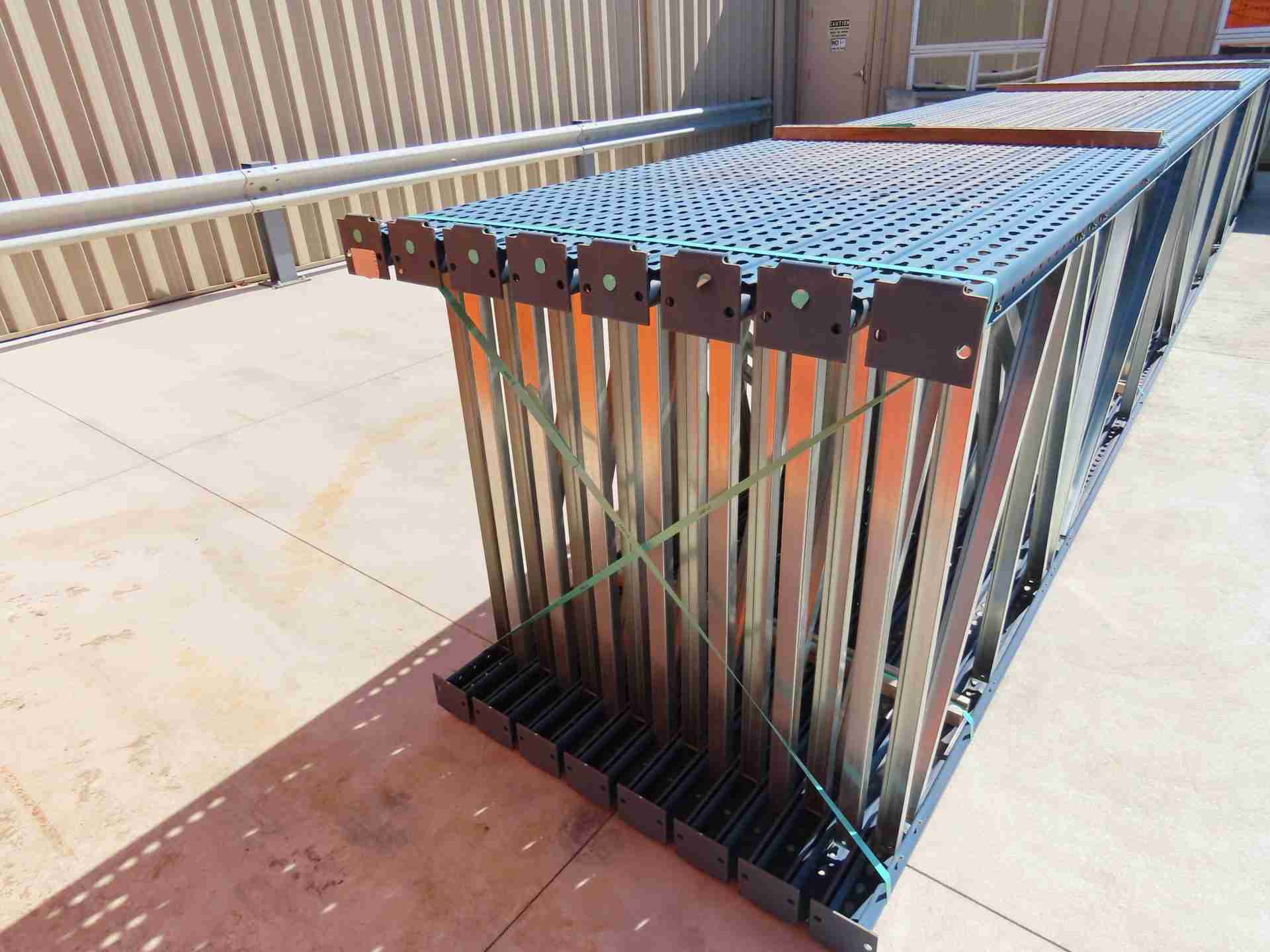
What Emotions Do You Feel When Your Equipment Fails Unexpectedly?
What Emotions Do You Feel When Your Equipment Fails Unexpectedly?
- Unexpected equipment failure triggers a whirlwind of emotions, from panic to disappointment.
- The initial shock transitions into self-reflection and rational thoughts about maintenance and oversight.
- Feelings of frustration and self-blame may arise as you analyze the failure’s cause.
- Personal anecdotes from others facing similar challenges provide a sense of shared experience and community.
- Responding to failure with grace allows for an opportunity to learn and grow from setbacks.
- Connecting with peers fosters camaraderie and offers valuable support during difficult moments.
- Embrace the emotional journey of troubleshooting and adapting, focusing on the collective experience of overcoming challenges.

What Emotions Do You Feel When Your Equipment Fails Unexpectedly?
How Can a Proper Repair Restore Your Peace Of Mind?
When you think about a proper repair, it’s easy to overlook how much more it is than just fixing a thing. Whether it’s a leaky faucet or a malfunctioning car, every repair carries the heavy weight of our emotions, our time, and our hard-earned money. The reality is that when something is broken in our lives—something crucial like a vehicle or home—it can leave us feeling like we’re adrift in a sea of anxiety and frustration, racking our brains over what went wrong and how to set it right.
Getting that repair done right can do more than restore an object; it can reignite a sense of stability and peace. Think about it: every day begins and ends in the spaces we inhabit, and every moment on the road is a venture filled with possibilities. When we fix what’s broken, we’re not just crafting a solution; we’re taking control of our surroundings, and ultimately, our lives. Emotionally, that sense of autonomy is powerful.
From a rational perspective, choosing the right repair technician or service can save you not just money in the long run, but heartache too. You’re not just throwing cash at a problem; you’re investing in reliability. Trust that comes from skilled hands and expertise can turn what was once a source of stress into a seamless experience. Knowing that you’ve enlisted someone who really knows their trade—from the intricate mechanics of an engine to the subtle nuances of plumbing—provides confidence that can’t be easily quantified.
Ethically, we have an obligation to maintain the things that support our lives. When we ignore repairs, we often unconsciously place burdens on those around us, from family members to fellow commuters. Proper repairs foster a culture of care, not just for our belongings but for the community. When something breaks, our reaction can ripple outward, affecting social dynamics and relationships.
Finally, there’s undeniable authority in choosing someone who takes pride in their work. A craftsman who stands by their repairs has the power to create connections; their reputation precedes them. This is where community and trust intersect, reminding us that we’re in this together—navigating the shared challenges of life, one repair at a time. So take action. Seek out those craftspeople whose work restores more than just physical items but also our faith in our environments and our connections with each other.

How Can a Proper Repair Restore Your Peace Of Mind?
How Can a Proper Repair Restore Your Peace Of Mind?
- Repairs encompass more than fixing; they represent emotional, temporal, and financial investments.
- Addressing repairs restores stability and peace in our daily lives, enhancing our environment.
- Effective repairs empower individuals by providing a sense of control and autonomy.
- Selecting skilled repair technicians can save money and prevent emotional distress.
- Proper maintenance of belongings reflects ethical responsibility and fosters community care.
- Neglecting repairs can impact relationships and social dynamics.
- Choosing dedicated craftsmen creates connections and reinforces trust within the community.

How Can a Proper Repair Restore Your Peace Of Mind?
What Steps Can Ensure You Make a Sound and Informed Choice?
When faced with a tough decision, it’s easy to feel like you’re racking your brain for the right answers. But making a sound and informed choice isn’t just about weighing pros and cons on paper. It’s about connecting emotionally and intellectually with what truly matters to you. It’s about digging deep to uncover the values that guide you, values that resonate not just in the heart but also in the gut.
Start with introspection. Sit down with yourself and ask, “What am I passionate about?” Let your emotions play their role. Recognize the pull of your heartstrings—those things that set your soul on fire. Whether it’s a career, a relationship, or even a community involvement, that emotional connection will fuel your decision-making process.
Next, put on your rational thinking cap. This is where the head comes into play. Evaluate the facts, seek knowledge from trusted experts, and gather as much information as you can. Read articles, attend workshops, or consult professionals who know the terrain. Every choice carries weight, and having a solid base of knowledge empowers you to make decisions grounded in reality, not just feelings. Thinking through the potential consequences helps in weighing the ethical implications of your choices—the ripples your decisions will send through your community.
Consider the stories that shape your perspective. Narratives hold immense power. Talk to friends or mentors who’ve walked down similar paths. Their experiences can help illuminate what you may not have considered. You might hear tales of triumph, failure, or unexpected turns—stories that reveal the art of judgment honed over time.
Then, tap into the social factor. Share your thoughts and engage in conversations with those around you. The knowledge and feedback from others can provide insights and connections that might have slipped under your radar. Often, your community’s wisdom is a treasure trove of perspectives that enrich your outlook and bolster your decision-making.
Finally, take a leap of faith. With your heart, head, and gut aligned, allow yourself to act. Trust in what you’ve learned, the values you hold dear, and the support you have. The journey of making informed choices is as much about understanding yourself as it is about navigating the world around you. Remember, the right choice isn’t just about where you end up—it’s about who you become in the process.

What Steps Can Ensure You Make a Sound and Informed Choice?
What Steps Can Ensure You Make a Sound and Informed Choice?
- Making informed choices involves balancing emotional and intellectual connections.
- Start with introspection to identify your passions and values that resonate with you.
- Evaluate facts and seek knowledge from trusted experts to build a solid base of information.
- Consider potential consequences and the ethical implications of your choices.
- Engage with others to hear stories and perspectives that can illuminate your decision-making process.
- Utilize community feedback and insights to enrich your understanding and choices.
- Trust in your journey and the alignment of your heart, head, and gut as you take action.

What Steps Can Ensure You Make a Sound and Informed Choice?
How Can Seeking Expert Advice Improve Your Repair Experience?
Imagine the sound of racking machinery, the clattering chaos of repair work in full swing. It’s the kind of music that makes you pause, think, and maybe even cringe a little. Now, think of the last time you found yourself knee-deep in a repair emergency, feeling like you were flying blind. It happened to me once—an engine problem that turned into a battle of wills between me and an unfamiliar beast of metal and gears. If only I had sought expert advice right from the start.
When you’re knee-deep in the trenches, staring down the barrel of a broken appliance or a car that won’t start, emotions can run high. You want that fix, and you want it fast, but rushing in without the right guidance is like setting out on a road trip without a map. Expert advice isn’t just about finding a solution; it’s an emotional lifeline. You connect with someone who’s been there, knows the ins and outs, and can calm those panicked feelings swirling inside your gut.
Let’s pull back the curtain on the social dynamics at play. Every community has a network of skilled individuals—people whose hands are skilled and whose brains are brimming with knowledge. Seeking out their insights is not just wise; it’s ethical. It shows respect for craftsmanship and acknowledges the hard work that ensures the longevity of your possessions. A good mechanic or repair specialist sees more than just a malfunction; they see a story, a history, and a chance to extend the life of something that matters to you.
Rationally speaking, the numbers are undeniable. The cost of expert advice often pales in comparison to the price of rushed repairs or DIY blunders. A small investment today can prevent bloated bills down the line. There’s authority in the expertise they bring, an understanding of nuances that you simply can’t replicate with a quick Google search. Their experience is your advantage; it’s a way to fortify your decision-making with tested guidance.
So, the next time you’re faced with a daunting repair, remember that reaching out for expert advice isn’t just a smart move—it’s the beginning of a partnership. You get to secure not just your belongings but your peace of mind. Take that step, invite a knowledgeable hand into your process, and watch as confidence replaces anxiety. Trust in the experts, and before you know it, you’ll be sharing stories of resilience and success instead of tales of frustration.

How Can Seeking Expert Advice Improve Your Repair Experience?
How Can Seeking Expert Advice Improve Your Repair Experience?
- The sound of machinery and repair work can evoke complex emotions, including stress and uncertainty during emergencies.
- Seeking expert advice early in a repair situation can alleviate anxiety and provide clarity, akin to having a roadmap for a road trip.
- Connecting with skilled individuals in the community reflects respect for craftsmanship and acknowledges their expertise.
- Professionals view repairs as narratives, understanding the value of extending the life of personal belongings.
- The cost of professional advice is often lower compared to the expenses incurred from hastily done repairs or DIY errors.
- Experienced specialists offer insights and nuances that online searches may overlook, strengthening decision-making.
- Reaching out for expert help establishes a partnership, transforming frustration into confidence and success.

How Can Seeking Expert Advice Improve Your Repair Experience?
What Experience Have Others Had When Replacing Cantilever Arms?
When it comes to replacing cantilever arms, many folks have stories that resonate like echoes from the workshop. It’s more than just a task on a to-do list; it’s often a rite of passage, a moment of learning that transforms frustration into accomplishment. Picture this: you’re standing in the middle of a racking system, surrounded by the remnants of old arms, tools scattered, and a task that seems more daunting than it should be. You’re not alone. Thousands have stood in that same spot, grappling with the same mix of uncertainty and resolve.
Consider Janet, a warehouse supervisor who faced a sudden collapse of her cantilever system due to years of wear and neglect. It wasn’t merely an inconvenience; it was a gut punch to the workflow. Yet, with the urgency deep in her heart, she rallied her team. They swapped tales about previous repairs, shared tips and tricks, and before long, they weren’t just replacing parts; they were building camaraderie. The replacement turned into a bonding experience, a shared mission infused with laughter and learning as they methodically transformed chaos into order.
Then there’s Mike, a maintenance manager who approached his cantilever replacement with a head full of research and a heart full of responsibility. He dove deep into rational solutions, weighing the strengths and weaknesses of various materials. He didn’t just rely on manufacturers’ claims; he sought out the wisdom of seasoned experts and online forums, engaging in conversations that enriched his understanding. Armed with this knowledge, he navigated the process confidently, avoiding pitfalls and providing a model for others to follow.
Trust plays a critical role here. By sharing experiences, professionals build a network of support that spans industries. The camaraderie among those who have wrestled with cantilever arms fosters a sense of belonging. They know the wear and tear, feel the same frustrations, and celebrate the victories together.
When you take on the challenge of replacing cantilever arms, remember: it’s not just about the task at hand; it’s about joining a community of resilient individuals who are determined to make their environments safer and more efficient. So grab that wrench, roll up those sleeves, and dive in! Every turn of that arm is a chance to learn, connect, and ultimately, triumph.

What Experience Have Others Had When Replacing Cantilever Arms?
What Experience Have Others Had When Replacing Cantilever Arms?
- Replacing cantilever arms is often a rite of passage and a moment of learning.
- Many individuals share similar experiences filled with uncertainty and determination.
- Janet, a warehouse supervisor, turned a sudden collapse of her cantilever system into a bonding experience for her team.
- Mike, a maintenance manager, approached the replacement methodically, using research and expert advice to guide his decisions.
- Trust and shared experiences create a network of support among professionals dealing with cantilever arms.
- The process of replacing arms fosters camaraderie and a sense of belonging within the community.
- Engaging in this challenge offers opportunities for learning, connecting, and achieving triumph together.

What Experience Have Others Had When Replacing Cantilever Arms?
Conclusion
Replacing damaged cantilever arms isn’t simply a matter of fixing equipment; it’s a transformative experience that blends the emotional, rational, and ethical threads of our lives. Picture yourself facing a malfunction that threatens productivity, eliciting a blend of anxiety and frustration. This scenario is familiar to countless others who have stood in your shoes, grappling with their own breakdowns, and what emerges is a collective narrative of resilience.
This is your moment to reestablish control, not just over metal and bolts, but over the environment in which you operate. Each repair is an act of commitment, a statement that safety and reliability matter. You aren’t just replacing a part; you’re weaving a fabric of trust that envelops your team and impacts your community. The emotional journey—confusion giving way to clarity, frustration transforming into accomplishment—is a testament to the human spirit’s unwavering resolve.
Gathering quality materials and employing the right tools is vital, but it’s the deeper implications of this task that resonate most. You’re not alone in this battle. Countless stories echo the experiences of others, from warehouse supervisors uniting teams during crises to maintenance managers conducting diligent research before diving in. These communal tales remind us that the challenges we face are shared, underlining the importance of camaraderie in overcoming adversities.
Seeking expert advice enhances this journey further; it’s less about a simple transaction and more about forging alliances. The authority and wisdom of seasoned professionals empower you to make informed decisions, reducing errors and fostering peace of mind. Investing time and resources in expert guidance is a commitment to longevity—both in your equipment and in your professional growth.
Ultimately, every twist of a wrench during the replacement of cantilever arms symbolizes empowerment, solidarity, and progress. You’re not just restoring function; you’re nurturing relationships and fostering a culture of care within your organization. Trust me, when you stand back and admire your work, it’s more than just a mechanical fix—it’s a legacy of commitment to excellence and community that resonates through every aspect of life. Grab those tools and embrace the challenge. The world needs more individuals like you—those who approach work with integrity and dedication, crafting not just repairs, but connections that uplift us all.

Conclusion
Conclusion:
- Replacing damaged cantilever arms is a transformative experience that intertwines emotional, rational, and ethical aspects of life.
- Facing equipment malfunctions elicits anxiety and frustration, yet it also reveals a collective narrative of resilience.
- Repairing equipment is an act of commitment, establishing trust and prioritizing safety and reliability within teams and communities.
- The emotional journey of repair transforms confusion and frustration into clarity and accomplishment, showcasing human resilience.
- Gathering quality materials and utilizing the right tools are essential, but shared experiences emphasize the importance of camaraderie in overcoming challenges.
- Seeking expert advice goes beyond transactions; it’s about building alliances that empower informed decisions and foster peace of mind.
- Every action in the replacement process symbolizes empowerment and dedication, creating connections that contribute to a culture of care and legacy within organizations.

Conclusion
Other Resources

Other Resources
Here is a list of other resources you can review online to learn more:
- Crane Manufacturers Association Of America Inc.
- Warehouse Racking Systems: Beginner’s Guide to Rack Systems
- Pallet Racking 101: A Comprehensive Guide & Options Explained
- What is Cantilever Racking? – AK Material Handling Systems
- Wolter
- Rack Manufacturers Institute
- Selective Racking
- Selective Pallet Racking Systems – Container Systems
- Warehouse Storage Racking in Illinois
- Chicago Pallet Racking
- Warehouse Racking Chicago, IL
- Teardrop Racks – Pallet Rack World
- Interlake Mecalux
- Arrow Industrial Sales
- The Complete Pallet Rack Guide – Simply Rack
- Rack Manufacturers Institute
- Logic Material Handling
- Shipping Boxes, Packaging Materials, Pallet Racking
- MHI
- Interlake Mecalux
Use This Prompt To Get More Resources With Your Favorite Online AI Tool: Please provide me with a list of online articles with their URLs in a bulleted list that I can read regarding How to Replace Damaged Cantilever Arms

Other Resources
Glossary Terms
How to Replace Damaged Cantilever Arms – Glossary Of Terms
1. Cantilever Arm: A projecting arm supported at only one end, commonly used in structures or equipment to hold loads.
2. Replacement: The act of removing a damaged component and installing a new, functional component in its place.
3. Tools: Implements or devices used to perform a specific task, such as wrenches, screwdrivers, or saws needed for the replacement process.
4. Inspection: The process of examining the cantilever arm for signs of damage or wear before replacing it.
5. Safety Gear: Protective equipment such as gloves, goggles, and hard hats worn to safeguard against injuries during the replacement process.
6. Measurements: The process of determining the dimensions of the existing cantilever arm to ensure the new arm is compatible.
7. Alignment: Ensuring that the new cantilever arm is positioned correctly before securing it in place.
8. Mounting Bracket: A structural component that secures the cantilever arm to a wall, beam, or other support.
9. Load Capacity: The maximum weight that the cantilever arm can safely support without failure.
10. Welding: A fabrication process used to join two or more materials, often metal parts of the cantilever arm.
11. Bolts: Fasteners used to secure components together, often with nuts, during installation of the cantilever arm.
12. Nuts: A hexagonal piece of metal that is used in conjunction with bolts to fasten components securely.
13. Washers: Flat discs used with bolts and nuts to distribute load and prevent loosening over time.
14. Corrosion: The gradual destruction of materials, often metals, due to chemical reactions with the environment, leading to the need for replacement.
15. Structural Integrity: The ability of the cantilever arm to support loads without collapsing or deforming.
16. Torque: A measuring unit for rotational force, often necessary to ensure bolts are tightened to the required specification.
17. Dismantling: The process of carefully taking apart the existing cantilever arm for replacement.
18. Replacement Arm: The new cantilever arm that is installed in place of the damaged one.
19. Installation: The act of putting the new cantilever arm into place and securing it.
20. Testing: The process of verifying that the new cantilever arm is functioning correctly after installation.
21. Load Distribution: The method of spreading weight evenly across the cantilever arm to prevent localized stress.
22. Maintenance: Regular checks and repairs needed to prolong the lifespan of the cantilever arms and ensure safety.
23. Material: The substance from which the cantilever arm is made, such as steel or aluminum, affecting its strength and durability.
24. Stress Analysis: The evaluation of stress on materials to ensure that they can safely withstand working loads.
25. Documentation: Written records detailing the specifications, installation, and inspections of the cantilever arm replacement.
26. Guidelines: Recommended procedures or best practices to follow during the replacement process.
27. Consultation: Seeking advice from engineers or specialists to ensure proper replacement methods are employed.
28. Compatibility: The ability of the replacement cantilever arm to work effectively with existing structures and components.
29. Failure Analysis: The investigation of the reasons behind the original arm’s damage or failure to prevent future occurrences.
30. Adjustment: Fine-tuning the position or setup of the new cantilever arm to achieve optimal performance.
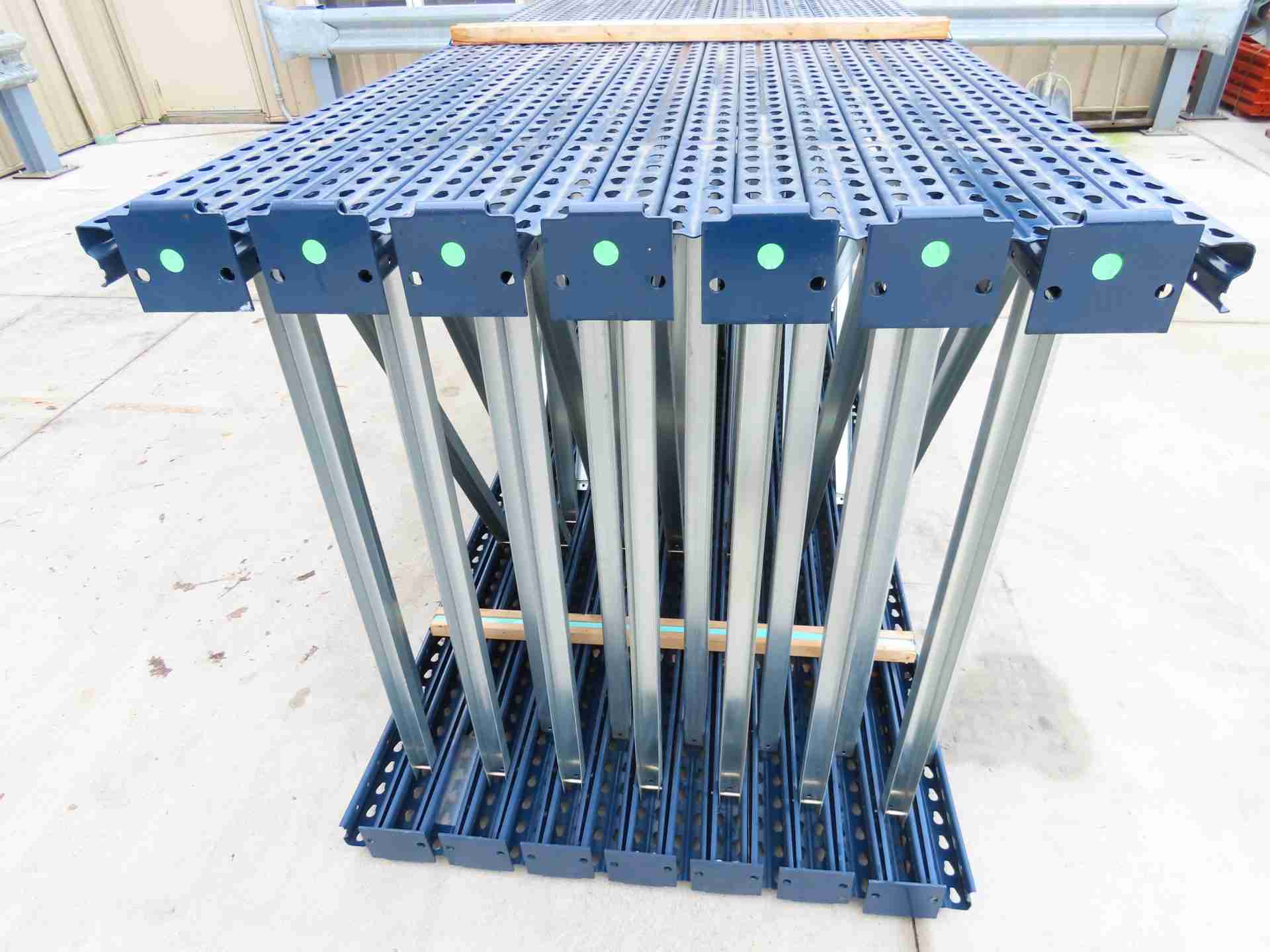
Glossary Of Terms
Other Questions
How to Replace Damaged Cantilever Arms – Other Questions
If you wish to explore and discover more, consider looking for answers to these questions:
- What specific tools and materials are needed to replace cantilever arms?
- What safety precautions should you take when replacing cantilever arms?
- How do you assess the damage on cantilever arms effectively?
- What common mistakes should be avoided during the replacement process?
- How can you ensure the replacement cantilever arms are of high quality?
- What is the typical cost of replacing cantilever arms?
- How long does it usually take to replace cantilever arms?
- What are the signs that indicate cantilever arms need replacement?
- Can you replace cantilever arms alone, or should you seek help?
- What are the benefits of learning how to replace equipment yourself?
- How can community support aid in the repair process?
- What are some tips for maintaining cantilever arms to prevent future damage?

Other Questions
Checklist
How to Replace Damaged Cantilever Arms – A Checklist
Checklist for Replacing Cantilever Arms: Connecting Heart, Head, and Gut
Emotional Appeal
_____ Reflect on the emotions experienced during equipment failure. How did it impact your day-to-day operations?
_____ Channel frustration into motivation. What can you learn from this experience?
Rational Appeal
_____ Conduct a thorough assessment of the damage before starting repairs. What specific issues need addressing?
_____ Gather information on quality replacement parts—consider reviews and expert opinions.
_____ Compare costs of DIY repairs versus hiring a professional. Is it worth the potential savings?
Ethical Appeal
_____ Acknowledge the importance of maintaining equipment for the safety of your team and community. How does neglecting repairs affect others?
_____ Commit to using high-quality materials to prevent future issues and ensure reliability.
Authority Appeal
_____ Seek advice from trusted professionals in your network. Who can provide valuable insights?
_____ Leverage online resources and community forums for shared knowledge.
Narrative Appeal
_____ Share your story or learn from others’ experiences of replacing cantilever arms. What lessons were learned?
_____ Engage in discussions with colleagues about past repair challenges. How did they overcome them?
Social Appeal
_____ Collaborate with your team during the repair process. How can teamwork enhance the experience?
_____ Participate in workshops or community repair initiatives to strengthen connections.
Action Steps
_____ List necessary materials and tools before starting. Are you fully prepared?
_____ Create a timeline for repairs. When are you scheduled to start and finish?
_____ Track your progress and celebrate small victories along the way. What can you acknowledge as a success?
Final Thoughts
_____ Reflect on the transformation from frustration to pride. How does completing this task contribute to your personal growth and resilience?
_____ Remember, your commitment to repairs strengthens not only your equipment but also your community and relationships. How will you carry this knowledge forward?

Checklist
At RackingWorld, we help guide you through selecting warehouse storage systems and racking.
Be sure to read our other related stories at RackingWorld to learn more about warehouse storage systems.
0 Comments