
Protecting Lives And Property: Meeting Fire Code Regulations In Rack Zones
By Tom Seest
At RackingWorld, we help guide you through selecting warehouse storage systems and racking.
Be sure to read our other related stories at RackingWorld to learn more about warehouse storage systems.
How to Comply with Fire Marshall Inspections In Rack Zones
When it comes to fire marshal inspections in rack zones, it’s not just about checking boxes—it’s about ensuring the safety of every person who walks through those doors. If you think of your warehouse as a small community, then those racking systems are the very backbone. They hold not only products but the livelihood of everyone who works around them.
Picture this: a worker reaches for a box on a high shelf, and without a solid racking system or proper fire safety protocols, a moment of negligence becomes a catastrophe. That emotional connection to your colleagues, to their families, and the well-being of your entire team adds gravity to every inspection. If that doesn’t motivate you to take fire safety seriously, you might want to reconsider your role in this community.
Now, from a rational standpoint, fire marshals are not the enemy. Think of them as partners in your pursuit of a thriving workplace. Their job is to ensure compliance with regulations, but also to guide you on best practices that can protect inventory and safeguard lives. The regulations might seem tedious, but they are grounded in the wisdom of experience, aiming to make every rack zone as secure as possible.
Ethically, it’s your responsibility to create a safe environment. You owe it to your workers, their families, and the community at large. Every component of your fire safety strategy, from proper racking placement to clear aisles and operational fire extinguishers, reflects your commitment not just to compliance, but to human life. It’s the right thing to do.
Authority figures like fire marshals have invested years in understanding risks and safe practices. Their insights could mean the difference between a near-miss and a devastating accident. Listening to their advice isn’t just a best practice; it’s a demonstration of integrity for your facility.
Let’s not overlook the social aspect. When you prioritize safety, you elevate the conversation around fire hazards. You foster an environment where employees feel valued, engaged, and most importantly, safe. Make it your mission to rally the team around fire safety. Encourage open discussions, share stories, and inspire one another to comply with regulations. You’ll walk away not just ready for inspections, but with a culture that champions health and safety.
Take action, inspire trust, and remember: every rack counts!
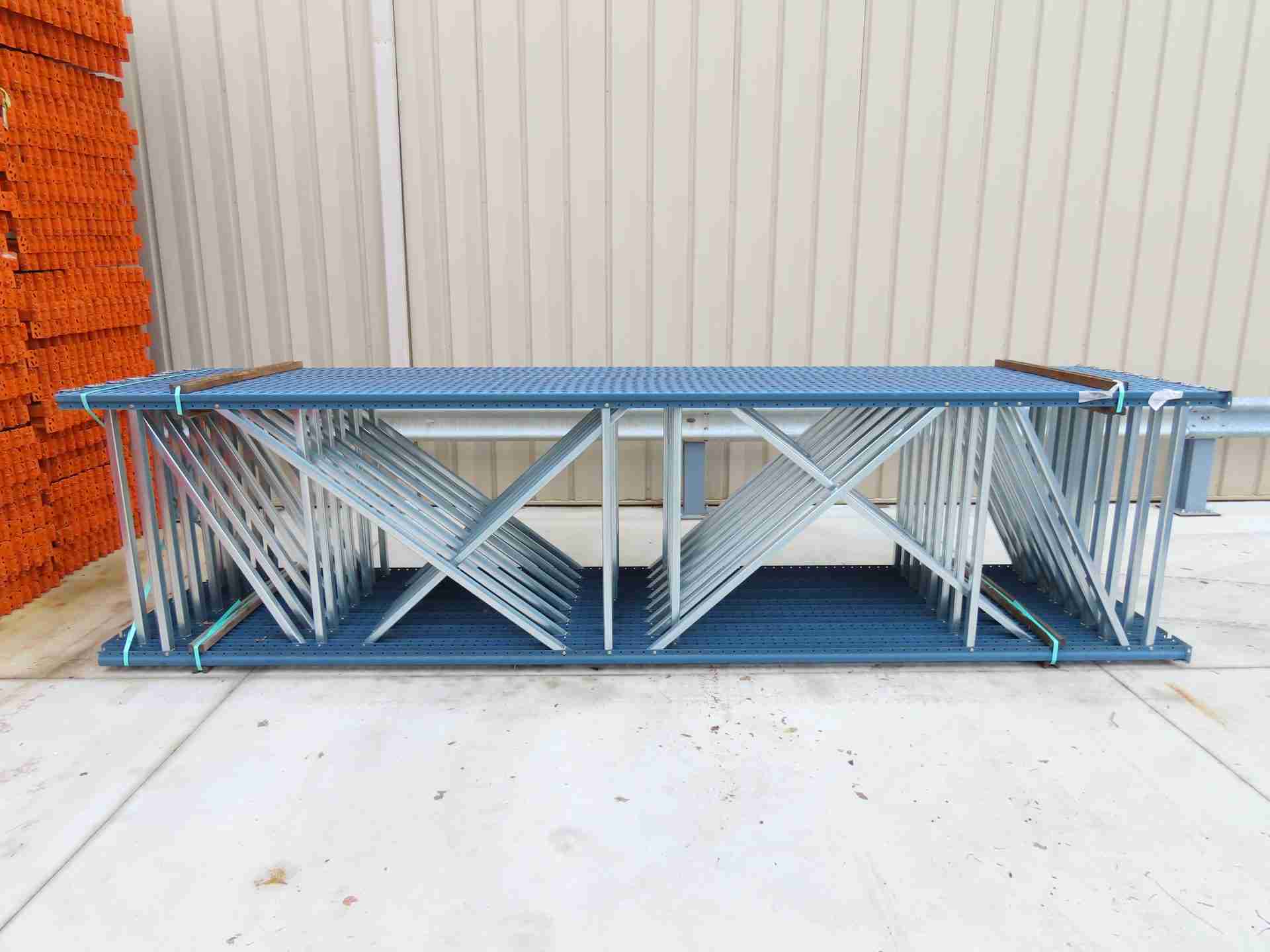
How to Comply with Fire Marshall Inspections In Rack Zones
How to Comply with Fire Marshall Inspections In Rack Zones
- Fire marshal inspections in rack zones prioritize the safety of everyone in the workplace.
- Racking systems are crucial not only for products but also for the livelihoods of all workers.
- A lack of proper fire safety protocols can lead to catastrophic accidents.
- Fire marshals should be viewed as partners in creating a safe and compliant workplace.
- Creating a safe environment is an ethical responsibility towards workers and the community.
- Listening to fire marshals’ expertise is crucial for preventing accidents and demonstrating integrity.
- Prioritizing safety fosters a positive workplace culture where employees feel valued and engaged.
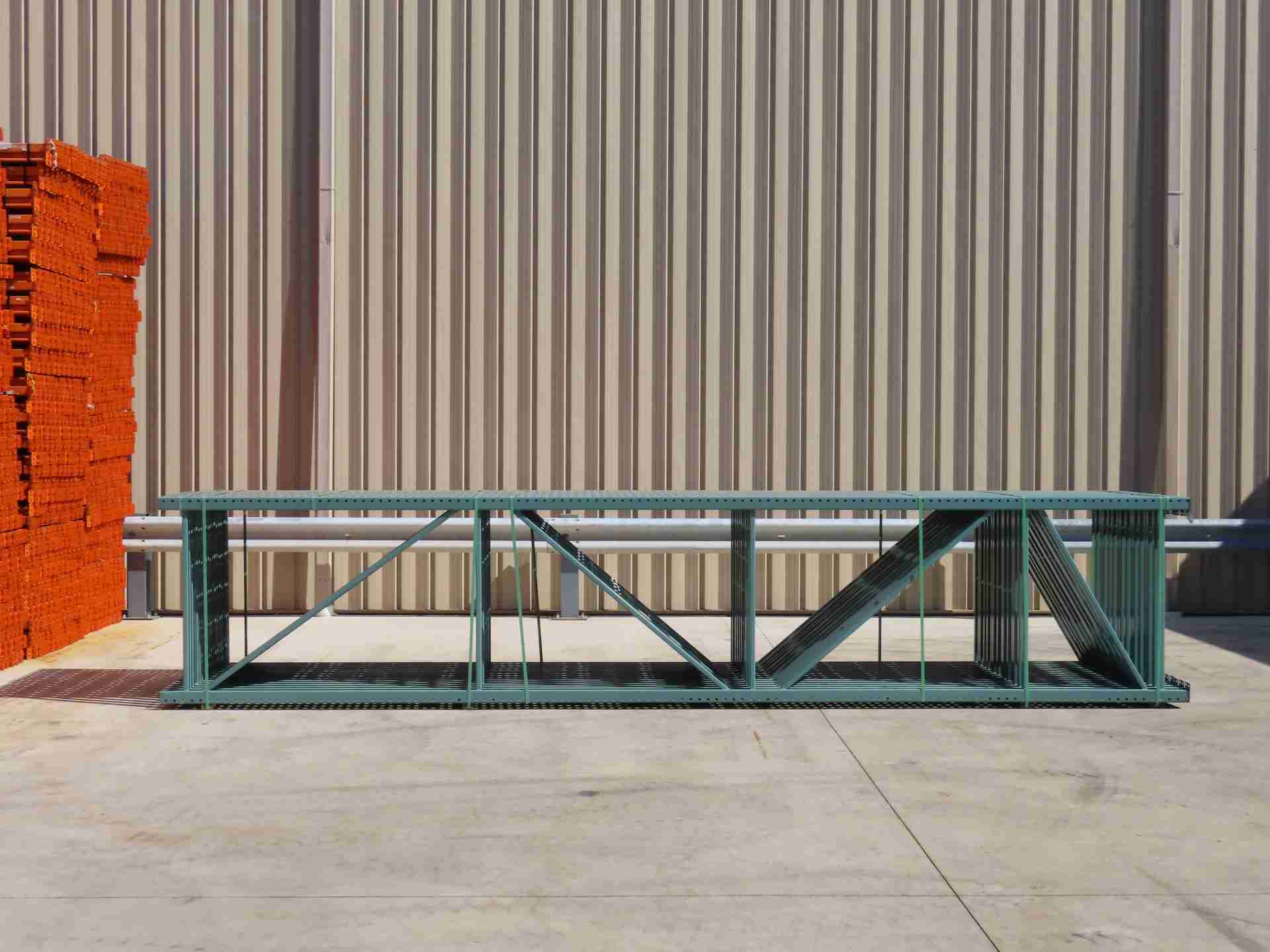
How to Comply with Fire Marshall Inspections In Rack Zones
Table Of Contents
- How to Comply with Fire Marshall Inspections In Rack Zones
- What Steps Can You Take to Ensure Fire Safety Compliance?
- How Does Your Organization Prioritize Fire Safety?
- Are Your Employees Trained to Respond to Fire Risks?
- What Are the Most Common Fire Code Violations In Rack Zones?
- How Do Proper Rack Inspections Protect Lives and Property?
- Conclusion
- Other Resources
- Glossary Of Terms
- Other Questions
- Checklist
What Steps Can You Take to Ensure Fire Safety Compliance?
Ensuring fire safety compliance isn’t just a box to check; it’s a commitment to protecting lives, property, and dreams. Think about it. Every time you step foot into a building, you walk on floors designed to carry weight, be it the racking system in a warehouse or the structure of your own home. These elements are the unspoken heroes of safety, relying on stringent codes and regulations to keep you safe from the unexpected.
Let’s start with the emotional side of things. Imagine the fear of an unexpected fire breaking out. It’s not just about the flames; it’s the panic in your chest, the unclear paths to safety. This fear is real, and it’s why validating fire safety compliance should resonate with every decision-maker out there. The tragic stories of lives lost paint a painful picture, and it’s personal. We all know someone—maybe a friend or a family member—who has been affected by fire in a devastating way. Now, think about your responsibility to ensure that doesn’t happen on your watch.
Turning to rationality, fire safety regulations are not arbitrary; they’re crafted from years of data, studies, and experience. Compliance isn’t just common sense; it’s the law. By ensuring compliance, you’re protecting your assets, your workforce, and your community. What kind of organization would risk a hefty fine or worse—a catastrophic fire? When you make fire safety a priority, you show respect for legislation that works to safeguard everyone.
Ethically, we have to ask ourselves: is it right to cut corners on fire safety? Every life lost in a preventable fire weighs heavy on the conscience. This isn’t just about you or your business; it’s about your people, your neighbors, your community. We owe it to them to never overlook safety checks, maintenance routines, and appropriate training.
And remember—the stronger the community, the safer the world. Socially, when businesses prioritize compliance, they inspire others in the district to follow suit. Building an environment where everyone feels secure fosters trust. So, let’s not wait for a fire alarm to remind us of our obligations.
When it comes to fire safety compliance, it’s not merely about adhering to regulations. It’s about standing together for a future where we all feel safe, valued, and secure. Take the steps today that forge a safer tomorrow.
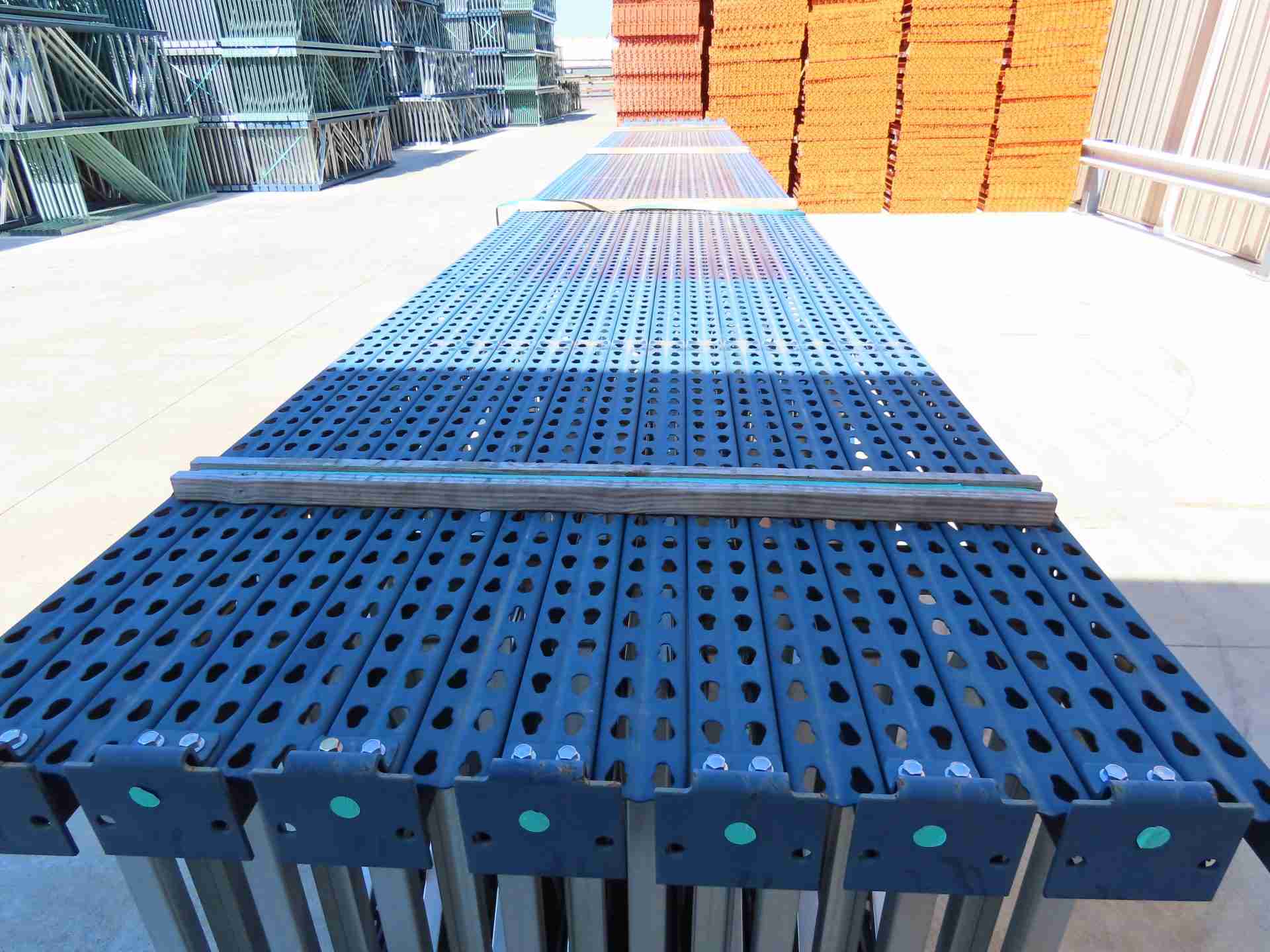
What Steps Can You Take to Ensure Fire Safety Compliance?
What Steps Can You Take to Ensure Fire Safety Compliance?
- Fire safety compliance is a commitment to protecting lives, property, and hopes.
- Building structures, such as homes and warehouses, depend on safety codes to ensure stability and security.
- The fear of an unexpected fire includes not only flames but also the panic and confusion it can create.
- Compliance with fire safety regulations is essential for protecting assets, workforce, and the community.
- Cutting corners on fire safety is ethically wrong and can lead to tragic consequences.
- Prioritizing compliance fosters a sense of community trust and encourages others to follow suit.
- Fire safety is not just about regulations; it’s about creating a safe and secure future for everyone.
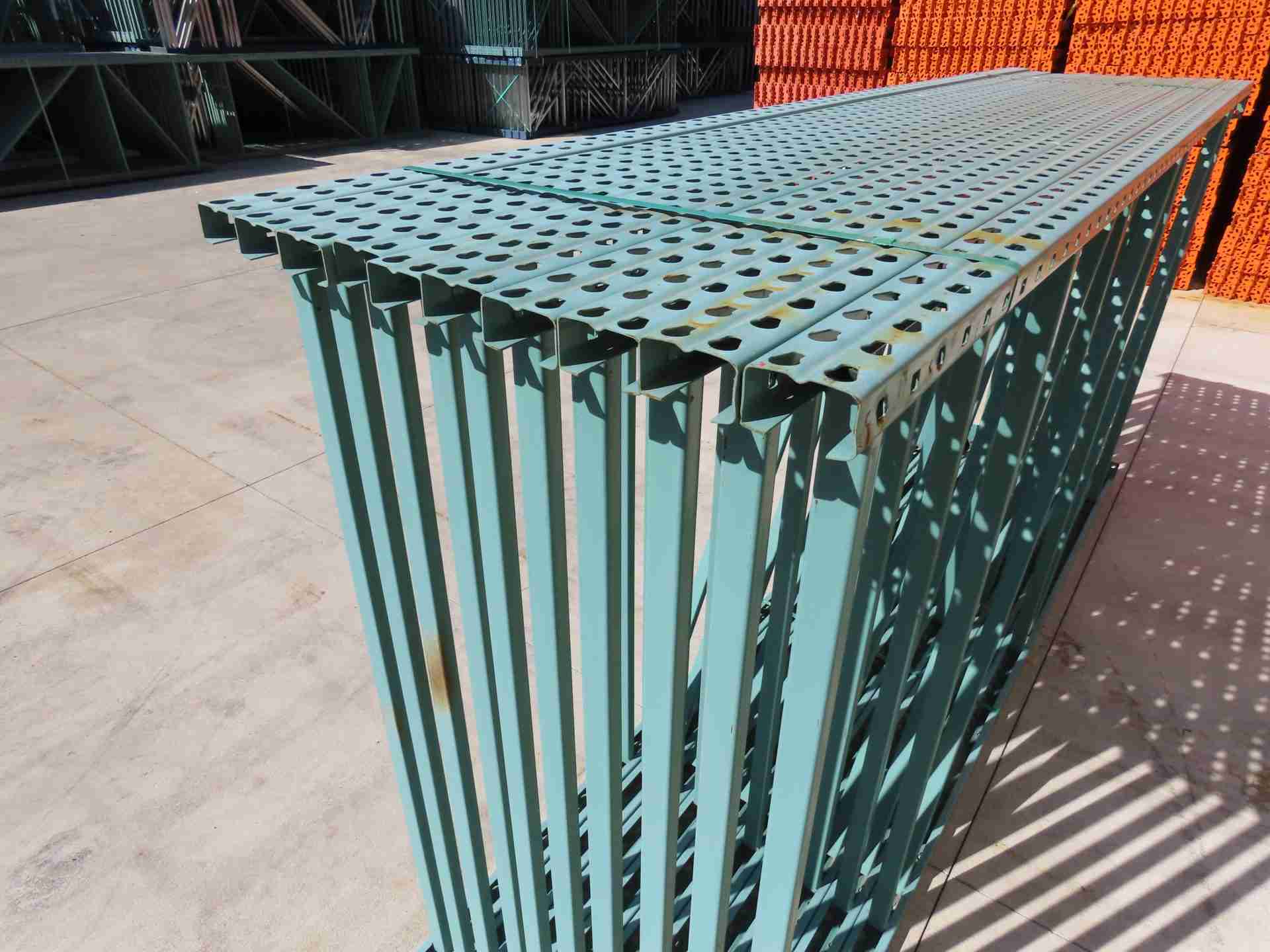
What Steps Can You Take to Ensure Fire Safety Compliance?
How Does Your Organization Prioritize Fire Safety?
Fire safety is more than just a checklist; it’s a commitment to every life in your organization. When we think about fire safety, our hearts beat a little faster, our minds flash with images of what could go wrong, and our guts tighten at the thought of families torn apart by tragedy. But let’s not just dwell on fear; let’s talk about what we can do to change the narrative.
Prioritizing fire safety begins at the top—with leadership that truly believes in the cause. It’s not just about racking up certifications or compliance numbers; it’s about fostering a culture where every individual feels empowered to act. Picture a workplace where fire drills aren’t an inconvenience but an integral part of your rhythm. This is where the emotional connection forms, where each employee knows they are part of a larger mission—to keep one another safe.
Think about it: in your organization, how many times has safety taken a back seat to productivity? Statistically, it’s disturbing. Fires don’t discriminate; they strike when we least expect it. Statistically, you might be thinking, “Why bother?” But the reality is, prioritizing fire safety isn’t just good ethics—it’s smart business. It means less downtime, fewer liabilities, and a workforce that feels genuinely cared for.
But let’s not ignore the social factor. Employees want to work for companies that take their safety seriously. The word spreads. Trust builds. Your organization becomes a beacon, attracting top talent and loyal clients who appreciate your commitment to making your workplace secure. This reputation is invaluable.
Consider this: can you remember a time when means and methods seemed inadequate? Perhaps a near miss that had you questioning whether your plans were robust enough. Let that story drive you. Use that memory as fuel for action—a catalyst for change. The choice to prioritize fire safety is a choice to invest in people, to honor the lives daily committed to your mission.
This isn’t just about regulations or rules; it’s about hearts, homes, and lives. It’s about making sure that the next phone call or knock on the door doesn’t bring devastation but instead carries a reassuring assurance that your organization has done everything it could to protect its people. So, stand up, speak out, and take decisive action on fire safety. Your organization’s future—and many lives—depend on it.

How Does Your Organization Prioritize Fire Safety?
How Does Your Organization Prioritize Fire Safety?
- Fire safety is a commitment to every individual within an organization, transcending mere checklists.
- Leadership plays a crucial role in fostering a safety culture where employees feel empowered to act.
- Regular fire drills should be integrated into the workplace rhythm, reinforcing their importance.
- Prioritizing fire safety reduces downtime, liabilities, and creates a caring work environment.
- Companies that take safety seriously attract top talent and loyal clients, building a strong reputation.
- Reflection on past near misses can drive organizational change and enhance safety measures.
- Taking decisive action on fire safety is essential for protecting lives and ensuring a secure future.
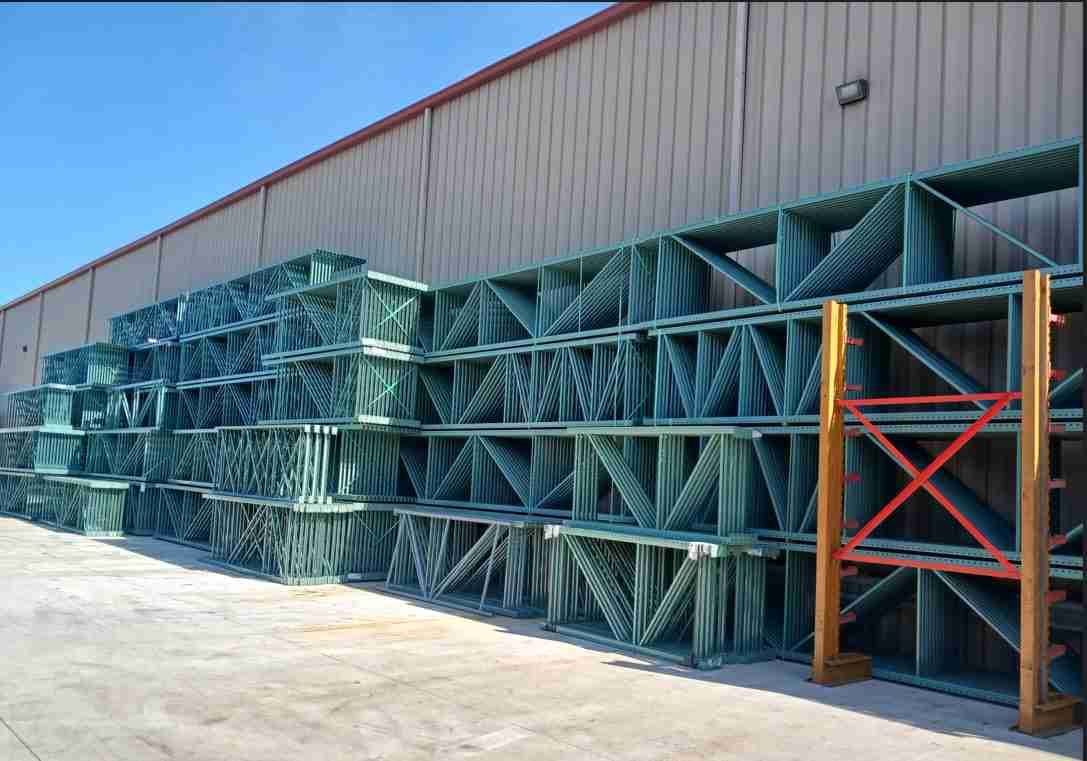
How Does Your Organization Prioritize Fire Safety?
Are Your Employees Trained to Respond to Fire Risks?
Fire risks in the workplace can be devastating—not just to property, but to people’s lives.Imagine the chaos of an alarm blaring, smoke filling the air, and your employees unsure of what to do. This isn’t just a scenario you see in movies; it’s a reality that can happen in any business.
Training your employees to respond to fire risks isn’t merely a regulatory checkbox; it’s a moral obligation. Each employee—your team—deserves to know the right course of action when danger strikes. Without proper training, the instinct to freeze can turn fatal. So, ask yourself: are you willing to put your team in harm’s way over a few hours of training?
Consider this: when a fire breaks out, seconds matter. Racking your brain for an escape route while flames lick at your heels simply isn’t acceptable. Rationally, providing training is an investment that pays dividends. Not only does it boost your team’s confidence, but it creates a safety-first culture within your workplace—an environment where everyone looks out for one another.
From an ethical standpoint, it’s essential to recognize that training isn’t just for the company’s sake; it’s about safeguarding human lives. Your employees are not just cogs in a machine; they are individuals with families and dreams. They come into the workplace with the expectation that they’ll return home safe and sound. By ignoring this responsibility, you’re not only risking their safety but also undermining the trust they place in you as a leader.
Throughout countless stories shared by firefighters and safety personnel, a common thread emerges: preparedness saves lives. Those who are trained not only know what to do; they also feel empowered to act—and that empowerment spreads like wildfire within a team. When employees understand their roles in an emergency, they become a united front.
The bigger picture? Fire safety training brings everyone closer. It transforms a group of colleagues into a cohesive unit, promoting a sense of camaraderie as they engage in meaningful discussions about safety best practices. You’re not just protecting the building; you’re nurturing a culture of care and responsibility.
So, lift that fire extinguisher, review exit plans, and shed light on preventive measures. Invest in your employees’ safety and well-being. Fire risks are daunting, but with well-trained individuals by your side, you’ll face any challenge with courage. Together, let’s spark a change toward a safer future.
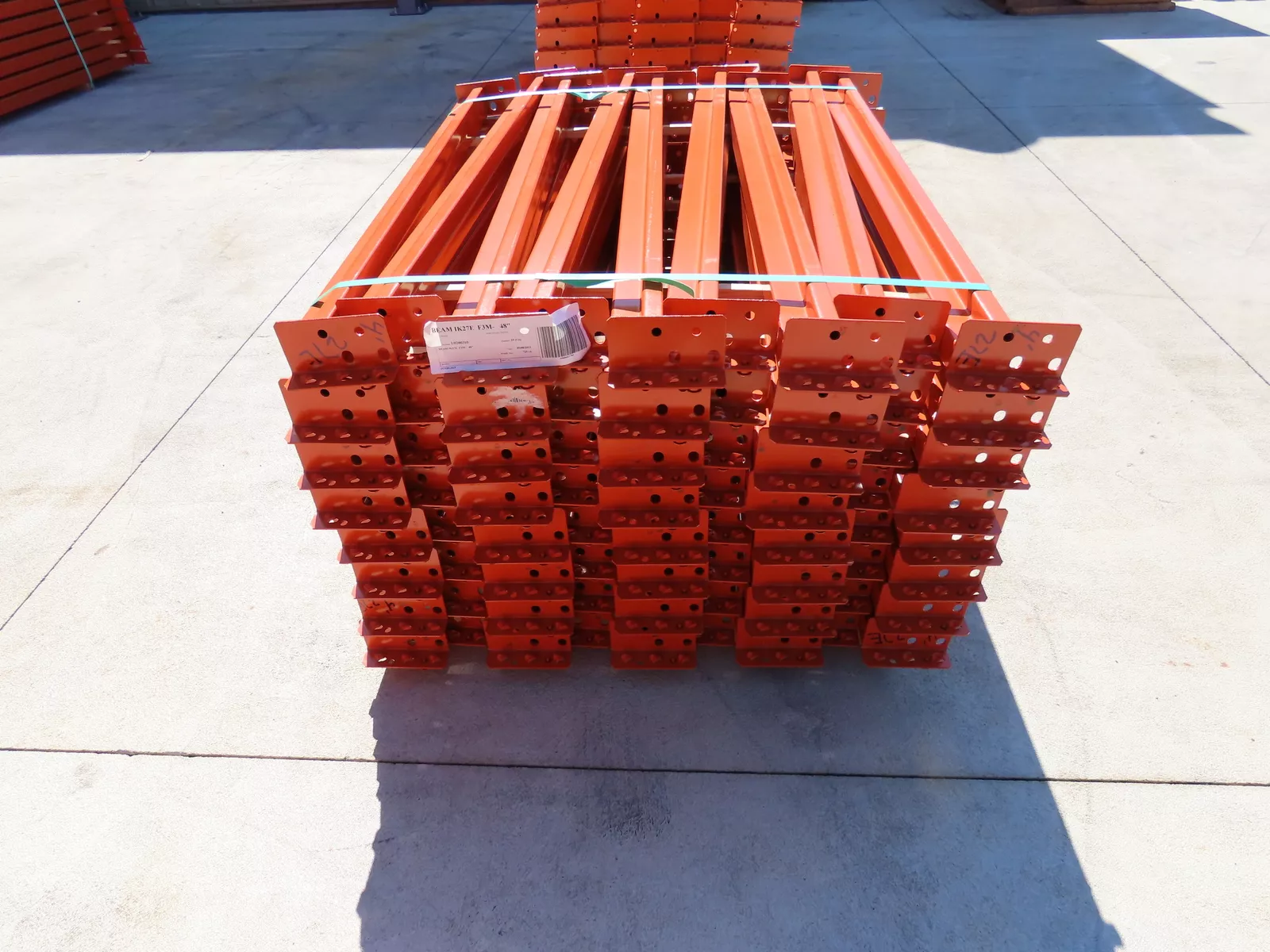
Are Your Employees Trained to Respond to Fire Risks?
Are Your Employees Trained to Respond to Fire Risks?
- Fire risks in the workplace pose significant hazards to both property and people’s lives.
- Training employees for fire emergencies is a moral obligation and reduces the chance of panic during an actual event.
- Seconds are critical during a fire; proper training ensures quick and decisive action.
- Fire safety training fosters a culture of safety, boosting team confidence and mutual support.
- Training is essential not just for compliance, but to protect the lives of individuals with families and futures.
- Preparedness through training empowers employees to act effectively in emergencies, fostering teamwork.
- Investing in fire safety training enhances camaraderie and responsibility among colleagues, ensuring a safer workplace.
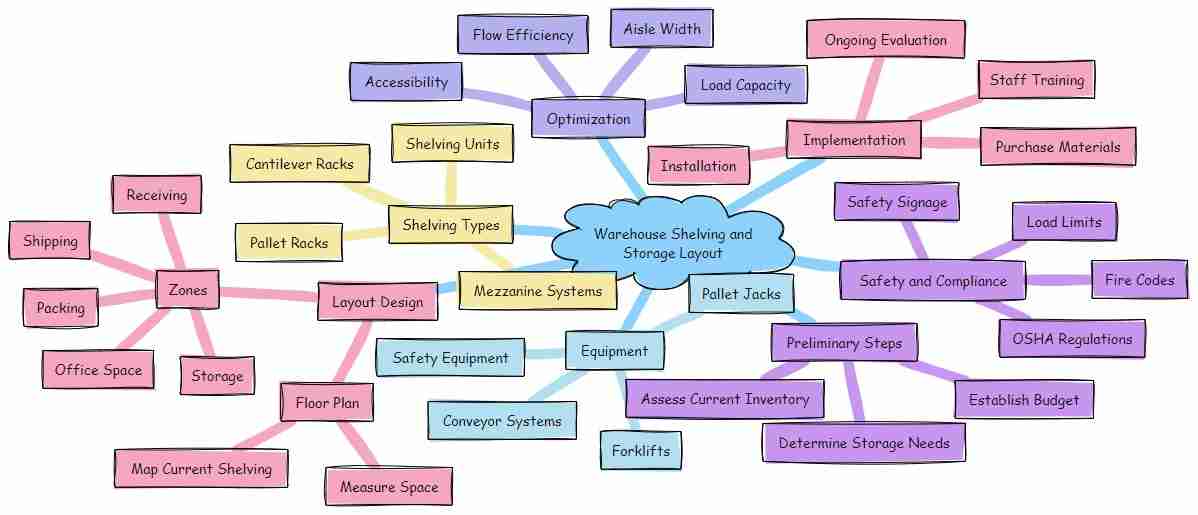
Are Your Employees Trained to Respond to Fire Risks?
What Are the Most Common Fire Code Violations In Rack Zones?
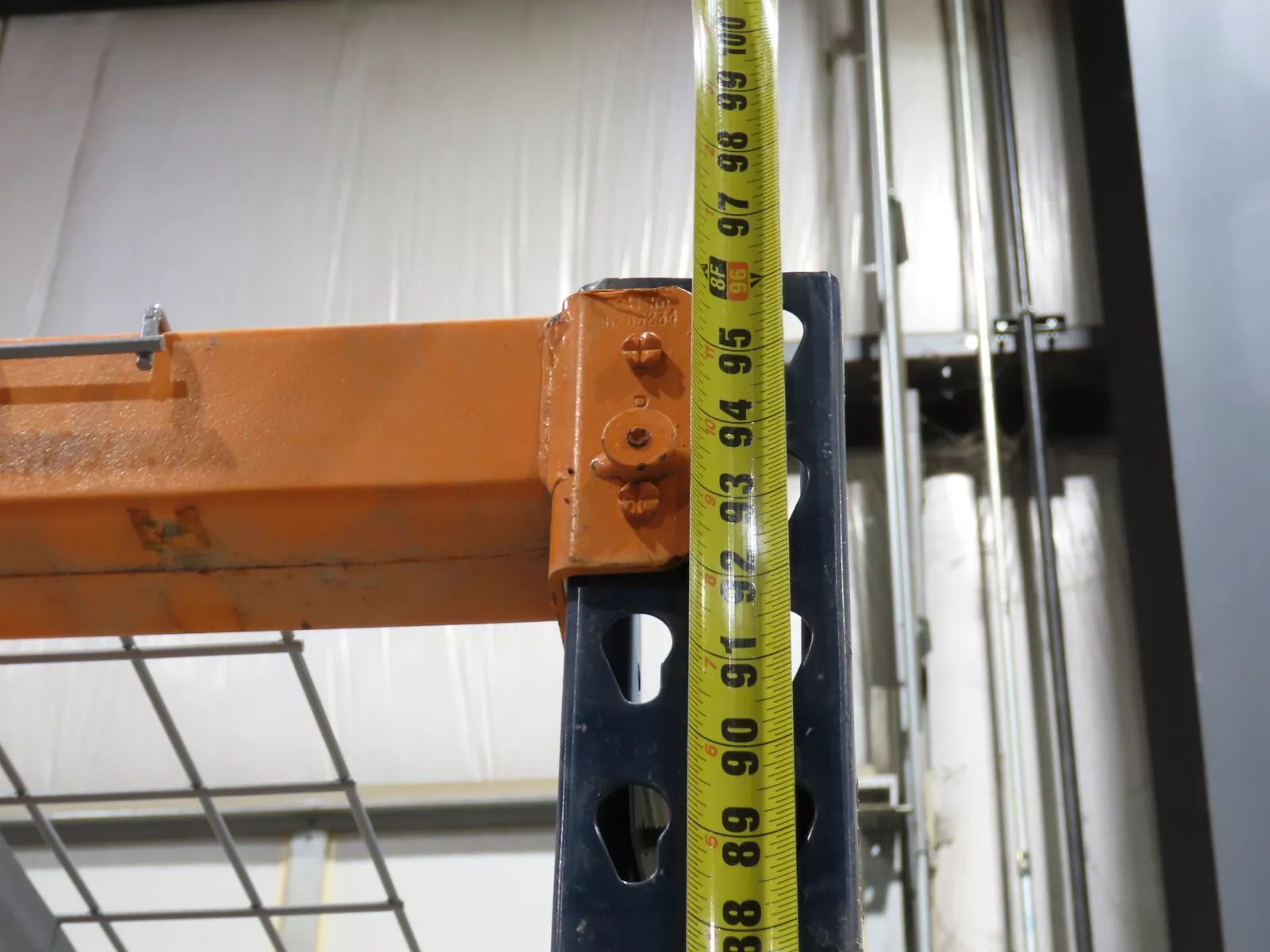
When it comes to storing goods, racking might seem like a simple solution, a straightforward equation of space maximization. However, within the world of logistics and warehousing, racking systems hold a heavy responsibility—one that, if neglected, can lead to dangerous outcomes. Unfortunately, some of the most common fire code violations lurk amidst these towering shelves, hiding in plain sight, often overlooked in the hustle of daily operations.
First and foremost, let’s talk about access. Emergency exits and pathways in any racked zone must be as clear as a sunny day. Blocked exits? That’s like trying to escape a house on fire through a bricked-up window. It’s not just against the code; it puts lives at risk. Imagine for a moment—workers feeling trapped, panicking, and struggling to find a way out. This scenario isn’t a far-off fictional horror; it’s a real nightmare that could strike any warehouse where safety protocols are brushed aside.
Now, consider the weight limits on racks. Every racking system is designed for specific loads. When that limit is exceeded, the repercussions can be catastrophic—a shelf collapsing, an avalanche of products crashing down. It’s not merely about the loss of goods but the potential for injury or worse. We tend to believe “it won’t happen to us,” but denial is a dangerous game. Those responsible for managing these spaces need to educate their teams about the materials being housed. Knowledge is power, and when safety is at stake, ignorance is the enemy.
Then there’s the matter of fire extinguishers. Yes, they need to be present, but do they also need to be accessible? Failing to install a fire suppression system or allowing extinguishers to remain out of reach is like leaving a lifeboat on the shore while the ship sinks. It’s an ethical failure that reflects a lack of commitment to safeguarding employees and assets alike. We have a responsibility to foster a culture of safety that makes everyone feel empowered to act.
Every individual in this ecosystem must take ownership of safety, turning codes and protocols from mere legal obligations into a personal calling. Let’s foster an environment where awareness prevails, where each rack tells a story—not just of goods waiting to be shipped, but of lives prioritized and safeguarded. Together, we can ensure that our racked zones are not just places of storage but sanctuaries of safety, where every worker knows they have the right to return home at the end of the day, unharmed and whole.
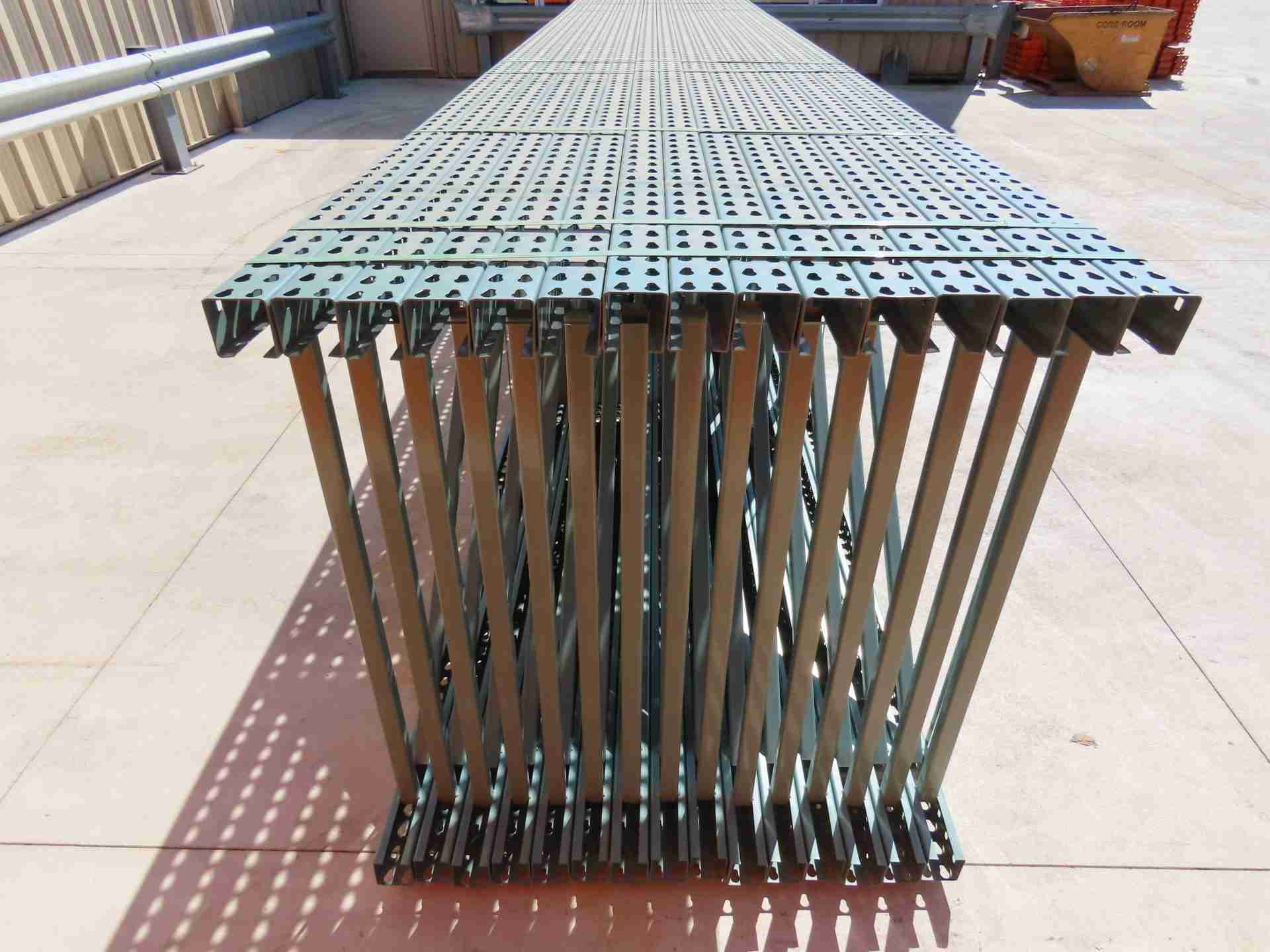
What Are the Most Common Fire Code Violations In Rack Zones?
What Are the Most Common Fire Code Violations In Rack Zones?
- Racking systems in warehouses play a critical role in logistics and can pose dangers if safety protocols are neglected.
- Emergency exits and pathways must remain clear to ensure safe evacuation during emergencies; blocked exits significantly increase risk.
- Exceeding weight limits on racking systems can lead to catastrophic failures, posing serious dangers to worker safety.
- It’s essential for management to educate employees about load limits and safety protocols to prevent accidents.
- Fire extinguishers must be both present and accessible; neglecting this responsibility reflects poorly on a company’s commitment to safety.
- A culture of safety should empower every employee to take ownership of safety protocols and prioritize well-being.
- Racked zones should be viewed not just as storage areas, but as environments where worker safety is prioritized and protected.
What Are the Most Common Fire Code Violations In Rack Zones?
How Do Proper Rack Inspections Protect Lives and Property?
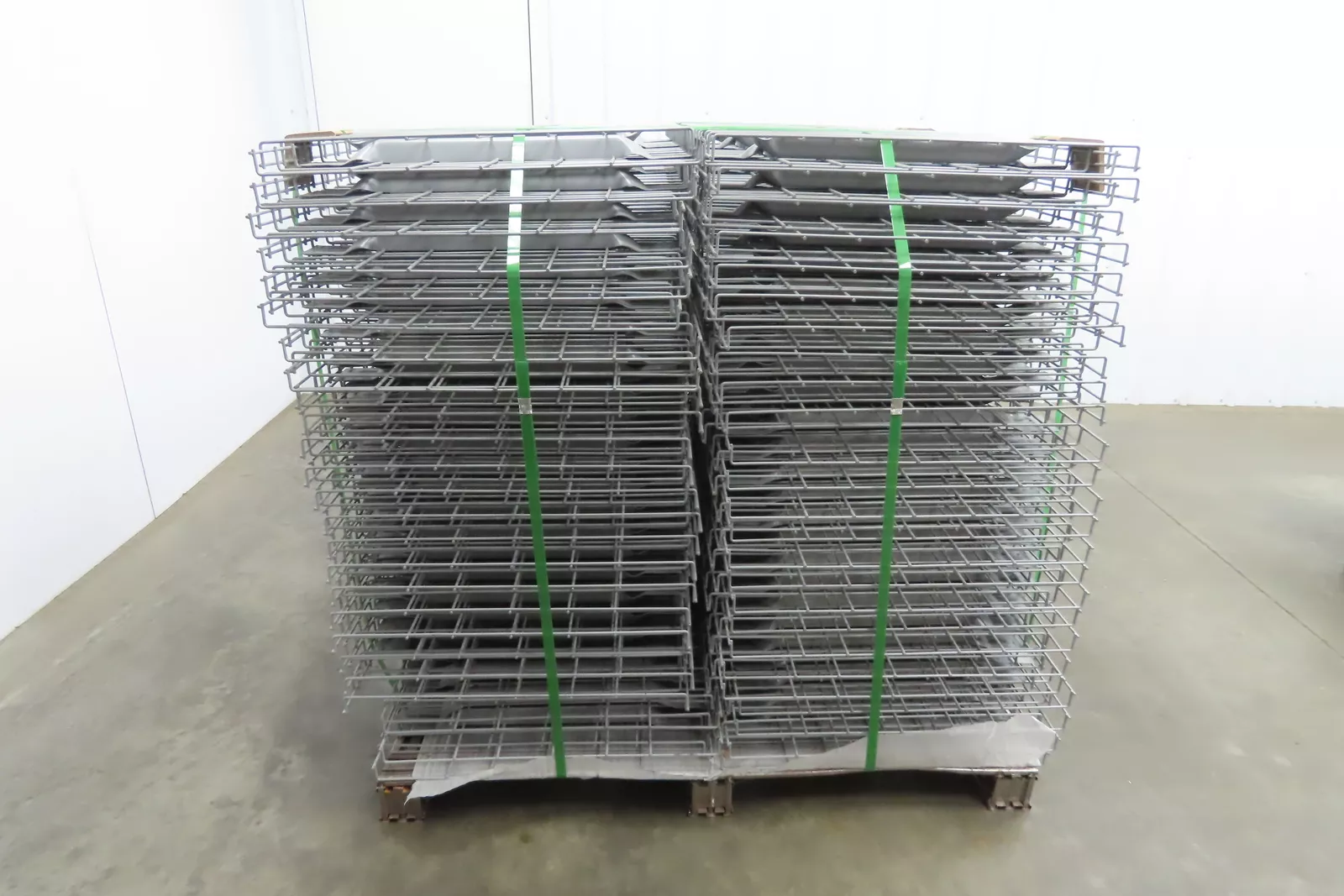
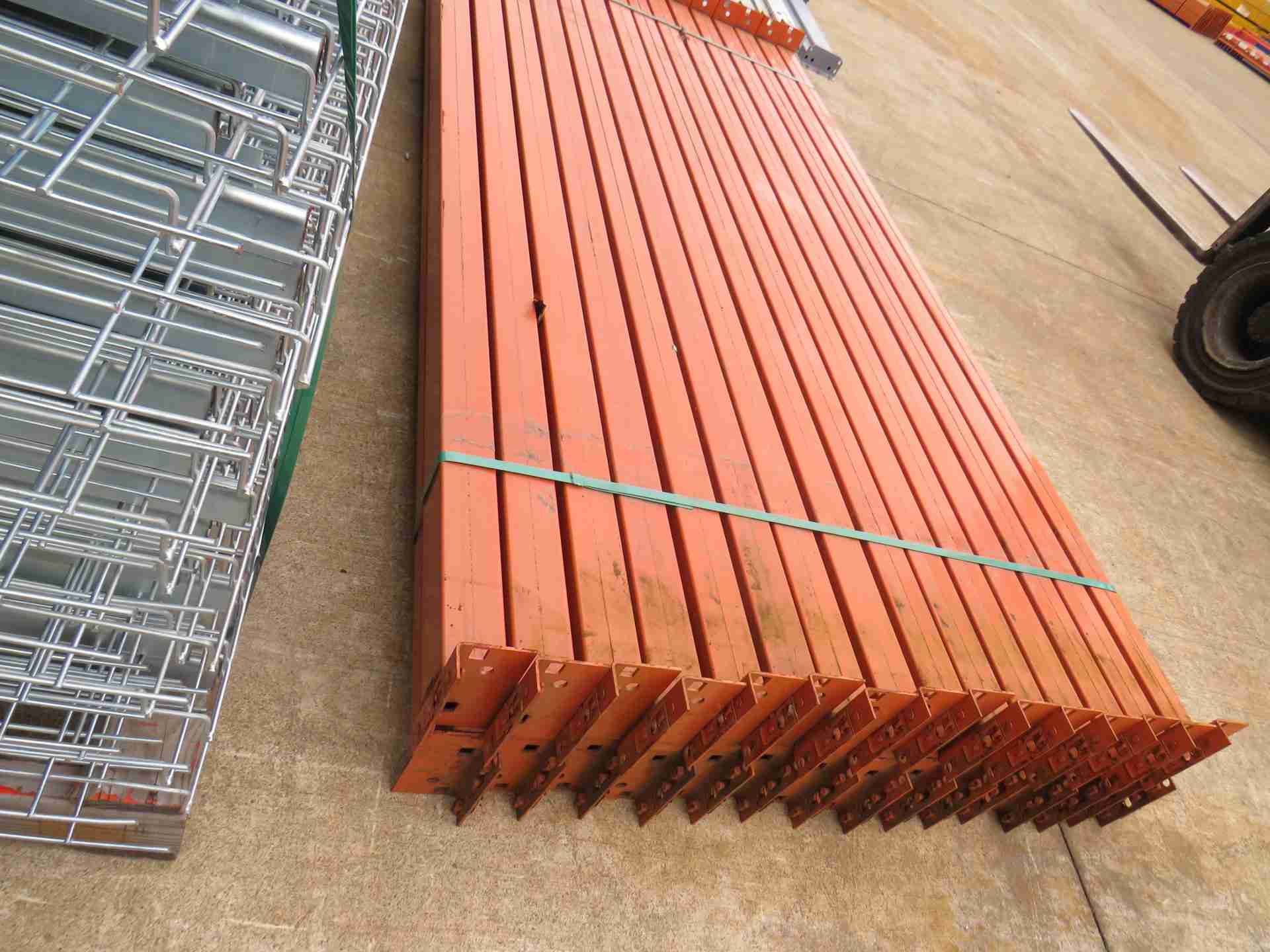
When you step into a warehouse, it’s easy for the racking systems to blend into the background. But what if I told you that these steel skeletons are not just about storing goods? They are silent sentinels, standing guard over lives, property, and livelihoods. That’s why proper racking inspections are not just a bureaucratic checkbox – they are a lifeline.
Imagine a bustling distribution center. Workers are moving quickly, forklifts are buzzing about, and products are stacked high. In this frenzied ballet, racking systems are both heroes and, if neglected, potential villains. A simple oversight – a bent beam, a worn-out bracket – can lead to catastrophic failures. When we choose to overlook regular inspections, we’re not just risking property; we’re jeopardizing lives. Think about it: how would it feel to bear the weight of knowing that someone was injured because a racking system malfunctioned due to neglect? It’s more than just steel and shelves; it’s the very foundation of every worker’s safety and the business’s integrity.
Every racking inspection is a commitment to safety – an ethical responsibility to everyone who steps into that space. It’s about fostering a culture where safety is paramount, where every employee feels valued and secure in their environment. The truth is, when companies prioritize these inspections, they are sending a clear message: We care. We invest. We do this for you.
Let’s not downplay the role of authority in this narrative. Regulatory bodies set standards for racking safety for a reason; they study incidents, gather data, and understand what happens when corners are cut. Complying with these regulations is not just smart business; it’s a badge of honor that shows a commitment to upholding the highest safety standards. It’s leadership by example and promotes a sense of trust across the workforce.
And it’s not just the businesses at stake here; it’s the people who rely on them. Every worker, from the warehouse floor to the executive office, is part of a community that thrives on shared responsibility. Proper racking inspections create a ripple effect that extends far beyond the warehouse, bolstering not just profits but the very fabric of our society.
Protecting lives and property starts with you: look around, speak up, and embrace the simple but vital practice of proper racking inspections. The safety of your workplace, your colleagues, and even your family depend on it. So let’s roll up our sleeves, do our due diligence, and keep those racking systems in check.
How Do Proper Rack Inspections Protect Lives and Property?
How Do Proper Rack Inspections Protect Lives and Property?
- Racking systems in warehouses are essential for more than just storage; they protect lives and property.
- Neglecting racking inspections can lead to catastrophic failures, risking both workers’ safety and business integrity.
- Regular inspections are a commitment to safety and an ethical responsibility for all workers.
- Prioritizing inspections sends a strong message of care and investment in employee safety.
- Compliance with regulatory standards demonstrates commitment to safety and builds trust among workers.
- Proper racking inspections have a positive ripple effect, benefiting not only businesses but also society as a whole.
- Embracing racking inspections is crucial for the safety of the workplace, colleagues, and families.
How Do Proper Rack Inspections Protect Lives and Property?
Conclusion
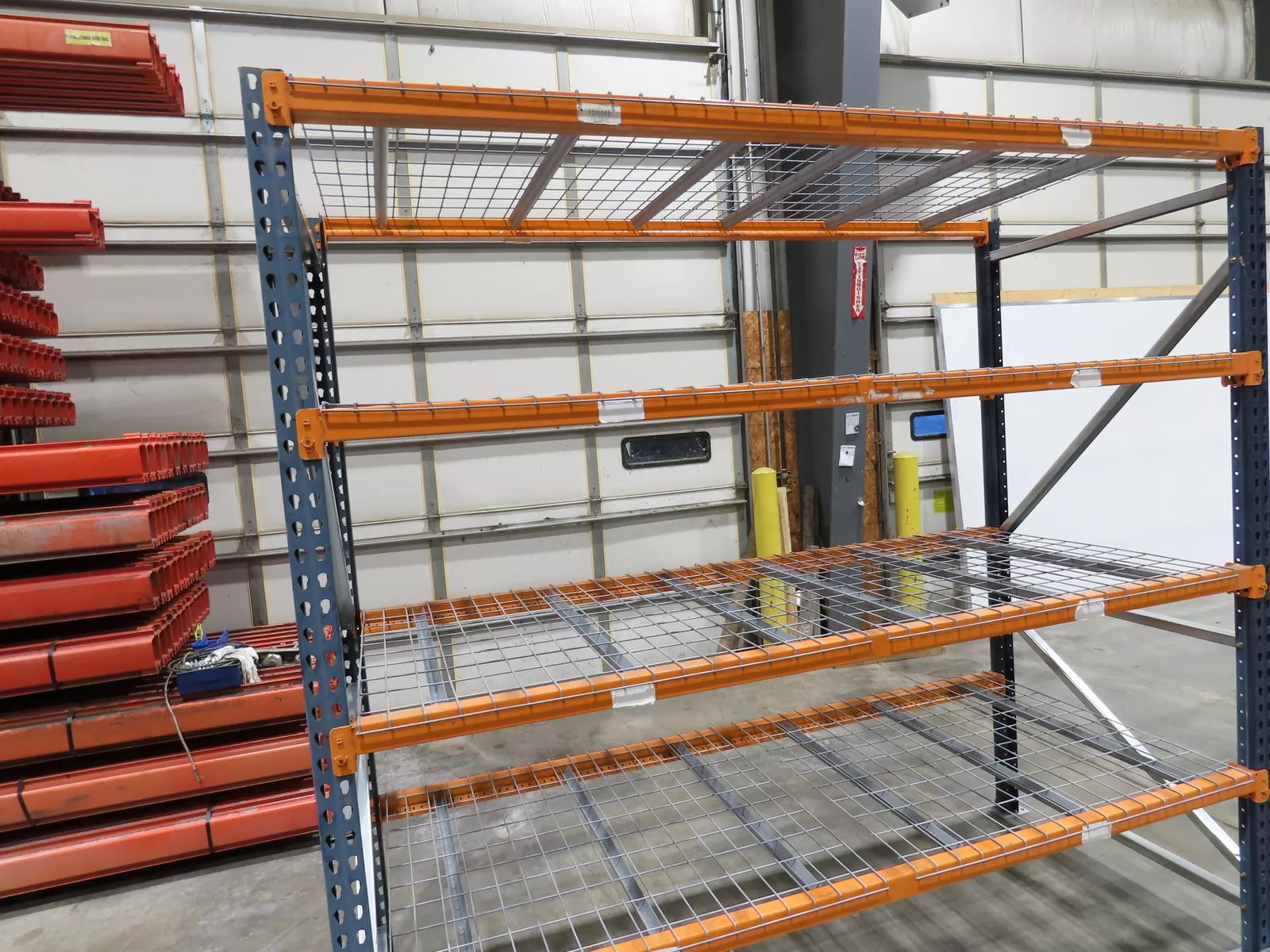
Fire safety compliance isn’t just another task on a to-do list; it’s a vital promise we make to ourselves, our colleagues, and our communities. In the bustling environment of a warehouse, each racking system is much more than a mere fixture. They are the unsung heroes, silently bearing the weight of countless products and the hopes of everyone who works there. This commitment begins with emotional investment—a stark realization that lives and livelihoods hinge on how seriously we embrace fire safety measures. Consider the anxiety that grips us when faced with the threat of flames. It’s a visceral fear; one that no one should face in the workplace.
But it’s not just emotions that matter. Let’s get pragmatic; fire safety regulations are the result of extensive studies and an understanding of risks that can save lives. Compliance isn’t just about avoiding fines—it’s a strategic decision that safeguards your assets and your bottom line. Every business owner must acknowledge their ethical obligation: cutting corners on fire safety risks not just property, but lives. We have a duty to create a safe work environment, not merely for compliance’s sake, but out of a profound respect for human life.
Authority figures like fire marshals guide us, bringing invaluable knowledge to our workplaces. Their wisdom could be the difference between disaster and safe evacuation. Ignoring their advice is not merely a lapse in judgment; it’s a betrayal of the trust placed in us by our employees. Imagine fostering a culture where the conversations around fire safety become a regular part of workplace dialogue—where workers feel involved, engaged, and committed to their own safety and that of their peers.
Socially, prioritizing safety doesn’t just benefit your organization; it sets an example for others, sparking a broader community commitment to fire prevention. When businesses make safety a priority, they cultivate an environment where everyone feels respected and valued.
Ultimately, when we prioritize fire safety, we’re not just adhering to regulations; we are taking a stand for a brighter, safer future. Each of us plays a part in this narrative, transforming the fear of fire into a commitment to safety. So let’s seize this moment to galvanize our teams, champion fire safety, and ensure every workplace is a sanctuary, not just for goods, but for lives. Because in the end, every life matters, and every action counts.
Conclusion
Conclusion:
- Fire safety compliance is a vital commitment to ourselves, colleagues, and communities.
- Racking systems in warehouses bear significant responsibilities and contribute to overall safety.
- Emotional investment in fire safety recognizes the serious risks to lives and livelihoods.
- Fire safety regulations are based on research that protects lives and assets.
- Businesses have an ethical duty to prioritize fire safety to safeguard people and property.
- Fire marshals provide crucial guidance that can prevent disasters and ensure safe evacuations.
- Prioritizing safety fosters a culture of respect and encourages community involvement in fire prevention.
Conclusion
Other Resources
Other Resources
Here is a list of other resources you can review online to learn more:
- Storage Equipment Manufacturers’ Association
- Warehouse Storage Racking in Illinois
- BMH Equipment LLC
- Iowa Illinois Warehouse Racking
- Storage Equipment Manufacturers Association
- IIWS Inc. Rack Installation Illinois & Rack Repairs Illinois
- Mustang Material Handling
- The Ultimate Pallet Racking Guide – Speedrack West
- Chicago Pallet Racking
- What is Selective Racking: Understanding Benefits & Options
- What is Selective Pallet Racking
- Cantilever Rack Guide: Ordering Cantilever Racking
- Logic Material Handling
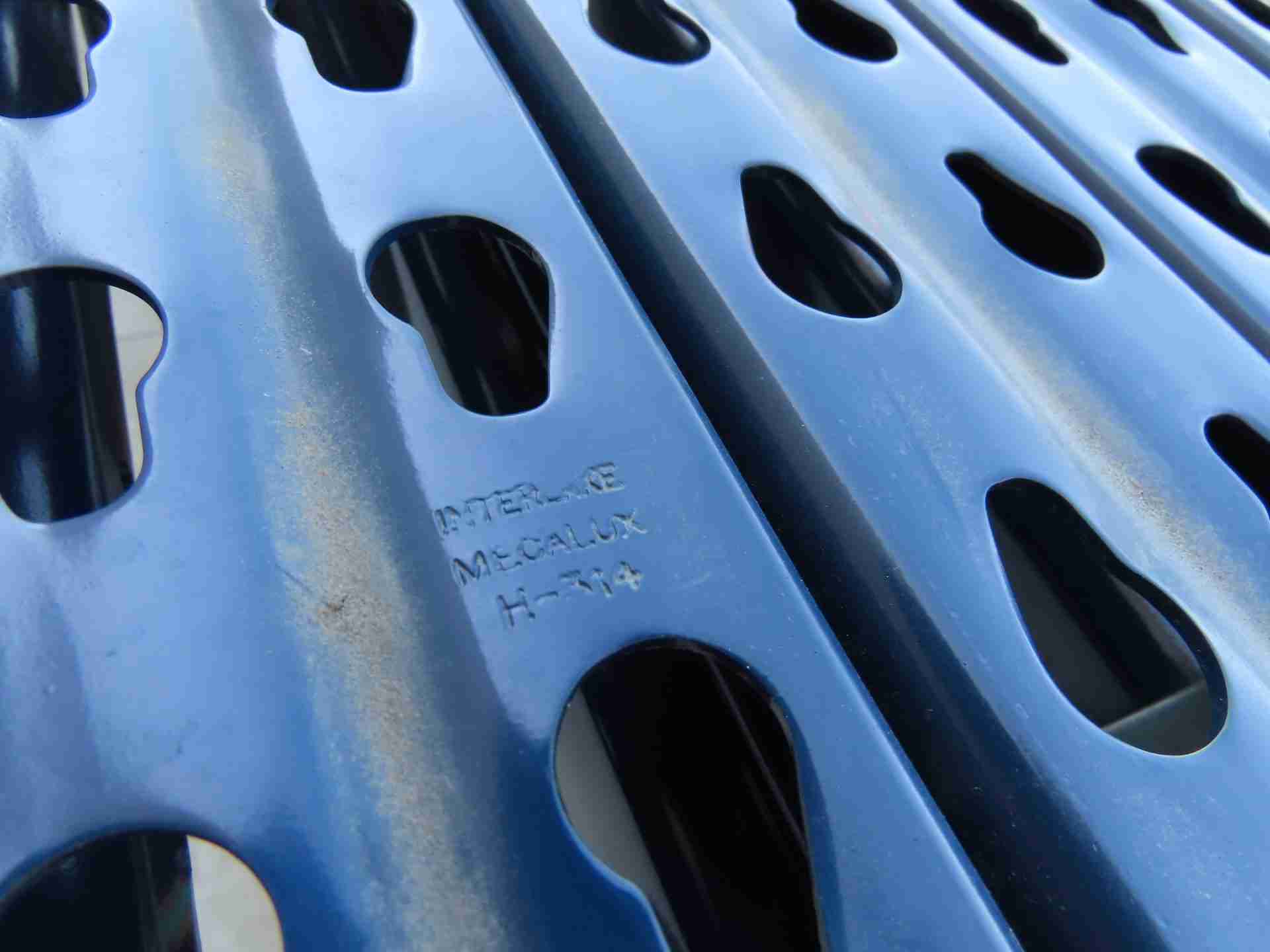
- Interlake Mecalux
- Material Handling Industry
- Material Handling Safety
- Used Teardrop Pallet Rack – American Surplus
- Warehouse Racks, Warehouse Racking in Stock – ULINE
- SEMA
- New Cantilever Racks and Racking Kits
Use This Prompt To Get More Resources With Your Favorite Online AI Tool: Please provide me with a list of online articles with their URLs in a bulleted list that I can read regarding How to Comply with Fire Marshall Inspections In Rack Zones
Other Resources
Glossary Terms
How to Comply with Fire Marshall Inspections In Rack Zones – Glossary Of Terms
1. Rack Zones: Designated areas in warehouses or storage facilities where racks are positioned for storing goods.
2. Fire Marshall: An official responsible for fire safety enforcement, conducting inspections, and ensuring compliance with fire codes.
3. Compliance: Adhering to established laws, regulations, and standards, specifically related to fire safety in this context.
4. Fire Code: A set of regulations governing fire safety standards for buildings, including construction, occupancy, and fire prevention measures.
5. Inspection: A formal examination of a facility by the fire marshal to verify adherence to fire safety regulations.
6. Fire Equipment: Tools and devices, such as extinguishers, hoses, and alarms, used for fire prevention and response.
7. Egress: Safe exit paths that must be maintained clear of obstructions in case of an emergency.
8. Aisle Width: The minimum distance between racks or storage units to ensure accessible pathways for emergency evacuation and equipment access.
9. Clearance: The vertical and horizontal space between the top of stored items and the ceiling or roof, which must comply with fire safety standards.
10. Sprinkler System: A fire suppression system consisting of pipes and sprinkler heads designed to distribute water in the event of a fire.
11. Flammable Materials: Substances prone to catching fire easily that must be stored and handled according to specific regulations.
12. Fire Barrier: A construction feature designed to block the spread of fire and smoke within a building.
13. Fire Alarm System: Equipment that detects smoke or fire and alerts occupants through alarms.
14. Safety Data Sheet (SDS): Documentation that provides information about hazardous materials, including handling and emergency measures.
15. Occupancy Load: The maximum number of individuals allowed in a space, determined by fire safety regulations.
16. Fire Drill: A planned exercise designed to prepare occupants for safe evacuation in the event of a fire emergency.
17. Extinguisher Access: Regulations governing the positioning and accessibility of fire extinguishers within the facility.
18. Training: Education provided to employees regarding fire safety procedures and the use of fire equipment.
19. Emergency Plan: A documented strategy outlining procedures and responsibilities for responding to a fire-related emergency.
20. Fire Lane: Designated areas for emergency vehicles that must remain clear to allow access during a fire response.
21. Storage Height Limits: Maximum allowable heights for stored materials to ensure compliance with fire safety standards.
22. Combustible Storage: Guidelines for how combustible materials must be stored, including separation and clearance requirements.
23. Inspection Checklist: A list used by fire marshals to evaluate compliance with fire safety practices during inspections.
24. Fire Safety Signage: Signs indicating exits, fire extinguishers, and fire assembly areas to facilitate safe evacuation.
25. Emergency Lighting: Illuminated signs or lights that guide occupants to exits during a power failure or emergency.
26. Preventive Maintenance: Regular inspections and repairs of fire safety equipment to ensure optimal functionality.
27. Material Handling: Procedures for safely moving and storing materials to minimize fire risks.
28. Fire Watch: A designated individual tasked with monitoring for fire hazards during specific situations.
29. Non-compliance: Failure to adhere to fire safety regulations, which may result in penalties or increased risk of fire incidents.
30. Hazard Assessment: Evaluation of potential fire risks in the workplace to implement appropriate safety measures.
Glossary Of Terms
Other Questions
How to Comply with Fire Marshall Inspections In Rack Zones – Other Questions
If you wish to explore and discover more, consider looking for answers to these questions:
- What specific regulations should be followed in rack zones for fire safety?
- How frequently should fire safety inspections be conducted in racked zones?
- What are the best practices for maintaining clear emergency exits in warehouse settings?
- How can organizations effectively train employees for fire emergency responses?
- What tools or resources are available for ensuring compliance with fire code regulations?
- How does one create a culture of fire safety within a workplace?
- What steps can be taken if a fire code violation is identified during an inspection?
- What types of training programs are recommended for fire safety compliance?
- What role do fire marshals play in guiding organizations towards compliance?
- How can organizations assess the effectiveness of their fire safety protocols?
Other Questions
Checklist
How to Comply with Fire Marshall Inspections In Rack Zones – A Checklist
Fire Safety Compliance Checklist
Emotional Appeals
_____ Reflect on your emotional connection to coworkers and their families. How can prioritizing fire safety protect them?
_____ Visualize the chaos of a fire. What steps can you take now to prevent that fear from becoming a reality?
_____ Share personal stories related to fire safety with your team—how can these narratives drive change and inspire action?
Rational Appeals
_____ Review your facility’s fire code regulations. Are you familiar with all the compliance standards?
_____ Assess the effectiveness of your current fire safety measures. Are they sufficient to protect your assets and employees?
_____ Evaluate the cost versus benefit of compliance measures—is safety truly worth the investment?
Ethical Appeals
_____ Consider your responsibility: Are you truly doing everything possible to ensure workplace safety?
_____ Reflect on the moral implications of cutting corners in fire safety. How would you feel if negligence resulted in an accident?
_____ Create a safety culture where safety is not just a duty but a shared value among all employees.
Authority Appeals
_____ Engage with fire marshals or safety experts—what insights can they offer to enhance your safety protocols?
_____ Stay updated on the latest fire safety regulations and practices. How often do you educate your team on these topics?
_____ Trust the expertise of safety professionals when it comes to your facility’s fire safety systems—are you listening to their advice?
Narrative Appeals
_____ Document near-misses or past incidents related to fire. How can these narratives inform your safety practices?
_____ Create a shared safety storybook within your organization. How can storytelling foster a stronger commitment to safety?
_____ Encourage employees to participate in safety drills and document their experiences—how does it build camaraderie and readiness?
Social Appeals
_____ Foster open discussions about fire safety among your team. How can peer accountability improve compliance?
_____ Recognize and celebrate employees who prioritize safety. How can these acknowledgments inspire others to follow suit?
_____ Form safety committees or teams, encouraging collaboration and shared ownership of fire safety initiatives.
Integrate these elements into your fire safety strategy to foster a culture that prioritizes the protection of lives and property effectively, intentionally, and responsibly.
Checklist
At RackingWorld, we help guide you through selecting warehouse storage systems and racking.
Be sure to read our other related stories at RackingWorld to learn more about warehouse storage systems.
0 Comments