
Maximizing Efficiency And Trust: The Power Of Pallet Racking In Auto Parts
By Tom Seest
At RackingWorld, we help guide you through selecting warehouse storage systems and racking.
Be sure to read our other related stories at RackingWorld to learn more about warehouse storage systems.
How Do Automotive Parts Distribution Leverage Pallet Racking?
In the thick of automotive parts distribution, Pallet Racking isn’t just some shiny fixture—it’s the backbone keeping the whole operation running smooth. Picture a busy warehouse where every nut, bolt, and brake pad counts. Without a solid system to organize and store these parts, chaos would take over faster than you can say “inventory check.” Pallet Racking steps in like the reliable workhorse it is, stacking and sorting tons of parts with a no-nonsense approach that earns respect day in, day out.
There’s something honest about Pallet Racking, built sturdy and straightforward, just like the folks on the warehouse floor. It’s not about fancy bells and whistles; it’s about getting the job done right, holding heavy loads without blinking, and making sure the right parts are within arm’s reach when the clock’s ticking. When deadlines loom and the pressure’s on, this kind of dependability fosters trust across the whole chain—from the warehouse worker pulling parts off the rack to the mechanic fixing the car that gets someone home safe. It’s a chain of confidence that starts with great storage.
Thinking it through, Pallet Racking isn’t just smart organization—it’s ethical business in action. Efficient storage means fewer mix-ups, less wasted time, and less energy burned running around looking for parts that should’ve been easy to find. This practical approach turns into real savings and reduces the strain on workers who deserve better than scrambling in crowded aisles. It’s a matter of respect for the job and for the people doing it.
Anyone with a finger in the auto parts game knows that authority comes from experience and solid systems. Pallet Racking has earned its stripes by standing steady through loads heavy and light, adapting without complaint to whatever the day throws at it. Its silent work behind the scenes speaks volumes about what keeps the wheels turning in a distribution center.
At the end of the day, Pallet Racking connects the dots—the parts, the people, the process—in a way that just works. It invites that quiet nod of approval from seasoned hands and the hopeful handoff of responsibility to the next shift. It’s more than metal beams and shelves; it’s the kind of practical, down-to-earth foundation that every gearhead and warehouse hero can count on. When your livelihood depends on parts landing in the right spot, every Pallet Racking system is a promise kept, plain and simple.

How Do Automotive Parts Distribution Leverage Pallet Racking?
How Do Automotive Parts Distribution Leverage Pallet Racking?
- Pallet Racking is essential in automotive parts distribution, providing organized storage that prevents chaos in busy warehouses.
- It is sturdy and straightforward, designed to hold heavy loads and keep parts accessible under pressure and tight deadlines.
- Dependable Pallet Racking fosters trust throughout the supply chain, benefiting everyone from warehouse workers to mechanics.
- Efficient storage through Pallet Racking reduces errors, saves time, and minimizes worker strain by preventing disorganization.
- It represents ethical business by respecting both the job and the people who do it, improving overall workplace efficiency.
- With proven reliability, Pallet Racking withstands varied demands without failure, quietly supporting smooth operations.
- More than just shelving, Pallet Racking is a foundational system connecting parts, people, and processes, ensuring parts land where needed.
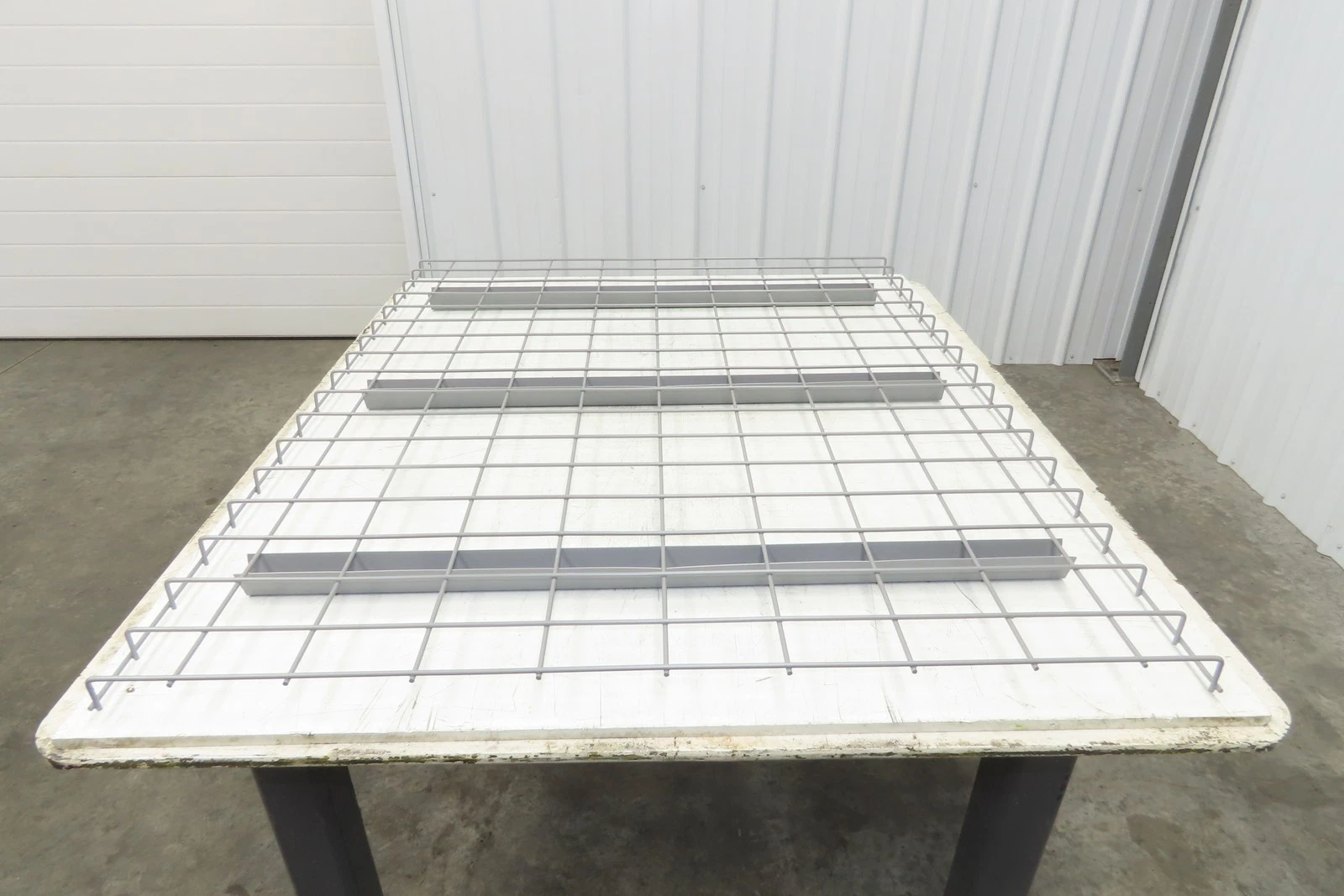
How Do Automotive Parts Distribution Leverage Pallet Racking?
Table Of Contents
- How Do Automotive Parts Distribution Leverage Pallet Racking?
- How Does Pallet Racking Improve Automotive Parts Storage Efficiency?
- What Cost Savings Result From Using Pallet Racking In Distribution?
- What Safety Benefits Does Pallet Racking Offer Warehouse Workers?
- How Does Pallet Racking Support Faster Order Fulfillment Times?
- Why Is Pallet Racking Essential for Managing Inventory Accuracy?
- How Can Pallet Racking Optimize Space In Automotive Parts Warehouses?
- Conclusion
- Other Resources
- Glossary Of Terms
- Other Questions
- Checklist
How Does Pallet Racking Improve Automotive Parts Storage Efficiency?
Look, anyone who’s spent time in a warehouse or a busy auto parts shop knows the chaos that can happen when parts are stacked wherever they’ll fit. It stresses you out, slows you down, and lets’s be honest, it costs money. That’s where pallet racking steps in—not just as some fancy shelving, but as a game-changer that turns disorder into smooth flow.
Pallet racking doesn’t just store parts; it organizes them in a way that respects the time and sweat of the folks who pick and pack day in, day out. When you’re dealing with hundreds of different parts—anything from tiny screws to hefty brake rotors—having a system that lets you find what you need fast isn’t a luxury, it’s a necessity. It’s practical, straightforward, and built around real-world work. When parts are loaded onto pallet racks, they’re off the floor, easy to access, and less prone to damage. That means fewer headaches fixing broken items and less wasted time crawling around looking for that one hard-to-find gasket.
But it’s not just about speed. There’s something about a well-organized pallet racking system that commands respect. It tells everyone who walks into the space, “We manage our parts efficiently, and we respect our craft.” That kind of order builds trust—from your crew to the customer waiting on the other end of the line. It’s an unspoken promise that things don’t get lost, overlooked, or forgotten.
From a practical standpoint, pallet racking maximizes vertical space, letting you stack parts up without turning the warehouse into a jungle gym. This means you can store more in the same footprint, freeing up room for other tasks and reducing clutter. It’s an investment that pays off not just in productivity but in safety, lowering the risk of accidents and protecting workers who can focus on their work rather than dodging hazards.
Everyone in this line of work knows the value of reliability—and pallet racking delivers. It’s a simple solution with decades of proven performance that keeps the wheels turning, literally and figuratively, in automotive parts storage. When you upgrade your setup with pallet racking, you’re not just buying racks; you’re building a backbone for your operation, one that supports hard work, spells efficiency, and backs up every part until it makes its way to the job.

How Does Pallet Racking Improve Automotive Parts Storage Efficiency?
How Does Pallet Racking Improve Automotive Parts Storage Efficiency?
- Pallet racking transforms chaotic parts storage into an organized, efficient system that reduces stress and saves money.
- It organizes a wide range of parts, from small screws to large brake rotors, enabling quick and easy access for workers.
- Parts stored on pallet racks are kept off the floor, reducing damage and minimizing time spent searching for items.
- A well-organized pallet racking system conveys professionalism and reliability, building trust among workers and customers.
- It maximizes vertical space, increasing storage capacity without cluttering the warehouse floor or creating hazards.
- Pallet racking investments enhance productivity and safety by reducing accidents and clearing workspace.
- With decades of proven performance, pallet racking supports operational efficiency and reliability in automotive parts storage.
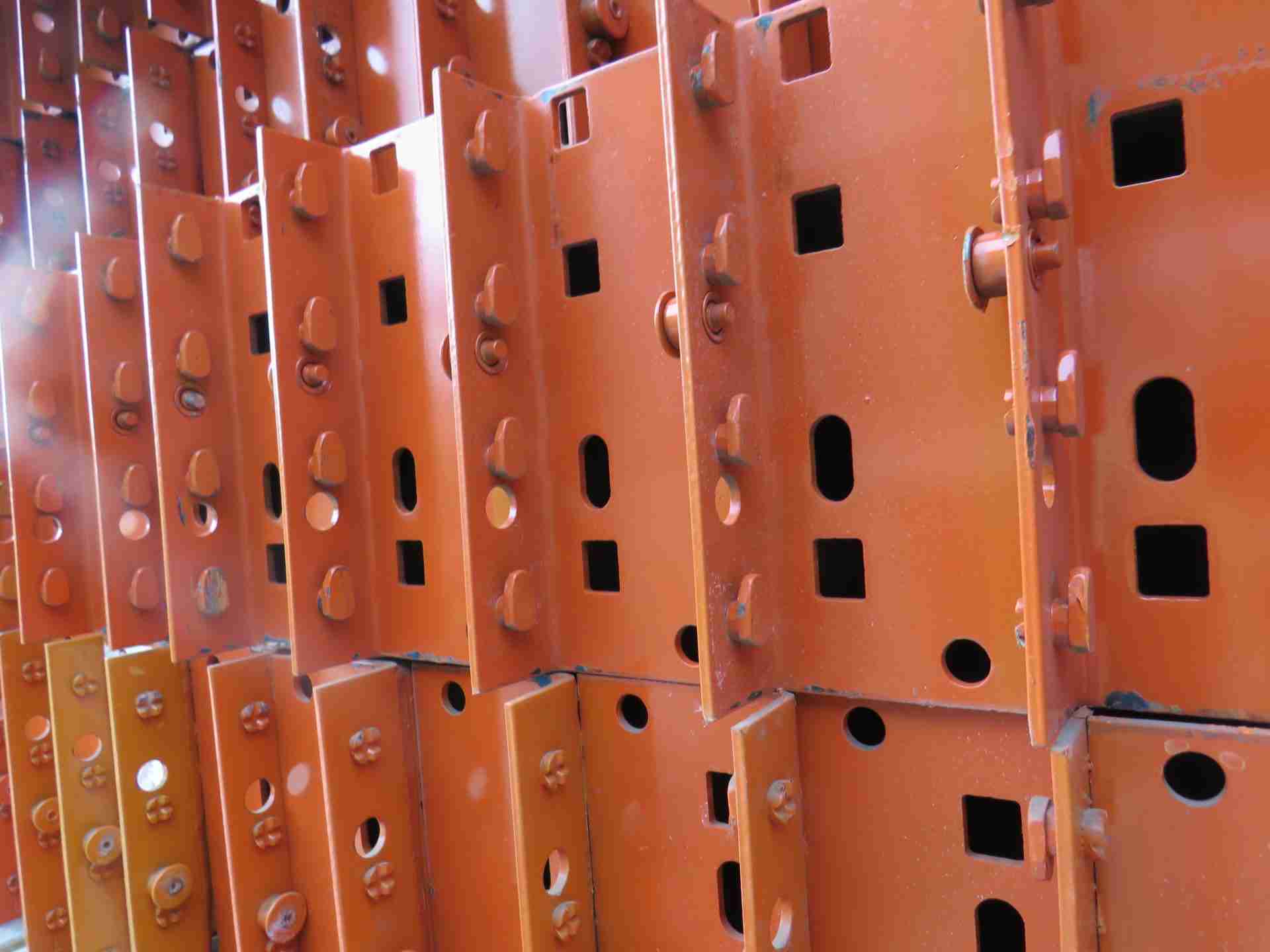
How Does Pallet Racking Improve Automotive Parts Storage Efficiency?
What Cost Savings Result From Using Pallet Racking In Distribution?
You ever walk into a warehouse and feel like you’re staring down a pile of chaos? Pallet racking turns that mess into a system that just makes sense. It’s the kind of setup that doesn’t just sit there looking pretty—it saves money in ways most folks don’t see right off the bat. First, think about space. Pallet racking stacks inventory vertically, squeezing more out of every square foot. That means fewer square feet rented or owned, and in this business, every inch saved adds up to real dollars back in the till. You’re not paying for empty air or cluttered floors anymore.
Now, let’s talk time, because time is money, plain and simple. When pallets are neatly organized on racks, forklifts glide through aisles like a hot knife through butter—no fumbling or searching around for that one missing box. Workers get more done, orders ship faster, customers stay happy, and returns drop. It’s not just efficiency; it’s confidence. The whole team feels it, too. When the warehouse works right, it’s a little less like a grind and more like a well-oiled machine.
There’s an ethical side to this, too. A cluttered floor or unstable stacks can be a hazard, putting people at risk. Pallet racking creates safer workspaces. Safety means fewer on-the-job injuries, less downtime, and a workforce that goes home whole at night. That’s worth more than just dollars—it’s about respect and responsibility to the folks doing the heavy lifting day in and day out.
Don’t overlook the durability and low maintenance of quality pallet racking systems either. Invest once, and you’re unlikely to shell out for replacements or repairs anytime soon. That builds confidence and steady savings over the long haul. Plus, there’s something satisfying in a neat, sturdy rack that just holds its own regardless of how crazy distribution gets.
On the ground, you begin to see how pallet racking fits into the pride of a good operation—not just cutting costs, but building a culture where things get done right. That’s why when you ask where the real cost savings come from, the answer isn’t just numbers—it’s a smarter way of running the whole show, treating people right, and making your space work harder without breaking the bank. It’s about respect for the work, the workers, and the bottom line—all in one solid, sensible package.

What Cost Savings Result From Using Pallet Racking In Distribution?
What Cost Savings Result From Using Pallet Racking In Distribution?
- Pallet racking transforms warehouse chaos into an organized, efficient system that saves money by optimizing space.
- Stacking inventory vertically maximizes every square foot, reducing the need for additional rented or owned space.
- Organized racks improve time efficiency by enabling faster forklift movement, speeding up orders and reducing errors.
- Pallet racking enhances workplace safety by minimizing hazards from clutter and unstable stacks, reducing injuries and downtime.
- Quality pallet racking systems are durable and low-maintenance, providing long-term savings and reliability.
- Effective pallet racking contributes to a positive workplace culture focused on efficiency, respect, and responsibility.
- Overall cost savings stem from smarter warehouse management, better treatment of workers, and maximized space utilization.

What Cost Savings Result From Using Pallet Racking In Distribution?
What Safety Benefits Does Pallet Racking Offer Warehouse Workers?
Look, working in a warehouse is tough enough without worrying that the stuff stacked above you might come crashing down. That’s where pallet racking steps up, doing more than just holding goods—it’s about protecting the folks who bust their backs every day. When pallets are properly racked, everything stays put, reducing the risk of accidents that can seriously injure someone or worse. It’s not just about neat rows; it’s about building a shield between you and chaos.
Pallet racking isn’t fancy—it’s solid, simple, and smart. By organizing heavy loads on sturdy steel frames, it keeps aisles clear and pallets secure. That means fewer trips with a shaky stack in your hands and less guesswork about whether something might tip or fall. From a practical standpoint, that cuts down on workplace injuries, absenteeism, and those dreaded emergency room trips. It’s common sense that paying attention to how you stack and store goods protects everyone on the floor.
On an ethical level, employers owe it to their people to provide a safe working spot, not a guessing game of “Will I make it home in one piece today?” Pallet racking shows a commitment to knowing your crew’s safety matters, not just the bottom line. It sends a message that human lives and limbs come before convenience, and that’s a mark of respect anyone can appreciate. When managers invest in quality racking, workers feel seen and protected rather than left to fend for themselves.
Experience teaches that damaged or poorly installed pallet racking is a hazard waiting to happen. But a well-maintained system, inspected regularly, offers a dependable barrier against accidents. The industry takes this seriously, too. Standards exist because they know lives depend on these metal skeletons holding firm. Following those rules isn’t red tape—it’s a lifeline.
For everyone who’s ever worked warehouse hours, you understand the gut feeling when you see an overloaded shelf swaying just a bit too much. It’s a nerve that pallet racking helps to quiet. Trust in the system gives the confidence to focus on the job—not a constant worry about what might fall. That peace of mind is invaluable. When a place respects safety with the right pallet racking, it builds a community where everyone looks out for one another, where you can work hard and expect to get home whole.

What Safety Benefits Does Pallet Racking Offer Warehouse Workers?
What Safety Benefits Does Pallet Racking Offer Warehouse Workers?
- Pallet racking protects warehouse workers by securely holding goods, reducing the risk of accidents from falling items.
- It organizes heavy loads on sturdy steel frames, keeping aisles clear and pallets stable.
- Proper pallet racking decreases workplace injuries, absenteeism, and emergency incidents.
- Employers have an ethical responsibility to provide safe working conditions, demonstrated by investing in quality racking.
- Well-maintained and regularly inspected pallet racking prevents hazards and serves as a reliable safety barrier.
- Industry standards for pallet racking are essential for ensuring the safety and wellbeing of warehouse staff.
- Trust in a secure racking system offers workers peace of mind, fostering a community that values safety and mutual care.

What Safety Benefits Does Pallet Racking Offer Warehouse Workers?
How Does Pallet Racking Support Faster Order Fulfillment Times?
Look, there’s something downright satisfying about walking into a warehouse where everything’s in its place, easy to grab, and ready to roll out the door without a hitch. Pallet racking isn’t just some fancy shelving system; it’s the backbone behind those smooth, fast-moving operations that keep a business humming. When you stack up on chaos, orders get stuck, workers get frustrated, and your customers feel it. But put the right pallet racking in place, and suddenly, everything clicks.
From where I stand, pallet racking is the unsung hero that slices through bottlenecks. It optimizes space by turning vertical height into usable storage real estate. That means you can pack more inventory right where you need it and reach it fast instead of hunting through piles or wasting steps. It’s simple math — less running around equals quicker picking, and quicker picking means orders leave sooner. For the folks on the floor, that’s a big win. It’s about respect for their time and effort, which translates into fewer mistakes and better morale.
There’s a practical beauty in pallet racking, too. It’s built tough, designed to bear heavy loads without buckling. So you’re not just scrambling to store stuff; you’re doing it safely and smartly. That’s an ethical commitment to your crew and your customers — because a safer, more organized warehouse means fewer accidents, fewer lost or damaged goods, and a more reliable delivery promise. When people trust you, they keep coming back, and that’s the real backbone of any business.
Don’t buy into the fancy talk that speeding up order fulfillment requires some magic formula. It’s about solid systems that make sense day in and day out. When your pallet racking is arranged logically, it guides workers intuitively. Everyone’s on the same page; no guesswork, no wasted minutes. It’s a community effort, that shared rhythm of a well-oiled operation that gets orders out before deadlines, customers satisfied, and bosses proud.
Investing in pallet racking isn’t just about racks and pallets — it’s about investing in confidence and reliability. It says you care about efficiency without cutting corners, about people over gimmicks. When your team knows where everything lives and can grab it quick, you’re not just moving boxes; you’re building trust, reputation, and a future where every order counts.

How Does Pallet Racking Support Faster Order Fulfillment Times?
How Does Pallet Racking Support Faster Order Fulfillment Times?
- Pallet racking is the essential structure enabling smooth, efficient warehouse operations by keeping everything organized and accessible.
- It maximizes storage by utilizing vertical space, reducing wasted time and steps for workers, leading to faster order fulfillment.
- Pallet racking improves worker morale and reduces errors by respecting their time and effort.
- Designed to support heavy loads safely, it protects staff and inventory, reducing accidents and damages.
- A well-organized pallet racking system eliminates guesswork, creating a seamless workflow that meets deadlines consistently.
- Investing in pallet racking signals a commitment to efficiency, reliability, and prioritizing people over shortcuts.
- Effective pallet racking builds trust with customers and supports the long-term success of the business.

How Does Pallet Racking Support Faster Order Fulfillment Times?
Why Is Pallet Racking Essential for Managing Inventory Accuracy?
When it comes to keeping track of what’s piling up in your warehouse or storeroom, Pallet Racking isn’t just some fancy setup—it’s the backbone of getting your inventory right. Imagine walking into a cluttered mess where you’re hunting for one item among a sea of boxes stacked like a game of Jenga gone wrong. That frustration? It’s the enemy of any business trying to do honest work and serve customers well. Pallet Racking brings order to that chaos with a simple, no-nonsense approach that just works.
Here’s the thing about Pallet Racking: it’s not just about putting stuff on shelves. It’s about making sure every item has a proper home so you can find it fast, count it right, and keep your business running smooth. When you’re dealing with hundreds, sometimes thousands of products, losing track doesn’t just mean a headache—it means missed orders, unhappy customers, and money slipping through the cracks. Holding your inventory accountable with a clear structure is where Pallet Racking steps in and saves the day.
Beyond just saving time, using Pallet Racking builds confidence. It tells everyone—from the dockworker stacking pallets at midnight to the manager peering over reports—that you’re serious about running a tight ship. This kind of system isn’t just helpful; it’s ethical. If you’re selling something, you owe it to your customers and your crew to know exactly what’s in stock and ready to roll. It’s about integrity—doing the right thing, even when no one’s watching.
You might think all this sounds a bit too neat for a rough-and-tumble work environment, but let me tell you, the hands-on experience backs it up. You don’t have to guess what’s where or waste muscle moving pallets around. Pallet Racking reduces mistakes and cuts down on wear and tear because the loads aren’t ‘thrown’ onto the floor or squeezed into tight corners. It’s just smarter, tougher, and pays off because nobody likes digging through piles when there’s a line outside the door.
When the whole team sees how Pallet Racking improves the workflow, it’s not just management calling the shots—it becomes a shared pride. You’re not just stacking pallets; you’re building trust and respect. That feeling? It’s worth more than the cost of the racks. Pallet Racking makes inventory accuracy possible, practical, and, frankly, a lot less of a headache. And in the end, getting it right is what keeps the doors open and the wheels turning.

Why Is Pallet Racking Essential for Managing Inventory Accuracy?
Why Is Pallet Racking Essential for Managing Inventory Accuracy?
- Pallet Racking organizes warehouse inventory, preventing chaos and frustration caused by cluttered storage.
- It ensures every item has a designated place, enabling quick location, accurate counting, and smooth business operations.
- Proper inventory management with Pallet Racking reduces missed orders, customer dissatisfaction, and financial losses.
- Using Pallet Racking builds confidence and reflects commitment to running an ethical and efficient operation.
- It minimizes physical strain, mistakes, and damage by preventing improper handling and storage of pallets.
- The system promotes teamwork, pride, trust, and respect across all levels of staff.
- Pallet Racking improves inventory accuracy, reduces headaches, and is essential for maintaining business continuity.

Why Is Pallet Racking Essential for Managing Inventory Accuracy?
How Can Pallet Racking Optimize Space In Automotive Parts Warehouses?
In an automotive parts warehouse, space isn’t just a number on a blueprint—it’s the lifeblood of the operation. When every square foot counts, pallet racking becomes more than just metal shelves; it’s the quiet hero working behind the scenes, turning chaos into order. Think about it: stacks of tires, boxes of brake pads, engine parts in all shapes and sizes—without a smart system, it’s easy for the whole place to spiral into a tangle that wastes time and money. Pallet racking steps in, giving these parts a home that’s neat, accessible, and scalable.
You feel it in your gut when you see a warehouse where everything’s jumbled—workers scrambling, packages misplaced, delays piling up like rust on an old axle. Pallet racking cuts through that mess like a good wrench on a rusty bolt, making the everyday grind smoother, smarter. It doesn’t just cram parts into tight spots; it maximizes vertical space, turning what looked like a cramped room into a bustling, efficient hub. That means fewer trips hunting for parts, quicker restocks, and less fat in your operation.
There’s a common-sense story here every warehouse worker knows: when you can see what you have, grab it fast, and keep things moving, you’re not just saving minutes—you’re building trust with your team and your customers. Pallet racking isn’t some flashy gadget, it’s the steady backbone of responsible warehouse management, making sure parts get where they need to go without the guesswork or overcrowding.
Ethically, it’s about respect for the craft and the crew. Cluttered warehouses breed stress and mistakes. With pallet racking, you create a safer, clearer workspace where everyone—from the new guy to the seasoned gearhead—can focus on their job without constantly battling disorganization. It’s a win for morale, health, and the bottom line.
On the authority front, industries that thrive on precision and speed rely on pallet racking because it’s proven, reliable, and built for heavy loads. Its engineering matches the high standards of the automotive world—tough, dependable, and practical. Your parts aren’t just stored; they’re protected, organized, and ready to roll out on time.
Bringing it all together, pallet racking doesn’t just optimize space—it transforms your whole operation. It’s the no-nonsense solution that keeps your warehouse working hard, your workers less frustrated, and your customers coming back. If you want your automotive parts warehouse to run like a well-oiled machine, pallet racking is the answer armed with common sense, reliability, and a touch of pride in getting the job done right.

How Can Pallet Racking Optimize Space In Automotive Parts Warehouses?
How Can Pallet Racking Optimize Space In Automotive Parts Warehouses?
- Pallet racking transforms automotive parts warehouses by organizing varied parts into neat, accessible, and scalable storage, maximizing every square foot.
- It reduces chaos, decreases time wasted searching for parts, and improves operational efficiency by maximizing vertical space.
- Visibility and quick access to inventory foster trust among workers and customers, supporting smooth warehouse management.
- Creates a safer, clearer workspace that reduces stress and errors, benefiting employee morale, health, and overall productivity.
- Proven and reliable, pallet racking is engineered to meet the heavy-load demands and precision standards of the automotive industry.
- Protects and organizes parts to ensure timely distribution and reduces operational waste.
- Overall, pallet racking optimizes space, improves workflow, enhances worker satisfaction, and supports customer retention in automotive parts warehouses.

How Can Pallet Racking Optimize Space In Automotive Parts Warehouses?
Conclusion
In the gritty world of automotive parts distribution, pallet racking stands as the unsung hero—solid, simple, and downright essential. It’s not about flashy tech or complicated systems; it’s about good, honest steel frames that hold up under the burden of tons of parts and keep the whole operation from turning into a jumbled mess. When every bolt and brake pad matters, having a reliable place to stash them saves not just space, but precious time and sweat. It’s the difference between a warehouse that runs like a well-oiled machine and one where workers spend half their day hunting for stuff.
Pallet racking doesn’t just stack parts; it organizes them intelligently, making sure everything has a proper home that’s easy to reach when the clock’s ticking. That order isn’t just practical—it’s ethical. It respects the folks on the floor by cutting down on wasted motion, preventing damage, and building a safer workspace. Nobody likes juggling heavy parts in cramped aisles or worrying about shelves tipping over, and pallet racking pulls its weight by making safety a priority. It’s a straightforward commitment to protecting workers and cutting down on accidents, showing respect for their hard work every day.
On the money side of things, pallet racking pays its own way. By maximizing vertical space, it saves on costly warehouse square footage, turning a cramped room into a bustling hub where inventory flows smoothly. Faster picking, fewer mix-ups, and less downtime translate into real savings and happier customers who get their orders on time. It also cuts maintenance costs—quality racks hold strong for years without fuss, making the investment a smart one. But the biggest cost saving comes from less waste: fewer damaged parts, less lost inventory, and less burnout among the crew.
Above all, pallet racking builds trust—not just between parts and place, but across the entire supply chain. It tells workers, managers, and customers alike that this operation means business, runs a tight ship, and honors its promises. The quiet strength of a well-designed rack system speaks volumes about experience, responsibility, and no-nonsense pride in the job. When it all clicks, that’s not just a warehouse that works; it’s a community where everyone knows they can rely on the next guy, on the system, and on the parts that keep cars—and livelihoods—moving forward without fail.

Conclusion
Conclusion:
- Pallet racking provides solid, reliable steel frames essential for organizing heavy automotive parts efficiently.
- It ensures intelligent organization, giving each part a proper, easily accessible place to save time and reduce mess.
- By prioritizing safety, pallet racking reduces wasted motion, prevents damage, and creates a safer workspace for workers.
- Maximizing vertical space, pallet racking minimizes warehouse footprint and enhances inventory flow.
- It contributes to cost savings through faster picking, fewer errors, reduced downtime, and low maintenance requirements.
- Pallet racking lowers waste by preventing part damage, inventory loss, and worker burnout.
- The system builds trust across the supply chain by demonstrating experience, responsibility, and efficient operation.

Conclusion
Other Resources

Other Resources
Here is a list of other resources you can review online to learn more:
- Selective Racking
- Arrow Industrial Sales
- Interlake
- Overhead Lifting
- Crane Manufacturers Association Of America Inc.
- Cantilever Rack Configuration & Installation: A Comprehensive Guide – BMH
- Logic Material Handling
- Interlake Mecalux
- Pallet Racks, Pallet Racking, Pallet Shelves in Stock – ULINE
- NSC
- Selective Pallet Racking Systems
- Teardrop Industrial Shelving Rack
- Warehouse Racking System: Powerful Guide to Optimise, 2024
- Chicago Pallet Racking
- American Surplus
- Warehouse Automation
- International Warehouse Logistics Association
- Material Handling Industry
- Teardrop Pallet Rack – Ridg-U-Rak
Use This Prompt To Get More Resources With Your Favorite Online AI Tool: Please provide me with a list of online articles with their URLs in a bulleted list that I can read regarding How Do Automotive Parts Distribution Leverage Pallet Racking?

Other Resources
Glossary Terms
How Do Automotive Parts Distribution Leverage Pallet Racking? – Glossary Of Terms
1. Pallet Racking: A storage system designed to hold materials on pallets in horizontal rows with multiple levels.
2. Automotive Parts: Components and assemblies used in the manufacturing, repair, or maintenance of vehicles.
3. Distribution Center: A warehouse or specialized building where goods are stored and distributed to retailers or customers.
4. Inventory Management: The process of ordering, storing, and using a company’s inventory efficiently.
5. Load Capacity: The maximum weight a pallet racking system can safely support.
6. SKU (Stock Keeping Unit): A unique identifier for each distinct product or part.
7. Vertical Space Utilization: The practice of using height in a warehouse to maximize storage without increasing the footprint.
8. Order Picking: The process of retrieving products from storage to fulfill customer orders.
9. Forklift: A vehicle with a pronged device in front for lifting and carrying heavy loads.
10. Pallet: A flat transport structure that supports goods in a stable manner while being lifted by forklifts or pallet jacks.
11. Load Stability: The security and balance of items stacked within pallet racks.
12. Warehouse Layout: The design and arrangement of storage areas and pathways within a distribution center.
13. Slotting: The strategic placement of inventory in the warehouse to optimize picking efficiency.
14. Cross-Docking: A logistics practice where inbound goods are directly transferred to outbound vehicles with minimal storage time.
15. Space Optimization: The efficient use of storage area to maximize throughput and reduce costs.
16. Pick Face: The accessible front area on a pallet rack where products are picked.
17. Safety Barriers: Protective components installed to prevent damage to pallet racks or injury to workers.
18. Load Beam: Horizontal support structure on pallet racks that holds the pallets.
19. Upright Frame: Vertical supports of a pallet racking system.
20. Inventory Turnover: The rate at which inventory is sold and replaced over a period.
21. Just-In-Time (JIT): Inventory strategy to increase efficiency by receiving goods only as they are needed.
22. Bulk Storage: Large quantities of items stored together, usually on pallets within rack systems.
23. FIFO (First-In, First-Out): An inventory method where the oldest stock is used first.
24. LIFO (Last-In, First-Out): An inventory method where the newest stock is used first.
25. Lead Time: The amount of time between ordering and receiving inventory.
26. Warehouse Management System (WMS): Software that supports day-to-day warehouse operations.
27. Material Handling: The movement, protection, and storage of materials throughout the supply chain.
28. Load Distribution: The even allocation of weight across pallet racking to prevent collapse or damage.
29. High-Density Storage: Storage systems that maximize space by minimizing aisles or stacking inventory densely.
30. Return on Investment (ROI): The financial benefit gained compared to the cost of implementing pallet racking systems.

Glossary Of Terms
Other Questions
How Do Automotive Parts Distribution Leverage Pallet Racking? – Other Questions
If you wish to explore and discover more, consider looking for answers to these questions:
- How do I choose the right type of pallet racking for different automotive parts (small parts, tires, engines)?
- What are the weight and load capacity specifications I need to consider for pallet racks in an auto parts warehouse?
- How do seismic or regional building codes affect pallet racking selection and installation?
- What are the upfront costs and typical installation costs for pallet racking systems?
- How do I calculate return on investment (ROI) and payback period for pallet racking upgrades?
- What maintenance schedule and inspections are required to keep pallet racking safe and operational?
- What are the most common causes of pallet racking damage and how can they be prevented?
- Which safety standards and regulations apply to pallet racking (local, national, industry-specific)?
- How often should load testing and professional inspections be performed?
- What training do warehouse staff and forklift operators need to work safely around pallet racking?
- How does pallet racking integrate with warehouse management systems (WMS) and inventory software?
- What pick-and-pack strategies (FIFO, LIFO, batch picking, zone picking) work best with pallet racking layouts?
- How can pallet racking be configured to support automated systems (conveyors, AS/RS, pick-to-light)?
- What accessories and add-ons (wire decking, pallet stops, protectors, labels) improve functionality and safety?
- How do aisle width and forklift type affect racking layout and storage density?
- What are the options for storing small parts and loose items within a pallet racking system?
- How can pallet racking be adapted for temperature-controlled or corrosive environments?
- What fire protection and sprinkler considerations apply when installing pallet racking?
- How scalable and modular are pallet racking systems for growing inventories or seasonal peaks?
- What lead times should be expected for ordering, delivery, and installation of pallet racking?
- How do leasing, renting, or buying options compare for pallet racking procurement?
- What warranty, support, and replacement-part options do racking manufacturers typically offer?
- How should inventory labeling and location numbering be organized on pallet racks for maximum accuracy?
- What KPIs should be tracked to measure the impact of pallet racking on fulfillment speed and accuracy?
- How do pallet racking costs compare to alternative storage solutions (cantilever, shelving, mezzanine)?
- What retrofitting or reinforcement is required for older buildings or uneven floors?
- How can pallet racking contribute to sustainability goals or material reuse programs?
- What insurance implications or requirements are associated with pallet racking installations?
- Are there industry case studies or benchmarks specific to automotive parts distribution showing measured improvements?
- What are common design mistakes to avoid when planning pallet racking for an automotive parts warehouse?

Other Questions
Checklist
How Do Automotive Parts Distribution Leverage Pallet Racking? – A Checklist
Strategy and KPIs
✅______ Objectives defined (space utilization, speed, accuracy, safety, cost)
✅______ Baseline metrics captured (pick rate, order cycle time, inventory accuracy, lost-time incidents)
✅______ Target KPIs set with timelines and owners
✅______ Scope documented (areas, SKUs, handling methods)
✅______ Stakeholders aligned (operations, safety, finance, IT)
Inventory and Load Profiling
✅______ SKU cube and weight data verified
✅______ Velocity tiers identified (A, B, C) for slotting
✅______ Special handling items flagged (tires, liquids, HAZMAT, fragile)
✅______ Pallet types and conditions standardized
✅______ Unit load dimensions and max stack heights confirmed
Space and Layout Planning
✅______ Building clear height and usable vertical space measured
✅______ Aisle widths set to match equipment turning radius
✅______ Travel paths, cross-aisles, and staging areas defined
✅______ Receiving, put-away, picking, and shipping zones separated
✅______ Emergency egress and fire lane clearances protected
Rack Specification and Accessories
✅______ Rack type selected for need (selective, double-deep, flow, push-back, carton flow)
✅______ Beam levels set to match load heights and ergonomics
✅______ Wire decking or support bars specified for non-pallet items
✅______ Row spacers, column protectors, and end-of-aisle guards included
✅______ Load plaques ordered with rated capacities
Engineering and Compliance
✅______ Seismic and building code requirements confirmed
✅______ Professional engineering review completed for design and load ratings
✅______ Anchoring plan specified for all uprights
✅______ Sprinkler, clearance, and fire code checks completed
✅______ Permits and inspections scheduled as required
Safety and Risk Reduction
✅______ Rack inspection procedure established (initial and periodic)
✅______ Damaged component quarantine and replacement process defined
✅______ Overloading prevention controls in place
✅______ Clear-aisle and no-floor-storage policies enforced
✅______ PPE, signage, and traffic rules posted and understood
Material Handling and Equipment
✅______ Forklift types matched to rack design and load size
✅______ Battery charging or LPG areas safely located
✅______ Pallet quality controls in place (no broken boards or strings)
✅______ Pallet handling SOPs standardized (lift points, travel height, speed)
✅______ Equipment maintenance schedule current
Location Labeling and Systems
✅______ Rack locations named with logical addressing (aisle-bay-level-position)
✅______ Durable labels and aisle markers installed and readable at a distance
✅______ Barcodes or RFID integrated with WMS/ERP
✅______ Load and tote labeling standardized
✅______ Visual management boards placed at critical zones
Receiving and Put-Away
✅______ ASN and receiving verification steps defined
✅______ Quality checks and discrepancy handling documented
✅______ Put-away rules by velocity, size, and family established
✅______ Direct-to-pick-face logic enabled for fast movers
✅______ Congestion controls at docks implemented
Slotting and Replenishment
✅______ Fast movers slotted in the golden zone for ergonomic access
✅______ Heavy/bulky items placed at lower levels for safety
✅______ Family grouping or kit component adjacency applied
✅______ Replenishment min/max triggers set and monitored
✅______ Dedicated staging for replenishment separated from picks
Picking and Order Fulfillment
✅______ Pick paths optimized to reduce backtracking and travel
✅______ Batch/wave/zone pick methods chosen per order profile
✅______ Pick-to-light/voice/mobile workflows configured if applicable
✅______ Packing and verification stations located near shipping
✅______ Order staging labeled and sequenced by carrier/cutoff
Inventory Accuracy and Control
✅______ Cycle count program established (ABC frequency)
✅______ Root cause analysis required for adjustments
✅______ Location audits verify label accuracy and bin integrity
✅______ Mixed-SKU pallet policy defined and controlled
✅______ Damaged/returns quarantine locations set and tracked
Ergonomics and Workforce Respect
✅______ Golden zone heights respected for manual picks
✅______ Lift assists or carts provided for heavy items
✅______ Lighting sufficient at all rack faces and aisles
✅______ Housekeeping standards keep floors clear and dry
✅______ Feedback loop from operators to improve layout and SOPs
Training and SOPs
✅______ Rack safety and load rating training completed
✅______ Forklift certification current and documented
✅______ SOPs for receiving, put-away, picking, replenishment, and counting issued
✅______ New-hire onboarding includes rack use and hazard awareness
✅______ Refresher training scheduled and tracked
Maintenance and Inspections
✅______ Monthly visual rack inspections assigned and logged
✅______ Annual third-party rack audit planned
✅______ Impact incidents reported and inspected before reuse
✅______ Fastener torque checks and anchor verification scheduled
✅______ Spare components stocked for timely repairs
Cost and ROI Control
✅______ Total installed cost budgeted (racks, labels, guards, permits, labor)
✅______ Space savings and throughput gains modeled
✅______ Payback period and ROI targets set
✅______ Downtime and changeover minimized during installation
✅______ Post-implementation results reviewed against targets
Change Management and Continuity
✅______ Phased rollout plan minimizes operational disruption
✅______ Communication plan keeps teams informed of changes
✅______ Contingency plan for peak season or surge inventory in place
✅______ Standard change control for re-slotting and rack reconfiguration
✅______ Continuous improvement cadence established (Gemba walks, Kaizen)
Go-Live Readiness
✅______ All aisles, labels, and signs installed and verified
✅______ WMS locations mapped and tested end-to-end
✅______ Safety walk completed and issues resolved
✅______ Pilot picks executed and timed against targets
✅______ Post-go-live support team and escalation paths assigned

Checklist
At RackingWorld, we help guide you through selecting warehouse storage systems and racking.
Be sure to read our other related stories at RackingWorld to learn more about warehouse storage systems.
0 Comments