
Creating A Strong Foundation For Growth
By Tom Seest
At RackingWorld, we help guide you through selecting warehouse storage systems and racking.
Be sure to read our other related stories at RackingWorld to learn more about warehouse storage systems.
Why Rack Layout Should Be Your First Step In Expansion
When it comes to expanding your storage and warehousing capabilities, the importance of an effective rack layout can’t be overstated. Picture this: a bustling warehouse, filled with energy and the hum of productivity, where each item finds its home thanks to a carefully crafted racking system. This isn’t merely about storing goods; it’s about creating a heartbeat within your operation—a pulse that drives efficiency, safety, and profitability.
Let’s start with the emotional component. Imagine the sense of relief and accomplishment you’ll feel when you step into a well-organized space. This isn’t just about aesthetics; it’s about peace of mind. When racking systems are arranged thoughtfully, it reduces stress—not just for you, but for your team. They know where everything is, which leads to quicker retrieval times and a significant boost in morale. It transforms frantic chaos into a symphony of productivity where everyone plays their part seamlessly.
Now, let’s engage the rational side of the equation. An effective rack layout helps you maximize every square inch of your facility. Think about it: wasted space equates to wasted resources. When racking is designed with purpose, it can dramatically increase your storage capacity without the need for costly expansions or relocations. This is a smart move for the bottom line, enhancing operational efficiency and cutting unnecessary expenses. The numbers speak for themselves: a strategic layout can lead to a tangible increase in revenue, making it a no-brainer.
From an ethical standpoint, investing in a proper rack layout reflects your commitment to your employees’ safety. A poorly organized space not only hampers productivity but also increases the risk of accidents. By prioritizing a thoughtful racking system, you’re taking actionable steps to create a safer workplace—an investment in both your team and your values.
Looking at the authority aspect, consider how industry leaders emphasize the need for strategic planning in their operations. They know that successful expansion is built on a solid foundation. By learning from their experiences and their emphasis on rack layout, you position yourself at the forefront of best practices.
When you foster an environment where organization rules, you encourage a culture of shared responsibility. Everyone in your team contributes to maintaining an efficient space, reinforcing social connections and boosting camaraderie. So here’s the call to action: if expansion is on the horizon, take a hard look at your rack layout. It’s not just the first step—it’s the cornerstone of your success.
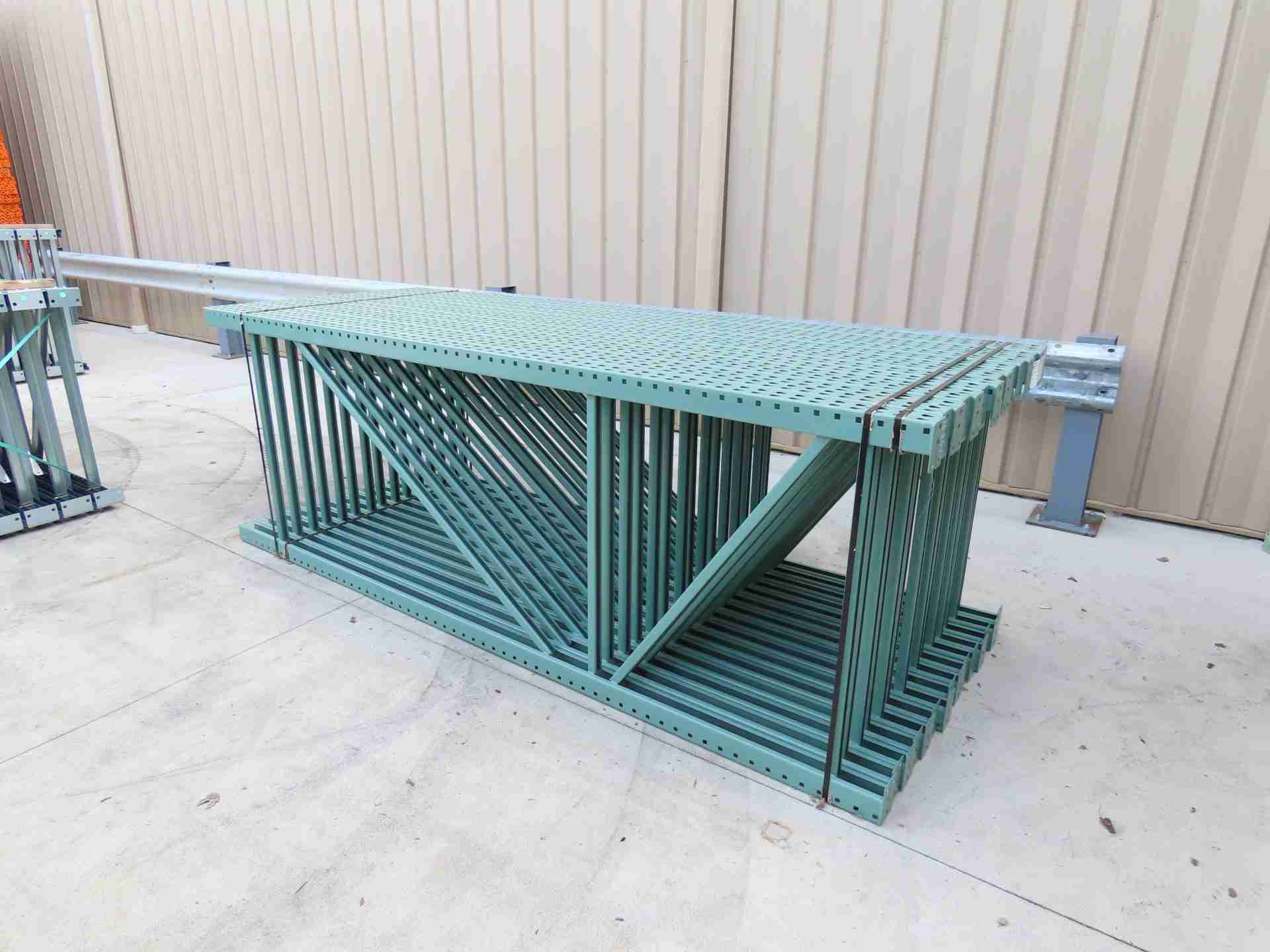
Why Rack Layout Should Be Your First Step In Expansion
Why Rack Layout Should Be Your First Step In Expansion
- An effective rack layout is crucial for expanding storage and warehousing capabilities.
- A well-organized racking system enhances productivity, efficiency, and profitability.
- Thoughtful arrangement reduces stress for both management and staff, improving morale and retrieval times.
- Strategic rack layouts maximize storage capacity, preventing wasted space and resources.
- Investing in proper racking demonstrates a commitment to employee safety and operational efficiency.
- Industry leaders advocate for strategic planning in rack layout to support successful expansion.
- A culture of organization fosters shared responsibility and camaraderie among team members.
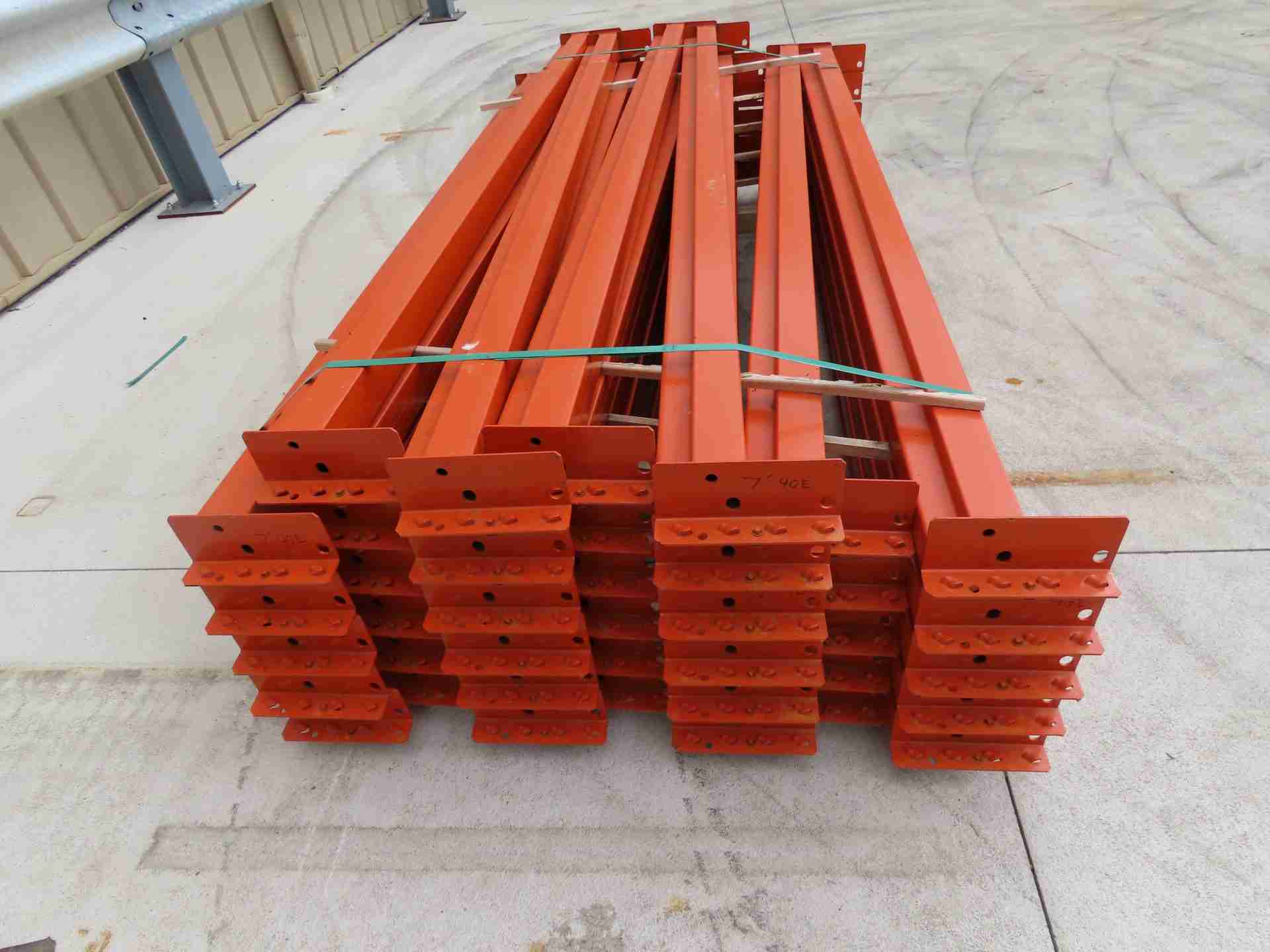
Why Rack Layout Should Be Your First Step In Expansion
Table Of Contents
- Why Rack Layout Should Be Your First Step In Expansion
- What Emotional Connections Do You Have with Your Current Layout?
- How Does an Efficient Rack Layout Improve Your Bottom Line?
- How Does Expert Guidance Influence Your Rack Design Choices?
- Can a Well-Planned Layout Enhance Team Morale and Productivity?
- What Are the Long-Term Benefits Of Optimizing Your Storage Space?
- Conclusion
- Other Resources
- Glossary Of Terms
- Other Questions
- Checklist
What Emotional Connections Do You Have with Your Current Layout?
When you step into a room, what do you feel? Does the layout embrace you like an old friend, or does it feel more like a distant acquaintance—recognizable but lacking warmth? Your current layout isn’t just about where the furniture is placed; it’s a reflection of who you are and the emotional connections you foster within your space.
Think about the last time you rearranged your living room. Maybe you moved that racking unit to the corner or replaced the coffee table with something that has a story—perhaps it belonged to a grandparent or was picked up during a memorable trip. Each piece carries a narrative, a fragment of your journey. It’s in these choices that we find clarity about what resonates with us. That old rocking chair isn’t just furniture; it cradled your first child, it witnessed your late-night conversations, and it still holds the echo of laughter and tears.
Rationally speaking, our environment shapes our mood and productivity. Studies show that well-organized spaces can increase efficiency while clutter stifles creativity. So, how does your current layout serve you? Is it an empowerment, a distraction, or worse, a disconnection from who you truly are? You might find that the arrangement of your space speaks volumes about your priorities. Each book stacked on that shelf, every photo framed on the wall, contributes to the visual thesis of your life.
Ethically, consider the impression you leave on those who enter. Do your choices promote connection or isolation? Spaces can foster community or can be barriers when they don’t invite engagement. How often have you hosted gatherings where the layout helped foster conversations among strangers, transforming them into friends?
Emotionally, the stakes are personal. Think about how your surroundings make you feel at a gut level. Do you feel anxious, inspired, or overwhelmed by what you see? A well-thought-out layout can soothe your spirit, while a disorganized one can be a constant reminder of unresolved chaos. You have the power to curate an emotional sanctuary that nourishes your heart, mind, and soul. So, reflect on what your layout says about you, and take action. Reimagine your space, not just as a setting, but as a tapestry of your life, rich with emotional connections waiting to be reignited.
What Emotional Connections Do You Have with Your Current Layout?
What Emotional Connections Do You Have with Your Current Layout?
- Your room layout reflects your identity and emotional connections.
- Rearranging furniture can reveal personal stories and significant memories.
- Well-organized spaces enhance mood and productivity, while clutter hinders creativity.
- Your layout may empower you or serve as a distraction from your true self.
- Consider how your space encourages connection or fosters isolation for visitors.
- Your surroundings can evoke strong emotional responses, influencing your overall well-being.
- Take time to reimagine your space as a meaningful tapestry of your life.
What Emotional Connections Do You Have with Your Current Layout?
How Does an Efficient Rack Layout Improve Your Bottom Line?
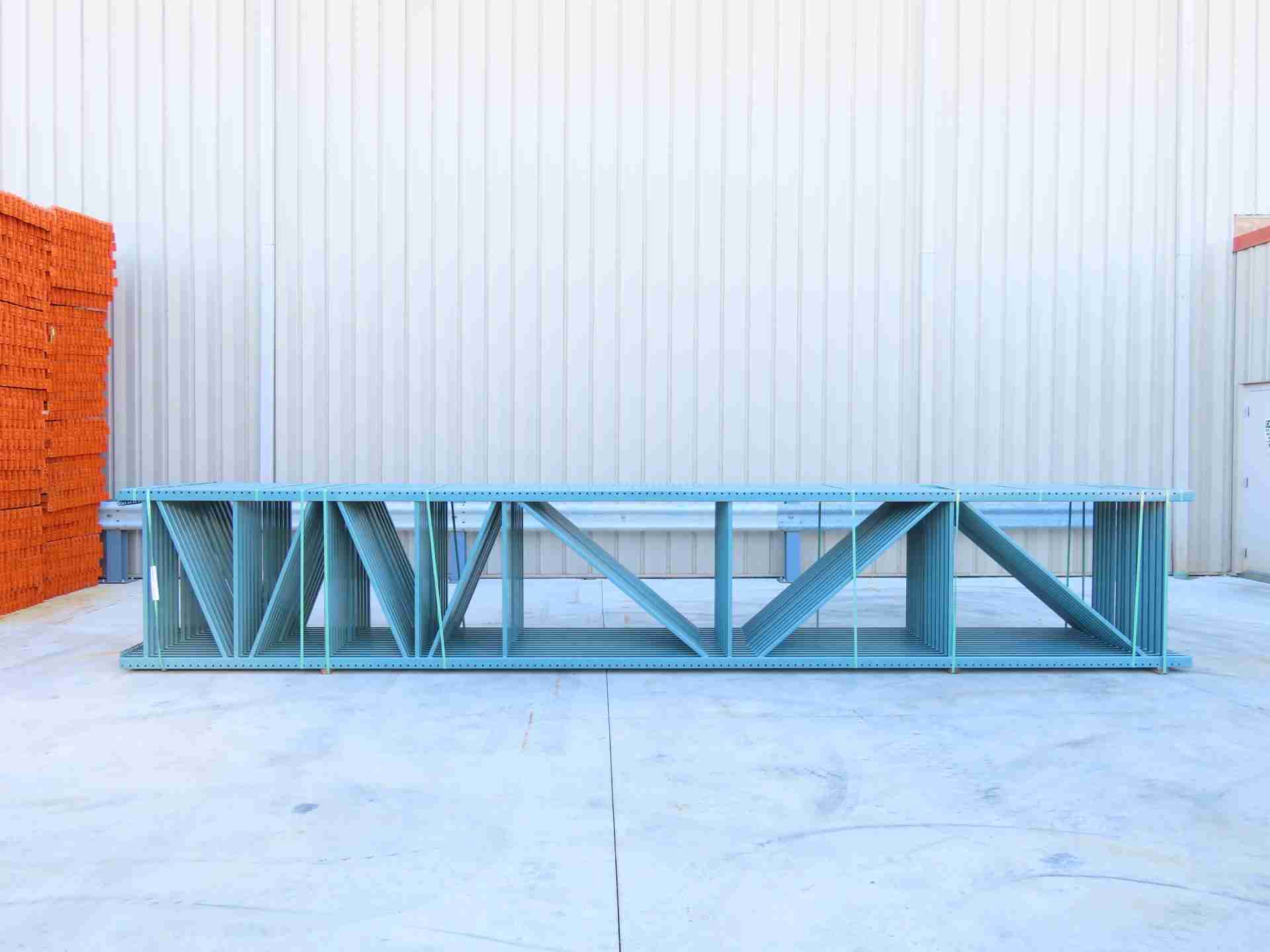
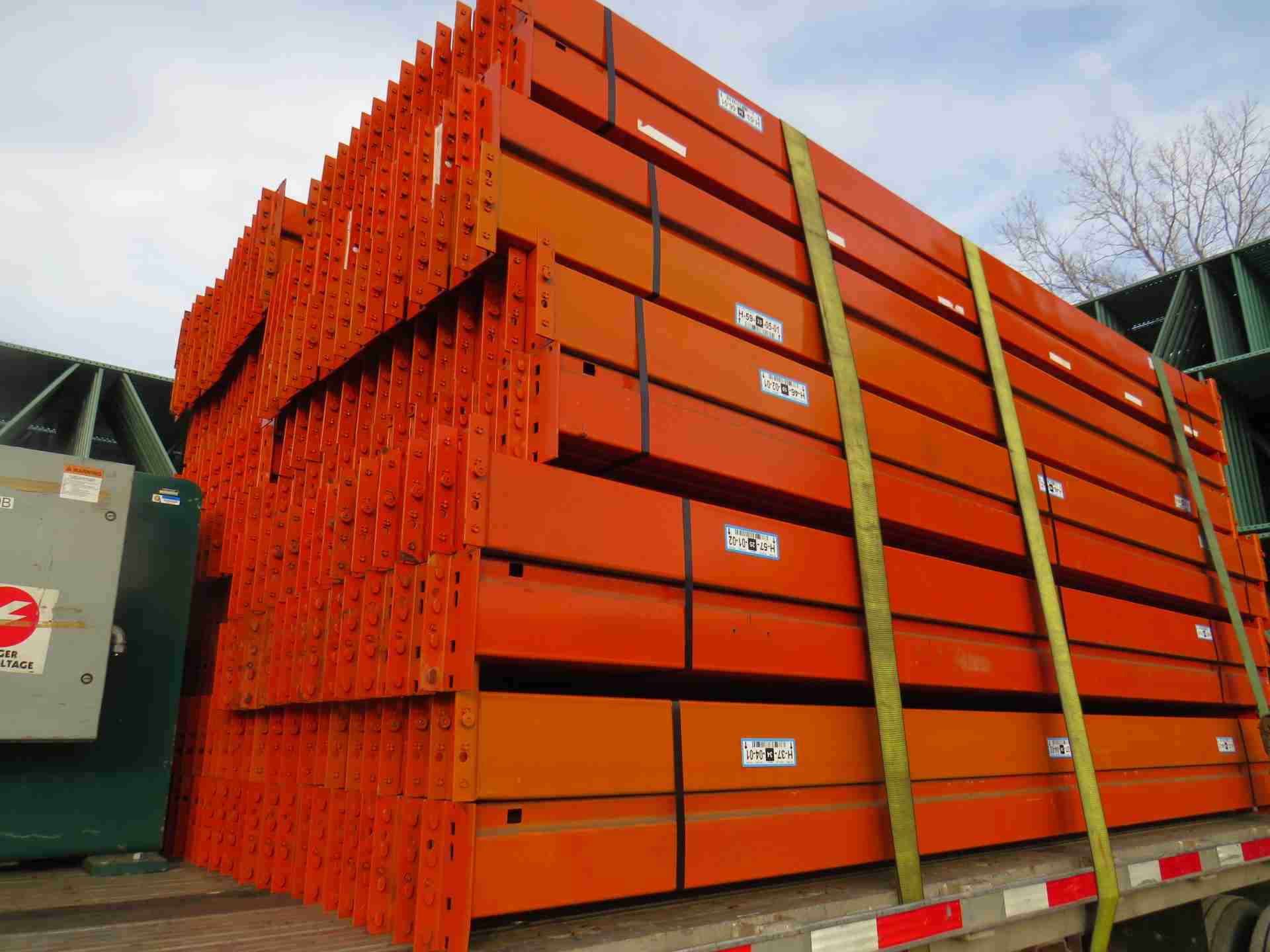
When you think about racking, what comes to mind? For some, it’s just a system of shelves, a place to stash goods and call it a day. But let’s dig a little deeper. An efficient rack layout is like the backbone of your operation; it’s what holds everything up—literally and figuratively. An organized space not only optimizes your workflow but also breathes life into your bottom line.
Picture this: you walk into a warehouse where every item is easily accessible, neatly organized, and set up for smooth operations. You don’t have to navigate a maze of clutter or waste precious minutes hunting for that one critical tool. Instead, you’re empowered to be productive, whether you’re a warehouse manager or a team member. That efficiency translates to saved time, which directly affects your profits. Think about it—less downtime means more orders fulfilled and happier customers. Happy customers often lead to repeat business, which is a lifeline for any company aiming for sustainability.
Now, open your mind to the ethics of it all. It’s not just about profits but about creating a workspace that respects your employees. Investing in an efficient racking system means you’re investing in their safety and well-being. A well-organized environment reduces the risk of accidents, and a safer workplace fosters morale. When your team feels secure, they’re more engaged and likely to give their best, which enhances productivity and performance.
Consider the narratives around successful businesses—the ones that thrive don’t just have fantastic products; they also have efficient operations. They understand that a well-planned rack layout is more than just a warehouse fixture; it’s a strategic move that will propel them forward.
Reflect on the social aspect as well. A well-organized warehouse speaks volumes about your brand’s values. Customers and partners take notice when they see efficiency at play. It builds trust and confidence, signaling that you take your operations seriously. In a world where competition is fierce, that kind of reliability not only keeps you in the game but helps you excel at it.
Investing in an efficient rack layout isn’t merely a logistical choice; it’s a strategic imperative that can inspire growth, ensure safety, and elevate your brand. When you get it right, the benefits ripple out, creating a thriving ecosystem where everyone wins. Don’t just store products—store potential.
How Does an Efficient Rack Layout Improve Your Bottom Line?
How Does an Efficient Rack Layout Improve Your Bottom Line?
- An efficient rack layout is essential for optimizing workflow and supporting operational success.
- A well-organized warehouse ensures easy accessibility, reducing time wasted searching for items.
- This efficiency leads to increased order fulfillment, enhanced customer satisfaction, and repeated business.
- Investing in racking systems prioritizes employee safety and overall workplace morale.
- Successful businesses recognize that efficient operations are key to their competitive advantage.
- A tidy warehouse reflects the brand’s values, building trust and reliability with customers and partners.
- Overall, strategic investment in rack layouts can inspire growth and create a thriving ecosystem for both employees and customers.
How Does an Efficient Rack Layout Improve Your Bottom Line?
How Does Expert Guidance Influence Your Rack Design Choices?
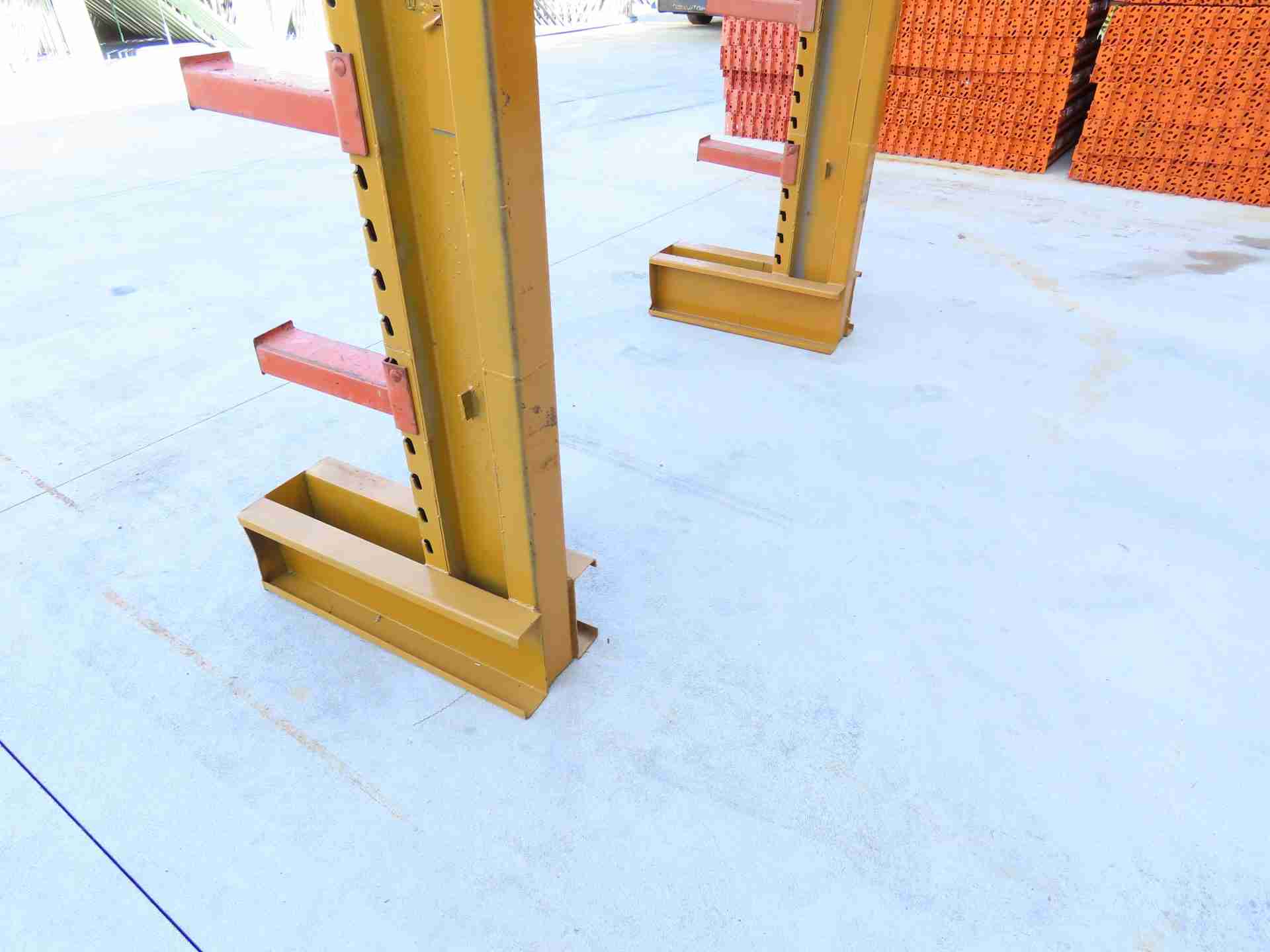
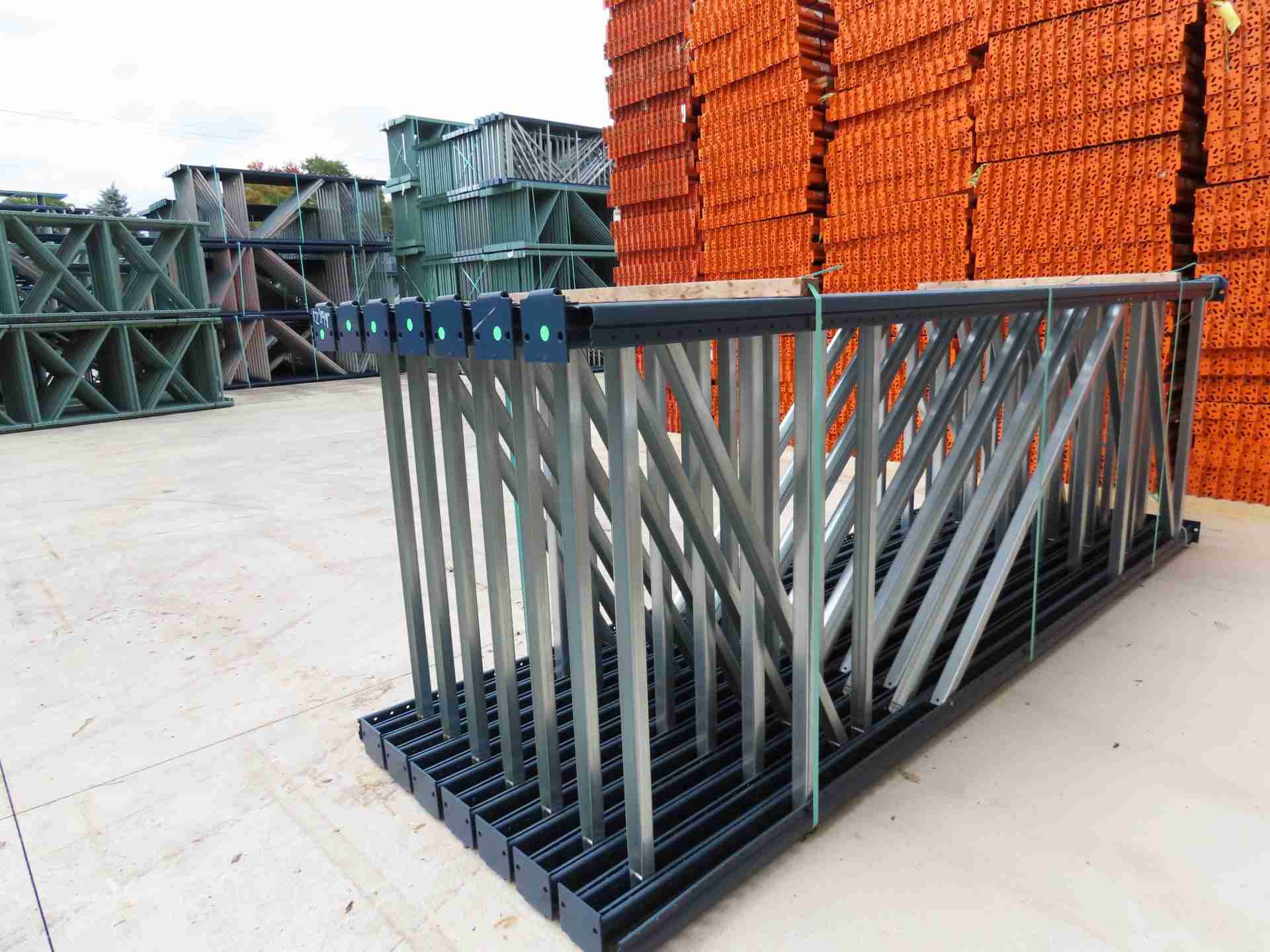
When it comes to racking design, you’re not just stacking products; you’re building a backbone for your operation. The decisions you make can spell the difference between chaos and smooth sailing. That’s where expert guidance comes in—a trusted compass in the often-turbulent waters of warehouse management. You see, every nudge from a seasoned professional doesn’t just come with years of hard-earned experience; it’s also a lifeline to efficiency, safety, and productivity.
Think about it. Your gut knows when something feels off. A poorly designed racking system can lead to accidents and inefficiencies that ripple through your entire business. An expert’s insight can help you evade those pitfalls. They bring a wealth of knowledge that enables you to see beyond the numbers, analyzing how your space can be utilized effectively. They’ll help you envision a world where each shelf does more than hold inventory; it drives your operation forward.
Emotionally, the heart of your warehouse thrives on harmony between people and processes. Engineers and designers bring an understanding of human behavior and ergonomic principles that will make working within your racking systems a breeze. Enhanced safety protocols, accessible designs, and orderly configurations turn a stressful environment into a sanctuary of productivity. Isn’t that what we all want for our teams? A place where they can feel secure, motivated, and proud of their workspace?
Now, let’s not forget the ethical element. Investing in expert guidance means investing in the future of your operation. When you consult the right people, you’re asserting your commitment to quality and safety, not just for your organization but for everyone who steps through your doors. This is an ethical responsibility that resonates within the community and your workforce.
And don’t underestimate the authority that comes from collaboration. When experts lend their voice to your design choices, it fosters a sense of trust that trickles down through your ranks. Socially, you become that beacon of best practices, encouraging others in your industry to elevate their own standards.
So, when you find yourself at the crossroads of racking decisions, remember: a wise heart, a rational mind, and expert guidance can lead to choices that don’t just keep your shelves from collapsing but elevate everything about your warehouse operation. Take that step; it’s not just about racking—it’s about building a legacy.
How Does Expert Guidance Influence Your Rack Design Choices?
How Does Expert Guidance Influence Your Rack Design Choices?
- Racking design is crucial for building a solid foundation for warehouse operations.
- Expert guidance helps navigate the complexities of warehouse management, enhancing efficiency and safety.
- A poorly designed racking system can lead to accidents and inefficiencies affecting the entire business.
- Experts offer insights that maximize space utilization and drive operational effectiveness.
- Understanding human behavior and ergonomic principles contributes to a harmonious and productive workspace.
- Investing in expert guidance demonstrates a commitment to quality and safety, benefiting the community and workforce.
- Collaboration with experts fosters trust and encourages industry-wide best practices for continuous improvement.
How Does Expert Guidance Influence Your Rack Design Choices?
Can a Well-Planned Layout Enhance Team Morale and Productivity?
Imagine walking into an office where the layout feels like a warm embrace rather than a cold maze of cubicles. When a team comes together in a space designed for collaboration—think broad, open tables instead of cramped desks—something magical happens. It’s as if the very air shifts, sparking conversations and ideas that might otherwise have gone unheard. This isn’t just about aesthetics; it’s about fostering a culture where people feel valued, engaged, and ready to tackle the challenges ahead.
Consider the strategic placement of racking in a warehouse or storage area. You don’t just plop it down wherever it fits. Instead, smart organizations think deeply about how to optimize workflows, reduce clutter, and streamline processes. This kind of thoughtful planning translates into a sense of ownership and pride. Team members who can easily find what they need, when they need it, aren’t just happier—they’re more productive. Their work is not an endless grind; it feels like part of a larger purpose, each contribution linked to a collective goal.
Now let’s delve into the emotional undercurrents. A well-structured layout offers more than just efficiency; it sends a clear message: “We care.” Effective spaces encourage people to connect on a personal level. They don’t just facilitate the tasks at hand; they nurture camaraderie and trust. Remember the last time you felt part of something bigger than yourself? It can happen daily, fueled by a thoughtful environment designed to inspire connection.
From a rational perspective, investments in layout choices yield measurable returns. Companies that prioritize workplace design see increased productivity and reduced turnover. It’s not rocket science. Happy employees stick around, and when they do, they contribute to the bottom line. It’s an ethical consideration as well, reflecting the value placed on human capital and individual creativity.
By tapping into these layers of experience—emotion, logic, ethics—you create a workplace that isn’t just about getting work done, but about building a community. When people feel valued and engaged, they’re not just showing up; they’re bringing their best selves to work every day. So as the blueprint unfolds, think of it not merely as an arrangement of desks and meeting rooms, but as the very foundation of a thriving culture designed for success. It’s time to invest in a layout that elevates everyone involved, inviting all to contribute to a greater cause.
Can a Well-Planned Layout Enhance Team Morale and Productivity?
Can a Well-Planned Layout Enhance Team Morale and Productivity?
- Office layouts should foster collaboration, featuring open tables rather than isolated cubicles.
- A well-designed space nurtures a culture of value and engagement, inspiring creativity and conversation.
- Strategic placement of storage solutions optimizes workflows and enhances productivity.
- Organizational planning in workspace layout fosters a sense of ownership and pride amongst team members.
- Effective environments encourage personal connections, creating camaraderie and trust among employees.
- Investing in workplace design leads to measurable business returns, such as increased productivity and lower turnover rates.
- A thoughtful layout promotes a sense of community, motivating employees to bring their best selves to work.
Can a Well-Planned Layout Enhance Team Morale and Productivity?
What Are the Long-Term Benefits Of Optimizing Your Storage Space?
When you think about optimizing your storage space, what do you imagine? For many, it’s just another chore on the never-ending to-do list. But consider the long-term benefits; they go far beyond mere tidiness. Imagine a world where finding what you need—whether it’s tools, paperwork, or cherished keepsakes—requires only a glance rather than an expedition. That’s not just convenience; that’s liberation.
When you properly organize with sturdy racking and smart storage solutions, you give yourself the gift of efficiency. Consider the small business owner who invests time and resources into optimizing their space. Every product neatly stored means faster access, which translates to quicker service, happier customers, and ultimately, increased profits. Now, that’s a solid return on investment!
Moreover, let’s talk about peace of mind. When your surroundings are orderly, your mind has room to breathe. Clutter can weigh heavy on our psyche, stealing our focus and draining our energy. By reclaiming your space, you clear the physical and emotional baggage that holds you back. It’s about feeling in control of your environment—and, consequently, your life.
From an ethical perspective, optimizing storage is a sustainable choice. Instead of buying more to accommodate the clutter, you’re making the conscious decision to utilize what you already have. That not only reduces waste but sets a powerful example for those around you. It’s about being responsible stewards of our resources, and who doesn’t admire a community that values meaningful actions over material excess?
Think about the stories that your space tells. Each item you keep holds a narrative waiting to be shared. When organized effectively, you can showcase those tales instead of hiding them away. You create a welcoming atmosphere where memories and experiences reign, inviting family and friends to connect over what matters most.
Ultimately, those who embrace storage optimization tend to inspire others. The neighbor who uses a clever racking system becomes the go-to problem solver. Your friends may seek your expertise, viewing you as a trusted source in a world that often feels chaotic. By taking the leap toward an organized space, you’re not just improving your own life; you’re enriching the lives of others as well. So take action. It’s time to clear the clutter and make room for what truly matters.
What Are the Long-Term Benefits Of Optimizing Your Storage Space?
What Are the Long-Term Benefits Of Optimizing Your Storage Space?
- Optimizing storage space transforms clutter management into a long-term efficiency investment.
- Proper organization enables quick access to belongings, leading to better service and increased profits for businesses.
- A tidy environment promotes peace of mind, enhancing focus and energy by reducing mental clutter.
- Storage optimization is a sustainable choice that utilizes existing resources instead of contributing to waste.
- Organized spaces tell stories, inviting connections and shared memories with family and friends.
- Embracing storage solutions inspires others and positions individuals as trusted problem solvers in their communities.
- Taking action to clear clutter allows for a more meaningful and enriched life experience.
What Are the Long-Term Benefits Of Optimizing Your Storage Space?
Conclusion
As you stand at the threshold of expansion, it’s crucial to focus on one pivotal element that lays the groundwork for your success: the rack layout. Imagine this—your warehouse transforms from a chaotic labyrinth to a well-oiled machine, pulsating with efficiency and purpose. This isn’t just about storage; it’s about crafting an environment that embodies productivity while fostering a sense of pride among your team. A well-structured space cultivates relief and organization, turning frantic diasporas of goods into a harmonious symphony of seamless workflow. Each item has a place, and each space resonates with the heartbeat of your operation.
Rationally, the importance of this carefully planned layout becomes crystal clear. Space is a precious commodity, and leveraging every square inch can significantly impact your bottom line. Wasted space is wasted money, and optimizing your racking system can lead to greater stock capacity without hefty investments in more square footage. Instead of merely filling shelves, you are strategically arranging assets in a way that maximizes revenue while trimming unnecessary expenses. It’s a smart, logical decision that pays dividends for years to come.
From an ethical standpoint, there’s more at stake here. Prioritizing a safe, organized environment demonstrates your commitment to your employees’ well-being. A well-designed racking system minimizes risks, fostering a culture where safety reigns supreme. This proactive approach is more than a business decision; it showcases your values and reflects positively on your leadership.
Industry leaders consistently stress the significance of a thoughtful rack layout. They’ve been there; they’ve seen firsthand how a solid foundation can elevate a business from ordinary to extraordinary. By aligning yourself with best practices, you adopt the mindset of a trailblazer in your field. And let’s not forget how an organized space enhances team morale. A warehouse that embodies efficiency creates a sense of camaraderie and accountability among team members, forging strong connections that drive collective success.
This is your call to action—don’t just consider the rack layout as a checkbox on your expansion plan. Embrace it as an integral component of your overall strategy. It’s not merely about moving goods but creating a thriving ecosystem where every participant can thrive. In the grand scheme of your expansion, remember this: setting a solid rack layout isn’t just your first step; it is the cornerstone from which all growth will blossom. Store potential, nurture success—your future depends on it.
Conclusion
Conclusion:
- Focus on an effective rack layout to transform warehouse organization and efficiency.
- A well-structured space enhances productivity and employee pride.
- Maximizing the use of space can significantly impact profitability and reduce wasted resources.
- A safe, organized environment promotes employee well-being and strong company values.
- Industry leaders emphasize the importance of strategic rack layouts for elevating business performance.
- An organized workspace fosters teamwork, morale, and accountability among employees.
- Consider the rack layout as a critical element of your expansion strategy, essential for long-term success.
Conclusion
Other Resources
Other Resources
Here is a list of other resources you can review online to learn more:
- International Warehouse Logistics Association
- ASSP
- Teardrop Racks – Pallet Rack World
- Cantilever Racking Specialists – Get the Right Racks
- Chicago Pallet Racking
- Storage Equipment Manufacturers’ Association
- CMMA
- Pallet Racking systems in Illinois, Great Lakes
- New Cantilever Racks and Racking Kits
- Pallet Racking 101: A Comprehensive Guide & Options Explained
- MHI
- Logic Material Handling
- NSC
- The Complete Pallet Rack Guide – Simply Rack
- Pallet Racks, Pallet Racking, Pallet Shelves in Stock – ULINE
- Arrow Industrial Sales
- What is Cantilever Racking? – AK Material Handling Systems
- BMH Equipment LLC
- Bradford Systems
- Warehouse Racking Chicago, IL
Use This Prompt To Get More Resources With Your Favorite Online AI Tool: Please provide me with a list of online articles with their URLs in a bulleted list that I can read regarding Why Rack Layout Should Be Your First Step In Expansion
Other Resources
Glossary Terms
Why Rack Layout Should Be Your First Step In Expansion – Glossary Of Terms
1. Rack Layout: The arrangement and organization of storage racks in a facility that optimizes space and efficiency.
2. Expansion: The process of increasing the capacity or size of a facility, often to accommodate more inventory or improve operations.
3. Efficiency: The ability to achieve maximum productivity with minimum wasted effort or expense, particularly in storage and retrieval processes.
4. Vertical Space: The use of height in a facility to increase storage capacity, often through the installation of taller racks.
5. Inventory Management: The systematic oversight of inventory levels, orders, and supply chain operations to ensure optimal stock levels.
6. Footprint: The physical area that a rack or shelving system occupies within a warehouse, important for space planning.
7. Accessibility: The ease with which stored items can be reached or retrieved, impacting both speed and safety.
8. Load Capacity: The maximum weight that a storage rack can safely hold, critical for choosing the appropriate racks.
9. Cross-Docking: A logistics practice where incoming goods are directly transferred to outgoing transport without storage, often impacting rack layout decisions.
10. Inventory Turnover: A measure of how often inventory is sold and replaced over a period, influencing storage strategies.
11. Freight Flow: The movement of goods through a facility, which should inform the organization of storage and racks to streamline operations.
12. SKU (Stock Keeping Unit): A unique identifier for each distinct product or item that allows for easier inventory tracking and management.
13. Lead Time: The amount of time between the initiation of a process and its completion, including stock replenishment influenced by layout.
14. Standardization: The process of establishing consistency in rack types and organization to streamline operations and training.
15. Safety Regulations: Guidelines and standards that ensure the safe installation and usage of racks in warehouses.
16. Density: The efficiency of space utilization, determined by the arrangement and type of storage racks used.
17. Workflow: The sequence of processes through which work passes from initiation to completion, heavily impacted by layout efficiency.
18. Load-Bearing: Refers to a rack’s ability to support weight; essential for maintaining structural integrity and safety.
19. Customization: The ability to tailor the rack layout and systems to fit specific operations or inventory types.
20. Modularity: The design principle that allows for easy reconfiguration or expansion of rack systems as needs change.
21. Pallet Racking: A type of storage system where pallets are stored on horizontal rails, allowing for easy access and high density.
22. Flow Rack: A storage system designed to facilitate the first-in, first-out (FIFO) method by using gravity to move products.
23. Dynamic Storage: Storage systems that allow for automatic retrieval and restocking, often using a combined rack layout.
24. Work Cell: A designated area within a warehouse where workers or machinery perform a specific set of tasks, influenced by rack design.
25. Throughput: The rate at which goods are processed through a facility, which can be improved through optimized rack layouts.
26. Pick Paths: The routes that workers take to select items from storage, crucial for efficiency in layout planning.
27. Traffic Flow: The movement of employees and equipment through a facility, which should be considered when designing the rack layout.
28. Stock Rotation: The practice of organizing inventory to ensure older items are used or sold before newer ones, influenced by rack organization.
29. Lean Principles: Practices aimed at minimizing waste within manufacturing systems without sacrificing productivity, applicable to rack layout.
30. Space Optimization: The strategic arrangement of storage solutions to utilize available space effectively, critical in expansion planning.
Glossary Of Terms
Other Questions
Why Rack Layout Should Be Your First Step In Expansion – Other Questions
If you wish to explore and discover more, consider looking for answers to these questions:
- What specific steps can I take to design an effective rack layout?
- How can I assess my current rack layout’s effectiveness?
- What common mistakes should I avoid when planning my rack layout?
- How often should I reevaluate my rack layout as my business grows?
- What tools or software can assist with rack planning and design?
- Are there industry standards I should follow for rack layout?
- How can I involve my team in the rack design process?
- What are the safety regulations related to racking systems?
- How does the layout affect inventory management practices?
- What metrics should I track to measure the success of a new rack layout?
- How do I handle unexpected challenges during the rack layout implementation?
- Can I integrate technology in my rack layout for better efficiency?
- What case studies exist that showcase the impact of a well-designed rack layout?
- How can I align my rack layout with my business’s overall strategy?
- What role does employee feedback play in designing an effective layout?
Other Questions
Checklist
Why Rack Layout Should Be Your First Step In Expansion – A Checklist
Checklist for Effective Rack Layout and Storage Optimization
Emotional Appeal:
_____ Reflect on the feelings your current layout evokes. Does it inspire calm and productivity?
_____ Visualize the relief and happiness you will experience with an organized space.
_____ Consider how a well-arranged layout can foster teamwork and morale.
Rational Appeal:
_____ Assess how much space you’re currently wasting. Identify areas for improvement.
_____ Calculate potential increases in efficiency with an optimized rack layout.
_____ Measure past inefficiencies and their impact on profits.
Ethical Appeal:
_____ Evaluate how your current layout promotes or hinders safety for your team.
_____ Consider the ethical responsibility of maintaining a clutter-free workspace.
_____ Think about how optimizing storage reflects your commitment to sustainability.
Authority Appeal:
_____ Research best practices in rack layout by industry leaders.
_____ Look for expert recommendations on rack design and its impact on efficiency.
_____ Identify case studies from successful businesses that highlight the importance of a strong rack layout.
Narrative Appeal:
_____ Share testimonials from employees about their experiences in well-organized versus chaotic workspaces.
_____ Craft a story about how an improved rack layout transformed a struggling business into a thriving one.
_____ Emphasize the personal journeys that each item in your space represents and how organization can enrich these narratives.
Social Appeal:
_____ Observe how your workspace arrangement influences interactions among team members.
_____ Encourage collaboration by designing spaces that invite communication and connection.
_____ Promote the idea of creating a supportive environment that values organization and cleanliness among peers.
Action Steps:
_____ List specific changes you can implement to optimize your current rack layout.
_____ Set a timeline for reviewing and revising your existing layout.
_____ Engage your team in brainstorming sessions to gather input and foster a sense of ownership in the new layout.
Checklist
At RackingWorld, we help guide you through selecting warehouse storage systems and racking.
Be sure to read our other related stories at RackingWorld to learn more about warehouse storage systems.
0 Comments