
Empowering Clarity: Transform Spaces To Elevate Shopping Experience
By Tom Seest
At RackingWorld, we help guide you through selecting warehouse storage systems and racking.
Be sure to read our other related stories at RackingWorld to learn more about warehouse storage systems.
Designing Layouts That Prevent SKU Confusion
Designing layouts that prevent SKU confusion is crucial for businesses and consumers alike. Imagine a bustling warehouse, where every item has a place and every step taken is purposeful. Racking systems play a vital role in this dance, establishing order amidst potential chaos. When you walk into a well-organized space, it’s like stepping into a well-oiled machine. You know what to expect, where to find it, and how to get it back on the shelf, keeping things flowing smoothly.
Now, picture the flip side—boxes stacked haphazardly, labels faded, and a staff member scrambling to find the right product among a sea of confusion. This scenario creates frustration, not just for the employees but for customers who count on getting what they need when they need it. A thoughtfully designed layout that incorporates clear signage and logical racking systems fosters an environment where everyone knows their way around. It’s not just good for business; it speaks to a deeper sense of respect for the workers who keep things running and the customers whose trust you’re building.
Creating a layout that minimizes SKU confusion is about more than efficiency; it’s a matter of integrity. It shows that you care about your employees’ time and the quality of service they provide. When everyone understands the system, they work together seamlessly, contributing to a more dedicated and reliable workforce. That trust and cooperation reflect in customer satisfaction— when your stock is easy to navigate, shoppers leave happy, knowing they can count on you.
We’ve all faced the frustration of trying to find something in a disorganized space. It gnaws at us, wearing away our patience. Conversely, when we encounter a layout that prioritizes our needs, we feel an unspoken connection— as if someone is looking out for us. That’s the magic of a well-designed storage solution.
In the heart of every warehouse or retail space, trust and clarity build a bridge between you and your customers. The commitment to strong racking systems and sensible layouts doesn’t just prevent SKU confusion; it nurtures a culture of reliability and pride in our work. With every aisle organized and every product accessible, we’re not just selling—we’re fostering relationships founded on confidence and common sense.
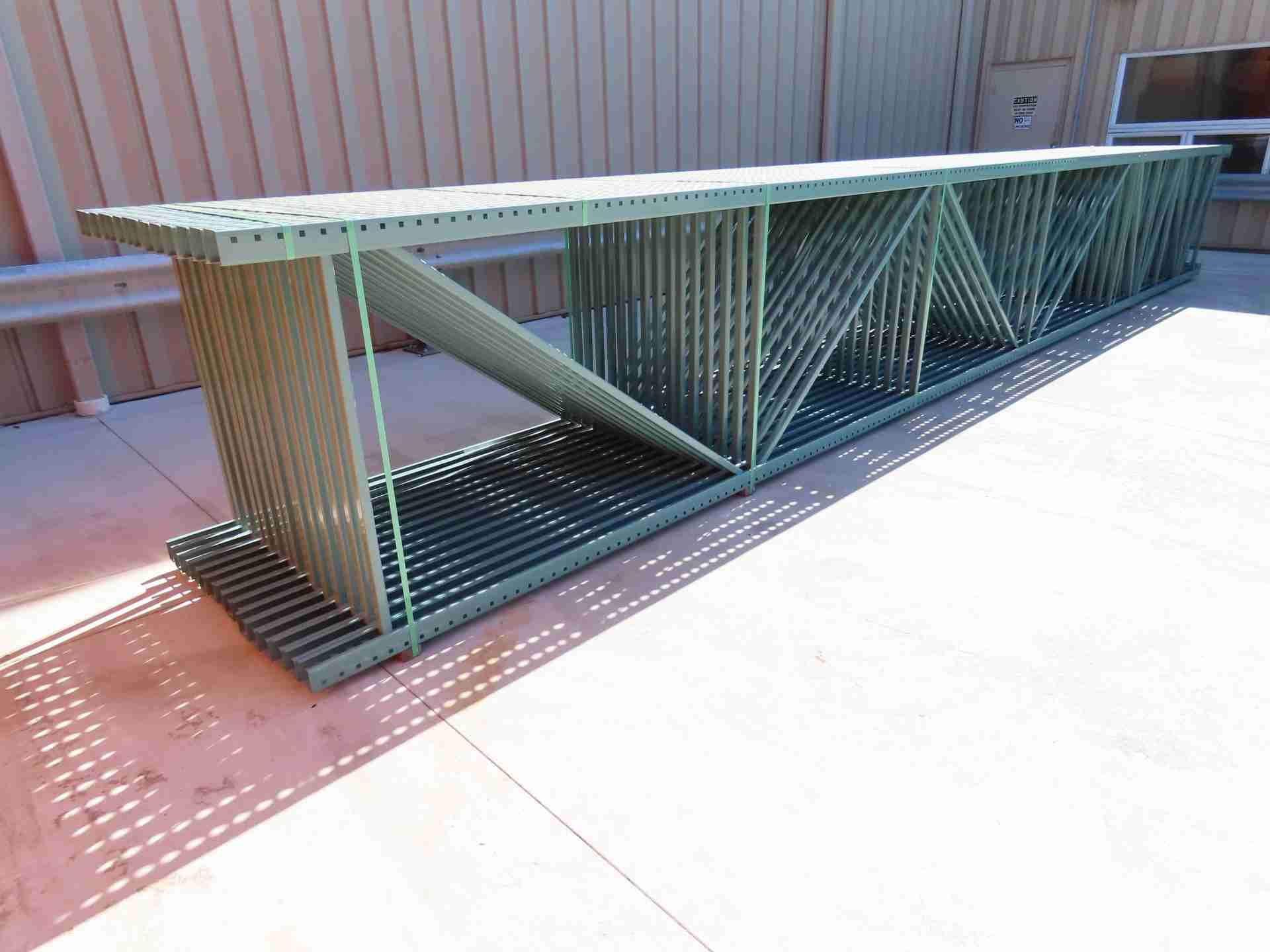
Designing Layouts That Prevent SKU Confusion
Designing Layouts That Prevent SKU Confusion
- Designing layouts that avoid SKU confusion is essential for businesses and consumers.
- Efficient racking systems create order in a busy warehouse environment.
- A well-organized space enhances expectations and smooth operations.
- Disorganized layouts lead to frustration for both employees and customers.
- Clear signage and logical layouts build trust and respect for workers and customers.
- Effective layouts contribute to employee pride and enhance customer satisfaction.
- Strong organization fosters relationships based on reliability and confidence.

Designing Layouts That Prevent SKU Confusion
Table Of Contents
- Designing Layouts That Prevent SKU Confusion
- What Does SKU Confusion Cost Your Business Each Year?
- How Often Do Customers Choose the Wrong Items?
- What Layout Strategies Reduce Errors In SKU Selection?
- Which Store Elements Create the Most Confusion for Shoppers?
- How Can Effective Signage Reduce SKU Mix-Ups?
- What Role Does Product Placement Play In Customer Decisions?
- Conclusion
- Other Resources
- Glossary Of Terms
- Other Questions
- Checklist
What Does SKU Confusion Cost Your Business Each Year?
What Does SKU Confusion Cost Your Business Each Year?
SKU confusion sneaks into your operations like an unwelcome guest, quietly racking up costs that can drain your profits faster than a leak in a warehouse roof. Imagine a warehouse filled with racking systems, neatly designed to optimize space and efficiency. Now, picture employees scouring through aisles, unsure of which SKU to pull because the labels are unclear or inconsistent. That confusion can lead to wrong orders, delayed shipments, and a backlog that spirals out of control.
For the heart, think about the impact on your team. Your workers show up every day, ready to pull their weight, but SKU confusion turns their hard work into frustration. They want to take pride in a job well done, but when they feel like they’re fighting an uphill battle just to find the right product, morale takes a hit. That kind of weariness spreads like wildfire. Happy workers translate into better service, and with SKU confusion, you risk that invaluable connection slipping through your fingers.
Rationally, let’s break it down. Every mispicked SKU can cost your business not just in product returns but in lost customer trust. It’s easy to dismiss a single error, but look closer. Over a year, these slip-ups add up—excess labor costs, wasted shipping, and damaged relationships with clients are just a few, potentially draining thousands from your bottom line. In a competitive landscape, every dollar counts.
From an ethical standpoint, consider what this means for your customers. They expect a certain standard, one based on reliability. When mistakes happen due to SKU confusion, it reflects poorly on your brand. You’re not just selling a product; you’re selling trust. Over time, a reputation for inconsistency can tarnish your hard-earned name, driving loyal customers to seek steadier hands.
Narratively, think back to a time when you received the wrong order. Frustrating, right? Now, multiply that feeling by the number of customers who experience the same. Each SKU mishap tells a story of disappointment. Those stories travel faster than any advertisement, influencing decisions in ways you can’t measure.
On a social level, SKU confusion can be isolating for your team. Workers feel unsupported when tools meant to help them—like robust systems designed for easy navigation—fall short. A united front starts with clarity in your inventory. Simplifying SKUs is a way to demonstrate that you value not just the goods, but the effort of everyone involved.
SKU confusion isn’t just a back-office hassle; it’s a clear call to action. Tackle it head-on. Make your racking systems work for you, not against you. The costs of inaction? They’re heavy and only getting heavier.

What Does SKU Confusion Cost Your Business Each Year?
What Does SKU Confusion Cost Your Business Each Year?
- SKU confusion disrupts warehouse operations, leading to wrong orders and shipment delays.
- Employee morale suffers as workers struggle to find products, impacting overall service quality.
- Each mispicked SKU results in significant costs, including excess labor and damaged customer relationships.
- Customers expect reliability; mistakes can tarnish brand reputation and drive them to competitors.
- Every SKU mishap contributes to customer disappointment, negatively influencing future purchasing decisions.
- Workers feel unsupported when navigational tools fall short, highlighting the need for improved SKU clarity.
- Addressing SKU confusion is crucial; inaction leads to escalating operational costs.
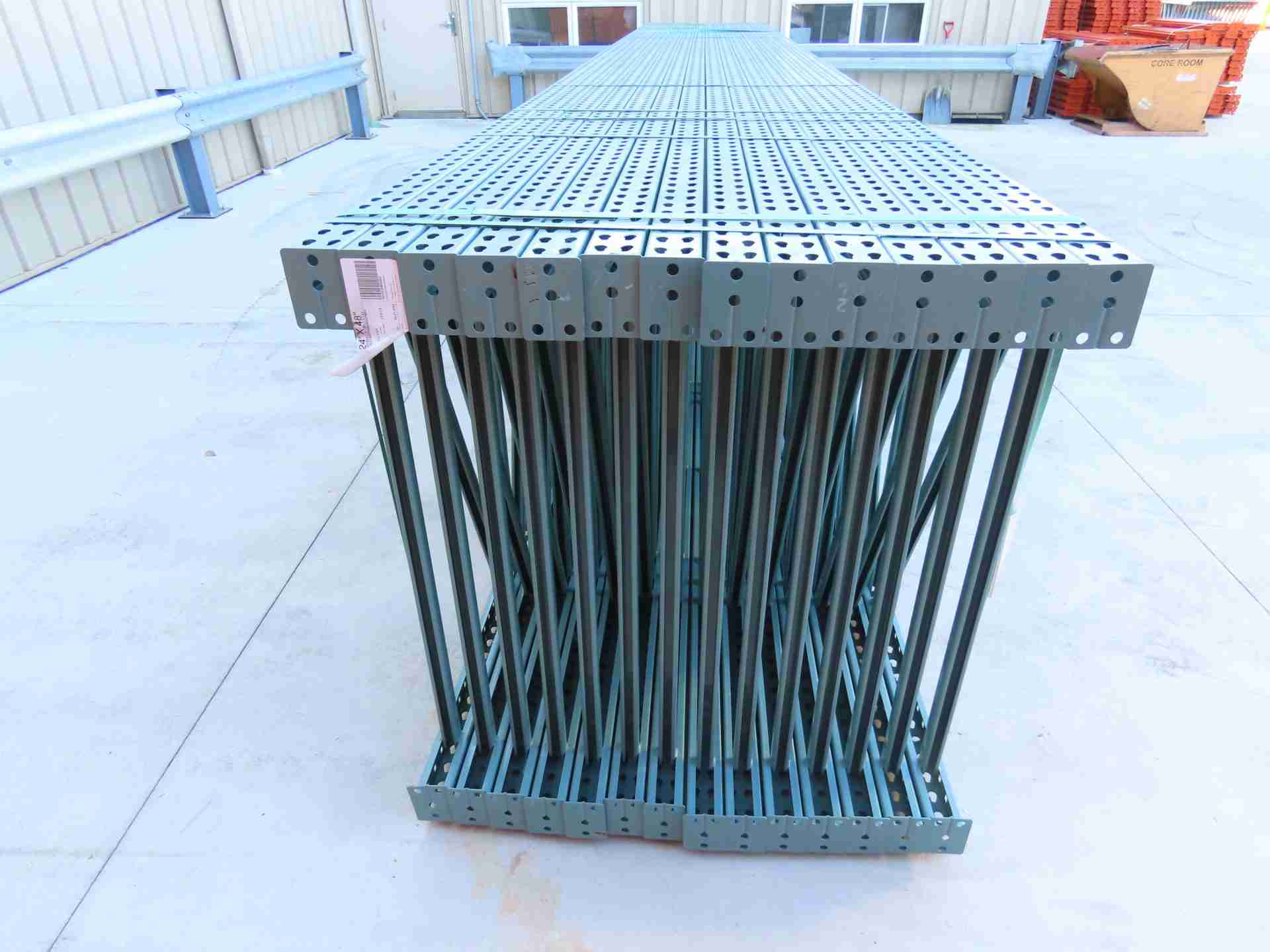
What Does SKU Confusion Cost Your Business Each Year?
How Often Do Customers Choose the Wrong Items?
In the fast-paced world of shopping, customers often find themselves in a bit of a pickle, particularly when it comes to choosing the right items. Picture this: a bustling warehouse, shelves stacked high with various products, each vying for attention. It’s like a game of treasure hunting, and yet, with so many options, many shoppers end up picking items that don’t quite fit their needs or expectations.
Take racking systems, for instance. Imagine a small business owner looking for a solution to optimize their storage space. They stroll down an aisle, eyes wide with possibilities but overwhelmed by choices. They may pick a flashy racking system, drawn in by a slick marketing pitch, only to realize it doesn’t suit their warehouse layout or their inventory needs. It’s not just frustrating; it can be costly, both in terms of time and money.
This scenario plays out daily across retail environments. On one hand, there’s the emotional pull—customers often feel the pressure of making the right decision. They want satisfaction and assurance that their choices will solve a problem rather than create new ones. On the other hand, there’s the logical side urging them to consider all factors before making their pick. It’s the age-old battle between heart and head, with waist-deep terrain full of tempting yet unsuitable products.
From an ethical standpoint, retailers have a responsibility to guide customers. Providing clear, honest information about racking systems can build trust. When customers leave with the right product—the system that perfectly meets their requirements—they don’t just return for more; they become advocates, sharing their positive experiences with others. This not only fosters a sense of community but also solidifies the retailer’s reputation as a trusted authority in the market.
It’s all about connection. When you walk into a store, it’s not just a transaction; it’s an experience. There’s a narrative to be told—an understanding that everyone, at some point, has made a selection they regret. It’s relatable. Perhaps they chose the right item for a need but the wrong size, or they miscalculated what would really work in their lives. This shared experience can serve as a springboard for retailers to engage customers more meaningfully, providing solutions that resonate on both a practical and emotional level.
Ultimately, the goal is to ensure that every customer feels confident in their choices, avoiding the pitfalls of the wrong items. Do it right, and you don’t just sell products; you build relationships that last.

How Often Do Customers Choose the Wrong Items?
How Often Do Customers Choose the Wrong Items?
- Customers often struggle to choose the right items in a fast-paced shopping environment.
- Overwhelming choices lead to selections that may not fit needs or expectations.
- Small business owners face difficulties in finding suitable racking systems for their storage needs.
- Emotional pressure influences customers’ decision-making alongside logical considerations.
- Retailers have an ethical obligation to provide clear and honest information to guide customers.
- Proper guidance fosters trust and can turn customers into advocates for the retailer.
- Engaging customers through shared experiences enhances satisfaction and builds lasting relationships.
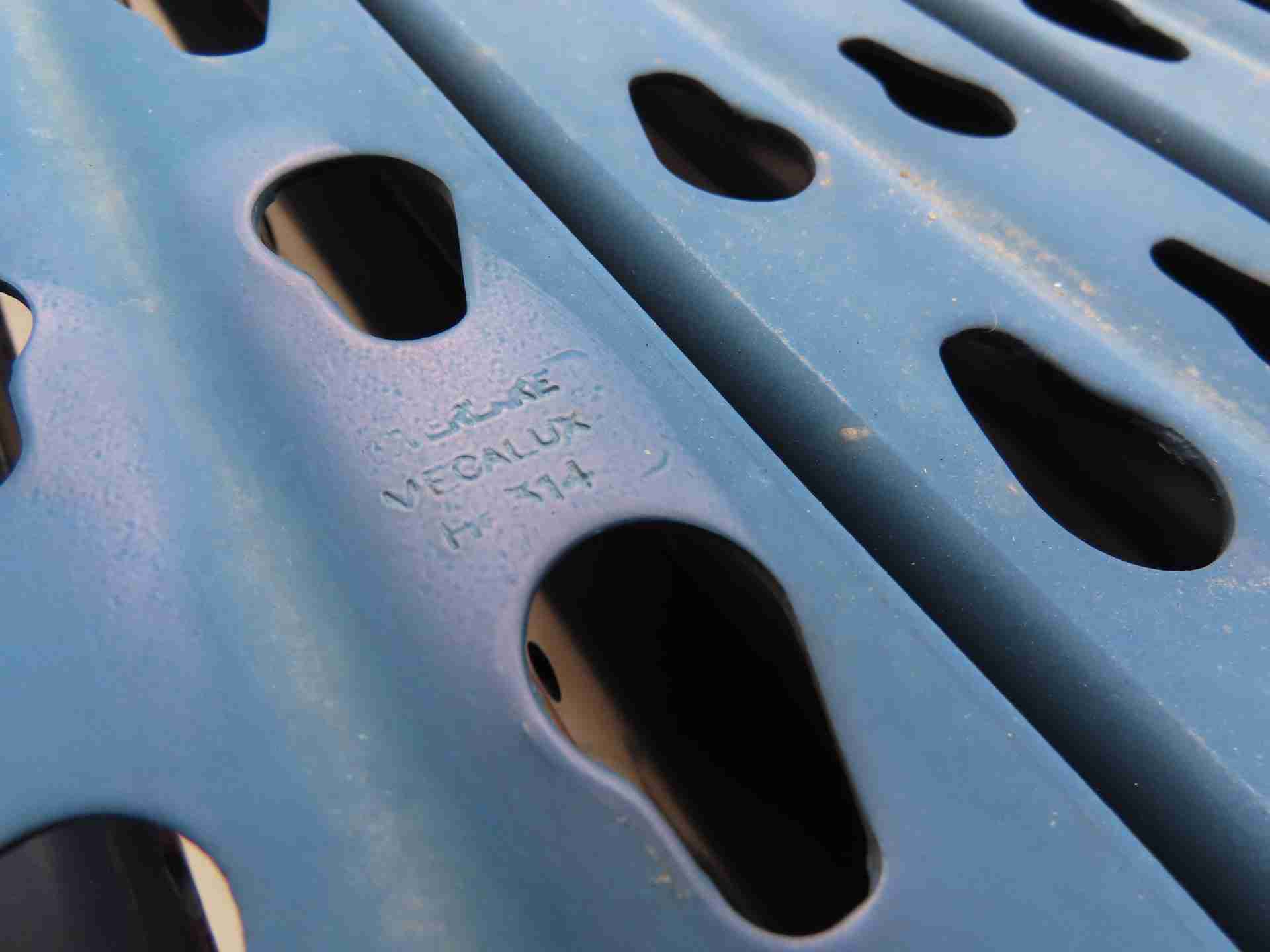
How Often Do Customers Choose the Wrong Items?
What Layout Strategies Reduce Errors In SKU Selection?
What Layout Strategies Reduce Errors In SKU Selection?
In the grit and grind of the warehouse, a smooth operation hinges on how well items are organized. It’s more than just neatness; it’s about racking systems that not only hold products but also shape the way workers interact with them. Picture a warehouse where every item has its place, where familiar paths lead to familiar products. This setup breeds confidence. Workers aren’t second-guessing their steps; they’re moving purposefully with the assurance that the right SKU is just a reach away.
Let’s face it: errors in SKU selection can be costly. They’re more than a mere inconvenience; they can set back timelines and drain resources. A smart racking system reduces these mistakes by keeping things straightforward. Think about color-coded shelves or clearly labeled sections. When a SKU is easy to spot, it becomes harder to miss. The human eye naturally scans for patterns, and well-designed layouts play into that instinct. This is where the gut feeling of the worker kicks in—trusting their instincts because the system supports their efforts.
The emotional weight of a streamlined process shouldn’t be underestimated. Employees take pride in their work. A well-organized warehouse speaks to their dedication and craft. When mistakes happen, it doesn’t just affect the bottom line; it weighs on morale. A commitment to using reliable racking systems reflects a respect for hard-earned labor. Recognizing this creates a culture where every team member feels valued, and mistakes become lessons rather than burdens.
From a practical standpoint, there’s a strong argument for investing in effective layouts. Any seasoned worker can tell you that a little foresight goes a long way. Utilizing advanced racking systems can drastically cut down the time spent searching for items. This isn’t just about speed; it’s about efficiency and ensuring that when orders go out, they’re correct. Customers notice the difference when their needs are met promptly and accurately. This builds a reputation for reliability—an invaluable currency in any market.
Good layout strategies mold a warehouse into a well-oiled machine. They connect people with processes and identify the rhythm of work. When every worker knows precisely where to find the right SKU, they not only perform their job better; they contribute to the greater good of the operation. The core of this connection lies in trust—trust in the system, trust in one another, and trust in the shared goal of getting it right every time.
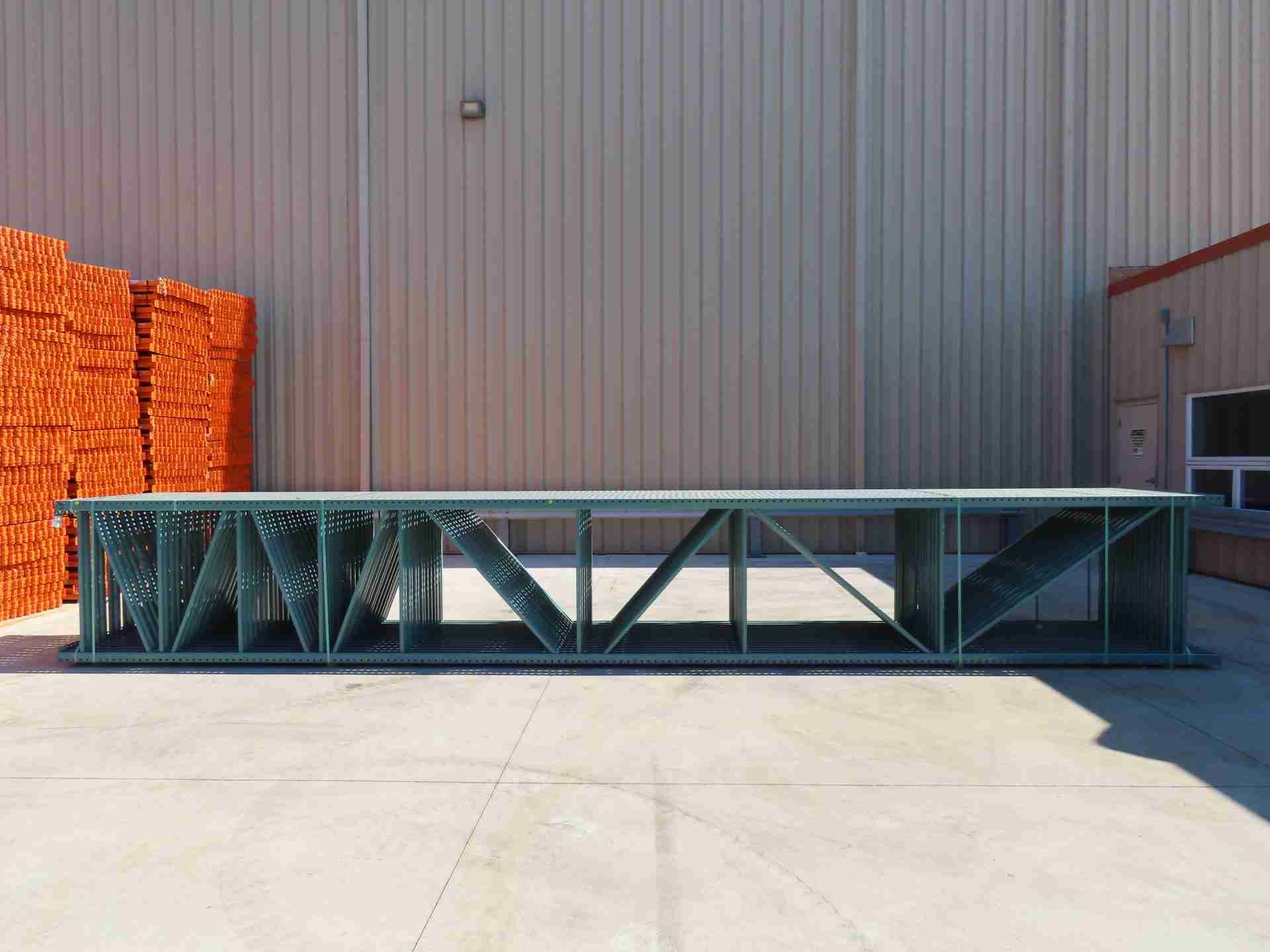
What Layout Strategies Reduce Errors In SKU Selection?
What Layout Strategies Reduce Errors In SKU Selection?
- Effective warehouse organization enhances operational smoothness.
- Smart racking systems minimize costly SKU selection errors.
- Color-coded shelves and clear labels aid in easy SKU identification.
- A streamlined process boosts employee morale and pride in work.
- Investment in advanced layouts enhances efficiency and order accuracy.
- A good layout fosters trust among workers and supports team cohesion.
- Reliable operations build a strong reputation for customer satisfaction.
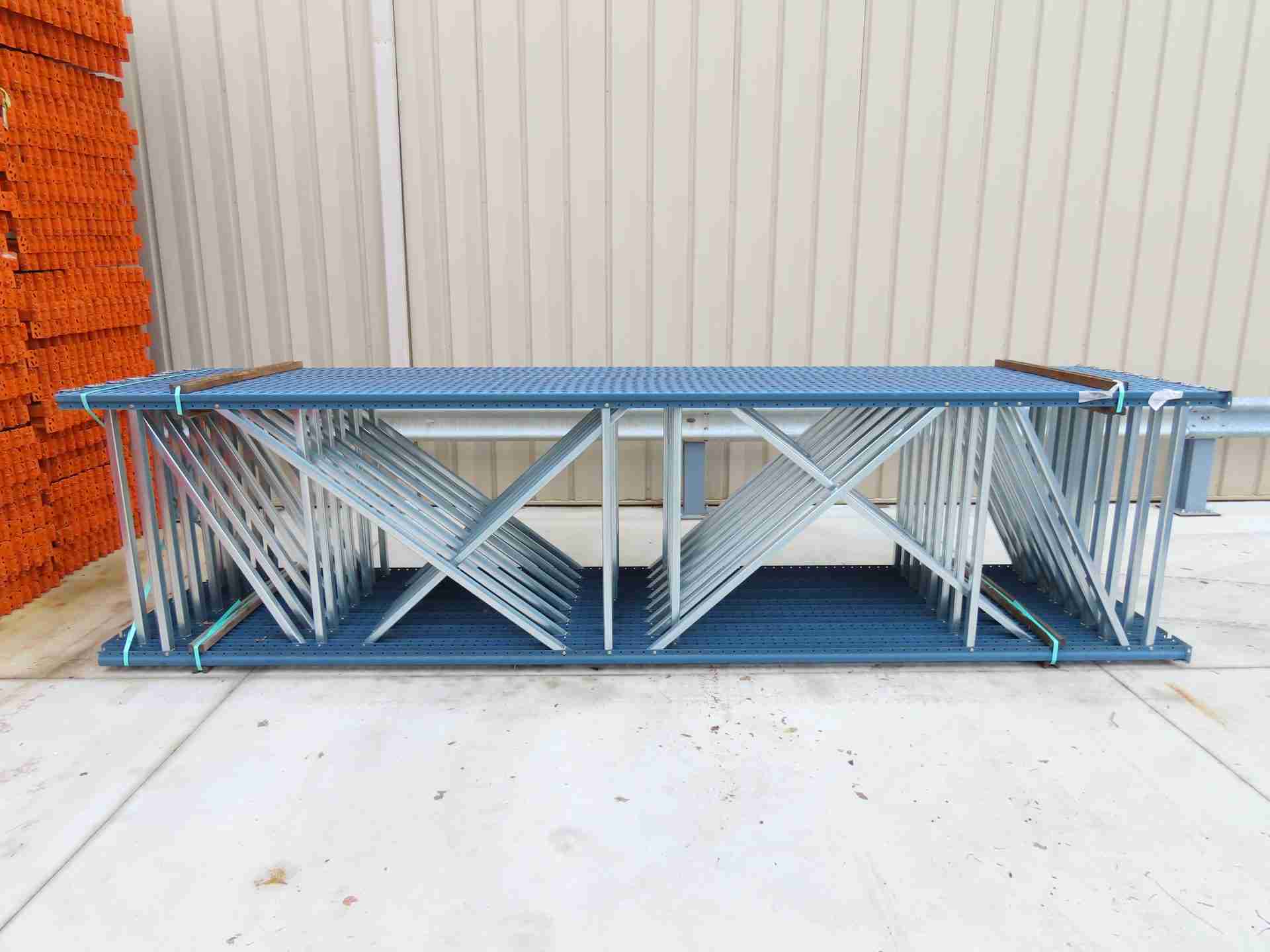
What Layout Strategies Reduce Errors In SKU Selection?
Which Store Elements Create the Most Confusion for Shoppers?
Walking into a store can feel like stepping into a maze, and shoppers often grapple with confusion caused by various elements. Picture yourself pushing a cart down the aisles. You’ve got your list, but as you glance around, those racking systems seem to twist and turn like a jigsaw puzzle. Is that the right product? Where are the restocking notices? They’re often hard to find amidst the chaos of shelves stacked high with competing brands.
Stores often hedge their bets on visual appeal, but in doing so, they sometimes sacrifice clarity. Bright colors and flashy signs may draw you in, but if you can’t find what you need, that initial excitement can turn to frustration. Shoppers aren’t just longing for good deals; they’re seeking an experience that feels easy and engaging. When signs are too small or hidden behind a display, it leaves folks scratching their heads, feeling neglected and lost. This isn’t just an inconvenience; it’s a missed opportunity for stores to build trust with their customers.
And then there’s the product placement. Ever found yourself searching for an item that just looms out of reach on a high shelf? Those racking systems, while designed for efficiency, can sometimes make products feel unreachable—both physically and figuratively. It reinforces the feeling that shoppers are being left out of the loop, navigating a space that doesn’t speak to their needs. When shoppers can’t easily access what they’re after, it breeds a sense of helplessness.
Moreover, the inconsistency in merchandise locations can wreak havoc on a shopping journey. If you’ve ever grabbed a cart just to find the same product in three different spots on your next visit, you know the impact that has on your shopping confidence. Stores need to consider that every misstep can cost them loyal customers. Clarity and consistency in store layout not only foster better experiences but also enhance customer loyalty and satisfaction.
The best retail shopping experience marries design and function. It resonates with the heart, head, and gut. Stores should embrace a straightforward approach, prioritizing shoppers’ needs over eye-catching displays. After all, navigating a store shouldn’t feel like a game; it should feel like a welcome community, one where every customer leaves with exactly what they came for, rather than more questions and confusion.

Which Store Elements Create the Most Confusion for Shoppers?
Which Store Elements Create the Most Confusion for Shoppers?
- Shoppers experience confusion in stores due to complex layouts and chaotic shelving.
- Visual appeal often comes at the cost of clarity, leading to frustration when items are hard to find.
- Customers seek a seamless shopping experience, not just good deals.
- Poor product placement can make items feel unreachable, leaving shoppers feeling neglected.
- Inconsistent merchandise locations undermine shopper confidence and loyalty.
- Stores that improve layout clarity and consistency can foster better customer experiences.
- The ideal shopping environment integrates design and function, prioritizing customer needs.
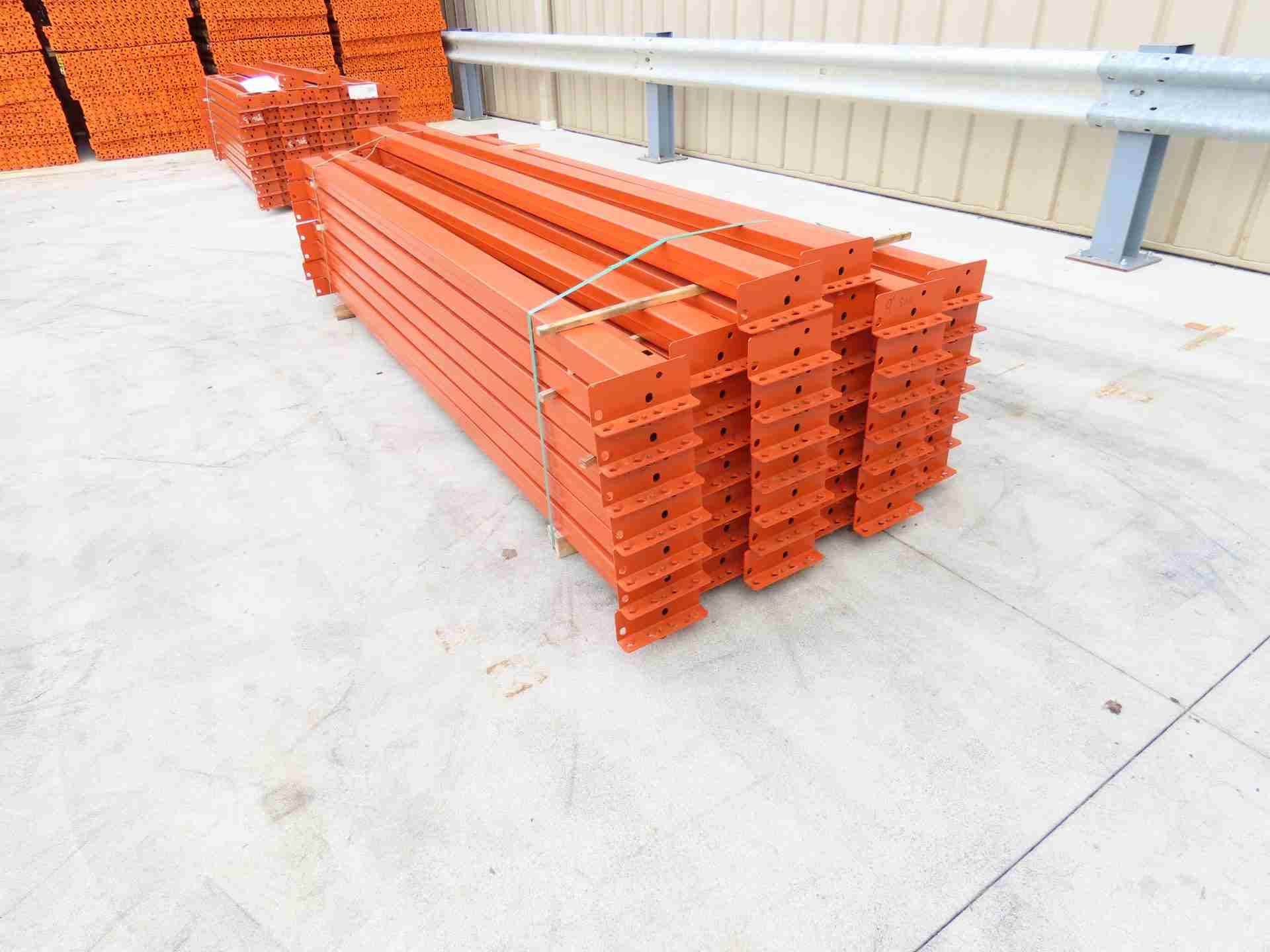
Which Store Elements Create the Most Confusion for Shoppers?
How Can Effective Signage Reduce SKU Mix-Ups?
Effective signage plays a crucial role in reducing SKU mix-ups, and it’s not just about words on display; it’s about ensuring everything runs smoothly from the moment products hit the racking systems to when they reach the customer’s hand. Picture a warehouse bustling with activity—workers hustling, orders coming in, and products flying off the shelves. In that chaotic environment, clarity is gold. When there’s clear, accurate signage, confusion takes a back seat.
Let’s be honest; nobody likes rooting through boxes or checking and double-checking locations in a frantic search for the right item. It’s frustrating, and it eats into time and productivity. Good signage acts as a roadmap, guiding workers through the maze of products. Imagine walking into a storage area packed with various items. Clear signs mean you can spot your needed goods quickly, without wasting precious minutes. That efficiency translates to happier workers and satisfied customers who get their orders right and on time.
On the psychological side, appropriate signage fosters a sense of confidence. Workers appreciate knowing exactly where things are and what to pick. With a well-placed sign on the racking systems, they can trust their instincts instead of second-guessing themselves. This peace of mind doesn’t just help in the workplace—it builds team morale. When everyone knows they can depend on clear navigation, they can focus more on the quality of their work.
From an ethical standpoint, good signage is about respect. When an organization invests in proper labeling and shows a commitment to clarity, it communicates to employees that their time and efforts are valued. That respect flows through the entire operation, creating a culture where everyone looks out for one another because they trust the system in place.
Stories abound of how the right signage saved the day. Think of a small business struggling with mix-ups due to vague labeling. After implementing clear signage, they saw mix-ups drop dramatically, giving their employees and customers peace of mind. It’s this kind of connection that embodies the spirit of hard work and the desire for improvement.
In the world of logistics, effective signage is the unsung hero. It’s not just a tool for organization; it’s a foundation for trust and efficiency. When you invest in signage, you invest in smoother operations and a solid team connected by common goals.

How Can Effective Signage Reduce SKU Mix-Ups?
How Can Effective Signage Reduce SKU Mix-Ups?
- Effective signage reduces SKU mix-ups and ensures smooth operations from product arrival to delivery.
- Clear signage minimizes confusion in busy warehouse environments, enhancing productivity.
- Good signage acts as a roadmap, allowing quick identification of needed items, saving time.
- Proper signage boosts worker confidence and morale by providing clear navigation.
- Investing in signage respects employees’ time and efforts, fostering a supportive culture.
- Successful stories demonstrate how clear signage decreases mix-ups and improves peace of mind.
- Effective signage is essential for building trust and efficiency in logistics operations.

How Can Effective Signage Reduce SKU Mix-Ups?
What Role Does Product Placement Play In Customer Decisions?
Product placement is like a quiet handshake between brands and customers, operating just beneath the surface of our everyday lives. It’s not always flashy; sometimes it’s as subtle as a well-organized racking system in a warehouse, expertly optimizing space while blending seamlessly into the background. When we see familiar products in our favorite shows or movies, it feels like an invitation. It’s signaling to us that these products are part of a world we connect with, adding a layer of trust and familiarity that often sways our decisions.
Emotionally, product placement resonates with our experiences and aspirations. A crafted scene where a character expertly uses a particular tool in their garage can evoke memories of weekend projects, of family, and of hard work. This emotional connection creates a bond that’s hard to shake off. We start to imagine ourselves in that narrative, envisioning the satisfaction of using that same product, influenced by the life we want to lead.
Rationally, these placements work by fostering recognition and reinforcing quality. When we see a brand consistently showcased in positive contexts—be it a gripping action film or a heartfelt drama—we begin to associate it with authority and reliability. Our brains like shortcuts; familiar logos on screen give us a sense of assurance. Instead of wandering through aisles, confused and overwhelmed, we’re drawn to brands we recognize because they’ve been part of a trusted story, a narrative woven into our lives.
Ethically, the right product placement respects the viewer’s intelligence. It doesn’t shove itself down our throats but rather whispers, “Hey, we’re here when you need us.” Consumers today appreciate brands that make their lives easier without being intrusive. That respect enhances connections and builds brand loyalty.
Socially, we see product placement as a reflection of our values and lifestyles. If a popular character is using eco-friendly products or community-driven brands, it resonates with our desire for sustainability and social responsibility. We want to be part of a community that shares these values, and these placements help solidify our choices.
In essence, product placement invites us into a more engaging narrative, touching our hearts, challenging our minds, and pulling at our gut instincts. It’s about leaving an imprint—a reminder that, like those sturdy racking systems, the right products can organize and enhance our lives, just waiting for us to embrace them.
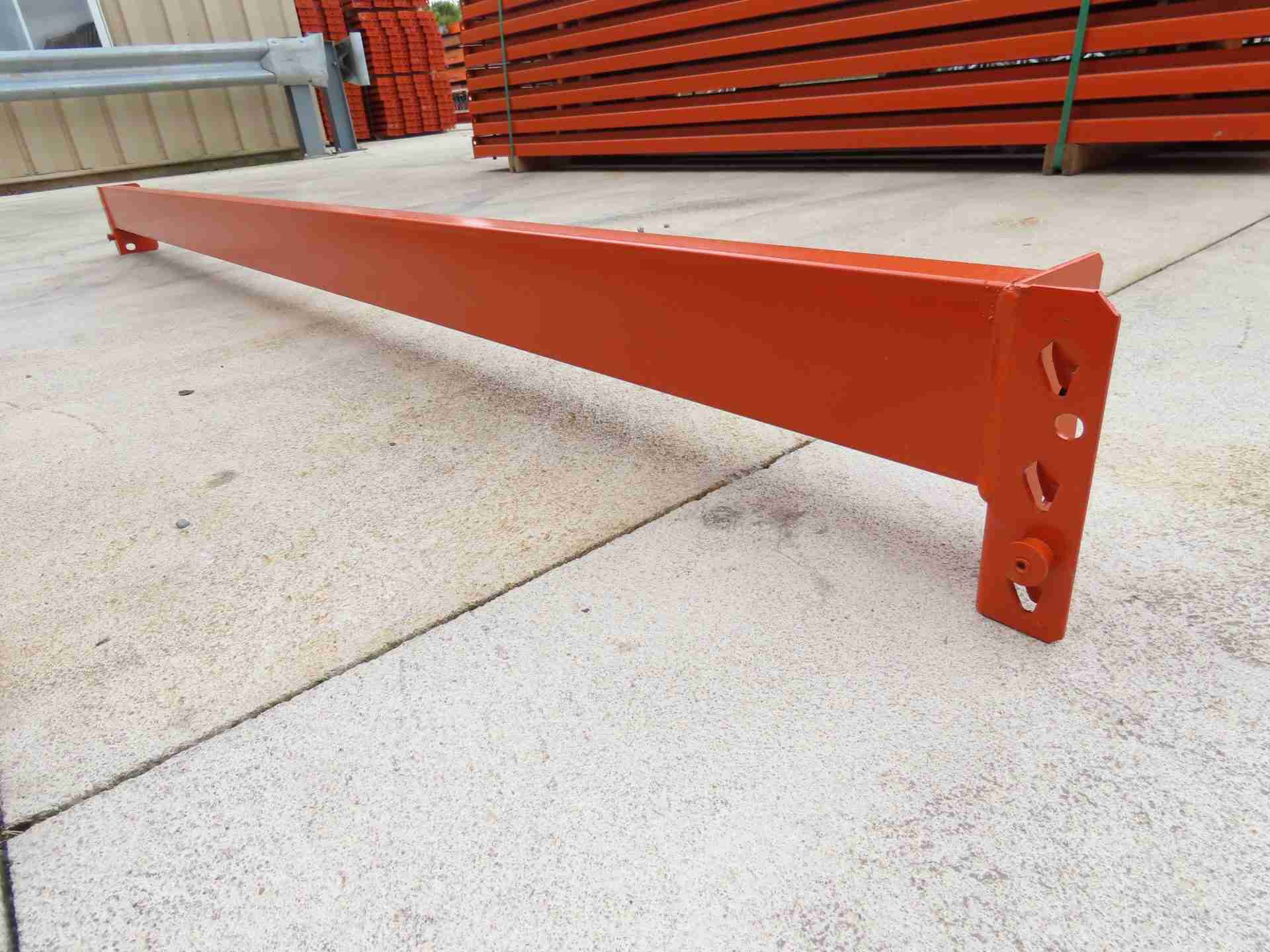
What Role Does Product Placement Play In Customer Decisions?
What Role Does Product Placement Play In Customer Decisions?
- Product placement operates subtly beneath the surface of everyday life, enhancing brand familiarity.
- Seeing familiar products in media creates a sense of connection, trust, and familiarity.
- Emotionally resonant placements evoke personal memories and aspirations, influencing consumer choices.
- Rationally, consistent positive portrayal of brands fosters recognition and quality association.
- Ethical placements respect viewer intelligence, allowing brands to enhance life without being intrusive.
- Socially, product placements reflect values such as sustainability, appealing to like-minded consumers.
- Overall, product placement creates engaging narratives, organizing and enhancing consumer experiences.

What Role Does Product Placement Play In Customer Decisions?
Conclusion
Designing effective layouts that minimize SKU confusion isn’t just about efficiency; it’s about nurturing relationships built on trust between businesses and their customers. A well-organized warehouse is akin to a smoothly running engine, where every product has its place, and every worker knows the drill. This structure reduces frustration, not just for employees but for customers who rely on timely and accurate service. Imagine walking into a cluttered warehouse—disarray and frustration abound. In contrast, tidy aisles and clear signage foster a sense of confidence. It’s about dignity—valuing each worker’s time and effort, which translates into pride and improved morale.
The costs of SKU confusion can quietly compound over time, impacting profitability and eroding customer trust. Wrong orders and delayed shipments stem from unclear labeling, leading to dissatisfied employees and frustrated customers. This disarray is not just a business inconvenience; it reflects poorly on the brand’s reputation. Integrity in operations builds reliability, as satisfied team members deliver better service, resulting in happy customers who return with confidence.
On an emotional level, shoppers often feel overwhelmed by the choices presented in retail spaces. They seek not just products but an experience that feels seamless. Clear product placements and signage serve not only as guides but also as expressions of respect for customer intelligence and time. When customers leave with the right products, it fosters advocacy—a ripple effect of positive experiences that enhance communal relationships.
Additionally, effective signage reduces the chaos inherent in navigating product-filled aisles. It acts as a roadmap, comforting workers by providing precise directions in an environment where clarity is paramount. Investing in clear labeling and thoughtful layouts conveys a crucial message: you value the contributions of your workforce. This investment cultivates a positive work culture where team members feel supported and empowered, reinforcing the idea that collaborative efforts lead to success.
Layouts that prioritize customers’ needs shift the focus from mere transactions to community building. When the shopping experience is straightforward, customers emerge not just satisfied but engaged. The relationship between businesses and their clientele is not transactional but rather a partnership built on mutual understanding and respect.
In summary, the thoughtful design of layouts and signage is a call to action for every retailer. Streamlining processes and simplifying choices fosters an environment where confusion is eliminated, allowing everyone—workers and customers alike—to thrive. When clarity prevails, relationships deepen, resulting in a workforce that is proud and a customer base that feels valued. The road to operational excellence is paved with organization, clarity, and a commitment to nurturing connections.

Conclusion
Conclusion:
- Effective layouts reduce SKU confusion and foster trust between businesses and customers.
- A well-organized warehouse enhances efficiency and minimizes frustration for both employees and customers.
- SKU confusion can lead to wrong orders and delayed shipments, damaging profitability and customer trust.
- Clear product placements and signage respect customer intelligence and create a seamless shopping experience.
- Effective signage reduces chaos in product navigation, supporting workers with clear directions.
- Layouts that prioritize customer needs build strong community relationships rather than merely transactional interactions.
- Thoughtful design fosters an environment of clarity, allowing both workers and customers to thrive.
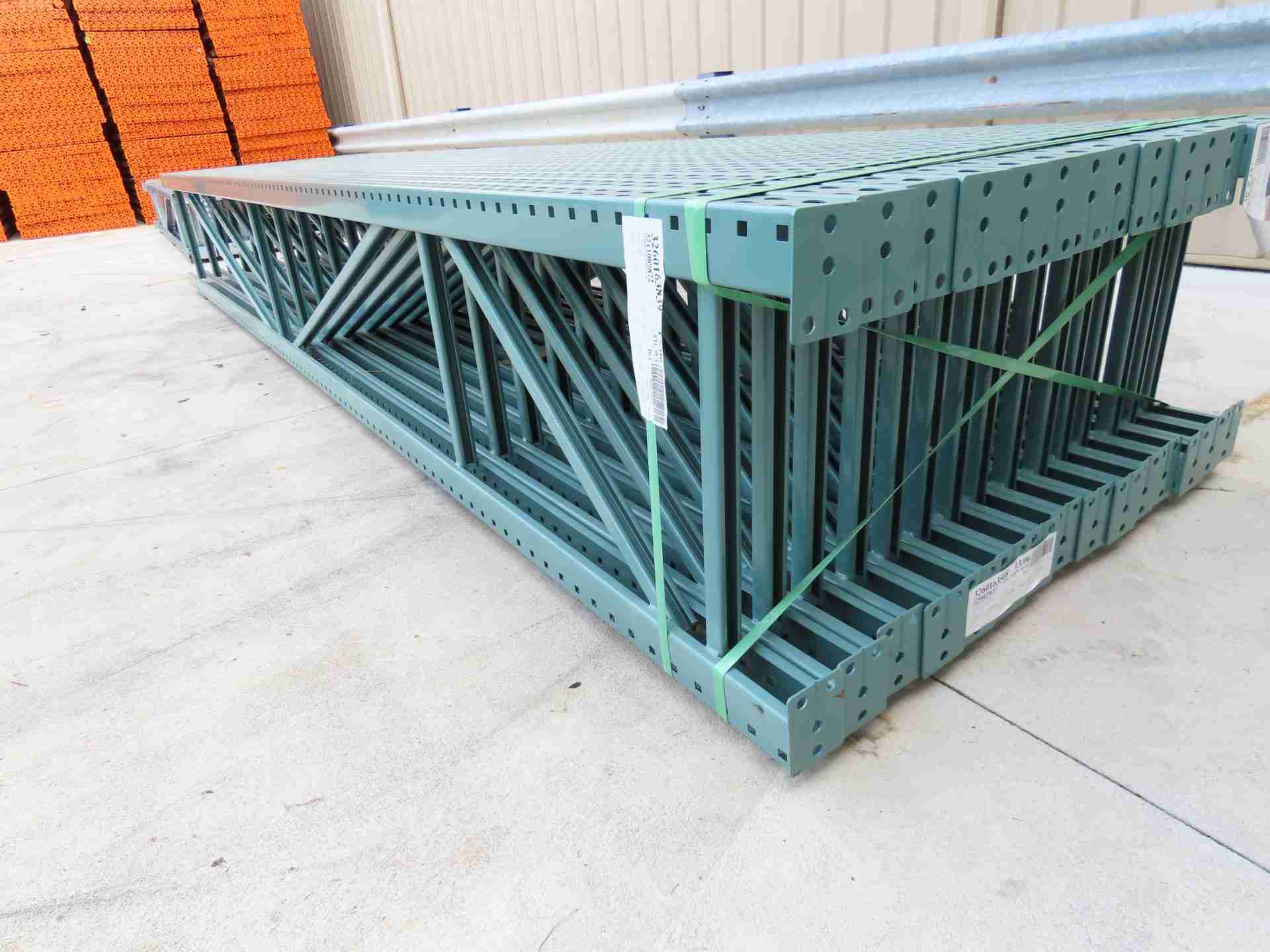
Conclusion
Other Resources
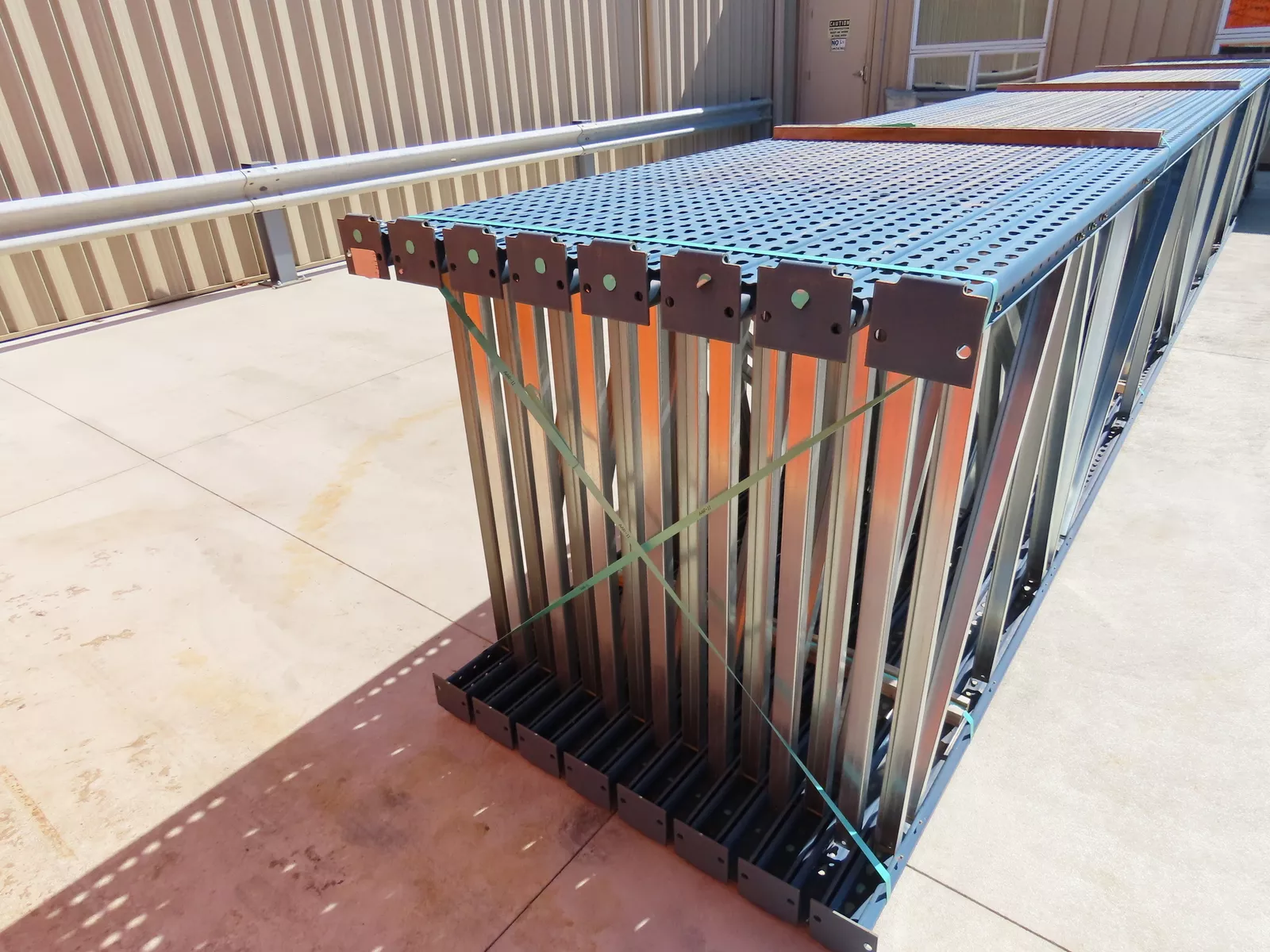
Other Resources
Here is a list of other resources you can review online to learn more:
- Warehouse Racking Chicago, IL
- Interlake Mecalux
- Pallet Racking 101: A Comprehensive Guide & Options Explained
- What is Cantilever Racking? – AK Material Handling Systems
- Cantilever Rack Guide: Ordering Cantilever Racking
- The Ultimate Pallet Racking Guide – Speedrack West
- Teardrop Industrial Shelving Rack
- International Warehouse Logistics Association
- What is Selective Pallet Racking
- Teardrop Racks – Pallet Rack World
- Warehouse Racking Systems: Beginner’s Guide to Rack Systems
- Illinois
- Iowa Illinois Warehouse Racking
- Pallet Racks, Pallet Racking, Pallet Shelves in Stock – ULINE
- New Cantilever Racks and Racking Kits
- Arrow Industrial Sales
- CA Wire
- Warehousing and Fulfillment
- Illinois Pallet Racking – Storage Solutions
- Used Teardrop Pallet Rack – American Surplus
Use This Prompt To Get More Resources With Your Favorite Online AI Tool: Please provide me with a list of online articles with their URLs in a bulleted list that I can read regarding Designing Layouts That Prevent SKU Confusion
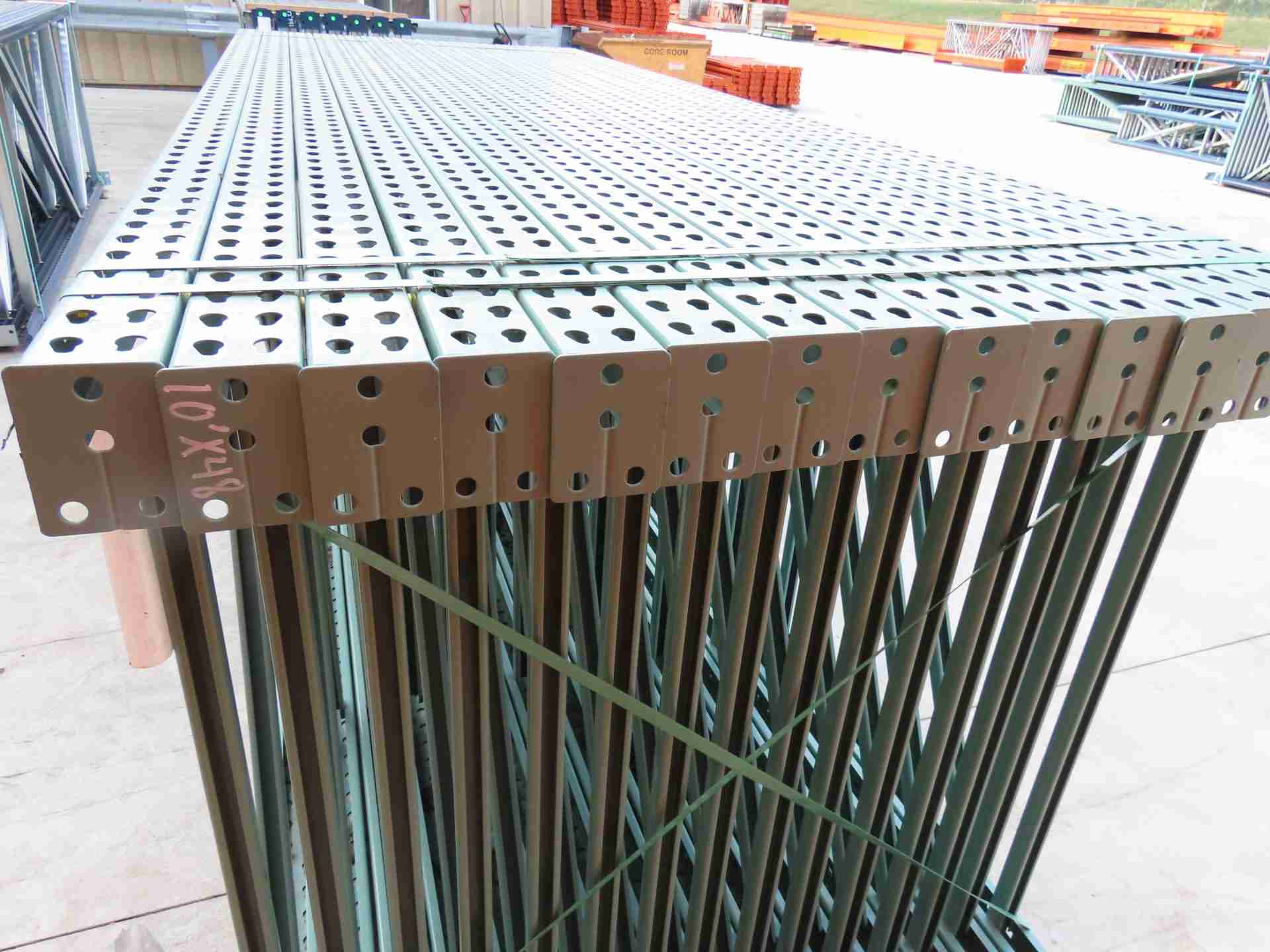
Other Resources
Glossary Terms
Designing Layouts That Prevent SKU Confusion – Glossary Of Terms
1. Allocation: The distribution of products within a layout to minimize overlap and confusion.
2. Browsing: The act of looking through products in a layout without a specific intention to purchase.
3. Cross-Merchandising: The practice of displaying products from different categories together to encourage sales.
4. Flow: The manner in which customers navigate through a layout, impacting their shopping experience.
5. Grouping: Organizing similar products together to enhance clarity and ease of selection.
6. Iconography: Visual symbols used to represent categories or important information in a layout.
7. Layout: The physical arrangement of products and displays within a retail space.
8. Merchandising: The process of promoting the sale of goods by presenting them effectively.
9. Navigation Aids: Tools and signs that help customers find their way through a store.
10. Placement: The strategic positioning of products to attract attention and facilitate access.
11. Quirk: Unusual or unexpected product arrangements that may confuse customers.
12. Retail Design: The discipline focused on creating an effective shopping environment.
13. SKU: Stock Keeping Unit, a unique identifier for each distinct product and service.
14. Signage: Visual graphics that provide information and guidance in a store layout.
15. Space Management: The optimization of available retail space for efficiency and effectiveness.
16. Traffic Flow: The pattern of customer movement within a retail area.
17. Visibility: The degree to which products are seen by consumers, influencing purchase decisions.
18. Zoning: Dividing retail space into sections for organizing different categories of products.
19. Ergonomics: The study of how items are arranged to enhance user interaction and comfort.
20. Color Coding: Using color to categorize products for easier identification.
21. Clutter: Excessive products or displays that can lead to confusion for shoppers.
22. Pathway: The designated route consumers take while navigating through a store.
23. Empathy Mapping: Understanding customer experiences to design layouts that cater to their needs.
24. Consistency: Ensuring uniformity in layout principles across various sections of a retail space.
25. Inventory Management: The process of overseeing stock levels to optimize product availability.
26. Optimization: Refining a layout to improve customer experience and operational efficiency.
27. Accessibility: The ease with which all customers can navigate a retail environment.
28. Shelf Layout: The arrangement of products on shelves to facilitate customer choice.
29. Experience Design: Crafting an engaging and memorable shopping experience through layout.
30. Customer Journey: The path a customer takes from entry to exit in a retail setting.
Glossary Of Terms
Other Questions
Designing Layouts That Prevent SKU Confusion – Other Questions
If you wish to explore and discover more, consider looking for answers to these questions:
- How much does SKU confusion cost my business annually by revenue, location size, and channel?
- What specific metrics should I track to quantify SKU confusion (mispicks per order, pick accuracy, returns rate, labor minutes lost)?
- Which racking systems and configurations are proven to reduce SKU mix-ups for my industry?
- How do I design optimal pick paths to minimize selection errors and travel time?
- What labeling standards (font size, contrast, barcode placement, PID format) most effectively prevent mistakes?
- Should I implement color-coding, and how do I standardize colors across locations and product families?
- Barcode vs. RFID vs. QR codes: which technology is best for reducing SKU confusion in my operation?
- How can signage be integrated with WMS, handheld scanners, and picking workflows?
- What are best practices for bin and shelf labeling for both bulk storage and pick-face locations?
- How often should cycle counts or audits be performed to keep SKU accuracy high?
- What training programs and onboarding processes most effectively teach staff to follow new layouts and signage?
- How do I calculate the ROI of reconfiguring layouts, upgrading racking, or improving signage?
- How do I balance storage density versus picking efficiency when redesigning layouts?
- How should I handle products with very similar packaging or nearly identical SKUs to prevent mix-ups?
- What signage design elements (size, placement, icons, wording) maximize readability and reduce errors?
- How do I prevent selection errors during seasonal peaks, promotions, or high-volume periods?
- How can I measure how often customers select the wrong item in-store and why it happens?
- What layout and merchandising strategies reduce wrong-item purchases in physical stores versus online listings?
- How should product placement be used to influence customer decisions without causing confusion?
- What role do lighting, sightlines, and aisle width play in SKU selection accuracy?
- How do returns and refunds driven by SKU confusion impact customer lifetime value and how can they be minimized?
- What change-management steps ensure frontline adoption when rolling out new layouts or labeling standards?
- How can improvements be standardized and scaled across multiple stores or warehouses?
- What safety and regulatory considerations must be addressed when changing racking systems or layouts?
- How do supplier packaging and barcoding practices contribute to SKU confusion and how can we coordinate fixes?
- Are there case studies or benchmarks that show how much error rates drop after specific layout/signage changes?
- Which KPIs best indicate success after implementing anti-mix-up strategies (order accuracy, pick rate, NPS, return rate)?
- What poka-yoke (error-proofing) techniques can be applied to picking and shelving processes?
- How can signage remain accurate and up to date when SKUs or locations change frequently?
- What budget ranges and cost breakdowns should I expect for layout redesign, signage, and technology upgrades?
- How do I balance visual merchandising and promotional displays with the need for clear navigation and SKU clarity?
- How should I apply ABC/velocity slotting to place high-movement SKUs for minimal errors and fastest picks?
- What testing methods (pilot areas, A/B tests, time-and-motion studies) validate layout changes before full rollout?
- How can frontline workers be involved in the design process to surface real-world confusion points?
- How do omnichannel demands (click-and-collect, ship-from-store) affect layout and SKU management strategies?
- What common pitfalls and failure modes should I avoid when implementing new racking or signage systems?
- Which software tools or analytics platforms help with slotting optimization and detecting SKU confusion patterns?
- What documentation, templates, and signage standards should be created to maintain consistency long-term?
- How frequently should layouts and labeling be reviewed to adapt to changing product assortments and business needs?
- How can usability testing be conducted on signage and layout to ensure both staff and customers find it intuitive?

Other Questions
Checklist
Designing Layouts That Prevent SKU Confusion – A Checklist
Foundation and Mapping
✅______ Map the entire space with clear aisle-bay-level-slot locations (aisle-bay-shelf-position).
✅______ Group SKUs by logical families (category, size, UOM, brand, hazard class if relevant).
✅______ Slot high-velocity SKUs in the golden zone (waist-to-shoulder) along the shortest pick path.
✅______ Eliminate mirrored layouts that cause left-right confusion across aisles.
Racking and Physical Layout
✅______ Use consistent racking types and shelf heights per category to avoid visual inconsistency.
✅______ Assign one SKU per location; prevent mixed bins and mixed inner packs.
✅______ Separate backstock from pick faces with clear physical and visual boundaries.
✅______ Provide dedicated staging, returns, and exception zones, distinctly labeled and away from pick faces.
✅______ Ensure clear, unobstructed sightlines to labels and signs from normal approach angles.
Location Naming and Labeling
✅______ Standardize location IDs across all systems (WMS, ERP, labels, pick lists).
✅______ Include check digits on location labels to prevent near-miss picks.
✅______ Print durable, scannable labels (barcodes/QR codes), placed consistently at the same corner or edge.
✅______ Display complete SKU info at the pick face: SKU code, description, size/UOM, variant (color, flavor, model).
✅______ Add visual cues for lookalike SKUs (icons, product images, color banding, warning stripes).
✅______ Use large, legible fonts and high-contrast colors; avoid color-only cues to support color-blind users.
Signage and Wayfinding
✅______ Mount aisle markers high and visible at all entry points; repeat at mid-aisle for long runs.
✅______ Color-code zones and aisles by category; post zone legends at entrances and on maps.
✅______ Provide directional arrows and distance markers to reduce search time.
✅______ Keep promotional or brand signage separate from navigational signs to reduce noise.
Product Placement and Merchandising
✅______ Keep related items together and maintain consistent left-to-right, top-to-bottom ordering.
✅______ Place the most chosen variant in the primary eye-line position; variants flow in a predictable sequence.
✅______ Limit duplicate placements of the same SKU; if duplicates are necessary, cross-reference with signs.
✅______ For retail, ensure shelf talkers clearly state price, size, and key differentiators.
Replenishment and Backstock Controls
✅______ Replenish to a defined max with front-facing, label-out presentation.
✅______ Maintain dedicated replenishment lanes; never block labels or pick faces.
✅______ Use first-expire, first-out (FEFO) or first-in, first-out (FIFO), where applicable, with visible date indicators.
✅______ Trigger replenishment based on min/max or demand signals with on-shelf flags.
Process and Training
✅______ Train all staff on the location schema, signage standards, and pick verification steps.
✅______ Enforce scan-to-confirm or check-digit verification on every pick.
✅______ Provide a fast path to flag mislabeled or ambiguous locations and halt picks until corrected.
✅______ Refresh training after resets, re-slotting, or seasonal changes.
Quality Control and Audits
✅______ Run daily visual sweeps for blocked or missing labels and misplaced SKUs.
✅______ Conduct weekly cycle counts that include label verification and photo validation of pick faces.
✅______ Audit the top 20 error-prone SKUs monthly; correct root causes (placement, labeling, naming).
✅______ Document and time-stamp every correction; communicate changes to all shifts.
Customer-Facing Clarity (Retail)
✅______ Keep consistent product locations across visits; announce any resets with clear aisle maps.
✅______ Ensure reachability of items; relocate out-of-reach products to customer-accessible shelves.
✅______ Provide endcap and promo displays with explicit pointers to primary shelf locations.
✅______ Place comparison tags for similar SKUs (size, count, price per unit) to reduce bad picks.
Technology Enablers
✅______ Sync digital pick lists and planograms with live location data.
✅______ Use pick-to-light, pick-to-voice, or mobile scanning, where feasible, to guide to exact slots.
✅______ Add images to pick tasks for lookalike items; require image match before confirmation.
Metrics and Continuous Improvement
✅______ Track mispicks per 1,000 lines, wrong-item returns rate, pick verification compliance, and average time-to-locate.
✅______ Monitor travel time per pick and re-slot to reduce it without increasing confusion.
✅______ Set targets, publish dashboards on the floor, and review weekly in stand-ups.
✅______ After any layout change, run a 2-week hypercare period and compare pre- and post-change accuracy.
Change Control
✅______ Use a formal reset plan with updated maps, labels, and staff briefings before go-live.
✅______ Version-control planograms and location files; archive and date every change.
✅______ Provide “What moved?” quick guides at entrances and on handhelds after resets.
Culture and Communication
✅______ Post simple picking and labeling standards at eye level in every zone.
✅______ Recognize teams for accuracy and clean, clearly labeled bays.
✅______ Encourage stop-the-line behavior for any ambiguity; fix once, communicate broadly.
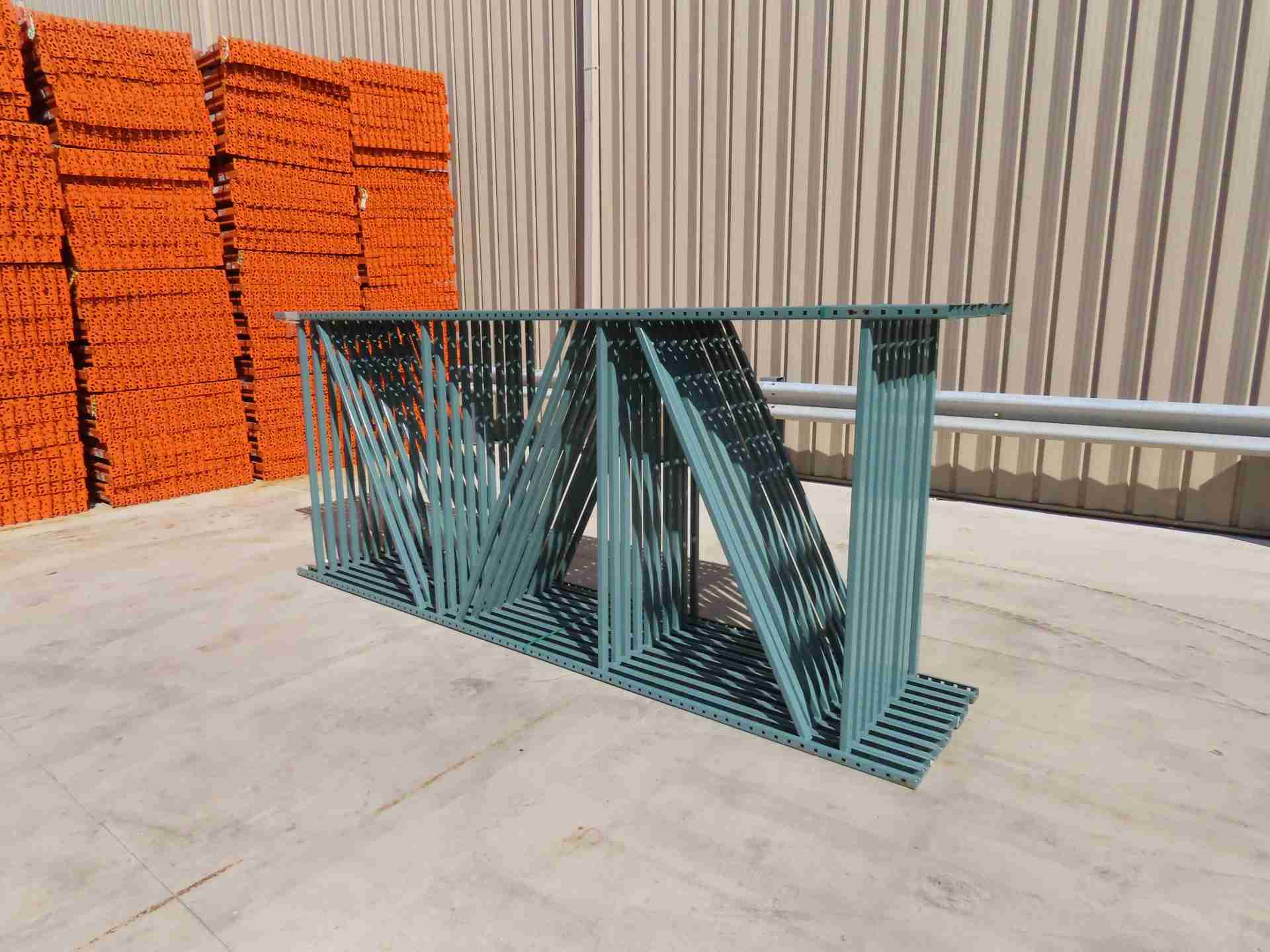
Checklist
At RackingWorld, we help guide you through selecting warehouse storage systems and racking.
Be sure to read our other related stories at RackingWorld to learn more about warehouse storage systems.
0 Comments