
Optimizing Space And Safety In Your Warehouse
By Tom Seest
At RackingWorld, we help guide you through selecting warehouse storage systems and racking.
Be sure to read our other related stories at RackingWorld to learn more about warehouse storage systems.
Understanding Aisle Widths for Different Rack Types
When it comes to warehouse design, aisle widths are often the unsung heroes of efficient racking systems. Think about it: a poorly planned aisle can turn a well-organized warehouse into a disorienting maze. Imagine striving for harmony between space utilization and the movement of goods. That’s where understanding aisle widths comes in—both for practicality and safety.
Picture the hard-working men and women who navigate these aisles daily. They operate forklifts and hand trucks, weaving through narrow pathways as if threading a needle. When they have the right aisle width, they can move with confidence, carrying heavy loads without fear of a collision or tipping over. It’s not just about moving products; it’s about ensuring every individual feels secure and efficient in their work environment. Their safety is paramount; a wide aisle means fewer accidents and a lower risk of injuries, fostering a sense of trust and well-being.
Now, let’s think rationally for a moment. Every inch of space matters in a warehouse. You’re balancing space efficiency with moving comfort, and that’s no small feat! Aisle widths need to accommodate the equipment and workflow specific to your operation. Heavy-duty, wide-aisle systems may seem tempting, but if your racking doesn’t match your needs, you might find yourself drowning in unnecessary costs and wasted time. It’s all about striking a balance—the right width facilitates a minimalistic yet powerful flow of operations.
Ethically speaking, prioritizing proper aisle width is a commitment to your team’s well-being and productivity. It reflects a company’s values, illustrating a genuine respect for the individuals who keep the wheels turning. Furthermore, when you showcase a workplace built with thoughtful design, you attract not just clients but also a workforce that appreciates this kind of consideration.
And who doesn’t want to be part of a story that leads to efficiency? Think of the narrative you construct by investing in a racking system that acknowledges every square foot and every person who walks through those aisles. A well-thought-out layout instills pride in the workplace, making employees more engaged and motivated.
Aisle widths are not just numbers on a blueprint. They represent a commitment to operational success, safety, and respect for everyone involved. So, when it’s time to decide on your racking, remember that the path you choose defines the journey for all who traverse it. Choose wisely, and watch how it transforms the way you do business.

Understanding Aisle Widths for Different Rack Types
Understanding Aisle Widths for Different Rack Types
- Aisle widths are crucial for efficient warehouse design, impacting overall organization.
- Properly planned aisles enable safe navigation for workers using forklifts and hand trucks.
- The right aisle width enhances productivity and minimizes the risk of accidents.
- Balancing space efficiency with comfort is essential for optimal workflow.
- Choosing appropriate aisle widths reflects a company’s commitment to employee well-being.
- A thoughtful warehouse layout attracts clients and fosters employee engagement.
- Aisle widths represent a commitment to operational success and respect for all personnel.

Understanding Aisle Widths for Different Rack Types
Table Of Contents
- Understanding Aisle Widths for Different Rack Types
- What Aisle Width Will Best Ensure Safety for Our Team Members?
- How Can the Right Aisle Width Improve Our Overall Efficiency?
- Are We Compliant with Regulations Regarding Aisle Dimensions?
- How Do Different Rack Types Impact the Required Aisle Space?
- What Factors Should We Consider for Optimal Product Accessibility?
- Conclusion
- Other Resources
- Glossary Of Terms
- Other Questions
- Checklist
What Aisle Width Will Best Ensure Safety for Our Team Members?
When it comes to ensuring the safety of our team members in the fast-paced world of warehousing, the width of our aisles isn’t just a number on a blueprint; it’s a lifeline. Imagine a bustling warehouse, where every moment counts and each team member plays a vital role in the larger machinery of our operation. The racking systems rise like modern-day cathedrals, holding products consecrated by hard work and dedication. But within that grandeur lies a crucial question: what aisle width is best suited to keep our team members safe?
Emotionally, we can’t overlook the human element. Each person navigating those aisles is not just an employee, but a partner, a craftsman of logistics, and often, the backbone of their families. When we prioritize a width that allows for safe navigation, we’re ensuring that they return home every night. Signal a commitment to their safety, a profound respect for their lives, and that’s how trust builds itself.
From a rational perspective, consider the equipment being used. Tight aisles may save space in the short run, but they can lead to accidents that cost much more than just time. A well-calibrated aisle width allows forklifts to maneuver with ease and gives our team members enough room to operate without a constant worry of collision. Statistically, incidents are fewer in wider aisles, protecting both our assets and our most valuable resource: our people.
Ethically, we have a responsibility for the welfare of our team members. It’s not just a matter of compliance with safety regulations; it’s about fostering a workplace culture that genuinely values the spirit of teamwork. When we advocate for wider aisles, we communicate to our people that their safety is non-negotiable. This is not simply a financial decision; it’s a moral imperative.
Finally, consider the narrative we’re crafting together as an organization. Broader aisles resonate with the notion of a supportive and considerate workplace, one that others will want to be a part of. Safety becomes contagious. A culture built on care encourages employees to look out for one another—transforming the workplace into a community.
Configuring our warehouse space thoughtfully might seem like a minor detail in a grand scheme, but it is an immense testament to how we view our team members. Wider aisles not only foster a safe environment, but they also reflect a deep-seated understanding of the value that every individual brings to our collective success.

What Aisle Width Will Best Ensure Safety for Our Team Members?
What Aisle Width Will Best Ensure Safety for Our Team Members?
- The width of warehouse aisles is crucial for team member safety and operational efficiency.
- Every employee is viewed as a vital partner, contributing to their families and the organization.
- Wider aisles reduce the risk of accidents and allow for better equipment maneuverability.
- Prioritizing aisle width reflects a commitment to employee safety and builds trust within the team.
- Providing safe navigation creates a positive workplace culture that values teamwork and ethics.
- Broader aisles promote a supportive work environment, fostering community and camaraderie among employees.
- Thoughtful warehouse configuration signifies appreciation for each individual’s contribution to success.

What Aisle Width Will Best Ensure Safety for Our Team Members?
How Can the Right Aisle Width Improve Our Overall Efficiency?
When we think about workplace efficiency, we often picture sleek technology, high-speed processes, or innovative ideas. But have you ever considered the impact of something as seemingly simple as aisle width? Imagine walking down a long corridor, the shelves lined with racking, each one begging for attention. If the path is too narrow, you find yourself squeezed between towering stacks, fumbling to grab what you need. It’s frustrating, isn’t it? Aisle width might not seem exciting, yet it holds the key to transforming our daily grind into a smoother, more productive operation.
Let’s engage the heart for a moment. Picture your team, their faces drawn and weary under the weight of inefficiency. When aisles are cramped, it doesn’t just cost time; it costs morale. Employees feel the stress that comes from navigating tight spaces, creating a ripple effect of anxiety throughout the workplace. No one wants to work in an environment that feels claustrophobic. On the flip side, wide, spacious aisles promote a sense of freedom—a chance to move about easily, collaborate effectively, and find joy in the small victories of the day. It’s not just about convenience; it’s about fostering a culture of well-being and empowerment.
Now, let’s appeal to the head. Think logically: What do wider aisles allow for? More efficient workflows, quicker access to inventory, and reduced risk of accidents. When employees can move freely through well-designed spaces, they become more engaged in their tasks. This efficiency leads to faster service, happier customers, and ultimately, a robust bottom line. It’s not just smart; it’s essential for any operation that aims to thrive.
And ethically, widening aisles reflects a commitment to safety and respect for your workforce. It shows you value their comfort and well-being. That’s a message that resonates deep within any organization. When employees know their needs are taken seriously, their trust and loyalty grow.
In a broader social context, consider how important teamwork is in any workplace. Collaboration thrives in open spaces. By choosing the right aisle width, you’re actively shaping a community where ideas can flow freely and camaraderie can flourish.
Ultimately, when you take the step to assess and optimize aisle widths, you’re not just making a change—you’re investing in a culture of efficiency, respect, and success. And who wouldn’t want to be part of that?

How Can the Right Aisle Width Improve Our Overall Efficiency?
How Can the Right Aisle Width Improve Our Overall Efficiency?
- Aisle width significantly impacts workplace efficiency and employee productivity.
- Narrow aisles lead to frustration and reduced morale among employees due to cramped conditions.
- Wider aisles promote a sense of freedom, facilitating collaboration and enhancing well-being.
- Efficient workflows and quicker inventory access are direct benefits of having spacious aisles.
- Wider aisles reduce the risk of accidents, contributing to a safer work environment.
- Optimizing aisle widths demonstrates a commitment to employee comfort and respect, building trust and loyalty.
- Properly designed spaces foster teamwork and community, encouraging idea sharing and collaboration.

How Can the Right Aisle Width Improve Our Overall Efficiency?
Are We Compliant with Regulations Regarding Aisle Dimensions?
When was the last time you paused to consider the aisles that shape our daily lives? These often-overlooked pathways, whether in a bustling grocery store or a towering warehouse, embody more than mere space; they symbolize safety, accessibility, and the respect we owe to every person who walks through them. Imagine a parent pushing a stroller, navigating tight corners laden with products, or a senior citizen shuffling along with a cane, seeking those precious groceries. The width of these aisles is not just a matter of convenience; it’s a matter of dignity.
Compliance with regulations regarding aisle dimensions isn’t something to shrug off. It’s not just another checkbox on a corporate list; it’s about our collective responsibility to create environments that respect all individuals. Each regulation we adhere to safeguards lives. Think of it like this: if racking systems are organized poorly, they become not only obstacles but potential hazards. And let’s be honest—no one likes to tiptoe through a warehouse like it’s a minefield.
We live in a society that prides itself on inclusivity. When we enforce regulations regarding aisle dimensions, we honor that ethos. It’s about ensuring that everyone, regardless of their mobility or circumstance, has the opportunity to access products, services, and spaces without fear or frustration. From a business perspective, compliance fosters trust, showing customers that we value their experience and wellbeing. This isn’t just good ethics; it’s smart business.
Consider this: what happens when aisles are cramped? Accidents happen. Injuries occur. More than just financial loss from liability, there’s the emotional toll on families and communities. By ensuring our aisles are compliant, we’re not just following the law—we’re looking out for our neighbors, our friends, and ourselves.
When we recognize the importance of space—whether it’s wide enough for two carts to pass or accommodating enough for those who may require assistance—we send a message of care and commitment. So the next time you walk through those aisles, remember that these dimensions reflect our values. We have the power to uphold those values through our actions, ensuring that our environments are not just spaces, but places where everyone feels welcome. Let’s build a world that doesn’t just comply with regulations but exceeds them, creating a future where safety and accessibility are the norms, not the exceptions.

Are We Compliant with Regulations Regarding Aisle Dimensions?
Are We Compliant with Regulations Regarding Aisle Dimensions?
- Aisles in stores symbolize safety, accessibility, and respect for individuals.
- The width of aisles affects dignity, particularly for people with mobility aids like strollers or canes.
- Compliance with aisle dimension regulations is essential for creating respectful environments.
- Poorly organized racking systems pose hazards and create obstacles in warehouses.
- Maintaining appropriate aisle sizes is crucial for inclusivity and enhances the customer experience.
- Cramped aisles can lead to accidents and injuries, impacting families and communities emotionally and financially.
- Recognizing the importance of space demonstrates care and commitment to creating welcoming environments for all.

Are We Compliant with Regulations Regarding Aisle Dimensions?
How Do Different Rack Types Impact the Required Aisle Space?
When it comes to racking, the implications stretch far beyond mere storage solutions. Picture a bustling warehouse, alive with the rhythm of hard work and dedication. Each type of racking not only holds valuable inventory but also dictates the very essence of movement within those walls. VNA (Very Narrow Aisle) racking, for instance, might save space but can create a maze that slows productivity. Contrast this with wide aisle racking, which opens up avenues for seamless navigation, fostering teamwork and communication. The relationship between rack type and aisle space is more than a logistical decision; it’s a reflection of how we function, collaborate, and drive efficiency.
Imagine standing amidst towering shelves, the weight of responsibility in your hands. You need to balance the need for maximizing storage against the necessity for smooth operations. Choosing a racking system with narrow aisles feels efficient on paper, but it may lead to those frustrating moments when forklifts awkwardly maneuver to retrieve items, leaving workers exasperated instead of effective. It’s a hard truth that resonates in every corner of a facility: narrow aisles can hinder not just physical movement but also morale.
Let’s face it—when your team feels cramped, it affects their performance. A well-thought-out racking system that promotes wider aisles invites workers to engage freely with their tasks, fostering a sense of camaraderie and shared purpose. These aisles become pathways of collaboration, where every employee contributes to the bigger picture. The layout transcends mere racks and shelves; it embodies the spirit of the place, impacting every interaction and ultimately the bottom line.
Ethically, we owe it to our employees to create work environments that prioritize safety and efficiency. The right aisle space can mean the difference between a smooth day at work and one fraught with hazards. We must consider not only the stock we store but also the humans who navigate these spaces, honoring their well-being in our design choices.
Racking isn’t just about how much we can fit into a defined area; it’s about how we honor the commitment and hard work of those who move through those aisles day in and day out. Choose wisely, because when you get it right, you’re not just optimizing space—you’re fostering a culture of trust, confidence, and pride at every level of your operation.
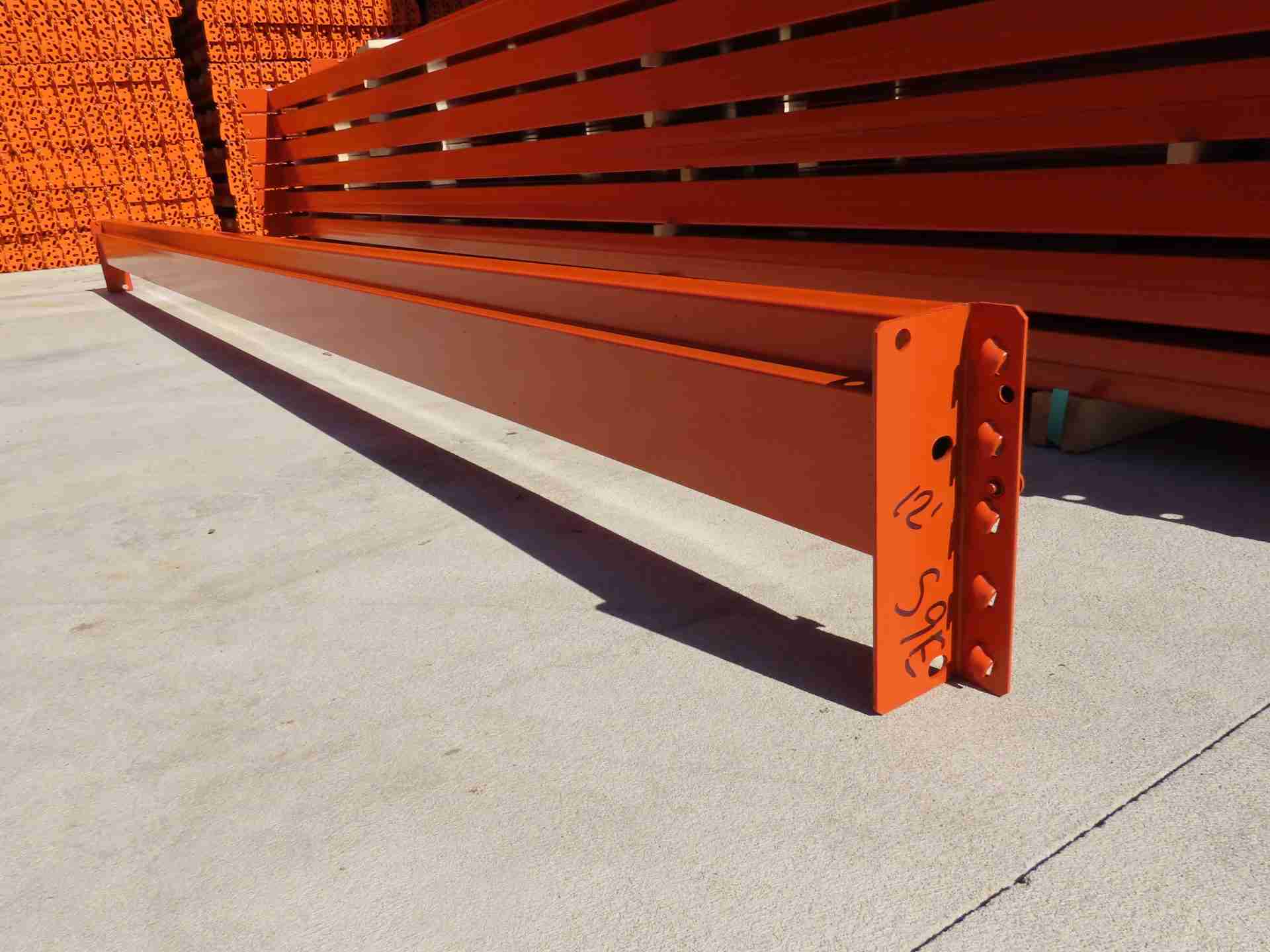
How Do Different Rack Types Impact the Required Aisle Space?
How Do Different Rack Types Impact the Required Aisle Space?
- Racking systems impact more than storage; they influence warehouse movement and productivity.
- VNA (Very Narrow Aisle) racking can save space but may hinder efficiency by complicating navigation.
- Wide aisle racking encourages seamless navigation, enhancing teamwork and communication among workers.
- Narrow aisles can lead to frustrated employees, negatively affecting morale and productivity.
- Wider aisles promote collaboration and a sense of camaraderie among workers, enhancing the workplace spirit.
- Creating safe, efficient work environments is an ethical responsibility towards employees.
- Choosing the right racking system fosters a culture of trust, confidence, and pride in operations.

How Do Different Rack Types Impact the Required Aisle Space?
What Factors Should We Consider for Optimal Product Accessibility?
When we think about product accessibility, we often hit the ground running with a checklist: compliance, design, and usability. But the heart of the matter beats a little deeper. Optimal product accessibility isn’t just about slapping on a label or meeting a standard. It’s about understanding who our users are and what they truly need.
Imagine a young mother, juggling a toddler in one arm while grappling with a racking system in her closet with the other. She’s not just searching for a pair of shoes; she’s trying to reclaim a fraction of her day, a sliver of organization in the beautiful chaos of motherhood. That moment is not only about convenience; it’s a bittersweet struggle for balance—every little victory matters.
Now flip that to the decision-makers in companies that produce these products. Think about the rational side: what’s the cost of inaccessibility? It’s estimated that over a billion people worldwide live with some form of disability. That’s not just a statistic; it’s a substantial market. Ignoring this demographic isn’t just ethically unsound; it’s plain bad business. Products that are designed with accessibility in mind are more likely to foster loyalty, boost satisfaction, and ultimately drive sales, turning users into advocates.
But let’s not forget the ethical responsibility we all share. Creating accessible products is more than a checkbox; it’s a moral imperative. Every person deserves a fair shot at life’s conveniences. When companies step up to the plate and prioritize this, they’re making a statement—inviting consumers into a community where everyone feels seen and valued.
Stories can bridge that connection, too. Picture a veteran who uses a mobility aid trying to navigate tight spaces in public restrooms. It’s not just about the physical barrier; it’s the emotional weight of feeling unwelcome. Now, imagine the joy he finds in a space designed thoughtfully, where accessibility isn’t an afterthought but the foundation. Such narratives remind us that our choices have real impacts on real lives.
Promoting optimal accessibility isn’t just a project; it’s a journey we embark on together. By embracing a culture that values and implements these considerations, we strengthen our communities and catalyze change. If we can create products that enhance lives, we’re not just selling—we’re paving the way for a more inclusive world.

What Factors Should We Consider for Optimal Product Accessibility?
What Factors Should We Consider for Optimal Product Accessibility?
- Product accessibility involves more than just compliance, design, and usability; it requires understanding user needs.
- A young mother exemplifies the struggle for balance and organization, highlighting the importance of accessibility in everyday life.
- There are over a billion people with disabilities globally, making accessibility a substantive market consideration for businesses.
- Designing accessible products fosters loyalty, boosts customer satisfaction, and can translate into increased sales.
- Creating accessible products is not only a business opportunity but also an ethical responsibility to ensure everyone has equal access to conveniences.
- Stories, like that of a veteran using a mobility aid, illustrate the real-life impacts of accessibility decisions on individuals.
- Promoting optimal accessibility is a collective journey that can lead to a more inclusive world and strengthen communities.

What Factors Should We Consider for Optimal Product Accessibility?
Conclusion
Aisle widths in a warehouse context may often feel like just another technical detail, but they carry profound weight in shaping the lives of the people who work within those spaces. Picture the hardworking individuals who navigate these corridors daily, managing heavy loads while maneuvering through often cramped aisles. The width of these pathways is not merely a number; it symbolizes a commitment to safety and efficiency—a lifeline in an environment where every moment counts. Imagine the relief of a worker confidently operating a forklift in a well-defined aisle, knowing that they won’t face collisions or hazards. This sense of security fosters not just safety but a deep-seated trust in their workplace.
Thinking rationally, every inch of space in a warehouse is precious. Aisle widths must strike a balance between accommodating equipment and facilitating smooth operations. Design choices should reflect not just what fits, but how those choices impact workflow and employee morale. A thoughtfully designed aisle invites engagement, enhancing productivity. Conversely, poorly planned spaces generate frustration and inefficiency, leading to more than just time lost—directly affecting employee well-being.
Ethically, investing in appropriate aisle widths shows a clear commitment to the safety of your team. It sends a message that their well-being is a priority. This ethical stance not only cultivates loyalty but resonates within the community as an emblem of a company that values and respects its workers. A culture built on this foundation becomes infectious, encouraging collaboration and mutual care among employees.
Additionally, let’s view aisle width through the lens of compliance with safety regulations. Ensuring broad and accessible aisles means fostering an inclusive environment that respects all individuals. Compliance isn’t just about avoiding penalties; it demonstrates a genuine desire to create spaces where everyone feels welcomed and valued. This commitment enhances your brand’s reputation, translating ethical practices into business success.
Ultimately, the decisions made regarding aisle widths reflect a broader narrative about corporate values. Every choice influences not just logistics but the very culture of your organization. By prioritizing accessibility, safety, and collaboration, businesses don’t just increase their operational efficiency—they cultivate a workplace environment that empowers individuals to thrive. Embrace the profound implications of aisle design, and watch as it transforms the dynamics of your workspace, turning simple pathways into symbols of pride, respect, and community.

Conclusion
Conclusion:
- Aisle widths in warehouses are crucial for worker safety and efficiency.
- Well-defined aisles enhance confidence in operating equipment, reducing hazards.
- Aisle design impacts workflow, employee morale, and overall productivity.
- Poorly planned aisles can lead to frustration and inefficiency, affecting well-being.
- Investing in adequate aisle widths shows commitment to employee safety and loyalty.
- Compliance with safety regulations promotes inclusivity and enhances brand reputation.
- The choice of aisle design reflects corporate values and influences workplace culture.

Conclusion
Other Resources

Other Resources
Here is a list of other resources you can review online to learn more:
- Pallet Racking systems in Illinois and Great Lakes
- Chicago Pallet Racking
- Interlake Mecalux
- Teardrop Industrial Shelving Rack
- Intro to Warehouse Racks & Warehouse Racking Systems – ShipBob
- Warehouse Racking Chicago, IL
- Racking World
- Heavy-Duty Cantilever Storage Racks
- Shipping Boxes, Packaging Materials, Pallet Racking
- Mustang Material Handling
- Selective Racking
- CA Wire
- Cantilever Rack Guide: Ordering Cantilever Racking
- IIWS Inc. Rack Installation Illinois & Rack Repairs Illinois
- Teardrop Racks – Pallet Rack World
- New Cantilever Racks and Racking Kits
- Material Handling Safety
- MHI
- American Society of Safety Professionals
Use This Prompt To Get More Resources With Your Favorite Online AI Tool: Please provide me with a list of online articles with their URLs in a bulleted list that I can read regarding Understanding Aisle Widths for Different Rack Types

Other Resources
Glossary Terms
Understanding Aisle Widths for Different Rack Types – Glossary Of Terms
1. Aisle Width: The distance between two rows of racks in a storage facility, essential for facilitating movement of personnel and equipment.
2. Rack Type: The classification of storage racks based on design and intended use, affecting their compatibility with aisle width requirements.
3. Selectivity: The degree to which access to stored items is prioritized, directly influencing the necessary aisle width for efficient operations.
4. Block Stacking: A method where goods are stacked directly on top of each other without racks, typically requiring wider aisles for pallet handling.
5. Pallet Racking: A versatile storage system specifically designed for storing pallets of goods; its configuration can dictate aisle width.
6. Narrow Aisle: A storage method using compact aisles to maximize storage density, usually necessitating specialized equipment for access.
7. Wide Aisle: A configuration that allows for easier movement and access, often used in facilities with varying product sizes or manual handling.
8. Material Handling Equipment: Tools and machines like forklifts and pallet jacks that are used to move items in warehouses, influencing aisle width requirements.
9. Forklift: A powered industrial truck used to lift and move materials; its size and maneuverability impact the design of aisle widths.
10. Safety Regulations: Guidelines set forth to ensure safe operation within storage facilities, often dictating minimum aisle width standards.
11. Pick Path: The route taken by personnel or equipment to retrieve items from racks, which can be affected by aisle width configurations.
12. Storage Density: A measure of how much product can be stored in a given space, which is influenced by the choice of aisle width.
13. Inventory Turnover: The frequency at which inventory is sold and replaced, affecting how rack types and aisle widths are optimized for movement.
14. Cross Aisle: A horizontal aisle that connects multiple storage aisles, essential for efficient navigation in a racking system.
15. Drive-In Racking: An efficient storage system that allows forklifts to drive directly into the racks, typically requiring wider aisles for access.
16. Double Deep Racking: A storage solution designed to store pallets two deep, requiring specialized equipment and wider aisles.
17. First In, First Out (FIFO): An inventory management method that encourages the removal of older stock first; aisle widths can affect retrieval speed.
18. Last In, First Out (LIFO): An inventory method that prioritizes the use of newer stock; influences how aisles are designed based on access needs.
19. End-of-Aisle Display: A marketing strategy where products are displayed at the end of aisles, which may require adjustments in aisle widths.
20. Clearance Height: The vertical space above a rack that must be maintained for safe operation, sometimes impacting aisle width decisions.
21. Stacking Height: The maximum height that items can be safely stored on racks, relevant for determining overall space layout and aisle width.
22. Load Capacity: The maximum weight that can safely be stored on a rack, influencing the structural design and spacing of aisles.
23. Modular Racking: A flexible racking system that can be adjusted; affects aisle widths based on storage needs and design.
24. Vertical Space Utilization: The effective use of height in storage, which, when optimized, can influence the need for wider aisles.
25. Operational Efficiency: A measure of how well resources are used within a facility; directly impacted by the relationship between rack types and aisle widths.
26. Aisle Configuration: The layout of aisles within a warehouse, impacting the flow of goods and efficiency based on rack types.
27. Warehouse Design: The overall layout and organization of a storage facility, including strategic planning on aisle widths based on use-case.
28. Access Clearance: The minimum amount of space required to maneuver vehicles safely around racks, essential for determining proper aisle widths.
29. Training Zones: Designated areas within a storage facility for employee training on equipment use; may require specific aisle width considerations.
30. Temperature Controlled Racking: Specialized storage for items needing climate regulation, which can influence aisle design to accommodate temperature-sensitive equipment.

Glossary Of Terms
Other Questions
Understanding Aisle Widths for Different Rack Types – Other Questions
If you wish to explore and discover more, consider looking for answers to these questions:
- What are the standard aisle width requirements for different types of racking systems?
- How can we determine the ideal aisle width for our specific warehouse operations?
- What safety regulations govern aisle width in warehouses?
- What are the financial implications of choosing wider versus narrower aisles?
- How can we measure the impact of aisle width on employee productivity?
- What equipment should be considered when planning aisle dimensions?
- Are there best practices for training employees to navigate different aisle widths safely?
- How do aisle widths affect the efficiency of inventory retrieval processes?
- What role does aisle width play in emergency evacuation plans?
- How can we ensure compliance with accessibility standards in our aisle design?
- What are the long-term benefits of investing in wider aisles for future warehouse expansions?
- How can we evaluate the effectiveness of our current aisle widths in relation to employee feedback?

Other Questions
Checklist
Understanding Aisle Widths for Different Rack Types – A Checklist
Checklist for Optimizing Aisle Widths in Warehousing
Heart: Emotional Appeals
_____ Visualize the daily lives of warehouse workers navigating aisles—ensure their safety and comfort.
_____ Foster a culture where employees feel valued and respected in their workspace.
_____ Promote morale by creating an environment that minimizes stress and fosters confidence.
Head: Rational Appeals
_____ Assess the necessary aisle widths according to equipment used and team workflows.
_____ Calculate the potential hidden costs of narrow aisles due to increased risk of accidents and inefficiencies.
_____ Evaluate your racking systems—ensure they balance storage capacity with operational efficiency.
Gut: Ethical Appeals
_____ Uphold a commitment to your team’s wellbeing by prioritizing their safety in design decisions.
_____ Reflect on the ethical responsibility to create accessible environments for all users, including those with disabilities.
_____ Lead with integrity by ensuring compliance with safety regulations regarding aisle dimensions.
Authority: Expert Appeals
_____ Consult industry best practices in warehouse design that optimize aisle widths for safety and productivity.
_____ Review case studies or whitepapers demonstrating the successful implementation of effective aisle layouts.
_____ Seek recommendations from safety experts or ergonomists about designing efficient workspace corridors.
Narrative: Storytelling Appeals
_____ Discuss stories of employees impacted positively by wide, thoughtfully designed aisles.
_____ Share testimonials about how improved layout strategies transformed the working environment.
_____ Highlight the collective journey of enhancing operational efficiency and employee satisfaction through racking design.
Social: Community Appeals
_____ Involve your team in the decision-making process regarding aisle spacing for greater buy-in.
_____ Create opportunities for team contributions, fostering a sense of belonging and shared purpose.
_____ Disseminate knowledge about the importance of aisle widths—encourage best practices among peer organizations.
Use this checklist to create a safer, more efficient, and more respectful workplace for everyone in your warehouse.

Checklist
At RackingWorld, we help guide you through selecting warehouse storage systems and racking.
Be sure to read our other related stories at RackingWorld to learn more about warehouse storage systems.
0 Comments