
Efficient And Effective Strategies For Rack Installation
By Tom Seest
At RackingWorld, we help guide you through selecting warehouse storage systems and racking.
Be sure to read our other related stories at RackingWorld to learn more about warehouse storage systems.
Tips for Installing Racks Around Columns and Obstacles
When you’re faced with the challenge of installing racking around columns and other obstacles, it’s not just about slapping metal up and hoping for the best. It’s about creating a system that works harmoniously with the space you have—and that starts with understanding the nature of your environment. Think of those columns not as a hindrance, but as part of the intricate dance of your warehouse. They’re there to support the structure, just as you must support your operational needs.
First and foremost, take a moment to assess your space like a seasoned craftsman would. Identify the columns and any other obstacles you may encounter. Measure them accurately; your future success depends on this groundwork. When faced with gaps or bizarre angles, don’t panic. There’s a solution to every challenge, and often, it involves getting creative with your racking configurations. Consider angle brackets or custom-designed racking that can fit snugly against those columns, maximizing the available space while ensuring safety and compliance.
Next, think smart about your layout. Use software tools or simple sketches to visualize the racking arrangement. Imagine walking through your newly organized aisles, feeling a sense of pride as you see everything in its place—not just a physical accomplishment, but a psychological one. When everything is neat and organized, it fosters a sense of calm and efficiency, which can inspire your team to work smarter and foster collaboration.
But let’s not forget the ethical side of racking installation. Safety should always be your guiding principle. Make it a point to adhere to local codes and regulations when installing. Ensure that your racking systems are well-anchored and that load capacities are respected. This isn’t just about not getting hurt; it’s about going home safe to your family at the end of the day, and earning respect within your community for doing the right thing.
Finally, remember that you are part of a larger community—be it your coworkers or your industry at large. Share your insights and strategies, and don’t hesitate to ask for advice when you’re stumped. Racking may techy, but it’s also rooted in human relationships. The wisdom of those who came before you can be invaluable. The most successful installations not only solve problems but also inspire confidence and respect from those who rely on them. Get out there and tackle those challenges head-on; your space—and your people—will thank you for it.
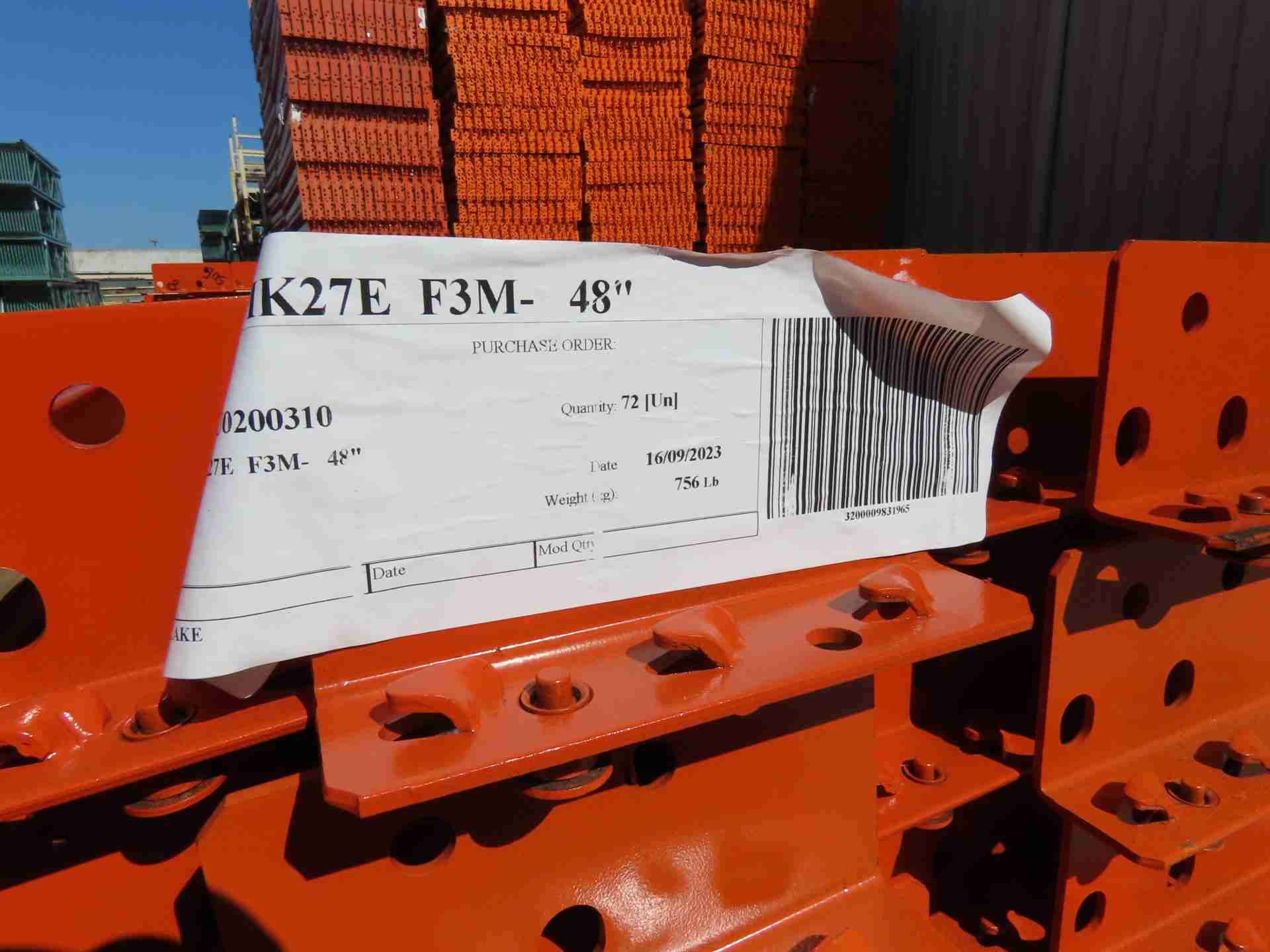
Tips for Installing Racks Around Columns and Obstacles
Tips for Installing Racks Around Columns and Obstacles
- Assess your space thoroughly; identify and measure columns and obstacles accurately.
- View columns not as hindrances but as integral parts of your warehouse design.
- Explore creative racking configurations, such as using angle brackets or custom designs to optimize space.
- Visualize your racking layout using software or sketches to improve organization and efficiency.
- Prioritize safety by adhering to local regulations and ensuring proper anchoring and load capacities.
- Engage with your community to share insights and seek advice related to racking solutions.
- Successful installations foster confidence and respect, enhancing both safety and teamwork.
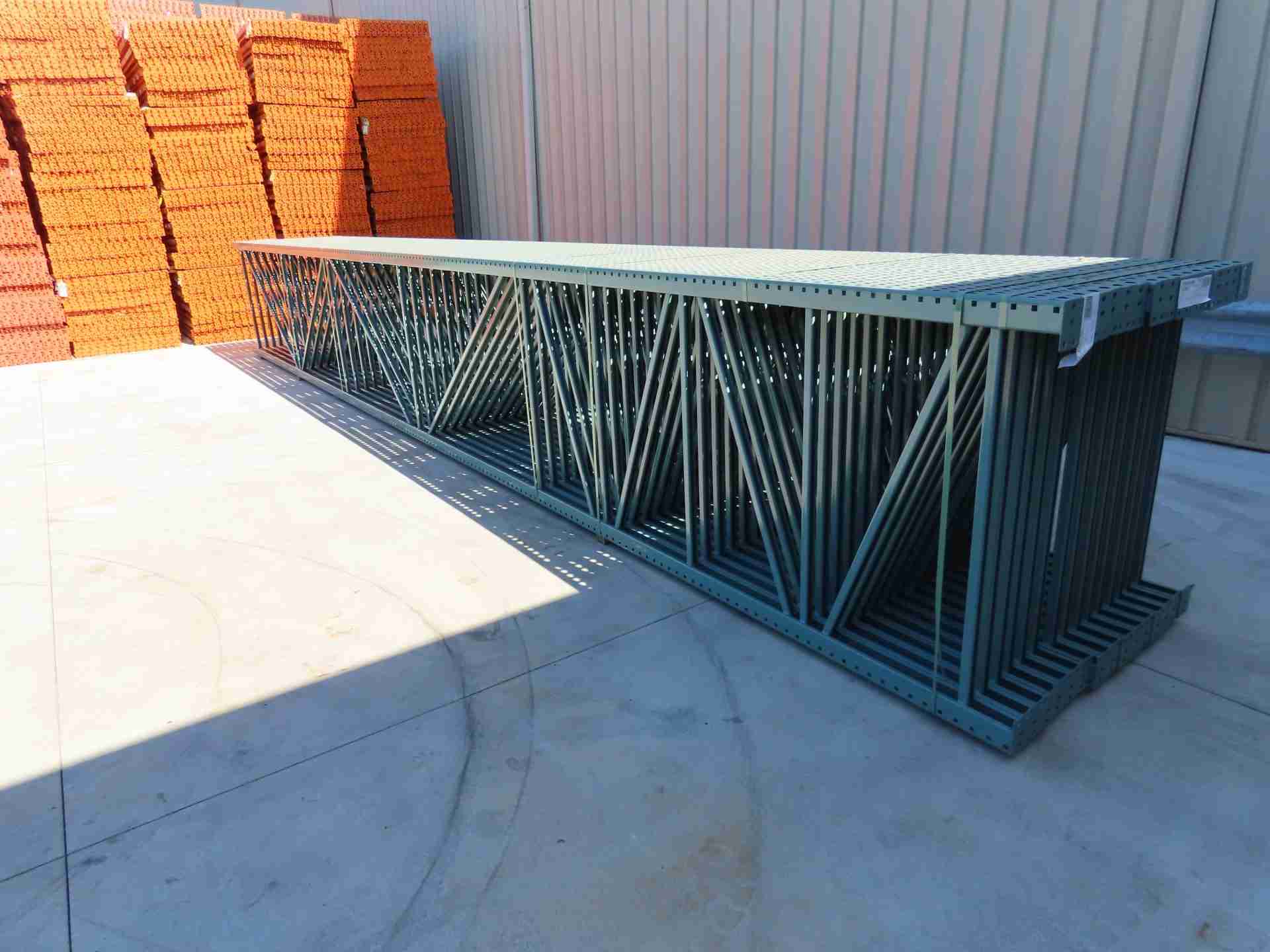
Tips for Installing Racks Around Columns and Obstacles
Table Of Contents
- Tips for Installing Racks Around Columns and Obstacles
- How Can You Maximize Space In a Challenging Warehouse Layout?
- What Are the Best Strategies for Installing Racks Near Obstacles?
- How Do You Ensure Safety While Installing Racks Around Columns?
- What Are the Long-Term Cost Benefits Of Optimizing Rack Installation?
- How Can You Address Potential Hazards When Working Near Columns?
- Conclusion
- Other Resources
- Glossary Of Terms
- Other Questions
- Checklist
How Can You Maximize Space In a Challenging Warehouse Layout?
When you’re faced with a challenging warehouse layout, it might feel like you’re trying to solve a puzzle where several pieces just don’t fit. But every warehouse has its potential, and with a little ingenuity and elbow grease, you can transform even the most confounding spaces into efficient profit-generators. The key? Strategic racking solutions.
Think of racking as the backbone of your operation. It’s not just about storing goods; it’s about maximizing every square inch with precision and purpose. Picture your warehouse—every beam and shelf an opportunity waiting to be seized. With the right racking systems in place, you can utilize vertical space, optimize aisle width, and ensure that every item is within reach. This isn’t just smart; it’s downright essential in a world where efficiency is king.
Let’s connect this to something deeper. Imagine the tireless workers who make your business run. They’re navigating tight spaces, moving fast, and aiming to serve customers efficiently. When you maximize space with thoughtful racking, you’re not only boosting productivity; you’re also valuing the hard work of the people who keep your operations moving. It becomes about more than just numbers on a spreadsheet—it’s about creating a seamless environment that respects the effort of everyone involved.
From a financial perspective, investing in the right racking can lead to significant returns. Less wasted space means you can store more inventory without needing to expand. This is not merely theoretical; businesses that reevaluated their layouts and upgraded their racking structures reported increases in efficiency and reductions in operational costs. It’s a rational choice backed by tangible results.
Ethically, this approach respects the environment too. Efficient use of space means minimizing excess resources, reducing the carbon footprint of your operations. You’re not just becoming a leader in your industry; you’re setting a precedent for responsibility that others can follow.
The narrative here is one of transformation—turning a chaotic space into a well-oiled machine. It’s about the pride that comes from mastering the challenge and leading your team to success. As you optimize that challenging layout, look around. Know that you’re creating a legacy, one that goes beyond walls and shelves. You’re building a community anchored in hard work, innovation, and trust. Your warehouse can be more than just a structure; it can be a thriving hub of possibility.
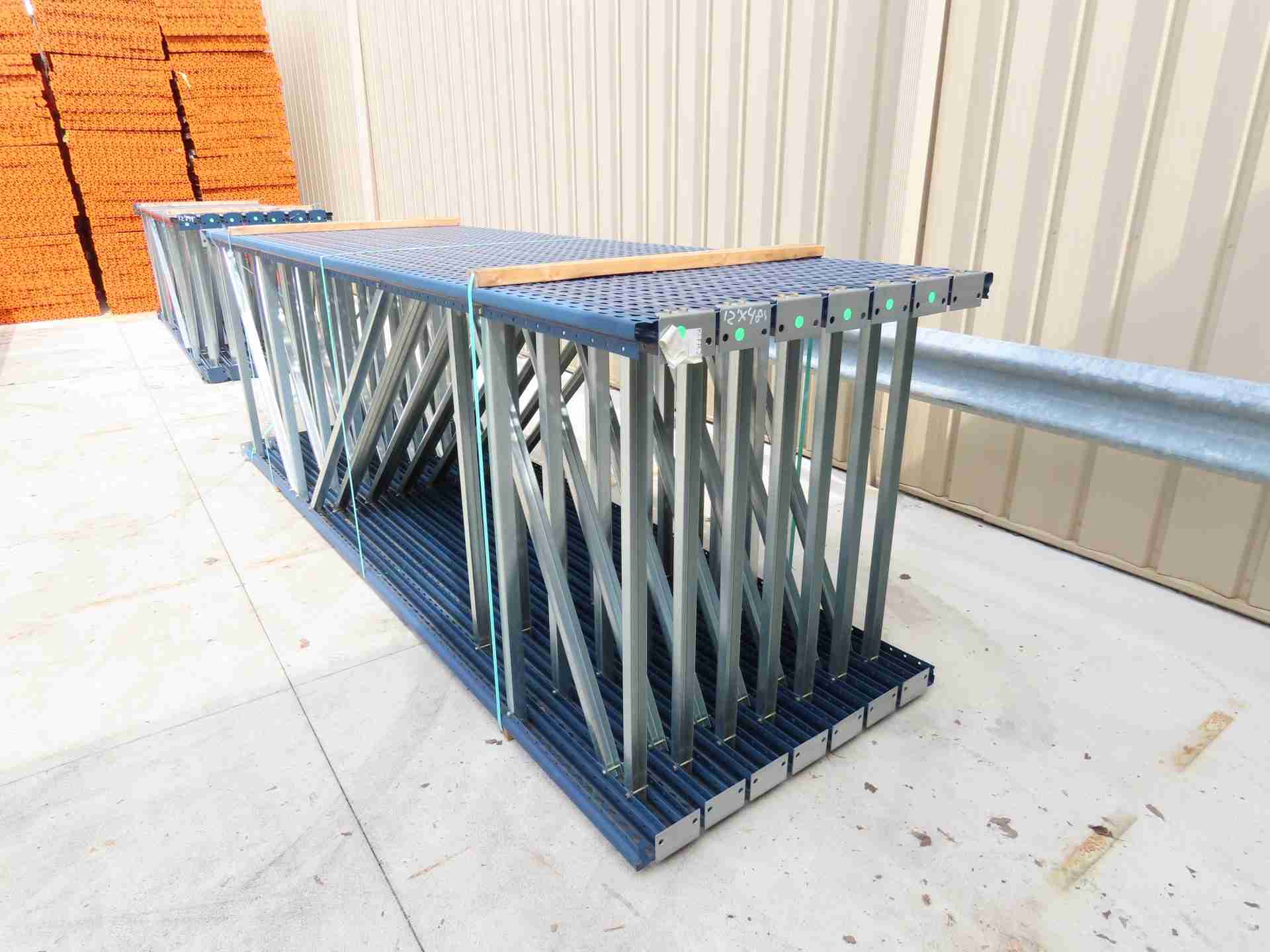
How Can You Maximize Space In a Challenging Warehouse Layout?
How Can You Maximize Space In a Challenging Warehouse Layout?
- Warehouse layouts can be challenging but hold significant potential for efficiency and profit.
- Strategic racking solutions act as the backbone of warehouse operations, maximizing space usage.
- Effective racking optimizes vertical space, aisle width, and accessibility to items.
- Maximizing space not only boosts productivity but also honors the efforts of workers.
- Investing in the right racking can lead to significant financial returns and reduced operational costs.
- Efficient space utilization minimizes resource waste and decreases environmental impact.
- Transforming a warehouse layout creates a legacy of innovation and trust within the community.

How Can You Maximize Space In a Challenging Warehouse Layout?
What Are the Best Strategies for Installing Racks Near Obstacles?
When it comes to racking, the heart of the matter lies not just in functionality but also in the harmony between efficiency and the obstacles that life throws our way. We’ve all been there: facing a daunting wall, a low-hanging beam, or a tight corner that seems to conspire against your best-laid plans. Yet, it’s precisely in those challenging moments where creativity blooms and innovation takes flight.
Installing racks near obstacles is not merely about brute force; it’s a dance of intelligence and intuition. Picture yourself standing in that confined space, surveying the area like a seasoned chess player contemplating their next move. Developing a strong plan is your first step, one that resonates with both the analytical mind and the soul. Engage with the space — visualize how your racks can not only fit but thrive amidst the impediments.
Start by understanding your environment profoundly. Measure, assess, and don’t shy away from calling in the experts; their experience can provide insights that turn potential pitfalls into advantageous features. Embrace this learning as a vital piece of the puzzle; every obstacle presents a lesson wrapped in its challenge. It’s about making informed decisions and crafting solutions that marry form and function.
Moreover, consider the ethical dimension of your setup. The last thing you want is your racks to become a hazard, an annoyance out of sync with your workspace’s rhythm. Your choices should reflect your commitment not just to your bottom line but to those who will navigate this space every day—all the hands that will touch, lift, and interact with those racks. Creating an efficient and safe environment fosters trust and enhances productivity, reminding us that we’re not just workers; we’re a community.
And let’s not forget the human element. Share stories and insights with your team. Tap into their experiences with similar challenges and solutions. There’s a strength in collaboration that transcends mere task completion, turning an installation into a collective achievement.
The best strategies for installing racks near obstacles intertwine heart, head, and gut. It’s about finding balance, making thoughtful choices, and rallying together. Together, you can conquer those tight spaces and heavy beams, proving that where there’s a will—and a well-placed rack—there’s definitely a way. So roll up those sleeves, gather your courage, and let’s get to work!
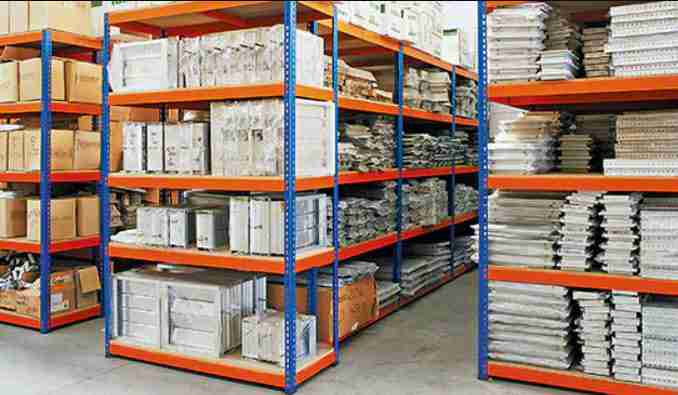
What Are the Best Strategies for Installing Racks Near Obstacles?
What Are the Best Strategies for Installing Racks Near Obstacles?
- The balance between efficiency and life’s obstacles is crucial in racking.
- Installing racks near obstacles requires creativity and strategic planning.
- Engage with the space to visualize effective rack placement amidst challenges.
- Thoroughly understand your environment through measurement and expert insights.
- Ensure your setup is safe and aligned with workplace needs to foster productivity.
- Encourage team collaboration to share experiences and strengthen the installation process.
- Successful rack installation blends heart, head, and gut in thoughtful decision-making.
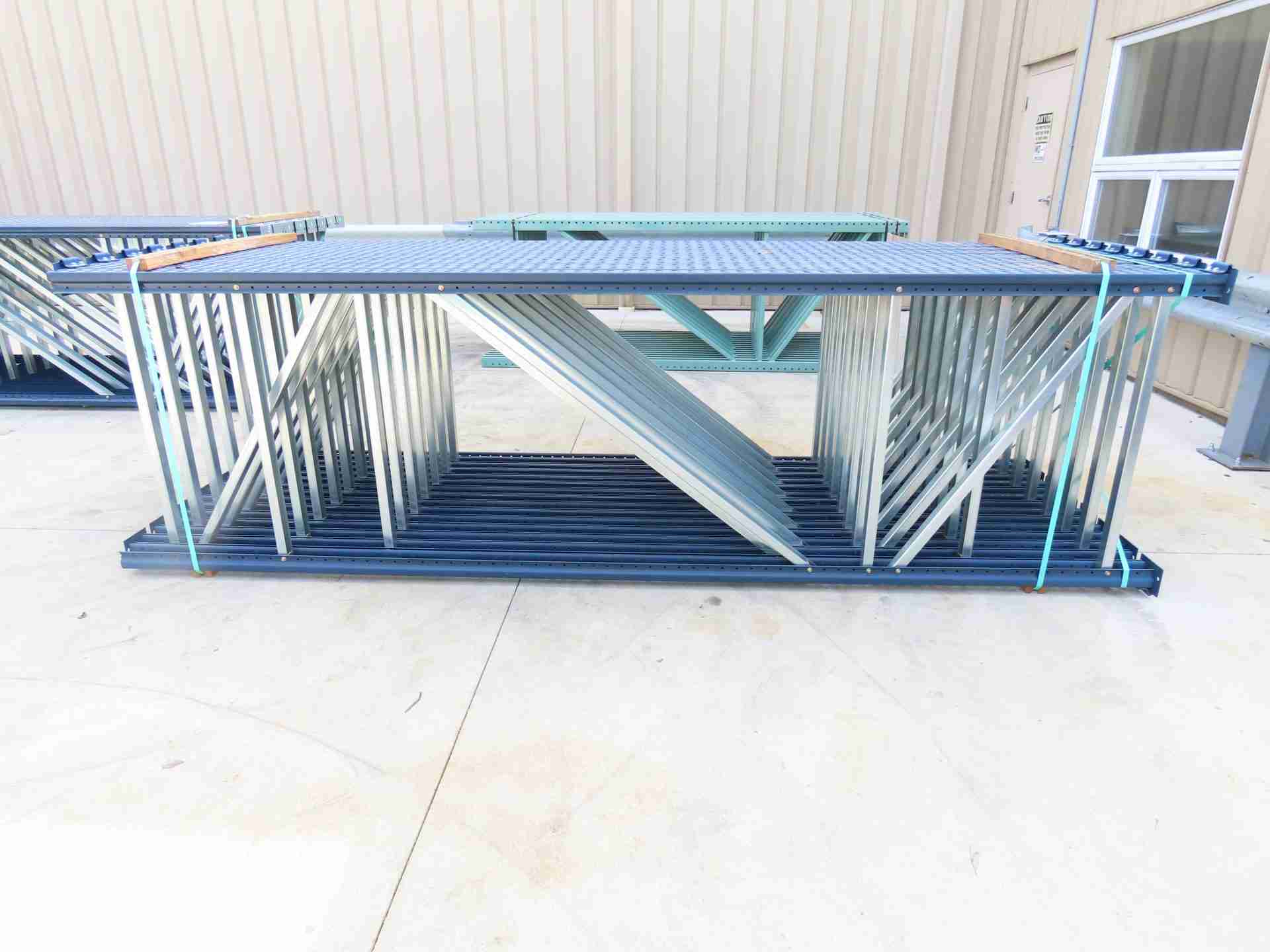
What Are the Best Strategies for Installing Racks Near Obstacles?
How Do You Ensure Safety While Installing Racks Around Columns?
When it comes to installing racking systems around columns, safety isn’t just a priority; it’s a responsibility we owe ourselves and our teammates. Imagine this: a warehouse bustling with activity, the hum of machinery operating in sync, and the energy of purposeful work filling the air. Now, picture the chaos of an accident—a poorly secured rack toppling over, creating a domino effect that could hurt both workers and products alike. This isn’t just a fear; it’s a reality that could play out if we don’t approach racking installations with the seriousness they deserve.
To ensure safety, start with proper planning. Take the time to assess the environment thoroughly. Understand the layout of the space, identify any vulnerabilities around the columns, and engage your team in this vital conversation. Consult the racking system’s specifications, integrating the manufacturer’s guidelines with real-world insights from your crew. This isn’t merely a checklist; it’s a narrative woven from expertise, collaboration, and a shared commitment to preserving an environment where everyone feels valued and safe.
Moreover, when installing racks, consider the materials you use. The integrity and stability of the racking demand high-quality materials that can withstand the test of time and stress—after all, they hold not just products, but livelihoods. Quality isn’t a luxury here; it’s an ethical obligation. Use only the best equipment available; cheap materials might save a few dollars today, but they could cost you dearly tomorrow in damage, liability, or worse.
Communication is at the heart of safety as well. Once racks are installed, ongoing training is crucial. Every team member should understand how to handle the racks safely and know the risks involved, especially near supporting columns. Foster an environment where everyone feels empowered to speak up about safety concerns—where vigilance isn’t seen as a burden, but as a badge of honor.
Lastly, engage your team by weaving safety into the culture of your workplace. Regular safety meetings, real-world simulations, and open discussions about past experiences can create a stronger bond among co-workers. By sharing stories—both cautionary tales and triumphs—you build trust. When people feel responsible for each other’s safety, they are more motivated to act—not just for their own well-being, but for the entire team.
Installing racking systems isn’t merely about storage; it’s about creating a safe space where work can thrive without fear. When safety becomes part of your ethos, you transform your workplace from a mere operation into a community. Let’s make that commitment together.
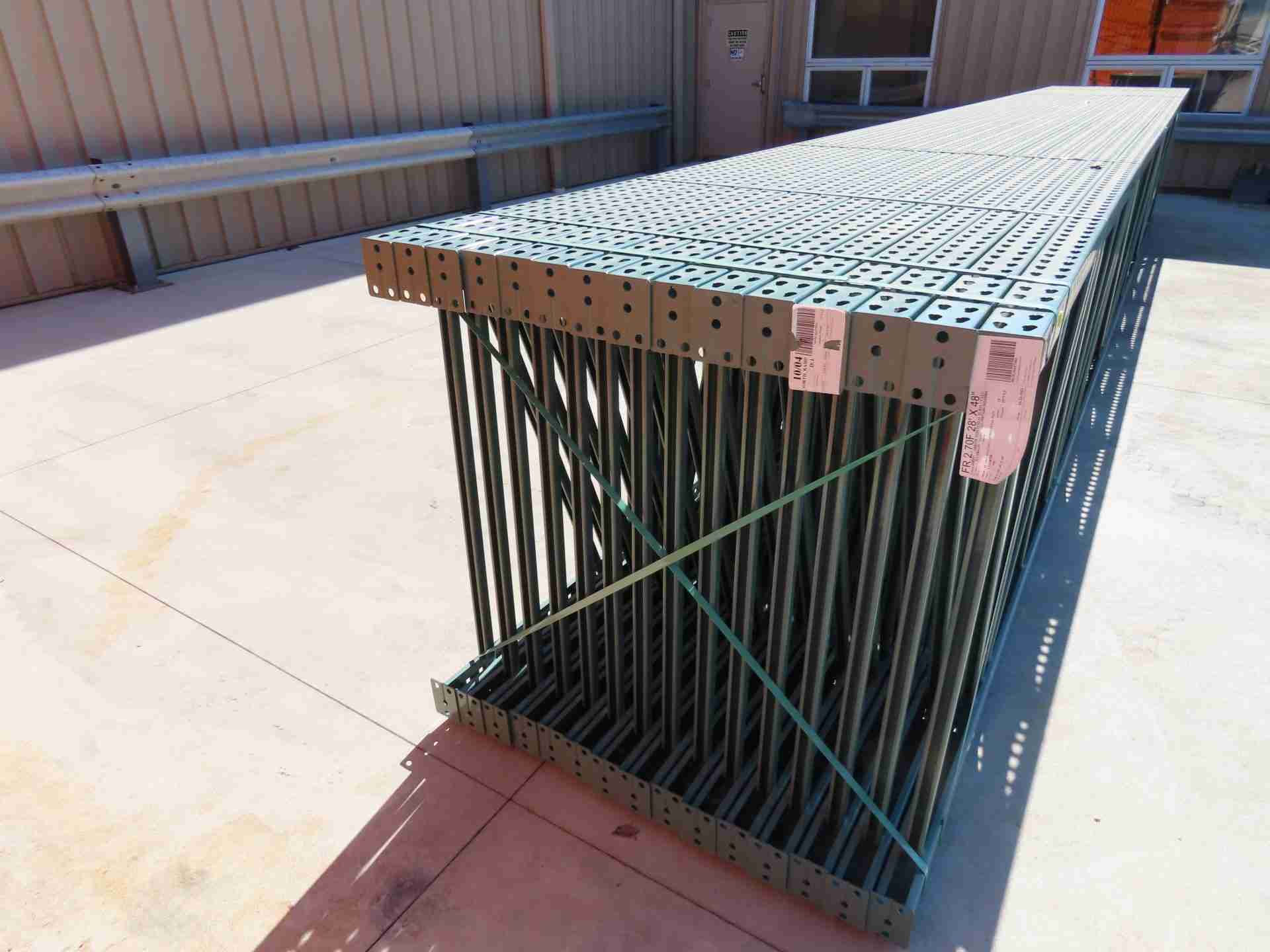
How Do You Ensure Safety While Installing Racks Around Columns?
How Do You Ensure Safety While Installing Racks Around Columns?
- Safety in racking installations is a responsibility that ensures worker and product protection.
- Proper planning involves assessing the environment, identifying vulnerabilities, and collaborating with the team.
- Integrate manufacturer guidelines with team insights to create a comprehensive safety narrative.
- Use high-quality materials for racks to ensure long-lasting stability and safety, as affordability should not compromise quality.
- Ongoing training is essential for team members to ensure they understand safe handling of racks and associated risks.
- Foster a culture of safety where team members feel empowered to voice concerns and share experiences.
- Transform the workplace into a community by prioritizing safety, making it a core part of the organizational ethos.

How Do You Ensure Safety While Installing Racks Around Columns?
What Are the Long-Term Cost Benefits Of Optimizing Rack Installation?
When you think about racking, it’s easy to see just a system of metal frames holding a bunch of stuff. But look closer, and you’ll find that optimizing rack installation is about so much more than simple storage. It’s a commitment to efficiency, safety, and sustainability that can save you significant costs in the long run, and it starts with a decision—yours.
Imagine a bustling warehouse, the air buzzing with the excitement of hard work. Employees navigate aisles with ease, their paths unobstructed by chaos. Every box, every pallet, every inch of space utilized with intention. You can feel the energy, the purpose. This is the heart of optimization, where every rack isn’t just a shelf but a crucial part of a well-oiled machine. When you invest the time and resources into optimizing your racking systems, you’re not just making a choice; you’re crafting an environment where people can exceed expectations.
Now, let’s connect the dots rationally. A well-optimized racking system reduces wasted space and improves workflow—directly impacting productivity. But this is not merely about numbers and metrics; it’s about what those numbers mean for your people and your bottom line. More efficiency translates to fewer hours spent navigating disorganized chaos and more time dedicated to teamwork and innovation. Think of it this way: every square foot you optimize is an invitation for growth, creativity, and collaboration.
Ethically, prioritizing an optimized racking system shows that you care for your employees’ safety. A stable environment lowers the risk of accidents, enhancing morale and fostering trust. Show them that their well-being is paramount, and you’ll see the dividends pay off in spades.
And let’s not overlook the narrative that surrounds this choice. Businesses that innovate—who choose to optimize—tell a story of progress and responsibility. They emerge as industry leaders setting a benchmark for others to follow. This isn’t just good for your operation; it positions you as a trusted authority and a champion of sustainable practices.
In this interconnected world, your decision to optimize racking isn’t just yours. It promotes a culture of excellence that inspires your peers and sets a standard in your community. So, when the dust settles, ask yourself: are you ready to embrace this opportunity? Because the long-term cost benefits of optimizing rack installation can transform not just your space, but the very fabric of your organization. The choice is in your hands.
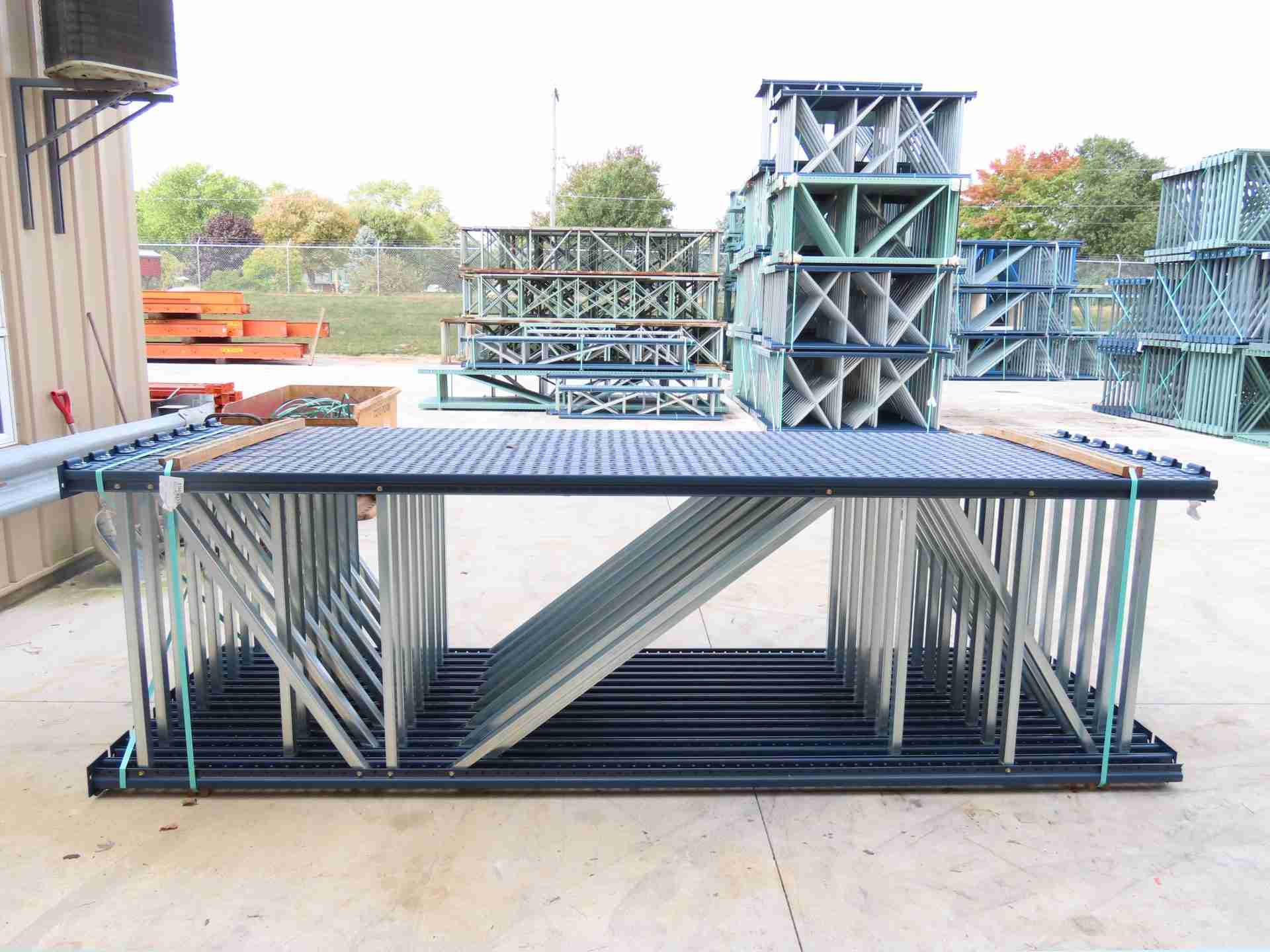
What Are the Long-Term Cost Benefits Of Optimizing Rack Installation?
What Are the Long-Term Cost Benefits Of Optimizing Rack Installation?
- Optimizing rack installation goes beyond simple storage; it’s a commitment to efficiency, safety, and sustainability.
- A well-optimized racking system enhances workflow, reduces wasted space, and boosts overall productivity.
- Investing in optimization creates an organized environment that allows employees to exceed expectations.
- Improved efficiency leads to more time for teamwork and innovation, further inviting growth and collaboration.
- Prioritizing optimized racking shows care for employee safety, enhancing morale and building trust.
- Businesses that innovate and optimize are seen as industry leaders, setting benchmarks for responsibility and sustainability.
- Optimizing racking promotes a culture of excellence, inspiring peers and enhancing community standards.
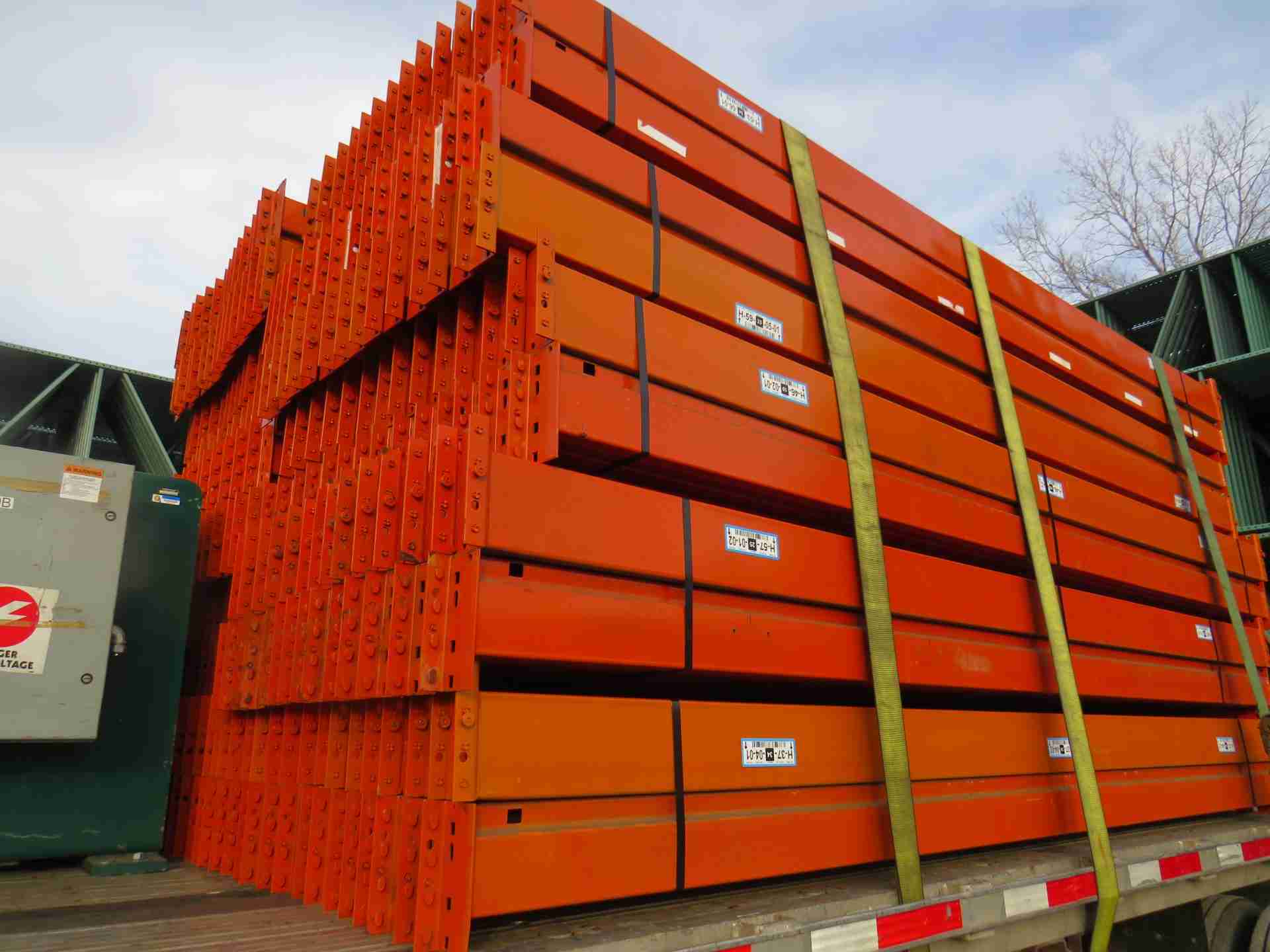
What Are the Long-Term Cost Benefits Of Optimizing Rack Installation?
How Can You Address Potential Hazards When Working Near Columns?
When you step onto a job site, especially one cluttered with columns, the atmosphere can pulse with the rhythm of hard work. But let’s get real—working near those concrete giants isn’t just a challenge; it can be a danger zone if not managed properly. It’s not just about the physical structure; it’s about the lives that hang in the balance beneath their watchful presence.
Start by understanding the risk of racking. Columns can sway, and when they do, the force of that movement can wreak havoc if proper precautions aren’t taken. Think about it: every vibration and shake could send equipment tumbling or workers sprawling. Ignoring those factors is like playing a game of Russian roulette—one miscalculation, and it’s over. By fostering an awareness of racking and its potential consequences, you arm yourself with the knowledge needed to make informed choices that could save lives.
It’s essential to establish clear communication channels with your team. Each person on that site plays a vital role, and their experience could be the lifeline pulling a colleague back from the edge. Whether you’re the boss or the newest apprentice, don’t hesitate to voice your concerns. Rely on the wisdom of those around you and ensure everyone understands the protocols. When workers feel empowered to speak up, you create an environment built on trust and camaraderie, crucial elements for safety.
But let’s not just stick to the hard facts; let’s tap into something deeper. Picture the families going home at the end of the day—waiting for loved ones, hungry for their stories. Every time you strap on your helmet or clip on your harness, you’re not just protecting yourself; you’re safeguarding those connections that matter most. There’s a certain nobility in taking precautions, a commitment to a code that values life over speed.
So as you tackle each task, keep your head in the game. Learn the systems that prevent undue strain on columns, and practice safe maneuvering around them. It’s your job to create a culture of safety, to instill a sense of responsibility in every hand on deck. We aren’t just workers; we’re a community, and in that community, we have an ethical mandate to return home in one piece—because every single job matters.
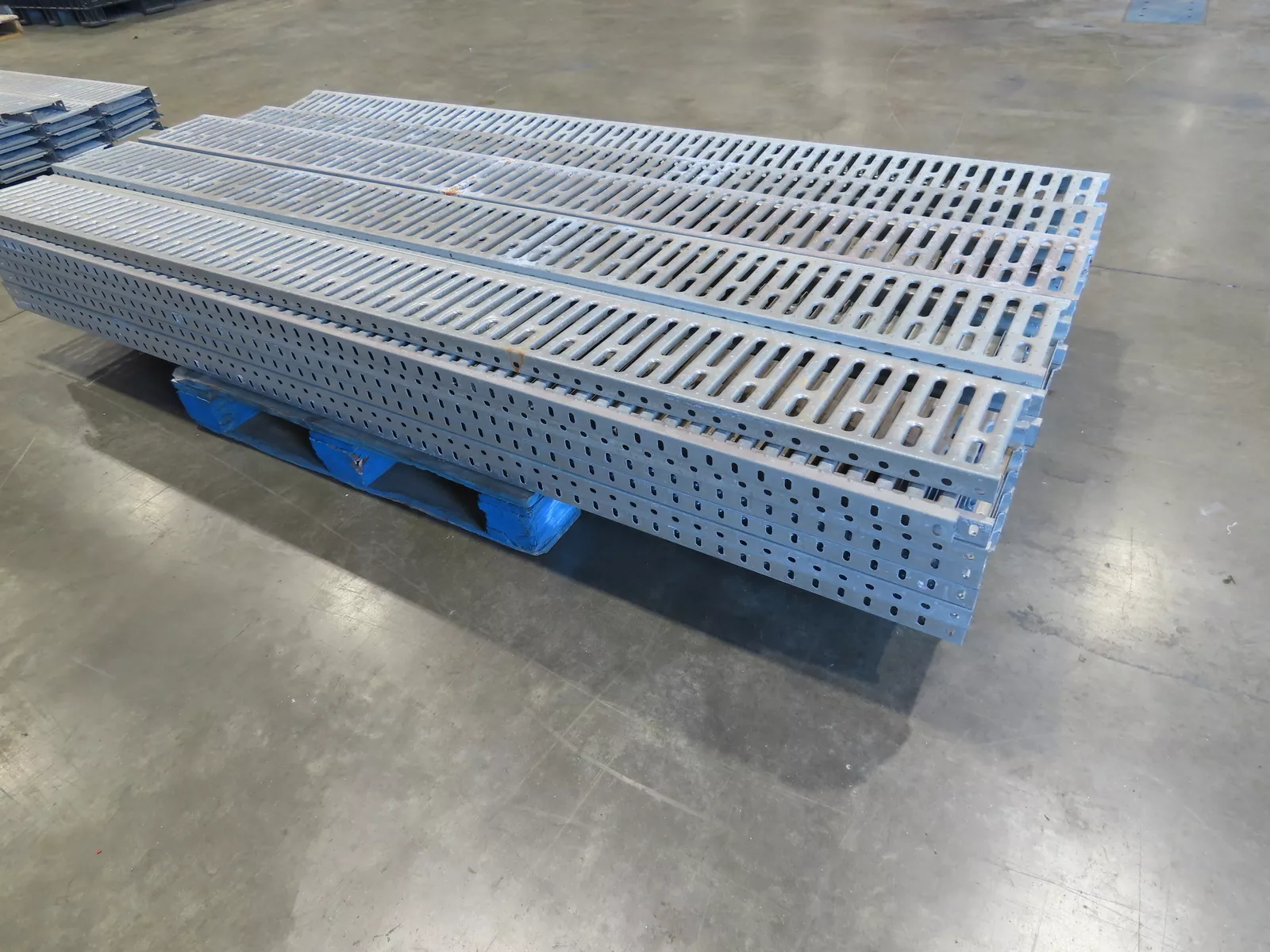
How Can You Address Potential Hazards When Working Near Columns?
How Can You Address Potential Hazards When Working Near Columns?
- Job sites, especially those with columns, present both challenges and dangers if not managed properly.
- Understanding the risk of racking is crucial as columns can sway, leading to potential hazards.
- Proper precautions are necessary to prevent accidents from equipment tumbling or workers falling.
- Establishing clear communication channels among team members is vital for safety and trust.
- Workers should feel empowered to voice concerns and ensure everyone’s understanding of safety protocols.
- Taking precautions protects not only the worker but also their loved ones waiting at home.
- Creating a culture of safety and responsibility within the community is essential for returning home safely.
How Can You Address Potential Hazards When Working Near Columns?
Conclusion
In the world of rack installation, the process isn’t just mechanical; it’s a symphony of strategy, safety, and community. Picture a warehouse, not as a cluttered maze, but as a canvas where every column and obstacle offers an opportunity for innovation. Each challenge—be it a structural column or a tricky angle—beckons creativity, compelling us to think critically and adapt our plans. This is where the heart of effective racking lies: recognizing that every problem has a solution, often waiting just outside our comfort zone.
Imagine assessing your environment like a craftsman, taking your time to measure and visualize. This isn’t just about design; it’s about respect—for the space, for the work, and most importantly, for the people who navigate it daily. When you thoughtfully optimize your layout, you’re not just enhancing efficiency; you’re also fostering a supportive atmosphere that values hard work. Each employee benefits from clear pathways and organized aisles, empowering them to be their best and work together seamlessly.
But let’s talk risk, too. Safety in installation is non-negotiable. When you’re dealing with heavy loads and structural supports, every decision matters. Engaging your team in a culture of safety isn’t just smart; it’s an ethical responsibility. It’s the commitment to ensure that everyone returns home to their loved ones, reinforcing an environment where risks are managed, and every voice is valued. This approach unites your workplace, creating a sense of camaraderie and shared responsibility that transcends individual tasks.
So, here’s the bottom line: effective rack installation isn’t about merely stacking metal; it’s about building a framework for success—one where every column contributes to not only the physical structure but also to a sustainable community. By maximizing space and minimizing hazards, you set a standard of excellence that resonates beyond your warehouse walls. You inspire others to innovate, play it safe, and work smart. Remember, this is a collaborative journey where every worker shapes the narrative, and every challenge faced together strengthens your foundation. Your choices today don’t just enhance operational efficiency; they build a legacy that turns chaotic spaces into thriving environments—proving that with the right mindset, there’s no obstacle you can’t overcome. So roll up those sleeves, tap into that spirit of determination, and let’s create something remarkable together.
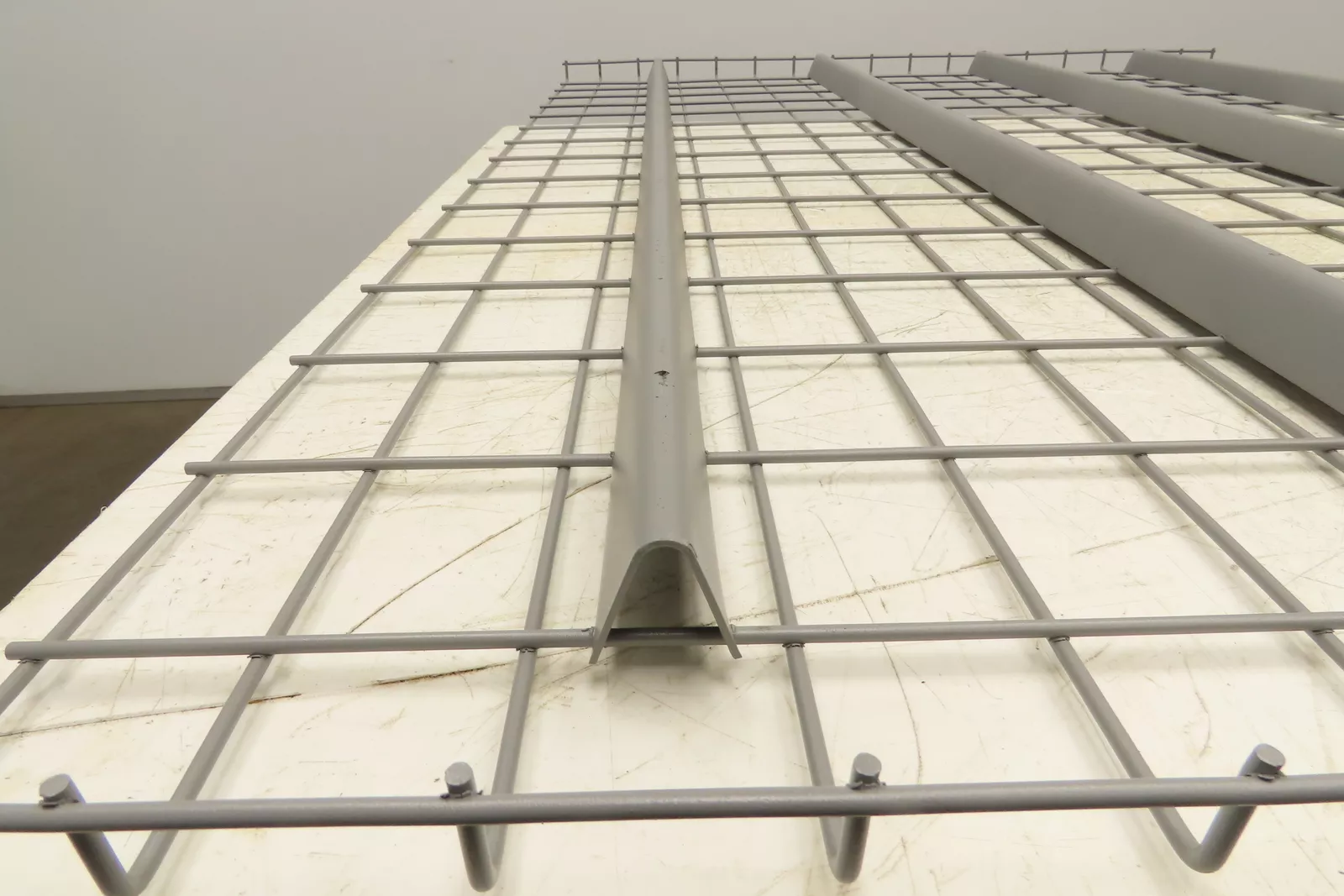
Conclusion
Conclusion:
- Rack installation is a strategic and communal process, not just mechanical.
- Challenges in the environment prompt creativity and critical thinking to find solutions.
- Respect for the space and the people who navigate it is essential for effective layout optimization.
- Clear pathways and organized aisles enhance employee efficiency and promote teamwork.
- Safety during installation is crucial; engaging a culture of safety is both smart and ethical.
- Effective rack installation builds a framework for success and fosters a sustainable community.
- Collaboration and shared responsibility create a strong foundation, turning chaotic spaces into thriving environments.
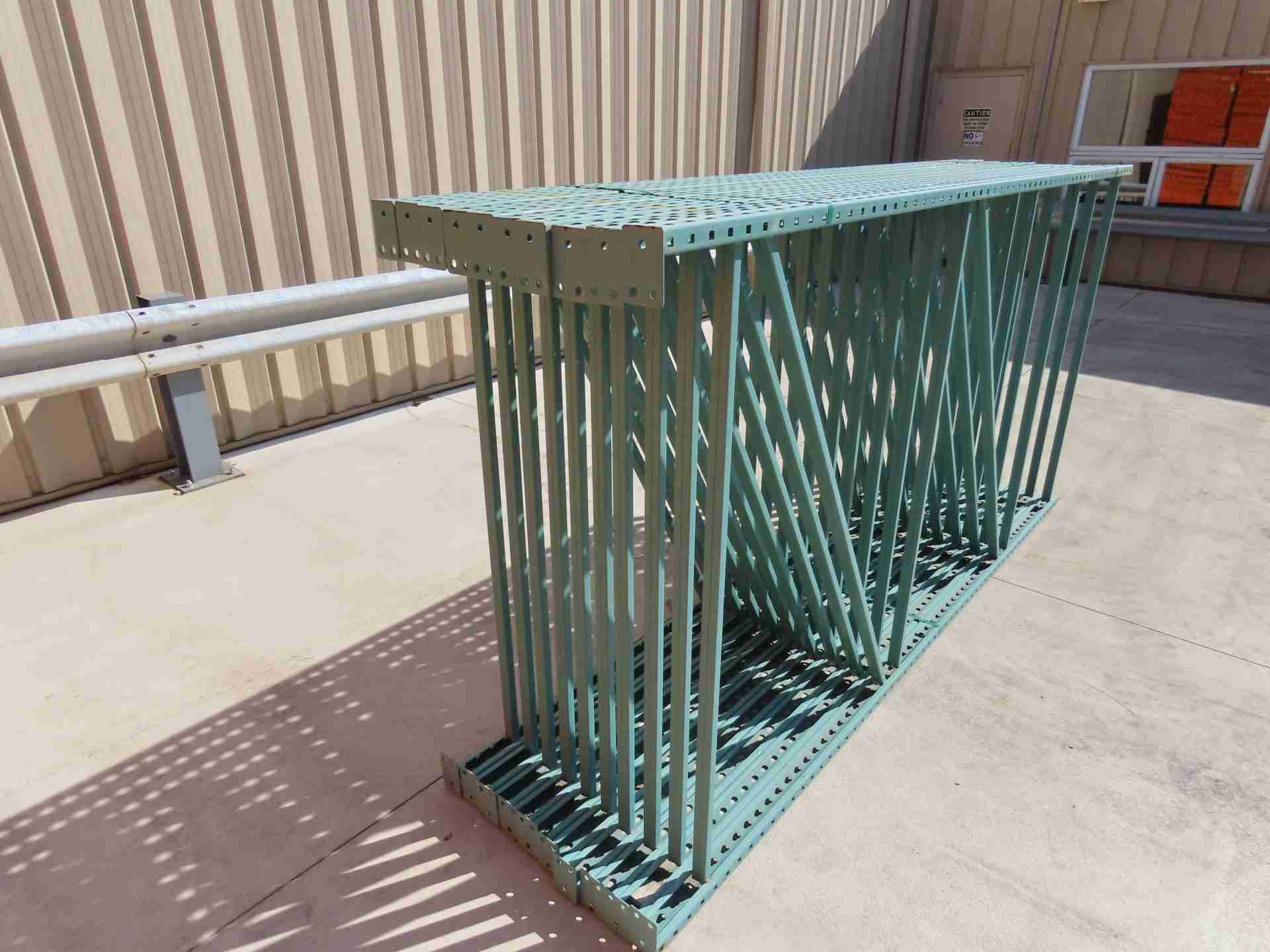
Conclusion
Other Resources
Other Resources
Here is a list of other resources you can review online to learn more:
- IIWS Inc. Rack Installation Illinois & Rack Repairs Illinois
- Iowa Illinois Warehouse Racking
- Interlake
- Overhead Lifting
- Arrow Industrial Sales
- Warehousing and Fulfillment
- Chicago Pallet Racking
- Teardrop Industrial Shelving Rack
- The Complete Pallet Rack Guide – Simply Rack
- What is Cantilever Racking? – AK Material Handling Systems
- Used Pallet Rack for Sale in Illinois – American Surplus
- The Ultimate Pallet Racking Guide – Speedrack West
- Illinois Pallet Racking – WPRP
- What is Selective Pallet Racking
- CMMA
- Chicago Pallet Racking
- MHI
- Pallet Racks, Pallet Racking, Pallet Shelves in Stock – ULINE
- BMH Equipment LLC
- Warehouse Storage Racks
Use This Prompt To Get More Resources With Your Favorite Online AI Tool: Please provide me with a list of online articles with their URLs in a bulleted list that I can read regarding Tips for Installing Racks Around Columns and Obstacles

Other Resources
Glossary Terms
Tips for Installing Racks Around Columns and Obstacles – Glossary Of Terms
1. Racks: Frameworks used for storing or organizing items, typically designed to hold weight and optimize space.
2. Columns: Vertical structural elements that support loads, often found in buildings and warehouses.
3. Obstacles: Any physical impediments that interfere with the installation of racks, such as columns, pipes, or equipment.
4. Space Optimization: The process of maximizing storage and use of available space, especially around structural obstacles.
5. Load-Bearing: The ability of a structure, or element, to support weight safely without compromising integrity.
6. Installation: The act of setting up equipment or structures, ensuring they are properly secured and functional.
7. Anchor Points: Locations where racks are secured to the floor or walls to increase stability.
8. Modular Design: A design approach where components can be easily assembled or rearranged to fit various spaces.
9. Vertical Storage: Utilizing vertical space by stacking items or installing shelves to maximize storage efficiency.
10. Clearance: The minimum required space around objects to allow for access, movement, and safety.
11. Lateral Stability: The ability of a structure or rack to resist sideways forces, which is crucial for safety.
12. Load Distribution: The method of spreading weight evenly across a structure to prevent overload or tipping.
13. Access Aisles: Pathways left clear for easy access to racks and stored items, essential for safety and efficiency.
14. Height Consideration: A factor in design and installation that refers to the vertical space available for racks.
15. Safety Codes: Regulations and standards that ensure structures are safe, often outlining how racks should be installed.
16. Utility Access: Ensuring that installations do not block access to essential utilities like electrical panels, water lines, or HVAC systems.
17. Flexible Arrangement: The ability to alter the composition or layout of racks based on changing needs or obstacles.
18. Weight Capacity: The maximum load a rack or shelf can safely hold without risking failure.
19. Material Selection: Choosing appropriate materials for racks based on their intended load, environment, and durability.
20. Footprint: The area that a rack occupies on the floor, important for evaluating space utilization.
21. Safety Features: Integrated elements like guards or braces that enhance the safety of rack systems during use.
22. Environmental Considerations: Factors like humidity and temperature that may affect material choice and installation strategies.
23. Modal Analysis: A technique to study the vibration and stability of rack systems under various load conditions.
24. Retrofitting: Modifying existing racks to improve performance or adapt to new requirements.
25. Installation Guidelines: Recommended practices and procedures to ensure proper and safe installation of racks.
26. Capacity Planning: The process of forecasting storage needs to ensure that rack systems are sized appropriately.
27. Inspection: Regular checks to assess the integrity and safety of racks after installation.
28. Design Layout: The schematic arrangement of racks that considers obstacles and optimal use of space.
29. Component Compatibility: Ensuring that all parts of a rack system work well together for safety and functionality.
30. Professional Installation: Engaging experts to set up complex rack systems, ensuring adherence to best practices and safety standards.

Glossary Of Terms
Other Questions
Tips for Installing Racks Around Columns and Obstacles – Other Questions
If you wish to explore and discover more, consider looking for answers to these questions:
- What tools or software can assist in planning rack installations?
- How do you measure obstacles accurately for rack installation?
- What types of custom-designed racks are available for tight spaces?
- How can you train your team on safety and compliance related to racking?
- What local codes and regulations should be adhered to during rack installation?
- What are the potential risks associated with poorly installed racks?
- How do you assess the load capacities of racking systems?
- What are some common mistakes to avoid when installing racks around obstacles?
- How can communication and collaboration enhance safety during rack installation?
- What are some best practices for using angle brackets in racking?
- How can you create a culture of safety in your workplace?
- What factors should be considered when selecting materials for racking systems?
- How can optimizing rack installation reduce operational costs?
- What are the long-term impacts of efficient rack solutions on employee morale?
- How can you implement a feedback system for continuous improvement in racking strategies?
Other Questions
Checklist
Tips for Installing Racks Around Columns and Obstacles – A Checklist
Rack Installation Checklist: Heart, Head, and Gut
Emotional Appeals
1. Visualize the Space: Picture how your installation will enhance the workspace, creating an organized and inviting environment.
2. Prioritize Safety: Remember, your safety measures protect not only you but also your family and colleagues—commit to returning home safe every night.
3. Foster Team Spirit: Share your successes and challenges in rack installation with your team, strengthening bonds and building a collaborative culture.
Rational Appeals
4. Conduct a Thorough Assessment: Measure columns and obstacles accurately, evaluating how they may influence your racking layout.
5. Utilize Planning Tools: Use design software or simple sketches to visualize your racking arrangement effectively.
6. Analyze Costs: Consider both short-term and long-term financial implications of your racking configurations—invest in quality for sustained savings.
Ethical Appeals
7. Adhere to Safety Regulations: Follow local codes and manufacturer guidelines to ensure safety and compliance during installations.
8. Choose Quality Materials: Opt for high-quality racking materials that can withstand heavy loads and resist wear over time.
9. Encourage Open Communication: Create an environment where team members can voice safety concerns and share insights.
Authority Appeals
10. Consult Experts: Draw on the experience of seasoned colleagues and industry professionals for insights and advice on rack installation.
11. Stay Informed: Regularly update your knowledge on best practices in racking installation and safety protocols.
Narrative Appeals
12. Share Personal Experiences: Collect stories from team members about past challenges faced during installations and how they overcame them.
13. Highlight Success Stories: Document successful installations to inspire and guide future projects—celebrate the team’s achievements in optimizing space.
Social Appeals
14. Build a Community of Practice: Organize regular meetings to discuss rack installation practices, safety measures, and share innovative ideas.
15. Recognize Contributions: Acknowledge individual and team efforts in improving the warehouse space—celebrate transformations that resonate with everyone involved.
Use this checklist as a guiding tool to approach your rack installation with a balanced perspective, ensuring efficiency, safety, and community engagement.

Checklist
At RackingWorld, we help guide you through selecting warehouse storage systems and racking.
Be sure to read our other related stories at RackingWorld to learn more about warehouse storage systems.
0 Comments