
Maximizing Efficiency And Safety Through Proper Rack Maintenance
By Tom Seest
At RackingWorld, we help guide you through selecting warehouse storage systems and racking.
Be sure to read our other related stories at RackingWorld to learn more about warehouse storage systems.
Best Practices for Cleaning and Maintaining Rack Decking
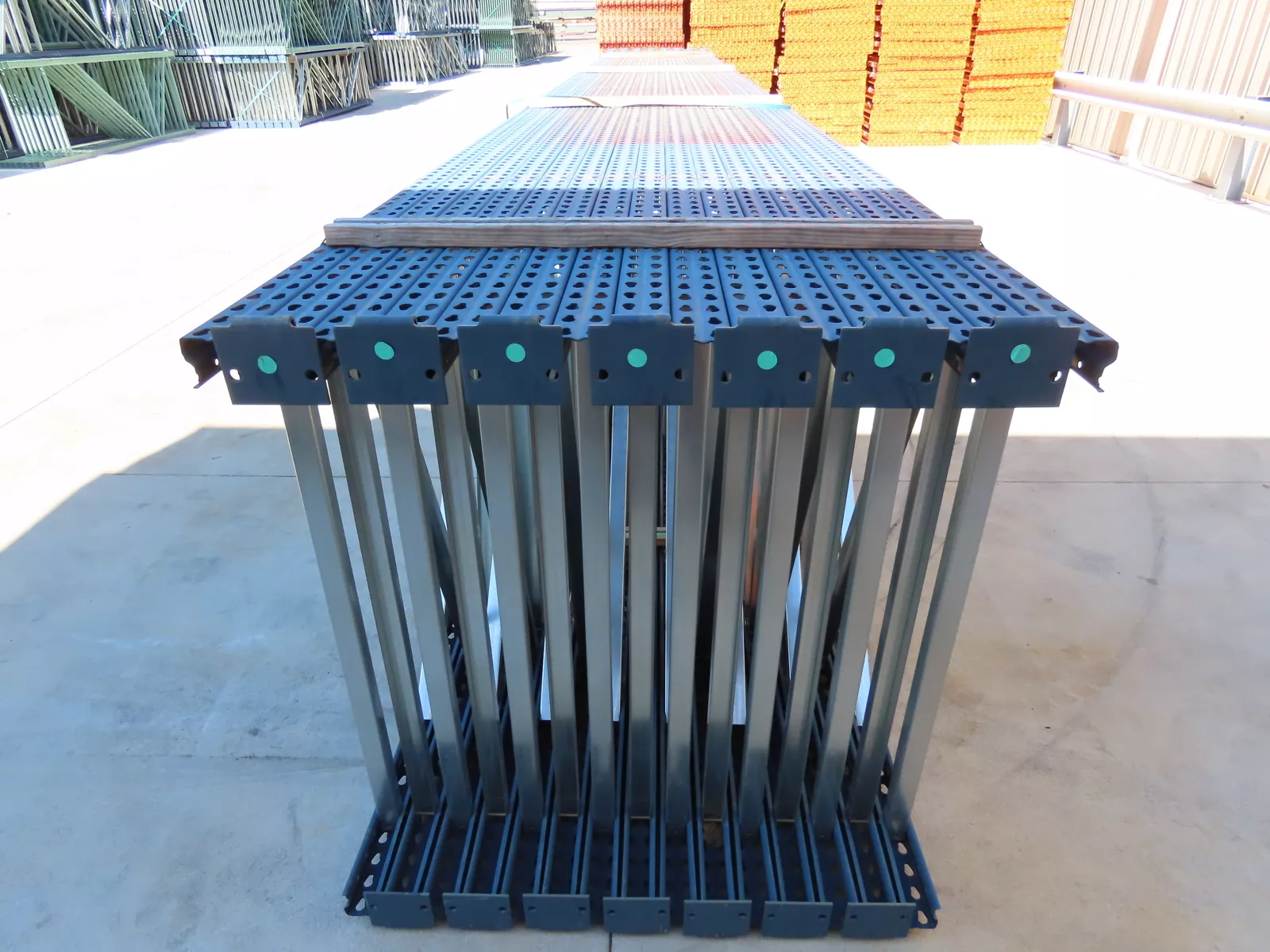
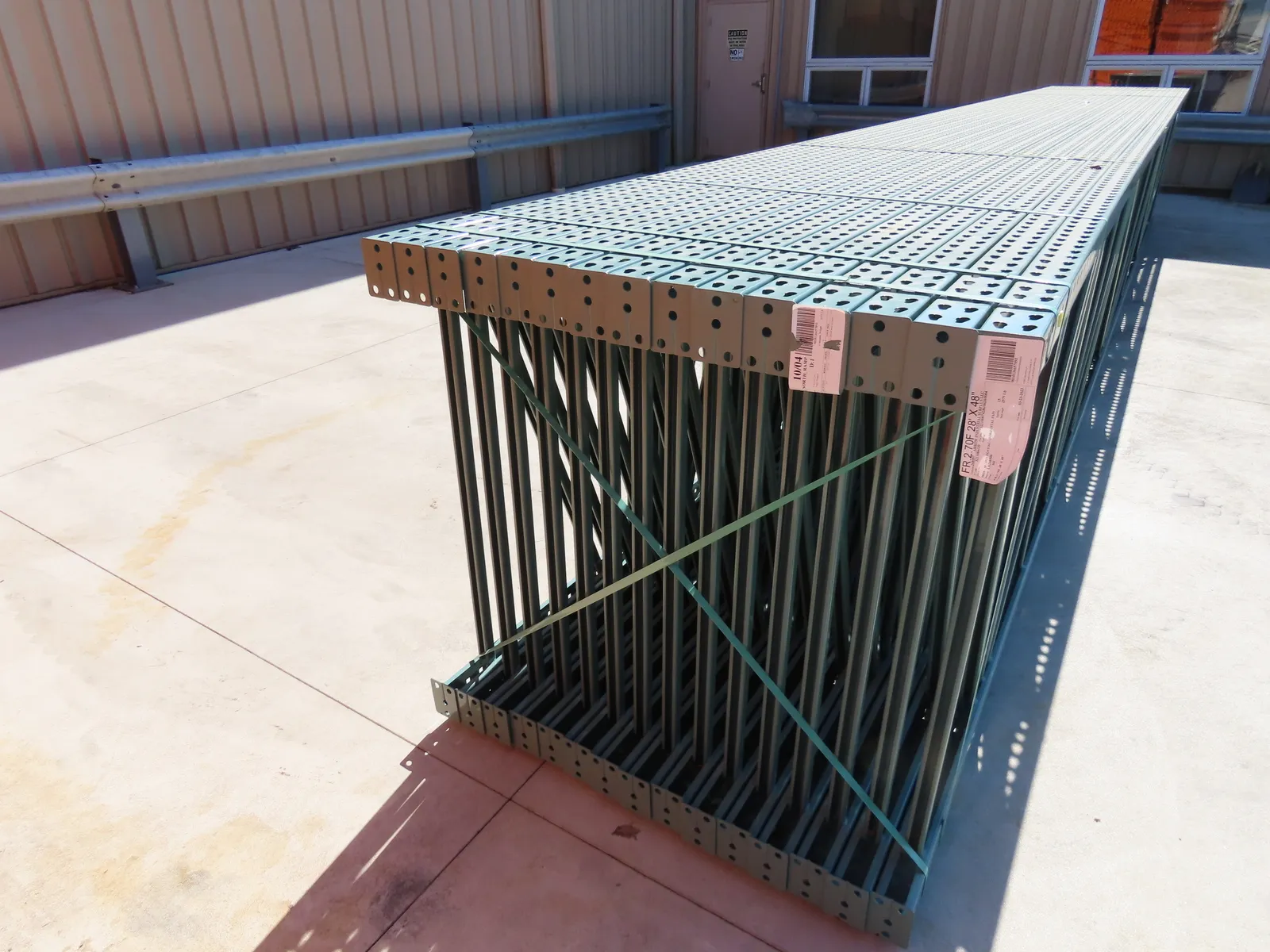
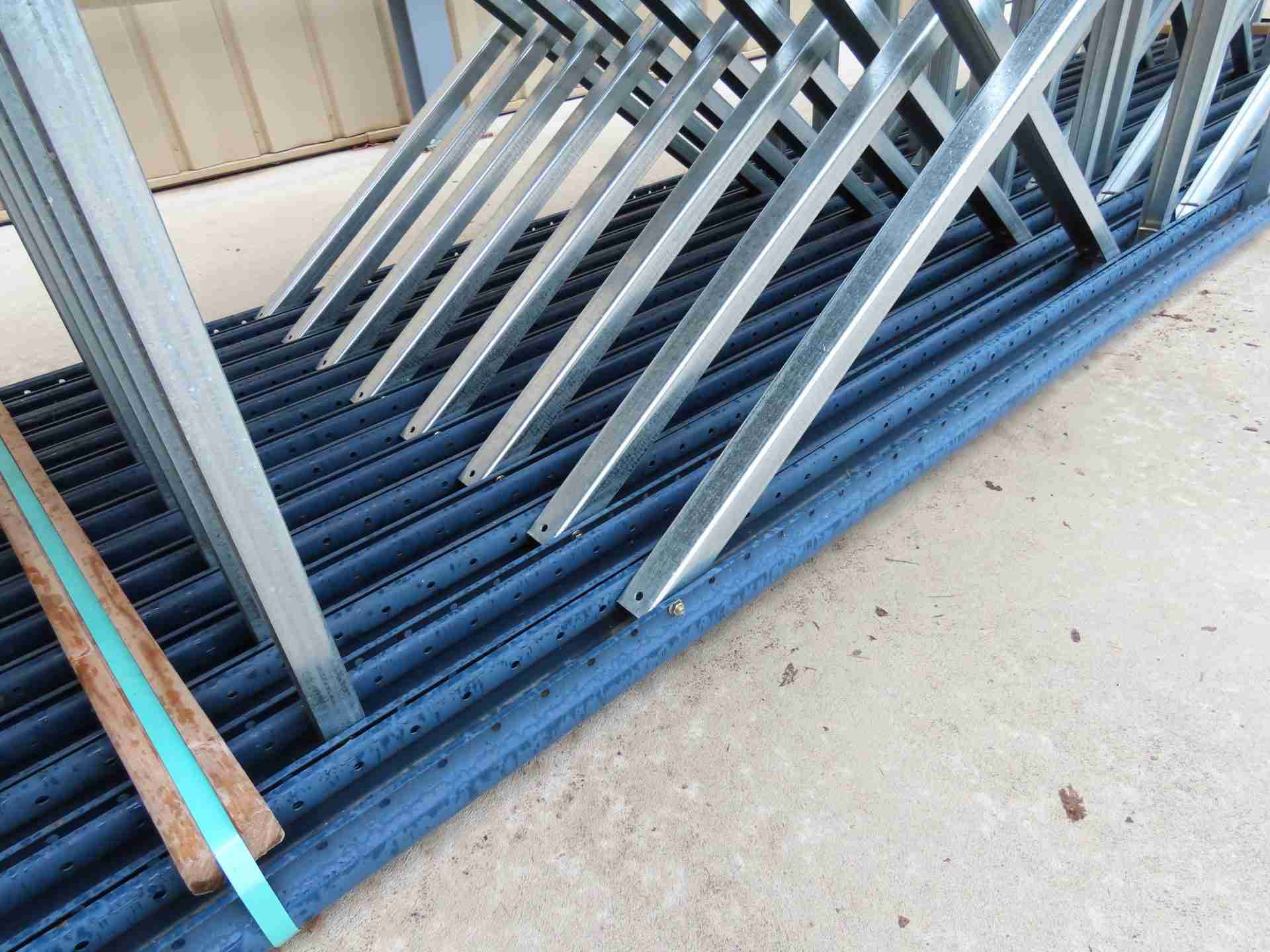
When it comes to the unsung heroes of the warehouse—those sturdy racks that hold everything from delicate electronics to hefty machinery—cleaning and maintaining the rack decking is a job that deserves our attention. Think of it this way: those steel shelves are the backbone of your operation, working tirelessly day after day. Neglect them, and you’re placing not just products at risk, but also the safety of your team and the efficiency of your entire workflow.
Start with the basics. Regular cleaning is key. Dust, spills, and grime don’t just look bad; they can create dangerous slip hazards and wear down materials over time. Make it a ritual. Set aside time each week to inspect and clean your racks. A simple regimen can prevent costly replacements and the heartache of an accident. Use appropriate cleaners that won’t corrode or weaken the metal. It’s not just about aesthetics; it’s about preserving the integrity of what helps sustain your operations.
Now, let’s talk about maintenance. Inspect the decking for signs of wear—dents, rust, anything out of the ordinary. A tiny crack can evolve into a big problem, potentially leading to a catastrophic failure when you least expect it. Training your team to spot these issues early fosters a culture of care and responsibility. Remember, you’re not just cleaning and maintaining; you’re providing a safe workspace for your colleagues to thrive in.
There’s also an ethical aspect to consider. Investing time in maintenance means you value your workforce. It shows you care about their safety and well-being. That’s a powerful message. When your team feels valued, morale soars, creating an atmosphere where people take pride in their work. A clean, well-maintained environment goes a long way in building a sense of community.
Think of this process as a narrative—a story of dedication when it comes to racking and the people who rely on it. You’re not just maintaining metal; you’re creating an environment where humans can thrive. Every clean rack, every inspection, is a commitment to safety, community, and respect for the work being done. When you take ownership of this task, you are not just the overseer of inventory; you are the caretaker of a space that facilitates teamwork and success. So step up, grab that mop or a rag, and take pride in this essential part of your operational story. When you do, you’re building trust, accountability, and respect—not just for the racking but for the people who depend on it every single day.

Best Practices for Cleaning and Maintaining Rack Decking
Best Practices for Cleaning and Maintaining Rack Decking
- Warehouse rack decking is essential for holding products and ensuring safety.
- Regular cleaning prevents slip hazards and material wear; make it a weekly routine.
- Use appropriate cleaners to maintain metal integrity, not just for aesthetics.
- Inspect for signs of wear, such as dents or rust, to prevent catastrophic failures.
- Training staff to spot issues fosters a responsible and caring workplace culture.
- Investing time in maintenance demonstrates care for employee safety and well-being.
- Taking ownership of rack maintenance builds trust, accountability, and a positive team environment.

Best Practices for Cleaning and Maintaining Rack Decking
Table Of Contents
- Best Practices for Cleaning and Maintaining Rack Decking
- What Emotional Connection Do You Have with Your Storage Space?
- How Often Do You Forget the Importance Of Cleanliness In Safety?
- Are You Aware Of the Risks Associated with Dirty Rack Decking?
- Can Sharing Cleaning Tips Foster a Stronger Team Culture?
- What Role Do Industry Standards Play In Your Cleaning Practices?
- Conclusion
- Other Resources
- Glossary Of Terms
- Other Questions
- Checklist
What Emotional Connection Do You Have with Your Storage Space?
Picture this: A dusty, forgotten corner of a storage unit, perhaps obscured by old racking that has seen better days. You might think it’s just a haphazard collection of boxes and belongings, but there’s a compelling story lurking in every cardboard flap. The amount of stuff we bundle away speaks volumes about us—our dreams, our regrets, our identities. This isn’t just a place for extraneous clutter; it’s a sanctuary of memories, a time capsule infused with emotion.
Think about it. Each item tucked away has a narrative. Maybe it’s the baseball glove from childhood days spent in the sun or the wedding dress that hasn’t seen the light of day since that magical evening. Those belongings don’t simply gather dust; they harbor feelings. They connect us to our past and, in a way, shape our future. Your storage space goes beyond mere functionality; it serves as a bridge between who you were and who you aspire to be.
And yet, there’s a practical side. That racking that holds your belongings may seem trivial, but it plays a crucial role in how you navigate your life. A well-organized space isn’t just a matter of aesthetics; it’s about mental clarity. Reducing the chaos around us can spark inspiration and creativity, helping us live more intentionally. It’s easier to move forward when you have a solid foundation to stand on. Make sense? Good.
Now, let’s get ethical. In an age of instant gratification, holding onto objects that resonate with our core values speaks volumes about our priorities. Are we inclined to accumulate more, or do we find value in simplicity and meaning? What does your storage space say about you? Engaging with this question fosters a deeper understanding of yourself and encourages a more mindful approach to both your physical and mental landscapes.
Socially, we all invest in connections, whether they’re with others or with our belongings. Sharing a glimpse into our storage spaces brings us closer together, sparking conversations that reveal our commonalities. We gain confidence through these dialogues, bridging the gap between strangers and friends.
Embrace the emotional connections in your storage space. Discover the stories behind your belongings, confront the clutter that weighs you down, and take action. Let those memories guide you, reclaim your space, and inspire a life filled with purpose. Your relationship with your storage is more profound than you think; it’s a reflection of you.

What Emotional Connection Do You Have with Your Storage Space?
What Emotional Connection Do You Have with Your Storage Space?
- Storage units often contain a mix of forgotten boxes, representing dreams, regrets, and identities.
- Each item has a narrative, connecting us to our past and influencing our future.
- A well-organized storage space promotes mental clarity and sparks creativity.
- Our approach to belongings reflects our values and priorities in life.
- Engaging with the meaning behind our possessions leads to self-discovery and mindfulness.
- Sharing insights about our storage spaces can strengthen social connections and foster dialogue.
- Understanding and reclaiming our storage can inspire a more purposeful life.
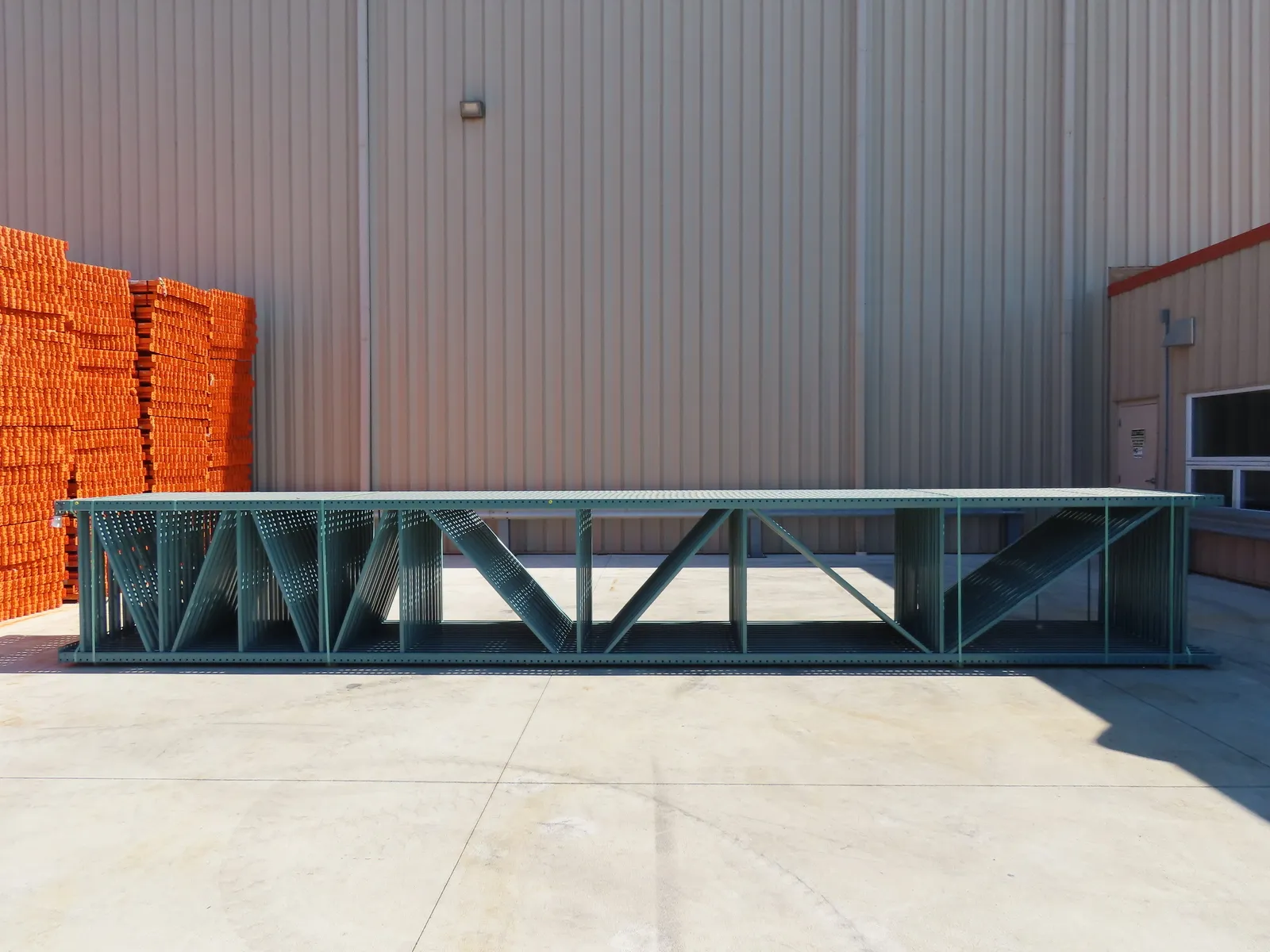
What Emotional Connection Do You Have with Your Storage Space?
How Often Do You Forget the Importance Of Cleanliness In Safety?
When was the last time you stopped to appreciate the gleam of a freshly cleaned workspace? Or consider the stark contrast between a neatly organized area and one cluttered with chaos? We tend to overlook cleanliness, convinced that our focus should be elsewhere—more pressing tasks, bigger goals. However, the truth is, a tidy environment can mean the difference between safety and harm.
Think about it. When you walk into a space where everything is racked neatly and in its rightful place, there’s a palpable sense of order. Your mind can focus without the distractions of mess. On the flip side, a cluttered area not only increases the risk of accidents but also serves as a silent reminder of neglected responsibilities. It’s not just about aesthetics; it’s a matter of safety. According to the National Safety Council, nearly 25% of workplace injuries can be traced back to slips, trips, and falls, often caused by something as simple as untidy conditions.
Now, let’s explore the emotional toll of neglecting cleanliness. Imagine a loved one working in an environment where cleanliness isn’t a priority. The anxiety of knowing that their safety is compromised resonates at a deep level, tugging at your heartstrings. Every parent, partner, or friend knows the gut-wrenching feeling that comes with worry for those we care about. Your personal standards of cleanliness can become a protective shield for those around you, warding off potential hazards.
On a broader scale, the ethics surrounding cleanliness and safety speak volumes about our values as a society. By fostering a culture of cleanliness, we are sending a powerful message: we care about ourselves and about each other. A clean environment promotes teamwork and sets a standard for mutual responsibility that should resonate within communities and workplaces alike.
When we invite others to join this cause, we stitch together a communal fabric that leaves no room for complacency. Whether you’re at home, a community space, or a job site, cleanliness is not an afterthought; it’s a crucial commitment to shared well-being.
So next time you find your attention wandering amidst a jumble, remember: cleanliness isn’t just about neatness; it’s a vital aspect of safety, a pledge to safeguard what matters most. Your action today might inspire others, creating ripples of trust and pride in the spaces we share. Let’s not forget; a clean environment is a cornerstone of safe living.
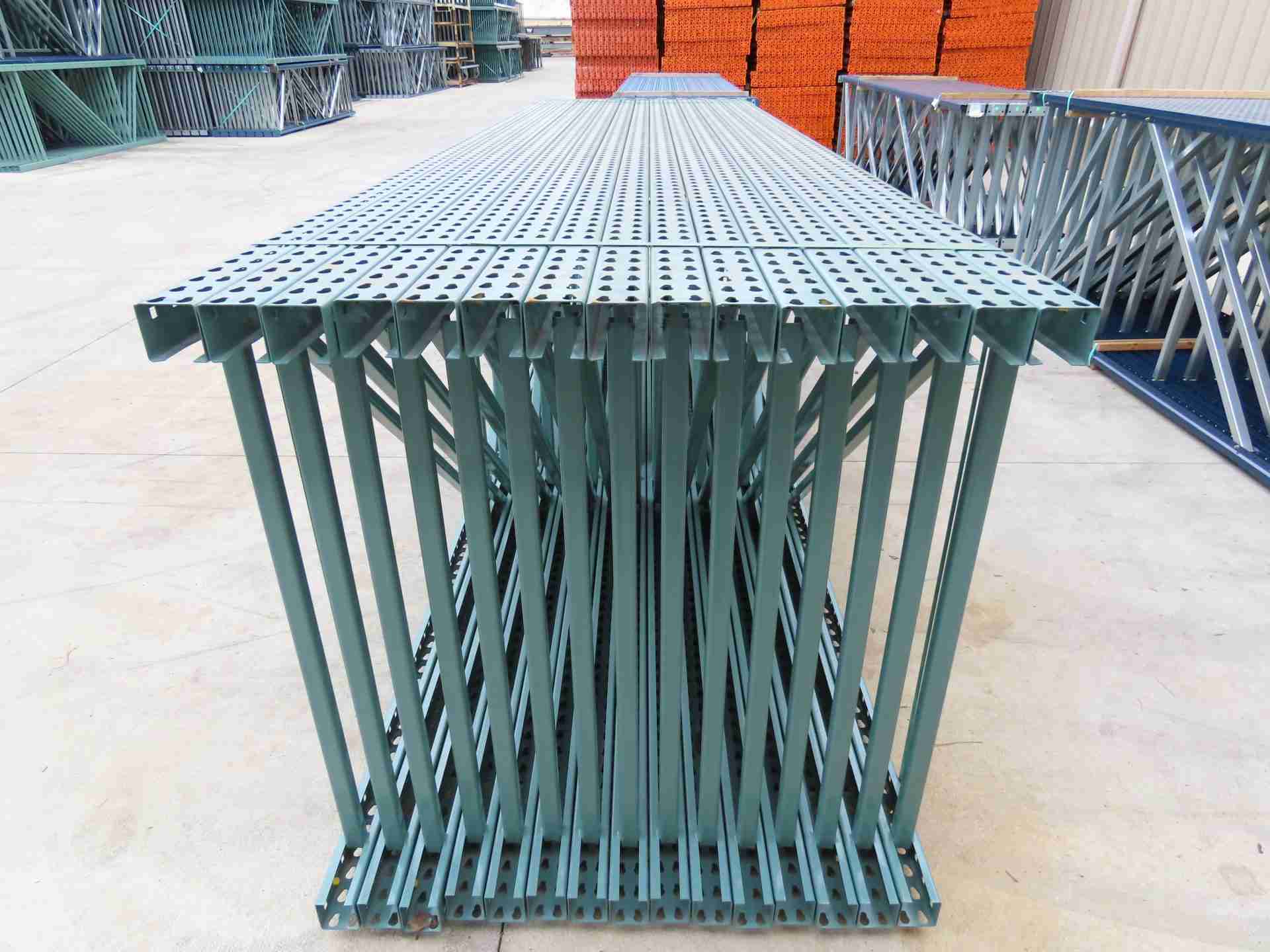
How Often Do You Forget the Importance Of Cleanliness In Safety?
How Often Do You Forget the Importance Of Cleanliness In Safety?
- Appreciating a clean workspace can enhance focus and productivity.
- A tidy environment reduces the risk of accidents, as clutter increases hazards.
- According to the National Safety Council, nearly 25% of workplace injuries stem from untidy conditions.
- Neglecting cleanliness can lead to emotional distress for loved ones worried about safety.
- Cleanliness reflects societal values and promotes a culture of care and responsibility.
- Encouraging cleanliness fosters community and teamwork, enhancing mutual responsibility.
- A clean environment is essential for safety and well-being in shared spaces.
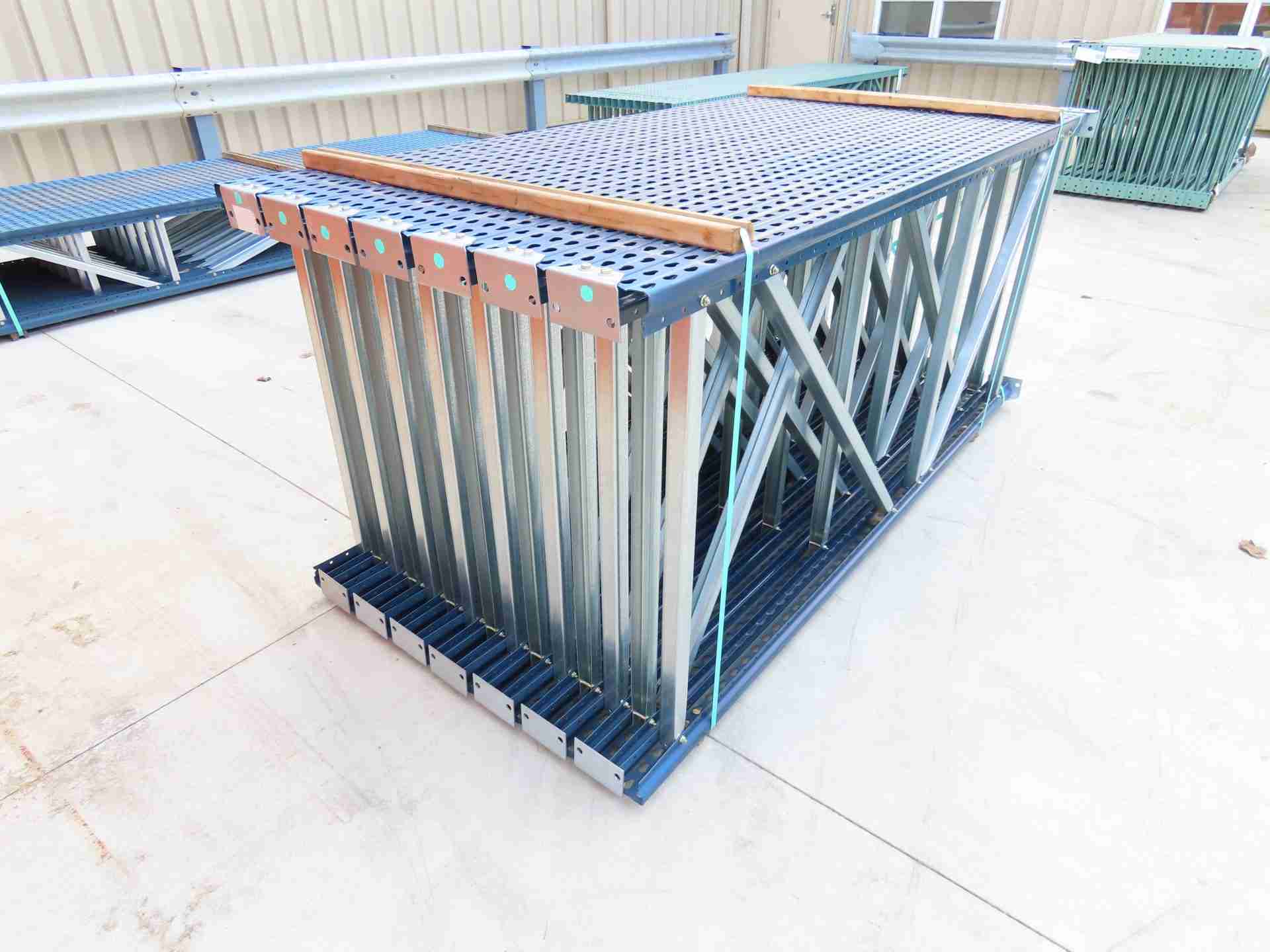
How Often Do You Forget the Importance Of Cleanliness In Safety?
Are You Aware Of the Risks Associated with Dirty Rack Decking?
When you walk into a warehouse, what do you see? Racking that towers like skyscrapers, pallets stacked high, merchandise ready to move. It’s an impressive sight, but beneath that surface lies an often-overlooked hazard: dirty rack decking. It’s easy to dismiss dirty racking as a minor inconvenience—just some dust and grime, right? But hold on. The stakes are higher than they appear.
From a practical standpoint, dirt and debris can obscure vital information about the condition of your racking. A dirty deck hides the wear and tear—cracks, rust, and stress fractures—threatening the integrity of the entire system. Imagine a load of heavy equipment teetering on a compromised surface, just waiting for the moment to crash down. That moment could affect lives—your coworkers, your friends, maybe even you. Nobody wants to be the person who overlooks a danger, especially when it’s something you could have prevented.
Ethically, there’s a bigger picture. Every worker deserves a clean and safe environment. By turning a blind eye to dirty racking, we question the value we place on human life, productivity, and trust within our teams. Your workplace is not just a building; it’s a second home, a space where camaraderie is built and careers thrive. Are you willing to risk that for a little surface dirt?
Now picture this: a tight-knit team, looking out for one another, committed to maintaining a clean working environment. That’s what fosters a strong culture—a collective responsibility to uphold safety standards and to care for our coworkers. When you take action against dirty racking, you inspire others. You set an example, showing the pride and professionalism that your workplace deserves.
And here’s where it comes together—trust. You can be part of a solution that not only safeguards our physical assets but also fortifies the bonds among your team. When a warehouse hums with efficiency and safety, it doesn’t just boost productivity; it elevates morale. So, let’s tackle those dirty racks together. Clean decking isn’t merely an aesthetic choice; it’s an investment in the well-being of your team. Engage your head, your heart, and yes, even your gut—because when we all take responsibility, we create an environment where everyone thrives.

Are You Aware Of the Risks Associated with Dirty Rack Decking?
Are You Aware Of the Risks Associated with Dirty Rack Decking?
- Warehouse environments are visually impressive but often harbor hidden hazards like dirty rack decking.
- Neglecting dirty racking can conceal essential information about its condition, such as cracks and rust.
- Compromised surfaces can threaten safety, risking the well-being of employees and coworkers.
- Every worker deserves a clean and safe workplace, underscoring ethical responsibility.
- A clean environment fosters camaraderie, trust, and productivity among team members.
- Taking action against dirty racking sets an example and inspires collective responsibility for safety.
- Maintaining clean decking enhances both safety and morale, proving it’s an investment in the team’s well-being.

Are You Aware Of the Risks Associated with Dirty Rack Decking?
Can Sharing Cleaning Tips Foster a Stronger Team Culture?
Can sharing cleaning tips foster a stronger team culture? You bet it can. At first glance, cleaning might seem like a mundane task, something to be avoided whenever possible. But let’s take a step back and consider what it really represents: a shared commitment to creating a better environment for everyone. Racking up a few cleaning hacks may not seem like a big deal, but it can have a surprisingly profound impact on the emotional and social fabric of a team.
When colleagues come together to share their cleaning tips, they’re doing more than just exchanging information; they’re building connections. It’s about more than just tidying up the breakroom or organizing the supply closet—it’s an opportunity to showcase care for one another and the shared space you inhabit. You’re not just cleaning; you’re contributing to a culture of respect, responsibility, and teamwork, where every individual has a stake in nurturing the environment they work in.
From a rational standpoint, consider the time and resources saved when everyone knows a few nifty tricks to make cleaning more efficient. Those shared tips can lead to higher productivity and more time for creative endeavors. Ethical responsibility kicks in too: when you nurture a clean and organized space, you’re promoting wellbeing—not only for yourself but also for your teammates. A tidy environment can reduce stress and foster clarity, both mentally and physically.
Furthermore, sharing these tips can tap into the deep-rooted human instinct for storytelling. Picture this: a casual lunch where team members recount the time someone turned a dreary job into a fun challenge. These narratives—often peppered with laughter—create a bond that goes beyond the workplace. It’s about bringing personality and warmth to tasks that might otherwise feel isolating.
At the gut level, think about the pride that swells in someone’s chest when they see a team’s shared space looking sharp, all because of collective effort. When individuals feel trusted to contribute to the cleanliness of their environment, that sentiment spills over into other areas of teamwork. Suddenly, you’re not just colleagues; you’re a cohesive unit with a shared mission—making your workplace not just livable, but truly enjoyable.
So, join in, share your tips, and embrace the simple act of cleaning as a powerful catalyst for building a culture where everyone feels valued, engaged, and empowered. Let’s get to racking up those tips for a team culture of connection and pride!
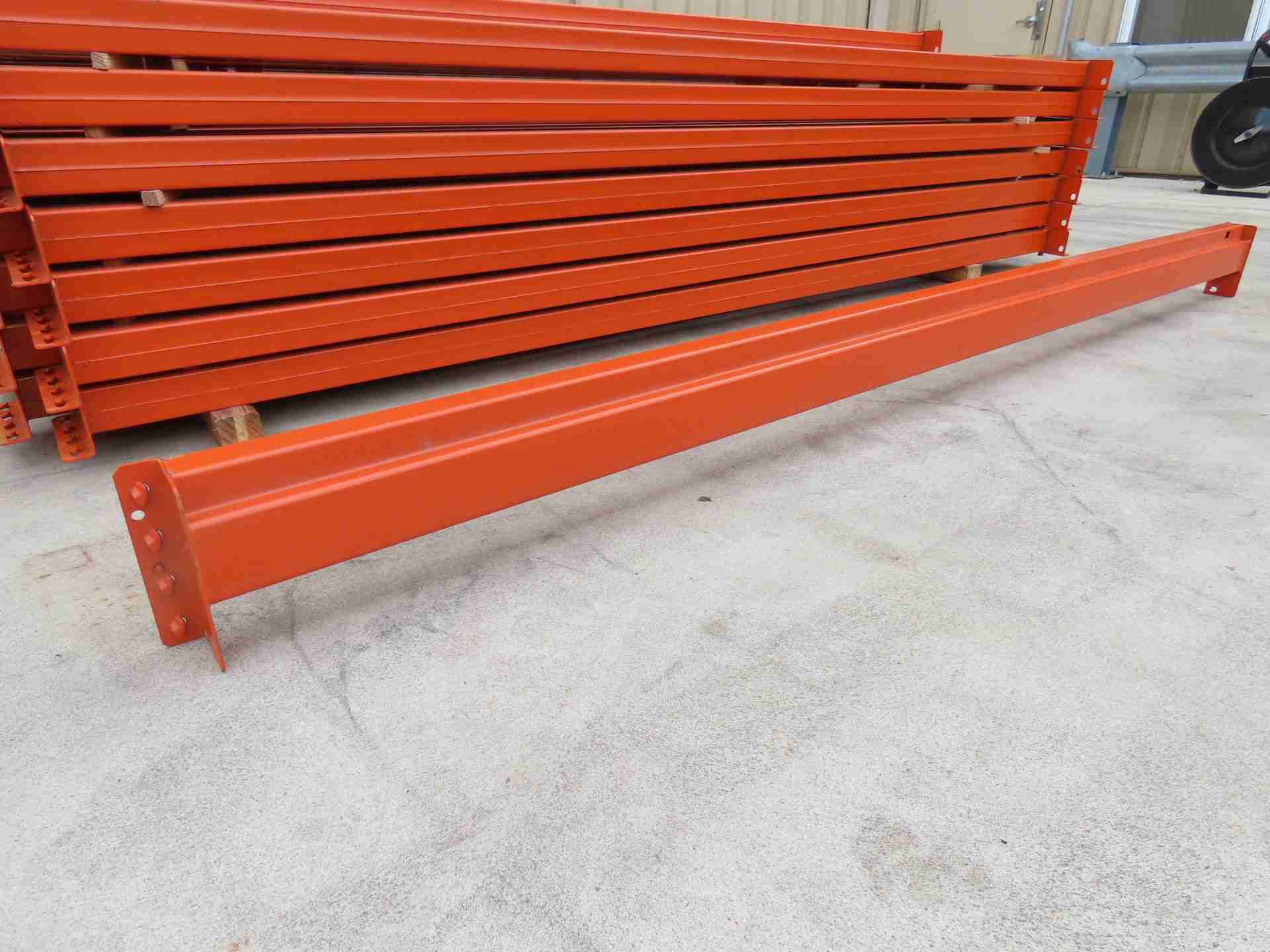
Can Sharing Cleaning Tips Foster a Stronger Team Culture?
Can Sharing Cleaning Tips Foster a Stronger Team Culture?
- Sharing cleaning tips can cultivate a stronger team culture through a shared commitment to a better environment.
- Exchanging cleaning hacks fosters connections among colleagues, showcasing care for one another and the workspace.
- Efficient cleaning methods save time and resources, leading to increased productivity and more time for creative tasks.
- A clean and organized space promotes wellbeing, reducing stress and enhancing mental clarity for all team members.
- Storytelling during shared cleaning experiences can strengthen bonds and add warmth to otherwise isolating tasks.
- A shared sense of pride in a clean workspace reinforces trust and boosts teamwork, transforming colleagues into a cohesive unit.
- Embracing the act of cleaning can empower individuals, creating a culture where everyone feels valued and engaged.

Can Sharing Cleaning Tips Foster a Stronger Team Culture?
What Role Do Industry Standards Play In Your Cleaning Practices?
When it comes to cleanliness, we often think about how things look or smell, but there’s a deeper layer to the art of cleaning that goes beyond aesthetics. Industry standards play a pivotal role in transforming a daunting task into a service that promotes health, safety, and a sense of pride. Imagine stepping inside a facility that’s meticulously cleaned according to established guidelines. It doesn’t just look good; it feels good. You breathe easier, knowing that the air is free of harmful contaminants, that surfaces are sanitized, and that you’re protected.
The heart of the matter lies in the trust we place in known standards. They don’t emerge out of thin air; they’re crafted by industry experts who understand the complexities of pathogens, allergens, and environmental safety. These standards are designed not just to clean, but to protect—to keep workers safe, customers healthy, and businesses thriving. It’s the gut feeling we get when we walk into a space that is clean by design, where every product and procedure has been vetted by those who know best.
Racking our minds about what cleaning really means reveals layers of responsibility. There’s an ethical obligation we have to ourselves and others to uphold these standards. Every swipe of a mop or spray of disinfectant is a commitment to a higher ideal; it’s about creating environments where people can flourish without the worry of hidden dangers. It’s a social contract that binds us, where we can confidently say that the spaces we inhabit are maintained with care.
Consider the impact of adhering to these protocols on a larger scale. A hospital that follows rigorous cleaning standards reduces the risk of infection, saving lives. A school that enforces cleanliness nurtures healthy learning environments. These outcomes ripple through communities, creating a tapestry of safety and well-being.
In this world, we’re all connected—consumers, workers, families. When we embrace industry standards, we gain a sense of confidence in our daily lives. We’re not just cleaning; we’re participating in a vast network of commitment and care. So the next time you grab that cleaning solution or equipment, remember: you’re not just racking up tasks. You’re making a choice that will echo beyond the surfaces you scrub. You’re upholding a promise of health, safety, and sanctity in the spaces we share. Let’s honor that commitment. It matters.
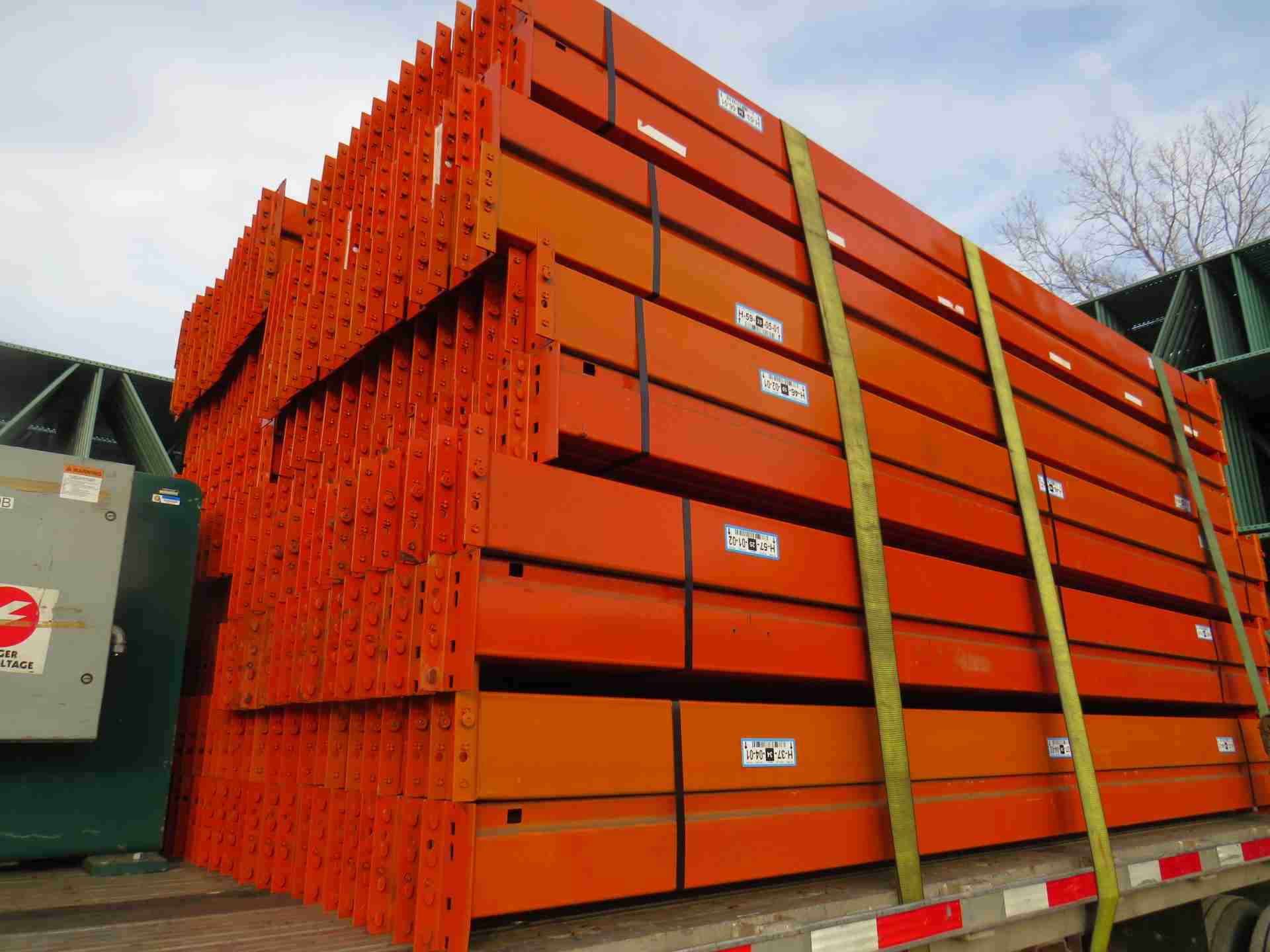
What Role Do Industry Standards Play In Your Cleaning Practices?
What Role Do Industry Standards Play In Your Cleaning Practices?
- Cleanliness extends beyond aesthetics, impacting health and safety.
- Industry standards are crucial for effective cleaning services that promote wellness.
- Trust in established cleaning guidelines enhances our confidence in the safety of environments.
- Cleaning standards are developed by experts to address pathogens, allergens, and environmental safety.
- Each cleaning action reflects a commitment to maintaining safe spaces for everyone.
- Sticking to cleaning protocols has significant positive effects on public health, such as in hospitals and schools.
- Embracing industry standards fosters a community of responsibility and care for shared spaces.
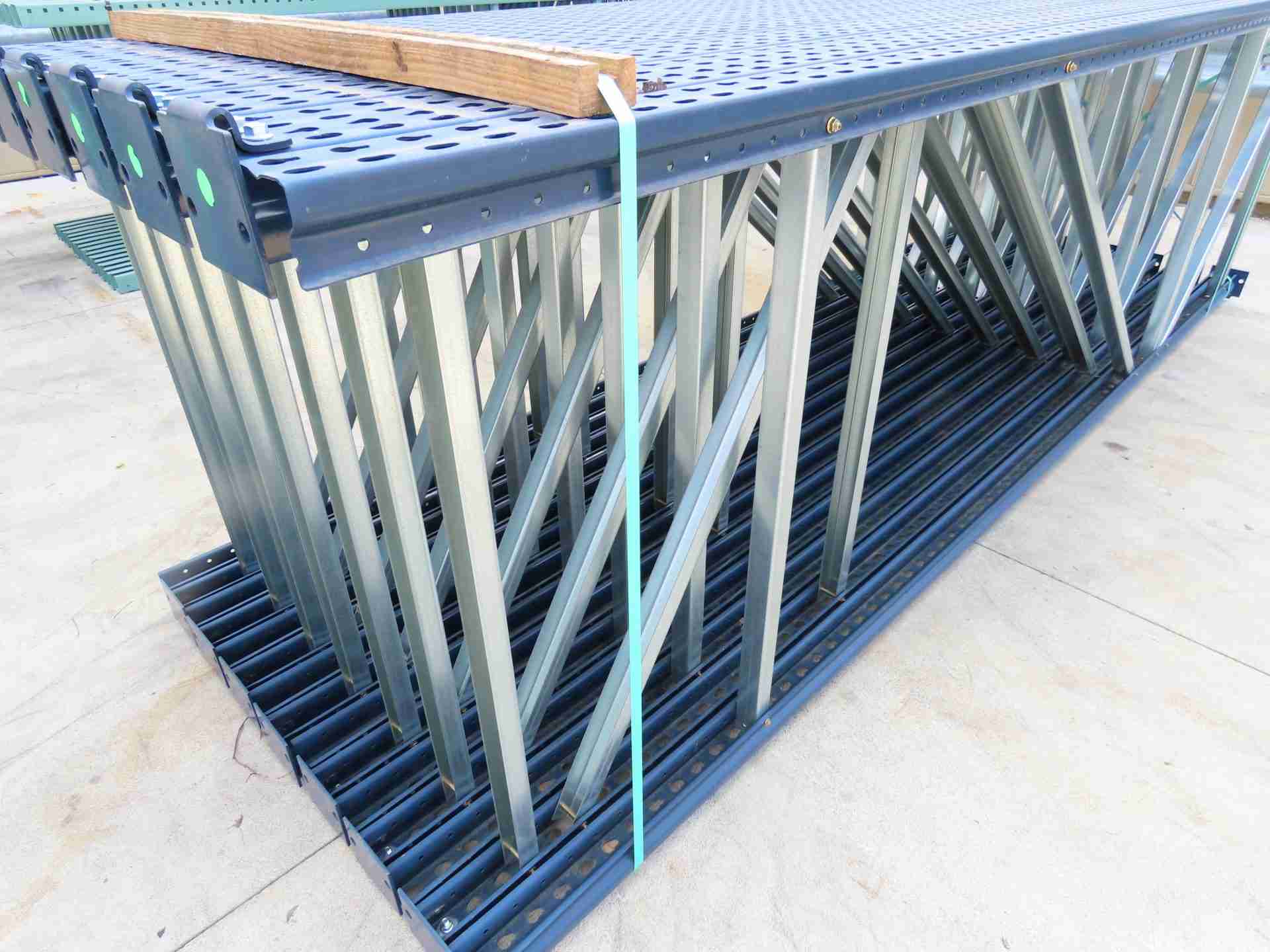
What Role Do Industry Standards Play In Your Cleaning Practices?
Conclusion
In the bustling world of warehouses, where steel racking systems stand as the unsung backbone of operations, the significance of proper cleaning and maintenance cannot be overstated. Each shelf is more than just a functional unit; it’s a foundation for everything that happens beyond its steel frame. Ignoring these essential structures not only endangers products but also jeopardizes the safety of every person who steps into that space. It’s time to reframe our perception of cleaning from a mundane task to a critical responsibility.
When daily cleaning becomes a ritual, it fosters a culture of safety and efficiency. It’s not just about eliminating dust and spills; it’s about nurturing an environment where accidents are minimized, morale is elevated, and clarity reigns supreme. Each clean with the right products protects the very integrity of your equipment, preventing costly repairs and potential mishaps down the line. This is about stewardship—the acknowledgment that we are all caretakers of each other’s safety and well-being.
At its core, there’s an emotional resonance to maintaining these spaces. Each worker deserves a clean environment that reflects a commitment to their safety and productivity. When team members feel valued, their investment in their roles deepens. This sense of community—built on mutual care for the shared work environment—leads to pride in both personal and collective efforts. The stories of camaraderie that emerge when colleagues come together to keep their workspace tidy become part of the fabric of the organization.
Furthermore, industry standards serve as the compass guiding our commitment to cleanliness. They are not just arbitrary rules but essential protocols forged by experts to protect us all. Upholding these standards reinforces the ethical obligation we have to each other, transforming the act of cleaning into an investment in health and safety. When you walk into a space that adheres to these guidelines, you can breathe easier, know you’re safe, and trust the environment fosters productivity.
So, the next time you wipe down a shelf or organize a cluttered corner, remember that you’re not simply tidying up; you are actively participating in a narrative of respect, responsibility, and pride. It’s a commitment to creating a thriving workplace where every individual can flourish. Join the movement to prioritize cleanliness and maintenance—it’s a powerful, unifying choice that resonates throughout your community. With every clean rack, we build a safer, more efficient, and ultimately more vibrant world.
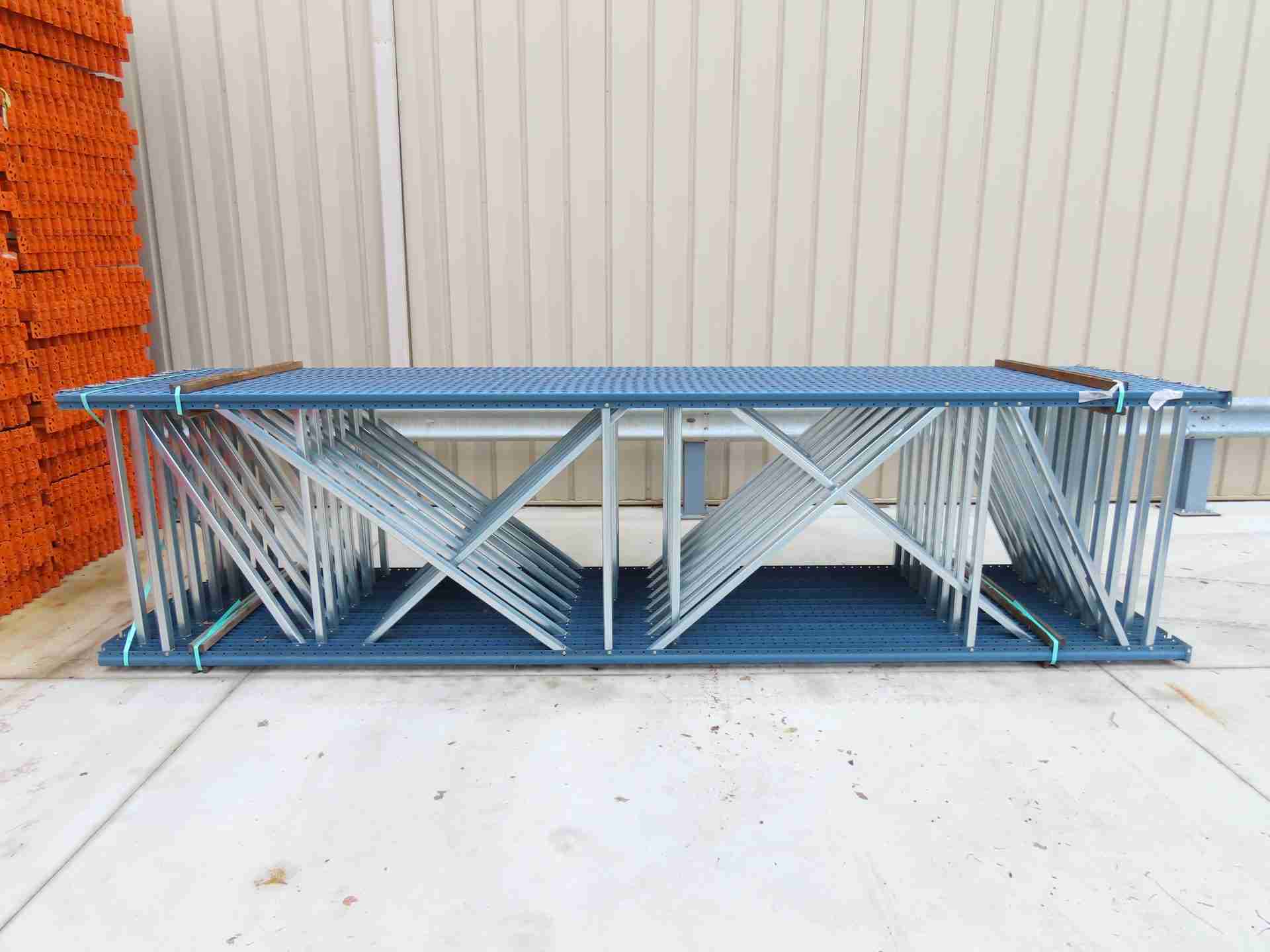
Conclusion
Conclusion:
- Proper cleaning and maintenance of steel racking systems is crucial for safety and operational integrity.
- Daily cleaning rituals foster a culture of safety and efficiency, minimizing accidents and boosting morale.
- Using the right cleaning products protects equipment integrity and prevents costly repairs.
- Maintaining a clean workspace shows commitment to employee safety and productivity, enhancing team investment.
- A sense of community emerges from shared responsibility for cleanliness, boosting pride in collective efforts.
- Industry standards guide cleaning protocols, reinforcing the ethical obligation to prioritize health and safety.
- Every act of cleaning contributes to a thriving workplace and builds a safer, more efficient community.

Conclusion
Other Resources
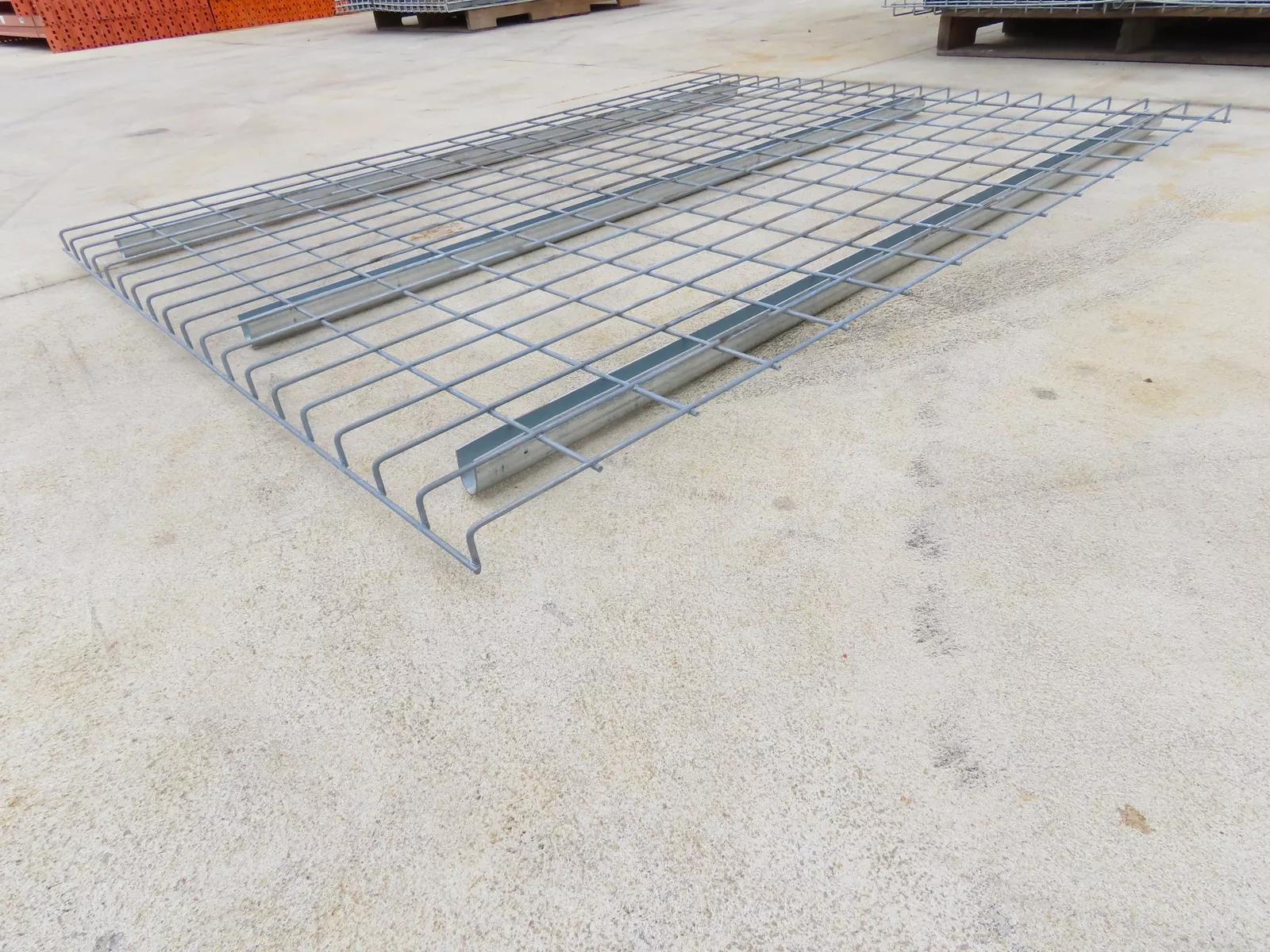
Other Resources
Here is a list of other resources you can review online to learn more:
- Heavy-Duty Cantilever Storage Racks
- Illinois Pallet Racking – WPRP
- ASSP
- Pallet Racking systems in Illinois and Great Lakes
- BMH
- Cantilever Rack Guide: Ordering Cantilever Racking
- Logic Material Handling
- WERC
- Warehouse Racking System: Powerful Guide to Optimise, 2024
- Cantilever Rack Guide: Ordering Cantilever Racking
- Warehouse Storage Racking in Illinois
- Illinois
- RMI
- Pallet Racking 101: A Comprehensive Guide & Options Explained
- Overhead Lifting
- Selective Racking
- Crane Manufacturers Association Of America Inc.
- American Society of Safety Professionals
- Teardrop Racks – Pallet Rack World
Use This Prompt To Get More Resources With Your Favorite Online AI Tool: Please provide me with a list of online articles with their URLs in a bulleted list that I can read regarding Best Practices for Cleaning and Maintaining Rack Decking

Other Resources
Glossary Terms
Best Practices for Cleaning and Maintaining Rack Decking – Glossary Of Terms
1. Rack Decking: A type of shelving used in storage racks designed to hold products and materials in warehouses or retail settings.
2. Cleaning: The process of removing dirt, dust, and debris from surfaces to maintain hygiene and prevent contamination.
3. Maintenance: Regular upkeep activities aimed at ensuring the functionality and longevity of rack decking and associated storage systems.
4. Sanitization: The process of applying a sanitizing solution to eliminate harmful bacteria and pathogens from surfaces.
5. Inspection: The act of examining rack decking for signs of damage, wear, or contamination as part of routine maintenance.
6. Tools: Equipment used for cleaning and maintaining rack decking, such as brushes, brooms, vacuums, and cloths.
7. Protective Gear: Safety equipment like gloves and masks that should be worn to protect individuals during the cleaning process.
8. Corrosion Resistance: The ability of rack materials, often metal, to withstand deterioration when exposed to moisture and cleaning agents.
9. Durability: The capability of rack decking to resist wear and tear over time, ensuring longevity and reliability.
10. Decontamination: A process aimed at removing or neutralizing contaminants from surfaces to make them safe for use.
11. Dusting: The act of removing dust build-up from surfaces using a cloth or dusting tool, critical for maintaining cleanliness.
12. Power Washing: Using high-pressure water streams to clean larger or heavily soiled rack decks effectively.
13. Pest Control: Measures taken to prevent and eliminate pests that may inhabit or damage storage areas.
14. Labeling: The practice of marking areas on rack decking for organization purposes, making cleaning and maintenance more efficient.
15. Routine Schedule: A predetermined timetable outlining when cleaning and maintenance should be performed for optimal upkeep.
16. Chemical Agents: Substances used in cleaning processes, such as detergents or disinfectants, which facilitate effective cleaning.
17. Load Capacity: The maximum weight that rack decking can safely support, important for preventing damage during cleaning and use.
18. Ventilation: The process of ensuring adequate airflow in storage areas to prevent moisture build-up and promote cleanliness.
19. Squeegee: A cleaning tool with a flat rubber blade used to remove liquid from rack surfaces, minimizing the risk of slips and spills.
20. Hazardous Materials: Substances that may require special handling and cleaning procedures to avoid potential harm.
21. Flooring: The base surfaces below rack decking which must also be cleaned and maintained to support overall hygiene.
22. Inspection Checklist: A list used to ensure all aspects of rack decking and the surrounding environment are assessed during cleaning and maintenance.
23. Safety Protocols: Established rules and guidelines aimed at ensuring safe practices during cleaning and maintenance efforts.
24. Staining: Discoloration caused by spills or other contaminants that must be addressed to maintain appearance and sanitation.
25. Storage Efficiency: Optimal organization and layout of goods on rack decking, promoting effective use of space and ease of cleaning.
26. Cleaning Frequency: How often cleaning tasks should be performed, which may vary based on usage and environment.
27. Moisture Control: Techniques or tools used to prevent the accumulation of water that could lead to mold or corrosion.
28. Non-Toxic Cleaners: Eco-friendly cleaning solutions that minimize harm to users and the environment while effectively cleaning surfaces.
29. Cleaning Protocol: A detailed method or series of steps outlining how to clean and maintain rack decking safely and effectively.
30. Inventory Management: The process of overseeing and controlling stock levels, which can impact cleaning schedules and maintenance needs.
Glossary Of Terms
Other Questions
Best Practices for Cleaning and Maintaining Rack Decking – Other Questions
If you wish to explore and discover more, consider looking for answers to these questions:
- What types of cleaners are safe to use on metal rack decking?
- How often should rack decking be inspected for wear and tear?
- What are the specific safety hazards associated with dirty rack decking?
- What training do warehouse employees need regarding rack maintenance?
- How can team morale be improved through cleaning practices?
- What are the long-term benefits of maintaining clean rack decking?
- How do industry standards regarding cleanliness vary across different sectors?
- What stories can be shared to foster team bonding through cleaning efforts?
- What criteria should be used to develop a regular cleaning schedule for warehouses?
- How can technology assist in maintaining warehouse cleanliness and safety?
Other Questions
Checklist
Best Practices for Cleaning and Maintaining Rack Decking – A Checklist
Emotional Appeals:
_____ Reflect on the care you show for your team by maintaining a clean workspace.
_____ Visualize a safer workplace for everyone—how does that feel to you?
_____ Recognize the narrative of teamwork and pride that cleanliness creates in your environment.
Rational Appeals:
_____ Schedule weekly inspections and cleaning of rack decking—what day works best for you?
_____ Identify appropriate cleaning supplies that maintain the integrity of your racks—make a list.
_____ Create a log for tracking cleaning activities and maintenance—how can this improve efficiency?
Ethical Appeals:
_____ Consider the impact of cleanliness on your colleagues’ safety—how does this align with your values?
_____ Promote a culture of responsibility regarding workplace safety—what initiatives can you start?
_____ Reflect on your role in creating a respectful environment for all—how can you model this behavior?
Authority Appeals:
_____ Stay informed about industry cleaning standards—what resources or training can you access?
_____ Identify experts (internal or external) who can guide effective cleaning practices—who can you consult?
_____ Share best practices with your team—how can you facilitate this exchange?
Narrative Appeals:
_____ Document success stories of cleanliness improving safety in your workspace—what examples can you share?
_____ Create a shared story within your team about maintaining the environment—how can you encourage participation?
_____ Celebrate milestones in cleanliness and safety—what methods can you use to acknowledge efforts?
Social Appeals:
_____ Engage your team in discussions about the importance of cleanliness—schedule a team meeting.
_____ Collaborate on creating a cleaning rotation—how can you make this a shared responsibility?
_____ Encourage team members to share cleaning tips and tricks—what platform will you use for sharing?
Gut Appeals:
_____ Trust your instincts about the importance of cleanliness—how does this resonate with your values?
_____ Reflect on the satisfaction you feel in maintaining a safe environment—how can you cultivate this further?
_____ Assess the collective pride your team feels from a clean workspace—how do you showcase this?
Checklist
At RackingWorld, we help guide you through selecting warehouse storage systems and racking.
Be sure to read our other related stories at RackingWorld to learn more about warehouse storage systems.
0 Comments