
Maximizing Efficiency And Trust: The Power Of Pallet Racking In Industry
By Tom Seest
At RackingWorld, we help guide you through selecting warehouse storage systems and racking.
Be sure to read our other related stories at RackingWorld to learn more about warehouse storage systems.
How Do Industrial Supplies Distributors Leverage Pallet Racking?
In the tough, fast-paced world of industrial supplies, every inch of space counts and every minute wasted costs money. Pallet racking isn’t just metal shelves; it’s the backbone of organization that distributors lean on to keep their operations humming. Picture a cluttered warehouse: boxes piled high, forklifts weaving like a maze runner, employees chasing down parts. Now swap that chaos for rows of sturdy pallet racking, each level stacked with care, easy to spot and reach. That’s the kind of order that turns a warehouse from a headache into a well-oiled machine.
From sweat-streaked mornings to long days that blend into nights, pallet racking systems provide the reliability workers count on. You don’t have to guess where something lives or dodge a leaning pile; everything is within reach, saving time and saving backs. This kind of setup isn’t an indulgence—it’s a practical solution that respects the hard-working folks who put in the hours. Distributors know that streamlining storage equals speed and safety, and that translates directly into better service and less stress on the crew.
On a practical level, pallet racking maximizes vertical space, making warehouses feel bigger without breaking the bank on expansions. It’s a smart investment that stretches every dollar, letting distributors offer competitive prices while managing large inventories. That sense of control over stock builds trust with customers—no missing parts, no last-minute scramble. When a distributor can promise reliable delivery, it strengthens relationships and builds reputations in a field that moves at breakneck speed.
Ethically, choosing the right pallet racking shows respect—not just for efficiency but for the people working the floor. Well-planned racks mean fewer accidents, less strain, and a clear path for everyone. It’s a daily nod to safety and care in an industry where toughness is measured by smarts as much as muscle. That’s something workers notice and talk about; it creates a workplace that doesn’t just demand labor but values it.
Ultimately, industrial supplies distributors who leverage pallet racking tap into more than space—they tap into trust, respect, and professionalism. It’s a no-nonsense tool that speaks of experience and common sense. When you walk into a warehouse that’s clean, organized, and well-stocked, it tells you they know their business, they respect their people, and they’re ready to get the job done right. There’s confidence in that sight, and it invites everyone involved to roll up their sleeves and get moving.

How Do Industrial Supplies Distributors Leverage Pallet Racking?
How Do Industrial Supplies Distributors Leverage Pallet Racking?
- Pallet racking transforms chaotic warehouses into organized, efficient spaces by providing sturdy, easy-to-access storage.
- It offers reliability that saves time and reduces physical strain, supporting workers throughout long, demanding shifts.
- Maximizes vertical warehouse space cost-effectively, enabling distributors to manage large inventories without costly expansions.
- Enhances inventory control, leading to trustworthy, reliable delivery and stronger customer relationships.
- Promotes workplace safety and respect by reducing accidents and strain, showing consideration for employees’ well-being.
- Reflects professionalism and experience, boosting confidence among workers and visitors in the warehouse environment.
- Serves as a practical, no-nonsense foundation for industrial supply distributors to operate efficiently and build respect.
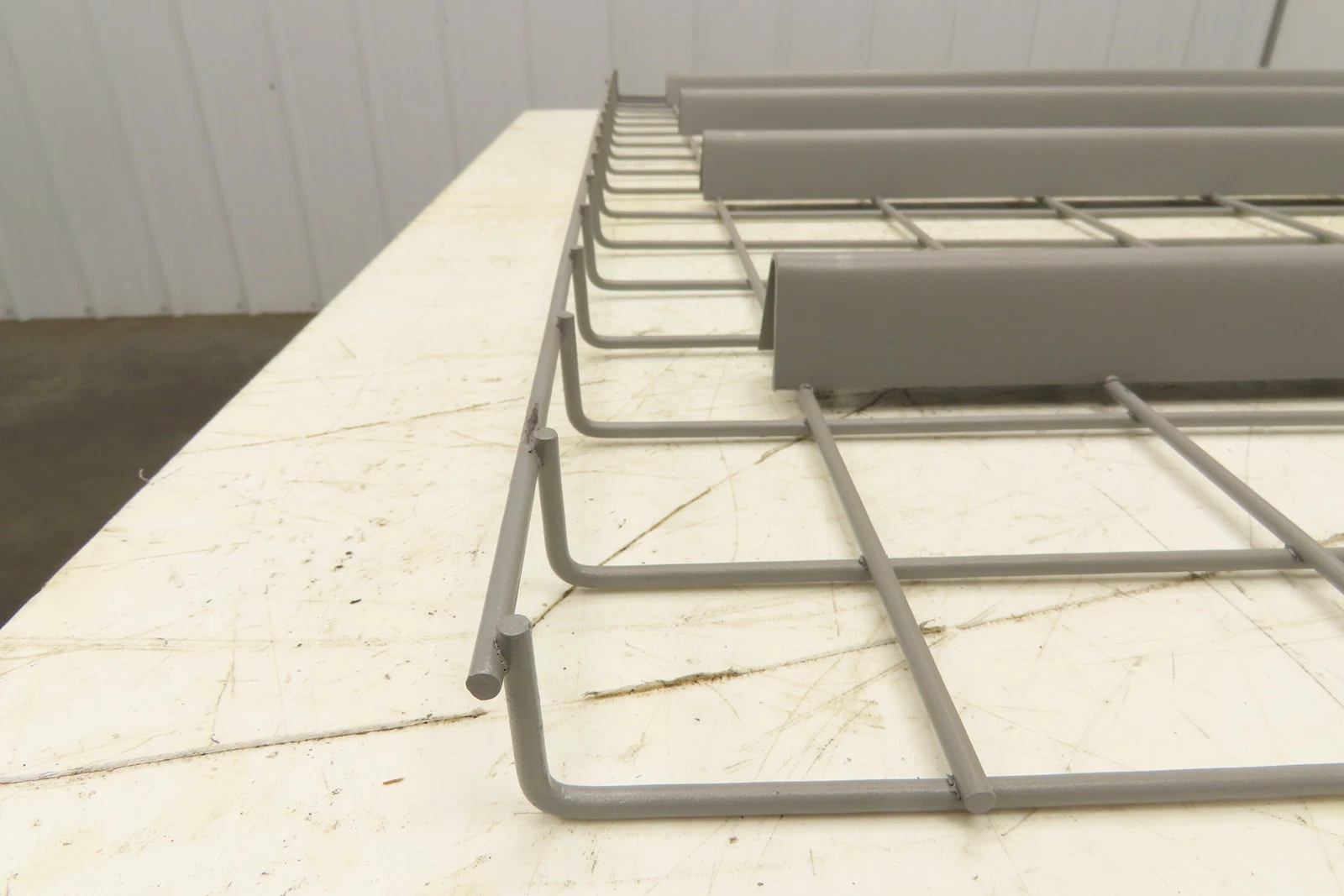
How Do Industrial Supplies Distributors Leverage Pallet Racking?
Table Of Contents
- How Do Industrial Supplies Distributors Leverage Pallet Racking?
- What Emotional Benefits Does Pallet Racking Bring to Workers?
- How Does Pallet Racking Improve Warehouse Safety Standards?
- Can Pallet Racking Reduce Workplace Accidents and Injuries?
- What Cost Savings Can Distributors Expect From Pallet Racking?
- How Does Pallet Racking Maximize Storage Capacity Efficiently?
- In What Ways Does Pallet Racking Support Sustainable Operations?
- Conclusion
- Other Resources
- Glossary Of Terms
- Other Questions
- Checklist
What Emotional Benefits Does Pallet Racking Bring to Workers?
There’s something honest about a well-organized workspace, and pallet racking offers exactly that—clear, reliable order in a world that’s often chaotic. When you walk into a warehouse or shop where pallet racking is set up right, it sends a silent message: “This place runs with purpose, and your work matters.” That feeling of having a system in place isn’t just good for the job; it’s good for the soul. You know where everything belongs, you know where to reach, and it cuts down on wasted time and frustration. It’s like the difference between driving down a smooth highway and getting stuck in a bumpy, pothole-ridden backroad.
On a gut level, pallet racking gives workers a kind of quiet assurance. When heavy loads are stacked safely and access is dependable, your mind can rest easier. There’s less worry about accidents or scrambling to find something crucial when the clock’s ticking. That peace of mind feeds confidence, which is the backbone of any solid day on the floor. It turns a tough, sweaty job into a task that feels manageable, even when the hours pile up.
Rationally speaking, pallet racking maximizes efficiency and reduces clutter, plain and simple. That means fewer mistakes, less downtime, and a smoother workflow. When workers see the benefits of a setup that’s designed with their needs in mind, it speaks volumes about how much they’re valued. A thoughtful system isn’t just about equipment; it’s about respecting the folks who keep things moving.
Ethically, investing in pallet racking shows a commitment to worker safety and dignity. It’s hard to overstate what that means to those on the floor—knowing the company cares enough to provide gear that protects and supports them builds trust like nothing else. It’s one thing to say you care, another to prove it in a way everyone can see and feel.
Stories from the ground often circle back to this: when pallet racking fits the job, it creates a quiet camaraderie. Workers share a confidence born from knowing the space works for them, not the other way around. That shared experience turns a warehouse into something more than a place to punch the clock—it becomes a place where effort meets respect. Pallet racking, then, isn’t just steel and bolts; it’s part of a bigger story about pride, safety, and a job done right.
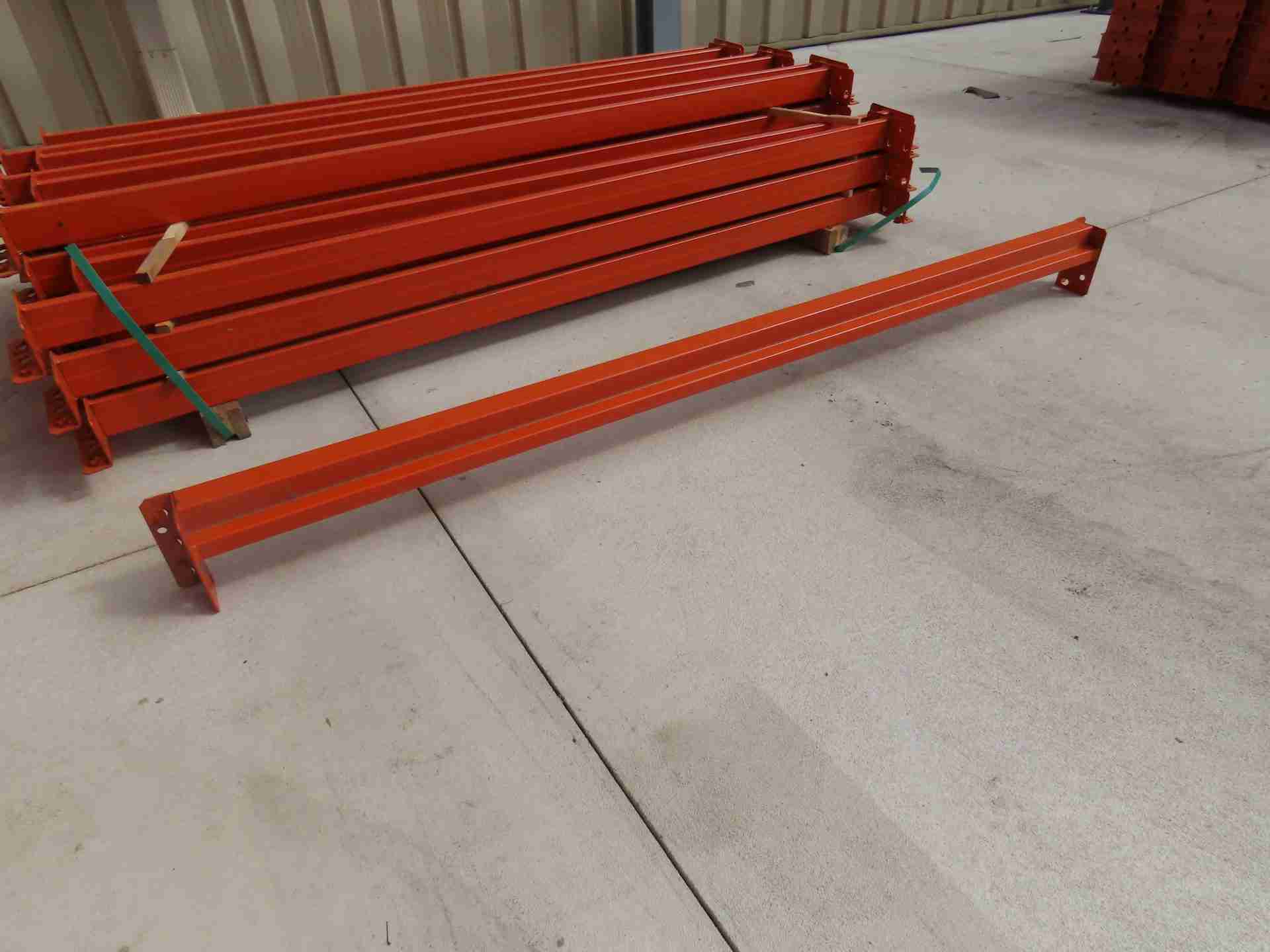
What Emotional Benefits Does Pallet Racking Bring to Workers?
What Emotional Benefits Does Pallet Racking Bring to Workers?
- Pallet racking provides clear, reliable order in chaotic workspaces, signaling purposeful operation and valuing workers’ efforts.
- A well-organized system reduces wasted time and frustration by ensuring everything has a designated place and is easy to access.
- It offers workers quiet assurance through safe stacking and dependable access, reducing worry and boosting confidence on the job.
- Pallet racking maximizes efficiency, minimizes clutter, cuts mistakes, and supports smoother workflows tailored to worker needs.
- Investing in pallet racking reflects a commitment to worker safety and dignity, fostering trust through visible care and protection.
- Such systems create camaraderie among workers, building confidence and making the workspace more than just a place to work.
- Pallet racking symbolizes pride, safety, and respect, forming part of a larger story about doing the job right.
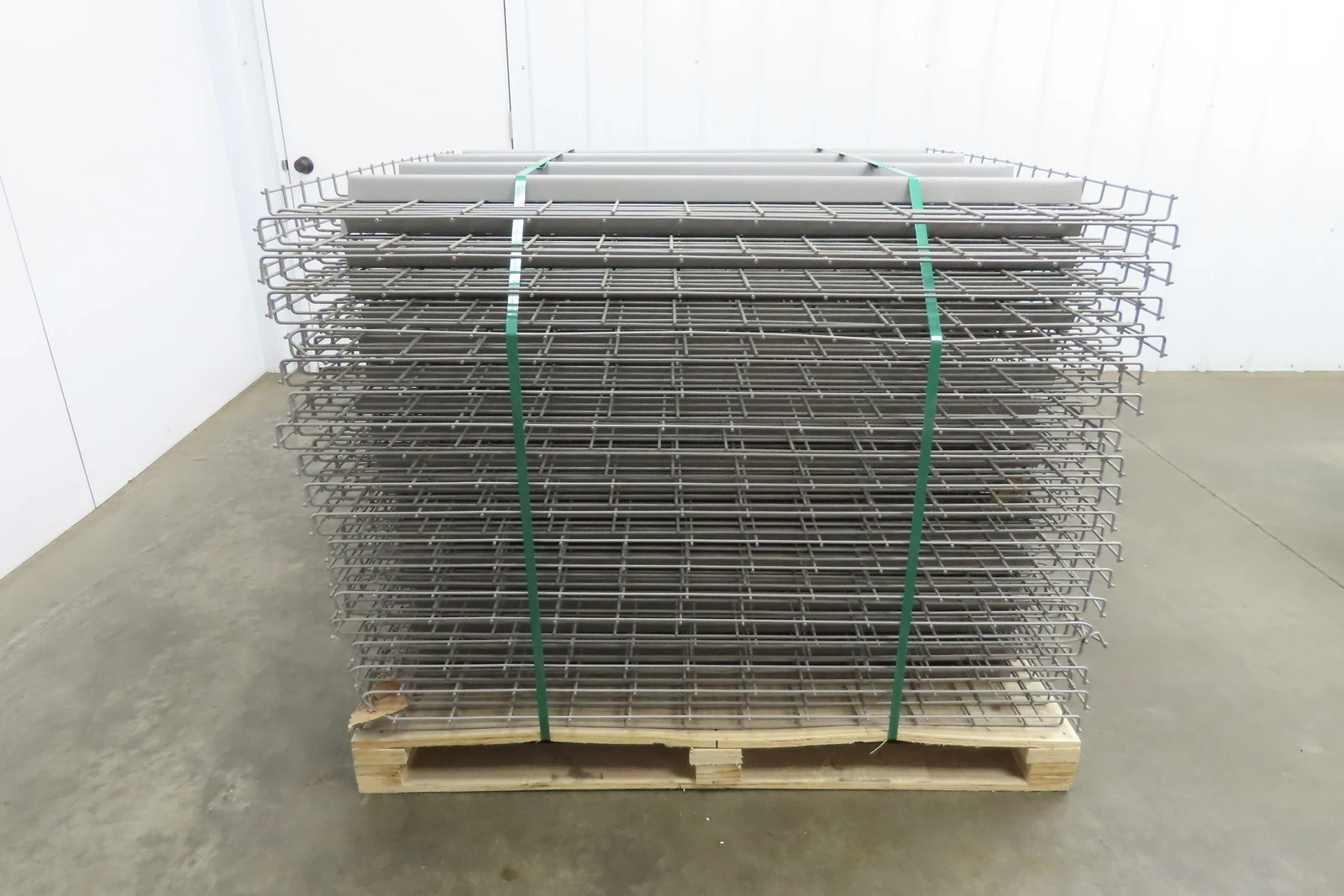
What Emotional Benefits Does Pallet Racking Bring to Workers?
How Does Pallet Racking Improve Warehouse Safety Standards?
You spend long hours in that warehouse, hauling, stacking, and sorting—day in, day out. It’s not just about speed or storage; it’s about making sure you get home in one piece. Pallet racking isn’t just some fancy storage setup; it’s the backbone that holds your day together safely. When you stack boxes willy-nilly, accidents wait in the wings. But with pallet racking, everything has a spot, sturdy and secure, cutting down on careless slips and falls that can turn a regular day into a serious injury.
From experience on the floor, you know hazards sneak up fast. A top-heavy pile, a wobbly load, or a misplaced forklift bump can set off a chain reaction nobody wants. Pallet racking forces order—a place for every pallet, and every pallet in its place. This means fewer chances for crates to topple or workers to trip. It’s common sense, plain and simple: organized space equals safer space. That’s the rational side of it. Your breaks won’t be shadowed by worry about a stack collapsing, because those racks are built strong, tested tough, and designed specifically for the stress and strain of daily warehouse life. They don’t cut corners, and neither should you.
Ethically, it’s about respect—respect for the folks sweating it out in those aisles. Taking care of the workplace means taking care of people. It shows you value their backs, their limbs, and their livelihood. This isn’t just good business; it’s the right thing to do when real lives are at stake. When management invests in good pallet racking, it sends a message loud and clear: you matter.
The trust that builds up from a well-designed racking system isn’t just between you and the gear; it’s between everyone on the floor and the whole team. It becomes a silent agreement—safe practice, predictable structure, and a place where accidents aren’t just hoped against, but prevented. That’s authority you can lean on. When you walk those rows and see pallets lined up steady, you know the job’s halfway done before you even start. Safety isn’t luck; it’s built from the ground up, and pallet racking is the foundation.
So next time you admire a neat row of stacked goods, think about the muscle behind it. Pallet racking is more than metal and bolts—it’s peace of mind for the hard hats and work boots moving through every shift. It’s a promise that when the whistle blows, everyone gets to punch out safe and sound. That’s a warehouse that works not just for profit, but for people.

How Does Pallet Racking Improve Warehouse Safety Standards?
How Does Pallet Racking Improve Warehouse Safety Standards?
- Pallet racking provides a secure, organized storage system that reduces accidents and injuries in warehouse work.
- Properly arranged pallets prevent top-heavy piles, wobbly loads, and forklift bumps that cause dangerous chain reactions.
- Organized storage promotes safety by minimizing the risk of crates falling and workers tripping.
- Strong, tested pallet racks are designed to handle the daily stresses of warehouse life without cutting corners.
- Investing in good pallet racking reflects respect and care for workers’ health, safety, and livelihood.
- A well-maintained racking system builds trust and enforces safe, predictable practices among the entire team.
- Pallet racking symbolizes a commitment to safety and well-being, ensuring workers return home safe each day.

How Does Pallet Racking Improve Warehouse Safety Standards?
Can Pallet Racking Reduce Workplace Accidents and Injuries?
We all know a workplace isn’t just where the job gets done—it’s where folks put their sweat, their time, and their pride on the line every day. When you’re talking about pallet racking, it’s tempting to think of it as just a piece of equipment—metal shelves holding boxes. But here’s the hard truth: tidy, well-maintained pallet racking doesn’t just keep the mess off the floor; it keeps people safe. And that’s not just a nice thought—it’s a matter of lives and limbs.
Picture this: a cluttered warehouse where pallets are stacked haphazardly, forklifts weaving through tight spaces, workers ducking under unstable loads. That’s a ticking time bomb waiting for the wrong move. Pallet racking, when done right, turns that chaos into order. It’s like building a sturdy spine for the whole operation, organizing everything so the load is balanced, loads don’t collapse, and the floor stays clear of tripping hazards. When I hear “workplace accident,” I don’t think of bad luck—I think of bad setup. Proper pallet racking is a first line of defense.
Now, beyond just the physical setup, there’s a deeper responsibility. Employers who invest in quality pallet racking send a message: we care enough about our crew to keep them protected. It’s not just ethical—it’s smart business. A safer workplace means fewer days lost to injury, fewer hospital visits, less stress on families wondering if their loved one will come home whole. Safety isn’t a box to tick. It’s a commitment that builds trust. Workers notice when someone puts their safety first—it boosts morale and loyalty in ways money can’t measure.
From the ground up, pallet racking offers a framework not only for goods but for confidence. Forklift drivers know they can stack and retrieve without fear of a sudden collapse. Warehouse staff can move freely, knowing the weight above is secure. That certainty changes how people work—it calms nerves, focuses minds, and cuts down on accidents born from guessing games and fear.
Pallet racking isn’t just about metal and bolts. It’s about protecting real people with real stories, families, and futures. Investing in it is investing in human beings—the hands that keep the business running, the spirit that drives it forward. Get your pallet racking right, and you’re not just organizing stock, you’re building a safer, steadier place where everyone can come home in one piece.

Can Pallet Racking Reduce Workplace Accidents and Injuries?
Can Pallet Racking Reduce Workplace Accidents and Injuries?
- Workplace safety is deeply tied to proper pallet racking, which protects people, not just inventory.
- Poorly organized pallet racking creates dangerous conditions, increasing the risk of accidents and injuries.
- Well-maintained pallet racking provides structural order, balancing loads and minimizing tripping hazards.
- Investing in quality pallet racking signals employer commitment to worker safety and builds trust.
- Safer workplaces reduce lost workdays, hospital visits, and family stress related to injuries.
- Reliable pallet racking boosts worker confidence, improving focus and reducing accidents caused by uncertainty.
- Pallet racking investment supports both operational stability and the well-being of the workforce, ensuring everyone returns home safely.

Can Pallet Racking Reduce Workplace Accidents and Injuries?
What Cost Savings Can Distributors Expect From Pallet Racking?
When it comes to Pallet Racking, the cost savings for distributors aren’t just numbers on a spreadsheet—they’re the lifeblood of keeping business lean, mean, and moving. Imagine a warehouse where every inch counts, space isn’t wasted, and materials are stacked smart instead of strewn around like chaos on a Friday night shift. That’s where Pallet Racking steps in, turning clutter into order and guesswork into clear pathways. It’s not just about saving dollars; it’s about making those dollars work harder with less hassle.
First off, Pallet Racking maximizes vertical space. If you’re running a warehouse with a low ceiling or a high demand, stacking pallets on the floor is like piling up firewood the wrong way—inefficient and risky. Instead, racking lets you go up and stack things securely like bricks in a well-built wall. That means you can store more goods without expanding your footprint or renting another warehouse down the street. The bottom line? More inventory in the same space translates directly into a bigger turnover and boosted profits without shelling out for new real estate.
But savings aren’t only about space. Pallet Racking cuts down on damage and shrinkage, plain and simple. When pallets sit on shaky floors or get squeezed tight without proper support, goods get crushed, broken, or spoiled. This hits the wallet hard, every time. Racking provides safe, sturdy slots for each pallet, reducing accidents and product loss. That’s money back in your pocket from stuff you keep rather than throw away.
Then there’s the time factor—yeah, that invisible expense that sneaks up on every operation. Pallet Racking speeds up handling and picking, meaning your warehouse crew spends less time hunting pallets and more time loading trucks. That’s faster shipments, happier customers, and a smoother workflow. Time saved is money earned, plain and simple.
And let’s not overlook the ethical angle: a safer warehouse means fewer injuries and a healthier crew. When workers don’t worry about falling goods or cramped aisles, morale improves. This translates into lower turnover, less downtime, and a culture that values its people—not just profits. It’s the kind of workplace where everyone wants to show up and get the job done right.
Installing Pallet Racking sends a clear message—it says you value efficiency, safety, and smart investment. It’s a solid foundation that earns trust from clients and partners because it shows you care about the long game, not just quick fixes. Distributors who lean into Pallet Racking find themselves in a better spot—to grow, to compete, and to build a business that lasts.
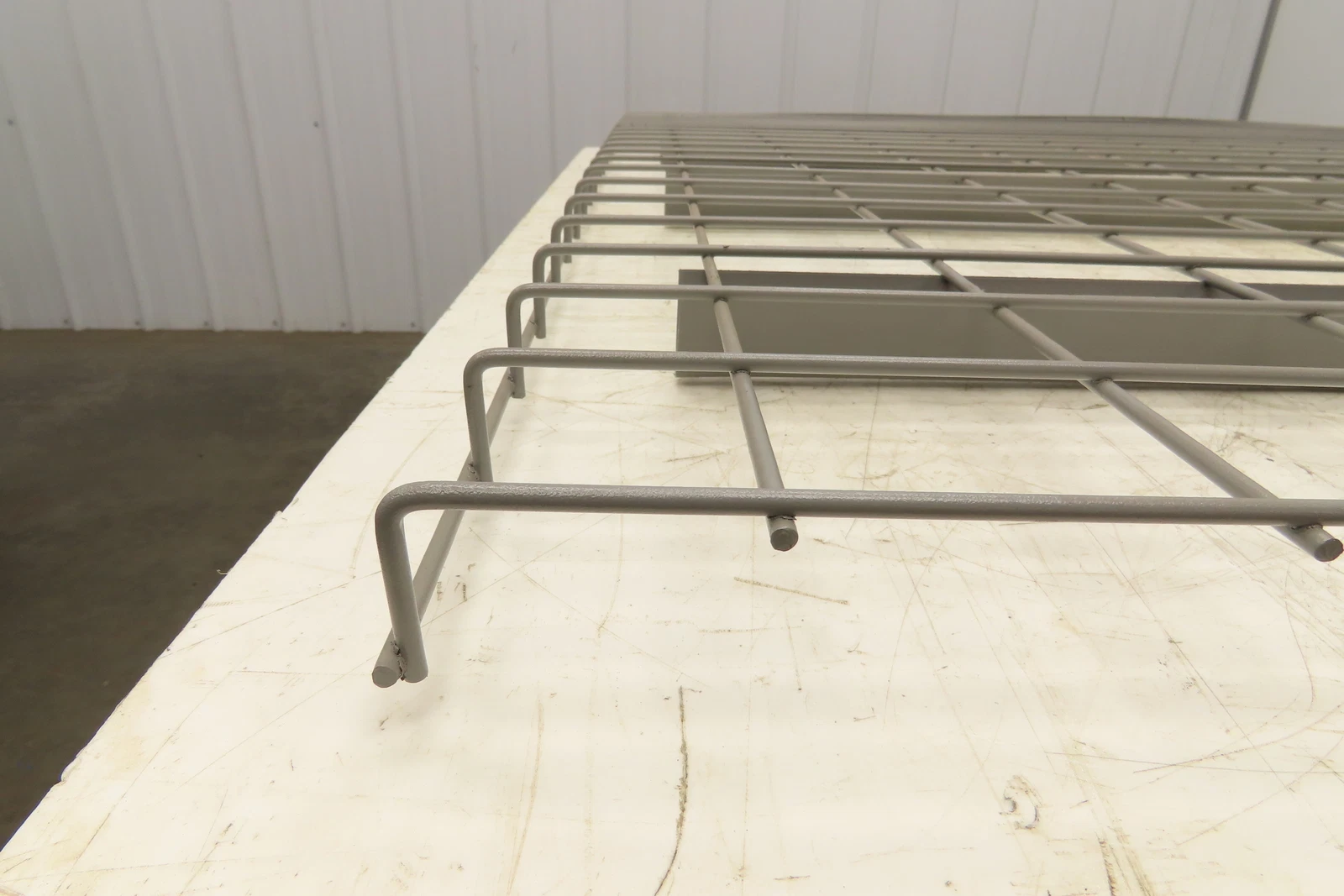
What Cost Savings Can Distributors Expect From Pallet Racking?
What Cost Savings Can Distributors Expect From Pallet Racking?
- Pallet Racking maximizes vertical space, allowing more inventory storage without expanding warehouse footprint or renting extra space.
- It reduces damage and shrinkage by providing secure, sturdy slots for pallets, minimizing product loss and associated costs.
- Speeds up handling and picking processes, resulting in faster shipments, improved workflow, and increased efficiency.
- Enhances workplace safety, reducing injuries and boosting worker morale, which lowers turnover and downtime.
- Contributes to a culture that values employees alongside profits, fostering a productive and positive environment.
- Demonstrates commitment to efficiency, safety, and smart investment, building trust with clients and partners.
- Helps distributors grow, compete, and sustain long-term business success through improved operations and cost savings.

What Cost Savings Can Distributors Expect From Pallet Racking?
How Does Pallet Racking Maximize Storage Capacity Efficiently?
When you step into a warehouse, you’re looking at a puzzle waiting to be solved. Space ain’t infinite, prices don’t drop just because your floor is crowded, and every inch counts. That’s where pallet racking comes in — it’s not just a fancy term tossed around by logistics folks; it’s the backbone of making the most out of what you’ve got. Picture this: instead of stacking things on the floor where you’re constantly tripping over boxes or wasting vertical room, pallet racking lifts your inventory off the ground, stacking it safely and accessibly. It’s like building a cathedral with your stuff, but without the risk of it falling apart.
There’s something satisfying about seeing rows of sturdy beams holding pallets like a well-oiled machine. That’s where the head comes in—that clear, no-nonsense solution to your storage headaches. Pallet racking doesn’t just add shelves; it transforms dead space into organized, reachable inventory points. You’re able to store more in less footprint without chaos or compromise. Every aisle feels planned, every load balanced, every pallet ready for action.
But it’s more than just numbers and neat stacks. Behind every beam is a promise of safety and dignity for the folks moving that stock day in and day out. This is ethical storage in action — reducing strain and hazard by making retrieval smoother and safer. Pallet racking respects the hands that work the warehouse floor, keeping them from the dangers of unstable piles and cramped quarters.
Trust builds fast when what you put up stays put. These systems are tested, proven, built from steel that laughs at heavy loads and harsh conditions. Reliability matters when your livelihood depends on getting the right part out at the right time. And every warehouse crew knows, time lost hunting down a missing pallet is money bleeding out the door.
So, pallet racking isn’t just maximizing storage capacity efficiently—it’s the quiet workhorse that keeps your operation lean, your people safe, and your business moving. You’re not just building shelves, you’re building trust, efficiency, and order in a world that doesn’t slow down. That’s something worth standing behind.

How Does Pallet Racking Maximize Storage Capacity Efficiently?
How Does Pallet Racking Maximize Storage Capacity Efficiently?
- Pallet racking maximizes limited warehouse space by lifting inventory off the floor, utilizing vertical space safely and accessibly.
- It transforms unused or dead space into organized, reachable storage points, allowing more inventory in a smaller footprint without disorder.
- The system provides a well-planned layout where every aisle and load is balanced, ensuring pallets are ready for efficient retrieval.
- Pallet racking promotes safety and dignity for workers by reducing strain, hazards, and risks associated with unstable or cramped storage.
- Constructed from durable steel, pallet racking systems are reliable and capable of withstanding heavy loads and harsh conditions.
- Efficiency is enhanced by minimizing time lost searching for items, directly impacting operational costs and productivity.
- Beyond storage, pallet racking builds trust, order, and safety, supporting a lean, smooth-running warehouse operation.

How Does Pallet Racking Maximize Storage Capacity Efficiently?
In What Ways Does Pallet Racking Support Sustainable Operations?
You want to talk about sustainability and pallet racking? Well, let’s cut through the jargon and get down to brass tacks. Pallet racking isn’t just some metal shelves in a warehouse—it’s the unsung hero of keeping things running smooth, smart, and green.
Think about this: every inch of space you save with well-planned pallet racking means fewer trips to stretch your footprint or invest in costly new buildings. It’s simple math—use space wisely, and you waste less energy heating, cooling, and lighting big, empty rooms. That’s not just good business sense; it’s a nod to the planet, too. When you stack smarter, you cut down on the carbon footprint without complicated tech or flashy gadgets—just good old-fashioned elbow grease and brains.
And here’s the real kicker: pallet racking helps keep stock organized and intact, reducing damage and waste. When boxes and pallets don’t get knocked around or crammed haphazardly, less stuff goes bad or gets tossed. That’s respect for your goods and respect for the environment. You’re turning what could be warehouse chaos into an efficient rhythm of order, cutting down on lost materials and unnecessary replacements.
From an ethical standpoint, using pallet racking shows you mean business—not only with profits but with the bigger picture. It’s about taking responsibility: running operations that work for the long haul, making sure your team isn’t scrambling in a maze, and doing your part to keep resources in check. You can tell your crew you’re thinking ahead, that every pallet stacked safely and every inch of space saved is a step toward a future that’s not just profitable but responsible.
Folks who’ve been in the trenches know the value here. Pallet racking isn’t some fancy trend; it’s a tried-and-true solution backed by decades of keeping warehouses humming, people safe, and operations lean. The stories from those floors aren’t about wasted space and broken pallets—they’re about systems that hold steady, support sustainability, and earn trust one neatly stacked pallet at a time.
If you care about cutting costs, cutting waste, and cutting a better path forward for your business and community, pallet racking is a no-brainer. It’s practical. It’s proven. It works. And it’s the kind of gutsy, down-to-earth strategy that feels right because it simply is.

In What Ways Does Pallet Racking Support Sustainable Operations?
In What Ways Does Pallet Racking Support Sustainable Operations?
- Pallet racking maximizes warehouse space, reducing the need for expansion and lowering energy use for heating, cooling, and lighting.
- Efficient stacking minimizes carbon footprints without requiring advanced technology.
- Organized pallet racking reduces stock damage and waste, preserving goods and protecting the environment.
- It promotes ethical business practices by ensuring long-term, responsible operations and safer work environments.
- Decades of use show pallet racking is a reliable solution that supports sustainability and operational efficiency.
- Proper pallet racking improves warehouse organization, cutting lost materials and unnecessary replacements.
- It is a practical, proven, and cost-effective strategy for cutting costs and waste while benefiting business and community sustainability.

In What Ways Does Pallet Racking Support Sustainable Operations?
Conclusion
In the gritty, no-nonsense world of industrial supplies, pallet racking is the unsung hero that keeps the whole operation from spinning out of control. It’s not just about stacking metal beams and pallets—it’s about turning chaos into order, sweat and muscle into smart, steady work. When distributors lean on pallet racking, they’re investing in more than storage; they’re investing in respect for their people, their customers, and their business.
This system lets warehouses stretch upward and outward without breaking the bank, making every inch count instead of wasting precious space. It’s like turning a cluttered backroad into a smooth highway—cutting down on frustration, wasted time, and costly mishaps. Workers benefit from it too; a well-planned rack means fewer injuries and less strain—no more dodging leaning piles or guessing where something lives. That peace of mind isn’t just comforting—it boosts morale, builds loyalty, and keeps the workforce steady.
Pallet racking is a safety net, plain and simple. It stops hazards before they start by forcing order where there’d otherwise be disorder. Those strong steel frames aren’t just for holding goods; they’re a daily promise that every worker’s back is covered, that the company values them enough to keep the workplace steady and predictable. Trust grows from that kind of commitment—a trust that spills over from the gear into the team and the whole operation.
There’s also a money story baked into this setup. Less damage, fewer lost pallets, faster loading and unloading—all mean leaner costs and bigger turnovers. When distributors can pack more inventory safely in the same space, they play a longer game: better customer service, stronger reputations, and steady growth. It’s smart business wrapped in common sense. And the bonus? Pallet racking lines up with sustainability, cutting down waste and energy costs by making the most of what’s already there. It’s a down-to-earth way of doing right by the planet without fancy gadgets or greenwashing.
At the end of the day, pallet racking is more than a tool. It’s the backbone of trust, safety, and efficiency. It tells the story of a company that respects its people and takes its work seriously. When those racks stand steady, so does the whole business—ready for whatever the day throws at it and built on the solid ground of experience, care, and common sense. That’s a warehouse worth rolling up your sleeves for.
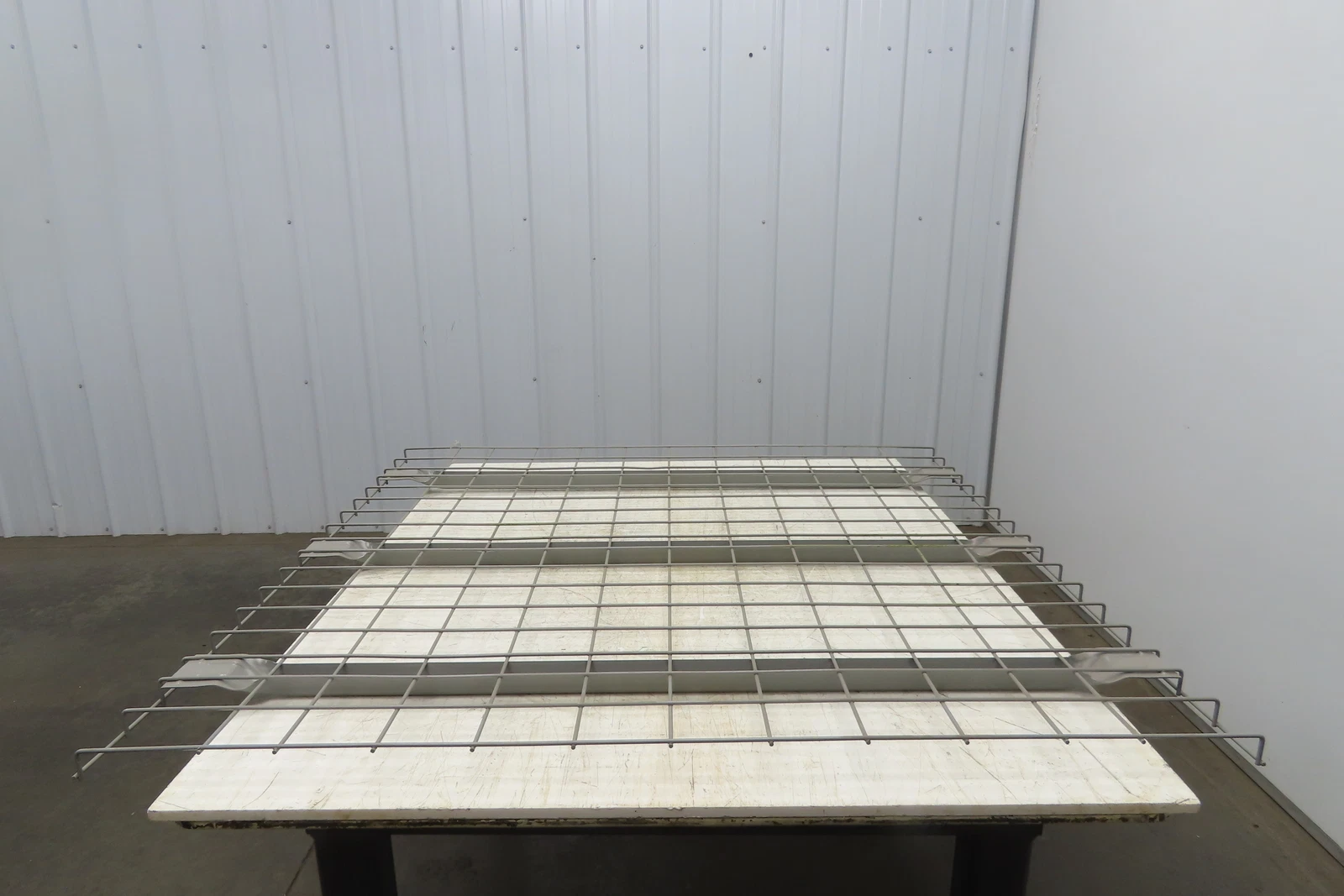
Conclusion
Conclusion:
- Pallet racking transforms warehouse chaos into organized, efficient storage, supporting smarter and steadier work.
- It maximizes space by allowing warehouses to expand upward and outward without excessive costs.
- Well-planned pallet racking improves worker safety by reducing injuries and minimizing physical strain.
- The system enforces order, preventing hazards and demonstrating the company’s commitment to employee well-being.
- Pallet racking reduces costs by minimizing damage and loss, speeding up loading and unloading processes.
- It contributes to sustainability by optimizing existing space, cutting waste and lowering energy consumption.
- Ultimately, pallet racking builds trust, safety, and efficiency, reflecting respect for people and business stability.

Conclusion
Other Resources

Other Resources
Here is a list of other resources you can review online to learn more:
- Pallet Racking systems in Illinois and Great Lakes
- Crane Manufacturers Association Of America Inc.
- Cantilever Rack Guide: Ordering Cantilever Racking
- Teardrop Racks – Pallet Rack World
- Bradford Systems
- Storage Equipment Manufacturers Association
- Warehousing and Fulfillment
- The Ultimate Pallet Racking Guide – Speedrack West
- IIWS Inc. Rack Installation Illinois & Rack Repairs Illinois
- Pallet Racking systems in Illinois and Great Lakes
- International Warehouse Logistics Association
- MHI
- Intro to Warehouse Racks & Warehouse Racking Systems – ShipBob
- Total Warehouse
- What is Selective Pallet Racking
- Teardrop Uprights
- ASSP
- Teardrop Pallet Rack – Ridg-U-Rak
- Overhead Lifting
- Illinois
Use This Prompt To Get More Resources With Your Favorite Online AI Tool: Please provide me with a list of online articles with their URLs in a bulleted list that I can read regarding How Do Industrial Supplies Distributors Leverage Pallet Racking?

Other Resources
Glossary Terms
How Do Industrial Supplies Distributors Leverage Pallet Racking? – Glossary Of Terms
1. Pallet Racking: A storage system designed to hold materials on pallets in horizontal rows with multiple levels.
2. Industrial Supplies Distributor: A company or entity that sources, stocks, and delivers industrial products to businesses.
3. Warehouse Efficiency: The ability to maximize productivity and minimize waste in storage operations.
4. Inventory Management: The process of ordering, storing, and using a company’s inventory.
5. Load Capacity: The maximum weight a pallet rack can safely support.
6. Shelving Configuration: The arrangement or setup of shelving units within a storage space.
7. Space Utilization: The effective use of available storage area to maximize capacity.
8. Vertical Storage: Using height to increase storage space by stacking goods vertically.
9. Material Handling: The movement, protection, storage, and control of materials and products.
10. Forklift Access: The ability of forklift machinery to reach and retrieve stored pallets.
11. Modular Design: Storage systems made of standardized components that can be easily assembled and reconfigured.
12. SKU Density: The number of stock keeping units stored per square foot of warehouse space.
13. Just-In-Time Inventory: Inventory strategy to improve business return on investment by reducing in-process inventory.
14. Load Beam: Horizontal support beams that hold pallets in a racking system.
15. Upright Frame: Vertical support structure of a pallet rack.
16. Pallet Position: Specific location within a racking system designated for pallet storage.
17. Rack Safety: Procedures and standards to ensure pallet racks are secure and stable.
18. Selective Racking: A pallet racking system allowing direct access to each pallet without moving others.
19. Push Back Racking: A storage system where pallets are stored on nested carts which roll back on inclined rails.
20. Drive-In Racking: A dense storage system allowing forklift entry for loading/unloading.
21. Load Optimization: Planning how to maximize storage efficiency without compromising safety.
22. Inventory Turnover: The rate at which inventory is used or sold over a period.
23. Supply Chain Management: The oversight of materials, information, and finances as they move from supplier to consumer.
24. Warehouse Layout: The physical arrangement of storage, aisles, and equipment in a warehouse.
25. Pallet Jack: A tool used to lift and move pallets within a warehouse.
26. Rack Inspection: Regular examination of pallet racking condition to detect damage and ensure safety.
27. Cross-Docking: A logistics practice where products from suppliers are distributed directly to customers with minimal storage time.
28. Load Distribution: The proper balancing of weight across the pallet rack to prevent overloading.
29. Construction Materials: The components (steel, bolts, welds) used to build pallet racks.
30. Operational Throughput: The amount of material handled or processed in a given amount of time within a warehouse.

Glossary Of Terms
Other Questions
How Do Industrial Supplies Distributors Leverage Pallet Racking? – Other Questions
If you wish to explore and discover more, consider looking for answers to these questions:
- What types of pallet racking systems are available (selective, drive-in, push-back, flow, cantilever, mezzanine) and which suits different distributor needs?
- How do I choose the right pallet racking type for my inventory mix and picking methods (FIFO vs LIFO)?
- How do I calculate the load capacity required per beam, bay, and level?
- What are the recommended aisle widths for different forklift types and traffic patterns?
- How does pallet racking integrate with common warehouse management systems (WMS) and inventory software?
- What are typical installation timelines and lead times for new pallet racking projects?
- What are the upfront costs, ongoing costs, and expected ROI for pallet racking investments?
- How do I estimate cost savings from improved space utilization and reduced handling time?
- What maintenance and inspection schedules should be followed to keep racks safe and compliant?
- What are the common signs of rack damage and when should components be repaired or replaced?
- What safety accessories are recommended (column guards, backstops, netting, wire decking, row spacers)?
- What training do forklift operators and warehouse staff need to work safely with pallet racking?
- Which local, national, or industry safety standards and codes apply (OSHA, ANSI, FEM, EN) and how do they affect rack design?
- Are permits or engineering approvals required for installing pallet racking in my facility?
- How do seismic, wind, and other site-specific conditions affect racking design and anchoring?
- What are best practices for labeling, signage, and load-capacity display on racks?
- How can pallet racking support sustainable operations and measurable sustainability metrics?
- What materials and finishes (painted vs. galvanized) are best for corrosive or humid environments?
- How does pallet racking affect fire protection systems and sprinkler coverage requirements?
- What insurance considerations and premium impacts exist when upgrading racking systems?
- How scalable and modular are racking systems for future growth or layout changes?
- What are the pros and cons of buying new racks versus used or refurbished racks?
- How do I evaluate and select reputable racking suppliers, installers, and engineers?
- What warranties and service agreements are typical for pallet racking components and installation?
- How do I retrofit racking into an existing warehouse with minimal disruption?
- What are the optimal configurations for mixed SKU warehouses and high-turn vs slow-turn inventory?
- How do rack layouts influence picking efficiency, travel time, and order accuracy?
- What metrics should distributors track to measure racking performance (throughput, pick time, damage rates)?
- How do different pallet types and conditions affect racking choice and safety?
- What are common causes of pallet-racking-related accidents and how are they mitigated?
- How much headroom and forklift clearance is needed for safe stacking and retrieval?
- What load testing procedures and certification processes should be used before commissioning?
- How should racks be anchored to different floor types (concrete slab, raised floors)?
- What cost-effective measures exist for protecting racks from forklift impact and daily wear?
- How can racking help reduce product damage, shrinkage, and waste in practice?
- What lifecycle and depreciation expectations apply to pallet racking equipment?
- How do climate control requirements (temperature, humidity) interact with racking selection and layout?
- What are the best practices for emergency access, evacuation routes, and aisle signage around racking?
- Are there case studies or benchmarks that show quantified benefits distributors achieved with racking?
- How do I plan a pilot or phased rollout to test racking configuration before full implementation?

Other Questions
Checklist
How Do Industrial Supplies Distributors Leverage Pallet Racking? – A Checklist
Objectives and KPIs
✅______ Defined goals for space utilization, throughput, and safety
✅______ Baseline metrics captured (pick time, travel distance, damage rate)
✅______ Target KPIs set (fill rate, on-time ship, injury rate, shrinkage)
✅______ ROI timeline established and approved
✅______ Executive sponsor and project owner assigned
Space and Inventory Assessment
✅______ Current and future SKU profiles analyzed (size, weight, velocity)
✅______ Peak seasonal volumes modeled
✅______ Vertical clear heights measured and obstructions mapped
✅______ Floor load capacity verified by a qualified professional
✅______ Fire protection and egress constraints documented
Rack System Selection
✅______ Appropriate rack type chosen (selective, double-deep, drive-in, push-back, pallet flow, cantilever)
✅______ Beam, frame, and decking specifications match pallet and load characteristics
✅______ Seismic, wind, and local code requirements incorporated
✅______ Vendor provides engineering drawings and load plaques
✅______ Compatibility with pallet types confirmed (GMA, CHEP, Euro, custom)
Layout and Material Flow
✅______ Aisle widths set for equipment turning radius and speed
✅______ Golden zone and high-velocity SKUs positioned for shortest travel
✅______ Clear receiving, staging, and shipping zones defined
✅______ One-way traffic and pedestrian walkways marked
✅______ Slotting plan established (ABC, velocity-based)
Safety and Compliance
✅______ Rack protection installed (end-of-aisle guards, column protectors)
✅______ Anchors specified and installed per manufacturer requirements
✅______ Load plaques posted and visible on each bay
✅______ Rack signage and hazard labels in place
✅______ Fire code, egress, and sprinkler clearance compliant
✅______ Emergency procedures updated for the new layout
Equipment and Handling
✅______ Forklifts and order pickers matched to rack height and depth
✅______ Attachments inspected and approved (fork extensions, clamps)
✅______ Battery charging and LP areas positioned for safe flow
✅______ Pallet quality standards enforced (no broken boards or stringers)
✅______ Staging areas sized to prevent congestion
Inventory Control and Labeling
✅______ Location naming convention standardized
✅______ Rack labels and signage installed and scannable
✅______ WMS/ERP locations mapped to physical slots
✅______ Cycle count process aligned to slotting and velocity
✅______ Damaged and returns quarantine area defined
Training and Culture
✅______ Operators trained on racking limits and safe handling
✅______ Supervisors trained to spot rack damage and misuse
✅______ Clear reporting process for near misses and damage
✅______ Daily start-up huddles include safety checks
✅______ New hire and refresher training scheduled
Maintenance and Inspections
✅______ Pre-start equipment checks performed and logged
✅______ Monthly visual rack inspections scheduled
✅______ Annual third-party rack audit planned
✅______ Documented process for tagging and unloading damaged bays
✅______ Spare parts and emergency repair plan in place
Cost and ROI Tracking
✅______ Space utilization tracked (pallet positions used vs. total)
✅______ Picking and travel time measured pre- and post-installation
✅______ Damage and shrinkage rates monitored
✅______ Labor hours per order and per line tracked
✅______ Payback and total cost of ownership reviewed quarterly
Sustainability and Waste Reduction
✅______ Vertical storage reduces facility footprint expansion
✅______ Energy impacts assessed (LEDs, motion sensors by aisle)
✅______ Reusable pallets and repair program implemented
✅______ Damaged goods rate reduced via proper support and decking
✅______ End-of-life rack recycling plan in place
Worker Well-Being
✅______ Ergonomic reach and lift heights considered
✅______ Clear aisles and uncluttered pick faces maintained
✅______ Noise, lighting, and ventilation checked at pick zones
✅______ Break areas accessible without crossing high-traffic lanes
✅______ Feedback loop with floor teams established
Customer Trust and Service Readiness
✅______ Safety stock levels supported by added pallet positions
✅______ Fast movers positioned for rapid fulfillment
✅______ Order accuracy tracked and communicated
✅______ Carrier staging organized for on-time departures
✅______ Contingency plan for surges and disruptions
Continuous Improvement
✅______ Post-implementation review at 30, 60, and 90 days
✅______ Slotting re-optimized quarterly based on demand shifts
✅______ Kaizen events scheduled for bottleneck aisles
✅______ Dashboard visible to leadership and floor teams
✅______ Learnings documented and rolled into SOPs

Checklist
At RackingWorld, we help guide you through selecting warehouse storage systems and racking.
Be sure to read our other related stories at RackingWorld to learn more about warehouse storage systems.
0 Comments