
Unlock Efficiency, Safety, And Sustainability In Supply Chain Storage
By Tom Seest
At RackingWorld, we help guide you through selecting warehouse storage systems and racking.
Be sure to read our other related stories at RackingWorld to learn more about warehouse storage systems.
How Do Supply Chain Consolidation Points Leverage Pallet Racking?
When you step into a supply chain consolidation point—the heart of moving goods from all over to where they need to go—you see more than just stacks of boxes. You’re looking at a finely tuned machine, built on trust, grit, and good old-fashioned elbow grease. And at the center of it all, there’s pallet racking. It’s more than metal shelves; it’s the backbone that keeps the whole operation humming, day in and day out.
From the ground up, these racks are about working smarter, not harder. Imagine a warehouse without pallet racking—it’d be chaos. Boxes piled on the floor like a mountain that’s about to topple over. That’s not just inefficient, it’s dangerous and disrespectful to the goods and the folks working hard to get them where they’re going. Pallet racking brings order, making the most of every inch of vertical space so you can stack safely and reach with confidence. When done right, it guarantees faster picking and smoother flows, cutting down the time trucks wait and freeing up workers to focus on what really matters.
But it’s not just about speed and space. There’s an ethical side here that folks might overlook. Keeping product safe, preventing damage, and protecting workers from injury ain’t just boxes on shelves—it’s trust. Trust that the supply chain won’t break down, that shelves won’t collapse, that every piece will arrive just as promised. Pallet racking systems are engineered with safety and reliability in mind, proving that doing the right thing pays off in more ways than one.
And don’t underestimate the human side. These consolidation points are ships that sail on teamwork, grit, and shared goals. Pallet racking makes it easier for teams to connect, giving them a sense of control and pride in their work. When each pallet is in its place, workers don’t just see storage—they see a well-organized system that values their effort and respects the product. That feeling fosters pride, loyalty, and a quiet kind of confidence that keeps things running even when the pressure’s on.
So, pallet racking isn’t just shelves hooked to walls; it’s the unsung hero that balances efficiency, safety, and respect for the hard work behind the scenes. It’s what turns a jumble of goods into a reliable, trustable network that every single person—from the warehouse floor to the delivery dock—depends on, day after day.
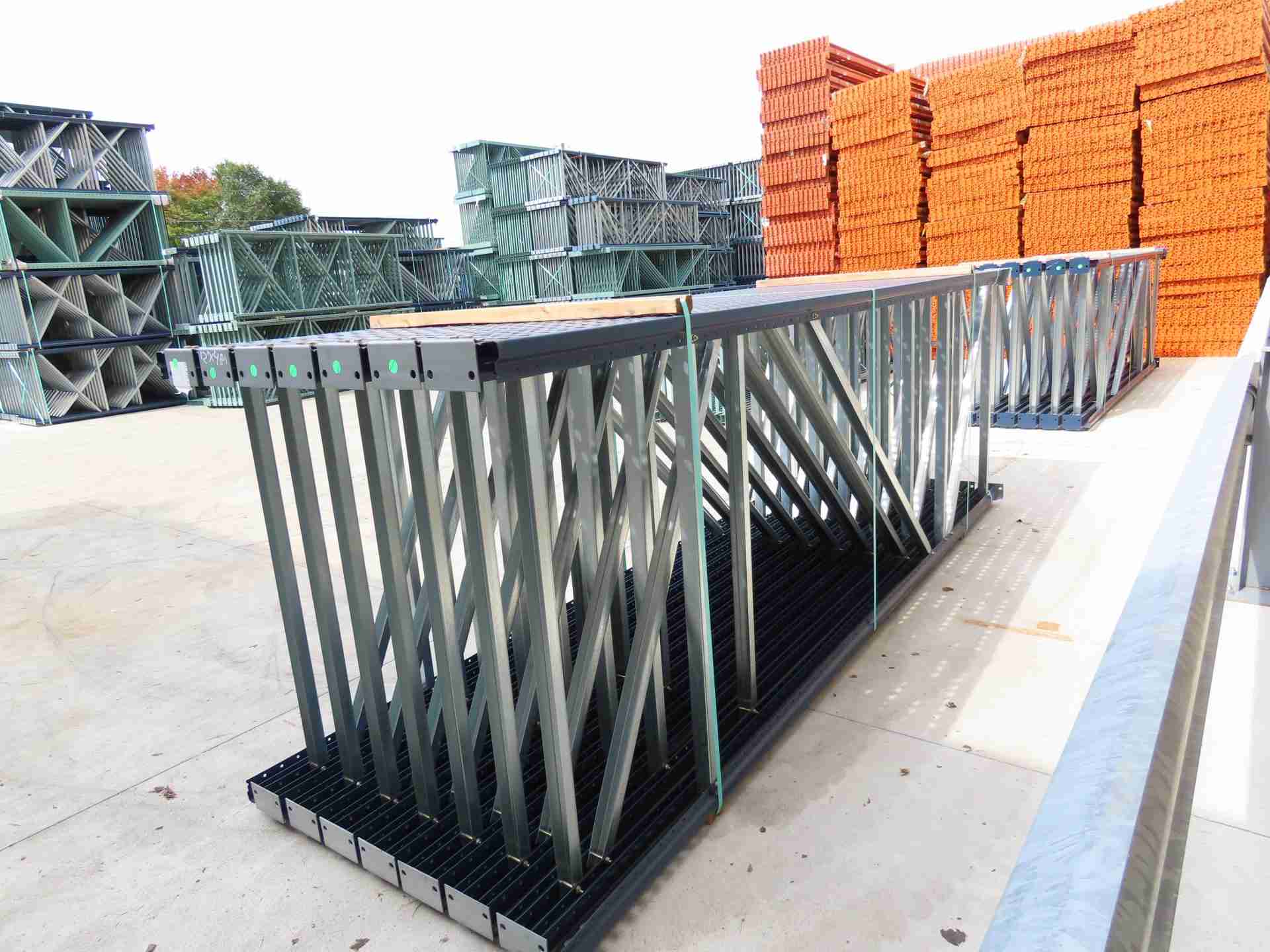
How Do Supply Chain Consolidation Points Leverage Pallet Racking?
How Do Supply Chain Consolidation Points Leverage Pallet Racking?
- Pallet racking is the backbone of supply chain consolidation points, supporting the efficient movement of goods.
- It maximizes vertical space, providing safe and organized storage that prevents chaos and damage.
- Proper pallet racking improves picking speed and workflow, reducing truck wait times and increasing productivity.
- Safety and reliability are core principles, protecting products and workers while maintaining trust in the supply chain.
- Pallet racking fosters teamwork and pride among workers by creating an orderly, respectful work environment.
- It balances efficiency, safety, and respect, proving essential beyond mere shelving functionality.
- The system transforms disorganized goods into a dependable network relied upon from warehouse to delivery.

How Do Supply Chain Consolidation Points Leverage Pallet Racking?
Table Of Contents
- How Do Supply Chain Consolidation Points Leverage Pallet Racking?
- What Ethical Practices Are Involved In Implementing Pallet Racking?
- How Do Experts Recommend Optimizing Pallet Racking for Consolidation?
- Can Pallet Racking Reduce Operational Costs At Consolidation Points?
- What Stories Highlight the Impact Of Pallet Racking on Supply Chains?
- How Does Pallet Racking Support Faster Order Fulfillment?
- What Social Impacts Arise From Better Pallet Racking Systems?
- Conclusion
- Other Resources
- Glossary Of Terms
- Other Questions
- Checklist
What Ethical Practices Are Involved In Implementing Pallet Racking?
When you’re installing pallet racking, it’s not just about stacking shelves and fitting pallets—it’s about doing right by the people who work around it every day. You’ve got to respect the sweat and skill of the crew who’ll be loading, unloading, and navigating those aisles. Cutting corners on safety or quality isn’t just cheap—it’s dangerous. Every bolt you tighten and every beam you set should carry the weight of responsibility because behind each pallet is a person counting on that rack to hold steady.
Ethically speaking, transparency matters big time. From the start, you’ve got to be straight about the specs, load limits, and installation process. If someone’s pushing to cram more into less space, you have to speak up. It’s not about being the “bad guy,” it’s about avoiding disasters before they happen. Pallet racking isn’t something to guess on or skim over; it’s engineering meets elbow grease—and that means respecting the rules and standards set by experts who’ve been there and done that.
There’s a trust factor woven through every beam and bolt. Companies rely on these systems day in and day out, and when racking fails, the fallout hits hard—damaged goods, lost time, injuries, even lives. So doing the job right isn’t just good practice, it’s the right thing to do. The weight of that trust sits heavy on every installer’s shoulders, and there’s a simple, no-nonsense pride that comes from knowing your work stands up to the test.
Pallet racking is about more than just storage. It’s about creating a safe, efficient environment where folks do their jobs without fear. It’s a solid foundation built on respect, honesty, and good hard work. Those values aren’t just words—they’re the backbone of every sturdy rack that keeps a warehouse humming. And if you treat that rack with the care it deserves, you’re doing your part to keep everyone safe and sound. That’s a kind of ethics you can put your hands on and count on every single day.

What Ethical Practices Are Involved In Implementing Pallet Racking?
What Ethical Practices Are Involved In Implementing Pallet Racking?
- Installing pallet racking requires respect for the workers who load, unload, and navigate the aisles, emphasizing safety and quality without cutting corners.
- Every component installed carries responsibility since behind each pallet is a person relying on the rack’s stability.
- Transparency about specifications, load limits, and installation processes is critical to prevent unsafe practices driven by space constraints.
- Pallet racking installation demands adherence to expert standards and rules, combining engineering precision with hard work.
- Trust is embedded in every beam and bolt, with system failures causing significant damage, injuries, and operational losses.
- Doing the job correctly is essential ethically and practically, carrying pride and accountability for installers.
- Pallet racking supports a safe, efficient workplace built on respect, honesty, and diligence, protecting everyone involved daily.

What Ethical Practices Are Involved In Implementing Pallet Racking?
How Do Experts Recommend Optimizing Pallet Racking for Consolidation?
When it comes to making the most out of your pallet racking, it’s not just about stacking more stuff on shelves; it’s about working smarter, not harder. Experts who’ve spent years crawling through warehouses and wrestling with loads know that the key to optimization is common sense wrapped in a bit of savvy and experience.
First off, pallet racking isn’t just metal beams bolted to the floor—it’s the backbone of your whole operation. So treat it like the hardworking partner it is. Consolidation means finding ways to squeeze every inch of space without turning your warehouse into a game of Tetris gone wrong. That starts with knowing your inventory like the back of your hand. Group similar items together, stack heavier pallets where they belong, and don’t forget about accessibility. You want your team to grab what they need without playing conspiracy theorist over why that one pallet is tucked away in the dark corner.
Experts lean on simple but solid moves: step back, look at your setup, and ask, “Where’s the dead space?” That awkward gap behind a pillar or the unused vertical shelf above slower-moving goods—these are gold mines waiting to be tapped. Adjusting your pallet racking layout to close those gaps isn’t bragging; it’s just smart stewardship of your resources, making every dollar stretch further. Plus, it makes your crew’s lives easier, which means fewer mistakes and faster turnaround.
There’s an ethical muscle in all this too—running an efficient operation cuts down on waste, reduces the need for excess storage facilities, and trims the carbon footprint. When experts talk about optimizing pallet racking, they’re not just speaking inventory geek talk—they’re advocating for a leaner, greener workplace where every load counts.
Trust comes from experience. Teams who roll up their sleeves with these principles notice their job feels less like a grind and more like a rhythm. When your pallet racking system hums along, so does morale. And isn’t that what good work is about? Wrangling that mess of pallets into a system that respects the sweat on the floor and the time ticking on the clock—that’s the kind of optimization worth digging into.
So, whether you’re a seasoned warehouse pro or just getting your boots muddy, take a moment to respect the simplicity of smart pallet racking. It’s the quiet hero in your consolidation game, and treating it right pays off in ways you’ll feel in your gut and see on the ledger.
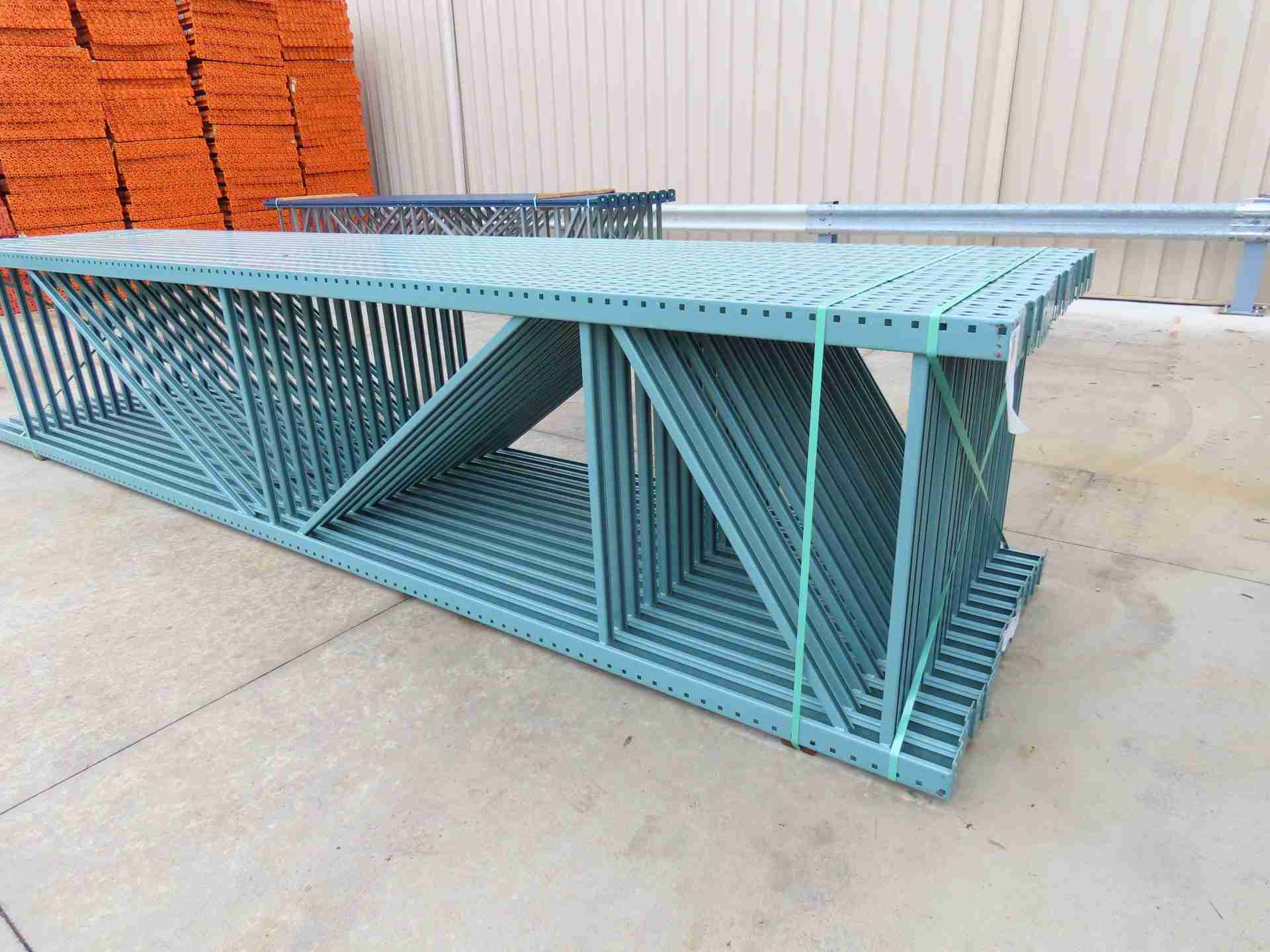
How Do Experts Recommend Optimizing Pallet Racking for Consolidation?
How Do Experts Recommend Optimizing Pallet Racking for Consolidation?
- Optimizing pallet racking is about working smarter, using common sense, savvy, and experience rather than just stacking more items.
- Pallet racking is the backbone of warehouse operations and should be treated as a critical partner in efficiency.
- Effective consolidation involves knowing inventory well, grouping similar items, properly stacking heavier pallets, and ensuring easy accessibility.
- Identifying and eliminating dead space—such as gaps behind pillars or unused vertical areas—maximizes storage and improves workflow.
- Optimized pallet racking promotes resource stewardship, reduces waste, lowers carbon footprint, and supports a leaner, greener operation.
- Experienced teams find that a well-organized pallet racking system enhances morale by making work smoother and more rhythmic.
- Respecting and maintaining smart pallet racking delivers tangible benefits in efficiency, workplace satisfaction, and financial performance.

How Do Experts Recommend Optimizing Pallet Racking for Consolidation?
Can Pallet Racking Reduce Operational Costs At Consolidation Points?
When you’re knee-deep in a busy consolidation point, every inch of space and every second saved counts. Pallet racking isn’t just some fancy shelving—it’s the backbone that can turn chaos into order. Think about those moments when forklifts are zigzagging, workers are swearing under their breath, and packages are piling up like there’s no tomorrow. That’s the gut punch of inefficiency, and pallet racking steps in like a reliable workhorse, offering a straightforward solution.
From the straight talk of the shop floor to the top brass crunching numbers, pallet racking makes sense on every level. It’s a simple idea: use vertical space to cut down on clutter. This means faster pick rates, fewer accidents, and less wasted motion. When things are easier to find and reach, workers move smoother, morale holds up, and overtime hours shrink. The profit sheets don’t lie—streamlined operations mean fewer costs from handling errors, rework, and delays.
There’s a quiet confidence that comes with a well-organized space. It shows respect for the people who bust their chops moving products day after day. Investing in pallet racking signals you’re serious about making their jobs safe and sane. And that’s not just some feel-good talk—it’s ethics meeting ROI. When the team sees the tools they need to work smartly, trust grows, and everyone’s pulling in the same direction.
The story is clear: one warehouse trimmed down its sprawling, half-packed floor into neat, labeled aisles with pallet racking. What used to take hours of sorting turned into quick, reliable loading cycles. Inventory errors plummeted. Costs dropped, and customer praise went up. It didn’t come from magic—just steady, no-nonsense improvements using the right gear.
Pallet racking isn’t a flashy fix, but it’s the kind of practical, proven solution that turns a messy consolidation point into a well-oiled machine. When you invest in that steady structure, you’re investing in smoother shifts, lower costs, and a workplace that works for everyone. And that’s a win you can count on every single day.

Can Pallet Racking Reduce Operational Costs At Consolidation Points?
Can Pallet Racking Reduce Operational Costs At Consolidation Points?
- Pallet racking maximizes space and saves time in busy consolidation points, turning chaos into order.
- It uses vertical space to reduce clutter, enabling faster pick rates, fewer accidents, and less wasted motion.
- Improved organization leads to smoother worker movement, higher morale, and reduced overtime hours.
- Streamlined operations cut costs related to handling errors, rework, and delays, boosting profitability.
- Investing in pallet racking shows commitment to worker safety and efficiency, fostering trust and teamwork.
- Case study: a warehouse improved loading cycles, reduced inventory errors, lowered costs, and increased customer satisfaction through pallet racking.
- Pallet racking is a practical, proven solution that creates a safer, more efficient workplace and consistent daily wins.
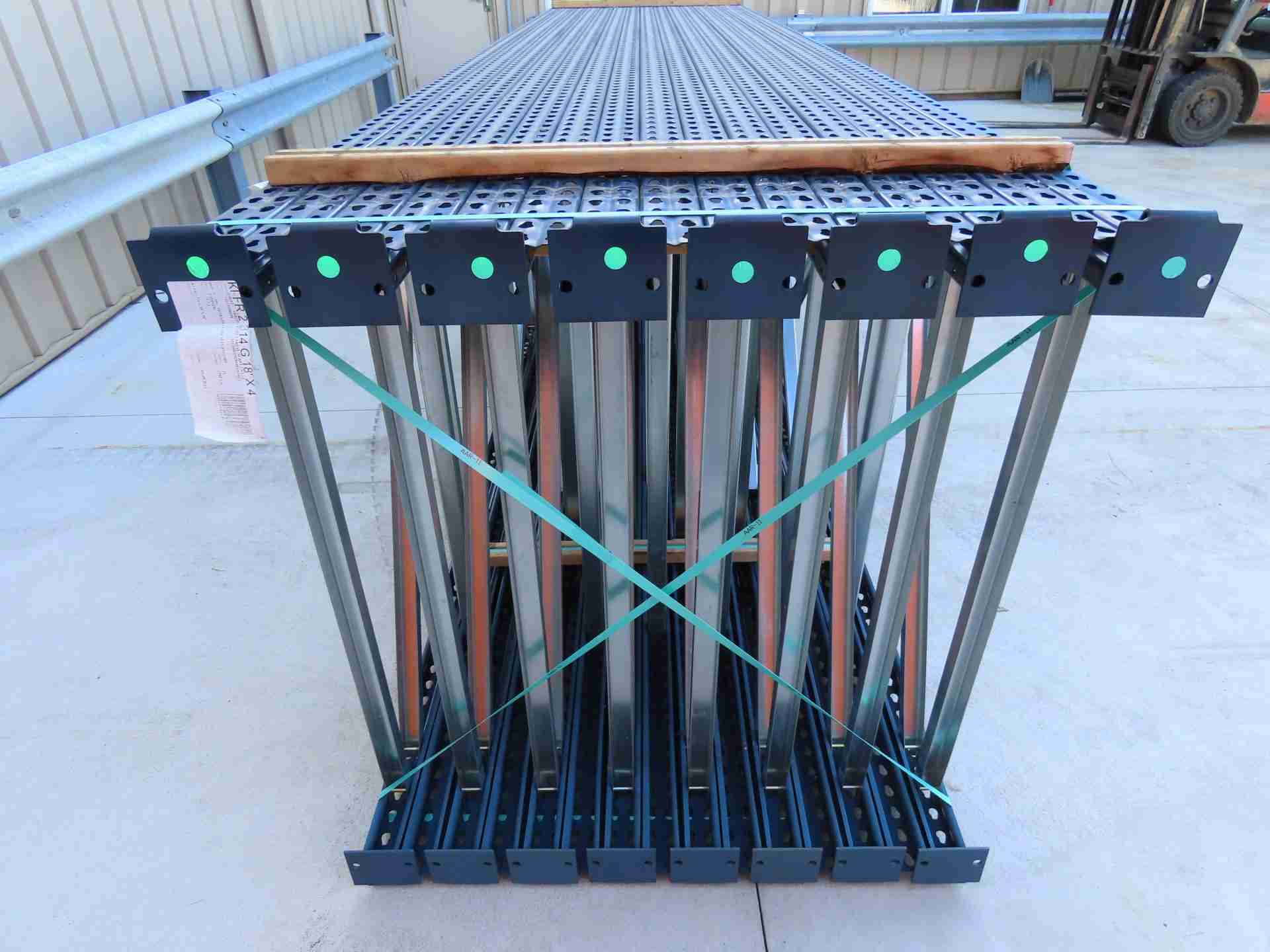
Can Pallet Racking Reduce Operational Costs At Consolidation Points?
What Stories Highlight the Impact Of Pallet Racking on Supply Chains?
Picture a warehouse where chaos once ruled—forklifts weaving through cluttered aisles, workers scrambling to find parts, and orders delayed while frustration grew. Then, pallet racking shows up like the unsung hero, turning that mess into a finely tuned orchestra of efficiency. It’s not just metal beams stacked high; it’s a lifeline for supply chains stretched thin by demand, deadlines, and daily grind. The story of pallet racking isn’t flashy, but it’s powerful—like the reliable buddy who always has your back when things get tough.
In one worn-down warehouse, pallet racking transformed stacks of goods from a liability into an asset. Before, shipments got buried like treasure no one could dig up fast enough. With smart racking setups, items became easy to spot, grab, and move. Productivity jumped, and the stress on workers eased. That’s not just a story about storage; it’s about respect—respect for workers’ time and effort, and for customers waiting on the other end. It’s a reminder that a good pallet racking system makes every step smoother, saving hours that add up to real dollars and less worn nerves.
From a rational standpoint, the numbers back it up: smarter space usage, faster turnaround, fewer errors. But beneath the spreadsheets lies an ethical core—enabling safer workplaces where injuries don’t cut shifts short or livelihoods in half. It’s straightforward and honest: better pallet racking protects people as much as it protects inventory. Those who install and maintain it carry a responsibility that goes beyond bolts and braces; it’s about creating conditions where folks can work without fear, and businesses can serve without stumbling.
Pallet racking stories also carry a social thread, binding teams through shared victories over daily challenges. Everyone knows the relief when that perfect system clicks into place—an unspoken nod between warehouse hands that says, “We did this right.” Trust builds not just in the gear but in each other’s judgment and grit. It’s about restoring order, dignity, and pride in a job that’s tough but essential.
So, behind every pallet racking installation is a tale worth telling. It’s not just steel and storage; it’s the backbone holding up entire supply chains, making the complex simple, the chaotic calm, and the impossible possible. Those stories inspire trust—not blind faith, but the quiet confidence that when the chips are down, pallet racking gets the job done.
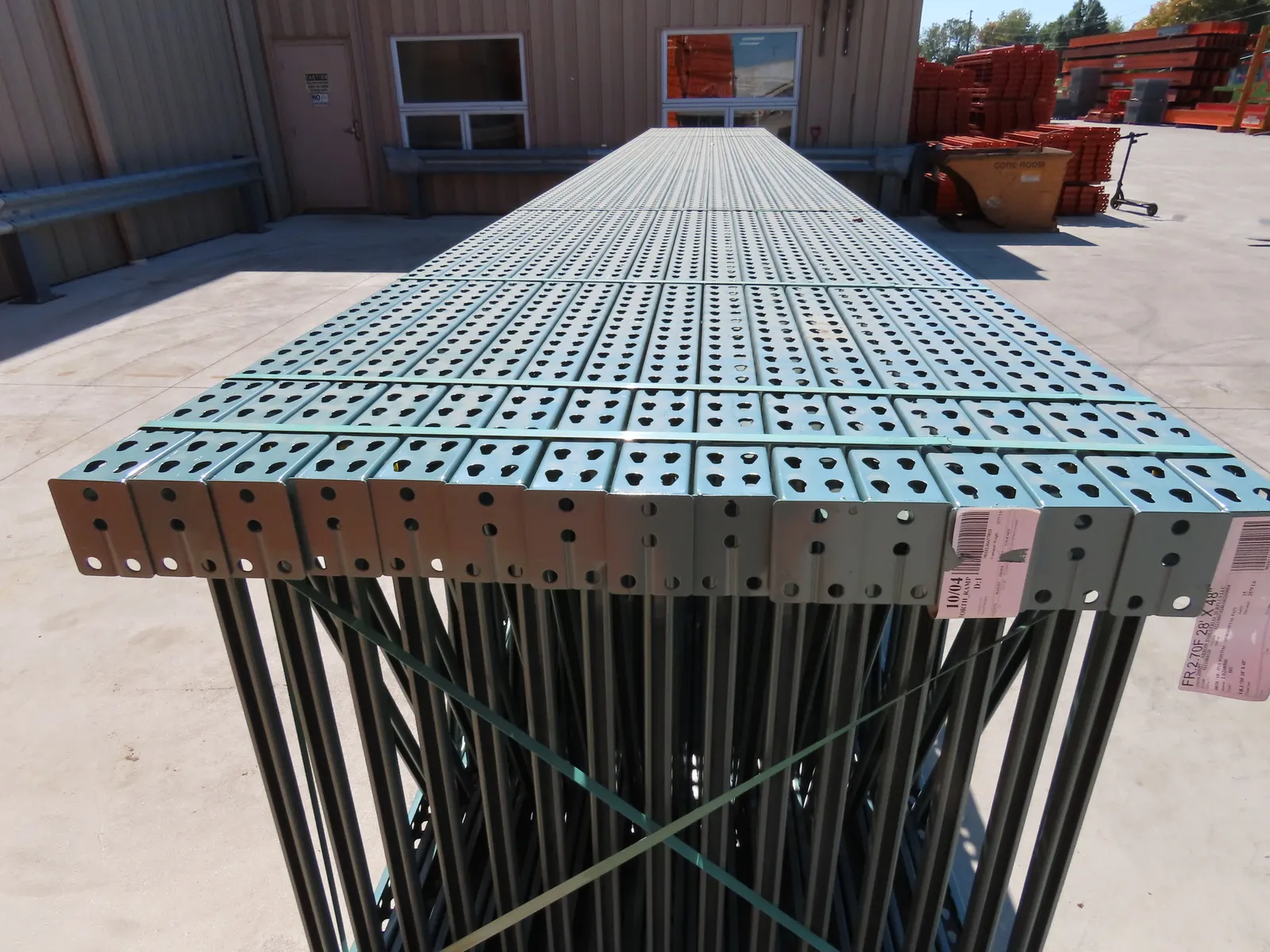
What Stories Highlight the Impact Of Pallet Racking on Supply Chains?
What Stories Highlight the Impact Of Pallet Racking on Supply Chains?
- Pallet racking transforms chaotic, cluttered warehouses into efficient, well-organized spaces, improving workflow and reducing delays.
- It turns buried shipments into easily accessible goods, increasing productivity and reducing worker stress.
- Effective pallet racking saves time and money by streamlining operations and respecting workers’ efforts and customers’ expectations.
- Data supports pallet racking’s benefits in space optimization, faster turnaround, and fewer errors, while also enhancing workplace safety.
- Beyond physical benefits, pallet racking fosters ethical responsibility to protect workers and ensure smooth business operations.
- It builds social bonds among warehouse teams, creating shared pride and trust through overcoming daily challenges together.
- Pallet racking serves as a crucial backbone for supply chains, turning complexity into order and inspiring quiet confidence in its reliability.
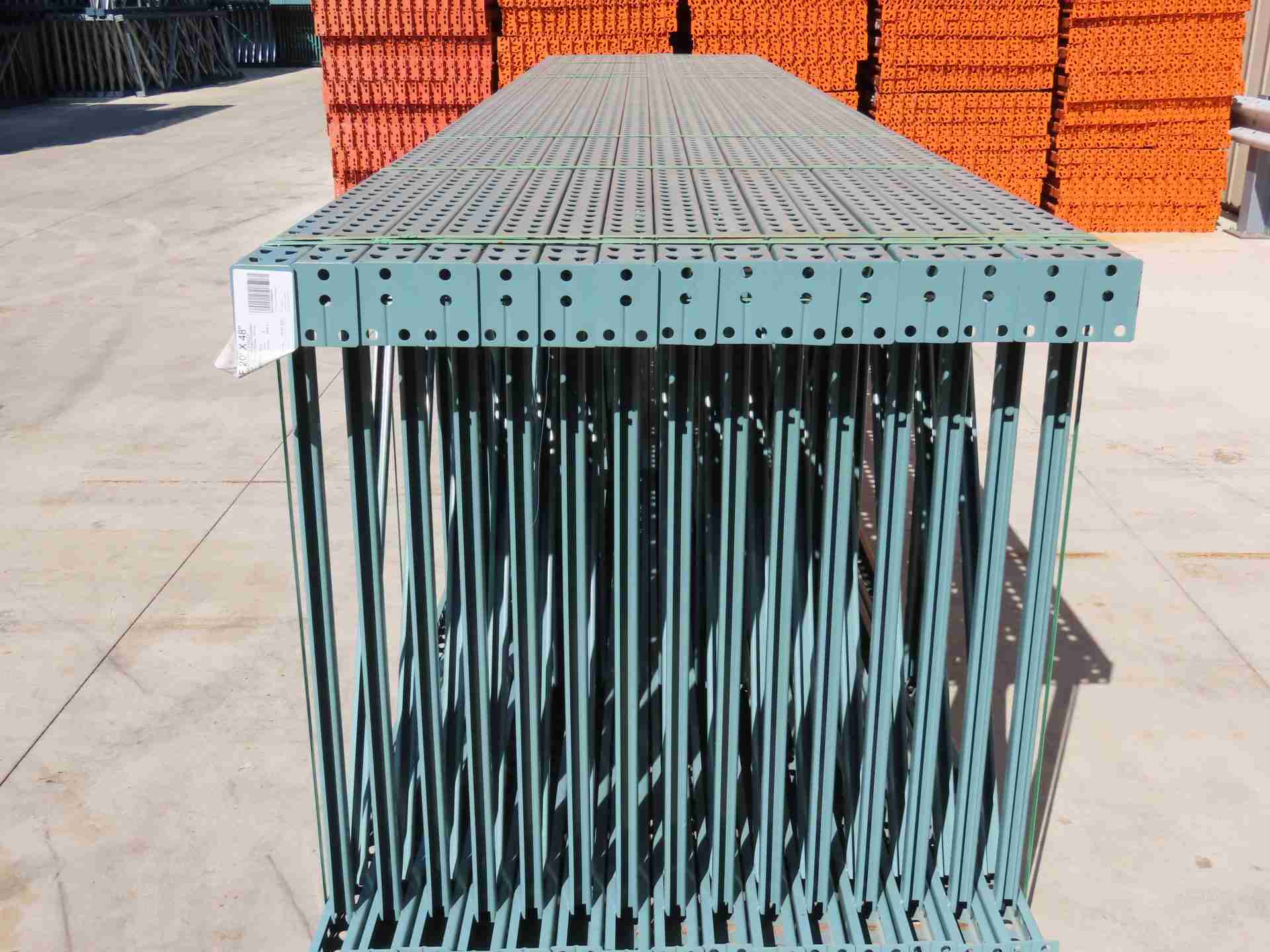
What Stories Highlight the Impact Of Pallet Racking on Supply Chains?
How Does Pallet Racking Support Faster Order Fulfillment?
Here’s the plain truth: when your warehouse floor looks like a jigsaw puzzle tossed in the wind, you’re chasing your tail trying to fill orders. Pallet racking steps in like a trusty workhorse—solid, dependable, and built to keep things moving. By stacking pallets neatly and off the ground, pallet racking gives your crew clear sightlines and easy reach. No more crawling under piles or digging through chaos; every product has a home, and they know exactly where to find it.
It’s not just about speed, either. Pallet racking cuts down the elbow grease—the unnecessary back-and-forth, the wasted minutes, the frustration that drags morale down. When workers can grab what they need without wrestling with clutter, they waste less energy and work smarter. That’s gut-level sense—you’re not going to stay in a job long if every day feels like a slog through a mess. Pallet racking brings dignity back to the daily grind by making order fulfillment straightforward and fair.
From a money-and-time standpoint, pallet racking pays dividends. Faster picking means orders hit the floor, the dock, and the trucks without unnecessary delays. The business looks good—the customers are happier because they get their stuff when promised. So, it’s ethical business, plain and simple: keep your promises, run an honest operation, and respect the people on your team. Pallet racking is a backbone that holds you to that promise.
If you’ve been around warehouses long enough, you know folks respect what works. Pallet racking has been the silent hero behind countless success stories—smaller companies scaling up, big operations trimming down their error rates—all because they embraced a system that’s rugged, reliable, and fair. It’s not flashy, but it’s trusted. And trust is the currency that drives this whole game.
So, when orders start piling up and pressure mounts, look to pallet racking as the no-nonsense solution that keeps everything flowing. It’s the difference between scrambling in the dark and cruising down the highway. Simple, honest, and effective—that’s the kind of support every warehouse needs to not just survive but move fast enough to thrive.

How Does Pallet Racking Support Faster Order Fulfillment?
How Does Pallet Racking Support Faster Order Fulfillment?
- Pallet racking organizes warehouse pallets neatly off the ground, providing clear sightlines and easy access.
- It reduces unnecessary physical effort and frustration, improving worker morale by eliminating clutter and chaos.
- Faster order picking enabled by pallet racking leads to timely deliveries, enhancing customer satisfaction and business reputation.
- Pallet racking supports ethical business practices by helping companies keep promises and respect their teams.
- It is a trusted, reliable system that has helped both small and large warehouses improve efficiency and reduce errors.
- Though not flashy, pallet racking is valued for its ruggedness, reliability, and fairness in warehouse operations.
- It provides a simple, effective solution for managing high order volumes and maintaining smooth workflow to help warehouses thrive.

How Does Pallet Racking Support Faster Order Fulfillment?
What Social Impacts Arise From Better Pallet Racking Systems?
You don’t often stop to think about how something as straightforward as pallet racking can ripple out and change lives, but it does. When a warehouse or factory swaps out old, creaky setups for better pallet racking, it’s not just about stacking boxes higher or squeezing in a few more pallets. It’s about people—the workers on the floor, the community around the business, even the customers waiting on those goods.
Picture your crew on the job. With solid pallet racking, their day gets a little safer—less risk of stuff tipping over or going boom—and that peace of mind matters. It’s the relief in their step, knowing that the gear holding those heavy pallets won’t buckle under pressure. That kind of confidence doesn’t just protect their bodies; it protects their families too. They clock out no worse for wear and with a little less worry gnawing at them.
The clatter and chaos dial down, too. With well-designed pallet racking, workflows smooth out. When you can find what you need without climbing over piles or hunting through messy stacks, productivity climbs. And it’s not just about faster orders or bigger numbers—though those matter—it’s respect for the workforce and their time. That’s a social win you can’t count in spreadsheets but see in daily morale.
Better pallet racking systems also speak to ethics on the shop floor. When companies invest in good infrastructure, they’re sending a message: We value our people’s health and well-being. It’s an honest handshake that says, “You matter here.” And that kind of culture doesn’t just keep turnover down; it builds a community tethered by shared trust and purpose.
Beyond the warehouse walls, this trickles into the neighborhoods and towns, too. Safer, smoother operations mean fewer accidents and disruptions, less emergency downtime, and more reliable deliveries. That reliability isn’t just business jargon—it’s the reason shelves stay stocked, hospitals get supplies on time, and families get the goods they need without hassle.
So, better pallet racking isn’t just about racks and pallets. It’s about investing in people, safety, and community. When done right, it turns what looks like a simple logistics upgrade into a foundation for stronger, more trustworthy operations that drive everyone forward.

What Social Impacts Arise From Better Pallet Racking Systems?
What Social Impacts Arise From Better Pallet Racking Systems?
- Upgrading pallet racking improves safety for workers by reducing risks of accidents and equipment failure, providing peace of mind.
- Better pallet racking enhances workflow efficiency, leading to increased productivity and respect for workers’ time and effort.
- Investing in quality pallet racking reflects a company’s commitment to employee health and well-being, fostering trust and reducing turnover.
- Improved infrastructure contributes to a positive workplace culture centered on community and shared purpose.
- Safer, more efficient operations decrease accidents, emergency downtime, and disruptions, benefiting surrounding neighborhoods and towns.
- Reliable pallet handling supports consistent deliveries, ensuring timely supply to businesses, hospitals, and families.
- Upgrading pallet racking represents an investment in people, safety, and community, creating a stronger, more dependable foundation for business operations.

What Social Impacts Arise From Better Pallet Racking Systems?
Conclusion
When you boil it all down, pallet racking is the unsung backbone of every supply chain consolidation point—quiet, sturdy, and downright essential. It’s not just a matter of stacking boxes high; it’s about respect. Respect for the people sweating it out on the floor, respect for the products that keep businesses running, and respect for the whole system that holds it all together. Without pallet racking, warehouses look like disaster zones where chaos and danger lurk around every corner. But with it, you get order—smart use of space, safer aisles, and a workflow that actually makes sense to the folks doing the heavy lifting.
It’s a hands-on tool for working smarter, cutting down wasted steps, and speeding up every part of the process from picking to shipping. When everything has a place and is easy to reach, workers don’t just move faster—they move with a little more pride and a lot less stress. That kind of rhythm doesn’t come from shortcuts or luck; it comes from solid planning and respecting the standards that keep these systems safe and reliable. There’s an ethical muscle underlying this, too. Sloppy setups aren’t just inconvenient; they’re risks to people’s safety and the trust customers place in getting what they ordered, intact and on time.
Investing in quality pallet racking sends a message: we value the team, the cargo, and the community relying on the whole operation to work like a well-oiled machine. It trims costs by cutting down on errors and wasted time, sure—but it also builds a culture where workers feel safer and more respected. That social payoff trickles beyond the warehouse walls, keeping neighborhoods safer and supply chains steadier. When teamwork is anchored in a rack system that doesn’t quit, it fosters genuine trust—not just in the equipment, but in each other.
The truth is, good pallet racking doesn’t shout for attention, but it’s the steady hand that turns warehouse chaos into calm, messy piles into well-organized flow, and endless overtime into a shift you can get through without losing your cool. It’s practical common sense made real, backing up every worker’s hard day with a system designed to meet the challenge head-on. In the daily grind of supply chains, that’s the kind of dependable partner you want—solid, straightforward, and always ready to hold its weight.

Conclusion
Conclusion:
- Pallet racking is a crucial, sturdy element that supports efficient supply chain consolidation points.
- It provides respect for workers, products, and the overall warehouse system by ensuring order and safety.
- Well-organized pallet racking enables smarter workflows, reducing wasted effort and speeding up processes from picking to shipping.
- Proper planning and adherence to standards promote safety, reliability, and reduce risks for workers and customers alike.
- Investing in quality pallet racking demonstrates value for the workforce, cargo, and community by improving efficiency and safety.
- This investment enhances workplace culture, fostering trust, pride, and reducing stress among employees.
- Good pallet racking transforms warehouse chaos into organized flow, creating dependable support for everyday operations.

Conclusion
Other Resources
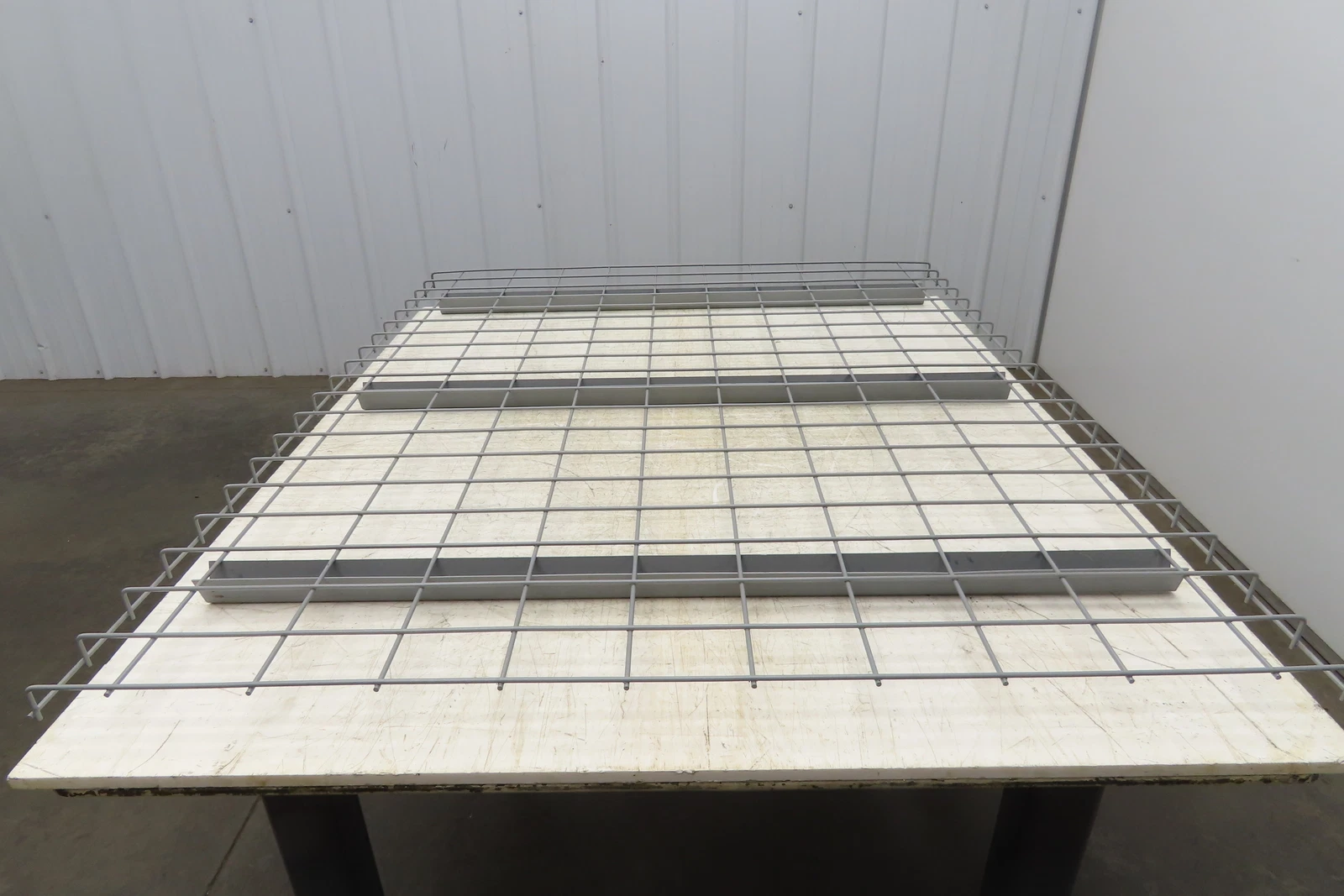
Other Resources
Here is a list of other resources you can review online to learn more:
- Storage Equipment Manufacturers Association
- Pallet Rack Systems – New and Used Pallet Racking and Shelving Experts
- National Safety Council
- Bradford Systems
- Cantilever Rack Guide: Ordering Cantilever Racking
- Heavy-Duty Cantilever Storage Racks
- IIWS Inc. Rack Installation Illinois & Rack Repairs Illinois
- Material Handling Safety
- Storage Equipment Manufacturers’ Association
- Cantilever Rack Configuration & Installation: A Comprehensive Guide – BMH
- Pallet Racking systems in Illinois and Great Lakes
- Warehouse Racks, Warehouse Racking in Stock – ULINE
- What is Cantilever Racking? – AK Material Handling Systems
- Rack Manufacturers Institute
- Teardrop Pallet Rack – Ridg-U-Rak
- American Surplus
- The Complete Pallet Rack Guide – Simply Rack
- Selective Pallet Racking Systems
- Selective Racking
- Interlake Mecalux
Use This Prompt To Get More Resources With Your Favorite Online AI Tool: Please provide me with a list of online articles with their URLs in a bulleted list that I can read regarding How Do Supply Chain Consolidation Points Leverage Pallet Racking?

Other Resources
Glossary Terms
How Do Supply Chain Consolidation Points Leverage Pallet Racking? – Glossary Of Terms
1. Supply Chain Consolidation Points: Locations where goods from multiple suppliers are gathered, sorted, and combined before distribution.
2. Pallet Racking: A storage system designed to hold palletized goods in warehouses or consolidation points.
3. Inventory Management: The process of overseeing and controlling stock levels within consolidation points using pallet racking.
4. Order Fulfillment: The procedure of preparing and delivering products stored on pallet racks to customers or distribution centers.
5. Warehousing: The storing of goods in facilities equipped with pallet racking for efficient consolidation and access.
6. Load Optimization: Arranging pallets in racking systems to maximize space and handling efficiency.
7. Material Handling: The movement, protection, and storage of goods using pallet racks within consolidation points.
8. Cross-Docking: A logistics practice where palletized goods are transferred directly from inbound to outbound transport at consolidation points.
9. Space Utilization: Efficient use of warehouse volume by employing pallet racking to increase storage capacity.
10. Throughput: The rate at which goods move through the consolidation point, facilitated by pallet racking systems.
11. Automation: Use of mechanized equipment integrating with pallet racking to speed up consolidation processes.
12. Stock Keeping Unit (SKU): A unique identifier for each type of product stored on pallet racks.
13. Accessibility: The ease of reaching and retrieving pallets from racking systems in consolidation points.
14. Load Capacity: The maximum weight a pallet racking system can safely support.
15. Damage Prevention: Measures to protect palletized goods from damage while stored on racking systems.
16. Rack Configuration: The specific design and arrangement of pallet racks tailored to consolidation point needs.
17. Picking Efficiency: The speed and accuracy of retrieving pallets from racking during order processing.
18. Vertical Space: Height within a warehouse utilized through pallet racking to increase storage density.
19. Safety Compliance: Adhering to regulations governing the installation and use of pallet racks at consolidation points.
20. Inventory Visibility: The ability to monitor stock levels and locations using pallet racking layouts.
21. Consolidation Strategy: Approaches to grouping and storing pallets to optimize supply chain flow.
22. Slotting: Assigning pallets to specific rack locations to improve picking and storage efficiency.
23. Load Stability: Ensuring pallets remain secure on racks to prevent accidents or product damage.
24. Warehouse Layout: The physical arrangement of pallet racking to streamline consolidation operations.
25. FIFO (First In, First Out): Inventory rotation method facilitated by pallet racking configurations.
26. LIFO (Last In, First Out): An alternate inventory rotation method using pallet racking systems.
27. Inventory Accuracy: The precision of stock records supported by organized pallet rack storage.
28. Docking Area: The section of a consolidation point where goods on pallets are loaded or unloaded.
29. Consolidation Efficiency: The effectiveness of using pallet racks to combine shipments for optimized transportation.
30. Return on Investment (ROI): The financial benefit gained from implementing pallet racking in supply chain consolidation points.
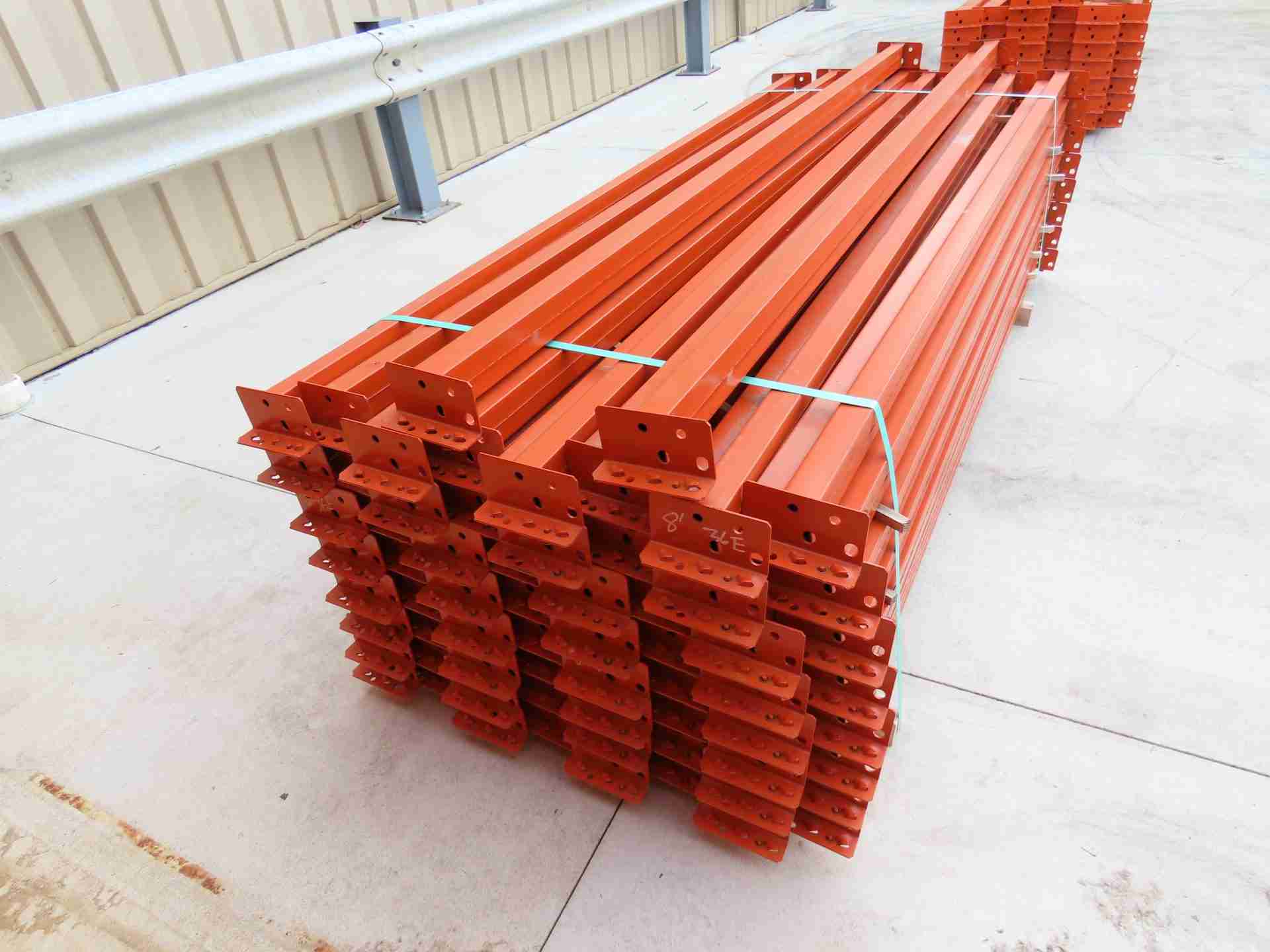
Glossary Of Terms
Other Questions
How Do Supply Chain Consolidation Points Leverage Pallet Racking? – Other Questions
If you wish to explore and discover more, consider looking for answers to these questions:
- What are the different types of pallet racking systems and which is best for consolidation points?
- How do I calculate the right pallet racking capacity for my consolidation point?
- What are the installation steps and typical timeline for pallet racking systems?
- What are the upfront and ongoing costs associated with pallet racking?
- How do I measure ROI and payback period after installing pallet racking?
- Which safety standards and regulations apply to pallet racking (local, national, and industry-specific)?
- How often should pallet racking be inspected and who should perform inspections?
- What are common failure modes for pallet racking and how can they be prevented?
- How do load ratings and pallet weights determine rack selection and placement?
- What inspection and maintenance checklist should be followed for pallet racking?
- How do pallet racking choices affect forklift and equipment selection?
- What ergonomic considerations reduce worker injury and fatigue around pallet racking?
- How can pallet racking be adapted for automation and AS/RS (automated storage and retrieval systems)?
- How do different racking layouts affect picking efficiency and travel time?
- What are best practices for slotting, labeling, and inventory organization on racking?
- How can pallet racking support FIFO vs LIFO inventory strategies?
- What are the implications of pallet racking for temperature-controlled or cold storage facilities?
- How does pallet racking impact fire safety, sprinkler design, and egress routes?
- What are seismic or wind-load considerations for pallet racking in different regions?
- How do you retrofit existing facilities to add pallet racking without major disruption?
- What sustainability metrics can be used to quantify environmental benefits from racking optimization?
- Can pallet racking systems be recycled or repurposed at end of life, and how?
- What training programs and certifications should staff have for safe racking use?
- How should damage to racking be repaired, and when should components be replaced?
- How do pallet types (wood, plastic, metal) and sizes affect racking design?
- What are the security and loss-prevention measures related to racking layouts?
- How do pallet racking choices affect insurance premiums and liability?
- What permitting or local-code approvals are required for large racking installations?
- How can racking design support seasonal peaks and variable inventory levels?
- What KPIs should managers track to evaluate racking performance (e.g., picks/hour, space utilization)?
- How do flow racks, drive-in racks, and push-back systems compare for consolidation workflows?
- What are common supplier selection criteria and warranty terms to look for?
- How does racking layout integrate with dock operations and cross-docking processes?
- Are there tax incentives, grants, or financing options for warehouse infrastructure upgrades?
- What real-world case studies show measurable benefits after pallet racking upgrades?
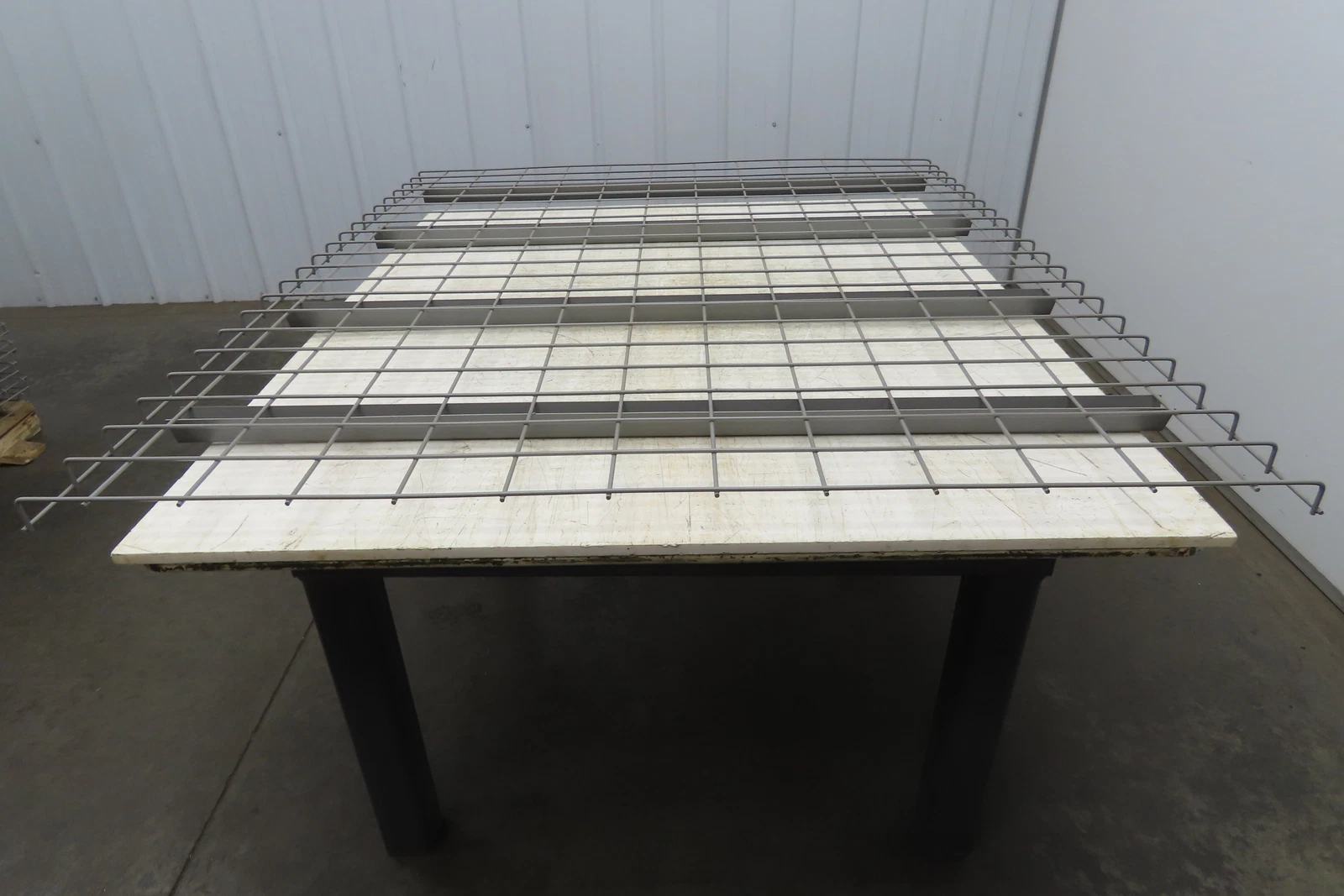
Other Questions
Checklist
How Do Supply Chain Consolidation Points Leverage Pallet Racking? – A Checklist
Planning and Design
✅______ Consolidation flow mapped with clear zones (inbound staging, sort and merge, outbound staging)
✅______ Inventory profiled by SKU velocity, dimensions, weight, handling class, and demand variability
✅______ Rack type matched to need (selective, double-deep, pallet flow, push-back, drive-in or drive-through) with justification
✅______ Aisle widths set for equipment envelope and turning radius; one-way traffic where needed
✅______ Vertical cube utilization calculated; top-of-load clearances set for sprinklers and lighting
✅______ Dead space identified and reduced (above obstructions, along dock walls, in corners, under mezzanines)
✅______ Column spacing, slab thickness, and floor flatness verified for rack load and equipment
✅______ Seismic, fire code, egress, and sprinkler requirements confirmed in design
✅______ Future growth and reconfiguration scenarios considered (modular bay spacing, spare capacity)
Ethics, Transparency, and Compliance
✅______ Load ratings, rack manufacturer specifications, and engineer-stamped drawings on file
✅______ Load plaques installed, visible, and matching the installed configuration
✅______ No overloading or “squeezing” extra pallets beyond design; exceptions not permitted
✅______ Certified installers used; torque verification and anchoring documented
✅______ Vendor warranties and maintenance requirements documented and accessible
✅______ Worker input gathered before finalizing layout; safety concerns addressed
Safety by Design
✅______ Anchors, beam locks, row spacers, and splice kits installed to specification
✅______ Column guards, end-of-aisle barriers, and rack uprights protected in high-traffic zones
✅______ Rack back mesh or netting installed where fall protection is needed
✅______ Pallet quality standard defined (stringer or block, condition, maximum deflection, overhang limits)
✅______ Clear stack height limits and uniform pallet orientation in each bay
✅______ Lighting levels adequate; sightlines clear; mirrors at blind intersections
✅______ Marked pedestrian walkways; forklift speed limits and right-of-way signage in place
✅______ Housekeeping and 5S standards defined (no floor stacking in aisles, debris-free bay levels)
Operational Optimization for Consolidation
✅______ Slotting by velocity and handling unit; fast movers in the golden zone and closest to docks
✅______ Dedicated cross-dock lanes and transient buffer locations labeled
✅______ Pallet flow lanes used for FIFO where date or lot rotation matters
✅______ Replenishment triggers and min and max levels configured in the WMS
✅______ Scan points, location labels, and directional signage installed and verified
✅______ Standard pick paths defined; travel distance minimized; congested nodes eliminated
✅______ Staging areas dimensioned to peak volume; door assignments aligned to carriers and routes
Cost and Performance
✅______ KPIs defined with baselines and targets
✅______ Pallets per labor hour
✅______ Dock-to-stock time
✅______ Order cycle time
✅______ Cube utilization (%)
✅______ Damage rate and near-miss rate
✅______ Overtime hours and rework rate
✅______ Travel distance per pick or put
✅______ Labor standards updated for the new layout; engineered standards validated
✅______ Transport dwell time tracked; door turns optimized
Sustainability
✅______ Space utilization plan reduces building footprint or defers expansion
✅______ Energy-efficient lighting and zoning implemented in rack aisles
✅______ Durable, repairable rack components selected; damaged parts recycled
✅______ Reusable pallets and packaging adopted; dunnage reduction in place
✅______ Layout reduces equipment idle and travel, lowering fuel and battery usage
People, Training, and Culture
✅______ Equipment and rack safety training completed for all roles; refresh cadence set
✅______ Clear SOPs for loading, unloading, replenishment, and exception handling
✅______ Ergonomic guidelines observed (lift heights, reach distances, work posture)
✅______ Incident and near-miss reporting system active; corrective actions tracked
✅______ Visual management boards display safety, quality, and throughput results
✅______ Recognition program for safe behavior and continuous improvement ideas
Inspection, Maintenance, and Change Control
✅______ Daily operator walkthrough checklist (obvious damage, obstructions, signage)
✅______ Monthly supervisor inspection (uprights, beams, anchors, guards)
✅______ Annual third-party rack audit; findings resolved and documented
✅______ Formal process for rack repairs using OEM parts; no field welding or unapproved fixes
✅______ Change control for layout or load changes; engineering review before adjustments
✅______ Post-impact protocol in place (isolation, tagout, inspection, repair approval)
Go-Live Readiness
✅______ Layout validated with dry runs and peak volume simulations
✅______ WMS locations, labels, and scanning tested end to end
✅______ Emergency procedures posted and drilled (egress, spills, fire)
✅______ Contingency plan for overflow and carrier delays
Review Cadence
✅______ Weekly tier meetings review safety, flow constraints, and backlogs
✅______ Monthly KPI review drives targeted kaizen events
✅______ Quarterly slotting refresh based on velocity shifts and seasonality
✅______ Annual strategic review of rack mix, expansion options, and ROI outcomes

Checklist
At RackingWorld, we help guide you through selecting warehouse storage systems and racking.
Be sure to read our other related stories at RackingWorld to learn more about warehouse storage systems.
0 Comments