
Choosing Cantilever Racks: Balancing Strength And Efficiency
By Tom Seest
At RackingWorld, we help guide you through selecting warehouse storage systems and racking.
Be sure to read our other related stories at RackingWorld to learn more about warehouse storage systems.
Heavy-Duty Vs. Light-Duty Cantilever Racks: What’s the Right Fit?
When it comes to choosing between heavy-duty and light-duty cantilever racks, the decision goes far beyond mere material and design; it touches the very heart of what your business stands for. Let’s get real—your racking system is more than just a storage solution; it’s the backbone of your operation, serving as the silent workhorse that keeps everything in order. In the world of logistics, that’s not just a nice-to-have; it’s a must.
On one hand, heavy-duty cantilever racks are designed like the trusted friend you can always count on. Built to endure the heaviest loads, they can take a beating day in and day out. If your warehouse is a bustling hive of activity, filled with large, bulky items—think steel beams or lumber—these racks are your go-to. They embody strength and reliability, a solid partner in your quest to keep things organized and efficient. The last thing you want is a racking failure causing costly downtime, right? Investing in heavy-duty systems is not merely a choice; it’s a commitment to reliability.
On the opposite end of the spectrum, light-duty cantilever racks offer versatility and ease of access for smaller, lighter items. They can be the unsung heroes in a space where agility is key, perfect for those businesses that prioritize flexibility—think seasonal changes in inventory or the latest e-commerce demands. Choosing the right rack type is akin to knowing your own operational needs. Ethically, it’s about making decisions that reflect your business’s values. You want to maximize efficiency without sacrificing safety or integrity.
Moreover, your peers in the industry lean on their own experiences when making these choices. A moment spent listening to fellow business owners can give you invaluable insights, reinforcing the idea that you’re part of something bigger. Sharing stories about warehouse organization, logistics challenges, and triumphs can help guide you to the right racking solution.
Ultimately, whether you go heavy or light, it’s about striking that delicate balance between strength and adaptability for your unique circumstances. Engage your gut and take action; your operation deserves racks that align with your vision and values. Your workspace isn’t just a place to store goods; it’s where your business thrives. So invest wisely, and let your racking be the robust foundation upon which you build your success.
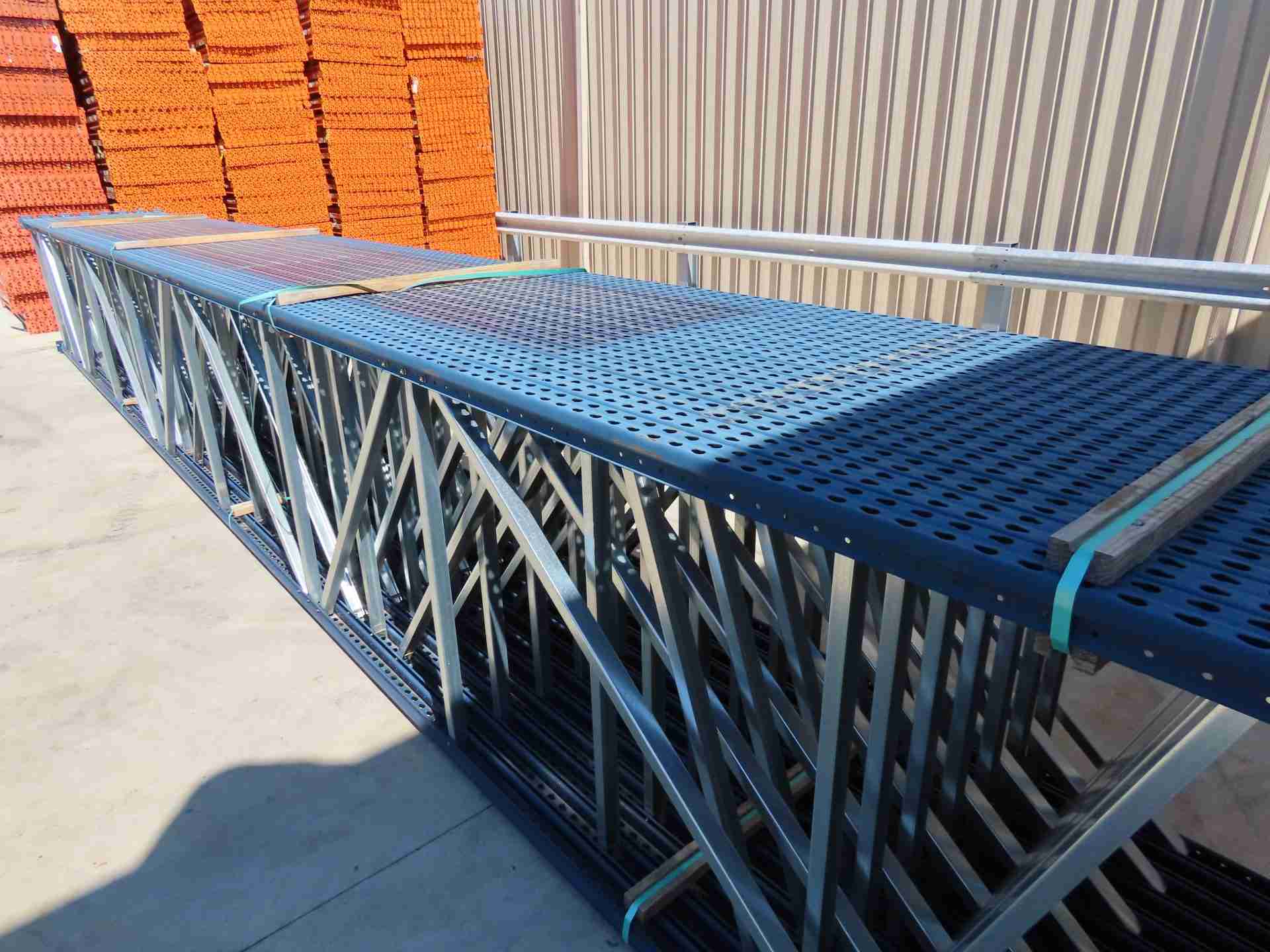
Heavy-Duty Vs. Light-Duty Cantilever Racks: What’s the Right Fit?
Heavy-Duty Vs. Light-Duty Cantilever Racks: What’s the Right Fit?
- The choice between heavy-duty and light-duty cantilever racks reflects the core values of your business.
- Cantilever racks serve as essential components for efficient warehouse operations, not just storage solutions.
- Heavy-duty cantilever racks are ideal for handling large, bulky items and offer reliability and strength.
- Light-duty cantilever racks provide versatility and are suitable for smaller items and agile inventory needs.
- Choosing the right rack type should align with operational needs, safety, and ethical business practices.
- Peer experiences and industry insights can guide businesses in selecting appropriate racking solutions.
- Ultimately, the selection should balance strength and adaptability to foster business growth and success.

Heavy-Duty Vs. Light-Duty Cantilever Racks: What’s the Right Fit?
Table Of Contents
- Heavy-Duty Vs. Light-Duty Cantilever Racks: What’s the Right Fit?
- How Can the Right Rack Choice Boost Your Business Efficiency?
- Which Rack System Aligns Better with Your Ethical Sourcing Values?
- What Storage Needs Are Most Urgent for Your Warehouse Operations?
- How Can You Leverage Expert Opinions to Make the Right Choice?
- What Fears Do You Have About Investing In the Wrong Rack System?
- Conclusion
- Other Resources
- Glossary Of Terms
- Other Questions
- Checklist
How Can the Right Rack Choice Boost Your Business Efficiency?
When you think about racking, you might visualize rows of shelves, the hum of a warehouse, or the very backbone of your operation. But consider this: the right racking system can be a catalyst for sweeping change in how efficiently your business runs, affecting everything from your bottom line to your team’s morale. The truth is, a well-designed racking system isn’t just a set of shelves; it’s an opportunity—an opportunity to enhance productivity, streamline operations, and elevate your entire enterprise.
Imagine walking into your workspace and seeing everything exactly where it should be, each item accessible and organized. That vision can become a reality with the right racking solutions. You’re not just maximizing space; you’re also inspiring your employees. A clutter-free environment fosters creativity and reduces stress. When your team feels empowered by their surroundings, they’re more likely to be engaged, focused, and efficient. You’ve turned your warehouse from a chaotic labyrinth into a well-oiled machine.
Now, let’s talk about the numbers. Choosing the right racking isn’t simply a matter of aesthetics or convenience; it can save your business money. A strategic layout reduces retrieval time, leading to faster order fulfillment and improved customer satisfaction. Think about it from a rational perspective: the investments you make in proper racking can lead to significant operational savings. You’re not just spending money; you’re wisely investing in a more efficient future.
Ethically speaking, there’s an obligation to your employees and customers to create a safe and productive environment. An organized space not only minimizes the risk of accidents but also sets a standard for professionalism and reliability. You are building trust not just internally within the walls of your organization, but outwardly to your clients and partners.
Furthermore, connecting with the stories behind your racking decisions fosters a sense of community. Share successes and challenges; let your team know that their feedback is valued, and that their experiences shape the workspace. When your staff sees their input mattering, they become more than just workers—they become stakeholders in your success. That sense of belonging is invaluable.
So, take action. Recognize that every beam and shelf represents potential. The right racking choice is more than a practical decision; it’s the foundation of operational excellence, with the power to inspire, connect, and transform your business from the ground up.

How Can the Right Rack Choice Boost Your Business Efficiency?
How Can the Right Rack Choice Boost Your Business Efficiency?
- A well-designed racking system enhances overall operational efficiency and impacts the bottom line.
- Organized racking solutions create a clutter-free environment that boosts employee morale and productivity.
- Strategic racking layouts can reduce retrieval time, leading to faster order fulfillment and improved customer satisfaction.
- Investing in proper racking is a wise financial decision that contributes to significant operational savings.
- An organized workspace minimizes safety risks and promotes a standard of professionalism and reliability.
- Involving employees in racking decisions fosters a sense of community and makes them stakeholders in success.
- The right racking choice is foundational to operational excellence, inspiring transformation throughout the organization.

How Can the Right Rack Choice Boost Your Business Efficiency?
Which Rack System Aligns Better with Your Ethical Sourcing Values?
When it comes to racking systems, choosing one that aligns with your ethical sourcing values is more than just a business decision; it’s a declaration of who you are and what you stand for. Every time you load up that sturdy frame, you’re making a choice—one that echoes in your supply chain and ripples through the communities that stand behind those products. Think about it: do you want to support a system that’s mindful of Mother Earth and dedicated to fair labor practices? Or are you comfortable with a rack that’s simply a means to an end, no matter the cost?
Let’s break it down. Imagine your facility bustling with workers, each one proud of the role they play. Their safety, dignity, and fair pay matter. Your choice in racking can foster an environment where ethical practices thrive. Every beam, every shelf, can represent a commitment to quality and integrity. It’s not just about maximizing space; it’s also about maximizing ethics. When you opt for a racking system designed with responsible sourcing, you’re signaling to your team and clientele that you’re in tune with what’s right.
Emotionally, consider the stories behind the materials. Those beams and shelves didn’t just show up; they were produced by hands, perhaps even in your neighborhood, or maybe on the other side of the globe. Each rack tells a story of resilience and labor—your choice can support those narratives. When you go with a manufacturer that prioritizes sustainable practices and fair treatment of workers, you’re also investing in hope and progress.
On the rational side, ethical sourcing strengthens your brand’s credibility. Today’s consumers are more informed than ever, seeking to shop with companies that reflect their values. This isn’t just good for the planet; it’s good for business. By adopting a racking system that’s aligned with these principles, you’re not only upgrading your facility but also enhancing your reputation in a competitive market.
Finally, trust is paramount. We see the impact of our choices every day and how they can create a domino effect in our communities. Ethical sourcing can be that catalyst for change. When you choose wisely, you are part of a larger story—one that encourages accountability, fosters relationships, and ultimately, helps build a better world. Your racking choice isn’t just a logistical decision; it’s a legacy.

Which Rack System Aligns Better with Your Ethical Sourcing Values?
Which Rack System Aligns Better with Your Ethical Sourcing Values?
- Choosing an ethical racking system reflects your values and business identity.
- Supporting responsible systems promotes fair labor practices and environmental mindfulness.
- Racking choices can create a positive work environment focused on safety, dignity, and fair pay.
- Every racking component represents a commitment to quality and ethical standards.
- Ethical sourcing connects you with the stories and labor behind the materials used.
- Adopting ethical racking systems enhances brand credibility and aligns with consumer values.
- Your choice in racking has a ripple effect, contributing to community accountability and positive change.

Which Rack System Aligns Better with Your Ethical Sourcing Values?
What Storage Needs Are Most Urgent for Your Warehouse Operations?
When it comes to warehouse operations, understanding the heartbeat of your storage needs is crucial. Imagine a bustling warehouse: the sounds of machinery, the rustle of pallets, the hustle of dedicated workers. This is where efficiency lives and breathes. But the pulse can quickly falter if the racking is insufficient or poorly organized. Racking is more than just a system of shelves; it’s the backbone that supports everything from inventory management to employee morale.
Picture a scene where workers are wasting precious time searching for products buried beneath cluttered shelves. Frustration surfaces not just in the individuals, but in the overall workflow. Here’s the truth: every moment spent rummaging through disorganization is a lost opportunity for productivity. By investing in a thoughtful racking solution, you’re not just optimizing space; you’re empowering your team. It’s about showing them that their time and skills are valued.
Now, you might be thinking, “Okay, but is it really that important?” Absolutely. In a world where efficiency determines competitiveness, having a reliable storage strategy isn’t just smart; it’s essential. When racks are designed to make items easily accessible, productivity skyrockets. You create an environment where authority is gained—not just in the eyes of management, but among peers, as everyone can see the tangible results of a well-organized system.
Yet, we must also reflect on the ethical angle. In an age where responsibility matters, the need for sustainable practices also applies to warehouse operations. Choosing materials and designs that are not only functional but environmentally friendly speaks volumes about your company’s values. Your choices will resonate within the community, influencing perceptions and fostering trust.
So how do you know where your urgent needs lie? Start by placing yourself on the floor. Ask your team what hinders them daily. Their insights will guide you toward solutions tailored to your specific challenges. When you engage them in the process, you foster connection and openness. It builds a culture where everyone plays a part in driving success.
By prioritizing your storage needs, particularly around racking, you not only support logistics but also ignite passion and dedication among your workforce. Each rack becomes a building block in a solid foundation for your business—one that will carry you to greater heights, together.

What Storage Needs Are Most Urgent for Your Warehouse Operations?
What Storage Needs Are Most Urgent for Your Warehouse Operations?
- Understanding storage needs is crucial for efficient warehouse operations.
- Racking systems are the backbone of inventory management and employee morale.
- Poorly organized racking leads to wasted time and decreased productivity.
- Investing in thoughtful racking solutions empowers teams and enhances workflow.
- A reliable storage strategy is essential for maintaining competitiveness.
- Prioritizing sustainable practices in warehouse operations reflects company values.
- Engaging team members in identifying challenges fosters connection and drives success.

What Storage Needs Are Most Urgent for Your Warehouse Operations?
How Can You Leverage Expert Opinions to Make the Right Choice?
Navigating life’s choices can feel like racking your brain over a complex jigsaw puzzle. Every piece represents a different opinion, each as colorful and intricate as the next. We stand at the crossroads, searching for clarity in a world flooded with noise. Here’s the thing: tapping into expert opinions can illuminate our path, guiding us toward choices that resonate deeply with our values.
Think about it—experts have often danced with the challenges we’re facing. They’ve weathered storms, encountered obstacles, and emerged with hard-earned wisdom. This isn’t just a matter of authority; it’s about connecting with someone who understands the gravity of the choices we make every day. When we take the time to listen to what they say, when we weigh their insights against our own experiences and those of our peers, we’re not just making informed decisions; we’re building a tapestry of trust.
Consider the emotional pull of a well-told story. An expert’s journey often serves as a powerful reminder that we’re not alone in our struggles. Their narratives can connect with feelings that resonate; they demonstrate that making a choice isn’t merely a transactional act but a leap of faith toward something greater. Whether it’s choosing a career path, a financial decision, or a health-related choice, these stories touch our hearts. They remind us of shared human experiences—the courage to confront uncertainty and the triumphs that follow.
Relying on experts isn’t just a matter of logic. It’s about making ethically sound choices that impact our lives and communities. When we bring in different perspectives, we invite diverse ideas that cultivate a well-rounded understanding of the subjects that matter to us. We’re not just making individual decisions; we’re joining a collective narrative, reinforcing communal bonds.
The real magic happens when we blend our intuition with expert insights. Your gut feelings matter; they provide a compass pointing toward what feels right. However, supplement this instinct with the knowledge and guidance of those who have lived it. This blend of heart and head shapes our choices into actions that feel both satisfying and correct.
So the next time you stand before a choice, remember: the answers lie not just in facts and figures but in the stories and struggles of those who came before you. Lean on their wisdom, and watch as you move confidently forward, empowered to navigate your journey.

How Can You Leverage Expert Opinions to Make the Right Choice?
How Can You Leverage Expert Opinions to Make the Right Choice?
- Navigating life’s choices can be complex, akin to solving a jigsaw puzzle of diverse opinions.
- Expert opinions can provide clarity and guidance, aligning choices with personal values.
- Experts have experienced challenges similar to ours and possess valuable wisdom.
- The personal stories of experts resonate with our struggles and highlight shared human experiences.
- Relying on diverse perspectives leads to ethical decision-making and strengthens community bonds.
- Combining intuition with expert insights helps us make well-rounded, satisfying choices.
- The journey forward is enriched by leaning on the wisdom of those who have come before us.

How Can You Leverage Expert Opinions to Make the Right Choice?
What Fears Do You Have About Investing In the Wrong Rack System?
Investing in the right rack system for your warehouse or storage space can be daunting. Let’s face it: the fears that creep in can be as heavy as the pallets you’re trying to stack. We worry about making the wrong choice, about pouring our hard-earned money into something that could leave us high and dry. It’s not just about the dollars and cents; it’s about the weight of responsibility that comes with managing a space where safety and efficiency intertwine like a well-oiled machine.
Imagine standing in your warehouse, surrounded by towering shelves, each one a testament to your decision-making prowess. There’s a voice in your head whispering doubt: “What if I purchase a racking system that doesn’t fit my needs? What if the weight limits aren’t what they claim? Will my inventory come tumbling down, and will it come crashing right along with my dreams?” Those are gut-wrenching thoughts, and they’re not unfounded.
Racking systems come with a myriad of choices, and with that abundance brings an avalanche of questions. How do you know which system is built to last? Are you making a decision based on flashy marketing or real-world durability? Rationally, you understand that the right rack can optimize your space, streamline your workflow, and enhance safety. But that emotional pit in your stomach can distort that clarity.
Ethically, you want to choose a reputable provider—one who stands by their products like a lighthouse in a storm. Look for brands that have established a history of reliability and safety. They should be leading by example, following industry standards that reflect your values as a conscientious investor. After all, you’re not just purchasing metal and bolts; you’re investing in the very backbone of your operation.
And don’t underestimate the power of community. Engage with others who’ve faced the same fears. Share your concerns and learn from their experiences. There’s confidence to be found in shared stories—proof that while no decision is without risk, a well-informed choice backed by collective wisdom can pave the way for success.
So as you stand on the edge of your investment, trust the process. Lean into your research, embrace the community, and know that the stakes are high, but so are the rewards for those bold enough to stand firm in their choices. Invest wisely, and watch your operation thrive.

What Fears Do You Have About Investing In the Wrong Rack System?
What Fears Do You Have About Investing In the Wrong Rack System?
- Investing in the right rack system presents challenges, raising concerns about making the wrong choice.
- The decision impacts not just finances but also the responsibility for safety and efficiency in your space.
- Common fears include selecting a racking system that doesn’t meet needs or failing to meet expected weight limits.
- Your choice should prioritize real-world durability over flashy marketing claims.
- Select a reputable provider known for reliability and adherence to industry standards.
- Engaging with a community of others who share your concerns can provide insights and reassurance.
- Trust in the process of your decision-making, conduct thorough research, and embrace communal wisdom for a successful investment.

What Fears Do You Have About Investing In the Wrong Rack System?
Conclusion
Choosing the right cantilever rack system isn’t just a logistical decision; it echoes your values and defines your operational identity. Think about it: your racking system serves as the silent backbone of your warehouse. Whether you opt for heavy-duty or light-duty racks, each choice reflects a commitment to efficiency, safety, and ethical sourcing—elements that are crucial in today’s fast-paced business environment.
Heavy-duty cantilever racks are akin to your most dependable ally, built to withstand the rigors of tough environments and heavy loads. They stand as a testament to strength and reliability, ensuring that your large items are stored safely and efficiently. Invest in these racks, and you’re not just securing your assets; you’re investing in the operational reliability that can prevent costly downtime.
On the other hand, the light-duty racks provide flexibility and accessibility, perfect for businesses adapting to market demands or seasonal shifts. These racks can change the game for smaller items, underscoring the need for agility in logistics. The choice between rigid strength and nimble adaptability requires you to evaluate what resonates with your operational ethos.
Moreover, the emotional appeal of good racking systems extends to team morale. A well-organized warehouse reduces frustration, inspires creativity, and improves efficiency. Your investment in the right racks fosters a workplace culture where employees feel valued and empowered.
Don’t overlook the ethical dimension, either. Making an informed choice about your racking systems means considering sustainable sourcing and responsible manufacturing practices. This consideration shows your commitment to community welfare, worker safety, and environmental integrity. As you navigate the sea of options, seek connections and stories from peers in your industry—together, you can share wisdom and foster a sense of belonging that transcends workplace hierarchy.
Lastly, embrace the uncertainty that comes with investment. The fears about choosing the wrong racks are valid but manageable. Engage in thorough research, lean on the insights of industry experts, and don’t shy away from community experiences. Every story can be a lesson, every concern shared a step toward informed decision-making.
The right cantilever rack system does more than organize items; it transforms your operations, enhances your brand reputation, and reaffirms your dedication to ethical business practices. So as you move forward, let the racks you choose reflect not just what you do, but who you are. Your business deserves a foundation built on strength, ethics, and a commitment to operational excellence. Invest wisely, and watch as every beam and shelf becomes a building block for tomorrow’s achievements.

Conclusion
Conclusion:
- Choosing a cantilever rack system reflects your values and operational identity.
- Heavy-duty racks ensure strength and reliability for large items, preventing costly downtime.
- Light-duty racks offer flexibility and accessibility for adapting to market demands.
- A well-organized warehouse boosts team morale, inspires creativity, and enhances efficiency.
- Consider ethical sourcing and responsible manufacturing practices in your racking choices.
- Engage in thorough research and community insights to manage investment uncertainties.
- The right racks can transform operations, enhance brand reputation, and reflect ethical commitment.

Conclusion
Other Resources

Other Resources
Here is a list of other resources you can review online to learn more:
- Shipping Boxes, Packaging Materials, Pallet Racking
- Teardrop Uprights
- Illinois
- Used Teardrop Pallet Rack – American Surplus
- Warehouse Racking System: Powerful Guide to Optimise, 2024
- American Surplus
- Teardrop Industrial Shelving Rack
- Warehouse Racks, Warehouse Racking in Stock – ULINE
- BMH
- Bradford Systems
- Total Warehouse
- Warehouse Racking Systems: Beginner’s Guide to Rack Systems
- NSC
- Warehouse Storage Racking in Illinois
- Cantilever Rack Guide: Ordering Cantilever Racking
- Illinois Pallet Racking – Storage Solutions
- Warehouse Racking Chicago, IL
- IIWS Inc. Rack Installation Illinois & Rack Repairs Illinois
- Illinois Pallet Racking – WPRP
Use This Prompt To Get More Resources With Your Favorite Online AI Tool: Please provide me with a list of online articles with their URLs in a bulleted list that I can read regarding Heavy-Duty Vs. Light-Duty Cantilever Racks: What’s the Right Fit?

Other Resources
Glossary Terms
Heavy-Duty Vs. Light-Duty Cantilever Racks: What’s the Right Fit? – Glossary Of Terms
1. Cantilever Rack: A storage solution featuring long arms extending from a vertical structure, designed to support and store items of various shapes and sizes.
2. Heavy-Duty: Refers to racks designed to support substantial weights and bulkier items, often made with robust materials for maximum durability.
3. Light-Duty: Describes racks intended for lighter items, typically offering less weight capacity and often made from lighter materials.
4. Weight Capacity: The maximum load a cantilever rack can safely hold, crucial in determining the appropriate rack type for specific inventory.
5. Material Handling: The process of transporting, protecting, storing, and controlling materials throughout the manufacturing and warehousing process.
6. Load Distribution: The way weight is evenly spread across the cantilever arms, impacting rack stability and safety.
7. Storage Solution: A method or system employed for organizing and storing items effectively, optimizing space and accessibility.
8. Configuration: The specific arrangement of rack components, including arm length, upright height, and overall design, tailored to fit particular storage needs.
9. Upright: The vertical support structures of the rack that hold the arms and provide stability.
10. Arm Length: The measurement of the cantilever arms, which affects how far items can be stored away from the vertical support.
11. Vertical Space: The height available for storage within a facility, which can influence the selection of rack types and configurations.
12. Accessibility: The ease with which items stored on the rack can be retrieved, impacting efficiency in operations.
13. Durability: The ability of a rack to withstand wear and tear over time, often influenced by materials used in construction.
14. Cost-Effectiveness: The economic advantage of choosing one type of rack over another, considering initial investment and long-term durability.
15. Safety Standards: Regulations and guidelines that ensure storage systems are designed and utilized safely to prevent accidents and injuries.
16. Environment: The physical context in which racks are used, including temperature, humidity, and potential exposure to chemicals, impacting material choice.
17. Inventory Management: The systematic approach to overseeing and controlling stock levels, influencing the type of storage solution utilized.
18. Customization: The ability to modify rack dimensions, components, or features to meet specific storage requirements.
19. Forklift Compatibility: The design considerations that allow forklifts or other machinery to efficiently operate in conjunction with cantilever racks.
20. End-User Needs: The specific requirements and preferences of individuals or businesses utilizing storage solutions, driving rack selection.
21. Industrial Applications: Various sectors or industries where heavy-duty or light-duty cantilever racks are employed, such as manufacturing, warehousing, and retail.
22. Shelf Space: Refers to the area available for placing items on the cantilever rack, impacting how much inventory can be stored.
23. Modular Design: A construction approach that allows for sections of the rack to be added or removed, facilitating flexibility in storage configurations.
24. Risk Assessment: The process of evaluating potential hazards associated with storing specific items on a cantilever rack, influencing design and usage.
25. Load Testing: The practice of assessing a rack’s performance under weight to ensure it meets safety and operational standards.
26. Assembly: The process of putting together the individual components of a rack system, crucial for ensuring proper function and stability.
27. Height Adjustment: The ability to modify the vertical placement of arms to accommodate different item sizes and optimize storage.
28. Cross-Bracing: Structural supports used to enhance the stability of the rack, preventing swaying or movement under load.
29. Maintenance: Regular checks and repairs needed to keep cantilever racks in optimal working condition, ensuring safety and effectiveness.
30. Long-term Investment: Evaluating racks not just for immediate needs but for their sustainability, maintenance costs, and overall lifespan in storage operations.

Glossary Of Terms
Other Questions
Heavy-Duty Vs. Light-Duty Cantilever Racks: What’s the Right Fit? – Other Questions
If you wish to explore and discover more, consider looking for answers to these questions:
- What factors should I consider when deciding between heavy-duty and light-duty cantilever racks?
- How can I assess the specific storage needs of my warehouse?
- What are the long-term benefits of investing in a high-quality racking system?
- How can I ensure the safety and reliability of my chosen racking system?
- What are some common pitfalls in selecting racking systems that I should avoid?
- How do different racking systems impact employee morale and productivity?
- What are the environmental implications of different racking materials?
- How can I measure the efficiency improvements after implementing a new racking system?
- What role do expert consultations play in making informed racking decisions?
- How do my ethical sourcing values influence my choice of racking systems?
- What types of community feedback should I seek when choosing a racking provider?
- What financing options are available for investing in warehouse racking systems?

Other Questions
Checklist
Heavy-Duty Vs. Light-Duty Cantilever Racks: What’s the Right Fit? – A Checklist
Checklist for Choosing the Right Cantilever Rack System: Emotional, Rational, and Ethical Considerations
Emotional Appeals
_____ Visualize Your Ideal Workspace: Picture your warehouse functioning at peak efficiency—how does that make you feel?
_____ Empower Your Team: Consider how the right racking can boost employee morale and productivity. Are you ready to inspire and engage your workforce?
_____ Reflect on Your Values: What does your racking choice say about your business? Does it align with your company’s vision and mission?
Rational Appeals
_____ Evaluate Your Needs: Assess your inventory types. Are heavy-duty racks necessary for bulky items, or will light-duty racks suffice for lighter goods?
_____ Analyze Cost vs. Benefit: Have you weighed the long-term savings from increased efficiency against the initial investment?
_____ Consider Safety and Compliance: Are you ensuring that your chosen system meets safety standards to prevent accidents and liabilities?
Ethical Appeals
_____ Investigate Sourcing Practices: Are you selecting racks from manufacturers that prioritize fair labor practices and sustainable materials?
_____ Commit to Community Impact: How does your racking choice reflect your commitment to ethical business practices and local suppliers?
_____ Engage in Transparent Dialogues: Have you discussed your racking options with industry peers to gain insights and share experiences?
Authority Appeals
_____ Consult Industry Experts: Have you sought advice from seasoned professionals about their experiences with different racking systems?
_____ Research Manufacturer Reputation: Are you considering brands with a proven track record of reliability and customer satisfaction?
Narrative Appeals
_____ Share Success Stories: Have you gathered testimonials from other businesses about their racking choices and the impacts on their operations?
_____ Learn from Challenges: Reflect on past decisions—what lessons can you bring forward to avoid repeating mistakes?
Social Appeals
_____ Join Industry Communities: Are you participating in forums or groups that discuss racking solutions?
_____ Gather Feedback: Have you involved your team in the decision-making process to ensure their insights are heard and valued?
_____ Strengthen Connections: How can your chosen racking solution enhance relationships with clients and suppliers through improved logistics and reliability?
Use this checklist to guide your decision-making process and ensure that every aspect of your racking choice aligns with your business needs, values, and goals.

Checklist
At RackingWorld, we help guide you through selecting warehouse storage systems and racking.
Be sure to read our other related stories at RackingWorld to learn more about warehouse storage systems.
0 Comments