
Optimize Your Storage For Maximum Profit
By Tom Seest
At RackingWorld, we help guide you through selecting warehouse storage systems and racking.
Be sure to read our other related stories at RackingWorld to learn more about warehouse storage systems.
Are Inefficient Storage Practices Hurting Your Bottom Line Now?
Every day, business owners like you are confronted with tough decisions that impact your profits. You might think that investing in more inventory or cutting costs in other areas is the answer, but have you considered how efficient your storage practices really are? Picture a warehouse filled to the brim, yet your team struggles to find the products they need. This chaos not only hampers productivity; it can directly erode your bottom line.
When was the last time you assessed your storage setup? If your answer is anything longer than a few months, it’s time to take a hard look at your operations. Pallet racking systems, designed to maximize space and streamline organization, could be the game-changer you didn’t know you needed. It’s not just about where you put things; it’s about creating an efficient flow that saves time and increases productivity.
Imagine the frustration of employees stumbling over clutter and wasted time searching for items, as profits literally slip through their fingers. Inefficient storage practices lead to more than just chaos; they come with hefty costs. Every minute spent looking for a misplaced product is a minute that could have been used to serve a customer or fill an order.
Here’s the real kicker: when you implement well-designed pallet racking solutions, not only do you reclaim lost time, but you also boost morale among your team. Happy employees mean better service, and better service means happier customers. And we all know that happy customers are repeat customers. It’s a simple equation, yet so often ignored.
So, I challenge you: take a step back and evaluate your warehouse. Is it time for an overhaul? Can you do better? Our storage practices are often the unsung heroes of profitability. It’s time to give them the attention they deserve. By investing in modern pallet racking systems, you can transform your storage area into a powerhouse of efficiency, paving the way for increased profits.
Don’t let outdated storage methods drag your business down. Take action today, not just for your bottom line, but for the future of your business. You owe it to yourself and your team to create an environment where everyone can thrive. Embrace change, and watch how quickly it pays off!
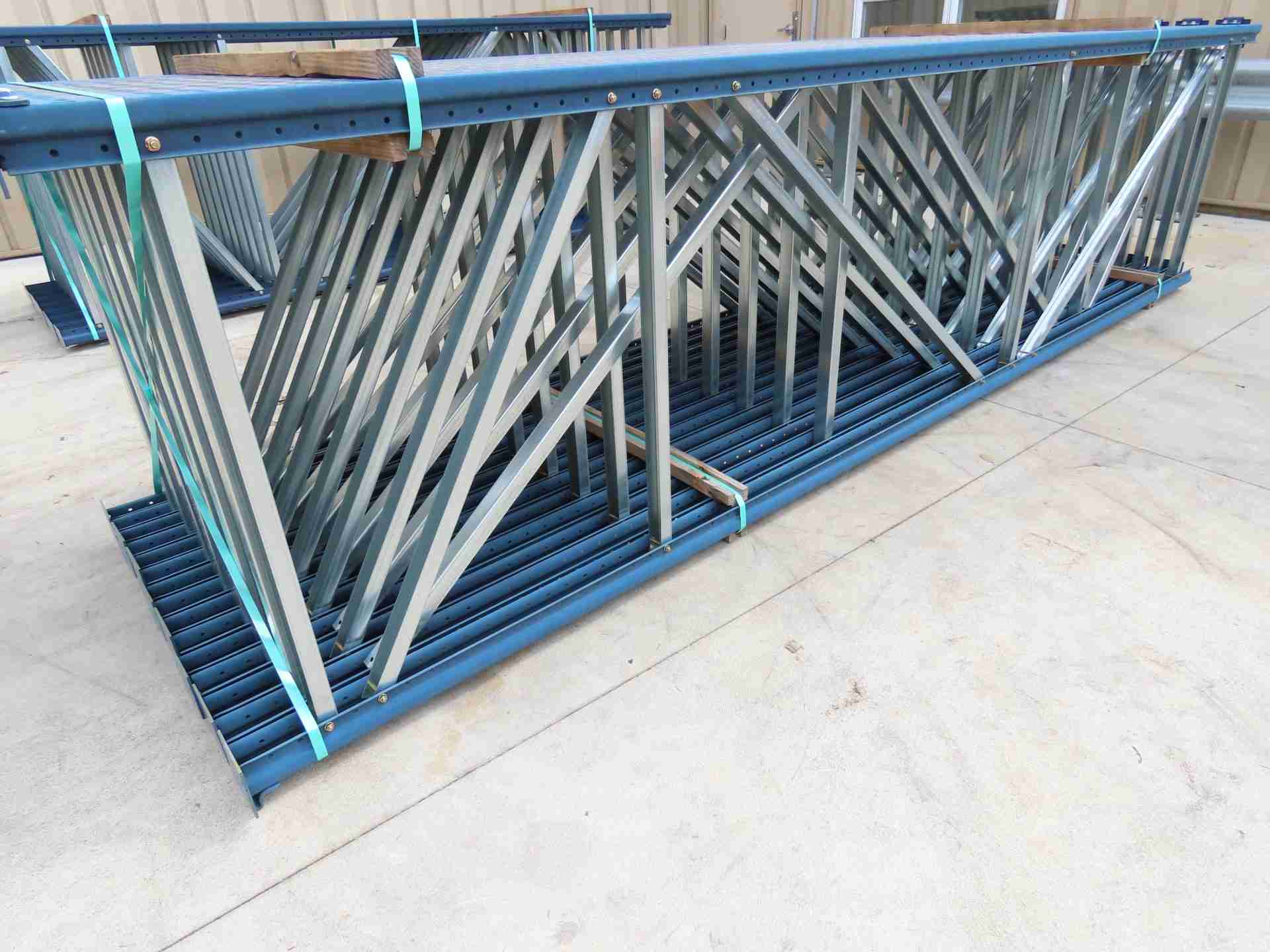
Are Inefficient Storage Practices Hurting Your Bottom Line Now?
Are Inefficient Storage Practices Hurting Your Bottom Line Now?
- Business owners face tough decisions affecting profits daily.
- Inefficient storage practices can lead to chaos and hamper productivity.
- Assess your storage setup regularly; outdated systems may be holding you back.
- Pallet racking systems maximize space and streamline organization.
- Inefficient storage costs time and can impact customer service.
- Implementing effective storage solutions boosts employee morale and customer satisfaction.
- Investing in modern storage practices can transform your business and increase profits.
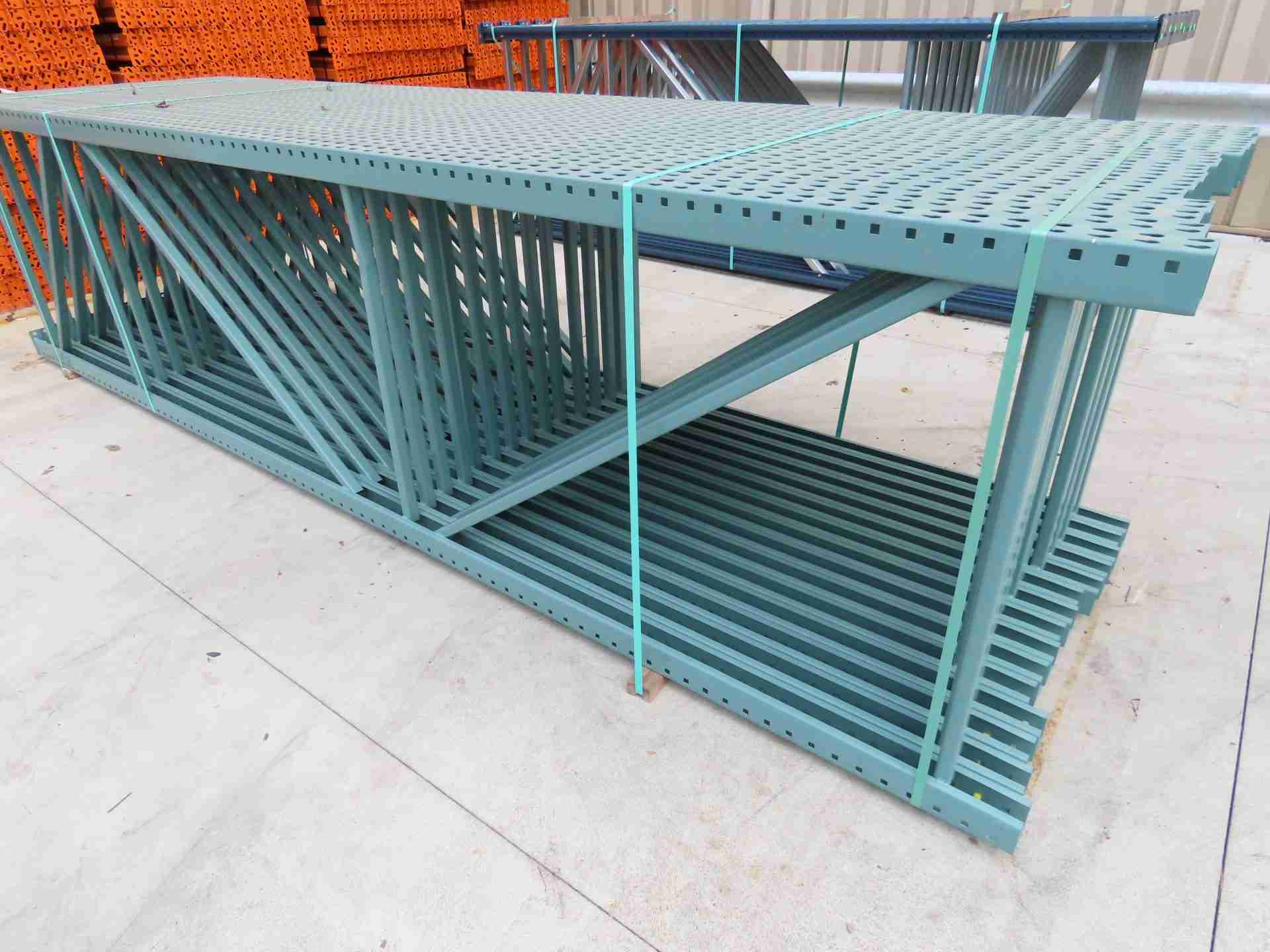
Are Inefficient Storage Practices Hurting Your Bottom Line Now?
Table Of Contents
- Are Inefficient Storage Practices Hurting Your Bottom Line Now?
- What Are The Signs Of Inefficient Storage Practices?
- How Do Inefficient Storage Practices Impact Costs?
- Can Poor Storage Lead To Lost Inventory?
- What Storage Solutions Can Optimize Space Utilization?
- How Often Should You Review Your Storage Practices?
- Are Manual Storage Processes More Error-Prone?
- Conclusion
- Other Resources
- Glossary Of Terms
- Other Questions
- Checklist
What Are The Signs Of Inefficient Storage Practices?
Imagine stepping into a warehouse cluttered with displaced items, where the simple task of locating a single product becomes an exercise in frustration. It’s a scene all too familiar to many businesses and often a glaring indicator of inefficient storage practices. Let’s dive into some clear signs that should raise your alarm bells and prompt you to reassess your storage strategies.
First up, consider the layout of your storage area. Are rows upon rows of pallet racking rammed with boxes in a haphazard fashion, leaving little room to maneuver? Inefficiently utilized pallet racking can show up as overcrowding or underutilization. When you can’t see what you have, the chances of over-ordering or misplacing inventory skyrocket. If your team spends more time searching than storing, it’s time for a shift.
Next, let’s talk about accessibility. Are items tucked away in the depths of high or unreachable pallet racking? If your team is climbing rickety ladders or shuffling boxes just to get to the item they need, you’ve hit the inefficiency jackpot. A well-thought-out storage system improves accessibility, which in turn boosts productivity and morale. After all, nobody wants to engage in a treasure hunt every workday.
Now, what about your inventory management? Are you continually finding products that are near or past expiration, or items that have been sitting around long enough to develop dust bunnies? This poor oversight not only wastes money but also can harm your business reputation. An effective inventory management system, paired with an organized pallet racking layout, can help you dodge these costly pitfalls.
Let’s consider the flow of goods. Do your operations resemble a game of Tetris, where the first item in isn’t always the first item out? Inefficient systems lead to congestion, bottlenecks, and ultimately, lost sales opportunities. Streamlining your processes is critical; remember, the smoother the flow, the better your bottom line.
Lastly, aren’t you tired of the constant maintenance and cleaning up of a disarrayed storage area? Embrace the idea that your storage should work for you—not the other way around. Invest in effective shelving and storage solutions and watch your operation transform. With a little commitment to examining your practices, you can ditch those inefficiencies and elevate your business to new heights. Don’t wait until disarray becomes the norm! Take action now and cultivate an organized, productive environment that everyone can take pride in.
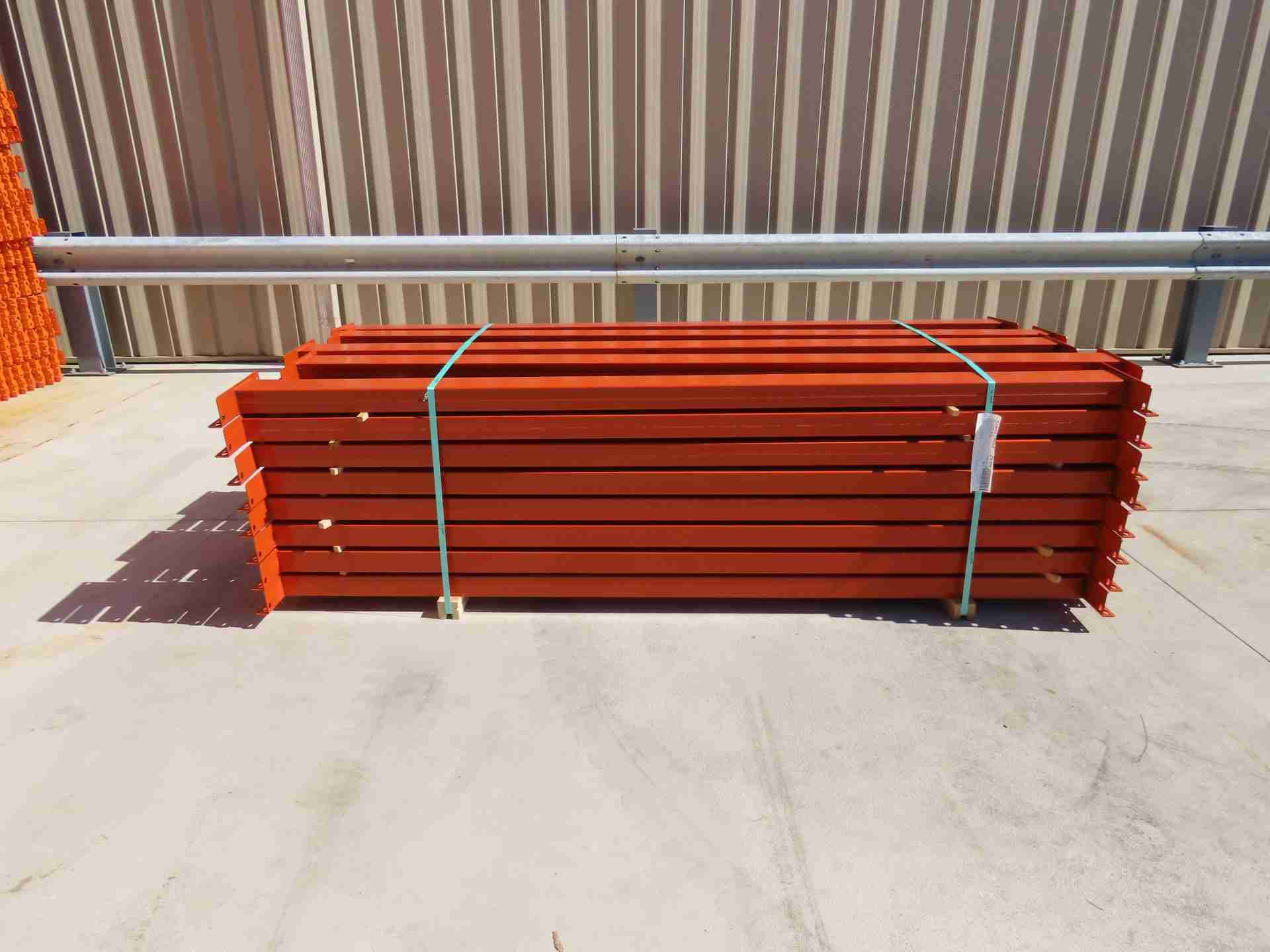
What Are The Signs Of Inefficient Storage Practices?
What Are The Signs Of Inefficient Storage Practices?
- Cluttered storage areas indicate inefficient storage practices.
- Pallet racking overcrowding leads to visibility issues and increased chances of over-ordering.
- Poor accessibility requiring ladders or moving boxes can hinder productivity.
- Expired or neglected inventory reflects poor management and can damage reputation.
- Inefficient flow of goods can lead to congestion and lost sales opportunities.
- Constant maintenance of disorganized storage is frustrating and counterproductive.
- Investing in effective storage solutions can transform operations and enhance efficiency.
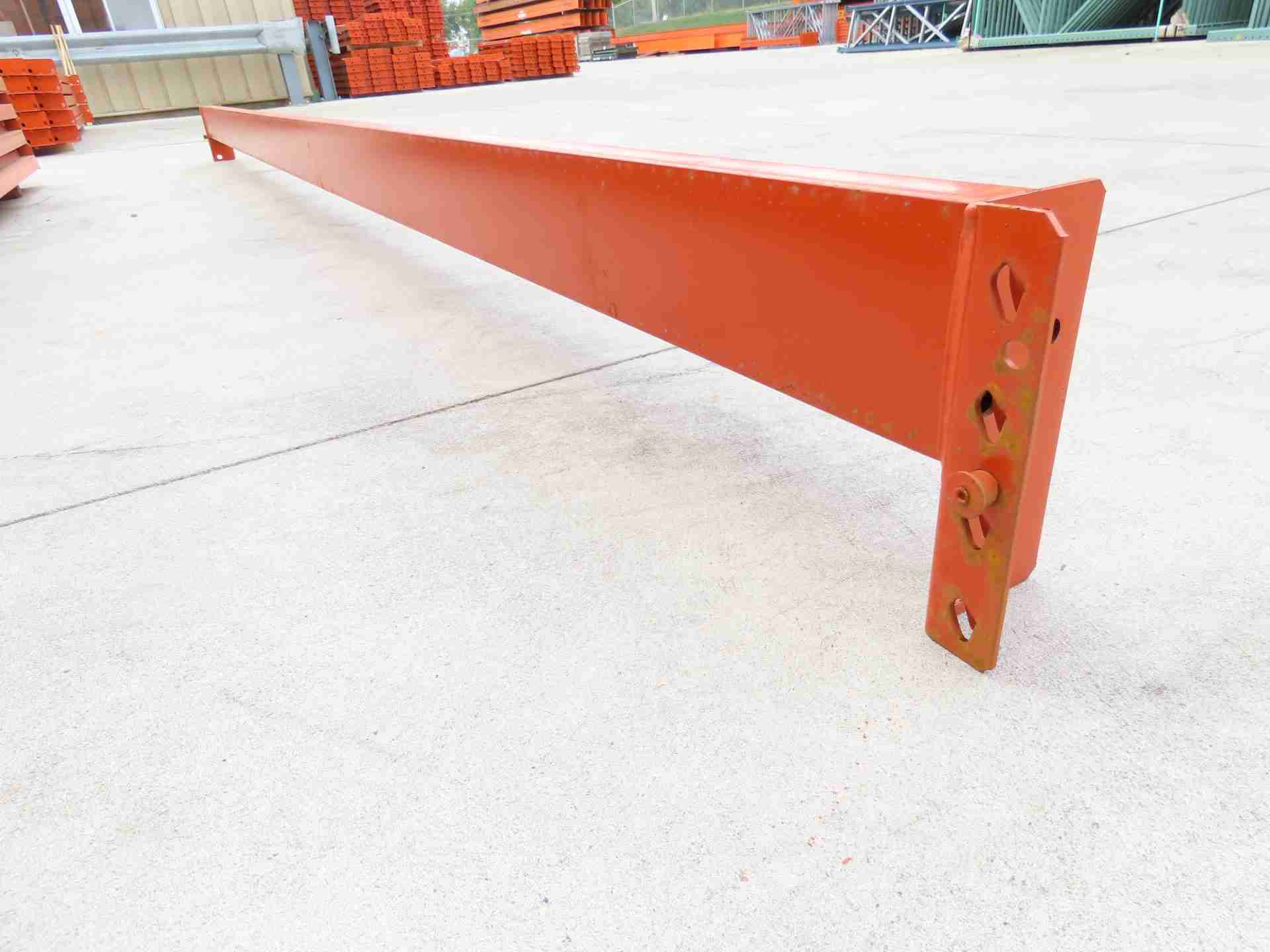
What Are The Signs Of Inefficient Storage Practices?
How Do Inefficient Storage Practices Impact Costs?
In today’s fast-paced business environment, every dollar counts. Yet, many companies find themselves overlooking a significant opportunity for cost savings right under their noses: inefficient storage practices. Have you ever stepped into a warehouse filled with cluttered aisles and disorganized inventory? If so, you understand how such chaos can translate directly to your bottom line.
Let’s delve deeper into how these inefficiencies can cripple your operations. Imagine a scenario where your team is scrambling to locate products buried under piles of unused goods, all while ticking away precious hours that could be better spent. Multiply that time waste by an extended period—what do you get? An alarming depletion of resources and a hit on employee morale. When employees feel frustrated navigating an inefficient storage system, their productivity plummets. No one wants to dig through heaps of pallets just to find a single product that may have been misfiled.
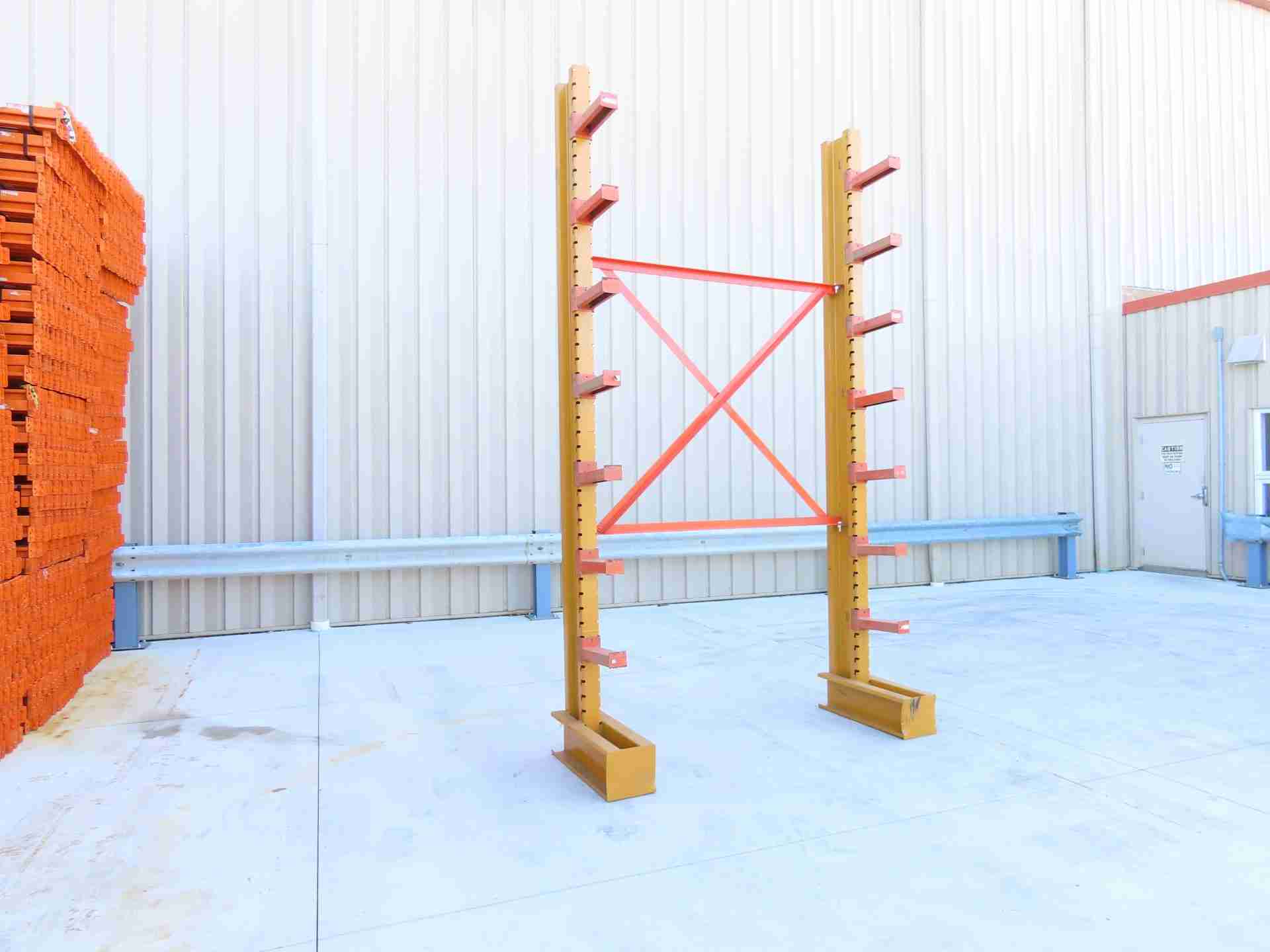
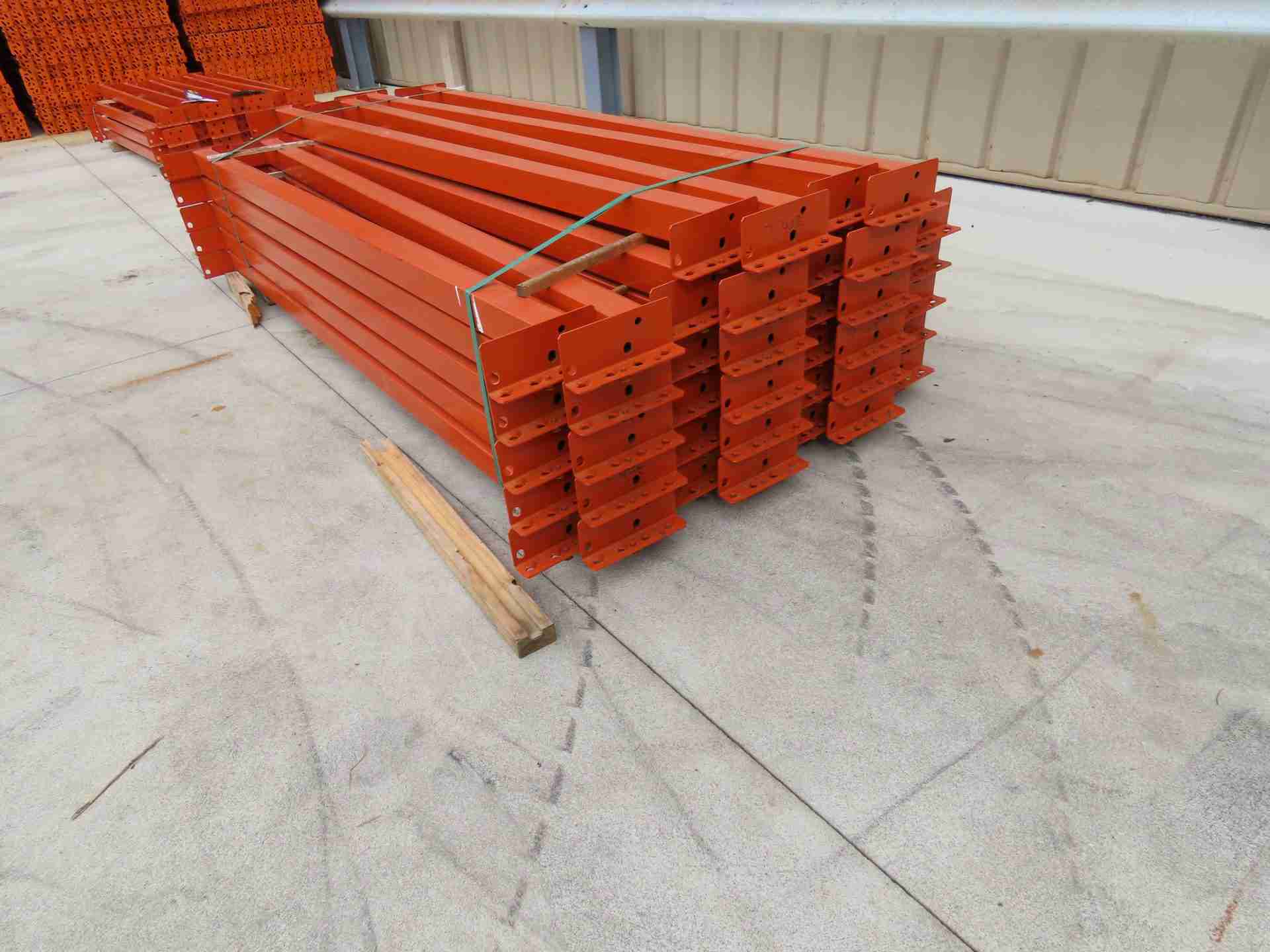
Now, consider the crucial role that pallet racking can play in transforming that disarray into an efficient workspace. With a well-organized pallet racking system, you can elevate your storage capabilities, literally and figuratively. By utilizing vertical space effectively, you can free up valuable floor area, allowing for smoother movement and better workflow. When inventory is systematically arranged, not only can your employees retrieve items swiftly, but they are also less likely to experience costly errors, reducing the chances of overstocking or running out of items altogether.
But the benefits of adopting efficient storage practices go beyond just labor savings. Think about the cost of wasted time and misallocated resources. When your inventory is organized neatly on sturdy pallet racking, it becomes easier to assess stock levels and plan for future orders. This means reduced carrying costs and less capital tied up in slow-moving inventory.
So, ask yourself: Are your storage practices costing you more than you realize? Every moment spent navigating inefficient systems is a moment— and a dollar—wasted. Don’t allow inefficiency to drag you down. Inspire confidence in your operations, regain control of your inventory management processes, and watch how swiftly your costs begin to shrink. The time to embrace a smarter storage solution is now; your profit margins will thank you.
How Do Inefficient Storage Practices Impact Costs?
How Do Inefficient Storage Practices Impact Costs?
- Many companies overlook cost savings from inefficient storage practices.
- Cluttered warehouses can lead to wasted time and resources, negatively impacting the bottom line.
- Inefficient storage systems frustrate employees, leading to decreased productivity.
- Implementing a well-organized pallet racking system can enhance storage efficiency.
- Effective use of vertical space allows for better workflow and movement in warehouses.
- Organized inventory reduces the chances of costly errors and misallocation of resources.
- Adopting efficient storage practices can significantly improve profit margins by reducing carrying costs.
How Do Inefficient Storage Practices Impact Costs?
Can Poor Storage Lead To Lost Inventory?
In the fast-paced world of inventory management, your storage system is not just a back-end afterthought—it’s the backbone of your operations. Think of your inventory as precious gold, a lifeline to your revenue stream, yet so many businesses treat their storage like it’s a mere afterthought. Let’s face it: when your goods languish in disarray, the risk of lost inventory skyrockets.
Just imagine the typical bustling warehouse floor. You’ve got products stacked high, an array of boxes that could rival a game of Jenga, and a maze of aisles that confuse even the most diligent team members. Now, what happens when you introduce inefficient storage practices? Items can become misplaced, detrimental to your bottom line and causing unnecessary headaches. This chaos not only risks losing valuable products but also leads to wasted time that could be better spent nurturing customer relationships or scaling your operations.
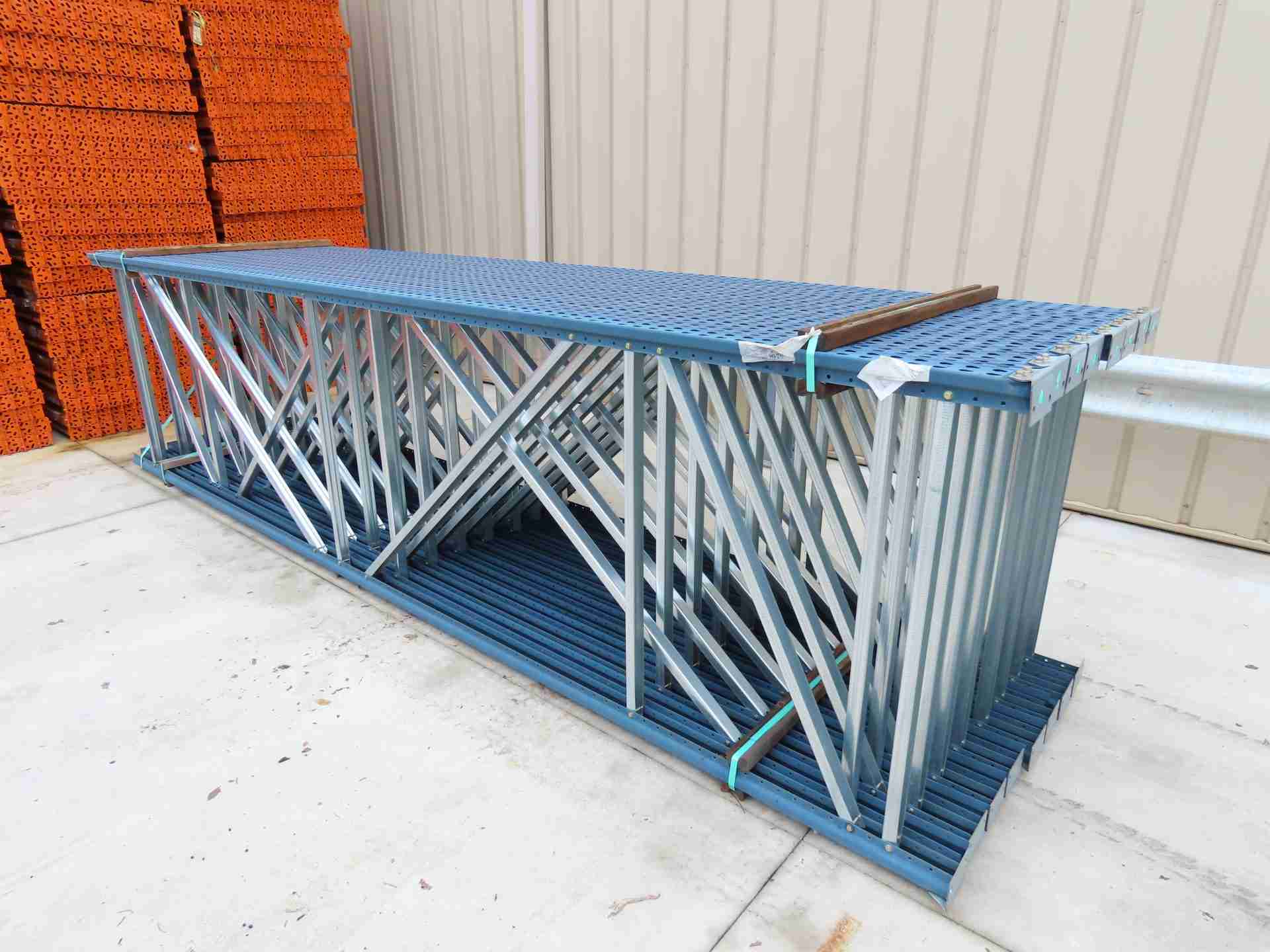
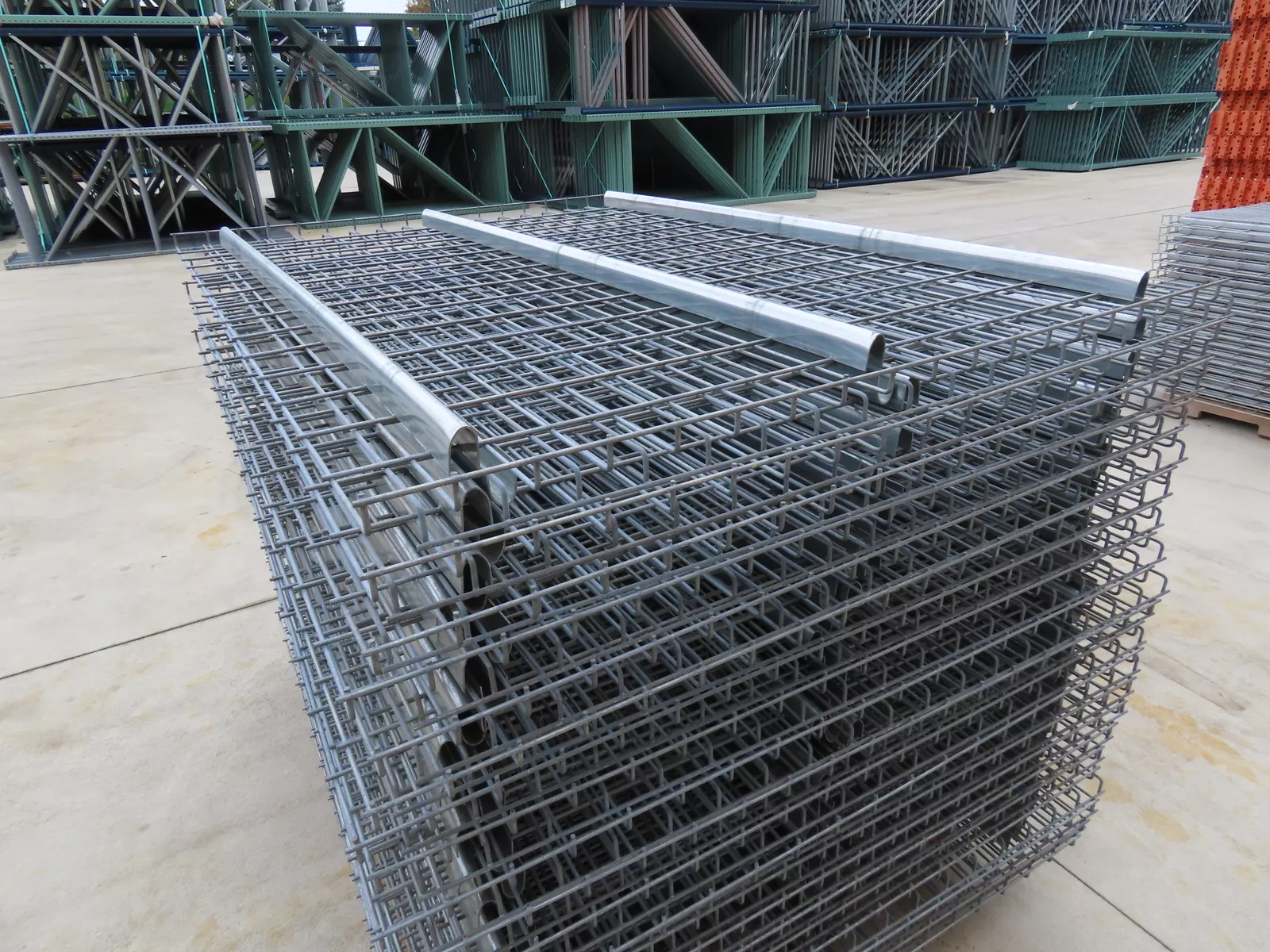
The real solution lies in embracing smart systems like pallet racking. Why is it so vital? Well, by utilizing pallet racking, you introduce a level of organization that transforms your entire storage area. Picture your inventory meticulously organized—easy to locate, easy to access, and free from the perils of misplacement. This structured approach not only capitalizes on your available space but also gives a sense of order and predictability to your operations.
However, the transformation won’t happen overnight. It requires intentionality and a commitment to change. Imagine inspiring your team to take pride in the way your inventory is stored. With clear shelves and thoughtfully arranged products, you foster a cohesive work environment where everyone is engaged, focused, and working toward the same goal: peak efficiency.
Moreover, investing in a robust storage solution boosts your inventory accuracy and tracking capabilities, instilling a sense of trust in consumers. When customers see that you consistently deliver, when they know your stock levels won’t leave them in the lurch, you forge loyalty that can last a lifetime.
So ask yourself: Are you ready to prioritize your storage? Don’t let poor practices lead to lost inventory or missed opportunities. Empower your operations with smart storage solutions that not only protect your assets but also inspire confidence in your entire organization. Trust me, your future self will thank you.
Can Poor Storage Lead To Lost Inventory?
Can Poor Storage Lead To Lost Inventory?
- Your storage system is critical to operations, not just an afterthought.
- Poor inventory organization increases the risk of loss and waste of valuable time.
- Inefficient storage can lead to misplaced items, negatively impacting profits.
- Implementing smart systems like pallet racking enhances organization and access.
- A well-structured inventory fosters a cohesive and focused work environment.
- Investing in storage solutions improves inventory accuracy, fostering consumer trust and loyalty.
- Prioritizing storage can protect assets and boost organizational confidence.
Can Poor Storage Lead To Lost Inventory?
What Storage Solutions Can Optimize Space Utilization?
Imagine stepping into a warehouse or storage facility that feels more like the control center of a well-oiled machine rather than a chaotic jumble of boxes and equipment. That’s the power of optimized storage solutions. An organized space not only boosts productivity but also enhances safety and streamlines operations. So, what’s the secret sauce? Let’s dive into some tried-and-true strategies that can transform any cluttered area into a beacon of efficiency.
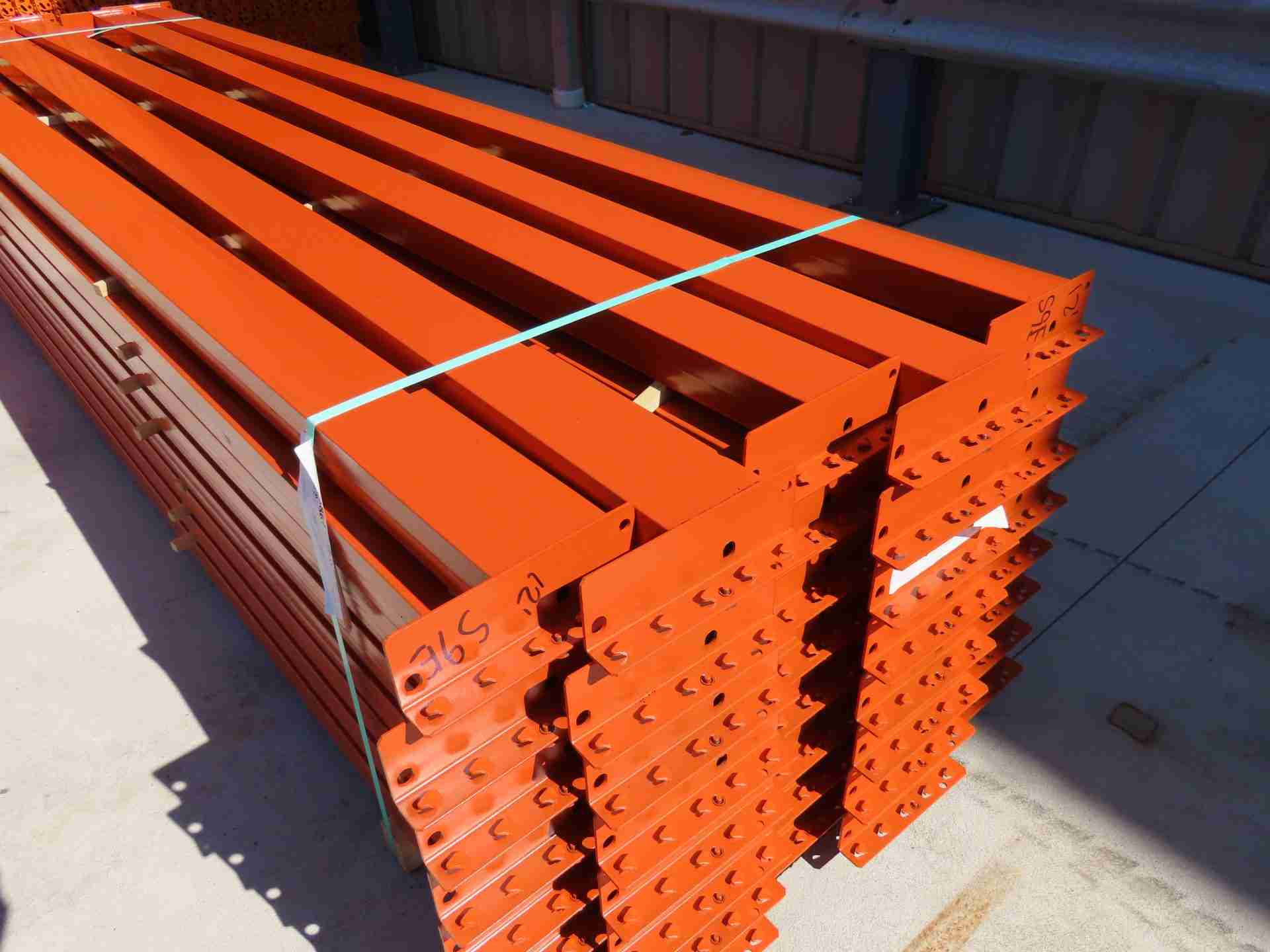
First up, consider the transformative impact of Pallet Racking systems. These innovative storage solutions are designed for maximum vertical space utilization, allowing you to store more products in a smaller footprint. Think about it—why let valuable square footage go to waste when you can stack it up and create an organized haven? With different configurations available, pallet racking can be customized to fit your unique inventory needs, ensuring that everything is easy to access while keeping your space neat and tidy.
But pallet racking is just the beginning. To further optimize your space, think about incorporating shelving units that adapt to your inventory size and type. Adjustable shelving can accommodate everything from small parts to larger bulk items, providing versatility and accessibility. When every item has its designated spot, you reduce the time your team spends searching for products, leading to faster order fulfillment and increasing customer satisfaction.
Next, let’s talk about mobile storage solutions. These systems take advantage of your facility’s footprint by allowing you to reconfigure aisles as needed. Whether you need more space for incoming stock or a quick access route for outgoing orders, mobile storage ensures that you can adapt quickly to changes in demand or inventory. This flexibility is crucial in keeping your operations agile and effective.
Lastly, consider implementing technology-driven inventory management systems. Pairing smart software with your physical storage solutions can significantly tighten up your processes. Automated tracking can help you monitor stock levels, optimize reordering, and reduce the likelihood of overstocking or stockouts—all of which contribute to a more efficient use of space.
In today’s fast-paced environment, efficiency is king, and every inch of your storage area should work for you, not against you. By utilizing pallet racking, adaptable shelving, mobile solutions, and smart technology, you’re not just optimizing space; you’re creating a foundation for growth. So take that bold first step into a more organized future—your bottom line will thank you.

What Storage Solutions Can Optimize Space Utilization?
What Storage Solutions Can Optimize Space Utilization?
- Optimized storage solutions transform warehouses into organized control centers.
- Utilizing pallet racking maximizes vertical space and allows for efficient storage.
- Customizable pallet racking configurations cater to unique inventory needs.
- Incorporating adjustable shelving provides versatility and reduces search times for products.
- Mobile storage solutions allow for reconfigurable aisles, enhancing operational agility.
- Technology-driven inventory management improves processes with automated tracking and optimization.
- Efficient storage leads to improved productivity, safety, and customer satisfaction.
What Storage Solutions Can Optimize Space Utilization?
How Often Should You Review Your Storage Practices?
When it comes to effective storage practices, reviewing your methods is not just a suggestion; it’s a necessity. Picture this: your warehouse is bustling with activity, and your pallet racking system is at the heart of it all. Keeping a close eye on how you utilize that space can mean the difference between streamlined operations and a jumbled mess that costs time and money. So, how often should you be assessing these critical practices? Let’s dig in.
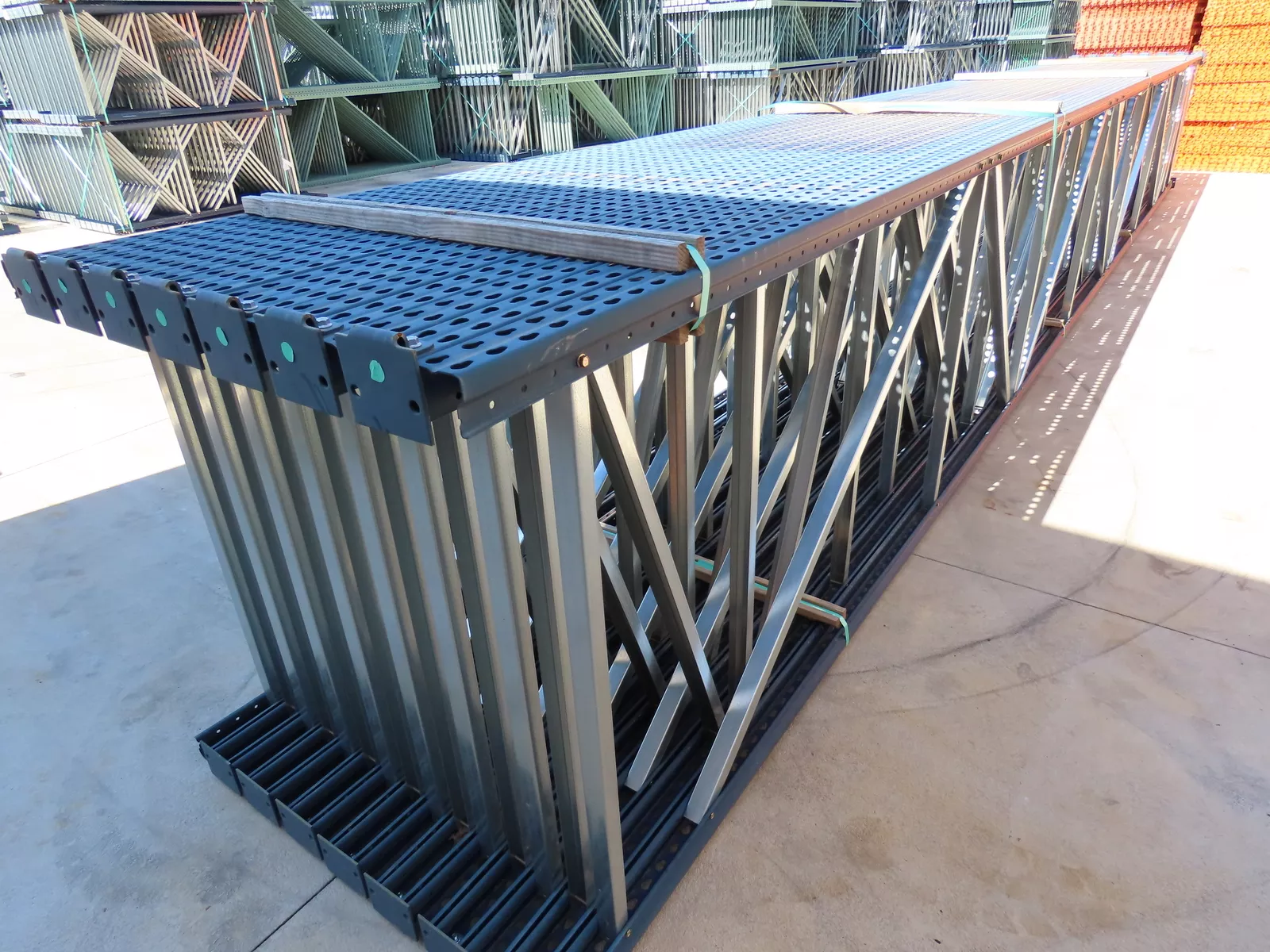
Regular reviews should be on the calendar—like a quarterly health checkup for your business. By setting aside dedicated time every three months, you assure yourself that your storage practices are efficient and conducive to productivity. But don’t just stop there; be proactive. After major operational changes—like a new shipment of products or altering your inventory system—give your storage practices a thorough inspection. This is when you can evaluate the effectiveness of your pallet racking. Are your shelves holding their weight, both literally and figuratively? Is your layout optimized for quick access? These are questions you need to be asking.
Make it a habit to involve your team in these reviews. Who knows the ins and outs of your storage system better than those who work with it daily? Engaging your employees fosters a sense of ownership and can lead to practical insights that you might overlook. Plus, it builds trust and camaraderie—an indispensable element in any successful operation.
Furthermore, be alert to the changing landscape of your industry. Are your competitors improving their efficiency? Are new technologies revolutionizing storage solutions? Even if your current system works fine today, innovation waits for no one. Regular reviews allow you to adapt and evolve. They help you identify gaps in your practices and seize opportunities before they pass you by—a key advantage in maintaining your edge.
Ultimately, think of these reviews not just as a routine, but as an ongoing commitment to excellence. When you prioritize your storage practices, you’re not just organizing a space; you’re optimizing your future. Embrace the opportunity, and watch how it transforms your operations—ensuring that every pallet racking unit serves its purpose and contributes to your broader organizational goals.
So, mark your calendars, engage your team, and embrace a culture of continuous improvement. The benefits will speak for themselves!

How Often Should You Review Your Storage Practices?
How Often Should You Review Your Storage Practices?
- Regular reviews of storage practices are essential for efficient warehouse operations.
- Schedule assessments every three months, akin to a business health checkup.
- Investigate storage methods after major operational changes, such as new shipments or inventory system alterations.
- Involve your team in reviews to gain valuable insights and foster ownership.
- Stay informed about industry changes and innovations to maintain a competitive edge.
- See reviews as an ongoing commitment to excellence rather than just routine tasks.
- Prioritizing storage practices optimizes operations and supports broader organizational goals.
How Often Should You Review Your Storage Practices?
Are Manual Storage Processes More Error-Prone?
In today’s fast-paced business environment, precision and efficiency are non-negotiable. Imagine a warehouse filled with towering pallet racking, each shelf meticulously organized for optimal access. Now, picture the chaos of a manual storage process that relies heavily on human intervention. This scenario isn’t just a minor inconvenience; it’s the breeding ground for errors that can cost you time, money, and your reputation.
When we think about manual storage, we’re often faced with a myriad of potential mishaps. Mistakes such as mislabeling, misplaced inventory, or even incorrect shipments can all stem from human error. It’s as if you hand over the keys to your operation and hope for the best. But hope isn’t a strategy, is it?
Let’s make this personal. Have you ever experienced the frustration of not finding a crucial product just when you need it? Perhaps you’ve witnessed a colleague scrambling to find an item they swore was on that pallet racking—only to discover it’s been misfiled. These moments are not just annoying; they erode trust within your team and with your clients. Every error reflects on your business’s capability to deliver on promises, and in an age where customer expectations are at an all-time high, you simply cannot afford to fall short.
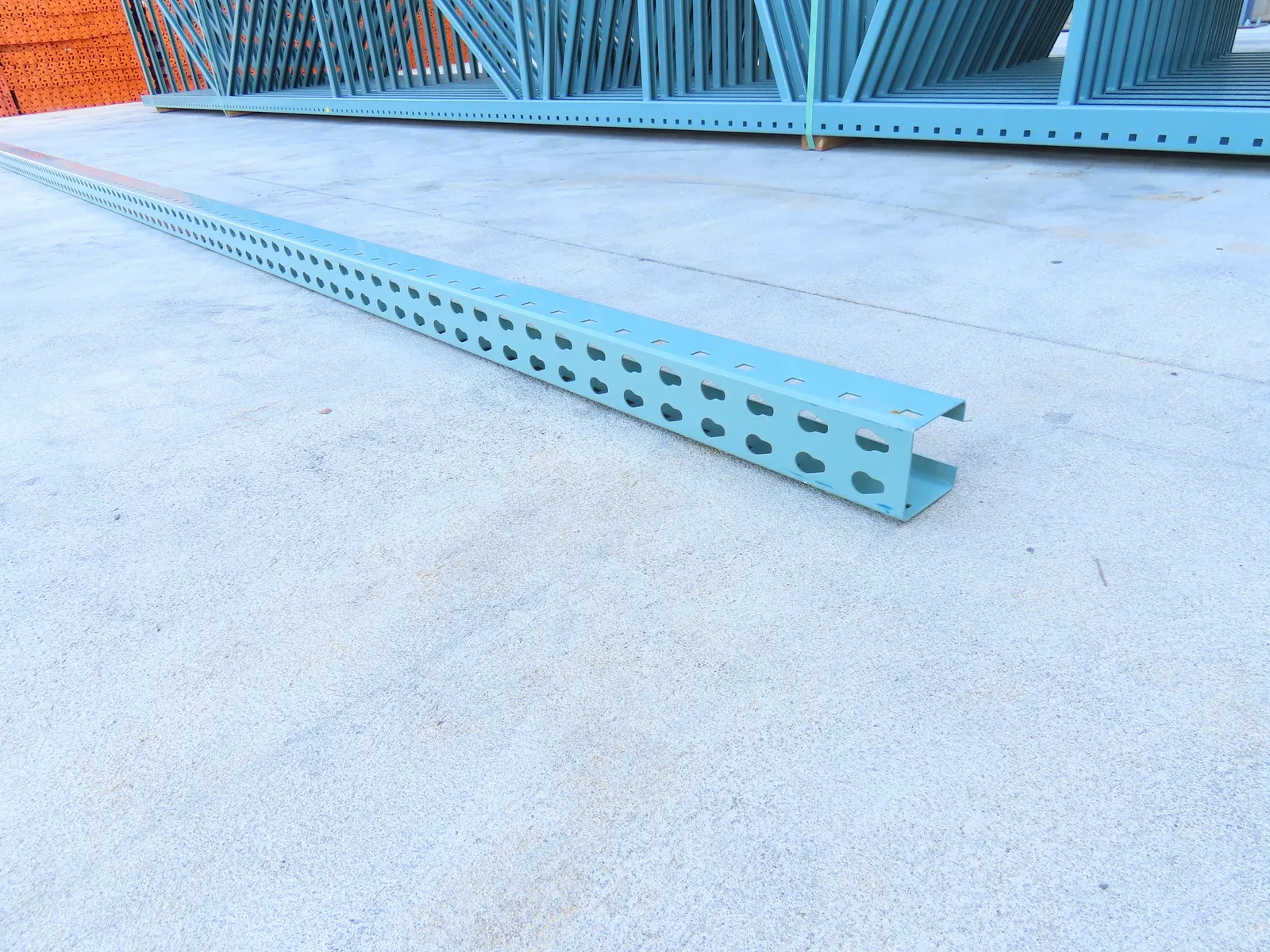
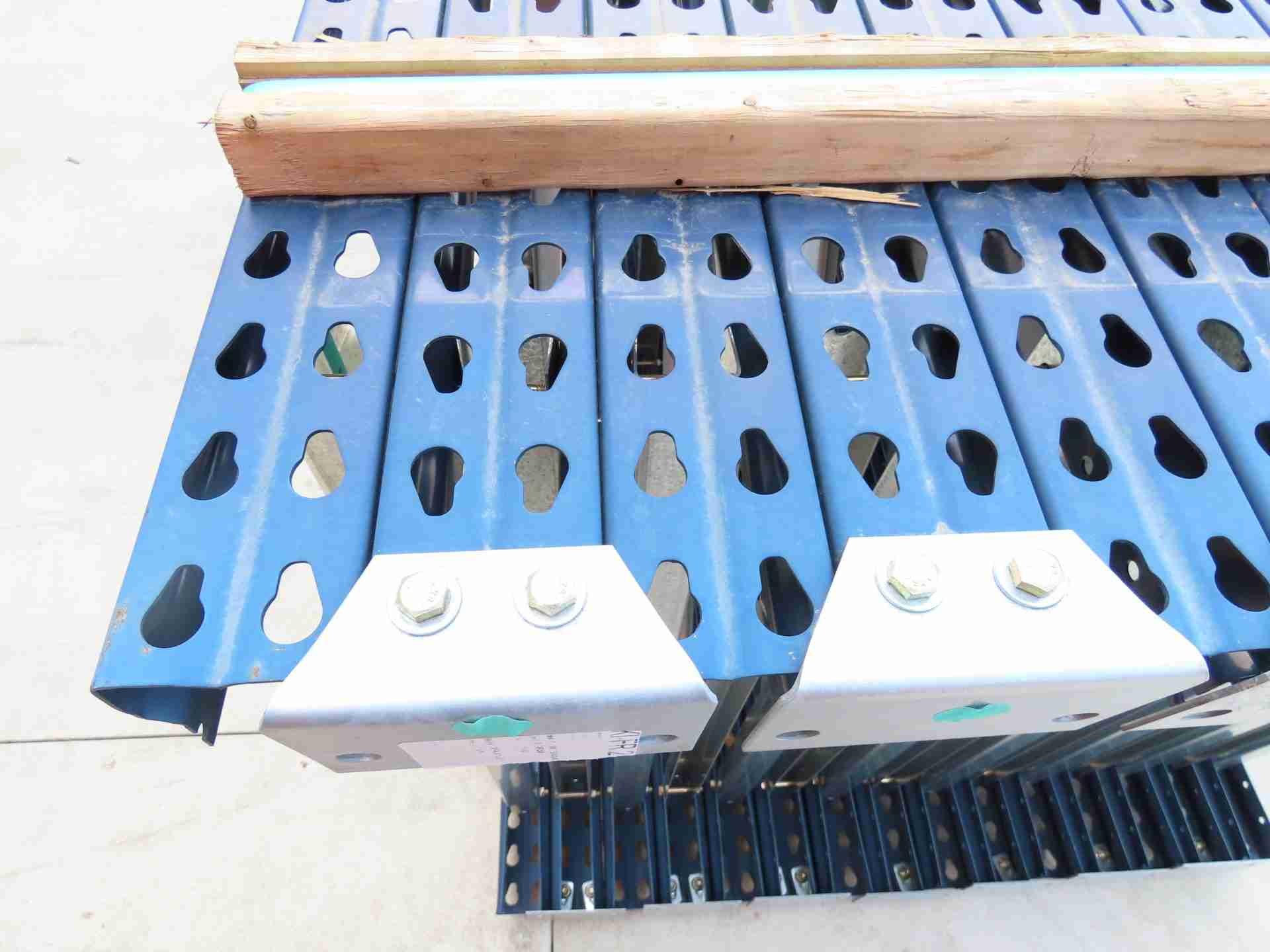
Now, consider the other side of the equation. Imagine a storage process that minimizes the risk of these errors. With an automated system or even improved training for your staff, you can dramatically reduce those pesky mistakes. Think about how an organized pallet racking system can transform your operations. Every item in its place, every team member confident in their role—this is not just a dream; it’s a reality waiting to happen.
By taking action to refine your storage processes, you significantly fortify your business against the pitfalls of manual management. Investing in automated solutions or systematic checks will build a foundation of reliability that inspires both internal and external confidence.
So, what’s holding you back? Errant errors may be a natural part of human operation, but your business deserves better. Step into a world where meticulous organization and reliability are the norms. When you tackle manual storage processes head-on, you’re not just eliminating errors—you’re empowering your business for success. Make the leap today and watch your efficiency soar!
Are Manual Storage Processes More Error-Prone?
Are Manual Storage Processes More Error-Prone?
- Precision and efficiency are crucial in today’s competitive business landscape.
- Manual storage processes increase the likelihood of human errors, leading to potential losses.
- Common mistakes in manual storage include mislabeling, misplaced inventory, and incorrect shipments.
- Errors in inventory management can damage trust and reputation with both team members and clients.
- Implementing an automated storage system or improving staff training can minimize errors significantly.
- Refining storage processes enhances reliability and boosts confidence in your operations.
- Addressing manual storage challenges empowers your business and improves overall efficiency.
Are Manual Storage Processes More Error-Prone?
Conclusion
Are you aware that your current storage practices might be the silent saboteur of your profits? In today’s competitive landscape, maximizing every square inch of your warehouse can spell the difference between thriving and merely surviving. Inefficient storage leads to not just lost time and diminished employee morale, but it directly impacts your bottom line, creating an urgent need for transformative change.
Consider the endless headaches caused by chaotic storage: misplaced products, overstocked inventory, and employee frustration. Each day that you delay reassessing your storage system is a day that your competitors may outpace you. Modern pallet racking systems are more than just shelves; they are strategic tools that enhance workflow, boost productivity, and ultimately, drive profitability. Transitioning to an organized and efficient storage space isn’t merely a nice-to-have—it’s a necessity for businesses aiming to scale and succeed.
It’s essential to recognize the marking signs of poor storage practices, such as cul-de-sac aisles and cluttered access to stock. These inefficiencies not only result in wasted resources but also erode morale as employees grapple with disorganization daily. By embracing effective storage solutions, including innovative pallet racking and adaptable shelving options, you set the stage for streamlined operations and enhanced employee productivity. In this era where every moment counts, why accept anything less?
Moreover, smart storage practices don’t just increase efficiency; they safeguard your inventory against loss—a critical asset in maintaining customer trust and satisfaction. Imagine the confidence you can instill in your customers when they see your commitment to maintaining a well-organized and accessible storage system!
Now, let’s talk actionable steps. Understanding the pressing need for a reassessment of storage practices is just the beginning. Regular reviews paired with proactive engagement from your team will create a culture of continuous improvement—a key ingredient in staying ahead of the curve.
Don’t settle for mediocrity! Invest in the future of your business by calling Arrow Industrial Sales at (574) 349-6575 today. Transform your storage with innovative solutions designed to maximize your efficiency. Don’t wait—inefficiency won’t wait for you. Act now to ensure that your storage practices not only support your operations but propel your profits to new heights! Your bottom line—and your team—will be all the better for it.
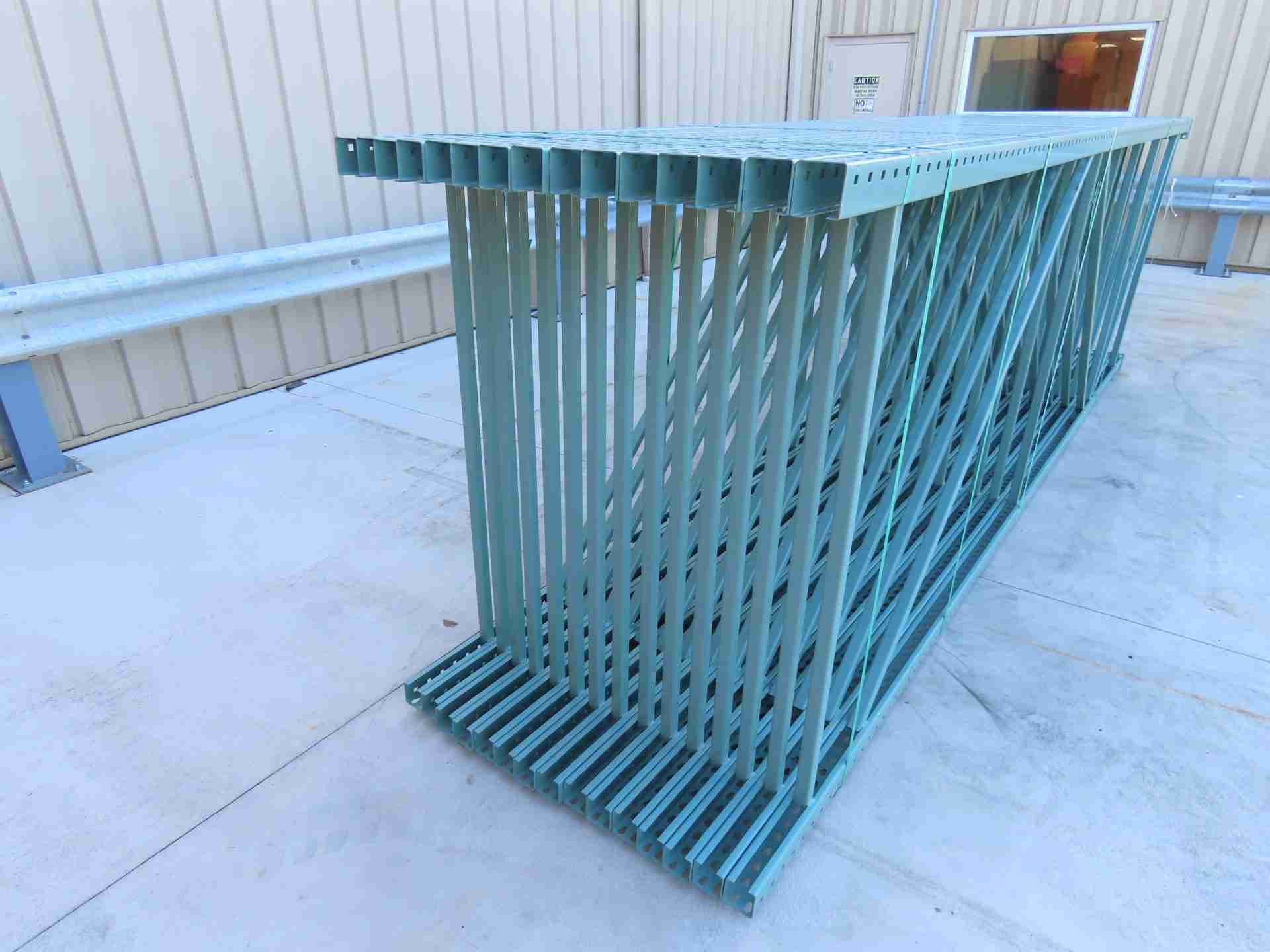
Conclusion
Conclusion:
- Current storage practices may be harming your profits and overall business success.
- Inefficient storage can lead to misplaced products, overstocked inventory, and frustrated employees.
- Modern pallet racking systems provide strategic advantages that enhance workflow and boost productivity.
- Recognizing signs of poor storage, like cluttered aisles, is crucial for improvement.
- Effective storage solutions can help safeguard inventory, maintain customer trust, and enhance satisfaction.
- Regular reviews and team engagement foster a culture of continuous improvement in your storage practices.
- Contact Arrow Industrial Sales to transform your storage and maximize business efficiency.
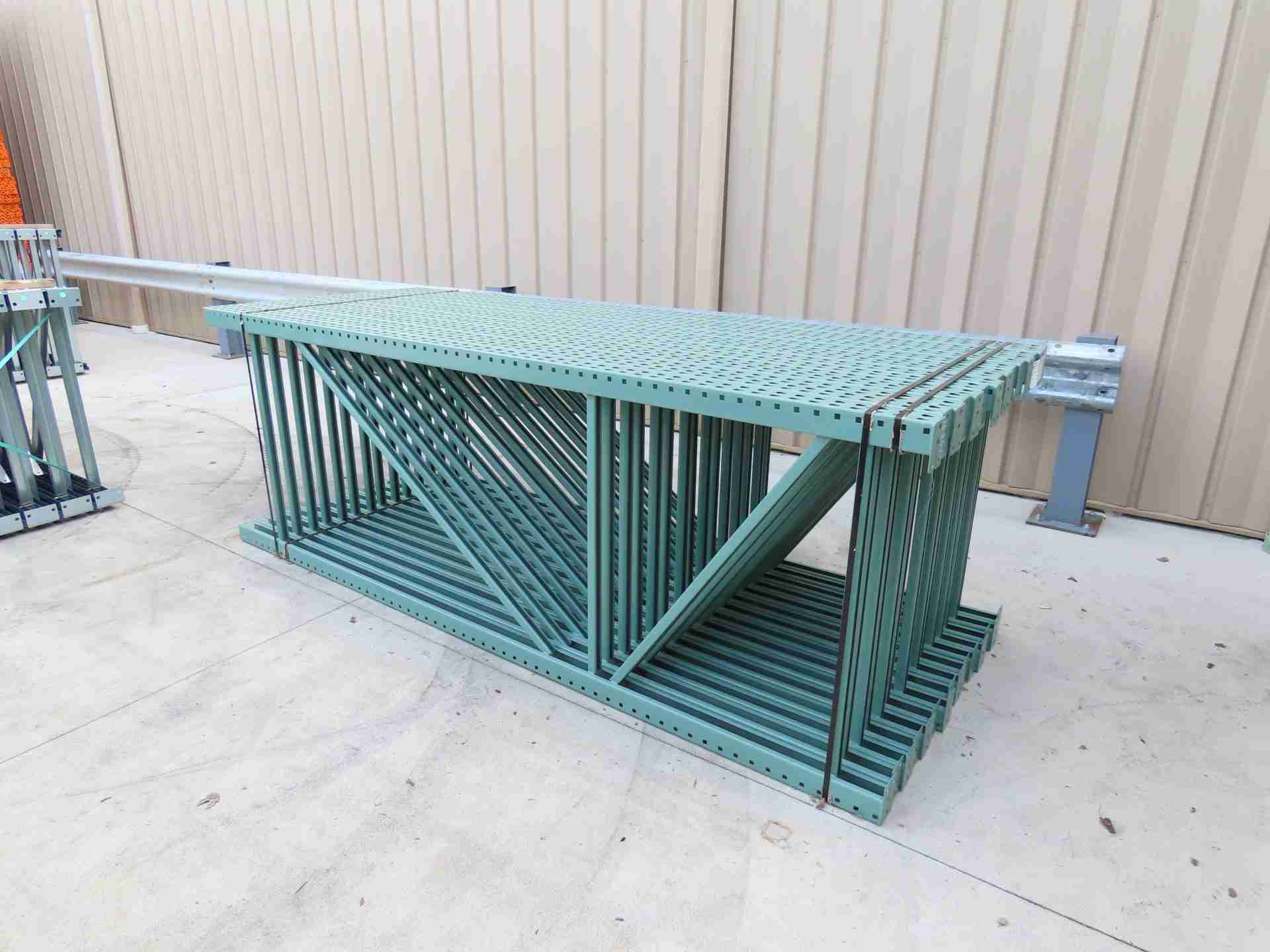
Conclusion
Other Resources
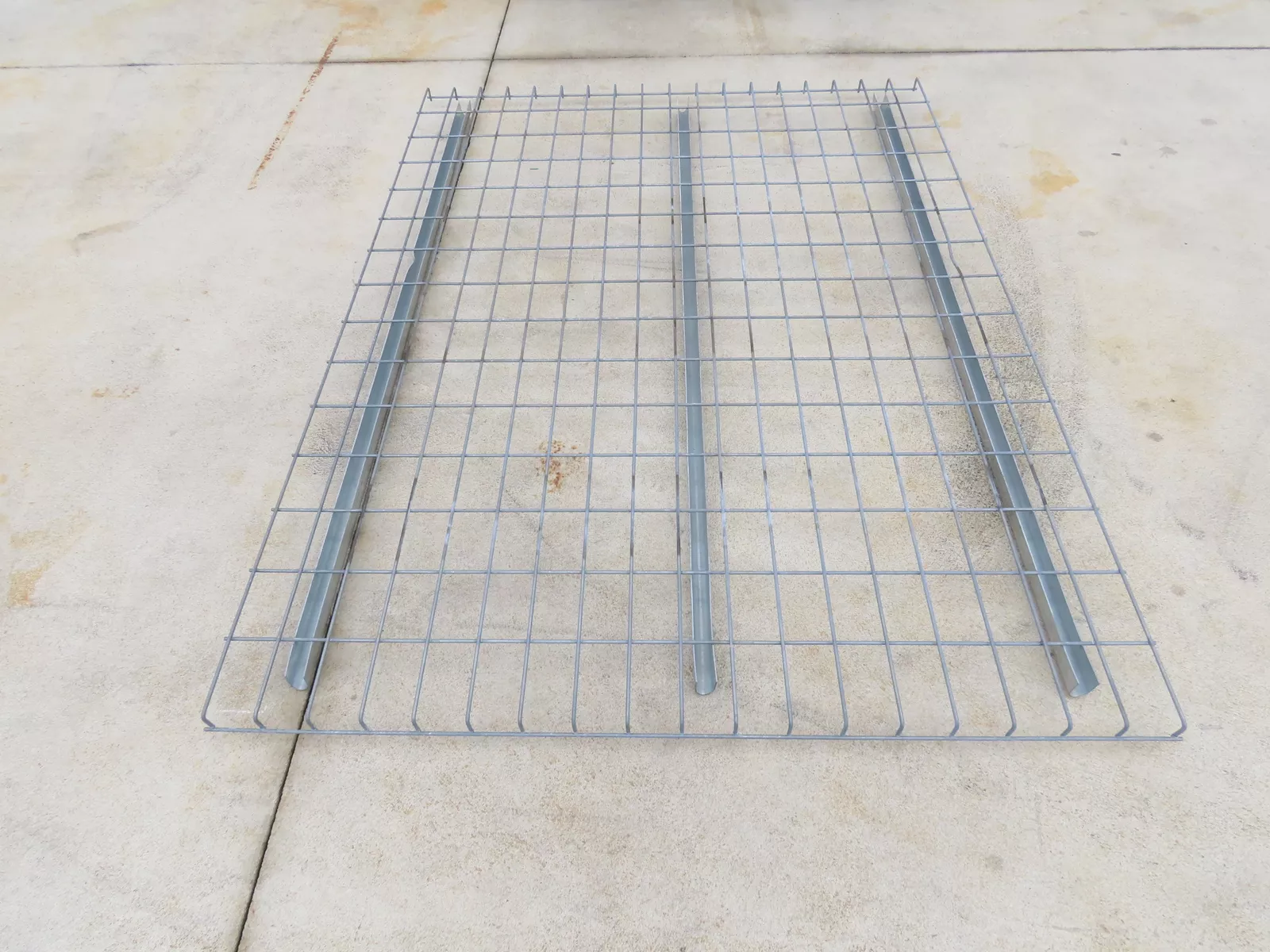
Other Resources
Here is a list of other resources you can review online to learn more:
- SEMA
- Selective Racking
- Selective Rack – Raymond West
- Warehouse Racking Layout: The Ultimate Guide – Conger
- Warehouse Racks, Warehouse Racking in Stock – ULINE
- Illinois Pallet Racking – WPRP
- Illinois
- National Safety Council
- Material Handling Safety
- Interlake
Use This Prompt To Get More Resources With Your Favorite Online AI Tool: Please provide me with a list of online articles with their URLs in a bulleted list that I can read regarding Are Inefficient Storage Practices Hurting Your Bottom Line Now?
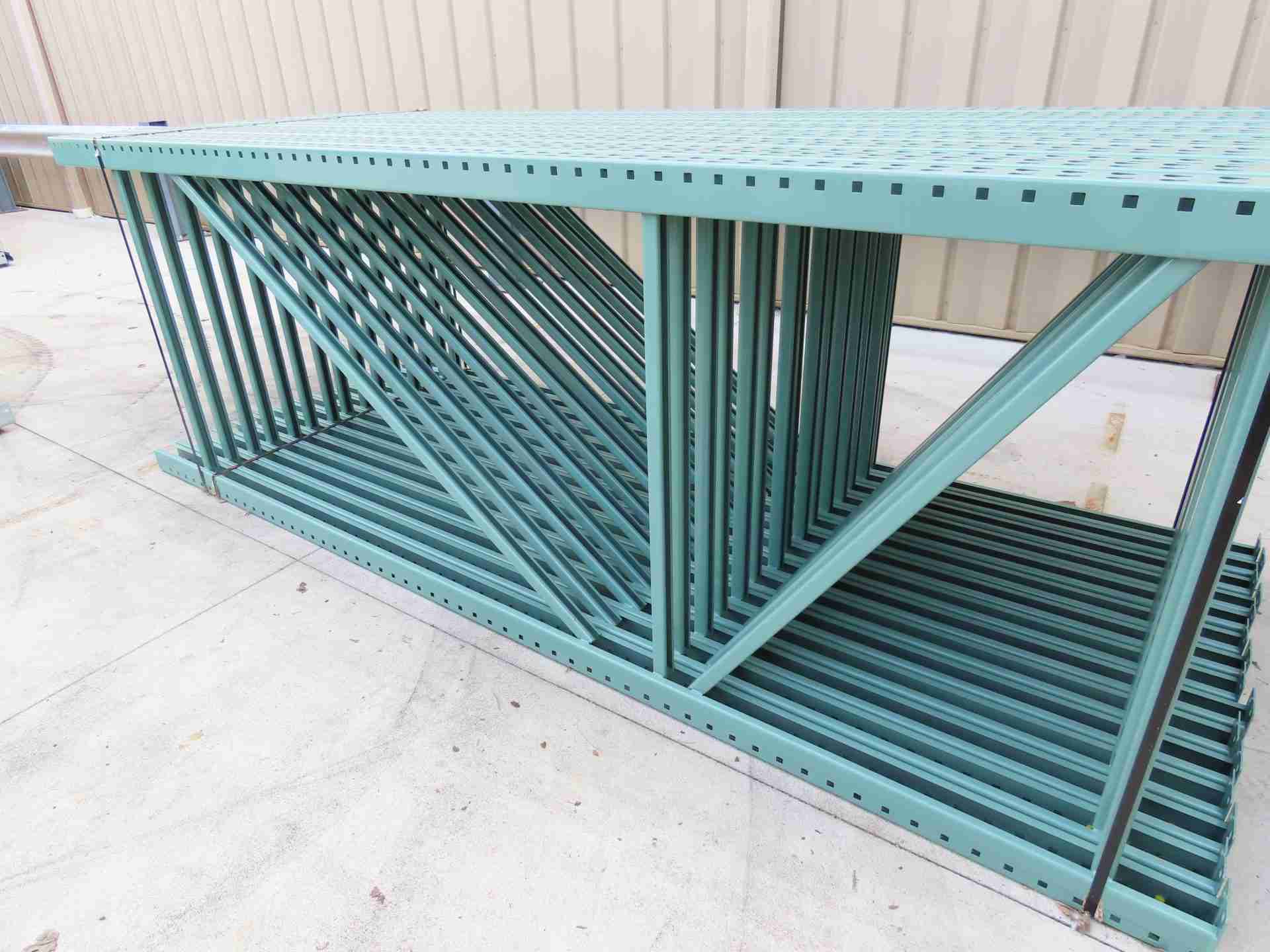
Other Resources
Glossary Terms
Are Inefficient Storage Practices Hurting Your Bottom Line Now? – Glossary Of Terms
1. Inventory Management: The process of ordering, storing, tracking, and controlling inventory throughout the production and sales process.
2. SKU (Stock Keeping Unit): A unique identifier for each product or item that helps businesses track inventory levels and sales.
3. Overstocking: Having more inventory on hand than is necessary, leading to increased storage costs and potential waste.
4. Understocking: Keeping insufficient inventory levels, resulting in missed sales opportunities and potential customer dissatisfaction.
5. Lead Time: The time taken between initiating a process and its completion; in storage, it refers to the time from reordering to receiving stock.
6. Warehouse Optimization: The practice of improving the layout and processes within a storage facility to maximize efficiency and minimize costs.
7. Just-In-Time (JIT): An inventory strategy that aligns raw-material orders with production schedules to reduce storage costs and waste.
8. Storage Costs: The expenses associated with storing goods, including rent, utilities, labor, and insurance.
9. FIFO (First In, First Out): An inventory management method where the oldest stock is sold or used first to reduce spoilage and obsolescence.
10. LIFO (Last In, First Out): An inventory management approach where the most recently produced items are sold first, which can affect cash flow.
11. Shrinkage: The loss of inventory due to theft, damage, or administrative errors, impacting profitability.
12. Warehouse Management System (WMS): Software that helps manage warehouse operations and optimize resources including inventory tracking and order fulfillment.
13. Utilization Rate: A measurement of how effectively storage space is used compared to its total capacity.
14. Cycle Counting: A method for auditing inventory by counting a portion of the inventory on a specific schedule, rather than a complete count.
15. Space Optimization: The process of maximizing storage use and efficiency within a warehouse or storage facility.
16. Order Fulfillment: The complete process of receiving, processing, and delivering orders to customers; inefficient practices can delay this process.
17. Obsolescence: The reduction in value or usability of products over time, often due to outdated inventory not selling.
18. Carrying Costs: The total cost of holding inventory, including storage, insurance, and loss of capital.
19. Picking Efficiency: The effectiveness and speed with which items are picked from inventory for orders; low efficiency can slow down fulfillment.
20. Supply Chain Costs: The total costs involved in the production and distribution of goods, affecting overall profitability.
21. Continuous Replenishment: A strategy that helps maintain inventory levels based on real-time sales data; prevents stockouts and reduces excess inventory.
22. Barcoding: The use of barcodes to track inventory, enhance accuracy, and streamline processes within storage and management.
23. Third-Party Logistics (3PL): Outsourcing logistics and supply chain management services to companies that specialize in storage and distribution.
24. Bulk Storage: A storage method where large quantities of products are grouped together in a single location, which can limit access and flexibility.
25. Cross-Docking: A logistics practice where incoming goods are directly transferred to outbound shipments without long-term storage, increasing efficiency.
26. Inventory Turnover: A ratio that indicates how many times inventory is sold and replaced over a period; a low turnover can suggest overstocking.
27. Cost-Benefit Analysis: A financial assessment that compares the costs of inefficient storage against potential benefits of improvements to determine feasibility.
28. Ergonomics in Storage: The study of how storage systems can be designed to optimize human efficiency and safety, impacting productivity.
29. Lean Inventory: An approach focused on minimizing waste within the inventory process, ensuring only necessary stock is maintained.
30. Demand Forecasting: The process of predicting future customer demand using historical data, which helps manage inventory levels effectively.
Glossary Of Terms
Other Questions
Are Inefficient Storage Practices Hurting Your Bottom Line Now? – Other Questions
If you wish to explore and discover more, consider looking for answers to these questions:
- What are the common signs of inefficient storage practices?
- How can businesses assess their current storage efficiency?
- What specific storage solutions are best for maximizing space utilization?
- How frequently should storage practices be reviewed and updated?
- What role does employee feedback play in optimizing storage practices?
- What are the potential costs associated with poor storage practices?
- How can technology improve storage management and reduce errors?
- What are the long-term benefits of investing in modern storage systems?
- How can businesses prevent lost inventory caused by inefficient practices?
- What types of pallet racking systems are available and how do they differ?
- How does employee morale impact overall productivity in storage operations?
- What steps can a business take to transition to a more efficient storage system?
- What industries benefit the most from improved storage solutions?
- Can poor storage practices affect customer satisfaction?
- If so, how?

Other Questions
Checklist
Are Inefficient Storage Practices Hurting Your Bottom Line Now? – A Checklist
1. Assess Current Layout
_____ Is the storage area cluttered or disorganized?
_____ Are items stored in an easily accessible manner?
_____ Is pallet racking being utilized effectively, or is it overcrowded?
2. Evaluate Accessibility
_____ Can team members easily reach all items without obstacles?
_____ Are there any high or unreachable storage areas that require ladders or special equipment?
_____ Are aisles wide enough for safe and efficient movement?
3. Review Inventory Management
_____ Are expiration dates regularly checked on perishable items?
_____ Is there a system in place to track inventory levels and movements?
_____ How often do you find outdated or dusty inventory items?
4. Analyze Flow of Goods
_____ Does your current process enable a first-in, first-out (FIFO) inventory flow?
_____ Are there visible bottlenecks in your storage and retrieval processes?
_____ How much time does your team spend searching for misplaced items?
5. Maintenance and Cleanliness
_____ How often do you clean and maintain storage areas?
_____ Is your team consistently managing to keep storage organized?
_____ Are there clear protocols for cleanup after shipments and tasks?
6. Investigate Costs Related to Inefficiency
_____ Have you calculated the costs associated with lost time due to disorganization?
_____ What impact does employee frustration have on overall productivity?
_____ Are you losing money on expired or undelivered goods due to poor storage practices?
7. Consider Storage Solutions
_____ Have you explored the benefits of modern pallet racking systems?
_____ Are there adjustable shelving units that could optimize space for your inventory?
_____ Could mobile storage solutions enhance flexibility in your facility?
8. Scheduling Reviews
_____ Do you have regular reviews of your storage practices scheduled (suggested every 3 months)?
_____ Are you assessing storage effectiveness after any significant operational changes?
_____ Is your team involved in these assessments to gain valuable insights?
9. Address Manual Storage Processes
_____ Are current manual processes prone to errors?
_____ Is there a system for labeling and organizing products accurately?
_____ Do you provide adequate training for staff to minimize mistakes?
10. Foster a Continuous Improvement Culture
_____ Are you encouraging team input on storage solutions and improvements?
_____ How regularly are you keeping up-to-date with industry best practices and technologies for storage?
_____ Is there a commitment to ongoing training and process refinement for your employees?
Once you complete this checklist, take note of the areas that need attention and develop a plan to implement changes. Remember, improving your storage efficiency can lead directly to increased productivity, better employee morale, and enhanced customer satisfaction—all of which positively impact your bottom line. Act now for a more organized and profitable future!
Checklist
At RackingWorld, we help guide you through selecting warehouse storage systems and racking.
Be sure to read our other related stories at RackingWorld to learn more about warehouse storage systems.
0 Comments