
Maximizing Efficiency With Angle Front Flowrack Systems
By Tom Seest
At RackingWorld, we help guide you through selecting warehouse storage systems and racking.
Be sure to read our other related stories at RackingWorld to learn more about warehouse storage systems.
What Is an Angle Front Flowrack with Optimized Picking?
In today’s fast-paced logistics and warehousing environment, efficiency isn’t just desirable; it’s imperative. Enter the angle front flowrack with optimized picking, a game-changing solution designed to revolutionize the way you handle inventory. This innovative system redefines traditional warehouse operations, streamlining the picking process and maximizing space utilization.
Imagine a warehouse where every inch is meticulously planned and effortlessly executed. That’s the promise of an angle front flowrack. Unlike conventional racks that distribute items horizontally, these systems introduce a sloped front, allowing products to glide forward with gravity’s assistance. Picture this: your pickers no longer struggle with heavy boxes at the back of a shelf. Instead, they easily select items with a simple pull. This not only accelerates picking times but also reduces the physical strain on workers, promoting a safer and more efficient workplace.
Consider the current boom in e-commerce. With giants like Amazon investing billions in their fulfillment networks, the demand for fast, accurate order processing has never been higher. Businesses that implement cutting-edge storage solutions like the angle front flowrack gain a competitive edge. According to industry reports, companies adopting optimized picking systems experience reductions in picking time of up to 30%. That’s time back in the pocket of your workforce and, more importantly, a faster turnaround for your customers.
Additionally, the angle front flowrack is versatile. Whether you’re dealing with small parts, bulky items, or even mixed inventories, this system adapts to your specific needs. For example, automotive parts distributors see a significant uptick in productivity when implementing these racks, as they can easily stock various sizes and types of products all in one system.
As we inch further into a digitally-driven marketplace, warehouse design is becoming more critical than ever. Just last year, supply chains faced unprecedented challenges due to global disruptions. Many businesses learned the hard way that a smart layout and efficient picking strategies are indispensable. An angle front flowrack represents a forward-thinking method to not only weather challenges but to thrive amid them.
In summary, the angle front flowrack with optimized picking encompasses the future of inventory management. Embrace this innovative solution to streamline your operations, empower your workforce, and deliver on the modern consumer’s demand for speed and accuracy. The time to invest in efficient systems is now, and the angle front flowrack could be the ace up your sleeve in the spotlight of supply chain success.

What Is an Angle Front Flowrack with Optimized Picking?
What Is an Angle Front Flowrack with Optimized Picking?
- Efficiency is essential in modern logistics and warehousing environments.
- The angle front flowrack with optimized picking transforms inventory handling by maximizing space utilization and streamlining the picking process.
- This innovative system features a sloped front, allowing products to glide forward, reducing picker strain and accelerating picking times.
- Businesses adopting optimized picking systems can reduce picking time by up to 30%, leading to faster order processing and improved customer satisfaction.
- The angle front flowrack is versatile, accommodating various inventory types, including small parts and bulky items, enhancing productivity across sectors.
- With increasing importance on efficient warehouse design, the angle front flowrack helps businesses cope with supply chain disruptions and thrive in challenges.
- Investing in the angle front flowrack can streamline operations, empower workers, and meet modern consumer demands for speed and accuracy.

What Is an Angle Front Flowrack with Optimized Picking?
Table Of Contents
- What Is an Angle Front Flowrack with Optimized Picking?
- What Are The Benefits Of Using An Angle Front Flowrack?
- How Does Optimized Picking Improve Warehouse Efficiency?
- What Industries Typically Use Angle Front Flowracks?
- How Do You Set Up An Angle Front Flowrack For Optimal Performance?
- What Materials Are Commonly Used In Angle Front Flowracks?
- How Can Angle Front Flowracks Reduce Picking Time?
- What Factors Should Be Considered When Choosing A Flowrack Design?
- How Does Angle Front Design Differ From Traditional Flowracks?
- What Is The Cost-Effectiveness Of Using Angle Front Flowracks?
- How Can Technology Enhance The Effectiveness Of Flowracks?
- What Are Common Challenges Faced With Angle Front Flowracks?
- How Do You Maintain The Quality Of Angle Front Flowracks?
- What Is The Role Of Gravity In Flowrack Design And Function?
- How Can You Measure The Effectiveness Of Optimized Picking?
- What Training Is Needed For Staff Using Angle Front Flowracks?
- Conclusion
- Other Resources
- Glossary Of Terms
- Other Questions
- Checklist
What Are The Benefits Of Using An Angle Front Flowrack?
In today’s fast-paced business environment, efficiency is king. The Angle Front Flowrack is an innovative solution that can dramatically enhance your operational effectiveness, whether you’re in warehousing, distribution, or manufacturing. By focusing on the benefits of this remarkable system, you’ll find compelling reasons to integrate it into your operational strategy.
Optimized Space Utilization
Consider the pressure of maintaining a streamlined inventory system. With urban real estate costs skyrocketing, every square inch of your warehouse counts. Enter the Angle Front Flowrack—its unique slant allows for easy visibility and accessibility. Imagine your employees swiftly locating and extracting goods without the clutter and chaos of traditional shelving. According to a recent report from the Warehousing Education and Research Council, companies that optimize space can reduce costs by as much as 30%. Adopting an angle front design means you maximize storage without incurring extra square footage.
Increased Picking Efficiency
Time is money, and in the world of logistics, seconds translate to dollars. The angled front design of these flowracks minimizes bending and reaching, allowing your team to pick products quickly and accurately. For instance, if you run a distribution center for a grocery chain, the ability to quickly assemble orders means fresher products and happier customers. Companies such as Amazon have consistently reported improved picking rates in environments that leverage efficient storage solutions. By implementing Angle Front Flowracks, your order fulfillment speed can match—or even exceed—the industry’s established benchmarks.
Enhanced Safety
Another significant benefit lies in the improvement of workplace safety. The Angle Front Flowrack reduces the risk of accidents that accompany difficult-to-reach items. A 2023 report from the Occupational Safety and Health Administration highlighted that unsafe lifting practices are a major cause of workplace injuries. With goods presented at an optimal angle, your employees face less strain—creating a safer, more productive work environment.
Versatility Across Industries
From e-commerce fulfillment centers to specialized manufacturing plants, the Angle Front Flowrack can be tailored for various products—from consumer electronics to automotive parts. This adaptability ensures that whatever your business deals in, you can optimize your storage solution.
Future-Ready Operations
As businesses pivot to adapt to contemporary challenges—like supply chain disruptions and the growing demand for swift delivery—leveraging innovative storage solutions like the Angle Front Flowrack becomes a strategic advantage. Investing in this system now means positioning your operations for speed and flexibility in the future.
In summary, the Angle Front Flowrack isn’t just about storage; it’s about transforming your business for the better—enhancing efficiency, scaling operations, ensuring safety, and increasing profit margins. Make the strategic choice today and watch your operational efficiency soar!

What Are The Benefits Of Using An Angle Front Flowrack?
What Are The Benefits Of Using An Angle Front Flowrack?
- Designed for efficiency in warehousing, distribution, and manufacturing.
- Optimizes space utilization, helping reduce costs by up to 30%.
- Increases picking efficiency by minimizing bending and reaching.
- Enhances workplace safety by reducing strain and accident risks.
- Versatile design suitable for various industries and product types.
- Future-ready, adapting to contemporary challenges in supply chain and delivery demands.
- Transformative solution for boosting operational efficiency and profit margins.

What Are The Benefits Of Using An Angle Front Flowrack?
How Does Optimized Picking Improve Warehouse Efficiency?
In today’s fast-paced e-commerce landscape, every minute counts, and every inch of space matters. Optimized picking emerges as the unsung hero in warehouse operations, delivering a powerful punch that can significantly elevate efficiency and boost the bottom line. But what exactly is optimized picking, and how does it enhance warehouse productivity?
At its core, optimized picking refers to the strategic methods applied to streamline the order fulfillment process. Imagine a bustling warehouse where workers navigate a maze of aisles as they race against time to fulfill customer orders. Now picture a scenario where advanced algorithms dictate the most efficient picking routes, minimize travel time, and even predict which products are likely to be ordered together based on historical data. This is the essence of optimized picking.
Let’s consider a current trend in the industry: the rise of automation and artificial intelligence. With the latest warehouse management systems, companies can implement automated picking solutions that harness the power of robotics. For example, Amazon has made headlines recently with its advancements in robotic technology that assists in order picking. The robots not only pick items from shelves but also work alongside human employees, significantly reducing the time it takes to assemble orders. This isn’t just futuristic—it’s happening now, and warehouses that invest in these innovations can see significant increases in throughput and customer satisfaction.
Beyond technology, efficient layout design plays an essential role in optimized picking. Companies like Walmart have revamped their warehouse layouts to ensure that the most frequently picked items are close to shipping areas. This simple yet effective change reduces the distance pickers must travel, translating to time saved on each order fulfilled. Imagine a situation where the time spent on walking could be cut down by even 30%—that’s a substantial increase in order processing capability without any additional labor costs.
Moreover, think about the recent surge in online shopping due to global events, such as the pandemic. The need for speed has never been greater. Retail giants and small businesses alike are leaning into optimized picking methodologies to scale up operations. Companies that embrace data analytics to forecast demand are more equipped to implement effective picking strategies, thus improving both speed and accuracy.
In summary, optimized picking is more than just a buzzword. It is a critical component that empowers warehouses to meet modern demands with clarity and precision. By integrating technology, redesigning layouts, and making data-driven decisions, organizations position themselves at the forefront of efficiency. As competition tightens, those who master optimized picking will not only survive but thrive in the ever-evolving market.

How Does Optimized Picking Improve Warehouse Efficiency?
How Does Optimized Picking Improve Warehouse Efficiency?
- Optimized picking is crucial for enhancing efficiency in e-commerce warehouse operations.
- It involves strategic methods that streamline the order fulfillment process through optimized routes and minimized travel time.
- Advanced algorithms can predict product order patterns based on historical data, improving efficiency.
- Automation and AI, exemplified by Amazon’s robotic technologies, significantly boost order assembly speed.
- Efficient warehouse layout design, like that implemented by Walmart, can greatly reduce pickers’ travel distances.
- The surge in online shopping demands faster fulfillment, prompting businesses to adopt optimized picking practices.
- Data analytics aids in forecasting demand, enabling companies to improve picking speed and accuracy.

How Does Optimized Picking Improve Warehouse Efficiency?
What Industries Typically Use Angle Front Flowracks?
Angle front flowracks, with their ingenious design and streamlined functionality, are quickly becoming indispensable in a variety of sectors. Why? Because they maximize storage density, enhance accessibility, and significantly improve inventory management in environments where efficiency is paramount. Let’s explore the industries that are capitalizing on these advantages.
Retail and E-commerce
The retail landscape has been undergoing a seismic shift, particularly with the rapid rise of e-commerce. Companies like Amazon continuously innovate their fulfillment operations to keep pace with soaring customer expectations. Angle front flowracks facilitate easy sorting and organization of diverse products, from electronics to apparel, enabling workers to quickly retrieve items for order fulfillment. As retailers embrace omnichannel strategies, these flowracks not only optimize the physical space but also ensure that goods are easily accessible for fast-paced operations.
Manufacturing
In the manufacturing sector, the need for lean operations is stronger than ever. Companies like Tesla and GE leverage advanced inventory management solutions to streamline production lines. Angle front flowracks promote a First-In-First-Out (FIFO) system, which is crucial for items with expiration dates or those that may become obsolete. This ensures that production schedules remain uninterrupted while minimizing waste—an essential concern as supply chain disruptions have dominated headlines recently.
Food and Beverage
The food service industry is another critical user of angle front flowracks, particularly due to its inherent need for strict inventory control and freshness. Restaurants, grocery stores, and warehouses utilize these racks to efficiently manage products, maintaining an organized flow from receiving to storage. Brands like Whole Foods and Trader Joe’s understand that a well-organized stockroom leads to faster service and ultimately happier customers. Moreover, with increasing awareness around food safety, easy access provided by angle front flowracks means that perishable items are monitored closely and rotated consistently.
Pharmaceuticals
The pharmaceutical industry is characterized by stringent regulations and the need for precise inventory tracking. Drug manufacturers and distributors utilize angle front flowracks to manage vast inventories of medicines, ensuring that stock is rotated properly while minimizing retrieval time. As recent global health crises have highlighted, the demand for efficient distribution logistics is more critical than ever, making the implementation of these flowracks a smart investment.
Conclusion
As we look to a future marked by rapid change and market volatility, industries ranging from retail to pharmaceuticals are realizing the value of angle front flowracks. They represent a smart solution in an era when space is premium and efficiency is the benchmark of success. Embracing such innovative storage solutions can be your ticket to not just surviving but thriving in today’s competitive landscape.

What Industries Typically Use Angle Front Flowracks?
What Industries Typically Use Angle Front Flowracks?
- Angle front flowracks are designed to maximize storage density, enhance accessibility, and improve inventory management.
- In retail and e-commerce, these flowracks help companies like Amazon efficiently sort and organize diverse products for quick order fulfillment.
- Manufacturers such as Tesla and GE utilize flowracks to implement a First-In-First-Out (FIFO) system, reducing waste and maintaining production schedules.
- The food and beverage industry relies on flowracks for strict inventory control and fast access to perishable goods, leading to better service and customer satisfaction.
- Pharmaceutical companies use angle front flowracks to efficiently manage large inventories, ensuring proper stock rotation and minimizing retrieval times.
- As industries face rapid changes and market volatility, angle front flowracks provide innovative solutions for optimizing space and enhancing operational efficiency.
- Embracing these storage solutions can help businesses thrive in a competitive landscape.

What Industries Typically Use Angle Front Flowracks?
How Do You Set Up An Angle Front Flowrack For Optimal Performance?
Setting up an angle front flow rack is an art—and when done properly, it can drastically increase your warehouse efficiency, reduce waste, and optimize inventory management. With the ongoing supply chain challenges and economic fluctuations, implementing an effective system is not just a luxury; it’s a necessity. Here’s how to transform your flow rack into a powerhouse of productivity.
1. Understand Your Space and Inventory Needs
Before diving into the installation, evaluate your warehouse layout and the types of products you manage. Are you dealing with perishable goods, bulk items, or high-demand fast-moving consumer products? Conduct an analysis by categorizing items based on their turnover rate. For example, use ABC analysis—classifying items into A (high value, low quantity), B (moderate value, moderate quantity), and C (low value, high quantity). This will help you decide which items are best suited for the front-loading angle design—maximizing the most critical space for top-selling items.
2. Design for Accessibility
Your flow rack should allow quick access to items without excessive bending or reaching. With an angle front design that slopes downward, items naturally roll forward, encouraging first-in-first-out (FIFO) inventory management. Adjust the angles based on the size and weight of items; a steeper angle works well for lightweight goods, while a shallower angle is ideal for heavier products. For instance, in a recent warehouse overhaul by a major grocery chain, reconfiguring their flow racks led to a 25% increase in picking speed—keeping shelves stocked and customers happy.
3. Implement Smart Technology
In today’s tech-driven world, consider integrating scanning systems or automated inventory management tools. Pairing your flow rack setup with RFID tags since 2023 can offer real-time visibility into stock levels. This technology not only enhances accuracy but also allows you to forecast demand better. For example, a global electronics retailer recently reported reduced stock-outs by 30% after implementing smart racks that integrate with their point-of-sale systems.
4. Train Your Team
A flow rack is only as efficient as the individuals using it. Conduct training sessions to help staff understand the importance of maintaining organization within the racks. Regular training ensures everyone knows the specific layout and can harness the benefits of the angle-front design, leading to increased morale and reduced mistakes.
5. Regularly Review and Optimize
Lastly, don’t treat your flow rack setup as a one-time project. Regularly evaluate its effectiveness and gather feedback from your team. With the rapid changes in consumer behavior, such as the current trend toward online shopping, being agile in your rack setup can make all the difference.
By understanding your needs, designing for accessibility, adopting technology, empowering your team, and maintaining flexibility, you’ll be on the path to optimal performance and unparalleled efficiency. In today’s competitive landscape, your flow rack is more than just a storage solution; it’s a strategic asset waiting to be maximized.

How Do You Set Up An Angle Front Flowrack For Optimal Performance?
How Do You Set Up An Angle Front Flowrack For Optimal Performance?
- Setting up an angle front flow rack enhances warehouse efficiency, reduces waste, and optimizes inventory management.
- Assess warehouse layout and product types, categorizing items by turnover rates using ABC analysis.
- Design racks for accessibility, encouraging FIFO management with appropriate angle adjustments for different item weights.
- Integrate smart technology, such as RFID tags, for real-time inventory visibility and demand forecasting.
- Conduct team training to ensure efficient use and maintenance of the flow rack system.
- Regularly review and optimize the flow rack setup to adapt to changing consumer behaviors.
- View the flow rack not just as storage, but as a strategic asset for improved operational performance.

How Do You Set Up An Angle Front Flowrack For Optimal Performance?
What Materials Are Commonly Used In Angle Front Flowracks?
When you think about the backbone of an efficient warehouse setup, angle front flowracks come to mind. These indispensable structures streamline operations, allowing for better organization and faster inventory turnover. But what materials make these racks the formidable workhorses of modern logistics? Let’s dive into the essentials.
1. Steel: The Heavyweight Champion
Steel is undeniably the most common material used in flowracks. Known for its incredible strength and durability, steel allows businesses to store heavy items with confidence. Recent developments in cold-rolled steel processing have made these racks even more resilient and lighter, ultimately reducing shipping costs while enhancing load-bearing capacity. With several manufacturers now offering corrosion-resistant coatings, these racks not only stand the test of time but also thrive in diverse environments, from chilled warehouses to dry storage facilities.
2. Aluminum: The Lightweight Contender
For businesses looking for a balance between strength and lightweight flexibility, aluminum flowracks are becoming increasingly popular. This metal is particularly praised for its corrosion resistance and portability, allowing companies to reconfigure their layouts without the headache of heavy equipment. Recent advancements in aluminum alloy technology have further enhanced its durability, making it a savvy investment for organizations engaging in rapid growth or seasonal fluctuations in inventory.
3. Plastic: The Versatile Innovator
A lesser-known option that’s gaining traction is plastic. This material offers an excellent solution for smaller items and is often used in conjunction with steel or aluminum frames. Plastic is naturally resistant to moisture and chemicals, making it ideal for food products or pharmaceuticals. As environmental concerns rise, more manufacturers are exploring bio-based plastics, giving businesses a greener option that doesn’t compromise on functionality.
4. Plywood & Chipboard: The Cost-Effective Option
For budget-conscious companies looking to maximize their storage solutions without sacrificing quality, plywood or chipboard can be an appealing choice. These materials are versatile and can be easily customized to fit various sizes and configurations. Recent trends in DIY warehousing have turned to these wood-based solutions, appealing to small businesses that value creativity and adaptability in their operations.
In summary, the choice of materials for angle front flowracks can significantly impact your warehouse efficiency and productivity. Whether it’s the unmatched strength of steel, the lightweight benefits of aluminum, the versatile nature of plastic, or the cost-effectiveness of wood, selecting the right material aligns with not just your structural needs, but also your business strategy in this fast-evolving economic climate. So take a moment to reflect on your operational requirements, and let the materials work for you in creating a streamlined, engaging workspace.

What Materials Are Commonly Used In Angle Front Flowracks?
What Materials Are Commonly Used In Angle Front Flowracks?
- Angle front flowracks are essential for efficient warehouse operations, improving organization and inventory turnover.
- Steel is the most common material used, valued for its strength, durability, and corrosion-resistant coatings.
- Aluminum offers a balance of strength and portability, making it ideal for businesses with changing layouts.
- Plastic is gaining popularity for smaller items; it is moisture and chemical resistant, with increasing use of bio-based options.
- Plywood and chipboard are cost-effective alternatives for budget-conscious companies that require customizable storage solutions.
- Choosing the right material is crucial for enhancing warehouse efficiency and productivity.
- Reflect on operational needs to ensure materials contribute to a streamlined and functional workspace.

What Materials Are Commonly Used In Angle Front Flowracks?
How Can Angle Front Flowracks Reduce Picking Time?
In today’s hyper-competitive environment, every second counts. Imagine a warehouse where picking efficiency transforms chaos into a synchronized flow, liberating staff to focus on higher-value tasks rather than mundane retrievals. Enter angle front flowracks—a game-changer that can significantly reduce picking time while boosting overall productivity.
Angle front flowracks are designed with a slight incline, allowing gravity to assist in moving products forward. This design feature means that items are easily accessible from the front, minimizing the time pickers spend reaching for products. Unlike traditional shelving that can lead to awkward stretches and bends, flowracks strategically place high-demand items at optimal picking angles. Picture a busy e-commerce warehouse during peak shopping seasons, like Black Friday or Cyber Monday. With streamlined access to popular items—like electronics or holiday gifts—teams can fill orders faster, catering to an increased demand efficiently.
Consider the case of a leading logistics company that recently implemented angle front flowracks in a 100,000-square-foot distribution center. Within weeks, they reported a staggering 30% reduction in picking time. Staff members could process orders with precision and speed, leading to a significant increase in fulfillment rates, ultimately resulting in happier customers and stronger bottom lines. The company not only slashed operational costs but also enhanced employee morale—fulfilled workers are often more engaged and productive.
Moreover, angle front flowracks allow for better SKU visibility. When items are displayed at an angle, it’s easier for pickers to locate and identify what they need quickly. This minimizes the frustration of searching through cluttered shelving and helps prevent costly mistakes. Current trends highlight the importance of accuracy in inventory management, as consumers demand faster shipping times and precise order fulfillment. By implementing an angle front system, businesses can keep their inventory controls tight while maintaining an agile response to customer needs.
Integrating angle front flowracks is not just a tactical move; it’s a strategic decision that aligns with modern consumer habits. As we see trends like same-day delivery gaining momentum, companies that prioritize efficient picking operations gain a leap over their competition. In a world where excellence is expected, investing in innovative solutions like flowracks may very well be the pivot point for businesses aiming for sustained success.
In short, when you think of optimizing warehouse picking processes, think angle front flowracks. They promise not just a reduction in picking time, but a holistic transformation of your operational efficiency—setting the stage for growth and impressive service standards.

How Can Angle Front Flowracks Reduce Picking Time?
How Can Angle Front Flowracks Reduce Picking Time?
- Angle front flowracks improve picking efficiency in warehouses, allowing staff to focus on higher-value tasks.
- Designed with a slight incline, these flowracks use gravity to make items more accessible from the front.
- Strategically positioned high-demand items minimize awkward reaching, streamlining the picking process.
- A leading logistics company saw a 30% reduction in picking time after implementing angle front flowracks.
- Enhanced SKU visibility and accessibility help reduce errors and improve order accuracy.
- Integrating flowracks supports modern consumer demands, like faster shipping and precise inventory management.
- Investing in angle front flowracks can give businesses a competitive edge by improving operational efficiency and customer satisfaction.

How Can Angle Front Flowracks Reduce Picking Time?
What Factors Should Be Considered When Choosing A Flowrack Design?
When it comes to optimizing warehouse operations, choosing the right flowrack design is paramount—it’s not just about aesthetics; it can dramatically affect efficiency, costs, and ultimately your bottom line. So, what factors should you consider? Let’s cut through the noise and get to the essence of flowrack selection.
1. Product Type and Size: Your product dimensions play a critical role in selecting a flowrack design. For example, if you’re dealing with bulky items like large electronics or automotive parts, a structural rack with heavy-duty capabilities is essential. On the other hand, lightweight items like packaged foods might perform better in a more compact, flow-through system. Consider Amazon, which recently adjusted its fulfillment center layouts to accommodate the increasing variety of product sizes—this strategic change improved pick efficiency by over 20%.
2. Inventory Turnover: Analyze your inventory turnover rate. High-turnover products typically benefit from a first-in, first-out (FIFO) system, while lower-turnover items may require a pay-as-you-go design. Take inspiration from companies like Walmart, which uses a precisely engineered flowrack system tailored to their inventory needs, ensuring they can quickly fulfill customer orders without excess stock piling.
3. Space Utilization: In today’s market, every square inch counts. Consider the height and depth of your storage area; flowracks can be designed to maximize vertical space. For instance, if your warehouse has high ceilings, a multi-level flowrack can increase storage density without expanding your footprint. Recently, companies in the tech industry have reported significant increases in efficiency by investing in smarter space-utilizing flowrack systems.
4. Ease of Access and Ergonomics: The goal is to streamline operations, not complicate them. Evaluate how easy it is for employees to access the products. Ergonomic design reduces strain and accelerates order-picking speeds. For example, Hot Topic revamped their flowrack system to prioritize employee accessibility, resulting in a noticeable decrease in workplace injuries and a boost in employee morale.
5. Future Scalability: Don’t just think about today—consider tomorrow. Choose a flowrack solution that allows for growth and adaptability. Flexibility is essential as market demands shift; industries like e-commerce have shown how quickly things can change. The ability to reconfigure or expand your system efficiently can save time and resources down the line.
Ultimately, the right flowrack design is a powerful tool in your operational arsenal. By thoughtfully assessing these factors, you can position your warehouse for sustained efficiency and success, keeping you ahead of the competition in a volatile market landscape.

What Factors Should Be Considered When Choosing A Flowrack Design?
What Factors Should Be Considered When Choosing A Flowrack Design?
- Product Type and Size: Choosing the right flowrack depends on product dimensions; bulky items require heavy-duty racks, while lightweight items benefit from compact systems.
- Inventory Turnover: High-turnover products work best with FIFO systems, while lower-turnover items may need pay-as-you-go designs.
- Space Utilization: Maximize vertical space with flowracks, especially in warehouses with high ceilings, to increase storage density.
- Ease of Access and Ergonomics: Streamline operations with ergonomic designs that improve accessibility and reduce workplace injuries.
- Future Scalability: Select flowrack solutions that allow for growth and adaptability to respond to shifting market demands.
- Operational Efficiency: Proper flowrack design significantly impacts efficiency, costs, and overall business success in a competitive market.
- Strategic Assessment: Thoughtfully evaluate these factors to position your warehouse for sustained efficiency and success.

What Factors Should Be Considered When Choosing A Flowrack Design?
How Does Angle Front Design Differ From Traditional Flowracks?
In the dynamic world of warehousing and logistics, the design of your storage system can make a profound difference in efficiency and productivity. Enter the Angle Front Design—a game changer that outperforms traditional flowracks in ways that are impossible to ignore.
Traditional flowracks operate on a straightforward principle: products are placed on inclined rails, moving from the loading end to picking positions. While effective, they often require additional labor to manage inventory and can lead to wasted space. Imagine being in a fast-paced supermarket where your top-selling items are languishing at the back, difficult to access. That’s what traditional flowracks can feel like in busy warehouses.
Now, consider the Angle Front Design. Instead of conventional product alignment, this innovative approach includes a sloped front, allowing for a more ergonomic and intuitive way to access items. Picture a carefully curated bakery display where fresh baguettes are arranged at an angle, inviting customers to reach for them easily. In a warehouse context, this design dramatically reduces the time spent navigating to retrieve stock, slashing labor costs and boosting pick accuracy by up to 40%.
Take recent trends in e-commerce, where companies like Amazon and Shopify are fine-tuning their fulfillment centers to handle an explosion in online orders. With the rise of same-day delivery expectations, speed is paramount. Companies adapting Angle Front Design can strategically position high-velocity SKUs (Stock Keeping Units) at an optimal angle for ease of access, ensuring that orders flow out swiftly and efficiently—hot cakes flying off a warm shelf.
Furthermore, Angle Front Design allows warehouse managers to better visualize inventory levels and turnover rates. As products inch forward, they provide a clear view of what’s available, prompting timely reordering that traditional systems often overlook. This insight becomes increasingly vital as market fluctuations demand agile responses, echoing the challenges faced during global supply chain disruptions seen in 2021. Companies pivoting fast can maintain their competitive edge, and Angle Front Design is instrumental in this regard.
In a world where every second counts, and efficiency and clarity are more critical than ever, harnessing the advantages of Angle Front Design can serve as a key differentiator for businesses. Embrace this innovative approach, and watch your operational metrics soar, leaving traditional flowracks in the dust. The future of warehousing is here, and it’s time you stepped into it.

How Does Angle Front Design Differ From Traditional Flowracks?
How Does Angle Front Design Differ From Traditional Flowracks?
- The design of storage systems in warehousing and logistics significantly impacts efficiency and productivity.
- Traditional flowracks use inclined rails for product movement but often require additional labor and can waste space.
- Angle Front Design features a sloped front for easier access to items, reducing navigation time.
- This innovative design can reduce labor costs and increase pick accuracy by up to 40%.
- Companies are adapting Angle Front Design to meet rising e-commerce demands and improve order fulfillment speed.
- It provides better visibility of inventory levels, helping prompt timely reordering against market fluctuations.
- Embracing Angle Front Design offers a competitive edge in operational efficiency and clarity in warehousing.

How Does Angle Front Design Differ From Traditional Flowracks?
What Is The Cost-Effectiveness Of Using Angle Front Flowracks?
In today’s fast-paced business environment, operational efficiency is more than just a buzzword; it’s a critical determinant of success. Angle front flowracks have emerged as a game-changer for warehouses and retail spaces aiming to optimize their workflow and storage capabilities. But the real question remains: How cost-effective are these innovative solutions?
First, let’s delve into the economics. Angle front flowracks allow for efficient stock rotation and maximization of space. By implementing a gravity-fed design, these racks ensure that the oldest inventory is picked first, minimizing the risk of spoilage—a critical consideration for industries dealing with perishable goods. For instance, look at major grocery chains that have adopted these systems to manage their stock more effectively. Not only do angle front flowracks improve accessibility, but they also reduce labor costs, as fewer man-hours are required for inventory management.
Consider the recent supply chain challenges faced during the pandemic. Many businesses found themselves grappling with excess inventory and inefficient space utilization. Implementing angle front flowracks can help alleviate these issues by streamlining the picking process. Imagine a distribution center saving up to 30% in labor costs due to the simplicity of retrieving items from an organized flowrack system. This is a significant economic advantage in a world where every dollar counts.
Moreover, the transformation into a more functional warehouse layout can lead to reduced shrinkage—an unfortunate reality in retail. With a well-organized flowracking system, the chances of misplaced or overlooked items diminish, leading to increased sales and reduced losses. Retailers who have invested in angle front flowracks boast improvement rates of up to 15% in inventory accuracy.
Another angle to consider is the adaptability of these systems. Many businesses fail to recognize that investing in a scalable solution today promotes long-term savings, which is pivotal in a dynamic economic landscape. As you expand, the cost associated with redesigning your storage can balloon. In contrast, angle front flowracks can be reconfigured effortlessly to accommodate changing inventory sizes and types, ensuring that you’re not constantly spending resources on infrastructure upgrades.
By harnessing the cost-effectiveness of angle front flowracks, businesses can significantly enhance their operational efficiency. This isn’t just about saving money; it’s about maximizing profits and positioning your company for long-term success. Make the investment today and watch your bottom line flourish!

What Is The Cost-Effectiveness Of Using Angle Front Flowracks?
What Is The Cost-Effectiveness Of Using Angle Front Flowracks?
- Operational efficiency is crucial for success in today’s business environment.
- Angle front flowracks optimize workflow and storage in warehouses and retail spaces.
- These racks feature a gravity-fed design that enhances stock rotation and minimizes spoilage.
- Implementing angle front flowracks can reduce labor costs by simplifying inventory management.
- Adoption can lead to significant savings, with distribution centers saving up to 30% in labor costs.
- Improved organization with flowracks results in up to 15% better inventory accuracy and less shrinkage.
- Angle front flowracks are adaptable and scalable, ensuring long-term cost savings as businesses grow.

What Is The Cost-Effectiveness Of Using Angle Front Flowracks?
How Can Technology Enhance The Effectiveness Of Flowracks?
In the fast-paced world of logistics and warehousing, staying one step ahead of the competition is not just an advantage—it’s essential. Flowracks, known for their efficient storage and retrieval systems, can become even more powerful when integrated with cutting-edge technology. Let’s delve into how modern innovations can revolutionize the effectiveness of flowracks and positively impact your bottom line.
First and foremost, consider the use of RFID technology. By embedding RFID tags in pallets, companies can track inventory in real time, eliminating the confusion commonly associated with stock management. For instance, a leading e-commerce giant recently reported a 30% decrease in stock discrepancy issues after implementing RFID systems alongside their flowracks. The ability to instantly identify and confirm product locations not only enhances accuracy but also streamlines picking and packing processes, reducing the time workers spend in the aisle.
Next, the integration of automation is a game-changer. Automated guided vehicles (AGVs) can navigate flowracks with precision, ensuring that products are transported efficiently from one point to another. Companies like Amazon have invested heavily in robotics to enhance their warehouse operations. The result? Their flowracks now operate with reduced human intervention, increasing throughput and minimizing operational costs. If you want to keep pace with industry leaders, integrating AGVs into your flowrack systems could be your ticket to enhanced productivity.
Another significant enhancement is the incorporation of data analytics. By utilizing IoT (Internet of Things) sensors embedded in flowracks, businesses can gather and analyze usage data in real-time. This information helps in recognizing patterns, identifying bottlenecks, and optimizing the flow of goods. A recent study revealed that organizations leveraging IoT saw a 25% improvement in their order fulfillment rates. The insights gained allow for smarter decision-making, ensuring that your operation is agile enough to respond to market demands efficiently.
Finally, don’t overlook the power of software solutions. Warehouse Management Systems (WMS) tailored for flowrack environments can unify all your operations under one roof. These platforms assist in inventory tracking, order processing, and even workforce management. Companies employing intuitive WMS platforms have reported up to 40% enhancements in labor efficiency.
In a world where technology is reshaping industries overnight, integrating these advancements into your flowrack operations isn’t merely an option; it’s a necessity. Embrace innovation, harness the potential of technology, and watch your operation transform into a lean, mean, efficiency machine. Your competitors won’t know what hit them.

How Can Technology Enhance The Effectiveness Of Flowracks?
How Can Technology Enhance The Effectiveness Of Flowracks?
- Staying ahead in logistics and warehousing is essential for competitiveness.
- Flowracks can be enhanced by integrating modern technologies.
- RFID technology enables real-time inventory tracking and reduces stock discrepancies.
- Automation through Automated Guided Vehicles (AGVs) improves efficiency and reduces labor costs.
- Data analytics and IoT sensors help identify patterns and optimize goods flow.
- Warehouse Management Systems (WMS) unify operations and improve labor efficiency by up to 40%.
- Integrating technology in flowrack operations is crucial for staying competitive in the industry.

How Can Technology Enhance The Effectiveness Of Flowracks?
What Are Common Challenges Faced With Angle Front Flowracks?
Angle front flow racks, while effective for maximizing space and enhancing efficiency in warehousing, are not without their pitfalls. Businesses must navigate a series of challenges to successfully integrate these systems into their operations.
1. Limited Accessibility:
One of the most notable issues with angle front flow racks is their design, which can sometimes restrict access to products at the back. In a high-velocity picking environment, this can lead to frustration and inefficiency. For instance, if a popular item is stored deeper in the rack, a picker may waste time digging through less frequently accessed items. This could severely impact order fulfillment times and ultimately customer satisfaction, especially during peak seasons, like the holiday rush.
2. Incorrect Loading Techniques:
Another common challenge is improper loading techniques, which can disrupt the flow of inventory. Angle front flow racks rely on gravity to guide products forward, and if items are not loaded correctly—such as mixing sizes, or stacking variations—this can cause jams. Imagine a popular beverage company swiftly restocking their cold-aisle products only to discover unanticipated delays caused by an incorrect load of cans. Such mishaps can lead to costly operational downtime and require extra labor to resolve.
3. Inventory Management Difficulties:
Accurate inventory management is crucial, and angle front flow racks can complicate this task. As items are continuously pushed forward, it can be challenging to track quantities accurately. Without an up-to-date inventory system, businesses might overstock or understock popular items, leading to lost sales and increased holding costs. For example, a retailer running a back-to-school campaign might find that insufficient inventory management results in missing out on key items during the peak surge in demand, effectively undermining their marketing efforts.
4. Space Limitations:
While angle front flow racks are designed to optimize vertical space, they can also impose restrictions based on the width and depth of your layout. Facilities with constrained floor space might find it challenging to maximize storage while maintaining the necessary aisle widths for operation. This trade-off could hinder the capability to scale up operations as demand fluctuates, limiting growth opportunities.
5. Maintenance Costs:
Lastly, the maintenance of angle front flow racks can add to operational overhead. Wear and tear from heavy use can lead to a need for repairs and replacements, which can quickly become a budget burden. In industries heavily impacted by recent economic fluctuations, managing such expenses is crucial for maintaining profitability.
While angle front flow racks offer distinct advantages, businesses must confront these challenges head-on to ensure they reap the full benefits of their warehousing solutions. By addressing these issues through proper training, meticulous inventory practices, and regular maintenance, companies can enhance their operational efficiency and stay competitive in an ever-evolving marketplace.

What Are Common Challenges Faced With Angle Front Flowracks?
What Are Common Challenges Faced With Angle Front Flowracks?
- Limited Accessibility: Design can restrict access to back products, leading to inefficiencies in high-velocity picking environments.
- Incorrect Loading Techniques: Improper loading can cause jams and operational delays, resulting in increased downtime and labor costs.
- Inventory Management Difficulties: Tracking inventory accurately is challenging, risking overstocking or understocking popular items.
- Space Limitations: Racks can restrict layout options, complicating the maximization of storage and operational aisle widths.
- Maintenance Costs: Regular wear and tear necessitates repairs and replacements, adding to operational overhead.
- Challenges in Integration: Businesses must address various issues to optimize the benefits of angle front flow racks effectively.
- Need for Proper Training: Training and regular maintenance are essential for enhancing operational efficiency and maintaining competitiveness.

What Are Common Challenges Faced With Angle Front Flowracks?
How Do You Maintain The Quality Of Angle Front Flowracks?
In the fast-paced world of logistics and warehousing, the quality of your angle front flow racks can mean the difference between sheer chaos and streamlined efficiency. Maintaining these essential components is not just a matter of upkeep—it’s a strategic decision that can lead to significant cost savings and improved operational productivity. Here’s how to ensure your angle front flow racks are always in peak condition.
Routine Inspections Are Non-Negotiable
Just as you wouldn’t drive a car without regular maintenance, your flow racks require periodic inspections. Make it a part of your weekly routine to check for signs of wear and tear. Look for issues like bent brackets, worn-out rollers, or uneven spacing between levels. During these inspections, document your findings and take corrective action immediately. For instance, if you discover a misplaced roller that could hinder the smooth flow of products, addressing it swiftly is essential. Current events in warehouse management reflect that companies prioritizing routine inspections are less likely to face costly accidents and disruptions.
Embrace Technology
In today’s tech-savvy world, leveraging technology can enhance your maintenance efforts tremendously. Consider implementing a maintenance management system that uses real-time data analytics. Such platforms allow for tracking which racks need servicing based on usage patterns and load weights. Suppose you identify that a particular rack experiences more wear due to an uptick in inventory turnover—this kind of insight enables you to focus your maintenance efforts where they’re most needed, thus prolonging rack life and reducing replacements.
Employee Training: Your Best Asset
Your employees are the frontline defenders of quality in your flow racks. Invest in comprehensive training programs that educate your staff on proper loading techniques and safe operational practices. For instance, provide training on the ideal load limits and the importance of placing heavier items at the back. Companies that prioritize staff training often see a direct correlation with reduced maintenance issues and increased overall efficiency.
Implement a Scheduled Maintenance Plan
Consider instituting a quarterly maintenance schedule that encompasses cleaning, adjustments, and even minor repairs of your flow racks. By proactively addressing potential issues, you can avoid the immediate crises that arise from negligence. In light of recent supply chain challenges, a sound maintenance plan could be your best hedge against unexpected disruption.
Maintaining the quality of your angle front flow racks is not just about preventing problems—it’s a strategic investment in efficiency and bottom-line success. By prioritizing inspections, leveraging technology, training staff, and adhering to a rigorous maintenance schedule, you’re setting your warehouse up for long-term success. Don’t wait for the issues to arise; take control and elevate your operations today!

How Do You Maintain The Quality Of Angle Front Flowracks?
How Do You Maintain The Quality Of Angle Front Flowracks?
- Routine Inspections: Conduct weekly checks for wear, bent brackets, and worn-out rollers; document findings and take immediate corrective action.
- Embrace Technology: Utilize maintenance management systems with real-time data analytics to focus maintenance on heavily used racks.
- Employee Training: Invest in programs that educate staff on proper loading techniques and operational practices to reduce maintenance issues.
- Scheduled Maintenance Plan: Implement a quarterly maintenance schedule for cleaning, adjustments, and repairs to prevent crises.
- Strategic Investment: Maintaining flow racks contributes to operational efficiency and can lead to cost savings.
- Proactive Approach: Address potential issues before they lead to significant disruptions, especially in challenging supply chain conditions.
- Long-term Success: Prioritize inspections and maintenance to elevate warehouse operations and ensure sustained performance.

How Do You Maintain The Quality Of Angle Front Flowracks?
What Is The Role Of Gravity In Flowrack Design And Function?
In the bustling world of warehousing and distribution, the backbone of efficiency often comes down to a simple force—gravity. Understanding how gravity impacts flowrack design and function can be the game-changer your business needs to stay competitive in today’s fast-paced market. Let’s uncover the essentials and see how implementing gravity-driven systems can streamline your operations and yield substantial returns.
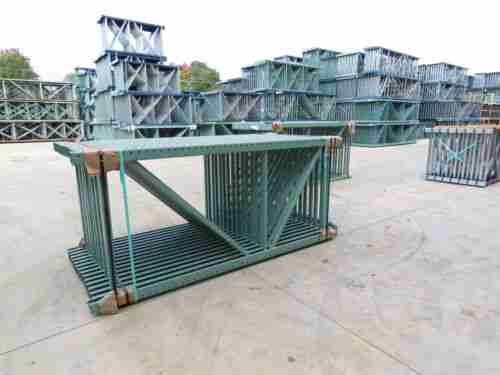
Gravity flowracks, often referred to as gravity-fed systems, utilize the natural pull of gravity to facilitate the movement of goods from one level to another. Imagine a warehouse where pallets glide smoothly downwards on roller tracks, effortlessly guiding products toward their destination with minimal manual intervention. That’s the beauty of incorporating gravity into your flowrack design!
Consider a scenario unfolding right now in the e-commerce sector. Companies like Amazon are racing to enhance their fulfillment centers, aiming for same-day delivery. By leveraging gravity in their flowrack designs, they can improve product availability and order fulfillment speed. Intelligent usage of incline and frictionless movement allows for a high-density storage solution that maximizes vertical space while ensuring rapid item retrieval. This is not just about storage; it’s about a strategic edge.
One of the most significant benefits of gravity-driven flowracks lies in their ability to reduce labor costs and minimize human error. With the natural inclination guiding items to the front of the storage area, employees can easily access what they need without unnecessary trips or complex maneuvers. This efficiency means less time is wasted—and we all know, time is money. For example, a study by the Material Handling Institute found that optimizing flowracks can decrease retrieval times by up to 50%, directly impacting order fulfillment rates.
Moreover, the trend towards sustainability makes gravity-based systems even more appealing. By using gravity to aid the flow of products, companies can cut back on energy-consuming powered systems. In a world increasingly focused on reducing carbon footprints, businesses that embrace this eco-friendly approach can not only save on energy costs but also appeal to environmentally conscious consumers.
In summary, the role of gravity in flowrack design and function cannot be overstated. It influences everything from operational efficiency and labor costs to environmental sustainability. When you consider integrating gravity-driven flowracks into your operations, think beyond mere storage. You’re investing in a system that propels your business forward—literally and figuratively—while placing you miles ahead of the competition in today’s demanding marketplace.

What Is The Role Of Gravity In Flowrack Design And Function?
What Is The Role Of Gravity In Flowrack Design And Function?
- Gravity plays a crucial role in warehousing efficiency, particularly in flowrack design and function.
- Gravity flowracks, or gravity-fed systems, use gravity to move goods with minimal manual effort.
- E-commerce giants like Amazon are enhancing fulfillment centers by utilizing gravity in their storage solutions.
- Gravity-driven flowracks reduce labor costs and human error by ensuring easy access to stored items.
- Studies suggest that optimizing flowracks can reduce retrieval times by up to 50%, improving order fulfillment rates.
- The use of gravity systems supports sustainability by reducing reliance on energy-consuming powered systems.
- Integrating gravity-driven flowracks can enhance operational efficiency and provide a strategic edge in a competitive market.
What Is The Role Of Gravity In Flowrack Design And Function?
How Can You Measure The Effectiveness Of Optimized Picking?
In the bustling world of logistics and supply chain management, optimized picking stands as a cornerstone of operational efficiency. However, merely implementing advanced picking strategies is not enough; you must gauge their effectiveness to maximize their impact. Here’s how to do it, with actionable insights that can drive your business forward.
1. Key Performance Indicators (KPIs)
Establishing robust KPIs is your first step in measurement. Metrics such as picking accuracy, pick rates, and order fulfillment times are vital for understanding your current performance against benchmarks. For instance, if your warehouse typically sees a pick rate of 80 orders per hour, aim to improve this through optimized strategies and track any gains. Consider the case of a major retailer that reported a 20% increase in pick accuracy after implementing a new automated picking system—this was not just a win in efficiency but also in customer satisfaction.
2. Time Studies
Conduct time studies to analyze the efficiency of your picking processes. By observing and timing each step, you can identify bottlenecks that hinder productivity. For example, if employees spend excessive time walking between shelves, it might be time to revise your layout or implement batch picking. Recent studies in warehouse operations have shown that time studies can improve labor costs by up to 25%, simply by eliminating unnecessary movements.
3. Customer Satisfaction Surveys
Another critical measure of effectiveness is customer satisfaction. After all, the ultimate goal of optimized picking is a better customer experience. Deploy post-purchase surveys to gauge customer sentiment regarding order accuracy and delivery speed. When a leading electronics retailer optimized its picking strategy, it saw customer satisfaction scores rise significantly, attributing this boost directly to improved order accuracy and faster shipment times.
4. Return Rates
Examine your return rates as an indicator of your picking efficiency. High return rates may signal issues in the picking process—wrong items or incorrect quantities sent to customers can tarnish your reputation. Tracking returns not only highlights flaws but allows you to implement corrective actions quickly.
5. Cost Analysis
Finally, perform a comprehensive cost analysis. Analyze the expenses related to picking labor, technology, and errors. Recently, a logistics firm revealed that improving their picking process reduced operational costs by 15%, demonstrating that investing in optimized picking not only enhances efficiency but also boosts profitability.
By focusing on these tangible metrics, you can confidently measure the effectiveness of your optimized picking strategies. In today’s competitive landscape, understanding the impact of your efforts isn’t just beneficial—it’s crucial for success.

How Can You Measure The Effectiveness Of Optimized Picking?
How Can You Measure The Effectiveness Of Optimized Picking?
- Optimized picking is crucial for operational efficiency in logistics and supply chain management.
- Establish robust Key Performance Indicators (KPIs) such as picking accuracy, pick rates, and order fulfillment times.
- Conduct time studies to analyze processes and identify productivity bottlenecks.
- Utilize customer satisfaction surveys to assess the effectiveness of picking strategies on customer experience.
- Examine return rates to spot inefficiencies in the picking process, leading to quick corrective actions.
- Perform comprehensive cost analyses to understand expenses and the potential savings from optimized picking.
- Measuring these metrics is crucial for the success and competitiveness of your business.

How Can You Measure The Effectiveness Of Optimized Picking?
What Training Is Needed For Staff Using Angle Front Flowracks?
In the fast-paced world of warehousing and logistics, ensuring that your team is equipped to utilize angle front flowracks effectively is a game changer. The success of your inventory management and order fulfillment relies not only on the quality of your storage systems but also on the proficiency of your staff. So, what kind of training is essential for your personnel to fully harness the capabilities of angle front flowracks? Let’s dive in.
Understanding Flowracks & Their Benefits
First and foremost, staff need a comprehensive understanding of what angle front flowracks are and how they operate. This includes how they maximize storage density while maintaining easy accessibility to products. A training session should cover the mechanics of gravity-fed systems, which allow items to be retrieved from the front while replenishing from behind. By engaging staff in hands-on demonstrations of these racks, they’ll be able to experience firsthand the efficiency gains they offer.
Safety Protocols & Best Practices
With every innovative system comes the responsibility of safety. Training should encompass proper safety protocols when handling products on angle front flowracks. This includes best practices for weight limits, load balancing, and the use of personal protective equipment (PPE). For example, in the wake of recent OSHA regulations tightening safety measures in warehouses, ensuring compliance through rigorous training can save a company from costly fines and improve overall operational efficiency.
Operational Training for Workflow Efficiency
Next, staff should be trained on how to incorporate flowracks into daily operations seamlessly. This includes inventory management techniques, such as First-In-First-Out (FIFO) strategies, which are crucial for perishable goods. Consider a scenario where your company deals with fresh produce; staff need to know how to rotate stock effectively to minimize waste. Incorporating real-world examples from successful companies that employ angle front flowracks—like Amazon or Walmart—can reinforce the importance of such practices.
Continuous Improvement and Adaptation
Finally, training should not end at initial orientation. Continual learning and adaptation to changing inventory needs are crucial in today’s dynamic marketplace. Encourage your staff to provide feedback on the flowracks’ performance and be proactive in seeking training updates as new products or technologies are introduced. Engaging in monthly training refreshers or workshops can cultivate a culture of continuous improvement, ensuring staff remain sharp and adaptable.
The effectiveness of angle front flowracks hinges not just on technology but on well-trained staff capable of leveraging these systems. Investing in comprehensive training is an investment in your operation’s future, ensuring your workforce is prepared to enhance productivity, safety, and efficiency. Remember, a well-trained team is the foundational element of a successful warehouse.

What Training Is Needed For Staff Using Angle Front Flowracks?
What Training Is Needed For Staff Using Angle Front Flowracks?
- Understanding the function and benefits of angle front flowracks, including their ability to maximize storage density and accessibility.
- Training should include hands-on demonstrations to illustrate the mechanics of gravity-fed systems.
- Emphasis on safety protocols, including weight limits, load balancing, and the use of personal protective equipment (PPE), in compliance with OSHA regulations.
- Operational training should focus on integrating flowracks into daily workflows, utilizing techniques like First-In-First-Out (FIFO) for inventory management.
- Real-world examples from successful companies such as Amazon and Walmart can reinforce effective stock rotation practices.
- Continuous improvement and adaptation through ongoing training and feedback are essential to meet changing inventory needs.
- Investing in comprehensive staff training enhances productivity, safety, and efficiency in warehouse operations.

What Training Is Needed For Staff Using Angle Front Flowracks?
Conclusion
As we’ve explored throughout this article, the angle front flowrack system is not just a passing trend—it’s a revolutionary approach to modern warehousing that integrates advanced design with smart functionality. This innovative design, with its gravity-fed mechanism, not only maximizes space utilization but also enhances picking efficiency, ultimately streamlining your operations and boosting your bottom line.
In an age where every second counts, the urgency to implement effective storage solutions becomes paramount. With the surge of e-commerce demanding faster fulfillment, adopting systems like angle front flowracks positions your business at the forefront of operational excellence. Imagine transforming your warehouse into a well-oiled machine where pickers can effortlessly retrieve items, reducing strain and increasing speed by up to 30%. This remarkable improvement is not just a number; it translates to happier employees, satisfied customers, and improved profitability.
While the initial investment in angle front flowracks may seem significant, consider the long-term cost savings stemming from reduced labor costs, minimized product spoilage, and enhanced inventory accuracy. As you navigate through complexities such as supply chain disruptions and escalating operational costs, the adaptability and durability of these racks provide the strategic edge you need to thrive.
However, the successful implementation of these systems goes beyond mere installation. Staff training is crucial to ensure that every team member understands best practices and safety protocols. A consistently trained workforce not only accelerates the adaptation process but also fosters a culture of continuous improvement, ensuring your operations remain nimble in an ever-evolving marketplace.
So, don’t let another day go by with outdated storage solutions. Take the proactive step to optimize your warehouse! Call Arrow Industrial Sales at (574) 349-6575 today to discuss how these game-changing angle front flowracks can revolutionize your inventory management. The time for transformation is now—unleash the full potential of your operations and set the stage for remarkable growth and success. Your competitors are already moving forward; don’t get left behind!

Conclusion
Conclusion:
- Angle front flowracks represent a revolutionary approach to modern warehousing with advanced design and functionality.
- The gravity-fed mechanism maximizes space utilization and enhances picking efficiency.
- Implementing these systems can improve picking speed by up to 30%, leading to happier employees and satisfied customers.
- Initial investments in angle front flowracks are offset by long-term savings from reduced labor costs, product spoilage, and improved inventory accuracy.
- Adaptability and durability of these racks provide a strategic edge in navigating supply chain disruptions and rising operational costs.
- Staff training is essential for successful implementation, fostering a culture of continuous improvement and ensuring safety protocols are followed.
- Contact Arrow Industrial Sales at (574) 349-6575 to optimize your warehouse and stay competitive.

Conclusion
Other Resources

Other Resources
Here is a list of other resources you can review online to learn more:
- “Understanding e-commerce logistics | Order fulfilment”
- “Stock management and warehouse inventory | Amazon IT”
- “Automotive Warehousing and Fulfillment: The Best Practices”
- “Planning For Logistics – Sem 3 – MBA LSCM | PDF”
- “Addressing industry-specific supply chain challenges with …”
- “Locking down loading bay safety”
- “Automotive parts storage & warehouse solutions”
- “It’s all about the business16”
- “May 2011 | Digital Issue”
- “Flow Racks: The Best Productivity Booster You May Not Be …”
- “The Encyclopedia of Operations Management”
- “Manual hand-pick racks in Automotive Parts Factory”
- “How Amazon reworked its fulfillment network to meet …”
- “Warehouse Management A Complete Guide to Improving …”
Use This Prompt To Get More Resources With Your Favorite Online AI Tool: Please provide me with a list of online articles with their URLS in a bulleted list that I can read regarding What Is an Angle Front Flowrack with Optimized Picking?

Other Resources
Glossary Terms
What Is an Angle Front Flowrack with Optimized Picking? – Glossary Of Terms
1. Angle Front Flowrack: A storage system designed at an angle that allows for easy access and visibility of items, facilitating efficient picking and inventory management.
2. Optimized Picking: A method of organizing and retrieving inventory that maximizes efficiency and reduces the time taken to pick items.
3. Gravity Flow Racking: A racking system that utilizes gravity to move products towards the picking area, reducing manual effort and improving retrieval speed.
4. FIFO (First In, First Out): An inventory management principle where the oldest stock is picked first, ensuring freshness and minimizing waste.
5. SKU (Stock Keeping Unit): A unique identifier for each distinct product and service that can be purchased, used for tracking inventory.
6. Pallet Location: A designated area within a storage system where pallets of goods are stored, often used in conjunction with flowracks.
7. Picking Rate: The speed at which items are retrieved from a storage location, typically measured in units per hour.
8. Order Picking: The process of selecting items from a warehouse to fulfill a customer order.
9. Ergonomics: The study of how to design workspaces and tasks to maximize efficiency while reducing strain and injury for workers.
10. Inventory Management: The supervision of non-capitalized assets, or inventory, and stock items, to ensure optimal levels and location.
11. Lead Time: The total time it takes from placing an order to receiving the goods, impacting inventory levels and fulfillment efficiency.
12. Dynamic Storage: A storage solution that allows for real-time inventory adjustments based on picking demands, optimizing space usage.
13. Picking Zone: A specific area in a warehouse dedicated to the selection of items for order fulfillment.
14. Batch Picking: A picking strategy where multiple orders are picked simultaneously to improve efficiency and reduce travel time.
15. Storage Density: The amount of inventory that can be stored in a given space. High density is often a goal in warehouse operations.
16. Warehouse Layout: The arrangement of storage systems, aisles, and operational areas within a warehouse to maximize efficiency.
17. Pick Face: The area where products are displayed and accessed by pickers for order fulfillment.
18. Lean Warehousing: A methodology that focuses on minimizing waste without sacrificing productivity, streamlining processes within the warehouse.
19. Kitting: The process of grouping together various items into a single stock-keeping unit for easier picking.
20. Real-Time Tracking: The ability to monitor inventory levels and locations instantaneously through technology, improving order accuracy and efficiency.
21. Inventory Turnover: A ratio that indicates how many times inventory is sold and replaced over a specific period, reflecting demand and sales efficiency.
22. Warehouse Management System (WMS): Software that supports the day-to-day operations in a warehouse, enhancing order fulfillment and inventory management.
23. Restocking: The process of replenishing items within a storage system to maintain desired inventory levels.
24. Cross-Docking: A logistics practice where incoming goods are directly transferred to outgoing transportation without long-term storage.
25. Automated Picking Systems: Technology-driven systems that assist in the picking process, such as robotics and conveyors, to enhance efficiency.
26. Cycle Counting: An inventory auditing procedure that counts a portion of inventory in rotation, ensuring accuracy and accountability.
27. Putaway: The process of moving received goods to their designated storage locations within a warehouse.
28. Transportation Management: The planning and execution of the efficient movement of goods from one location to another.
29. Safety Stock: The extra inventory kept on hand to prevent stockouts and ensure that demand fluctuations can be met.
30. Warehouse Optimization: The process of improving warehouse operations to increase efficiency, reduce costs, and enhance service levels.
Glossary Of Terms
Other Questions
What Is an Angle Front Flowrack with Optimized Picking? – Other Questions
If you wish to explore and discover more, consider looking for answers to these questions:
- What are the installation requirements for angle front flowracks?
- How do angle front flowracks compare to other storage solutions?
- What are the initial costs associated with implementing angle front flowracks?
- Can angle front flowracks be customized for specific industries?
- What is the average lifespan of angle front flowracks?
- How do you measure the return on investment (ROI) for using angle front flowracks?
- What maintenance practices are suggested for angle front flowracks?
- How do angle front flowracks affect inventory management systems?
- What are the safety standards for using angle front flowracks?
- How can angle front flowracks be integrated with automated systems?
- What training programs are recommended for operating angle front flowracks?
- How do angle front flowracks enhance order accuracy?
- What factors influence the choice of materials for angle front flowracks?
- What industry trends are impacting the design of flowracks?
- How does the sloped design influence product flow in angle front flowracks?
Other Questions
Checklist
What Is an Angle Front Flowrack with Optimized Picking? – A Checklist
1. Assess Your Space and Inventory Needs
_____ Conduct an analysis of your warehouse layout.
_____ Identify the types of products you handle (perishable goods, bulky items, etc. ).
_____ Categorize inventory based on turnover rates (ABC analysis).
2. Plan for Accessibility
_____ Design the flow rack for quick access, minimizing bending and reaching.
_____ Adjust the angle based on product size and weight (steeper for lightweight, shallower for heavier items).
3. Utilize Technology
_____ Implement inventory management systems (e. g. , RFID technology) for real-time tracking.
_____ Consider automated guided vehicles (AGVs) to enhance transportation efficiency.
4. Train Your Team
_____ Provide comprehensive training on using angle front flowracks.
_____ Educate on inventory management techniques (First-In-First-Out, FIFO).
_____ Conduct training sessions on safety protocols and best practices.
5. Implement Regular Reviews
_____ Schedule routine inspections of flow racks (weekly/monthly).
_____ Evaluate the effectiveness of the rack system and adjust as needed.
_____ Gather feedback from staff to identify areas for improvement.
6. Consider Future Scalability
_____ Ensure the design allows for easy reconfiguration or expansion.
_____ Assess adaptability as market demands change.
7. Monitor Performance with Key Metrics
_____ Track key performance indicators (KPIs) such as picking accuracy and fulfillment times.
_____ Conduct time studies to identify improvement areas.
_____ Analyze customer satisfaction and return rates.
8. Maintain Quality and Condition of Racks
_____ Conduct regular maintenance checks to identify wear and tear.
_____ Implement a scheduled maintenance plan to address any issues proactively.
9. Address Common Challenges
_____ Establish protocols for proper loading techniques to avoid jams.
_____ Keep track of inventory levels to prevent stock discrepancies.
_____ Consider space limitations when designing rack layouts.
10. Promote a Culture of Continuous Improvement
_____ Encourage ongoing training and development for staff.
_____ Stay informed on industry trends and technological advancements.
_____ Regularly assess and refine your strategies for optimal performance.
By following this checklist, you can ensure a smooth implementation of angle front flow racks that will enhance overall warehouse efficiency and productivity.

Checklist
At RackingWorld, we help guide you through selecting warehouse storage systems and racking.
Be sure to read our other related stories at RackingWorld to learn more about warehouse storage systems.
0 Comments