
Stay Compliant: Understanding OSHA Shelving Requirements
By Tom Seest
At RackingWorld, we help guide you through selecting warehouse storage systems and racking.
Be sure to read our other related stories at RackingWorld to learn more about warehouse storage systems.
What Are OSHA Requirements for Shelving?
What Are OSHA Requirements for Shelving?
When it comes to workplace safety, understanding OSHA (Occupational Safety and Health Administration) requirements is crucial for any business, especially those that utilize shelving systems for inventory, storage, or even workplace organization. Shelving may seem like a mundane aspect of your operation, but failure to comply with OSHA standards can lead to not only dangerous accidents but also costly fines that could derail your business growth.
OSHA has established specific regulations to ensure the safety and stability of shelving units. One of the key aspects revolves around the capacity of shelving systems. You must verify that your units can handle the intended weight. For instance, if you’re storing heavy equipment or materials—think construction tools or manufacturing supplies—it’s essential to choose shelving that can accommodate these loads safely. Failure to adhere to these weight limits could lead to catastrophic failures, resulting in injuries or even fatalities.
Moreover, regular inspections of shelving systems are a vital part of your compliance strategy. Imagine a busy warehouse where shelves are buckling under the strain of incorrectly stored items. Not only does this pose a serious risk to employees, but it also exposes you to OSHA inspections and potential penalties. Conducting routine checks allows you to identify wear and tear early on, maintaining a safe work environment for all.
Consider what happened in the recent wave of store closures due to pandemic-induced supply chain challenges. Businesses that overlooked their shelving safety could find themselves not only battling inventory issues but also dealing with the repercussions of OSHA violations. Reassessing shelving systems isn’t just about compliance; it’s about ensuring a smooth and efficient operational flow.
Additionally, you need to think about shelving placement and accessibility. OSHA requires that systems be arranged in a manner that provides clear walkways—minimum clearance space must be maintained to avoid hazards. For example, if your team is constantly navigating through tight spaces to reach materials, the risk of injury escalates. A well-planned shelving layout not only safeguards your workforce but enhances productivity, allowing them to access what they need, when they need it.
Staying informed about OSHA regulations is not only a matter of compliance but also a smart business strategy. Embracing safety fosters a more efficient workplace, protects your employees, and ultimately contributes to your brand’s reputation. Remember, a safe workplace is a productive one, and it all begins with understanding and implementing OSHA’s shelving requirements.

What Are OSHA Requirements for Shelving?
What Are OSHA Requirements for Shelving?
- Understanding OSHA requirements is vital for businesses that use shelving systems for storage and organization.
- Compliance failure can result in dangerous accidents and costly fines.
- Shelving systems must be capable of handling the intended weight loads to prevent failures and injuries.
- Regular inspections of shelving systems are essential to identify wear and ensure compliance.
- The arrangement of shelving must allow clear walkways and maintain minimum clearance space to avoid hazards.
- Staying informed about OSHA regulations is crucial for efficiency and employee safety.
- A focus on safety enhances productivity and contributes positively to a business’s reputation.

What Are OSHA Requirements for Shelving?
Table Of Contents
- What Are OSHA Requirements for Shelving?
- What Are OSHA’s Regulations On Shelving Safety Standards?
- How High Can Shelving Units Be Safely Stacked?
- What Materials Are Recommended For Shelving Construction?
- Are There Weight Limits For Items Stored On Shelves?
- What Training Is Required For Employees Handling Shelving?
- How Should Shelving Be Installed To Meet Safety Guidelines?
- What Maintenance Is Needed To Comply With OSHA Shelving Standards?
- Are There Specific Design Requirements For Industrial Shelving?
- How Can Workers Identify Unsafe Shelving Practices?
- Conclusion
- Other Resources
- Glossary Of Terms
- Other Questions
- Checklist
What Are OSHA’s Regulations On Shelving Safety Standards?
What Are OSHA’s Regulations on Shelving Safety Standards?
When it comes to maintaining a safe workplace, the Occupational Safety and Health Administration (OSHA) plays a pivotal role in setting and enforcing regulations that minimize hazards. Among these, the guidelines concerning shelving safety standards are paramount, especially in environments like warehouses, retail shops, and manufacturing plants where stacked products are the norm. Understanding these regulations not only protects employees but is also crucial for maintaining a competitive edge in today’s market.
First, let’s dive into the fundamentals. OSHA has developed a comprehensive set of standards aimed at preventing accidents related to shelving systems. For example, it mandates that shelving structures be designed to withstand particular loads—meaning they must be capable of holding the weight of the goods without collapsing. This is not just a guideline; it’s a fundamental requirement to ensure worker safety and reduce liability risks. Ignoring these standards can lead to costly workplace injuries, which can cripple a business both financially and reputationally.
One critical regulation you should pay attention to is the importance of regular inspections. OSHA emphasizes that shelving units must be regularly checked for structural integrity. Just last year, a major retailer faced backlash and fines after a collapse in their backroom storage area injured multiple employees. This mishap could have been avoided with regular maintenance and adherence to OSHA guidelines. Businesses that take proactive steps to comply are not only safeguarding their employees but are also avoiding potential legal entanglements and financial burdens.
Moreover, proper training is an essential component of these regulations. Employees should be educated on how to load shelves correctly, ensuring that heavier items are placed on lower shelves to prevent tipping and injuries. Just think about it—an organization that prioritizes training builds a culture of safety that also boosts morale and productivity. In fact, companies that invest in comprehensive safety training programs consistently report lower accident rates and higher employee satisfaction.
Finally, let’s not overlook the importance of documentation. OSHA regulations require that businesses keep meticulous records of shelving inspections and employee training sessions. This documentation not only demonstrates compliance but also helps companies anticipate and rectify potential safety issues before they escalate.
In summary, OSHA’s regulations on shelving safety standards serve as both a safeguard for employees and a strategic advantage for businesses. By adhering to these standards—conducting regular inspections, training staff, and maintaining clear records—companies can not only ensure a safer work environment but also position themselves as industry leaders who prioritize their workforce’s well-being. After all, in today’s competitive landscape, a business that puts safety first is one that stands out and thrives.

What Are OSHA’s Regulations On Shelving Safety Standards?
What Are OSHA’s Regulations On Shelving Safety Standards?
- OSHA plays a crucial role in setting and enforcing workplace safety regulations, particularly for shelving safety standards in warehouses and retail shops.
- Standards require shelving structures to withstand specific loads to prevent accidents and ensure worker safety.
- Ignoring OSHA standards can lead to significant workplace injuries, affecting both finances and company reputation.
- Regular inspections of shelving units are mandatory to check for structural integrity, with previous incidents highlighting the risks of neglect.
- Employee training on proper shelving practices is essential to prevent injuries, particularly concerning the loading of heavier items.
- Documentation of inspections and training sessions is required for compliance and helps to identify safety issues early.
- Adhering to OSHA regulations creates a safer work environment and positions businesses as industry leaders prioritizing employee well-being.

What Are OSHA’s Regulations On Shelving Safety Standards?
How High Can Shelving Units Be Safely Stacked?
When it comes to maximizing storage in both commercial and residential settings, the allure of towering shelving units is undeniable. However, how high can these units be safely stacked without risking catastrophe? The answer lies within a delicate balance of design, material strength, and, most importantly, safety regulations.
First and foremost, understand that height isn’t just about aesthetics; it’s about stability. According to OSHA (Occupational Safety and Health Administration) guidelines, storage units should always maintain a center of gravity that minimizes the risk of tipping. This is particularly crucial in industries like retail and warehousing, where the stacking of items can lead to serious injuries if not executed correctly. For instance, a recent incident at a Chicago warehouse highlighted the dangers of exceeding safe stacking heights, resulting in injuries and costly legal repercussions. These incidents serve as reminders that safety should never be compromised for mere convenience.
Now, let’s get into specifics. A common guideline suggests that shelving units should not be stacked more than 6-8 feet high for most applications. This height allows for ample accessibility while minimizing the chances of accidents. For example, consider the popular metal shelving units found in many garages and storage facilities. When configured correctly, these units can reach impressive heights without compromising stability. By using a mix of horizontal bracing and vertical supports, you can go beyond the basic stack while ensuring a sturdy foundation.
In commercial settings, especially those utilizing pallet racking systems, it’s even more crucial to adhere to safety standards. A common approach is the ‘three-to-one rule’—your shelf should not exceed three times its base width to avoid tipping. For instance, if your shelf base measures 2 feet wide, then its height should not exceed 6 feet.
Furthermore, remember that factors like load distribution and shelf material play integral roles in determining safe stacking heights. While heavy-duty steel shelves can support more weight, lighter, plastic ones cannot withstand significant pressure. Consider companies like IKEA, which strategically designs their shelving solutions for optimal user safety with built-in stability features.
As you embark on your shelving journey, prioritize safety over sheer height. It’s not merely about how high you can go; it’s about creating a functional environment that welcomes safety, efficiency, and organization. Investing in quality units and abiding by height regulations will save you from potential headaches down the line—because nobody wants a towering inferno of stacked shelves crashing down! So, as you contemplate that next shelving project, remember; smart storage is safe storage.

How High Can Shelving Units Be Safely Stacked?
How High Can Shelving Units Be Safely Stacked?
- Maximizing storage with towering shelving units requires consideration of design, material strength, and safety regulations.
- OSHA guidelines emphasize maintaining a low center of gravity to reduce tipping risks.
- Exceeding safe stacking heights can lead to serious injuries and legal issues, highlighted by a recent incident in Chicago.
- Common guidelines recommend shelving should not exceed 6-8 feet high for accessibility and safety.
- In commercial settings, the ‘three-to-one rule’ suggests that shelf height should not exceed three times its base width.
- Load distribution and shelf material significantly affect safe stacking; heavy-duty shelves support more weight than lighter materials.
- Prioritizing safety and quality in shelving will prevent potential accidents and promote an efficient storage environment.

How High Can Shelving Units Be Safely Stacked?
What Materials Are Recommended For Shelving Construction?
When it comes to shelving construction, choosing the right materials is not just about durability; it’s about optimizing your space, enhancing aesthetics, and ensuring ease of installation. As home organization trends and minimalist designs make waves in today’s interior spaces, the materials you select can either elevate or detract from your overall vision. Let’s delve into the gold standard materials for your shelving projects, whether you’re looking to revamp a cozy home office, create an inspiring retail display, or organize clutter in your garage.
Plywood and MDF: For the DIYer looking for an economical yet sturdy option, plywood and MDF (Medium Density Fiberboard) are often the go-to choices. They provide a reliable support structure while being adaptable to numerous finishes and coatings. In 2023, eco-friendliness is at the forefront; opt for sustainably sourced plywood to appeal to environmentally conscious customers. Plus, with the rise in popularity of “upcycling,” using recycled MDF can be both a trendy and responsible way to build your shelves.
Solid Wood: Nothing competes with the timeless beauty and robust durability of solid wood, particularly hardwoods like oak, maple, or walnut. A solid wood shelf exudes sophistication and can dramatically enhance the ambiance of a room. With the current trend of homegrown design, handcrafted wood shelves can serve as a conversation starter, illustrating your commitment to artistry and quality. Playing into the rise of artisanal trends, consider sourcing locally and telling the story of the material’s origin, which resonates deeply with today’s consumers.
Melamine: Ideal for a clean, modern look, melamine-impregnated particleboard is another strong contender for shelving. It’s available in various colors and finishes, providing unlimited design flexibility. You can easily achieve a sleek aesthetic without breaking the bank, which is precisely what busy professionals prioritizing functionality alongside style appreciate.
Metal Shelves: For those looking to strike a balance between industrial style and rugged durability, metal shelving is a superb choice. From steel brackets to stainless steel shelves, these materials can support heavy items while offering a unique visual appeal. Metal shelves can also be an excellent fit for contemporary offices or urban residences where minimalism and practicality are vital.
Wire Shelving: Particularly relevant in organizational spaces like kitchens and garages, wire shelving offers great ventilation and visibility. It’s a practical solution designed to foster efficiency, allowing you to see and access items easily. Given the focus on productivity and workflows in 2023, wire shelving is becoming a must-have for anyone aiming to streamline their environment.
Choosing the right materials for shelving construction can elevate your space’s functionality and style. Each of these options caters to different needs, so assess your uniquely personal or professional challenges to determine the best fit for your project. Remember, selecting quality materials is a long-term investment in your environment!

What Materials Are Recommended For Shelving Construction?
What Materials Are Recommended For Shelving Construction?
- Choosing materials for shelving involves durability, aesthetics, and ease of installation.
- Plywood and MDF are economical and sturdy options, with eco-friendly choices gaining popularity.
- Solid wood, especially hardwoods, offers timeless beauty and enhances room ambiance.
- Melamine provides a modern look with various colors and finishes at an affordable price.
- Metal shelving combines industrial style with durability, suitable for contemporary spaces.
- Wire shelving is ideal for kitchens and garages, promoting visibility and efficiency.
- Selecting the right materials is essential for maximizing functionality and style in your space.

What Materials Are Recommended For Shelving Construction?
Are There Weight Limits For Items Stored On Shelves?
When it comes to organizing and optimizing shelf space, understanding the weight limits for items stored on shelves is crucial. It’s not just about aesthetics; it’s about safety, efficiency, and maximizing your investment in shelving systems. Companies often overlook this aspect, leading to costly mistakes and even dangerous situations.
Just imagine a bustling retail store during the holiday shopping season. Shelves heavily laden with products may create an appealing visual for customers, but they are also susceptible to collapse if overloaded. For example, in September 2023, an unfortunate incident at a major chain retailer resulted in injuries when shelves buckled under the weight of improperly stored inventories. This is the stark reality of ignoring weight regulations. The damage it can do to your brand can be devastating—not only in terms of liability but also in lost consumer trust.
So, what are the recommended weight limits? While it can vary based on the shelving material (wood, metal, etc.) and design (floating shelves vs. industrial racks), a good rule of thumb is to limit each shelf to about 20% of its maximum capacity for safe, long-term storage. For instance, if your metal shelving unit can hold up to 500 pounds, aiming to store no more than 100 pounds per shelf not only prevents accidents but also extends the life of your shelving.
Consider the example of big-box retailers, which often utilize specialized shelving designed to support additional weight. They invest in heavy-duty shelving units that can accommodate over 1000 pounds per shelf for their bulk items. However, this doesn’t give them a free pass to pile items haphazardly. An organized system with calculated distribution of weight helps to maintain structural integrity and keeps items within reach.
In a warehouse environment, pallet racks are designed with specific load ratings. Adhering to these ratings is critical. Ignoring them can lead to serious injury or inventory damage, as illustrated by the recalls in the logistics sector over the past year, highlighting cases of pallets that gave way under excess loads.
When considering your shelving strategy, don’t let the allure of maximizing space overshadow the fundamental principles of safety and organization. Prioritize weight limits that not only make operational sense but also safeguard your business’s reputation. By taking a proactive approach, you can create an environment that’s not only visually appealing but also compliant, efficient, and safe. Properly respect these limits, and you’ll reap the benefits for years to come.

Are There Weight Limits For Items Stored On Shelves?
Are There Weight Limits For Items Stored On Shelves?
- Understanding weight limits for shelf items is essential for safety, efficiency, and investment protection.
- Overloading shelves can lead to dangerous collapses, as seen in a September 2023 incident at a major retail store.
- Ignoring weight regulations can cause injuries and damage a brand’s reputation due to liability and loss of consumer trust.
- A general guideline is to limit each shelf to about 20% of its maximum capacity for safe storage.
- Big-box retailers invest in heavy-duty shelving, allowing for over 1000 pounds per shelf, but must still organize weight distribution carefully.
- Pallet racks in warehouses come with specific load ratings; ignoring these can result in serious injuries or inventory damage.
- Prioritizing weight limits ensures safety and organizational efficiency, contributing to a compliant and appealing environment.

Are There Weight Limits For Items Stored On Shelves?
What Training Is Required For Employees Handling Shelving?
In the fast-paced world of retail and warehousing, the importance of proper training for employees handling shelving cannot be overstated. With a critical focus on efficiency, safety, and customer satisfaction, businesses must invest time and resources into ensuring their staff is well-equipped to manage shelving systems correctly. Here’s what that training should encompass:
Understanding the Types of Shelving: Employees should first be introduced to the various types of shelving systems commonly used in their environment—be it adjustable, static, or mobile shelving. Take, for example, a retail warehouse that recently shifted to a more vertical storage solution. Employees must be well-versed in how each system is designed to optimize space and efficiency, as improper use can lead to inventory management headaches and even safety incidents.
Safety Protocols: The stakes are high when it comes to shelving. Reports of accidents caused by improperly secured shelving or failure to follow safety protocols have made headlines in recent years. Training should include education on the weight limits of shelves, proper stacking techniques, and the use of safety equipment like braces and guards. For instance, the recent surge in e-commerce has led to larger inventories and heavier loads, making this training extremely relevant to minimize workplace injuries.
Inventory Management Practices: Understanding inventory systems directly affects how shelving is organized and maintained. Employees should be trained on inventory management software that integrates with shelf organization. This minimizes time spent locating items and enhances overall efficiency. Look at companies like Amazon, which constantly tweak their shelf layouts to align with real-time inventory data—a strategy that boosts their operational efficiency and customer satisfaction.
Best Practices in Maintenance: Regular maintenance training is crucial. Employees should know how to inspect shelving for wear and tear, ensuring that everything remains in optimal condition. For instance, establishing a routine check-up schedule can help catch small issues before they escalate into larger problems, a practice adopted by many top retailers amid escalating supply chain pressures.
Emergency Procedures: Finally, training regarding emergency procedures related to shelving, including evacuation routes during a warehouse emergency, is vital. This creates a culture of preparedness among employees, reducing panic and confusion during critical moments.
Investing in comprehensive shelving training not only safeguards your workforce but also fortifies your bottom line. Knowledgeable employees are more engaged, create smoother operations, and ultimately ensure that customer satisfaction remains high. In today’s competitive landscape, it’s not just a smart choice—it’s a necessity.

What Training Is Required For Employees Handling Shelving?
What Training Is Required For Employees Handling Shelving?
- Proper training for employees handling shelving is essential for efficiency, safety, and customer satisfaction.
- Employees should understand different types of shelving systems (adjustable, static, mobile) and their optimal use.
- Safety protocols include training on weight limits, stacking techniques, and using safety equipment to prevent accidents.
- Training in inventory management practices is critical for efficient shelving organization and maintenance.
- Regular maintenance training helps employees inspect shelving for wear and tear, preventing larger issues.
- Emergency procedure training fosters preparedness and reduces panic during warehouse emergencies.
- Investing in shelving training enhances employee engagement and operational efficiency, boosting customer satisfaction.

What Training Is Required For Employees Handling Shelving?
How Should Shelving Be Installed To Meet Safety Guidelines?
When it comes to installing shelving, safety should never be an afterthought—it should be the cornerstone of your approach. With recent reports of accidents linked to improperly installed shelving, understanding and adhering to safety guidelines is more crucial than ever. Let’s dive into the steps you should take to ensure that your shelving solutions are not just functional but also safe.
First and foremost, selecting the right materials is essential. Not all shelving units are created equal. If you’re outfitting a commercial space, opt for heavy-duty metal shelving rather than flimsy particle board. For instance, retailers like Walmart have shifted towards using more robust shelving systems to minimize inventory-related accidents. By doing this, they not only protect their staff but also reassure customers that safety is a priority.
Next, ensure that your shelving is anchored securely to walls, especially if it’s tall or intended to hold heavy items. The Consumer Product Safety Commission emphasizes that unsecured shelving is often a recipe for disaster. Use wall brackets, screws, or other hardware compatible with both the shelving and wall material. If you’re unsure, consult a professional—referencing safety standards akin to those set by the Occupational Safety and Health Administration (OSHA) can guide this decision.
Load limits are another critical component. Every shelving unit comes with specific weight limits clearly stated in the product specifications. For example, the National Institute of Standards and Technology (NIST) recently updated their guidelines to enhance the safety around storage solutions. Install a visible label on the shelving unit indicating the maximum load capacity. Not only does this help employees adhere to safety standards, but it also reduces the risk of overloading, which can lead to structural failure and injury.
Regular inspections are vital, too. Conduct routine checks on your shelving systems, looking for signs of wear and tear like rust, bent frames, or loosened anchors. Keeping a detailed inspection log will not only help you stay compliant with evolving safety regulations but also serve as a great selling point for your business when pitching to clients or customers.
Lastly, don’t underestimate the importance of training your staff. Regardless of how well-constructed your shelving is, improperly trained employees can negate years of safety protocols in seconds. Provide training sessions focused on the safe handling of items, correct stacking techniques, and the importance of adhering to weight limits.
The key to installing shelving that meets safety guidelines is a blend of quality materials, secure anchoring, diligent inspections, and comprehensive training. In today’s world, where consumers are increasingly scrutinizing safety practices—especially in retail and workspace environments—ensuring that your shelving systems are not just attractive, but safe, is an investment that pays dividends in trust and reliability.

How Should Shelving Be Installed To Meet Safety Guidelines?
How Should Shelving Be Installed To Meet Safety Guidelines?
- Safety should be the cornerstone of shelving installation, given recent accidents related to improper installation.
- Select durable materials; opt for heavy-duty metal shelving over flimsy options in commercial spaces.
- Securely anchor tall or heavy shelving to walls using appropriate hardware; consult professionals if needed.
- Adhere to specified load limits; label shelving units with maximum load capacity to prevent overloading.
- Conduct regular inspections for wear, such as rust or bent frames, and maintain a detailed inspection log.
- Provide staff training on safe handling and stacking techniques to uphold safety protocols.
- Combining quality materials, secure installation, inspections, and training builds trust and reliability.

How Should Shelving Be Installed To Meet Safety Guidelines?
What Maintenance Is Needed To Comply With OSHA Shelving Standards?
What Maintenance Is Needed To Comply With OSHA Shelving Standards?
When it comes to your business’s shelving systems, keeping them safe and compliant isn’t just a matter of ticking boxes; it’s a crucial investment in your operation’s efficiency and well-being. OSHA shelving standards are there to protect your employees and your bottom line. Ignoring them can lead to injuries, fines, and loss of productivity. So what maintenance should you prioritize to stay compliant? Let’s break it down.
Regular Inspections: The Backbone of Compliance
Begin with a robust inspection routine. Regular assessments can pinpoint vulnerabilities before they escalate into costly disasters. Inspect your shelving units daily for visible damage such as bent beams, rust, or loose bolts. A recent surge in workplace accidents—think about those viral videos that remind us of packing mishaps—underscores why this step cannot be overlooked. Establish a clear checklist for inspections that includes load capacities and signage, and ensure that all team members are trained on how to execute it effectively.
Load Capacities: Staying Within Limits
OSHA provides specific guidelines regarding load capacities for various shelving types. Understand the limits of your shelving and regularly communicate them to your team. A simple miscalculation can mean the difference between compliance and catastrophe. Recently, businesses across various sectors have faced scrutiny for overloading their shelving, resulting in significant fines. To avoid becoming another headline, make it a practice to display load limits conspicuously on shelving units.
Maintenance and Repair: Don’t Delay
Like any effective strategy, timely maintenance prevents more profound issues. Address any damage immediately, whether replacing a compromised beam or tightening hardware. It’s a small cost compared to potential liability from accidents caused by negligence. In today’s economy, where labor shortages are prevalent, it pays to keep your team safe and your operations running smoothly.
Training and Awareness
Compliance isn’t solely about checking boxes; it’s about fostering a culture of safety. Regularly train your staff on how to use shelving systems safely and how to report any damages promptly. Incorporate safety into your onboarding process and hold refresher workshops quarterly. Forward-thinking companies have seen impressive strides in employee engagement when they prioritize safety, which directly correlates to productivity.
Documentation: Don’t Leave It to Chance
Finally, maintain detailed records of all inspections, repairs, and training sessions. A well-maintained log not only assists in compliance but also acts as a robust defense in case of unexpected OSHA audits. Given recent legislative shifts toward stricter safety enforcement, being documented and prepared can save you headaches and lots of cash.
In wrapping up, staying compliant with OSHA shelving standards isn’t just a regulatory requirement—it’s a proactive strategy for safety and efficiency. By embracing regular inspections, adhering to load limits, conducting consistent maintenance, offering comprehensive training, and maintaining thorough records, you’ll not only meet compliance standards but enhance the overall well-being of your business. Taking action today could be your most profitable decision tomorrow!
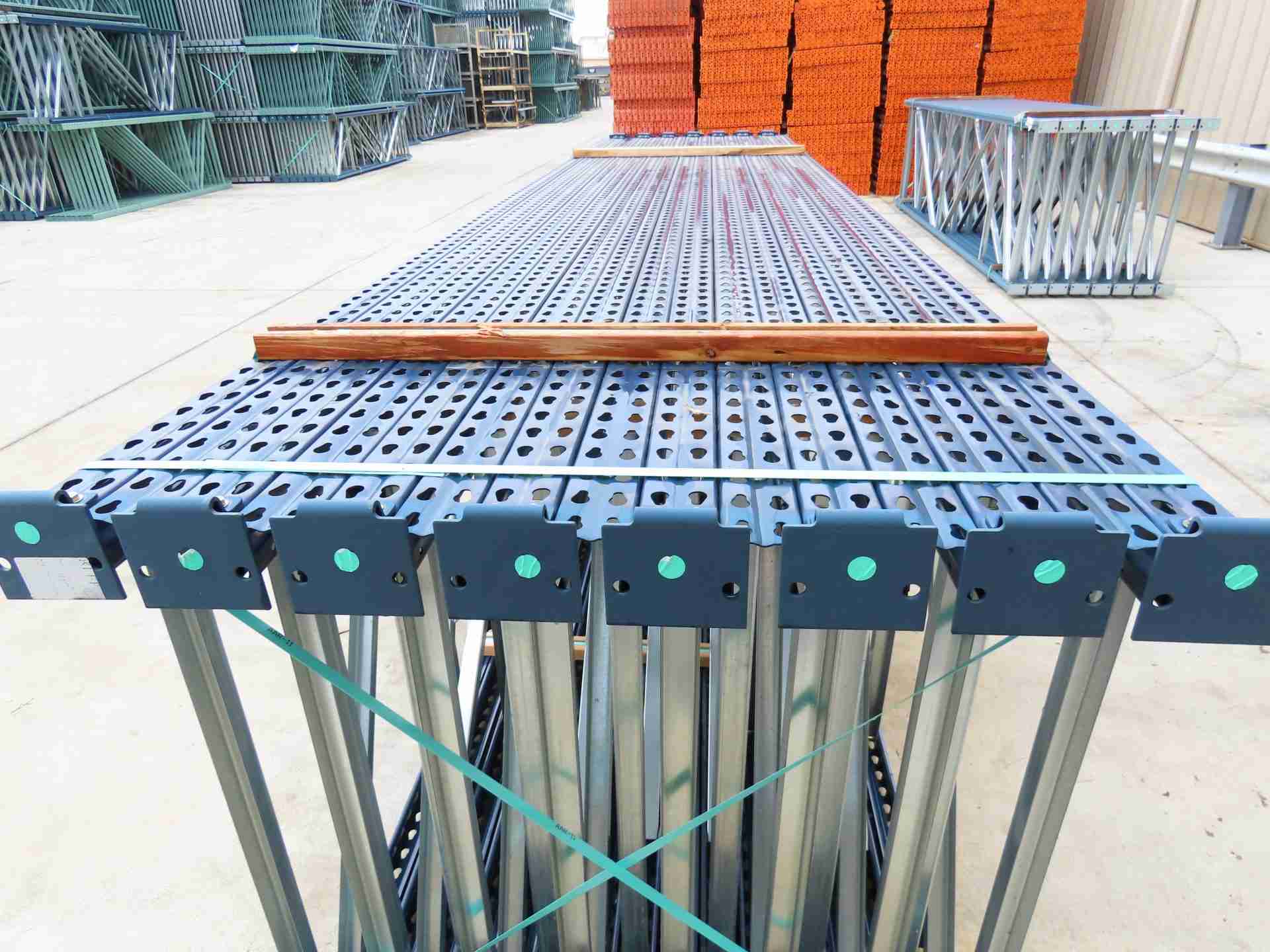
What Maintenance Is Needed To Comply With OSHA Shelving Standards?
What Maintenance Is Needed To Comply With OSHA Shelving Standards?
- Regular inspections are crucial to identify vulnerabilities and prevent costly disasters.
- Ensure daily checks for visible damage like bent beams, rust, or loose bolts.
- Understand and communicate OSHA load capacity guidelines to avoid fines and safety risks.
- Display load limits clearly on shelving units to remind staff of compliance requirements.
- Timely maintenance and repairs are essential to preventing more significant issues and liability.
- Foster a culture of safety through regular training and awareness sessions for staff.
- Maintain detailed documentation of inspections, repairs, and training to aid in compliance and defense during audits.

What Maintenance Is Needed To Comply With OSHA Shelving Standards?
Are There Specific Design Requirements For Industrial Shelving?
When it comes to industrial shelving, it’s not just about stacking items and calling it a day. The design requirements of industrial shelving are crucial, as they play a pivotal role in productivity, safety, and efficiency in your operations. In today’s fast-paced market, having the right shelving can be the difference between a thriving business and a disorganized mess.
First and foremost, consider load capacity. Industrial shelving must be designed to accommodate different weights and volumes based on your specific needs. Whether you’re storing heavy machinery parts or lighter inventory like packaging supplies, each shelf must support the designated load without compromising structural integrity. Take a cue from recent supply chain disruptions faced by various industries: businesses that adapted their shelving to optimize space and handle increased loads were better equipped to meet changing demands.
Next up is material selection. The industrial setting is not for the faint of heart — materials must withstand abrasions, chemicals, and heavy usage. For instance, steel shelving systems often outperform wood or composite materials in durability and load-bearing capacity. In industries like food manufacturing, stainless steel is a top choice due to its resistance to corrosion and easy maintenance. As companies increasingly focus on sustainability, incorporating recycled or eco-friendly materials into your shelving design can also bolster your brand image.
Let’s not overlook the importance of customization. Off-the-shelf shelving solutions might seem convenient, but they often fall short of your operational needs. Tailored designs that cater specifically to your workflow can enhance efficiency and accessibility. For example, a warehouse that implements dynamic shelving — adjustable shelves that can be rearranged depending on seasonal inventory — can significantly decrease retrieval times. The logistics industry is witnessing a shift towards such modular shelving systems to accommodate fluctuating inventory levels.
Safety cannot be emphasized enough in industrial shelving design. With a significant number of workplace injuries related to improper shelving, your design must adhere to safety standards. Incorporating features like guardrails, anti-slip surfaces, and proper labeling ensures that your employees can navigate and utilize the shelving without risk. This not only protects your workforce but can also limit insurance costs and liability claims.
In summary, the design requirements for industrial shelving are multifaceted and should not be overlooked. From load capacity to material selection and customization, each element plays a crucial role in creating an efficient, safe, and adaptable workspace. As your business grows, make sure your shelving scales and evolves with it. Investing in the right industrial shelving design today means securing a more organized, productive tomorrow.

Are There Specific Design Requirements For Industrial Shelving?
Are There Specific Design Requirements For Industrial Shelving?
- Industrial shelving design is critical for productivity, safety, and efficiency in operations.
- Consider load capacity; shelving must support varying weights and volumes without compromising structure.
- Select durable materials; steel and stainless steel are preferable for their strength and resistance to chemicals.
- Customization is essential; tailored shelving solutions enhance workflow and accessibility for specific operations.
- Safety features, like guardrails and proper labeling, are crucial to prevent workplace injuries.
- Each element of shelving design, from load capacity to materials, significantly impacts workspace effectiveness.
- Investing in suitable industrial shelving now will ensure a more organized and productive future as business needs evolve.

Are There Specific Design Requirements For Industrial Shelving?
How Can Workers Identify Unsafe Shelving Practices?
In the fast-paced world of warehouses, retail stores, and stockrooms, the safety of shelving practices often takes a backseat to speed and efficiency. But here’s the stark truth: neglecting safe shelving can lead to devastating accidents, injury, or even loss of life. It’s time to shift our focus and ensure that every worker knows how to identify unsafe shelving practices.
First, let’s break down the basics. An easy way to gauge shelf safety is to assess the load limits. Every shelf should have clear signage indicating its maximum weight capacity. If you notice shelves laden with boxes and no visible limits, that’s an incident waiting to happen. A classic example? Remember the viral video from a retail store where an overloaded shelf collapsed, sending stock flying? The ensuing chaos and risks were not just about lost merchandise; they put workers and customers in harm’s way. If you see overloaded shelves, report them immediately.
Next, examine the organization of items on the shelves. Are heavier items placed higher up? This common mistake can lead to perilous situations. As we saw in several reports in the past year, improperly organized shelving has been linked to numerous injuries when heavy boxes fall from heights. The fundamental rule is: keep heavier items on lower shelves to minimize the risk of falls.
Additionally, workers should be on the lookout for any signs of deterioration. Are there bent shelves or rusting supports? These telltale signs indicate that the shelving unit may no longer be safe for use. Like our friends in the construction industry keep an eye on scaffolding, workers in retail and warehousing need to regularly inspect their shelving systems.
Don’t forget about the importance of securing items. Many know the horror of unsteady boxes teetering on a shelf’s edge—one misstep, and a cascade of disasters can ensue. Implementing safety measures such as using proper restraints, shelf dividers, or even anti-tip brackets can make a world of difference in avoiding accidents.
Last but not least, communication is key. Workers need to feel empowered to speak up about unsafe conditions without fear of repercussions. Establishing a culture of safety means that every voice counts. Look at the recent uptick in safety campaigns across various industries; they show us that fostering open dialogue can lead to significant improvements in workplace safety.
By keeping these guidelines in mind, workers can identify unsafe shelving practices effectively. Remember, preventing accidents doesn’t just protect the business’s bottom line—it protects lives. Prioritize safety, and take action today!

How Can Workers Identify Unsafe Shelving Practices?
How Can Workers Identify Unsafe Shelving Practices?
- Fast-paced environments like warehouses and retail stores often overlook shelving safety, prioritizing speed and efficiency instead.
- Neglecting safe shelving can lead to accidents, injuries, or fatalities; it’s crucial to educate workers about identifying unsafe practices.
- Each shelf should clearly indicate its maximum weight capacity; overloaded shelves pose significant risks, as illustrated by viral incidents.
- Heavier items should be stored on lower shelves to minimize the risk of injuries caused by falling boxes.
- Regular inspections for signs of deterioration, such as bent shelves or rusted supports, are essential for ensuring safety.
- Implementing safety measures, like proper restraints or anti-tip brackets, can help secure items and prevent accidents.
- Encouraging open communication about unsafe conditions fosters a culture of safety and empowers workers to speak up.

How Can Workers Identify Unsafe Shelving Practices?
Conclusion
Conclusion: Compliance is Not Optional – Elevate Your Shelving Safety with Arrow Industrial Sales
In the realm of workplace safety, shelving systems may seem like an overlooked detail, but any seasoned business leader knows that even the smallest oversights can lead to catastrophic consequences. Understanding and adhering to OSHA (Occupational Safety and Health Administration) shelving requirements is not just about avoiding fines; it’s about safeguarding your most valuable asset—your employees. As regulations tighten and scrutiny increases, ensuring that your shelving solutions are compliant and safe is not just smart, it’s essential.
At Arrow Industrial Sales, we understand the complexities of creating an efficient, organized, and safe workspace. From load capacities and proper shelving materials to rigorous inspection schedules and employee training, compliance with OSHA standards needs to be ingrained in your operational culture. Fail to meet these conditions, and you could face not just monetary penalties but also the loss of productivity and trust. The stakes are high—unsafe shelving practices can result in accidents that jeopardize the safety of your workforce and the integrity of your company.
We urge you to take actionable steps today. Evaluate your current shelving systems against OSHA guidelines. Are you confident in your weight limits? Have you documented your inspection practices? This is an investment in your future—failure to act could cost you much more in the long run. Ensure your shelving is designed to handle the specific demands of your workplace, featuring durable materials and strategic layouts that enhance accessibility while minimizing risks.
But don’t just rely on compliance; embrace the opportunity to enhance your operational efficiency. The right shelving solutions can streamline access to inventory, improve workflow, and elevate productivity. Our expert team at Arrow Industrial Sales is here to guide you every step of the way, from selecting the optimal shelving systems to implementing thorough training programs for your employees.
Time is of the essence. The changing landscape of workplace safety means that the best time to act is now. Don’t wait until an OSHA inspection reveals vulnerabilities. Call Arrow Industrial Sales at (574) 349-6575 today to get your questions answered and ensure your shelving systems are not just compliant but also secure and efficient. Elevate your commitment to safety, protect your workforce, and position your business as a beacon of reliability in your industry!

Conclusion
Conclusion:
- Compliance with OSHA shelving requirements is crucial for workplace safety.
- Neglecting shelving safety can lead to accidents and loss of employee trust.
- Arrow Industrial Sales emphasizes the importance of proper load capacities and materials.
- Regular inspections and employee training are essential for maintaining compliance.
- Evaluate your shelving systems against OSHA guidelines to ensure safety and efficiency.
- Investing in effective shelving can improve workflow and productivity in your operations.
- Contact Arrow Industrial Sales for expert guidance on creating compliant and efficient shelving solutions.

Conclusion
Other Resources

Other Resources
Here is a list of other resources you can review online to learn more:
- “Warehousing – Hazards and Solutions”
- “Warehousing – Know the Law | Occupational Safety and …”
- “Warehousing – Overview | Occupational Safety and Health …”
- “OSHA Warehouse Requirements: Racking Considerations”
- “1926.250 – General requirements for storage.”
- “Home | Occupational Safety and Health Administration”
- “Warehouse Shelving Safety Basics”
- “Materials Handling and Storage”
- “Supply chains’ role in promoting safety and health … – EU-OSHA”
- “warehouse management Archives”
- “Guide to Effective Warehouse Operations”
Use This Prompt To Get More Resources With Your Favorite Online AI Tool: Please provide me with a list of online articles with their URLS in a bulleted list that I can read regarding What Are OSHA Requirements for Shelving?

Other Resources
Glossary Terms
What Are OSHA Requirements for Shelving? – Glossary Of Terms
1. OSHA (Occupational Safety and Health Administration): The federal agency responsible for ensuring workplace safety and health regulations are followed.
2. Shelving Unit: A structure designed to hold items, typically consisting of horizontal surfaces (shelves) supported by vertical supports.
3. Load Capacity: The maximum weight that a shelving unit can safely support without failure.
4. Stability: The ability of a shelving unit to maintain its position and alignment under load without tipping over.
5. Inspection: The process of examining shelving units for structural integrity and compliance with safety standards.
6. Installation Standards: Guidelines that dictate how shelving units should be properly installed to ensure safety and functionality.
7. Return Policy: An organization’s policy regarding the returns of items, which may affect how shelving is organized and used.
8. Accessibility: Ensuring that shelves are arranged and used in a way that does not impede safe access to stored items.
9. Safety Data Sheet (SDS): A document that provides information about the properties of hazardous materials stored on shelves.
10. Weight Distribution: The manner in which weight is distributed across a shelving unit to prevent overload in any one area.
11. Tiered Shelving: Shelving that has multiple levels, allowing for vertical space utilization but may require specific weight limits per tier.
12. Personal Protective Equipment (PPE): Gear required for employees to wear when working around shelving to avoid injury, such as gloves or safety shoes.
13. Aisle Space: The required space between shelving units to allow for safe passage and operation by workers.
14. Forklift Access: Space defined for machinery operations, ensuring that forklifts can safely maneuver around shelving units.
15. Labels: Tags or markers that identify contents and maximum load limits on shelving units for safety compliance.
16. Hazard Communication: The OSHA standard requiring clear communication of potential hazards associated with materials stored on shelves.
17. Compliance Audit: An evaluation process to ensure that shelving systems adhere to OSHA regulations and organizational safety policies.
18. Inventory Control: Systems and processes that manage and track items stored on shelves, which can impact safety and accessibility.
19. Tilt Prevention: Measures in place to prevent shelving units from tilting during loading or unloading activities.
20. Weight Limits: Specific guidelines set for each level or section of shelving to prevent overloading.
21. Emergency Access: Procedures to ensure that shelving units do not block emergency exits or paths.
22. Material Handling: The safe and efficient management of moving items on and off shelving units.
23. Securing Items: Techniques employed to ensure that items are safely stored on shelves and do not pose a risk of falling.
24. Fire Safety Compliance: Adherence to regulations that prevent shelving from obstructing fire exits and sprinklers.
25. Design Specifications: Technical requirements and dimensions that shelving units must meet to comply with safety standards.
26. Training: Educational programs to instruct employees on safe practices when using or maintaining shelving systems.
27. Hazard Assessment: The process of identifying potential risks associated with shelving in the workplace.
28. Retrofitting: Modifying existing shelving systems to enhance safety compliance with current OSHA regulations.
29. Emergency Procedures: Established protocols for responding to incidents involving shelving, such as collapses or injuries.
30. Maintenance Schedule: A planned framework for regular upkeep and inspection of shelving units to ensure ongoing safety compliance.

Glossary Of Terms
Other Questions
What Are OSHA Requirements for Shelving? – Other Questions
If you wish to explore and discover more, consider looking for answers to these questions:
- What are the potential consequences of failing to comply with OSHA shelving requirements?
- How often should shelving inspections be conducted for compliance?
- What are common causes of shelving collapses, and how can they be prevented?
- Are there differences in OSHA requirements based on industry type?
- What documentation is needed to demonstrate compliance with OSHA standards?
- How can businesses effectively train employees on OSHA requirements?
- What are the costs associated with non-compliance with OSHA shelving regulations?
- Which professional organizations offer certifications for shelving installation compliance?
- What additional safety measures can complement OSHA shelving requirements?
- Is there a specific protocol for reporting unsafe shelving practices?

Other Questions
Checklist
What Are OSHA Requirements for Shelving? – A Checklist
1. Verify Weight Capacity:
_____ Confirm that shelving units can support the intended load.
_____ Label shelving with maximum load capacity for easy reference.
2. Conduct Regular Inspections:
_____ Inspect shelving units daily for signs of wear and tear (e. g. , rust, bent beams).
_____ Maintain a checklist that includes load capacities and any observable damages.
3. Train Employees on Safe Shelving Practices:
_____ Educate staff on different shelving types and their specific load limits.
_____ Train employees on proper stacking techniques (e. g. , heavier items on lower shelves).
_____ Provide training on the importance of using safety equipment, like braces and guards.
4. Maintain Clear Walkways:
_____ Ensure shelving is arranged to allow clear access and navigation.
_____ Keep a minimum clearance space to avoid hazards.
5. Document Training and Inspections:
_____ Keep detailed records of all inspections, repairs, and training sessions.
_____ Use documentation as evidence of compliance during OSHA audits.
6. Install Shelving Safely:
_____ Use proper anchoring methods for tall or heavy shelving units.
_____ Ensure the shelving is secured and follows manufacturer guidelines.
7. Follow Materials Guidelines:
_____ Utilize appropriate materials (steel, plywood, etc. ) based on load requirements and durability needs.
_____ Consider eco-friendly options where applicable.
8. Address Maintenance Promptly:
_____ Repair or replace damaged shelving immediately to prevent accidents.
_____ Schedule routine maintenance checks to ensure ongoing compliance.
9. Implement Emergency Procedures:
_____ Educate staff on emergency protocols related to shelving and the workplace.
_____ Keep signage visible for evacuation routes and emergency exits.
10. Foster a Safety Culture:
_____ Encourage open communication about unsafe practices.
_____ Recognize and reward safe shelving practices among team members.
Using this checklist can help you maintain OSHA compliance, protect your employees, and enhance overall safety and efficiency in your workplace. Remember, safety is a continuous process that benefits everyone involved!

Checklist
At RackingWorld, we help guide you through selecting warehouse storage systems and racking.
Be sure to read our other related stories at RackingWorld to learn more about warehouse storage systems.
0 Comments