
Uncover The Limits Of Cantilever Rack Heights
By Tom Seest
At RackingWorld, we help guide you through selecting warehouse storage systems and racking.
Be sure to read our other related stories at RackingWorld to learn more about warehouse storage systems.
How High Can Cantilever Racks Safely Go?
When it comes to storage solutions, cantilever racks stand out as champions of vertical space utilization. But a common question arises: how high can these racks safely reach without compromising safety or structural integrity? The answer isn’t just about reaching for the stars; it’s about the fusion of thoughtful engineering and responsible practices.
Let’s break it down. Most cantilever racks are designed to rise anywhere from 10 to 30 feet high. However, the true potential of these racks lies in several factors including load capacity, material type, and environmental conditions. Take a moment to envision a busy warehouse filled with lumber or steel pipes. A well-designed cantilever rack can not only accommodate substantial weight but also maximize warehouse floor space, turning a logistical headache into a streamlined operation.
Consider this scenario: A company in the heart of Texas, struggling with storage after a surge in business due to a housing boom, decided to invest in a height-optimized cantilever rack system. By going up to 20 feet rather than expanding their footprint, they doubled their storage capacity—transforming a chronic issue into a stellar solution. Not only did this help them meet heightened demand, but it also reduced operational costs in the long run.
However, the magic of maximizing height responsibly isn’t just about stacking products. It’s crucial to ensure that the design adheres to industry standards and local building codes. For instance, OSHA guidelines and local regulations dictate certain safety protocols. Whether you’re a retailer in Chicago or a distributor in Seattle, compliance is non-negotiable. Ignoring these regulations can lead to costly penalties and, worse, jeopardize the safety of your workforce.
Speaking of safety, recent tragedies in various warehouses have underscored the importance of robust design and installation practices. It’s a potent reminder that a cost-effective solution today can mean disastrous costs tomorrow if safety measures are overlooked. Companies need to prioritize investments in quality racks, certified installation, and proper training for their employees.
In summary, while cantilever racks offer immense potential for reaching great heights in your storage capabilities, safety should always be your guiding principle. Partnering with reputable manufacturers and understanding the unique needs of your warehouse environment will ensure not just vertical success, but sustainable growth that stands the test of time. Remember, it’s not just about how high you can go; it’s about how smartly and safely you ascend.
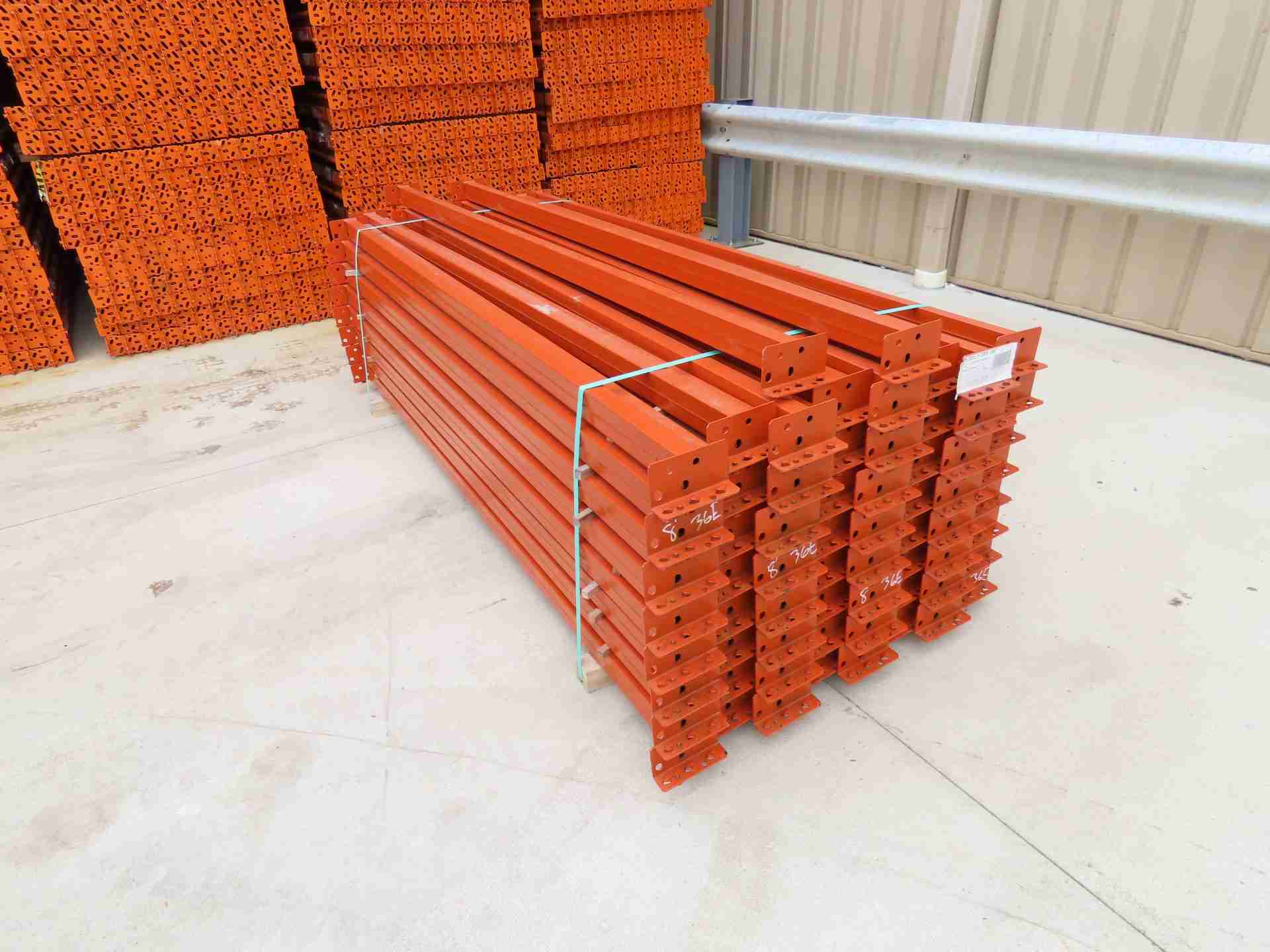
How High Can Cantilever Racks Safely Go?
How High Can Cantilever Racks Safely Go?
- Cantilever racks excel in vertical space utilization for storage solutions.
- Typically designed to reach heights between 10 to 30 feet, depending on various factors.
- Key considerations include load capacity, material type, and environmental conditions.
- Height-optimized cantilever racks can significantly increase storage capacity without footprint expansion.
- Compliance with OSHA guidelines and local regulations is essential for safety and legal adherence.
- Investing in quality racks and proper installation practices is crucial for workplace safety.
- Prioritize smart and safe ascents in storage practices for sustainable growth and success.
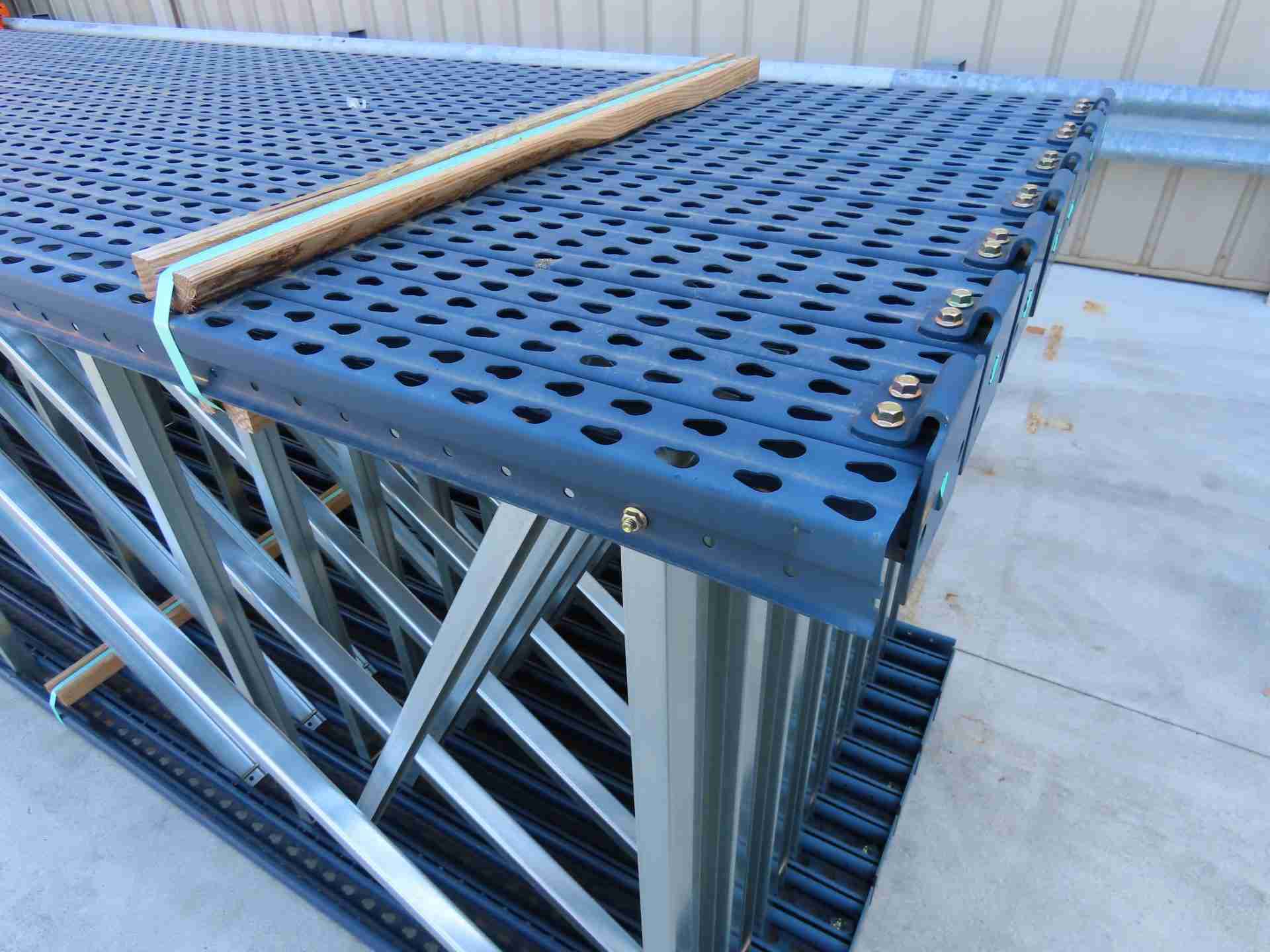
How High Can Cantilever Racks Safely Go?
Table Of Contents
- How High Can Cantilever Racks Safely Go?
- How High Can Cantilever Racks Be Without Risking Safety?
- What Factors Affect The Height Limits Of Cantilever Racks?
- Are There Specific Regulations For Cantilever Rack Heights?
- How Does Load Capacity Influence Cantilever Rack Height?
- What Materials Are Best For Tall Cantilever Racks?
- How Do Environmental Factors Affect Tall Cantilever Racks?
- What Safety Tests Should Be Conducted For High Cantilever Racks?
- How Often Should High Cantilever Racks Be Inspected?
- What Are The Signs Of Instability In Cantilever Racks?
- How Can I Reinforce Tall Cantilever Racks For Stability?
- What Are The Best Practices For Loading Cantilever Racks Safely?
- Are There Design Features That Enhance The Height Of Cantilever Racks?
- How Do I Choose The Right Cantilever Rack For My Needs?
- What Maintenance Should Be Done On High Cantilever Racks?
- How Can I Safely Disassemble Tall Cantilever Racks?
- Conclusion
- Other Resources
- Glossary Of Terms
- Other Questions
- Checklist
How High Can Cantilever Racks Be Without Risking Safety?
In the bustling world of logistics and warehousing, maximizing space is crucial, but how high can cantilever racks go without putting safety on the line? The answer isn’t just a number—it’s a careful balance of engineering, regulation, and common sense.
First, let’s get technical. Cantilever racks offer the unique ability to store long and heavy items like lumber, pipes, or pallets. The height of these racks often attracts businesses looking to leverage vertical space. However, most industry standards suggest that cantilever racks should generally not exceed 16 to 20 feet in height for optimal safety and stability. Beyond this height, the risk of tipping and structural failure grows exponentially.
Understanding the fundamentals of load capacity and stability becomes critical here. For instance, a warehouse storing lightweight materials may feel secure raising racks to 12 feet, but the same height could be dangerous for heavier items. Look at the recent case of a major logistics retailer that faced a safety audit after an accident involving a rack collapse. Such incidents lead not only to financial losses but significant reputational damage—a fate no savvy business owner wants to suffer.
Regulatory bodies, such as the Occupational Safety and Health Administration (OSHA), have strict guidelines governing storage systems. Compliance isn’t just about avoiding fines—it’s about creating an environment where your workforce feels safe. Ignoring the height limits can lead to disastrous consequences. Remember the headlines from last year’s warehouse disaster, where improperly stacked cantilever racks resulted in injuries and costly damages?
Additionally, consider your workforce’s ability to reach the top levels. It’s not merely a question of height; it’s also about accessibility. Investing in proper lifting equipment or train staff to handle stock safely can elevate your operational efficiency without jeopardizing safety. In a recent survey, warehouses that emphasized employee training reported 20% fewer accidents related to storage systems—a compelling statistic to incorporate into your safety strategy!
While the temptation to push the boundaries of cantilever rack height exists, understanding and adhering to safety standards is paramount. You’re not just storing goods; you’re protecting lives, preserving your reputation, and ensuring the longevity of your business. Make safety your priority, and watch your efficiency soar—not your risk!
How High Can Cantilever Racks Be Without Risking Safety?
How High Can Cantilever Racks Be Without Risking Safety?
- Maximizing space in logistics requires balancing height, engineering, regulation, and safety.
- Cantilever racks are ideal for storing long and heavy items, typically recommended at heights of 16 to 20 feet.
- Exceeding recommended heights increases the risk of tipping and structural failure.
- Load capacity and stability are critical; lighter materials can be stored higher, unlike heavier ones.
- Compliance with OSHA guidelines is essential for maintaining a safe working environment and avoiding liabilities.
- Employee training and proper lifting equipment can prevent accidents and improve operational efficiency.
- Prioritizing safety can enhance efficiency while protecting lives and preserving business reputation.
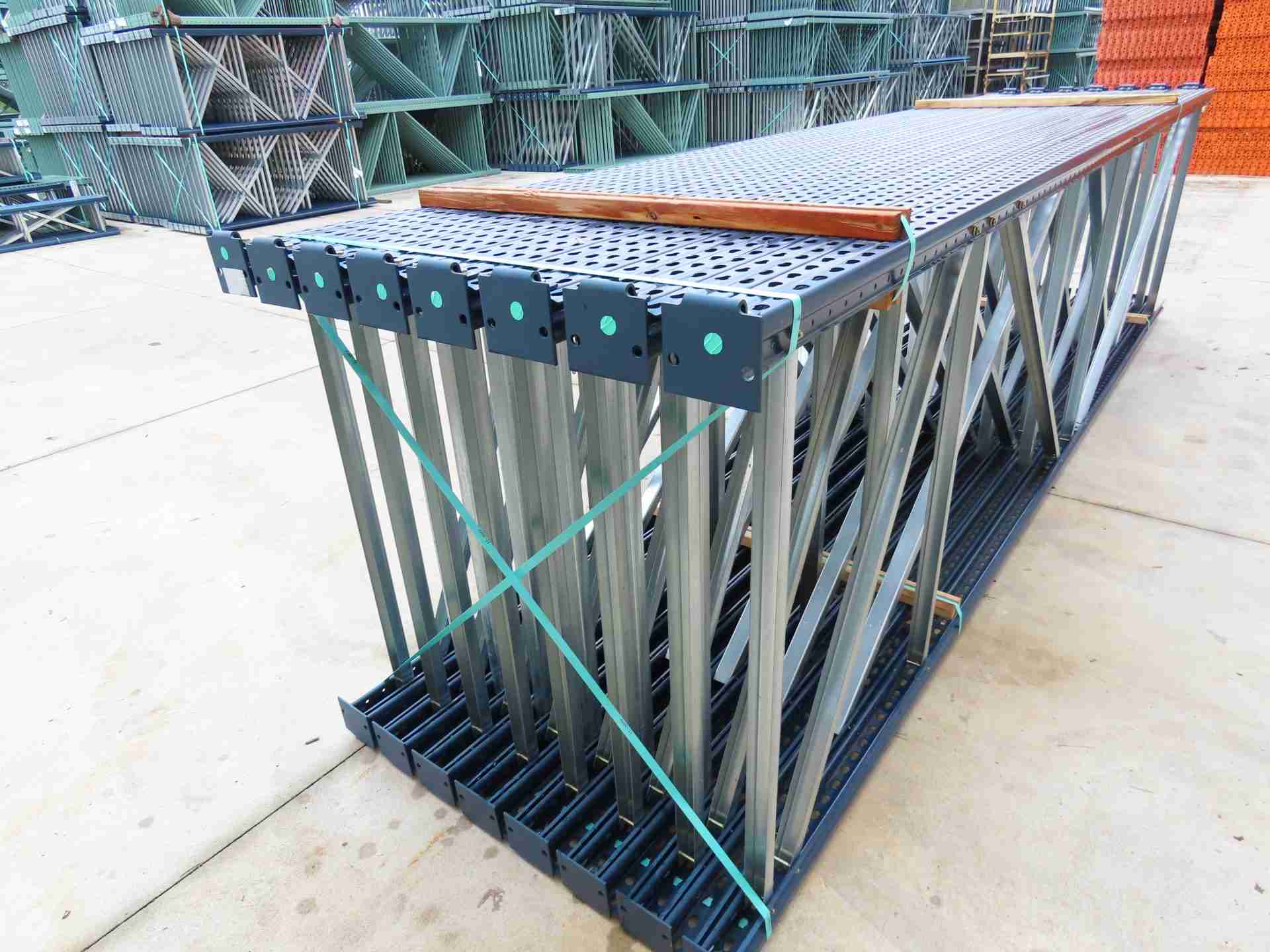
How High Can Cantilever Racks Be Without Risking Safety?
What Factors Affect The Height Limits Of Cantilever Racks?
What Factors Affect the Height Limits of Cantilever Racks?
When it comes to maximizing storage space and improving operational efficiency, cantilever racks are an indispensable solution for businesses looking to optimize their warehousing solutions. However, understanding the factors that dictate the height limits of these storage systems is crucial for any savvy business owner or warehouse manager. Let’s break down the key elements that play a role in determining how tall your cantilever racks can go.
Load Capacity and Distribution
First and foremost, load capacity is a pivotal factor. Every cantilever rack system has a specified load limit per arm, and exceeding this limit can not only lead to structural failure but can also compromise the safety of your warehouse. For example, if you’re storing heavy lumber or steel pipes, it’s imperative that these items are distributed evenly across the arms. Companies dealing with large or heavy items should consult with their rack supplier to ensure their vertical aspirations align with safe practices.
Building Codes and Regulatory Guidelines
Local building codes are another critical element. Many municipalities enforce strict regulations regarding the height of storage solutions, particularly in terms of fire safety and structural integrity. For instance, a recent case in New York saw a warehouse fined for exceeding allowable storage height without proper permitting. Staying compliant not only safeguards your operation but can also prevent costly legal repercussions.
Forklift Accessibility
The design of your warehouse and the equipment used for moving items around are significant in determining rack height. If you’re utilizing forklifts, you must account for their reach and maneuverability. Attempting to stack cantilever racks too high without considering the limitations of your lift equipment can not only slow down operations but also create hazardous working conditions. A warehouse facility in Chicago, for instance, adjusted their rack heights after struggling with operational delays caused by forklift inefficiency.
Environmental and Situational Factors
Lastly, environmental factors such as seismic activity and wind load should not be overlooked. If you’re in an earthquake-prone area, building codes may require racks to be significantly shorter to minimize risk. Similarly, if your warehouse is in a region that experiences heavy winds, rack height limits may be enforced to provide greater stability.
While the allure of taller cantilever racks can be tempting, understanding the multifaceted factors that dictate their height limits is essential for a successful and safe storage solution. Always consider load capacities, local regulations, equipment capabilities, and environmental conditions to make the most informed decision for your business. Investing in knowledge today will pay dividends in operational efficiency and safety tomorrow.
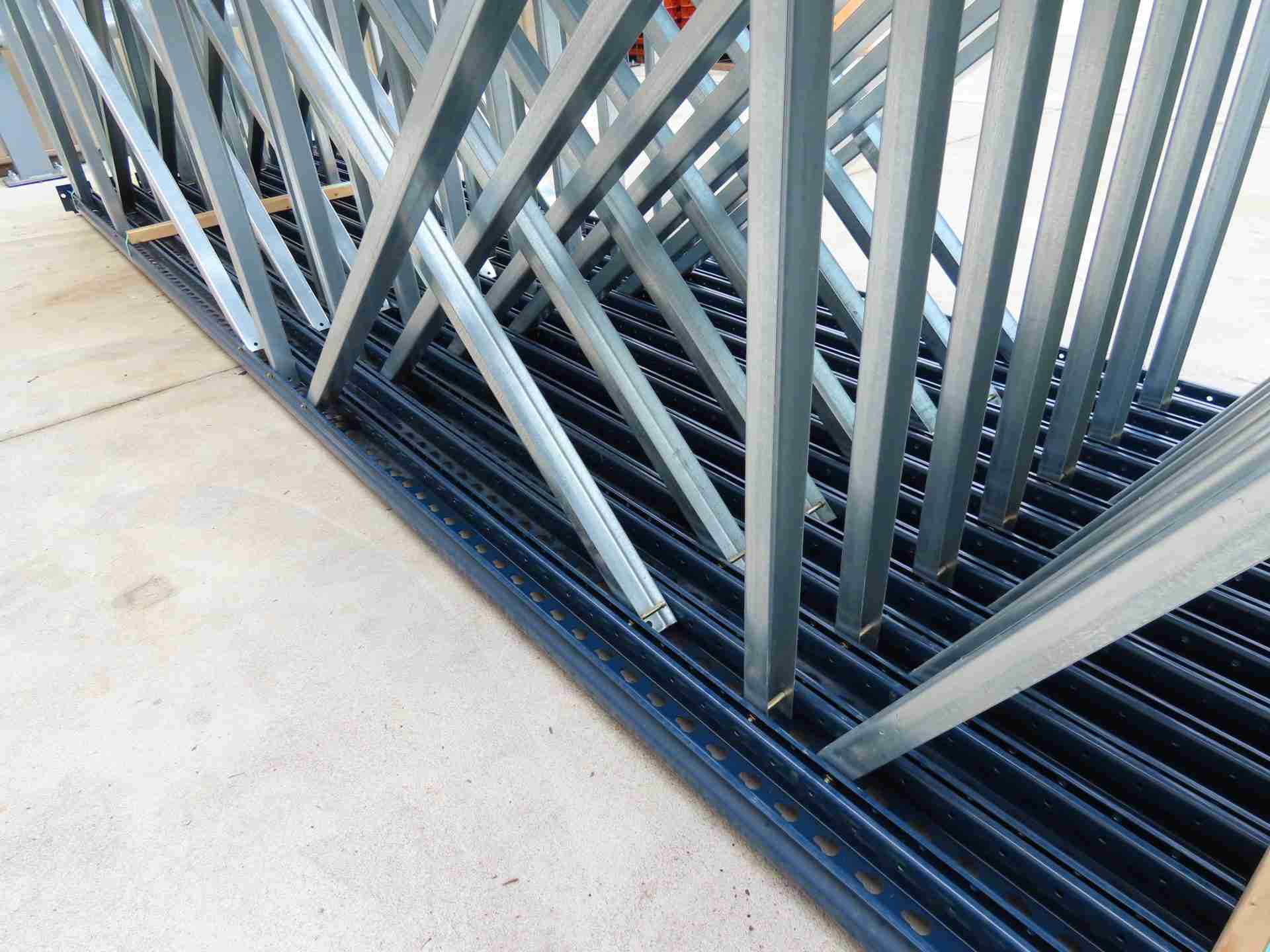
What Factors Affect The Height Limits Of Cantilever Racks?
What Factors Affect The Height Limits Of Cantilever Racks?
- Load Capacity and Distribution: Each cantilever rack has a specified load limit per arm, and exceeding it can lead to structural failure and safety risks. Proper load distribution is essential, especially for heavy items.
- Building Codes and Regulatory Guidelines: Local building codes enforce regulations on storage height to ensure fire safety and structural integrity. Compliance helps avoid legal repercussions.
- Forklift Accessibility: Warehouse design and equipment capabilities, such as forklift reach, affect rack height. Improper height can impede operations and create hazards.
- Environmental Factors: Seismic activity and wind loads can impose height limits for stability and safety, particularly in vulnerable regions.
- Operational Efficiency: Balancing rack height with load and safety considerations enhances overall efficiency within the warehouse.
- Safety Considerations: Awareness of all influencing factors is crucial for maintaining a safe work environment in storage facilities.
- Informed Decisions: Knowledge of these factors will aid in making informed decisions that benefit both safety and operational success.
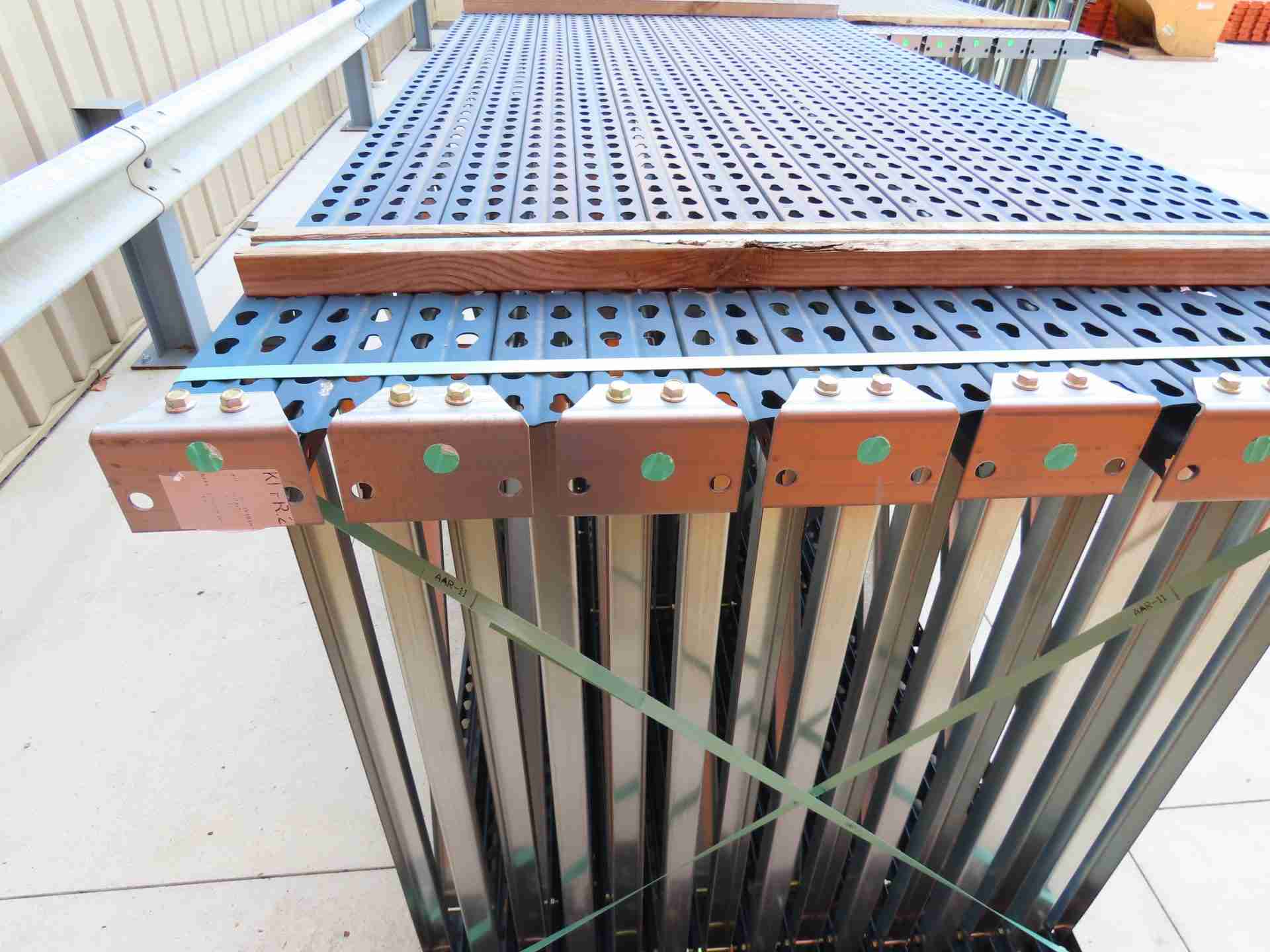
What Factors Affect The Height Limits Of Cantilever Racks?
Are There Specific Regulations For Cantilever Rack Heights?
When it comes to optimizing your warehouse space, cantilever racks are a powerful solution, allowing you to store long and bulky items efficiently. However, understanding the regulations governing their height is crucial—not just for safety, but for compliance with industry standards that can impact your bottom line.
In the United States, the Occupational Safety and Health Administration (OSHA) provides guidance on warehouse storage systems, emphasizing the importance of stability, accessibility, and safety. While OSHA does not specify exact height regulations for cantilever racks, they do require that these systems be designed and constructed to safely support the given loads. The basic rule of thumb? For every foot of height, ensure you have a sound base and load distribution—this can significantly mitigate hazards.
Consider a recent incident involving an Ontario-based distribution center, where improperly loaded cantilever racks caused a serious accident, reminding us of the intense scrutiny warehouses face. This incident not only disrupted operations but resulted in costly fines and heightened insurance premiums—an essential lesson on the importance of adhering to safety regulations.
So, how do you ensure your cantilever racks are compliant? First, familiarize yourself with the National Fire Protection Association (NFPA) guidelines, particularly if your facility contains flammable materials. They recommend that racks do not exceed twelve feet to maintain adequate fire safety clearance. Additionally, many local codes may stipulate specific rack heights based on the building’s sprinkler systems, further complicating the matter.
To keep in the clear, engage with a professional rack installation company that understands your local regulations. They can help assess what height is not only permissible but optimal for your storage needs. For example, if your operation requires heights exceeding 20 feet, implementing a multi-level system may offer both safety and space utilization benefits, all while remaining compliant.
As industries evolve and regulations get stricter—especially in light of increasing workplace safety standards—it is vital to stay informed and proactive. Regular inspections and employee training on rack safety can prevent accidents and align with best practices. Besides, a well-organized space boosts productivity, giving you a competitive edge in today’s fast-paced market.
Investing time in understanding cantilever rack height regulations isn’t just about compliance; it’s about building a safer, more efficient workspace that drives your business forward. Adapt, adhere, and excel—a trifecta that ensures your inventory management system remains as agile as your operations.
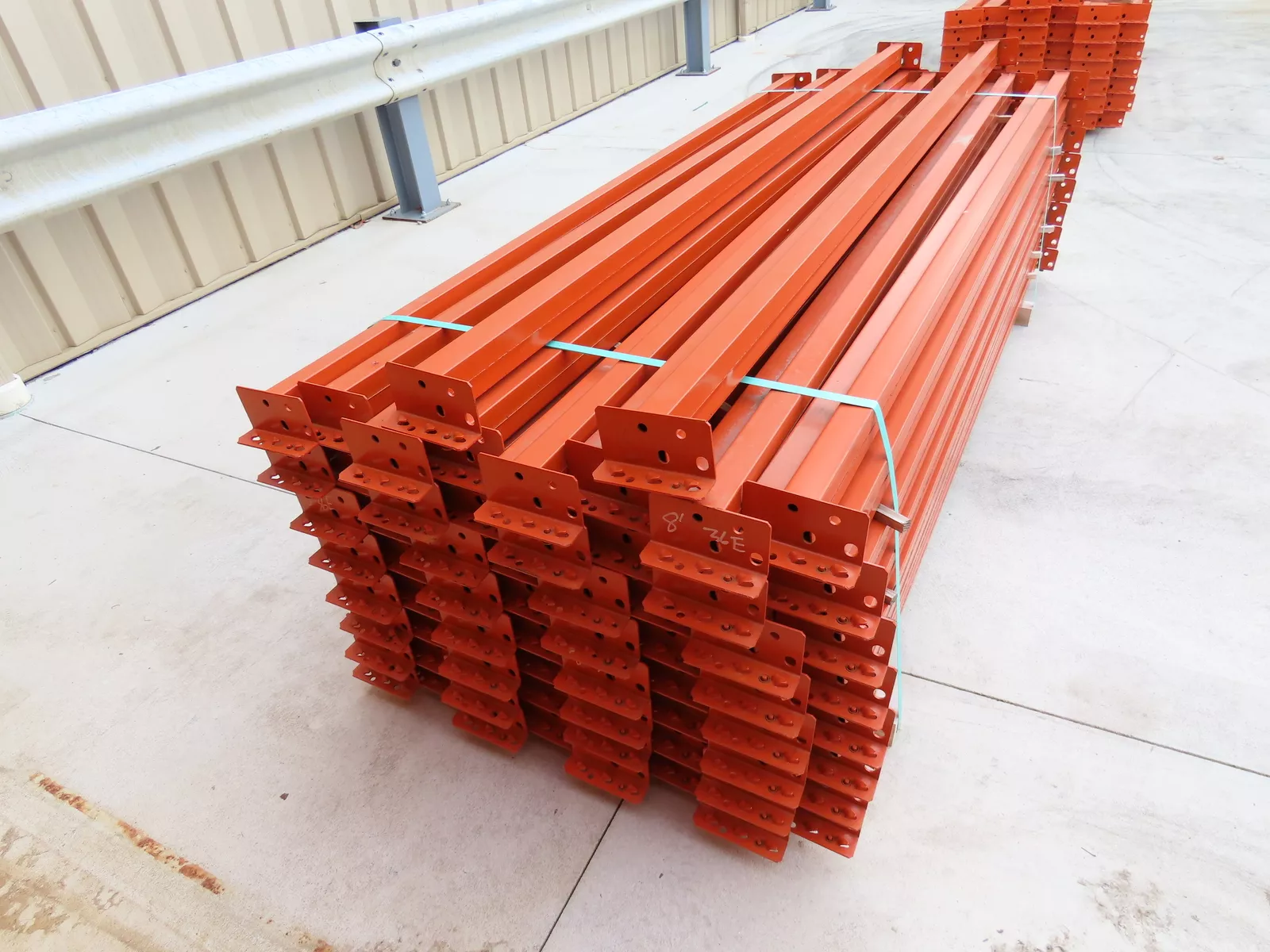
Are There Specific Regulations For Cantilever Rack Heights?
Are There Specific Regulations For Cantilever Rack Heights?
- Cantilever racks optimize warehouse space for long and bulky items efficiently.
- Understanding height regulations is crucial for safety and compliance with industry standards.
- OSHA guides emphasize stability, accessibility, and safety in warehouse storage systems.
- For every foot of height, ensure a sound base and load distribution to mitigate hazards.
- Follow NFPA guidelines that recommend cantilever racks not exceed twelve feet for fire safety clearance.
- Engaging a professional installation company can ensure compliance and optimize storage height.
- Regular inspections and training are key to maintaining safety and productivity in the warehouse.
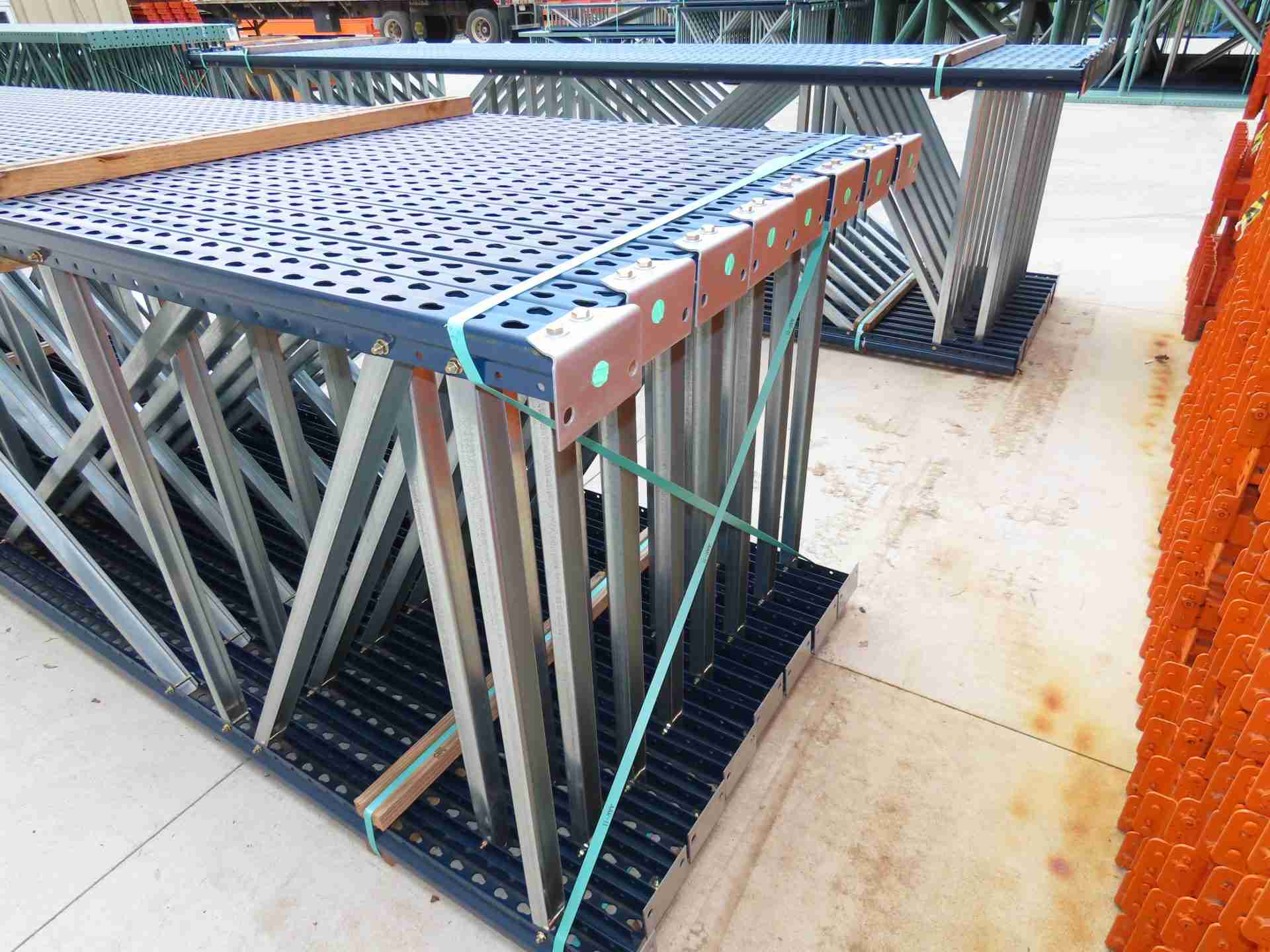
Are There Specific Regulations For Cantilever Rack Heights?
How Does Load Capacity Influence Cantilever Rack Height?
When it comes to optimizing warehouse space and maximizing productivity, few systems rival cantilever racks. However, one crucial factor that often gets overlooked is the relationship between load capacity and rack height. Understanding this interplay not only enhances safety and efficiency but also influences your bottom line.
Load capacity refers to the maximum weight a cantilever rack can support. The taller the rack, the more weight it can typically hold, provided it’s engineered correctly. This dynamic is vital in sectors like retail, logistics, and manufacturing—where efficient space utilization can mean the difference between profit and loss. Imagine a warehouse that stores heavy construction materials. By strategically increasing the height of your cantilever rack to match your load requirements, you free up valuable floor space for other operations, all while ensuring that your inventory is stored safely and securely.
But what happens when you push the limits? Let’s consider a real-world example: a lumber yard that decided to stack materials vertically, reaching for the stars—quite literally. Initially thrilled by the increased storage capacity, they soon faced the consequences of miscalculated load limits. The result? A catastrophic failure that not only damaged inventory but endangered employees. This incident underscores the importance of understanding your rack’s load capacity before making height adjustments.
The influence of load capacity on cantilever rack height is especially pertinent in today’s fast-paced market. Just recently, major retail chains have adopted innovative warehousing solutions as they adapt to the surging demand for e-commerce. With online orders skyrocketing, companies like Amazon are rethinking their storage strategies. By balancing load capacity with height, they’re ensuring that they can store larger quantities of products without sacrificing safety or operational efficiency.
As you contemplate upgrading your storage solutions, take a moment to assess your needs. Consider factors such as the types of materials you are storing, the weight distribution, and the required accessibility for your team. Opt for racks that not only fit confined vertical spaces but are engineered to bear the loads they will encounter. Don’t fall into the trap of fitting equipment to your warehouse’s height—fit your height to your load requirements.
Striking the right balance between load capacity and cantilever rack height is about more than just storage; it’s about fostering a safer, more productive environment that propels your business forward amidst the challenges of an ever-evolving marketplace. Remember, informed decisions today lay the groundwork for success tomorrow.
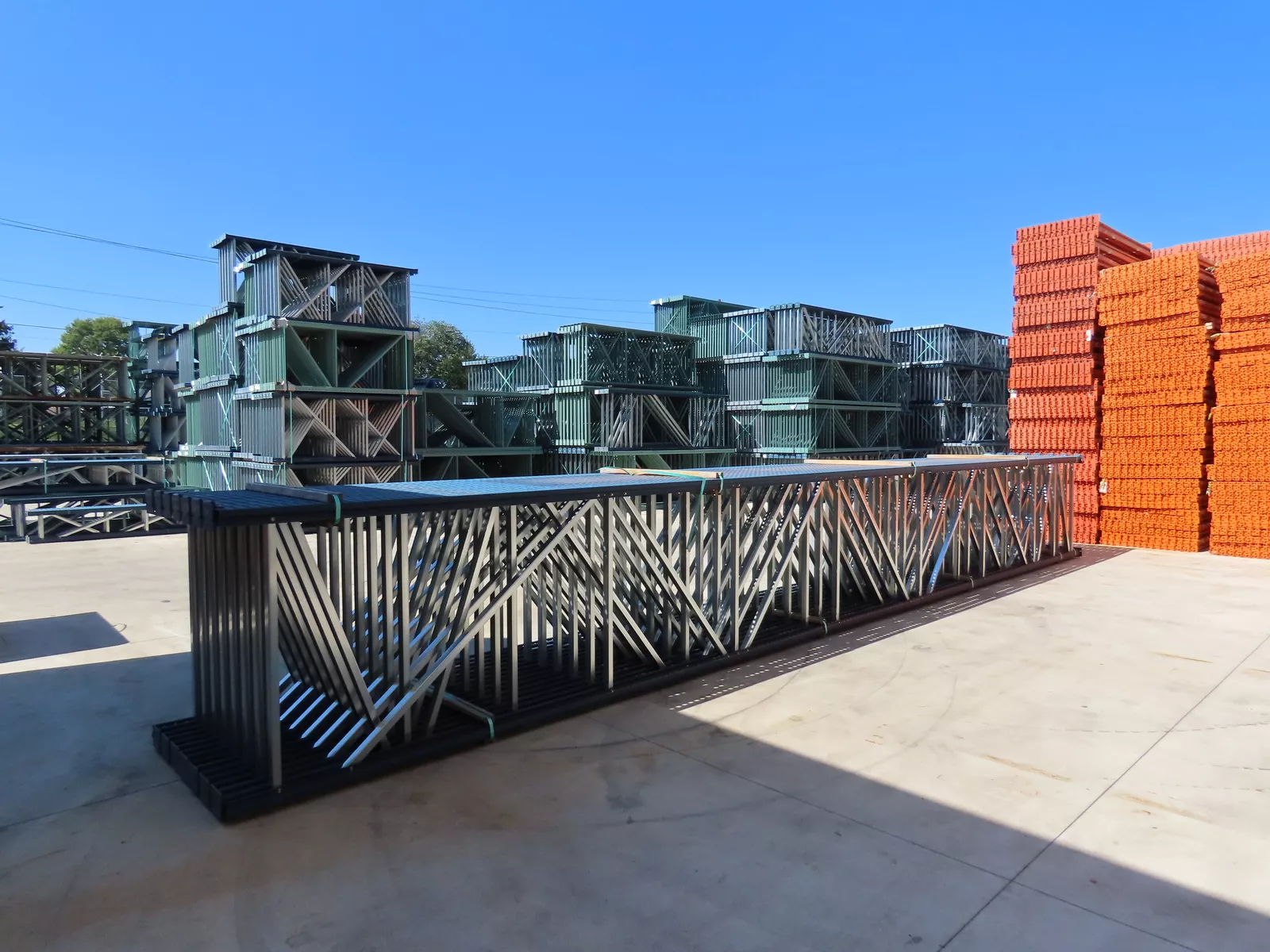
How Does Load Capacity Influence Cantilever Rack Height?
How Does Load Capacity Influence Cantilever Rack Height?
- Cantilever racks are vital for optimizing warehouse space and productivity.
- Load capacity refers to the maximum weight a cantilever rack can support, which increases with rack height.
- Strategic height increases can free up valuable floor space in sectors like retail, logistics, and manufacturing.
- A real-world example illustrates risks involved in exceeding load limits, leading to damage and safety hazards.
- Retail chains, like Amazon, are rethinking storage strategies to balance load capacity with height amidst rising e-commerce demand.
- When upgrading storage solutions, assess material types, weight distribution, and accessibility needs.
- Balancing load capacity with height promotes a safer, more productive environment for business success.
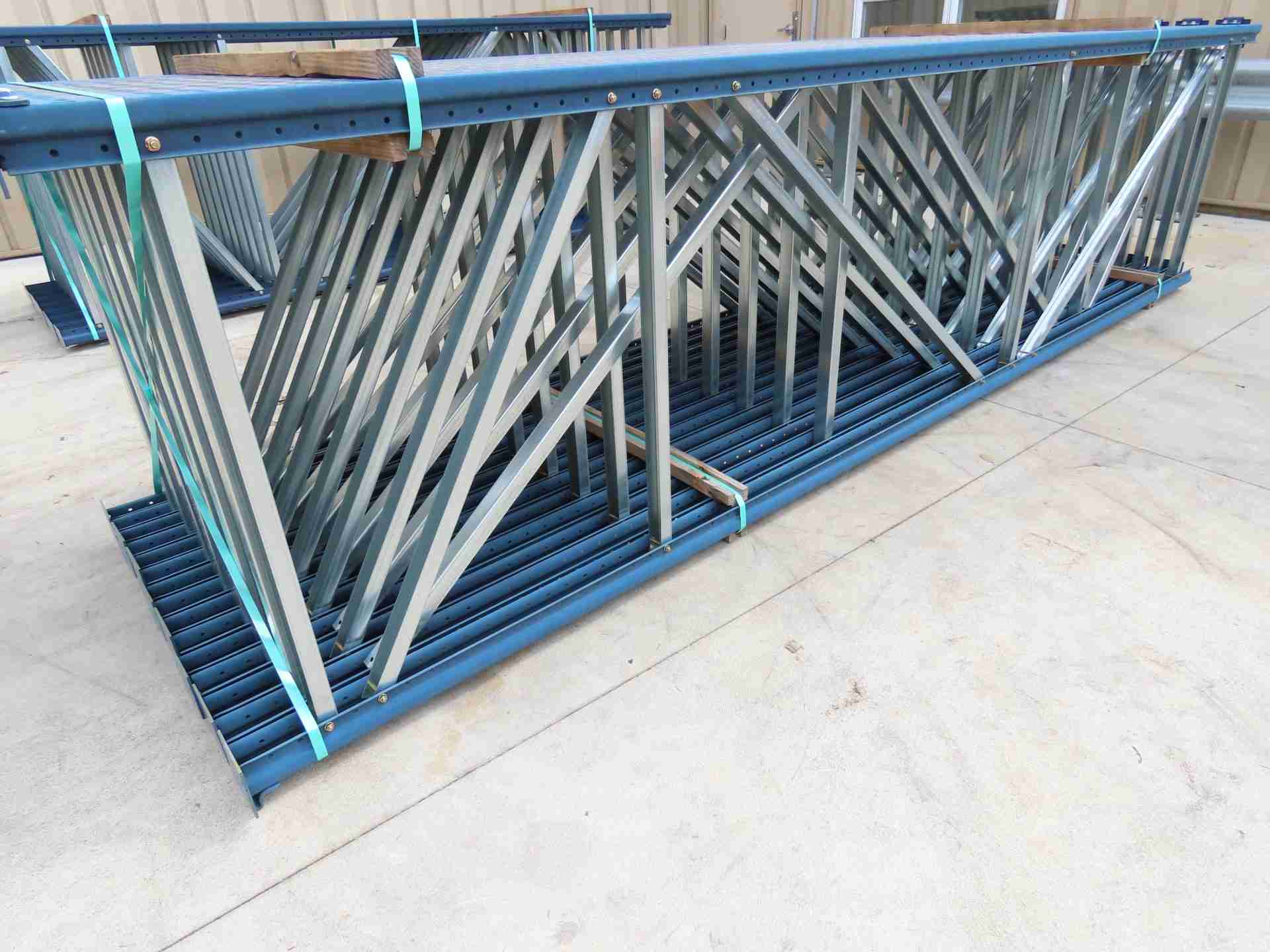
How Does Load Capacity Influence Cantilever Rack Height?
What Materials Are Best For Tall Cantilever Racks?
When it comes to choosing materials for tall cantilever racks, you’re not just selecting an infrastructure solution; you’re investing in stability, durability, and efficiency that will define the success of your storage strategy. So, what materials should you consider? Let’s break it down into the must-haves.
Steel: The undisputed champion in the world of cantilever racks is steel. Particularly, structural steel is often used due to its excellent strength-to-weight ratio and resilience. Whether you need a rack for heavy machinery or long items like lumber, steel cantilever racks can withstand significant loads while maintaining structural integrity. Look no further than top manufacturers who often use galvanized steel for added corrosion resistance, making these racks perfect for both indoor and outdoor use. With steel, you don’t just get strength; you also get longevity. In a recent trade event focused on warehouse efficiency, many industry veterans echoed that steel remains the go-to choice for robust storage.
Powder-Coated Finishes: While steel provides the backbone, don’t underestimate the importance of protective coatings like powder coating. This finish offers a sleek aesthetic while enhancing the unit’s durability, protecting it from scratches, rust, and other environmental factors. Given today’s heightened focus on workplace safety and visual appeal, a well-finished rack can elevate your operation’s overall look—think about how current trends in workplace design emphasize clean lines and modernity.
Aluminum: For lighter applications, aluminum is gaining traction. Its lightweight nature allows for easier handling, making it suitable for environments that require frequent configuration changes. Furthermore, aluminum is resistant to corrosion, making it an ideal choice for warehouses that deal with moisture, especially in industries like food and beverage where hygiene is crucial.
Composite Materials: The rise of composite materials is another game-changing trend. These materials combine plastics with fillers, offering a lighter, sometimes more cost-effective option for specific applications. For instance, when handling lighter products or in businesses aiming for a more sustainable solution, composites are becoming increasingly popular. They provide flexibility and are less prone to warping under specific conditions, making them an attractive option.
The best materials for tall cantilever racks depend on your specific needs, be it heavy loads, corrosive environments, or frequent adjustments. As you explore your options, consider both current manufacturing trends and the unique requirements of your operation. Remember, a wise investment in quality materials now will yield dividends in storage efficiency and safety down the road.
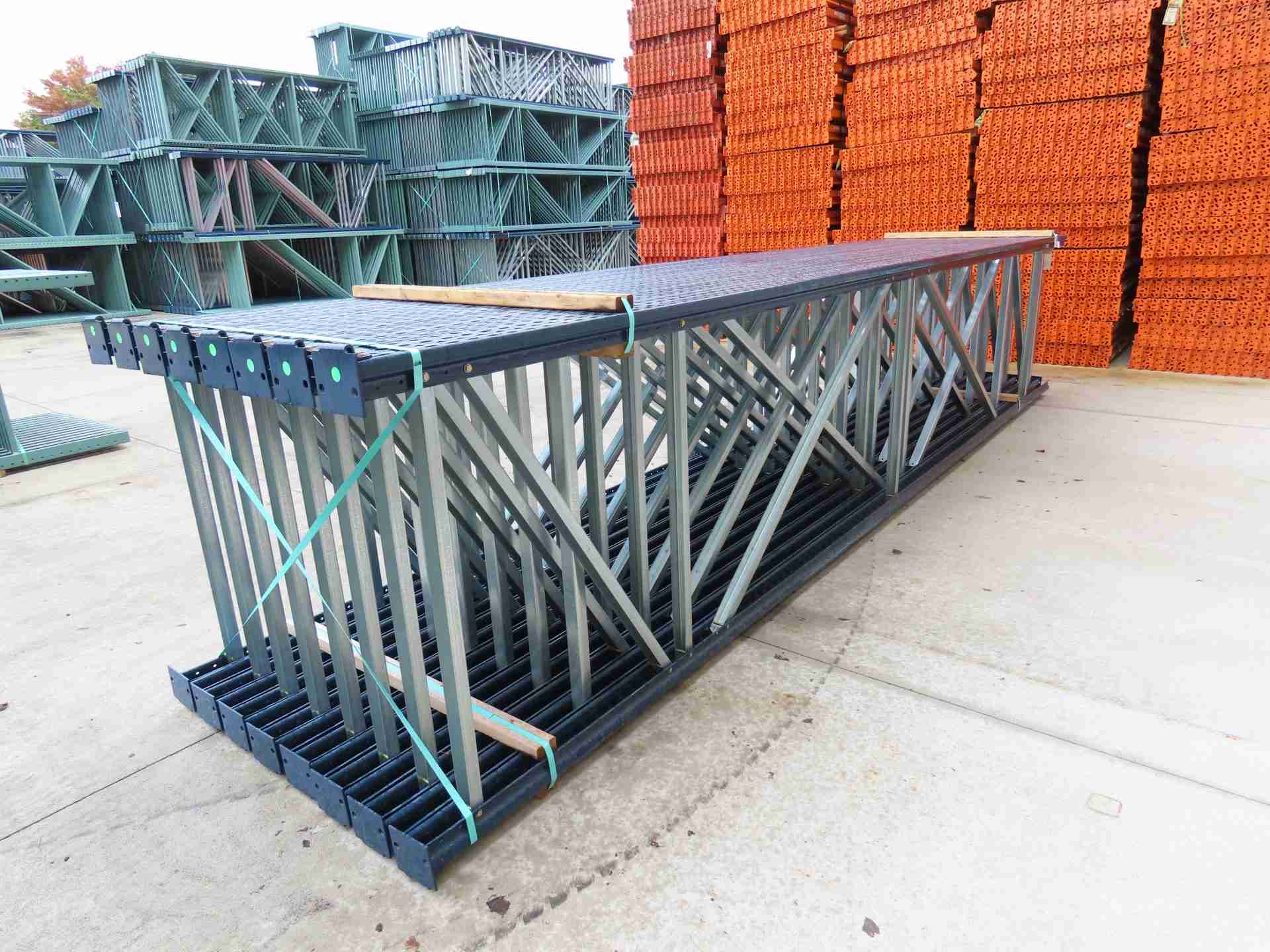
What Materials Are Best For Tall Cantilever Racks?
What Materials Are Best For Tall Cantilever Racks?
- Steel: The primary choice for cantilever racks due to excellent strength-to-weight ratio and resilience; ideal for heavy loads.
- Galvanized Steel: Offers added corrosion resistance, making steel racks suitable for indoor and outdoor use.
- Powder-Coated Finishes: Enhance durability and aesthetics by protecting racks from scratches and rust while improving safety and design appeal.
- Aluminum: Lightweight and easy to handle, making it ideal for environments requiring frequent configuration changes; resistant to corrosion.
- Composite Materials: Combine plastics with fillers, offering a lightweight, cost-effective option for lighter products and sustainable solutions.
- Application Considerations: Choose materials based on specific needs such as load capacity, corrosive environments, and handling frequency.
- Investment Value: Quality materials lead to increased storage efficiency and safety, proving to be a wise long-term investment.
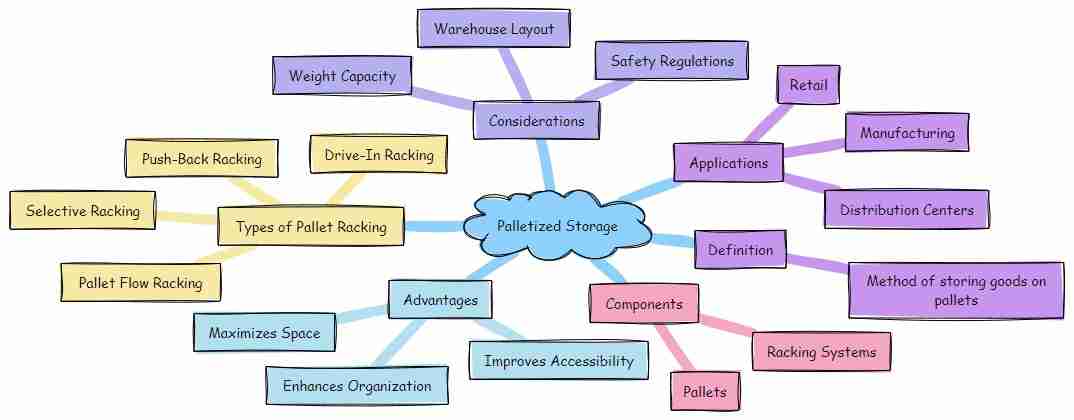
What Materials Are Best For Tall Cantilever Racks?
How Do Environmental Factors Affect Tall Cantilever Racks?
When it comes to maximizing your warehouse space, tall cantilever racks stand out as a stellar solution for storing long and bulky items. But here’s the catch: their performance and durability can be significantly influenced by various environmental factors. Understanding these factors can take your operations from functional to exceptional, ensuring both safety and efficiency.
Temperature Fluctuations
First, consider temperature changes. Warehouses located in regions with extreme temperatures may see their cantilever racks behave unpredictably. For example, in colder climates, metal’s natural tendency is to become brittle. If your inventory includes materials sensitive to temperature, such as plastics or lightweight metals, you may face issues like warping or cracking over time. To mitigate this, consider investing in climate-controlled storage solutions. Recent reports have shown that businesses implementing temperature regulation saw a 30% reduction in inventory-related damage—an essential win for your bottom line.
Humidity Levels
Next up is humidity, an often-overlooked factor that can wreak havoc on your storage solutions. High humidity levels can lead to corrosion, particularly if your racks are made from untreated steel. A 2022 study revealed that warehouses in humid regions that neglected to use protective coatings experienced a drastic reduction in the lifespan of their racking systems—leading to costly replacements. To avoid this, use powder-coated racks or stainless steel for enhanced resistance. Not only will this improve durability, but it will also keep your inventory safe from water damage.
Space Optimization and Safety Codes
Let’s not forget about the need for compliance with local safety codes that can be impacted by environmental factors. For instance, if you’re storing flammable materials, your tall cantilever racks must meet specific clearance requirements to ensure safe operations. Following guidelines set by organizations like OSHA will not only protect your inventory but could also shield you from liability—an especially pressing concern amid recent discussions on workplace safety regulations.
Natural Disasters
Finally, don’t overlook natural disasters. Areas prone to earthquakes or severe storms must use racks that comply with local seismic codes. The 2023 supply chain disruptions caused by unprecedented hurricanes pushed many businesses to reassess their storage options, prompting a rush to invest in more resilient systems. Those who adapted quickly not only minimized damage but also ensured the continuity of operations in times of crisis.
Environmental factors wield significant influence over the effectiveness of tall cantilever racks. By understanding these dynamics, you’ll not only protect your investments but also enhance the overall efficiency and safety of your warehouse operations.
How Do Environmental Factors Affect Tall Cantilever Racks?
How Do Environmental Factors Affect Tall Cantilever Racks?
- Tall cantilever racks are ideal for storing long and bulky items in warehouses.
- Temperature fluctuations can cause metal to become brittle in cold climates, affecting inventory like plastics and lightweight metals.
- Implementing climate-controlled storage can reduce inventory-related damage by 30%.
- High humidity can lead to corrosion of untreated steel racks, significantly reducing their lifespan.
- Using powder-coated or stainless steel racks enhances durability and protects inventory from water damage.
- Compliance with local safety codes is crucial, particularly for storing flammable materials on cantilever racks.
- Areas prone to natural disasters should invest in racks that meet local seismic codes to ensure operational continuity during crises.
How Do Environmental Factors Affect Tall Cantilever Racks?
What Safety Tests Should Be Conducted For High Cantilever Racks?
When it comes to optimizing inventory storage solutions, high cantilever racks stand out as a versatile option. However, with great capability comes the great responsibility of ensuring safety. Conducting thorough safety tests is not merely a regulatory checkbox—it’s a commitment to the well-being of your employees and the integrity of your operations. Understanding the essential safety tests for high cantilever racks can prevent costly accidents and unplanned downtime.
First and foremost, load capacity testing is paramount. This involves evaluating how much weight your rack can bear without compromising stability. A recent incident in a warehouse in Texas due to overloaded racks reminds us of the stakes. After a thorough investigation, it was revealed that the racks were holding 30% more weight than designed. This not only led to property damage but also injured personnel. Routine load capacity tests can help avert such catastrophic failures by ensuring your storage solution meets industry standards.
Next on the checklist should be structural integrity assessments. This involves inspecting the frame and components of the cantilever racks for signs of wear and tear, such as rust or bowing. Implement non-destructive testing methods like ultrasonic testing or visual inspections to catch problems before they become serious. In 2023, a major cold storage facility in New Jersey experienced a collapse after failing to conduct regular integrity checks, resulting in operational shut-down and hefty fines.
Don’t overlook environmental testing either. High cantilever racks are often placed in environments exposed to moisture, dust, or extreme temperatures. Evaluate your racks’ performance under these conditions to ensure they remain structurally sound and functional. Collaborating with manufacturers to use materials specifically designed for different environments can provide an extra layer of assurance.
Finally, employee training simulations are essential. This is not just a one-off event but an ongoing commitment. With the rise of e-commerce and the increasing pace of warehouse operations, continuous training keeps safety protocols top of mind. Developing comprehensive training programs ensures that employees know how to properly load and unload products, recognize hazards, and follow emergency procedures.
It’s indispensable for businesses utilizing high cantilever racks to implement rigorous and frequent safety tests. A proactive approach not only safeguards your workforce but also fortifies your bottom line by preventing costly delays and liabilities. In a climate where safety compliance is under tremendous scrutiny, integrating these tests into your operational ethos is a strategic move towards establishing a culture of safety and excellence.
What Safety Tests Should Be Conducted For High Cantilever Racks?
What Safety Tests Should Be Conducted For High Cantilever Racks?
- High cantilever racks are versatile but require a strong commitment to safety.
- Conducting safety tests is crucial for preventing accidents and ensuring operational integrity.
- Load capacity testing is essential to evaluate the maximum weight the rack can safely support.
- Regular structural integrity assessments can prevent failures from wear and tear or rust.
- Environmental testing is necessary for racks exposed to moisture, dust, or extreme temperatures.
- Ongoing employee training simulations ensure staff are knowledgeable about safety protocols.
- Implementing rigorous safety tests not only protects employees but also enhances business efficiency.
What Safety Tests Should Be Conducted For High Cantilever Racks?
How Often Should High Cantilever Racks Be Inspected?
When it comes to the safety and efficiency of your warehousing operations, high cantilever racks are indispensable. These robust storage systems maximize vertical space, allowing for the efficient storing of long or bulky items. However, neglecting their maintenance can lead to catastrophic consequences — both in terms of safety and financial liability. So, how often should these racks be inspected to ensure they’re up to snuff?
To answer this crucial question, let’s keep it simple: regular inspections are non-negotiable. The National Fire Protection Association (NFPA) and the Occupational Safety and Health Administration (OSHA) recommend a thorough inspection at least once every six months. However, for high, heavy-use installations, quarterly inspections could be more appropriate. This schedule ensures that wear and tear, which can result from heavy loading or environmental factors, is monitored closely.
Picture a busy distribution center, like those seen in today’s booming e-commerce landscape. With the demand for rapid order fulfillment skyrocketing, these facilities are pushing their infrastructures to the limit. For example, with the recent uptick in online shopping due to shifts in consumer behavior post-pandemic, many warehouses are cranking out orders with unprecedented volume. This increases the risk of neglecting essential safety practices, such as routine inspections. The last thing your business needs is a rack collapse during peak shipping times, resulting in workplace injuries or costly downtime.
Incorporating a tiered inspection strategy is another smart approach. Start with daily visual checks by warehouse staff, assessing for obvious issues like bent beams, loose bolts, or bad fixtures. Train your team to recognize abnormalities—after all, your frontline workers are the eyes and ears of your warehouse operations. Follow up these daily checks with more formal monthly inspections, where a trained safety officer evaluates the integrity of the rack systems on a deeper level.
Moreover, post-incident inspections should never be overlooked. Any time an accident—no matter how small—occurs, an immediate and comprehensive inspection is crucial for averting future disasters.
The need for regular inspections of high cantilever racks cannot be overstated. With a proactive approach, not only do you safeguard your workforce, but you also protect your investment. In a world that values efficiency and safety more than ever, don’t let your operations fall short. Schedule those inspections, and keep your warehousing operations running smoothly. Trust us—you’ll thank yourself later.
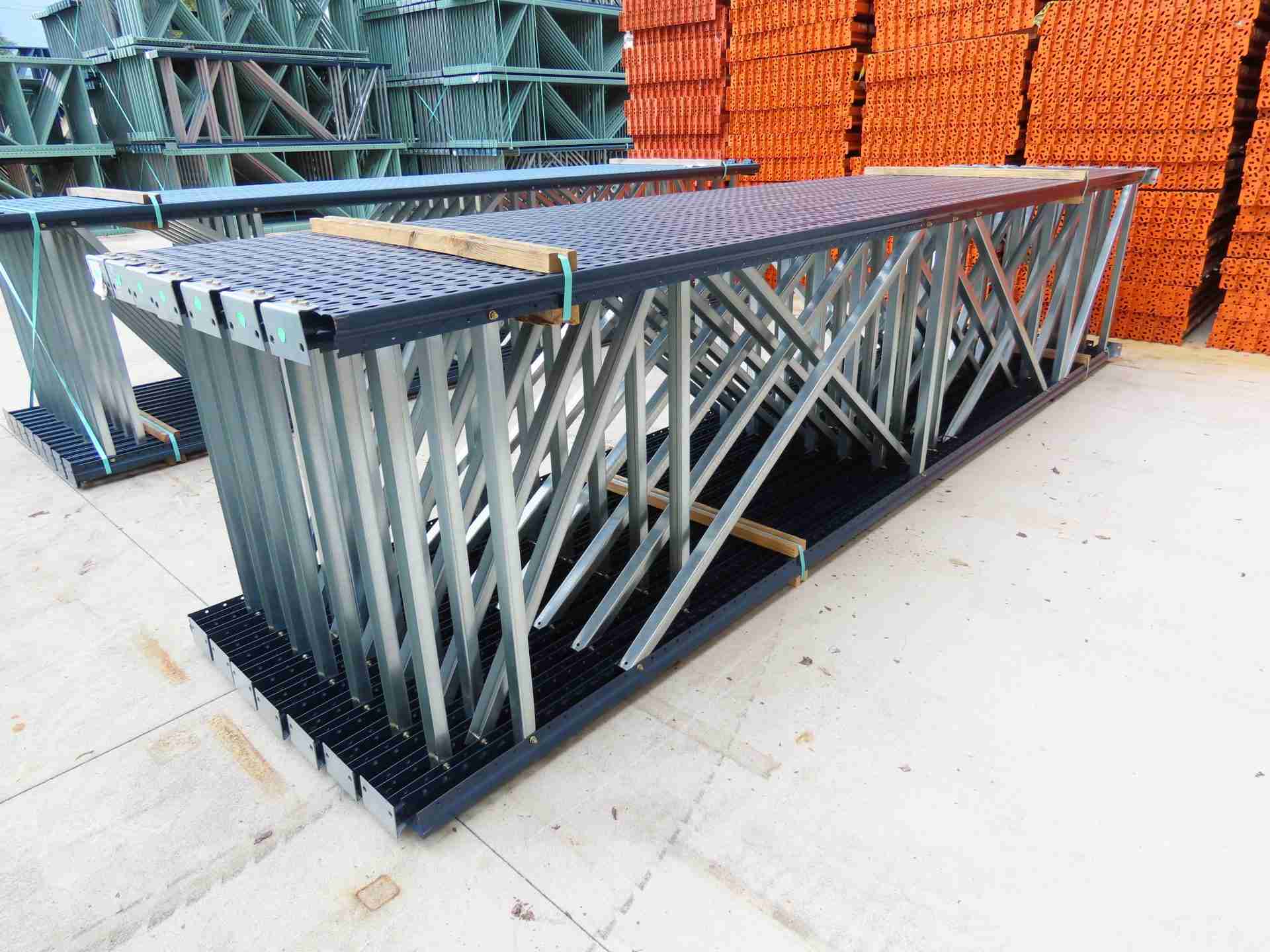
How Often Should High Cantilever Racks Be Inspected?
How Often Should High Cantilever Racks Be Inspected?
- High cantilever racks are essential for maximizing vertical storage in warehousing operations.
- Neglecting their maintenance can lead to serious safety and financial issues.
- Regular inspections, at least every six months, are recommended by the NFPA and OSHA.
- For high-use installations, quarterly inspections may be more suitable.
- Daily visual checks by warehouse staff should be conducted to identify immediate issues.
- More formal monthly inspections by trained safety officers are essential for thorough evaluation.
- Post-incident inspections are critical to prevent future accidents after any occurrence.
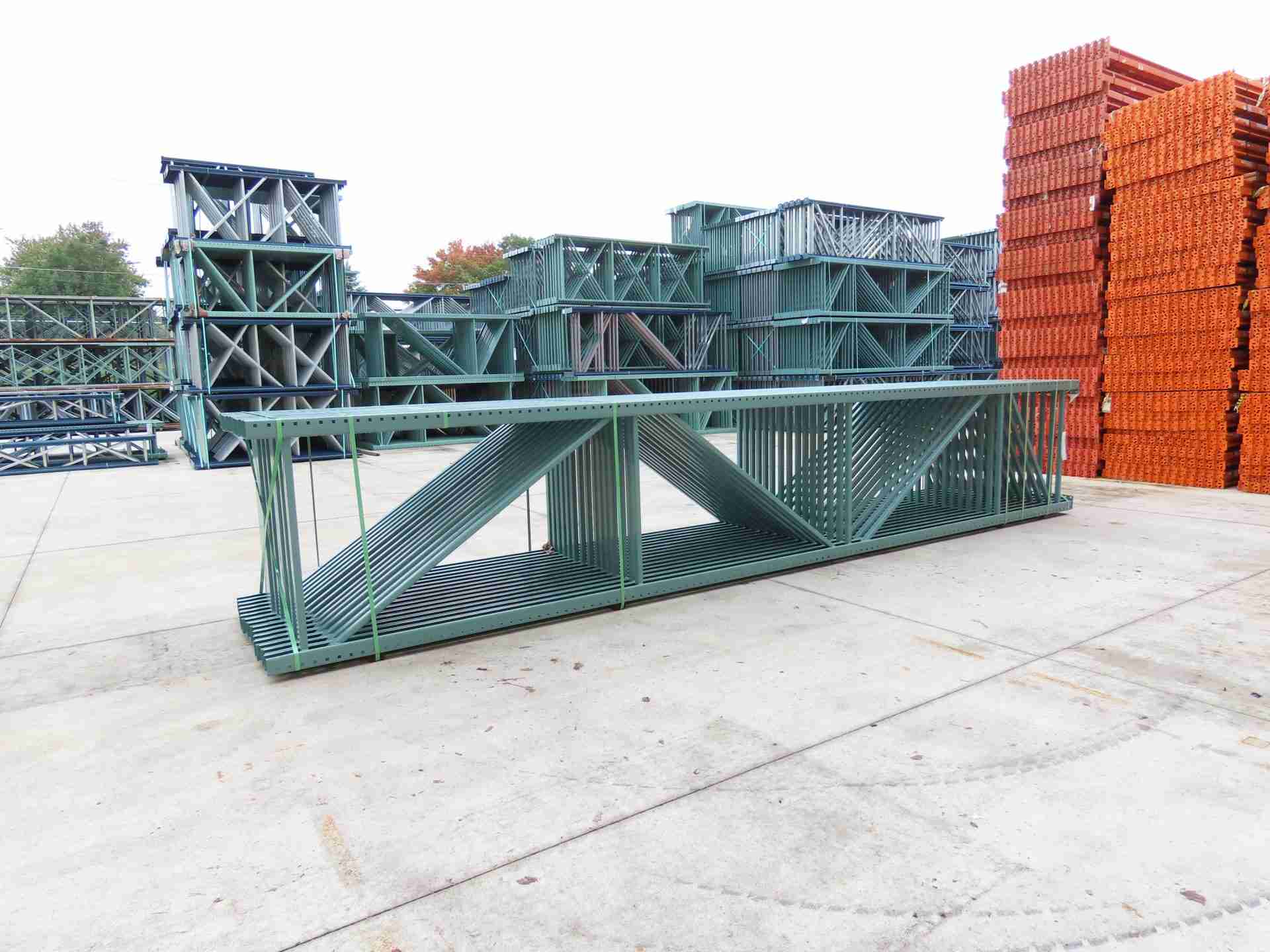
How Often Should High Cantilever Racks Be Inspected?
What Are The Signs Of Instability In Cantilever Racks?
In the fast-paced world of warehousing and logistics, the efficiency of your storage solutions directly affects your bottom line. Among these, cantilever racks stand out as a versatile choice for bulk storage of long or awkwardly shaped items. However, the stability of these racks is non-negotiable. Recognizing the signs of instability can save you from costly accidents, inventory loss, and legal liabilities.
1. Visible Deformations and Misalignments
One of the most evident signs of instability is any visible deformation in the structure. Leaning uprights or twisted beams signal potential catastrophic failure. Moreover, if the racks are consistently misaligned—perhaps due to improper installation or heavy loads—it’s a red flag. Consider the recent high-profile warehouse disaster where an entire row of cantilever racks collapsed. It serves as a stark reminder that small visual inconsistencies can lead to significant hazards.
2. Excessive Wear and Tear on Components
Inspection of your cantilever racks should include checking for wear on brackets, bolts, and shelves. Rust, dents, or cracks are indicators that the structural integrity has been compromised. For instance, a recent survey by a safety compliance agency revealed that over 30% of warehouse managers neglect regular maintenance checks, leading to preventable accidents. In a landscape where safety regulations are tightening, ignoring these details is a gamble you simply cannot afford.
3. Overloading Beyond Rated Capacity
Every cantilever rack has a specified load capacity, and exceeding this limit can cause instability. If your storage practices require frequent juggling of heavy items, invest in proper weight indicators or monitoring systems. A tech-savvy solution could also involve using RFID tags for real-time monitoring. Imagine the consequences when a load intended for a heavy-duty rack finds its way to an unstable structure. In today’s climate of heightened regulations, this isn’t just an operational risk; it’s an opportunity for costly fines.
4. Unstable Environment – Physical Conditions
Lastly, environmental factors cannot be overlooked. External stresses, such as seismic activity or heavy winds, can destabilize cantilever racks. If your warehouse is located in a hurricane-prone area or near fault lines, you must invest in additional bracing or anchoring solutions. Just last summer, hurricanes disrupted countless warehouses along coastal areas, leading to significant damage due to lack of preparedness.
Vigilance is not just a virtue—it’s essential for your warehouse’s safety and efficiency. Recognizing the signs of instability in cantilever racks will arm you with the knowledge to take preventative measures and secure your assets, ultimately powering a more robust operational framework. Your racks may hold the weight, but it’s your responsibility to ensure they do so safely.
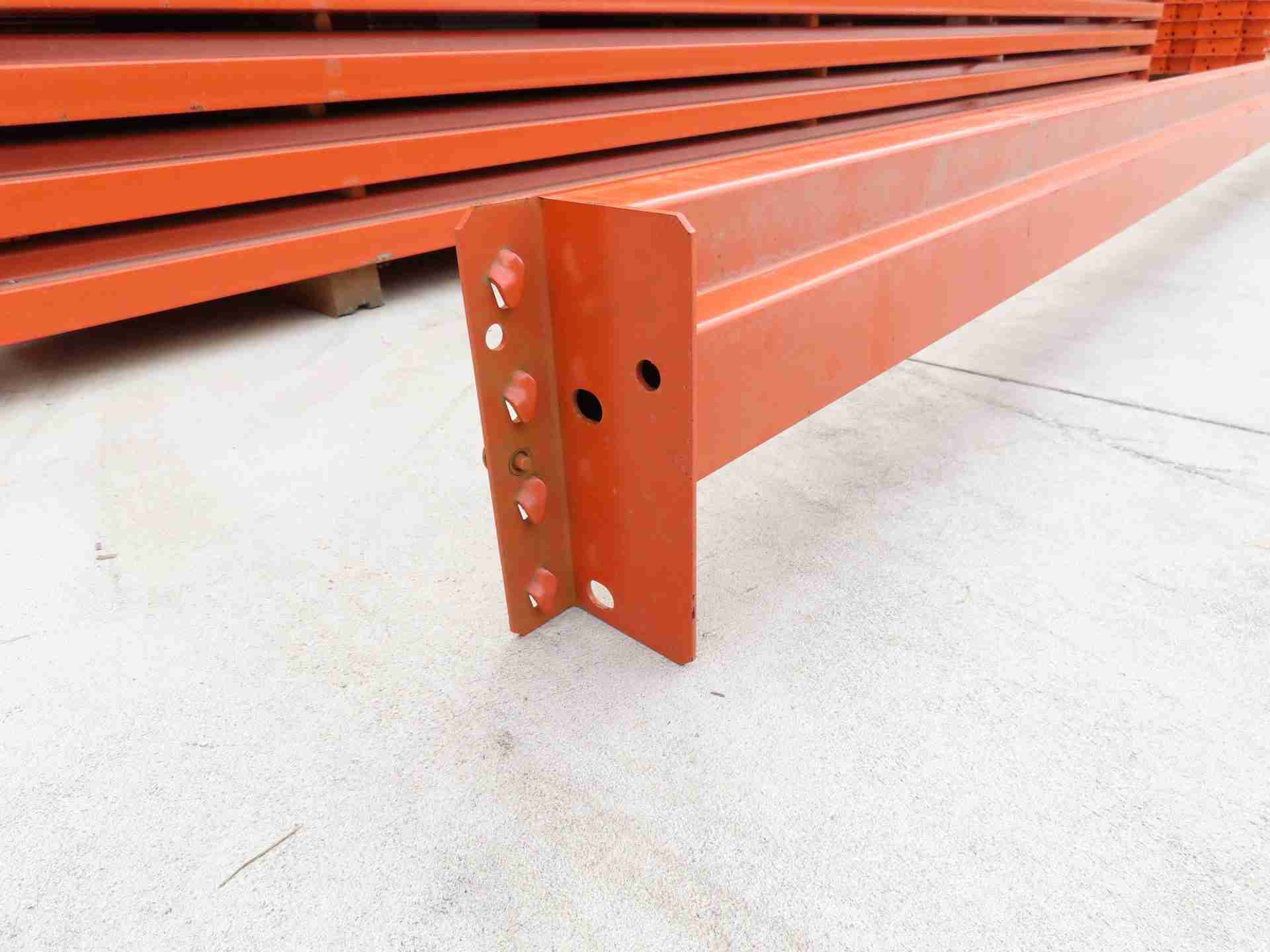
What Are The Signs Of Instability In Cantilever Racks?
What Are The Signs Of Instability In Cantilever Racks?
- The efficiency of storage solutions, like cantilever racks, significantly impacts warehouse profitability.
- Visible deformations, such as leaning uprights or misaligned beams, indicate potential instability and failure.
- Regular inspections for wear and damage on components are crucial, as neglect can lead to accidents.
- Exceeding the rated load capacity of cantilever racks can create instability; consider using monitoring systems.
- Environmental factors, such as seismic activity or heavy winds, can compromise rack stability.
- Proactive measures are essential for safety; recognizing instability signs helps prevent costly incidents.
- Responsibility for safe rack operation lies with warehouse management to ensure compatibility with operational demands.

What Are The Signs Of Instability In Cantilever Racks?
How Can I Reinforce Tall Cantilever Racks For Stability?
How Can I Reinforce Tall Cantilever Racks for Stability?
When it comes to maximizing warehouse efficiency, tall cantilever racks stand as titans of storage, allowing you to make the most of your vertical real estate. However, with great height comes great responsibility—namely, the need for stability. Reinforcing your tall cantilever racks is not just a wise choice; it’s an essential step to protect your valuable inventory and maintain a safe working environment.
First off, let’s talk about anchoring. This is your first line of defense against any potential tipping. For instance, using concrete or structural bolts to anchor your racks to the floor can eliminate wobble and ensure that those towering shelves remain steadfast, no matter how much weight you pile on. Imagine loading your racks with heavy loads of seasonal goods—from garden supplies in the spring to holiday decorations in the fall—anchoring makes it possible without the fear of an unforeseen collapse.
Next, consider the importance of load distribution. Employing cantilever arms that can handle uneven weight loads is crucial. If you’re storing long, heavy items like lumber or piping, make sure to choose arms with appropriate length and capacity ratings. Customizing your configuration not only enhances stability but allows for the efficient organization of your products, making it easier to manage inventory during peak seasons.
Additionally, don’t overlook the significance of aisle clearances and operational safety. In recent months, news reports have highlighted the rising accidents in warehouses due to negligent spacing and improper handling equipment. By designating adequate aisle widths, and ensuring that your forklifts can maneuver without risk, you are actively reinforcing the stability of your racks. This forward-thinking approach directly correlates with reducing liability and enhancing employee safety.
Finally, regular inspections are imperative. Make it a routine to check the integrity of your racks—including bolts, connectors, and the overall framework. By keeping an eye on potential wear-and-tear, you not only uphold safety standards but also ensure that the structural integrity remains uncompromised. Consider equipping your team with a checklist to systematically review the condition of your racks—akin to routine maintenance on a vehicle, it can save time and money in the long run.
In today’s rapidly evolving business environment, investing in the stability of your tall cantilever racks is more critical than ever. Take proactive measures to ensure that your storage solutions remain robust, prioritize safety, and protect your bottom line. By doing so, you’ll not only foster a safer workspace but also carve a competitive edge in your industry.
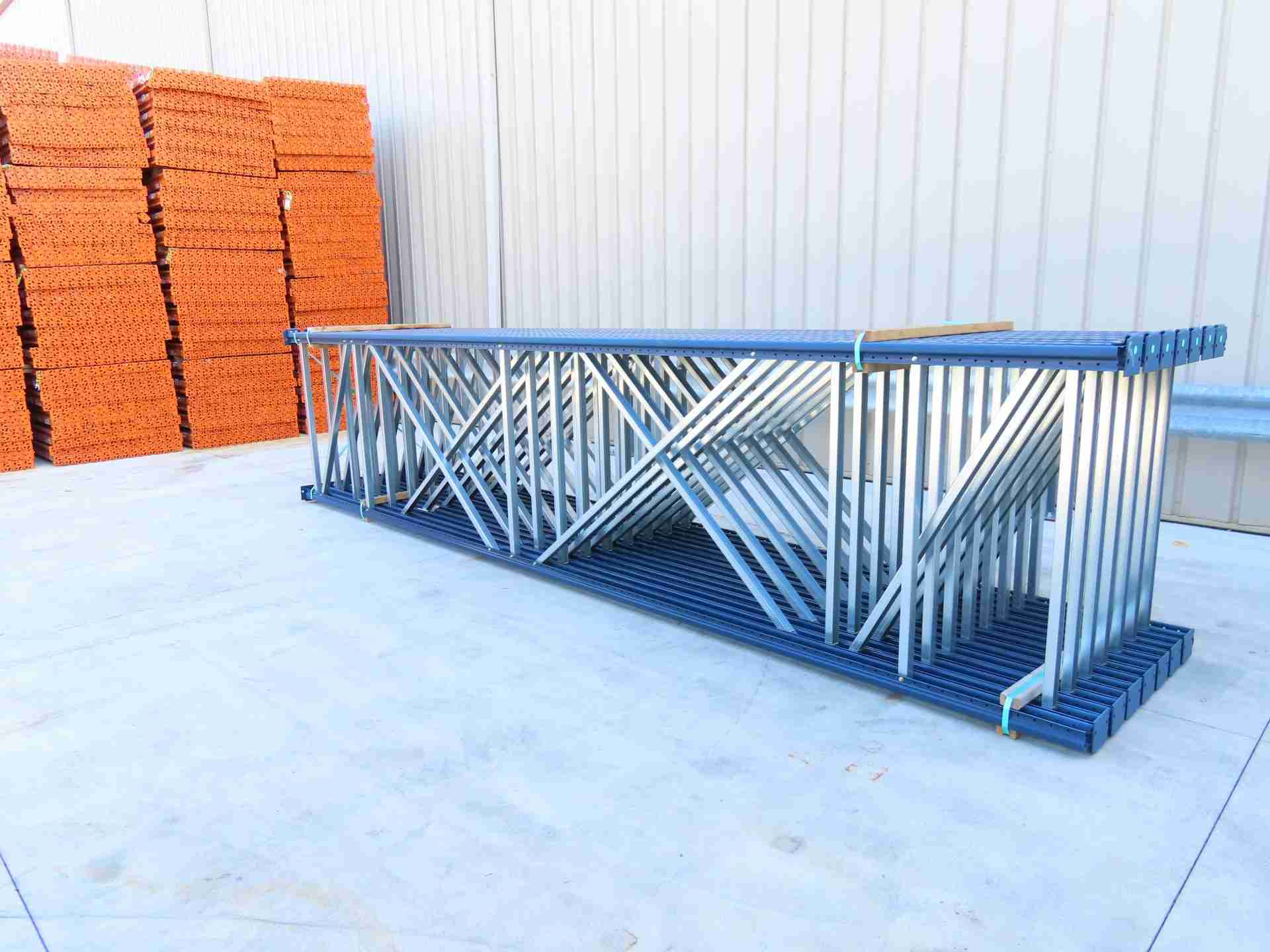
How Can I Reinforce Tall Cantilever Racks For Stability?
How Can I Reinforce Tall Cantilever Racks For Stability?
- Tall cantilever racks maximize vertical storage in warehouses.
- Anchoring racks to the floor prevents wobble and increases stability.
- Load distribution is critical; use cantilever arms rated for uneven loads.
- Designate adequate aisle widths for safe maneuvering of equipment.
- Regular inspections of racks maintain safety and structural integrity.
- Implement checklists for rack condition reviews akin to vehicle maintenance.
- Investing in rack stability fosters a safer workspace and competitive advantage.
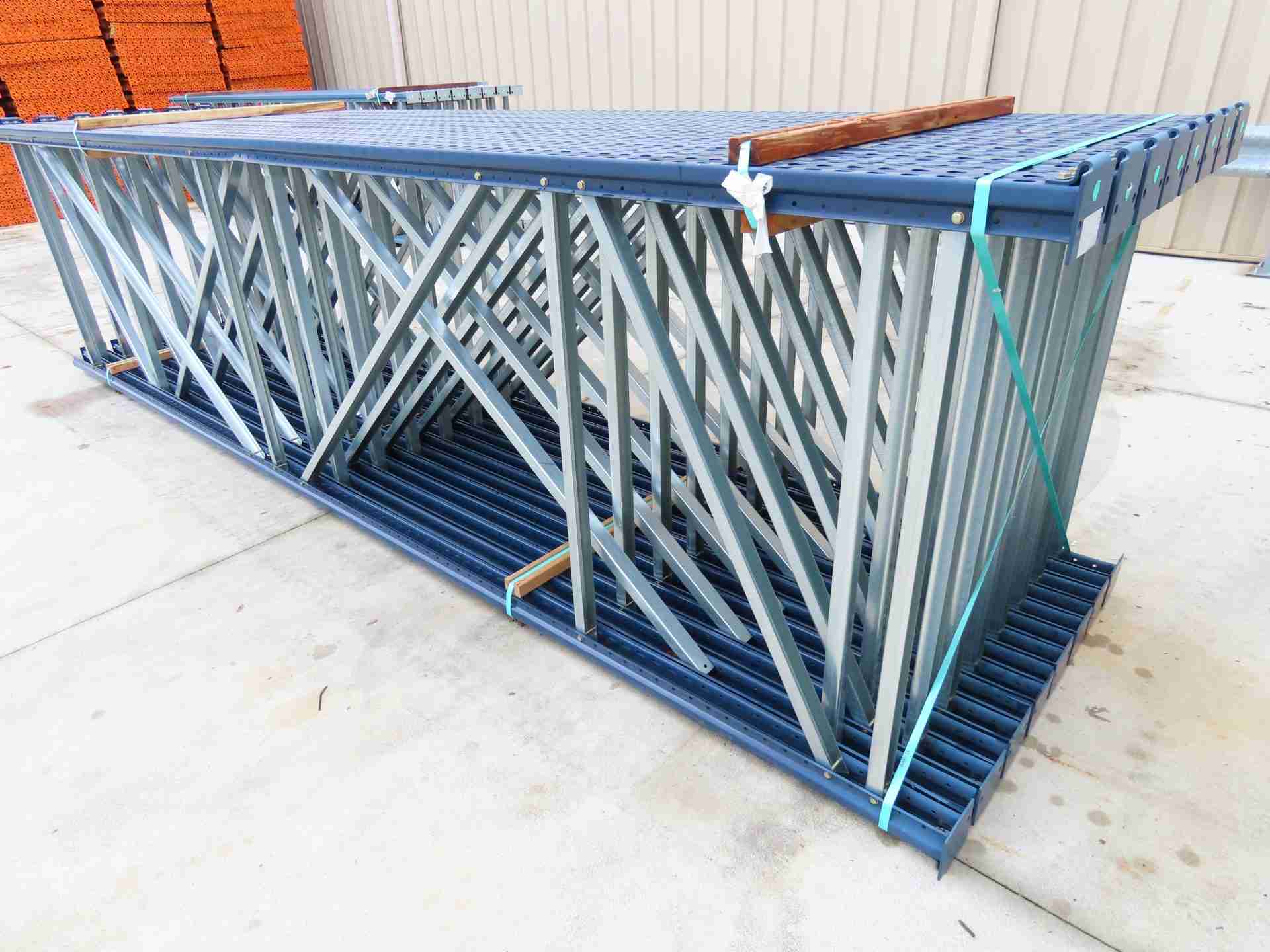
How Can I Reinforce Tall Cantilever Racks For Stability?
What Are The Best Practices For Loading Cantilever Racks Safely?
When it comes to organizing and storing materials efficiently, cantilever racks emerge as the unsung heroes of the warehouse. However, to maximize their potential and ensure the safety of your workforce, loading these racks effectively is paramount. Here’s how to do it right.
1. Know Your Weight Limits:
Every cantilever rack comes with a specified weight capacity per arm. Overloading can lead to catastrophic failures—think of it as trying to fit an elephant into a Volkswagen. A recent incident in an industrial warehouse went viral when a cantilever rack failed due to an overloaded arm, causing material to cascade and jeopardizing employee safety. Familiarize yourself with the manufacturer’s guidelines and adhere strictly to the limits.
2. Distribute Weight Evenly:
Even weight distribution is imperative. Imagine trying to balance a seesaw; if one side is heavier, the entire structure is compromised. Ensure that you are placing heavier items at the bottom and evenly distributing weight across all arms. Not only does this enhance stability, but it also extends the life of your racks while reducing the risk of tipping.
3. Utilize Proper Loading Techniques:
Loading shouldn’t be done haphazardly. Proper techniques should be employed to minimize the risk of accidents. For example, always load items from the base upward, and avoid reaching over your head as this can lead to loss of balance. Utilizing forklifts or pallet jacks designed for heavy lifting can significantly mitigate potential injuries.
4. Maintain Clear Aisles and Access:
A clutter-free workspace is a confident workspace. Ensure that aisles and access points around your cantilever racks are clear of obstacles. This becomes even more crucial during peak seasons, such as during essential supply chain activities highlighted in recent news where warehouses faced unprecedented demand. Clear access allows for better maneuverability, reducing the risk of accidents due to hurried movements.
5. Regular Inspections and Maintenance:
Don’t forget to keep your cantilever racks in prime condition. Just like you wouldn’t drive a car without regularly checking its health, similarly, your racks need love. Regular inspections for wear and tear, especially after heavy loads, are essential. A proactive approach can prevent a small issue from escalating into a warehouse disaster.
By integrating these best practices into your daily operations, you not only ensure the safety of your team but also enhance operational efficiency. Remember, a well-organized warehouse is more than just storage; it’s an investment in your business’s safety and productivity. Load wisely!
What Are The Best Practices For Loading Cantilever Racks Safely?
- Understand Weight Limits: Each cantilever rack has specific weight capacities; overloading can cause failures and jeopardize safety.
- Distribute Weight Evenly: Balance weight across all arms and keep heavier items at the bottom to enhance stability and longevity.
- Use Proper Loading Techniques: Load items from the base upward and use forklifts or pallet jacks to minimize injury risks.
- Keep Aisles Clear: Maintain clear access around racks to improve maneuverability and reduce accident risks.
- Regular Inspections: Conduct frequent checks for wear and tear to prevent small issues from becoming major problems.
- Integrate Best Practices: Following these methods ensures workforce safety and operational efficiency.
- Invest in Safety and Productivity: A well-organized warehouse is key to a business’s success and safety.
Are There Design Features That Enhance The Height Of Cantilever Racks?When it comes to maximizing storage efficiency in warehouses and retail spaces, the design of your cantilever racks plays a pivotal role. The right features can significantly enhance height and overall functionality, allowing you to take advantage of vertical space while ensuring safety and ease of access. Today, we will delve into key elements that elevate your cantilever racks—both figuratively and literally.
1. Adjustable Arms: Customizing Your Vertical Space
One of the standout features that can amplify the height of cantilever racks is adjustable arms. These allow for varied storage levels, making it simple to accommodate items of different lengths and sizes. By strategically placing heavier items on the lower arms and lighter items above, you not only maximize vertical space but also enhance stability. Recent trends in e-commerce underscore the need for flexibility in storage solutions; with more businesses needing to adapt quickly to varied inventory levels, adjustable arms provide a solution that evolves with your needs.
2. Heavy-Duty Construction: Building Height with Stability
The height of your cantilever rack is only as good as its construction. Opting for heavy-duty steel frames—designed to withstand considerable weight while maintaining stability—ensures that you can stack goods higher without sacrificing safety. Companies are investing in racks that use advanced high-tensile steel and corrosion-resistant finishes, allowing for robust use even in challenging environments. This is particularly relevant as industries pivot toward sustainability and durability—making your investment in sturdy cantilever racks not just smart for space but also for long-term cost savings.
3. Load Capacity Ratings: Safety Meets Efficiency
Many contemporary cantilever racks come equipped with clearly defined load capacity ratings. This important design feature not only informs how high you should store your materials but also reassures you that every shelf can hold its weight. By leveraging these ratings effectively, businesses can optimize the vertical space while maintaining compliance with safety regulations—crucial in an era where transparency and safety are at the forefront of public concern.
4. Modular Systems: The Future of Scalable Storage
In our fast-paced world, adaptability is key. Modular cantilever racks allow businesses to expand their storage solutions effortlessly, adding additional height or sections as needed. As economic conditions are in constant flux, the ability to easily scale your storage up or down is invaluable. Companies looking to expand their operations, amid current shifts in retail and manufacturing, are realizing the importance of such flexibility.
The design features of cantilever racks—notably adjustable arms, heavy-duty construction, load capacity ratings, and modular systems—are not just available; they are essential in today’s dynamic storage landscape. By investing wisely in these features, you can enhance not only your height but also your overall operational efficiency and safety—proving that when it comes to storage, going high is the way to go.
Are There Design Features That Enhance The Height Of Cantilever Racks?
- Adjustable Arms: Enhance vertical space with customizable storage levels for items of varying lengths and sizes.
- Heavy-Duty Construction: Use sturdy steel frames designed for stability, allowing for safe stacking of goods.
- Load Capacity Ratings: Clearly defined limits that inform safe storage practices while ensuring compliance with safety regulations.
- Modular Systems: Provide flexibility to expand or reduce storage capabilities as business needs change.
- Focus on Safety: Prioritize stability and safety with the right design features to optimize storage.
- Adaptability: Essential in a dynamic market; features like adjustable arms and modular systems help meet evolving demands.
- Long-Term Investment: High-quality cantilever racks contribute to cost savings while promoting sustainability and durability.
How Do I Choose The Right Cantilever Rack For My Needs?
Selecting the right cantilever rack isn’t just a matter of picking a tall shelf for your warehouse; it’s about strategically investing in your operational efficiency and maximizing your profit potential. The efficacy of your storage solutions can make or break your bottom line. Here’s how to choose the perfect cantilever rack tailored to your specific needs.
1. Understand Your Inventory: Begin by closely analyzing the types of materials you’ll be storing. Are you dealing with long, bulky items like lumber and pipes, or do you need to store lighter, more diverse products? For example, if you’re managing a construction supply company, you may need a rack specifically designed for heavy duty materials. On the other hand, if you operate a small home improvement store, a medium-duty rack could suffice for your range of goods.
2. Height and Depth Considerations: The dimensions of your warehouse space are crucial. While high racks maximize vertical space and utilize your footprint effectively, you must consider whether your staff can safely reach these higher levels. Lower, wider racks may be more practical for frequently accessed items. Recent supply chain disruptions have highlighted the importance of adaptability; a flexible system allows for easy adjustments based on fluctuating inventory levels.
3. Load Capacity Matters: Always be aware of the weight limits each rack can handle. If your inventory frequently includes heavy items, like steel tubing or heavy machinery parts, investing in a heavy-duty cantilever rack is non-negotiable. A critical misjudgment here can lead not only to damaged goods but also to workplace accidents, which are costly and can harm your brand’s reputation.
4. Versatility and Expansion: Looking toward the future is essential. The pandemic has reshaped many industries, making it imperative to remain agile. Opting for a cantilever rack that allows for modular additions means you won’t be pigeonholed if your inventory demands change. For instance, a business that once only stored furniture might evolve to include appliances, requiring a diverse loading option.
5. Budget vs. Quality: Finally, it’s tempting to go for the least expensive option, but be cautious. A carefully considered investment in high-quality cantilever racks can pay dividends in longevity and reduced maintenance costs over time, especially in industries where heavy items are the norm.
By taking all these factors into consideration, you’ll not only ensure that your storage solution is robust and efficient but also strategically positioned to adapt in a rapidly changing market landscape. Make your choice count; your profits depend on it!
How Do I Choose The Right Cantilever Rack For My Needs?
- Understand Your Inventory: Analyze the materials you’ll be storing, distinguishing between heavy-duty items like lumber vs. lighter, diverse products.
- Height and Depth Considerations: Consider your warehouse dimensions; high racks save space, but assess if staff can safely reach them.
- Load Capacity Matters: Be aware of the weight limits; invest in heavy-duty racks for frequent heavy items to avoid accidents and damage.
- Versatility and Expansion: Choose modular racks that can adapt to changing inventory needs, reflecting the agile nature of post-pandemic markets.
- Budget vs. Quality: Balance cost with quality; investing in high-quality racks can lead to long-term savings and efficiency.
- Strategic Investment: Selecting the right cantilever rack is crucial for operational efficiency and maximizing profit potential.
- Adaptability is Key: Ensure your storage solution can adjust to fluctuating inventory levels and market demands.
What Maintenance Should Be Done On High Cantilever Racks?
When it comes to maximizing storage efficiency, high cantilever racks are a game changer, particularly for businesses that deal in bulky items like lumber or piping. However, the key to reaping the full benefits of these structures lies in proper maintenance. Neglecting this crucial aspect can lead to costly damages, inefficiencies, and even safety hazards. Here’s how to keep your cantilever racks in prime condition.
1. Regular Inspections: The First Line of Defense
Imagine waking up one day to find that a crucial piece of your warehouse infrastructure has collapsed. Regular inspections are your first defense against such disasters. Schedule comprehensive monthly assessments, looking for signs of damage like bent arms, loose connections, or rust. Incorporate visual inspections into your routing procedures, ensuring staff members are trained to spot fatigue signs. By catching potential issues early, you can avoid catastrophic failures that disrupt operations and cost thousands in repairs.
2. Structural Integrity Checks
In a time when supply chain disruptions make headlines, maintaining productivity is paramount. Regular structural checks enhance your peace of mind. Examine connections, bolts, and welds to ensure everything is secure. If your operation has had an influx of new inventory, it may be time to reassess load capacities. The last thing you want is to overstress your racks with insufficient data.
3. Cleaning and Debris Removal
Oil spills, dust, and other debris can lead to unsafe working environments, especially in high-traffic areas. Create a cleaning schedule to keep your high cantilever racks clear. Not only does this enhance safety, but it also helps preserve the integrity of the rack. A clean workspace means fewer slips, trips, and falls, protecting both your employees and your bottom line.
4. Preventative Maintenance Programs
Consider instituting a preventative maintenance program, establishing guidelines for rack inspection and care. Use checklists to ensure thorough and consistent evaluations. Look to industry best practices as benchmarks—companies leveraging advanced technologies and data analytics are seeing substantial reductions in maintenance costs.
5. Training and Awareness
Never underestimate the power of a well-trained workforce. Regular training sessions can educate employees on proper usage and maintenance procedures. In an era when workplace safety is increasingly scrutinized, a culture of awareness can safeguard your investments and enhance overall operational efficiency.
In summary, proactive maintenance of high cantilever racks not only extends the life of your equipment but also fortifies your operations. With these strategies in place, you can ensure that your business runs smoothly, adapting seamlessly to the dynamic demands of today’s market. Lastly, don’t forget that a well-maintained warehouse can boost your reputation—what your customers can see reflects your business ethos.
What Maintenance Should Be Done On High Cantilever Racks?
- High cantilever racks greatly enhance storage efficiency, especially for bulky items like lumber and piping.
- Proper maintenance is crucial to avoid costly damages, inefficiencies, and safety hazards.
- Regular inspections should be conducted monthly to identify any signs of damage or wear.
- Structural integrity checks should focus on connections, bolts, and welds, especially after inventory influxes.
- Maintain a cleaning schedule to remove debris and ensure safe working conditions around the racks.
- Establish a preventative maintenance program with checklists and industry best practices for consistent evaluations.
- Training sessions for employees on rack usage and maintenance can enhance workplace safety and operational efficiency.
How Can I Safely Disassemble Tall Cantilever Racks?
Disassembling tall cantilever racks may seem like a straightforward task—akin to a puzzle waiting for the right pieces to fit. However, without the proper approach, it can turn into a costly endeavor fraught with safety risks. To safeguard your investment, protect your workforce, and enhance your operational efficiency, follow these crucial steps.
1. Prepare Before You Begin
Preparation is your first line of defense. Create a disassembly plan that outlines each step. Just like a well-designed marketing campaign, you want every detail meticulously arranged. Consider current industry trends in safety and operations—did you know that the Occupational Safety and Health Administration (OSHA) recently revamped their guidelines for warehouse operations? Staying up-to-date with these changes can save you from fines and accidents.
2. Gather the Right Tools and Equipment
Using the right tools is paramount. Common tools required for disassembling cantilever racks include wrenches, screwdrivers, and protective gear like helmets and gloves. A suitable hydraulic lift can also make the process safer and more efficient, especially for those towering structures. Think of it as ensuring your marketing toolkit is equipped with the latest software and techniques to get the job done right. For instance, a recent survey showed companies that invest in proper equipment experience 30% fewer workplace accidents.
3. Engage the Right Personnel
Ensure that your team consists of trained professionals. Just as you wouldn’t entrust your marketing strategy to inexperienced hands, you shouldn’t allow untrained workers to disassemble complex shelving systems. Provide them with updated safety training, telling them the importance of communication during the process—just like brainstorming ideas for a successful ad campaign! Create a buddy system; safety in pairs can significantly reduce hazards.
4. Start from the Top Down
When actually beginning the teardown, always start from the top down. Removing components in this order not only provides better balance but minimizes the risk of everything collapsing at once. Imagine running a live marketing initiative; if you miss a crucial element at the top of your plan, everything can fall apart. Think of it as keeping the “big picture” in mind while attending to the details.
5. Dispose of Materials Responsibly
After disassembly, don’t overlook the importance of responsible disposal. Recycling materials, such as metal from racks, not only benefits the environment but can also reflect your company’s commitment to sustainability—an attractive point to savvy consumers.
With meticulous planning, the right tools, and a skilled workforce, disassembling tall cantilever racks becomes a manageable task rather than an overwhelming challenge. In today’s climate, setting a standard for safety is not only wise but necessary. Embrace these practices, and you will elevate your operational efficiency, minimizing downtime and maximizing safety—ultimately leading your business to success.
How Can I Safely Disassemble Tall Cantilever Racks?
- Disassembling tall cantilever racks requires careful planning and attention to safety.
- Prepare a detailed disassembly plan and stay updated with OSHA guidelines to avoid fines and accidents.
- Gather essential tools like wrenches, screwdrivers, protective gear, and hydraulic lifts for safe disassembly.
- Ensure your team consists of trained professionals and encourage safety communication through buddy systems.
- Start the disassembly process from the top down to maintain balance and reduce collapse risks.
- Dispose of materials responsibly by recycling to promote sustainability and attract environmentally-conscious consumers.
- Following these steps enhances operational efficiency while prioritizing safety, contributing to overall business success.
Conclusion
Conclusion: Elevate Your Storage Solutions with Safety and Efficiency
In the dynamic landscape of warehousing and logistics, maximizing vertical space through cantilever racks is essential for any business striving for operational success. However, as we’ve explored, this pursuit of height must be balanced with a steadfast commitment to safety, compliance, and effectiveness. Understanding both the engineering principles behind cantilever rack design and the regulatory frameworks in place ensures that your storage solutions not only meet your immediate needs but also safeguard your long-term investments.
From recognizing the height limits dictated by load capacities and environmental factors to understanding the importance of proper materials and construction, every decision you make affects your bottom line. The case study of a Texas warehouse that successfully doubled its storage without expanding its footprint illustrates the transformative power of height-optimized cantilever racks, yet it serves as a reminder that failure to adhere to safety guidelines can lead to dire consequences.
By engaging in regular inspections, implementing proper loading techniques, and fostering a culture of safety through employee training, you set a precedent that prioritizes both productivity and wellbeing. The importance of continuous evaluation cannot be overstated; it is not merely a procedural task but a strategic imperative in an environment where compliance is scrutinized. Your commitment to these best practices helps prevent costly accidents and enhances operational efficiency.
As you contemplate enhancing your storage infrastructure, remember that a well-designed cantilever rack system does more than just store items—it provides a foundation for sustainable growth and operational agility. The best practices outlined—such as smart load distribution, regular maintenance, and thoughtful design features—are not just technicalities; they’re a commitment to maintaining a safe and efficient workplace.
Don’t let hesitation hold back your ambitions. At Arrow Industrial Sales, we’re here to help you navigate these decisions and elevate your warehouse management approach. Our expertise in high-quality cantilever racks and a commitment to your safety and compliance sets us apart. So why wait? Experience the transformative potential of optimized storage solutions today. Call us at (574) 349-6575 now to discuss your unique needs, and let’s drive your business forward—safely and efficiently. Remember, when it comes to your storage solutions, exceptional height should always go hand in hand with extraordinary safety. Don’t compromise—reach for both!
Conclusion:
- Maximizing vertical space with cantilever racks is crucial for operational success in warehousing and logistics.
- Balancing height optimization with safety, compliance, and effectiveness is essential for long-term investments.
- Understanding load capacities, environmental factors, and proper construction materials impacts financial outcomes.
- A Texas warehouse case study highlights successful space doubling while emphasizing the need for safety adherence.
- Regular inspections, proper loading techniques, and a safety-focused culture are vital for productivity and wellbeing.
- Continuous evaluation of compliance and best practices helps prevent accidents and enhances operational efficiency.
- Arrow Industrial Sales offers expertise in cantilever racks to support safe and effective warehouse management.
Other Resources
Here is a list of other resources you can review online to learn more:
- “Home | Occupational Safety and Health Administration”
- “Materials Handling and Storage”
- “Warehouse Racking Safety Guidelines: Satisfying OSHA”
- “Understanding OSHA Requirements for Warehouse Racking”
- “OSHA Standards for Warehouse Racking”
- “OSHA Warehouse Requirements: Racking Considerations”
- “What Does OSHA Have to Say About Pallet Rack Safety?”
- “OSHA Requirements for Warehouse Racking”
- “Catalog – Warehouse Solutions (SF18204)”
- “Sitemap – Southwest Solutions Group”
- “Material Handling Equipment”
- “Site Map”
- “push/pull & slipsheet handling manual”
- “WASHINGTON STATE REGISTER – WA.gov”
- “Service Standards”
- “National Pesticide Applicator Certification Core Manual”
Glossary Terms
How High Can Cantilever Racks Safely Go? – Glossary Of Terms
1. Cantilever Rack: A type of storage rack designed for storing long, bulky items such as lumber, pipes, and sheet metal, featuring horizontal arms extending from a vertical frame.
2. Height Limit: The maximum height at which a cantilever rack can be safely constructed, based on regulations, engineering standards, and material loads.
3. Load Capacity: The maximum weight that a cantilever rack can safely hold, determined by the design, materials, and configuration of the rack.
4. Safety Factor: A design criterion that provides a buffer between the maximum expected load and the actual load capacity to ensure safety and prevent failure.
5. Vertical Load: The weight applied directly downwards on a rack, affecting its stability and structural integrity.
6. Horizontal Load: Any load that acts horizontally on a cantilever rack, which can result from wind, seismic activity, or the weight of stored items.
7. Anchoring: The process of securing a cantilever rack to the floor or wall to enhance stability and prevent tipping or collapsing.
8. Deflection: The degree to which a cantilever arm bends or moves under a load; excessive deflection can indicate structural issues.
9. Material Strength: The ability of the materials used in a cantilever rack to withstand loads without breaking; relates to factors such as tensile strength and yield strength.
10. Compliance: Adherence to safety regulations, industry standards, and manufacturer guidelines regarding the construction and use of cantilever racks.
11. Installation Guidelines: Instructions provided by manufacturers that outline the proper way to install cantilever racks to ensure safety and functionality.
12. Maintenance: Regular inspection and upkeep procedures that ensure a cantilever rack remains in safe working condition and free from damage.
13. Load Distribution: The way weight is spread across the arms of a cantilever rack; proper distribution is essential to maintaining stability.
14. Rack Spacing: The distance between vertical supports on a cantilever rack, impacting the overall capacity and height.
15. Seismic Rating: A classification indicating how well a cantilever rack can withstand seismic activity; important in earthquake-prone areas.
16. Forklift Accessibility: The ease with which forklifts can maneuver around and access racks to load and unload goods safely.
17. Overloading: Placing more weight on a cantilever rack than its specified load capacity; a leading cause of structural failure.
18. Building Codes: Regulations established by municipalities that dictate safe construction practices, including the height and load capacities of storage racks.
19. Storage Optimization: The strategic arrangement of products within a cantilever rack to maximize space and improve accessibility.
20. Risk Assessment: The process of identifying potential hazards associated with the use of cantilever racks and implementing strategies to mitigate them.
21. Freestanding Rack: A cantilever rack design that is self-supporting and does not require additional structural support; suitable for certain applications.
22. Weight Distribution: Ensuring that the load is evenly placed on the cantilever arms to prevent tipping or structural failure.
23. Engineering Standards: Technical specifications established by engineering organizations that outline safe design principles for cantilever racks.
24. Cantilever Failsafe: Safety mechanisms designed to prevent or mitigate the effects of rack failure, often including bracing and additional support.
25. Vertical Post: The upright components of a cantilever rack that provide structural support; their height is critical for overall rack height.
26. Arm Length: The measurement of the horizontal arms that extend from the vertical supports; longer arms can increase load capacity and height.
27. Material Type: The specific materials used to construct the cantilever rack, which can influence its strength, durability, and weight capacity.
28. Adaptive Reuse: The practice of modifying existing structures or designs to meet changing storage needs without complete replacement.
29. Reinforcement: Additional structural components added to a cantilever rack to increase strength and stability, especially at greater heights.
30. Height Marking: Indicators placed on the rack that help users maintain proper loading levels and ensure that safe height limits are adhered to.
Other Questions
How High Can Cantilever Racks Safely Go? – Other Questions
If you wish to explore and discover more, consider looking for answers to these questions:
- What are the cost implications of installing high cantilever racks?
- How can I determine the best load capacity for my specific needs?
- What are the signs that a cantilever rack needs replacement instead of repair?
- How can climate conditions impact the longevity of cantilever racks?
- What tools and equipment are needed for installing cantilever racks?
- How do different rack configurations affect storage efficiency?
- What training do employees need to safely use cantilever racks?
- How can I assess the effectiveness of my cantilever rack safety measures?
- What are best practices for storing different types of materials on cantilever racks?
- Are there specific brands or manufacturers known for high-quality cantilever racks?
- What trends are emerging in warehouse storage solutions involving cantilever racks?
- How can I optimize my warehouse layout around cantilever racks?
Checklist
How High Can Cantilever Racks Safely Go? – A Checklist
General Considerations
1. Understand Load Capacity
_____ Know the weight limits of your cantilever racks.
_____ Ensure weight is evenly distributed.
2. Know Local Regulations
_____ Familiarize yourself with OSHA and local building codes.
_____ Ensure compliance to avoid penalties.
3. Evaluate Warehouse Environment
_____ Assess temperature and humidity risks.
_____ Consider proximity to natural disaster areas.
Design Features
4. Select Quality Materials
_____ Choose steel or powder-coated racks for durability.
_____ Consider aluminum or composite materials for lighter applications.
5. Adjustable Arms
_____ Utilize adjustable arms to accommodate varying item lengths.
_____ Ensure proper placement for stability.
Safety Protocols
6. Conduct Load Capacity Testing
_____ Regularly evaluate and confirm load limits.
_____ Implement weight monitoring systems.
7. Regular Inspections
_____ Schedule inspections every 6 months, with quarterly checks for high-use areas.
_____ Perform daily visual checks for abnormalities.
8. Inspect Structural Integrity
_____ Look for signs of wear such as rust or deformation.
_____ Use non-destructive methods for assessment where necessary.
Loading and Accessibility
9. Maintain Clear Paths
_____ Keep aisles free of obstacles for safe access and maneuverability.
_____ Avoid overloading other equipment during loading.
10. Train Staff in Proper Loading Techniques
_____ Educate employees on optimal loading methods—load heavier items at the bottom and go upward.
_____ Use proper lifting equipment.
Reinforcement and Maintenance
11. Anchor Racks Properly
_____ Use concrete or structural bolts to secure racks to the floor.
12. Establish a Maintenance Program
_____ Develop checklists for regular upkeep.
_____ Schedule cleaning and debris removal.
13. Document and Act on Inspections
_____ Keep records of inspections and maintenance.
_____ Address any issues immediately.
Emergency Preparedness
14. Create a Disassembly Plan
_____ Outline steps for safely taking down cantilever racks.
15. Gather Proper Equipment
_____ Use appropriate tools and personal protective equipment.
_____ Ensure trained personnel are engaged for the disassembly process.
Continuous Improvement
16. Encourage a Safety Culture
_____ Promote ongoing training and awareness among staff.
_____ Regularly update training protocols as needed.
17. Utilize Feedback for Improvement
_____ Conduct post-incident reviews and adjust practices accordingly.
Final Tips
18. Stay Informed on Industry Trends
_____ Regularly update your knowledge on best practices in rack management and safety.
_____ Attend workshops or training related to material handling and storage solutions.
By following this checklist, you can ensure safe, effective, and compliant use of high cantilever racks within your warehouse operations. Remember, safety is an ongoing commitment that requires diligence and care from all team members.
At RackingWorld, we help guide you through selecting warehouse storage systems and racking.
Be sure to read our other related stories at RackingWorld to learn more about warehouse storage systems.
0 Comments