
Maximizing Warehouse Efficiency With Selective Pallet Racking
By Tom Seest
At RackingWorld, we help guide you through selecting warehouse storage systems and racking.
Be sure to read our other related stories at RackingWorld to learn more about warehouse storage systems.
What Is Selective Pallet Racking
In the ever-evolving landscape of warehousing and distribution, one storage system reigns supreme in terms of flexibility and accessibility: selective pallet racking. This system is designed to optimize storage space while ensuring that products can be quickly retrieved when needed—a critical need in today’s fast-paced market. Picture the speed of e-commerce giants like Amazon, where the ability to fulfill orders quickly can make or break a business. Selective pallet racking offers a solution that helps companies keep up with these rapid demands.
At its core, selective pallet racking consists of upright frames and horizontal beams that hold pallets at various levels, allowing easy access to each pallet in a warehouse. What sets it apart from other systems is its simple, versatile design that permits loading and unloading from the front of the rack. This allows operators to efficiently manage inventory without the need for specialized machinery.
Imagine the benefits of leveraging this system in your warehouse: improved space utilization, streamlined inventory management, and enhanced product accessibility. For instance, a grocery distribution center might utilize selective pallet racking to store different types of perishable items in a highly organized layout. Workers can quickly retrieve items, minimizing the time those perishable goods sit on the shelf—a crucial aspect of maintaining product quality and reducing waste.
Moreover, companies that have adopted selective pallet racking see an immediate return on investment. A recent survey found that businesses leveraging this system report an increase in warehouse efficiency by 20-30%. This is particularly relevant as industries worldwide grapple with supply chain disruptions stemming from economic uncertainties. The flexibility of selective pallet racking means that companies can adapt their layouts and shelving to accommodate changing inventory needs without requiring significant capital investment or drastic overhauls.
As the global marketplace adjusts to demand fluctuations and changing consumer behavior, investing in selective pallet racking opens up new avenues for operational excellence. Enhanced accessibility means that inventory is not just a stack of goods; it becomes a strategically organized system that drives sales and customer satisfaction. In a world where every moment counts, can you afford to fall behind? Embrace simplicity and efficiency that selective pallet racking offers, and watch your warehouse turn into a beacon of productivity.
In short, selective pallet racking is not just a storage solution—it’s a strategic tool that can help your business thrive in today’s competitive environment. Don’t let outdated storage methods hold you back. Transform your warehouse and meet the ever-increasing demands of the marketplace with this intelligent solution.

What Is Selective Pallet Racking
What Is Selective Pallet Racking
- Selective pallet racking is a highly flexible and accessible storage system crucial for optimizing warehouse space and rapid order fulfillment.
- This system consists of upright frames and horizontal beams, enabling easy access to each pallet without specialized machinery.
- Benefits include improved space utilization, streamlined inventory management, and enhanced product accessibility, particularly for perishable goods.
- Companies using selective pallet racking report an efficiency increase of 20-30%, aiding in adapting to supply chain disruptions.
- The system allows for easy adaptation to changing inventory needs without significant capital investments or overhauls.
- Enhanced accessibility transforms inventory management into a strategic organizational system that improves sales and customer satisfaction.
- Selective pallet racking is a strategic tool that can help businesses thrive in a competitive environment, promoting productivity and efficiency.

What Is Selective Pallet Racking
Table Of Contents
- What Is Selective Pallet Racking
- What Is Selective Pallet Racking?
- How Does Selective Pallet Racking Work?
- What Are The Benefits Of Selective Pallet Racking?
- What Types Of Selective Pallet Racking Are Available?
- How Do I Choose The Right Selective Pallet Racking System?
- What Is The Installation Process For Selective Pallet Racking?
- How Does Selective Pallet Racking Compare To Other Systems?
- What Safety Measures Should Be Taken With Selective Pallet Racking?
- How Can I Maximize Storage With Selective Pallet Racking?
- What Maintenance Is Required For Selective Pallet Racking?
- What Industries Commonly Use Selective Pallet Racking?
- How Do I Ensure Compliance With Selective Pallet Racking Standards?
- What Costs Are Involved In Selective Pallet Racking?
- Can Selective Pallet Racking Be Customized?
- How Does Selective Pallet Racking Improve Efficiency?
- Conclusion
- Other Resources
- Glossary Of Terms
- Other Questions
- Checklist
What Is Selective Pallet Racking?
In the dynamic world of warehousing and inventory management, creating an efficient storage solution can feel like piecing together a jigsaw puzzle. Enter selective pallet racking, the game-changing system that offers versatility, accessibility, and optimal space utilization. This isn’t just a storage method; it’s a strategic advantage that can transform how businesses operate.
Selective pallet racking is designed to store pallets of varying sizes and weights in designated locations, providing immediate access to each pallet without necessitating the movement of other pallets. This system allows warehouse staff to easily retrieve items, enhancing overall productivity. Imagine a bustling distribution center or a retail warehouse during the holiday season—time is money, and the right racking solution can streamline operations significantly.
For instance, consider a food distribution center handling fresh produce and dry goods alike. Utilizing selective pallet racking, staff can quickly locate and access items, minimizing the time spent hunting for specific goods. As we’ve seen during recent supply chain disruptions, the ability to respond swiftly is vital. Companies that have adopted selective racking can pivot more effectively, ensuring that they meet customer demands without delay.
Moreover, selective pallet racks are incredibly adaptable. Businesses can easily reconfigure their storage layouts as inventory needs change. Unlike static systems, where your storage solution becomes obsolete as soon as your product lineup changes, selective racking allows you to grow or pivot with market trends—like the booming demand for eCommerce grocery delivery services we’ve observed during the pandemic. As online shopping becomes more prevalent, warehouses must adapt swiftly, and selective pallet racking helps in managing various product lines efficiently.
Let’s talk numbers. A recent report indicated that warehouses employing selective pallet racking could increase their storage capacity by as much as 45% compared to traditional storage methods. Furthermore, the ease of access facilitates quicker inventory counts and stock replenishment, which can significantly reduce operational costs. This efficiency translates into savings that you can reinvest into other critical areas of your business.
Selective pallet racking isn’t just another storage solution—it’s a strategic tool that addresses the evolving needs of warehouses in today’s fast-paced market. By implementing this flexible and efficient racking system, businesses can enhance their operational efficiency, improve customer satisfaction, and position themselves for future growth. If you’re looking to optimize your warehouse, selective pallet racking may be the key to unlocking untapped potential.

What Is Selective Pallet Racking?
What Is Selective Pallet Racking?
- Selective pallet racking is a versatile and efficient storage solution for warehouses.
- It allows immediate access to all pallets without moving others, enhancing productivity.
- This system is critical for swiftly responding to market changes, particularly during supply chain disruptions.
- Selective pallet racking can be easily reconfigured as inventory needs evolve, unlike static storage systems.
- Warehouses using selective racking can increase their storage capacity by up to 45% compared to traditional methods.
- It facilitates quicker inventory management, leading to reduced operational costs and improved efficiency.
- This racking system is a strategic tool for enhancing operational efficiency and future growth potential in a competitive market.

What Is Selective Pallet Racking?
How Does Selective Pallet Racking Work?
Imagine walking into a warehouse, where organization meets efficiency, and every inch of space is optimized for productivity. This is the essence of selective pallet racking, a cornerstone of modern logistics that transforms your warehouse from a cluttered storage area into a streamlined powerhouse of inventory management.
At its core, selective pallet racking is designed to provide quick and easy access to stored products. The beauty of this system lies in its simplicity: it consists of vertical frames and horizontal beams that support pallets horizontally, creating aisles for equipment like forklifts to navigate through efficiently. With various configurations available, businesses can customize their racking systems to suit their unique needs, accommodating different pallet sizes, weights, and storage volumes.
Let’s consider a practical example: a large home improvement retailer. In their warehouses, selective pallet racking enables them to stock a diverse range of products—from lumber to light fixtures—while keeping everything accessible. If an online order for a set of power tools comes in, employees can quickly locate the precise pallet and retrieve the items without wasting critical time navigating convoluted storage systems. This translates directly into faster order fulfillment and heightened customer satisfaction, positioning the retailer ahead of competitors who may not prioritize warehouse efficiency.
Moreover, in our current economic landscape, where supply chain disruptions have become commonplace, the versatility of selective pallet racking has never been more relevant. Businesses that adopt this system can pivot quickly, adjusting their inventory to reflect fluctuating consumer demands. For instance, during the recent surge in home renovation interest spurred by remote work trends, companies armed with optimized racking systems were able to maintain stock levels and respond to customer needs in real-time.
Safety is another vital component of selective pallet racking. The system adheres to stringent safety guidelines, ensuring that both the storage and retrieval processes minimize risks of accidents and product damage. Regular inspections and maintenance of the racking systems can further enhance safety, giving businesses peace of mind.
Selective pallet racking is not just a storage method—it’s a strategic necessity in today’s fast-paced business environment. By investing in a racking system that enhances accessibility and efficiency, companies can streamline operations, improve customer experience, and ultimately foster growth. The choice is clear: transform your warehouse into a well-oiled machine, unlocking its full potential through selective pallet racking. Make the move today, and stay ahead of the curve!

How Does Selective Pallet Racking Work?
How Does Selective Pallet Racking Work?
- Selective pallet racking optimizes warehouse organization and efficiency, transforming cluttered spaces into streamlined inventory hubs.
- The system features vertical frames and horizontal beams, allowing for quick access to products and easy navigation for forklifts.
- Customizable configurations cater to various pallet sizes, weights, and storage needs, enhancing operational flexibility.
- A practical example includes large retailers using selective pallet racking to quickly fulfill orders, improving customer satisfaction.
- This system’s versatility aids businesses in adapting to supply chain disruptions and changing consumer demands.
- Safety is prioritized through adherence to guidelines and regular maintenance, minimizing risks of accidents and product damage.
- Investing in selective pallet racking enhances operational efficiency, improves customer experiences, and supports company growth.

How Does Selective Pallet Racking Work?
What Are The Benefits Of Selective Pallet Racking?
In the fast-paced world of logistics and warehousing, efficiency and organization are paramount. Selective pallet racking stands out as a beacon of innovation, offering a plethora of benefits that can transform your storage operations into a well-oiled machine. Here’s why investing in selective pallet racking can pay off handsomely.
Maximized Space Utilization
Imagine a warehouse filled with racks that allow for seamless access to every product without chaos or clutter. Selective pallet racking uses vertical space effectively, accommodating various pallet sizes and providing easy access to stock. Stored vertically, your facility can handle more inventory while keeping the floor space free for operations. For example, consider a retailer like Amazon, which relies on selective racking to boost efficiency, allowing them to sort and ship millions of products every day.
Improved Inventory Management
Selective pallet racking systems streamline inventory management by making it easy to identify and access items. Unlike traditional shelving, which can require complex retrieval methods, selective racking provides a straightforward way to store and retrieve products, improving your picking efficiency. Companies like Walmart leverage this advantage to maintain just-in-time inventory systems, ensuring that they have the right product at the right time. This leads to reduced holding costs and a decrease in stockouts.
Flexibility and Scalability
One of the defining features of selective pallet racking is its adaptability. Regardless of warehouse size or configuration, these systems can be customized to suit your needs. Need to expand for the busy holiday season? Just add more racks without overhauling your entire storage strategy. During unprecedented times like the COVID-19 pandemic, businesses had to adapt rapidly to shifting markets; companies with selective pallet racking found it easier to pivot their operations and stock just what they needed.
Cost-Effectiveness
Consider the long-term cash flow implications of implementing a selective pallet racking system. These systems often have a quick return on investment, reducing labor costs associated with inventory retrieval and minimizing product damage. A case in point: many manufacturers have reported up to a 30% reduction in labor costs after adopting selective racking solutions.
Enhanced Safety
Safety is non-negotiable in any warehouse environment. Selective pallet racking is engineered with safety in mind, offering robust designs that minimize risks associated with overstocking or poor organization. The structured layout prevents accidents and injuries, ensuring a safer workplace.
In summary, selective pallet racking is not merely a storage solution; it’s a catalyst for efficiency, cost savings, and safety in your warehouse operations. By embracing this system, businesses can streamline their inventory management processes, boost productivity, and adapt swiftly to market demands—all essential in today’s rapidly changing business landscape. When efficiency is your goal, selective pallet racking is the way to go.

What Are The Benefits Of Selective Pallet Racking?
What Are The Benefits Of Selective Pallet Racking?
- Maximized Space Utilization: Selective pallet racking effectively uses vertical space, accommodating various pallet sizes and allowing easy access to stock, enhancing inventory handling.
- Improved Inventory Management: Streamlines inventory processes, enabling straightforward storage and retrieval, leading to better picking efficiency and reduced holding costs.
- Flexibility and Scalability: Customizable systems that adapt to warehouse configurations and allow for easy expansion as needed, making it ideal for changing demands.
- Cost-Effectiveness: Quick return on investment through reduced labor costs and minimized product damage, with reported savings of up to 30% in labor expenses.
- Enhanced Safety: Engineered for safety, minimizing risks connected to poor organization and overstocking, leading to a safer working environment.
- Streamlined Operations: Acts as a catalyst for efficiency and productivity improvements in warehouse operations, allowing businesses to respond swiftly to market changes.
- Conclusion: Selective pallet racking is essential for fostering efficiency, safety, and cost savings in logistics and warehousing.

What Are The Benefits Of Selective Pallet Racking?
What Types Of Selective Pallet Racking Are Available?
When it comes to maximizing warehouse efficiency, selective pallet racking stands tall as a tried-and-true solution. But did you know that not all selective racking systems are created equal? Understanding the various types can help you choose the ideal setup to supercharge your operations.
1. Standard Selective Pallet Racking
The most ubiquitous type of selective racking, standard systems are designed for easy access to individual pallets. This versatility means you can store a diverse range of products and quickly replenish stock without hassle. Think about Amazon’s massive distribution centers; their agile racking systems allow for seamless inventory management, making it easier to cater to today’s demand for fast delivery.
2. Double Deep Racking
Looking to improve storage density? Double deep racking offers just that. By storing two pallets deep, it effectively doubles the storage capacity within the same footprint. However, while this system optimizes space, it requires specialized forklift equipment to retrieve pallets. Companies like Wal-Mart are moving towards this type of racking to enhance their logistics operations while adapting to the current ecommerce craze.
3. Drive-In and Drive-Through Racking
Drive-in racking allows forklifts to enter the racking system to place or retrieve pallets—a fantastic solution for high-density storage of like products. For a little more flexibility, drive-through racking allows entry from both sides, making it perfect for perishable goods that require a first-in, first-out (FIFO) approach. The rapid shift towards perishables in retail, catalyzed by consumer demands for freshness, makes these systems increasingly relevant.
4. Push-Back Racking
This innovative system utilizes a series of nested carts on sloped rails, allowing pallets to be pushed back for optimal storage density. Push-back racking provides quick access to multiple pallets of the same item while maximizing space. Retail giants are now pivoting to this arrangement as e-commerce sales skyrocket post-pandemic, necessitating efficient stock rotation and easy access.
5. Pallet Flow Racking
If you’re dealing with high turnover items, pallet flow racking is your best friend. This system uses gravity to ensure a first-in, first-out method, a critical feature for perishables and high-demand goods. Think about perishable food retailers, where this system mitigates stock spoilage and enhances product freshness.
Understanding the types of selective pallet racking available empowers you to make informed decisions, ultimately transforming your warehouse into a streamlined powerhouse. With every choice, you’re not just preserving space; you’re paving the way for growth and adaptability in a landscape that constantly evolves.

What Types Of Selective Pallet Racking Are Available?
What Types Of Selective Pallet Racking Are Available?
- Selective pallet racking is essential for maximizing warehouse efficiency.
- Standard Selective Pallet Racking offers easy access to individual pallets, supporting diverse product storage.
- Double Deep Racking doubles storage capacity within the same footprint but requires specialized forklifts.
- Drive-In and Drive-Through Racking enable high-density storage; the latter allows for FIFO inventory management.
- Push-Back Racking uses nested carts for optimal storage density and quick access to multiple pallets of the same item.
- Pallet Flow Racking utilizes gravity for FIFO management, ideal for perishable and high-demand items.
- Understanding these types helps transform warehouses into efficient operations, fostering growth and adaptability.

What Types Of Selective Pallet Racking Are Available?
How Do I Choose The Right Selective Pallet Racking System?
Choosing the right selective pallet racking system can often feel like navigating a complex labyrinth. The stakes are high—boosting efficiency, maximizing space, and ensuring safety. But fear not! By focusing on key factors and trends, you can make a decision that fits your business like a glove.
Understand Your Inventory Needs
First and foremost, assess your inventory. The type, size, and weight of your products will dictate the configuration of your racking system. For instance, if you’re handling bulky items like furniture or appliances, you might want to consider heavy-duty racks that can accommodate odd shapes and weights. On the flip side, if your inventory comprises smaller, uniform items, a narrow aisle selective rack could be the ticket to condensing your space and optimizing picking efficiency.
Assess Your Space
Next, take a good look at the physical dimensions of your warehouse. Current supply chain challenges have made efficient space utilization more critical than ever. A 2023 report from the Warehousing Association highlighted the surge in e-commerce, leading many businesses to rethink their storage strategies. Investing in selective pallet racking allows you to maximize vertical space and improve accessibility, ultimately fostering faster order fulfillment.
Consider Flexibility and Scalability
An often overlooked yet crucial aspect is future growth. Ask yourself how quickly your inventory might expand. A selective racking system offers an excellent balance of flexibility and scalability. For example, if you anticipate new product lines or seasonal inventory spikes, choosing adjustable racks can save time and labor costs. Consider a company like Indianapolis Pallet Racking Corp, who integrated adjustable pallet racking into their operation. They’ve seen a 30% reduction in labor costs due to enhanced picking efficiency.
Seek Safety and Compliance
Never underestimate the importance of safety features. With workplace accidents leading to both serious injuries and lawsuits, it’s imperatively wise to invest in a system designed with safety in mind. Look for racks that comply with local safety standards and come equipped with features such as proper load limits and safety beams. A recent incident in a large distribution center highlighted the repercussions of overlooking safety compliance, resulting in hefty fines and a tarnished reputation.
Consult with Experts
Finally, don’t go at it alone. Consulting with industry experts or leveraging resources from reputable manufacturers can provide guidance tailored to your specific situation. They understand the nuances of the industry and can help you navigate your options effectively, aligning your choice with your unique operational goals.
Selecting the right selective pallet racking system doesn’t have to be a daunting task. By understanding your inventory needs, assessing your space, considering scalability, prioritizing safety, and seeking expert advice, you’ll be well on your way to fostering a more efficient, compliant, and profitable storage solution.

How Do I Choose The Right Selective Pallet Racking System?
How Do I Choose The Right Selective Pallet Racking System?
- Choosing the right selective pallet racking system is crucial for boosting efficiency, maximizing space, and ensuring safety.
- Assess your inventory type, size, and weight to determine the appropriate racking configuration.
- Evaluate your warehouse’s physical dimensions to enhance space utilization and accessibility.
- Consider flexibility and scalability for future growth, such as adjustable racks for seasonal inventory spikes.
- Prioritize safety and compliance by selecting racks that meet safety standards and include safety features.
- Consult industry experts or reputable manufacturers for tailored guidance in selecting the best racking system.
- Effective decision-making can lead to a more efficient, compliant, and profitable storage solution.

How Do I Choose The Right Selective Pallet Racking System?
What Is The Installation Process For Selective Pallet Racking?
Installing selective pallet racking is no small feat, but when executed properly, it can revolutionize your storage efficiency, optimize your warehouse space, and enhance overall productivity. This process requires careful consideration and expert guidance to ensure that every component is strategically positioned for maximum effectiveness.
Step 1: Planning and Design
Before any installation begins, a thorough planning phase is crucial. You wouldn’t build a house without blueprints, right? Similarly, your warehouse needs a detailed layout that considers your inventory types, picking methodologies, and future growth. Engage with a racking solutions provider to perform a site survey—this will determine critical dimensions such as ceiling height, aisle width, and load capacity. For instance, as e-commerce keeps skyrocketing, many businesses are evolving their storage needs by adopting selective pallet racking that accommodates faster picking speeds and adjustable shelf heights.
Step 2: Procuring Materials
Now that you have a robust plan, it’s time to source materials. High-quality selective pallet racks come in various sizes and materials, each designed to meet specific load requirements. Just remember: skimping on materials can lead to disaster! The recent supply chain disruptions have increased demand for durable, reliable pallet racks, highlighting the importance of choosing reputable suppliers. Look for brands that offer warranties and certification to ensure longevity and safety.
Step 3: Preparing the Site
Preparation is key! Ensuring that the installation site is clear and free from debris will speed up the process. Additionally, examining the flooring can’t be overlooked. Slabs must be strong enough to handle the weight of your inventory combined with the racking’s structure. With inflation impacting everything from raw materials to labor costs, the time you save here can translate directly into savings on your bottom line.
Step 4: Installation
It’s time to put the pieces together! This stage involves assembling the racking based on your pre-defined layout. Expert installation teams follow strict safety protocols and utilize the right tools to ensure everything is precisely leveled and aligned. Just imagine the efficiency that comes with neatly organized pallet racking—it’s a game-changer in maximizing vertical space!
Step 5: Safety Inspection and Training
Once installed, conduct a comprehensive safety inspection. This is where you verify that all components are secure and compliant with safety regulations. Furthermore, train your staff on proper loading techniques and safety measures. A recent report highlighted that improper racking usage leads to workplace accidents—knowledge is your best defense against costly downtime.
The installation of selective pallet racking can seem formidable, but with meticulous planning and execution, it can enhance your warehouse efficiency exponentially. Remember, this is more than just racking; it’s an investment in your business’s future productivity!

What Is The Installation Process For Selective Pallet Racking?
What Is The Installation Process For Selective Pallet Racking?
- Installing selective pallet racking significantly improves storage efficiency and warehouse space utilization.
- Thorough planning, including site surveys, is essential to develop a detailed layout based on inventory and picking needs.
- High-quality materials for selective pallet racks are crucial; reputable suppliers should provide warranties and certifications.
- Preparing the installation site involves ensuring it’s clear of debris and checking the flooring for load-bearing capacity.
- Expert installation teams must follow safety protocols during the assembly to ensure proper alignment and leveling.
- A comprehensive safety inspection and staff training on loading techniques are essential to prevent workplace accidents.
- With careful execution, selective pallet racking serves as an investment in long-term business productivity and efficiency.

What Is The Installation Process For Selective Pallet Racking?
How Does Selective Pallet Racking Compare To Other Systems?
In the fast-paced world of warehousing and logistics, choosing the right storage solution is crucial. Selective pallet racking stands out as a compelling choice against alternatives like drive-in racking and push-back systems. Here’s how selective pallet racking maintains its edge.
First, let’s talk accessibility. Selective pallet racking offers full access to each pallet, a feature that drives operational efficiency. In a post-pandemic economy, the rise in e-commerce has led many businesses to streamline their operations. Imagine a warehouse adorned with drive-in racks; while they maximize space, they drastically limit access. With selective pallet racking, imagine your team effortlessly retrieving any pallet without cumbersome maneuvering, similar to how the best e-tailers instantly fulfill customer orders. This ease of access translates into faster picking times and ultimately enhances customer satisfaction.
Next, take a look at flexibility. With selective pallet racking, you can easily adjust the height and width of your shelving, accommodating various pallet sizes and products. In an ever-evolving marketplace like today, where product variety is king, this flexibility ensures you’re not locked into a rigid system. Businesses unlike traditional grocery chains, which may find themselves with those bulky hard-to-move shelving systems, can quickly adapt to the dynamic demands of their inventory.
Cost efficiency also plays a pivotal role. Although initial installation costs may align with other systems, selective pallet racking shines when it comes to long-term investment. The ability to quickly adapt your warehouse layout as needs shift means fewer disruptions and, thus, lower operational costs over time. In an era marked by inflation and heightened supply chain challenges, it’s crucial to invest in systems that promise longevity and scalability.
Moreover, consider safety. The straightforward design of selective pallet racking minimizes risks associated with complex systems. In contrast to push-back systems, which can lead to pallet overload and potential damages, selective racking enhances visibility and reduces accidents, creating a safer work environment.
Finally, the aesthetic of your warehouse matters. A clean, organized space reflects professionalism and instills confidence in clients and stakeholders alike. Selective pallet racking, with its modular and neat appearance, contributes to a more visually pleasing environment, which can have a positive psychological effect on employees and visitors alike.
In the current economic landscape—where efficiency and adaptability reign supreme—selective pallet racking stands as an optimal choice for modern businesses seeking to enhance their operations, ensuring they don’t just keep up but lead the charge. Make the smart choice today, and experience the transformative power of selective pallet racking for yourself!

How Does Selective Pallet Racking Compare To Other Systems?
How Does Selective Pallet Racking Compare To Other Systems?
- Accessibility: Selective pallet racking provides full access to each pallet, enhancing operational efficiency and reducing retrieval times.
- Flexibility: Easily adjustable height and width allow for accommodation of various pallet sizes and products, making it suitable for diverse inventory needs.
- Cost Efficiency: Although initial costs are similar to other systems, selective pallet racking proves more economical in the long run by reducing disruptions and operational costs.
- Safety: The simple design minimizes risks associated with complex systems, enhancing visibility and reducing accidents in the workplace.
- Aesthetics: Contributes to a clean, organized warehouse appearance, promoting professionalism and instilling confidence in clients and stakeholders.
- Response to Market Changes: Allows businesses to quickly adapt to dynamic inventory demands, making it a versatile choice in a fluctuating economy.
- Optimal Choice for Modern Businesses: Supports efficiency and adaptability, positioning companies to lead in today’s competitive landscape.
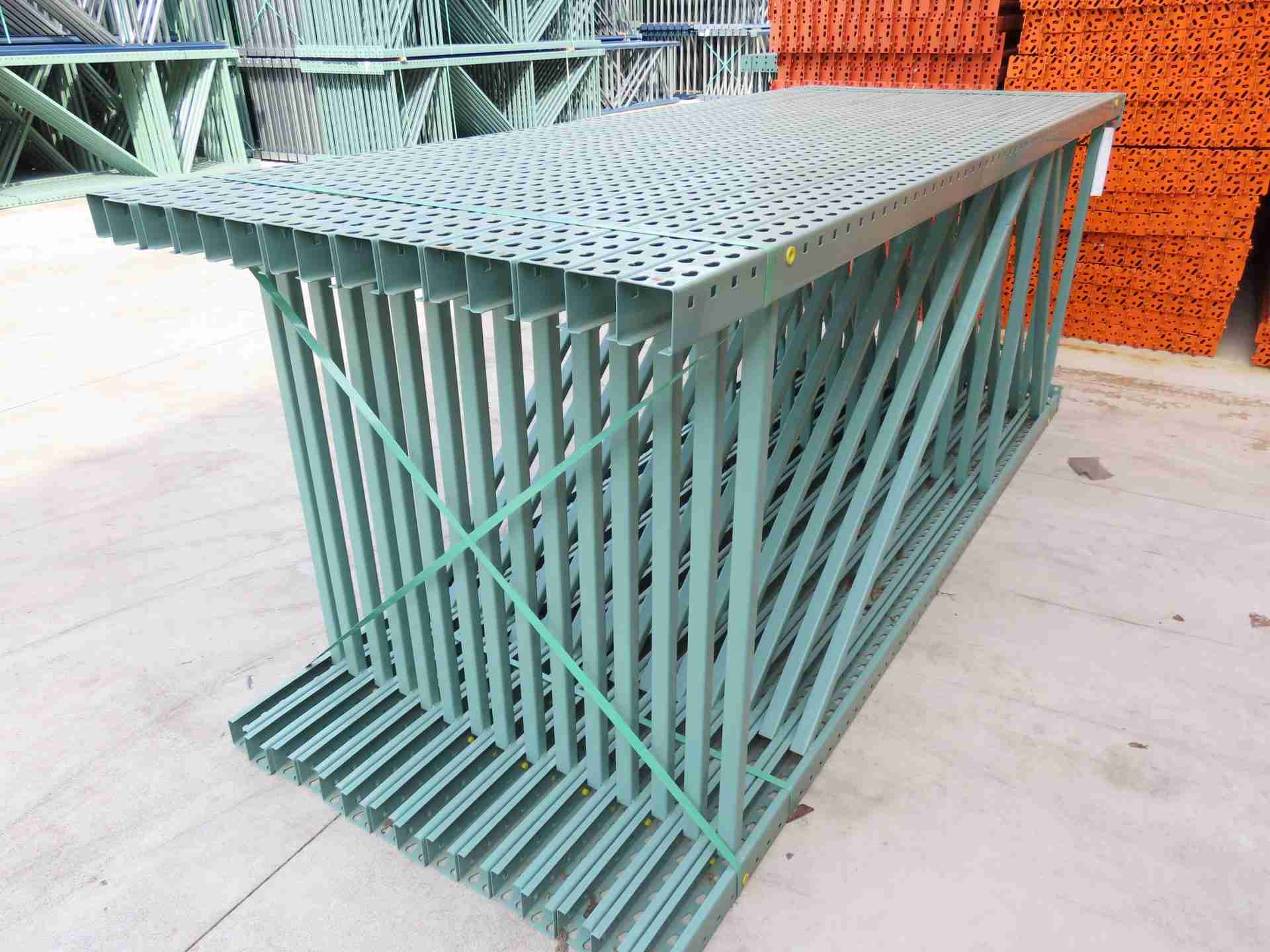
How Does Selective Pallet Racking Compare To Other Systems?
What Safety Measures Should Be Taken With Selective Pallet Racking?
In today’s fast-paced warehouse environment, where efficiency and productivity are king, one area often overlooked is the safety of your selective pallet racking systems. As e-commerce continues to surge, with companies like Amazon rapidly expanding their fulfillment centers, the importance of safe, reliable systems cannot be overstated. Ignoring safety not only impacts your bottom line but can lead to workplace injuries and costly downtime. So, let’s dive into essential safety measures for your selective pallet racking that will ensure a seamless operation while safeguarding your greatest asset—your workforce.
1. Regular Inspections Are Non-Negotiable
One of the most critical steps is conducting routine inspections of your pallet racking systems. OSHA guidelines recommend that these inspections be done monthly, but if your warehouse operates at high volumes, weekly check-ups might be more beneficial. Look for physical damages such as bent beams, dislodged safety pins, and corrosion. For instance, following a recent warehouse accident caused by poorly maintained racking in a distribution center in Illinois, the importance of a proactive inspection schedule has come to light. Implementing a structured schedule not only prevents accidents but can also enhance your operation’s efficiency.
2. Employee Training Is Essential
Educating your workforce is just as vital as structural integrity. Employees should be trained on the proper loading techniques and weight limits for your racking systems. Use practical demonstrations and simple guidelines to reinforce safety measures. If staff are unaware of the maximum load capacity and proper stacking methods, it can lead to catastrophic failures. For example, a major logistics provider recently released a series of training videos aimed at reducing accidents related to improper handling, yielding a significant decline in workplace injuries.
3. Install Safety Accessories
Consider installing safety accessories such as column protectors, guardrails, and load indicators. These features not only help prevent accidental collisions from forklifts but also provide visual reminders of weight limits and safe operating practices. After a notable increase in transport-related accidents last year, many companies have adopted column protectors, finding that they significantly minimize damages caused during loading and unloading processes.
4. Create Clear Pathways
Last but not least, maintain clear and unobstructed pathways. Establish clear signage and adequate space for moving equipment, allowing for swift emergency responses. Recent events in warehouses across the nation have demonstrated the dire consequences of cluttered aisles obstructing quick evacuations.
By implementing these essential safety measures, businesses not only comply with regulations but foster a culture of safety that can lead to increased employee morale and productivity. Don’t just think of safety as a cost—view it as an investment in your company’s long-term success. Remember, a safe warehouse is a productive warehouse, and your bottom line will thank you.

What Safety Measures Should Be Taken With Selective Pallet Racking?
What Safety Measures Should Be Taken With Selective Pallet Racking?
- Warehouse safety is crucial amidst rising e-commerce demands, impacting both operations and employee welfare.
- Regular inspections of pallet racking systems are essential, with monthly checks recommended by OSHA and weekly for high-volume operations.
- Employee training on loading techniques and weight limits is vital to prevent catastrophic failures and workplace injuries.
- Installing safety accessories like column protectors and guardrails can significantly reduce accidents and damage during operations.
- Maintaining clear pathways is important for swift emergency responses and avoiding accidents related to cluttered aisles.
- Implementing these safety measures not only ensures regulatory compliance but also enhances employee morale and productivity.
- Seeing safety as an investment rather than a cost leads to a safer, more productive warehouse environment that benefits the bottom line.

What Safety Measures Should Be Taken With Selective Pallet Racking?
How Can I Maximize Storage With Selective Pallet Racking?
In today’s fast-paced business environment, maximizing storage efficiency is not just an option—it’s a necessity. Selective pallet racking is a game changer, allowing you to leverage vertical space and streamline your operations. But how can you truly maximize the potential of selective pallet racking to increase your storage capacity and optimize your warehouse layout? Let’s dive into some proven strategies.
First, consider your inventory turnover. Items that fly off the shelves should be stored closest to the loading dock. This practice, often dubbed “Material Handling Solutions analysis,” categorizes products based on their movement frequency. For instance, if you’re in the e-commerce sector, where demand is often volatile, placing fast-moving SKUs—like trending electronics or seasonal apparel—within arm’s reach can drastically cut down on picking times. In July 2023, a major online retailer reported a 15% increase in order fulfillment speed after reconfiguring their storage layout based on a similar analysis.
Next, assess the height of your pallet racks. It may be tempting to fill every nook and cranny with product, but optimal space utilization also means considering safety and accessibility. Implementing a strategy that prioritizes the use of higher racks for slow-moving or seasonal items can create more floor space for faster-moving goods. Just last month, a logistics company revealed plans to enhance its warehouse capabilities by adding additional vertical storage units, paired with specialized material handling equipment. They expect a 30% increase in storage capacity by making this shift.
Moreover, ensure you are utilizing a clear and organized labeling system. This can significantly reduce search times. A simple color-coded system can help differentiate between fast and slow movers, while barcoding or RFID tagging can make inventory management a breeze. In a recent survey, businesses reported that organized storage solutions led to a 25% increase in efficiency, reinforcing the importance of clear labeling.
Lastly, don’t overlook the significance of automation. Integrating technology like Automated Guided Vehicles (AGVs) with selective pallet racking can enhance your storage capabilities. These tools dramatically reduce manual labor costs and enhance accuracy—it’s no surprise they are becoming industry standard. Recently, a company in the automotive parts sector adopted such technology and was able to double its output while reducing storage costs by 20%.
Maximizing storage with selective pallet racking requires strategic planning, organization, and ongoing evaluation. Whether you’re reorganizing your warehouse for efficiency or embracing automation, the rewards of a well-structured inventory system are immense. Don’t wait for your competitors to outpace you; start maximizing your storage potential today.

How Can I Maximize Storage With Selective Pallet Racking?
How Can I Maximize Storage With Selective Pallet Racking?
- Maximizing storage efficiency is essential in today’s fast-paced business environment.
- Selective pallet racking enables the use of vertical space and enhances operational efficiency.
- Conduct an Material Handling Solutions analysis to position fast-moving inventory close to the loading dock, improving picking times.
- Utilize higher pallet racks for slow-moving items to increase floor space for fast movers.
- Implement an organized labeling system, such as color coding or RFID tagging, to streamline inventory management.
- Incorporate automation with tools like Automated Guided Vehicles (AGVs) to reduce labor costs and improve accuracy.
- Continuous strategic planning and organization are key to maximizing storage potential and staying competitive.

How Can I Maximize Storage With Selective Pallet Racking?
What Maintenance Is Required For Selective Pallet Racking?
In the fast-paced world of warehousing and distribution, the efficiency and safety of your operations hinge upon the condition of your equipment. Selective pallet racking is a cornerstone of storage solutions, but it does require ongoing maintenance to ensure longevity, safety, and operational efficiency.
First and foremost, visual inspections should be part of your routine. Imagine you’re monitoring a busy warehouse; every day, forklifts and pallet jacks navigate narrow aisles, moving heavy loads. Over time, this can lead to wear and tear. Make it a habit to conduct regular walk-throughs, looking for signs of damage such as bent frames or misplaced items, which can compromise the integrity of the racking system. For instance, just last year, a major logistics company experienced a significant setback when a poorly maintained racking system collapsed, resulting in injuries and costly downtime. Healthy practice calls for you to prioritize a “safety-first” culture—your employees will thank you.
Next, consider implementing a scheduled maintenance plan that includes more in-depth inspections. This goes beyond visual checks and addresses specific components such as beam connectors and anchorage points. A proactive approach reduces the likelihood of catastrophic failures, ensuring your racking systems remain fully operational. Think of it this way: just as you wouldn’t skip your car’s regular oil change, you shouldn’t overlook the upkeep of your warehouse equipment. If you haven’t started already, align maintenance with seasonal changes—doing so allows you to dive deeper with inspections during quieter periods, keeping the focus on efficiency.
Don’t forget about employee training, as it plays a crucial role in the maintenance of selective pallet racking. Equip your team with the knowledge to understand what to look for and how to handle equipment properly. Picture a scenario where a newly hired employee notices a twisted beam but isn’t sure whom to notify—this gap in communication can lead to disaster. Regular training sessions and updates cultivate a sense of ownership and vigilance among your workforce, which directly translates to operational safety.
Finally, consider using technology to elevate your maintenance processes. Mobile apps and IoT devices are making it easier than ever to monitor and maintain warehouse equipment. Imagine having real-time data at your fingertips, allowing for quick decision-making and preventive actions—essential in today’s rapidly evolving market.
In sum, maintenance for selective pallet racking isn’t just about keeping your equipment standing tall; it’s a comprehensive strategy that safeguards your investment and empowers your workforce. A diligent maintenance regimen will keep you ahead of potential issues, driving your business toward unbending reliability and efficiency. Don’t wait for a disaster to spark action—invest in maintenance today for a safer, more productive tomorrow.

What Maintenance Is Required For Selective Pallet Racking?
What Maintenance Is Required For Selective Pallet Racking?
- Equipment condition is crucial for efficiency and safety in warehousing and distribution.
- Regular visual inspections can identify signs of wear and damage in selective pallet racking.
- Implement a scheduled maintenance plan for in-depth inspections of key components.
- Align maintenance with seasonal changes to utilize quieter periods for thorough inspections.
- Employee training is essential for understanding equipment maintenance and fostering communication.
- Utilize technology, such as mobile apps and IoT devices, for real-time monitoring and decision-making.
- A comprehensive maintenance strategy enhances reliability and efficiency, preventing potential issues.

What Maintenance Is Required For Selective Pallet Racking?
What Industries Commonly Use Selective Pallet Racking?
Selective pallet racking is more than just a storage solution; it’s a tactical advantage in today’s competitive landscape. Businesses across various sectors are leveraging this efficient racking system to optimize space, improve accessibility, and boost productivity. Let’s delve into the industries that are capitalizing on selective pallet racking to transform their operations.
1. Warehousing and Distribution Centers:
At the forefront of selective pallet racking usage are warehousing and distribution centers. These facilities rely heavily on efficient inventory management. With selective racking, operators can access a range of SKUs quickly and easily, facilitating faster picking and shipping processes. The recent surge in e-commerce has pushed many distribution centers to innovate or expand their storage solutions, making selective racking an appealing choice. For instance, major players like Amazon are integrating selective pallet racking systems within their fulfillment centers to enhance speed and efficiency.
2. Manufacturing:
Manufacturing environments benefit immensely from selective pallet racking due to its versatility. This industry often requires quick access to raw materials or components. Utilizing selective racking allows manufacturers to arrange items for convenient retrieval—critical for assembly lines that cannot afford downtime. The automotive industry, for example, moves swiftly to integrate selective racking in their assembly plants to streamline their just-in-time inventory systems, ensuring seamless production flow.
3. Food and Beverage:
The food and beverage sector is increasingly adopting selective pallet racking to manage stock efficiently. These businesses deal with a high turnover of perishable goods, necessitating an organized and easily navigable storage system. Selective racking enables rapid access to products, which is essential for maintaining freshness and compliance with safety regulations. Companies like Coca-Cola have been known to implement selective racking solutions in their distribution centers to reduce spoilage and enhance inventory rotation.
4. Retail:
Retailers are also making the most of selective pallet racking, particularly in back-end operations. With the rise of omnichannel retailing, traditional storefronts are being reconfigured to accommodate increased online order fulfillment. Retail giants like Walmart are adopting these systems to maximize their storage capabilities while ensuring that goods are readily accessible to support quicker restocking and streamlined online order processing.
5. Pharmaceuticals:
The pharmaceutical industry demands precision and order, making selective pallet racking an optimal choice for distribution facilities. Keeping medications organized and accessible not only aids in regulatory compliance but also ensures timely delivery to healthcare providers. With an eye on logistics, companies within this sector are investing in systems that enhance safety and traceability.
As industries continue adapting to the challenges posed by modern retail dynamics, the versatility and effectiveness of selective pallet racking stand out as a transformative solution across various fields. Embrace this innovative system, and watch your business thrive!

What Industries Commonly Use Selective Pallet Racking?
What Industries Commonly Use Selective Pallet Racking?
- Select pallet racking provides a tactical advantage for businesses in a competitive landscape.
- Warehousing and distribution centers utilize selective racking for efficient inventory management, enhancing picking and shipping processes.
- Manufacturing sectors benefit from selective racking’s versatility for quick access to materials, crucial for maintaining production flow.
- The food and beverage industry adopts selective racking to manage perishable goods and ensure compliance with safety regulations.
- Retailers leverage selective racking to optimize storage and streamline online order fulfillment in response to omnichannel retailing.
- Pharmaceutical companies rely on selective racking for organized medication storage, aiding in regulatory compliance and timely deliveries.
- The adaptability of selective pallet racking contributes to its effectiveness across diverse industries.

What Industries Commonly Use Selective Pallet Racking?
How Do I Ensure Compliance With Selective Pallet Racking Standards?
Navigating the labyrinth of selective pallet racking standards may seem overwhelming, but with the right strategies, you can turn compliance into a competitive advantage. In today’s fast-paced marketplace, ensuring safety and efficiency isn’t just regulations; it’s a mindset that can lead to increased operational success and a stronger bottom line.
First, understand the value of proper training. Your team is your first line of defense in maintaining compliance with standards such as those set forth by the American National Standards Institute (ANSI) and the Occupational Safety and Health Administration (OSHA). For instance, take the steps to implement regular training sessions that cover proper racking techniques, load limits, and emergency response protocols. Not only does this education safeguard your operation, but it also cultivates a culture of accountability among your staff, as they grasp the significance of adhering to compliance standards.
Next, invest in top-notch inspection practices. Partnering with third-party inspectors can add an extra layer of assurance. These professionals can identify potential hazards that may go unnoticed and recommend corrective measures. For example, if a current event like a series of warehouse accidents grabs headlines, it’s both prudent and proactive to evaluate your racking systems closely. Ignoring these incidents puts you at risk, whereas an inspection shows your commitment to safety and compliance.
Also, leverage technology to enhance your operations. Innovations in racking systems offer built-in compliance features, such as weight sensors and automated inventory management. These solutions not only streamline your operation but also provide real-time data that keeps you informed about your compliance status. Imagine how using these technologies can not only meet but exceed your local and federal standards while boosting your operational efficiency.
Finally, stay updated on changing regulations. Laws and guidelines evolve, and being proactive about these changes can prevent costly penalties and interruptions to your business. Subscribe to industry newsletters or participate in forums to keep your knowledge current. For instance, the recent surge in e-commerce has pushed for more stringent safety regulations in warehouses. Awareness of these shifts allows you to adapt quickly rather than scramble to catch up.
Compliance with selective pallet racking standards is not merely a checkbox on a list. It is about a strategic vision that safeguards your workforce, enhances operational productivity, and ultimately supports your brand’s integrity. By investing in training, thorough inspections, technology, and regulatory awareness, you will create an environment where compliance thrives—not just as a requirement, but as a philosophy that drives success.

How Do I Ensure Compliance With Selective Pallet Racking Standards?
How Do I Ensure Compliance With Selective Pallet Racking Standards?
- Navigating selective pallet racking standards can be simplified with effective strategies for compliance.
- Proper training for staff is crucial to ensure adherence to ANSI and OSHA standards.
- Implement regular training sessions covering racking techniques, load limits, and emergency protocols.
- Invest in thorough inspection practices and consider partnering with third-party inspectors for added assurance.
- Leverage technology to enhance operations with compliance features like weight sensors and automated inventory management.
- Stay updated on changing regulations to avoid penalties and adapt to new safety guidelines.
- Approach compliance as a strategic vision that enhances safety, productivity, and brand integrity.

How Do I Ensure Compliance With Selective Pallet Racking Standards?
What Costs Are Involved In Selective Pallet Racking?
Investing in selective pallet racking is a strategic move for businesses seeking to optimize their warehousing efficiency. However, before you dive into this crucial undertaking, it’s essential to grasp the various costs involved so you can hit the ground running and avoid future pitfalls.
Initial Purchasing Costs: The most obvious expense is the purchase of the racking itself. Prices can vary dramatically based on several factors including material, design, and size. For instance, basic steel selective pallet racks can start at around $100 per upright frame and $25 to $50 per beam. If you opt for advanced configurations or additional features like heavy-duty capabilities for storing heavier products, the costs can escalate quickly. It’s imperative you assess your needs before committing to a purchase. Can your products safely fit into standard racking, or do you need custom solutions? This could save you a small fortune.
Installation Costs: Once you have your racks, the installation phase kicks in, which brings its own cost. Depending on the complexity of the design and the size of your warehouse, hiring professionals to install the racking could range anywhere from a few hundred to several thousand dollars. For example, a well-structured installation ensures compliance with safety regulations, which not only protects your investment but also safeguards your employees from potential hazards.
Ongoing Maintenance Costs: After installation, you must consider ongoing maintenance costs. Regular inspections and repairs are essential to ensure the longevity and safety of your racking systems. Investing in a preventative maintenance plan could save you money in the long run, often costing just a fraction of the price compared to addressing serious issues that can arise from neglect. Recent events in various industries have highlighted the critical nature of safety compliance; warehouses with unmaintained equipment can face fines or, worse, costly accidents.
Operational Costs: Don’t forget the operational costs associated with selective racking. This includes training staff on how to properly load, unload, and operate within the racking environment. Additionally, consider the costs related to increased space efficiency, such as reducing the time spent locating and moving goods. An optimized space can lead to better inventory control, which positively impacts your bottom line.
While the upfront costs of selective pallet racking can appear daunting, understanding and planning around these expenses can yield significant returns in efficiency, safety, and productivity. Embrace this investment wisely, and your warehouse will not only store products; it will generate profits.

What Costs Are Involved In Selective Pallet Racking?
What Costs Are Involved In Selective Pallet Racking?
- Initial Purchasing Costs: The purchase price of selective pallet racking varies significantly based on factors like material, design, and size, starting at approximately $100 per upright frame and $25 to $50 per beam.
- Installation Costs: Hiring professionals for installation can range from a few hundred to several thousand dollars, depending on design complexity and warehouse size.
- Importance of Safety: Proper installation ensures compliance with safety regulations, protecting both the investment and employee safety.
- Ongoing Maintenance Costs: Regular inspections and a preventative maintenance plan are essential for safety and longevity, potentially averting costly repairs from neglect.
- Operational Costs: Consider the expenses of training staff on safe operation and the efficiency benefits gained from optimized space and inventory control.
- Long-term Returns: Though initial expenses may seem high, careful planning around these costs can enhance efficiency, safety, and productivity.
- Investment Impact: A well-planned investment in selective pallet racking can transform a warehouse into a profit-generating space instead of just storage.

What Costs Are Involved In Selective Pallet Racking?
Can Selective Pallet Racking Be Customized?
Absolutely, selective pallet racking can and should be customized to fit the unique needs of your warehouse or storage operations. The beauty of selective pallet racking lies in its versatility and adaptability, allowing businesses to tailor solutions that meet their inventory management requirements efficiently.
Imagine a bustling eCommerce warehouse handling an increasing volume of diverse products. A standard racking system might suffice for a while, but as the business grows and product lines expand, the limitations of those cookie-cutter solutions become evident. This is where customization comes into play. Selective pallet racking can be designed to maximize vertical space, incorporate specialized shelving for various product sizes, or include features like slide-in trays for quick retrieval. For instance, a company specializing in electronic goods might need additional safety measures to avoid damage—a consideration that standard racks may not address.
Current trends in the logistics sector highlight the growing demand for customized racking solutions. As supply chains continue to be disrupted globally, businesses are leaning towards flexible storage systems capable of adapting to sudden changes in inventory. According to a recent study by Logistics Management, companies are increasingly investing in dynamic storage solutions that allow for rapid scaling without the need for significant overhauls.
Customization can also extend to color, material, and configuration, allowing businesses to align the aesthetic of their warehouse with their branding. Don’t just think about function; think about a presentation that reflects your company’s values and dedication to quality. By integrating smart design with logistic efficiency, businesses can not only optimize their operations but also enhance their corporate image.
For instance, let’s consider a cold-storage facility for perishables. The selective pallet racking can be tailored to withstand colder temperatures and support specialized refrigeration technology. This kind of customized setup ensures that products are stored safely while remaining easily accessible, reducing waste and boosting efficiency.
Ultimately, customizing your selective pallet racking isn’t just an option; it’s a strategic advantage. As we navigate an era of unpredictability, investing in tailored racking solutions can mean the difference between merely keeping pace with competition and sprinting ahead. Elevate your operations by welcoming customization. It’s not just about storage; it’s about creating a system that supports your goals and future growth. Embrace the flexibility that selective pallet racking offers, and let your storage solutions grow along with your business.

Can Selective Pallet Racking Be Customized?
Can Selective Pallet Racking Be Customized?
- Selectively customized pallet racking meets unique warehouse and inventory management needs.
- As businesses expand, customized racking maximizes vertical space and accommodates diverse product sizes.
- Current logistics trends show rising demand for flexible and adaptable storage systems due to global supply chain disruptions.
- Customization includes options for color, material, and configuration, improving branding and aesthetic presentation.
- Specialized racking can be designed for cold-storage facilities, enhancing product safety and access.
- Investing in tailored racking provides a strategic advantage in a competitive market.
- Embracing customizable pallet racking supports business growth and operational efficiency.

Can Selective Pallet Racking Be Customized?
How Does Selective Pallet Racking Improve Efficiency?
In the high-stakes game of modern warehousing and logistics, efficiency is not just a goal—it’s the lifeblood of any successful operation. Enter Selective Pallet Racking, a system that has revolutionized storage and retrieval, helping businesses maximize their space, time, and ultimately, their profits.
Selective pallet racking offers unparalleled accessibility. With this system, your products are organized so that the most frequently picked items are easily reachable. Imagine a bustling warehouse floor where workers are frequently delayed because they have to navigate through rows of shelves to find the right product. By investing in selective pallet racking, you eliminate that wasted time and create a streamlined workflow. For example, a grocery distribution center may have thousands of SKUs, yet under a selective racking system, the top fast-moving items are positioned at the front, reducing picking time by up to 30%.
Not only does selective racking improve accessibility, but it also maximizes vertical space. In an age where real estate comes with a hefty price tag, every square foot counts. Selective pallet racking allows businesses to stack pallets vertically, effectively utilizing the height of the warehouse. A recent report highlighted that companies adopting high-density racking systems increased their storage capacity by as much as 40%. This efficiency translates to cost savings and the ability to accommodate more inventory without expanding existing space.
Moreover, versatility is another critical advantage. Selective pallet racking systems are compatible with various pallet sizes and weights, making them ideal for diverse industries—from e-commerce to automotive manufacturing. For instance, in the booming e-commerce sector, where rapid order fulfilment is crucial, effective pallet racking can significantly enhance the logistics process by ensuring that items are stored logically and retrieved quickly.
The COVID-19 pandemic has underscored yet another crucial aspect: adaptability. Supply chains globally have faced disruption, making it essential for businesses to pivot quickly and adjust inventories. Selective pallet racking systems accommodate these dynamic needs, allowing businesses to reorganize inventory more rapidly in response to market demands.
Finally, don’t overlook the safety element. Well-organized storage reduces the risk of accidents and damage to products, ultimately leading to decreased operational costs and workers’ compensation claims. When employees can navigate a tidy, efficient racking system without the chaos of unorganized stock, safety and productivity naturally increase.
By implementing selective pallet racking, businesses aren’t just simply optimizing their warehousing operations; they are crafting a competitive edge in a challenging marketplace. In these times of rapid change and fierce competition, it’s the smart strategic moves that will prevail.

How Does Selective Pallet Racking Improve Efficiency?
How Does Selective Pallet Racking Improve Efficiency?
- Selective pallet racking is essential for maximizing efficiency in modern warehousing and logistics.
- This system improves accessibility by organizing products so frequently picked items are easily reachable, reducing picking time by up to 30%.
- Selective pallet racking maximizes vertical space, allowing businesses to increase storage capacity by up to 40% without expanding physical space.
- It offers versatility, accommodating various pallet sizes and weights, making it suitable for diverse industries, including e-commerce and automotive manufacturing.
- The adaptability of selective pallet racking systems is crucial for responding to dynamic inventory needs, especially highlighted during the COVID-19 pandemic.
- Using a well-organized selective racking system enhances safety by reducing the risk of accidents and damage to products, thus decreasing operational costs.
- Implementing selective pallet racking provides a competitive edge in a challenging marketplace, essential for thriving amidst rapid changes and competition.

How Does Selective Pallet Racking Improve Efficiency?
Conclusion
In today’s rapidly evolving market landscape, efficiency, flexibility, and responsiveness are the keys to success, particularly in warehouse and inventory management. Enter selective pallet racking—a game-changing storage solution that does more than simply hold products; it positions businesses on the frontline of operational excellence. If you envision a world where maximum storage capacity meets hassle-free access, selective pallet racking is your answer.
Consider the challenges faced by modern businesses: rising consumer expectations, unpredictable market shifts, and increasingly complex supply chains. Selective pallet racking offers a powerful remedy to these pain points by allowing businesses to customize their storage systems for optimal space utilization and rapid inventory retrieval. Imagine a logistics operation that can reduce order fulfillment times by 30% or expand its storage capacity by a staggering 45%—those statistics are not just pie-in-the-sky; they represent tangible benefits that many companies are already reaping.
Beyond mere storage, selective pallet racking empowers businesses with the ability to adapt to fluctuating demands without incurring overwhelming costs. Its inherent flexibility means that as your product lines change, your racking can evolve alongside them, ensuring you are always prepared for what’s next. No more costly and disruptive operational overhauls—just seamless transitions that keep your business on the cutting edge of efficiency.
Yet, the implementation of selective pallet racking isn’t just about enhancing operational metrics; it’s also a strategic investment in the safety and welfare of your workforce. By creating organized, easily navigable spaces, employers reduce the risk of accidents and costly downtime, thereby fostering a positive working environment.
But don’t just take our word for it! If you’re ready to elevate your warehouse performance and drive tangible improvements, we invite you to act NOW. Calling Arrow Industrial Sales at (574) 349-6575 puts you directly in touch with experts who can guide you in selecting, customizing, and installing the perfect racking solutions for your specific needs.
In a world where every moment counts and every dollar invested holds the potential for greater returns, why take a chance on outdated storage methods? Be proactive—transform your warehouse into a beacon of productivity, adaptability, and growth with selective pallet racking. Embrace this strategic tool and watch your operations flourish in today’s competitive environment. Take the first step today, before your competition surpasses you!

Conclusion
Conclusion:
- Selective pallet racking enhances warehouse efficiency by maximizing storage capacity and enabling easy access to products.
- It addresses challenges such as rising consumer expectations and complex supply chains, offering customizable storage solutions.
- Adopting selective pallet racking can lead to a 30% reduction in order fulfillment times and a 45% increase in storage capacity.
- The system provides flexibility to adapt to changing product lines without incurring significant costs.
- Implementing this racking solution improves workplace safety by creating organized and navigable spaces, reducing accident risks.
- Experts at Arrow Industrial Sales can assist with selecting and customizing racking systems.
- Investing in selective pallet racking is crucial for staying competitive and fostering a productive warehouse environment.
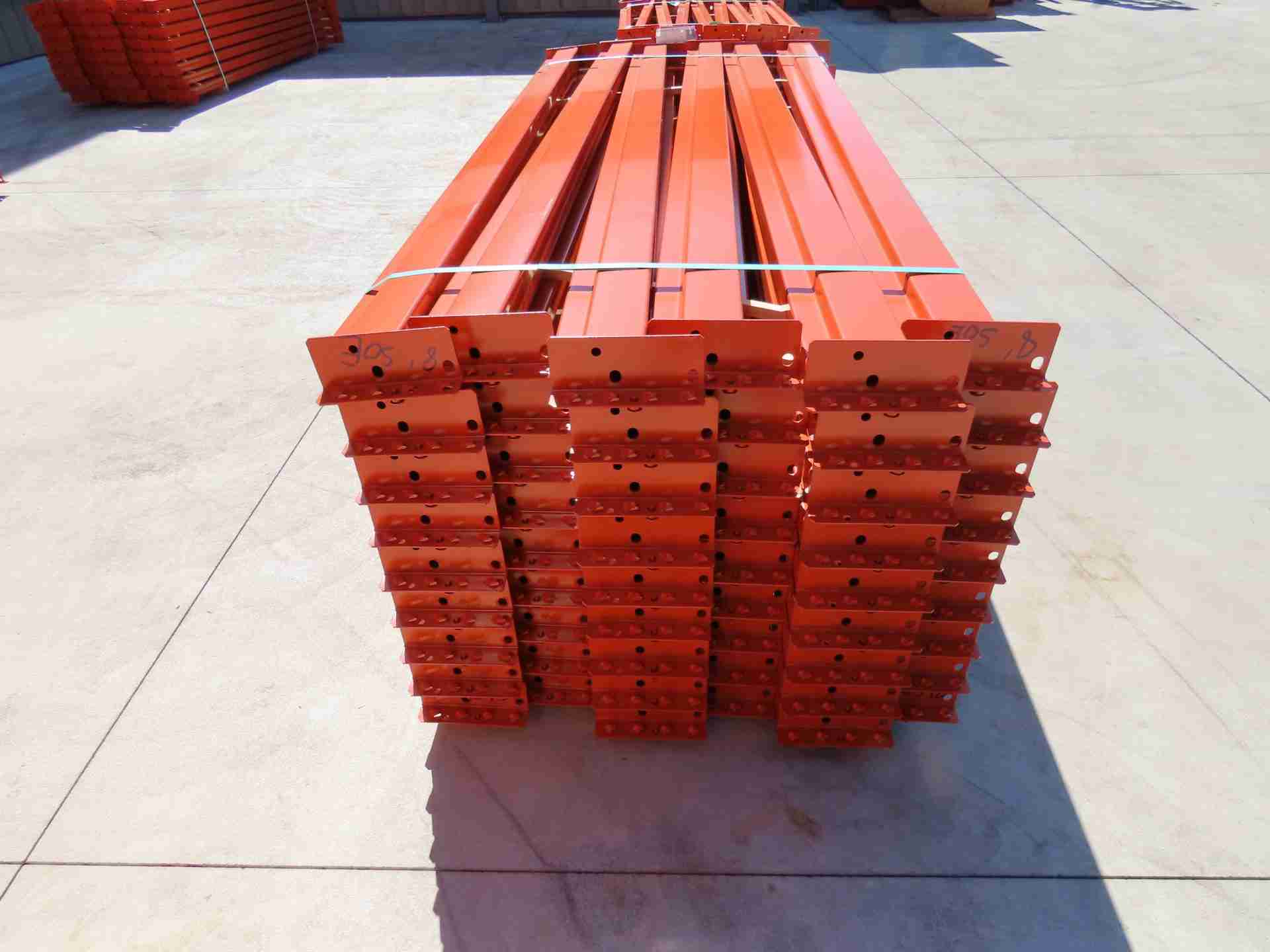
Conclusion
Other Resources

Other Resources
Here is a list of other resources you can review online to learn more:
- “Stock management and warehouse inventory | Amazon IT”
- “Fulfillment by Amazon (FBA) | How to Ship when Selling on …”
- “Amazon Guide | Global Selling”
- “Product Compliance for Sellers | Amazon FR”
- “Guide to International Trade on Amazon FR”

Other Resources
Glossary Terms
What Is Selective Pallet Racking – Glossary Of Terms
1. Selective Pallet Racking: A type of storage system that allows direct access to each pallet while maximizing vertical storage space.
2. Pallet: A flat structure made of wood, plastic, or metal used to support goods during storage or transportation.
3. Upright: The vertical component of a racking system that provides support for beams and shelves.
4. Beam: The horizontal component that connects to the uprights and supports the pallets.
5. Pallet Position: The specific location within racking where a pallet is placed, determined by the layout and design of the system.
6. Load Capacity: The maximum weight that a racking system can safely support, dictated by design and materials.
7. Aisle: The space between rows of racking that allows for access by forklifts or other material handling equipment.
8. Forklift: A powered industrial truck used to lift and move materials over short distances, typically used in warehouses.
9. Safety Factor: A measure of the structural safety of the racking system, ensuring it can withstand more than the maximum load it is rated for.
10. Vertical Space: The height available for storage in a facility, often maximized with racking systems.
11. Single Deep Racking: A configuration where pallets are stored one deep, allowing easy access to all pallets.
12. Double Deep Racking: A configuration where pallets are stored two deep, increasing storage density but requiring specialized forklifts for access.
13. Heavy-Duty Racking: A term for racking systems designed to support very heavy loads, often made from thicker steel.
14. FIFO (First In, First Out): A storage method where the oldest stock (first in) is accessed first (first out), promoting inventory rotation.
15. LIFO (Last In, First Out): A method where the most recently added inventory is the first to be accessed, often used in specific industries.
16. End Stop: A component at the end of a racking row to prevent pallets from falling off the shelves.
17. Column Protector: A safeguard used to protect the upright racking components from damage, often made from durable materials.
18. Cross Bracing: Diagonal supports within the racking frame that adds stability and strength to the structure.
19. Load Beam: An adjustable beam that can be moved to different heights to accommodate various pallet sizes.
20. Pallet Flow Racking: A storage system using gravity flow to improve inventory management, often integrated with selective racking.
21. Back-to-Back Racking: A configuration where two racking units are placed back to back, optimizing space and accessibility.
22. Warehouse Layout: The overall design of a warehouse, including the position of racking, aisles, and work areas.
23. Inventory Management: The supervision of ordering, storage, and use of materials, often enhanced by selective pallet racking systems.
24. Customization: The ability to tailor racking systems to specific warehouse needs, considering factors like load size and type of access required.
25. Access Aisle: A designated pathway within a racking system that allows for efficient retrieval of stored items.
26. Storage Density: A phrase describing how much space is utilized for storage within a warehouse, often increased with selective racking.
27. Warehouse Safety: Regulations and practices designed to prevent accidents and injuries in a storage environment, particularly regarding racking systems.
28. Racking Systems Design: The process of planning and configuring storage solutions to optimize space, safety, and efficiency.
29. Modular Racking: A type of racking system that can be easily adapted or expanded in response to changing storage needs.
30. Load Stabilization: Techniques used to ensure that stored pallets remain safe and secure, minimizing the risk of tipping or falling.

Glossary Of Terms
Other Questions
What Is Selective Pallet Racking – Other Questions
If you wish to explore and discover more, consider looking for answers to these questions:
- What factors should I consider when evaluating selective pallet racking options?
- How do I measure the efficiency of my current storage system?
- What sort of training do employees need for operating selective pallet racking?
- What safety regulations should be followed with selective pallet racking?
- Are there any limitations to using selective pallet racking?
- How do different industries vary in their use of selective pallet racking?
- What technology can be integrated with selective pallet racking systems?
- Are there any common mistakes to avoid when implementing selective pallet racking?
- How do seasonal fluctuations in inventory affect selective pallet racking usage?
- What are the signs that my selective pallet racking needs maintenance or replacement?
- Can selective pallet racking systems be expanded or reconfigured easily?
- What are the environmental considerations when using selective pallet racking?
- How does selective pallet racking impact overall supply chain efficiency?
- What are best practices for organizing a selective pallet racking system?
- How are costs for selective pallet racking compared to other storage solutions?

Other Questions
Checklist
What Is Selective Pallet Racking – A Checklist
Checklist for Maximizing Warehouse Efficiency with Selective Pallet Racking
1. Assess Your Inventory Needs
_____ Identify the type, size, and weight of products.
_____ Determine fast-moving and slow-moving items.
2. Evaluate Warehouse Space
_____ Measure warehouse dimensions, including ceiling height and aisle width.
_____ Identify areas for potential vertical storage.
3. Select the Right Type of Selective Racking
_____ Choose from Standard, Double Deep, Drive-In/Through, Push-Back, or Pallet Flow racking based on needs.
_____ Assess required features for special inventory (e. g. , perishables).
4. Plan for Accessibility
_____ Organize shelves to place frequently accessed products at the front.
_____ Ensure clear pathways for movement and accessibility.
5. Customizations for Specific Needs
_____ Explore options for customization (e. g. , height adjustments, specialized shelving).
_____ Consider aesthetic elements that reflect company branding.
6. Installation Process Planning
_____ Create a detailed layout and installation plan.
_____ Take into account the need for professional installation.
7. Training and Employee Engagement
_____ Train staff on loading/unloading procedures and safety measures.
_____ Encourage a culture of safety and responsibility regarding equipment maintenance.
8. Implement Safety Measures
_____ Perform regular inspections of racking systems.
_____ Install safety accessories like column protectors and guardrails.
9. Regular Maintenance Practices
_____ Set up a routine for visual inspections and scheduled maintenance.
_____ Document and monitor any changes or maintenance conducted.
10. Utilize Technology for Efficiency
_____ Integrate inventory management systems (e. g. , RFID, barcoding).
_____ Consider technologies that maintain compliance and enhance safety.
11. Monitor and Adjust as Needed
_____ Keep track of performance metrics related to inventory retrieval and storage efficiency.
_____ Adjust racking configurations based on evolving inventory needs and warehouse dynamics.
12. Stay Compliant with Regulations
_____ Familiarize yourself with ANSI and OSHA standards.
_____ Ensure all systems are compliant with local regulations.
13. Evaluate Costs and ROI
_____ Outline all costs involved (purchase, installation, maintenance).
_____ Analyze return on investment linked to increased efficiency and productivity.
14. Engage with Experts When Necessary
_____ Consult with racking system providers for tailored solutions.
_____ Seek third-party inspections for thorough evaluations.
Use this checklist as a guide to transition to selective pallet racking effectively, enhancing your warehouse’s efficiency, safety, and productivity.

Checklist
At RackingWorld, we help guide you through selecting warehouse storage systems and racking.
Be sure to read our other related stories at RackingWorld to learn more about warehouse storage systems.
0 Comments