
Avoid These Industrial Rack Blunders
By Tom Seest
At RackingWorld, we help guide you through selecting warehouse storage systems and racking.
Be sure to read our other related stories at RackingWorld to learn more about warehouse storage systems.
What Are The Common Mistakes People Make When Using Industrial Racks?
When it comes to using industrial racks, there are a few common mistakes that people tend to make. These mistakes can lead to inefficiency, accidents, and wasted time and money. Let’s take a look at some of the most frequent slip-ups and how you can avoid them.
One of the biggest mistakes people make when using industrial racks is overloading them. It can be tempting to try and maximize the storage space by stacking items higher than recommended or placing too much weight on the shelves. However, overloading racks can lead to structural damage, causing them to collapse and potentially injuring workers or damaging inventory. It’s important to follow the manufacturer’s guidelines for weight limits and shelf capacities to ensure the safety and integrity of the racks.
Another common mistake is improper loading and unloading of items on industrial racks. It’s crucial to distribute weight evenly across the shelves and stack items securely to prevent them from falling or shifting. Failing to do so can result in accidents and damage to both the products and the racks themselves. Make sure to train employees on safe loading and unloading practices to avoid these mishaps.
Not regularly inspecting and maintaining industrial racks is another common mistake that people make. Over time, wear and tear can cause racks to deteriorate, compromising their strength and stability. It’s important to routinely check for any signs of damage, such as rust, bent beams, or loose connections, and address them promptly. Regular maintenance and repairs can extend the lifespan of the racks and prevent accidents down the line.
Neglecting to properly anchor industrial racks to the floor is another misstep that can have serious consequences. Without proper anchoring, racks can become unstable and tip over, posing a significant safety risk. Make sure to follow the manufacturer’s instructions for anchoring the racks and regularly inspect the anchoring system to ensure it remains secure.
Lastly, not utilizing the available space efficiently is a mistake that can lead to wasted storage capacity and inefficient operations. Consider the layout of your warehouse or facility and optimize the arrangement of industrial racks to maximize storage space and streamline the flow of inventory. This can help improve productivity and make it easier to access and retrieve items when needed.
By avoiding these common mistakes and following best practices for using industrial racks, you can ensure a safer, more organized, and more efficient storage solution for your workplace. Remember to prioritize safety, regular maintenance, and efficient space utilization to get the most out of your industrial racks.

What Are The Common Mistakes People Make When Using Industrial Racks?
What Are The Common Mistakes People Make When Using Industrial Racks?
- Overloading industrial racks can lead to structural damage and accidents.
- Improper loading and unloading can result in accidents and damage.
- Regularly inspecting and maintaining racks is crucial to prevent deterioration.
- Properly anchoring racks to the floor is essential for stability and safety.
- Utilizing available space efficiently can improve productivity.
- Training employees on safe practices is important for accident prevention.
- Following manufacturer’s guidelines and best practices ensures safety and efficiency.

What Are The Common Mistakes People Make When Using Industrial Racks?
Table Of Contents
- What Are The Common Mistakes People Make When Using Industrial Racks?
- What Are The Weight Limits For Industrial Racks?
- How Should Industrial Racks Be Installed Safely?
- How Can Industrial Racks Be Maintained To Extend Their Lifespan?
- What Safety Precautions Should Be Taken When Using Industrial Racks?
- What Are The Consequences Of Overloading Industrial Racks?
- What Should Be Considered Before Purchasing Industrial Racks?
- How Can Weight Capacity Affect The Functionality Of Industrial Racks?
- What Safety Precautions Should Be Taken When Using Industrial Racks?
- Conclusion
- Other Resources
- Glossary Of Terms
- Other Questions
- Checklist
What Are The Weight Limits For Industrial Racks?
Have you ever wondered about the weight limits for industrial racks? Well, wonder no more! Industrial racks are designed to hold a significant amount of weight, but there are limits to how much they can safely support.
When it comes to weight limits for industrial racks, there are a few key factors to consider. The first factor is the type of rack being used. There are different types of industrial racks, such as pallet racks, cantilever racks, and shelving racks, each designed for specific purposes and weight capacities. It’s important to ensure that the weight limit of the rack matches the weight of the items being stored.
Another factor to consider is the quality and durability of the rack itself. Industrial racks are typically made from heavy-duty materials such as steel, which can withstand a substantial amount of weight. However, it’s essential to regularly inspect the rack for any signs of wear and tear, as this can weaken its weight-bearing capacity.
Additionally, the way in which items are stored on the rack can also impact its weight limit. Distributing weight evenly across the rack and not exceeding its capacity will help prevent overloading and potential collapse.
So, what are the weight limits for industrial racks? The specific weight limit will vary depending on the type of rack and manufacturer specifications. Generally, pallet racks can support anywhere from 2,000 to 4,000 pounds per shelf, while cantilever racks can hold even more, up to 20,000 pounds or more per arm.
It’s crucial to not only be aware of the weight limits for your industrial racks but also to adhere to them strictly. Overloading a rack can lead to serious safety hazards, such as collapse or injury to workers. In addition to following weight limits, proper training on how to load and unload items on the rack is essential to prevent accidents.
Understanding the weight limits for industrial racks and following them diligently is crucial for maintaining a safe and efficient warehouse environment. By choosing the right type of rack, ensuring its quality and durability, and properly loading items, you can make the most of your industrial storage space while keeping your employees safe. So, next time you’re stacking items on a rack, remember to keep within the weight limits – your safety may depend on it.

What Are The Weight Limits For Industrial Racks?
What Are The Weight Limits For Industrial Racks?
- Industrial racks are designed to hold a significant amount of weight, but there are limits to how much they can safely support.
- The weight limits for industrial racks depend on factors such as the type of rack, quality/durability of the rack, and how items are stored on it.
- It’s important to match the weight limit of the rack with the weight of the items being stored to prevent overloading.
- Pallet racks can support 2,000 to 4,000 pounds per shelf, while cantilever racks can hold up to 20,000 pounds or more per arm.
- Adhering strictly to weight limits is crucial to prevent safety hazards like collapse or injury to workers.
- Proper training on how to load and unload items on the rack is essential to prevent accidents in the warehouse.
- Following weight limits and maintaining a safe and efficient warehouse environment is essential for the safety of employees and maximizing storage space.

What Are The Weight Limits For Industrial Racks?
How Should Industrial Racks Be Installed Safely?
When it comes to installing industrial racks, safety should always be the number one priority. These racks are designed to hold heavy materials and equipment, so it’s crucial that they are installed properly to prevent accidents and injuries.
Before you even begin the installation process, make sure you have the appropriate tools and equipment on hand. You’ll likely need a level, tape measure, drill, and possibly a forklift or other heavy machinery to lift the racks into place. It’s also important to have a team of trained professionals assisting with the installation, as the racks can be quite heavy and difficult to maneuver on your own.
One key aspect of installing industrial racks safely is ensuring that the floor is level and able to support the weight of the racks. If the floor is uneven or weak, it could lead to instability and potential collapse of the racks. Use a level to check the floor before installing the racks, and make any necessary repairs or adjustments to ensure it is stable and secure.
When it comes to actually installing the racks, be sure to follow the manufacturer’s instructions closely. Each rack is designed to be installed in a specific way, and deviating from those instructions could compromise the safety and stability of the racks. Take the time to read through the manual and understand the proper installation process before getting started.
As you’re lifting the racks into place, be cautious of any overhead obstructions or obstacles that could get in the way. It’s important to have a clear path for the racks to be lifted and installed without any interference. Additionally, be mindful of any nearby equipment or machinery that could be damaged during the installation process.
Once the racks are in place, double check to make sure they are securely anchored to the floor and walls. This will help prevent any potential shifting or movement of the racks that could lead to accidents down the road. Regularly inspect the racks for any signs of wear or damage, and make any necessary repairs or adjustments as soon as possible.
By following these guidelines and prioritizing safety throughout the installation process, you can ensure that your industrial racks are installed safely and securely. Remember, safety always comes first when working with heavy equipment and materials, so don’t cut corners or take shortcuts when installing industrial racks. Your diligence will pay off in the long run with a safe and efficient storage solution for your workplace.

How Should Industrial Racks Be Installed Safely?
How Should Industrial Racks Be Installed Safely?
- Always prioritize safety when installing industrial racks.
- Ensure you have the necessary tools and equipment on hand.
- Check that the floor is level and stable before installation.
- Follow manufacturer’s instructions closely for proper installation.
- Be cautious of overhead obstructions during lifting and installation.
- Double check that racks are securely anchored after installation.
- Regularly inspect racks for wear or damage and make repairs as needed.

How Should Industrial Racks Be Installed Safely?
How Can Industrial Racks Be Maintained To Extend Their Lifespan?
Maintaining industrial racks is crucial to ensuring their longevity and safety in the workplace. Here are some tips on how to extend the lifespan of your industrial racks:
1. Regular Inspections: One of the most important ways to maintain industrial racks is by conducting regular inspections. Check for any signs of damage, such as rust, cracks, or bent beams. It’s important to catch these issues early on to prevent further damage and ensure the safety of your workers.
2. Cleanliness: Keeping industrial racks clean is essential for their maintenance. Dust and debris can accumulate on the racks, which can lead to corrosion and wear and tear over time. Regularly clean the racks with a mild detergent and water to remove any buildup.
3. Proper Loading: Be sure to follow the manufacturer’s guidelines for loading your industrial racks. Overloading racks can cause them to become unstable and lead to potential accidents. Make sure that the weight is evenly distributed on the racks to prevent uneven stress on the beams.
4. Regular Maintenance: In addition to inspections, it’s important to perform regular maintenance on your industrial racks. This can include tightening bolts, lubricating moving parts, and replacing damaged components. By staying on top of maintenance tasks, you can prevent issues from arising and extend the lifespan of your racks.
5. Training: Properly training your employees on how to use and maintain industrial racks is key to their longevity. Make sure that everyone who interacts with the racks understands the proper procedures for loading, unloading, and caring for the racks. By educating your team, you can prevent accidents and maintain the integrity of the racks.
By following these tips, you can ensure that your industrial racks remain in good condition and continue to serve your business for years to come. Remember, investing time and effort into maintaining your racks now can save you time and money in the long run. So, roll up your sleeves and get to work – your racks will thank you!

How Can Industrial Racks Be Maintained To Extend Their Lifespan?
How Can Industrial Racks Be Maintained To Extend Their Lifespan?
- Regular Inspections: Conduct regular inspections to check for damage.
- Cleanliness: Keep racks clean to prevent corrosion and wear.
- Proper Loading: Follow manufacturer’s guidelines for loading.
- Regular Maintenance: Tighten bolts, lubricate parts, and replace damaged components.
- Training: Educate employees on proper rack use and maintenance.
- Invest in maintenance now to save time and money in the long run.

How Can Industrial Racks Be Maintained To Extend Their Lifespan?
What Safety Precautions Should Be Taken When Using Industrial Racks?
When it comes to using industrial racks, safety should always be a top priority. These sturdy shelves are designed to hold heavy loads and keep your workspace organized, but they can also pose serious risks if not used properly. Here are some key safety precautions to keep in mind when working with industrial racks.
First and foremost, it’s essential to inspect the racks regularly for any signs of damage or wear and tear. Look out for rust, bent beams, or loose connections, as these issues can weaken the structure and lead to potential accidents. If you notice any damage, make sure to address it immediately and, if necessary, replace the damaged components.
Another crucial safety precaution is to never overload the racks. Each shelf has a specified weight capacity, and it’s vital to adhere to these limits to prevent the shelves from collapsing. Always check the manufacturer’s guidelines for weight restrictions and make sure to distribute the weight evenly across the shelves to maintain stability.
Furthermore, it’s essential to secure the racks to the floor or wall to prevent tipping over. Industrial racks can become unstable if they are not properly anchored, especially when loaded with heavy items. Use anchors and braces to secure the racks in place and ensure they are resistant to any potential movement.
Additionally, always use proper lifting techniques when loading and unloading items from the racks. Bend your knees, keep your back straight, and lift with your legs to avoid straining your back or causing injury. Avoid overreaching or standing on the shelves, as this can throw off the balance of the racks and increase the risk of accidents.
Lastly, keep the area around the racks clear and organized to prevent tripping hazards or obstructions. Make sure aisles are wide enough for maneuvering and that there are no obstacles in the way of the shelves. Proper housekeeping and organization are key to maintaining a safe working environment when using industrial racks.
By following these safety precautions and being vigilant about maintenance and usage guidelines, you can ensure that your industrial racks are a reliable and safe storage solution for your workspace. Remember, safety always comes first when working with heavy equipment and materials, so take the necessary precautions to protect yourself and others in the workplace.

What Safety Precautions Should Be Taken When Using Industrial Racks?
What Safety Precautions Should Be Taken When Using Industrial Racks?
- Inspect racks regularly for damage or wear and tear.
- Avoid overloading racks to prevent collapse.
- Secure racks to prevent tipping over.
- Use proper lifting techniques when loading and unloading items.
- Keep area around racks clear and organized.
- Adhere to weight restrictions and distribute weight evenly.
- Follow manufacturer’s guidelines for maintenance and usage.
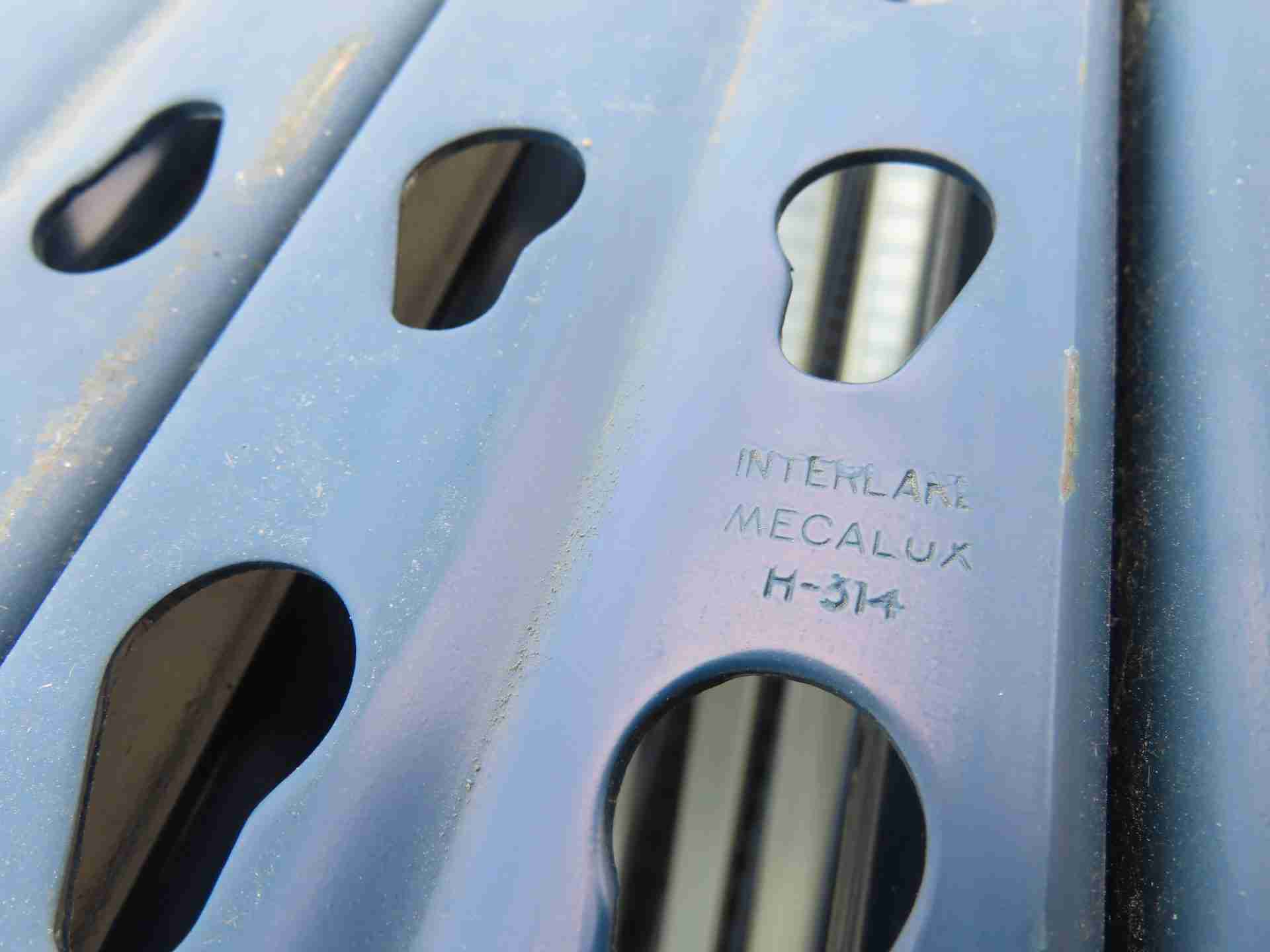
What Safety Precautions Should Be Taken When Using Industrial Racks?
What Are The Consequences Of Overloading Industrial Racks?
When it comes to industrial racks, overloading them can have serious consequences. These racks are designed to safely store and organize heavy items, but exceeding their weight capacity can lead to a variety of issues.
One of the most immediate consequences of overloading industrial racks is the risk of collapse. When a rack is loaded beyond its capacity, it becomes unstable and is at risk of buckling under the weight. This can not only cause damage to the rack itself, but also create a dangerous situation for anyone working nearby. A collapsed rack can result in injuries or even death, as heavy items come crashing down.
In addition to the physical dangers of overloading racks, there are financial consequences as well. When a rack collapses, it can damage not only the items being stored, but also the surrounding equipment and infrastructure. This can lead to costly repairs and replacements, as well as lost productivity as operations are halted to clean up and make repairs.
Overloading racks can also have long-term consequences for a company. If racks continue to be overloaded, they will wear down more quickly and require more frequent repairs or replacements. This can create a cycle of increased maintenance costs and downtime, ultimately impacting the bottom line.
Furthermore, overloading racks can also impact workplace efficiency. When racks are overloaded, it can make it difficult to access items and create a cluttered and disorganized work environment. This can slow down operations and make it harder for employees to do their jobs effectively.
It’s important for companies to take the weight capacity of their industrial racks seriously and ensure that they are not overloaded. This means properly training employees on how to safely load racks, regularly inspecting racks for signs of damage or overloading, and investing in high-quality racks that are designed to handle the appropriate weight.
By taking these precautions and prioritizing safety, companies can avoid the costly consequences of overloading industrial racks. It’s not worth risking the safety of employees or the financial health of the business just to squeeze in a few extra items. Prioritizing safety and following weight capacity guidelines will ultimately lead to a safer, more efficient workplace.

What Are The Consequences Of Overloading Industrial Racks?
What Are The Consequences Of Overloading Industrial Racks?
- Overloading industrial racks can lead to collapse, causing damage and posing a danger to workers.
- Financial consequences include costly repairs, replacements, and lost productivity.
- Continued overloading can result in increased maintenance costs and downtime.
- Workplace efficiency is affected by overloaded racks, creating a cluttered environment.
- Properly training employees, inspecting racks, and using high-quality racks can prevent overloading.
- Prioritizing safety and following weight capacity guidelines leads to a safer, more efficient workplace.

What Are The Consequences Of Overloading Industrial Racks?
What Should Be Considered Before Purchasing Industrial Racks?
So you’re in the market for some industrial racks, huh? Well, before you go diving headfirst into the deep end of the purchasing pool, there are a few things you should consider to ensure you’re making the right choice.
First and foremost, think about the specific needs and requirements of your operations. Are you looking to store heavy-duty items like car parts or machinery? Or maybe you need to organize smaller items like tools or supplies? Understanding the weight capacity and size requirements of the items you’ll be storing will help you determine the type and size of industrial rack that will best suit your needs.
Next, think about the layout and space available in your facility. Do you have a limited amount of space to work with, or are you looking to maximize vertical storage capacity? Consider factors like aisle width, ceiling height, and floor space when selecting industrial racks to ensure they will fit seamlessly into your current setup.
Another important factor to consider is the material and construction of the industrial racks. Do you need racks that can withstand harsh environments like extreme temperatures or corrosive materials? Are you looking for racks that are easy to clean and maintain? Choosing racks made from durable materials like steel or aluminum will ensure they can withstand the demands of your operation and provide long-lasting performance.
Additionally, think about the flexibility and adaptability of the industrial racks. Will you need to reconfigure or add onto your storage system in the future? Look for racks that can be easily customized and expanded to accommodate changing storage needs without requiring a complete overhaul of your setup.
Lastly, consider the safety and security features of the industrial racks. Will the racks be holding heavy or potentially dangerous items? Make sure the racks are equipped with safety features like guard rails, safety pins, or locking mechanisms to prevent accidents and ensure the integrity of your stored items.
By taking these factors into consideration before purchasing industrial racks, you can ensure that you’re making a wise investment in a storage solution that will meet your needs now and in the future. So do your homework, ask the right questions, and choose wisely. Your operation will thank you for it.

What Should Be Considered Before Purchasing Industrial Racks?
What Should Be Considered Before Purchasing Industrial Racks?
- Consider the specific needs and requirements of your operations.
- Think about the layout and space available in your facility.
- Consider the material and construction of the industrial racks.
- Think about the flexibility and adaptability of the industrial racks.
- Consider the safety and security features of the industrial racks.
- Look for racks that can be easily customized and expanded.
- Ensure you’re making a wise investment in a storage solution.

What Should Be Considered Before Purchasing Industrial Racks?
How Can Weight Capacity Affect The Functionality Of Industrial Racks?
Weight capacity plays a crucial role in the functionality of industrial racks. These heavy-duty shelving units are designed to hold a significant amount of weight, allowing businesses to efficiently store and organize their products and materials.
When a rack’s weight capacity is exceeded, it can lead to disastrous consequences. Not only can it cause the shelves to collapse, potentially damaging valuable inventory, but it also poses a serious safety risk to workers. Imagine the chaos that would ensue if a rack full of heavy machinery suddenly gave way, sending everything crashing to the ground.
Furthermore, exceeding the weight capacity of a rack can also lead to long-term issues. Overloading the shelves puts unnecessary strain on the structure of the rack, leading to premature wear and tear. This can result in costly repairs or replacements down the line, impacting the bottom line of the business.
Properly maintaining the weight capacity of industrial racks is essential for ensuring a safe and efficient work environment. It’s crucial for businesses to carefully assess the weight requirements of their products and materials and choose racks that can safely accommodate them.
In addition to selecting racks with the appropriate weight capacity, businesses must also train their employees on proper loading techniques. Distributing weight evenly across the shelves and avoiding stacking items too high can help prevent overloading and maintain the integrity of the racks.
Regular inspections of industrial racks are also vital for ensuring their continued functionality. Checking for signs of damage, such as bent or warped shelves, is key to identifying potential issues before they escalate. By addressing any concerns promptly, businesses can avoid costly accidents and downtime.
Weight capacity is a critical factor in the functionality of industrial racks. Businesses must prioritize safety by selecting racks with the appropriate weight capacity, training employees on proper loading techniques, and conducting regular inspections to ensure the integrity of the racks. By taking these proactive measures, businesses can create a safe and efficient work environment that maximizes productivity and minimizes risk.

How Can Weight Capacity Affect The Functionality Of Industrial Racks?
How Can Weight Capacity Affect The Functionality Of Industrial Racks?
- Weight capacity is crucial for industrial racks functionality.
- Exceeding weight capacity can lead to disastrous consequences.
- Overloading racks can cause long-term issues and premature wear.
- Proper maintenance of weight capacity is essential for safety and efficiency.
- Businesses should carefully assess weight requirements and choose racks accordingly.
- Training employees on proper loading techniques is important for preventing overloading.
- Regular inspections of industrial racks are vital for continued functionality.

How Can Weight Capacity Affect The Functionality Of Industrial Racks?
What Safety Precautions Should Be Taken When Using Industrial Racks?
When it comes to working with industrial racks, safety should always be the number one priority. These racks are designed to hold heavy loads and improper use or maintenance can result in serious accidents and injuries. Here are some important safety precautions to keep in mind when using industrial racks:
1. Inspect the racks regularly: Before using the racks, always make sure to inspect them for any damage or defects. Check for signs of wear and tear, such as rust, cracks, or bent metal. If you notice any issues, do not use the racks until they have been properly repaired or replaced.
2. Follow weight capacity guidelines: Industrial racks are designed to hold specific weight capacities. Exceeding these limits can cause the racks to collapse, putting you and others at risk. Always double check the weight capacity of the racks before placing any items on them and never overload them.
3. Use proper lifting techniques: When loading or unloading items on the racks, make sure to use proper lifting techniques to avoid strains or injuries. Bend at the knees, not at the waist, and lift with your legs instead of your back. If an item is too heavy for you to lift alone, ask for assistance.
4. Secure items properly: To prevent items from falling off the racks, make sure to secure them properly. Use straps, chains, or brackets to keep items in place and prevent them from shifting or sliding off the racks.
5. Keep aisles clear: It’s important to keep the aisles around the racks clear of obstructions to prevent accidents. Make sure there is enough space for forklifts or other equipment to maneuver around the racks safely.
6. Properly maintain the racks: Regular maintenance is crucial to ensure the safety and integrity of the racks. Keep the racks clean and free of debris, and check for loose bolts or fasteners that may need to be tightened. If you notice any issues, report them to your supervisor immediately.
By following these safety precautions and always keeping safety top of mind, you can help prevent accidents and injuries when using industrial racks. Remember, the key to a successful and safe work environment is being proactive and vigilant about workplace safety.

What Safety Precautions Should Be Taken When Using Industrial Racks?
What Safety Precautions Should Be Taken When Using Industrial Racks?
- Inspect the racks regularly: Before using the racks, always make sure to inspect them for any damage or defects. Check for signs of wear and tear, such as rust, cracks, or bent metal. If you notice any issues, do not use the racks until they have been properly repaired or replaced.
- Follow weight capacity guidelines: Industrial racks are designed to hold specific weight capacities. Exceeding these limits can cause the racks to collapse, putting you and others at risk. Always double check the weight capacity of the racks before placing any items on them and never overload them.
- Use proper lifting techniques: When loading or unloading items on the racks, make sure to use proper lifting techniques to avoid strains or injuries. Bend at the knees, not at the waist, and lift with your legs instead of your back. If an item is too heavy for you to lift alone, ask for assistance.
- Secure items properly: To prevent items from falling off the racks, make sure to secure them properly. Use straps, chains, or brackets to keep items in place and prevent them from shifting or sliding off the racks.
- Keep aisles clear: It’s important to keep the aisles around the racks clear of obstructions to prevent accidents. Make sure there is enough space for forklifts or other equipment to maneuver around the racks safely.
- Properly maintain the racks: Regular maintenance is crucial to ensure the safety and integrity of the racks. Keep the racks clean and free of debris, and check for loose bolts or fasteners that may need to be tightened. If you notice any issues, report them to your supervisor immediately.
- By following these safety precautions and always keeping safety top of mind, you can help prevent accidents and injuries when using industrial racks. Remember, the key to a successful and safe work environment is being proactive and vigilant about workplace safety.

What Safety Precautions Should Be Taken When Using Industrial Racks?
Conclusion
In conclusion, when it comes to using industrial racks, safety should always be the top priority. Overloading racks, improper loading and unloading, neglecting regular inspections and maintenance, and failing to anchor racks properly are common mistakes that can lead to accidents, damage, and inefficiency. By following weight limits, proper loading practices, and regular maintenance, you can ensure the safety and integrity of your industrial racks. Remember to inspect racks regularly, train employees on safe practices, and utilize space efficiently to maximize productivity. Proper installation, maintenance, and usage of industrial racks are crucial for creating a safe and efficient storage solution in the workplace. Always prioritize safety, adhere to weight limits, and follow best practices to avoid the costly consequences of overloading racks. By taking the necessary precautions and investing time and effort into maintaining your racks, you can extend their lifespan and ensure a safe and organized work environment. So, be diligent, thorough, and strategic when using industrial racks – your business and employees will thank you.

Conclusion
Conclusion:
- Safety should always be the top priority when using industrial racks.
- Common mistakes include overloading racks, improper loading and unloading, neglecting regular inspections, and failing to anchor racks properly.
- Following weight limits, proper loading practices, and regular maintenance is key to ensuring safety and integrity.
- Regularly inspect racks, train employees on safe practices, and utilize space efficiently for maximum productivity.
- Proper installation, maintenance, and usage of industrial racks are crucial for a safe and efficient storage solution.
- Adhere to weight limits and follow best practices to avoid the costly consequences of overloading racks.
- Invest time and effort into maintaining racks to extend their lifespan and ensure a safe work environment.

Conclusion
Other Resources

Other Resources
Here is a list of other resources you can review online to learn more:
- Planning and Using Industrial Steel Storage Racks: What you need to consider: This article provides detailed information on all phases of an industrial rack project, beginning with the planning phase.
- Top Mistakes to Avoid When Choosing Heavy Duty Racking: This article discusses common heavy duty pallet racking mistakes that can occur in the early stage of your warehouse setup.
- Common Mistakes in Warehouse Racking Practices: This blog post highlights critical warehouse racking mistakes that can jeopardize safety and efficiency.
- Nine Things To Look At During A Rack System Inspection: This article provides insights on which areas of an industrial steel storage rack should not be overlooked when regularly evaluating the system for safety and performance.
Remember to always follow the guidelines and regulations to ensure safety in your warehouse.

Other Resources
Glossary Terms
What Are The Common Mistakes People Make When Using Industrial Racks? – Glossary Of Terms
Here is a glossary of terms related to common mistakes people make when using industrial racks:
1. Overloading: Exceeding the manufacturer’s specified weight limit for the rack, which can cause structural damage or failure.
2. Improper Installation: Failing to correctly assemble and anchor the racks, leading to instability and potential collapse.
3. Lack of Inspections: Not conducting regular checks to ensure the integrity and safety of the racks.
4. Incorrect Load Distribution: Placing loads unevenly, causing imbalance and increasing the risk of tipping.
5. Inadequate Training: Allowing untrained personnel to handle and load racks, which can result in improper use and accidents.
6. Unsupported Pallets: Using damaged or weak pallets that can’t support the load, leading to failures.
7. Ignoring Manufacturer Guidelines: Disregarding specific instructions provided for the safe use and maintenance of the racks.
8. Poor Maintenance: Neglecting regular upkeep, such as checking for rust or wear, which can compromise rack safety.
9. Adjustment Errors: Incorrectly adjusting beams or shelving without considering load requirements, risking instability.
10. Blocking Aisles: Allowing loads to protrude into walkways, creating hazards for workers and equipment.
11. Insufficient Spacing: Failing to leave adequate space between racks, complicating maneuverability and emergency access.
12. Overhang: Allowing loads to extend beyond the edge of the rack, increasing the chance of items falling.
13. Using Racks for Unintended Purposes: Employing racks in ways they weren’t designed for, risking structural integrity.
14. Neglecting Signage: Not using warning or capacity signs to inform users of weight limits and safety measures.
15. Improper Stock Rotation: Not following first-in, first-out (FIFO) principles, which can lead to overloading and stock damage.
16. Unknown Load Specifications: Failing to accurately know the weight and dimensions of items being stored, leading to miscalculations.
17. Ignoring Rack Damage: Continuing to use damaged racks without repairs, endangering personnel and inventory.
18. Inadequate Clearances: Not maintaining required vertical and horizontal clearances for fire safety and sprinkler effectiveness.
19. Misuse of Rack Accessories: Employing incompatible or incorrectly installed accessories like guards or dividers.
20. Improper Forklift Use: Using forklifts inappropriately around racks, causing impacts and destabilization.
21. Environmental Neglect: Disregarding the impact of environmental factors like humidity and temperature on rack integrity.
22. Rack Selection Errors: Choosing inappropriate rack types for the specific needs of the stored items.
23. Deficient Safety Audits: Skipping detailed safety audits which could identify potential hazards before incidents occur.
24. Unattended Repairs: Using temporary fixes (like duct tape) instead of professional repairs, which can be dangerous.
25. Ignoring Local Regulations: Failing to adhere to regional safety codes and standards, which are designed to prevent accidents.
26. Improper Beam Adjustment: Changing beam heights without considering load safety requirements, impacting rack stability.
27. Blocking Fire Exits: Placing racks in ways that obstruct emergency exits or pathways, compromising safety.
28. Compatibility Issues: Mixing incompatible rack components (e. g. , beams and uprights from different manufacturers) affecting structural safety.
29. Underestimating Point Loads: Misjudging the impact of concentrated loads on specific rack points, leading to localized failures.
30. Ignoring Feedback: Failing to consider user feedback or accident reports to improve rack safety and usability.
These terms and descriptions aim to highlight the various pitfalls and considerations necessary for the safe and efficient use of industrial racks.

Glossary Of Terms
Other Questions
What Are The Common Mistakes People Make When Using Industrial Racks? – Other Questions
If you wish to explore and discover more, consider looking for answers to these questions:
- What specific types of industrial racks are available and what are their unique use cases?
- What training programs are recommended for employees handling and maintaining industrial racks?
- How often should industrial racks be inspected for wear and tear?
- What are the leading manufacturers of industrial racks and how do their products compare in terms of quality and safety features?
- How can businesses calculate the total weight capacity needed for their specific storage requirements?
- Are there any industry regulations or standards governing the use of industrial racks?
- What additional safety equipment should be used alongside industrial racks?
- How can the layout of a warehouse or facility be optimized for the best use of industrial racks?
- What are the best practices for anchoring industrial racks to different types of flooring?
- How can businesses mitigate the risks associated with working at heights when loading or unloading industrial racks?
- How can technology (e.g., RFID, IoT) be utilized to improve the safety and efficiency of industrial racks?
- What are the environmental impacts of industrial racks and how can they be minimized?
- What are the costs associated with regular maintenance of industrial racks compared to the costs of potential accidents due to negligence?
- How can industrial racks be adapted or customized for specific industry needs (e.g., automotive, retail, pharmaceuticals)?
- What are the common accident reports and case studies related to industrial rack failures?
- How should items be organized on industrial racks for quick and efficient retrieval?
- What are the signs that an industrial rack needs to be replaced rather than repaired?
- How can businesses ensure compliance with OSHA guidelines when using industrial racks?
- What should be included in a routine checklist for inspecting and maintaining industrial racks?
- How do seismic activity and other natural disasters impact the safety of industrial racks?

Other Questions
Checklist
What Are The Common Mistakes People Make When Using Industrial Racks? – A Checklist
Overloading Industrial Racks
_____ Follow Manufacturer’s Guidelines: Ensure adherence to recommended weight limits and shelf capacities.
_____ Distribute Weight Evenly: Stack items securely and distribute weight evenly to prevent structural damage.
_____ Regular Inspections: Routinely check for overloading and address any signs of strain promptly.
Proper Loading and Unloading
_____ Weight Distribution Training: Train employees on the importance of even weight distribution.
_____ Secure Stacking: Ensure items are stacked securely to prevent falls or shifts during loading and unloading.
Regular Inspections and Maintenance
_____ Routine Checks: Inspect racks for signs of wear and tear such as rust, bent beams, or loose connections.
_____ Timely Repairs: Address any damage or deterioration immediately to maintain rack integrity.
_____ Maintenance Schedule: Implement regular maintenance schedules for tightening bolts, lubricating parts, and replacing damaged components.
Proper Anchoring of Racks
_____ Floor Anchoring: Follow manufacturer’s instructions to anchor racks securely to the floor to prevent tipping.
_____ Regular Inspection of Anchors: Inspect the anchoring system regularly to ensure it remains secure.
Efficient Use of Space
_____ Space Optimization: Plan the layout of industrial racks to maximize storage and streamline inventory flow.
_____ Aisle and Path Clearance: Ensure aisles and paths are clear for easy access and safe maneuvering.
Understanding Weight Limits
_____ Rack Type Consideration: Choose racks (pallet racks, cantilever racks, etc. ) based on the specific weight requirements of stored items.
_____ Quality Assurance: Opt for durable, high-quality racks to ensure they withstand expected loads.
_____ Proper Load Training: Educate employees on proper loading techniques to adhere to weight limits.
Safe Installation
_____ Level Floor Inspection: Ensure the installation surface is level and capable of supporting the rack weight.
_____ Follow Installation Instructions: Adhere to the manufacturer’s installation instructions meticulously to guarantee stability.
_____ Clear Installation Path: Ensure a clear path free of obstructions for installing racks securely.
Maintaining Industrial Racks
_____ Cleanliness: Maintain cleanliness to prevent buildup of dust and debris which can lead to corrosion.
_____ Component Checks: Regularly check and tighten bolts, lubricate parts, and replace any damaged components.
_____ Employee Training: Train employees on loading, unloading, and maintaining the racks effectively.
General Safety Precautions
_____ Regular Inspection: Regularly inspect racks for rust, cracks, and other signs of damage.
_____ Adhere to Weight Limits: Always follow weight capacity guidelines to prevent overloading.
_____ Proper Lifting Techniques: Train employees on safe lifting techniques to prevent injuries.
_____ Clear Aisles: Keep aisles clear of obstructions to avoid tripping hazards and facilitate safe navigation.
_____ Secure Items: Use appropriate securing methods like straps or chains to prevent items from falling.
Purchasing Considerations
_____ Assess Specific Needs: Evaluate weight and size requirements to select the appropriate type of rack.
_____ Space and Layout: Consider facility layout and available space for optimal fitting.
_____ Material and Durability: Choose racks based on environmental conditions and material durability.
_____ Flexibility and Adaptability: Opt for racks that allow for future reconfiguration and expansion.
_____ Safety Features: Ensure racks have necessary safety features like guard rails and locking mechanisms.
By following this checklist, you can avoid common mistakes and ensure the safe, efficient use of industrial racks in your facility. Prioritize safety, regular maintenance, and optimal space utilization to get the most out of your investment.

Checklist
At RackingWorld, we help guide you through selecting warehouse storage systems and racking.
Be sure to read our other related stories at RackingWorld to learn more about warehouse storage systems.
0 Comments