
Navigating Global Pallet Racking Standards
By Tom Seest
At RackingWorld, we help guide you through selecting warehouse storage systems and racking.
Be sure to read our other related stories at RackingWorld to learn more about warehouse storage systems.
Do International Standards for Pallet Racking Differ From U.S. Standards?
When it comes to Pallet Racking, there’s a common misconception that International Standards differ greatly from U.S. Standards. But in reality, the differences are not as significant as one might think.
Pallet racking is used all over the world to store and organize goods in warehouses and distribution centers. And while there are variations in design and construction, the basic principles remain the same. Both International Standards and U.S. Standards focus on ensuring the safety and efficiency of the storage system.
One key difference between International Standards and U.S. Standards is the terminology used. In the United States, pallet racking is often referred to as “selective pallet rack,” while in other countries it may be called “adjustable pallet racking” or “heavy-duty pallet racking.” Despite these slight variations in naming conventions, the core functionality of the systems remains consistent.
Another difference between International Standards and U.S. Standards lies in the regulations and guidelines that govern the design and installation of pallet racking. In the United States, organizations like OSHA (Occupational Safety and Health Administration) provide strict guidelines for the safe use of pallet racking systems. Similarly, in other countries, there are regulatory bodies that oversee the implementation of safety standards for pallet racking.
While there may be some variations in specific requirements, the overall goal of International Standards and U.S. Standards is the same: to ensure the safety of workers and the integrity of the stored goods. This means that regardless of where a pallet racking system is installed, there are certain universal principles that must be followed to maintain compliance with industry standards.
The differences between International Standards and U.S. Standards for pallet racking are minimal. Both sets of standards are designed to promote safety, efficiency, and reliability in warehouse storage systems. By adhering to these standards, companies can ensure that their pallet racking systems meet the highest industry benchmarks, no matter where they are located.

Do International Standards for Pallet Racking Differ From U.S. Standards?
Do International Standards for Pallet Racking Differ From U.S. Standards?
- There is a common misconception that International Standards differ greatly from U.S. Standards in Pallet Racking, but the differences are not as significant as one might think.
- Pallet racking is used worldwide to store and organize goods in warehouses and distribution centers, with variations in design and construction but shared basic principles.
- One key difference between International Standards and U.S. Standards is the terminology used, with slight variations in naming conventions but consistent core functionality.
- Regulations and guidelines governing the design and installation of pallet racking differ between International Standards and U.S. Standards, with organizations like OSHA providing strict guidelines in the United States.
- While there may be variations in specific requirements, the overall goal of International Standards and U.S. Standards is the same: to ensure safety, integrity, and compliance with industry standards.
- The differences between International Standards and U.S. Standards for pallet racking are minimal, with both sets of standards promoting safety, efficiency, and reliability in warehouse storage systems.
- By adhering to these standards, companies can ensure that their pallet racking systems meet the highest industry benchmarks, regardless of location.

Do International Standards for Pallet Racking Differ From U.S. Standards?
Table Of Contents
- Do International Standards for Pallet Racking Differ From U.S. Standards?
- How Do Weight Capacity Requirements Compare Between The Two Standards?
- Is There A Difference In Material And Construction Specifications?
- How Do Safety Regulations For Pallet Racking Vary Between Standards?
- Are There Global Regulations For Pallet Racking?
- How Do International Standards Compare To U.S. Standards?
- What Are The Key Differences Between The Two Standards?
- How Do Companies Ensure Compliance With Both Sets Of Standards?
- Are There Any Advantages To Following International Standards?
- What Should Businesses Consider When Choosing A Pallet Racking System?
- How Do International Standards Impact Supply Chain Operations?
- Conclusion
- Other Resources
- Glossary Of Terms
- Other Questions
- Checklist
How Do Weight Capacity Requirements Compare Between The Two Standards?
When it comes to comparing weight capacity requirements between the two standards, Pallet Racking and Cantilever Racking, there are a few key differences to consider.
Pallet Racking is typically designed to hold palletized loads, which means it needs to support a significant amount of weight. Most Pallet Racking systems are engineered to handle loads ranging from 2,000 to 3,000 pounds per pallet position. However, some heavy-duty systems can support even higher weights, up to 5,000 pounds or more. This is crucial for warehouses and industrial facilities that store heavy goods and materials.
On the other hand, Cantilever Racking is specifically designed for long, bulky items like lumber, piping, and furniture. These items are often lighter in weight compared to palletized loads, but they require a different type of support. Cantilever Racking systems are built with arms that extend outward from a vertical column, creating a series of shelves that can hold items of various lengths and weights. The weight capacity for Cantilever Racking depends on the size and strength of the arms, but it generally ranges from 500 to 1,500 pounds per arm level.
In terms of overall weight capacity, Pallet Racking typically has a higher rating than Cantilever Racking due to the nature of the goods being stored. Palletized loads tend to be heavier and more uniform in weight, requiring a robust system to support them. Cantilever Racking, on the other hand, is designed for longer, lighter items that may not require as much weight capacity.
It’s important to consider the specific needs of your facility when choosing between Pallet Racking and Cantilever Racking. If you primarily store heavy palletized loads, a Pallet Racking system with high weight capacity is essential. However, if you deal with long, bulky items that need a more specialized storage solution, Cantilever Racking may be the better option.
Ultimately, both Pallet Racking and Cantilever Racking have their own strengths and weaknesses when it comes to weight capacity requirements. By understanding the differences between the two standards, you can make an informed decision on which system is best suited for your storage needs.

How Do Weight Capacity Requirements Compare Between The Two Standards?
How Do Weight Capacity Requirements Compare Between The Two Standards?
- Pallet Racking is designed for palletized loads, supporting 2,000-3,000 pounds per position.
- Some Pallet Racking systems can handle up to 5,000 pounds or more.
- Cantilever Racking is for long, bulky items like lumber, with a capacity range of 500-1,500 pounds per arm level.
- Pallet Racking generally has a higher weight capacity than Cantilever Racking.
- Consider your facility’s specific needs when choosing between the two systems.
- Pallet Racking is ideal for heavy palletized loads, while Cantilever Racking is better for long, light items.
- Understand the differences to make an informed decision on the best storage solution.

How Do Weight Capacity Requirements Compare Between The Two Standards?
Is There A Difference In Material And Construction Specifications?
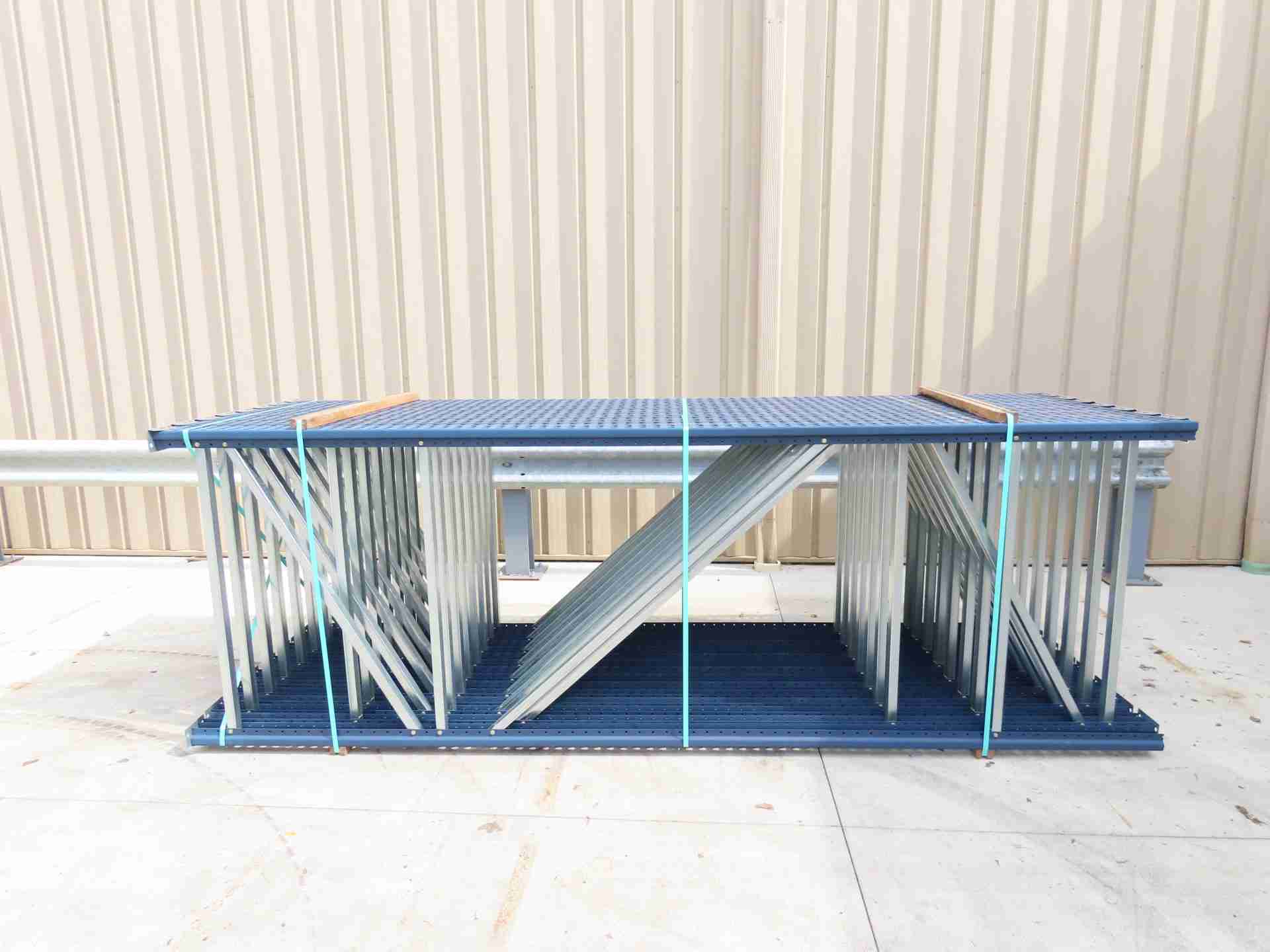
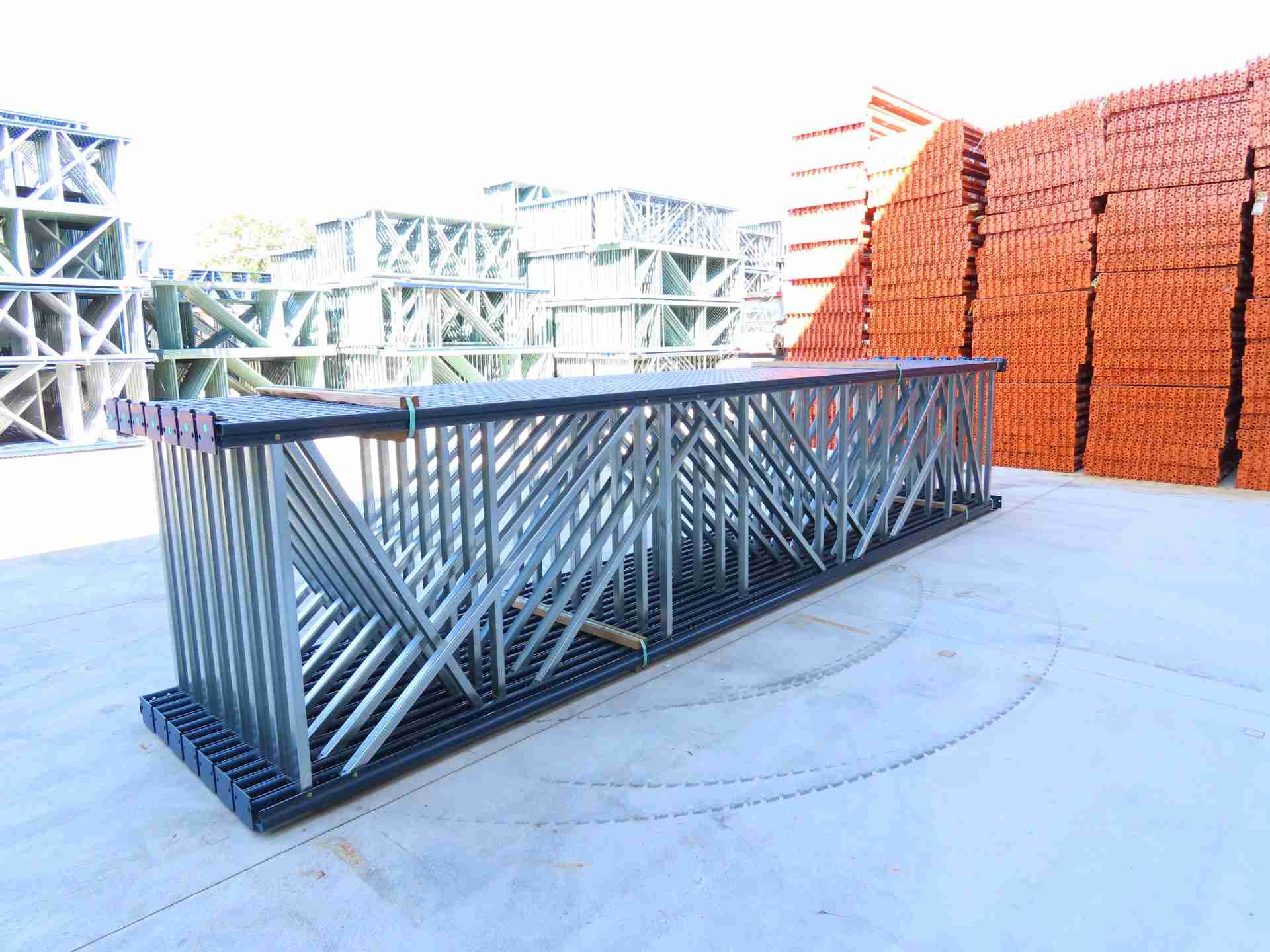
When it comes to Pallet Racking, it’s important to consider the differences in material and construction specifications. There are various types of pallet racking systems available on the market, each with its own set of characteristics that make them suitable for specific applications.
One of the key factors to consider when comparing pallet racking systems is the material used in their construction. Some pallet racking systems are made from heavy-duty steel, while others may be constructed from lighter materials such as aluminum. The choice of material will depend on the weight and size of the items that will be stored on the racks. Heavy-duty steel pallet racking systems are typically more durable and can withstand greater weight capacities, making them ideal for storing large and heavy items. On the other hand, lighter materials like aluminum may be more suitable for lighter loads or environments where corrosion resistance is a priority.
Construction specifications also play a crucial role in determining the suitability of a pallet racking system for a particular application. For example, some pallet racking systems are designed to be easily adjustable, allowing for quick and easy reconfiguration to accommodate changing storage needs. Other systems may feature welded components for added strength and stability. The type of construction specifications required will depend on factors such as the size of the warehouse space, the types of items being stored, and the frequency of item retrieval.
Additionally, it’s important to consider the overall design and layout of the pallet racking system. Some systems are designed to maximize vertical storage space, allowing for increased storage capacity within a smaller footprint. Other systems may prioritize accessibility, with features such as aisle widths and shelving configurations tailored to optimize retrieval times.
When comparing pallet racking systems, it’s crucial to assess the material and construction specifications to determine which system is best suited for your specific needs. Whether you require a heavy-duty steel system for storing large items or a lightweight aluminum system for smaller loads, there are pallet racking options available to meet your requirements. By carefully evaluating these factors, you can select a pallet racking system that maximizes efficiency, safety, and storage capacity in your warehouse or facility.
Is There A Difference In Material And Construction Specifications?
Is There A Difference In Material And Construction Specifications?
- Material and construction specifications are key considerations in pallet racking systems.
- Differences in material like heavy-duty steel and aluminum impact weight capacity and durability.
- Construction specifications such as adjustability and welded components affect suitability for specific applications.
- Design and layout of pallet racking systems vary in terms of vertical storage space and accessibility.
- Assessing material and construction specifications helps in choosing the best system for specific needs.
- Options include heavy-duty steel for large items and aluminum for smaller loads.
- Selecting the right pallet racking system improves efficiency, safety, and storage capacity.
Is There A Difference In Material And Construction Specifications?
How Do Safety Regulations For Pallet Racking Vary Between Standards?
When it comes to Pallet Racking safety regulations, there is no one-size-fits-all approach. Different standards and guidelines exist to ensure that Pallet Racking systems are installed and used in a safe manner. These regulations vary depending on where you are located and what industry you are in.
In the United States, the most commonly followed safety standard for Pallet Racking is set by the Occupational Safety and Health Administration (OSHA). OSHA regulations require that Pallet Racking systems be designed and installed to meet certain specifications, such as weight capacities and anchoring requirements. They also mandate regular inspections and maintenance to ensure that the racking is in good condition and safe to use.
On the other hand, in Europe, the most widely recognized standard for Pallet Racking safety is set by the European Federation of Materials Handling (FEM). FEM guidelines cover similar aspects as OSHA regulations, but may have slight differences in terms of specific requirements or testing procedures. It is important for companies operating in Europe to be familiar with FEM standards to ensure compliance with local regulations.
In Australia, Safe Work Australia sets the safety regulations for Pallet Racking systems. Similar to OSHA and FEM guidelines, these regulations focus on ensuring that racking systems are designed, installed, and maintained properly to prevent accidents and injuries in the workplace. Companies operating in Australia should be aware of these regulations and make sure they are following them to avoid fines or penalties.
Overall, while there may be some differences in the specific requirements of Pallet Racking safety regulations between countries and regions, the underlying goal is the same: to protect workers and prevent accidents in the workplace. Whether you are in the US, Europe, Australia, or elsewhere, it is important to be aware of the applicable standards and guidelines for Pallet Racking to ensure the safety of your employees and the integrity of your warehouse operations.

How Do Safety Regulations For Pallet Racking Vary Between Standards?
How Do Safety Regulations For Pallet Racking Vary Between Standards?
- There is no one-size-fits-all approach to Pallet Racking safety regulations.
- Regulations vary depending on location and industry.
- In the US, OSHA sets safety standards for Pallet Racking.
- In Europe, FEM guidelines are widely recognized for Pallet Racking safety.
- In Australia, Safe Work Australia sets safety regulations for Pallet Racking.
- The goal of all regulations is to protect workers and prevent accidents.
- It is important for companies to be aware of and comply with applicable safety standards.

How Do Safety Regulations For Pallet Racking Vary Between Standards?
Are There Global Regulations For Pallet Racking?
When it comes to the world of pallet racking, there are a few key things to keep in mind. One question that often comes up is whether or not there are global regulations for pallet racking. The truth is, there is no one-size-fits-all answer to this question.
Different countries have different regulations when it comes to pallet racking. Some countries have strict guidelines in place to ensure the safety of workers and the products being stored. In these places, pallet racking systems must meet specific requirements in terms of load capacity , design, and installation . Failure to comply with these regulations can result in fines or other penalties .
On the other hand, there are some countries that have less stringent regulations when it comes to pallet racking. This can make it easier for companies to choose pallet racking systems that may not meet the same safety standards as those in countries with stricter regulations . While this may be more cost-effective in the short term , it can lead to increased risks for workers and products in the long run .
In the absence of global regulations for pallet racking, it is up to individual companies to ensure that their pallet racking systems meet the necessary safety standards . This means working closely with manufacturers and suppliers to choose the right system for their needs and ensuring that it is installed correctly and maintained properly.
One way companies can ensure that their pallet racking systems meet safety standards is by following industry guidelines such as those set forth by organizations like the Rack Manufacturers Institute . These guidelines provide recommendations for the design, installation , and use of pallet racking systems to help ensure the safety of workers and products.
While there may not be global regulations for pallet racking, there are still ways for companies to ensure that their systems are safe and compliant with industry standards . By working closely with manufacturers and suppliers and following industry guidelines , companies can help ensure that their pallet racking systems are up to par .

Are There Global Regulations For Pallet Racking?
Are There Global Regulations For Pallet Racking?
- There are no global regulations for pallet racking.
- Different countries have different regulations for pallet racking.
- Some countries have strict guidelines for pallet racking safety.
- Failure to comply with regulations can result in fines.
- Companies must ensure their pallet racking systems meet safety standards.
- Following industry guidelines can help ensure safety standards are met.
- Working closely with manufacturers can help ensure pallet racking systems are safe and compliant.

Are There Global Regulations For Pallet Racking?
How Do International Standards Compare To U.S. Standards?
When it comes to comparing international standards to U.S. standards, one area where significant differences can be found is in the realm of pallet racking.
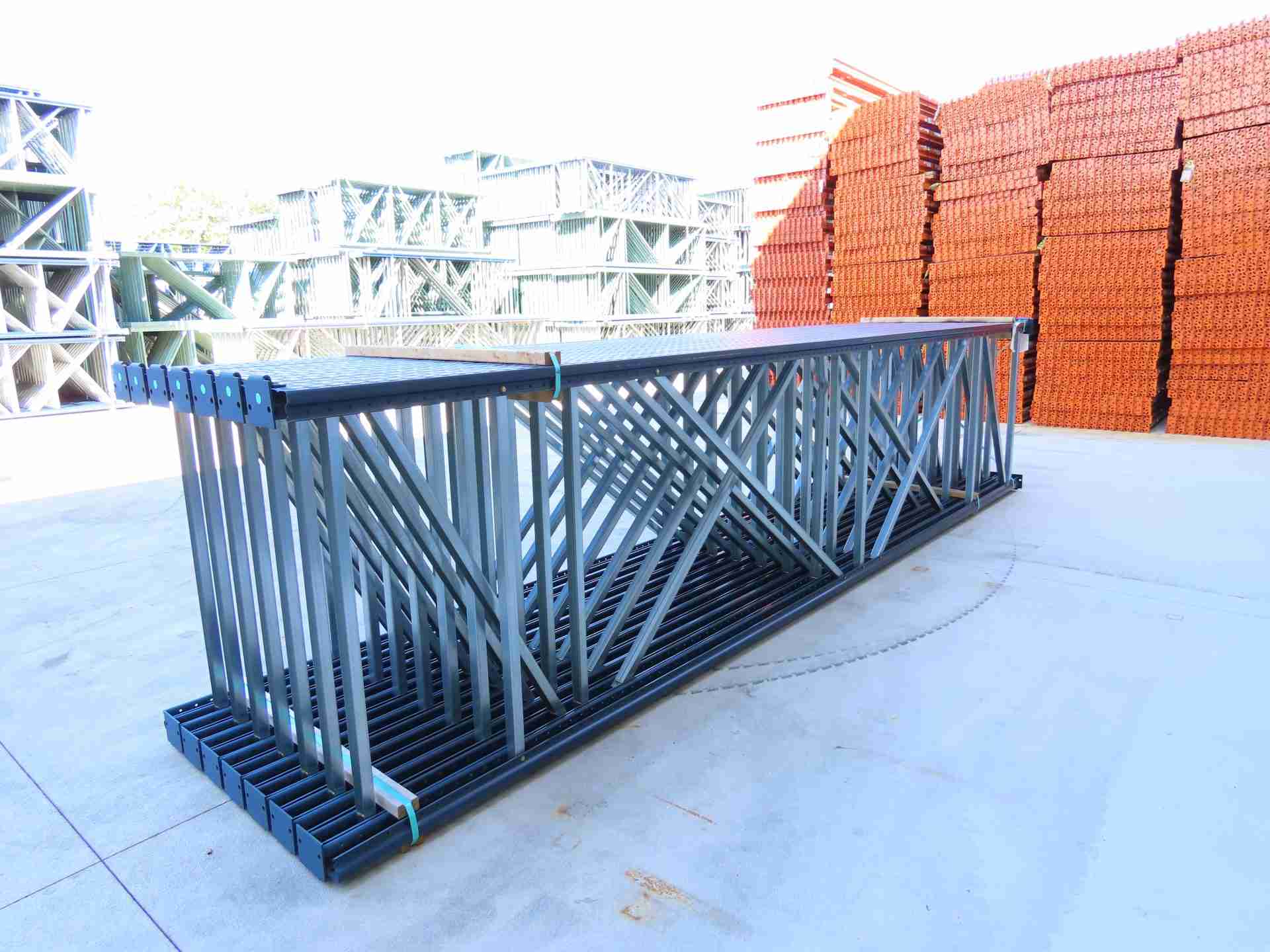
Pallet racking is a crucial element in warehouse operations, providing a safe and efficient way to store goods and materials. However, the standards governing pallet racking can vary significantly between different countries.
In the United States, pallet racking is regulated by organizations such as the Occupational Safety and Health Administration (OSHA) and the Rack Manufacturers Institute (RMI). These standards focus on factors such as the design, installation, and maintenance of pallet racking systems to ensure they are safe and reliable.
On the other hand, international standards for pallet racking may be governed by organizations such as the International Organization for Standardization (ISO) or the European Committee for Standardization (CEN). These standards often take a more global approach, aiming to provide a common set of guidelines that can be applied in various countries.
One notable difference between U.S. and international standards for pallet racking is the focus on specific design requirements. In the U.S., standards may specify precise dimensions, materials, and load capacities for pallet racking components. Meanwhile, international standards may focus more on general principles and performance criteria, allowing for more flexibility in design and implementation.
Another key difference lies in the certification and testing processes. In the U.S., manufacturers of pallet racking systems are typically required to follow strict testing protocols and obtain certifications to ensure compliance with standards. However, international standards may rely more on self-certification and voluntary compliance, leading to potential variations in quality and safety.
Despite these differences, both U.S. and international standards aim to achieve the same ultimate goal: to ensure the safety and efficiency of pallet racking systems. Whether you’re storing goods in a warehouse in the heart of the U.S. or halfway around the world, following the appropriate standards is essential for protecting both workers and materials.
When it comes to pallet racking standards, it’s important to consider both the specific requirements of your location and the broader international guidelines. By understanding the differences and similarities between U.S. and international standards, you can ensure that your pallet racking systems are up to par, no matter where you are.

How Do International Standards Compare To U.S. Standards?
How Do International Standards Compare To U.S. Standards?
- Significant differences in pallet racking standards between international and U.S. standards.
- U.S. standards regulated by OSHA and RMI, focusing on design, installation, and maintenance.
- International standards governed by ISO or CEN, providing common guidelines.
- U.S. standards focus on specific design requirements, while international standards focus on general principles.
- U.S. manufacturers follow strict testing and certification, while international standards may rely on self-certification.
- Both U.S. and international standards aim to ensure safety and efficiency of pallet racking systems.
- Consider specific location requirements and international guidelines for quality and safety.
How Do International Standards Compare To U.S. Standards?
What Are The Key Differences Between The Two Standards?
When it comes to Pallet Racking, there are two main standards that dominate the market: Teardrop and Structural. While both are designed to serve the same purpose of storing goods in an organized manner, there are some key differences between the two that can impact your decision on which to choose for your warehouse.
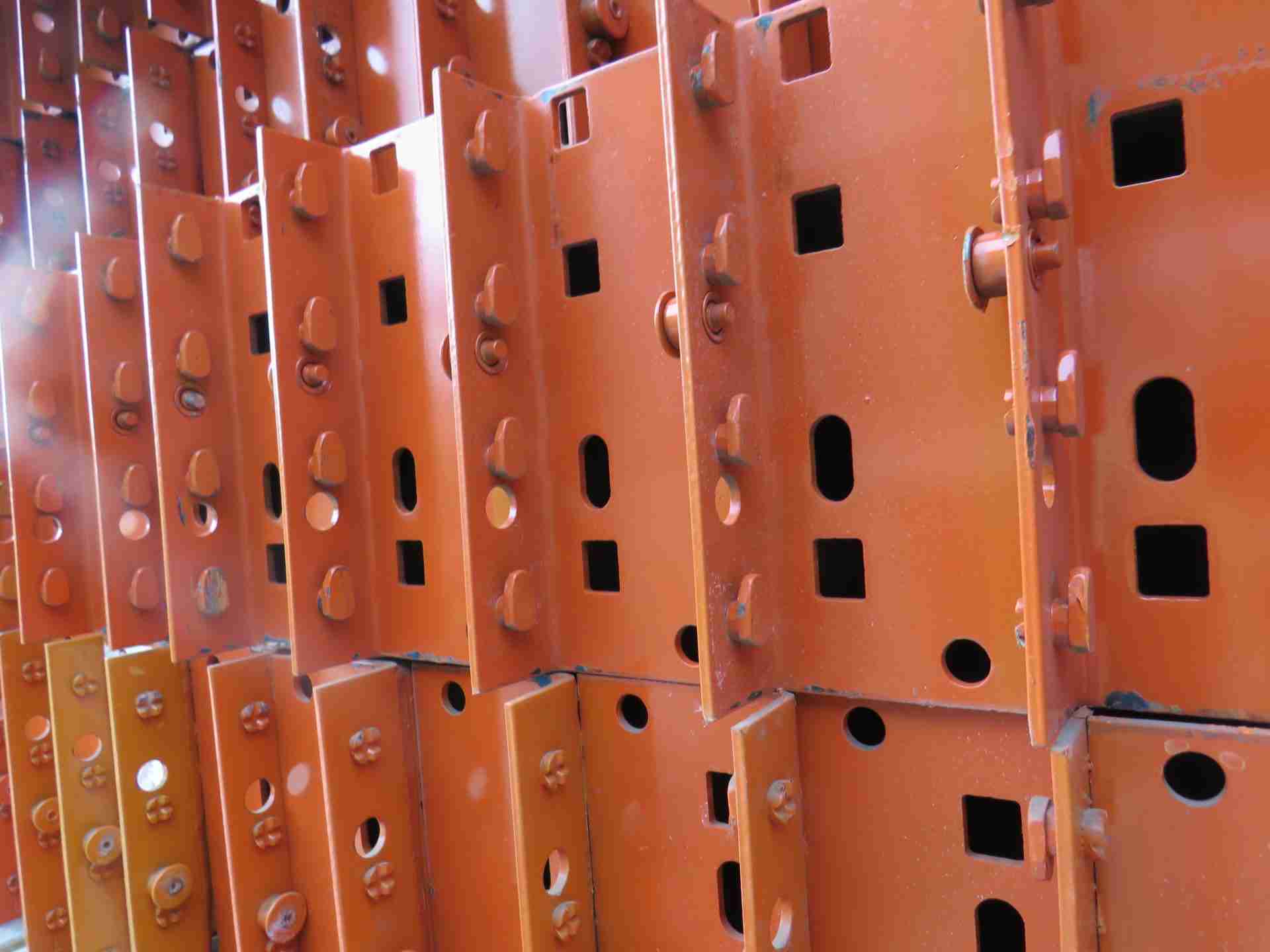
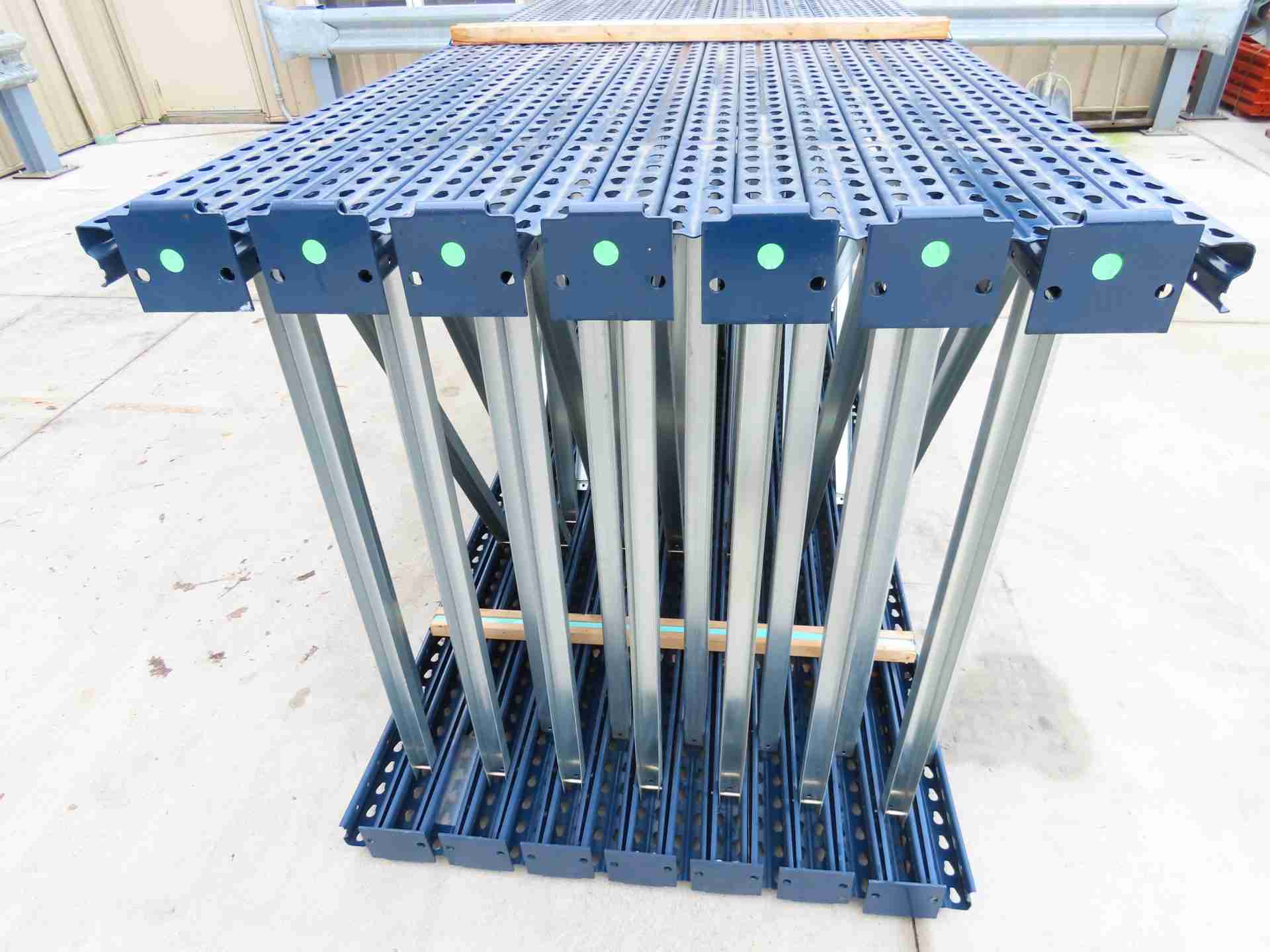
One of the main differences between Teardrop and Structural Pallet Racking is the way they are constructed. Teardrop racking is known for its easy assembly and adjustability, thanks to its unique teardrop-shaped holes on the uprights that allow for quick beam placement without the need for tools. On the other hand, Structural racking is built with solid steel columns and beams, providing a more durable and heavy-duty option for storing heavier loads.
In terms of strength and durability, Structural racking tends to be the superior choice. It is better equipped to withstand impacts from forklifts and other heavy machinery, making it ideal for high-traffic warehouses or environments with extreme conditions. On the other hand, Teardrop racking is more budget-friendly and easier to reconfigure, making it a popular choice for warehouses that are constantly changing their storage needs.
Another important difference between the two standards is their compatibility with other systems. Teardrop racking is known for its versatility and ability to be integrated with a variety of accessories such as wire decks, pallet supports, and row spacers. This makes it a great choice for warehouses that need to customize their storage space. Structural racking, on the other hand, is more limited in terms of accessories and customization options, making it best suited for warehouses with more straightforward storage needs.
When it comes to installation and maintenance, both Teardrop and Structural racking have their own advantages. Teardrop racking is easier and quicker to assemble, making it ideal for warehouses that need to set up their storage system quickly. On the other hand, Structural racking requires more time and effort to install but requires less maintenance in the long run due to its robust construction.
When choosing between Teardrop and Structural Pallet Racking, it ultimately comes down to your specific needs and preferences. Consider factors such as budget, storage requirements, durability, and ease of installation to determine which standard is the best fit for your warehouse.

What Are The Key Differences Between The Two Standards?
What Are The Key Differences Between The Two Standards?
- Teardrop and Structural are the two main standards in Pallet Racking.
- Teardrop racking is easy to assemble and adjust, while Structural racking is more durable.
- Structural racking is better for withstanding impacts from heavy machinery.
- Teardrop racking is more budget-friendly and easier to reconfigure.
- Teardrop racking is versatile and can be integrated with various accessories.
- Teardrop racking is quicker to assemble, while Structural racking requires more time but less maintenance.
- Choose between Teardrop and Structural based on specific needs such as budget, storage requirements, and ease of installation.
What Are The Key Differences Between The Two Standards?
How Do Companies Ensure Compliance With Both Sets Of Standards?
When it comes to ensuring compliance with both sets of standards for Pallet Racking, companies must take a comprehensive approach that covers all aspects of their operations. This means implementing thorough training programs for employees, conducting regular inspections of equipment, and maintaining detailed records of all safety procedures.
One of the most important steps in ensuring compliance is providing proper training for employees who work with Pallet Racking. This training should cover everything from how to safely load and unload pallets to how to properly inspect the equipment for any signs of damage. By ensuring that all employees are well-trained in these procedures, companies can greatly reduce the risk of accidents and injuries in the workplace.
In addition to training, companies must also conduct regular inspections of their Pallet Racking equipment to ensure that it is in good working condition. This means checking for any signs of damage, wear and tear, or other issues that could compromise the safety of the equipment. By conducting these inspections on a regular basis, companies can catch potential problems early on and address them before they lead to more serious issues.
Maintaining detailed records of all safety procedures is also crucial for ensuring compliance with both sets of standards. Companies should keep records of all training sessions, inspections, maintenance activities, and any accidents or incidents that occur in relation to the Pallet Racking equipment. By keeping thorough records, companies can demonstrate their commitment to safety and compliance with industry regulations.
Overall, ensuring compliance with both sets of standards for Pallet Racking requires a proactive and comprehensive approach. By providing proper training, conducting regular inspections, and maintaining detailed records, companies can create a safe and compliant work environment for their employees. This not only helps to prevent accidents and injuries, but also ensures that companies are meeting their legal obligations and industry best practices.

How Do Companies Ensure Compliance With Both Sets Of Standards?
How Do Companies Ensure Compliance With Both Sets Of Standards?
- Implement thorough training programs for employees.
- Conduct regular inspections of equipment.
- Maintain detailed records of all safety procedures.
- Proper training for employees working with Pallet Racking.
- Regular inspections of equipment for signs of damage.
- Maintaining detailed records of safety procedures.
- Proactive and comprehensive approach to ensure compliance.

How Do Companies Ensure Compliance With Both Sets Of Standards?
Are There Any Advantages To Following International Standards?
When it comes to Pallet Racking, some may argue that following international standards is simply more hassle than it’s worth. After all, why go through the trouble of ensuring your warehouse layout conforms to a set of guidelines that may not even apply to your specific needs?
But the truth is, there are actually several advantages to following international standards when it comes to Pallet Racking. For one, these standards are often put in place for a reason – to ensure the safety and efficiency of workers and processes. By adhering to these guidelines, you can help prevent accidents and injuries in your warehouse, saving you time and money in the long run.
In addition, following international standards for Pallet Racking can also improve the overall organization and workflow of your warehouse. When everyone is on the same page and working with a standardized system, it becomes easier to locate and access inventory, leading to faster fulfillment times and reduced errors.
Furthermore, adhering to international standards for Pallet Racking can also make it easier to collaborate with other businesses and suppliers that may have their own set of guidelines to follow. By ensuring your warehouse is up to par with these standards, you can streamline communication and processes, making it easier to work together towards a common goal.
Finally, following international standards for Pallet Racking can also give your business a competitive edge in the global marketplace. Customers and partners from around the world will appreciate your commitment to quality and safety, giving you an advantage over competitors who may not be as diligent in their adherence to these guidelines.
While it may seem like a hassle at first, following international standards for Pallet Racking can actually benefit your business in numerous ways. From improved safety and efficiency to better collaboration and a competitive edge, the advantages of conforming to these guidelines are clear. So next time you’re tempted to cut corners, remember the benefits of following the rules – your bottom line will thank you.

Are There Any Advantages To Following International Standards?
Are There Any Advantages To Following International Standards?
- Following international standards for Pallet Racking ensures safety and efficiency of workers and processes.
- It helps prevent accidents and injuries, saving time and money in the long run.
- Improves organization and workflow, leading to faster fulfillment times and reduced errors.
- Makes it easier to collaborate with other businesses and suppliers with their own guidelines.
- Gives a competitive edge in the global marketplace by showing commitment to quality and safety.
- Benefits include improved safety, efficiency, collaboration, and competitiveness.
- Conforming to international standards for Pallet Racking is beneficial for your business in numerous ways.

Are There Any Advantages To Following International Standards?
What Should Businesses Consider When Choosing A Pallet Racking System?
When it comes to selecting the right pallet racking system for your business, there are a number of important factors to consider. First and foremost, you need to think about the type of products you will be storing on the racks. Different pallet racking systems are designed to accommodate different types of items, so it’s crucial to choose one that will be able to safely and efficiently hold your inventory.
Pallet Racking systems also vary in terms of weight capacity, so you’ll need to determine how much weight each shelf needs to be able to support. It’s essential to have a clear understanding of the weight of your products and the number of pallets you’ll be storing on each rack in order to ensure that you choose a system that can handle the load.
Another key consideration when selecting a pallet racking system is the layout of your warehouse. The size and shape of your warehouse will play a significant role in determining the best racking system for your needs. You’ll need to take into account the height of your ceilings, the size of your aisles, and the amount of space you have available for storage. Some pallet racking systems are designed to maximize vertical space, while others are better suited for warehouses with limited floor space.
In addition to considering the physical layout of your warehouse, you’ll also need to think about how the pallet racking system will fit into your overall logistics strategy. The efficiency of your storage and retrieval processes can have a significant impact on your bottom line, so it’s important to choose a racking system that complements your workflow and helps streamline your operations.
Finally, you’ll want to consider the durability and longevity of the pallet racking system you choose. Investing in high-quality racking that is built to last can help you avoid costly repairs and replacements down the line. Look for systems that are made from strong, sturdy materials and have a proven track record of reliability.
Selecting the right pallet racking system for your business is a decision that shouldn’t be taken lightly. By carefully considering factors such as the type of products you’ll be storing, weight capacity, warehouse layout, workflow efficiency, and durability, you can choose a system that will help optimize your storage space and improve your overall operations.

What Should Businesses Consider When Choosing A Pallet Racking System?
What Should Businesses Consider When Choosing A Pallet Racking System?
- Consider the type of products you will be storing on the racks.
- Determine the weight capacity needed for each shelf.
- Take into account the layout of your warehouse.
- Ensure the racking system fits into your overall logistics strategy.
- Consider the durability and longevity of the system.
- Choose a system that complements your workflow.
- Optimize your storage space and improve overall operations.

What Should Businesses Consider When Choosing A Pallet Racking System?
How Do International Standards Impact Supply Chain Operations?
When it comes to the world of supply chain operations, the impact of international standards cannot be overstated. From the way products are stored to how they are transported, these regulations play a key role in ensuring efficiency and safety throughout the entire process. One area where international standards have a significant impact is in the use of pallet racking.
Pallet racking, which refers to the storage system used to hold pallets of goods in warehouses and distribution centers, must adhere to strict international standards to ensure the safety of workers and the integrity of the products being stored. These standards dictate everything from the height and weight limitations of the racking system to the spacing between shelves and the materials used in construction.
By following these international standards, supply chain operations can ensure that their pallet racking systems are both safe and efficient. For example, regulations around weight limits help prevent overloading, which can lead to collapses and accidents that put workers at risk. Similarly, guidelines on spacing between shelves ensure that products are stored in a way that minimizes damage and allows for easy access during picking and shipping.
In addition to safety considerations, international standards also impact the design and layout of pallet racking systems. By following these regulations, supply chain operations can optimize their storage space, improve inventory management, and increase overall efficiency. For example, guidelines on aisle width and pallet orientation can help reduce the time and labor required to move products in and out of the warehouse.
Furthermore, adherence to international standards can also have financial implications for supply chain operations. Non-compliance with these regulations can result in costly fines and penalties, as well as damage to a company’s reputation. By investing in pallet racking systems that meet these standards, businesses can avoid these risks and ensure that their operations run smoothly and profitably.
International standards have a significant impact on supply chain operations, particularly when it comes to pallet racking systems. By following these regulations, businesses can ensure the safety of their workers, optimize their storage space, and avoid costly penalties. Overall, adherence to these standards is crucial for maintaining efficiency and reliability in the complex world of supply chain management.

How Do International Standards Impact Supply Chain Operations?
How Do International Standards Impact Supply Chain Operations?
- International standards play a key role in supply chain operations, including pallet racking systems.
- Pallet racking systems must adhere to strict international standards to ensure safety and efficiency.
- Standards dictate height, weight limitations, spacing between shelves, and materials used in construction.
- Following international standards can prevent overloading and accidents, ensuring worker safety.
- Adherence to standards can optimize storage space, improve inventory management, and increase efficiency.
- Non-compliance with regulations can result in costly fines and penalties, impacting financial performance.
- Overall, following international standards is crucial for maintaining efficiency and reliability in supply chain management.

How Do International Standards Impact Supply Chain Operations?
Conclusion
In conclusion, when it comes to Pallet Racking, the differences between International Standards and U.S. Standards are not as significant as one might think. While there may be variations in design, terminology, and regulations, the core principles of safety and efficiency remain consistent across the board. Both sets of standards are designed to promote the safety of workers and the integrity of stored goods, regardless of where a pallet racking system is installed. From weight capacity requirements to material and construction specifications, companies must carefully consider these factors when choosing a pallet racking system that meets their specific needs. By ensuring compliance with both sets of standards, companies can create a safe and efficient work environment while optimizing storage space and improving overall operations.
Businesses should also consider the advantages of following international standards for Pallet Racking. By adhering to these guidelines, companies can improve safety, streamline workflow, enhance collaboration with partners, and gain a competitive edge in the global marketplace. While selecting the right pallet racking system requires careful consideration of factors such as product type, weight capacity, warehouse layout, and workflow efficiency, following international standards can help ensure that operations run smoothly and profitably. Ultimately, international standards have a significant impact on supply chain operations, particularly in the realm of pallet racking systems. By adhering to these regulations, businesses can maintain efficiency, reliability, and safety throughout their operations, benefiting both employees and the bottom line. So, whether you’re storing goods in the heart of the U.S. or halfway around the world, following the appropriate standards for pallet racking is essential for success in the modern warehouse landscape.

Conclusion
Conclusion:
- The differences between International Standards and U.S. Standards for Pallet Racking are not as significant as one might think.
- Core principles of safety and efficiency remain consistent across both sets of standards.
- Companies must carefully consider weight capacity requirements, material specifications, and construction specifications when choosing a pallet racking system.
- Adhering to international standards for Pallet Racking can improve safety, streamline workflow, enhance collaboration with partners, and gain a competitive edge.
- Following international standards can help ensure that operations run smoothly and profitably, considering factors such as product type, weight capacity, warehouse layout, and workflow efficiency.
- International standards have a significant impact on supply chain operations, particularly in the realm of pallet racking systems.
- Adhering to appropriate standards for pallet racking is essential for success in the modern warehouse landscape, regardless of location.
Conclusion
Other Resources

Other Resources
Here is a list of other resources you can review online to learn more:
- “Pallet Racking Safety Guidelines: What They Are and How …”
- “pallet racking”
- “Industrial Storage Racks safety”
- “Pallet racking fact sheet | SafeWork NSW”
- “Warehouse Racking Safety Guidelines: Satisfying OSHA”
- “1926.250 – General requirements for storage.”
- “What Does OSHA Have to Say About Pallet Rack Safety?”
- “Pallet Racking Weight Capacity: Why Warehouse …”
- “OSHA Requirements for Warehouse Racking”
- “Pick Modules Increase Fulfillment Rates | Steel Safety …”
- “FAQs”
- “Used Pallet Racking for Sale”
- “6 Standards That Certify Industrial Shelving Units Quality”
- “Seismic Considerations for Steel Storage Racks”
- “Intro to Warehouse Racks & Warehouse Racking Systems”
- “Pallet racking”
- “Pallet Rack | 866-328-5066”

Other Resources
Glossary Terms
Do International Standards for Pallet Racking Differ From U.S. Standards? – Glossary Of Terms
1. ANSI (American National Standards Institute): A private non-profit organization that administers and coordinates the U. S. voluntary standards and conformity assessment system.
2. ISO (International Organization for Standardization): An independent, non-governmental international organization that develops and publishes standards applicable globally.
3. OSHA (Occupational Safety and Health Administration): A U. S. government agency that ensures safe and healthful working conditions by setting and enforcing standards, relevant to pallet racking systems.
4. RMI (Rack Manufacturers Institute): An American trade association that sets guidelines for safe and efficient design, testing, and use of industrial steel storage racks.
5. Eurocode: A set of European standards that provide common design principles and calculation methods for the structural integrity of buildings and civil engineering works, applicable to pallet racking in Europe.
6. Load Capacity: The maximum load that a pallet rack can safely hold, commonly specified in both U. S. Standards (RMI) and international standards.
7. Deflection: The degree to which a structural element (like a beam in a pallet rack) can bend under load. Both U. S. and international standards specify acceptable levels of deflection.
8. Seismic Considerations: Design and installation criteria to ensure stability under seismic activity, highlighting discrepancies between U. S and international standards in earthquake-prone areas.
9. Welded Frame Construction: A type of assembly method for pallet racks that is common in the U. S. , often contrasted with bolted construction prevalent in other regions.
10. Environmental Conditions: The specific climate and environmental factors considered in the pallet racking standards, such as temperature and humidity, which may differ internationally.
11. Load Distribution: Guidelines on how loads should be distributed across pallet racking to maintain stability, varying slightly between U. S. and international norms.
12. Aisle Width: The required clearance space between rows of pallet racking, which might be subject to differing standards for operational efficiency and safety.
13. Safety Factor: The ratio used to provide a safety margin in design, which can vary between countries. This relates to the difference in potential over-engineering.
14. Boltless Racking: A type of pallet racking assembly that avoids bolts, more common in Europe, compared to the bolted systems frequently found in the U. S.
15. Fire Safety Standards: Regulations regarding the fire-resistance and flammability of pallet racking materials, which can differ significantly between regions.
16. Pallet Configuration: Differences in pallet design that affect racking systems, such as the use of different pallet dimensions between the U. S. and Europe.
17. Testing Protocols: The specific methodologies used to test the safety and durability of pallet racking systems, which may vary internationally in terms of rigor and frequency.
18. GMP (Good Manufacturing Practice): These guidelines ensure that products are consistently produced and controlled according to quality standards, relevant to both U. S. and international racking standards for storage.
19. Corrosion Resistance: Standards governing the resistance of pallet racking materials to corrosion, particularly important in differing environmental standards across regions.
20. Bracing: The structural elements that provide lateral support to pallet racking, which may have different design requirements in U. S. versus international standards.
21. Footplates: The base plates of pallet racking, necessary for stability and load distribution, may have different specifications depending on national standards.
22. Inspection Frequency: The mandated frequency of safety inspections for pallet racking systems, which can vary significantly between the U. S. and other countries.
23. Shelving Load Limits: The maximum permissible load for individual shelving units, as specified in U. S. versus international guidelines.
24. Material Specifications: The different material quality and types permitted for use in pallet racking systems in various international standards.
25. Rack End Protection: Safety measures such as guards or buffers at the ends of racking rows. The design requirements for these can vary between U. S. and international standards.
26. Accessibility Standards: Guidelines ensuring that pallet racking systems allow for safe and efficient access for maintenance and usage, which differ depending on regional codes.
27. Dynamic vs. Static Loads: The differentiation between loads that are stationary and those in motion, with different standards applicable for each type in the U. S. and internationally.
28. Rack Alignment: Standards for the precision and alignment of erected pallet racking systems, ensuring uniformity and stability across different regions.
29. Floor Anchorage: The requirements for securing pallet racks to the floor, which may have different criteria in terms of anchor types and placement in various standards.
30. Modular Design: The adaptability of pallet racking systems to be reconfigured or expanded, with design criteria that may differ internationally.
Understanding these terms can provide a comprehensive overview of both the commonalities and unique aspects of U. S. and international standards for pallet racking systems.
Other Questions
Do International Standards for Pallet Racking Differ From U.S. Standards? – Other Questions
If you wish to explore and discover more, consider looking for answers to these questions:
- What are the primary differences between U.S. and international standards for pallet racking?
- How do weight capacity requirements compare between U.S. and international standards?
- How do material and construction specifications differ between these standards?
- What are the various safety regulations for pallet racking in different countries?
- Are there any global regulations for pallet racking, and how are they enforced?
- How do international standards compare to U.S. standards in terms of design and performance criteria?
- What are the key distinctions between Teardrop and Structural pallet racking systems?
- How do companies ensure compliance with both U.S. and international standards for pallet racking?
- What are the advantages of adhering to international pallet racking standards?
- What factors should businesses consider when selecting a pallet racking system?
- How do international standards impact overall supply chain operations and logistics?

Other Questions
Checklist
Do International Standards for Pallet Racking Differ From U.S. Standards? – A Checklist
1. Understanding Terminology:
_____ Identify the different terms used for pallet racking (e. g. , “Selective Pallet Rack” in the U. S. vs. “Adjustable Pallet Racking” in other countries).
_____ Familiarize yourself with terms specific to Cantilever Racking and their variations.
2. Compliance with Regulations:
_____ Research U. S. standards set by OSHA (Occupational Safety and Health Administration) and RMI (Rack Manufacturers Institute).
_____ Identify international standards set by organizations such as ISO (International Organization for Standardization), CEN (European Committee for Standardization), and FEM (European Federation of Materials Handling).
_____ Understand local regulatory bodies and their requirements (e. g. , Safe Work Australia).
3. Weight Capacity Requirements:
_____ Determine the weight capacity for Pallet Racking (typically 2,000 to 3,000 pounds per pallet position).
_____ Identify weight capacity specifics for Cantilever Racking (usually 500 to 1,500 pounds per arm level).
_____ Assess the nature of goods stored to choose the appropriate weight capacity.
4. Material and Construction Specifications:
_____ Compare materials used—heavy-duty steel vs. aluminum.
_____ Evaluate durability and weight-bearing capacity.
_____ Understand the importance of construction specifications such as welded components or adjustable designs.
5. Safety Regulations:
_____ Know the specific OSHA guidelines and requirements for regular inspections and maintenance.
_____ Understand safety standards set by FEM and Safe Work Australia and how they compare to OSHA.
_____ Establish a regular inspection and maintenance schedule to ensure safety compliance.
6. Global Regulations:
_____ Identify countries with strict vs. lax regulations.
_____ Understand the implications of non-compliance, including potential fines or penalties.
_____ Follow industry guidelines from bodies like the Rack Manufacturers Institute (RMI).
7. Differences Between Standards:
_____ Compare specific design and performance principles between U. S. and international standards.
_____ Analyze certification and testing processes across different regions.
_____ Recognize differences in flexibility and generality between the standards.
8. Choosing a Pallet Racking System:
_____ Type of products and inventory specifics.
_____ Weight capacity and load considerations.
_____ Warehouse layout, including ceiling height and aisle width.
_____ Workflow efficiency and integration with existing logistics.
_____ Durability and long-term reliability of materials used.
9. Ensuring Compliance:
_____ Implement thorough employee training programs.
_____ Conduct regular inspections and keep detailed records.
_____ Maintain compliance documentation for audits and regulatory assessments.
10. Advantages of International Standards:
_____ Ensuring safety and preventing accidents.
_____ Improving organization and workflow efficiency.
_____ Streamlining collaboration with global partners.
_____ Gaining a competitive edge by demonstrating commitment to high standards.
11. Impact on Supply Chain Operations:
_____ Adhere to standards for safety and efficiency in pallet racking.
_____ Optimize warehouse design and inventory management.
_____ Avoid financial penalties and maintain a stellar reputation.
_____ Improve overall operational reliability and productivity.
Use this checklist to ensure that your business adheres to both international and U.S. standards for pallet racking systems, thereby optimizing safety, efficiency, and compliance within your warehouse operations.

Checklist
At RackingWorld, we help guide you through selecting warehouse storage systems and racking.
Be sure to read our other related stories at RackingWorld to learn more about warehouse storage systems.
0 Comments