
Maximizing Efficiency And Safety In Pallet Racking
By Tom Seest
At RackingWorld, we help guide you through selecting warehouse storage systems and racking.
Be sure to read our other related stories at RackingWorld to learn more about warehouse storage systems.
What Are Common Mistakes Made with Pallet Racking Systems?
When it comes to pallet racking systems, there are a number of common mistakes that can be made that compromise the safety and efficiency of your warehouse. Let’s take a look at some of the most common pitfalls that you’ll want to avoid.
One of the biggest mistakes that people make with pallet racking systems is overloading them. It can be tempting to try and cram as much product onto your shelves as possible, but this can put your entire system at risk. Each racking system is designed to hold a specific weight capacity, and exceeding that can lead to structural damage or even collapse. To avoid this, make sure you are familiar with the weight capacities of your racks and stick to them.
Another common mistake is improper installation. It may seem simple to put together a pallet racking system, but it’s actually a complex process that requires careful attention to detail. If your racks are not installed correctly, they can become unstable and unsafe. Make sure that you follow the manufacturer’s instructions closely and consider hiring a professional to handle the installation if you’re unsure.
Lack of regular inspections is another mistake that can have serious consequences. Just because your pallet racking system is up and running doesn’t mean that you can ignore it. Regular inspections are essential for identifying any damage or wear and tear that could compromise the safety of your system. Make sure to inspect your racks on a regular basis and address any issues promptly.
Not using the right accessories for your pallet racking system is another mistake that can impact its performance. Whether it’s the wrong type of beam, a missing safety pin, or improper bracing, using the wrong accessories can compromise the stability and strength of your racks. Make sure that you are using the right accessories for your specific system and replace any damaged or missing parts as soon as possible.
There are several common mistakes that can be made with pallet racking systems that compromise their safety and efficiency. By avoiding overloading, ensuring proper installation, conducting regular inspections, and using the right accessories, you can ensure that your system is functioning at its best. Remember, a little attention to detail now can prevent a major disaster later on.

What Are Common Mistakes Made with Pallet Racking Systems?
What Are Common Mistakes Made with Pallet Racking Systems?
- Overloading the pallet racking system.
- Improper installation of the racking system.
- Lack of regular inspections.
- Not using the right accessories.
- Avoid overloading to prevent structural damage or collapse.
- Follow manufacturer’s instructions for installation.
- Regular inspections are essential for identifying any damage or wear.

What Are Common Mistakes Made with Pallet Racking Systems?
Table Of Contents
- What Are Common Mistakes Made with Pallet Racking Systems?
- Are Pallet Racking Systems Properly Installed And Maintained?
- How Often Should Pallet Racks Be Inspected For Safety?
- Are Weight Limits Being Exceeded On Pallet Shelves?
- Are Workers Trained On Proper Pallet Stacking Techniques?
- How Can Pallet Racking Be Optimized For Better Space Utilization?
- Are Racks Being Overloaded With Too Many Pallets?
- Are Damaged Pallet Racks Being Repaired Or Replaced?
- What Are The Consequences Of Improper Pallet Racking Methods?
- Conclusion
- Other Resources
- Glossary Of Terms
- Other Questions
- Checklist
Are Pallet Racking Systems Properly Installed And Maintained?
When it comes to pallet racking systems, proper installation and maintenance are critical in ensuring the safety and efficiency of your warehouse operations.
Installing a pallet racking system may seem straightforward, but it requires careful planning and attention to detail. Each component must be assembled correctly, with appropriate bracing and anchoring to ensure stability. Failure to do so can result in collapsed racks, damaged inventory, and even injury to workers.
Proper maintenance of pallet racking systems is just as important as the initial installation. Regular inspections should be conducted to check for signs of damage, wear, or overloading. Any issues should be promptly addressed to prevent further deterioration of the system. This includes repairing or replacing damaged components, adjusting beam levels, and reinforcing weak areas.
One common problem in pallet racking systems is overloading. Exceeding the weight capacity of the racks can cause them to buckle or collapse, creating a serious safety hazard. It is important to train employees on proper weight limits and loading techniques to prevent overloading.
Another issue that often arises is inadequate anchoring. If the racks are not securely anchored to the floor, they can shift or tip over when loaded with heavy pallets. Proper anchoring is essential for stability and safety, so it is important to follow the manufacturer’s recommendations and use the correct hardware for securing the racks.
Regular inspections should also include checking for signs of corrosion or rust. Exposure to moisture or harsh environments can cause metal racking components to deteriorate over time. Any signs of corrosion should be addressed immediately to prevent structural weakness and potential failure.
Pallet racking systems must be properly installed and maintained to ensure the safety and functionality of your warehouse operations. Taking shortcuts or neglecting maintenance can lead to costly damage, injuries, and downtime. By following best practices for installation and maintenance, you can extend the lifespan of your racking system and create a safer work environment for your employees.

Are Pallet Racking Systems Properly Installed And Maintained?
Are Pallet Racking Systems Properly Installed And Maintained?
- Proper installation and maintenance are critical for pallet racking systems.
- Each component must be assembled correctly with appropriate bracing and anchoring.
- Regular inspections should be conducted to check for damage or overloading.
- Overloading can cause racks to collapse, so proper weight limits should be followed.
- Inadequate anchoring can lead to shifting or tipping of racks.
- Checking for corrosion or rust is important to prevent structural weakness.
- Following best practices for installation and maintenance can create a safer work environment.

Are Pallet Racking Systems Properly Installed And Maintained?
How Often Should Pallet Racks Be Inspected For Safety?
When it comes to safety in the workplace, there are few things more important than ensuring that your equipment is in good working order. Pallet racks are no exception. These sturdy structures are essential for storing heavy items and keeping your warehouse organized. But like any equipment, pallet racks can wear down over time and become a safety hazard if not properly maintained.
So, how often should pallet racks be inspected for safety? Well, the short answer is: regularly. But what exactly does that mean? It’s not like you need to have someone checking your pallet racks every hour on the hour. Instead, it’s important to establish a routine schedule for inspections to ensure that everything is in proper working order.
One common recommendation is to have pallet racks inspected at least once a year by a qualified professional. This can help catch any potential issues early on before they become major problems. In addition to annual inspections, it’s also a good idea to visually inspect your pallet racks on a more frequent basis. This can be as simple as looking for signs of wear and tear, damage, or overloading.
Beyond regular inspections, there are a few key things to keep in mind when it comes to pallet rack safety. First, make sure to follow all manufacturer guidelines when it comes to weight limits and load capacities. Overloading your pallet racks can cause them to become unstable and potentially collapse, leading to serious injuries or damage.
Second, be sure to educate your employees on proper use and maintenance of pallet racks. This can help prevent accidents and ensure that everyone is working together to maintain a safe workplace. Finally, always be on the lookout for any signs of damage or wear and tear, such as bent or rusted beams, missing or damaged hardware, or leaning racks. If you notice any of these issues, it’s important to address them immediately to avoid any potential safety hazards.
The safety of your pallet racks is not something to take lightly. By establishing a regular inspection schedule, following manufacturer guidelines, educating your employees, and keeping an eye out for signs of damage, you can help ensure that your warehouse remains a safe and productive environment. Remember, safety first!

How Often Should Pallet Racks Be Inspected For Safety?
How Often Should Pallet Racks Be Inspected For Safety?
- Regularly inspect pallet racks to ensure they are in good working order.
- Recommendation: Have pallet racks inspected at least once a year by a qualified professional.
- Visually inspect pallet racks more frequently for signs of wear and tear, damage, or overloading.
- Follow manufacturer guidelines for weight limits and load capacities to prevent instability.
- Educate employees on proper use and maintenance of pallet racks to prevent accidents.
- Be vigilant for signs of damage or wear and tear such as bent beams, rusted hardware, or leaning racks.
- Address any issues immediately to avoid safety hazards and maintain a safe workplace.

How Often Should Pallet Racks Be Inspected For Safety?
Are Weight Limits Being Exceeded On Pallet Shelves?
When it comes to storing products on pallet shelves, it’s crucial to adhere to weight limits set by manufacturers. Ignoring these limits can lead to catastrophic consequences, including collapse of the shelves, damage to products, and potentially serious injury to workers.
One of the biggest mistakes made in warehouses and storage facilities is exceeding the weight limits of pallet shelves. This can happen for a variety of reasons, but most often it’s due to a combination of ignorance, carelessness, and cost-cutting. Some facility managers may not even be aware of the weight limits, while others may choose to overlook them in order to maximize space and store more products.
But exceeding weight limits on pallet shelves is not a problem that can be ignored. It’s a dangerous game of chance that can have serious repercussions. Just because shelves have held a certain weight in the past doesn’t mean they can continue to do so indefinitely. Over time, wear and tear can weaken the shelves, making them more susceptible to failure when overloaded.
So, what can be done to prevent weight limits from being exceeded on pallet shelves? First and foremost, facility managers need to educate themselves and their employees on the weight limits set by the shelf manufacturers. These limits are not arbitrary – they are carefully calculated based on the materials used, the design of the shelves, and industry standards. Exceeding these limits is a recipe for disaster, plain and simple.
In addition to education, regular inspections of pallet shelves should be conducted to ensure they are in good condition and not showing signs of wear and tear. If any damage is detected, shelves should be repaired or replaced immediately to prevent a potential collapse. It’s also important to establish clear guidelines for loading shelves, such as placing heavier items on lower shelves and distributing weight evenly across the shelves.
Ultimately, the safety and well-being of workers should be the top priority in any warehouse or storage facility. By adhering to weight limits on pallet shelves and taking proactive measures to prevent overloading, facility managers can create a safer work environment for everyone involved. Remember, it’s better to be safe than sorry – no amount of cost-cutting is worth risking lives.

Are Weight Limits Being Exceeded On Pallet Shelves?
Are Weight Limits Being Exceeded On Pallet Shelves?
- Adhering to weight limits on pallet shelves is crucial to prevent catastrophic consequences.
- Exceeding weight limits is a common mistake due to ignorance, carelessness, and cost-cutting.
- Shelves can weaken over time, increasing the risk of collapse when overloaded.
- Facility managers should educate themselves and employees on weight limits set by manufacturers.
- Regular inspections of pallet shelves should be conducted to check for wear and tear.
- Clear guidelines for loading shelves should be established to prevent overloading.
- Ensuring the safety of workers should be the top priority in any warehouse or storage facility.

Are Weight Limits Being Exceeded On Pallet Shelves?
Are Workers Trained On Proper Pallet Stacking Techniques?
When it comes to proper pallet stacking techniques, many companies overlook the importance of training their workers in this crucial skill. A properly stacked pallet not only ensures the safety of its contents during transportation, but also maximizes efficiency in the warehouse.
Unfortunately, many workers are not given adequate training in pallet stacking techniques, leading to poorly stacked pallets that are unstable and prone to collapsing. This not only poses a safety risk to the workers handling the pallets, but also increases the likelihood of damage to the products being transported.
Proper training in pallet stacking techniques is essential for all workers who handle pallets on a regular basis. This training should include instruction on how to properly distribute weight on the pallet, how to stack boxes and other items to maximize stability, and how to securely wrap and secure the load.
By providing workers with the proper training in pallet stacking techniques, companies can greatly reduce the risk of accidents and injuries in the workplace. Workers who are confident in their ability to stack pallets correctly are also likely to be more efficient and productive in their work.
In addition to safety and efficiency considerations, proper pallet stacking techniques can also have a significant impact on a company’s bottom line. Poorly stacked pallets are more likely to shift and tip during transportation, leading to damaged goods and costly product losses. By investing in proper training for their workers, companies can reduce the risk of product damage and increase their overall profitability.
Overall, proper training in pallet stacking techniques is vital for ensuring the safety of workers, the efficiency of warehouse operations, and the profitability of a company. By prioritizing this important skill and providing workers with the necessary training, companies can create a safer and more productive work environment for all employees involved in pallet handling.

Are Workers Trained On Proper Pallet Stacking Techniques?
Are Workers Trained On Proper Pallet Stacking Techniques?
- Properly stacked pallets ensure safety during transportation and maximize warehouse efficiency.
- Workers often lack adequate training in pallet stacking, leading to unstable and unsafe pallets.
- Training in pallet stacking should include weight distribution, stacking techniques, and load securing.
- Proper training reduces accidents, injuries, and increases worker productivity.
- Poorly stacked pallets can lead to damaged goods and increased product losses.
- Investing in worker training improves safety, efficiency, and company profitability.
- Prioritizing pallet stacking training creates a safer and more productive work environment.

Are Workers Trained On Proper Pallet Stacking Techniques?
How Can Pallet Racking Be Optimized For Better Space Utilization?
When it comes to maximizing space utilization in your warehouse or distribution center, optimizing your pallet racking system is key. Pallet racking, when used efficiently, can help you make the most of your available space and improve your operational efficiency.
One way to optimize your pallet racking system for better space utilization is by utilizing different types of racking systems to fit your specific needs. There are various types of pallet racking available, including selective racking, drive-in racking, push-back racking, and pallet flow racking. Each type has its own advantages and is suited for different types of inventory storage. By choosing the right type of pallet racking for your inventory needs, you can maximize your storage capacity and make the most of your available space.
Another way to optimize your pallet racking system is by organizing your inventory in a way that maximizes space utilization. This means grouping similar items together and organizing them in a logical and efficient manner. By organizing your inventory in this way, you can reduce wasted space and make it easier to access and retrieve items as needed.
In addition, implementing a proper inventory management system can help you optimize your pallet racking system for better space utilization. By keeping track of inventory levels, turnover rates, and storage requirements, you can ensure that your pallet racking system is being used efficiently and effectively. This can help you avoid overstocking, stockouts, and other common inventory management issues that can waste space and reduce operational efficiency.
Regular maintenance and inspections of your pallet racking system are also important for optimizing space utilization. By keeping your racking system in good condition and addressing any damage or wear and tear promptly, you can ensure that your racking system is safe, secure, and maximizing space utilization. Regular inspections can help you identify and address any issues before they become bigger problems that could impact your space utilization and operational efficiency.
Overall, optimizing your pallet racking system for better space utilization requires careful planning, organization, and maintenance. By choosing the right type of pallet racking, organizing your inventory effectively, implementing a proper inventory management system, and conducting regular maintenance and inspections, you can make the most of your available space and improve your operational efficiency.

How Can Pallet Racking Be Optimized For Better Space Utilization?
How Can Pallet Racking Be Optimized For Better Space Utilization?
- Utilize different types of racking systems such as selective, drive-in, push-back, and pallet flow.
- Organize inventory to maximize space utilization by grouping similar items together.
- Implement a proper inventory management system to track inventory levels and turnover rates.
- Regular maintenance and inspections of pallet racking system to address any damage promptly.
- Choose the right type of pallet racking for your inventory needs.
- Organize inventory in a logical and efficient manner to reduce wasted space.
- Conduct regular maintenance and inspections to ensure safety and security of the racking system.

How Can Pallet Racking Be Optimized For Better Space Utilization?
Are Racks Being Overloaded With Too Many Pallets?
I’ve seen my fair share of warehouses in my time, and I gotta say, it seems like some folks just aren’t playing it safe when it comes to stacking pallets on racks. Now, I get it – time is money, and every inch of storage space counts. But when it comes to safety, cutting corners just isn’t worth the risk.
One of the biggest issues I see is racks being overloaded with too many pallets. Sure, it might seem like a good idea to cram as many pallets onto a rack as possible to maximize storage space, but the reality is, this can create a dangerous situation. Racks are designed to hold a certain weight limit, and exceeding that limit can put both employees and inventory at risk.
When racks are overloaded, the chance of a collapse increases significantly. Not only can this result in damaged inventory, but it can also cause serious injury or even death to employees working nearby. I’ve heard plenty of horror stories of racks giving out under the weight of too many pallets, and believe me, it’s not a situation anyone wants to be in.
Not only does overloading racks pose a safety risk, but it can also lead to inefficiencies in the warehouse. When racks are packed too tightly, it can be difficult for employees to access inventory quickly and efficiently. This can lead to delays in processing orders, which can ultimately impact the bottom line.
So what’s the solution? It’s simple – follow the manufacturer’s guidelines for rack capacity and don’t overload them with too many pallets. When stacking pallets, make sure to leave enough space between them to allow for proper airflow and visibility. And when in doubt, err on the side of caution – it’s always better to be safe than sorry.
Remember, safety should always be the top priority in any warehouse setting. So take the time to properly stack pallets on racks and ensure that you’re not putting anyone at risk. By playing it safe and following guidelines, you can prevent accidents and create a more efficient and effective workplace for everyone involved.

Are Racks Being Overloaded With Too Many Pallets?
Are Racks Being Overloaded With Too Many Pallets?
- Overloading racks with too many pallets can lead to dangerous situations.
- Racks have weight limits that should not be exceeded to prevent collapses.
- Collapses can result in damaged inventory and injuries to employees.
- Overloaded racks can also cause inefficiencies in the warehouse.
- Employees may have difficulty accessing inventory quickly and delays in processing orders may occur.
- Follow the manufacturer’s guidelines for rack capacity and leave enough space between pallets for airflow.
- Prioritize safety in the warehouse to prevent accidents and create a more efficient workplace.

Are Racks Being Overloaded With Too Many Pallets?
Are Damaged Pallet Racks Being Repaired Or Replaced?
In the world of warehouse management, the question of whether to repair or replace damaged pallet racks is a common dilemma. These racks are crucial for storing and organizing goods in a warehouse, but over time they can become damaged from forklift collisions, overloading, or general wear and tear.
Some warehouse managers might opt to repair damaged pallet racks as a cost-effective solution. By welding or reinforcing the damaged area, they can extend the lifespan of the rack and avoid the expense of purchasing a new one. However, there are drawbacks to this approach. Repaired racks may not be as structurally sound as they were before the damage occurred, putting employees and inventory at risk. Additionally, constant repairs can add up in terms of both time and money, potentially outweighing the initial cost savings.
On the other hand, replacing damaged pallet racks is a more straightforward and reliable solution. New racks are designed to meet current safety standards, ensuring the well-being of employees and the stability of stored goods. While the upfront cost of purchasing new racks may be higher than repairing damaged ones, in the long run, it can prove to be a more cost-effective option. By investing in quality racks, warehouse managers can reduce the risk of future damage and the need for frequent repairs.
When deciding whether to repair or replace damaged pallet racks, warehouse managers should consider a few key factors. The extent of the damage and how it affects the overall integrity of the rack is crucial. If the damage is severe enough to compromise the structural integrity of the rack, replacement may be the safest option. Likewise, the frequency of damage to a particular area of the warehouse should also be taken into account. If a particular section of pallet racks is constantly being damaged, it may be more efficient to replace them with more durable racks rather than investing in repeated repairs.
Ultimately, the decision to repair or replace damaged pallet racks should prioritize the safety of employees and the security of stored inventory. While repairing damaged racks may offer a temporary solution, replacing them with new, quality racks can provide a long-term solution that minimizes risk and maximizes efficiency in the warehouse. So the question remains: are damaged pallet racks being repaired or replaced? The answer lies in finding the balance between cost-effectiveness and safety in warehouse management.

Are Damaged Pallet Racks Being Repaired Or Replaced?
Are Damaged Pallet Racks Being Repaired Or Replaced?
- Repairing damaged pallet racks can be a cost-effective solution by extending their lifespan.
- However, repaired racks may not be as structurally sound, potentially putting employees and inventory at risk.
- Constant repairs can add up in terms of time and money, outweighing initial cost savings.
- Replacing damaged pallet racks is a more reliable solution that meets safety standards.
- While the upfront cost may be higher, it can prove to be more cost-effective in the long run.
- Key factors to consider when deciding include the extent of the damage and the frequency of damage in the warehouse.
- Prioritizing the safety of employees and the security of stored inventory is essential in making the decision.

Are Damaged Pallet Racks Being Repaired Or Replaced?
What Are The Consequences Of Improper Pallet Racking Methods?
Improper pallet racking methods can have serious consequences in a warehouse setting. It may seem like a small mistake, but the repercussions can be far-reaching and impactful on both the safety of workers and the efficiency of operations.
One major consequence of improper pallet racking methods is the risk of accidents and injuries. When pallets are not stacked correctly or secured properly, they can easily fall, causing damage to products and putting workers in harm’s way. In a bustling warehouse environment, where time is of the essence and deadlines must be met, the last thing anyone needs is an avoidable accident slowing down productivity.
Furthermore, improper pallet racking can lead to damage to products and equipment. When pallets are not stored securely, they are more likely to shift or fall, potentially damaging the goods stored on them. This can result in financial losses for the company and wasted time spent replacing or repairing damaged items.
In addition to safety hazards and damaged goods, inefficient pallet racking methods can also lead to a decrease in overall productivity. When items are not stored in an organized and accessible manner, workers may struggle to locate and retrieve them quickly. This can lead to delays in fulfilling orders, as well as wasted time spent searching for misplaced items.
Another consequence of improper pallet racking methods is the potential for non-compliance with regulations and standards. Many industries have specific guidelines for how pallets should be stored and secured, and failure to comply with these regulations can result in fines, penalties, or even legal action. Taking shortcuts when it comes to pallet racking may seem like a time-saving measure in the short term, but it can ultimately end up costing a company dearly in the long run.
Proper pallet racking methods are essential for maintaining a safe and efficient warehouse environment. By taking the time to stack and secure pallets correctly, companies can avoid accidents, prevent damage to products, increase productivity, and ensure compliance with industry standards. It may require a little extra effort and attention to detail, but the consequences of improper pallet racking methods make it more than worth it in the end.

What Are The Consequences Of Improper Pallet Racking Methods?
What Are The Consequences Of Improper Pallet Racking Methods?
- Improper pallet racking methods can have serious consequences in a warehouse setting:.
- Risk of accidents and injuries.
- Damage to products and equipment.
- Decrease in overall productivity.
- Non-compliance with regulations and standards.
- Accidents and injuries can occur when pallets are not stacked correctly or secured properly, causing damage to products and risking worker safety.
- Damaged goods can result from pallets not being stored securely, leading to financial losses and wasted time on replacements or repairs.
- Inefficient pallet racking methods can lead to decreased productivity due to disorganization and difficulty in locating items quickly.
- Non-compliance with industry standards for pallet storage can result in fines, penalties, or legal action, outweighing potential time-saving shortcuts.
- Proper pallet racking methods are crucial for a safe and efficient warehouse environment, preventing accidents, damage, and compliance issues.

What Are The Consequences Of Improper Pallet Racking Methods?
Conclusion
In conclusion, when it comes to pallet racking systems, maximizing efficiency and safety should be the top priorities for warehouse managers. Common mistakes such as overloading racks, improper installation, lack of regular inspections, and using the wrong accessories can compromise the integrity of the system. To avoid these pitfalls, it’s essential to follow weight capacities, ensure proper installation by hiring professionals if needed, conduct regular inspections, and use the right accessories for the specific system.
Proper installation and maintenance of pallet racking systems are crucial for ensuring safety and efficiency in warehouse operations. Regular inspections, adherence to weight limits, and adequate anchoring are essential steps in maintaining a secure racking system. Education on weight limits and loading techniques, as well as identifying signs of corrosion, are key components of a comprehensive maintenance plan.
Safety in the workplace should always be a top priority, and training workers on proper pallet stacking techniques is essential for ensuring the safety of employees and the integrity of inventory during transportation. By providing workers with the necessary training in pallet stacking techniques, companies can reduce the risk of accidents, increase efficiency, and improve profitability.
Optimizing pallet racking systems for better space utilization can lead to increased operational efficiency. Choosing the right type of racking, organizing inventory effectively, implementing inventory management systems, and conducting regular maintenance are key strategies for maximizing space utilization and improving overall efficiency.
Lastly, overloading racks with too many pallets and failing to repair or replace damaged racks can have serious consequences, including accidents, damaged inventory, decreased productivity, and non-compliance with regulations. Balancing cost-effectiveness with safety is essential when deciding whether to repair or replace damaged pallet racks. By prioritizing safety, following best practices, and avoiding common mistakes, warehouse managers can create a safer, more efficient work environment for everyone involved. Remember, a little attention to detail now can prevent a major disaster later on. Stay safe, stay efficient, and keep on stacking those pallets!
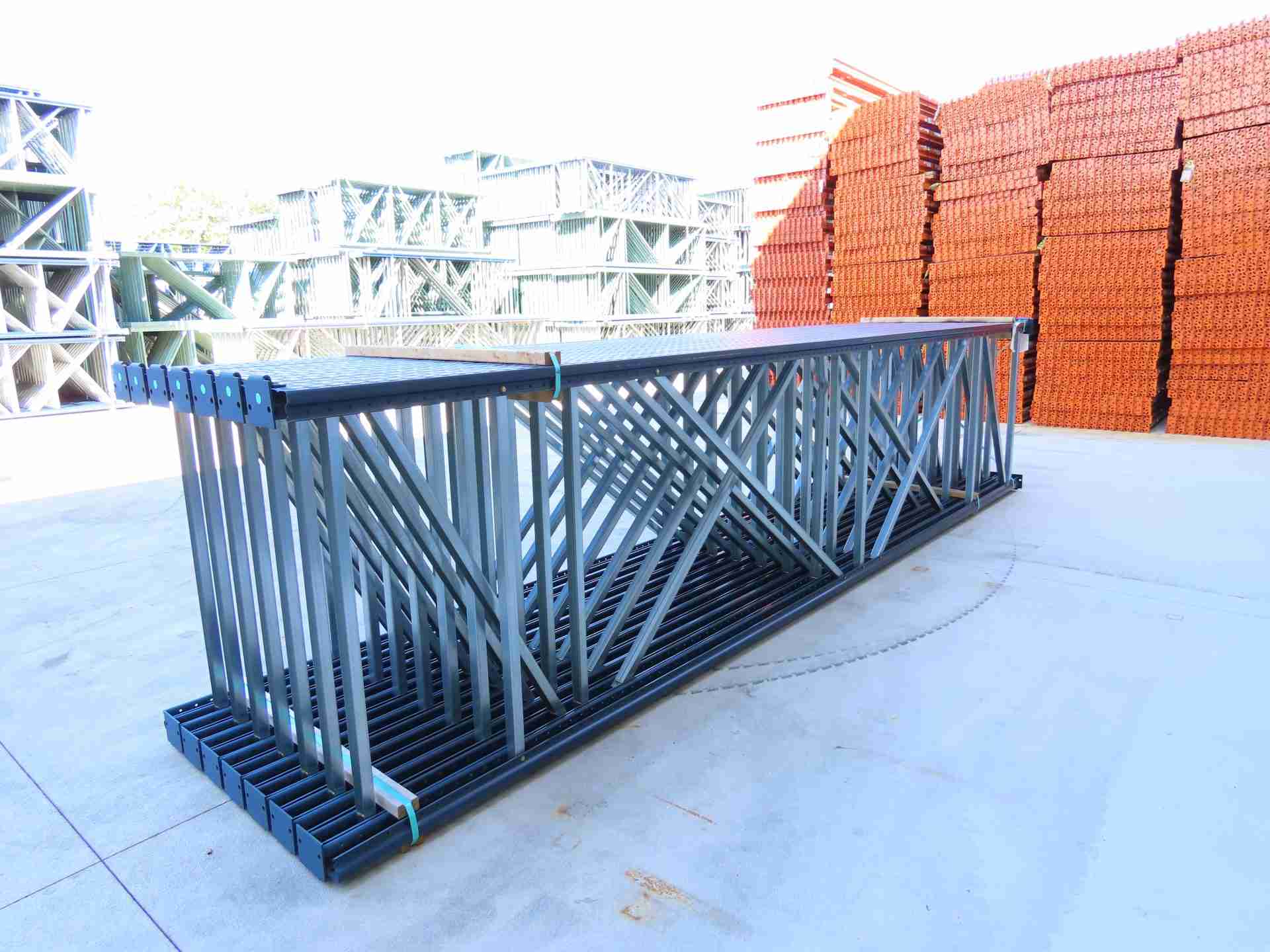
Conclusion
Conclusion:
- Maximizing efficiency and safety should be the top priorities for warehouse managers.
- Common mistakes such as overloading racks, improper installation, lack of regular inspections, and using the wrong accessories can compromise the integrity of the system.
- Follow weight capacities, ensure proper installation by hiring professionals if needed, conduct regular inspections, and use the right accessories.
- Regular inspections, adherence to weight limits, and adequate anchoring are essential steps in maintaining a secure racking system.
- Training workers on proper pallet stacking techniques is essential for ensuring safety and inventory integrity.
- Choosing the right type of racking, organizing inventory effectively, implementing inventory management systems, and conducting regular maintenance are key strategies for maximizing space utilization.
- By prioritizing safety, following best practices, and avoiding common mistakes, warehouse managers can create a safer, more efficient work environment for everyone involved.

Conclusion
Other Resources

Other Resources
Here is a list of other resources you can review online to learn more:
- “Warehouses: industrial racking risks and prevention …”
- “9 Most Common Issues Found During Rack Inspections”
- “HSE And SEMA Racking Inspections Services For …”
- “How to Inspect Warehouse Pallet Racks”
- “Industrial Pallet Racking UK | Warehouse Racking”
- “Industrial Pallet Racking Inspections | CheckPoint Group”
- “(PDF) Observed performance of industrial pallet rack …”
- “Pallet racking fact sheet | SafeWork NSW”
- “The Main Reasons Behind Racking Collapse and How To …”
- “Storage Rack System Checklist & Tips On Choosing The …”

Other Resources
Glossary Terms
What Are Common Mistakes Made with Pallet Racking Systems? – Glossary Of Terms
Below is a glossary of terms related to common mistakes made with pallet racking systems:
1. Alignment: Ensuring racks are straight and level; improper alignment can lead to instability and collapse.
2. Anchoring: Securing racks to the floor; failure to anchor properly may cause racks to tip over.
3. Beam Deflection: Sagging of horizontal beams under load; excessive deflection indicates overloading and weakens the system.
4. Capacity Rating: The maximum load a rack can safely support; ignoring this can lead to structural failures.
5. Configuration: The arrangement of racks in a facility; poor configuration can reduce efficiency and increase the risk of accidents.
6. Cross-Bracing: Structural supports to prevent lateral movement; missing or damaged braces compromise stability.
7. Damage: Physical harm to racks from impacts or wear; unattended damage can lead to rack failure.
8. Dunnage: Materials used to secure and protect goods; improper use can affect load stability on racks.
9. Egress: Access and exit points; blocked pathways can hinder emergency evacuations and restrict access.
10. Spacing: The distance between racks; inadequate spacing can limit maneuverability and increase collision risk.
11. Forklift Clearance: Adequate space for forklift operation; insufficient clearance can lead to impacts and damage.
12. Guarding: Protective barriers; lack of guarding can expose racks to damage from vehicular traffic.
13. Inspection: Regular checks of rack integrity; neglecting inspection can allow unnoticed damage to worsen.
14. Installation: Proper setup of racking systems; incorrect installation can lead to structural issues.
15. Load Distribution: Evenly spreading weight; uneven loads can cause disproportionate stress and damage.
16. Maintenance: Ongoing upkeep; a lack of maintenance can lead to undetected issues and eventual rack failure.
17. Overloading: Placing more weight than racking is rated for; this is a primary cause of rack collapse.
18. Pallet Condition: The state of pallets being used; damaged pallets can compromise load stability.
19. Pallet Overhang: Extent to which pallets extend beyond rack beams; excessive overhang reduces stability and safety.
20. Plumb: Vertically straight positioning; out-of-plumb racks are more likely to collapse.
21. Post-Protection: Guards for vertical posts; helps prevent damage from forklifts and other equipment.
22. Safety Clips: Devices to secure beams; missing clips can allow beams to dislodge under load.
23. Seismic Considerations: Designing for earthquake resistance; important in seismic zones to prevent collapse.
24. Shear Load: Forces acting parallel to surfaces; unmanaged shear loads can weaken structure integrity.
25. Shimming: Using materials to level racks on uneven floors; insufficient shimming can cause imbalance.
26. Spacing Between Loads: Adequate gaps between pallets; insufficient spacing can cause load shifts and instability.
27. Storage Plan: Organized strategy for placing items; lack of planning results in inefficiency and increased risk of errors.
28. Strapping: Using straps to secure loads; inadequate strapping can result in load shifts during handling.
29. Structural Assessment: Analyzing the condition and capacity of racks; skipping this can overlook critical weaknesses.
30. Training: Educating staff on safe usage; inadequate training increases the likelihood of improper handling and accidents.
This glossary should help you understand and identify common mistakes related to pallet racking systems.

Glossary Of Terms
Other Questions
What Are Common Mistakes Made with Pallet Racking Systems? – Other Questions
If you wish to explore and discover more, consider looking for answers to these questions:
- How can overloading pallet racking systems be prevented?
- What are the proper steps for installing a pallet racking system?
- What should be included in regular inspections of pallet racking systems?
- What are the right accessories needed for various types of pallet racking systems?
- What are the consequences of improper pallet racking installation?
- How can one ensure proper anchoring of pallet racks?
- What signs of corrosion or rust should be watched for in pallet racks?
- Who should perform the regular safety inspections of pallet racks?
- What are the guidelines for training employees on weight limits and loading techniques?
- How can a warehouse monitor and manage the weight capacity of their pallet racks?
- What are the best practices for efficient pallet stacking techniques?
- What are the different types of pallet racking systems available, and their uses?
- How can inventory management systems help optimize pallet racking space?
- What guidelines should be followed to avoid overloading pallet racks with too many pallets?
- How should damaged pallet racks be assessed to determine if they should be repaired or replaced?
- What are the immediate steps to take if a pallet rack shows signs of damage or instability?
- What are the key factors that impact the decision to repair versus replace damaged pallet racks?
- What training programs are available for proper pallet stacking and racking techniques?
- What are the specific industry guidelines and standards for pallet racking systems?
- What case studies or examples can illustrate the impacts of improper pallet racking methods?

Other Questions
Checklist
What Are Common Mistakes Made with Pallet Racking Systems? – A Checklist
1. Overloading
_____ [] Ensure you are familiar with the weight capacities of your racks.
_____ [] Never exceed the specified weight limits.
_____ [] Train employees on proper loading techniques to avoid overloading.
2. Improper Installation
_____ [] Follow the manufacturer’s instructions closely during installation.
_____ [] Use appropriate bracing and anchoring methods.
_____ [] Consider hiring professionals for installation if unsure.
3. Regular Inspections
_____ [] Conduct thorough inspections at least once a year by qualified professionals.
_____ [] Visually inspect racks frequently for signs of wear and tear, damage, or overloading.
_____ [] Address any issues promptly to prevent further deterioration.
4. Using the Right Accessories
_____ [] Use the correct type of beams, safety pins, and bracing specific to your system.
_____ [] Replace any damaged or missing parts immediately.
_____ [] Consult the manufacturer or a professional if unsure about the proper accessories.
5. Proper Maintenance
_____ [] Conduct regular maintenance to keep racks in good condition.
_____ [] Check for signs of corrosion or rust, especially in humid environments.
_____ [] Repair or replace damaged components promptly.
_____ [] Reinforce weak areas to ensure stability.
6. Employee Training
_____ [] Train employees in proper pallet stacking techniques, including weight distribution and securing loads.
_____ [] Educate staff on the importance of adhering to weight limits.
_____ [] Regularly update training programs to reflect current best practices.
7. Safety and Regulatory Compliance
_____ [] Ensure compliance with industry standards and safety regulations.
_____ [] Keep records of inspections and maintenance for regulatory purposes.
_____ [] Regularly review and update safety protocols.
8. Space Utilization
_____ [] Choose the right type of pallet racking (selective, drive-in, push-back, pallet flow) based on your inventory needs.
_____ [] Organize inventory to maximize space utilization, grouping similar items together.
_____ [] Implement an inventory management system to track inventory levels and storage requirements.
9. Preventing Overloading
_____ [] Educate staff about the dangers of overloading racks.
_____ [] Ensure proper distribution of weight, placing heavier items on lower shelves.
_____ [] Establish clear loading guidelines to avoid exceeding weight limits.
10. Repair or Replace Decisions
_____ [] Evaluate the extent of damage when considering repair versus replacement.
_____ [] Prioritize safety by opting for replacement if the structural integrity is compromised.
_____ [] Consider the long-term costs of frequent repairs versus the upfront cost of new racks.
11. Avoiding Improper Racking Methods
_____ [] Follow proper stacking and securing methods to prevent accidents.
_____ [] Ensure that racks are accessible and items are easy to retrieve.
_____ [] Avoid shortcuts that may compromise safety and efficiency.
By adhering to this comprehensive checklist, you can enhance the safety, efficiency, and longevity of your pallet racking systems. Remember, attention to detail and adherence to best practices now can prevent major issues in the future.

Checklist
At RackingWorld, we help guide you through selecting warehouse storage systems and racking.
Be sure to read our other related stories at RackingWorld to learn more about warehouse storage systems.
0 Comments