
Optimizing Warehouse Efficiency with Industrial Racks
By Tom Seest
At RackingWorld, we help guide you through selecting warehouse storage systems and racking.
Be sure to read our other related stories at RackingWorld to learn more about warehouse storage systems.
How Do Industrial Racks Impact Warehouse Workflow and Productivity?
When it comes to running a smooth warehouse operation, the role of industrial racks cannot be understated. These sturdy structures have a direct impact on the workflow and productivity of a warehouse, affecting everything from inventory management to order fulfillment.
First and foremost, industrial racks provide a space-efficient way to store goods in a warehouse. By utilizing vertical space, racks allow for better organization and maximize storage capacity. This means that items can be easily accessed and retrieved, reducing the time it takes for workers to find and pick products for orders. Without industrial racks, warehouses would be cluttered with boxes and pallets stacked haphazardly, making it difficult to locate and move inventory efficiently.
In addition, industrial racks help improve safety in the warehouse. By keeping items off the floor and properly stacked, racks help prevent accidents and injuries caused by clutter and disorganization. Workers can navigate the warehouse more easily, reducing the risk of tripping or being hit by falling objects. This not only protects employees but also minimizes disruptions to the workflow, keeping operations running smoothly.
Furthermore, industrial racks play a crucial role in inventory management. With items stored neatly on racks, it becomes easier to keep track of stock levels and monitor inventory levels. This allows warehouse managers to ensure that popular items are always in stock, while also identifying slow-moving or obsolete products that may need to be discounted or removed from inventory. By providing a clear view of inventory, industrial racks help streamline the ordering and restocking process, leading to increased efficiency and productivity.
Another important benefit of industrial racks is their impact on order fulfillment. With goods stored on racks, workers can quickly locate and retrieve items needed to fulfill customer orders. This reduces the time it takes to pick and pack orders, allowing warehouses to process a larger volume of orders in less time. By improving order fulfillment speed, industrial racks help warehouses meet customer demands and deliver products in a timely manner.
Industrial racks are essential components of a well-organized and efficient warehouse. By maximizing storage space, enhancing safety, aiding in inventory management, and improving order fulfillment, these sturdy structures play a crucial role in optimizing workflow and productivity. Without industrial racks, warehouses would struggle to operate effectively and meet the demands of a fast-paced industry.

How Do Industrial Racks Impact Warehouse Workflow and Productivity?
How Do Industrial Racks Impact Warehouse Workflow and Productivity?
- Industrial racks provide a space-efficient way to store goods in a warehouse, maximizing storage capacity and improving organization.
- They help improve safety in the warehouse by keeping items off the floor and properly stacked, reducing the risk of accidents and injuries.
- Industrial racks play a crucial role in inventory management, making it easier to monitor stock levels, identify slow-moving products, and streamline restocking processes.
- They impact order fulfillment by allowing workers to quickly locate and retrieve items needed for customer orders, increasing efficiency and processing speed.
- Industrial racks are essential for optimizing workflow and productivity in a warehouse, enhancing storage space, safety, inventory management, and order fulfillment.
- Without industrial racks, warehouses would struggle to operate effectively and meet the demands of a fast-paced industry.

How Do Industrial Racks Impact Warehouse Workflow and Productivity?
Table Of Contents
- How Do Industrial Racks Impact Warehouse Workflow and Productivity?
- What Types Of Industrial Racks Are Available For Warehouses?
- How Can Industrial Racks Help Improve Organization In A Warehouse?
- What Are The Benefits Of Using Industrial Racks In A Warehouse?
- How Can Industrial Racks Optimize Space Utilization In A Warehouse?
- How Can Industrial Racks Improve Organization In A Warehouse?
- What Are The Benefits Of Using Industrial Racks In A Warehouse?
- How Do Industrial Racks Optimize Space Utilization In A Warehouse?
- How Do Industrial Racks Contribute To Efficient Inventory Management?
- Conclusion
- Other Resources
- Glossary Of Terms
- Other Questions
- Checklist
What Types Of Industrial Racks Are Available For Warehouses?
In warehouses across the country, industrial racks are an essential component for storing and organizing materials. These racks come in a variety of shapes and sizes, each designed to meet specific needs and maximize efficiency in the warehouse.
One popular type of industrial rack is the pallet rack. These racks are designed to hold pallets of materials and goods, making it easy for forklifts to access and move them around the warehouse. Pallet racks can be configured in different ways, including selective, push-back, and drive-in styles, depending on the needs of the warehouse.
Cantilever racks are another common type of industrial rack. These racks are ideal for storing long, bulky items such as pipes, lumber, or carpet rolls. The open design of cantilever racks allows for easy access to materials and can be adjusted to accommodate items of various sizes.
For warehouses with limited floor space, mezzanine racks are a great option. These racks are installed on a raised platform, creating additional storage space without the need for expanding the warehouse footprint. Mezzanine racks are a cost-effective solution for maximizing storage capacity in smaller spaces.
Wire racks are a versatile option for warehouses that need to store a variety of items. These racks are lightweight and easy to assemble, making them ideal for quickly reconfiguring storage layouts as needed. Wire racks are often used for storing smaller items or components and can be easily customized with additional shelves or dividers.
For warehouses that need to store heavy or bulky items, heavy-duty racks are the way to go. These racks are designed to withstand the weight of large materials and equipment, making them a durable and long-lasting storage solution. Heavy-duty racks are often constructed from steel or other sturdy materials to ensure they can support the weight of the items being stored.
No matter the size or layout of your warehouse, there is an industrial rack solution that can help you maximize storage capacity and efficiency. By choosing the right type of rack for your needs, you can streamline operations, improve organization, and make the most of your warehouse space. So whether you need pallet racks for easy access to materials or mezzanine racks for additional storage space, there is a rack out there that is perfect for your warehouse.

What Types Of Industrial Racks Are Available For Warehouses?
What Types Of Industrial Racks Are Available For Warehouses?
- Industrial racks are essential for storing and organizing materials in warehouses.
- Pallet racks are popular for holding pallets of materials and can be configured in different ways.
- Cantilever racks are ideal for storing long, bulky items such as pipes or lumber.
- Mezzanine racks are great for warehouses with limited floor space, providing additional storage capacity.
- Wire racks are versatile and easy to assemble, making them ideal for storing various items.
- Heavy-duty racks are designed to store heavy or bulky items and are constructed from durable materials.
- Choosing the right type of industrial rack can help maximize storage capacity and efficiency in warehouses.

What Types Of Industrial Racks Are Available For Warehouses?
How Can Industrial Racks Help Improve Organization In A Warehouse?
If you’ve ever spent time in a warehouse, you know just how crucial organization is to keeping things running smoothly. From locating inventory quickly to maximizing space efficiency, every aspect of warehouse operations relies on having a well-organized system in place.
That’s where industrial racks come into play. These sturdy, versatile structures are designed to help improve organization in a warehouse in a variety of ways.
First and foremost, industrial racks provide a designated place for storing inventory. By utilizing racks with multiple levels and adjustable shelving, warehouse managers can maximize vertical space and make efficient use of every inch of available storage space. This not only helps to keep the warehouse tidy and organized, but it also ensures that inventory is easily accessible when needed.
In addition to maximizing storage space, industrial racks can also help to streamline inventory management processes. By organizing inventory by category, SKU, or any other desired criteria, workers can easily locate specific items and reduce the time spent searching for products. This increased efficiency not only saves time but also improves overall productivity in the warehouse.
Furthermore, industrial racks can help to improve safety in the warehouse. By providing a dedicated storage area for heavy or bulky items, racks help to prevent clutter and reduce the risk of accidents caused by items falling or blocking walkways. Additionally, racks can be designed with features such as safety guards and load capacity labels to ensure that items are stored securely and within weight limits.
Finally, industrial racks can also help to improve inventory accuracy and reduce the risk of loss or damage. By organizing inventory in a consistent and logical manner, warehouse staff can easily keep track of product quantities and ensure that items are stored correctly. This not only makes it easier to conduct regular inventory checks but also helps to prevent misplaced or lost items.
Industrial racks are an essential tool for improving organization in a warehouse. By maximizing storage space, streamlining inventory management processes, enhancing safety, and improving inventory accuracy, these versatile structures play a key role in keeping warehouse operations running smoothly and efficiently. So, next time you step foot in a warehouse, take a moment to appreciate the vital role that industrial racks play in keeping things organized and in order.

How Can Industrial Racks Help Improve Organization In A Warehouse?
How Can Industrial Racks Help Improve Organization In A Warehouse?
- Industrial racks provide a designated place for storing inventory, maximizing vertical space and making efficient use of storage space.
- They streamline inventory management processes by organizing inventory, making it easier to locate specific items and improving overall productivity.
- Industrial racks help improve safety in the warehouse by providing a dedicated storage area for heavy items and reducing the risk of accidents.
- They enhance safety with features such as safety guards and load capacity labels to ensure items are stored securely.
- Industrial racks improve inventory accuracy by organizing inventory in a consistent manner, making it easier to track quantities and prevent loss or damage.
- Overall, industrial racks are essential for improving organization in a warehouse and keeping operations running smoothly and efficiently.
- They play a vital role in maintaining order and efficiency in warehouse operations.

How Can Industrial Racks Help Improve Organization In A Warehouse?
What Are The Benefits Of Using Industrial Racks In A Warehouse?
When it comes to running a warehouse efficiently, using industrial racks is a game-changer. These sturdy and versatile storage solutions offer a wide range of benefits that can help streamline operations and maximize space utilization.
One of the key advantages of using industrial racks in a warehouse is their ability to maximize vertical space. By taking advantage of the vertical height of a warehouse, industrial racks allow you to store items at different levels, effectively doubling or even tripling the amount of storage space available. This not only allows for better organization and easier access to inventory but also helps to reduce clutter and improve overall efficiency.
Additionally, industrial racks provide a safe and secure way to store heavy or bulky items. By using racks specifically designed to support the weight of your inventory, you can ensure that your items are stored safely and without risk of damage. This not only protects your inventory but also helps to create a safer work environment for your employees.
Another benefit of using industrial racks in a warehouse is their versatility. With a wide range of rack styles and configurations available, you can choose the right solution to fit your specific storage needs. Whether you need cantilever racks for long or awkwardly shaped items, pallet racks for bulk storage, or wire racks for smaller items, there is a rack system that can be customized to suit your requirements.
In addition to maximizing space and improving safety, industrial racks also help to improve overall organization within a warehouse. By properly storing items on racks, you can easily categorize and label inventory, making it easier for employees to locate items quickly and efficiently. This not only saves time and reduces errors but also helps to improve workflow and productivity.
Furthermore, using industrial racks in a warehouse can help to extend the lifespan of your inventory. By storing items off the ground and in a controlled environment, you can protect them from damage caused by moisture, pests, or other environmental factors. This not only reduces the risk of inventory loss but also helps to maintain the quality and integrity of your products.
The benefits of using industrial racks in a warehouse are undeniable. From maximizing space and improving safety to enhancing organization and protecting inventory, industrial racks offer a wide range of advantages that can help to streamline operations and boost productivity. By investing in the right rack solution for your warehouse, you can create a more efficient and effective storage system that will benefit your business for years to come.

What Are The Benefits Of Using Industrial Racks In A Warehouse?
What Are The Benefits Of Using Industrial Racks In A Warehouse?
- Industrial racks maximize vertical space in warehouses.
- They provide a safe and secure way to store heavy or bulky items.
- Industrial racks are versatile and offer a wide range of configurations.
- They help improve overall organization within a warehouse.
- Using industrial racks can extend the lifespan of inventory.
- Industrial racks streamline operations and boost productivity.
- Investing in the right rack solution can create a more efficient storage system.

What Are The Benefits Of Using Industrial Racks In A Warehouse?
How Can Industrial Racks Optimize Space Utilization In A Warehouse?
In the world of warehouses and distribution centers, space is always at a premium. Every square foot counts, and the efficient use of that space can make or break a business. That’s where industrial racks come in.
Industrial racks are essentially shelving units on steroids. They’re designed to maximize vertical space, allowing businesses to store more products in a smaller footprint. By stacking items on shelves that are several levels high, warehouses can make the most of their space without sacrificing accessibility.
But it’s not just about stacking things high. Industrial racks are also engineered to optimize the layout of a warehouse. By strategically placing racks throughout the space, businesses can create efficient pathways for forklifts and workers, reducing the time it takes to pick and pack orders.
One of the key benefits of industrial racks is their versatility. They come in a variety of sizes and configurations, allowing warehouses to customize their storage solutions to fit their specific needs. Whether storing pallets of goods, boxes of inventory, or awkwardly shaped items, there’s a rack for that.
Another advantage of industrial racks is their durability. Made from sturdy materials like steel or aluminum, these racks are built to withstand the wear and tear of a busy warehouse environment. They can hold heavy loads without buckling, ensuring that stored items remain safe and secure.
In addition to maximizing space and durability, industrial racks can also help improve organization in a warehouse. By providing designated storage areas for different products, businesses can reduce the time it takes to locate items and fulfill orders. This not only increases efficiency but can also lead to happier customers.
However, perhaps the greatest benefit of industrial racks is their ability to save businesses money in the long run. By making the most of their available space, warehouses can avoid having to expand or move to a larger facility. This can result in significant cost savings on rent, utilities, and other overhead expenses.
Industrial racks are a valuable tool for optimizing space utilization in a warehouse. By maximizing vertical space, improving organization, and enhancing efficiency, these racks can help businesses make the most of their available space and resources. So if you’re looking to streamline your warehouse operations and save money in the process, investing in industrial racks may be the solution you’ve been looking for.

How Can Industrial Racks Optimize Space Utilization In A Warehouse?
How Can Industrial Racks Optimize Space Utilization In A Warehouse?
- Industrial racks maximize vertical space in warehouses.
- They are designed to optimize warehouse layout.
- Industrial racks come in various sizes and configurations.
- They are durable and can withstand heavy loads.
- Industrial racks improve organization in warehouses.
- They can help save businesses money in the long run.
- Industrial racks are a valuable tool for optimizing space utilization.

How Can Industrial Racks Optimize Space Utilization In A Warehouse?
How Can Industrial Racks Improve Organization In A Warehouse?
When it comes to running a successful warehouse operation, organization is key. Without a well-organized system in place, chaos can quickly ensue, leading to inefficiency and costly mistakes. That’s where industrial racks come into play.
Industrial racks are essential for maximizing space and optimizing storage in a warehouse setting. By utilizing industrial racks, businesses can improve the organization of their warehouse in a number of ways.
First and foremost, industrial racks help to maximize vertical space. In a warehouse setting where floor space is at a premium, it’s essential to make use of vertical space to store goods efficiently. By utilizing industrial racks, businesses can stack items safely and securely, making the most of the space available to them.
Additionally, industrial racks help to keep inventory organized and easily accessible. By categorizing items and storing them on designated racks, warehouse workers can quickly locate the items they need without wasting time searching through cluttered shelves or aisles. This not only improves efficiency but also reduces the likelihood of errors and lost inventory.
Furthermore, industrial racks promote safety in the workplace. By providing a sturdy and secure storage solution for heavy or bulky items, industrial racks help to prevent accidents and injuries that can occur when items are improperly stored or stacked. This not only protects employees but also helps to safeguard valuable inventory from damage.
In addition to improving organization and safety, industrial racks can also help businesses maintain a clean and orderly warehouse. By providing a designated space for each item, industrial racks help to reduce clutter and promote a more tidy and efficient workspace. This not only enhances the overall appearance of the warehouse but also makes it easier for employees to navigate and locate items quickly.
Overall, industrial racks are a valuable investment for any warehouse looking to improve organization and efficiency. By maximizing vertical space, keeping inventory organized, promoting safety, and maintaining a clean workspace, industrial racks play a crucial role in optimizing warehouse operations. So, if you’re looking to streamline your warehouse and improve your bottom line, consider incorporating industrial racks into your storage system. Your employees, your inventory, and your bottom line will thank you.

How Can Industrial Racks Improve Organization In A Warehouse?
How Can Industrial Racks Improve Organization In A Warehouse?
- Industrial racks are essential for maximizing space and optimizing storage in a warehouse setting.
- Industrial racks help to maximize vertical space, allowing for efficient storage of goods.
- Industrial racks keep inventory organized and easily accessible, reducing time wastage and errors.
- Industrial racks promote workplace safety by providing secure storage for items.
- Industrial racks help maintain a clean and orderly warehouse, reducing clutter and promoting efficiency.
- Industrial racks are a valuable investment for improving organization and efficiency in a warehouse.
- By incorporating industrial racks into your storage system, you can streamline operations and improve your bottom line.

How Can Industrial Racks Improve Organization In A Warehouse?
What Are The Benefits Of Using Industrial Racks In A Warehouse?
When it comes to running a warehouse efficiently, organization is key. And one of the best ways to keep things in order is by utilizing industrial racks. These heavy-duty shelving units offer a wide range of benefits that can make a world of difference in the daily operations of a warehouse.
First and foremost, industrial racks help maximize storage space. By taking advantage of vertical space, these racks allow warehouses to store more inventory in a smaller footprint. This not only helps improve efficiency by reducing the amount of wasted space, but also allows for more products to be stored and easily accessed when needed.
In addition to maximizing storage space, industrial racks also make it easier to keep inventory organized. With designated shelves for specific products, items can be stored in a systematic and logical manner, making it easier for warehouse workers to locate and retrieve items quickly. This can help streamline operations and reduce the amount of time spent searching for items, ultimately improving efficiency and productivity.
Another benefit of industrial racks is their durability and strength. Made from heavy-duty materials such as steel, these racks are built to withstand the rigors of a warehouse environment. This means they can hold up under heavy loads and withstand frequent use without bending or breaking. By investing in industrial racks, warehouses can ensure their shelving units will last for years to come, saving money in the long run.
Furthermore, industrial racks can also help improve safety in the warehouse. By keeping inventory organized and off the floor, these racks can help prevent accidents and injuries caused by tripping or falling over misplaced items. Additionally, some industrial racks come equipped with safety features such as guard rails and safety nets to further enhance workplace safety.
Overall, the benefits of using industrial racks in a warehouse are clear. From maximizing storage space and improving organization to enhancing durability and safety, these heavy-duty shelving units offer a wide range of advantages that can help warehouses operate more efficiently and effectively. So, if you want to take your warehouse operations to the next level, investing in industrial racks is a smart choice.

What Are The Benefits Of Using Industrial Racks In A Warehouse?
What Are The Benefits Of Using Industrial Racks In A Warehouse?
- Industrial racks help maximize storage space by utilizing vertical space efficiently.
- They make it easier to keep inventory organized with designated shelves for specific products.
- Industrial racks are durable and strong, made from heavy-duty materials like steel.
- They can help improve safety in the warehouse by preventing accidents and injuries.
- Industrial racks help streamline operations and reduce time spent searching for items.
- They can withstand heavy loads and frequent use, lasting for years to come.
- Investing in industrial racks can help warehouses operate more efficiently and effectively.

What Are The Benefits Of Using Industrial Racks In A Warehouse?
How Do Industrial Racks Optimize Space Utilization In A Warehouse?
When it comes to optimizing space utilization in a warehouse, industrial racks play a crucial role in maximizing storage capacity and efficiency. These towering structures may not be the most glamorous or exciting aspect of warehouse management, but their impact on operations is undeniable.
One of the primary ways industrial racks optimize space utilization is by allowing for vertical storage. By stacking items higher instead of spreading them out horizontally, warehouses can make the most of their available space. This vertical approach not only increases storage capacity but also improves organization and accessibility. With the right shelving system in place, warehouse staff can easily locate and retrieve items, leading to faster order fulfillment and reduced labor costs.
Industrial racks also help warehouses adapt to changing inventory needs. As businesses grow and product lines evolve, the ability to adjust storage configurations is essential. With modular systems that can be easily reconfigured or expanded, industrial racks provide the flexibility needed to accommodate shifting inventory levels and storage requirements. This adaptability ensures that warehouses can make the most of their space, regardless of fluctuations in demand or product offerings.
Furthermore, industrial racks promote safety and efficiency within the warehouse environment. By keeping inventory off the ground and organized on sturdy shelving units, the risk of accidents and damage is reduced. This not only protects the warehouse staff but also safeguards the products themselves, ensuring that they remain in top condition until they are shipped out to customers.
In addition to these benefits, industrial racks help warehouses maximize their use of space by facilitating better inventory management. With items stored in designated locations on the shelves, tracking and monitoring inventory becomes much easier. This level of organization not only speeds up the picking and packing process but also reduces the risk of errors and misplaced items.
While industrial racks may not be the flashiest aspect of warehouse operations, their role in optimizing space utilization is undeniable. By allowing for vertical storage, adapting to changing inventory needs, promoting safety and efficiency, and facilitating better inventory management, industrial racks are essential for maximizing storage capacity and streamlining warehouse operations. So the next time you walk through a warehouse and see those towering shelves reaching towards the sky, remember the crucial role they play in keeping the operation running smoothly.

How Do Industrial Racks Optimize Space Utilization In A Warehouse?
How Do Industrial Racks Optimize Space Utilization In A Warehouse?
- Industrial racks play a crucial role in maximizing storage capacity and efficiency in warehouses.
- They allow for vertical storage, increasing storage capacity and improving organization and accessibility.
- Industrial racks help warehouses adapt to changing inventory needs with modular systems.
- They promote safety and efficiency by keeping inventory off the ground and organized.
- Industrial racks facilitate better inventory management by storing items in designated locations.
- They are essential for maximizing storage capacity and streamlining warehouse operations.
- Industrial racks may not be flashy, but they are crucial to keeping warehouse operations running smoothly.

How Do Industrial Racks Optimize Space Utilization In A Warehouse?
How Do Industrial Racks Contribute To Efficient Inventory Management?
Have you ever stopped to think about how all the products you see on store shelves make their way there? It’s a complex dance of logistics and organization behind the scenes that most people never think about. One crucial piece of this puzzle is industrial racks.
Industrial racks play a vital role in efficient inventory management. Imagine a warehouse without any shelves or racks – chaos would ensue! Products would be scattered everywhere, making it nearly impossible to find what you need in a timely manner. Industrial racks provide structure and organization to warehouses, allowing for easy access to products and efficient inventory management.
By utilizing industrial racks, businesses can maximize their storage space. Instead of piling boxes haphazardly on top of each other, racks provide a systematic way to stack and store products. This not only saves space but also allows for better inventory control. With industrial racks, businesses can easily keep track of their stock, reducing the risk of overstocking or running out of essential products.
Industrial racks also contribute to increased safety in warehouses. By properly organizing products on racks, the risk of accidents such as items falling and injuring employees is minimized. Additionally, racks help to keep aisles clear, allowing for safe and efficient movement of workers and machinery throughout the warehouse.
Efficiency is the name of the game when it comes to inventory management, and industrial racks play a crucial role in achieving this goal. With products stored in an organized manner on racks, employees can quickly locate and retrieve items, leading to faster order fulfillment and reduced turnaround times. This not only improves customer satisfaction but also boosts overall productivity and profitability for businesses.
Furthermore, industrial racks help to prevent product damage. By providing a designated space for each item, racks reduce the chances of products getting crushed or damaged during storage or retrieval. This not only saves businesses money on replacing damaged goods but also helps maintain the quality and integrity of their products.
Industrial racks are an essential component of efficient inventory management for businesses of all sizes. They provide structure, organization, and safety to warehouses, allowing for maximized storage space, improved inventory control, increased safety, and enhanced efficiency. So the next time you see a rack full of products in a warehouse, take a moment to appreciate the crucial role it plays in keeping the supply chain running smoothly.

How Do Industrial Racks Contribute To Efficient Inventory Management?
How Do Industrial Racks Contribute To Efficient Inventory Management?
- Industrial racks play a vital role in efficient inventory management, providing structure and organization to warehouses.
- Businesses can maximize their storage space by utilizing industrial racks, allowing for better inventory control.
- Industrial racks contribute to increased safety in warehouses by minimizing the risk of accidents and keeping aisles clear.
- Efficiency is improved with industrial racks, enabling quicker order fulfillment, reduced turnaround times, and increased productivity.
- Industrial racks help prevent product damage by providing a designated space for each item, reducing the chances of products getting crushed or damaged.
- Industrial racks are essential for businesses of all sizes, providing structure, organization, safety, and efficiency in inventory management.
- Take a moment to appreciate the crucial role of industrial racks in keeping the supply chain running smoothly.

How Do Industrial Racks Contribute To Efficient Inventory Management?
Conclusion
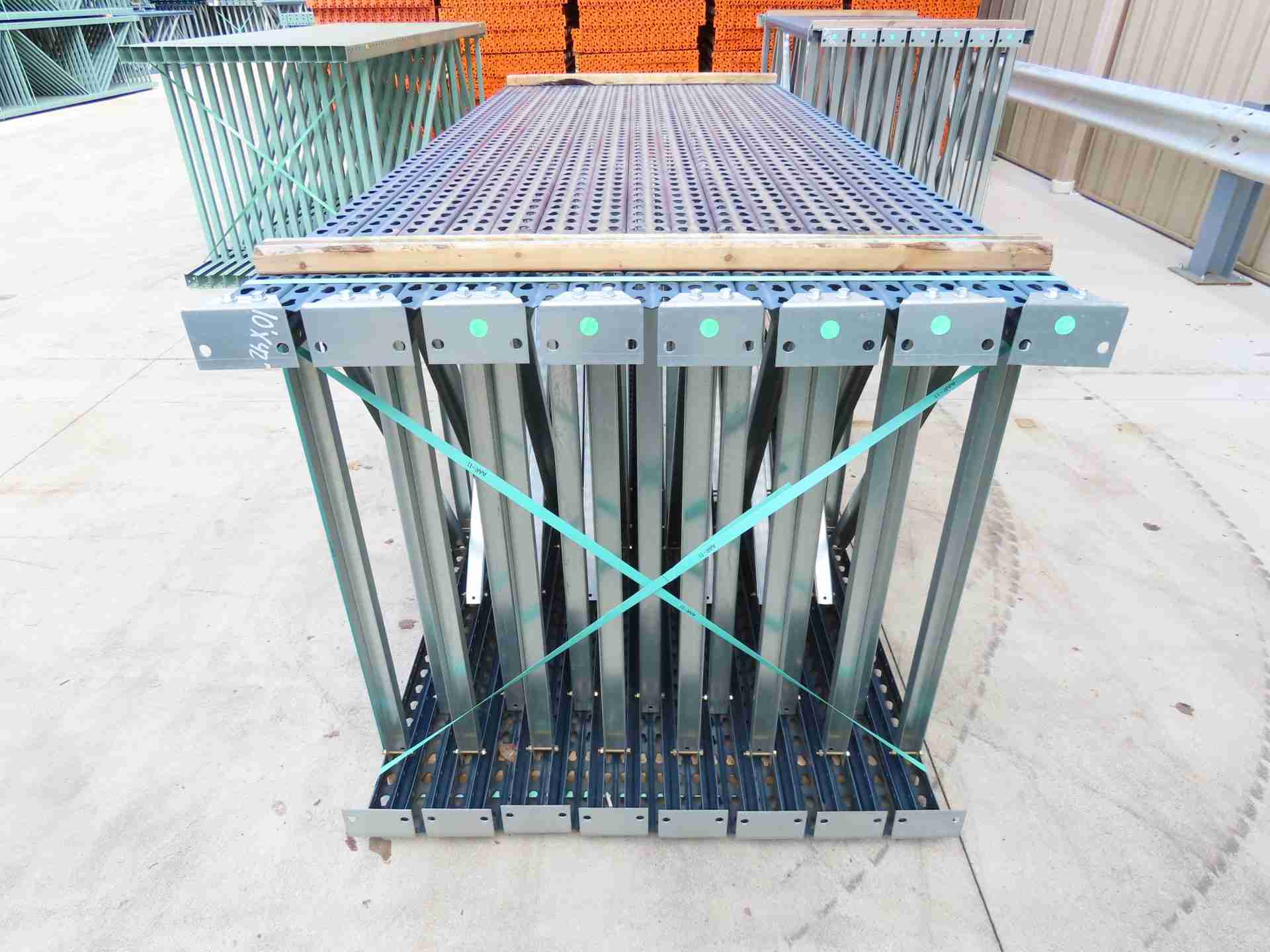
In conclusion, industrial racks are the unsung heroes of warehouse operations. They are the backbone of efficient inventory management, contributing to increased productivity, improved safety, and optimized space utilization. By maximizing vertical space, industrial racks allow warehouses to store more products in a smaller footprint, reducing clutter and improving organization. This not only makes it easier for employees to locate and retrieve items quickly but also enhances overall efficiency in the warehouse.
Industrial racks also play a critical role in promoting safety by keeping inventory off the floor and properly stacked. This helps prevent accidents and injuries caused by clutter and disorganization, creating a safer work environment for employees. Additionally, industrial racks aid in inventory management by providing a clear view of stock levels and facilitating the ordering and restocking process. This leads to increased efficiency and productivity, ultimately helping warehouses meet customer demands and deliver products in a timely manner.
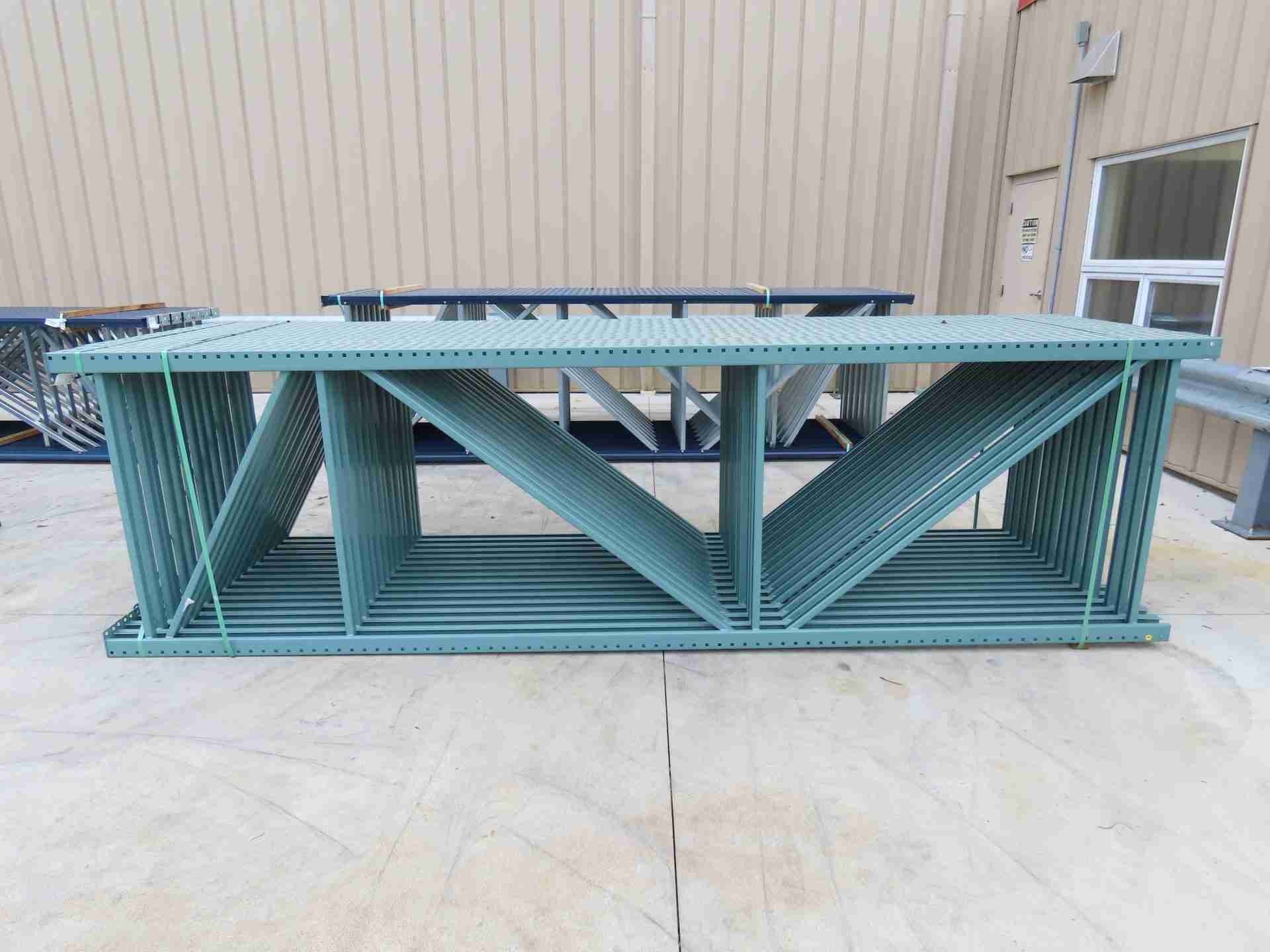
Furthermore, industrial racks are versatile and durable, allowing warehouses to customize their storage solutions to fit their specific needs and withstand the wear and tear of a busy environment. By investing in industrial racks, businesses can streamline operations, improve organization, and protect their inventory, ultimately saving money in the long run.
So, whether it’s maximizing storage space, enhancing organization, improving safety, or facilitating inventory management, industrial racks are essential for optimizing workflow and productivity in warehouses. They are the foundation upon which successful warehouse operations are built, and their impact cannot be overstated. Industrial racks may not be the flashiest aspect of warehouse management, but they are undoubtedly one of the most important.
Conclusion
Conclusion:
- Industrial racks are the backbone of efficient inventory management.
- They contribute to increased productivity and improved safety.
- Industrial racks allow warehouses to store more products in a smaller footprint.
- They help prevent accidents and injuries by keeping inventory off the floor.
- Industrial racks aid in inventory management by providing a clear view of stock levels.
- They are versatile and durable, allowing customization to fit specific needs.
- Industrial racks are essential for optimizing workflow and productivity in warehouses.
Conclusion
Other Resources

Other Resources
Here is a list of other resources you can review online to learn more:
- “Warehouse Operations Optimization: Essential Strategies”
- “Warehouse Strategies for Effective Warehouse Operations”
- “Warehouse Management: A Comprehensive Guide”
- “Maximizing Warehouse Efficiency: Key Inventory Control …”
- “Warehouse Inventory Management: Processes & Best …”
- “Stock or inventory management in a warehouse”
- “Unlocking Efficiency & Productivity With Warehouse Racking”
- “Five Common Warehouse Storage Mistakes and How to Avoid …”
- “Best Types of Warehouse Pallet Racking | PPT”
- “How can palletization improve warehouse efficiency?”
- “Introduction to Warehouse Storage Racks”
- “Mustafizur Rahman Rajib posted on the topic | …”
- “Maximum stock level in inventory management”
- “Just-in-Time Inventory (JIT) Defined: A 2023 Guide”
- “How to Implement Industrial Racking Systems in Your …”
- “Efficient Warehouse Management”
- “Pallet Racks in Industrial Manufacturing Facilities”

Other Resources
Glossary Terms
How Do Industrial Racks Impact Warehouse Workflow and Productivity? – Glossary Of Terms
Here is a glossary of terms relevant to understanding how industrial racks impact warehouse workflow and productivity:
1. Industrial Racks: Storage systems designed to hold and organize large amounts of inventory within a warehouse.
2. Pallet Racks: A type of industrial rack specifically designed to hold pallets of materials, enhancing storage efficiency.
3. Cantilever Racks: Racks with arms that can hold long, bulky items like lumber or pipes, improving access and organization.
4. Flow Racks: Racks designed with rollers to allow for first-in, first-out (FIFO) inventory management, boosting efficiency.
5. Push-Back Racks: Racks where pallets are loaded from the front and pushed back along rails to allow for better space utilization.
6. Selective Racks: Racks that provide easy access to each pallet, enhancing picking efficiency and reducing retrieval times.
7. Load Capacity: The maximum weight that a rack can safely hold, impacting how products are stored.
8. Rack Configuration: The layout and structure of racking systems, which affect the ease of access and storage capacity.
9. Aisle Width: The space between racks that allows for the movement of forklifts and workers, impacting workflow efficiency.
10. Vertical Space Utilization: Using the height of a warehouse to store products, increasing storage capacity without expanding the footprint.
11. Picking Speed: The rate at which items are retrieved from racks, influencing overall productivity.
12. Inventory Accessibility: The ease with which products can be identified and picked from racks, affecting workflow.
13. Rack Safety: Measures and features designed to prevent accidents and ensure the structural integrity of the racks.
14. Rack Labels: Identification systems on racks that help organize and locate inventory, improving efficiency.
15. Material Handling Equipment: Tools, such as forklifts and pallet jacks, used to move items on and off racks, impacting workflow speed.
16. Rack Inspections: Regular checks to ensure that racks are in good condition, maintaining safety and efficiency.
17. Weight Distribution: The manner in which weight is spread across racks, impacting stability and safety.
18. Modular Racking Systems: Flexible rack systems that can be adjusted or expanded as storage needs change, enhancing adaptability.
19. Warehouse Layout: The overall arrangement of racks and other elements within a warehouse, affecting workflow and ease of movement.
20. Cross-Docking: A practice where products are unloaded from incoming trucks and directly loaded onto outgoing trucks, reducing warehousing time.
21. Order Fulfillment: The process of picking, packing, and shipping products to customers, influenced by rack organization.
22. Efficiency: The ability to maximize output with minimal resource input, significantly affected by the design and use of industrial racks.
23. SKU Management: Systematic oversight of stock-keeping units (SKUs), crucial for organized storage and retrieval.
24. Rack Systems Software: Digital tools that optimize rack storage and inventory management, enhancing workflow.
25. Space Optimization: The strategic use of available space to maximize storage and operational efficiency.
26. Lead Time: The time it takes from receiving an order to delivering it, influenced by storage and retrieval efficiency.
27. Ergonomics: The design of racks and workflows to minimize physical strain on workers, improving productivity and safety.
28. Inventory Turnover: The rate at which inventory is replenished, impacted by the efficiency of storage and retrieval systems.
29. Stock Rotation: The practice of organizing inventory so that older stock is used first, facilitated by certain types of racks.
30. Bin Locations: Specific places within the racks where inventory is stored, aiding quick identification and retrieval of items.
Understanding these terms can provide a comprehensive overview of how industrial racking systems influence warehouse workflow and productivity, optimizing both space and efficiency.

Glossary Of Terms
Other Questions
How Do Industrial Racks Impact Warehouse Workflow and Productivity? – Other Questions
If you wish to explore and discover more, consider looking for answers to these questions:
- What are the specific types of industrial racks mentioned in the article?
- How do industrial racks enhance warehouse safety?
- What impact do industrial racks have on order fulfillment speed?
- What inventory management advantages do industrial racks offer?
- What are the benefits of pallet racks in a warehouse setting?
- How do cantilever racks differ from other industrial rack types?
- In what scenarios would mezzanine racks be particularly useful?
- What makes wire racks a versatile option for warehouses?
- How can heavy-duty racks solve storage of bulky items issues?
- What role do industrial racks play in improving warehouse organization?
- How do industrial racks help in proper categorization and labeling of inventory?
- What safety features are often included in industrial racks?
- How do industrial racks contribute to reducing the risk of damage to inventory?
- What cost savings can businesses achieve by using industrial racks?
- What is the significance of vertical space utilization in warehouse storage?
- How do industrial racks facilitate better inventory tracking and monitoring?
- What are the environmental factors that industrial racks help protect stored items from?
- How do industrial racks impact the overall workflow in a warehouse?
- What are the long-term benefits of investing in industrial racks?
- How do industrial racks ensure the safety of warehouse employees?

Other Questions
Checklist
How Do Industrial Racks Impact Warehouse Workflow and Productivity? – A Checklist
Organizational Benefits:
_____ Maximize vertical space for storing inventory.
_____ Implement racks with multiple levels and adjustable shelving.
_____ Categorize items by SKU, category, or other criteria for easy retrieval.
_____ Assign specific racks for heavy or bulky items.
_____ Label shelves and racks for better identification.
_____ Ensure consistent and logical storage methods to improve inventory accuracy.
Safety Improvements:
_____ Use racks to keep items off the floor and reduce clutter.
_____ Opt for racks with safety guards and load capacity labels.
_____ Ensure heavy materials are stored on racks designed to support them.
_____ Maintain clear aisles for easier navigation and reduced accident risk.
_____ Regularly inspect racks for structural integrity.
Inventory Management:
_____ Utilize racks for easy tracking of stock levels.
_____ Monitor inventory regularly to identify popular, slow-moving, or obsolete items.
_____ Keep a streamlined ordering and restocking process.
_____ Use racks to organize inventory by demand level to enhance picking efficiency.
Order Fulfillment:
_____ Store frequently picked items on easily accessible racks.
_____ Arrange racks to create efficient pathways for pickers.
_____ Minimize picking and packing time by optimizing rack placement.
_____ Use mezzanine racks for additional storage without increasing the warehouse footprint.
Types of Industrial Racks:
_____ Pallet Racks: For pallets of materials, accessible by forklifts.
_____ Cantilever Racks: Best for long, bulky items like pipes or lumber.
_____ Mezzanine Racks: For additional storage space on raised platforms.
_____ Wire Racks: Versatile, lightweight racks for small items or components.
_____ Heavy-duty Racks: For storing heavy or bulky items.
Durability and Compliance:
_____ Choose racks made from steel or other sturdy materials.
_____ Ensure racks comply with industry standards and safety regulations.
_____ Consider investing in modular systems for easy reconfiguration as needed.
Space Optimization:
_____ Maximize vertical storage to increase capacity.
_____ Configure racks to create efficient workflows and pathways.
_____ Regularly reevaluate storage configurations to adapt to changing inventory needs.
Efficiency Enhancements:
_____ Use racks to minimize labor costs by reducing retrieval times.
_____ Maintain organized racks to improve overall workplace productivity.
_____ Avoid over or under-stocking by effective inventory management.
Using this checklist, you can optimize your warehouse efficiency through strategic implementation and maintenance of industrial racks. This not only improves workflow and productivity but also enhances inventory management and safety.

Checklist
At RackingWorld, we help guide you through selecting warehouse storage systems and racking.
Be sure to read our other related stories at RackingWorld to learn more about warehouse storage systems.
0 Comments