
Maximizing Warehouse Efficiency with Pallet Racking Systems
By Tom Seest
At RackingWorld, we help guide you through selecting warehouse storage systems and racking.
Be sure to read our other related stories at RackingWorld to learn more about warehouse storage systems.
What Are Pallet Racking Systems and Why Are They Important?
Pallet racking systems are the unsung heroes of the warehouse world. They may not get the flashy headlines or the glitzy awards, but don’t let that fool you – these bad boys are essential for keeping things running smoothly behind the scenes.
So, what exactly are pallet racking systems? Well, simply put, they’re a clever and efficient way to store and organize large quantities of goods in a warehouse or distribution center. Picture a giant, industrial-sized shelving unit, but on steroids. These systems are specifically designed to accommodate heavy pallets of merchandise, making it easy for forklifts to move and access them quickly and safely.
Now, you might be thinking, “Okay, that sounds nice, but why are pallet racking systems so important?” Great question. Imagine a world without these systems. Chaos would reign supreme in the warehouse. Boxes would be stacked haphazardly on top of each other, creating a danger zone for workers trying to maneuver around the clutter. Pallets would be scattered everywhere, making it nearly impossible to find the right inventory when it’s needed. Efficiency would plummet, costs would soar, and productivity would tank.
But fear not, my friends, because pallet racking systems are here to save the day. By neatly organizing goods on sturdy shelves, these systems make it easy for workers to locate and retrieve items quickly. No more wasting precious time hunting for that elusive box of widgets. Plus, with everything stored in an orderly fashion, there’s less risk of damage to the merchandise. That means fewer broken items, fewer accidents, and fewer headaches for everyone involved.
But wait, there’s more. Pallet racking systems also help maximize space in the warehouse. By utilizing vertical storage space, these systems allow businesses to store more inventory in a smaller footprint. That means more room for additional products, more efficient use of square footage, and ultimately, more profit for the company. It’s a win-win-win situation.
So, the next time you’re walking through a warehouse and you see those towering racks of pallets, take a moment to appreciate the unsung heroes of the storage world. Pallet racking systems may not be flashy or glamorous, but they play a vital role in keeping the gears of commerce turning smoothly. And that, my friends, is definitely something worth celebrating.

What Are Pallet Racking Systems and Why Are They Important?
What Are Pallet Racking Systems and Why Are They Important?
- Pallet racking systems are a clever and efficient way to store and organize large quantities of goods in a warehouse or distribution center.
- These systems are designed to accommodate heavy pallets of merchandise, making it easy for forklifts to move and access them quickly and safely.
- Without pallet racking systems, chaos would reign in the warehouse, with boxes stacked haphazardly and inventory scattered everywhere.
- Pallet racking systems help workers locate and retrieve items quickly, reduce the risk of damage to merchandise, and maximize space in the warehouse.
- By utilizing vertical storage space, these systems allow businesses to store more inventory in a smaller footprint, leading to more profit for the company.
- Pallet racking systems are vital for maintaining efficiency, reducing costs, and increasing productivity in the warehouse.
- Appreciate pallet racking systems as the unsung heroes of the storage world, playing a crucial role in keeping the gears of commerce turning smoothly.

What Are Pallet Racking Systems and Why Are They Important?
Table Of Contents
- What Are Pallet Racking Systems and Why Are They Important?
- What Are Pallet Racking Systems Used For?
- How Do Pallet Racking Systems Maximize Warehouse Space?
- Why Are Pallet Racking Systems Essential For Inventory Management?
- What Are The Different Types Of Pallet Racking Systems Available?
- How Can Pallet Racking Systems Improve Workplace Safety?
- What Are The Benefits Of Using Pallet Racking Systems?
- How Do Pallet Racking Systems Help In Maximizing Space?
- What Different Types Of Pallet Racking Systems Are Available?
- How Can Pallet Racking Systems Improve Warehouse Efficiency?
- Do Pallet Racking Systems Require Regular Maintenance?
- Conclusion
- Other Resources
- Glossary Of Terms
- Other Questions
- Checklist
What Are Pallet Racking Systems Used For?
Pallet racking systems are the unsung heroes of the warehouse world, quietly storing and organizing the countless items that keep our economy moving. But what exactly are these systems used for, and why are they so crucial to the success of businesses big and small?
First and foremost, pallet racking systems are used to maximize storage space in warehouses and distribution centers. By stacking pallets on top of each other, these systems allow businesses to make the most of their vertical space, freeing up more room on the ground for other operations. This not only increases efficiency and productivity but also saves businesses money by reducing the need for costly expansions or additional storage facilities.
Another key function of pallet racking systems is to improve inventory management. With items stored neatly and logically on pallets, workers can easily locate and access the products they need, streamlining the picking and packing process. This not only speeds up fulfillment times but also minimizes errors and ensures that customers receive their orders accurately and on time.
Pallet racking systems also play a crucial role in maintaining workplace safety. By keeping pallets off the floor and stacked securely, these systems help prevent accidents and injuries caused by improperly stored or shifting loads. With proper installation and regular maintenance, pallet racking systems provide a stable and reliable storage solution that businesses can count on to keep their employees safe.
Additionally, pallet racking systems can be customized to meet the specific needs of different industries and businesses. Whether storing perishable goods in a cold storage facility or housing oversized items in a distribution center, there are a variety of racking options available to accommodate different types of inventory and storage requirements. From selective racking for easy access to drive-in racking for high-density storage, businesses can choose the system that best suits their needs.
Pallet racking systems are essential tools for businesses looking to optimize their storage space, improve inventory management, and ensure workplace safety. By investing in a quality racking system that is tailored to their specific needs, businesses can increase efficiency, reduce costs, and ultimately, keep their operations running smoothly. With the right system in place, businesses can rest assured that their inventory is stored safely and securely, ready to be picked, packed, and shipped out to customers around the world.

What Are Pallet Racking Systems Used For?
What Are Pallet Racking Systems Used For?
- Pallet racking systems maximize storage space in warehouses and distribution centers by stacking pallets vertically.
- Increased efficiency, productivity, and cost savings are benefits of utilizing pallet racking systems.
- These systems improve inventory management by organizing items neatly on pallets for easy access.
- Pallet racking systems help maintain workplace safety by securely storing pallets off the floor.
- Customizable options are available to meet the specific needs of different industries and businesses.
- Investing in quality pallet racking systems can optimize storage space, improve inventory management, and ensure workplace safety.
- With the right system in place, businesses can efficiently store inventory and fulfill orders accurately and on time.

What Are Pallet Racking Systems Used For?
How Do Pallet Racking Systems Maximize Warehouse Space?
Warehouse space is a valuable commodity, and maximizing its efficiency is key to running a smooth and organized operation. One way that companies are able to make the most of their space is through the use of pallet racking systems. These systems are specially designed to store goods vertically, taking advantage of the height of the warehouse and allowing for more items to be stored in a smaller footprint.
One of the main ways that pallet racking systems maximize warehouse space is by utilizing vertical storage. By stacking items on top of each other, rather than spreading them out horizontally, companies are able to store more goods in a smaller area. This not only saves space, but also makes it easier to organize and locate items when needed.
Another benefit of pallet racking systems is their adaptability. These systems can be customized to fit the specific needs of a warehouse, whether that means adding additional shelves, changing the height of the racks, or adjusting the spacing between them. This flexibility allows companies to make the most of their space, no matter the size or shape of their warehouse.
Pallet racking systems also make it easier to keep inventory organized and accessible. With items neatly stacked on shelves, workers can quickly locate and retrieve products, saving time and reducing the risk of errors. This streamlined process not only improves efficiency, but also helps to prevent damage to goods, as items are less likely to be mishandled or misplaced.
In addition, pallet racking systems help to improve safety in the warehouse. By keeping items off the floor and neatly organized on shelves, companies can reduce the risk of accidents and injuries caused by cluttered or obstructed walkways. This not only protects workers, but also helps to prevent damage to goods and equipment, ultimately saving companies time and money.
Overall, pallet racking systems play a crucial role in maximizing warehouse space and efficiency. By utilizing vertical storage, providing adaptability, and improving organization and safety, these systems help companies make the most of their valuable warehouse space. So, the next time you’re marveling at the efficiency of a well-organized warehouse, remember that it’s all thanks to the clever use of pallet racking systems.

How Do Pallet Racking Systems Maximize Warehouse Space?
How Do Pallet Racking Systems Maximize Warehouse Space?
- Warehouse space is a valuable commodity, and maximizing its efficiency is key to running a smooth and organized operation.
- Pallet racking systems store goods vertically, allowing for more items to be stored in a smaller footprint.
- Vertical storage of items saves space and makes it easier to organize and locate items.
- Pallet racking systems are adaptable and can be customized to fit the specific needs of a warehouse.
- These systems help keep inventory organized and accessible, reducing the risk of errors.
- Pallet racking systems improve safety in the warehouse by keeping items off the floor and organized on shelves.
- Overall, pallet racking systems play a crucial role in maximizing warehouse space and efficiency.

How Do Pallet Racking Systems Maximize Warehouse Space?
Why Are Pallet Racking Systems Essential For Inventory Management?
Have you ever stopped to consider the unsung heroes of the warehouse world? I’m talking about pallet racking systems – the backbone of efficient inventory management. These towering structures may not be the flashiest part of a warehouse, but they are absolutely essential for keeping things running smoothly.
Picture this: a warehouse without pallet racking systems. Boxes piled haphazardly on the floor, inventory scattered everywhere, and workers frantically searching for the right items. It’s a recipe for disaster, leading to lost time, misplaced goods, and frustrated employees. But with a well-organized pallet racking system in place, everything changes.
Pallet racking systems are like the silent organizers of the warehouse. They provide a structured framework for storing goods, maximizing storage space, and improving inventory visibility. By utilizing vertical space, these systems allow warehouses to make the most of their square footage, optimizing efficiency and reducing clutter on the warehouse floor.
But the benefits don’t stop there. Pallet racking systems also play a crucial role in inventory management. By organizing products in a logical and systematic way, they make it easier for workers to locate items quickly and accurately. This minimizes the risk of errors and ensures that orders are fulfilled promptly, leading to happier customers and increased profitability.
In addition, pallet racking systems help warehouses maintain inventory accuracy. By assigning specific locations to each product, these systems create a clear roadmap for tracking goods as they move in and out of the warehouse. This not only reduces the likelihood of lost or misplaced items but also provides valuable data for inventory control and forecasting.
Furthermore, pallet racking systems contribute to workplace safety. By keeping goods off the floor and securely stored on sturdy racks, they help prevent accidents and injuries caused by falling inventory. With proper installation and maintenance, these systems can withstand heavy loads and provide a secure environment for workers to operate in.
Pallet racking systems are the unsung heroes of the warehouse world. They may not get the spotlight, but they are essential for efficient inventory management. From maximizing storage space to improving inventory visibility, these towering structures play a vital role in keeping warehouses organized and productive. So next time you step into a warehouse, take a moment to appreciate the silent organizers that make it all possible.

Why Are Pallet Racking Systems Essential For Inventory Management?
Why Are Pallet Racking Systems Essential For Inventory Management?
- Pallet racking systems are essential for efficient inventory management in warehouses.
- They provide a structured framework for storing goods and maximizing storage space.
- Organizing products in a systematic way improves inventory visibility and accuracy.
- These systems help reduce the risk of errors and ensure prompt order fulfillment.
- Pallet racking systems contribute to workplace safety by securely storing goods.
- They create valuable data for inventory control and forecasting.
- Despite not being flashy, pallet racking systems play a vital role in keeping warehouses organized and productive.

Why Are Pallet Racking Systems Essential For Inventory Management?
What Are The Different Types Of Pallet Racking Systems Available?
When it comes to storing goods in a warehouse or distribution center, pallet racking systems are an essential component. They provide a practical and efficient way to organize products and make the most of available space. There are several different types of pallet racking systems available, each with its own unique benefits and characteristics.
One popular option is selective pallet racking. This system consists of upright frames and horizontal beams that can be adjusted to accommodate different pallet sizes. Selective pallet racking allows for easy access to each pallet, making it ideal for facilities with a high turnover of inventory. It also maximizes vertical storage space, allowing warehouse managers to make the most of their available square footage.
Another common type of pallet racking system is drive-in racking. This system is designed for warehouses with a large volume of the same product. Drive-in racking allows forklifts to drive directly into the rack structure to retrieve or store pallets. This maximizes storage space by eliminating aisles between racks, but it does require careful coordination to prevent damage to stored goods.
For warehouses with a high turnover of perishable goods, push back racking may be the best option. This system allows pallets to be stored several deep on wheeled carriages that move along inclined rails. When a new pallet is added to the system, it pushes the existing pallets back, allowing for easy access to the most recently added goods. Push back racking is a great option for facilities that need to maximize storage space while maintaining easy access to products.
For warehouses with long, bulky items such as pipes or lumber, cantilever racking is the ideal solution. This system consists of vertical columns with horizontal arms that extend outward to support the stored items. Cantilever racking allows for easy access to long, awkwardly shaped items and can be customized to accommodate items of different lengths.
No matter what type of pallet racking system you choose, it’s important to consider your specific storage needs and the layout of your facility. Each system has its own strengths and limitations, so it’s crucial to select the one that best suits your operation. By investing in the right pallet racking system, you can improve efficiency, maximize storage space, and streamline your warehouse operations.

What Are The Different Types Of Pallet Racking Systems Available?
What Are The Different Types Of Pallet Racking Systems Available?
- Selective pallet racking: Ideal for facilities with high turnover, easy access to each pallet, maximizes vertical storage space.
- Drive-in racking: Designed for warehouses with large volume of same product, allows forklifts to drive directly into rack structure, maximizes storage space.
- Push back racking: Best for warehouses with high turnover of perishable goods, allows pallets to be stored several deep on wheeled carriages, maximizes storage space while maintaining easy access.
- Cantilever racking: Ideal for long, bulky items such as pipes or lumber, allows easy access to long, awkwardly shaped items, can be customized to accommodate items of different lengths.
- Consider specific storage needs and facility layout when choosing a pallet racking system.
- Each system has its own strengths and limitations, crucial to select the one that best suits your operation.
- Investing in the right pallet racking system can improve efficiency, maximize storage space, and streamline warehouse operations.

What Are The Different Types Of Pallet Racking Systems Available?
How Can Pallet Racking Systems Improve Workplace Safety?
Pallet racking systems may not be the most exciting topic, but when it comes to workplace safety, they can make a big difference. Here’s how these systems can help keep you and your coworkers out of harm’s way.
First off, pallet racking systems help to organize your warehouse or storage area. By keeping things neat and tidy, you’re less likely to have cluttered aisles or stacked boxes that could pose a tripping hazard. Plus, having a designated place for each pallet means you won’t have to worry about items falling and causing injuries.
Another benefit of pallet racking systems is that they can maximize your space. By storing items vertically, you can make the most of your warehouse’s square footage. This means you won’t have to worry about overcrowded aisles or trying to squeeze past stacks of boxes. Plus, having a clear path to walk through can help prevent accidents and injuries.
Pallet racking systems can also help prevent damage to your inventory. By keeping items off the ground and properly supported, you reduce the risk of boxes falling or getting crushed. This protects your products from damage and ensures that they will be in good condition when they reach your customers.
In addition to keeping your inventory safe, pallet racking systems can also protect your employees. By keeping heavy items off the ground and stored securely, you reduce the risk of strain injuries from lifting and carrying. Plus, having everything in its proper place means that workers won’t have to strain themselves trying to find a specific item.
Lastly, pallet racking systems can help improve overall efficiency in your workplace. By having a well-organized storage system, workers can quickly locate items and fulfill orders faster. This means less time spent searching for products and more time spent getting orders out the door. And with less chaos and clutter in the warehouse, employees can focus on their tasks without distractions or hazards.
So, while pallet racking systems may not be the most glamorous aspect of your business, they play a crucial role in keeping your workplace safe and efficient. By investing in a well-designed system, you can protect your employees, your inventory, and your bottom line.

How Can Pallet Racking Systems Improve Workplace Safety?
How Can Pallet Racking Systems Improve Workplace Safety?
- Pallet racking systems help to organize your warehouse or storage area, reducing clutter and tripping hazards.
- They maximize space by storing items vertically, making the most of your warehouse’s square footage.
- These systems prevent damage to inventory by keeping items off the ground and properly supported.
- Pallet racking systems protect employees by reducing the risk of strain injuries and making it easier to find items.
- They improve overall efficiency in the workplace by allowing workers to quickly locate items and fulfill orders faster.
- Investing in a well-designed pallet racking system can help keep your workplace safe and efficient.
- Having a designated place for each pallet also helps prevent injuries from falling items.

How Can Pallet Racking Systems Improve Workplace Safety?
What Are The Benefits Of Using Pallet Racking Systems?
Pallet racking systems may not be the most glamorous topic to discuss, but let’s face it – they play a crucial role in the world of logistics and warehouse operations. These sturdy and versatile storage solutions offer a plethora of benefits that can streamline operations and maximize efficiency.
One of the key advantages of using pallet racking systems is the ability to optimize space. By utilizing vertical space in a warehouse, businesses can maximize storage capacity without having to expand their physical footprint. This means more inventory can be stored in the same amount of space, ultimately saving on costs associated with renting or building additional storage space.
In addition to space optimization, pallet racking systems also offer improved organization and accessibility. With designated locations for each pallet, warehouse staff can easily locate and retrieve items, reducing the time and effort required to fulfill orders. This level of organization not only speeds up processes but also minimizes the risk of errors and damage to inventory.
Furthermore, pallet racking systems promote safety in the workplace. By storing heavy items on sturdy racks designed to withstand the weight, businesses can reduce the risk of injuries caused by improperly stored inventory or cluttered aisles. This is especially important in environments where workers are constantly moving and handling pallets throughout the day.
Another benefit of using pallet racking systems is the flexibility they offer. Different types of racking systems can be customized to accommodate specific storage needs, whether it be for bulky items, perishable goods, or small parts. This adaptability allows businesses to tailor their storage solutions to fit their unique inventory requirements, ensuring optimal efficiency and organization.
Lastly, pallet racking systems can also have a positive impact on the bottom line. By increasing storage capacity, improving organization, and enhancing safety, businesses can save time and money in the long run. These systems are a worthwhile investment that can help businesses operate more efficiently and effectively, ultimately leading to increased productivity and profitability.
Pallet racking systems may not be the most exciting topic to discuss, but their benefits are undeniable. From optimizing space and improving organization to promoting safety and flexibility, these systems are essential for businesses looking to streamline their warehouse operations and maximize efficiency. So, the next time you see a pallet racking system in action, remember all the ways it’s helping to keep the world of logistics running smoothly.

What Are The Benefits Of Using Pallet Racking Systems?
What Are The Benefits Of Using Pallet Racking Systems?
- Pallet racking systems optimize space by utilizing vertical space in a warehouse.
- Improved organization and accessibility make it easy to locate and retrieve items.
- Promote safety in the workplace by storing heavy items on sturdy racks.
- Offer flexibility to accommodate specific storage needs.
- Can have a positive impact on the bottom line by saving time and money in the long run.
- Essential for businesses looking to streamline warehouse operations and maximize efficiency.
- Help businesses operate more efficiently and effectively, leading to increased productivity and profitability.

What Are The Benefits Of Using Pallet Racking Systems?
How Do Pallet Racking Systems Help In Maximizing Space?
If you’ve ever walked into a warehouse and marveled at the organized chaos of stacked pallets reaching towards the ceiling, you’re witnessing the magic of pallet racking systems at work. These clever storage solutions are the unsung heroes of warehouses everywhere, helping businesses maximize space and efficiency in a way that would make any organization enthusiast swoon.
Picture this: a warehouse floor without pallet racking systems in place. Pallets strewn about haphazardly, taking up valuable floor space and making it nearly impossible to access inventory quickly and easily. Now, fast forward to the same warehouse outfitted with a well-designed pallet racking system. Suddenly, the space is transformed into a carefully orchestrated symphony of efficiency. Pallets are stacked neatly on top of each other, reaching towards the ceiling in a vertical dance of storage optimization.
But how, you may ask, do these pallet racking systems work their space-maximizing magic? The answer lies in their design. By utilizing the vertical space available in a warehouse, pallet racking systems allow businesses to store more inventory in a smaller footprint. This means that instead of spreading pallets out across the floor, which can quickly eat up valuable space, businesses can stack pallets on top of each other, creating a more efficient use of space.
Not only do pallet racking systems help businesses make the most of their warehouse space, but they also make it easier to access and organize inventory. With pallet racking systems in place, businesses can easily categorize and organize inventory based on factors such as product type, size, or expiration date. This makes it simpler for employees to locate and retrieve items quickly, reducing the amount of time spent searching for specific products.
Pallet racking systems are a game-changer when it comes to maximizing space in a warehouse. By utilizing vertical storage space and providing a more organized system for inventory management, these clever storage solutions help businesses operate more efficiently and effectively. So the next time you find yourself in a warehouse marveling at the meticulous stacks of pallets reaching towards the sky, remember that you’re witnessing the power of pallet racking systems at work.

How Do Pallet Racking Systems Help In Maximizing Space?
How Do Pallet Racking Systems Help In Maximizing Space?
- Pallet racking systems are the unsung heroes of warehouses, maximizing space and efficiency..
- They transform warehouse floors into efficiently organized spaces, allowing for easy access to inventory..
- The design of pallet racking systems utilizes vertical space to store more inventory in a smaller footprint..
- They make it easier to categorize and organize inventory, improving efficiency in locating items..
- Pallet racking systems help businesses operate more effectively by optimizing storage and organization..
- They are essential for reducing time spent searching for specific products and improving overall efficiency..
- Witness the power of pallet racking systems in action next time you’re in a warehouse..

How Do Pallet Racking Systems Help In Maximizing Space?
What Different Types Of Pallet Racking Systems Are Available?
When it comes to warehouse storage solutions, pallet racking systems are essential for maximizing space and efficiency. There are several different types of pallet racking systems available, each with its own unique features and benefits.
One of the most common types of pallet racking is selective racking, which allows for direct access to each pallet stored. This type of racking is ideal for warehouses that need to quickly and easily retrieve individual pallets without having to move other pallets out of the way. Selective racking is versatile and can be adjusted to accommodate different pallet sizes and weights.
Another popular option is drive-in racking, which is designed for high-density storage of similar products. This system allows forklifts to drive directly into the racking to access pallets, making it a great choice for warehouses with limited space. Drive-in racking maximizes storage capacity and is often used for storing perishable goods that need to be rotated frequently.
For warehouses that store long or bulky items, cantilever racking is the perfect solution. This type of racking features long arms that extend from the upright columns, allowing for easy storage and retrieval of items like lumber, pipes, and furniture. Cantilever racking is versatile and can be customized to accommodate items of various lengths and sizes.
For warehouses that need to store heavy or bulky items, push-back racking is a great option. This system uses carts on inclined rails to push pallets back as new pallets are added, maximizing storage space and efficiency. Push-back racking is ideal for warehouses with limited aisle space and can accommodate a large number of pallets.
If your warehouse needs to store a large quantity of the same product, pallet flow racking is a practical choice. This system uses rollers or wheels to allow pallets to flow from the loading end to the pick face, ensuring FIFO (first in, first out) inventory management. Pallet flow racking is ideal for high-volume operations and can help reduce picking errors and increase productivity.
Choosing the right pallet racking system for your warehouse is crucial for maximizing storage space and efficiency. Whether you need direct access to individual pallets, high-density storage for similar products, or specialized storage for long or heavy items, there is a pallet racking system that will meet your needs. Consider the layout of your warehouse, the types of products you store, and your budget when selecting a pallet racking system, and you’ll be well on your way to optimizing your storage space.

What Different Types Of Pallet Racking Systems Are Available?
What Different Types Of Pallet Racking Systems Are Available?
- Selective racking allows direct access to individual pallets, ideal for quick retrieval.
- Drive-in racking is designed for high-density storage of similar products.
- Cantilever racking is perfect for storing long or bulky items like lumber and furniture.
- Push-back racking maximizes storage space for heavy or bulky items.
- Pallet flow racking is practical for storing large quantities of the same product.
- Choosing the right pallet racking system is crucial for maximizing space and efficiency.
- Consider warehouse layout, types of products, and budget when selecting a system.

What Different Types Of Pallet Racking Systems Are Available?
How Can Pallet Racking Systems Improve Warehouse Efficiency?
Pallet racking systems are like the unsung heroes of the warehouse world. They may not have the flashiness of new technology or the glamour of high-speed conveyor belts, but they play a crucial role in maximizing efficiency and organization in any warehouse setting.
One of the primary ways that pallet racking systems can improve warehouse efficiency is by optimizing storage space. By utilizing vertical space and stacking pallets on top of each other, warehouses can make the most of limited square footage. This means more products can be stored in less space, ultimately increasing the overall storage capacity of the warehouse. And let’s face it, in the world of warehousing, space is money.
But it’s not just about cramming more stuff into a smaller area. Pallet racking systems also help improve efficiency by making inventory easier to access and manage. With products organized on pallets and stored in designated locations, workers can quickly locate and retrieve items as needed. This minimizes the time spent searching for products and reduces the likelihood of errors in picking and shipping.
Furthermore, pallet racking systems contribute to a safer work environment for warehouse employees. By keeping products off the floor and stored securely on shelves, the risk of accidents caused by tripping, falling, or being struck by loose items is greatly reduced. This not only protects the well-being of workers but also helps to prevent costly downtime and liability issues for the warehouse.
In addition to improving safety and organization, pallet racking systems can also enhance workflow and productivity in the warehouse. With products neatly organized and easily accessible, workers can move more efficiently throughout the facility, completing tasks more quickly and with fewer obstacles in their way. This streamlined process of picking, packing, and shipping can lead to faster turnaround times and increased customer satisfaction.
Overall, pallet racking systems are a critical component of any warehouse operation looking to maximize efficiency and productivity. By optimizing storage space, improving inventory management, enhancing safety, and streamlining workflow, these systems play a key role in ensuring that warehouses are running at their peak performance. So next time you’re walking through a warehouse and see those towering shelves of neatly stacked pallets, remember that they may not be the flashiest feature, but they are definitely one of the most valuable.

How Can Pallet Racking Systems Improve Warehouse Efficiency?
How Can Pallet Racking Systems Improve Warehouse Efficiency?
- Pallet racking systems optimize storage space by stacking pallets vertically, maximizing warehouse capacity.
- Systems make inventory easier to access and manage, reducing search time and errors.
- Help create a safer work environment by keeping products off the floor and reducing accidents.
- Enhance workflow and productivity by streamlining the picking, packing, and shipping process.
- Improve efficiency, safety, organization, and productivity in the warehouse setting.
- Important for maximizing efficiency and productivity in warehouse operations.
- Undervalued but crucial component of warehousing that ensures peak performance.
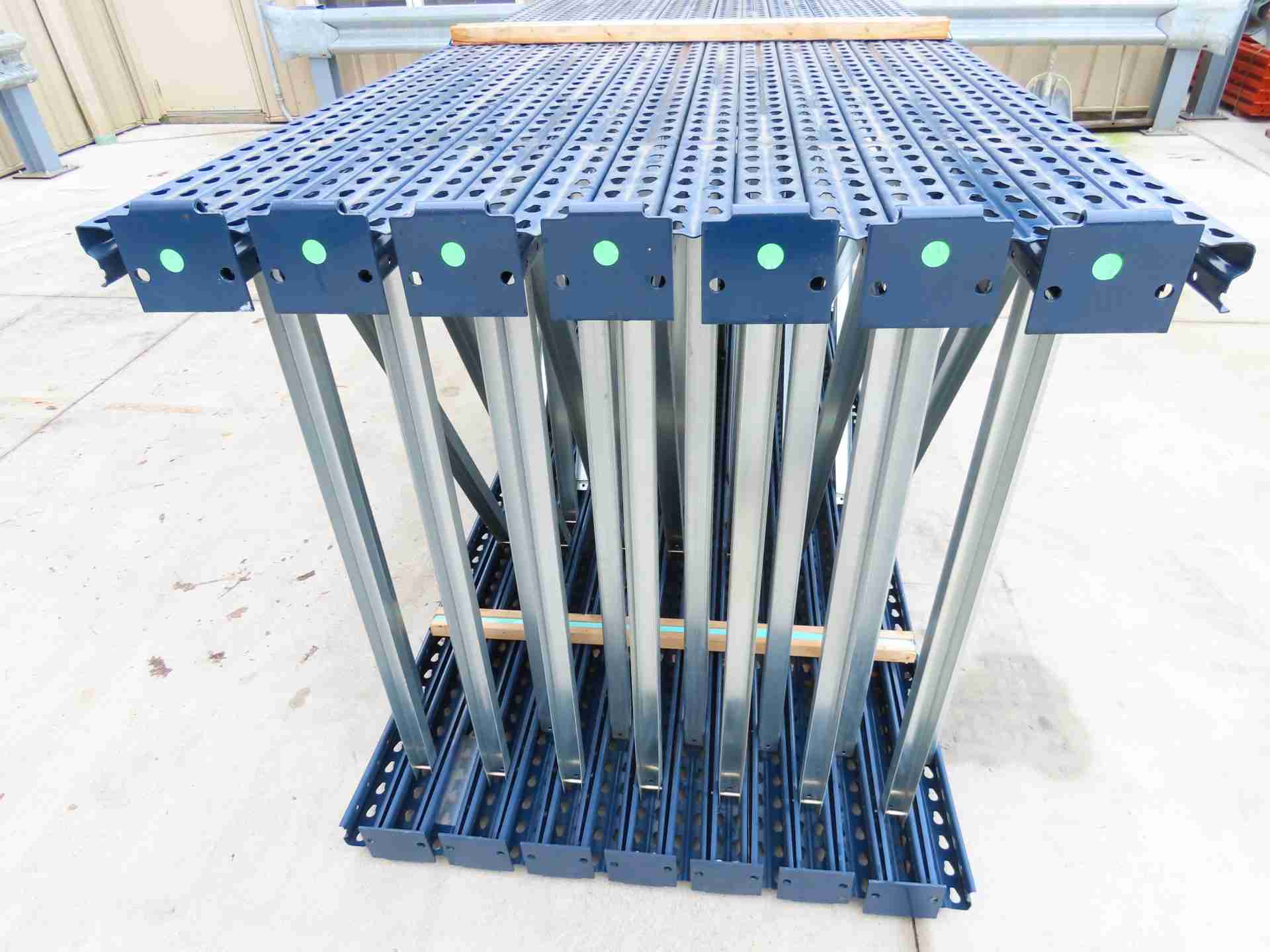
How Can Pallet Racking Systems Improve Warehouse Efficiency?
Do Pallet Racking Systems Require Regular Maintenance?
Yes, pallet racking systems do require regular maintenance. Just like any piece of equipment or machinery, these systems need to be properly cared for in order to ensure they are safe and efficient to use.
Regular maintenance is important for a number of reasons. First and foremost, it helps to prevent accidents and injuries. If a pallet racking system is not properly maintained, it can become unstable and collapse, putting both workers and products at risk. By regularly inspecting and maintaining the system, you can catch any potential issues before they become serious problems.
In addition to safety concerns, regular maintenance also helps to extend the lifespan of the pallet racking system. By keeping the system in good working condition, you can avoid costly repairs or replacements down the line. This not only saves you money in the long run, but it also helps to prevent disruptions to your business operations.
So, what exactly does regular maintenance entail when it comes to pallet racking systems? Well, there are a few key things to keep in mind. First, it’s important to inspect the system on a regular basis. This includes checking for any signs of damage, such as bent or rusted beams, loose bolts, or missing safety pins. By catching these issues early on, you can address them before they become larger problems.
In addition to regular inspections, it’s also important to keep the system clean and free of debris. Dust, dirt, and other debris can build up on the system over time, which can impact its stability and safety. By regularly cleaning the system, you can help to prevent these issues and keep it in good working condition.
Finally, it’s important to follow any manufacturer recommendations for maintenance and inspections. Different types of pallet racking systems may have specific requirements for maintenance, so be sure to consult the manufacturer guidelines for your particular system.
Yes, pallet racking systems do require regular maintenance. By taking the time to inspect, clean, and maintain your system on a regular basis, you can help to ensure its safety and longevity. Don’t overlook the importance of regular maintenance – your workers and your bottom line will thank you.

Do Pallet Racking Systems Require Regular Maintenance?
Do Pallet Racking Systems Require Regular Maintenance?
- Regular maintenance is crucial for pallet racking systems.
- Helps prevent accidents and injuries.
- Extends the lifespan of the system.
- Regular inspections are key.
- Keep the system clean and free of debris.
- Follow manufacturer recommendations for maintenance.
- Ensures safety and longevity of the system.

Do Pallet Racking Systems Require Regular Maintenance?
Conclusion
In conclusion, pallet racking systems are the unsung heroes of the warehouse world, quietly storing and organizing the countless items that keep our economy moving. These clever storage solutions are essential for maximizing space, improving inventory management, enhancing workplace safety, and increasing overall efficiency. By utilizing vertical storage space and providing easy access to inventory, pallet racking systems help businesses make the most of their warehouse floor space and optimize their storage capacity. From selective racking for high turnover inventory to drive-in racking for high-density storage, there are a variety of racking options available to meet the specific needs of different industries and businesses.
Pallet racking systems not only help maximize space but also improve organization, accessibility, and safety in the warehouse. By keeping items off the floor and stored securely on shelves, these systems help prevent accidents and injuries caused by cluttered aisles or improperly stored inventory. Regular maintenance is crucial to ensure the safety and efficiency of pallet racking systems, as it helps prevent accidents, extend the lifespan of the system, and avoid costly repairs or replacements.
Overall, pallet racking systems are indispensable tools for businesses looking to streamline their warehouse operations, increase productivity, and ultimately, boost their bottom line. These sturdy and versatile storage solutions may not be the flashiest feature of a warehouse, but they are essential for keeping operations running smoothly. So, the next time you walk through a warehouse and see those towering shelves of neatly stacked pallets, take a moment to appreciate the silent organizers that make it all possible. Pallet racking systems are the key to maximizing efficiency and success in the fast-paced world of logistics and warehouse management.

Conclusion
Conclusion:
- Pallet racking systems are essential for maximizing space and improving inventory management.
- They enhance workplace safety and increase overall efficiency.
- By utilizing vertical storage space, businesses can optimize storage capacity.
- There are various racking options available to meet specific industry needs.
- Pallet racking systems improve organization, accessibility, and safety in warehouses.
- Regular maintenance is crucial to ensure safety and efficiency.
- They are indispensable tools for businesses looking to streamline operations and boost productivity.

Conclusion
Other Resources

Other Resources
Here is a list of other resources you can review online to learn more:
- “Warehouse Racking and Pallet Rack Systems: Different …”
- “Freezer and Cold-Storage Pallet Rack”
- “Pallet Racking 101: A Comprehensive Guide & Options …”
- “What are the main advantages of implementing …”
- “Twinlode Automation | Material Handling & Storage Systems”
- “Warehouse Racking Layout: The Ultimate Guide”
- “Warehouse Wall Clearance Debate”
- “What is the logic of ‘live racks’ in warehouses?”
- “Drive-In vs. Pallet Flow vs. Selective Racking Systems”
- “Industrial Storage Rack & Shelving”
- “Pallet Racking Global Market Report 2024”
- “Warehouse & Distribution Science”

Other Resources
Glossary Terms
What Are Pallet Racking Systems and Why Are They Important? – Glossary Of Terms
1. Pallet Racking: Vertical storage solution using horizontal steel beams to store goods on pallets; maximizes warehouse space.
2. Beam: Horizontal steel component that supports pallets in racking systems; typically adjustable for different pallet heights.
3. Upright Frame: Vertical steel structures in a racking system that support beams; essential for overall system stability.
4. Cross Bracing: Diagonal supports that connect upright frames to enhance structural integrity and rigidity.
5. Load Capacity: Maximum weight a pallet racking system can safely hold; crucial for ensuring safety and preventing collapse.
6. Selective Racking: A type of racking system where every pallet position is accessible; excellent for varied inventory but less dense storage.
7. Drive-In Racking: High-density racking where forklifts enter the rack structure to deposit and retrieve pallets; suitable for bulk storage.
8. Push-Back Racking: Racking system using inclined rails and nested carts for high-density storage that allows multiple pallet deep storage.
9. Pallet Flow Racking: Utilizes sloped conveyor lanes within racks to automatically move pallets forward; ideal for FIFO inventory management.
10. Cantilever Racking: System with arms extending from columns to support items; best for storing long, bulky items like lumber or pipes.
11. Mezzanine Racking: Multi-level shelving or racking structure to create additional storage levels within a warehouse without using more floor space.
12. Aisle: The space between rows of racks to provide access for forklifts and personnel; critical for efficient warehouse navigation.
13. Forklift: Industrial truck used to lift and move pallets either to or from pallet racking systems.
14. Decking: Material placed between beams to support pallets not fully supported by the beams alone; often made of wire mesh or wood.
15. Safety Pins: Locking mechanisms that secure beams to upright frames; critical for beam stability and preventing dislodgement.
16. End-of-Aisle Protection: Guards installed at aisle ends to protect upright frames from forklift impacts.
17. Load Beam Deflection: Bending of the beam when under load; minimal deflection is acceptable but excessive deflection indicates overloading or damage.
18. Pick Face: The front-facing side of a pallet racking system where items are picked for orders; key for order fulfillment efficiency.
19. Storage Density: Measurement of how much volume can be stored per unit area in a warehouse; high density means more efficient use of space.
20. FIFO (First In, First Out): Inventory management system where the oldest stock is used first; reduces the risk of obsolescence or spoilage.
21. LIFO (Last In, First Out): Inventory method where the most recently stored items are used first; often used in less perishable product storage. 22. Bay: Individual section of pallet racking consisting of two upright frames and connected beams; fundamental unit of a racking system.
23. Pallet: Flat transport structure that supports goods in a stable manner during storage, handling, and transportation.
24. Column Guard: Protective device fitted around pallet racking uprights to prevent damage from forklifts or handling equipment.
25. Carton Flow: System of inclined shelves using rollers or wheels to allow cartons to move forward; increases order picking efficiency.
26. Seismic Zone: Geographical areas classified based on earthquake activity; racking systems in these areas require additional structural considerations.
27. Pick-to-Light: Technology integrated into racking systems to guide pickers to the correct location using lights; speeds up order picking.
28. Pallet Jack: Manual or semi-automated tool used to lift and move pallets over short distances within a warehouse.
29. Rack Safety Regulations: Guidelines and legal requirements for the safe installation and use of pallet racking systems; ensures workplace safety.
30. Rack Inspection: Regular examination of pallet racking systems for damage or wear; essential for maintaining safety and compliance with regulations.
These terms encompass the basic components, types, and important considerations related to pallet racking systems and their vital role in efficient warehouse management.

Glossary Of Terms
Other Questions
What Are Pallet Racking Systems and Why Are They Important? – Other Questions
If you wish to explore and discover more, consider looking for answers to these questions:
- How do you choose the right pallet racking system for your warehouse needs?
- What are the costs associated with installing and maintaining pallet racking systems?
- Are there any safety regulations or standards that pallet racking systems must comply with?
- Can pallet racking systems be customized for specific types of products or industries?
- What factors should you consider when designing the layout of a pallet racking system?
- How do pallet racking systems impact the overall workflow and productivity of a warehouse?
- What are some common mistakes to avoid when installing pallet racking systems?
- How do you upgrade or expand an existing pallet racking system?
- Are there any new technologies or innovations in pallet racking systems?
- What training is required for employees to safely use and maintain pallet racking systems?
- How do pallet racking systems integrate with other warehouse management systems?
- What are the environmental benefits of using pallet racking systems?
- How much weight can different types of pallet racking systems support?
- What are the signs that a pallet racking system needs maintenance or replacement?

Other Questions
Checklist
What Are Pallet Racking Systems and Why Are They Important? – A Checklist
Introduction:
_____ Understand the definition and purpose of pallet racking systems.
_____ Recognize the importance of pallet racking systems in warehouse efficiency and safety.
Benefits of Pallet Racking Systems:
1. Space Optimization:
_____ Utilize vertical storage space.
_____ Increase storage capacity without expanding the warehouse footprint.
2. Improved Organization:
_____ Neatly categorize and allocate space for different types of inventory.
_____ Ensure easy retrieval and access to products.
3. Enhanced Safety:
_____ Prevent cluttered aisles and remove tripping hazards.
_____ Reduce risk of accidents from falling items.
_____ Properly support heavy items to prevent strain injuries.
4. Increased Efficiency:
_____ Streamline the picking and packing process.
_____ Reduce time spent searching for items.
_____ Enhance workflow and reduce congestion in the warehouse.
Key Functions of Pallet Racking Systems:
_____ Maximize and efficiently utilize storage space.
_____ Improve inventory management.
_____ Ensure workplace safety.
_____ Customize according to different industry needs.
Types of Pallet Racking Systems:
1. Selective Racking:
_____ Direct access to each pallet.
_____ Versatility to adjust for different pallet sizes.
2. Drive-In Racking:
_____ High-density storage for similar products.
_____ Suitable for warehouses with limited space.
3. Push Back Racking:
_____ Store pallets multiple deep on inclined rails.
_____ Ideal for high-turnover goods requiring FIFO management.
4. Cantilever Racking:
_____ Store long and bulky items, such as lumber or pipes.
_____ Customized to accommodate items of different lengths.
5. Pallet Flow Racking:
_____ Utilize rollers/wheels for pallets to move from loading to picking point.
_____ Excellent for maintaining FIFO inventory.
Maintenance for Pallet Racking Systems:
_____ Regularly inspect for any damage such as bent beams or loose bolts.
_____ Keep the system clean and free from debris.
_____ Follow manufacturer guidelines for maintenance.
_____ Address issues early to prevent accidents or costly repairs.
Summary:
_____ Appreciate the crucial role of pallet racking systems.
_____ Recognize their contribution to optimizing space, improving safety, and increasing efficiency.
_____ Invest in the right type of system suited to your warehouse needs.
_____ Maintain and inspect the system regularly for sustained functionality and safety.
This checklist will help ensure the effective implementation and maintenance of pallet racking systems, thereby maximizing warehouse efficiency and maintaining a safe workplace environment.
Checklist
At RackingWorld, we help guide you through selecting warehouse storage systems and racking.
Be sure to read our other related stories at RackingWorld to learn more about warehouse storage systems.
0 Comments