
Ensuring Safety And Stability: The Essential Role Of Wall Ties
By Tom Seest
At RackingWorld, we help guide you through selecting warehouse storage systems and racking.
Be sure to read our other related stories at RackingWorld to learn more about warehouse storage systems.
When to Use Wall Ties In Rack Installations
When it comes to racking installations, wall ties are the unsung heroes that hold everything together in a way you might not fully appreciate until you see what happens without them. Picture this: you’ve meticulously installed a series of racks to maximize space and efficiency. Everything looks perfect. But, and it’s a big “but,” the moment you skip on wall ties amidst your excitement, you metaphorically leave the door open for chaos.
Racking systems are designed to support hefty loads, but without wall ties, you’re walking a tightrope. Legally, ethically, and practically speaking, omitting these connectors could lead to disastrous consequences—not just for your equipment but for the safety of everyone in the vicinity. We’ve all heard tales of structures collapsing under pressure, the repercussions echoing long after the dust settles. When it comes to safety, we shouldn’t take short cuts. This isn’t just about following regulations; it’s about responsibility.
Emotionally, consider the people who benefit from your well-constructed racking system. The warehouse workers whose daily grind is made smoother by an organized, safe environment. Their peace of mind relies on your diligence. You have the unique opportunity to build not just a physical structure, but a sense of security and efficiency that ripples through your entire operation.
Now, let’s talk numbers. It’s no secret that wall ties enhance stability, which in turn safeguards your investments. Think of wall ties as a mighty insurance policy for your racks. From a rational standpoint, spending a little extra time and effort on these small components pays off handsomely. Those who skimp typically find themselves dealing with costly repairs and lost productivity down the line—a hard lesson that can seriously sting.
Wall ties foster trust and confidence in the system. When your team sees well-installed racks that are cinched down into their surroundings, they feel an unspoken assurance. They know you care about their safety and the integrity of their work environment.
So, when gearing up for any racking installation, remember: wall ties aren’t just an option; they’re a necessity. Embrace them, not just as a piece of equipment, but as the backbone of a safe, effective storage solution. Your heart, head, and gut will thank you—as will everyone relying on that sturdy infrastructure.

When to Use Wall Ties In Rack Installations
When to Use Wall Ties In Rack Installations
- Wall ties play a crucial role in securing racking installations and ensuring stability.
- Omitting wall ties can lead to serious safety risks and equipment failure.
- Neglecting these connectors is not only a regulatory issue but a responsibility towards safety.
- A well-constructed racking system contributes to a safe and organized work environment for warehouse workers.
- Investing time and effort in wall ties is cost-effective, preventing costly repairs and lost productivity.
- Properly installed wall ties foster trust and confidence among team members regarding safety.
- Wall ties are essential components for a safe and effective storage solution.

When to Use Wall Ties In Rack Installations
Table Of Contents
- When to Use Wall Ties In Rack Installations
- What Risks Do We Face If Wall Ties Are Installed Incorrectly?
- How Can Proper Wall Tie Usage Enhance Safety In Installations?
- Are There Guidelines for the Best Practices In Wall Tie Placement?
- What Impact Can Wall Ties Have on Long-Term Structural Stability?
- How Do Wall Ties Affect the Integrity Of Heavy Rack Storage Systems?
- Conclusion
- Other Resources
- Glossary Of Terms
- Other Questions
- Checklist
What Risks Do We Face If Wall Ties Are Installed Incorrectly?
When it comes to the structural integrity of our homes, many of us rely on the craftsmanship of the builders and the strength of the materials used. But what happens if wall ties, those unseen steel connections that keep our brickwork in place, are installed incorrectly? The reality is far more alarming than most of us realize.
First, let’s consider the basic function of wall ties. They’re designed to provide stability, holding your home together like a vital set of ligaments. If they aren’t properly installed, you might soon find yourself facing a host of complications, starting with something as simple as racking. Imagine a house that starts to sway and shift, not unlike a child’s toy that’s been bumped a little too hard. The bricks begin to fracture, and before long, those minor cosmetic issues evolve into major structural dilemmas.
The heartache doesn’t end there. When families realize their home is no longer a sanctuary but a risk-laden structure, distress sets in. The thought of repairs and potential loss of property value haunts homeowners, not to mention the disruption to everyday life and the uncertainty that looms over a family’s safety. There’s nothing quite like the sinking feeling that comes with realizing your investment is literally crumbling.
Rationally speaking, the cost of correcting poor installation can skyrocket, often inflating beyond original estimates. Is it ethical to overlook these risks, especially when families may not even be aware they face them? Builders, inspectors, and contractors hold a responsibility—not just to their wallets, but to the homes they build and the families they shelter.
Narratively, we can look at stories from those who’ve faced this reality. Picture a couple, excited to settle into their forever home, only to discover shifting walls and separating bricks years down the line. With every crack that appears, those dreams seem more distant, replaced by the harsh reality of dealing with contractors and potential lawsuits.
At a social level, we owe it to one another to foster conversations about home safety. Ask questions, demand thorough inspections, and advocate for proper installations. By doing so, we can stand united in this fight against lax standards, ensuring that every family thrives in a safe and secure environment. After all, we’re not just building walls; we’re building homes—sanctuaries for our hopes and dreams.

What Risks Do We Face If Wall Ties Are Installed Incorrectly?
What Risks Do We Face If Wall Ties Are Installed Incorrectly?
- The structural integrity of homes relies on builders’ craftsmanship and material strength.
- Incorrectly installed wall ties can lead to significant issues, starting with minor racking.
- Failure of wall ties results in brick fracturing and major structural problems over time.
- Homeowners face distress and potential loss of property value due to safety concerns.
- Correcting poor installations can be costly and ethically questionable for builders and contractors.
- Personal stories highlight the painful realizations of couples dealing with deteriorating homes.
- Community discussions about home safety and proper installations are essential for ensuring family security.

What Risks Do We Face If Wall Ties Are Installed Incorrectly?
How Can Proper Wall Tie Usage Enhance Safety In Installations?
When it comes to construction, safety can’t be a secondary thought; it’s the backbone of a building’s integrity. Enter wall ties—those often-overlooked components that play a pivotal role in ensuring that our structures stand firm against the forces of nature. Consider the countless lives and memories held within those walls. In every home, office, or community center, wall ties are not just metal connectors; they are silent guardians. They endure racking forces that can twist and contort a building if left unchecked.
Think about it: when your children play in the living room, when families gather around the dinner table, or when businesses thrive in their brick-and-mortar locations, security is paramount. Proper wall tie usage isn’t just a technical requirement; it’s a promise made to every human being who occupies that space. The emotional toll of failure is unimaginable; structural collapse can shatter not just buildings but dreams, livelihoods, and lives.
From a rational standpoint, the engineering behind wall ties is a stellar example of smart design working in harmony with safety standards. Each tie, strategically placed, functions to distribute loads and counteract the racking forces that threaten a structure’s stability. Ignoring these essential pieces is like leaving a door wide open in a storm. The numbers speak for themselves—effective wall tie installation dramatically reduces the risk of structural failure, underlining its importance in safeguarding our loved ones.
Ethically, every builder and homeowner shares a profound responsibility to ensure that the structures we inhabit are sound. When you cut corners, you’re not just jeopardizing a building; you’re potentially putting lives on the line. The strength of our communities depends on the integrity of our infrastructures.
Authority figures in construction often illustrate the necessity of wall ties through stories ripped straight from disaster headlines. Those tales serve as stark reminders—the aftermath of choices made or neglected on job sites reveals the true cost of inadequate installations. They remind us that good practice isn’t just a guideline; it’s a mantra we should all embrace for the sake of safety.
Together as a society, we can forge a commitment to excellence in construction. By prioritizing the proper use of wall ties and standing together against negligence, we foster not only safety but also trust—the underpinning of any thriving community. Let’s make every connection count.

How Can Proper Wall Tie Usage Enhance Safety In Installations?
How Can Proper Wall Tie Usage Enhance Safety In Installations?
- Safety is paramount in construction, serving as the backbone of a building’s integrity.
- Wall ties are critical yet often overlooked components that ensure structural stability.
- They function as silent guardians, countering racking forces that could compromise buildings.
- Proper use of wall ties is essential for maintaining the security of homes, businesses, and community spaces.
- Effective installation of wall ties significantly reduces the risk of structural failures and protects lives.
- Builders and homeowners have a shared ethical responsibility to ensure strong and sound structures.
- Commitment to excellence in construction, especially regarding wall ties, fosters safety and trust in communities.

How Can Proper Wall Tie Usage Enhance Safety In Installations?
Are There Guidelines for the Best Practices In Wall Tie Placement?
When it comes to the unassuming yet crucial wall tie placement, there’s a bit of artistry behind the science. Imagine standing before a freshly constructed building, feeling the tangible pride of craftsmanship. But behind that facade lies a more intricate story—a commitment to standards that ensure every brick holds firm against the whims of Mother Nature. You see, wall ties are more than just metal connectors; they’re the lifeblood of a structure, preventing racking and ensuring stability over time.
Think about it: every home—and every family—deserves a solid foundation. When you place wall ties with precision, you’re not just following guidelines; you’re engaging in a practice that speaks to the human desire for sanctuary. It’s about keeping your loved ones safe, grounded, and shielded from the unexpected storms. But there’s more than heart involved here; there’s a whole host of rationality behind it.
Guidelines suggest placing wall ties at specified intervals, usually no more than 600mm apart vertically and 900mm horizontally. These metrics exist for a reason—they’re informed by years of research and proven results. Neglecting this wisdom is not just negligent; it carries potential consequences that could reverberate through generations. If ties are spaced too far apart or incorrectly installed, the walls might bow and crack, leaving your dreams of homeownership as fragile as an unsound wall.
Ethically, we bear a responsibility to our communities and the environment. Wall tie installation isn’t merely a task; it’s an act of stewardship. You’re contributing to the longevity of structures that house memories, families, and dreams. Each tie you place acts as a promise—it says, “I care.”
Think back to a time you felt that rush of satisfaction when something you worked hard on was completed just right. Each tie is a step toward that feeling—a sense of achievement anchored in the knowledge that your work contributes to the well-being of others.
So next time you’re on a job site, remember that every placement matters. You join a lineage of builders who painstakingly shaped safe havens. Let that sense of purpose resonate in every twist of a tie as you anchor not just bricks, but also hearts and hopes. Be that guardian of safety, confidence, and integrity. The wall you build isn’t just a wall; it’s a testament to the strength of human endeavor.

Are There Guidelines for the Best Practices In Wall Tie Placement?
Are There Guidelines for the Best Practices In Wall Tie Placement?
- Wall tie placement combines artistry and science, contributing to the structural integrity of buildings.
- Wall ties are essential for preventing racking and ensuring long-term stability.
- Proper placement of wall ties provides safety and security for families and homes.
- Guidelines recommend spacing wall ties no more than 600mm apart vertically and 900mm horizontally.
- Neglecting these guidelines can lead to significant structural issues and impact future generations.
- Installation of wall ties represents a commitment to community and environmental stewardship.
- Every tie placed is a promise to prioritize safety, quality, and the well-being of others.

Are There Guidelines for the Best Practices In Wall Tie Placement?
What Impact Can Wall Ties Have on Long-Term Structural Stability?
When we think about the heart of a building—its foundation, its walls, and the ties that hold it all together—it’s easy to overlook the humble yet vital role of wall ties. Picture this: a family home filled with laughter, memories, and dreams, standing tall through storms and seasons. Wall ties are the unsung heroes, quietly working behind the scenes to ensure that structure remains intact. But what is the real impact of wall ties on long-term structural stability?
At its core, structural integrity is about more than just bricks and mortar; it’s about safety, security, and peace of mind. When wall ties are installed correctly, they act like a safety net, holding everything together during the inevitable forces of nature—like wind and racking that can sway the very walls we depend on. A home might look strong from the outside, but when racking occurs, the proper wall ties can mean the difference between a vibrant family life and disaster. Investing in quality wall ties is not merely a construction choice; it’s a commitment to your loved ones.
Now, let’s think about ethics for a moment. Choosing the right materials and ensuring they are up to standard isn’t just an architectural decision; it’s a moral responsibility to ourselves and our communities. Every builder has a chance to affect lives—past, present, and future. When these ties are neglected or installed hastily, the consequences can lead to costly repairs down the line, and worse yet, a risk to the health of families living within.
Imagine a neighbor’s home, where structural oversight turned into a costly nightmare. A tale too familiar for some, charming buildings can bear burdens they’re not equipped to handle. By prioritizing quality and understanding what wall ties bring to the table, we not only safeguard our structures but cultivate a culture of accountability and care.
When the last brick is laid, and families lay their heads to rest, trusting the stability of their homes, it’s those unsung wall ties doing their job in silent strength. So, whether you’re a homeowner, a contractor, or just someone who appreciates the importance of solid structures, remember: wall ties are not just about construction—they’re about creating a legacy of stability and security for generations to come. Let’s strive to build a world where every wall is a testament to careful craftsmanship and unwavering commitment.

What Impact Can Wall Ties Have on Long-Term Structural Stability?
What Impact Can Wall Ties Have on Long-Term Structural Stability?
- Wall ties play a vital yet often overlooked role in the structural stability of buildings.
- They act as a safety net, preventing disasters caused by natural forces like wind and racking.
- Proper installation of wall ties is essential for ensuring safety and peace of mind in homes.
- Choosing quality materials and adhering to standards is a moral responsibility for builders.
- Neglecting or improperly installing wall ties can result in costly repairs and endanger families.
- Prioritizing the quality of wall ties fosters a culture of accountability and care within communities.
- Wall ties are not just a construction element; they represent a commitment to long-term stability and security.

What Impact Can Wall Ties Have on Long-Term Structural Stability?
How Do Wall Ties Affect the Integrity Of Heavy Rack Storage Systems?
When it comes to the integrity of heavy rack storage systems, wall ties are the unsung heroes. Picture a racking system loaded with heavy materials, teetering on the edge of functionality. These hefty shelves support the weight of our bustling lives—everything from tools and equipment to personal belongings. Without proper support from wall ties, that weight becomes a ticking time bomb, ready to collapse under the strain.
The head knows the numbers: safety regulations, load capacities, and engineering standards. You might think, “It’s just a few metal ties, right?” But let’s peel back the layers. These ties act as the connective tissue that holds our storage solutions together, providing stability where it’s needed most. An entire livelihood could hinge on the reliability of those connections, and when the stakes are high, a simple oversight can translate into consequences far beyond a messy warehouse.
But the gut feels it too—there’s a sense of unease, a primal instinct that kicks in when you witness poorly secured racks groaning under their burden. It’s human nature to seek security, and when those wall ties are the reinforcing agents, you can sleep better at night knowing that your storage isn’t just functional—it’s secure. The weight you load onto those racks might be physical, but the emotional toll of a collapse can be catastrophic.
Then there’s the ethical dimension. As warehouse managers, business owners, or even part-time storage users, we have a responsibility to make quality decisions. Choosing to install proper wall ties isn’t just a compliance necessity; it’s a commitment to safety for everyone—from the employees navigating the aisles to the customers relying on your business. It’s what separates the conscientious from the careless and builds a culture of trust and reliability in the workplace.
Moreover, think about the narrative we tell ourselves and others. A well-maintained racking system speaks volumes about our values and our approach to work. Just as we draw lines of distinction between a haphazard setup and one that reflects diligence, the inclusion of robust wall ties can symbolize a deeper care for people and the environment in which we operate. We’re all in this together, and by paying attention to those little details, we foster a community that thrives on safety and quality.
Those wall ties are more than just metal—they’re a promise. A promise that the structure won’t fail, that we’re looking out for one another, and that safety truly comes first in heavy rack storage systems. Let’s make that commitment together.
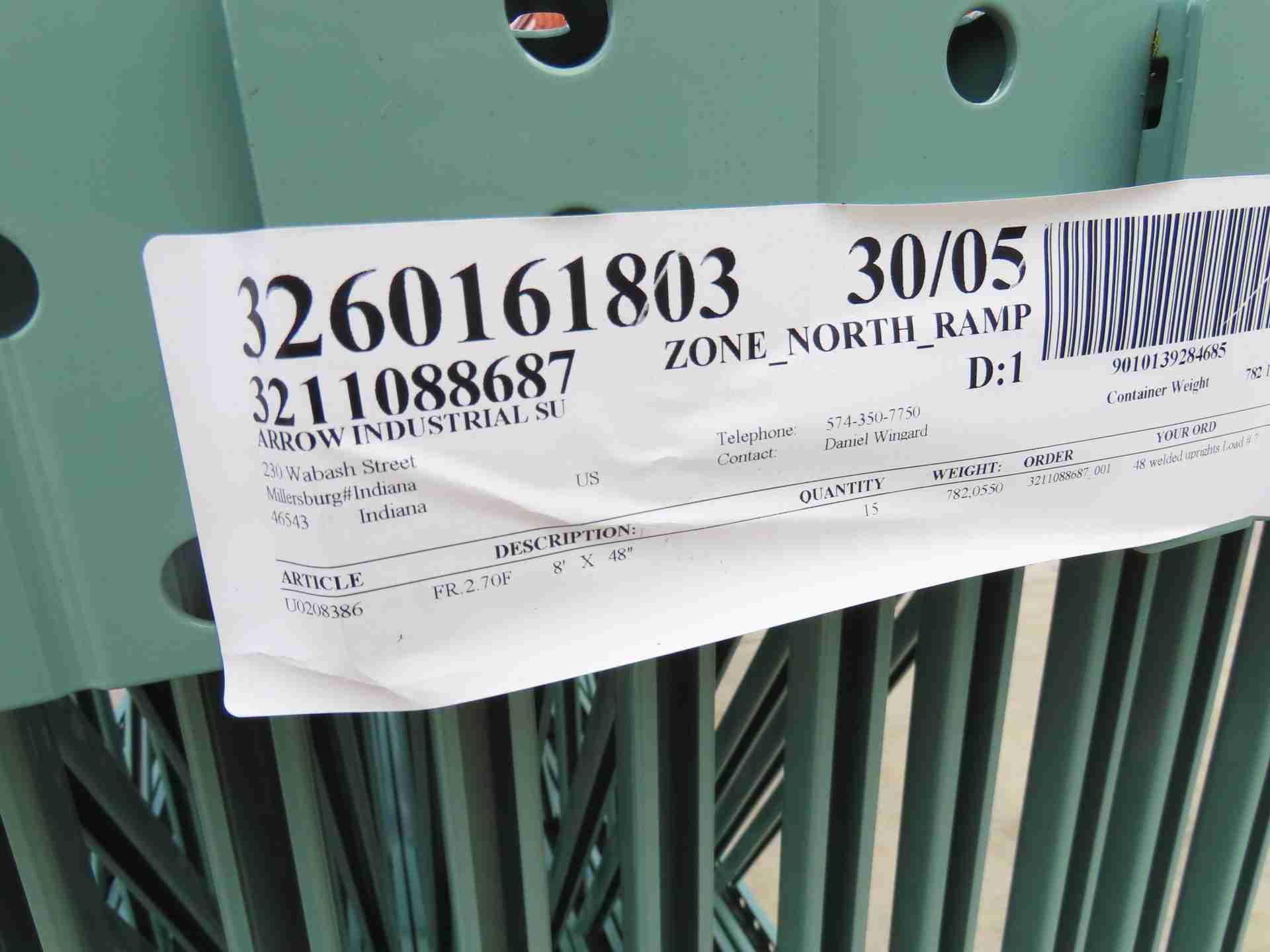
How Do Wall Ties Affect the Integrity Of Heavy Rack Storage Systems?
How Do Wall Ties Affect the Integrity Of Heavy Rack Storage Systems?
- Wall ties are crucial for the integrity of heavy rack storage systems.
- They prevent racking systems from collapsing under weight, ensuring stability.
- Attention to wall ties is essential for adhering to safety regulations and engineering standards.
- Proper installation of wall ties enhances the security of storage solutions, reducing emotional stress related to potential failures.
- Choosing quality wall ties reflects a commitment to safety and builds trust in the workplace.
- A well-maintained racking system showcases values of diligence and care for people and the environment.
- Wall ties symbolize a promise of safety and reliability in heavy rack storage systems.
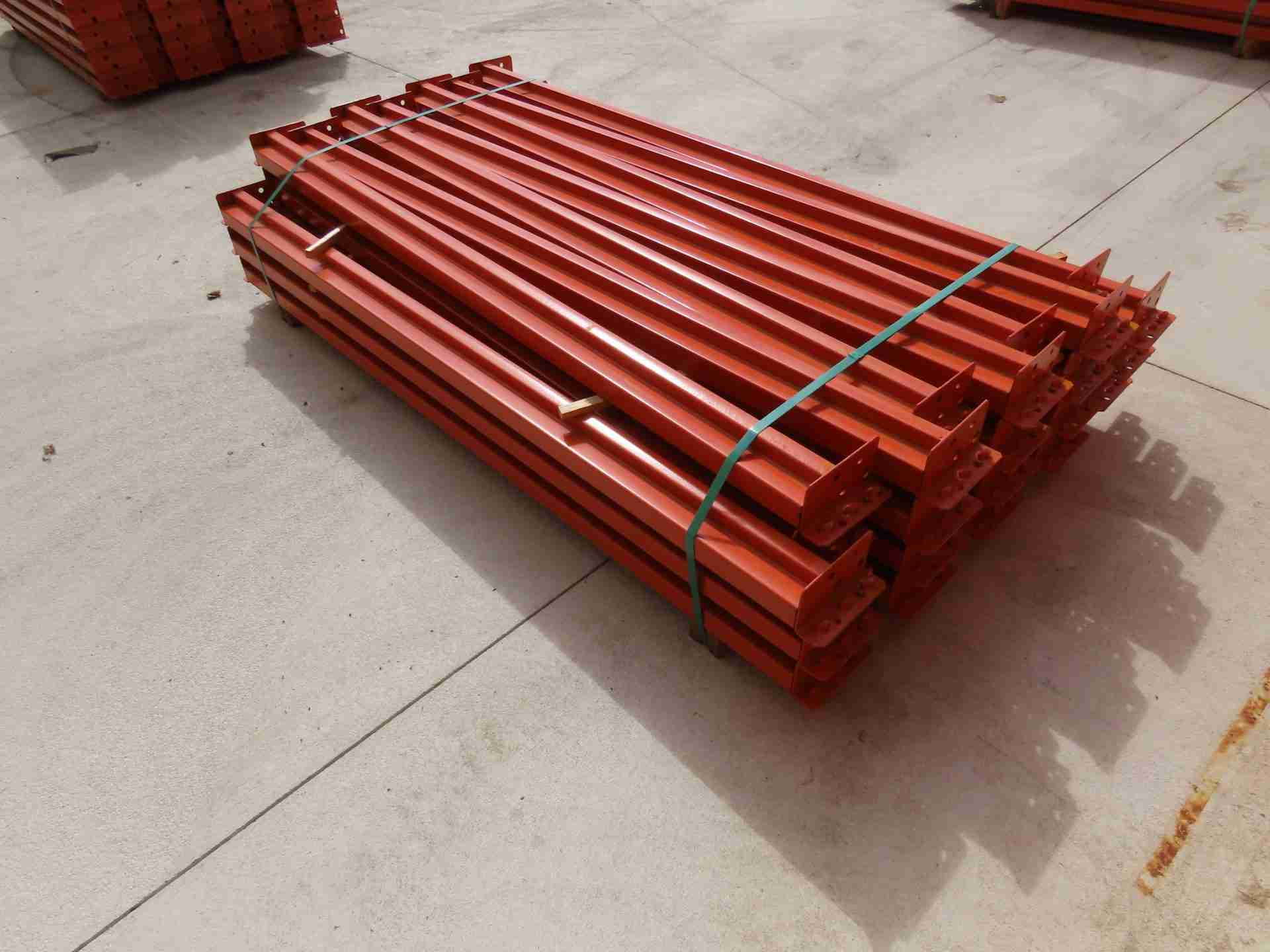
How Do Wall Ties Affect the Integrity Of Heavy Rack Storage Systems?
Conclusion
Construction is more than a trade; it’s a commitment to the safety and stability of our communities. Within the rich tapestry of building practices, wall ties emerge as the unsung heroes—those little metal connectors balancing the heavy loads we depend on in our lives and businesses. With each well-placed tie, we weave a safety net that upholds not just bricks and mortar, but the very dreams and aspirations housed within those walls.
Imagine walking into a warehouse filled with busy workers, or a family home bustling with laughter. Now imagine the chaos that could ensue if those spaces were compromised—shelves collapsing, walls cracking, and lives disrupted. The failure to install wall ties properly or, worse, to skip them altogether, pushes us dangerously close to that chaos. It’s not just about adhering to building codes; it’s about owning the responsibility that comes with erecting a safe space for families, employees, and communities.
The emotional ripple effect of neglect can wreak havoc. Think about families feeling secure in their homes, children playing freely, all built on a foundation that prioritizes their safety. When we fail to secure wall ties, we’re not just cutting corners; we could be jeopardizing peace of mind, and even lives. The heartache of a structural failure—an investment crumbling beneath your feet—echoes long after the dust settles, often burdening communities with financial strain and emotional scars.
From a rational standpoint, wall ties represent a wise investment. Proper installation pays off, safeguarding the integrity of structures while preventing costly repairs down the line. This is not merely a technical requirement; it’s a smart business decision that underscores the importance of safety in every workplace and home. Those ties convey a message of trust—both to your team and your customers. When they see those connections secured, there’s a shared understanding that their safety and well-being matter.
Ethically, every builder and homeowner must grapple with the far-reaching implications of their choices. They bear a responsibility to their communities, to the families that dwell within their structures, and to the environment at large. Every wall tie placed with care is a pledge—a commitment to safeguarding the future.
In construction, we have not just jobs, but legacies. With each wall tie we install, we honor that legacy, knowing we are building a foundation of safety, trust, and resilience that nurtures the very fabric of our society. It is time we elevate wall ties from the sidelines to center stage. Their role in construction goes far beyond the physical; they embody the spirit of responsible building. Let’s build a future where every wall not only stands strong, but also safeguards the hopes and dreams of all who depend on it.

Conclusion
Conclusion:
- Construction is a commitment to community safety and stability.
- Wall ties are crucial metal connectors that support essential loads in buildings.
- Improperly installed or omitted wall ties can lead to structural failure and chaos.
- Neglecting wall ties compromises safety, peace of mind, and overall wellbeing.
- Proper installation of wall ties is a smart financial decision that prevents future repairs.
- Builders and homeowners have ethical responsibilities to ensure safety and environmental care.
- Each installed wall tie symbolizes a commitment to community trust and resilience.

Conclusion
Other Resources

Other Resources
Here is a list of other resources you can review online to learn more:
- Teardrop Racks – Pallet Rack World
- Chicago Pallet Racking
- Selective Pallet Racking Systems – Container Systems
- Warehousing and Fulfillment
- Pallet Racking systems in Illinois, Great Lakes
- Selective Racking
- IIWS Inc. Rack Installation Illinois & Rack Repairs Illinois
- Warehouse Racking Systems: Beginner’s Guide to Rack Systems
- Cantilever Rack Guide: Ordering Cantilever Racking
- Storage Equipment Manufacturers’ Association
- Total Warehouse
- Rack Manufacturers Institute
- BMH Equipment LLC
- Warehouse Automation
- Material Handling Industry
- Pallet Racks, Pallet Racking, Pallet Shelves in Stock – ULINE
- What is Cantilever Racking? – AK Material Handling Systems
- Warehouse Racking Chicago, IL
- Illinois
Use This Prompt To Get More Resources With Your Favorite Online AI Tool: Please provide me with a list of online articles with their URLs in a bulleted list that I can read regarding When to Use Wall Ties In Rack Installations

Other Resources
Glossary Terms
When to Use Wall Ties In Rack Installations – Glossary Of Terms
1. Wall Tie: A metal connector used to secure a wall section to a structural element, ensuring stability.
2. Rack Installation: The process of setting up storage racks for equipment or materials in a facility.
3. Structural Integrity: The ability of a structure to withstand its intended load without experiencing failure.
4. Load-Bearing Wall: A wall that supports the weight above it, including for floors or roofs.
5. Lateral Support: Stability provided to walls or structures against sideways forces.
6. Tensile Strength: The resistance of a material to breaking under tension or pulling forces.
7. Shear Force: A force that causes layers or parts of a material to slide past each other.
8. Building Codes: Regulations that dictate how buildings should be constructed to ensure safety.
9. Bracing: Reinforcing walls or structures to withstand lateral forces.
10. Anchor Point: A fixed point used to stabilize a structure or connection.
11. Elevation: The height of a structure above a specific reference point.
12. Wind Load: The pressure exerted by wind on a structure, which must be considered in design.
13. Vertical Load: The weight that is applied downwards on a structure, often from above.
14. Connection Points: Areas where structural elements meet and are secured together.
15. Foundation: The base support for a structure, distributing loads to the ground.
16. Leveling: Ensuring that each part of a structure is even and aligned properly.
17. Stability: The state of being firm and steady, especially in a structure’s load handling.
18. Installation Guidelines: Recommended practices and instructions for setting up a system or structure.
19. Safety Factor: The ratio of the maximum load a structure can support to the expected load, ensuring safety.
20. Torque: A measure of the rotational force applied, important in tightening connections.
21. Fastening System: The mechanism used to join components securely, often involving screws, bolts, or ties.
22. Alignment: The arrangement of components to ensure they are in a straight line or proper position.
23. Structural Design: The process of creating a layout that ensures safety and integrity for a building.
24. Installation Sequence: The specific order in which components should be installed for optimal results.
25. Thermal Expansion: The tendency of materials to change size in response to temperature changes, affecting structural integrity.
26. Dead Load: The weight of the structure itself plus any fixed equipment, used in load calculations.
27. Live Load: The weight of movable objects in a structure, such as people or furniture, factored into design.
28. Compliance: Adhering to building codes and safety regulations during construction and installation.
29. Inspection: The process of examining a structure to ensure it meets safety and quality standards.
30. Racking: The stability and structural performance of a storage system under various loading conditions.

Glossary Of Terms
Other Questions
When to Use Wall Ties In Rack Installations – Other Questions
If you wish to explore and discover more, consider looking for answers to these questions:
- What materials are typically used for wall ties?
- How do wall ties differ from other structural supports?
- What are the legal requirements for wall tie installation?
- Can I install wall ties myself, or should I hire a professional?
- What are the signs that indicate wall ties are improperly installed?
- How often should wall ties be inspected or replaced?
- What alternatives exist if wall ties cannot be used?
- How do wall ties contribute to energy efficiency in buildings?
- What specific regulations pertain to wall tie installation in different regions?
- What are the costs associated with wall tie installation and maintenance?
- Can wall ties be reused if removed during renovations?
- What is the historical significance of wall ties in construction?
- How can wall ties improve the resale value of a property?
- What training or certifications should installers have for proper wall tie installation?

Other Questions
Checklist
When to Use Wall Ties In Rack Installations – A Checklist
Wall Ties Installation Checklist: Ensuring Safety, Stability, and Integrity
Emotional Appeals:
_____ Visualize Safety: Consider the peace of mind that comes from knowing your racking system is secure.
_____ Community Consideration: Reflect on how your choice affects not just your operation, but the safety of everyone around you.
Rational Appeals:
_____ Load Capacity Awareness: Understand and apply weight limits for materials on your racking systems.
_____ Follow Installation Guidelines: Adhere to spacing guidelines: no more than 600mm apart vertically and 900mm apart horizontally.
_____ Conduct Regular Inspections: Schedule periodic checks to ensure wall ties remain secure and in proper condition.
Ethical Appeals:
_____ Commitment to Quality: Prioritize high-quality materials to protect the wellbeing of individuals in your structures.
_____ Transparency in Practices: Be open about installation processes and invite inspections to ensure all safety standards are met.
Authority Appeals:
_____ Consult Industry Standards: Reference guidelines set by recognized construction standards or authorities to inform your installation practices.
_____ Engage Experts: Don’t hesitate to reach out to specialists for advice on wall tie placement and installation.
Narrative Appeals:
_____ Learn from Others: Review case studies or testimonials from individuals who faced consequences due to improper installations.
_____ Document Your Process: Keep a log of installation practices and inspections as a step towards accountability.
Social Appeals:
_____ Encourage Team Communication: Foster discussions among colleagues about the importance of proper wall tie installation.
_____ Advocate for Best Practices: Share information and resources on wall ties with your professional network to promote industry safety standards.
Gut Appeals:
_____ Trust Your Instincts: If something feels off during installation, take a step back and reassess the process.
_____ Visualize Failure: Think about the potential risks of underestimating the importance of wall ties and how it impacts lives.
Actionable Steps:
_____ Make a Plan: Before starting, outline your installation process and checklist for installing wall ties.
_____ Create a Reminders System: Set alarms or reminders for inspection intervals to maintain safety standards consistently.
By utilizing this checklist, ensure that wall ties are not just an afterthought but a foundational commitment to safety, integrity, and community well-being in your construction practices.
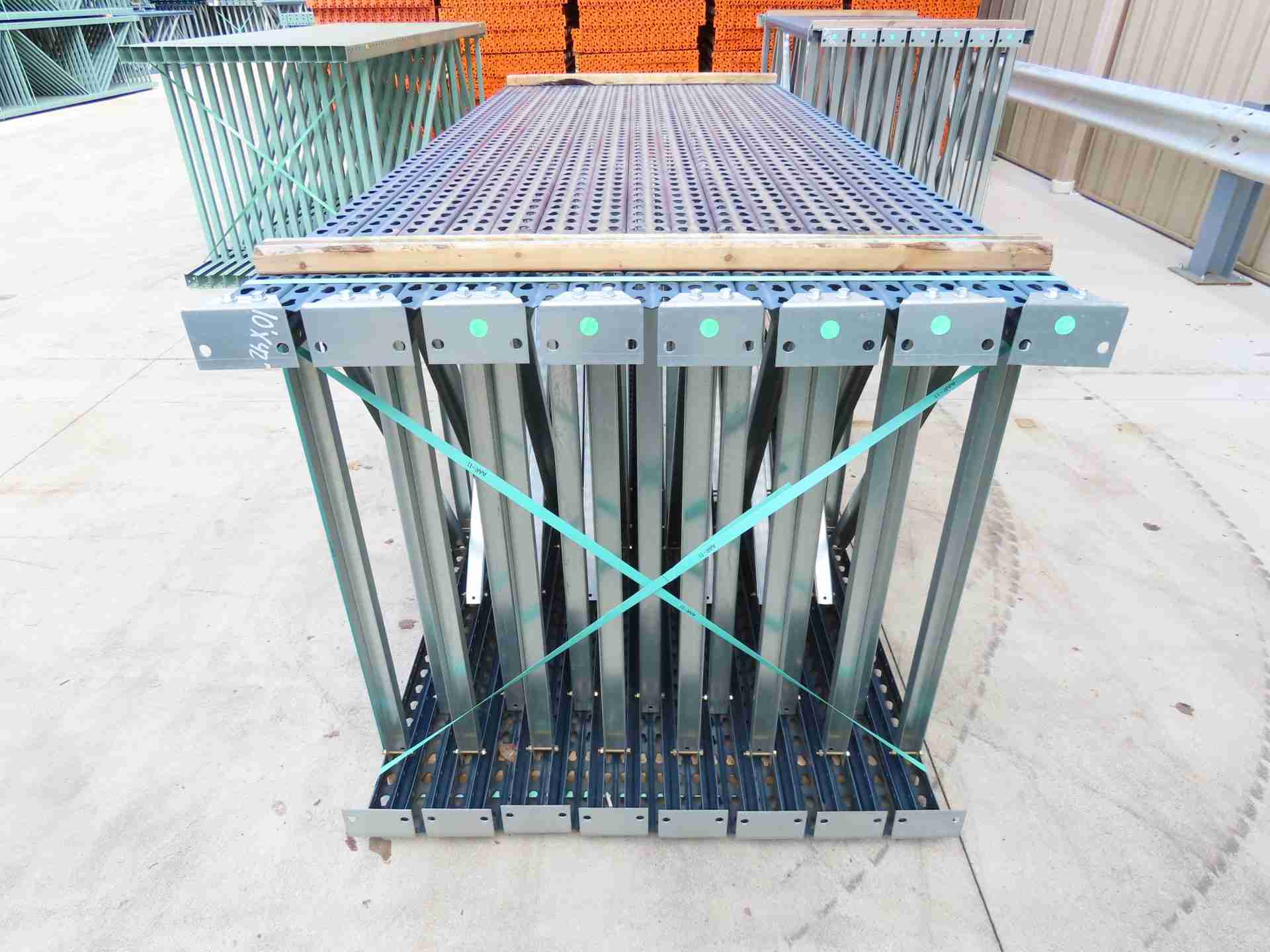
Checklist
At RackingWorld, we help guide you through selecting warehouse storage systems and racking.
Be sure to read our other related stories at RackingWorld to learn more about warehouse storage systems.
0 Comments