
Maximizing Shelf Life: Maintenance Tips For Warehouse Shelving
By Tom Seest
At RackingWorld, we help guide you through selecting warehouse storage systems and racking.
Be sure to read our other related stories at RackingWorld to learn more about warehouse storage systems.
What Maintenance Tips Can Extend The Life Of Your Warehouse Shelving?
In today’s fast-paced logistics environment, maximizing operational efficiency isn’t just an option; it’s a necessity. One area many businesses overlook is the maintenance of their warehouse shelving, particularly pallet racking. The truth is, a little proactive care can prevent costly damages and replacements down the line, ensuring your operations run smoothly for years to come.
1. Regular Inspections
Just like you wouldn’t drive a car without checking the oil or brakes, your pallet racking requires regular inspections to function safely. Set up a schedule, perhaps monthly or quarterly, to assess your shelving’s condition. Look for signs of wear, such as loose bolts, bent frames, or rust. If your racking system is older, you might even consider a more in-depth inspection at an external facility to verify structural integrity.
2. Employee Training
An often-forgotten aspect of warehouse maintenance is proper training. Educate your employees on safe loading practices and the correct way to use your pallet racking systems. Encourage them to report any damages immediately; a minor issue today can turn into a significant problem tomorrow. You wouldn’t allow your team to lift a hundred-pound weight without proper training—don’t let them load heavy pallets without understanding the limits of your equipment.
3. Load Management
Adhering to load capacity guidelines is crucial. Each pallet racking system has a specified limit, and exceeding it can lead to catastrophic failures. For example, during peak seasons like the holiday rush, maintain a diligent check on load weights to avoid overloading. Consider using color-coded labels for easy identification of weight limits—this simple system can minimize misuse and protect your investment.
4. Cleanliness Counts
Dirt and debris aren’t just unsightly; they can compromise the structural integrity of your pallet racking. Regularly clean your shelving units and surrounding areas to avoid buildup that might obscure critical inspection points. Also, keep an eye on any spills that could lead to slippery conditions, posing safety hazards.
5. Staying Ahead of Trends
In a world where technology and regulations are constantly evolving, staying informed is essential. For instance, the trend toward automation in warehouses is changing loading patterns that could affect how you manage your pallet racking. Aligning your maintenance strategies with industry trends not only extends the life of your shelving but also positions you as a forward-thinking leader in your field.
Ignoring the maintenance of your pallet racking is a gamble—don’t risk it. By putting these actionable tips into practice, you can ensure your warehouse shelving remains an asset rather than a liability. This is not just about protecting equipment; it’s about safeguarding your bottom line. Make careful maintenance a priority and watch your efficiency and profitability soar.

What Maintenance Tips Can Extend The Life Of Your Warehouse Shelving?
What Maintenance Tips Can Extend The Life Of Your Warehouse Shelving?
- Maximizing operational efficiency in logistics is essential, and pallet racking maintenance is often overlooked.
- Conduct regular inspections to identify wear and ensure safety, using a monthly or quarterly schedule.
- Provide employee training on safe loading practices and encourage immediate reporting of damages.
- Adhere to load capacity guidelines to prevent catastrophic failures, especially during peak seasons.
- Maintain cleanliness in the warehouse to protect the structural integrity of pallet racking and avoid safety hazards.
- Stay informed about industry trends and automate maintenance strategies to enhance shelving longevity.
- Prioritize pallet racking maintenance to safeguard your bottom line and boost efficiency and profitability.
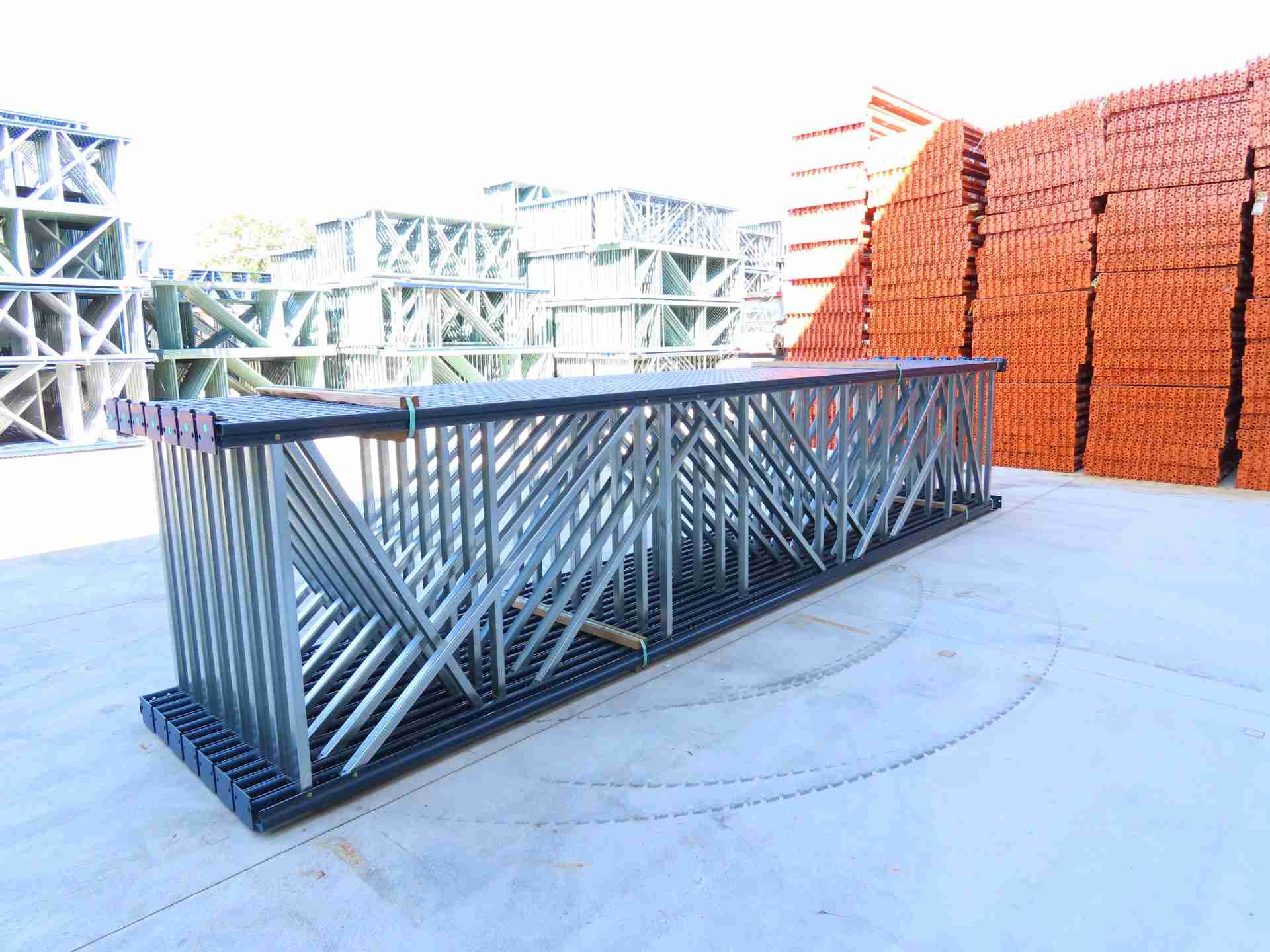
What Maintenance Tips Can Extend The Life Of Your Warehouse Shelving?
Table Of Contents
- What Maintenance Tips Can Extend The Life Of Your Warehouse Shelving?
- What Are The Signs Of Wear In Warehouse Shelving?
- How Often Should Shelving Be Inspected?
- What Cleaning Methods Are Safest For Shelving?
- How Can I Prevent Rust On Metal Shelving?
- Are There Specific Products For Shelving Maintenance?
- How Can Overloading Affect Shelving Lifespan?
- Conclusion
- Other Resources
- Glossary Of Terms
- Other Questions
- Checklist
What Are The Signs Of Wear In Warehouse Shelving?
When it comes to the lifeblood of a warehouse operation, nothing beats effective shelving systems, particularly pallet racking. These systems are designed to hold loads securely and maximize space, but over time, they can show signs of wear that could jeopardize your inventory and safety. Recognizing these signs early can save you money, time, and potential liability.
First, one of the most apparent signs of wear in your pallet racking is visible damage, like bent beams or broken connectors. These issues often arise from mishandling during loading and unloading, where forklifts and pallet jacks come into play. A recent study by the Warehouse Equipment Manufacturers Association highlighted that nearly 80% of warehouse accidents stem from improper handling of pallet racking. If you notice bent frames or crumpled uprights, it’s a strong indication that you need immediate intervention.
Next, pay attention to rust and corrosion. If you’re operating in a humid environment or have undergone recent flooding, your metal pallet racking might be more susceptible to deterioration. Rust not only compromises the structural integrity of the shelving but can also lead to broken products and fulfillment delays. This was evident during the severe storms last summer that affected numerous warehouses across the Midwest, leading to significant inventory losses.
Another red flag is loose bolts or damaged fasteners. These components may become worn over time due to the repetitive strain of daily operations, increasing the risk of collapse. If your team has to continuously tighten hardware or if you find a higher number of loose bolts than normal, it indicates a systemic issue. Regular inspections can mitigate these dangers, ensuring your shelving remains robust.
Additionally, unexpected inventory shifts can signal problems with your pallet racking. If items seem to be falling off shelves or if you’re constantly experiencing misplacement of stock, your shelving may not be equipped to handle the loads adequately. This could suggest that your pallet racking system is overloaded or improperly configured.
Lastly, if you’re consistently experiencing longer pick times, your shelving could be slowing down operations. A well-maintained pallet racking system should facilitate easy access to products. Examine whether tight spaces and hard-to-reach areas are stymieing your efficiency.
Ultimately, staying alert to these signs of wear will help you maintain safe, efficient, and profitable warehouse operations. Regular inspections, timely repairs, and upgrades are crucial; don’t wait until it’s too late! Efficiently maintained pallet racking not only upholds safety standards but also maximizes your overall productivity, resulting in a thriving business.

What Are The Signs Of Wear In Warehouse Shelving?
What Are The Signs Of Wear In Warehouse Shelving?
- Effective shelving systems, especially pallet racking, are essential for warehouse operations.
- Visible damage, such as bent beams and broken connectors, indicates the need for immediate intervention.
- Rust and corrosion can compromise structural integrity and lead to inventory losses, especially in humid conditions.
- Loose bolts or damaged fasteners can signify systemic issues and increase the risk of collapse.
- Unexpected inventory shifts and product misplacement may indicate overloaded or improperly configured shelving.
- Longer pick times can signal inefficiencies in the pallet racking system impacting overall operations.
- Regular inspections, timely repairs, and upgrades are vital for maintaining safety and maximizing productivity.

What Are The Signs Of Wear In Warehouse Shelving?
How Often Should Shelving Be Inspected?
In today’s fast-paced and cost-conscious business environment, shelving inspection might not seem like a top priority. However, neglecting this element can lead to catastrophic failures that cripple operations and drain budgets. Consider this: just like a neglected piece of machinery, your pallet racking requires regular attention to maintain efficiency and safety. So, how often should you inspect your shelving? The answer isn’t just about frequency; it’s about foresight.
First, let’s talk about the industry standard. The Occupational Safety and Health Administration (OSHA) recommends that pallet racking systems be inspected at least once a year. However, if your operations involve heavy loads, fluctuating inventory levels, or high turnover—and let’s face it, isn’t that the case with most modern businesses?—you need to ramp up that frequency to every three to six months. Additionally, it’s wise to perform visual inspections routinely, ideally on a weekly basis, to catch any emerging issues early.
Now, consider the recent surge in online shopping and e-commerce warehousing. With the pressures and demands of rapid delivery, businesses are utilizing their pallet racking systems more than ever, which means wear and tear can occur in a fraction of the time. A few months ago, a large retailer had a catastrophic shelving collapse during peak season, resulting in lost product and severe injuries. The aftermath? A costly lawsuit and months of operational delays. Don’t let this be your story.
Moreover, here’s a thought: invest in training your staff on how to conduct these inspections effectively. Empowering your employees to recognize warning signs, such as bent beams, excessive wear, or loose connections, allows you not only to save on expensive repairs but also to foster a culture of safety. Imagine your employees feeling ownership over their work environment—this kind of morale can drive productivity through the roof!
Treat your pallet racking with the care it deserves. Commit to regular inspections—at least quarterly, or even monthly if your operation demands it. Leverage technology for tracking inspections, and don’t hesitate to consult with structural engineers or safety experts for a thorough evaluation. Remember, in a world where every dollar counts, proactive measures today can save you a fortune tomorrow. When it comes to shelving and pallet racking, safety is not just an option; it’s an investment in your future.
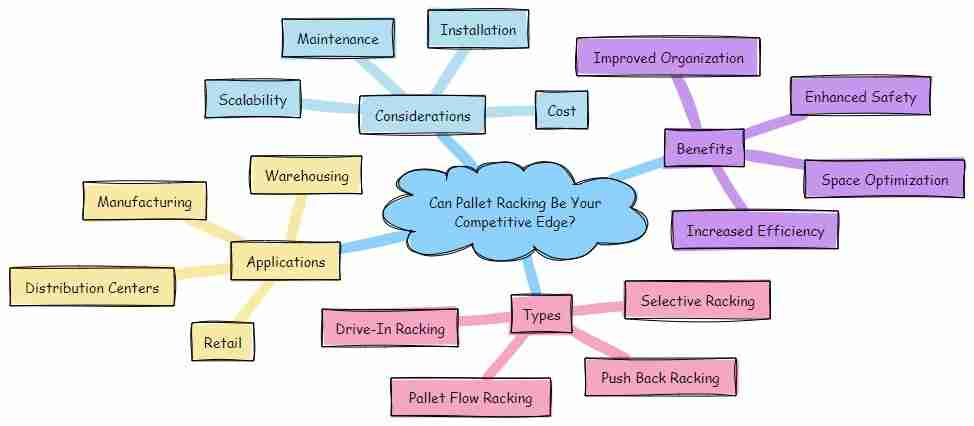
How Often Should Shelving Be Inspected?
How Often Should Shelving Be Inspected?
- Shelving inspection may seem low priority but is essential to avoid operational failures and budget issues.
- The OSHA recommends annual inspections for pallet racking systems; increase frequency to every 3-6 months for heavy load operations.
- Routine visual inspections should be conducted weekly to identify early signs of issues.
- Increased use of pallet racking due to e-commerce demands leads to rapid wear and tear.
- Recent incidents, like shelving collapses, underline the importance of regular inspection to prevent injuries and costly lawsuits.
- Training staff to recognize signs of wear can save on repairs and enhance a safety culture within the workplace.
- Invest in regular inspections and consult with experts, as proactive measures can lead to significant long-term savings.

How Often Should Shelving Be Inspected?
What Cleaning Methods Are Safest For Shelving?
When it comes to maintaining the integrity of your shelving—no matter if you’re tackling pallet racking in a bustling warehouse or standard shelving in a retail space—ensuring a safe and effective cleaning methodology is vital. Now, you might be thinking, “What is the best way to clean my shelving without causing damage?” The answer lies in tools that fit your needs.
For many industrial applications, including pallet racking systems, a mild soap solution is often the safest go-to. This approach not only cuts through grease and dirt but also minimizes any risk of corrosion, especially for metal shelves. It’s amazing how something as simple as warm water mixed with a few drops of dish soap can work wonders. Just be sure to use a non-abrasive cloth; avoid scouring pads that can leave scratches.
In recent headlines, companies are getting creative with their cleanliness standards. Following the pandemic, sanitation has skyrocketed in importance. Intelligent cleaning methods, like using UV light devices to disinfect shelves and surfaces, are trending. These devices, effective at neutralizing danger without detergents or chemicals, are excellent for pallet racking in food storage areas or any space where hygiene is paramount. However, be mindful of the materials; ensure your racking system can handle it!
For light-duty cleaning, consider using a vinegar-water solution. This natural remedy not only deodorizes but also effectively fights mold—a common issue for wooden shelves or in damp environments. Surprisingly, experts suggest not over-saturating your cloth; a little goes a long way in preserving the finish and longevity of your shelving.
Then there’s the realm of commercial cleaning solutions. But there’s a catch; you need to verify they’re safe for your specific shelving type. Some businesses have learned this the hard way after applying strong chemicals that caused irreparable damage. Always read labels and conduct a spot test if you’re unsure.
In an era where eco-friendliness matters more than ever, consider biodegradable cleaning products. Companies are reformulating their products in light of environmental concerns, which can safely clean shelves while keeping Mother Earth happy.
When selecting a cleaning method, always consider the type of shelving you have, the products being stored, and the potential implications for your business. Cleaning your shelving might sound mundane, but employing the right methods will enhance not just safety but also efficiency in your operations, whether it’s your pallet racking or retail displays!

What Cleaning Methods Are Safest For Shelving?
What Cleaning Methods Are Safest For Shelving?
- Maintaining shelving integrity requires safe and effective cleaning methods.
- A mild soap solution is often the safest choice for cleaning industrial shelving, including metal surfaces.
- Use non-abrasive cloths for cleaning to avoid scratches, and a mix of warm water with dish soap can be highly effective.
- Post-pandemic cleaning trends include using UV light devices for disinfecting surfaces without chemicals.
- A vinegar-water solution is a natural option for light-duty cleaning, particularly effective against mold.
- Verify the safety of commercial cleaning solutions for your specific shelving type to avoid damage.
- Consider eco-friendly and biodegradable cleaning products as part of a sustainable approach to maintenance.

What Cleaning Methods Are Safest For Shelving?
How Can I Prevent Rust On Metal Shelving?
Rust can be a silent killer in many workspaces, especially when it comes to metal shelving and pallet racking systems. Imagine the headaches caused by diminished load capacity and structural integrity due to rust. In today’s economy, where supply chains are still bouncing back from disruptions, the last thing you want is to jeopardize your inventory with deteriorating storage solutions. Here’s how you can prevent rust on metal shelving and ensure your investment stands the test of time.
First, choose the right materials. Many modern metal shelving systems are made from galvanized steel. This steel is coated with a layer of zinc that acts as a barrier against moisture, which is crucial in environments that exhibit high humidity or regular exposure to moisture. If you operate in a damp environment, consider investing in stainless steel shelving options, as they provide superior resistance to rust.
Next, proper maintenance is key. Regularly inspect your pallet racking and metal shelving for any signs of moisture collection or potential corrosion. Make it a routine. A quick check every month could save you from costly replacements down the line. If you do spot any rust, don’t wait—address it promptly. Use sandpaper or a wire brush to remove the rust, followed by a rust-inhibitive primer and a coat of weather-resistant paint. This simple upkeep can significantly extend the life of your shelves.
Moreover, eliminate moisture in the storage environment. Consider using a dehumidifier in humid areas where metal shelving is located. You could also strategically place silica gel packs or invest in moisture-absorbing crystals to keep humidity levels down. A dry environment is your best line of defense against rust.
Furthermore, consider the layout of your shelving. Ensure that your pallet racking is not placed against walls where moisture can accumulate. Instead, allow for airflow around your shelving units to reduce localized dampness. Top it off with proper ventilation—particularly in warehouses—to avoid that clammy, rust-friendly atmosphere.
Lastly, keep an eye on larger trends, such as the current push towards sustainability in industries worldwide. Companies are increasingly focusing on long-lasting materials that don’t require frequent replacements. By investing in high-quality, rust-resistant shelving and maintaining it diligently, you align your operations with these sustainable practices while ensuring efficiency and safety.
Preventing rust on metal shelving is not just about preserving your assets; it’s about optimizing your entire storage environment. Taking proactive steps now will protect your investment and guarantee that your operations remain seamless in this unpredictable economic landscape. Don’t wait for the rust to strike; take charge of your storage solutions today!

How Can I Prevent Rust On Metal Shelving?
How Can I Prevent Rust On Metal Shelving?
- Rust poses risks to metal shelving and pallet racking systems, affecting load capacity and structural integrity.
- Select appropriate materials: galvanized steel coated with zinc or stainless steel for environments with high moisture.
- Conduct regular maintenance and inspections to catch signs of moisture or corrosion early.
- Address any rust immediately using sandpaper, a wire brush, rust-inhibitive primer, and weather-resistant paint.
- Reduce moisture in storage areas with dehumidifiers, silica gel packs, or moisture-absorbing crystals.
- Optimize shelving layout to promote airflow and avoid moisture accumulation against walls.
- Invest in high-quality, rust-resistant shelving to support sustainability while ensuring safety and efficiency.

How Can I Prevent Rust On Metal Shelving?
Are There Specific Products For Shelving Maintenance?
When it comes to shelving maintenance, particularly with regard to pallet racking systems, utilizing specialized products can make all the difference in efficiency and safety. As businesses emerge from the pandemic and navigate new supply chain dynamics, the importance of maintaining robust and reliable shelving solutions has surged in recent months. Keeping your pallet racking in top condition is not just about aesthetics; it’s about ensuring the safety of your staff and the integrity of your inventory.
First and foremost, let’s talk about the essential tools that every effective warehouse manager should have on hand. You might not think of it at first, but a quality pallet racking inspection tool can save your operation significant time and money. These tools help you assess the condition of your racks, identifying wear and leaning that could ultimately lead to a costly collapse.
Consider products like the Racking Safety Inspection Checklist, which provides a thorough guide for regular inspections. This is essential given the uptick in demand for warehouse space as companies rush to stock up for the upcoming holiday season. Following a structured inspection routine not only ensures worker safety but demonstrates your commitment to operational efficiency.
Furthermore, don’t overlook the importance of protective coatings for your pallet racking. Products like Powder Coat Finish or Galvanized Steel Coatings help resist rust and wear, especially critical in environments where moisture and humidity are prevalent. This solution has become increasingly relevant, especially with concerns over supply chain vulnerabilities that have ramped up lately.
Additionally, maintaining visibility and accessibility in your warehouse is crucial. When your shelving is organized and well-maintained, accidents decrease, and workflow improves. Implementing labeling systems using color-coded labels or durable plastic sleeves can keep your pallet racking organized and compliant with safety regulations.
Let’s not forget about damage prevention. Investing in Rack Protectors can serve as your first line of defense against forklift collisions—an all-too-common occurrence in busy warehouses. With the rise of e-commerce, more warehouses are facing increased foot and vehicle traffic. By using these protective barriers, you’re not just investing in physical safety; you’re protecting your bottom line.
Proper shelving maintenance using the right products is indispensable in today’s ever-evolving business landscape. As you strategize for the upcoming quarters, remember that a proactive approach to pallet racking can significantly impact your overall success. Take the necessary steps now, and ensure that your warehousing solutions are not just functional—but stellar.

Are There Specific Products For Shelving Maintenance?
Are There Specific Products For Shelving Maintenance?
- Utilizing specialized products for pallet racking maintenance enhances efficiency and safety.
- Maintaining shelving solutions is critical for staff safety and inventory integrity as businesses adjust post-pandemic.
- A quality pallet racking inspection tool is essential for assessing rack conditions and preventing costly collapses.
- The Racking Safety Inspection Checklist aids in regular inspections, improving safety and demonstrating operational efficiency.
- Protective coatings like Powder Coat Finish and Galvanized Steel are vital for resisting rust and wear in humid environments.
- Organized shelving with labeling systems reduces accidents and improves workflow while ensuring safety compliance.
- Investing in Rack Protectors offers defense against forklift collisions, enhancing both safety and business outcomes in high-traffic warehouses.

Are There Specific Products For Shelving Maintenance?
How Can Overloading Affect Shelving Lifespan?
In today’s rapidly evolving warehouse environment, the efficiency of your logistics depends more than ever on how you utilize your shelving and storage systems. One of the most critical concepts in maintaining that efficiency is understanding the impact of overloading on shelving lifespan—specifically, pallet racking.
Pallet racking systems are the backbone of modern warehousing, providing structured storage for inventory while optimizing space. However, one common mistake occurs when businesses load these systems beyond their indicated weight capacities. Overloading not only shortens the lifespan of the shelving but also poses significant safety risks to employees and products alike.
Imagine a busy distribution center where pallet racking is stacked to the brim with heavy items, with workers maneuvering through narrow aisles. When pallet racking is overloaded, the structural components become weakened, leading to a potential collapse that could result in serious injuries and massive losses. The Occupational Safety and Health Administration (OSHA) mandates strict safety standards for material handling, which should not be taken lightly. Not adhering to these regulations can result in fines, litigation, and a tarnished reputation.
Consider a recent event in the logistics industry where a company faced hefty penalties due to a stored pallet collapsing, injuring several employees. The root cause? Overloaded shelves that weren’t regularly assessed for capacity. This incident serves as a stark reminder of the critical need for proper maintenance and adherence to loading guidelines, which are often dictated by the manufacturer.
In addition to safety concerns, overloading can lead to degradation of the racking material itself. Metal components may warp, wooden shelves may suffer from bowing, and plastics can become brittle. All these factors culminate in not just diminished capacity but also increased costs when it comes time for replacements or repairs. Let’s face it: replacing shelving is a headache and disrupts operations.
Moreover, over time, the value of your investment diminishes, leading to higher operational expenses. Preventative measures, such as regular weight assessments and training staff on safe loading practices, enhance the longevity of your pallet racking systems. Think of it as insurance for your shelving—a little diligence now can save thousands down the line.
Ultimately, managing your pallet racking shouldn’t be an afterthought; it should be an essential part of your operational strategy. Recognizing the risks associated with overloading not only preserves your equipment but also safeguards your team and boosts overall productivity. Properly maintained shelving is an asset that pays dividends—don’t let complacency put that in jeopardy.

How Can Overloading Affect Shelving Lifespan?
How Can Overloading Affect Shelving Lifespan?
- Efficient logistics in warehouses heavily rely on proper shelving and storage systems.
- Overloading pallet racking can significantly shorten its lifespan and create safety hazards.
- Overloaded pallet racking can lead to equipment collapse, risking employee safety and causing financial losses.
- Failure to comply with OSHA safety standards due to overloading can result in fines and legal issues.
- Overloading leads to physical degradation of racking materials, increasing replacement and repair costs.
- Implementing regular weight assessments and staff training can extend the life of pallet racking systems.
- Proper management of pallet racking contributes to safeguarding employees and enhancing operational productivity.

How Can Overloading Affect Shelving Lifespan?
Conclusion
In the relentless race for operational excellence in today’s logistics landscape, the significance of maintaining your warehouse shelving systems—especially pallet racking—cannot be overstated. As we’ve discussed, a proactive approach to maintenance isn’t merely advantageous; it’s essential for preventing costly damages and ensuring smooth operations. Regular inspections, employee training, and adhering to load management guidelines can significantly extend the life of your equipment while safeguarding your investment and protecting your bottom line.
Neglecting maintenance can lead to catastrophic failures that not only disrupt workflows but also culminate in legal repercussions and substantial financial losses. It’s a gamble with high stakes; therefore, recognizing early signs of wear—like rust, bent beams, and loose bolts—should be a priority. Implementing simple yet effective cleaning methods using appropriate tools enhances not only the safety of your workspace but also the overall efficiency of your operations.
Furthermore, it’s crucial to leverage specialized shelving maintenance products tailored for your needs. Investments in protective coatings and inspection tools can deliver long-term benefits by keeping your racking systems in peak condition, while label systems can help ensure that your shelving remains organized and compliant with safety standards.
Adding urgency, as businesses transition into peak seasons, failing to prioritize these maintenance practices may invite disaster just when you least expect it. Imagine reaching the busiest times of the year only to suffer an unexpected collapse or severe slowdowns due to poor shelving management. A little diligence today can save you from a world of trouble tomorrow.
Don’t wait for the warning signs to cost you precious time and money. Now is the time to act! Take advantage of Arrow Industrial Sales’ expertise in maintenance strategies by calling us at (574) 349-6575. We’re ready to help you sail into a future where your warehouse shelving systems are not merely functional but powerful assets that contribute to your success. Invest in maintenance today—because your operational integrity and safety depend on it!

Conclusion
Conclusion:
- Effective maintenance of warehouse shelving systems, particularly pallet racking, is essential for operational excellence in logistics.
- A proactive maintenance approach helps prevent costly damages and ensures smooth operations.
- Regular inspections, employee training, and adhering to load management guidelines can extend equipment life.
- Neglecting maintenance may lead to catastrophic failures, legal issues, and significant financial losses.
- Recognize early signs of wear, such as rust or bent beams, to prevent major problems.
- Utilize specialized shelving maintenance products, including protective coatings and inspection tools, for long-term benefits.
- Contact Arrow Industrial Sales for expert maintenance strategies to ensure your warehouse shelving systems are efficient and safe.

Conclusion
Other Resources

Other Resources
Here is a list of other resources you can review online to learn more:
- Total Warehouse
- Used Teardrop Pallet Rack – American Surplus
- Pallet Racking systems in Illinois, Great Lakes
- American Society of Safety Professionals
- IWLA
- WERC
- Cantilever Rack Configuration & Installation: A Comprehensive Guide – BMH
- Teardrop Racks – Pallet Rack World
- Selective Racking
- ASSP
Use This Prompt To Get More Resources With Your Favorite Online AI Tool: Please provide me with a list of online articles with their URLs in a bulleted list that I can read regarding What Maintenance Tips Can Extend The Life Of Your Warehouse Shelving?

Other Resources
Glossary Terms
What Maintenance Tips Can Extend The Life Of Your Warehouse Shelving? – Glossary Of Terms
1. Aisle Space: The area between shelving units that facilitates movement and access; proper spacing helps reduce clutter and enhances air circulation.
2. Capacity: The maximum weight a shelving unit can safely hold; understanding capacity helps prevent overloading and potential collapse.
3. Cleaning Schedule: A regular timetable for cleaning shelving; routine maintenance helps prevent rust, dust build-up, and other wear.
4. Corrosion: The gradual destruction of materials due to chemical reactions, often affecting metal shelves; prevention includes regular inspections and protective coatings.
5. Damper: A device used to control airflow in a storage area; reducing humidity helps prevent rust and prolongs the life of metal shelving.
6. Durability: The ability of shelving to withstand wear, pressure, or damage; selecting durable materials is crucial for longevity.
7. Inspection: A careful examination of shelving for signs of wear or damage; regular inspections can identify problems before they worsen.
8. Load Distribution: The even placement of items on shelves; spreading weight evenly prevents bowing or collapse.
9. Lubrication: The application of substances to moving parts; lubricating sliding mechanisms can enhance functionality and reduce wear.
10. Material Type: The substance used to create shelving (e. g. , metal, wood, plastic); choosing the right material is essential for specific warehousing needs.
11. Moisture Control: Strategies to reduce humidity in the storage area; controlling moisture minimizes rust and mold growth.
12. Organization: Arranging items systematically on shelves; effective organization helps maximize space and makes items easier to find.
13. Pallet Racking: A type of shelving specifically designed for storing pallets; maintaining racking systems is vital for safety and efficiency.
14. Preventive Maintenance: Scheduled upkeep to prevent equipment failure; proactive measures extend the life of shelving.
15. Repairs: The process of fixing damaged shelving; addressing minor repairs promptly prevents further deterioration.
16. Safety Standards: Guidelines and regulations to ensure shelving units are safe for use; adhering to safety standards prevents accidents.
17. Shelving Units: Frameworks used to store goods; regular maintenance of shelving units enhances stability and longevity.
18. Space Optimization: The practice of making the best use of shelf space; optimizing space can improve storage efficiency.
19. Temperature Control: Regulating the temperature of the warehouse; maintaining appropriate temperatures helps prevent damage to shelving and stored items.
20. Weight Limits: Specific maximum loads that shelving can support; understanding and adhering to weight limits ensures safety.
21. Welding: A process used to join metal components; ensuring proper welding of metal shelves can enhance sturdiness.
22. Dust Control: Measures taken to minimize dust accumulation; regular dusting prevents potential fire hazards and maintains cleanliness.
23. Structural Integrity: The ability of shelving to support its intended loads without failing; regular checks help ensure structural integrity.
24. Use of Accessories: Implementation of items such as braces or safety pins to enhance stability; accessories add extra support to shelving.
25. Vertical Space: The height available for storage; utilizing vertical space effectively can increase storage capacity.
26. Weight Distribution: The method of arranging items based on their weight; distributing weight evenly ensures stability and reduces strain.
27. Environmental Conditions: Factors like temperature and humidity affecting shelving; monitoring environmental conditions helps prevent damage.
28. Frequency of Use: How often shelving is accessed; shelves that are frequently used may require more regular maintenance.
29. Loading Techniques: Methods of placing items onto shelves; using proper techniques can prevent injuries and reduce damage.
30. Reinforcement: Additional supports or structures added to shelving; reinforcement can enhance strength and extend the life of shelving units.

Glossary Of Terms
Other Questions
What Maintenance Tips Can Extend The Life Of Your Warehouse Shelving? – Other Questions
If you wish to explore and discover more, consider looking for answers to these questions:
- What are the most common causes of damage to warehouse shelving?
- What type of training should employees receive regarding shelving safety?
- What are the potential costs associated with ignoring shelving maintenance?
- How can we effectively track and manage shelving inspections?
- What are the recommended load capacities for different types of shelving?
- How can environmental factors impact the maintenance of warehouse shelving?
- What solutions are available for repairing damaged shelving?
- Are there specific brands or products recommended for shelving maintenance?
- What role does shelving design play in maintenance and safety?
- How can we implement a cleaning schedule for warehouse shelving?

Other Questions
Checklist
What Maintenance Tips Can Extend The Life Of Your Warehouse Shelving? – A Checklist
Regular Inspections
_____ Establish a regular inspection schedule (monthly or quarterly).
_____ Check for signs of wear: loose bolts, bent frames, rust, and overall condition.
_____ Consider an external evaluation for older pallet racking systems.
Employee Training
_____ Implement training programs on safe loading practices.
_____ Teach employees to immediately report any damages.
_____ Encourage understanding of load limits for safe operations.
Load Management
_____ Adhere to load capacity guidelines at all times.
_____ Conduct diligent weight checks, especially during peak seasons.
_____ Utilize color-coded labels for easy identification of weight limits.
Cleanliness Counts
_____ Schedule regular cleaning for shelving units and surrounding areas.
_____ Immediately clean up spills to prevent safety hazards.
_____ Ensure dirt and debris don’t obscure critical inspection points.
Staying Ahead of Trends
_____ Stay informed about industry trends and advancements in warehouse technology.
_____ Adjust maintenance strategies according to evolving regulations.
_____ Consider adopting automation and its impact on loading patterns.
Recognizing Signs of Wear
_____ Inspect for visible damage like bent beams or broken connectors.
_____ Watch for rust and corrosion, especially in humid environments.
_____ Identify loose bolts and fasteners during routine checks.
_____ Monitor for unexpected inventory shifts or prolonged pick times.
Inspection Frequency
_____ Follow OSHA recommendations: inspect at least once a year.
_____ Increase inspection frequency to every 3-6 months for heavy or fluctuating loads.
_____ Conduct visual inspections weekly for early issue detection.
Safe Cleaning Methods
_____ Use a mild soap solution and non-abrasive cloths for cleaning metal shelving.
_____ Explore UV light devices for disinfection where appropriate.
_____ Assess the use of biodegradable and eco-friendly cleaning products.
Rust Prevention Techniques
_____ Choose galvanized or stainless steel shelving for moisture resistance.
_____ Conduct regular inspections for moisture accumulation or potential corrosion.
_____ Utilize dehumidifiers and silica gel packs to manage humidity levels.
_____ Ensure proper ventilation around shelving units to reduce dampness.
Essential Maintenance Products
_____ Utilize a quality pallet racking inspection tool.
_____ Invest in protective coatings (e. g. , Powder Coat Finish).
_____ Implement an organized labeling system for efficiency.
_____ Use rack protectors to prevent damage from forklifts.
Understanding Overloading Risks
_____ Regularly assess and adhere to load capacity guidelines.
_____ Train staff on the importance of not overloading shelving.
_____ Monitor the condition and performance of shelving systems over time.
Conclusion
Taking these proactive maintenance steps ensures your warehouse shelving remains safe and efficient, protecting inventory and promoting operational productivity. Regular care and attention can significantly extend the lifespan of your pallet racking system.

Checklist
At RackingWorld, we help guide you through selecting warehouse storage systems and racking.
Be sure to read our other related stories at RackingWorld to learn more about warehouse storage systems.
0 Comments