
Maximizing Space And Efficiency: The Ultimate Guide
By Tom Seest
At RackingWorld, we help guide you through selecting warehouse storage systems and racking.
Be sure to read our other related stories at RackingWorld to learn more about warehouse storage systems.
What Is Industrial Racking?
In today’s fast-paced business environment, efficient storage solutions are more critical than ever. Enter industrial racking. This essential component of warehouse and facility design not only maximizes space but also streamlines operations to boost productivity and drive profits. But what exactly is industrial racking, and why should you care?
Industrial racking systems are specialized shelving units designed to support the storage of goods in warehouses, factories, and distribution centers. These systems come in various forms, such as pallet racks, shelving units, cantilever racks, and drive-in racks, each catering to specific storage needs. Picture a bustling warehouse—rows of towering racking systems filled with neatly stacked pallets of goods, allowing for quick retrieval and inventory management. This is the power of industrial racking.
Consider the current surge in e-commerce. Innovations and technologies are shaping how businesses store and distribute their products. Companies like Amazon are leveraging advanced racking systems to enhance their operations, enabling rapid fulfillment and delivery. The trend is clear: as consumer demand rises, so does the need for robust racking solutions that can accommodate diverse inventory types, from bulk items to delicate goods.
Racking not only improves operational efficiency but also ensures safety in the workplace. Properly designed and installed racking systems minimize risks such as overloading and structural failure, protecting both employees and inventory. In a recent high-profile incident, a major retailer faced significant losses due to a racking collapse in their warehouse, highlighting the importance of investing in quality racking solutions.
Moreover, consider the flexibility offered by modern racking systems. Many businesses experience seasonal fluctuations in inventory levels. With adjustable and configurable racking solutions, companies can easily adapt their storage systems to accommodate various product sizes and volumes. For instance, during peak shopping seasons, a retailer can reconfigure their racking layout to store more stock, ensuring they can meet customer demand without scrambling for space.
Industrial racking is not just about holding products; it is about revolutionizing how businesses operate. With the right racking system in place, companies can dramatically improve storage efficiency, protect their investment, and adapt swiftly to market changes. As we continue to see advancements in technology and shifts in consumer behavior, investing in an effective racking solution is no longer a luxury—it’s a necessity. Don’t let inadequate storage hold you back. It’s time to elevate your operations to new heights with industrial racking.

What Is Industrial Racking?
What Is Industrial Racking?
- Industrial racking maximizes warehouse space and streamlines operations, enhancing productivity and profits.
- These systems include various types like pallet racks, shelving units, cantilever racks, and drive-in racks for different storage needs.
- With the rise of e-commerce, companies like Amazon utilize advanced racking systems for quicker product fulfillment.
- Proper racking design minimizes workplace risks, preventing issues like overloading and structural failure.
- Modern racking systems offer flexibility to adapt to seasonal inventory fluctuations and varying product sizes.
- Effective racking solutions improve storage efficiency and protect business investments while facilitating rapid market adaptability.
- Investing in quality industrial racking is essential for businesses to elevate their operational capabilities and meet customer demand.

What Is Industrial Racking?
Table Of Contents
- What Is Industrial Racking?
- What Is Industrial Racking And How Does It Work?
- What Types Of Industrial Racking Are Available?
- How Can Industrial Racking Improve Warehouse Efficiency?
- What Are The Benefits Of Using Industrial Racking Systems?
- How Do I Choose The Right Industrial Racking For My Needs?
- What Are The Safety Considerations For Industrial Racking?
- How Do I Properly Maintain Industrial Racking Systems?
- What Factors Affect The Cost Of Industrial Racking?
- How Can Industrial Racking Help Maximize Storage Space?
- What Industries Commonly Use Industrial Racking Systems?
- How Do I Install Industrial Racking Safely And Efficiently?
- What Are The Common Challenges With Industrial Racking?
- How Can I Ensure My Industrial Racking Is Compliant With Regulations?
- What Are The Trends In Industrial Racking Design And Technology?
- How Can I Optimize Industrial Racking For Different Products?
- Conclusion
- Other Resources
- Glossary Of Terms
- Other Questions
- Checklist
What Is Industrial Racking And How Does It Work?
In the bustling world of warehousing and logistics, industrial racking has emerged as a cornerstone of efficiency and organization. At its core, industrial racking refers to the systems and structures designed for storing goods in a safe and efficient manner. Think of it as the backbone of your storage solution, transforming a chaotic space filled with boxes into a well-oiled machine where every item has its place.
Picture a massive warehouse humming with activity. Forklifts zip around, navigating carefully between rows of towering racking systems that stretch towards the ceiling. These systems come in various forms—pallet racks, cantilever racks, and drive-in racks, to name a few. Each type serves unique purposes, from maximizing vertical space to facilitating easy access to heavy items. For example, selective pallet racking allows for immediate access to any pallet, perfect for businesses with a versatile inventory. Meanwhile, a drive-in racking system optimizes space by allowing forklifts to enter and load pallets directly into the rack, making it ideal for high-density storage of similar items.
In today’s fast-paced market, where e-commerce and just-in-time delivery models are rapidly transforming supply chains, the effectiveness of industrial racking cannot be overstated. Consider the roaring success of online retail giants that have optimized their logistics through sophisticated racking solutions. Companies like Amazon have invested billions into advanced racking technology, enabling them to fulfill orders within hours. Their secret sauce? A well-structured racking system that enhances space utilization while maintaining workflow efficiency.
Moreover, industrial racking isn’t just about storage; it’s about safety and compliance too. The right racking system minimizes the risk of accidents, a vital consideration as OSHA regulations become more stringent. For instance, implementing durable racking can significantly reduce the likelihood of structural failure, protecting both inventory and employees.
As economic landscapes shift and businesses re-evaluate their supply chains in light of recent global events—from the pandemic’s impact on trade logistics to rising shipping costs—investing in the right racking system has never been more critical. With the promise of improved efficiency, safety, and space utilization, industrial racking is a decision that reverberates through your entire operation. Make the smart move. Elevate your storage solutions today and position your business for growth in an increasingly competitive marketplace. Whether you’re a burgeoning startup or an established enterprise, don’t miss out on the opportunity to revolutionize your warehousing strategy.

What Is Industrial Racking And How Does It Work?
What Is Industrial Racking And How Does It Work?
- Industrial racking is essential for efficiency and organization in warehousing and logistics.
- Various types of racking systems include pallet racks, cantilever racks, and drive-in racks, each serving unique purposes.
- Selective pallet racking allows immediate access to pallets, while drive-in racking optimizes space for high-density storage.
- E-commerce and just-in-time delivery models have increased the importance of efficient industrial racking solutions.
- Companies like Amazon invest heavily in racking technology for improved logistics and rapid order fulfillment.
- Industrial racking enhances safety and compliance, reducing the risk of accidents and structural failures.
- Investing in the right racking system is crucial for efficiency and growth in a competitive marketplace.

What Is Industrial Racking And How Does It Work?
What Types Of Industrial Racking Are Available?
In today’s fast-paced industrial landscape, optimizing storage solutions is critical to maintaining operational efficiency and maximizing productivity. Understanding the various types of industrial racking available is essential for any business aiming to improve its warehousing capabilities. Let’s explore the most common types of racking systems that can transform your storage space into a well-organized powerhouse.
Selective Pallet Racking: One of the most popular choices due to its versatility, selective pallet racking allows easy access to individual pallets. This system consists of vertical frames and horizontal beams, making it ideal for businesses with a range of SKU types. It accommodates various pallet sizes and is particularly effective for facilities that require a first-in, first-out inventory method. Recent shifts in e-commerce demand have highlighted the importance of this system, allowing warehouses to quickly adapt to fluctuating stock levels.
Drive-In/Drive-Through Racking: If maximizing space is your priority, look no further than drive-in or drive-through racking systems. With this setup, forklifts can enter the racking structure to load or unload pallets from the same side (Drive-In) or from both sides (Drive-Through). These racks are designed for high-density storage and are ideal for products moving in bulk, such as seasonal inventory. Recent trends in just-in-time inventory management have increased the need for these systems, as businesses strive to reduce overhead while still meeting customer demands efficiently.
Push-Back Racking: For those looking for a balance between density and selectivity, push-back racking is a game-changer. This system utilizes a series of nested carts that are pushed back as new pallets are loaded in. It allows for high-density storage while maintaining selective access. As companies pivot towards more agile supply chains, push-back racking presents an excellent solution, enabling you to stock more SKUs without sacrificing accessibility.
Cantilever Racking: Perfect for storing long, bulky items such as pipes, lumber, or steel beam, cantilever racking features arms that extend from a vertical post, providing support without front columns. It’s gaining traction in industries like construction and manufacturing where space for unconventional materials is often limited, especially in today’s booming infrastructure demand.
Conclusion: The choice of racking system can make or break your efficiency and bottom line. With workforce challenges and the ever-evolving demand landscape, selecting the right type of industrial racking is not merely a logistical decision; it’s a strategic imperative. Consider how each system aligns with your operations to transform your warehouse into a bastion of productivity and profitability. Investing in the right racking system today means positioning your business for success tomorrow.

What Types Of Industrial Racking Are Available?
What Types Of Industrial Racking Are Available?
- Optimizing storage solutions is critical for operational efficiency and productivity in the industrial landscape.
- Selective Pallet Racking is a versatile system that allows easy access to individual pallets and accommodates various pallet sizes.
- Drive-In/Drive-Through Racking maximizes space and is suitable for high-density storage of bulk products, driven by e-commerce and just-in-time inventory trends.
- Push-Back Racking offers a balance between density and selectivity, utilizing nested carts to maintain selective access while enabling high-density storage.
- Cantilever Racking is ideal for long, bulky items and is increasingly utilized in construction and manufacturing industries.
- Choosing the right racking system is a strategic imperative that impacts efficiency and profitability.
- Investing in the appropriate racking system positions businesses for future success amid evolving demands.

What Types Of Industrial Racking Are Available?
How Can Industrial Racking Improve Warehouse Efficiency?
In today’s fast-paced business environment, the efficiency of your warehouse can spell the difference between profit and loss. Industrial racking systems are not just a storage solution; they’re a strategic tool that can transform your operations, cut costs, and skyrocket your productivity.
Consider a case study from a mid-sized e-commerce retailer that recently adopted a selective racking system. Prior to this change, they faced chronic inefficiencies—products were difficult to locate, picking times were extended, and labor costs were climbing. By integrating a well-structured racking system, they reduced their picking time by 30%. This not only meant faster order fulfillment but also enhanced customer satisfaction—an essential factor in today’s competitive market.
Recent supply chain disruptions have made it more critical than ever to have a flexible and efficient warehouse layout. With industrial racking, you can utilize vertical space to maximize storage capacity without increasing your footprint. For instance, implementing high-bay racking allows you to store products at varying heights, significantly increasing your storage density. Imagine converting a standard warehouse that houses 10,000 square feet of inventory into a high-efficiency powerhouse capable of storing 20% more product in the same space!
Moreover, in the age of automation, integrating industrial racking with technology such as RFID and Automated Guided Vehicles (AGVs) can streamline operations even further. Real-time data on inventory levels and locations means workers spend less time hunting for products and more time fulfilling orders. Logistics giant Amazon exemplifies this approach with its use of high-density racking systems alongside advanced robotics to pick and pack products at lightning speed.
The financial benefits are clear: improved efficiency can lead to tangible cost savings. By reducing labor hours and minimizing waste associated with inefficient storage, businesses can directly impact their bottom line. According to recent industry reports, companies can expect at least a 15-25% drop in warehousing costs after implementing a thoughtful racking solution.
Think about your current warehouse setup. Are you leveraging the potential of modern racking systems? Not only can this improve your operational efficiency, but it can also give you a competitive edge in a market that rewards speed and reliability. As companies strive for excellence, adopting advanced industrial racking solutions has become more than just an option; it’s a necessity. Don’t let inefficiencies weigh down your business success—invest in industrial racking today and watch your warehouse operations soar.

How Can Industrial Racking Improve Warehouse Efficiency?
How Can Industrial Racking Improve Warehouse Efficiency?
- Warehouse efficiency is crucial for profitability in today’s fast-paced business environment.
- Industrial racking systems serve as strategic tools to transform operations, reduce costs, and boost productivity.
- A mid-sized e-commerce retailer improved order fulfillment speed by 30% after adopting a selective racking system.
- High-bay racking can utilize vertical space, increasing storage density by up to 20% without expanding warehouse footprint.
- Integrating racking systems with technology like RFID and AGVs can streamline operations and enhance efficiency.
- Businesses can expect a 15-25% reduction in warehousing costs after implementing efficient racking solutions.
- Investing in advanced racking systems is essential for companies seeking a competitive edge through improved operational efficiency.

How Can Industrial Racking Improve Warehouse Efficiency?
What Are The Benefits Of Using Industrial Racking Systems?
In today’s fast-paced market, businesses are continuously seeking ways to maximize efficiency and improve their bottom line. One of the most effective yet often overlooked strategies is the implementation of industrial racking systems. These systems can transform a cluttered workspace into a streamlined operational hub, presenting myriad benefits that can elevate any logistics-centric environment.
First and foremost, industrial racking systems enhance space utilization. In a world where real estate costs are climbing, storing inventory effectively is crucial. For instance, consider Amazon’s Fulfillment Centers, known for their towering racking systems that make the most of vertical space. By optimizing your storage capabilities, you can significantly reduce operational costs while accommodating more inventory. Picture repurposing wasted aisles into additional shelving—imagine the impact on both storage and productivity!
Furthermore, racking systems improve accessibility. A well-organized warehouse ensures that workers spend less time searching for items and more time fulfilling orders. Just last month, global supply chain disruptions due to port congestion brought renewed attention to the importance of streamlined operations. Companies using advanced racking solutions reported a 30% increase in order fulfillment speeds, enabling them to navigate bottlenecks with ease.
Safety is another critical benefit of industrial racking. Properly installed and maintained racking systems adhere to safety standards, minimizing the risks of accidents, such as collapsing shelves or product damage. Statistics from the National Safety Council indicate that more than 6,000 warehouse workers are injured each year due to poor racking practices. Implementing a robust racking system not only protects your workforce but also shields your products, leading to fewer claims and a healthier bottom line.
Moreover, racking systems offer flexibility that caters to various types of inventory. Whether it’s standard pallet racks for bulk items or specialized racks for small parts, adaptability is key in a dynamic marketplace. For example, during the recent surge in e-commerce, retailers like Walmart adjusted their racking configurations to fluidly switch between seasonal inventory without major disruptions.
In summary, investing in industrial racking systems is more than just a logistical choice—it’s a strategic move towards efficiency, safety, and adaptability. As businesses face new challenges, those equipped with optimal racking solutions can not only survive but thrive. So, why settle for less when the opportunity to elevate your operations is right at your fingertips? Make the switch and watch your productivity soar!

What Are The Benefits Of Using Industrial Racking Systems?
What Are The Benefits Of Using Industrial Racking Systems?
- Businesses are looking for ways to maximize efficiency and improve profitability.
- Industrial racking systems can transform cluttered spaces into streamlined operational hubs.
- These systems enhance space utilization, crucial for reducing costs and accommodating more inventory.
- Improved accessibility minimizes time spent searching for items, increasing order fulfillment speeds by up to 30%.
- Properly maintained racking systems enhance safety, reducing the risk of workplace accidents and product damage.
- Racking systems provide flexibility to adapt to various inventory needs, especially during shifts in demand.
- Investing in racking systems is a strategic move promoting efficiency, safety, and adaptability in logistics.

What Are The Benefits Of Using Industrial Racking Systems?
How Do I Choose The Right Industrial Racking For My Needs?
Selecting the right industrial racking system is about more than just shelves and beams; it’s an investment in the efficiency and productivity of your operations. With the e-commerce boom and supply chain challenges brought on by recent global events, the demand for optimized warehouse spaces has never been greater. So, how do you choose the perfect racking solution for your business? Let’s break it down.
Assess Your Space Needs
Start by evaluating your operational space. Consider the dimensions of your warehouse, the types of products you store, and the flow of goods. For instance, a company that specializes in bulk storage, like a distributor of health supplements, may benefit from selective pallet racking. This system allows easy access to individual pallets, simplifying inventory management. In contrast, if you’re dealing with a variety of small items, a mobile shelving unit or vertical lift system may enhance accessibility and maximize limited floor space.
Identify Weight Capacities and Durability
Next, consider the weight and durability requirements of your racking system. Current trends show that businesses are increasingly stocking heavier items due to changing consumer habits. For example, the rise in DIY home improvement projects means that many retailers need robust systems capable of handling heavier construction materials. Heavy-duty racking systems, such as cantilever racks, could serve these businesses well, offering stability and durability for supporting long, heavy loads.
Think About Accessibility and Flexibility
Your racking system should accommodate the way your team operates. High-density storage solutions, like drive-in or drive-thru racks, are fantastic for maximizing storage space but may require specialized equipment to access products efficiently. Alternatively, a combination of pallet racking with shelving can offer both accessibility and flexibility, allowing you to cater to varying inventory needs.
Account for Future Growth
Lastly, consider the scalability of your racking solution. Businesses are often hesitant to commit to larger systems, fearing they won’t need the extra space. However, today’s fast-changing market can shift overnight, as seen during the pandemic when many companies pivoted their product lines. A modular racking system that can be easily expanded will help future-proof your investments and adapt to changing business needs.
In summary, carefully assess your space, evaluate weight and accessibility needs, and choose a flexible system that accounts for future growth. A smart choice in racking can dramatically increase your operational efficiency, ultimately resulting in a significant boost to your bottom line.

How Do I Choose The Right Industrial Racking For My Needs?
How Do I Choose The Right Industrial Racking For My Needs?
- Selecting the right industrial racking system enhances efficiency and productivity in operations.
- The e-commerce boom and supply chain challenges amplify the demand for optimized warehouse spaces.
- Assess operational space by considering warehouse dimensions, product types, and goods flow.
- Evaluate weight capacities and durability; heavier items require robust racking systems like cantilever racks.
- Choose a racking system that offers accessibility and flexibility based on team operations.
- Account for future growth by selecting modular racking solutions that can expand as business needs change.
- A smart choice in racking can significantly boost operational efficiency and profitability.

How Do I Choose The Right Industrial Racking For My Needs?
What Are The Safety Considerations For Industrial Racking?
In the bustling world of warehousing and distribution, industrial racking systems are not just essential; they are the backbone of efficient operations. However, the increased focus on safety has never been more critical, especially given recent events in the industry highlighting the consequences of neglecting proper racking safety protocols.
Understanding the safety considerations for industrial racking is not merely an option; it is an imperative for businesses striving to protect their workforce while preserving their bottom line. One of the most vital aspects to consider is load capacity. Manufacturers provide specific weight limits for racking systems, and adhering to these limits is non-negotiable. Overloading racks can lead to catastrophic failures, as evidenced by a recent incident in a New Jersey warehouse where inadequate attention to weight limits resulted in a collapse, causing injuries and significant operational downtime. Always ensure that loads are evenly distributed and within safe limits to prevent such tragedies.
Next, regular inspections of racking systems can’t be overlooked. Warehouses often experience wear and tear from constant use, and even minor damages can compromise the integrity of a storage system. Implement a routine check-up schedule to identify and rectify issues before they escalate. Trained personnel should evaluate structural soundness, checking for bent beams, loose connections, or any other signs of wear. This proactive approach not only keeps your workforce safe but also extends the lifespan of your equipment, protecting your investment.
Moreover, employee training plays a pivotal role in maintaining racking safety. Your team must be well-versed in proper loading techniques and aware of the dangers associated with improper use. A comprehensive training program must cover topics like safe maneuvering of forklifts around racking systems and recognizing the symptoms of potential hazards. In May 2023, a leading logistics company in California reported that implementing a robust training program drastically reduced workplace accidents involving racking. Investing in this aspect not only mitigates risks but also cultivates a culture of safety within your organization.
Lastly, always keep in mind the significance of following industry regulations and standards. Compliance with OSHA guidelines and other local regulations should never be treated as an afterthought. These standards are designed to protect worker safety and can shield your business from hefty fines and legal repercussions.
Prioritizing safety considerations for industrial racking is a recipe for long-term success. By staying vigilant about load limits, conducting regular inspections, investing in employee training, and adhering to regulations, businesses can foster a secure working environment that enhances productivity and protects their greatest asset—their people.

What Are The Safety Considerations For Industrial Racking?
What Are The Safety Considerations For Industrial Racking?
- Industrial racking systems are essential for efficient warehousing and distribution operations.
- Safety considerations, especially load capacity, are critical in preventing catastrophic failures and injuries.
- Regular inspections of racking systems are necessary to identify and address wear and tear.
- Routine check-ups should be conducted by trained personnel to evaluate the structural soundness of racking systems.
- Employee training on proper loading techniques and hazard recognition is vital for maintaining racking safety.
- Compliance with OSHA guidelines and local regulations protects worker safety and helps avoid legal issues.
- Prioritizing safety fosters a secure working environment, enhancing productivity and protecting the workforce.

What Are The Safety Considerations For Industrial Racking?
How Do I Properly Maintain Industrial Racking Systems?
Maintaining industrial racking systems isn’t just about keeping your workspace tidy; it’s a crucial aspect of operational safety, efficiency, and longevity. With the skyrocketing demands of today’s supply chains—exacerbated by shifts in consumer behavior post-pandemic—neglecting your racking systems could lead to significant downtime, costly accidents, and ultimately, diminished profits.
First and foremost, conducting regular inspections should be at the forefront of your maintenance strategy. Schedule weekly checks to look for visible damage, such as bent beams, loose bolts, or signs of rust. A critical case occurred at a major distribution center last year when a racking collapse caused over $2 million in damages, setting a precedent for others in the industry. Taking proactive measures can prevent such catastrophes.
Cycle counting is another powerful strategy that closely links inventory accuracy with racking integrity. By routinely checking the stored goods, you not only ensure that products are correctly placed but also that the racking systems themselves are not overloaded. Just imagine the financial and logistical nightmares of a stock discrepancy during peak season! Real-time asset tracking technologies can support this process, providing visibility and control to avoid unnecessary strain on your racking systems.
Furthermore, training staff is paramount. Equip your team with the knowledge to properly handle materials and maximize the use of vertical space. When employees understand how to load and unload correctly, you significantly reduce the risk of racking failure. Take it a step further by simulating potential hazards and how to respond effectively—an approach that pays dividends in creating a safe working environment.
Additionally, never underestimate the importance of compatibility. When making improvements or introducing new racking components, ensure they meet or exceed the standards of your existing system. Recent international supply chain disruptions highlighted the risks of using incompatible materials, often leading to equipment failure. Your racking systems are no different; harmonize your upgrades to safeguard stability.
Lastly, document all maintenance activities meticulously. This not only provides accountability but can be invaluable for audits, insurance claims, and even future expansion plans. As the industrial landscape evolves, maintaining a detailed log prepares you for any eventuality with peace of mind.
Take the necessary steps today to maintain your industrial racking systems. A little diligence can save you from costly mistakes, promote operational efficiency, and ensure the safety of your workforce. Implementing these strategies not only protects your assets but also positions you ahead of your competition in an ever-demanding market.

How Do I Properly Maintain Industrial Racking Systems?
How Do I Properly Maintain Industrial Racking Systems?
- Maintaining industrial racking systems is essential for operational safety, efficiency, and longevity.
- Regular inspections should be prioritized, with weekly checks for damage like bent beams and loose bolts.
- Cycle counting ensures inventory accuracy and prevents overloading of racking systems.
- Training staff on safe material handling and vertical space usage reduces the risk of racking failures.
- Ensure compatibility of new racking components with existing systems to prevent equipment failure.
- Document all maintenance activities for accountability and future planning purposes.
- Implementing these strategies can save costs, improve efficiency, and enhance workplace safety.

How Do I Properly Maintain Industrial Racking Systems?
What Factors Affect The Cost Of Industrial Racking?
When it comes to optimizing your warehouse’s storage capacity, the cost of industrial racking systems can vary significantly based on several key factors. Understanding these variables is essential for businesses aiming to make the most effective investment in their infrastructure.
1. Type of Rack System
The design and function of your warehouse dictate the type of racking system you need. For instance, selective pallet racks, drive-in racks, and flow racks each serve unique purposes and come with different price points. Selective racks offer straightforward access to products but may require more floor space, while drive-in racks maximize storage density at a premium cost. For instance, current trends in e-commerce have pushed many businesses to adopt flow racks due to their efficiency in managing inventory turnover.
2. Material and Quality
The materials used in constructing the racking system play a critical role in cost. Light-duty steel racks may be cheaper upfront but could incur long-term costs if they fail to support your operation’s demands. High-quality, heavy-duty racks built with resilient materials may demand a larger initial investment, but they ensure durability and reduced maintenance costs over time. As recent supply chain disruptions have led to fluctuating steel prices, savvy businesses should consider not just today’s cost but the long-term implications of different materials.
3. Customization and Features
Standard racking systems are often less expensive, but the moment you require customized features—like adjustable shelving or specialized designs for specific inventory types—the costs can climb. In industries with unique storage needs, such as pharmaceuticals or food and beverage, customization isn’t just a luxury; it’s a necessity. Investing in customized solutions now can save both space and headaches later.
4. Installation Costs
Don’t forget about installation, which can sometimes rival the cost of the racks themselves. While self-installation options exist and can save cash upfront, professional installation guarantees safety and compliance with local regulations. As the construction industry continues to face labor shortages, the cost and availability of skilled labor for installation can significantly impact your overall budget.
5. Market Conditions and Location
Finally, local market conditions and even global events can influence the cost of industrial racking. For example, recent surges in demand due to increased online shopping during the pandemic have driven prices up for certain rack models, particularly in urban areas experiencing rapid growth. As companies navigate these market shifts, understanding regional price fluctuations and supplier reliability becomes critical.
Investing in industrial racking is more than just a purchase; it’s a strategic decision that can enhance operational efficiency and scalability for years to come. By considering these factors carefully, you position your business not only to save money but to thrive in a competitive landscape.

What Factors Affect The Cost Of Industrial Racking?
What Factors Affect The Cost Of Industrial Racking?
- Type of Rack System: Different racking systems (selective, drive-in, flow) serve unique purposes, influencing costs and suitability based on warehouse design.
- Material and Quality: The choice of material impacts both initial costs and long-term durability; high-quality racks may have higher upfront costs but lower maintenance expenses.
- Customization and Features: Custom racking solutions for specialized inventory can increase costs but are necessary for certain industries like pharmaceuticals and food and beverage.
- Installation Costs: Professional installation ensures safety and compliance, with potential costs equal to or exceeding the racks themselves, impacted by labor market conditions.
- Market Conditions and Location: Local market dynamics and global events can lead to price fluctuations for racking systems, particularly in areas with high demand.
- Strategic Investment: Investing in industrial racking enhances operational efficiency and scalability, making it crucial for long-term business success.
- Long-term Considerations: Considering both current and future needs helps businesses make informed decisions and save money in a competitive landscape.

What Factors Affect The Cost Of Industrial Racking?
How Can Industrial Racking Help Maximize Storage Space?
In the fast-paced world of logistics and warehousing, the ability to maximize storage space is not just beneficial—it’s essential for maintaining a competitive edge. With the rise of e-commerce and the constant demand for quick delivery, businesses must find innovative solutions to optimize every square foot of their facilities. Enter industrial racking systems, the unsung heroes of storage efficiency that can redefine your warehouse’s potential.
Consider a typical distribution center. Overflowing aisles, cluttered pathways, and boxes piled high can hinder operations and slow down inventory management. An effective industrial racking solution transforms this chaos into an organized, streamlined environment. Take, for instance, selective pallet racking systems, which allow for quick access to products while maximizing vertical space. By utilizing the height of your facility, companies can store more goods without expanding their footprint, a crucial advantage in an era where real estate costs are skyrocketing.
Let’s explore a real-world application. During the COVID-19 pandemic, many companies, facing supply chain disruptions and surging demands, turned to modern racking solutions. One major retailer, for example, implemented a drive-in racking system, which permitted high-density storage for items with lower turnover rates. This configuration not only freed up space in its main inventory area but also streamlined picking processes, allowing for faster fulfillment during peak periods.
In addition to selective and drive-in racking, there’s also the increasingly popular automated storage and retrieval systems (AS/RS), which utilize robotics to maximize efficiency further. According to recent surveys in the warehousing industry, companies that have adopted AS/RS have reported a notable decrease in labor costs and increases in inventory accuracy—key metrics in today’s competitive marketplace.
The advantages extend beyond mere square footage gains. With proper industrial racking, you enhance safety measures, protect your merchandise, and ultimately boost employee productivity. For instance, the structured organization of goods minimizes the risk of accidents and damages, translating directly into cost savings.
Current trends indicate that as businesses adapt to challenges posed by market fluctuations, investing in advanced racking systems is no longer optional. Instead, it’s a proactive strategy to ensure resilience and flexibility, equipping your business to not only survive but thrive in ever-changing conditions.
So, are you ready to unleash the true potential of your storage space? Industrial racking systems are more than just shelves; they’re a strategic investment poised to revolutionize your operations and maximize your bottom line.

How Can Industrial Racking Help Maximize Storage Space?
How Can Industrial Racking Help Maximize Storage Space?
- Maximizing storage space is essential for competitiveness in logistics and warehousing.
- Industrial racking systems enhance storage efficiency by optimizing every square foot of facilities.
- Selective pallet racking systems improve access to products and maximize vertical storage.
- During the COVID-19 pandemic, companies adopted advanced racking solutions to handle supply chain disruptions and increased demand.
- Automated storage and retrieval systems (AS/RS) utilize robotics to enhance efficiency, reduce labor costs, and improve inventory accuracy.
- Proper industrial racking enhances safety, protects merchandise, and boosts employee productivity.
- Investing in advanced racking systems is key for businesses to adapt and thrive in a dynamic marketplace.

How Can Industrial Racking Help Maximize Storage Space?
What Industries Commonly Use Industrial Racking Systems?
In today’s fast-paced, efficiency-driven world, industrial racking systems have become the backbone of numerous industries, transforming the way businesses store, organize, and retrieve their inventory. From warehouses to retail, the adoption of these systems is a game-changer, ensuring streamlined operations that directly contribute to a company’s bottom line.
1. Warehousing and Distribution Centers
The warehousing sector stands at the forefront of industrial racking use. With the rise of e-commerce giants like Amazon and shifts in consumer behavior, distribution centers require high-density storage solutions to facilitate rapid order fulfillment. For instance, pallet racking systems allow warehouses to maximize vertical space, enabling them to store more goods, quicker. This change not only boosts storage capacity but also reduces picking time, making it a crucial asset in today’s competitive marketplace.
2. Manufacturing
In the manufacturing industry, efficient material handling is paramount. Companies rely on industrial racks to keep their production lines moving. For example, automotive manufacturers use specialized racking systems to store parts efficiently, ensuring that they can minimize downtime while maximizing productivity. As production needs evolve in response to current events, like supply chain disruptions or shifts toward more sustainable practices, flexible racking systems allow manufacturers to adapt rapidly.
3. Retail
Retail businesses are flocking to industrial racking solutions as consumer preferences continue to shift towards online shopping. Businesses must optimize their physical store spaces while also adapting warehouses for e-commerce distribution. By investing in modular racking systems, retailers can quickly respond to fluctuating demand. This adaptability was highlighted during recent shopping events, such as Black Friday or Cyber Monday, when businesses needed to optimize inventory management to meet consumer demand in real-time.
4. Food and Beverage
The food and beverage industry also leverages industrial racking for efficient storage of perishable items. Cold storage racking systems, for instance, are essential for maintaining the quality and safety of food products. As seen in the current environment marked by heightened health and safety regulations, businesses need reliable storage systems to comply with strict standards while also ensuring inventory is easily accessible.
Industrial racking systems are not confined to a single sector; they play a critical role across various industries. Whether enabling rapid e-commerce fulfillment, optimizing manufacturing processes, or facilitating compliance in food storage, the versatility and efficiency of these systems are vital. With the right racking solutions, businesses can navigate the complexities of today’s market, turning warehousing headaches into streamlined successes.

What Industries Commonly Use Industrial Racking Systems?
What Industries Commonly Use Industrial Racking Systems?
- Industrial racking systems are essential for transforming inventory storage and retrieval in various industries.
- Warehousing and distribution centers utilize high-density pallet racking to maximize vertical space and optimize order fulfillment.
- Manufacturers rely on specialized racking systems for efficient material handling, minimizing downtime and boosting productivity.
- Retailers adopt modular racking solutions to adapt to shifts in consumer preferences toward online shopping.
- Retail businesses optimize inventory management during high-demand events like Black Friday and Cyber Monday with flexible racking systems.
- The food and beverage industry uses cold storage racking systems to comply with health regulations while ensuring product safety.
- Overall, industrial racking systems enhance operational efficiency across multiple sectors, supporting business adaptability and success.

What Industries Commonly Use Industrial Racking Systems?
How Do I Install Industrial Racking Safely And Efficiently?
Installing industrial racking systems isn’t just about stacking pallets and maximizing space; it’s a strategic operation that can elevate your profitability while ensuring safety. The ongoing challenges in supply chains and warehouse management due to recent economic shifts make it crucial to have a reliable racking solution now more than ever.
1. Planning Your Layout: The Blueprint for Success
Before you lift a single beam, arm yourself with a well-thought-out plan—a blueprint tailored to your specific warehouse dimensions and inventory types. Start by surveying your space and taking precise measurements. Identify any potential obstacles, such as loading docks or emergency exits. For instance, during the surge of e-commerce, many companies reimagined their warehouse layouts to accommodate rapid distribution, leading to smarter designs that facilitate quicker access to products. Platforms like AutoCAD can help visualize your racking setup, allowing you to optimize every square foot.
2. Choose the Right Racking System: The Power of Customization
Not all racking systems are created equal. Depending on the SKU diversity and storage needs—such as selective, drive-in, or push-back racking—you’ll need to choose systems that best suit your inventory turnover rates. With the recent trend of companies diversifying their supply chains, integrating different racking systems can enhance flexibility. For instance, one leading retailer installed a combination of selective and pallet flow racks, drastically improving their ability to manage varied stock while reducing pick times.
3. Assemble with Safety in Mind: The Non-Negotiables
Safety isn’t just a checkbox—it’s a philosophy that should guide every step of your installation. Ensure all team members are trained and equipped with the right gear, like hard hats and safety goggles. How many times have we seen headlines about warehouse accidents due to poor safety standards? Adhering to OSHA guidelines can significantly reduce risks. Moreover, consider using safety straps or braces when installing taller racking systems to prevent tipping.
4. Check Your Work: The Final Inspection
Once assembled, don’t rush to fill those racks; conduct a comprehensive inspection. Check for structural integrity, ensuring all fittings are secure and that the racking is level. Utilize tools to test load capacity, verifying that it meets the specifications outlined by the manufacturer. In recent months, several companies learned the hard way that cutting corners on safety checks can lead to devastating results. Avoid being in the headlines for the wrong reasons!
5. Ongoing Training: Future-Proof Your Warehouse
Finally, never underestimate the power of continuous education. Regularly train your staff on proper storage techniques and safety protocols to keep your operations running efficiently. In a world that’s always evolving, ensuring your team is equipped to respond to changes can be the difference between success and stagnation.
Thoughtful planning, the right equipment, strict adherence to safety measures, thorough inspection, and ongoing training form the backbone of an effective racking installation. By prioritizing these elements, you’ll not just store products—you’ll create a secure, efficient workspace that enhances productivity and propels your business forward.

How Do I Install Industrial Racking Safely And Efficiently?
How Do I Install Industrial Racking Safely And Efficiently?
- Strategic Importance: Installing industrial racking systems boosts profitability and ensures safety amidst supply chain challenges.
- Planning Your Layout: Create a tailored blueprint considering warehouse dimensions and inventory types to optimize space.
- Choosing the Right Racking System: Select a system based on SKU diversity and storage needs to enhance flexibility and efficiency.
- Assemble with Safety in Mind: Prioritize safety by training staff and adhering to OSHA guidelines during installation.
- Check Your Work: Conduct a thorough inspection of the assembled racking to ensure structural integrity and load capacity.
- Ongoing Training: Implement continuous education for staff on storage techniques and safety protocols to maintain operational efficiency.
- Overall Approach: Focus on planning, suitable equipment, safety measures, and training to create a secure and productive workspace.

How Do I Install Industrial Racking Safely And Efficiently?
What Are The Common Challenges With Industrial Racking?
In the fast-paced world of logistics and warehousing, the phrase “time is money” has never been more relevant. One of the critical components of an efficient warehouse operation is industrial racking. However, as essential as these systems are for maximizing storage space and optimizing workflows, they come with their share of challenges that can hinder performance and profitability.
First and foremost, safety is a paramount concern when it comes to industrial racking. The Occupational Safety and Health Administration (OSHA) has stringent regulations regarding warehouse safety, and non-compliance can result in severe penalties. For instance, improper loading or overloading of racks can lead to collapsed structures and accidents, putting workers at risk. A warehouse must consistently train staff on these regulations and regularly inspect racking systems for wear and tear. Take, for example, recent reports on attrition rates among warehouse workers, primarily due to unsafe working environments. Investing in robust training programs and ensuring racking systems are compliant could not only save lives but also significantly reduce turnover, resulting in a more stable workforce.
Another challenge lies in the evolving nature of inventory management. As consumer expectations rise, businesses are forced to adapt quickly to changes, leading to erratic inventory levels. Consider the rise in e-commerce, which has led companies like Amazon to rethink their storage strategies. Industrial racking systems that are rigid can become obsolete overnight, requiring reconfiguration or replacement to accommodate new stock-keeping methods or product types. Failing to adapt can hinder you from providing fast, reliable service to your customers, diminishing your competitive edge.
In addition, the maintenance of racking systems can quickly become a forgotten chore. Over time, wear and tear can compromise the integrity of the racks. Ignoring this critical aspect can lead to more significant issues down the road, as maintenance problems often exacerbate operational inefficiencies. Think about how organizations responded during supply chain disruptions like those seen in 2021. Many found their racking systems inadequately maintained, resulting in delays and increased costs during a time when agility was crucial.
Lastly, the integration of technology into warehouse operations brings its own set of challenges. With advancements in automation and AI, traditional racking systems may struggle to keep pace. Businesses must assess their racking systems’ compatibility with new technologies to maintain operational efficiency.
In summary, while industrial racking is vital for effective warehousing, it is not without its challenges. By recognizing issues related to safety, adaptability, maintenance, and technology, businesses can position themselves for success in an increasingly competitive landscape.

What Are The Common Challenges With Industrial Racking?
What Are The Common Challenges With Industrial Racking?
- “Time is money” is a crucial concept in logistics and warehousing, emphasizing the importance of efficient operations.
- Industrial racking is essential for maximizing storage and optimizing workflows but comes with challenges that can impact performance.
- Safety is a major concern; OSHA regulations necessitate proper training and regular inspection of racking systems to prevent accidents.
- Changes in inventory management and rising consumer expectations require flexibility in racking systems to avoid obsolescence.
- Neglecting racking maintenance can lead to significant operational inefficiencies and complications, especially during supply chain disruptions.
- Integrating new technologies like automation and AI poses challenges for traditional racking systems, necessitating compatibility assessments.
- To thrive in a competitive environment, businesses must address safety, adaptability, maintenance, and technology concerning their racking systems.

What Are The Common Challenges With Industrial Racking?
How Can I Ensure My Industrial Racking Is Compliant With Regulations?
In the fast-paced world of warehousing and logistics, compliance with regulations isn’t just a box to check; it’s a cornerstone of your business’s sustainability and success. Inadequate racking systems can lead to costly accidents, fines, and damage to your reputation. So, how can you safeguard your operations and ensure your industrial racking meets all necessary regulations? Let’s break it down.
1. Know the Standards
First and foremost, familiarize yourself with the key regulatory standards governing industrial racking systems. In the United States, OSHA (Occupational Safety and Health Administration) sets forth general industry standards that provide stringent safety regulations. Meanwhile, the American National Standards Institute (ANSI) creates specific guidelines, such as ANSI MH16.1 for pallet racking. Take the time to read and understand these guidelines—the knowledge is your first line of defense.
2. Conduct Regular Inspections
Scheduled inspections are vital. Establish a regular maintenance schedule, ensuring that all racking systems are evaluated for compliance and safety. This could include visual checks for structural integrity and load capacity as well as more detailed evaluations performed by certified professionals. In fact, companies like The Rack Group emphasize the importance of routine checks, detailing that regular audits can prevent catastrophic failures.
3. Train Your Staff
An informed workforce is your best ally in compliance. Invest in proper training for your employees, covering best practices for loading and unloading, as well as the nuances of your racking systems. Recent studies from the National Safety Council (2023) show that organizations that emphasize training have 45% fewer workplace injuries. The fewer accidents you have, the more compliance issues you avoid.
4. Keep Up with Industry Trends
The landscape of industrial compliance is always evolving. Staying abreast of industry trends and changes to regulations is crucial. For example, when recent updates mandated stricter guidelines on seismic bracing for warehouses in earthquake-prone regions, companies that adapted quickly were able to avoid fines and enhance safety standards.
5. Partner with Professionals
Don’t go it alone—partnering with a racking systems expert can make all the difference. These professionals can help you design or retrofit your racking systems to not only comply with regulations but also optimize space and efficiency. Innovative solutions can lead to a safer, more effective operation.
Compliance isn’t just about avoiding penalties; it’s about fostering a culture of safety and efficiency. Knowing the regulations, conducting inspections, training staff, staying up-to-date with trends, and seeking expert help are the golden keys to ensuring your industrial racking systems meet the necessary standards. Stay proactive, and your operations will thrive.

How Can I Ensure My Industrial Racking Is Compliant With Regulations?
How Can I Ensure My Industrial Racking Is Compliant With Regulations?
- Understand Regulatory Standards: Familiarize yourself with OSHA and ANSI regulations governing industrial racking systems.
- Conduct Regular Inspections: Establish a maintenance schedule for routine inspections to ensure compliance and safety.
- Invest in Staff Training: Provide training on loading/unloading and racking system specifics to reduce workplace injuries.
- Stay Informed on Industry Trends: Keep up with evolving compliance regulations to avoid fines and improve safety.
- Partner with Experts: Collaborate with racking systems professionals for design, retrofitting, and compliance optimization.
- Promote Safety Culture: Foster a proactive culture of safety and efficiency to enhance overall operations.

How Can I Ensure My Industrial Racking Is Compliant With Regulations?
What Are The Trends In Industrial Racking Design And Technology?
As the pulse of industrial logistics quickens, so too does the evolution of racking systems, driving efficiency to new heights. Today’s industrial racking design isn’t merely about storing items; it’s about maximizing space, enhancing accessibility, and boosting productivity. Let’s dive into the trends revolutionizing this essential aspect of warehousing.
First off, modular racking systems are making waves. In a world where flexibility is key, these systems allow businesses to adapt their storage solutions to the ever-changing demands of inventory management. Companies like Toyota Material Handling have been leading the charge with adjustable racks that can seamlessly handle various types of goods. This adaptability is particularly crucial as the e-commerce boom accelerates, requiring rapid shifts in stock volume and variety.
Second, smart technology integration is a crucial trend reshaping racking solutions. The Internet of Things (IoT) has enabled real-time tracking of inventory through automated systems and sensors embedded in storage units. Consider how Amazon has leveraged these technologies in their fulfillment centers—every shelf is organized with precision, allowing for direct, efficient picking processes. These innovations not only streamline operations but also significantly reduce errors and improve overall safety in warehouses.
Sustainable materials are another trend gaining traction. With corporate sustainability goals becoming a non-negotiable requirement rather than an option, companies are seeking eco-friendly building materials for their racking systems. Companies like Interlake Mecalux are developing racking made from recycled steel and other sustainable materials that reduce environmental impact without sacrificing quality. This shift not only caters to a market increasingly concerned about their ecological footprint but also enhances brand reputation.
Moreover, dynamic storage solutions are becoming a focal point. High-density mobile racking systems optimize floor space and improve efficiency by allowing racking to move horizontally. This trend is exemplified by the advancements made in the cold storage industry, where companies are implementing these systems to accommodate fluctuating inventory levels while maintaining energy efficiency.
Lastly, the concept of ergonomics in racking design is emerging as a priority. As the industry becomes more aware of the health impacts on workforce logistics, ergonomic designs that prioritize worker safety and accessibility are becoming standard. This means lower shelving for easier access and innovative lifting mechanisms to reduce physical strain—benefits that translate to reduced employee turnover and enhanced morale.
In a competitive market, staying at the forefront of industrial racking design and technology isn’t just an operational necessity; it’s a strategic advantage. By embracing innovation, companies are not just reacting to trends, they are actively shaping the future of warehousing.

What Are The Trends In Industrial Racking Design And Technology?
What Are The Trends In Industrial Racking Design And Technology?
- Evolution of industrial racking systems enhances efficiency in warehousing.
- Modular racking systems offer flexibility to adapt to changing inventory demands.
- Smart technology integration allows for real-time inventory tracking and reduced errors.
- Sustainable materials are being utilized to meet corporate eco-friendly goals.
- Dynamic storage solutions, like high-density mobile racking, optimize space and efficiency.
- Ergonomic racking designs prioritize worker safety and accessibility, reducing turnover.
- Innovation in racking technology serves as a strategic advantage in a competitive market.

What Are The Trends In Industrial Racking Design And Technology?
How Can I Optimize Industrial Racking For Different Products?
When it comes to warehouse management and efficient product storage, optimizing your industrial racking system is not merely a necessity—it’s a strategic advantage. With supply chain disruptions and changing consumer demands highlighted by the impacts of recent global events, businesses can’t afford inefficiencies.
First, understand the characteristics of the products you are storing. Heavy items demand robust racking systems. For instance, if your warehouse is piled high with steel coils or automotive parts, consider using selective pallet racking. This approach grants direct access to every pallet, enabling swift retrieval and less downtime. In contrast, you’ll want to utilize drive-in racking for products like beverages or processed foods where storage space is at a premium and the frequency of access isn’t a concern.
Next, factor in seasonal variations. If your product mix fluctuates throughout the year—think retail items like holiday decorations or seasonal apparel—implement adjustable racking systems. These systems allow you to custom-configure your storage space, adapting to stock levels and turnover rates. They can reduce unnecessary handling time, which directly impacts your bottom line.
Furthermore, the rise of e-commerce has pressed businesses to reconsider picking strategies. High-density storage systems such as gravity flow racks can streamline the process. Imagine a busy fulfillment center where orders are picked and packed at lightning speed due to the FIFO (First In, First Out) method. Products roll down from the rear of the rack, ensuring that older stock gets utilized first, which not only minimizes spoilage for perishable items but also amplifies your warehouse’s efficiency.
Implementing smart technology can take optimization to the next level. The integration of RFID tagging allows real-time inventory tracking, enhancing visibility and reducing human error. A company that invests in such technology can react promptly to market changes, much like retail giants who leveraged data analytics to navigate the unprecedented challenges triggered by supply chain disruptions during the pandemic.
Lastly, don’t underestimate the power of training. Employees who are educated on best practices for using the racking system not only improve safety but also enhance overall productivity. A well-thought-out training program can turn a good operation into a great one.
In today’s competitive landscape, optimizing your industrial racking is not just about storage—it’s about creating an agile and responsive inventory system that can adapt to ever-changing market demands, making your business stronger and more resilient.

How Can I Optimize Industrial Racking For Different Products?
How Can I Optimize Industrial Racking For Different Products?
- Optimizing industrial racking systems is essential for warehouse management and a strategic advantage in response to supply chain disruptions.
- Understand product characteristics: heavy items require robust racking systems, like selective pallet racking for direct access to pallets.
- Implement adjustable racking systems to accommodate seasonal product variations, reducing handling time and improving efficiency.
- Consider high-density storage solutions, such as gravity flow racks, to improve order picking processes using the FIFO method.
- Utilize smart technology like RFID tagging for real-time inventory tracking, enhancing visibility and reducing human error.
- Invest in employee training on best racking practices to enhance safety and productivity in warehouse operations.
- In a competitive landscape, optimized racking systems create agile inventory solutions that adapt to market changes, strengthening business resilience.

How Can I Optimize Industrial Racking For Different Products?
Conclusion
In a landscape of relentless competition and evolving consumer expectations, the importance of industrial racking systems cannot be overstated. These sophisticated storage solutions are key to maximizing operational efficiency while simultaneously safeguarding investments. By selecting and implementing the right racking system for your unique needs, you can transform your warehouse into a streamlined powerhouse that enhances productivity and drives profitability.
At the heart of industrial racking is the ability to optimize space. With various options—from selective pallet racks to drive-in systems—businesses can tailor their setup according to inventory types, turnover rates, and even seasonal variations, enabling a swift response to market changes. As global e-commerce surges, efficient racking systems have become vital for fulfilling customer demand quickly and accurately, while modern technology integration only amplifies their potential.
Safety is another critical aspect that shouldn’t be overlooked. The right racking system not only minimizes operational risks but also fosters a culture of safety within the workplace. Regular inspections and employee training can significantly reduce accidents, ultimately contributing to a more stable workforce and a healthier bottom line. As the stakes grow higher with stricter regulations and compliance requirements, ensuring that your racking systems meet industry standards is a non-negotiable responsibility that will secure your business’s reputation and sustainability.
So, how do you maximize these benefits? First, analyze your space, assess your storage needs, and choose the appropriate type of racking system tailored to your operational requirements. Next, do not shy away from investing in quality materials and professional installation, as these decisions will pay dividends in the long run. Regular maintenance, timely inspections, and employee training further solidify your foundation for success.
Don’t let your competitors outpace you while you struggle with inadequate storage solutions. The time to elevate your operations is now. Call Arrow Industrial Sales at (574) 349-6575 today to explore cutting-edge industrial racking options that will not only maximize your space and efficiency but propel your business forward. Remember, in a world that demands quick adaptability and efficiency, having the right storage solutions isn’t just an advantage; it’s a necessity! Seize this opportunity to revolutionize your warehousing strategy and secure your position in the marketplace.

Conclusion
Conclusion:
- Industrial racking systems are essential for maximizing operational efficiency and protecting investments.
- Choosing the right racking system can optimize space and adapt to various inventory needs.
- Efficient racking systems are crucial for meeting customer demands in the growing e-commerce landscape.
- Safety is vital; effective racking minimizes risks and promotes a safer workplace culture.
- Regular inspections and employee training are key to reducing accidents and strengthening workforce stability.
- Investing in quality materials and professional installation ensures long-term benefits.
- Contact Arrow Industrial Sales to explore advanced racking options that enhance space and efficiency.

Conclusion
Other Resources

Other Resources
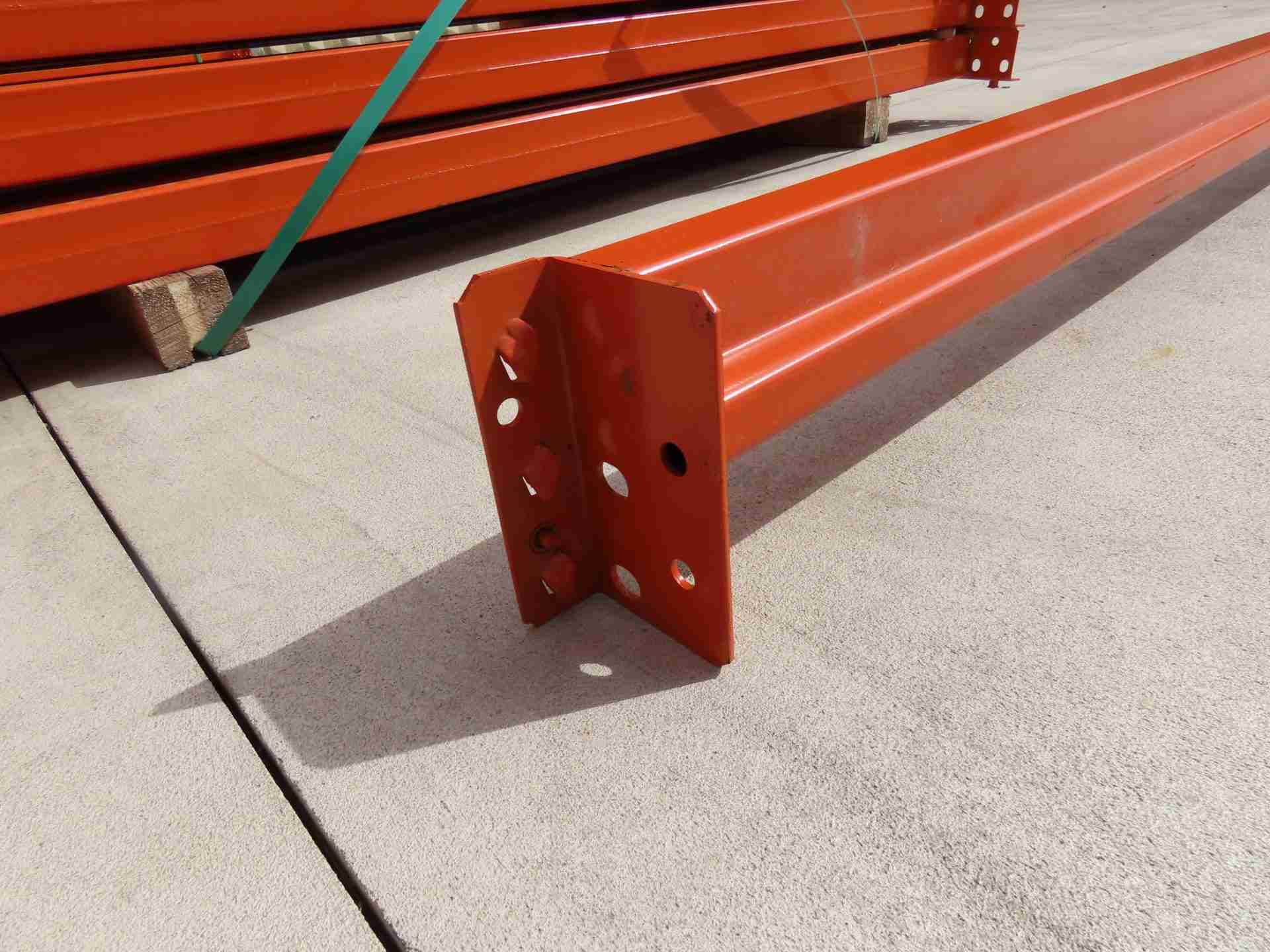
Here is a list of other resources you can review online to learn more:
- “Pallet Rack Shelving”
- “Pallet Racking (Selective Storage Racks)”
- “Pallet Racking”
- “Amazon”
- “Industrial Racking”
- “Industrial Shelving for eCommerce – Part 1”
- “Industrial Pallet Racking – LD Systems”
- “free resources Archives | Toyota MHS”
- “Houston – Headquarters & Sales”
- “MHI – The Industry That Makes Supply Chains Work”
Use This Prompt To Get More Resources With Your Favorite Online AI Tool: Please provide me with a list of online articles with their URLs in a bulleted list that I can read regarding What Is Industrial Racking?
Other Resources
Glossary Terms
What Is Industrial Racking? – Glossary Of Terms
1. Racking: A system of storage units designed to hold various types of goods in a warehouse or industrial facility.
2. Pallet Rack: A type of racking system specifically designed for storing palletized goods, often found in warehousing.
3. Selective Racking: A racking system that allows easy access to every pallet stored, maximizing space efficiency.
4. Drive-In Racking: A high-density storage solution that allows forklifts to drive directly into the racking for storage and retrieval of pallets.
5. Push Back Racking: A racking system where pallets are pushed back on a track system, allowing for multiple pallets to be stored in a single lane.
6. Flow Racking: A racking system that uses gravity to enable a first-in, first-out (FIFO) inventory management process.
7. Mezzanine: A raised platform above the warehouse floor, often used to create additional storage space within the racking system.
8. Cantilever Racking: A racking system with arms extending from a vertical structure, designed for storing long or bulky items such as lumber or pipe.
9. Shelf Racking: A type of racking that provides various shelf levels for storing smaller items or boxes, commonly used in retail and light industrial environments.
10. Heavy-Duty Racking: Robust racking systems designed to handle very heavy loads, suitable for storing heavy machinery or dense pallet loads.
11. Mobile Racking: A space-saving storage solution using mobile bases that can move along a track to access various racking sections.
12. Column: A vertical support structure in racking that bears the weight of horizontal beams and stored materials.
13. Beam: A horizontal component of racking that supports storage loads and connects to columns.
14. Decking: The platform or surface on which items are stored in racking systems, which can include wood, wire, or metal types.
15. Safety Pin: A security feature used to lock beams and components in place, preventing accidental dislodging of stored items.
16. Load Capacity: The maximum weight that a racking system or component can safely support without risk of failure.
17. Aisle Width: The distance between rows of racking, which must be designed to accommodate the type of forklifts and equipment used for access.
18. Warehouse Management System (WMS): Software used to oversee and optimize warehouse functionality, including the management of racking and inventory.
19. SKU (Stock Keeping Unit): A distinct item for sale, which is often organized and stored within racking systems for inventory management.
20. Inventory Turnover: A metric indicating how frequently inventory is sold and replaced over a specific period, often influencing racking layout.
21. FIFO (First In, First Out): An inventory management method where the oldest stock is sold first, often facilitated by flow racking systems.
22. LIFO (Last In, First Out): An inventory management method where the most recently stored items are sold first, impacting how racking is organized.
23. Storage Density: A measure of how much product can fit into a defined storage area, often increased by optimizing racking configurations.
24. Racking Layout Design: The strategic arrangement of racking systems within a warehouse to maximize efficiency and space utilization.
25. Load Bar: A metal bar that reinforces a shelf or rack to distribute weight evenly across the structure.
26. Unit Load: A quantity of goods on a single pallet or container used in racking systems for storage.
27. Cross Beam: A horizontal support beam that connects two vertical columns, providing structure and stability to the racking system.
28. Rack Stability: The ability of a racking system to maintain its structure and safety under various loads and conditions.
29. Dunnage: Material used in racking systems to secure and stabilize loads, preventing movement during storage and transportation.
30. Regulatory Compliance: Adhering to industry standards and safety regulations concerning the design, installation, and usage of racking systems.

Glossary Of Terms
Other Questions
What Is Industrial Racking? – Other Questions
If you wish to explore and discover more, consider looking for answers to these questions:
- What are the different types of industrial racking systems available?
- How do I choose the right industrial racking system for my business?
- What factors should I consider when selecting a racking system?
- What are the latest trends in industrial racking design and technology?
- How can industrial racking improve overall warehouse safety?
- What common mistakes do businesses make with industrial racking?
- How can I ensure my industrial racking complies with safety regulations?
- What are the most cost-effective industrial racking options?
- How often should I perform maintenance on my industrial racking systems?
- What are the signs that I need to replace my racking system?
- How can businesses maximize space using industrial racking?
- What industries benefit the most from industrial racking solutions?
- Can automated technology integrate with industrial racking systems?
- What are the safety measures to adopt during racking installation?
- What are the best practices for training employees on racking safety?

Other Questions
Checklist
What Is Industrial Racking? – A Checklist
1. Assess Your Storage Needs:
_____ Evaluate the types and sizes of products to be stored.
_____ Consider the volume of inventory and seasonal fluctuations.
2. Select the Appropriate Racking Type:
_____ Choose from options such as selective pallet racking, drive-in racks, cantilever racks, or push-back racking based on your specific needs.
3. Understand Weight Capacities:
_____ Verify the weight limits for each racking system to prevent overloading.
_____ Ensure that racks are capable of supporting both heavy and light items as required.
4. Ensure Accessibility and Flexibility:
_____ Design your racking layout for easy access to products.
_____ Implement adjustable and modular designs to accommodate changing inventory levels.
5. Integrate Technology:
_____ Utilize RFID tags or other tracking systems for real-time inventory management.
_____ Consider automated guided vehicles (AGVs) for improved efficiency in larger facilities.
6. Prioritize Safety:
_____ Follow OSHA guidelines and regulations for industrial racking.
_____ Regularly train staff on safety protocols and proper loading techniques.
_____ Schedule routine inspections to identify and fix any damages.
7. Plan for Future Growth:
_____ Choose racking solutions that are scalable and adaptable to future inventory changes.
_____ Keep an eye on market trends that may impact storage needs.
8. Focus on Ergonomics:
_____ Design racking systems that minimize strain on workers (lower shelves, easy lifting mechanisms).
_____ Implement systems that reduce the need for excessive bending or reaching.
9. Review and Refine Your Strategy:
_____ Regularly evaluate the effectiveness of your racking system.
_____ Gather feedback from employees on usability and efficiency.
10. Maintain Documentation:
_____ Keep records of all inspections, maintenance activities, and training sessions.
_____ Document the system configuration for future reference and compliance audits.
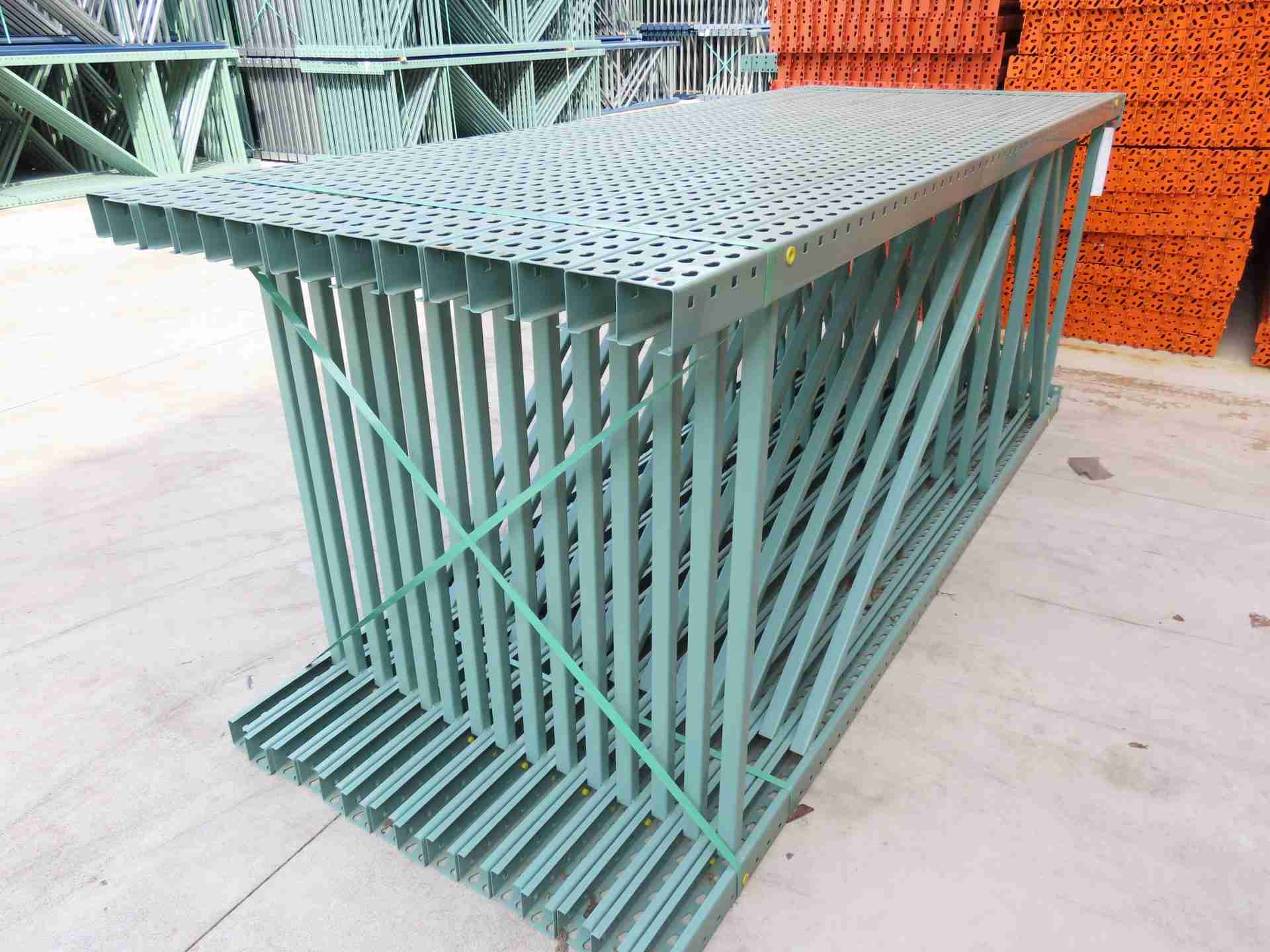
By following this checklist, you can optimize your industrial racking systems for improved efficiency, safety, and adaptability in your warehouse operations.
Checklist
At RackingWorld, we help guide you through selecting warehouse storage systems and racking.
Be sure to read our other related stories at RackingWorld to learn more about warehouse storage systems.
0 Comments