
Maximizing Efficiency And Sustainability In Inventory Management
By Tom Seest
At RackingWorld, we help guide you through selecting warehouse storage systems and racking.
Be sure to read our other related stories at RackingWorld to learn more about warehouse storage systems.
Using Racking Strategy to Support Just-In-Time Inventory
When you walk into a warehouse, what do you see? A vast expanse of steel and concrete; shelves stacked high with boxes that hold untold stories of supply and demand. Among the essential components of this bustling world lies an unsung hero: the racking strategy. This isn’t just a method for storing goods—it’s a lifeline for companies striving to master the art of Just-In-Time (JIT) inventory.
Imagine a small business owner, fueled by dreams and determination, overwhelmed by the weight of excess stock like a ship sinking beneath the waves. Racking systems can ease that burden. They optimize space, reduce excess inventory, and create an efficient flow that ensures resources are available precisely when needed, not a moment too late. This isn’t just about moving boxes; it’s about the freedom to operate dynamically in a world that demands agility.
From the first glance, racking may look like a simple structure, but dig deeper, and you’ll uncover a world where plans are exposed to the crucible of real-time decisions. Good racking, strategically deployed, allows for a leaner inventory system. It reinforces a company’s commitment to reducing waste while maintaining quality. This isn’t just strategy; it’s a responsible business ethos that respects both the environment and the economy.
The gut instinct of a warehouse manager screams for organization, for clarity amidst the chaos. A well-planned racking system can be the answer—the beacon in the fog. Picture a crew working efficiently, focusing less on searching for misplaced items and more on fulfilling customer needs with speed and precision. This leads to higher employee satisfaction and, ultimately, to happier customers. It’s not just about moving products; it’s about building relationships through trust and reliability.
Consider, too, the ripple effect in your community. A business that masters its inventory through smart racking isn’t just improving its operations; it’s setting a standard. Suppliers and customers take note, creating a network of shared success. When companies adopt JIT principles supported by thoughtful racking strategies, they become part of a larger conversation about sustainable practices and local economies thriving together.
So, next time you look at a racking system, remember—the stakes are high, the rewards are plentiful, and change is just a strategy away. Embrace it, because every shelf loaded with purpose tells a story worth sharing.

Using Racking Strategy to Support Just-In-Time Inventory
Using Racking Strategy to Support Just-In-Time Inventory
- Warehouses are characterized by vast spaces with shelves filled with inventory and require effective racking strategies.
- Racking systems support Just-In-Time (JIT) inventory, helping businesses manage stock and optimize space.
- Effective racking alleviates the challenges of excess inventory and enhances resource availability.
- Good racking contributes to a lean inventory system and promotes waste reduction while maintaining quality.
- A well-organized racking system improves operational efficiency, boosts employee satisfaction, and fosters customer trust.
- Smart racking practices set a standard in the community, enhancing supplier and customer relationships.
- Embracing effective racking strategies has high stakes and rewards, contributing to sustainable practices and thriving local economies.

Using Racking Strategy to Support Just-In-Time Inventory
Table Of Contents
- Using Racking Strategy to Support Just-In-Time Inventory
- How Can a Racking Strategy Reduce Waste In Our Inventory Process?
- What Metrics Help Us Evaluate the Effectiveness Of Our Racking System?
- What Are the Ethical Implications Of Inefficient Inventory Management?
- What Role Does Leadership Play In Optimizing Our Racking Systems?
- How Can We Tell Compelling Stories Of Success In Racking Strategies?
- Conclusion
- Other Resources
- Glossary Of Terms
- Other Questions
- Checklist
How Can a Racking Strategy Reduce Waste In Our Inventory Process?
When we think about our warehouses, we often picture towering shelves filled to the brim—each item silently waiting for its moment in the spotlight. But what if I told you that a well-designed racking strategy has the potential to dramatically reduce waste in our inventory process? It’s not just about maximizing space; it’s about breathing life into the heart of our operations.
First, let’s address the emotional aspect. Imagine walking into a warehouse where everything feels organized, every item is easily accessible, and staff can navigate effortlessly. This isn’t just a neat freak’s fantasy; it’s a performance-driven environment where employees feel competent and engaged. When people work in a space that is thoughtfully arranged, their morale rises, and they can take pride in their contributions. A strong racking strategy fosters a sense of belonging and accomplishment, making everyone feel like they’re part of a larger mission.
Now, let’s shift gears and examine the rational benefits. By implementing a strategic racking system, we can track inventory with precision—expedited retrieval contributes to quicker turnover rates and minimizes the risk of overstock. This isn’t mere speculation; studies show that organizations that use an optimized racking strategy can cut inventory carrying costs by up to 30%. Think of what that kind of savings could mean for your bottom line! Implementing a data-driven approach allows you to align supply and demand, ensuring that what’s on your shelves is what’s actually needed.
Ethically, we have a responsibility to minimize waste—not just for our bottom line but for the planet. By steering clear of excess inventory that ultimately gets discarded, we become better stewards of our resources. Each decision we make in the racking process is a chance to reflect our commitment to sustainability.
As for the social implications, the ripples of an effective racking strategy don’t stop at your warehouse door. Imagine the community around you—suppliers, customers, and partners all benefiting from efficiency and reduced waste. When we collectively improve our practices, we elevate the industry standard and inspire others to act.
So as you stand before your racking system, remember: it’s more than just a solution for storing goods. It’s an invitation to connect with your team, your customers, and the world at large. Let’s get to work, optimizing our spaces, reducing waste, and reshaping our future.

How Can a Racking Strategy Reduce Waste In Our Inventory Process?
How Can a Racking Strategy Reduce Waste In Our Inventory Process?
- A well-designed racking strategy can significantly reduce waste in inventory processes.
- Organized warehouses enhance employee morale and engagement, promoting a performance-driven environment.
- Strategic racking allows for precise inventory tracking, leading to quicker turnover rates and reduced overstock.
- Optimized racking strategies can cut inventory carrying costs by up to 30%, positively impacting the bottom line.
- The approach also reflects a commitment to sustainability by minimizing waste and promoting better resource management.
- An effective racking system benefits not just the warehouse but also suppliers, customers, and the broader community.
- Optimizing warehouse spaces is an opportunity to connect with stakeholders and reshape the future of operations.

How Can a Racking Strategy Reduce Waste In Our Inventory Process?
What Metrics Help Us Evaluate the Effectiveness Of Our Racking System?
The heart of any warehouse operation lies in its racking system. It’s not just a framework of beams and shelves; it’s the backbone that cradles your products and safeguards your investments. To truly understand how effective your racking system is, you must look beyond the surface. You need metrics that resonate with your mission and illuminate your path to success.
First, consider the space utilization metric. It’s like a game of Tetris, where every inch counts. Are you optimizing your storage space, or are you letting precious square footage sit idle? When you maximize your racking, you elevate your operation, turning a cramped warehouse into a well-oiled machine. The more intelligently you use your space, the more inventory you can manage, directly impacting your bottom line.
Then there’s inventory turnover—a measure that speaks to the cadence of your business. High turnover reflects efficiency and demand, showing your racking system isn’t just a passive player but a vibrant part of your supply chain. Think about it: products moving in and out quickly means your racking is supporting cash flow and freshness.
Don’t overlook order picking accuracy, either. When your team can easily locate items on a well-organized racking system, it doesn’t just save time; it saves stress. Picture a frantic warehouse worker, overwhelmed and lost in a sea of disorganization. Now imagine that same worker thriving, confident in their environment. That’s the power of a system that supports success—when every pick is accurate, it breeds trust, both within your team and with your customers.
Next, analyze safety incident rates as a measure of your racking’s integrity. A safe workplace is one that fosters productivity. When your racking system minimizes hazards, you’re not merely promoting efficiency; you’re upholding the ethical duty to protect the individuals who drive your success. Every injury avoided is a reminder that caring for your team pays dividends in loyalty and tenure.
Lastly, leverage maintenance costs to gauge long-term effectiveness. A system that requires constant repairs is like a leaky boat—no matter how fast you row, you’re always bailing water. Investing in robust racking leads to lower maintenance, leaving resources available for innovation and growth.
By focusing on these core metrics—space utilization, inventory turnover, order picking accuracy, safety incident rates, and maintenance costs—you can assess not just the effectiveness of your racking system, but also the heart of your entire operation. This is about creating a workspace where people thrive, products flow, and your mission stands strong, day in and day out. Trust the metrics; they’ll guide you.

What Metrics Help Us Evaluate the Effectiveness Of Our Racking System?
What Metrics Help Us Evaluate the Effectiveness Of Our Racking System?
- The racking system is essential for warehouse operations, serving as the backbone of product storage and investment protection.
- Space utilization is crucial; optimizing storage space maximizes inventory management and improves operational efficiency.
- High inventory turnover indicates efficiency and supports cash flow, reflecting the vigor of the racking system within the supply chain.
- Order picking accuracy enhances workflow, minimizes stress, and builds trust among team members and customers.
- Safety incident rates are vital for evaluating the integrity of the racking system and fostering a productive work environment.
- Low maintenance costs indicate a robust racking system, allowing resources to be allocated for innovation and growth.
- By focusing on metrics like space utilization, inventory turnover, order picking accuracy, safety rates, and maintenance costs, one can assess the effectiveness of the racking system and the overall operation.

What Metrics Help Us Evaluate the Effectiveness Of Our Racking System?
What Are the Ethical Implications Of Inefficient Inventory Management?
When we think about the inner workings of businesses, the mind naturally drifts toward numbers—sales figures, profit margins, inventory levels. Yet, tucked away behind these figures lies a far more profound issue: the human cost of inefficient inventory management. Imagine a small-town grocery store packed with racking systems piled high with expired products, or a local artisan struggling to keep their handmade goods in stock while waste fills the void. This is not just a logistical challenge; it’s a moral dilemma that resonates with us all.
Picture the grocery store owner, who once dreamt of serving their community fresh produce, now grappling with the sight of perfectly good food being thrown away because the inventory system failed to keep pace with demand. Each discarded item represents a missed opportunity—not just for profit but for connection. That food could have nourished a family, brought joy to a birthday celebration, or served a purpose beyond the shelves. The emotional impact stretches into the heart of the community, creating a ripple effect of loss and disappointment.
On a rational level, inefficient inventory management leads to waste—not just of goods, but of resources, time, and ultimately, trust. We’ve all seen it. The brand that consistently runs out of its most loved items or, conversely, overloads stores with unwanted products, ultimately loses loyal customers. They become distant memories in a sea of choices, replaced by brands that respect their consumers by keeping supply aligned with demand. It’s a simple connection: when businesses thrive, communities flourish. When they falter, the fabric of the community frays.
Ethically, businesses have a responsibility to honor their commitments, not just to shareholders but to every customer who relies on their services. When we push aside the conversation about inventory, we ignore the lives affected—employees whose hours are cut due to unsold goods, customers who find their favorite items both scarce and overpriced. It’s time to prioritize not just efficiency but empathy.
So, let’s embrace better inventory management practices, driven by technology and heart. Let’s champion transparency in how goods are sourced and delivered. We owe it to each other, to those working diligently behind the scenes and to every consumer who places their trust in our hands. In doing so, we cultivate a cycle of responsibility that elevates us all, sparking growth, trust, and a sense of belonging that echoes through our communities.

What Are the Ethical Implications Of Inefficient Inventory Management?
What Are the Ethical Implications Of Inefficient Inventory Management?
- Inefficient inventory management has significant human costs beyond mere numbers.
- Examples include grocery stores discarding expired food and artisans unable to stock handmade goods.
- This waste represents lost opportunities for community connection and joy.
- Rationally, inefficient management leads to waste of resources, time, and customer trust.
- Brands that mismanage inventory risk losing loyal customers to competitors.
- Businesses have an ethical responsibility to honor commitments to customers and communities.
- Embracing better inventory management practices can foster transparency, trust, and community growth.

What Are the Ethical Implications Of Inefficient Inventory Management?
What Role Does Leadership Play In Optimizing Our Racking Systems?
Leadership serves as the backbone of any successful operation, especially when it comes to optimizing our racking systems. Imagine a warehouse filled with stacks of products, each one representing hard work, dreams, and sometimes, even a slice of someone’s livelihood. Mismanagement in organizing these goods could result in chaos, lost time, and wasted resources—ultimately impacting not just the bottom line, but the very essence of what we strive for in our work.
At its core, effective leadership involves understanding the intricate dance between technology, manpower, and the physical space we inhabit. When leaders invest time in genuinely connecting with their teams, not only do they foster a culture of trust and open communication, but they also evoke an emotional commitment to optimizing every square inch of those racking systems. It’s about sharing a vision that transcends mere profit margins; it’s about pride in craftsmanship, in doing a job well done.
Leaders bear the weight of responsibility. They must cultivate an environment where feedback is welcomed, and ideas flow freely. Empowering employees to voice their suggestions on racking systems not only makes them feel valued, but it also taps into the rich tapestry of experience and creativity that exists within the organization. It is this collaborative spirit that can illuminate pathways to innovations that we might not have considered otherwise.
But it’s not all about feelings—rational thought plays a critical role as well. Skilled leaders recognize the importance of data-driven decisions. These leaders analyze inventory turnover rates, space utilization, and product accessibility, employing metrics that boost functionality and efficiency. Imagine being able to deliver orders faster and more accurately—this is not a far-off dream; it is the product of astute leadership that values optimization.
Ethically, a strong leader aligns their values with that of the organization, ensuring that every decision made in optimizing racking systems takes into account the well-being of both employees and customers. When leaders prioritize safety and operational excellence, they inherently enhance employee morale and satisfaction, creating a cycle of positivity that reverberates throughout the team.
Ultimately, the role of leadership in this process transcends the confines of just managing a facility. It is about bringing people together, igniting passions, and carving out a path towards a shared goal that resonates deeply within each team member. When leadership shines, racking systems become not just a means to an end, but a testament to what we can accomplish together.

What Role Does Leadership Play In Optimizing Our Racking Systems?
What Role Does Leadership Play In Optimizing Our Racking Systems?
- Leadership is essential for successful operations, particularly in optimizing racking systems.
- Mismanagement of goods can lead to chaos, lost time, and wasted resources, affecting the overall mission.
- Effective leadership combines technology, manpower, and physical space while fostering trust and communication.
- Leaders create an environment that encourages feedback and values employee input, promoting innovation.
- Rational, data-driven decisions are crucial for enhancing efficiency and functionality in racking systems.
- A strong leader aligns organizational values with employee and customer well-being, enhancing morale.
- Leadership goes beyond management; it unites teams and inspires a shared commitment to common goals.

What Role Does Leadership Play In Optimizing Our Racking Systems?
How Can We Tell Compelling Stories Of Success In Racking Strategies?
In the world of logistics and warehousing, the story of success often takes center stage, shining a light on the racking strategies that underpin our daily operations. We’re talking about the meticulous dance between maximizing space and efficiency, a narrative that begins with a vision and culminates in tangible results. Picture a bustling warehouse, the hum of machinery in the background, where every pallet, every inch of space is a testament to careful planning and thoughtful execution. This isn’t merely about racks; it’s about the heartbeat of a successful enterprise.
Imagine a small family-owned business that faced the daunting task of scaling its operations. Their traditional racking system was a bottleneck, stifling growth and leading to costly inefficiencies. With a heart full of determination, they sought out innovative racking solutions, investing not just in materials but in a vision for the future. The transformation was stunning. New racking strategies not only opened up space for inventory but also breathed new life into their operations. Suddenly, the dream of expansion was within reach, and team morale soared as every member could feel the impact of their efforts—a shared victory that connected them all.
This isn’t just a story of triumph; it’s a lesson in ethics, too. Choosing the right racking solutions is about more than profit—it’s about creating safer workplaces and sustainable practices that benefit everyone involved. By prioritizing quality materials and investing in smart design, companies can foster environments that respect both their workforce and the planet. This approach attracts talent, inspires loyalty, and builds robust community ties.
The true authority in these stories comes from those who walk the floor, who feel the weight of every loaded rack, and who understand that success isn’t just about numbers; it’s about people. When workers feel empowered and engaged, it reverberates beyond the warehouse, creating an ethos of collaboration that spills into the greater community.
So, how do we tell these compelling stories? With authenticity, by seeking out the voices of those who live and breathe these racking strategies every day. By sharing their struggles and successes, we inspire trust and confidence in what’s possible. Ultimately, it’s not just about the racks; it’s about the people, the shared journeys, and the collective dreams that we build together, one shelf at a time.

How Can We Tell Compelling Stories Of Success In Racking Strategies?
How Can We Tell Compelling Stories Of Success In Racking Strategies?
- Logistics and warehousing success relies on effective racking strategies that enhance space and efficiency.
- A small family-owned business overcame the limitations of a traditional racking system by implementing innovative solutions, leading to improved operations.
- New racking strategies facilitated business expansion and boosted team morale, creating a sense of shared victory among employees.
- Choosing the right racking solutions also involves ethical considerations, emphasizing safety and sustainability in the workforce.
- Investing in quality materials and smart design fosters a positive work environment, which attracts talent and builds community ties.
- Success in logistics is centered around people; engaged workers contribute to a collaborative culture that extends beyond the warehouse.
- Authentic storytelling about racking strategies encourages trust and inspires others by focusing on the collective journeys of those involved.

How Can We Tell Compelling Stories Of Success In Racking Strategies?
Conclusion
A racking strategy isn’t merely about storing goods; it’s about transforming the heart of your operations and making a significant impact on your business and the community. When we step into a warehouse, we’re confronted with the realities of excess inventory and disorganization—barriers that stifle potential. But here lies the opportunity: an innovative racking system can maximize efficiency and sustainability while breathing new life into daily operations. Picture a local entrepreneur, facing the daunting task of managing stock, finding their path through purposeful organization that minimizes waste and maximizes output. It’s not just about logistics; it’s about creating a work environment where teams thrive, motivated by clarity and purpose.
Consider the emotions at play. A well-structured racking system instills pride in employees, empowering them to be part of a seamless process where everything has its place. This boosts morale and directly contributes to job satisfaction. Rationally, effective racking systems lead to quicker inventory turnover, cutting carrying costs and freeing up funds for innovation. Studies reveal that optimizing storage can lead to savings of up to 30%, a significant figure for any business aiming to thrive.
Ethically, embracing sustainable practices through racking strategies means we take responsibility for our footprint on this planet. Every unnecessary item that’s discarded due to poor inventory management represents a lost opportunity and a missed connection within the community. When businesses commit to reducing waste, they do more than just improve their bottom line; they contribute to a healthier world.
Leadership plays a vital role in this journey. Ideal leaders inspire teams to collaborate on refining racking strategies, harnessing collective insights to foster a culture of innovation. This is not exclusively a managerial exercise—it’s about nurturing relationships. When employees feel valued and empowered, their investment extends beyond the warehouse.
Ultimately, the power of storytelling lies at the core of effective racking strategies. Every warehouse has its own narrative of growth, resilience, and togetherness. When we share these stories—embracing the struggles and triumphs—we cultivate trust and inspire others to envision the possibilities of operational excellence. As we optimize racking systems, we’re not just moving products; we are shaping the future of our businesses and nurturing our communities in the process. Embrace this journey, for it all starts with a strategy—one shelf at a time.

Conclusion
Conclusion:
- A racking strategy transforms operations and impacts businesses and communities.
- Innovative racking systems maximize efficiency, sustainability, and minimize waste.
- A well-structured racking system enhances employee pride and job satisfaction.
- Effective racking leads to quicker inventory turnover and potential savings of up to 30%.
- Sustainable racking practices reduce waste and improve environmental responsibility.
- Leadership is crucial in refining racking strategies and fostering team collaboration.
- Storytelling in warehouse operations builds trust and highlights growth and resilience.

Conclusion
Other Resources

Other Resources
Here is a list of other resources you can review online to learn more:
- What is Selective Pallet Racking
- Teardrop Pallet Rack – Ridg-U-Rak
- Selective Pallet Racking Systems
- Illinois
- MHI
- Rack Manufacturers Institute
- American Surplus
- Teardrop Industrial Shelving Rack
- Interlake Mecalux
- Heavy-Duty Cantilever Storage Racks
- Intro to Warehouse Racks & Warehouse Racking Systems – ShipBob
- IWLA
- Crane Manufacturers Association Of America Inc.
- Teardrop Racks – Pallet Rack World
- IIWS Inc. Rack Installation Illinois & Rack Repairs Illinois
- Logic Material Handling
- Selective Racking
- Iowa Illinois Warehouse Racking
- Storage Equipment Manufacturers Association
- Selective Racking
Use This Prompt To Get More Resources With Your Favorite Online AI Tool: Please provide me with a list of online articles with their URLs in a bulleted list that I can read regarding Using Racking Strategy to Support Just-In-Time Inventory
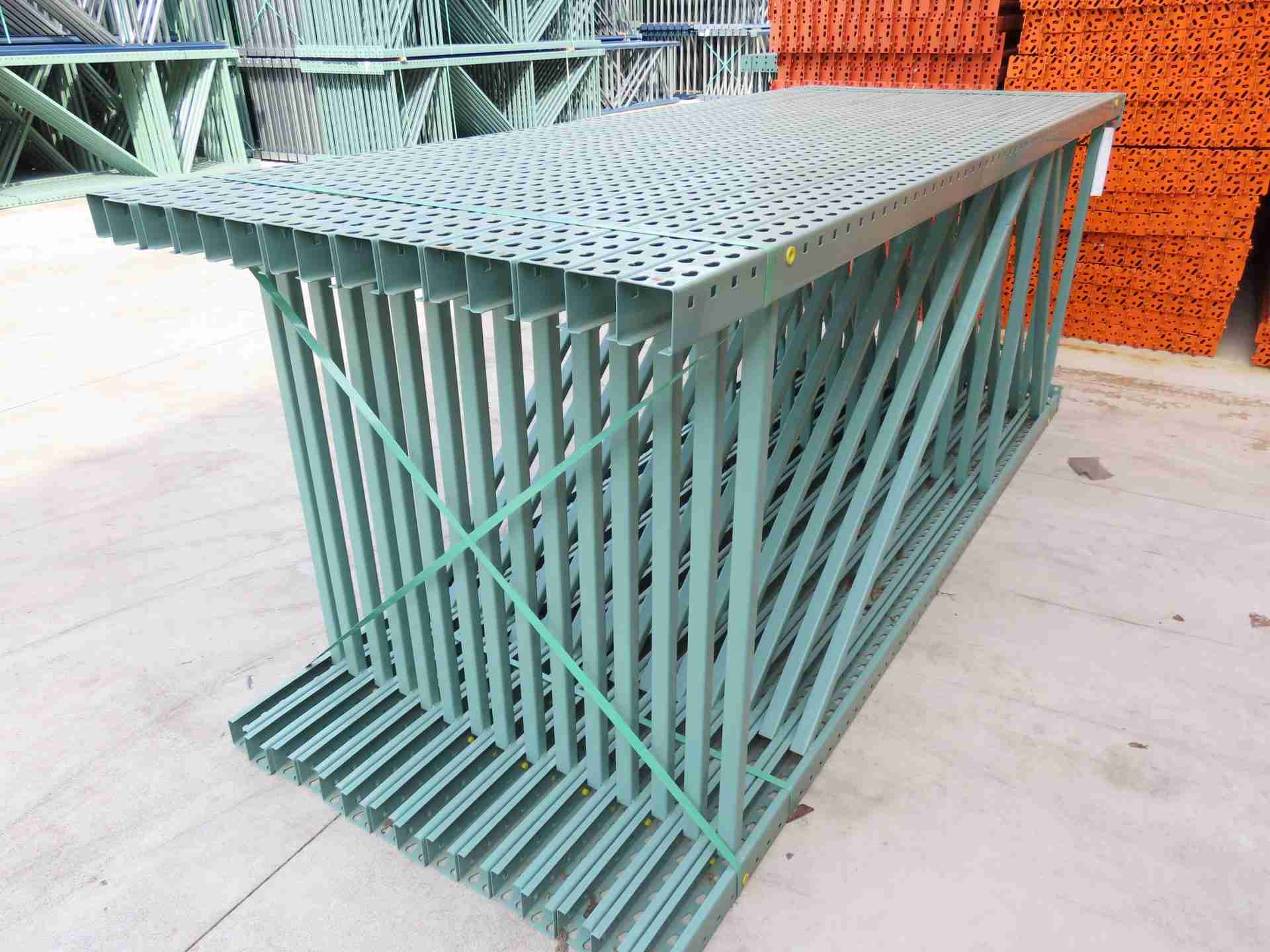
Other Resources
Glossary Terms
Using Racking Strategy to Support Just-In-Time Inventory – Glossary Of Terms
1. Just-in-Time (JIT): A manufacturing and inventory management strategy aimed at reducing waste by receiving goods only as they are needed in the production process.
2. Racking Strategy: An organized system for storing inventory efficiently, utilizing shelving or pallets to facilitate easy access and movement of products.
3. Inventory Management: The process of ordering, storing, and using a company’s inventory, including raw materials, components, and finished products.
4. Warehouse Optimization: Improving the layout and operational processes within a warehouse to maximize efficiency and effectiveness in inventory handling.
5. FIFO (First In, First Out): An inventory valuation method where the oldest inventory items are sold first, minimizing waste from obsolescence.
6. LIFO (Last In, First Out): An inventory valuation method where the most recently purchased items are sold first, often used in high inflation environments.
7. Lean Manufacturing: A methodology focused on minimizing waste within manufacturing systems while simultaneously maximizing productivity.
8. SKU (Stock Keeping Unit): A unique identifier for each distinct product and service that can be purchased, often used for inventory tracking.
9. Lead Time: The time it takes from placing an order until it is received and ready for use; critical for JIT strategies.
10. Safety Stock: Extra inventory kept on hand to prevent stockouts due to demand variability or supply chain disruptions.
11. Cycle Counting: An inventory auditing procedure where a small subset of inventory is counted on a specified day, reducing disruption and improving accuracy.
12. Kanban: A scheduling system for lean manufacturing that uses visual signals to trigger the movement of inventory and production processes.
13. Cross-Docking: A logistics practice where incoming goods are directly transferred to outbound shipping with minimal storage time, enhancing efficiency.
14. Barcode Scanning: A technology used for inventory tracking that involves scanning barcodes to quickly and accurately update stock levels.
15. Order Fulfillment: The entire process from receiving an order to delivering the product to the customer, integral to inventory management.
16. VMI (Vendor-Managed Inventory): A collaborative approach where suppliers manage the inventory for their products at the retailer’s location, enhancing efficiency.
17. Reorder Point: The inventory level at which a new order should be placed to replenish stock before it runs out.
18. Stockout: A situation where inventory is unavailable for sale, leading to potential loss of sales and customer dissatisfaction.
19. Demand Forecasting: The process of predicting future customer demand for products, crucial for effective inventory management and JIT practices.
20. Throughput: The rate at which products are processed or delivered, key to assessing the efficiency of a racking and inventory system.
21. Inventory Turnover Ratio: A measure of how many times inventory is sold and replaced over a period, indicating inventory efficiency.
22. Pallet Rack: A type of storage system designed to hold palletized goods, enabling high-density storage in warehouse settings.
23. Batch Picking: A picking method where multiple orders are collected simultaneously, improving efficiency in order fulfillment.
24. Multi-Channel Fulfillment: A strategy that allows products to be sold through multiple sales channels, requiring sophisticated inventory management.
25. Distribution Center: A facility that stores products before they are distributed to retail locations or customers, often utilizing advanced inventory systems.
26. Inventory Classification: The process of categorizing inventory items based on certain criteria like value or turnover rate, to prioritize management efforts.
27. Automated Inventory System: A technology-based solution that automates inventory management processes, enabling real-time tracking and reporting.
28. Stock Keeping: The act of maintaining the balance of inventory, ensuring adequate supply while minimizing excess.
29. Logistics: The detailed coordination of complex operations involving people, facilities, and supplies within a supply chain.
30. Supply Chain Management: The management of the flow of goods and services from raw materials to final product delivery, emphasizing coordination and integration of activities.
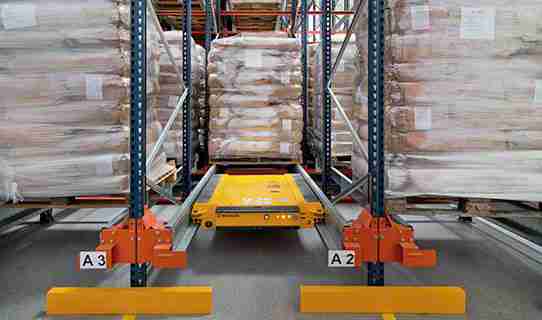
Glossary Of Terms
Other Questions
Using Racking Strategy to Support Just-In-Time Inventory – Other Questions
If you wish to explore and discover more, consider looking for answers to these questions:
- What are the different types of racking systems available for warehouses?
- How do you choose the right racking strategy for your specific inventory needs?
- What technologies can be integrated with racking systems for improved efficiency?
- How do racking systems contribute to workplace safety?
- What are common mistakes to avoid when implementing a racking system?
- How can small businesses benefit from optimizing their racking strategies?
- What case studies illustrate successful implementations of racking strategies?
- What are the costs associated with redesigning a racking system?
- How do seasonal demands affect racking strategies?
- What role do employee training and involvement play in effective racking management?
- How can companies measure improvements after implementing new racking strategies?
- What impact do external factors (like market trends) have on inventory management practices?
- How can businesses balance efficiency with sustainability in their racking strategies?

Other Questions
Checklist
Using Racking Strategy to Support Just-In-Time Inventory – A Checklist
Checklist for Optimizing Your Racking Strategy and Just-In-Time Inventory Management
Emotional Appeals
_____ Visualize your dream warehouse: What does an organized space look like to you?
_____ Connect with your team: Encourage sharing stories of successful inventory management.
_____ Foster team pride: How can you celebrate improvements and recognize achievements?
Rational Appeals
_____ Assess space utilization: Are you maximizing every square foot of racking?
_____ Track inventory turnover: Is your system efficient enough to decrease carrying costs by at least 30%?
_____ Evaluate order picking accuracy: Are workers able to locate items easily and quickly?
Ethical Appeals
_____ Commit to sustainability: How can your racking strategy minimize waste and protect the environment?
_____ Reflect on community impact: Consider how your inventory practices affect local suppliers and consumers.
_____ Prioritize safety: What measures are in place to ensure a safe working environment?
Authority Appeals
_____ Leverage industry best practices: Are there benchmarks or metrics from successful peers to guide your strategy?
_____ Engage experts: Have you consulted racking system specialists for advice or recommendations?
_____ Utilize software tools: Are your inventory management systems up-to-date and data-driven?
Narrative Appeals
_____ Share success stories: Document case studies of how racking improvements have transformed operations.
_____ Create a mission statement: How does your racking strategy align with your company’s vision and goals?
_____ Encourage storytelling: Allow team members to recount their experiences with the racking system.
Social Appeals
_____ Foster collaboration: How can you involve your employees in strategizing for better racking solutions?
_____ Build a community network: Connect with other businesses to share insights and experiences related to efficient inventory management.
_____ Host training sessions: Offer opportunities for team development in best practices for inventory management and organization.
Use this checklist to cultivate an efficient, sustainable, and emotionally connected racking strategy that enhances your Just-In-Time inventory management!

Checklist
At RackingWorld, we help guide you through selecting warehouse storage systems and racking.
Be sure to read our other related stories at RackingWorld to learn more about warehouse storage systems.
0 Comments