
Mastering Seasonal Demands: Strategies To Elevate Your Inventory Game
By Tom Seest
At RackingWorld, we help guide you through selecting warehouse storage systems and racking.
Be sure to read our other related stories at RackingWorld to learn more about warehouse storage systems.
Seasonal Inventory Spikes: Designing for the Surge
When the calendar turns, and the seasons shift, there’s a palpable buzz in the air of any business that deals with inventory. This is the time when racking systems become a lifeline, a backbone that holds the weight of consumer demand. It’s that moment when the warehouse transforms from a calm storage space into a bustling hub of activity, and let me tell you, it can feel like riding a wild bull at rodeo time.
Think about it. You’ve got a stockpile of goods ready to fly off the shelves, but if your racking system isn’t up to the task, you’re setting yourself up for chaos. Customers don’t just expect their orders; they demand them. They want what they want, when they want it. Nothing grates on a customer’s nerves like waiting for an item that’s lost somewhere in a maze of disorganized shelves. By designing for these surges, you’re not just keeping things tidy; you’re preserving trust and loyalty. Folks remember a seamless experience, and it reflects well on your reputation.
The heart of your operation is your team. When they walk into a space that’s well-organized and thoughtfully designed, it boosts morale. They can move faster, work smarter, and feel a sense of pride knowing they’re part of something efficient. An efficient racking system isn’t merely about functionality; it’s about respect for the people hustling day in and day out. A little foresight in the design can foster a killer workplace culture.
From a rational perspective, consider the dollars at stake. Seasonal spikes can make or break your bottom line. If your racks are poorly designed or overstuffed, you risk losing more than just time and patience; you’re losing sales. Implementing a well-thought-out racking system that scales with the seasons can save you money and headaches in the long run. You can pivot and adapt as demand changes, keeping your operations lean and ready for action.
Drawing from experience, those who’ve weathered these inventory surges know the value of preparation. They’ve seen the pitfalls of neglect and the triumphs that come with good planning. This isn’t just theory; it’s steel-and-concrete reality that can’t be ignored. So gear up, invest in smart racking systems, and thank yourself later when the surge hits and you’re ready to roll, while others are left scrambling.

Seasonal Inventory Spikes: Designing for the Surge
Seasonal Inventory Spikes: Designing for the Surge
- Seasonal inventory shifts create increased demand, making racking systems essential.
- An effective racking system prevents chaos and maintains customer satisfaction.
- Proper organization fosters trust and reflects positively on business reputation.
- A well-designed workspace boosts team morale and operational efficiency.
- Poorly designed racking can lead to lost sales and inefficiencies during peak seasons.
- Investing in adaptable racking solutions ensures readiness for changing demand.
- Preparation and foresight in inventory management are crucial for success.

Seasonal Inventory Spikes: Designing for the Surge
Table Of Contents
- Seasonal Inventory Spikes: Designing for the Surge
- What Challenges Do We Face During Seasonal Inventory Spikes?
- How Can We Forecast Demand Accurately?
- What Impacts Do Inventory Spikes Have on Cash Flow?
- How Do We Prioritize Inventory During Peak Seasons?
- What Role Does Data Analytics Play In Inventory Management?
- How Can We Improve Supplier Relationships for Seasonal Needs?
- Conclusion
- Other Resources
- Glossary Of Terms
- Other Questions
- Checklist
What Challenges Do We Face During Seasonal Inventory Spikes?
When seasonal inventory spikes hit, it’s like a storm rolling in. The rush can create chaos in any warehouse, but it’s these challenges that can also define us as resilient operators in the face of Mother Nature’s unpredictability. One of the first hurdles we encounter is the sheer volume of goods that need organizing and managing. Racking systems suddenly seem inadequate as they groan under the weight of piled-up stock. Our teams must think on their feet, rearranging the space to make everything fit, often with little notice and even less time.
With each influx of products, there’s an emotional toll. Employees feel the pressure as they work overtime, juggling peak demand with the ongoing daily operations. It’s a tough balancing act—one that can lead to stress and burnout. This is where connecting with the team becomes crucial. Sharing stories, celebrating small victories amidst the chaos, and fostering camaraderie can turn the workplace into a supportive environment. When people know they’re in it together, they are more likely to push through and find creative solutions.
Logically, we can’t ignore the costs that arise from poorly handled inventory spikes. Products can get lost, damaged, or rendered unsellable if they’re not managed correctly. This not only affects profits but also tarnishes a company’s reputation. Customers expect reliability, and if our systems fail us, it might cost us more than just sales. This is an ethical responsibility we carry; we owe it to our clients and ourselves to get it right.
Authority plays a role too. Decision-makers must step up, using data and insights to inform stock processes. Trust is built when leadership takes on challenges head-on, fostering a culture where everyone’s input is valued, regardless of their role. Open lines of communication help us pivot and adapt quickly. If one person knows a better way to repurpose a racking system in the midst of chaos, that insight can save the day.
At its core, handling seasonal inventory spikes isn’t just about managing logistics—it’s about the people making it happen, the community surrounding the operation, and the stories we create together in those frenetic moments. When challenges arise, it’s an opportunity for each of us to show what we’re made of, to innovate, and ultimately, to pull together for a common goal. It’s messy, sometimes disheartening, but it’s this grit and determination that can inspire confidence in our capabilities, making us all better equipped for whatever the next challenge may be.

What Challenges Do We Face During Seasonal Inventory Spikes?
What Challenges Do We Face During Seasonal Inventory Spikes?
- Seasonal inventory spikes create chaos in warehouses, testing operational resilience.
- Overwhelming volumes demand quick organization and reconfiguration of storage systems.
- Employee morale and well-being can suffer under pressure, leading to stress and burnout.
- Team connection, storytelling, and camaraderie are essential in overcoming challenges together.
- Poor inventory management can result in lost, damaged, or unsellable goods, impacting profits and reputation.
- Leadership must engage with data-driven decisions and value input from all team members.
- Handling inventory spikes requires a focus on people and collaboration, fostering innovation and resilience.

What Challenges Do We Face During Seasonal Inventory Spikes?
How Can We Forecast Demand Accurately?
Forecasting demand accurately is as essential to running a business as making sure the racking systems in your warehouse are set up right. You wouldn’t want to invest in too much inventory only to find it gathering dust, nor would you want to be in a position where you’re scrambling for goods when demand spikes. Understanding this is the first step in building a sustainable business model that strives not just for profit, but for a reputation built on reliability.
Picture this: a local manufacturer who meticulously tracks trends and customer preferences. They didn’t just leave it to chance; they invested the time to analyze sales data, listen to customer feedback, and study market shifts. This diligence is their toolkit, much like the hand tools in a mechanic’s garage. Each one has a purpose, and when used correctly, they build a sturdier business foundation. This rational approach isn’t just smart; it fosters trust. Customers appreciate knowing they can count on a business to meet their needs consistently.
But there’s also an emotional component. People want to feel connected to what they’re purchasing. When businesses share their journey — the challenges of supply chain hiccups or the triumph of meeting a community’s need — they invite customers into their story. This narrative creates a kinship, a feeling that you’re all in this together. It’s not just about numbers; it’s about the people behind those numbers who rely on face-to-face connections and their shared experiences.
Now, let’s talk about ethics. In a world of fast profits and quick fixes, ethical forecasting means being true to your customers. A company focused on sustainable practices isn’t just attracting buyers; they’re earning lifelong advocates. Providing transparency in your demand forecasts and the rationale behind them shows integrity. When your community knows you’re not just looking out for the bottom line but also for their long-term interests, it builds an unshakeable bond.
Finally, trust is reinforced through social proof. When customers see that others are satisfied, whether through testimonials or word-of-mouth, it seals the deal. It’s the same as walking into a crowded diner; if it’s packed, you know it must be good. Accurate demand forecasting is a dance of heart, head, and gut, creating a mosaic of solidarity between the business and its community. It’s about building something that lasts, ensuring everyone comes along for the ride, including those crucial racking systems that keep everything organized and efficient.

How Can We Forecast Demand Accurately?
How Can We Forecast Demand Accurately?
- Accurate demand forecasting is crucial for effective business operations and inventory management.
- Successful businesses track trends, analyze sales data, and listen to customer feedback.
- Building trust is essential for customer loyalty and consistent business performance.
- Sharing a company’s journey fosters emotional connections and community kinship.
- Ethical forecasting focuses on transparency and sustainable practices, earning customer loyalty.
- Social proof, such as testimonials, reinforces trust and credibility in a brand.
- Demand forecasting integrates rational decision-making with emotional engagement for long-term success.

How Can We Forecast Demand Accurately?
What Impacts Do Inventory Spikes Have on Cash Flow?
Inventory spikes can stir a mix of emotions, especially when they hit your cash flow. Picture a small business owner, hard at work, pouring every ounce of effort into making their dreams happen. Suddenly, they find their warehouse bulging with products, thanks to an unforeseen surge in demand. Racking systems, once neatly organized, now resemble a chaotic maze. The excitement is palpable, yet the reality of higher inventory can feel like a double-edged sword.
On one hand, having inventory in stock creates opportunities. It means you’re ready to meet customer needs and can capitalize on market trends. However, that excess inventory can become a shadow lurking in the background, tying up precious cash that could be used elsewhere. When cash flow takes a hit, it’s not just numbers on a spreadsheet—it’s about the sacrifices made, the families supported, and the dreams that hang in the balance.
Rationally, we know that inventory isn’t just sitting on shelves; it’s capital. It can stifle growth if not managed properly. When cash flow slows, costs for warehousing and potential markdowns loom over the business. The longer those items sit, the heavier the burden becomes. Ethical concerns arise too—how does one ensure that employee wages are met, or that bills get paid on time? The responsibility rests not just on the owner, but within the entire team that depends on smart decision-making for survival.
There’s the sense of community built around local businesses that makes these challenges relatable. Every one of us has navigated tight financial spots. The stories of struggling to juggle bills, salaries, and unexpected expenses resonate deeply within our social fabric. A business thriving against the odds can inspire hope in others building their path.
Facing inventory spikes requires a wise approach. Engage with your team, lean on their insights, and forge solutions that address both immediate concerns and long-term strategies. Efficient racking systems play a pivotal role in inventory management, maximizing space and ensuring items are readily accessible and efficiently rotated.
Managing inventory effectively isn’t just a matter of keeping counts. It’s about safeguarding the very essence of what your business stands for—trust, commitment, and a shared vision for a prosperous future. By facing the impact of inventory spikes head-on, you can turn potential chaos into an opportunity for growth, resilience, and a stronger community.

What Impacts Do Inventory Spikes Have on Cash Flow?
What Impacts Do Inventory Spikes Have on Cash Flow?
- Inventory spikes can create emotional turmoil for small business owners, impacting cash flow.
- Surge in demand may lead to excess inventory, resulting in operational chaos.
- Excess inventory presents opportunities but ties up cash that could be utilized elsewhere.
- Inventory management is essential to prevent stifling business growth and to manage costs.
- Ethical concerns arise regarding employee wages and timely bill payments during cash flow issues.
- Community and shared experiences among local businesses highlight the struggle with financial challenges.
- Effective inventory management involves team engagement and the use of efficient racking systems to optimize space.

What Impacts Do Inventory Spikes Have on Cash Flow?
How Do We Prioritize Inventory During Peak Seasons?
When peak season rolls around, it feels like the weight of the world settles squarely on your shoulders. The demands spike, the pressure mounts, and every decision matters. For many folks on the ground, it’s about more than just keeping shelves stocked; it’s about lives, livelihoods, and the community ties that bind us.
At the heart of inventory management is people. Those racking systems in the warehouse aren’t just metal structures holding boxes—they’re the backbone of our operations. They serve as a vital resource that allows us to get what people need when they need it most. We’re not just pushing products; we’re fulfilling promises to our customers, ensuring they get their holiday gifts on time or the essentials they rely on every day. This is where the impact of our choices truly resonates.
In this fast-paced environment, prioritizing inventory involves careful planning and execution. Start by analyzing past trends: what sold best last year during peak times? What are the popular items that generate buzz on social media? Collecting data lets us think critically about stocking decisions and making them work for us, not against us. It’s a rational approach grounded in facts, helping to avoid chaos when the orders come flooding in.
But it’s not just numbers and forecasts—ethics play a role too. We have a responsibility to be fair, ensuring all customers have access to the products they need. That means communicating transparently about stock levels and being upfront if something’s running low. When customers trust us to be honest, they come back, and we build loyalty that lasts far beyond any single season.
Stories matter, too. Share the journey of how inventory moves from the supplier to the shelves. Maybe a local vendor’s artisan products are in high demand, or perhaps a regional farmer has produced a bumper crop. Highlighting these narratives connects us to the community and fosters a sense of pride in what we offer.
Collaboration is key. Working together with suppliers, team members, and even customers creates a strong support network. Whether it’s brainstorming inventory strategies or balancing stock levels, leveraging this social fabric ensures everyone is on the same page.
Ultimately, prioritizing inventory during peak seasons is about balancing heart, head, and instinct. It’s about knowing the stakes and rising to the occasion, ensuring we’re ready to meet the demands head-on while keeping our community’s trust and confidence intact.

How Do We Prioritize Inventory During Peak Seasons?
How Do We Prioritize Inventory During Peak Seasons?
- Peak season increases demand and pressure, affecting livelihoods and community ties.
- Inventory management relies on people, with racking systems serving as operational backbones.
- Data analysis of past trends and popular items assists in effective stocking decisions.
- Ethics are crucial; transparency about stock levels fosters customer trust and loyalty.
- Sharing the journey of inventory connects to the community and highlights local vendors.
- Collaboration among suppliers, team members, and customers strengthens support networks.
- Successfully managing inventory requires balancing heart, head, and instinct to build confidence.

How Do We Prioritize Inventory During Peak Seasons?
What Role Does Data Analytics Play In Inventory Management?
Data analytics plays a pivotal role in inventory management, weaving together the threads of efficiency and reliability that keep businesses running smoothly. It’s not just numbers and graphs; this is about the quiet backbone of operations. Imagine a warehouse—rows of racking systems towering like silent sentinels over stacks of products. Each item has its story, and making sense of that story is where data analytics steps in.
When the data is harnessed properly, it can predict demand with uncanny accuracy, helping businesses avoid the two dreaded enemies: excess stock and stockouts. Picture a small shop, the shelves brimming one day, only to stand half-empty the next. That emptiness can lead to frustrated customers and lost sales. By analyzing past trends and current market conditions, data analytics provides a roadmap, allowing for strategic ordering and positioning of goods. It brings peace of mind, ensuring that the shop owner can focus on serving customers rather than fretting over inventory.
Moreover, the ethical angle is a significant consideration. In an age where sustainability matters, understanding inventory through analytics means minimizing waste. Less surplus means less waste, translating into cost savings and a step toward more responsible business practices. It’s a simple act that helps preserve not just profits, but also the community and environment we all share.
Relying on data fosters trust—not just among team members but also with customers. When businesses align their stock with actual consumption patterns, it builds a reputation for reliability. Over time, this reliability breeds loyalty. Customers come to expect that when they walk through the door or log onto an online platform, the items they want will be there, ready for them.
The narrative of data analytics is about transformation. Consider a company that once struggled with over-purchasing, drowning under unsold products. Through analytics, they learned to embrace a leaner approach, optimizing their racking systems to ensure that every available space was meaningful and effective. They became nimble, adapting to changes quickly and keeping pace with market demands.
This isn’t just theory; it’s a lived experience for many. In the blue-collar world of inventory management, the right tools can change the game. When data analytics is embraced, it brings a thoughtful approach to managing stock, creating a culture of awareness, responsiveness, and, ultimately, success. It’s about making smart decisions that resonate through every aspect of the business, all starting from that foundational understanding of how data can shape inventory management.

What Role Does Data Analytics Play In Inventory Management?
What Role Does Data Analytics Play In Inventory Management?
- Data analytics enhances efficiency and reliability in inventory management.
- Predictions based on data help avoid excess stock and stockouts.
- Analytics provides insights for strategic ordering and product positioning.
- Sustainability is improved by minimizing waste through better inventory understanding.
- Aligning stock with consumption patterns fosters trust and customer loyalty.
- Companies adopting analytics can optimize space and react quickly to market changes.
- Effective data analytics creates a culture of awareness and responsiveness within businesses.

What Role Does Data Analytics Play In Inventory Management?
How Can We Improve Supplier Relationships for Seasonal Needs?
Building robust supplier relationships during seasonal demands isn’t just good business—it’s essential to creating a network of trust and reliability that extends through the ups and downs of production cycles. Picture this: when the leaves change and orders surge, the last thing you need is a supplier struggling to deliver, leaving you in a bind. That’s where open communication comes in. A quick call or a sit-down, preferably face-to-face if possible, can clarify expectations and address potential hiccups before they balloon into crises.
First, let’s talk about racking systems. These are the backbone of any efficient warehouse operation. A supplier who understands your storage needs and can provide the right racking systems tailored for your products not only boosts productivity but also alleviates the stress of organizing a chaotic inventory. When suppliers see the sweat on your brow from a crowded warehouse, they should step in, not just as vendors, but as partners ready to devise practical solutions.
Strengthening those bonds requires a little humility and respect. Show genuine appreciation for their efforts, especially during those frantic seasonal spikes. Celebrate milestones and deliverables together. Recognition fosters loyalty; when suppliers see their contributions acknowledged, they’re more likely to go the extra mile when you’re in a pinch. It’s this kind of relational investment that transforms transactions into lasting alliances.
Let’s not forget the ethical side of things. Fair pricing and timely payments create a solid foundation. Treat suppliers as you’d want to be treated. Trust flourishes when both sides are upfront about challenges and successes. If things go south—and they will from time to time—address issues directly, rather than pointing fingers. This is how you build credibility and montre that your relationship is more than just a business arrangement.
Moreover, storytelling has a powerful role here. Share your experiences, the stories of how seasonal demands have shaped your business, and invite suppliers to share theirs. This exchange can uncover shared challenges and spark innovative solutions. After all, a network thrives on mutual understanding and collaboration.
Finally, consider the social aspect. When suppliers feel like part of your family— like they’re not just a link in the chain, but a vital part of the whole—it brings an enthusiasm and dedication that benefits everyone. By fostering this kind of environment, you can elevate your operations, making each seasonal peak a little less daunting and a lot more exciting.

How Can We Improve Supplier Relationships for Seasonal Needs?
How Can We Improve Supplier Relationships for Seasonal Needs?
- Building strong supplier relationships is crucial for trust and reliability during seasonal demands.
- Open communication helps clarify expectations and prevent crises.
- Suppliers should provide tailored racking systems to enhance warehouse efficiency.
- Show appreciation and celebrate milestones to foster supplier loyalty.
- Maintain ethical practices like fair pricing and timely payments to build trust.
- Share stories and experiences with suppliers to encourage collaboration and solutions.
- Make suppliers feel like integral members of your team to enhance enthusiasm and commitment.

How Can We Improve Supplier Relationships for Seasonal Needs?
Conclusion
When it comes to managing seasonal inventory spikes, the heart of the operation lies in embracing the chaos and harnessing it for growth. Every change of season brings a flurry of customer demand, transforming calm warehouses into bustling centers of activity. Here, an efficient racking system becomes a lifeline; it’s not just about organizing goods but ensuring trust and loyalty with customers who expect timely deliveries. Acknowledging that employees are at the core of operations underscores the importance of a well-structured environment. When workers feel empowered in their roles, productivity and morale soar, enhancing overall workplace culture.
The reality is that seasonal spikes can shake a business’s bottom line. Poor preparation risks not only time but sales and reputations. Companies that invest in thoughtful design and flexible systems can adapt, pivoting quickly as demands shift. Those who’ve dealt with inventory surges understand the difference that preparation makes—they’ve learned through both failure and success.
Navigating these inventory challenges isn’t merely a logistical issue; it’s a chance for teams to band together, share stories, and build camaraderie. The pressure can lead to emotional and physical strain, but a unified team that shares both burdens and triumphs cultivates a strong work environment. Open communication and shared victories can turn stressful periods into collaborative successes, creating a lasting sense of community.
Furthermore, ethical responsibility looms large as businesses juggle inventory management. Customers expect reliability, and meeting those expectations affects not only sales but long-term relationships. Trust is built in honest forecasting and clear communication about stock levels, ensuring that everyone feels connected and valued.
Data analytics plays a crucial role in shaping smart inventory decisions. Analyzing past sales trends helps businesses anticipate needs, avoiding the pitfalls of overstock and stockouts. This careful approach not only protects profits but also solidifies customer trust. A reputation built on dependability is invaluable in a competitive marketplace, fostering a loyal customer base that feels connected to the brand.
Strengthening supplier relationships becomes critical during peak seasons. Open lines of communication and genuine appreciation can transform vendors from mere suppliers into partners. Recognizing their contributions and facing challenges together builds credibility and fosters loyalty.
In essence, managing seasonal inventory isn’t just about stacks of products; it’s about people, relationships, and the narratives spun through shared experiences. It’s a matter of heart, head, and gut, uniting businesses, their teams, and their customers in a journey toward success. A well-crafted strategy not only meets the immediate demands but also promises the resilience and trust that ensure long-term prosperity.

Conclusion
Conclusion:
- Embracing chaos during seasonal inventory spikes can lead to growth.
- An efficient racking system improves organization and customer loyalty.
- Empowering employees enhances productivity and workplace culture.
- Poor preparation for seasonal spikes risks time, sales, and reputation.
- Open communication and teamwork foster camaraderie and a strong work environment.
- Data analytics aid in anticipating inventory needs, protecting profits, and building trust.
- Strengthening supplier relationships turns vendors into partners, enhancing credibility.

Conclusion
Other Resources

Other Resources
Here is a list of other resources you can review online to learn more:
- International Warehouse Logistics Association
- RMI
- Chicago Pallet Racking
- Warehouse Storage Racks
- Selective Rack – Raymond West
- Rack Manufacturers Institute
- Material Handling Industry
- Logic Material Handling
- Bradford Systems
- New Cantilever Racks and Racking Kits
- Pallet Racking 101: A Comprehensive Guide & Options Explained
- Material Handling Safety
- Interlake Mecalux
- Pallet Racking systems in Illinois, Great Lakes
- Storage Equipment Manufacturers Association
- Warehouse Racking Layout: The Ultimate Guide – Conger
- Teardrop Pallet Rack – Ridg-U-Rak
- BMH
- Used Pallet Rack for Sale in Illinois – American Surplus
Use This Prompt To Get More Resources With Your Favorite Online AI Tool: Please provide me with a list of online articles with their URLs in a bulleted list that I can read regarding Seasonal Inventory Spikes: Designing for the Surge
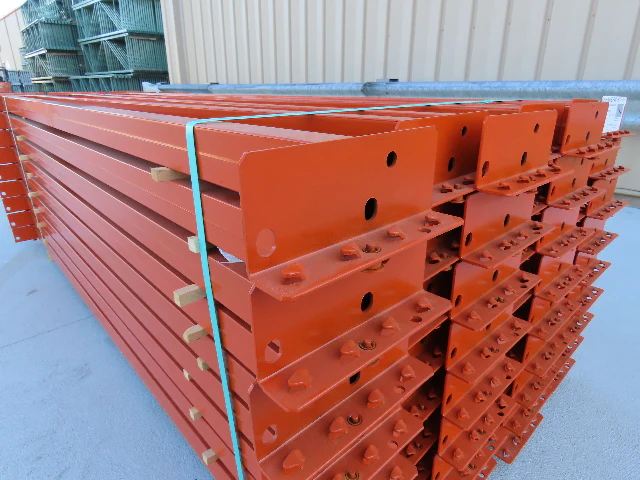
Other Resources
Glossary Terms
Seasonal Inventory Spikes: Designing for the Surge – Glossary Of Terms
1. Allocation: The distribution of inventory across various channels or locations to meet demand.
2. Benchmarking: Comparing inventory levels or management practices against industry standards.
3. Capacity Planning: The process of determining production and inventory capacity to meet future demand peaks.
4. Cycle Stock: Inventory kept on hand to meet regular, predictable customer demand.
5. Demand Forecasting: The process of predicting future customer demand to optimize inventory levels.
6. Excess Inventory: Surplus stock that exceeds market demand, often leading to increased holding costs.
7. Inventory Turnover: A ratio that shows how many times inventory is sold and replaced over a period.
8. Lead Time: The amount of time between ordering inventory and receiving it.
9. Markdown: A reduction in the selling price of inventory to stimulate demand and clear excess stock.
10. Omnichannel: A retail strategy that provides customers with a seamless shopping experience across multiple channels.
11. Overstock: Excess inventory that must be sold off, often at reduced prices, to make room for new stock.
12. Preseason Planning: Preparing inventory and marketing strategies ahead of peak season to optimize sales.
13. Product Lifecycle: The stages a product goes through from introduction to decline, influencing inventory strategy.
14. Quantity Discount: A price reduction available to customers who purchase inventory in large volumes.
15. Reorder Point: The inventory level at which new stock should be ordered to prevent stockouts.
16. Seasonal Demand: Fluctuations in consumer demand related to specific seasons or holidays.
17. SKU (Stock Keeping Unit): A unique identifier for each distinct product and service for inventory management.
18. Safety Stock: Extra inventory held to mitigate the risk of stockouts due to demand variability or supply chain delays.
19. Sell-Through Rate: The percentage of inventory sold during a specific period, indicating product performance.
20. Stockout: A situation where inventory is unavailable for sale, leading to lost sales and customer dissatisfaction.
21. Supplier Lead Time: The time taken by suppliers to deliver ordered inventory after receipt of purchase orders.
22. Supply Chain Management: The management of the flow of goods and services, including inventory, from suppliers to customers.
23. Target Inventory Level: The ideal amount of inventory a company aims to maintain for optimal operations.
24. Trend Analysis: Evaluating historical data to forecast future demand, aiding inventory planning.
25. Turnover Rate: A measure of how quickly inventory is sold and replaced within a specific time frame.
26. Visual Merchandising: The practice of optimizing the presentation of products to increase sales, especially during peak seasons.
27. Warehouse Management: The process of overseeing and controlling operations within a warehouse, vital for seasonal spikes.
28. Wrapping and Packaging: The methods used to prepare inventory for sale, impacting both presentation and shipping efficiency.
29. Yield Management: The practice of adjusting pricing and inventory based on demand to maximize revenue.
30. Z-Score: A statistical measure that indicates how far an inventory item’s performance is from the mean, often used in analysis for seasonal peaks.

Glossary Of Terms
Other Questions
Seasonal Inventory Spikes: Designing for the Surge – Other Questions
If you wish to explore and discover more, consider looking for answers to these questions:
- What types of racking systems are best suited for different kinds of seasonal surges?
- How do I calculate the extra storage capacity needed for an upcoming season?
- When is it better to rent temporary storage or racking versus buying permanent equipment?
- How should I redesign pick paths and floor layout to handle surge volumes efficiently?
- Which SKUs should be prioritized during peak periods and what criteria should guide that prioritization?
- What forecasting methods work best for seasonal demand spikes?
- How can promotions, marketing campaigns, and external events be incorporated into demand forecasts?
- What data sources (internal and external) provide the most predictive value for seasonal forecasting?
- How do I measure forecast accuracy and which metrics indicate need for adjustment?
- What cash-flow strategies and financing options are available to cover seasonal inventory purchases?
- How can I balance holding enough stock for spikes without tying up excessive working capital?
- What are best practices to avoid overstock, markdowns, and obsolescence after the season ends?
- Which KPIs should be tracked during peak season (e.g., cycle time, fill rate, inventory turns)?
- How should staffing be planned—permanent hires, temporary labor, or flexible scheduling?
- What are efficient ways to onboard and train temporary staff quickly and safely?
- What safety, code and regulatory considerations apply when adding temporary racking or increasing density?
- How can damage, shrinkage and picking errors be minimized during high-volume periods?
- What is slotting optimization and how should slotting change for seasonal assortments?
- What role should a Warehouse Management System (WMS) play during seasonal surges?
- Which software tools best integrate forecasting, inventory planning and warehouse layout?
- How can supplier relationships be structured to improve lead-time reliability for seasonal items?
- What negotiation tactics or contract terms (e.g., flexible quantities, expedited lanes) help in peak seasons?
- When is vendor-managed inventory, consignment, or drop-shipping an appropriate strategy?
- How should returns and reverse logistics be handled and staffed during peak season?
- How do you coordinate multi-channel fulfillment (e‑commerce, BOPIS, wholesale) under surge conditions?
- What contingency plans should be in place for supplier failures, transport delays or unexpected demand?
- How do you evaluate the ROI of racking upgrades, mezzanines or reconfiguration projects?
- When does mechanization or automation (conveyors, pick-to-light, AS/RS) become cost-effective for seasonal peaks?
- How can management prevent burnout and maintain morale during intense seasonal workloads?
- What quality control processes ensure order accuracy and reduce costly returns during surges?
- When and how should cross-docking or flow-through operations be used to speed throughput?
- How do you forecast and manage packaging materials and other consumables for peak times?
- How can sustainability and waste-reduction goals be maintained during high-demand seasons?
- What special considerations apply for international sourcing and customs during seasonal spikes?
- What insurance, liability or compliance issues arise when increasing on‑hand inventory?
- How should post-season analysis be conducted to capture lessons learned and improve next cycle?
- What are the signs that a facility has outgrown its current infrastructure and requires expansion?
- How should multi-year seasonality and changing consumer trends be incorporated into long-term planning?

Other Questions
Checklist
Seasonal Inventory Spikes: Designing for the Surge – A Checklist
Pre-Season Planning and Capacity
✅______ Define peak windows by SKU, category, and channel
✅______ Audit racking capacity (load ratings, vertical clearances, aisle widths)
✅______ Re-slot high-velocity SKUs into golden zones
✅______ Plan flex space, overflow, and cross-dock options
✅______ Verify equipment readiness (lifts, scanners, printers) and the preventive maintenance (PM) schedule
✅______ Build a labor plan (hiring, cross-training, shift coverage)
✅______ Lock lead times, PO deadlines, and cutoffs with all stakeholders
✅______ Prepare contingency playbooks for surge, delay, and system outage scenarios
Demand Forecasting
✅______ Consolidate multi-year weekly sales by SKU and location
✅______ Layer promotions, events, and external factors (weather, regional trends)
✅______ Align on a consensus forecast with sales, marketing, and suppliers
✅______ Use simple baseline models and override with expert input
✅______ Track forecast error (e.g., MAPE) and bias by SKU
✅______ Build best, likely, and worst-case scenarios with inventory and labor implications
✅______ Increase forecast refresh cadence during peak
Inventory Policy and Prioritization
✅______ Classify items (ABC/XYZ) by value and variability
✅______ Set service levels and reorder parameters by class
✅______ Calculate safety stock for target fill rates and lead time variability
✅______ Allocate inventory across channels and locations based on priority
✅______ Define substitution, kitting, and bundling rules
✅______ Increase cycle count frequency for A-class and fast movers
✅______ Reserve holdback inventory for key accounts and critical SKUs
✅______ Publish backorder, pre-order, and allocation policies
Racking and Layout Optimization
✅______ Verify load plaques, anchoring, and clear labeling of locations
✅______ Add seasonal accessories (decking, dividers, pallet supports) as needed
✅______ Create fast-pick zones for top movers and promotional items
✅______ Use flow lanes for small items and high-throughput SKUs
✅______ Balance pick and replenishment lanes to avoid congestion
✅______ Slot by cube and velocity to reduce travel and touches
✅______ Refresh signage and wayfinding for temporary and cross-trained staff
✅______ Set inbound and outbound staging with clear lane ownership
Operations Execution
✅______ Choose a picking strategy (wave, batch, zone) for the peak profile
✅______ Schedule docks and carriers to match throughput capacity
✅______ Define order cutoff times and promise dates
✅______ Set replenishment triggers and minimum/maximum (min/max) levels by location
✅______ Stand up a rapid returns and refurbishment flow
✅______ Implement quality checks to reduce damages and errors
✅______ Document shift handoffs and exception-handling standard operating procedures (SOPs)
✅______ Run daily huddles to review key performance indicators (KPIs) and blockers
Team and Culture
✅______ Deliver peak-season training refreshers and job aids
✅______ Maintain a cross-training matrix and fill critical coverage gaps
✅______ Recognize performance milestones and overtime contributions
✅______ Monitor workload balance and maintain reasonable overtime
✅______ Capture floor feedback and implement quick wins
✅______ Provide clear escalation paths for urgent issues
Data and Systems
✅______ Ensure WMS, ERP, and e-commerce integration for real-time inventory
✅______ Standardize SKU data (unit of measure [UOM], pack, dimensions, hazard flags)
✅______ Deploy dashboards for fill rate, on-time in-full (OTIF), pick lines per hour, dock-to-stock time, and inventory aging
✅______ Set alerts for stockout risk, service-level agreement (SLA) risk, and capacity thresholds
✅______ Validate advance ship notice (ASN), barcode, and label standards with partners
✅______ Archive datasets for post-peak analysis
Cash Flow Readiness
✅______ Build a cash flow forecast tied to inventory and sales scenarios
✅______ Confirm payment terms and early-pay discounts with suppliers
✅______ Secure seasonal credit lines or inventory financing
✅______ Define markdown and liquidation triggers by SKU age
✅______ Track carrying and storage costs by location
✅______ Plan for expedited freight usage and thresholds
Supplier and Carrier Collaboration
✅______ Share a rolling forecast, purchase order (PO) schedule, and promotion calendar
✅______ Reserve capacity and confirm production slots
✅______ Dual-source critical SKUs and components where feasible
✅______ Implement vendor-managed inventory (VMI) or consignment where applicable
✅______ Enforce packaging and labeling standards for fast receiving
✅______ Use scorecards and cadence reviews (monthly or quarterly)
Customer Communication
✅______ Publish accurate lead times, cutoffs, and availability
✅______ Enable proactive notifications for delays and stockouts
✅______ Offer alternatives and substitutions with clear messaging
✅______ Align service-level promises with operational capacity
✅______ Update seasonal landing pages and FAQs with real-time status
Risk and Compliance
✅______ Verify rack inspections and documented load ratings
✅______ Confirm regulatory and documentation needs for seasonal SKUs
✅______ Review insurance coverage for elevated on-hand value
✅______ Maintain incident and exception logs for traceability
Post-Season Review and Improvement
✅______ Conduct a cross-functional debrief and capture lessons learned
✅______ Measure forecast accuracy, fill rate, OTIF, and margin by SKU
✅______ Re-slot based on actual velocity and congestion data
✅______ Update SOPs, training, and checklists for next season
✅______ Review supplier and carrier performance and adjust agreements
✅______ Formalize a peak-season playbook and archive artifacts

Checklist
At RackingWorld, we help guide you through selecting warehouse storage systems and racking.
Be sure to read our other related stories at RackingWorld to learn more about warehouse storage systems.
0 Comments