
The Case For Racking: Essential To Infrastructure
By Tom Seest
At RackingWorld, we help guide you through selecting warehouse storage systems and racking.
Be sure to read our other related stories at RackingWorld to learn more about warehouse storage systems.
Should Racking Be Considered Core Infrastructure?
When it comes to infrastructure, we often think of the towering skyscrapers, sprawling bridges, and intricate highways that connect our lives. Yet, nestled within the shadows of those grand structures lies a crucial yet overlooked component—racking. Yes, racking may seem humble, but its significance in our daily operations and economic engine cannot be understated.
At first glance, racking might not ignite the same sense of awe as a sleek, modern high-rise. However, consider what it enables. Picture a bustling warehouse, buzzing with activity, where goods flow seamlessly in and out, propelling our economy forward. Racking systems, whether in retail spaces or vast distribution centers, form the backbone of logistics, allowing us to maximize space, enhance efficiency, and ultimately deliver goods to our doorsteps. They are the unsung heroes that work quietly behind the scenes, embodying the sweat and determination of countless professionals who strive to make our lives easier.
Now let’s think about safety and reliability. A properly designed racking system ensures that products are stored securely and accessed safely. When we walk into a store or a warehouse, we trust that the products we need are organized and within reach and that they won’t come tumbling down in a chaotic cascade. This trust is vital—after all, safety isn’t just a tagline; it’s an ethical responsibility that businesses must commit to uphold in their operations.
From a rational standpoint, investing in robust racking may seem like a cost that can be pushed aside, but savvy business owners understand its value. Racking systems can significantly improve a company’s bottom line by reducing clutter, optimizing space, and minimizing waste. It’s an investment that pays dividends, enhancing productivity and employee morale.
But beyond profit margins and safety statistics, think about the connections we’ve built through commerce. Each time we purchase a product, we are partaking in a larger narrative, one that begins in a manufacturer’s facility and travels through the intricate dance of supply chains, warehouses, and eventually lands in our hands. Racking is a vital part of this story, enabling connections between people and the products they need.
So, the next time you gaze at a sleek aisle in your local store or witness the hustle within a distribution center, remember that racking is more than a structure—it’s a component of our collective journey, woven into the fabric of our lives. Let’s give racking the respect it deserves; after all, it’s a cornerstone of our infrastructure, one that we should proudly acknowledge and invest in.
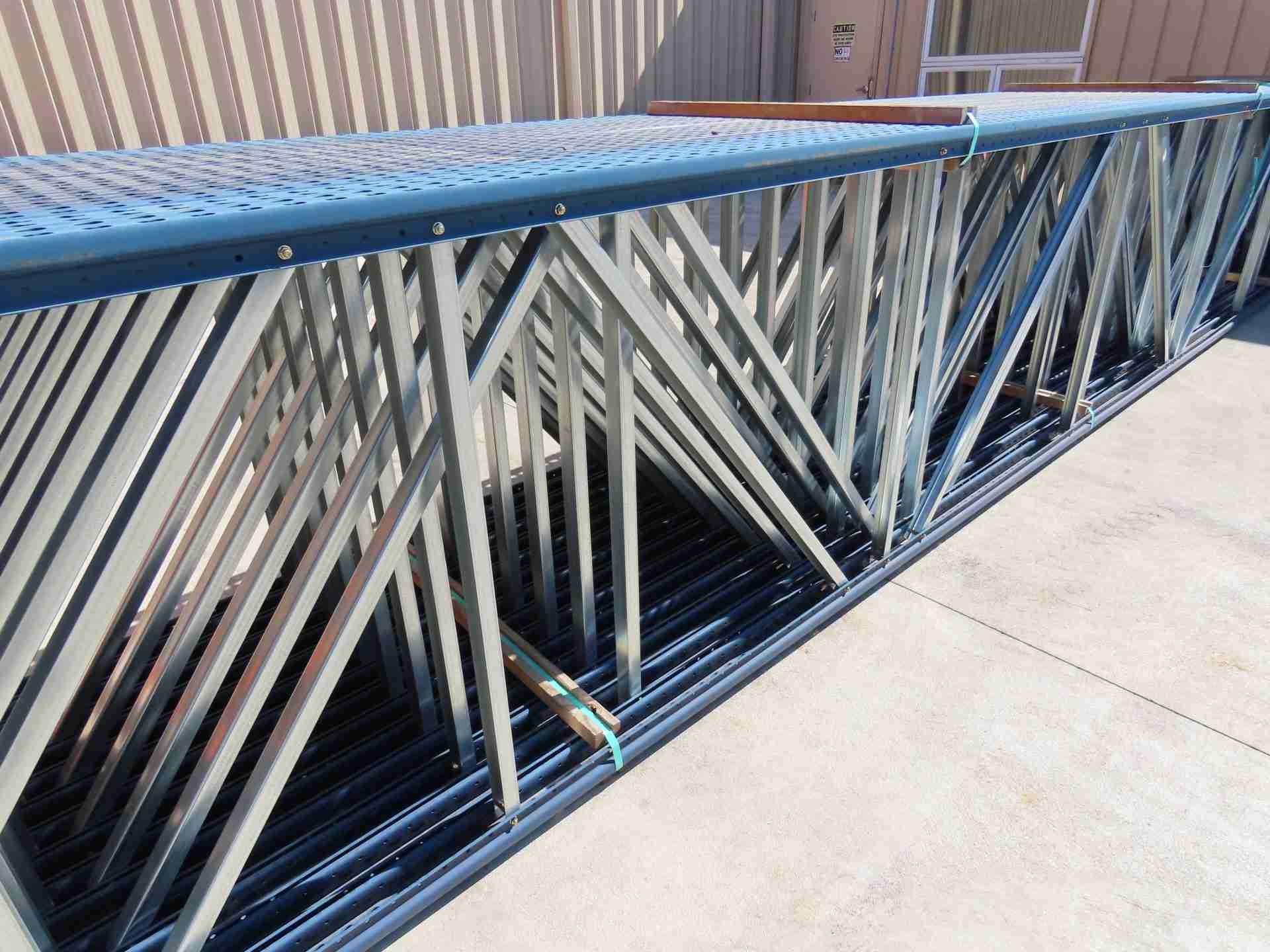
Should Racking Be Considered Core Infrastructure?
Should Racking Be Considered Core Infrastructure?
- Racking is a crucial yet often overlooked component of infrastructure.
- It plays a vital role in logistics, maximizing space and enhancing efficiency in warehouses and retail spaces.
- Safety and reliability are key aspects of racking systems, ensuring secure storage and organization of products.
- Investing in strong racking can improve a business’s bottom line by reducing clutter and minimizing waste.
- Racking facilitates connections within the commerce narrative, linking manufacturers to consumers through supply chains.
- It is an essential element of our daily operations and economic activities, deserving of recognition and respect.
- Racking should be acknowledged as a cornerstone of infrastructure, pivotal to our collective journey.

Should Racking Be Considered Core Infrastructure?
Table Of Contents
- Should Racking Be Considered Core Infrastructure?
- What Makes Racking Essential for Operational Efficiency In Logistics?
- How Do Racking Systems Impact the Overall Safety Of Warehouse Staff?
- How Do Industry Leaders Define Core Infrastructure In Warehousing?
- How Does the Right Racking Solution Promote Teamwork and Morale?
- What Data Supports the Argument That Racking Is a Critical Asset?
- Conclusion
- Other Resources
- Glossary Of Terms
- Other Questions
- Checklist
What Makes Racking Essential for Operational Efficiency In Logistics?
Racking isn’t just a structure holding products; it’s the backbone of operational efficiency in logistics. Picture the bustling warehouse, where every inch of space counts, each second of time saved translates into dollars, and every item has a rightful place. Here, racking systems are unsung heroes, quietly guiding every movement and transaction.
Let’s be honest—when you walk into a well-organized warehouse, there’s a sense of calm, an underlying promise that everything is where it needs to be. We all know that feeling: seeing the shelves neatly stocked, each box labeled, ready to be picked, packed, and shipped. That’s not by chance; it’s by design. When racking is implemented effectively, you eliminate chaos, reduce the risk of misplaced items, and lead your team toward a smoother operation.
From a rational standpoint, the numbers speak loudly. Time is money. A strategic racking system maximizes vertical space and organizes inventory based on movement patterns, making retrieval quicker and easier. Imagine cutting pick times in half—all thanks to a well-planned layout. Suddenly, the whole operation becomes more productive, and the positive ripple effects touch everyone in the supply chain, from warehouse workers to customers waiting for their order.
Ethically, we have a responsibility to ensure a safe work environment. Inefficient storage methods waste time but can also lead to accidents—overloaded shelves, cluttered walkways. Racking systems can help maintain safety compliance. They allow us to harness a space’s full potential while keeping team members from unnecessary risks.
On the other hand, let’s not forget the social aspect. A well-maintained racking system promotes teamwork. It fosters an environment where everyone feels they can accomplish their tasks efficiently. Staff morale rises when they can easily find what they need and don’t have to hunt through piles of disorganization to do their jobs.
In the grand narrative of logistics, racking isn’t simply equipment; it’s an embodiment of clarity, efficiency, and respect for hard work. It reminds us that behind every smooth operation, there’s a thoughtfulness in design that allows people to excel in their roles. Trust in that framework, and you’ll inspire confidence, not just in your operations but in the people who make them happen.
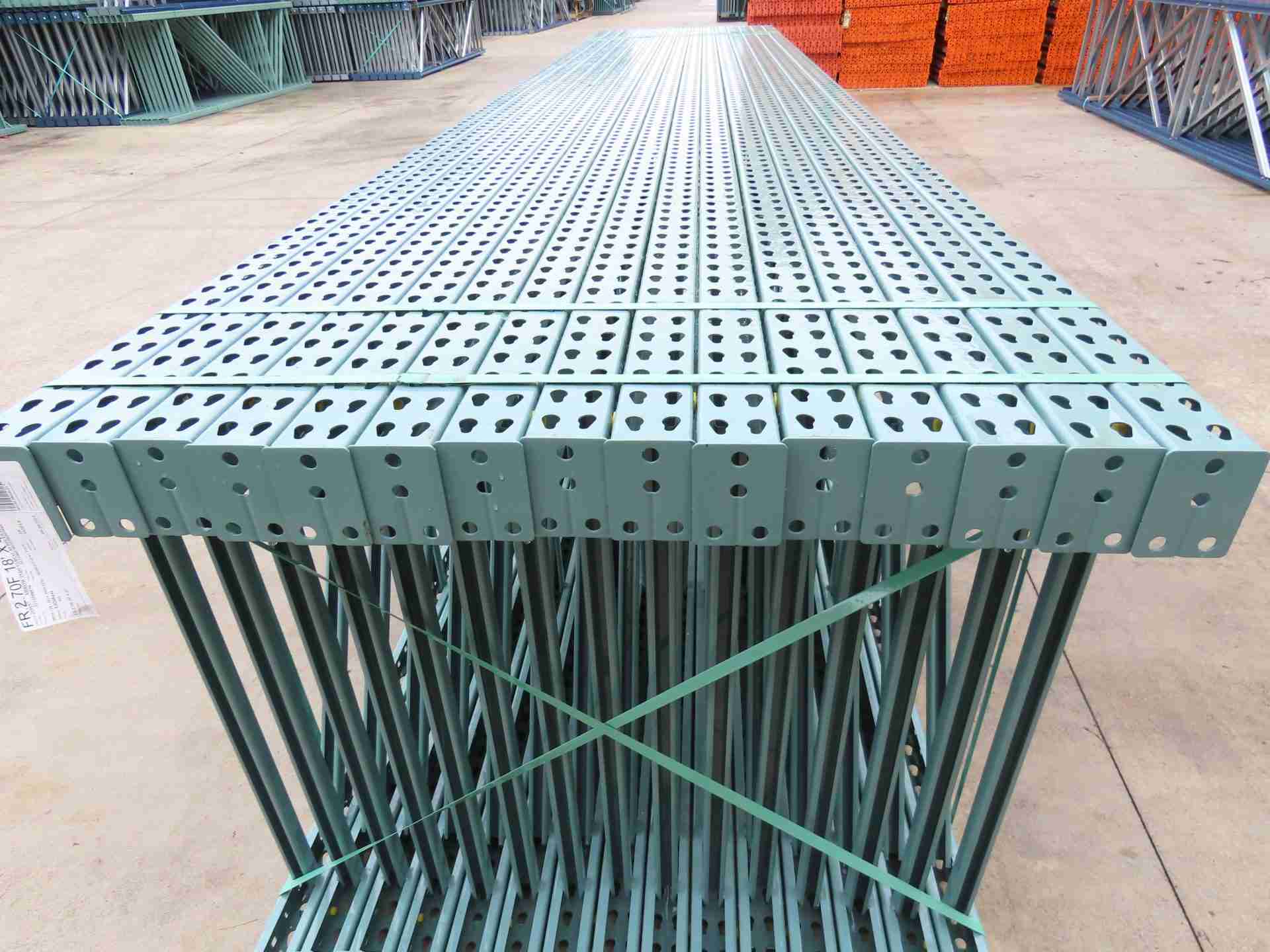
What Makes Racking Essential for Operational Efficiency In Logistics?
What Makes Racking Essential for Operational Efficiency In Logistics?
- Racking is crucial for operational efficiency in logistics, serving as the backbone of warehouse functionality.
- A well-organized warehouse creates a sense of calm and promises that every item is in its rightful place.
- Effective racking systems eliminate chaos and reduce the risk of misplaced items, leading to smoother operations.
- Strategically designed racking maximizes vertical space and organizes inventory for quicker retrieval, enhancing productivity.
- Racking systems help maintain a safe work environment and ensure compliance by preventing accidents caused by clutter and overload.
- A well-maintained racking system encourages teamwork and improves staff morale by facilitating easy access to necessary items.
- Racking embodies clarity, efficiency, and respect for hard work, inspiring confidence in operations and among team members.
What Makes Racking Essential for Operational Efficiency In Logistics?
How Do Racking Systems Impact the Overall Safety Of Warehouse Staff?
When you step into a warehouse, what often captures your attention are the towering racking systems that stretch skyward, lined with pallets of goods. At first glance, they might seem like just a framework for storage, but peel back the layers, and you’ll discover they’re the backbone of a safe working environment. The way we design and implement racking systems significantly impacts the overall safety of warehouse staff, and that’s a reality we cannot afford to ignore.
Every day, warehouse employees navigate a complex maze of machinery, inventory, and storage solutions. Imagine Joe, a hardworking warehouse staff member, maneuvering a forklift around those towering racks. He counts on the stability and structural integrity of the racking systems to keep him and his colleagues safe. Poorly designed or improperly maintained racking can lead to disastrous consequences—a precariously leaning rack could spell catastrophe in an instant. It’s not just about lifting items; it’s about lifting spirits and building trust within an organization.
Now, think about the bigger picture. Racking systems that prioritize safety send a message: the well-being of employees matters. When companies invest in high-quality racking solutions, they’re not just ticking a box; they’re making an ethical commitment to protect their workers. This commitment creates a culture where safety isn’t a second thought, but a core value. Employees who see this dedication feel valued and motivated, which in turn enhances productivity and morale. It’s a beautiful cycle that bolsters a workforce.
From a rational perspective, the numbers speak for themselves. A well-organized warehouse minimizes accidents, reduces downtime, and fosters efficiency. The data indicate that companies with safe operational practices see a marked decrease in injuries, translating into lower insurance costs and higher employee retention rates. But this isn’t just about economics; it’s about our responsibility to each other.
Moreover, we’re social beings, and creating a safe workplace becomes a shared mission. When staff feel invested in their own safety, they rally together, creating an environment of collaboration and support. They watch out for one another, which fosters strong team dynamics and a united front against risks.
So, the next time you glimpse those racking systems, remember they’re not just metal structures; they are lifelines tied to the safety of every worker who walks beneath them, and their design and upkeep are reflections of our collective values and responsibilities. It’s time we prioritize safety in every warehouse. That’s not just smart; it’s essential.
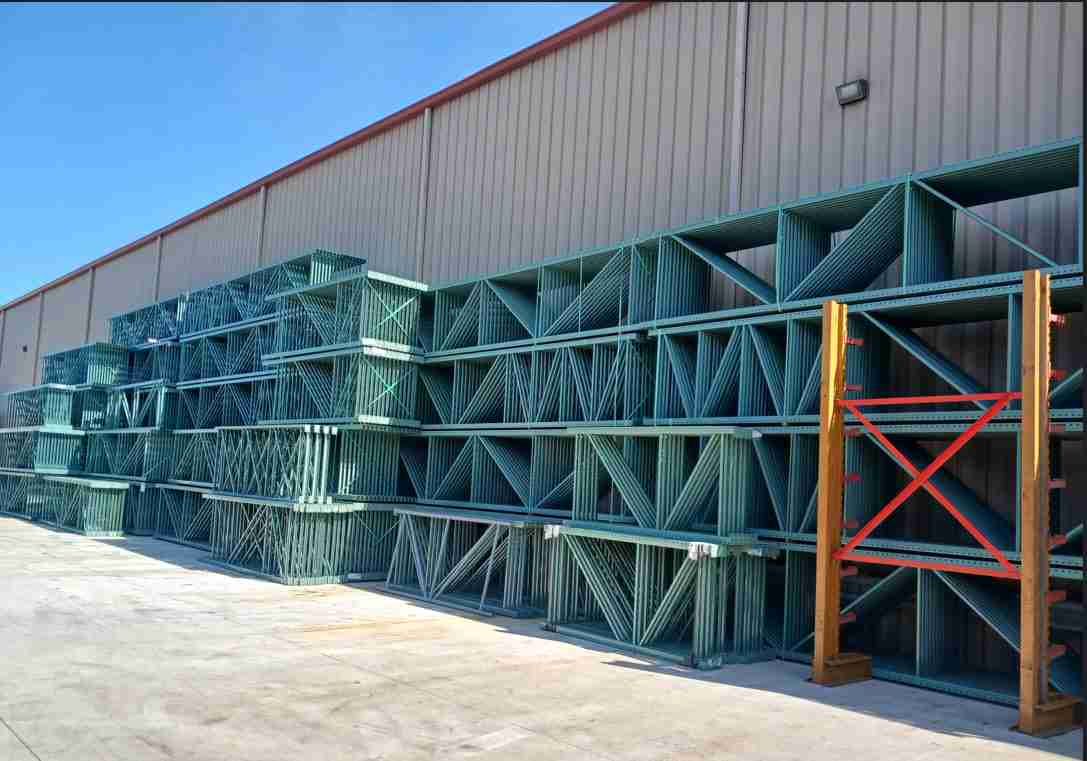
How Do Racking Systems Impact the Overall Safety Of Warehouse Staff?
How Do Racking Systems Impact the Overall Safety Of Warehouse Staff?
- Racking systems in warehouses serve as a vital framework for storage and a safe working environment.
- Proper design and maintenance of racking systems are crucial for the safety of warehouse staff.
- Inadequate racking can lead to dangerous situations, endangering warehouse employees.
- Investing in high-quality racking reflects a company’s commitment to employee well-being and safety.
- A culture of safety enhances employee motivation, productivity, and morale.
- Safe operational practices lead to fewer accidents, reduced downtime, and lower insurance costs.
- A collaborative workplace prioritizes safety, creating strong team dynamics and mutual support.
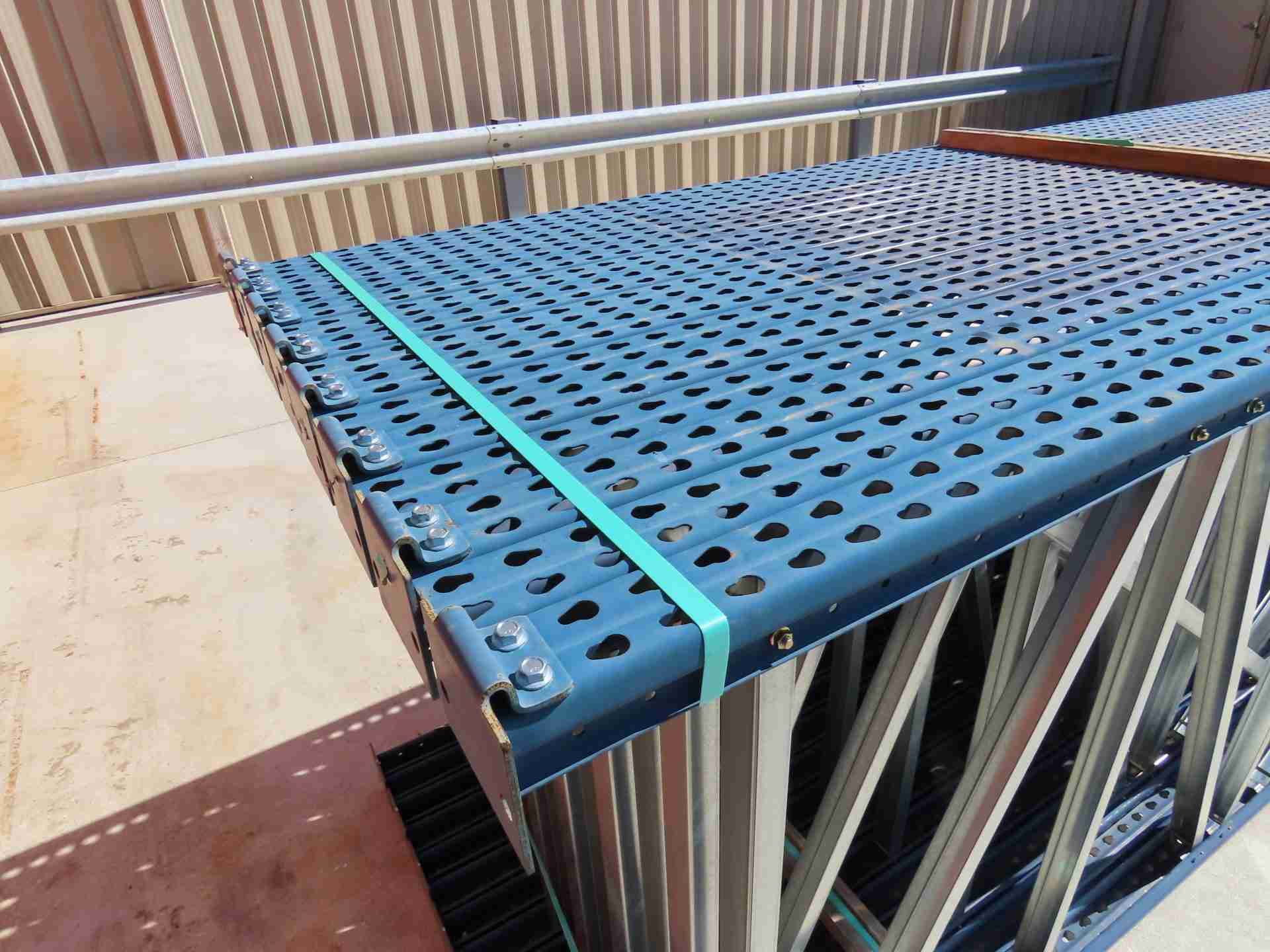
How Do Racking Systems Impact the Overall Safety Of Warehouse Staff?
How Do Industry Leaders Define Core Infrastructure In Warehousing?
When you step into a modern warehouse, you aren’t just witnessing stacks of boxes piled high or shelves neatly lined with products. You’re looking at the backbone of an economy, where every piece of racking plays its part in a grand narrative. Industry leaders understand that core infrastructure isn’t merely physical; it embodies the vision, sweat, and grit of those who breathe life into supply chains.
At its heart, core infrastructure in warehousing is about robustness and reliability. Picture those racking systems, sturdy and unyielding, designed to hold immense weights and endless possibilities. It’s not just metal and wood but a promise to every worker inside that what they’re handling is safe and secure. This builds trust not only among employees who rely on it daily but also with customers who expect nothing less than excellence.
Rationally, consider the optimization that comes from investing in a strong infrastructure. Leaders in the field know that well-designed racking systems can dramatically enhance storage efficiency, streamline workflows, and minimize waste. These aren’t just numbers; every square foot saved is a step toward enhancing productivity, translating directly into a healthier bottom line. When every worker understands their role in this efficiency, it fosters an ethical duty to uphold standards and to ensure that everyone in the chain plays their part.
But it goes deeper. The stories we often overlook are those of the men and women laboring in these facilities. Each piece of racking you see represents countless hours of hard work—someone’s dreams of a better life, their families’ well-being, and their communities’ prosperity. When you acknowledge that, you begin to realize the social responsibility that comes with effective warehousing.
Industry leaders aren’t just thinking about tomorrow’s profits; they’re invested in the people who make those profits possible. They want to inspire pride and connection, knowing that every action taken in a warehouse impacts the lives of those behind the scenes. So the next time you walk into a warehouse, look beyond the surface. Appreciate the infrastructure and the stories of resilience and ambition streaming through it. Feel the pulse of hardworking individuals who, day after day, bring the vision of efficient warehousing to life. This isn’t just about logistics; it’s about the heart of a thriving community.
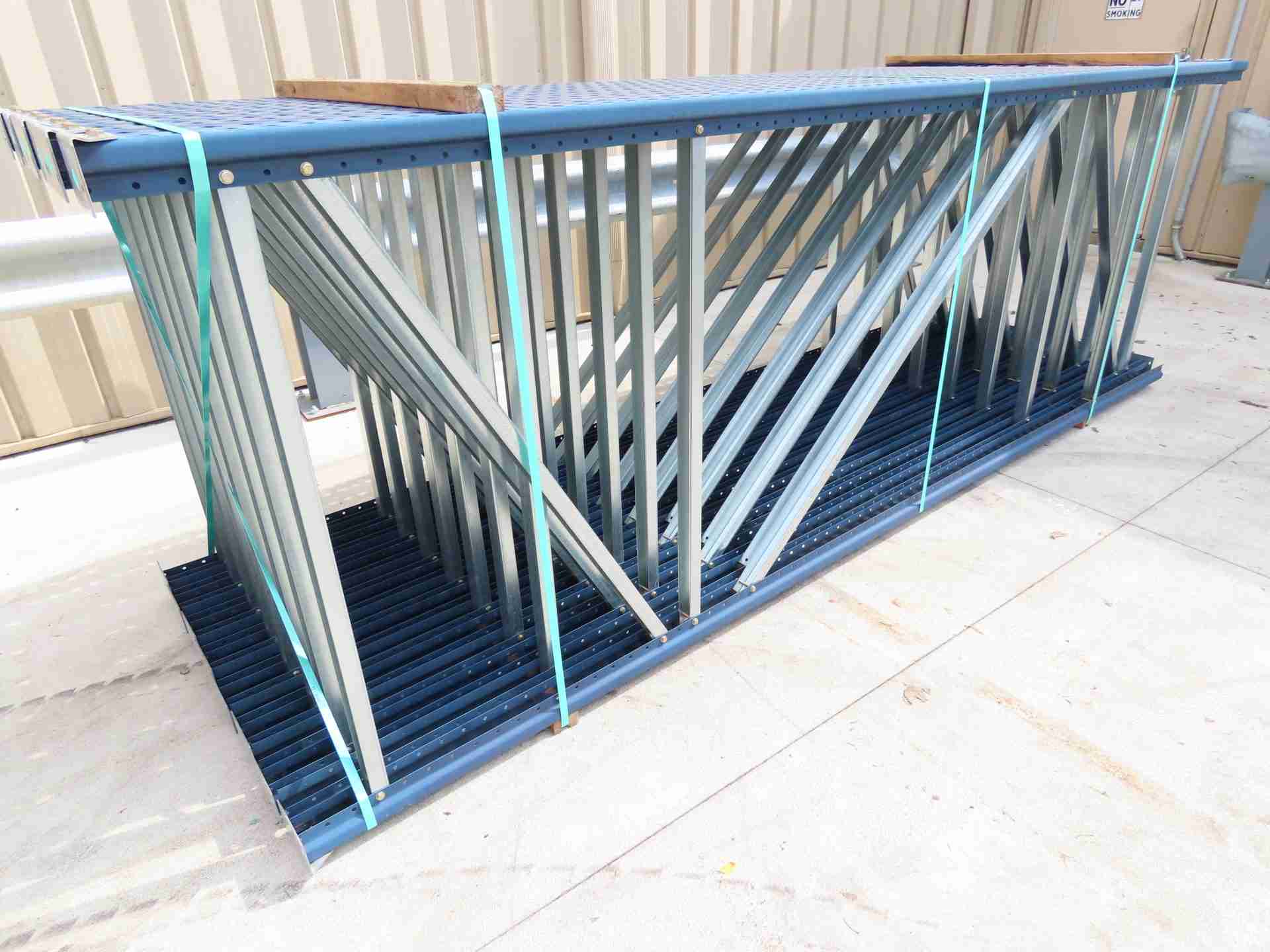
How Do Industry Leaders Define Core Infrastructure In Warehousing?
How Do Industry Leaders Define Core Infrastructure In Warehousing?
- Modern warehouses represent the backbone of the economy, showcasing the essential role of core infrastructure.
- Core infrastructure embodies the vision and hard work of individuals involved in supply chains.
- Sturdy racking systems ensure robustness and reliability, promoting safety and security for workers.
- Investing in strong infrastructure boosts storage efficiency, streamlines workflows, and minimizes waste.
- Each racking system symbolizes the dedication and dreams of the workers, impacting their families and communities.
- Industry leaders prioritize people over profits, fostering pride and connection within the workforce.
- A warehouse is not just a logistical space; it reflects the resilience and ambition of the community behind it.

How Do Industry Leaders Define Core Infrastructure In Warehousing?
How Does the Right Racking Solution Promote Teamwork and Morale?
When it comes to the backbone of any successful operation, racking may not be the first thing that comes to mind. Yet, it’s an unsung hero in the warehouse, a silent partner in productivity that tells a story far beyond mere metal shelves and wooden beams. Imagine walking into a space where everything has its place, where products are organized and accessible, and where every team member can find what they need without a hitch. This isn’t just about logistics; it’s about nurturing a culture of teamwork and elevating morale.
Think about it for a moment. When racking systems are designed thoughtfully, a team can operate like a well-oiled machine. Each person knows their role, understands the flow of goods, and feels empowered to contribute to the collective goal. This shared understanding fosters trust and collaboration—key ingredients for any team’s success. Picture a crew working together, seamlessly retrieving items from strategically placed racks, feeling that shared satisfaction with every goal achieved—a powerful sense of camaraderie emerges.
Now, let’s engage the brain. A well-organized racking system doesn’t just save time; it saves money. When products are easy to locate, workers spend less time searching and more time doing. This boosts efficiency and leads to better outcomes, which is especially important in today’s competitive climate. And let’s be honest: a company that invests in the right racking solutions is signaling to its employees that their time and well-being matter. That investment turns into a robust return, not just in dollars but in the morale that comes from feeling valued.
Ethically speaking, fostering a positive work environment is a responsibility. By ensuring safety and efficiency with the right racking systems, organizations demonstrate a commitment to their team’s well-being. When employees feel safe and supported, they’re more likely to take pride in their work and go the extra mile for their colleagues.
Finally, storytelling plays a palpable role in this narrative. Picture a newcomer stepping into an organized space where every person acts efficiently and feels valued. The warmth of collaboration wraps around them like a hug, inspiring them to become part of something bigger than themselves. That’s not just good for business; that’s the kind of atmosphere that keeps talent coming back for more, fuels creativity, and ultimately, builds a legacy.
So the next time you think of racking, remember—it’s more than a storage solution. It’s a catalyst for team spirit and morale, a framework for success, and a cornerstone of a thriving workplace culture.
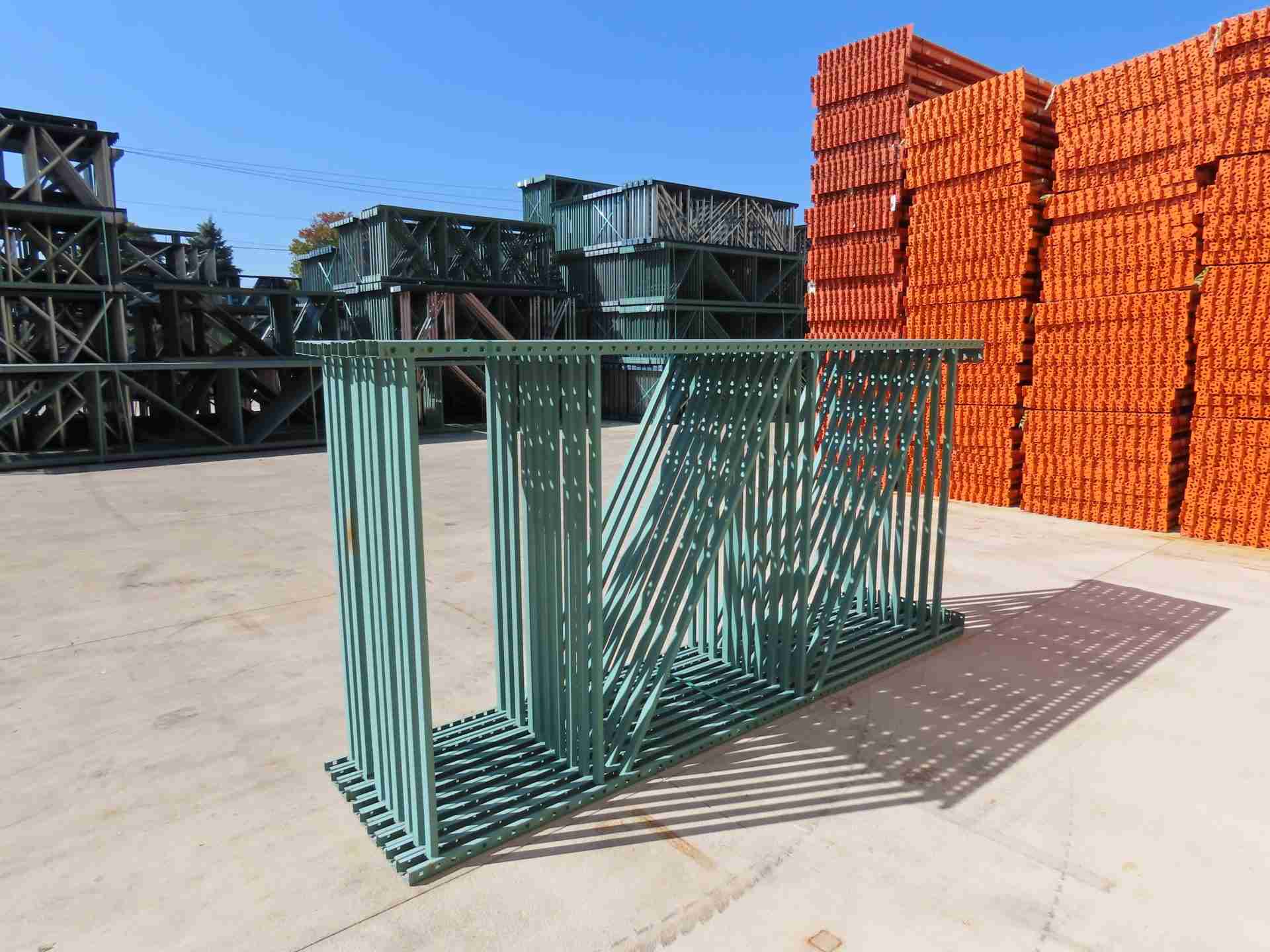
How Does the Right Racking Solution Promote Teamwork and Morale?
How Does the Right Racking Solution Promote Teamwork and Morale?
- Racking systems play a crucial but often overlooked role in warehouse productivity.
- Well-designed racking fosters teamwork and a culture of collaboration among employees.
- An organized space helps employees locate products quickly, boosting efficiency and saving time.
- Investment in suitable racking solutions signals to employees that their time and well-being are valued.
- Creating a safe and efficient work environment is a responsibility that enhances employee pride and performance.
- A collaborative atmosphere attracts talent and fuels creativity, positively impacting business success.
- Racking is not just a storage solution; it is essential for team spirit, morale, and workplace culture.
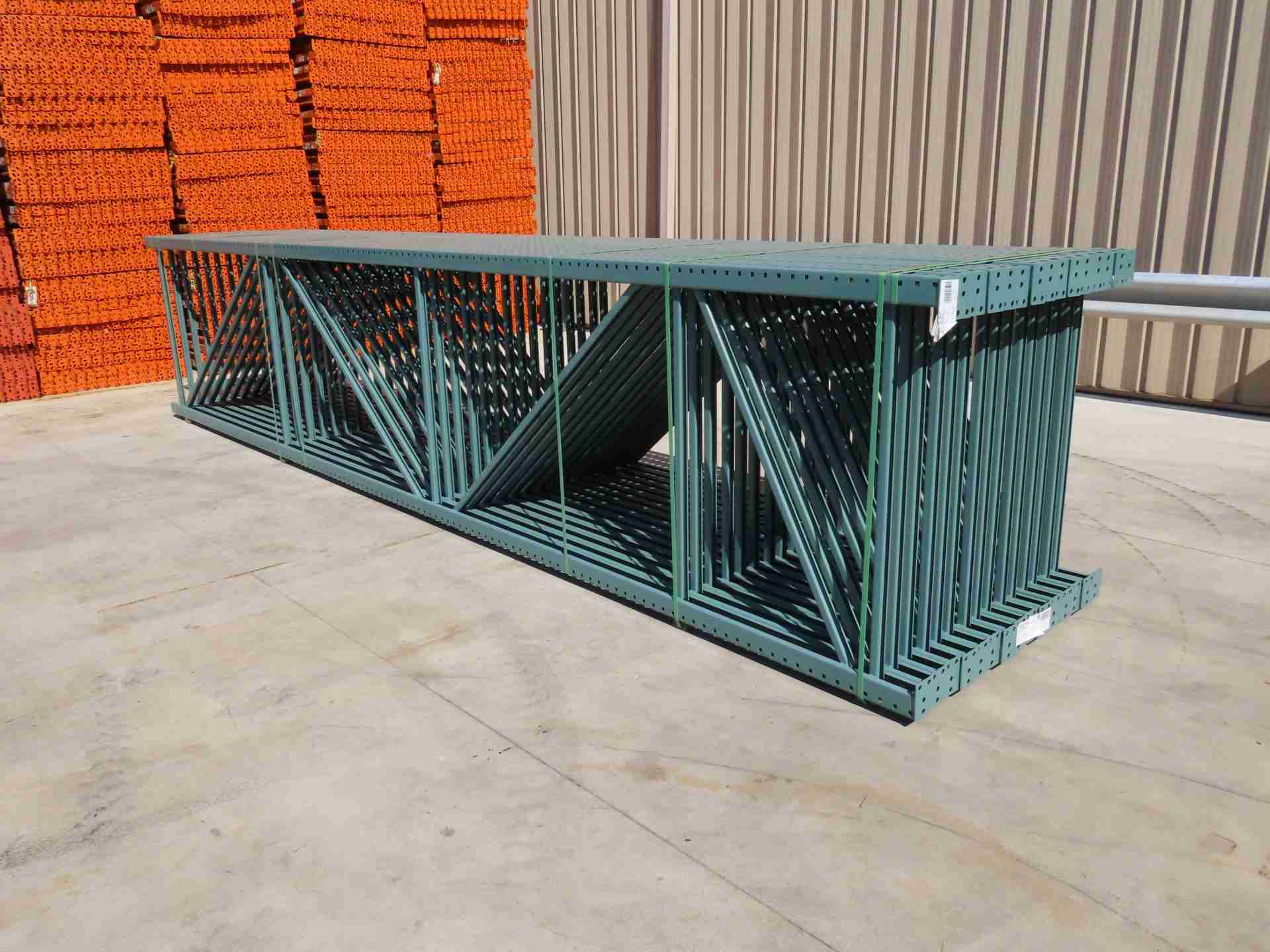
How Does the Right Racking Solution Promote Teamwork and Morale?
What Data Supports the Argument That Racking Is a Critical Asset?
In the world of logistics and warehousing, racking might seem like just a collection of metal shelves to the untrained eye. But dive a little deeper, and you’ll discover that racking is the backbone of operational efficiency—an unsung hero in the grand narrative of supply chain management. It’s not merely about storage; it’s about maximizing space, safeguarding assets, and keeping workforces safe. Each beam and each component of racking carries a story of trials faced, challenges overcome, and the relentless pursuit of excellence.
Consider the staggering statistics: facilities that invest in state-of-the-art racking can increase storage capacity by up to 60%. That’s more than just numbers; it represents the ability to serve customers faster, respond to market demands more effectively, and ultimately bolster the bottom line. In an era where every second counts, having the right racking solutions is not just a smart move; it’s a lifeline for businesses striving to stay relevant and competitive.
The heart of effective racking lies in its design—optimizing space while ensuring the safety of everyone involved. Each component is engineered to not only hold weight but also to withstand the test of time and usage. By prioritizing high-quality racking systems, companies aren’t just investing in physical assets; they’re fostering an environment that values the well-being of their workers and the efficiency of their processes. It creates a culture of trust where employees feel their safety is paramount, and they can carry out their tasks without fear.
Beyond the numbers, think about the stories these racking systems could tell. A warehouse that once struggled with chaos can transform into a beacon of order and productivity with the right racking solution in place. Employees find purpose in their roles, having tools to perform their tasks effectively. Executives witness tangible growth, thanks to foresight in racking decisions. This isn’t just about profits; it’s about creating a legacy, a narrative that inspires generations of workers to come.
In today’s fast-paced world, we’re all connected—customers, workers, and business owners alike. When racking serves as a foundation for success, it enables communities to thrive, and that’s an ethical responsibility we all share. Investing in racking is about more than just assets; it’s about investing in the future, in stability, and, ultimately, in each other.
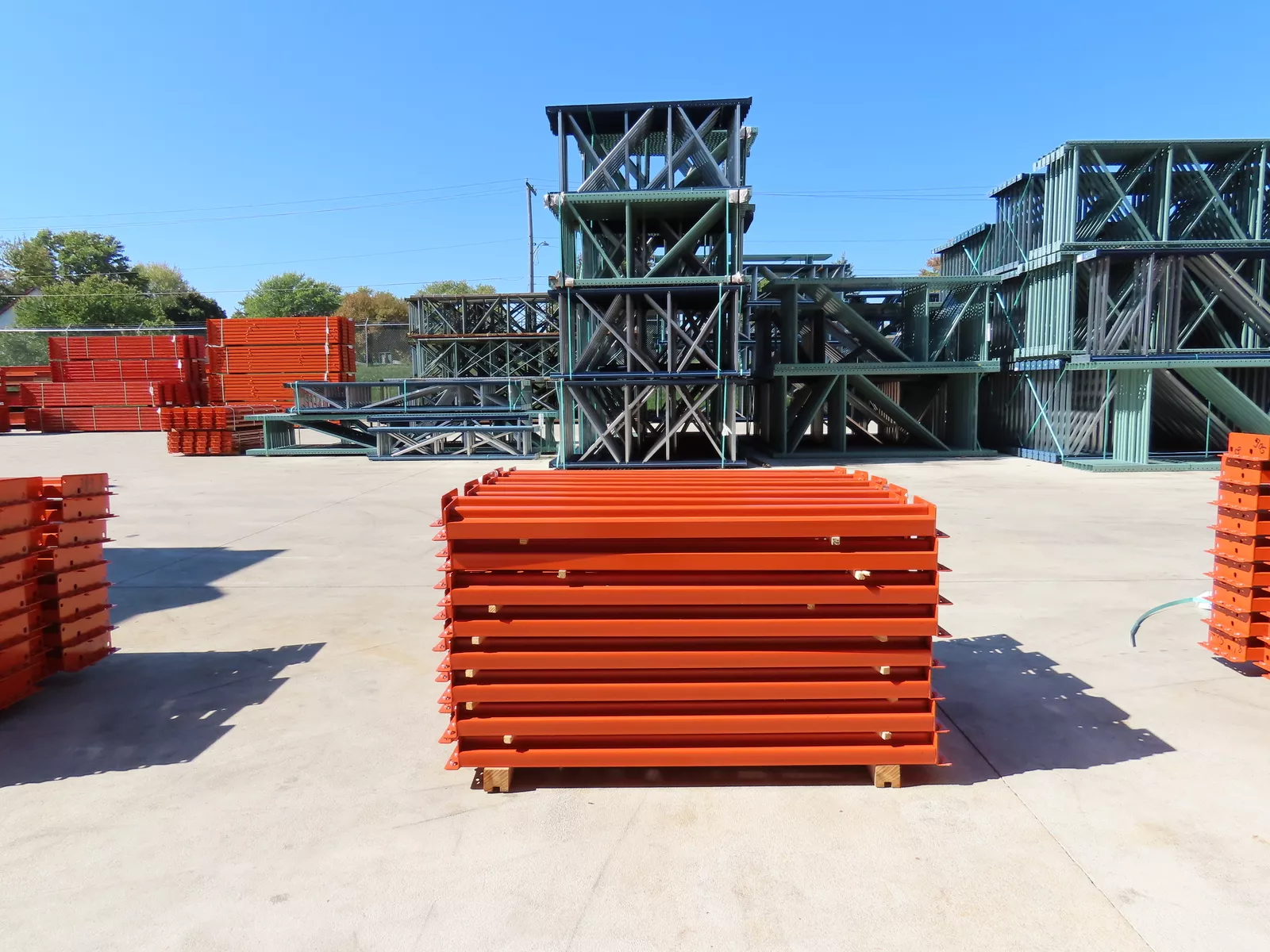
What Data Supports the Argument That Racking Is a Critical Asset?
What Data Supports the Argument That Racking Is a Critical Asset?
- Racking is essential for operational efficiency in logistics and warehousing, not just a collection of metal shelves.
- Investing in advanced racking systems can increase storage capacity by up to 60%, improving customer service and market responsiveness.
- The design of racking systems is crucial for optimizing space while ensuring workplace safety.
- High-quality racking fosters a culture of safety and trust among employees, enhancing their work environment.
- Effective racking transforms chaotic warehouses into organized spaces, thus increasing productivity and employee purpose.
- Strategic racking decisions lead to tangible business growth and inspire future generations of workers.
- Investing in racking is not only about physical assets but also about creating stability and supporting community well-being.
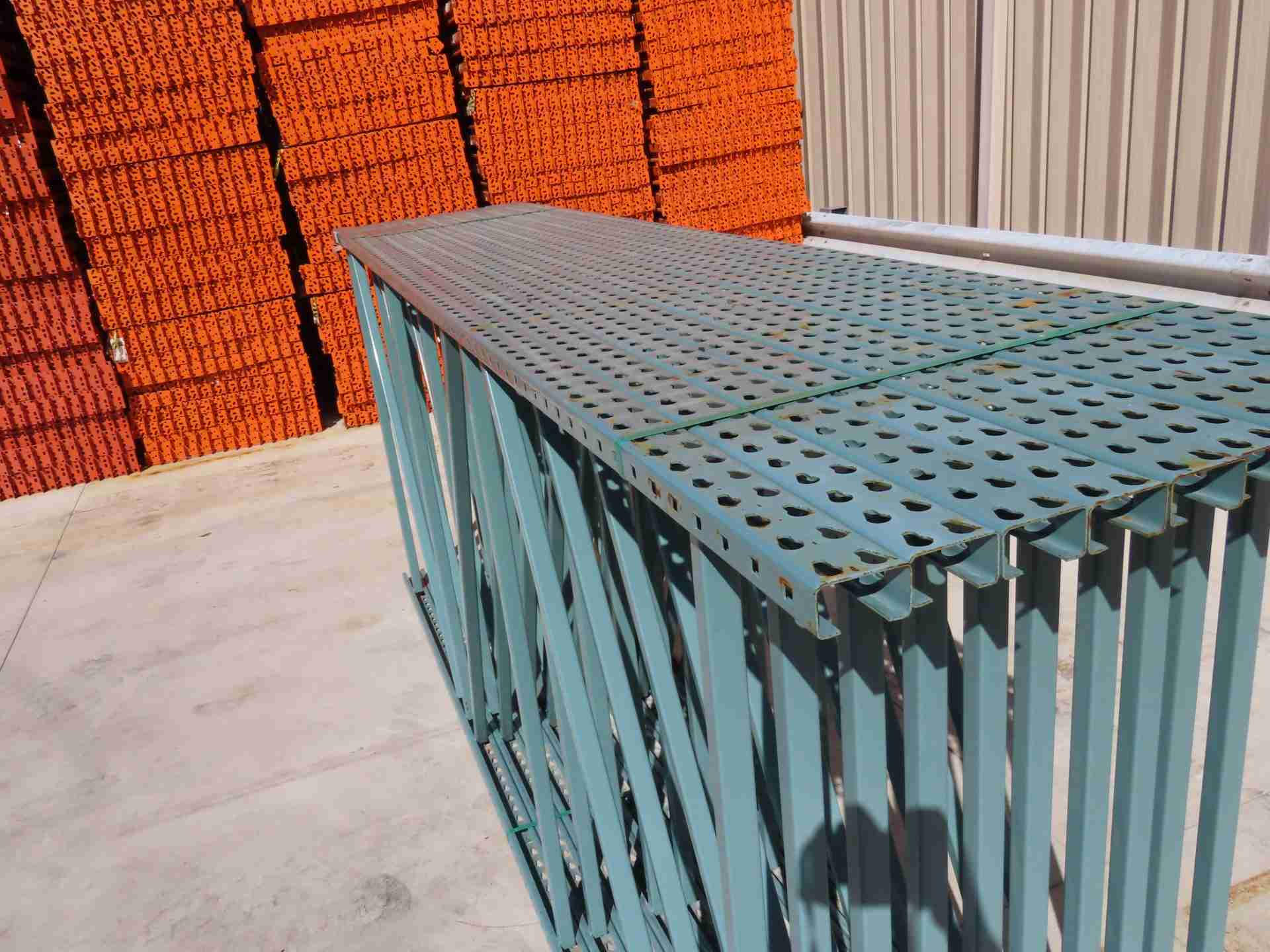
What Data Supports the Argument That Racking Is a Critical Asset?
Conclusion
Racking systems may not be the first thing that comes to mind when you think of infrastructure, but they are undeniably the backbone of our economy and a vital component of operational efficiency in logistics. Just take a moment to picture your local warehouse or retail space. The racking is the hidden engine, the silent partner in a harmonious dance of productivity. When every box is in its rightful place, every inch of space is utilized, and every worker knows where to find what they need, that environment hums with efficiency.
Investing in high-quality racking systems is not just a matter of convenience; it’s an ethical commitment to safety. In any bustling warehouse, stability matters. A well-designed racking system reduces risks and fosters trust among employees and customers alike. Those towering shelves ensure not only the organization of goods but also the well-being of the workers navigating the complex paths beneath them. When businesses prioritize robust racking solutions, they are declaring that their people’s lives matter—every shelf that can safely hold heavy loads speaks to a culture that values human life over mere profits.
Racking plays a critical role in the narrative of teamwork and morale as well. When a workplace is organized, employees can collaborate seamlessly, pulling together to achieve common goals. They feel valued, efficient, and part of something larger than themselves. This camaraderie leads to a more dynamic work environment and enhances productivity—a win-win for both workers and the companies they represent.
Data backs this up. Facilities equipped with effective racking can increase their storage capacity significantly—up to 60%. This isn’t just statistic on paper; it’s a pathway to better service, a stronger bottom line, and enhanced community well-being. Every time you pull a product off a shelf, remember that behind that simple act lies a complex, interconnected system—a human story of ambition, perseverance, and collaboration that keeps our economy alive.
So, the next time you find yourself looking at racking systems, take a moment to appreciate their value. They are the unsung heroes of logistics, critical to the infrastructure we often overlook. It’s time we recognize them not just as practical solutions but as fundamental pieces of our community tapestry. Investing in racking is an investment in our collective future, woven from the threads of safety, efficiency, and teamwork.
Conclusion
Conclusion:
- Racking systems are crucial to operational efficiency and serve as the backbone of the economy.
- Efficient racking ensures optimal space utilization and enhances workplace productivity.
- High-quality racking systems contribute to safety and foster trust among employees and customers.
- Investing in robust racking solutions demonstrates a commitment to employee well-being over profits.
- Organized workspaces improve teamwork and employee morale, driving better collaboration.
- Effective racking can increase storage capacity by up to 60%, enhancing service and profitability.
- Racking systems should be recognized as critical components of community infrastructure and future investment.
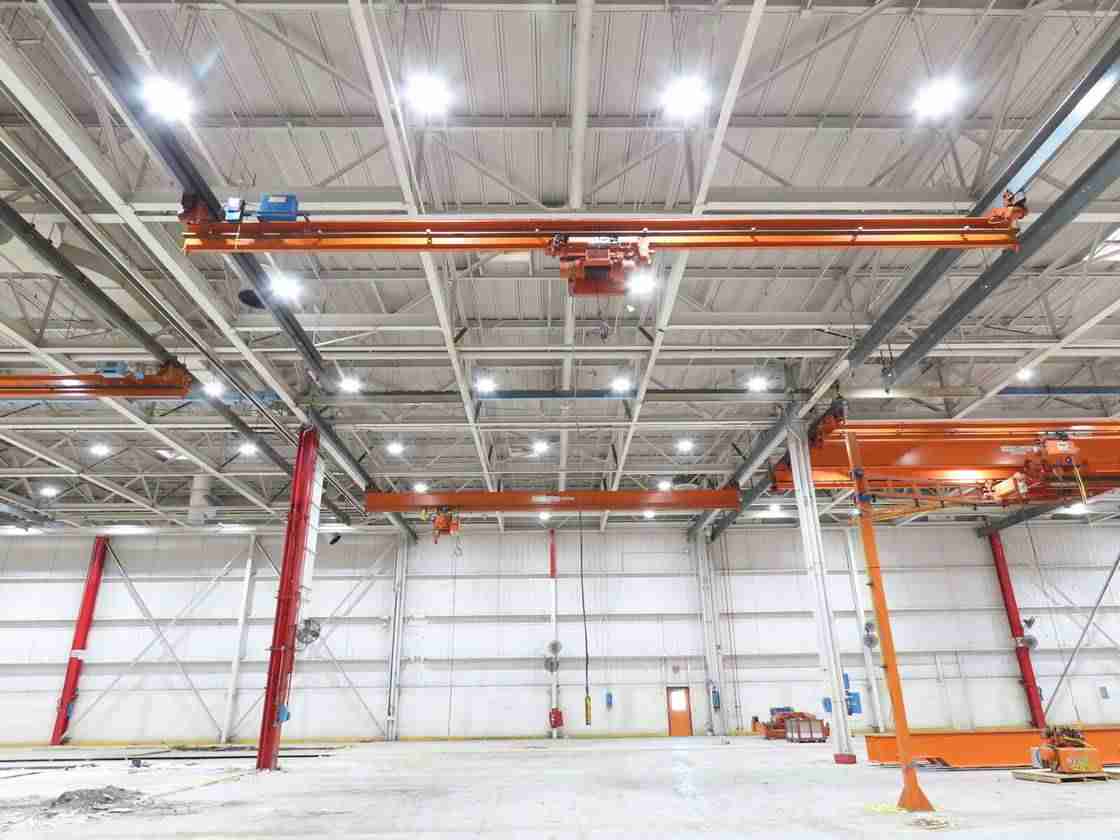
Conclusion
Other Resources
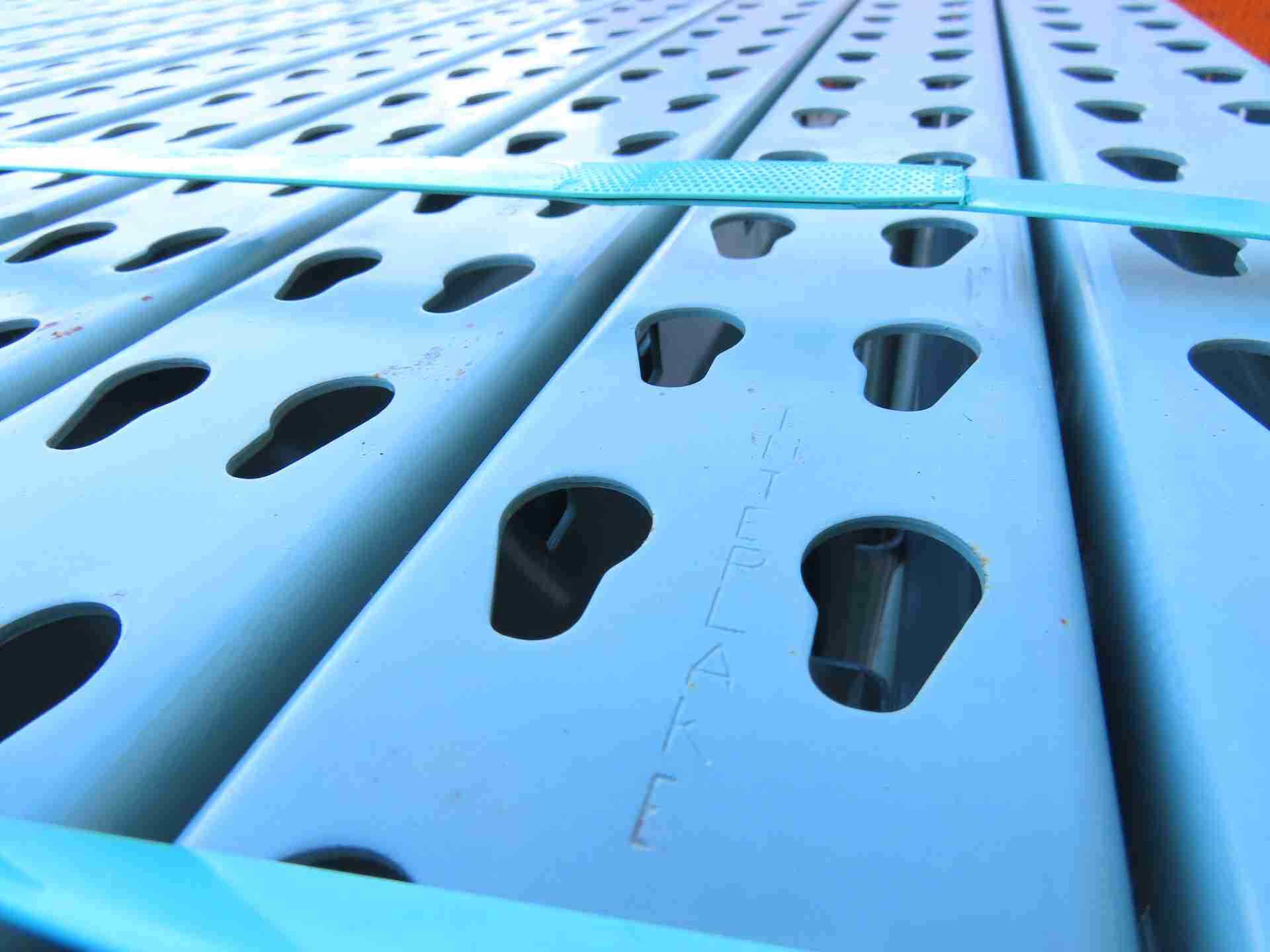
Other Resources
Here is a list of other resources you can review online to learn more:
- Mustang Material Handling
- MHI
- Cantilever Rack Guide: Ordering Cantilever Racking
- Wolter
- Warehouse Racking System: Powerful Guide to Optimise, 2024
- Warehouse Racking Chicago, IL
- Iowa Illinois Warehouse Racking
- Warehouse Automation
- American Surplus
- Selective Rack – Raymond West
- Teardrop Industrial Shelving Rack
- Shipping Boxes, Packaging Materials, Pallet Racking
- New Cantilever Racks and Racking Kits
- Interlake
- Cantilever Racks Chicago
- CMMA
- Selective Racking
- Warehousing Education and Research Council: https://www.werc.org/
- Intro to Warehouse Racks & Warehouse Racking Systems – ShipBob
- Warehousing and Fulfillment
Use This Prompt To Get More Resources With Your Favorite Online AI Tool: Please provide me with a list of online articles with their URLs in a bulleted list that I can read regarding Should Racking Be Considered Core Infrastructure?
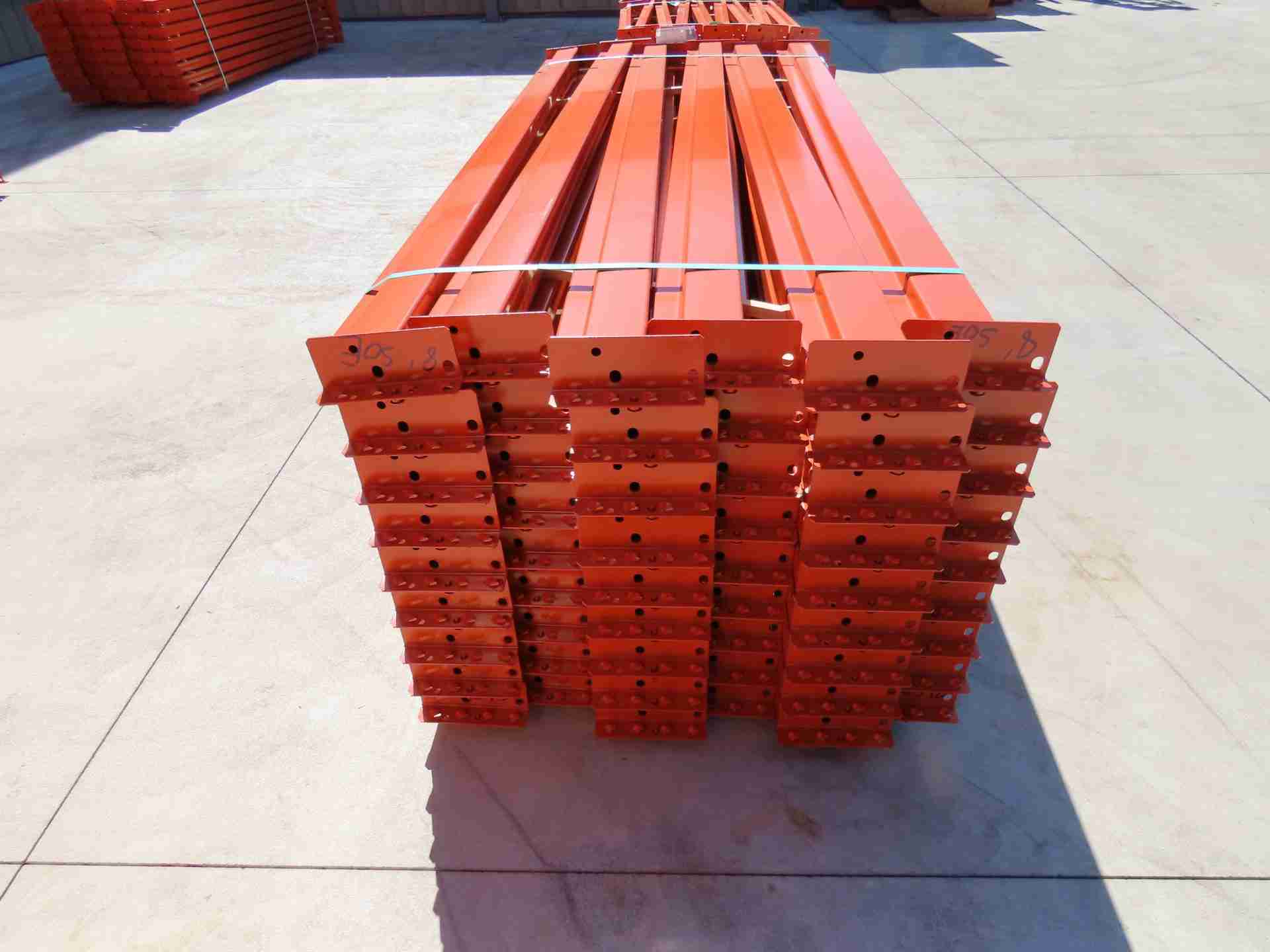
Other Resources
Glossary Terms
Should Racking Be Considered Core Infrastructure? – Glossary Of Terms
1. Racking: The structural framework used to support and organize products or materials in warehouses or data centers.
2. Core Infrastructure: Fundamental systems and services essential for the operation of a business or organization.
3. Warehouse Management: The process of overseeing and controlling warehouse operations, including inventory management and order fulfillment.
4. Logistics: The planning, execution, and management of the movement and storage of goods from point of origin to consumption.
5. Scalability: The capability of a system or process to handle growth in demand or volume without compromising performance.
6. Data Center: A facility used to house computer systems and associated components, such as telecommunications and storage systems.
7. Load-Bearing: The ability of a structure or component to support weight, crucial in the design of racking systems.
8. Inventory Control: The supervision of supply chain and stock management, ensuring that the right amount of inventory is maintained.
9. Safety Standards: Regulatory requirements ensuring that warehouse environments are safe for employees and compliant with legal standards.
10. Automation: The use of technology to perform tasks with minimal human intervention, often applied in inventory management and order fulfillment.
11. Process Optimization: The practice of making a system or process more efficient by improving its effectiveness or performance.
12. Supply Chain Management: The management of the flow of goods and services, including all movements and storage of raw materials and finished products.
13. Space Utilization: The efficient use of physical storage space to maximize storage capacity and accessibility.
14. Ergonomics: The study of optimizing the work environment to accommodate human capabilities and limitations, relevant in racking design.
15. Cross-Docking: A logistics practice where products are directly transferred from inbound to outbound transportation with minimal storage time.
16. Pallet Racking: A storage system designed to store goods on pallets, allowing for high-density storage and easy access.
17. Dynamic Storage: A racking system that allows for flexible storage solutions that adapt to varying inventory levels and types.
18. Cold Storage: A storage area designed to maintain a temperature-controlled environment for perishable goods.
19. FIFO (First In, First Out): An inventory management system where the oldest stock is used or sold first to prevent spoilage.
20. SKU (Stock Keeping Unit): A unique identifier for each distinct product and service that can be purchased.
21. Inventory Turnover: A measure of how many times inventory is sold and replaced over a specific period, indicating the efficiency of stock management.
22. Lean Management: A methodology focused on minimizing waste and maximizing value in production and operational processes.
23. Asset Management: The systematic process of developing, operating, and maintaining assets to maximize their value.
24. Capacity Planning: The process of determining the production capacity needed to meet changing demands for products.
25. JIT (Just In Time): An inventory strategy that aims to reduce inventory costs by receiving goods only as they are needed.
26. Material Handling: The movement, protection, storage, and control of materials throughout the manufacturing and distribution process.
27. Quality Control: The processes in place to ensure that products meet specified standards and requirements before reaching the consumer.
28. Compliance: Adherence to laws, regulations, and policies necessary in the operation and management of infrastructure and goods.
29. Flexibility: The ability of a system to adapt to changes in demand or operational procedures without significant cost or effort.
30. Lifecycle Management: The process of managing the entire lifecycle of a product or infrastructure, from inception to disposal.
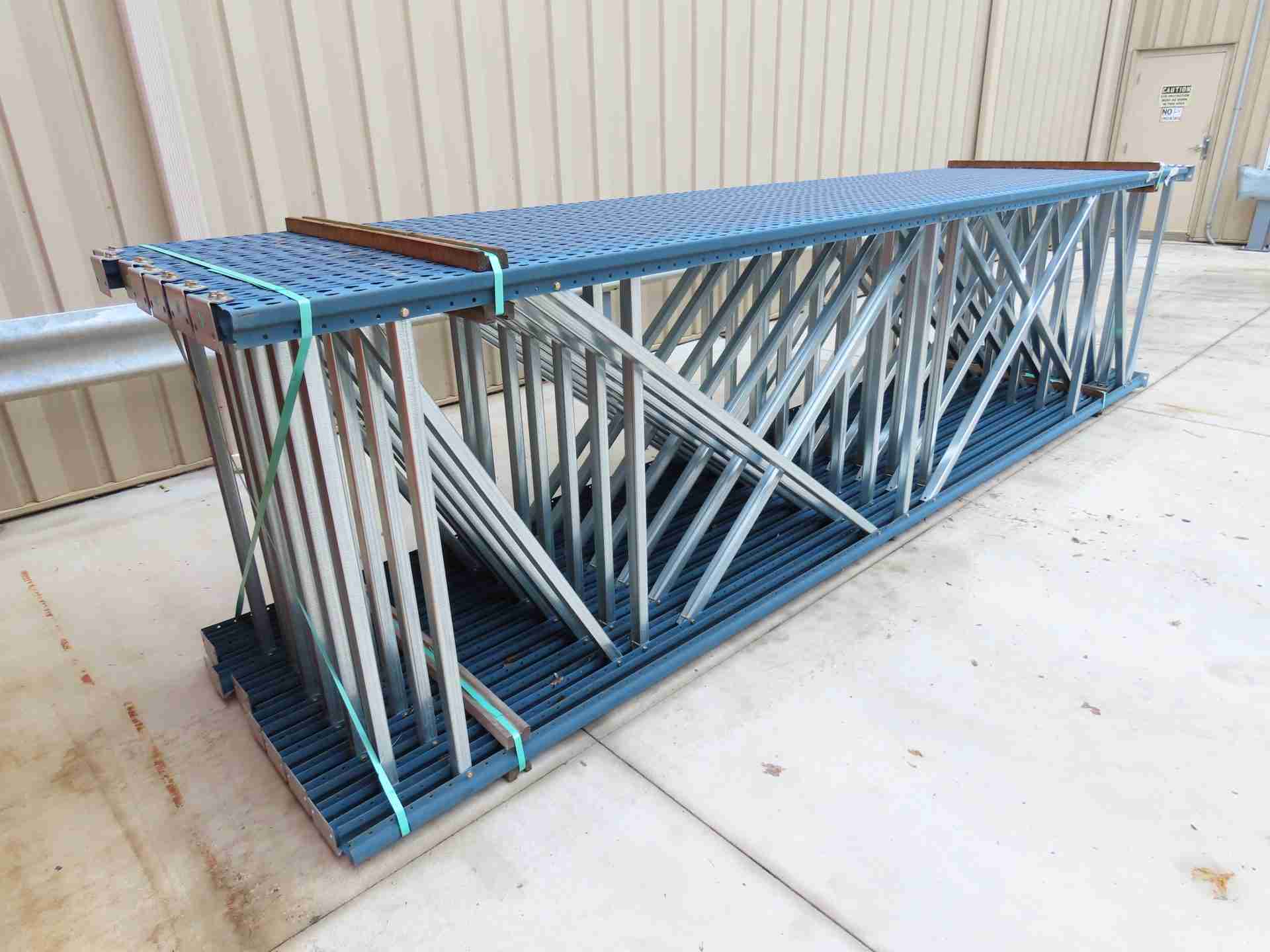
Glossary Of Terms
Other Questions
Should Racking Be Considered Core Infrastructure? – Other Questions
If you wish to explore and discover more, consider looking for answers to these questions:
- What types of racking systems are considered best for different warehouse environments?
- How can businesses determine the right racking solution for their specific needs?
- What are the latest technological advancements in racking systems?
- What role does racking play in reducing operational costs?
- How does racking impact inventory management and accuracy?
- Can racking systems be customized to fit unique warehouse layouts?
- What safety regulations must be adhered to when installing racking systems?
- How do racking solutions contribute to sustainability in logistics?
- What are some common mistakes to avoid when setting up racking systems?
- How can effective racking systems improve employee training processes?
- What are the best practices for maintaining and inspecting racking systems?
- How do industry trends influence the evolution of racking solutions?
- What are the implications of poor racking systems on supply chain efficiency?
- How can companies measure the return on investment for racking systems?
- What case studies illustrate the successful implementation of racking solutions?

Other Questions
Checklist
Should Racking Be Considered Core Infrastructure? – A Checklist
Racking Systems: Core Infrastructure Checklist
Emotional Appeals
_____ Reflect on the Trust: Recognize how a robust racking system fosters trust between employees and management regarding safety and operational reliability.
_____ Celebrate the Unsung Heroes: Acknowledge the hard work behind effective racking, understanding its role in supporting the livelihoods and aspirations of warehouse staff.
Rational Appeals
_____ Evaluate Efficiency Gains: Quantify potential time and cost savings from implementing better racking systems, looking at productivity metrics.
_____ Consider Space Utilization: Assess how optimized racking can increase storage capacity by up to 60%, enhancing overall operational effectiveness.
Ethical Appeals
_____ Commit to Safety: Make a commitment to prioritize the safety and well-being of employees through quality and properly maintained racking systems.
_____ Foster Workplace Respect: Encourage an organizational culture that values each worker’s contribution by providing a safe and organized working environment.
Authority Appeals
_____ Incorporate Industry Best Practices: Research and apply racking solutions endorsed by industry leaders to ensure high standards of safety and performance.
_____ Utilize Expert Insights: Leverage findings from logistics experts on the impacts of racking on efficiency and safety to inform decision-making.
Narrative Appeals
_____ Share Success Stories: Gather and share testimonials of how effective racking transformed chaotic warehouse operations into organized and efficient systems.
_____ Emphasize Community Impact: Highlight how investing in racking solutions contributes to the larger narrative of community and economic growth.
Social Appeals
_____ Promote Team Collaboration: Foster an environment where organized racking enhances teamwork and collective accomplishments.
_____ Encourage Employee Engagement: Create avenues for employees to provide input on racking design and organization, reinforcing their value and involvement in operations.
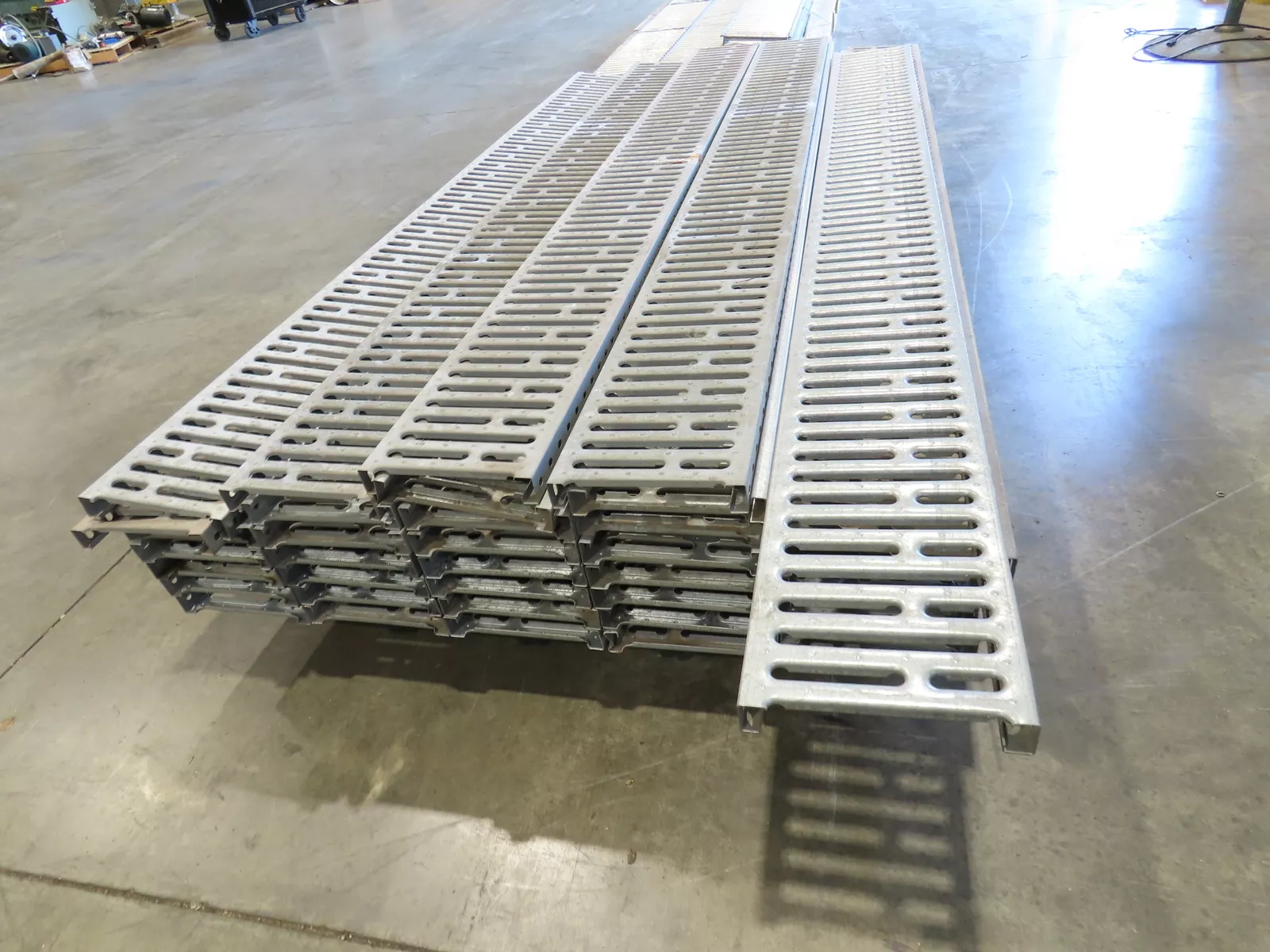
Checklist
At RackingWorld, we help guide you through selecting warehouse storage systems and racking.
Be sure to read our other related stories at RackingWorld to learn more about warehouse storage systems.
0 Comments