
Essential Guide To Ensuring Your Racks Stay Safe And Organized
By Tom Seest
At RackingWorld, we help guide you through selecting warehouse storage systems and racking.
Be sure to read our other related stories at RackingWorld to learn more about warehouse storage systems.
Monthly Rack Maintenance Checklist
Every month brings a fresh opportunity to give your racking systems the attention they deserve. Think of your racking as the unsung hero of your warehouse—supporting the weight of your business while often going unnoticed until something goes awry. By investing just a little time each month, you can shield yourself from disaster, keep your operations running smoothly, and foster a sense of pride in your workspace.
Start with a visual inspection. Look closely at the frames and beams of your racking. Are there any visible signs of damage? Take note of any bent beams or cracked uprights. These aren’t just cosmetic issues; they can lead to catastrophic failures if not addressed. Your racking is there to protect your inventory, and in turn, your bottom line. When you keep a watchful eye, you’re making a commitment to maintaining safety and efficiency.
Next up, check for any loose bolts or nuts. They might seem trivial, but those small components hold everything together. Imagine if you didn’t tighten the screws on a crucial piece of your machinery. The same principle applies here. This is a foundational step that showcases your attention to detail and your ethical responsibility to your team, minimizing risks that could lead to injury.
Don’t forget about cleanliness. Dust, debris, and spills can be more than just an eyesore; they can compromise the integrity of your racking. Create a routine cleaning schedule and involve your team in this effort. Make it a communal activity that fosters connection among colleagues, reinforcing a shared responsibility for maintaining safety and efficiency.
Finally, document everything. Keep records of inspections, repairs, and maintenance activities. This action instills confidence in your operations and builds a narrative of diligence and care — one that everyone from management to team members can rally behind. Plus, these records can be invaluable if you ever face an audit or need to prove compliance with safety standards.
So, grab a clipboard, rally your team, and take that first step towards a safer, better-functioning space. Your racking systems are more than just metal frameworks; they represent the heart of your operations. By maintaining them, you’re ensuring that your business not only survives but thrives in the ever-challenging landscape of today’s markets.

Monthly Rack Maintenance Checklist
Monthly Rack Maintenance Checklist
- Monthly inspections of racking systems prevent unnoticed issues and ensure operational safety.
- Conduct a visual inspection for damage, such as bent beams or cracked uprights, to avoid catastrophic failures.
- Check for loose bolts and nuts, which are critical for structural integrity and safety.
- Maintain cleanliness to protect the racking’s integrity and foster a safe workspace.
- Create a cleaning schedule and involve the team to promote shared responsibility and connection.
- Document all inspections, repairs, and maintenance to build confidence and ensure compliance with safety standards.
- Regular maintenance of racking systems is essential for the smooth operation and success of the business.

Monthly Rack Maintenance Checklist
Table Of Contents
- Monthly Rack Maintenance Checklist
- What Steps Can Ensure My Equipment Stays Safe and Reliable?
- How Does Regular Maintenance Save Money In the Long Run?
- Why Is It Crucial to Follow Safety Protocols During Maintenance?
- How Can I Track and Document Maintenance Effectively?
- What Are the Consequences Of Neglecting Rack Maintenance?
- Conclusion
- Other Resources
- Glossary Of Terms
- Other Questions
- Checklist
What Steps Can Ensure My Equipment Stays Safe and Reliable?
When it comes to keeping your equipment safe and reliable, think of it like tending to a trusted friend. It’s not just about oiling gears and checking connections; it’s about cultivating a relationship based on diligence and respect. So, how do we nurture that bond? Let’s break it down.
First, embrace routine maintenance like you would the company of a good neighbor. Regularly inspect your gear for signs of wear and tear. Is the racking showing any signs of weakness? A quick look can save you from a catastrophic failure down the line. Create a schedule—maybe weekly or monthly—that fits your needs. It’s about setting a rhythm, a way of showing you care. When you maintain your equipment, you’re actively participating in a promise to yourself: to keep moving forward without hiccups.
Next, keep your workspace organized. Equipment doesn’t thrive in chaos. By setting up a racking system that makes sense, you’re not only preventing accidents but also enhancing efficiency. Think of it as a well-curated bookshelf; everything has its place, and when you reach for a tool, you know it’s going to be there. This kind of order fosters a sense of pride in your work, and that pride translates to better performance.
Now, let’s talk about knowledge. Equip yourself with the latest information about your tools and machinery. This isn’t just smart; it’s essential. Attend workshops, join forums, or read manuals. Listen to those who have been around the block—they’ve got stories that could save you a world of headaches. The more you know, the more empowered you become to make informed choices. You become an authority on your own equipment, ensuring that what you own is well cared for and dependable.
Lastly, foster a community around you. Engage with fellow tradespeople, share experiences, and lean on one another’s expertise. There’s strength in numbers, and when you surround yourself with passionate, knowledgeable individuals, you build a support network that keeps your equipment—and you—on your game. This camaraderie is what makes the grind worthwhile and reminds us that we’re in this together.
Keeping your equipment safe and reliable isn’t just a task; it’s a commitment to quality, safety, and a little piece of yourself. Take these steps, and you’re not just maintaining machines—you’re maintaining trust in yourself and in the work you do.

What Steps Can Ensure My Equipment Stays Safe and Reliable?
What Steps Can Ensure My Equipment Stays Safe and Reliable?
- Think of equipment maintenance as nurturing a relationship with a trusted friend, emphasizing diligence and respect.
- Embrace routine maintenance through regular inspections to catch signs of wear and tear early on.
- Create a maintenance schedule (weekly or monthly) to establish a rhythm and show commitment.
- Keep your workspace organized with a logical racking system to enhance efficiency and prevent accidents.
- Continuously educate yourself about your tools and machinery by attending workshops and engaging in forums.
- Build a community with fellow tradespeople to share experiences and create a support network for maintaining equipment.
- Understand that maintaining equipment is a commitment to quality, safety, and personal integrity.

What Steps Can Ensure My Equipment Stays Safe and Reliable?
How Does Regular Maintenance Save Money In the Long Run?
When thinking about regular maintenance, many folks might balk at the idea of spending a little cash today to save a lot tomorrow. But let’s break it down. Imagine you’re racking up those monthly bills for repairs that could have easily been prevented with a bit of foresight. It’s a sinking feeling, isn’t it? Like watching the value of your hard-earned dollars just slip through your fingers.
Now, let’s look at the heart of the matter. Our homes, vehicles, and appliances—these aren’t just possessions; they’re extensions of ourselves. Each crack in the foundation or unusual sound from under the hood isn’t just a problem waiting to happen—it’s a reminder of how we must care for the things in our lives that support us. Routine maintenance is an act of love and commitment, not just to our belongings but to the lives we lead.
From a rational perspective, consider this: routine checks and servicing can significantly enhance efficiency. That creaky heater on a chilly winter morning? A simple inspection could mean the difference between a warm, cozy home and a costly emergency fix when it breaks down. Think of maintenance as investing in peace of mind—a smart move for your budget and your well-being. The numbers speak volumes: studies show that the cost of preventive maintenance can be a fraction of the price of making repairs down the line.
Ethically, taking care of our resources is a responsibility we should all embrace. Each time we commit to maintenance, we’re doing our part to extend the lifespan of our possessions, conserving materials, and reducing waste. It’s about setting an example for our children, showing them the value in taking care of our environment and our necessities.
On a social level, how often do we talk about our experiences with home ownership or vehicle upkeep? These conversations weave the fabric of our communities. Sharing stories about maintenance mishaps or successes creates bonds, inspiring others to take that proactive step before it’s too late.
So let’s inspire each other to take action. Every time you turn a wrench, scrub a surface, or check a filter, remember that you’re doing more than just maintenance. You’re safeguarding your future, protecting your resources, and building a legacy of care that echoes in every home and family you touch. Regular maintenance isn’t just about saving a few bucks; it’s about ensuring a better tomorrow—one small task at a time.

How Does Regular Maintenance Save Money In the Long Run?
How Does Regular Maintenance Save Money In the Long Run?
- Regular maintenance may require upfront costs but can save money in the long run.
- Homes, vehicles, and appliances are extensions of ourselves and require care.
- Routine maintenance enhances efficiency, preventing costly emergency repairs.
- Preventive maintenance is typically much cheaper than making repairs later.
- Maintaining resources is an ethical responsibility that conserves materials and reduces waste.
- Sharing maintenance experiences strengthens community bonds and encourages proactive behavior.
- Regular maintenance protects resources and builds a legacy of care for future generations.

How Does Regular Maintenance Save Money In the Long Run?
Why Is It Crucial to Follow Safety Protocols During Maintenance?
When it comes to maintenance work, the stakes are high. You’re not just dealing with tools and machinery; you’re engaging with the very essence of safety. Racking up experience in any job is valuable, but neglecting safety protocols transforms that experience from an asset into a liability. Imagine the consequences of cutting corners—not just for yourself, but for your team and community.
Let’s get real for a moment. Each day, individuals step onto job sites armed with ambition and resolve. But alongside ambition, there has to be a robust commitment to safety. You can have all the expertise—and even the luck—in the world, but without following safety protocols, you’re playing Russian roulette with your life and the lives of your colleagues. The electric thrill of getting the job done isn’t worth the sobering reality of avoidable accidents or, worse, fatalities.
From a rational standpoint, safety practices aren’t just bureaucratic red tape. They’re grounded in hard facts and data showing that structured protocols save lives. The numbers don’t lie—workplaces that prioritize safety see significantly lower rates of accidents and injuries. Think about it: when everyone goes home safe at the end of the day, it’s a win for employers and employees alike. But let’s go deeper than the ledger. Picture a parent waiting for their child to come home—every disservice to safety protocols reverberates through families and communities.
Ethically speaking, taking risks with safety isn’t just careless; it’s reckless. If you’ve ever felt the weight of responsibility on your shoulders, you understand that a moment’s negligence can alter lives forever. The fear that comes with an unsafe environment is palpable, and it should stir your conscience. We’re all part of a larger tapestry, one that binds us through shared experiences and responsibilities.
Our industry is filled with real stories—tales of broken families due to avoidable tragedies, and heroes who upheld safety and saved lives. These personal narratives propel us toward a culture of accountability. When we work together, earnestly advocating for safer practices, we aren’t just protecting ourselves; we’re nurturing the trust and confidence that bind us as a workforce. So, the next time you gear up for a maintenance job, remember: it’s not just routine. It’s a promise—a vow to uphold the safety of yourself and your fellow workers, ensuring that the only thing we’re racking up is success.

Why Is It Crucial to Follow Safety Protocols During Maintenance?
Why Is It Crucial to Follow Safety Protocols During Maintenance?
- Maintenance work is inherently linked to safety, making it crucial to adhere to protocols.
- Neglecting safety can turn valuable experience into a liability, impacting both individuals and their communities.
- Ambition must be paired with a strong commitment to safety to prevent potentially fatal accidents.
- Structured safety protocols are backed by data, showing they effectively reduce workplace accidents and injuries.
- Prioritizing safety benefits both employers and employees by ensuring everyone returns home safely.
- Negligence in safety is not just careless; it’s a reckless act that can have lasting consequences on families and communities.
- Promoting a culture of safety enhances trust and accountability within the workforce, emphasizing the importance of safety as a shared responsibility.

Why Is It Crucial to Follow Safety Protocols During Maintenance?
How Can I Track and Document Maintenance Effectively?
Tracking and documenting maintenance effectively is more than just filling out a form or ticking a box; it’s about cultivating a culture of care—care for our tools, our workplaces, and ultimately, for the people who depend on them. When you think about it, every wrench turned and every bolt tightened tells a story. Those stories are threaded through the very fabric of our daily lives, linking the past to the present, ensuring that tomorrow is a bit safer, a bit smoother.
Now, let’s get into the nuts and bolts of it—quite literally. Racking up a detailed history of maintenance is not just a good idea; it’s a smart approach, financially and ethically. Start by gathering your records: maintenance logs, work orders, and anything that documents what you’ve done and what still needs attention. This creates an archive—a treasure trove of knowledge—that can guide future decisions and actions. Think about it as a road map; when things go wrong, you don’t want to wander blindly. You want to know where you’ve been, what’s been done, and what needs fixing fast.
But creating a seamless documentation system doesn’t need to feel burdensome. It can be as simple as jotting down notes after each task or implementing a user-friendly software solution that rips through the complexity like a hot knife through butter. Consider this: every time you make a note, you’re reinforcing a standard of excellence. You’re saying, “I care.” You’re establishing authority in your field, letting coworkers and clients recognize your commitment to quality. This isn’t just about compliance; it’s about building a foundation of trust with everyone involved.
When you take pride in tracking maintenance, you’re not just protecting your equipment—you’re fostering a sense of community. You’re engaging others to join you in the mission of keeping things running smoothly. Each record kept is a call to action, inviting peers to uphold the same standards. It builds a culture that resonates with accountability and teamwork.
At the end of the day, think of tracking and documenting maintenance as an act of respect—respect for your work, the people relying on it, and the legacy you’re creating. Embrace it, document it, and watch as your efforts turn into trust and reliability, a testament to the grit and determination that fuels us all.

How Can I Track and Document Maintenance Effectively?
How Can I Track and Document Maintenance Effectively?
- Maintaining tools and workplaces is about cultivating a culture of care for both equipment and users.
- Detailed documentation of maintenance serves as an important historical record for future decision-making.
- Effective maintenance tracking creates a roadmap for identifying past issues and addressing future needs.
- Documenting maintenance can be streamlined through simple note-taking or user-friendly software solutions.
- Every note reinforces a standard of excellence and demonstrates a commitment to quality and accountability.
- Tracking maintenance fosters community engagement and encourages teammates to uphold shared standards.
- Viewing maintenance tracking as an act of respect enhances trust, reliability, and a lasting legacy.

How Can I Track and Document Maintenance Effectively?
What Are the Consequences Of Neglecting Rack Maintenance?
When racking is ignored, the repercussions extend far beyond mere inconvenience. Imagine a bustling warehouse, where the hum of productivity sings like a well-tuned machine. But what happens when that machine falls silent because of neglected rack maintenance? It’s not just a loss of efficiency; it’s a blow to the entire operation, one that hits the heart, head, and gut.
Let’s start with the heart. Think of the workers who rely on their environment to keep them safe. A sagging rack, a compromised shelf—these aren’t just assets; they’re potential hazards. It’s a matter of trust. When employees come to work each day, they deserve the assurance that their surroundings are secure. Neglecting rack maintenance puts that trust on the line, transforming a once-familiar workspace into a landscape of uncertainty.
Now, moving to the head, the numbers tell a stark story. According to industry experts, the cost of repairing or replacing visionless racking systems can climb higher than anticipated. Downtime during repairs introduces financial strain, impacting not just the bottom line but also the livelihoods connected to it. Companies are often faced with difficult decisions: cut corners or invest in the necessary upkeep. The choice seems clear when you consider that a well-maintained racking system can enhance productivity and longevity, ultimately saving money in the long run. Ignoring this maintenance is like tossing dollars into a wishing well—hoping for a miracle instead of taking action.
And let’s engage that gut feeling. There’s an inherent ethical responsibility tied to maintaining the equipment that enables daily operations. When a facility does not prioritize safety, it reflects poorly on its management. It’s about accountability—not just to the employees but to the community that relies on these businesses. A commitment to proper rack care shows that the company values its people and processes.
Finally, there’s a societal element at play. Racking is often the backbone of supply chains and logistics. When facilities thrive, communities flourish. Neglecting maintenance can lead to a ripple effect, where the repercussions are felt far beyond warehouse walls. This is not simply a business issue; it’s a human one, affecting everyone connected to those products and services.
The bottom line is this: neglecting rack maintenance is a risk no one should be willing to take. Investing in the safety and efficiency of racking systems isn’t just smart—it’s essential. It’s time to take action. Prioritize maintenance. Ensure safety. Secure the future.
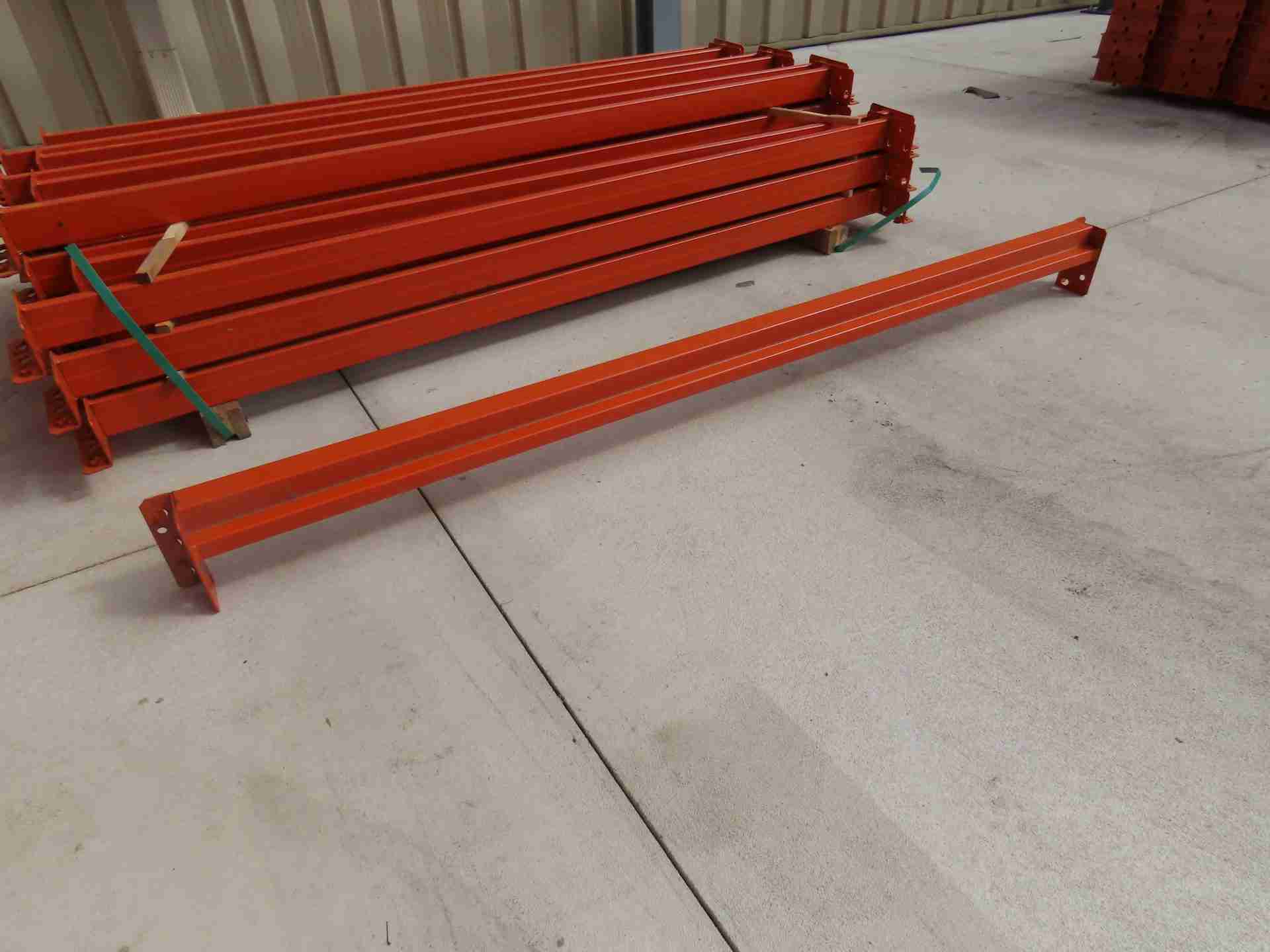
What Are the Consequences Of Neglecting Rack Maintenance?
What Are the Consequences Of Neglecting Rack Maintenance?
- Neglected rack maintenance can lead to severe repercussions, affecting overall warehouse operations.
- Workers depend on a safe environment, and compromised racks create hazards that undermine trust.
- The financial costs of repairing or replacing faulty racking systems are often higher than expected.
- Downtime during repairs results in financial strain and can affect employee livelihoods.
- Ethical responsibility dictates that companies prioritize safety and accountability in their operations.
- Neglecting maintenance can have a societal impact, affecting supply chains and community well-being.
- Investing in rack maintenance is essential for ensuring safety, efficiency, and the future of operations.

What Are the Consequences Of Neglecting Rack Maintenance?
Conclusion
Racking systems serve as the backbone of our warehouses, silently holding up our inventory and, by extension, our businesses. They are the quiet heroes in the background, often disregarded until a disaster strikes. This monthly maintenance routine is akin to giving these unsung champions the attention they deserve—all it takes is a little time and diligence to ensure safety, efficiency, and a clean, productive workspace.
Each inspection begins with a simple, yet crucial, visual check. Bent beams or cracked uprights can be more than eyesores; they represent vulnerabilities that can lead to catastrophic failures. Paying attention to these details isn’t just about maintenance; it reflects a commitment to safeguard your team and your bottom line. Then, there’s the matter of loose bolts and nuts. They may appear insignificant, but neglecting them is like overlooking a small crack in a dam. The risks are real and could jeopardize the safety of your operation.
Cleanliness plays a pivotal role, too. A tidy environment does more than look good; it fosters workplace pride and enhances efficiency. Imagine your workspace as a well-ordered bookshelf—all tools and equipment in their rightful places ensure that productivity flows unhindered. This isn’t merely about aesthetics; it’s fundamental to operational excellence.
Documentation wraps it all together. Every inspection logged, every repair noted becomes a testament to your diligence and care, creating a narrative that builds trust within your organization. This is not just compliance—it’s about accountability and community. When maintenance is documented, it signals to your colleagues that safety and quality matter.
Beyond the warehouse doors lies a broader implication. Neglect can lead to costly repairs, affecting not just your operations but also your employees’ safety and well-being. The heart of a business beats strongest when every member knows they are in a secure environment—this is the ethical mantle we all share.
Each proactive step taken in maintenance—be it tightening a bolt, cleaning a surface, or documenting an inspection—is more than a routine task; it’s a chance to foster a culture of safety, efficiency, and care. So as you prepare for another month, grab that clipboard, gather your team, and invest in what truly matters. It’s about more than keeping metal frameworks upright—it’s about nurturing trust, responsibility, and ultimately, success. Maintain your racks, and you maintain the lifeblood of your operation. A thriving future starts today, with every mindful action taken in the present.

Conclusion
Conclusion:
- Racking systems are essential to warehouse operations, holding inventory and supporting businesses.
- Monthly maintenance routines help ensure safety and efficiency while promoting a productive workspace.
- Visual inspections help identify vulnerabilities such as bent beams and cracked uprights, which can lead to failures.
- Loose bolts and nuts, though seemingly minor, can pose significant safety risks if neglected.
- A clean environment fosters workplace pride and enhances efficiency, contributing to operational excellence.
- Documentation of inspections and repairs builds accountability and trust within the organization.
- Proactive maintenance fosters a culture of safety and care, ensuring a secure environment for all employees.

Conclusion
Other Resources

Other Resources
Here is a list of other resources you can review online to learn more:
- Iowa Illinois Warehouse Racking
- Teardrop Industrial Shelving Rack
- Bradford Systems
- New Cantilever Racks and Racking Kits
- What is Selective Racking: Understanding Benefits & Options
- SEMA
- Racking World
- BMH
- IIWS Inc. Rack Installation Illinois & Rack Repairs Illinois
- Cantilever Racking Specialists – Get the Right Racks
- BMH Equipment LLC
- International Warehouse Logistics Association
- Pallet Racking 101: A Comprehensive Guide & Options Explained
- What is Selective Pallet Racking
- Selective Racking
- Crane Manufacturers Association Of America Inc.
- CA Wire
- Pallet Racking systems in Illinois, Great Lakes
- Selective Pallet Racking Systems
Use This Prompt To Get More Resources With Your Favorite Online AI Tool: Please provide me with a list of online articles with their URLs in a bulleted list that I can read regarding Monthly Rack Maintenance Checklist

Other Resources
Glossary Terms
Monthly Rack Maintenance Checklist – Glossary Of Terms
1. Airflow: The movement of air through the rack which is critical for temperature regulation and equipment performance.
2. Alignment: The correct positioning of rack components to ensure proper functioning and safety.
3. Cable Management: The practice of organizing and securing cables to prevent tangling, interference, and damage.
4. Component: Individual parts of the rack system, such as servers, switches, and storage devices.
5. Cooling System: Equipment designed to dissipate heat generated by the components within the rack.
6. Dust Accumulation: The buildup of dust and debris that can hinder airflow and cause overheating.
7. Electrical Check: A review of electrical connections and power supplies to ensure they are functioning correctly.
8. Emissions: Heat or noise produced by the equipment within the rack that may require mitigation.
9. Environmental Monitoring: The process of tracking temperature, humidity, and other environmental factors that affect rack performance.
10. Grounding: The connection of electrical equipment to the ground to prevent shock and equipment damage.
11. Labeling: Marking cables, ports, and hardware for easy identification and troubleshooting.
12. Load Balancing: Distributing weight evenly across the rack to maintain stability and prevent tipping.
13. Maintenance Log: A record of all maintenance activities performed on the rack for future reference.
14. Network Connectivity: The connections that allow communication between devices within the rack and external networks.
15. Obsolescence: The process through which equipment becomes outdated and may need replacement.
16. Patch Panel: A panel containing ports for managing and connecting incoming and outgoing network cables.
17. Power Distribution Unit (PDU): A device that distributes power to multiple devices in a rack system.
18. Rack Rails: Metal brackets that support and help organize equipment within the rack.
19. Rack Unit (RU): A measurement that defines the height of rack-mounted equipment, where 1RU equals 1. 75 inches.
20. Redundancy: The inclusion of extra components to increase reliability by ensuring continuous operation if one part fails.
21. Safety Standards: Regulations and guidelines that govern the safe operation and maintenance of rack systems.
22. Server: A computer or device that manages network resources and stores data for other machines.
23. Thermal Management: Techniques and systems used to control the temperature within the rack environment.
24. Tool Kit: A collection of tools required for the installation and maintenance of rack components.
25. Uptime: The time duration that the rack and its associated equipment are operational and functioning without interruption.
26. User Access: The permissions and controls that determine who can interact with the equipment within the rack.
27. Ventilation: The circulation of air within the rack to mitigate heat buildup and maintain optimal conditions.
28. Visual Inspection: A thorough examination of equipment and connections to identify any potential issues.
29. Workflow: The processes and procedures followed during rack maintenance to ensure efficiency and effectiveness.
30. Work Order: A formal request for maintenance work to be performed on the rack system, typically including details of the tasks needed.

Glossary Of Terms
Other Questions
Monthly Rack Maintenance Checklist – Other Questions
If you wish to explore and discover more, consider looking for answers to these questions:
- What specific items should be included in a monthly rack maintenance checklist?
- How can I visually inspect racking systems for damage?
- What are the best practices for cleaning racking systems?
- How often should I conduct maintenance checks on my racking systems?
- What tools do I need for performing rack maintenance?
- How can I effectively organize my workspace in conjunction with maintenance tasks?
- What are common signs that my racking system requires urgent repairs?
- What software solutions can help track maintenance documentation?
- How do I train my team on proper rack maintenance practices?
- What legal or compliance regulations should I be aware of regarding rack safety?
- How can I engage my team in maintenance activities to foster a culture of safety?
- What is the typical lifespan of racking systems, and how can maintenance extend it?
- How can neglecting maintenance impact insurance claims or liabilities?
- What financial impact can regular maintenance have on overall business operations?
- What are the consequences of failing to follow safety protocols during maintenance?
- How should I prioritize repairs based on inspection findings?
- What metrics can I use to measure the effectiveness of my maintenance program?

Other Questions
Checklist
Monthly Rack Maintenance Checklist – A Checklist
Monthly Rack Maintenance Checklist: Emotional, Rational, and Ethical Appeals
Heart: Emotional Appeal
_____ Visual Inspection
_____ Inspect for visible signs of damage (bent beams, cracked uprights).
_____ Feel the pride in maintaining a safe environment for your team.
_____ Involve Your Team
_____ Create a routine cleaning schedule that includes everyone.
_____ Foster camaraderie and strengthen workplace bonds through collective responsibility.
Head: Rational Appeal
_____ Document Inspections and Repairs
_____ Keep detailed records of maintenance activities to track performance over time.
_____ Use documented history to make informed decisions and prepare for audits.
_____ Regular Checks and Servicing
_____ Schedule inspections to enhance efficiency and prevent costly repairs.
_____ Understand the financial benefits of regular maintenance versus expensive breakdowns.
Gut: Ethical Appeal
_____ Commitment to Safety
_____ Follow safety protocols diligently to protect yourself and your team.
_____ Recognize the ethical responsibility of providing a safe workspace.
_____ Foster a Culture of Accountability
_____ Encourage open discussions about maintenance practices to promote a shared responsibility for safety.
_____ Set an example for future generations by prioritizing care and accountability in your operations.
Authority: Expert Guidance
_____ Educate Yourself
_____ Attend workshops and engage with experienced individuals in your field.
_____ Gain knowledge to empower yourself and your team in maintenance practices.
Narrative: Community Building
_____ Share Your Maintenance Journey
_____ Document your experiences and challenges in rack maintenance.
_____ Relate personal stories to inspire others in prioritizing safety and care.
Social: Collective Responsibility
_____ Engage in Team Activities
_____ Make maintenance a team effort to build a sense of community.
_____ Share maintenance successes and challenges to strengthen social bonds among colleagues.
Final Thought: Make a Personal Commitment
_____ Create a culture of care in your workspace—where every action taken towards maintenance reflects your dedication to safety, efficiency, and a thriving community.

Checklist
At RackingWorld, we help guide you through selecting warehouse storage systems and racking.
Be sure to read our other related stories at RackingWorld to learn more about warehouse storage systems.
0 Comments