
Ensuring Secure Rack Bolts: A Complete Guide
By Tom Seest
At RackingWorld, we help guide you through selecting warehouse storage systems and racking.
Be sure to read our other related stories at RackingWorld to learn more about warehouse storage systems.
How to Tighten and Re-Torque Rack Bolts Safely
When it comes to maintaining any racking system, tightening and re-torquing bolt connections isn’t just routine maintenance; it’s an act of responsibility that speaks volumes about your commitment to safety. In warehouses, factories, or workshops, the racking you rely on is more than just metal framework; it represents the foundation of productivity, the backbone of efficiency, and the bedrock upon which your hard work is built.
Now, let that sink in. Picture those shelves, stacked high with materials, brimming with possibility. If the bolts that hold them together falter, the whole structure could collapse, sending everything crashing down. Think about it: the very act of tightening bolts isn’t just a mechanical adjustment—it’s a safeguard for every worker who walks beneath that racking. You hold their safety in your hands.
But let’s talk turkey. You need more than just a wrench—this is where logic comes in. The process might seem straightforward, but it demands the right tools, a keen eye, and, believe it or not, a bit of physics. Start by employing a torque wrench to ensure that each bolt is tightened to the manufacturer’s specifications, adhering to the ethical obligation of doing the job correctly. It’s not just about twisting bolts; it’s about understanding pressure distribution, weight tolerance, and how each connection supports the others.
After you’ve tightened them down, and if that sensation of accomplishment doesn’t fill you with pride, ask yourself this: Are you prepared to trust your instincts and take ownership? Grab a buddy or a colleague; share the burden—after all, it’s a social responsibility to keep each other safe. Knowledge is contagious, and when you’re showing someone how to re-torque bolts, you’re imparting wisdom that strengthens your workplace culture.
Remember, this isn’t just a mechanical chore; it’s part of a narrative that showcases diligence and integrity. Each time you revisit that rack, checking and tightening, you’re reinforcing not just metal, but a legacy of safety. It’s an investment in your future and the well-being of your crew. So, grab that torque wrench and let the rhythmic tightening of bolts echo not just through the workspace, but through the heart of a responsible, safety-first culture that everyone can trust.
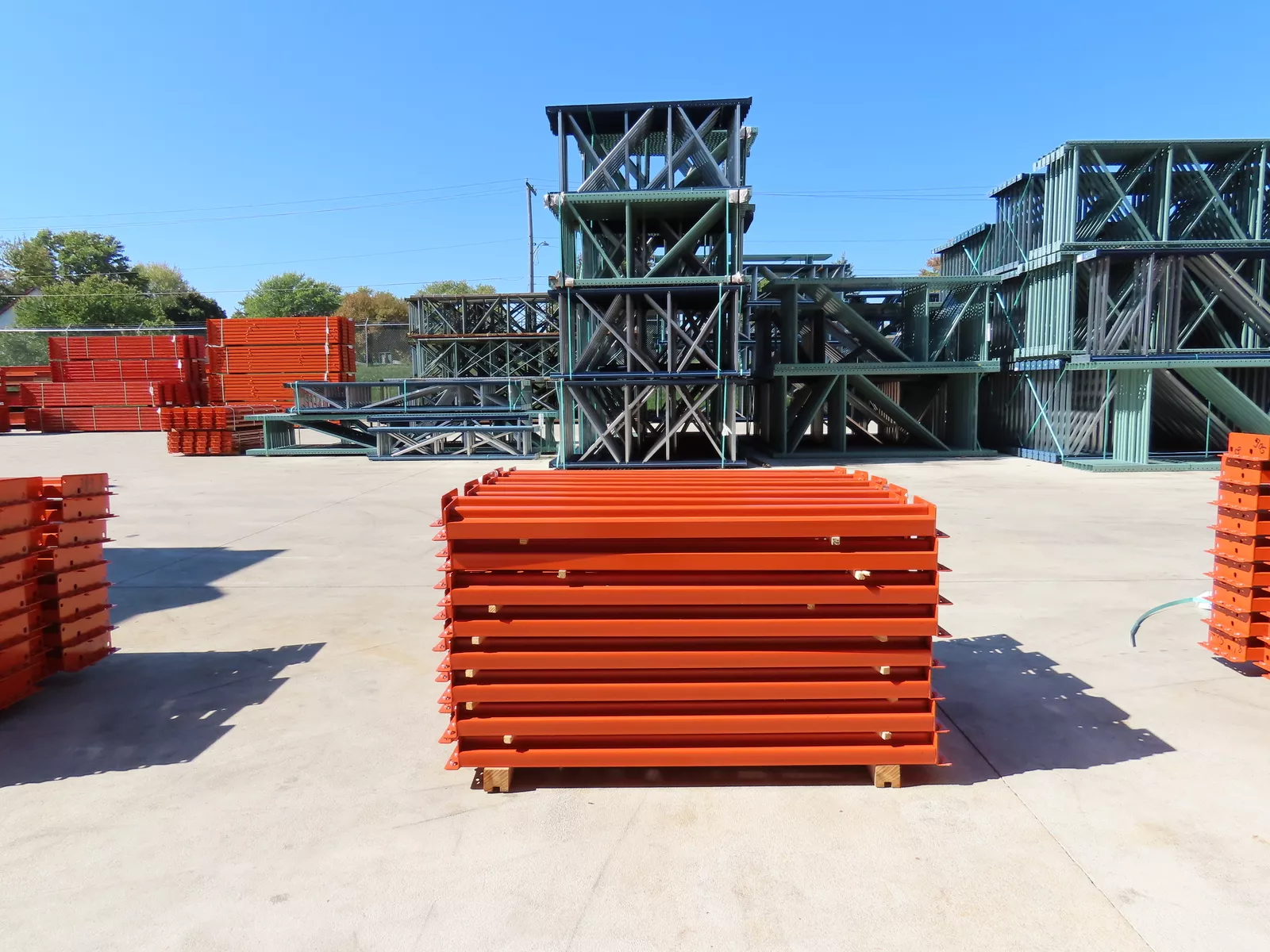
How to Tighten and Re-Torque Rack Bolts Safely
How to Tighten and Re-Torque Rack Bolts Safely
- Tightening and re-torquing bolt connections is essential for safety and shows commitment to responsibility.
- Racking systems serve as the foundation of productivity and efficiency in warehouses and workshops.
- Securing bolts prevents potential collapses and ensures the safety of workers beneath the racking.
- Using the correct tools, including a torque wrench, is vital for proper maintenance per manufacturer specifications.
- Understanding physics, such as pressure distribution and weight tolerance, is crucial for effective bolt tightening.
- Encouraging collaboration and sharing knowledge strengthens workplace culture and safety awareness.
- Regular maintenance reflects diligence and integrity, reinforcing a culture of safety and responsibility.
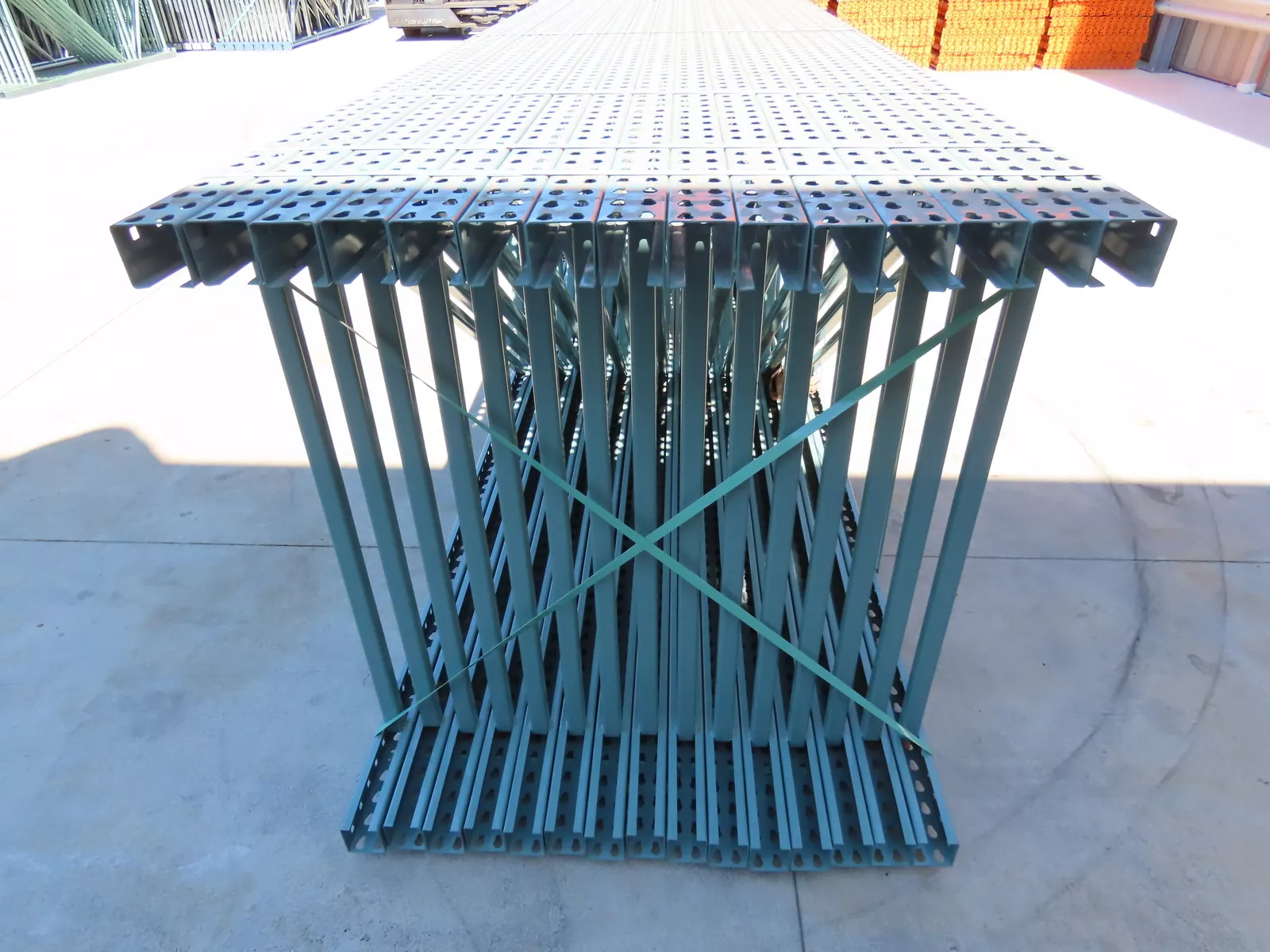
How to Tighten and Re-Torque Rack Bolts Safely
Table Of Contents
- How to Tighten and Re-Torque Rack Bolts Safely
- What Are the Emotional Risks Of Not Tightening Rack Bolts Properly?
- How Can Improper Bolt Torque Affect Your Safety and Performance?
- What Ethical Standards Should Guide Our Maintenance on Rack Systems?
- How Do Expert Recommendations Help Us Understand Rack Bolt Safety?
- What Stories Highlight the Dangers Of Ignoring Bolt Maintenance?
- Conclusion
- Other Resources
- Glossary Of Terms
- Other Questions
- Checklist
What Are the Emotional Risks Of Not Tightening Rack Bolts Properly?
When it comes to the world of racking, the act of tightening bolts may seem like a mundane task, but don’t let that fool you. The emotional risks of neglecting this simple yet critical step can ripple through our lives in ways we might not even imagine. Think about it: every warehouse, every garage, every industrial space has a story — stories of dreams fulfilled and dreams shattered. You’re part of that narrative, and so are those bolts.
Picture a dedicated worker, pouring sweat into their job, ensuring everything is just right. Their heart is in it, each rack strategically positioned, every load meticulously balanced. When these bolts are not secured, there’s a palpable unease. The rational mind recognizes that even slight negligence can lead to catastrophic failures. A racked load toppled because a bolt wasn’t tightened could mean resource loss, damaged products, or worse — injury to a co-worker. That’s not just about money; it’s about the lives and livelihoods affected.
Now, let’s engage the ethical perspective. As part of a team, there lies a responsibility that binds us all. Ensuring that racking systems are safe not only safeguards our colleagues but also fosters a culture of trust and accountability. Each bolt tightened is a promise kept — a silent vow that we care enough to do our jobs right. This is where connection flourishes. When we show diligence in the little things, we contribute to a shared sense of security and pride.
Consider the authority behind the voice of experience. Veterans in the field will tell you: complacency breeds disaster. They’ve seen it, lived it, and now they pass that wisdom down. Let their stories resonate within you, reminding us that every action we neglect can lead to a cascade of consequences that echo beyond the warehouse.
And, if we’re being honest, there’s an instinctual gut reaction tied to safety. When we cut corners, we instinctively feel that something isn’t right. It gnaws at us, a reminder that in what we build and how we build it, we hold the power not just to protect our physical spaces but to safeguard our collective well-being.
So the next time you’re faced with the task of tightening those rack bolts, remember: this isn’t just a chore; it’s a step toward forging a safer, more reliable environment for everyone involved. Embrace the responsibility, and let’s work together to ensure every story remains triumphant.
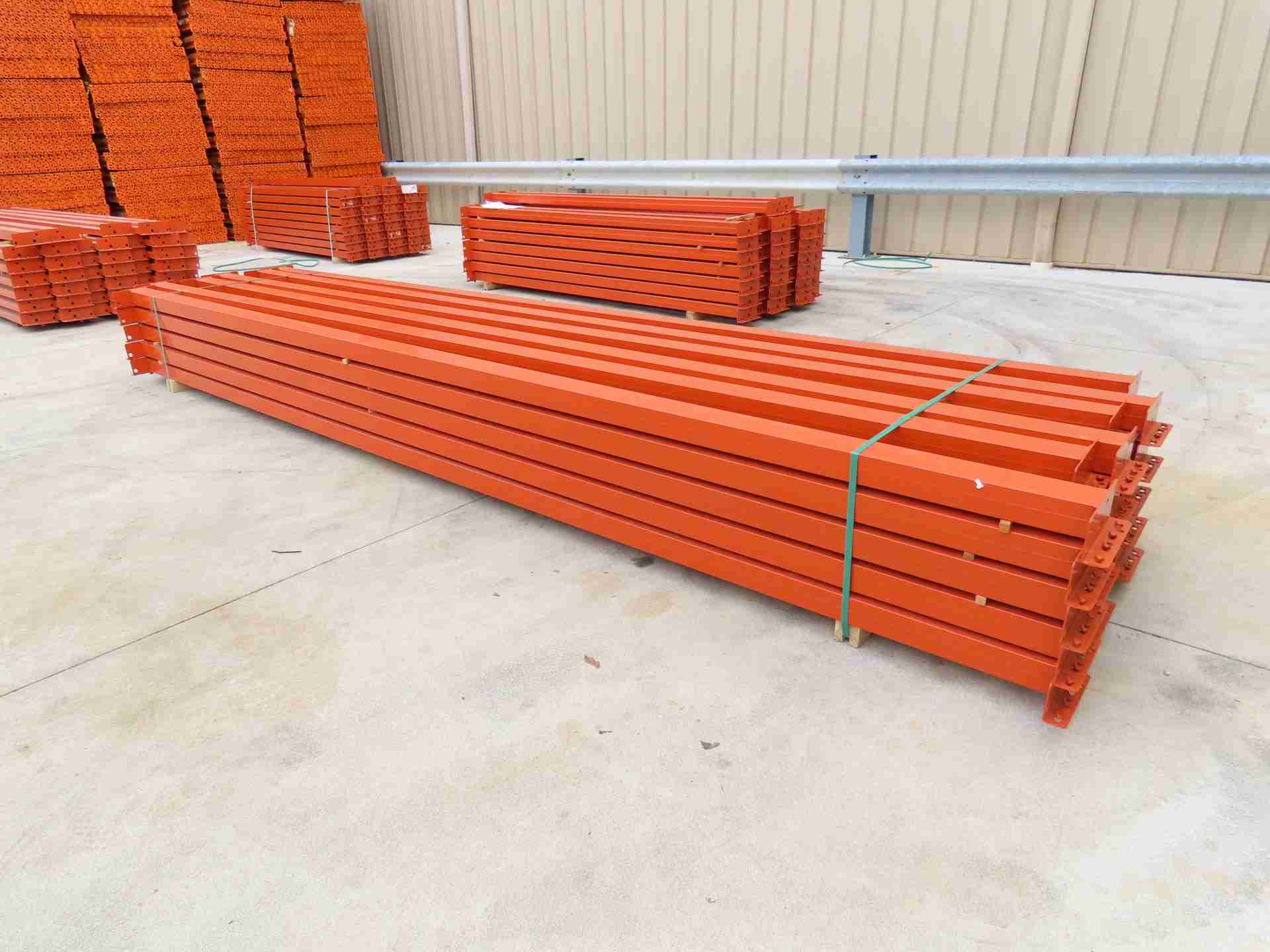
What Are the Emotional Risks Of Not Tightening Rack Bolts Properly?
What Are the Emotional Risks Of Not Tightening Rack Bolts Properly?
- Tightening bolts in racking systems is a critical task with far-reaching emotional implications.
- Each warehouse and industrial space has its own narrative related to the success or failure of operations.
- Neglecting to secure bolts can lead to catastrophic failures, including resource loss and potential injuries.
- Team responsibility and accountability are crucial for ensuring the safety of racking systems.
- Tightening each bolt represents a commitment to quality and care within the workplace.
- Complacency can lead to disastrous outcomes, as experienced workers caution against negligence.
- Every action, including the simple act of tightening bolts, contributes to a safer and more secure work environment.
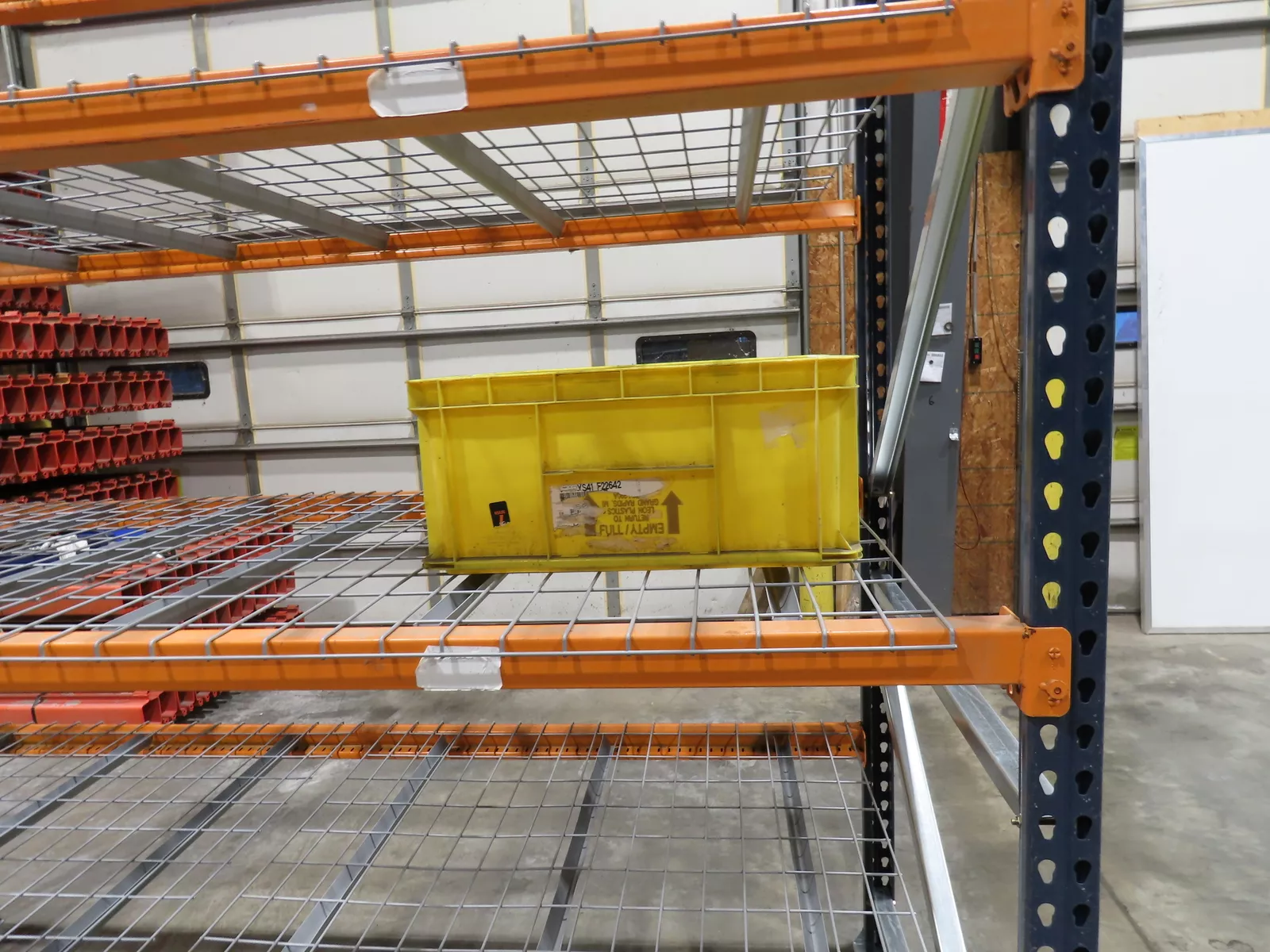
What Are the Emotional Risks Of Not Tightening Rack Bolts Properly?
How Can Improper Bolt Torque Affect Your Safety and Performance?
Every day, millions of vehicles zip through the streets, carrying families and friends, each one relying on a symphony of bolts and fasteners holding it all together. The unassuming bolt—a tiny piece of metal—plays an unexpected yet pivotal role in our safety and performance. Imagine a world where these bolts are improperly torqued, where a simple oversight leads to life-threatening consequences. That’s not just an emotional nightmare; it’s a harsh reality that can stem from a moment of negligence.
When bolts are improperly torqued, they can slip or loosen over time, leading to what’s known in the trade as “racking.” This unsettling motion can jeopardize the integrity of critical components like wheel assemblies, engine placements, and suspension systems. Picture being on a winding road with your loved ones, and suddenly, a bolt gives way. The steering wheel goes slack in your hands; the vehicle ricochets dangerously. That feeling in your gut? It could’ve been avoided.
But let’s put aside the fear and focus on the facts. According to industry studies, nearly 50% of mechanical failures stem from inadequate torque specifications. It’s not just important; it’s essential. Every manufacturer sets precise torque specs for a reason, and each torque is a vital thread woven into the safety fabric of your vehicle. By acknowledging the gravity of this issue, you uphold an ethical responsibility toward the lives of those who travel with you.
We all crave connection, a sense that we share in this human experience. Whether you’re a weekend mechanic or a professional technician, your decisions impact more than just machines—they affect lives. When improperly torqued bolts lead to failures, it’s not just an isolated incident; it’s a ripple effect that can shake confidence in entire industries.
So, the next time you’re tightening bolts on your vehicle or equipment, remember the stories of countless individuals who trust that everything is in place, holding their safety in the balance. Every turn of the wrench should not only tighten a bolt but also fortify the trust between machinery and those who depend on it. Let’s be diligent, pay heed to those torque specifications, and ensure that every connection is solid, ready to keep us safe on the journey ahead.
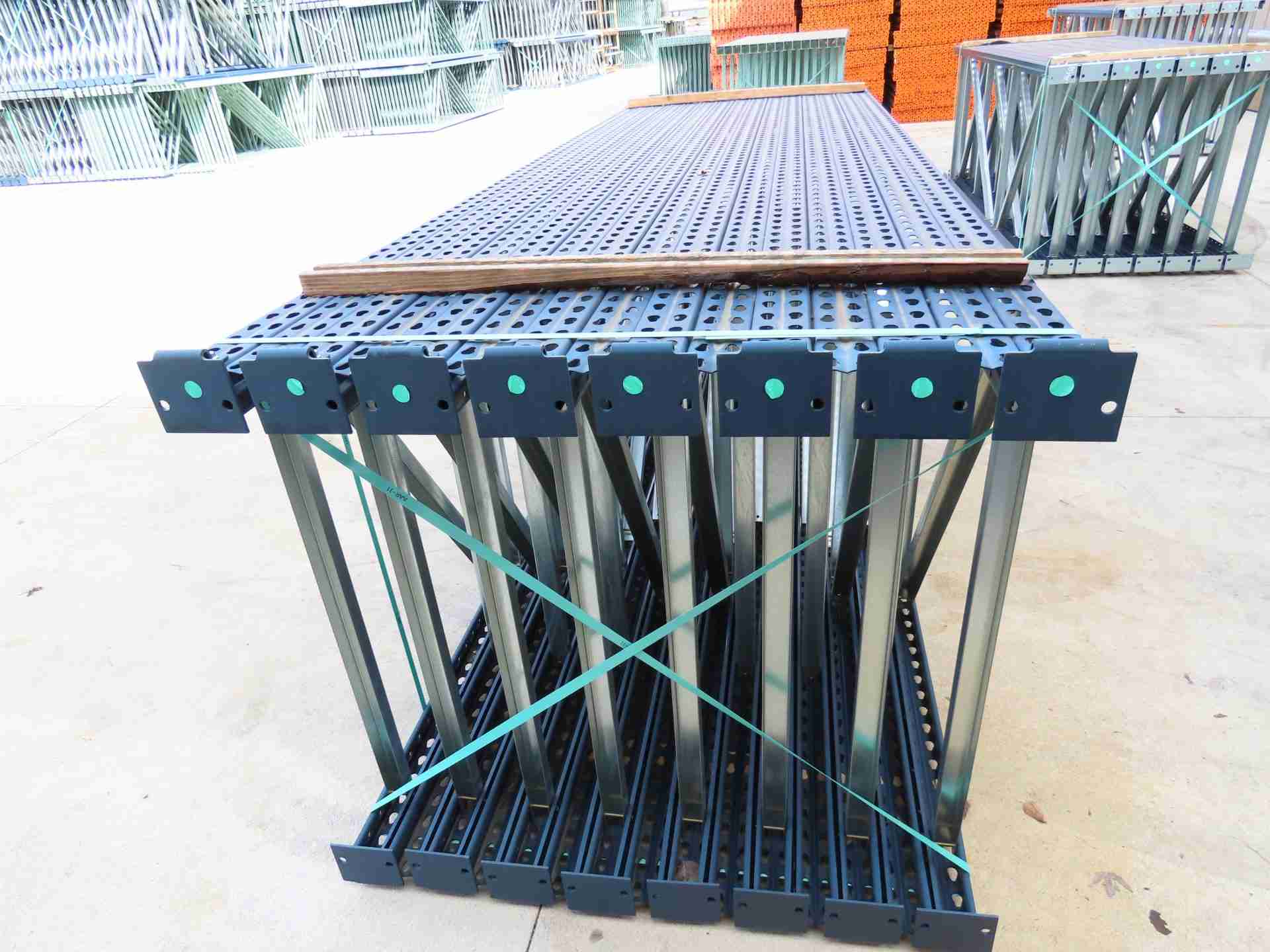
How Can Improper Bolt Torque Affect Your Safety and Performance?
How Can Improper Bolt Torque Affect Your Safety and Performance?
- Millions of vehicles rely on bolts and fasteners for safety and performance.
- Improperly torqued bolts can lead to life-threatening consequences due to negligence.
- Conditions like “racking” can occur when bolts loosen over time, threatening critical components.
- Nearly 50% of mechanical failures are attributed to inadequate torque specifications.
- Manufacturers set precise torque specs to ensure vehicle safety and integrity.
- Decisions made by mechanics and technicians can significantly impact lives, not just machines.
- It is essential to be diligent about torque specifications to maintain trust and safety in machinery.
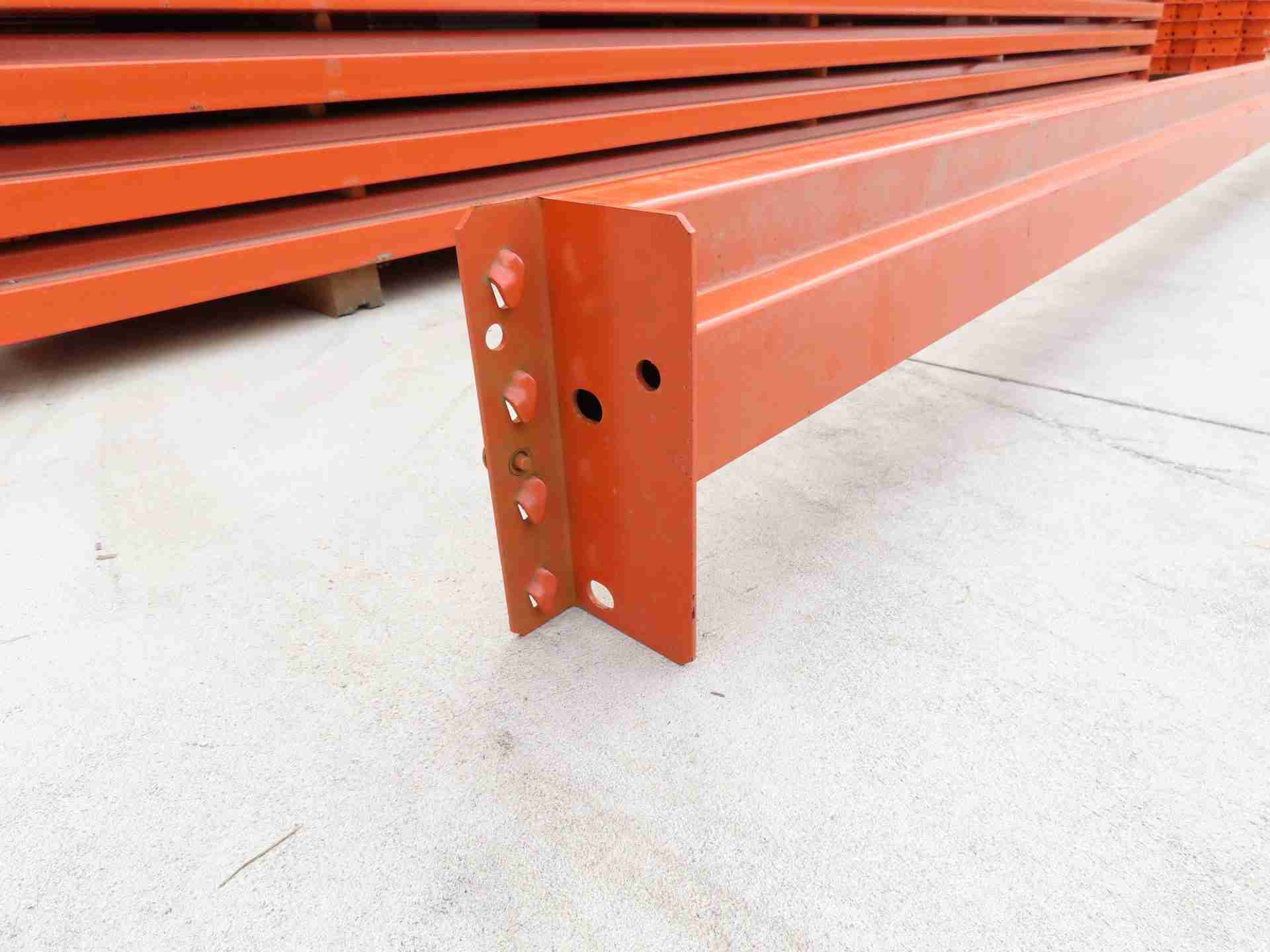
How Can Improper Bolt Torque Affect Your Safety and Performance?
What Ethical Standards Should Guide Our Maintenance on Rack Systems?
When it comes to the maintenance of racking systems, the conversation must elevate beyond bolts and metal frames. It’s about people—workers who entrust their safety to the very systems we maintain. Imagine a warehouse humming with energy; machinery whirring as team members navigate through the maze of racking. Each shelf holds not just products but livelihoods, hopes, and dreams. So, what ethical standards should guide our maintenance on rack systems?
First, let’s talk about trust. As stewards of safety, we owe it to our colleagues to ensure that each racking unit is secure and reliable. That’s where our integrity comes into play. Regular inspections, proactive repairs, and meticulous documentation aren’t just good practices; they’re moral imperatives. When we cut corners, we gamble with lives—and that is a debt too heavy to bear. We must embrace a philosophy that values safety over speed, quality over convenience, and long-term resilience over short-term gains.
Next comes transparency. Open dialogues about the state of our racking systems empower our workforce. When there’s a shared understanding of potential risks and maintenance protocols, every employee feels like a vital part of the safety net. It’s human nature to want to belong, to feel part of something greater. By cultivating a culture of transparency, we don’t just mitigate risks; we foster an environment of mutual respect and solidarity.
Then, let’s get real about accountability. The maintenance of racking systems isn’t just a task; it’s a commitment to those who rely on us. We must hold ourselves—and each other—responsible not only for what we can see but also for what’s hidden. This means continued education in safety standards, alongside an unwavering vigilance in monitoring the integrity of every rack. It’s a promise that says, “You matter, and your safety is non-negotiable.”
Finally, consider the collective impact of our choices. When we prioritize ethical maintenance, we not only protect individuals but communities and economies. Every racking system maintained properly can mean fewer accidents, less downtime, and ultimately, a thriving workplace.
So let’s embody these standards and remind ourselves that every time we inspect or repair, we’re not just working on metal structures. We’re safeguarding the daily efforts, triumphs, and aspirations tied to those racking systems. Let’s commit to making our workplaces not only safer but also places where everyone feels valued, empowered, and respected.
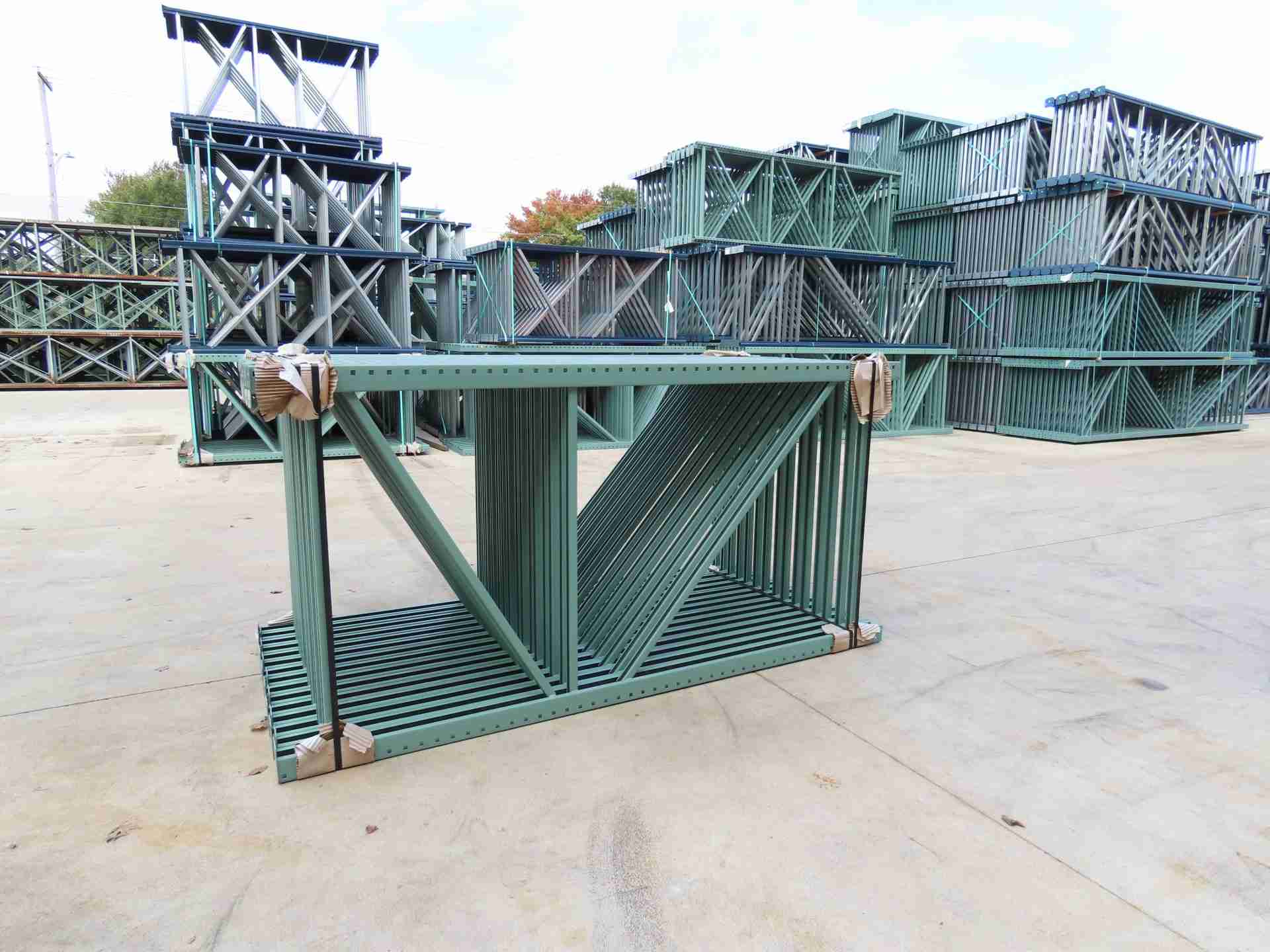
What Ethical Standards Should Guide Our Maintenance on Rack Systems?
What Ethical Standards Should Guide Our Maintenance on Rack Systems?
- Maintenance of racking systems transcends bolts and metal; it focuses on the safety of people.
- Trust is essential; securing racking units is a moral imperative to ensure worker safety.
- Emphasis on transparency fosters a shared understanding of risks and maintenance protocols among employees.
- Accountability is crucial; ongoing education and vigilance are necessary for maintaining rack integrity.
- Prioritizing ethical maintenance protects individuals, communities, and promotes economic stability.
- Regular inspections and thorough documentation are vital practices for ensuring safety.
- Our commitment to safety cultivates a workplace where all individuals feel valued and respected.

What Ethical Standards Should Guide Our Maintenance on Rack Systems?
How Do Expert Recommendations Help Us Understand Rack Bolt Safety?
When it comes to the safety of racking systems, expert recommendations play a pivotal role. Imagine the bustling energy of a warehouse—the whirling machinery, the focused workers, each movement a testament to efficiency. Yet, lurking within that productivity is a critical component often taken for granted: rack bolts. Just as a ship relies on its anchor to remain stable against tumultuous seas, so too does a warehouse rely on properly secured racking to keep operations smooth and safe.
Racking systems are the backbone of organization, providing the structure to hold everything from delicate items to heavy machinery. Yet, in the chaos of daily operations, it’s easy to overlook the significance of small components like rack bolts. These unsung heroes, if neglected, can lead to catastrophic failures. When experts—engineers, safety professionals, and industry veterans—advocate for specific standards, they do so from a wealth of experience. Their recommendations are not just a suggestion; they are a call to action born from lessons learned and stories lived.
Think of it this way: imagine a family gathering where the little ones are rushing around, laughter filling the air. An adult must constantly remind them to play safely, to keep an eye on each other. Similarly, expert recommendations are the adult in the room, nudging us to remain vigilant. They remind us of the ethical responsibility we have to ensure not just our own safety but the safety of our colleagues. When you hear that a racking system failed due to improper bolt installation, it’s not just a statistic; it’s a stark reminder of how quickly things can go wrong—and the human lives left impacted.
Embracing these expert recommendations fosters a culture of awareness and accountability. Whether you’re a seasoned industry leader or a fresh-faced employee, taking these words to heart builds trust in your environment. When everyone adheres to best practices, it creates a social pact—a commitment to safety that strengthens team bonds and enhances productivity.
So, the next time you’re checking the integrity of rack bolts, remember that this task is more than a routine check. It’s an investment in your leadership, your team, and ultimately, your mutual commitment to a safe workplace. Let the wisdom of experts guide you and ensure that every bolt is tightened, every shelf secured, invoking confidence that resonates throughout your workspace. Your diligence not only protects assets but champions the spirit of teamwork, transforming everyday tasks into actions of profound importance.
How Do Expert Recommendations Help Us Understand Rack Bolt Safety?
How Do Expert Recommendations Help Us Understand Rack Bolt Safety?
- Expert recommendations are crucial for the safety of racking systems in warehouses.
- Rack bolts are a critical yet often overlooked component essential for operational stability.
- Neglecting small components like rack bolts can lead to catastrophic failures.
- Recommendations from engineers and safety professionals are based on extensive experience and are essential for workplace safety.
- Expert advice emphasizes the collective ethical responsibility for ensuring the safety of everyone in the workplace.
- Implementing these standards fosters a culture of awareness, accountability, and trust among team members.
- Regular checks of rack bolts represent an investment in leadership, teamwork, and a commitment to a safe work environment.
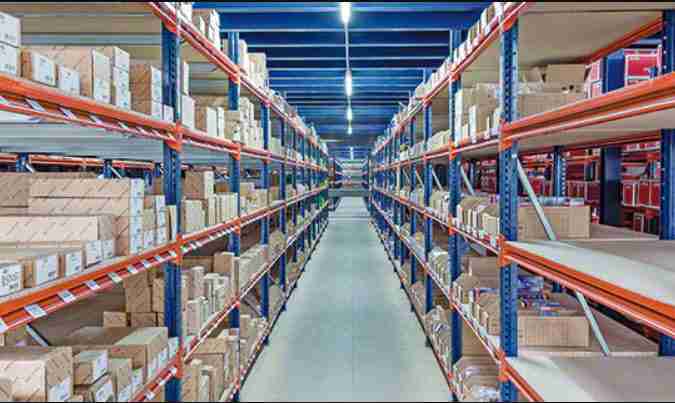
How Do Expert Recommendations Help Us Understand Rack Bolt Safety?
What Stories Highlight the Dangers Of Ignoring Bolt Maintenance?
When we think about bolt maintenance, it often slips to the bottom of our to-do lists, buried under the humdrum of everyday tasks. Yet, consider the story of a mid-sized manufacturing plant, where a foreman, brimming with confidence, dismissed a warning about worn-out bolts on a critical racking system. “It’ll hold,” he declared, reassured by years of hard work and experience. Weeks later, that very racking system collapsed, sending heavy steel beams crashing down. The echoes of industrial machinery were quickly overwhelmed by an alarming silence punctuated by the cries of injured workers. This tragedy could have been avoided.
There’s something unnerving about choosing convenience over safety. It isn’t just steel and nuts and bolts that are at stake; it’s the lives and wellbeing of individuals who rely on that equipment daily. The aftermath of that collapse rippled through the community, affecting not just the employees, but their families, their friends, and the very fabric of trust that binds us all. This isn’t simply a mechanical issue—it’s a fundamental question of responsibility. Would we be willing to risk a colleague’s safety for the sake of saving a few minutes?
Rationally speaking, the cost of neglecting bolt maintenance can be staggering. Statistics reveal that a staggering percentage of industrial accidents stem from overlooked equipment maintenance. Each bolt is a tiny but pivotal piece of a much larger puzzle, and when they fail, the consequences can be catastrophic. Think of the money lost—not just in repair costs, but in downtime, legal fees, and the inevitable hit to morale and productivity.
Ethically, we have an obligation to our teams and ourselves to ensure that everything is in top condition. Each time we choose to overlook maintenance, we undermine that responsibility. Who are we if we are not trusted voices in a world laden with risks?
Stories like these serve as stark reminders that little things can have enormous consequences. Your actions—or inactions—impact not just your immediate environment, but the very community surrounding it. Choosing to engage with the necessary maintenance fosters a culture of safety and trust, a community where everyone can count on each other.
Let’s make a commitment. Check those bolts. Maintain that racking system. Stand up for each other. It’s not just about machinery; it’s about human life, dignity, and the bonds that tie us together.
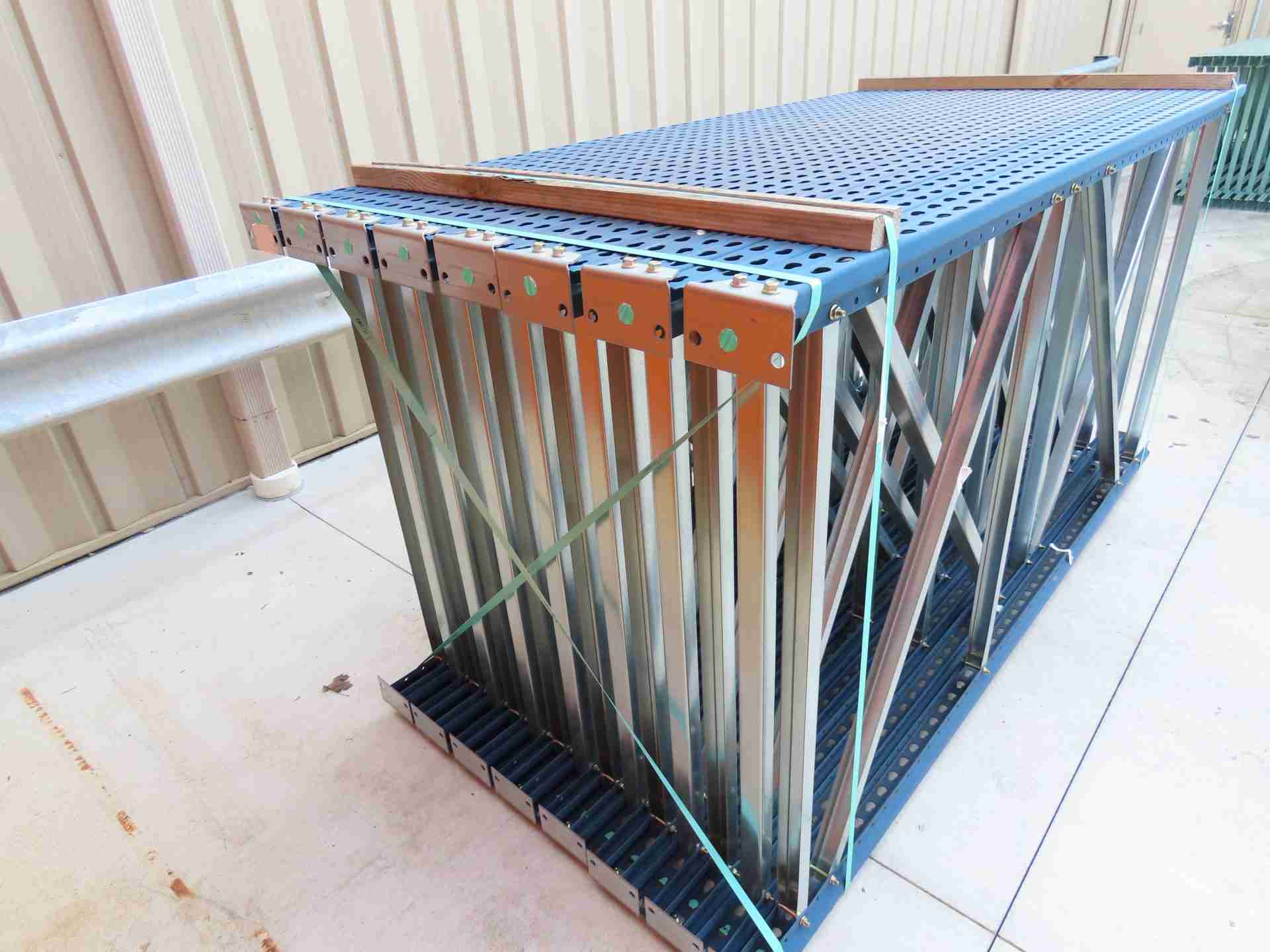
What Stories Highlight the Dangers Of Ignoring Bolt Maintenance?
What Stories Highlight the Dangers Of Ignoring Bolt Maintenance?
- Bolt maintenance often becomes a low priority amidst daily tasks.
- A foreman’s disregard for a warning about worn-out bolts led to a catastrophic collapse at a manufacturing plant.
- The incident resulted not only in injuries but also severely disrupted the community’s sense of safety and trust.
- Neglecting maintenance can lead to significant financial costs, including repairs, legal fees, and lost productivity.
- There is an ethical obligation to ensure equipment is well-maintained for the safety of all team members.
- Small oversights can lead to enormous consequences, highlighting the importance of diligent maintenance.
- Choosing to prioritize maintenance fosters a culture of safety, trust, and community support.
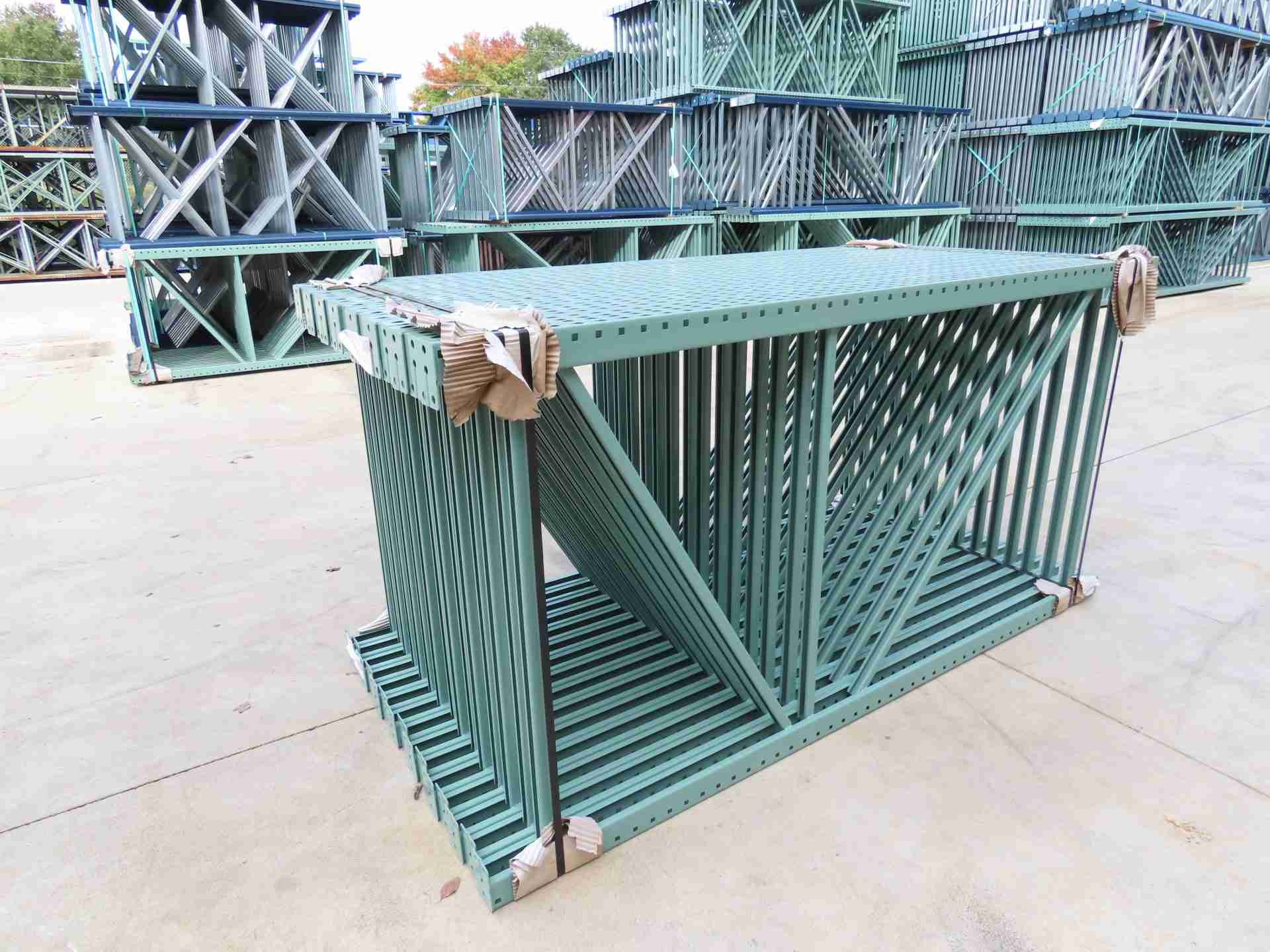
What Stories Highlight the Dangers Of Ignoring Bolt Maintenance?
Conclusion
Tightening and re-torquing rack bolts isn’t just a mundane chore; it’s a profound commitment to safety that resonates far beyond the confines of the workplace. The racks in our warehouses, factories, and workshops are not merely supports for our goods; they represent the lifeblood of productivity and efficiency. Each bolt that holds these structures together is integral to a story that includes dreams, ambitions, and the daily hustle of hard-working individuals. When we secure those bolts, we’re not just tightening metal—we’re protecting lives.
Picture the weight that rests upon those racks. With every box stacked high, every component tucked neatly, there’s an unspoken trust in the integrity of the support system above. If those bolts are inadequately torqued, there’s risk; not just of a financial setback from damaged inventory, but of injuries that could ripple throughout families and communities. This responsibility weighs heavily; it demands a keen awareness of both the physical and emotional stakes at play.
Expert recommendations and industry standards serve as our guiding stars, born from years of experience and the harsh reality of past failures. These expert voices remind us of our ethical obligation as stewards of safety, reinforcing the need for diligence in our maintenance practices. When we take the time to engage with the nuances of proper bolt torque, we are not solely following protocols—we are cultivating camaraderie, trust, and respect among our colleagues. Safety is a shared mission, one that enhances workplace culture and nurtures a sense of belonging.
Neglecting these responsibilities can lead to disastrous outcomes. The stories of collapsed racking systems serve as cautionary tales—reminders that the smallest details can have dire consequences. They highlight our human instinct to prioritize efficiency over safety and urge us to reconsider. When we choose vigilance, we are acting against complacency; we stand firm against the myth that “it’ll hold” and instead usher in a culture of attentive care.
Ultimately, the call to action is clear. Each time you grab that torque wrench, remember the impact you have—not only on the metal structures surrounding you but also on the faces of those who rely on them. Let’s harness the power of integrity, transparency, and accountability to ensure that our work environments are safe and dependable. Together, we can reinforce a legacy of safety that echoes throughout every story worth telling.

Conclusion
Conclusion:
- Tightening and re-torquing rack bolts is a crucial commitment to safety that extends beyond the workplace.
- Racks are essential for productivity, symbolizing the hard work and aspirations of individuals.
- Securing bolts protects not only inventory but also the well-being of employees and their families.
- Inadequate torque risks financial loss and potential injuries, emphasizing the importance of responsibility.
- Expert recommendations and industry standards guide maintenance practices, reinforcing our ethical obligations.
- Neglecting safety responsibilities can lead to severe consequences, highlighting the need for vigilance.
- Each act of ensuring bolt integrity fosters a culture of safety, accountability, and shared mission among colleagues.
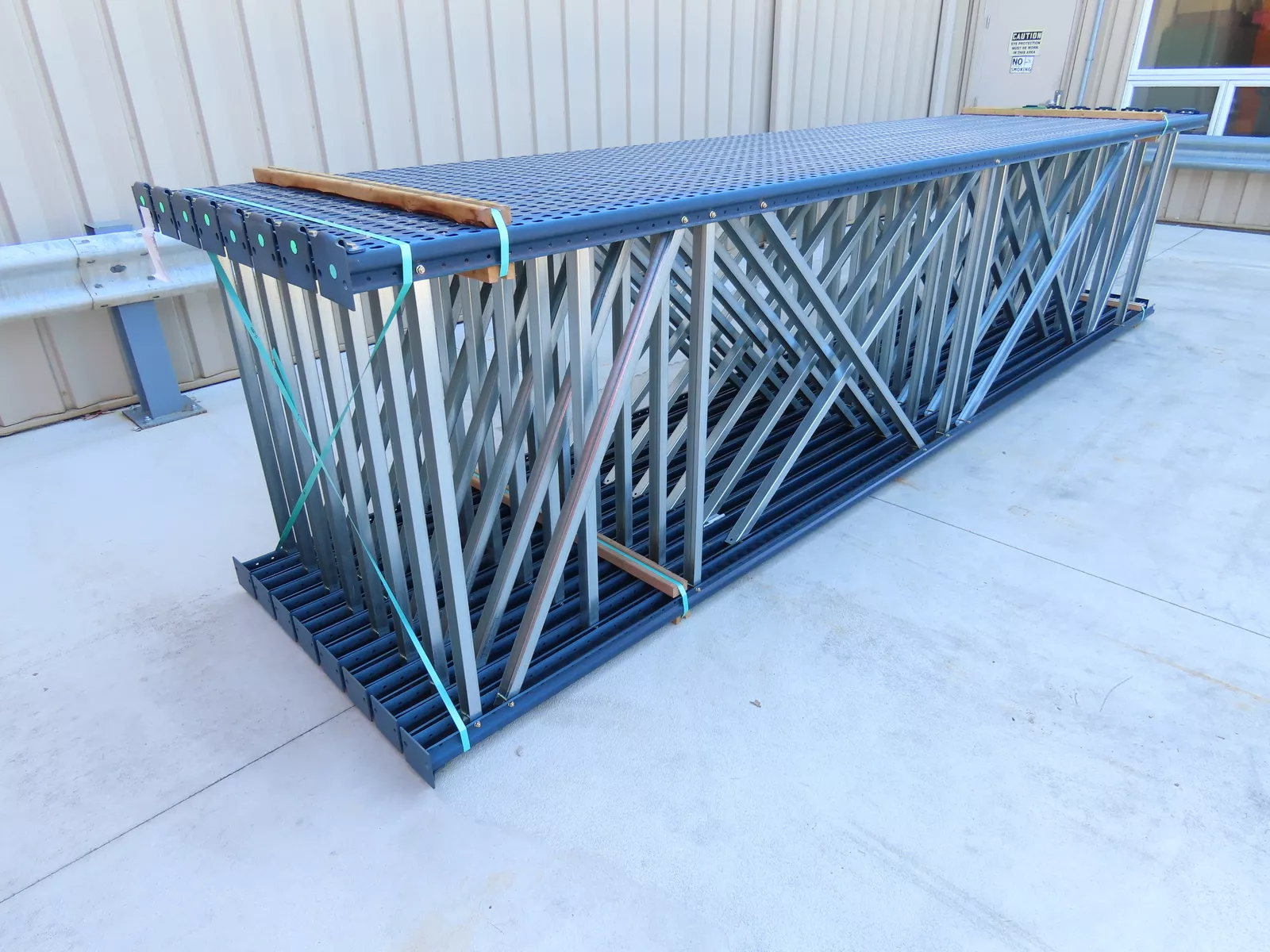
Conclusion
Other Resources
Other Resources
Here is a list of other resources you can review online to learn more:
- Used Teardrop Pallet Rack – American Surplus
- Total Warehouse
- Bradford Systems
- What is Selective Pallet Racking
- WERC
- Storage Equipment Manufacturers’ Association
- Warehouse Racking Chicago, IL
- Racking World
- Pallet Rack Systems – New and Used Pallet Racking and Shelving Experts
- MHI
- BMH
- Warehouse Storage Racking in Illinois
- Pallet Racking systems in Illinois and Great Lakes
- Arrow Industrial Sales
- CA Wire
- ASSP
- Illinois Pallet Racking – Storage Solutions
- Selective Pallet Racking Systems
- Teardrop Pallet Rack – Ridg-U-Rak
- Selective Pallet Racking Systems – Container Systems
Use This Prompt To Get More Resources With Your Favorite Online AI Tool: Please provide me with a list of online articles with their URLs in a bulleted list that I can read regarding How to Tighten and Re-Torque Rack Bolts Safely

Other Resources
Glossary Terms
How to Tighten and Re-Torque Rack Bolts Safely – Glossary Of Terms
1. Rack Bolts: Fasteners used to secure components of a rack system, ensuring stability and safety.
2. Tightening: The process of applying torque to fasteners to ensure proper fit and structural integrity.
3. Re-Torque: The act of tightening already installed bolts to the recommended specifications after initial installation.
4. Torque Wrench: A tool used to apply a specific torque to a fastener, ensuring it is tightened to manufacturer specifications.
5. Safety Protocols: Established procedures designed to minimize risk during maintenance and installation processes.
6. Load Bearing: The ability of a structure or component to support weight without failure or deformation.
7. Fastener: A hardware device, such as a bolt, nut, or screw, used to join two or more objects together.
8. Calibration: The adjustment and verification of measuring tools to ensure accurate torque application.
9. Installation Guidelines: Instructions provided by manufacturers detailing how to properly install and tighten bolts.
10. Inspection: The systematic examination of fasteners and structural components to identify wear, damage, or misalignment.
11. Grade: A classification of bolts that indicates their strength and structural capabilities, commonly denoted by a numerical rating.
12. Lubrication: The application of a substance to reduce friction between surfaces, aiding in bolt installation and longevity.
13. Elastic Range: The portion of a material’s deformation where it returns to its original shape upon the release of stress.
14. Over-Torque: The excessive tightening of a bolt beyond its specified limit, potentially leading to failure or damage.
15. Under-Torque: Insufficient tightening of a bolt, which can cause joint looseness and structural issues.
16. Joint Integrity: The quality of the connection made by fasteners, ensuring it can withstand operational stress and loads.
17. Thread Engagement: The amount of contact between the threads of a bolt and the corresponding nut or component.
18. Hazardous Materials: Substances that can pose risks to health and safety, potentially present during maintenance work.
19. Personal Protective Equipment (PPE): Equipment worn to minimize exposure to hazards, including gloves, glasses, and hard hats.
20. Torque Specification: The manufacturer’s recommended torque level to which bolts should be tightened.
21. Visual Inspection: A non-destructive evaluation method used to assess the condition of bolts and joints without removing them.
22. Tension: The force applied to a bolt when it is tightened, contributing to joint strength.
23. Hand Tools: Non-powered tools utilized for manual tightening or loosening of bolts, such as wrenches and pliers.
24. Power Tools: Mechanically-powered tools that assist in the installation or removal of fasteners, often reducing time and effort.
25. Work Platform: A safe, stable surface for personnel to stand or work when accessing elevated rack systems.
26. Fatigue: The weakening of materials due to repeated loading and unloading cycles, which can affect bolt performance.
27. Cracking: Surface or structural fractures that can occur in bolts from excessive stress or poor installation practices.
28. Cross-Threading: A misalignment phenomenon occurring when bolt threads are not aligned properly with the mating threads.
29. Retention Force: The force that keeps the bolts secured in their position, resisting loosening over time.
30. Documentation: Written or digital records that detail installation processes, torque settings, and maintenance activities for reference.
Glossary Of Terms
Other Questions
How to Tighten and Re-Torque Rack Bolts Safely – Other Questions
If you wish to explore and discover more, consider looking for answers to these questions:
- What tools are essential for tightening and re-torquing rack bolts?
- How often should rack bolts be checked and re-torqued?
- What are the signs that rack bolts need tightening?
- What specific torque specifications should be followed for different types of racking systems?
- What are the potential hazards of working under poorly maintained racking systems?
- How can teams effectively communicate about maintenance responsibilities?
- What training is recommended for workers involved in racking system maintenance?
- How does poor bolt maintenance impact overall warehouse efficiency?
- What are the legal implications of failing to maintain racking systems?
- Can expert recommendations vary between different industries or applications?
- How can safety culture be reinforced in workplaces where bolt maintenance is a priority?
- What are some historical examples of accidents caused by improper bolt maintenance?
Other Questions
Checklist
How to Tighten and Re-Torque Rack Bolts Safely – A Checklist
Checklist for Safely Tightening and Re-Torquing Rack Bolts
Heart (Emotional Appeals)
_____ Reflect on how your actions contribute to the safety and well-being of your colleagues.
_____ Visualize the stories of workers who rely on secure racking systems.
_____ Acknowledge the pride you take in maintaining a safe working environment.
Head (Rational Appeals)
_____ Use a torque wrench to tighten bolts according to the manufacturer’s specifications.
_____ Keep a record of inspection dates and maintenance performed for accountability.
_____ Understand the physics behind bolt tension and load distribution.
Gut (Instinctual Appeals)
_____ Trust your instincts: if something feels off, investigate it.
_____ Pay attention to any signs of wear or loosening in bolts during inspections.
_____ Act on any uneasy feelings about the structural integrity of racking systems.
Ethical Appeals
_____ Commit to regular inspections and maintenance to uphold safety standards.
_____ Foster a culture of transparency—share your findings and concerns with your team.
_____ Take personal responsibility for adhering to safety protocols and encourage others to do the same.
Authority Appeals
_____ Refer to expert guidelines and recommendations on rack bolt safety.
_____ Learn from the experiences and stories of seasoned professionals in your field.
_____ Advocate for training sessions to share knowledge about racking system maintenance.
Narrative Appeals
_____ Share real-life stories that highlight the consequences of neglecting bolt maintenance.
_____ Encourage teammates to share their experiences related to safety and maintenance.
_____ Create a collective narrative of commitment to safety within your organization.
Social Appeals
_____ Partner with a colleague when performing maintenance tasks to reinforce teamwork.
_____ Discuss maintenance practices in team meetings to build a communal sense of responsibility.
_____ Celebrate successes in maintaining a safe work environment to strengthen workplace culture.
Checklist
At RackingWorld, we help guide you through selecting warehouse storage systems and racking.
Be sure to read our other related stories at RackingWorld to learn more about warehouse storage systems.
0 Comments