
Expert Strategies For Solid And Secure Upright Repairs
By Tom Seest
At RackingWorld, we help guide you through selecting warehouse storage systems and racking.
Be sure to read our other related stories at RackingWorld to learn more about warehouse storage systems.
How to Fix Bent Uprights Without Compromising Safety
When it comes to fixing bent uprights in a racking system, the stakes are higher than you might think. The upright isn’t just a metal beam; it’s part of a lifeline that holds everything together in your warehouse. If those uprights are compromised, safety is no longer guaranteed, and that’s where the real trouble begins. Picture this: you’re on the warehouse floor, surrounded by stacks of goods that represent your hard work and your livelihood. One incorrectly fixed upright can lead to a catastrophe—dropped loads, injuries, or worse. The facts are clear: you can’t treat this as just another weekend DIY project.
First, understand the core principle of safety. You wouldn’t drive a car with a cracked frame, right? The same logic applies here. Inspect the bent section thoroughly. If it’s merely a minor surface deformation, you might be able to straighten it back with specialized tools, but if the structural integrity is at risk, a replacement is in order. Trust that gut feeling; if something doesn’t seem right, heed its warning.
Now, let’s talk about ethics. Cutting corners isn’t just reckless; it’s irresponsible. Think about your team and the people depending on you. If you rush the job or take shortcuts, you’re not just risking damage to your equipment, you’re putting lives on the line. Every time you walk back onto that floor, let the weight of that responsibility settle in. This isn’t just about compliance; it’s about caring enough to do the job right for the people you work with.
And let’s be real: getting this right builds credibility. When your team knows that safety is your priority, trust flourishes. You create a culture where everyone feels responsible for their safety and the safety of others. They’re more likely to speak up if they see a potential problem.
Remember, fixing bent uprights is not merely a task; it’s an opportunity to demonstrate your commitment to quality and safety. Your actions speak volumes. Each decision contributes to a safer work environment and fosters a culture of responsibility. So grab the right tools, double-check your measurements, and above all, do it right. Your integrity and the welfare of your team are worth every extra minute. Make the choice to do what’s right, and you won’t just fix metal; you’ll fortify your whole operation.
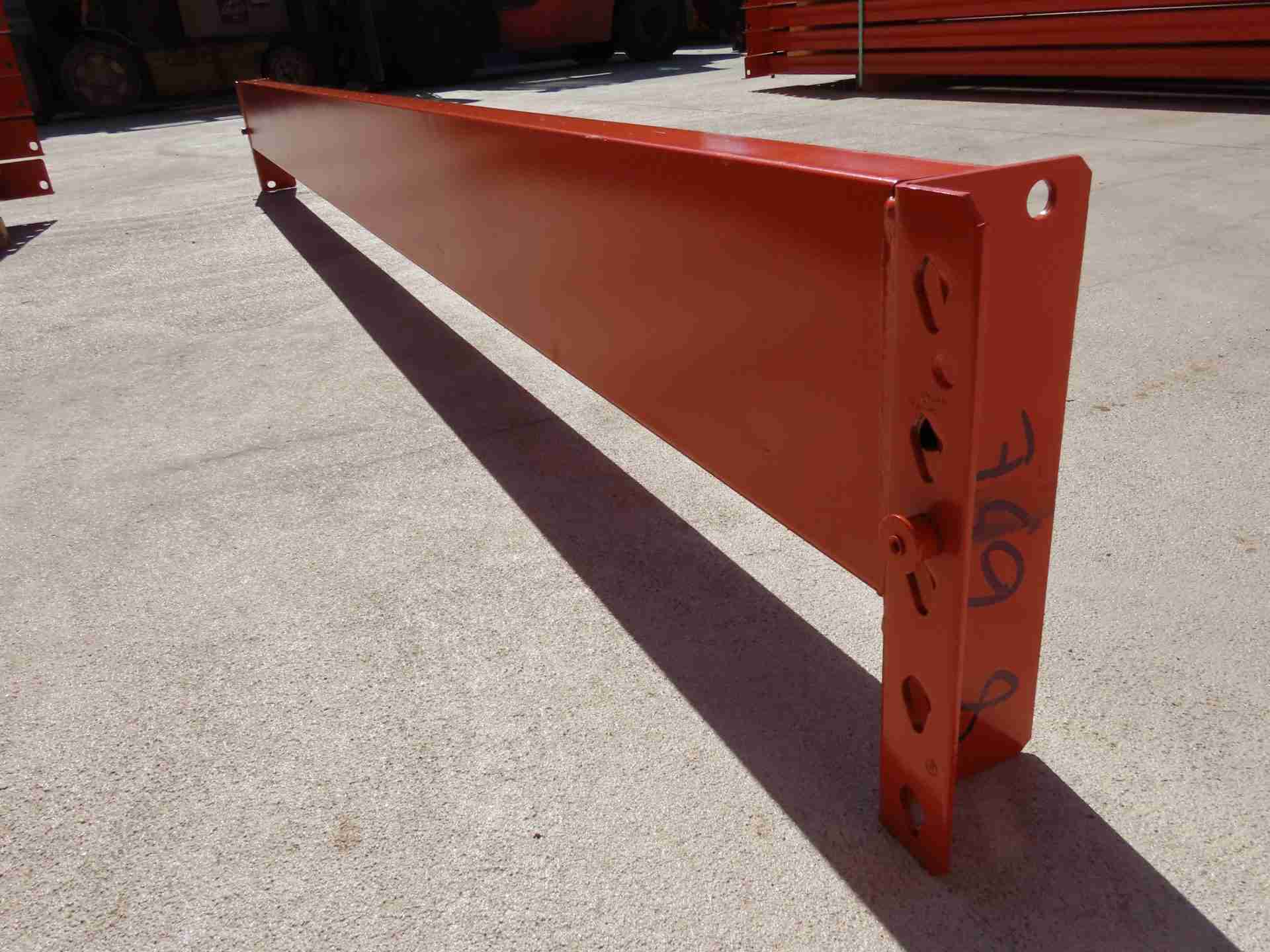
How to Fix Bent Uprights Without Compromising Safety
How to Fix Bent Uprights Without Compromising Safety
- Fixing bent uprights in a racking system is crucial for safety and integrity in the warehouse.
- Uprights are vital components; if compromised, they can lead to catastrophic outcomes, including injuries.
- Inspect bent uprights carefully; minor deformations can be fixed, but significant structural damage may require replacement.
- Ethically cut corners is irresponsible and endangers the safety of workers and equipment.
- Prioritizing safety builds trust and credibility within the team, encouraging a culture of responsibility.
- Fixing bent uprights is an opportunity to demonstrate commitment to quality and safety in the workplace.
- Take the time to do the job correctly; it reinforces integrity and protects the welfare of the team.

How to Fix Bent Uprights Without Compromising Safety
Table Of Contents
- How to Fix Bent Uprights Without Compromising Safety
- What Emotions Do Bent Uprights Evoke In Your Daily Life?
- How Can We Ensure Safety While Addressing Structural Issues?
- What Steps Can You Take to Assess the Severity Of Bent Uprights?
- Why Is It Crucial to Maintain Safety Standards During Repairs?
- How Do Expert Opinions Shape Our Understanding Of Repair Techniques?
- Conclusion
- Other Resources
- Glossary Of Terms
- Other Questions
- Checklist
What Emotions Do Bent Uprights Evoke In Your Daily Life?
When you think of bent uprights, you might picture a derelict fence or a neglected chair, but let’s not overlook the deeper story woven into their imperfections. Racking your gaze across these oddly shaped structures, you encounter a slice of life that speaks volumes about resilience and authenticity. Each twist and curve tells a narrative—a testament to the trials they have endured. These aren’t just inanimate objects; they embody history, struggle, and sometimes a rebellious spirit. They evoke emotions that can resonate profoundly in our daily lives.
Consider the small-town diner on the corner, where the chairs are slightly uneven, some backs bent from countless stories shared over coffee. Each rickety seat represents a conversation overheard, laughter shared, and dreams exchanged. When you plop down onto that somewhat wobbly chair, you aren’t just taking a seat; you’re embracing a patchwork of human experience. It’s this authenticity that draws us in, that makes us feel part of something bigger.
Rationally speaking, there’s a universal truth in the concept of imperfection. It drives home the idea that we don’t need to be perfectly straight-backed or perfectly polished to have value. Our quirks—much like those bent uprights—add character to our lives. They show we’ve taken risks, learned lessons, and been shaped by our journeys. Rather than dismissing flaws, we begin to celebrate our own crooked edges as markers of growth.
Ethically, recognizing the beauty in the bent uprights invites us to foster a sense of community. We naturally align ourselves with those who share their own stories of struggle and perseverance. It encourages us to open our hearts and extend our hands, connecting with those around us. In a world often focused on perfection, embracing imperfection empowers us to be more forgiving—not just with each other, but with ourselves.
The next time you encounter something bent, take a moment to reflect. Let it evoke an emotion, stir a memory, or inspire you to embrace your imperfectly beautiful self. Life isn’t meant to be racked with unyielding straight lines; it thrives in the spaces where character bends just a little. So, gather around those bent uprights, share your stories, and find solace in the shared experience of being human. Together, we stand tall through our imperfections.
What Emotions Do Bent Uprights Evoke In Your Daily Life?
What Emotions Do Bent Uprights Evoke In Your Daily Life?
- Bent uprights symbolize resilience and authenticity, telling stories through their imperfections.
- These structures embody history, struggle, and a rebellious spirit, evoking deep emotions.
- Small-town diners, with their uneven chairs, represent shared experiences and human connection.
- Imperfections add character to our lives, showing that value exists beyond perfection.
- Celebrating our flaws acknowledges personal growth and the lessons learned from our journeys.
- Recognizing beauty in imperfections fosters community and encourages empathy toward others and ourselves.
- Embracing the “bent uprights” invites reflection, inspiring us to accept our own imperfect beauty.
What Emotions Do Bent Uprights Evoke In Your Daily Life?
How Can We Ensure Safety While Addressing Structural Issues?
We often underestimate the importance of safety when tackling structural issues, yet this is not a task for the faint-hearted. Think about it: how many times have you passed a building or a bridge, completely unaware of the racking that silently poses a threat beneath the surface? This invisible danger can transform an everyday journey into a precarious situation. Our communities deserve better than that.
Addressing structural problems head-on is not just about bricks and mortar; it’s about the emotional investment we have in our communities, our families, and our shared spaces. When we see a crack in the wall or notice a sagging roof, our instincts should kick in. These are signs—alarms, if you will—that require our attention. Ignoring them puts more than just structures at risk; it puts lives in jeopardy. Don’t we owe it to ourselves and each other to create safe havens?
It’s a tough reality check, and while the rational minds among us might suggest seeking expert help, it’s crucial to remember that safety isn’t merely a technical issue—it’s a moral obligation. We have an ethical responsibility to safeguard our neighbors and loved ones. When we make the decision to engage with these structural challenges, we tap into our own sense of purpose.
Moreover, consider the narratives woven into our places of residence. Every crack, every beam, every wall tells a story—ones that reflect our history, our struggles, and our triumphs. By prioritizing safety, we ensure that future generations can write their own chapters within these walls. We become stewards of history, allowing stories to continue rather than cutting them short with negligence.
And let’s not forget the community aspect. By rallying together, whether through neighborhood associations or local workshops, we foster a sense of belonging. An engaged community is an empowered one. People open up, share experiences, and learn from one another, creating a culture that thrives on vigilance and action.
So, let’s take a stand. Let’s wear hard hats, roll up our sleeves, and confront these structural issues as a united front. By doing so, we’re not just fixing buildings; we’re building a foundation of trust and safety that resonates through our entire neighborhood. Together, we can ensure that when we leave our homes, we’re stepping into a world that values safety and integrity—a world we actively help to create.

How Can We Ensure Safety While Addressing Structural Issues?
How Can We Ensure Safety While Addressing Structural Issues?
- Safety is often underestimated in addressing structural issues but is crucial for community well-being.
- Structural problems are not just physical; they emotionally affect our connections to communities and spaces.
- Signs of structural issues, like cracks or sagging roofs, should prompt immediate action to protect lives.
- Addressing safety is a moral obligation, emphasizing the responsibility we have to safeguard our neighbors.
- Each structural feature in our community tells a story, reflecting our shared history and values.
- Engaging in community efforts, like workshops, promotes belonging and encourages collective vigilance.
- By confronting structural challenges together, we build trust and safety within our neighborhoods.
How Can We Ensure Safety While Addressing Structural Issues?
What Steps Can You Take to Assess the Severity Of Bent Uprights?
Assessing the severity of bent uprights isn’t just about checking a box—it’s about understanding the lifeblood of your structure and the safety of those who rely on it. Just picture it: a towering, proud framework doing its job, until one day, something shifts. Maybe it’s just a casual glance, or perhaps you’re surveying the scene during a routine inspection, but that subtle bend grabs your attention. That’s your gut speaking, telling you that it’s time for action.
Start by observing the big picture. Look at the upright’s position within the larger context of the structure—this is where racking can subtly ruin a once-sturdy feature. A minor bend in a critical upright can lead to major shifts in stability down the road. Identify where the upright might be overburdened or improperly aligned. Take a minute to acknowledge that what seems like a small issue today could escalate into a significant safety hazard tomorrow.
Once you’ve pinpointed the upright, it’s essential to get hands-on. Grip it. Feel it. Is there play? Does it wobble where it shouldn’t? Engage all your senses. Listen to the creaks or groans that indicate potential failure. Rationally, employ tools like a level or a measuring tape to quantify the bend. Is it within acceptable tolerances? Leverage the wisdom of industry standards—but remember, these are guidelines, not absolutes. They offer a reliable foundation while you rely on your experience.
Now, consider the ethical aspect. You’re not just maintaining a physical structure; you’re ensuring the safety of people who pass beneath it every day. It’s your responsibility to act when necessary, to protect your workers and community. No one wants to live with the regret of ignoring a risk that could lead to unforeseen consequences.
Spread this awareness socially among your peers—encouragement fosters vigilance. Share what you’ve learned about assessing bent uprights and the consequences of neglect. Create a culture of safety where asking questions and raising concerns is not just welcomed, but celebrated.
Remember that addressing minor issues today can prevent catastrophic failures tomorrow. It’s not just about bending metal; it’s about bending towards precaution, preservation, and a proactive stance on safety. Stand tall, and take those steps—because a small action now can keep lives secure later.
What Steps Can You Take to Assess the Severity Of Bent Uprights?
What Steps Can You Take to Assess the Severity Of Bent Uprights?
- Assessing the severity of bent uprights is crucial for understanding structural integrity and safety.
- Minor bends in critical uprights can lead to major stability issues over time.
- Identify any overburdened or misaligned uprights during inspections.
- Engage with the upright physically—check for play, wobbling, and listen for creaks.
- Use tools to measure the degree of bend and compare it to industry standards.
- Act ethically to ensure safety, protecting workers and the community from potential hazards.
- Encourage a culture of safety awareness and proactive measures to prevent future failures.
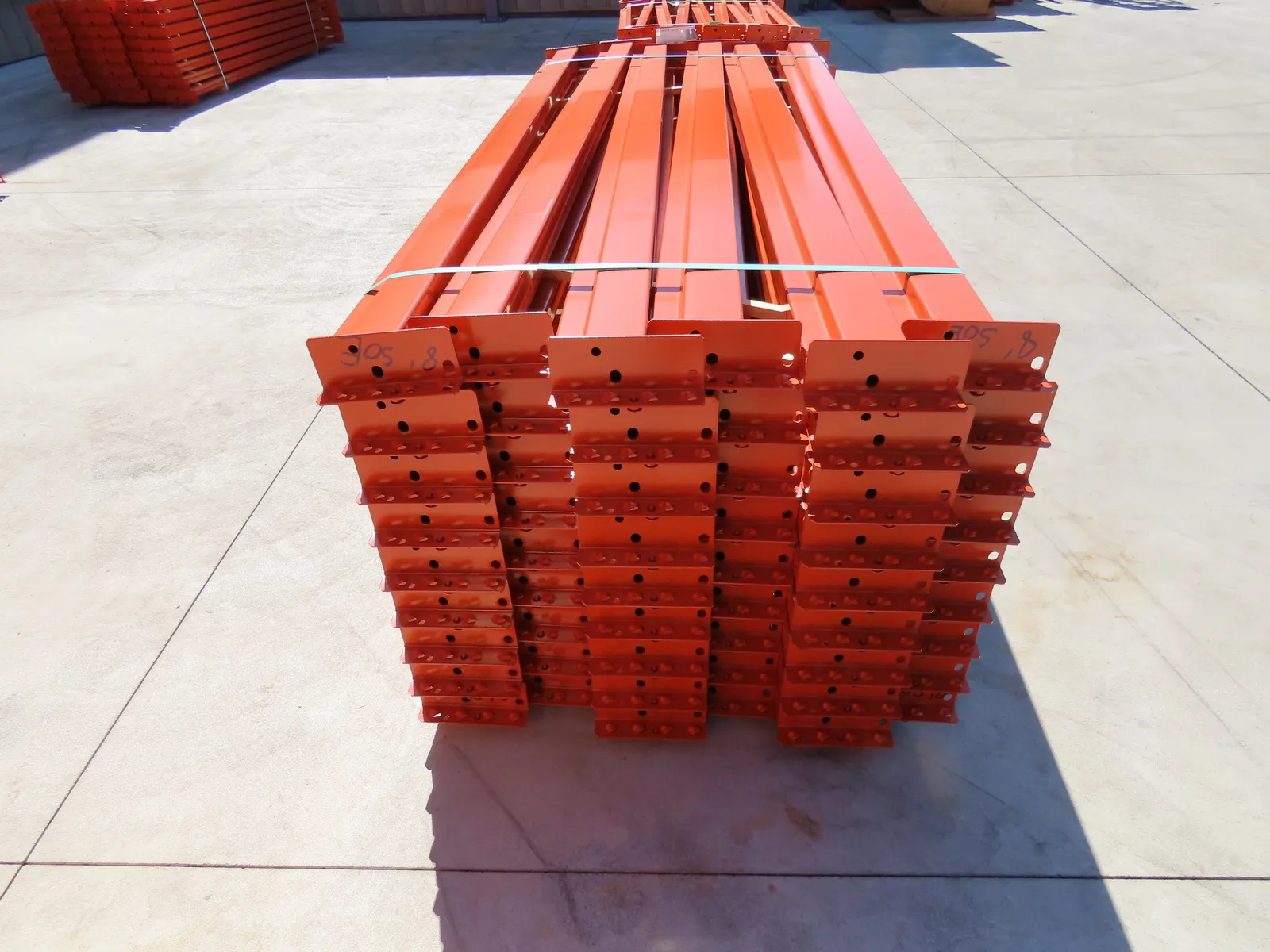
What Steps Can You Take to Assess the Severity Of Bent Uprights?
Why Is It Crucial to Maintain Safety Standards During Repairs?
When we think about repairs—whether it’s fixing a leaky pipe or restoring a vintage car—most of us envision the end goal: a job well done, something to admire, and something that works. But what often gets overlooked in our excitement is the invisible foundation underpinning that progress: safety standards. Maintaining safety standards during repairs isn’t just a checklist or a bureaucratic hoop to jump through; it’s the lifeblood of assurance that allows us to operate with confidence, clarity, and peace of mind.
Imagine for a moment you’re racking up hours on a home improvement project. You’re excited, your friends are cheering you on, and you can almost taste the satisfaction of a finished job. Yet, amidst this enthusiasm, it’s the seemingly mundane safety standards—using the right gear, following construction guidelines, ensuring proper ventilation—that keep this endeavor from taking a turn for the worse. Skipping them might seem like a shortcut, but one misstep can lead to costly, even catastrophic, consequences. We’ve all heard the stories: a friend, a colleague, or a family member who took a risk and paid the price.
Let’s face it—a slip of a wrench or a misplaced step can turn a fun DIY into a tragic accident in the blink of an eye. This isn’t just about protecting ourselves; it’s about our loved ones, our neighbors, and everyone who strolls by after a hard day’s work. Ethically, we owe it to ourselves and our community to prioritize safety. It isn’t merely a rule; it demonstrates respect for the craft and those who might inherit the space we create.
Moreover, there’s an authority to following these standards that can’t be ignored. Industry professionals and experts spend years defining safety protocols for a reason. They’ve seen the fallout of neglect—broken bones, ruined livelihoods, and damaged property—and they’ve worked diligently to create a framework that keeps everyone safer. Trusting these guidelines is a rational choice, one that appeals to our instincts for self-preservation.
The satisfaction of a job well done isn’t just in the final result—it’s in knowing that we honored the process and kept ourselves and others safe. Next time you embark on a repair, remember: those safety standards aren’t just black-and-white rules. They’re a pledge to do things right, for ourselves and for the world around us. Let’s choose thoughtfully and repair with intention; the difference it makes is profound.
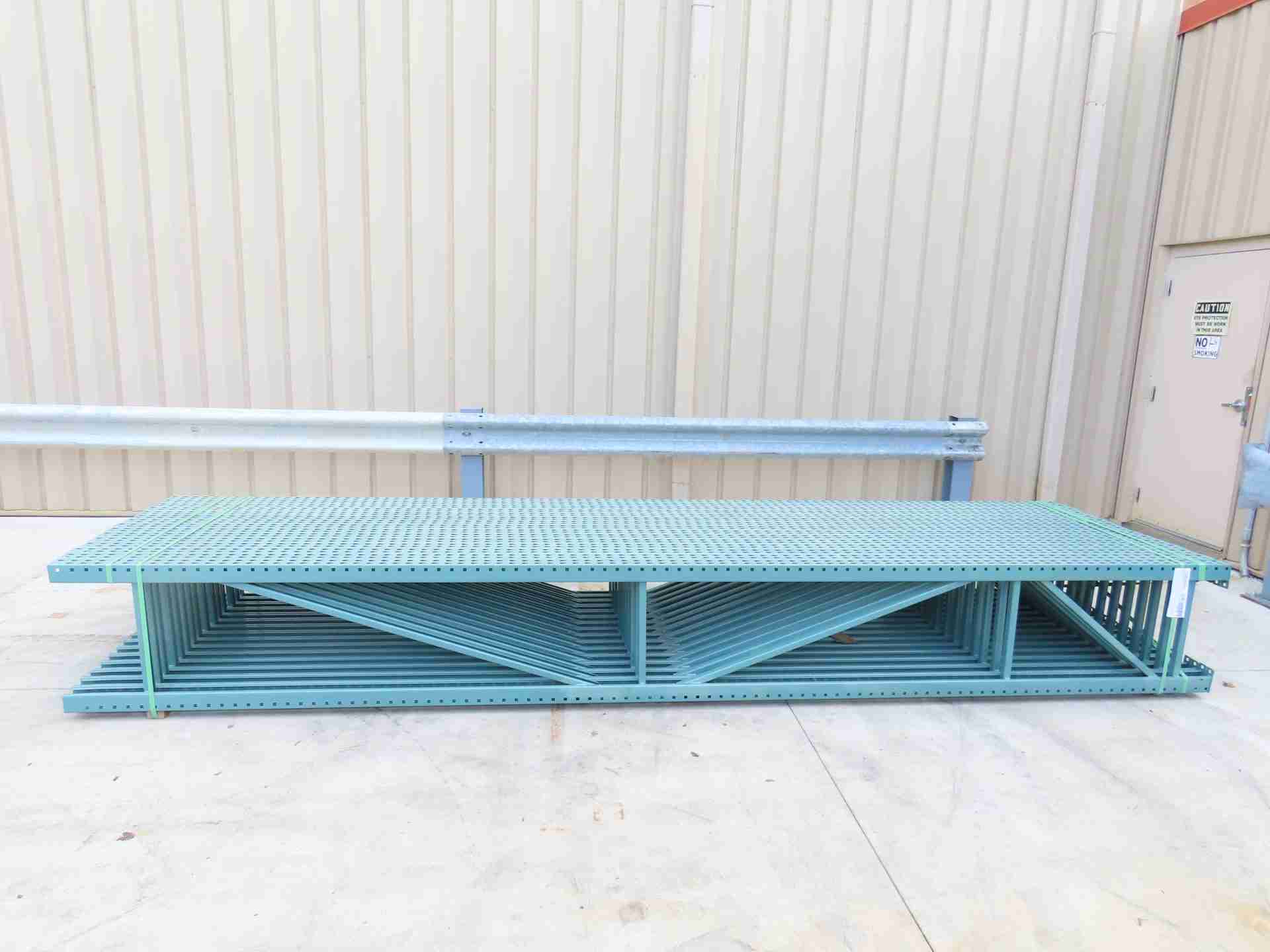
Why Is It Crucial to Maintain Safety Standards During Repairs?
Why Is It Crucial to Maintain Safety Standards During Repairs?
- Repairs, like fixing pipes or restoring cars, focus on the end goal of a job well done.
- Safety standards are the often-overlooked foundation that enables confidence and peace of mind during repairs.
- Following safety standards, such as using proper gear and construction guidelines, prevents costly accidents.
- Neglecting safety can turn DIY projects into tragic accidents, affecting not just the individual but also the community.
- Ethically, prioritizing safety shows respect for the craft and consideration for those who may use the space later.
- Industry professionals establish safety protocols to prevent injuries and protect livelihoods, making adherence a rational choice.
- Honoring the repair process by following safety standards leads to satisfaction in knowing that both people and projects are safe.
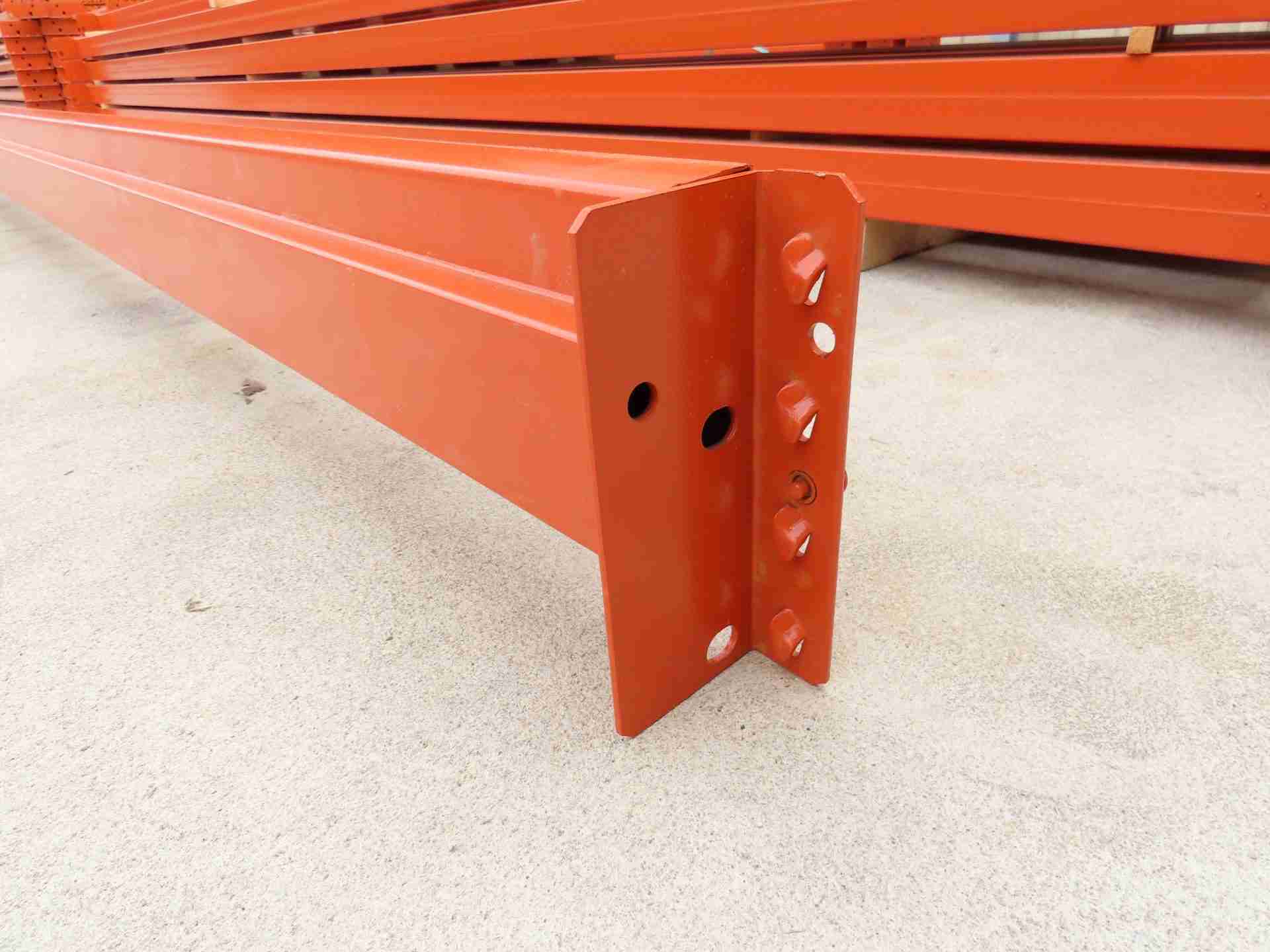
Why Is It Crucial to Maintain Safety Standards During Repairs?
How Do Expert Opinions Shape Our Understanding Of Repair Techniques?
When it comes to mastering repair techniques, expert opinions serve as the compass that guides both amateurs and seasoned pros alike. Imagine walking into a workshop filled with the hum of tools and the smell of freshly sawed wood, where every repair tells a story. A seasoned craftsman stands ready to share not just knowledge, but wisdom born from years of experience—like a mentor passing down the sacred traditions of an ancient craft. This is where the heart meets the head; the hands learn to racking techniques that not only fix what’s broken but also bring life back to cherished possessions.
Let’s face it: we live in a throwaway culture. A frayed chair or a scratched table often ends up in the landfill, but for those in the know, there’s a different path—a path paved by expert insights into repair techniques that transform “junk” into “jewels.” Hearing an expert explain how to racking a frame can be a revelation. It’s not just about slapping on some glue and calling it a day. It’s about understanding joint integrity, the way materials interact, and the subtle nuances that differentiate a mediocre fix from a masterful restoration. The emotional investment shifts from passive consumption to active creation, igniting a passion that feels almost primitive in its connection to our ancestors.
Socially, we gravitate towards the people who inspire us, those whose skills are acknowledged and respected. When we trust expert opinions, we align ourselves with a community that values craftsmanship, pride, and ethical practices. Repair isn’t just about fixing; it’s about preserving history, honoring artistry, and learning the stories behind every crack and crevice. These experts become the gatekeepers of knowledge, and through their teachings, we find ourselves entwined in a legacy that spans generations.
Moreover, every time we learn a new technique—like a clever racking method for a bookshelf or an innovative hand-sanding approach—we feel empowered. The “can-do” spirit runs deep through our veins, urging us to take action and make things better, not just for ourselves but for those around us. This ripple effect creates connections, where sharing a newfound skill can truly bring a community together. By valuing expert opinions, we reclaim our power to repair, connect, and inspire others to do the same, reminding us all that beauty lies in both function and form. Embrace the wisdom of the pros, and you just might find yourself crafting a future where nothing is beyond repair.
How Do Expert Opinions Shape Our Understanding Of Repair Techniques?
How Do Expert Opinions Shape Our Understanding Of Repair Techniques?
- Expert opinions guide both amateurs and seasoned professionals in mastering repair techniques.
- A workshop embodies the combination of knowledge, experience, and storytelling in the art of repair.
- In a throwaway culture, expert insights turn items deemed “junk” into valuable “jewels.”.
- Understanding the nuances of repair can elevate a mediocre fix to a masterful restoration.
- Trusting expert opinions aligns individuals with a community that values craftsmanship and ethical practices.
- Learning new techniques empowers individuals and fosters a “can-do” spirit that strengthens community bonds.
- By embracing expertise, we reclaim the ability to repair and inspire, highlighting beauty in both function and form.
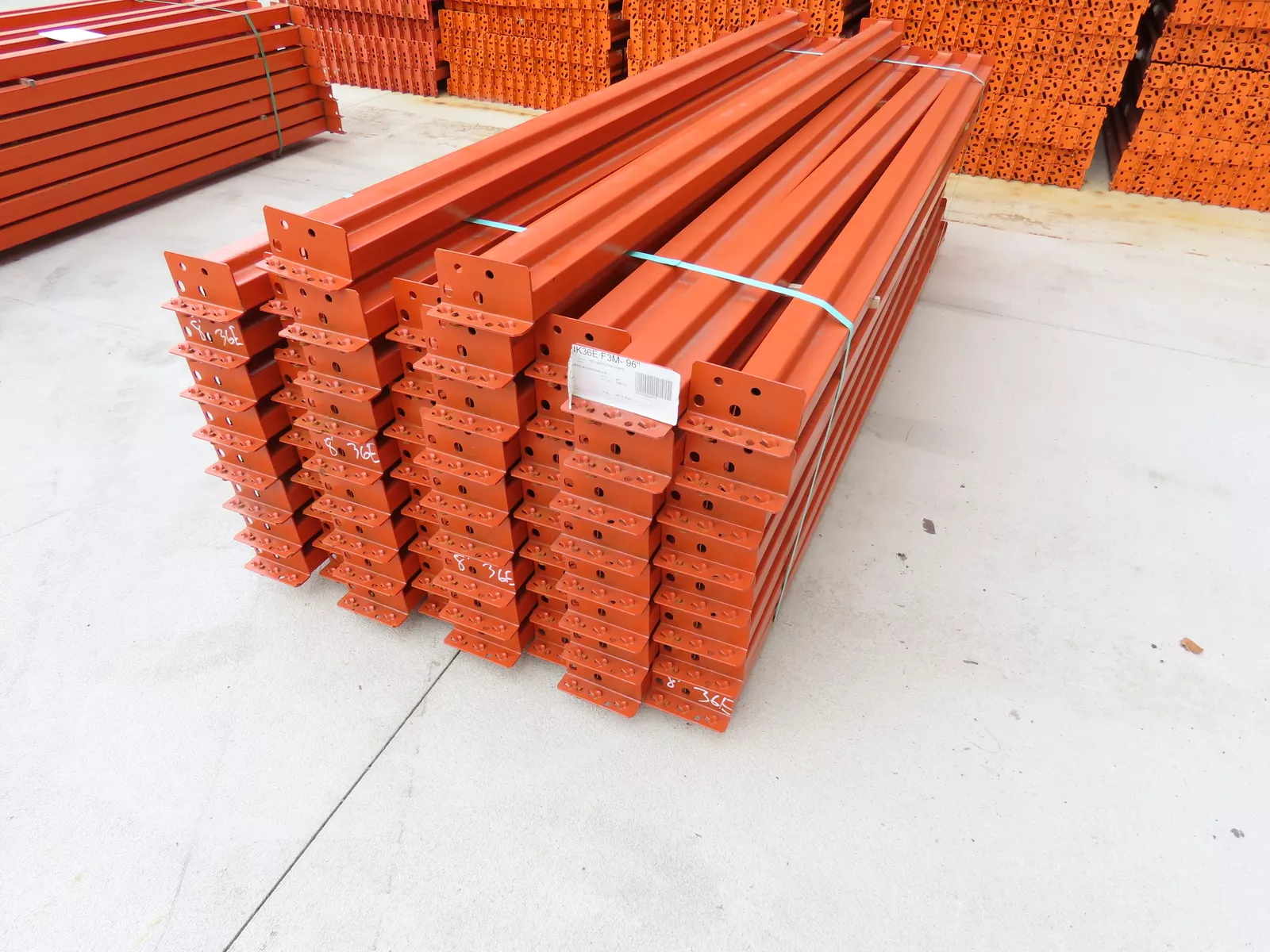
How Do Expert Opinions Shape Our Understanding Of Repair Techniques?
Conclusion
Fixing bent uprights in a racking system encompasses more than just aligning metal beams; it’s about preserving the very foundation of safety within our workplaces. These uprights serve as crucial lifelines in a warehouse, holding together not only materials but also lives. The weight of responsibility lies heavy here—one misjudged repair could unleash chaos, leading to dropped loads, injuries, or worse. This isn’t a job for the faint-hearted or the cavalier; it demands a thoughtful, methodical approach.
Firstly, recognize that safety must always be your North Star. If a car’s frame is damaged, would you drive it? Similarly, if the upright shows signs of significant deformation, it may warrant replacement, not just a quick fix. Listen to that gut feeling; it’s there for a reason. Ethical considerations are equally paramount. This isn’t merely about compliance; it’s a pledge to safeguard your team. Shortcuts endanger your colleagues and compromise not just equipment but lives. Each time you re-enter that warehouse, remember the influence of your choices.
Moreover, embodying this philosophy fosters credibility. When your team witnesses your unwavering commitment to safety, trust builds. People feel empowered to voice concerns and take ownership of their collective safety. You don’t just repair metal; you cultivate a culture of responsibility, underlined by the understanding that each decision contributes toward a secure environment.
Then consider the emotional resonance of bent uprights. They may evoke thoughts of resilience, perseverance, and authenticity—reminders of imperfections that tell our shared stories. Just as in life, we all have our twists and bends, showing the lessons learned through struggle. Embracing these imperfections in our structures reflects our ability to love and accept one another’s journeys.
Addressing structural issues speaks to the heart of a community. Every crack or imperfection in our surroundings signals the need for vigilance—ignoring them endangers all. Choosing to confront these challenges together strengthens our bonds, creating a web of communal responsibility. It’s about proactively ensuring that everyone can safely enjoy the spaces we hold sacred.
So, gather your tools, analyze those uprights, and make the commitment to do the job correctly. Every decision matters. Stand tall in your actions—they define not just the safety of your environment but weave a narrative of integrity and care. By prioritizing safety and addressing imperfections head-on, you’re not just maintaining structures; you’re contributing to a thriving, united community that values both life and liveliness. Embrace this duty, and watch how your role transforms into something truly meaningful.
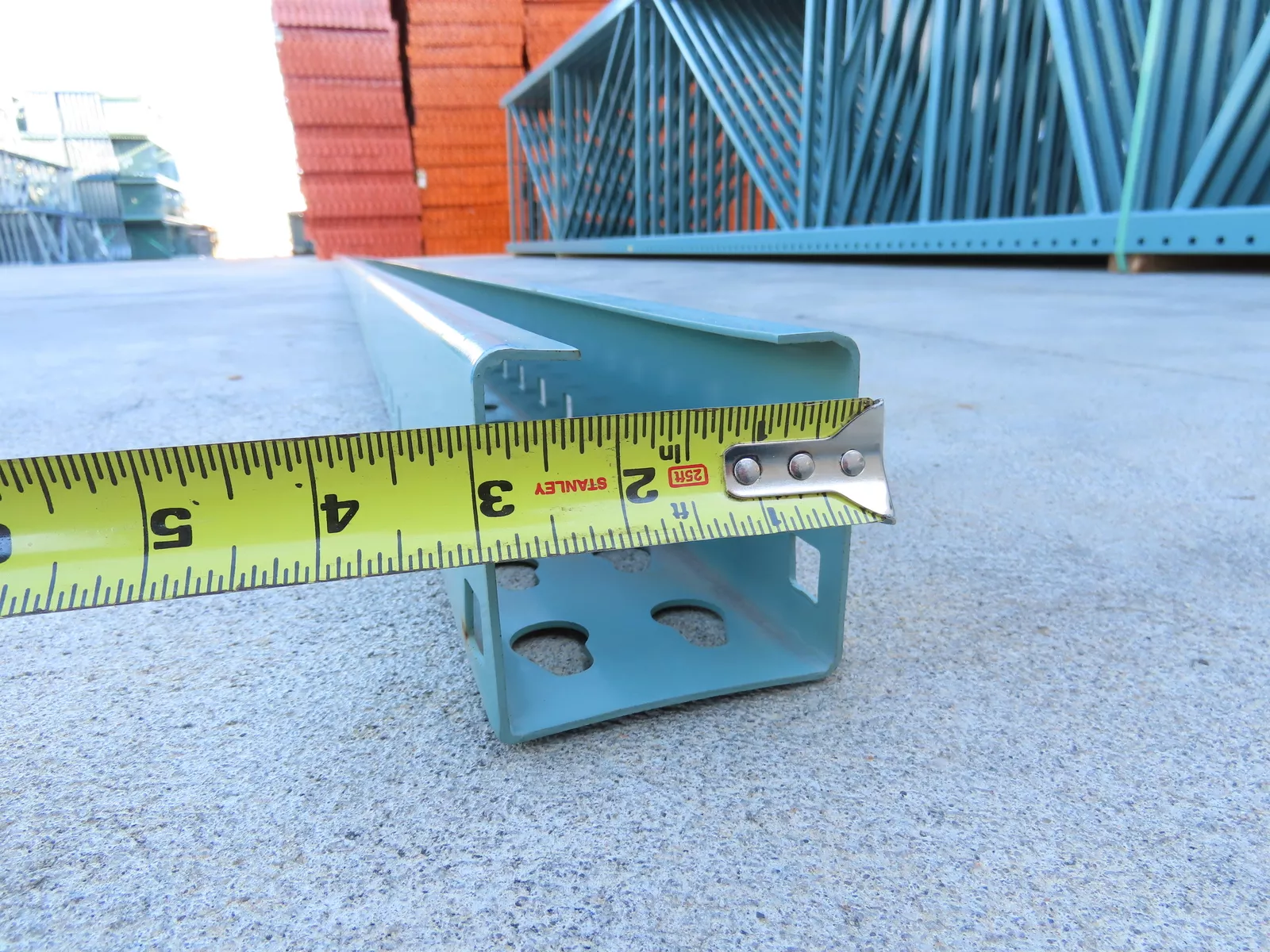
Conclusion
Conclusion:
- Fixing bent uprights in a racking system is crucial for workplace safety and the protection of lives.
- The responsibility of repairs demands a thoughtful and methodical approach; quick fixes can lead to chaos and injuries.
- Safety should always be the primary consideration; significant deformation may require complete replacement rather than repair.
- Shortcuts in repairs compromise team safety and equipment integrity; this is an ethical commitment to safeguard colleagues.
- Building trust and credibility within the team fosters open communication about safety concerns.
- Addressing structural imperfections reflects a shared responsibility and strengthens community bonds.
- Taking the time to do the job correctly transforms individual actions into a collective narrative of integrity and care.
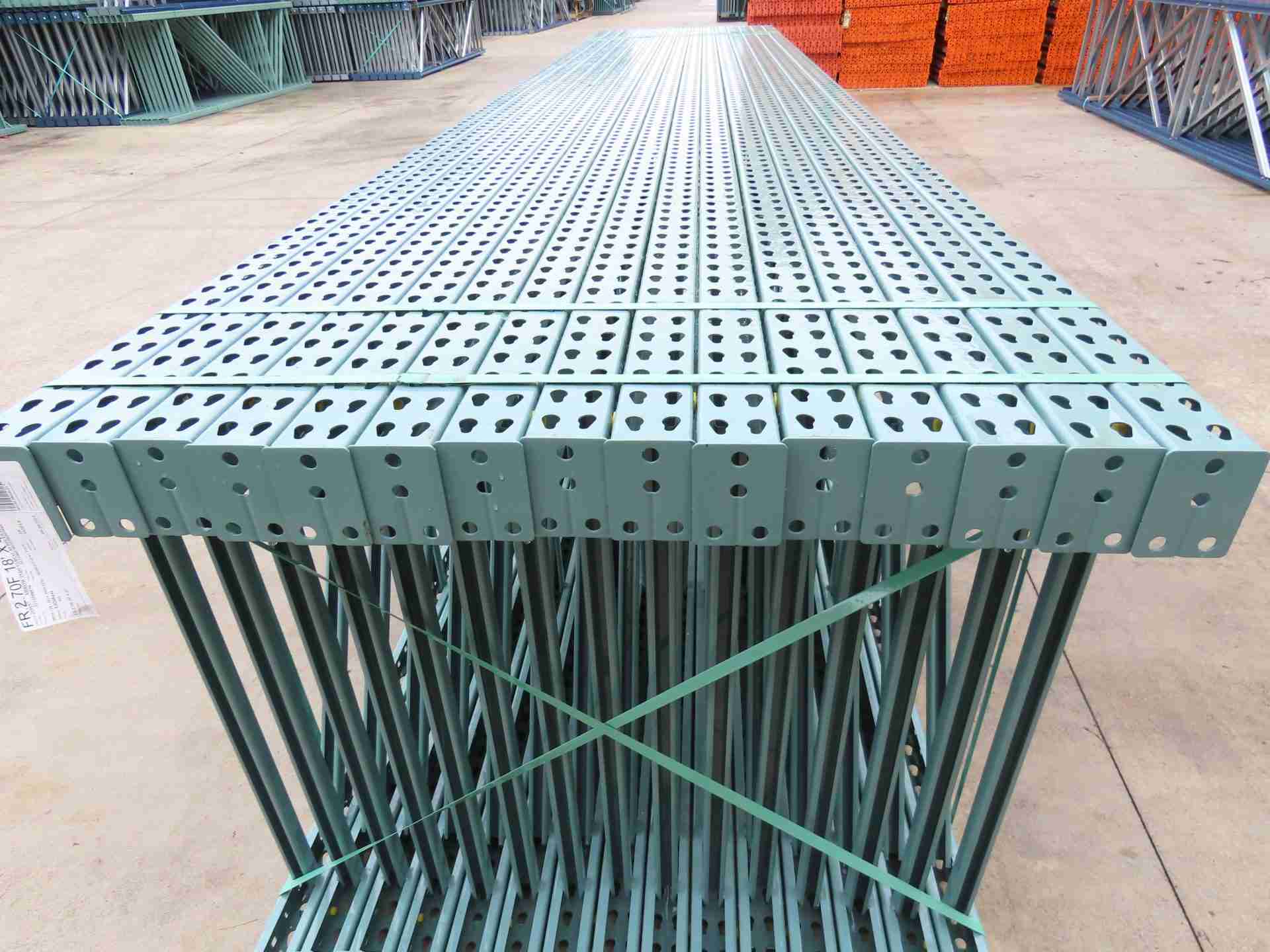
Conclusion
Other Resources
Other Resources
Here is a list of other resources you can review online to learn more:
- BMH Equipment LLC
- Chicago Pallet Racking
- Illinois Pallet Racking – Storage Solutions
- Warehousing Education and Research Council: https://www.werc.org/
- Interlake
- BMH
- RMI
- Teardrop Industrial Shelving Rack
- Heavy-Duty Cantilever Storage Racks
- Cantilever Rack Guide: Ordering Cantilever Racking
- SEMA
- Selective Racking
- Cantilever Racks Chicago
- Crane Manufacturers Association Of America Inc.
- CMMA
- Selective Pallet Racking Systems
- Warehouse Racking Systems: Beginner’s Guide to Rack Systems
- Cantilever Rack Guide: Ordering Cantilever Racking
- IWLA
- Pallet Racking systems in Illinois and Great Lakes
Use This Prompt To Get More Resources With Your Favorite Online AI Tool: Please provide me with a list of online articles with their URLs in a bulleted list that I can read regarding How to Fix Bent Uprights Without Compromising Safety
Other Resources
Glossary Terms
How to Fix Bent Uprights Without Compromising Safety – Glossary Of Terms
1. Bent Uprights: Vertical structural components that have been misaligned or deformed from their original shape, affecting stability.
2. Structural Integrity: The ability of a structure to withstand its intended load without experiencing failure or deformation.
3. Alignment: The proper positioning of upright elements in relation to a predetermined straight or vertical line.
4. Safety Standards: Regulations and guidelines established to ensure the structural and functional safety of construction elements.
5. Reinforcement: Adding materials or structural components to enhance the strength and stability of bent uprights.
6. Repair Techniques: Methods employed to restore bent uprights to their original position and function without compromising their integrity.
7. Load Bearing: The capacity of a structural element to support weight, crucial for maintaining overall stability.
8. Torque: A force that causes an object to rotate, which can be a critical factor when realigning bent uprights.
9. Inspection: The process of examining bent uprights for damage or misalignment before attempting repairs.
10. Straightening Tools: Equipment used to realign bent uprights, such as hydraulic jacks or pulleys.
11. Welding: A technique for joining metal parts that might be used to reinforce repaired bent uprights.
12. Bracing: Additional support structures that help maintain the position and stability of upright elements.
13. Temporary Support: Short-term reinforcements used during the repair process to ensure safety and prevent further damage.
14. Load Redistribution: The process of evenly distributing weight across a structure to minimize stress on bent uprights.
15. Material Fatigue: The weakening of a material caused by repeated stress, which can lead to further deformation of uprights.
16. Sourcing Materials: Identifying and procuring suitable materials for reinforcement or replacement of bent uprights.
17. Professional Assessment: Evaluation performed by a qualified expert to determine the extent of damage and appropriate repair methods.
18. Restoration: The act of bringing bent uprights back to their original state without compromising their safety.
19. Caution Signs: Visual indicators that alert individuals to potential hazards associated with bent uprights.
20. Risk Assessment: The process of identifying and evaluating risks associated with bending, repair, and safety protocols.
21. Load Testing: The procedure of applying weight to structural elements post-repair to ensure they meet safety criteria.
22. Guidelines: Recommended practices or procedures to follow when repairing bent uprights.
23. Compliance: Adherence to safety regulations and standards during the repair and maintenance of upright structures.
24. Assessment Tools: Instruments used to evaluate the condition and alignment of bent uprights, such as level gauges.
25. Preventive Maintenance: Routine inspections and repairs aimed at preventing the occurrence of bent uprights in the future.
26. Reinforcement Rods: Metal bars used to strengthen and stabilize repaired bent uprights.
27. Verticality: The quality of being vertically straight; essential for the structural soundness of uprights.
28. Load Capacity: The maximum load that a structure can safely support without risk of failure.
29. Emergency Protocols: Established procedures to follow in case of structural failure or safety concerns with bent uprights.
30. Consultation: Seeking advice from professionals or experts regarding the repair of bent uprights to ensure safe practices.
Glossary Of Terms
Other Questions
How to Fix Bent Uprights Without Compromising Safety – Other Questions
If you wish to explore and discover more, consider looking for answers to these questions:
- What specialized tools are recommended for straightening bent uprights?
- How can one determine when a bent upright needs to be replaced versus repaired?
- What are the safety procedures to follow during the repair process?
- How do you evaluate the structural integrity of a racking system?
- What are the legal implications of failing to maintain safety standards in a workplace?
- Can bent uprights affect the overall efficiency of a warehouse operation?
- What are the best practices for training employees on safety and repair techniques?
- How do emotional attachments to structures influence decisions on repairs?
- What community resources are available for learning about structural safety and repairs?
- How can businesses foster a culture of safety and accountability among employees?
Other Questions
Checklist
How to Fix Bent Uprights Without Compromising Safety – A Checklist
Checklist for Safe and Effective Repair of Bent Uprights
Emotional Appeals
_____ Reflect on the importance of safety for your team and community. Who relies on you to ensure their safety?
_____ Remember the stories behind every piece of equipment. Consider how fixing bent uprights can preserve the legacy of your workplace.
Rational Appeals
_____ Examine the upright’s condition from all angles. Is it a minor bend or a major structural concern?
_____ Use proper tools to measure and assess the bend accurately. Are you within acceptable tolerances?
_____ Review and understand industry standards that apply to upright repairs. Have you consulted reliable sources for best practices?
Ethical Appeals
_____ Think about the consequences of cutting corners. Are you willing to risk others’ safety for convenience?
_____ Prioritize the ethical responsibility you hold in protecting your coworkers and community. How will your actions today impact the future?
Authority Appeals
_____ Seek guidance from industry experts or experienced colleagues. Whose knowledge can you leverage to ensure quality repairs?
_____ Stay updated on safety regulations and best practices in your industry. Are you following the latest recommendations from trusted authorities?
Narrative Appeals
_____ Share stories of past repairs and their outcomes. How did your decisions affect safety and trust within your team?
_____ Create a culture where discussions about safety and repairs are encouraged. What narratives can reinforce safety among your colleagues?
Social Appeals
_____ Engage with your team in conversations about repair techniques and safety standards. Have you created an environment where questions and concerns are welcomed?
_____ Promote a shared responsibility for safety in your workplace. How can you foster teamwork in addressing structural issues?
Action Steps
_____ Inspect and assess bent uprights regularly. What is your maintenance schedule?
_____ Document any findings and repair actions taken. How can you improve future assessments and repairs?
_____ Commit to doing the job right, even when under time pressure. Are you prepared to take extra time to ensure safety and quality?
Final Reflection
_____ Take a moment to consider: Are your repair efforts enhancing safety, preserving equipment, and building a culture of accountability and trust?

Checklist
At RackingWorld, we help guide you through selecting warehouse storage systems and racking.
Be sure to read our other related stories at RackingWorld to learn more about warehouse storage systems.
0 Comments