
Ensuring Safe And Legal Rack Repairs
By Tom Seest
At RackingWorld, we help guide you through selecting warehouse storage systems and racking.
Be sure to read our other related stories at RackingWorld to learn more about warehouse storage systems.
How to Document Rack Repairs for Compliance
When it comes to maintaining the integrity of your racking systems, diligent documentation isn’t just a box to tick; it’s a commitment to safety and excellence. Every repair you undertake isn’t merely a fix; it’s a promise to keep the environment safe for everyone who works around it. You may think of rack repairs as a back-end responsibility, one that often gets lost in the hustle and bustle of daily operations, but it’s the meticulous records you keep that can save lives. Picture this: a single oversight in documenting repairs could lead to catastrophic failures.
A well-maintained log isn’t just paperwork—it represents your dedication to quality and safety. It tells the story of your commitment to compliance and the ethical obligation you have to your team. Each entry should be clear and detailed, showcasing not only what was repaired but why it mattered. Include dates, descriptions, who performed the work, and any parts replaced. This is about more than compliance; it’s about crafting a narrative of accountability, one that demonstrates you are not just going through the motions but actively caring for the people who count on that racking to support their livelihood.
And let’s not forget the ticking clock of regulatory requirements. Compliance isn’t just a legal standard; it’s the bedrock of trust between you and your employees, your partners, and your community. Keeping impeccable records can elevate your standing in the industry, painting you as an authority—a leader who values welfare and transparency. Remember, documentation is not just for audits; it’s a lifeline in emergencies. When incidents occur, having a complete history of repairs can make or break a response. Instead of scrambling to piece together a timeline of events, you’ll be ready to show due diligence and a proactive mindset during any scrutiny.
Finally, consider the social responsibility that comes with documenting repairs. When you take pride in maintaining safe working environments, you help foster a culture of respect, care, and professionalism. This isn’t about just keeping the lights on; it’s about setting an example for others to follow. By thoroughly documenting your rack repairs, you become part of a larger community committed to the safety and well-being of all. So let’s inspire confidence—not only in ourselves but in every person who enters that workspace, because at the end of the day, we’re all in this together.
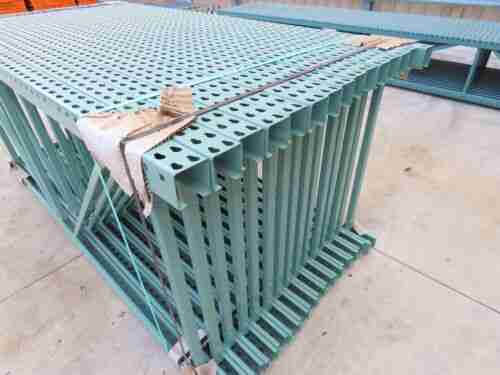
How to Document Rack Repairs for Compliance
How to Document Rack Repairs for Compliance
- Diligent documentation of racking systems is essential for safety and excellence.
- Every repair symbolizes a commitment to providing a safe environment for workers.
- Meticulous records can prevent catastrophic failures and save lives.
- A well-maintained log demonstrates dedication to quality, safety, and compliance.
- Compliance fosters trust among employees, partners, and the community.
- Complete repair history is vital in emergencies and regulatory scrutiny.
- Documenting repairs promotes a culture of respect, care, and professionalism.
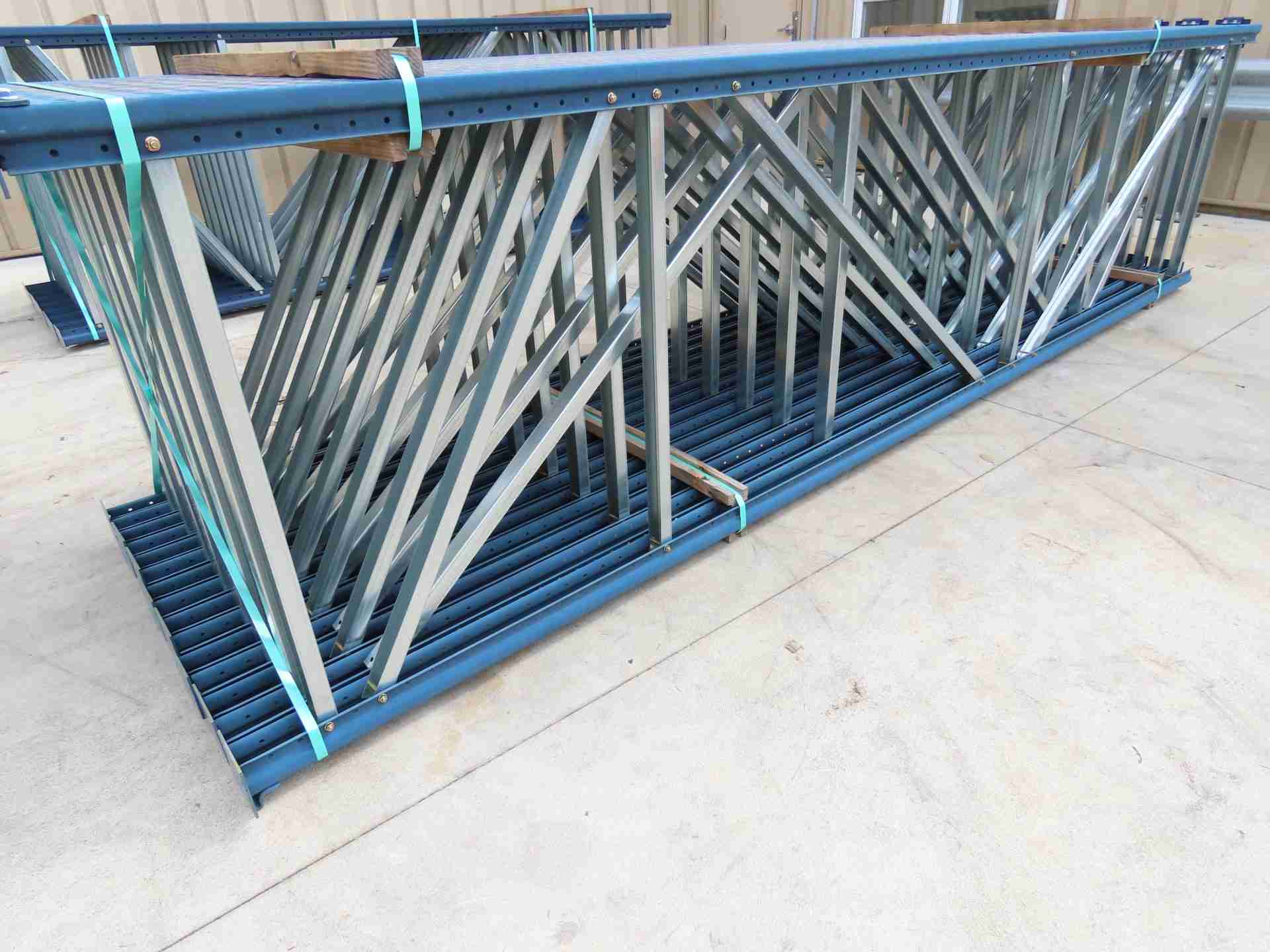
How to Document Rack Repairs for Compliance
Table Of Contents
- How to Document Rack Repairs for Compliance
- What Risks Do Improper Rack Repairs Pose to Warehouse Safety?
- How Can Accurate Documentation Improve Compliance Outcomes?
- What Ethical Responsibilities Do We Have Towards Our Employees?
- What Actions Can We Take to Ensure Consistent Repair Practices?
- What Stories Of Success Can Inspire Better Compliance Practices?
- Conclusion
- Other Resources
- Glossary Of Terms
- Other Questions
- Checklist
What Risks Do Improper Rack Repairs Pose to Warehouse Safety?
When it comes to warehouse safety, the topic of improper rack repairs can often be overlooked, yet the consequences can be dramatic and far-reaching. Imagine walking into a bustling warehouse, where order meets chaos, and suddenly, a rack collapses under the weight of improperly stored goods. The flash of fear, the rush of adrenaline—this isn’t just a scenario; it’s a reality that can happen when racking is not maintained to the highest standard.
The emotional toll of such an incident reaches far beyond the injured. Families may face loss, employees grapple with trauma, and entire teams are left in a state of shock. When you take a moment to think about it, it’s not just metal beams holding up boxes; it’s livelihoods, dreams, and the daily routines of hard-working individuals. There’s a ripple effect that extended beyond the warehouse: what happens to those depending on the warehouse’s efficiency? A breakdown in safety can lead to a breakdown in trust—trust of the workplace, confidence in leaders, and faith in the system.
On a rational level, the numbers speak for themselves. OSHA reported that improper storage solutions and racking failures contribute to hundreds of injuries annually. All it takes is one moment of negligence to escalate into a costly disaster. Every dollar saved on improper repairs is a dollar spent on potential legal fees, lost productivity, and, most importantly, human lives.
Ethically, the decision to cut corners in safety protocols is a slippery slope. As stewards of the workforce, it is our responsibility to prioritize safety. Are we really leading when we jeopardize the wellbeing of those around us for the sake of convenience? This is a call to action for everyone involved—from warehouse managers to frontline workers—because each member of the team plays a pivotal role in ensuring safety.
Safeguarding our racking systems isn’t just about compliance; it’s about commitment. It’s about the collective promise we make to one another and to ourselves—that we won’t take shortcuts, that we will invest in the integrity of our equipment, and, ultimately, in the well-being of our people. After all, when safety becomes a shared value, success follows—not just in numbers, but in the strength of our community. Let’s make warehouse safety a priority for everyone’s sake.
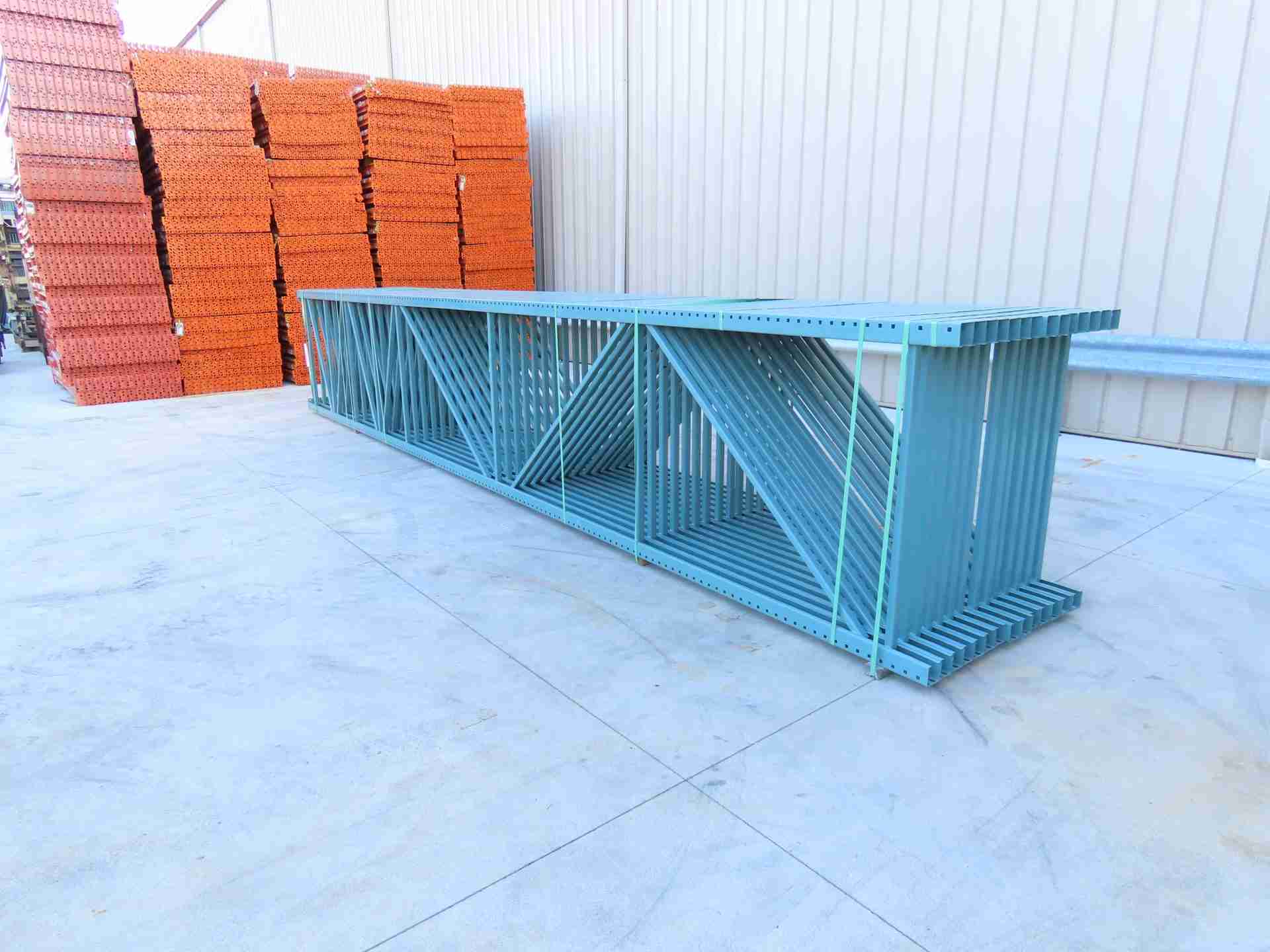
What Risks Do Improper Rack Repairs Pose to Warehouse Safety?
What Risks Do Improper Rack Repairs Pose to Warehouse Safety?
- Improper rack repairs in warehouses can lead to serious consequences, including rack collapses.
- The emotional impact of such incidents affects not only the injured but also their families and coworkers.
- A breakdown in racking safety can harm trust in the workplace, leadership, and the overall system.
- According to OSHA, improper storage and racking failures result in hundreds of injuries each year.
- Neglecting proper repairs can lead to significant financial repercussions, including legal costs and lost productivity.
- Ethical responsibility demands that safety protocols be prioritized over convenience.
- Warehouse safety should be a collective commitment to uphold the integrity of equipment and promote employee well-being.
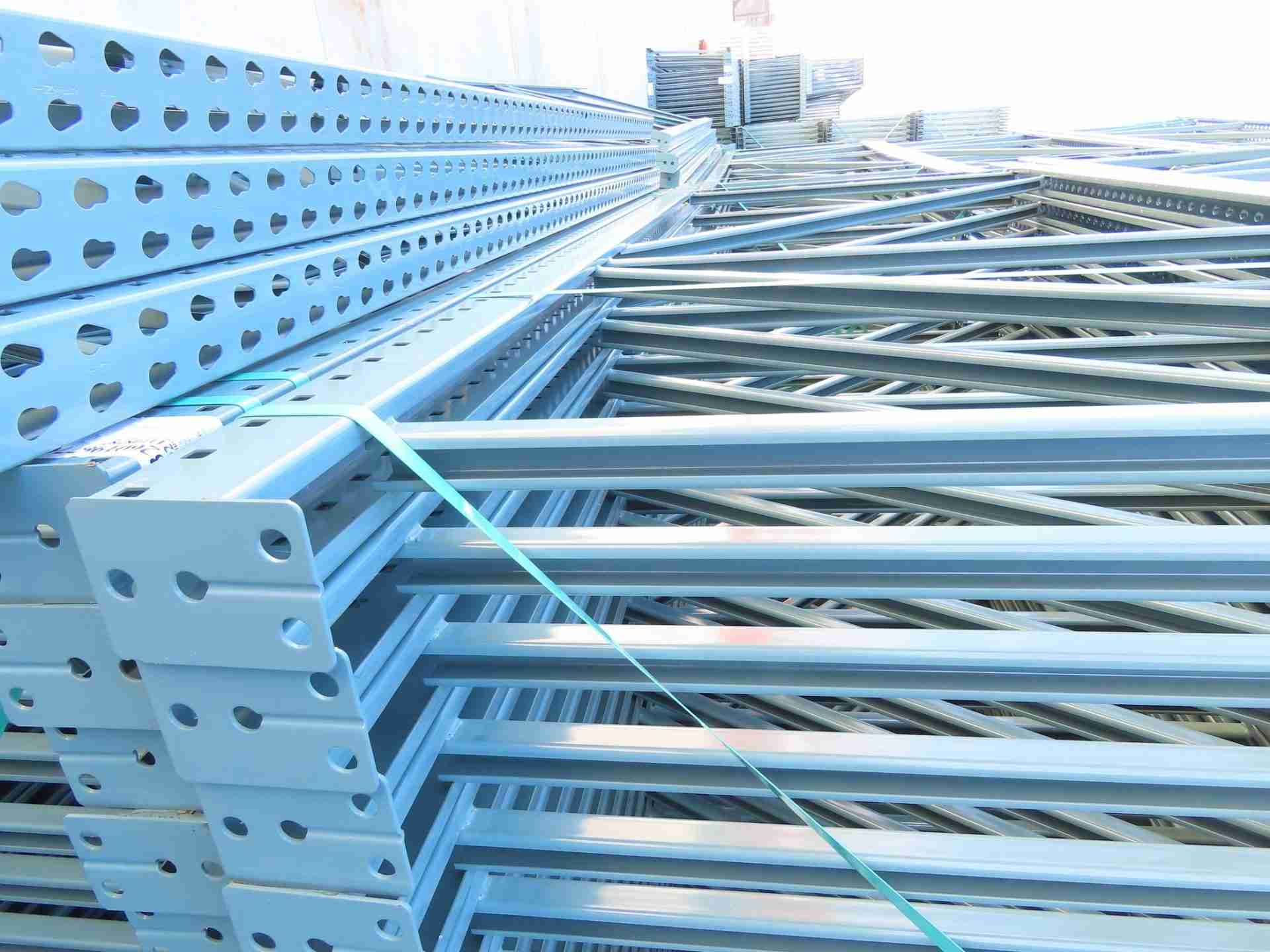
What Risks Do Improper Rack Repairs Pose to Warehouse Safety?
How Can Accurate Documentation Improve Compliance Outcomes?
When we think about compliance, it often creates a picture of rules and regulations, a daunting landscape of paperwork and policies. But at its core, this is about people—real lives, safety, and a shared commitment to doing what’s right. Accurate documentation isn’t just a box to check; it’s the backbone of a trust-filled culture that can make or break an organization.
Imagine a world where every policy and procedure is not just memorized but ingrained in the day-to-day rhythm of the workplace. When documentation is precise and clear, it becomes more than words on a page; it becomes a vital resource, guiding employees through the complexities of their job like a trusted manual. It builds confidence, not only in the systems in place but also in each other. Workers know what’s expected of them—to adhere to safety protocols, follow ethical guidelines, and respect established standards. This clarity acts as a racking mechanism, keeping everything in its rightful place, providing structure in a chaotic environment.
Consider the larger implication of this precision: when organizations prioritize accurate documentation, compliance outcomes improve tremendously. Less ambiguity leads to fewer mistakes. When each member of a team understands their responsibilities through well-documented guidance, they become empowered, united in a common goal. That’s where ethics come into play; it’s not simply about avoiding penalties but about fostering an environment of integrity.
Stories abound of businesses that transformed their culture through robust documentation practices. There’s a compelling tale of a manufacturing plant that faced heavy fines due to insufficient record-keeping. After overhauling their documentation process, not only did they improve compliance, but they also saw a rise in employee morale. They felt more engaged, more connected, because they could see how their roles intertwined with the overarching mission of safety and care.
Socially, people admire companies that operate with transparency and accountability. When businesses document accurately, they showcase their commitment to stakeholders, employees, and the community at large. This fosters a sense of belonging and trust, as individuals rally behind companies that take their responsibilities seriously.
So, what does this all boil down to? Accurate documentation isn’t just about compliance; it’s about building a legacy of trust, ethical practice, and a commitment to excellence that resonates far beyond the confines of any one organization. It’s about taking action today for a better tomorrow, for everyone.
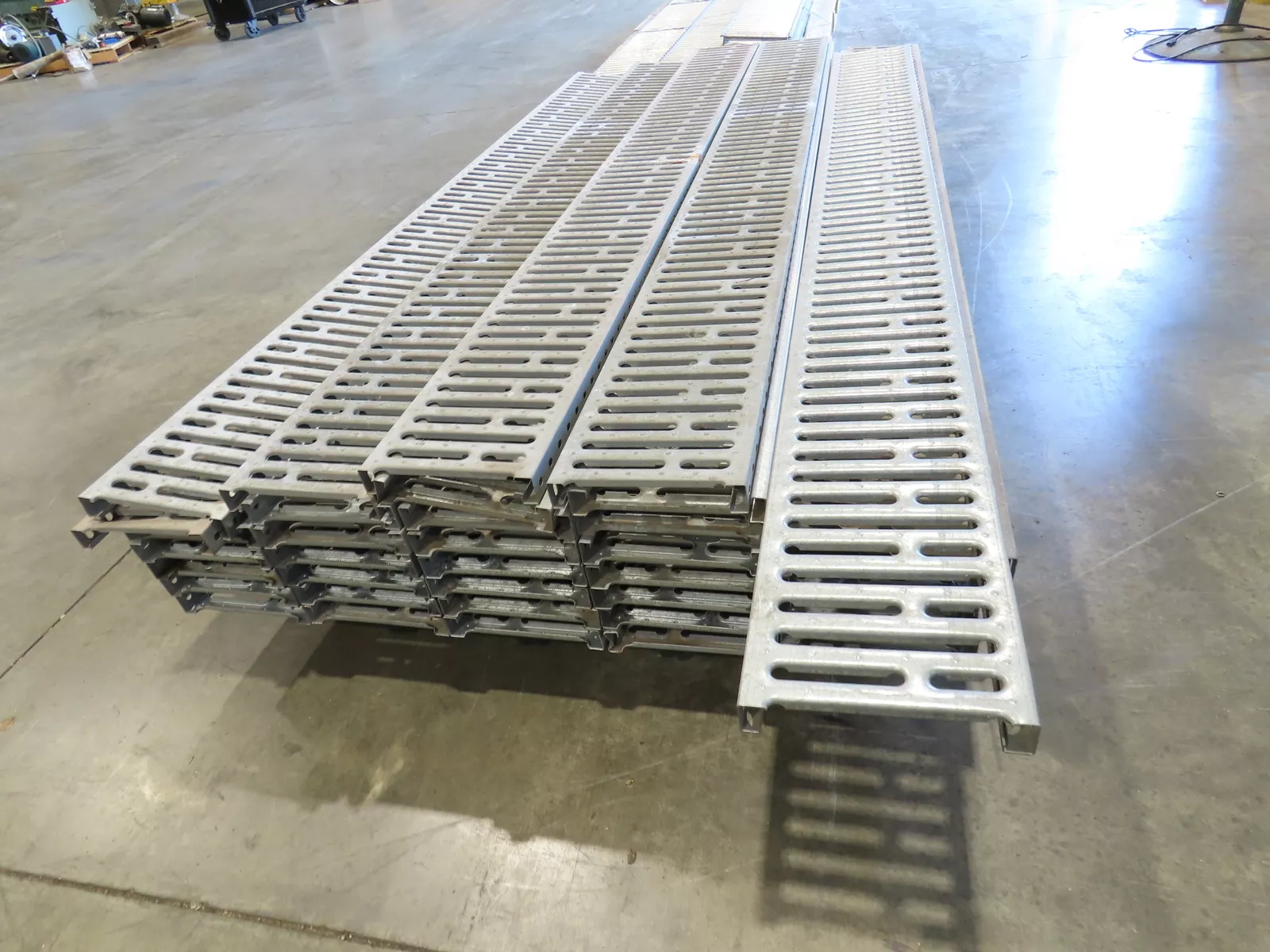
How Can Accurate Documentation Improve Compliance Outcomes?
How Can Accurate Documentation Improve Compliance Outcomes?
- Compliance is fundamentally about people, safety, and ethical commitments rather than just rules.
- Accurate documentation is essential for a trust-filled culture within organizations.
- Well-documented policies and procedures help employees understand their responsibilities clearly.
- Precision in documentation reduces ambiguity, leading to fewer mistakes in compliance outcomes.
- Robust documentation practices can transform organizational culture and improve employee morale.
- Transparent documentation fosters trust and accountability among stakeholders and the community.
- Ultimately, accurate documentation builds a legacy of trust and commitment to excellence for a better future.
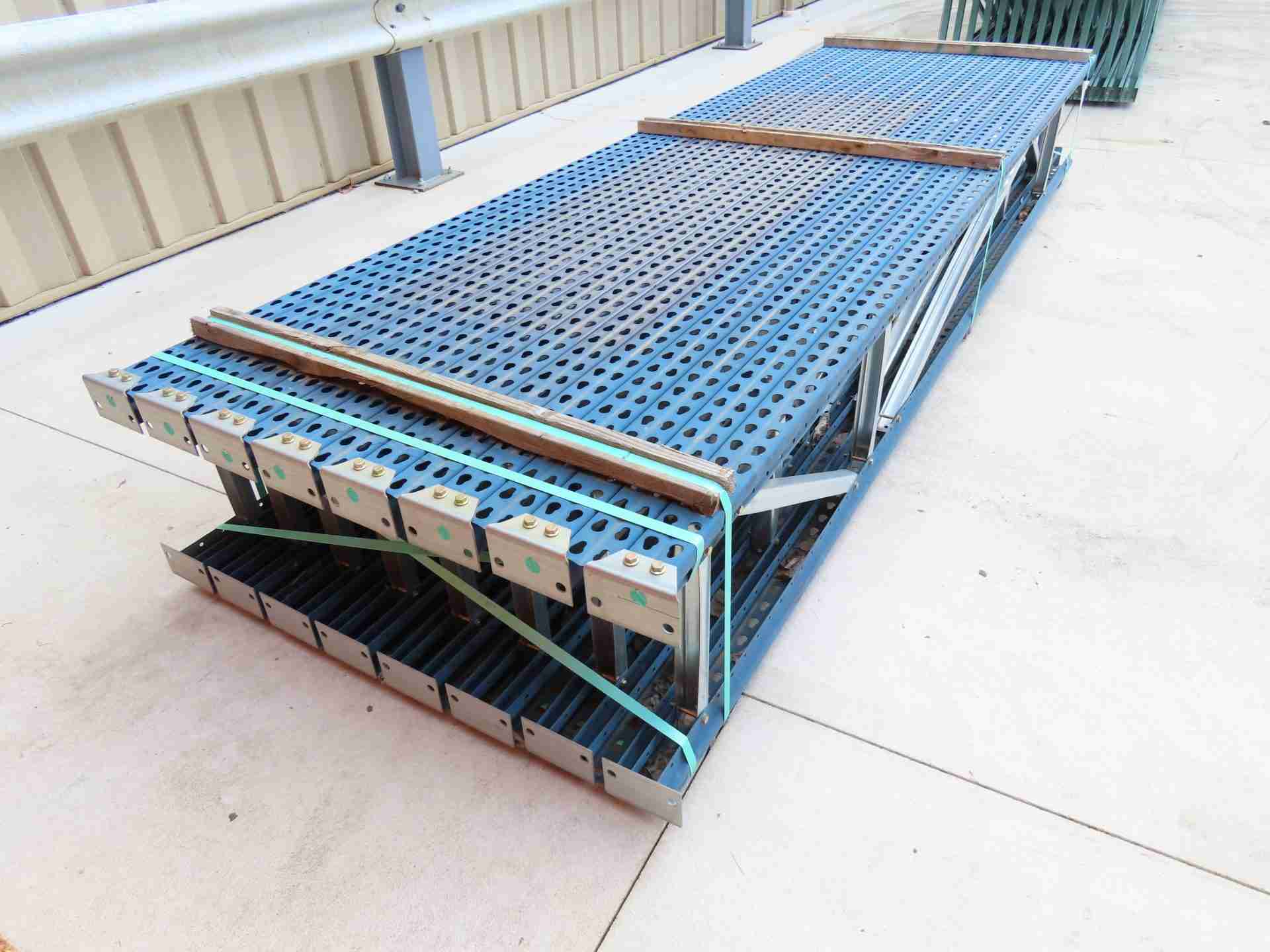
How Can Accurate Documentation Improve Compliance Outcomes?
What Ethical Responsibilities Do We Have Towards Our Employees?
When we talk about ethical responsibilities to our employees, it’s easy to get lost in dry corporate jargon. But strip away the buzzwords, and you’re left with something raw and human: a commitment to treating fellow beings with respect and dignity. It’s not just a professional obligation; it’s a moral imperative. Think about it: every single person who walks through your doors is bringing their hopes, dreams, and sometimes even their fears into that space. They show up, racking their minds over monthly bills, family obligations, or personal aspirations—all while delivering their best work for you. The question isn’t just, “How do we manage them?” but rather, “How do we uplift them?”
We can’t overlook the reality of the workplace dynamics. The atmosphere we cultivate can transform a group of individuals into a cohesive team. When we invest in our employees—not just financially, but emotionally and mentally—something profound happens. They become engaged. They are no longer just cogs in a machine, but vital parts of something bigger than themselves. And in that transformation, we establish a culture of trust and accountability that fosters growth.
It’s not just about the paycheck either; while compensation is important, it’s also about recognition, whether it comes in the form of a simple thank-you or an opportunity for advancement. People want to feel valued, to know they’re making a difference in the lives of others. This is more than just a feel-good story—it’s a truth that resonates deep within every employee. When workers feel appreciated, they tend to go above and beyond. Their dedication doesn’t just enrich their lives; it multiplies the success of the entire enterprise.
Moreover, fostering open communication creates a space where ideas flourish. Employees need to feel safe expressing themselves, where their voices matter. This not only encourages innovation but also strengthens the fabric of the team. It’s about allowing failures to happen without fear, learning together, and growing stronger.
Let’s face it—no one wants to be a part of a soulless environment. Ethical responsibilities shouldn’t feel like burdens but rather privileges that invite us all to elevate each other. By recognizing our role as stewards of our employees’ well-being, we set a powerful standard that echoes throughout our organizations and beyond. Building a healthy workplace is not an option; it’s a necessity, both for our employees and ourselves.

What Ethical Responsibilities Do We Have Towards Our Employees?
What Ethical Responsibilities Do We Have Towards Our Employees?
- Ethical responsibilities to employees go beyond corporate jargon; they involve treating individuals with respect and dignity.
- Every employee brings personal hopes and challenges to the workplace, highlighting the importance of uplifting them.
- Cultivating a positive workplace atmosphere can transform individuals into a cohesive, engaged team.
- Investing emotionally and mentally in employees fosters a culture of trust and accountability, leading to growth.
- Recognition and feeling valued are crucial for employee satisfaction and can drive them to exceed expectations.
- Open communication encourages innovation and strengthens team dynamics by allowing safe expression of ideas.
- Building a healthy workplace is a necessity for both employee well-being and organizational success.
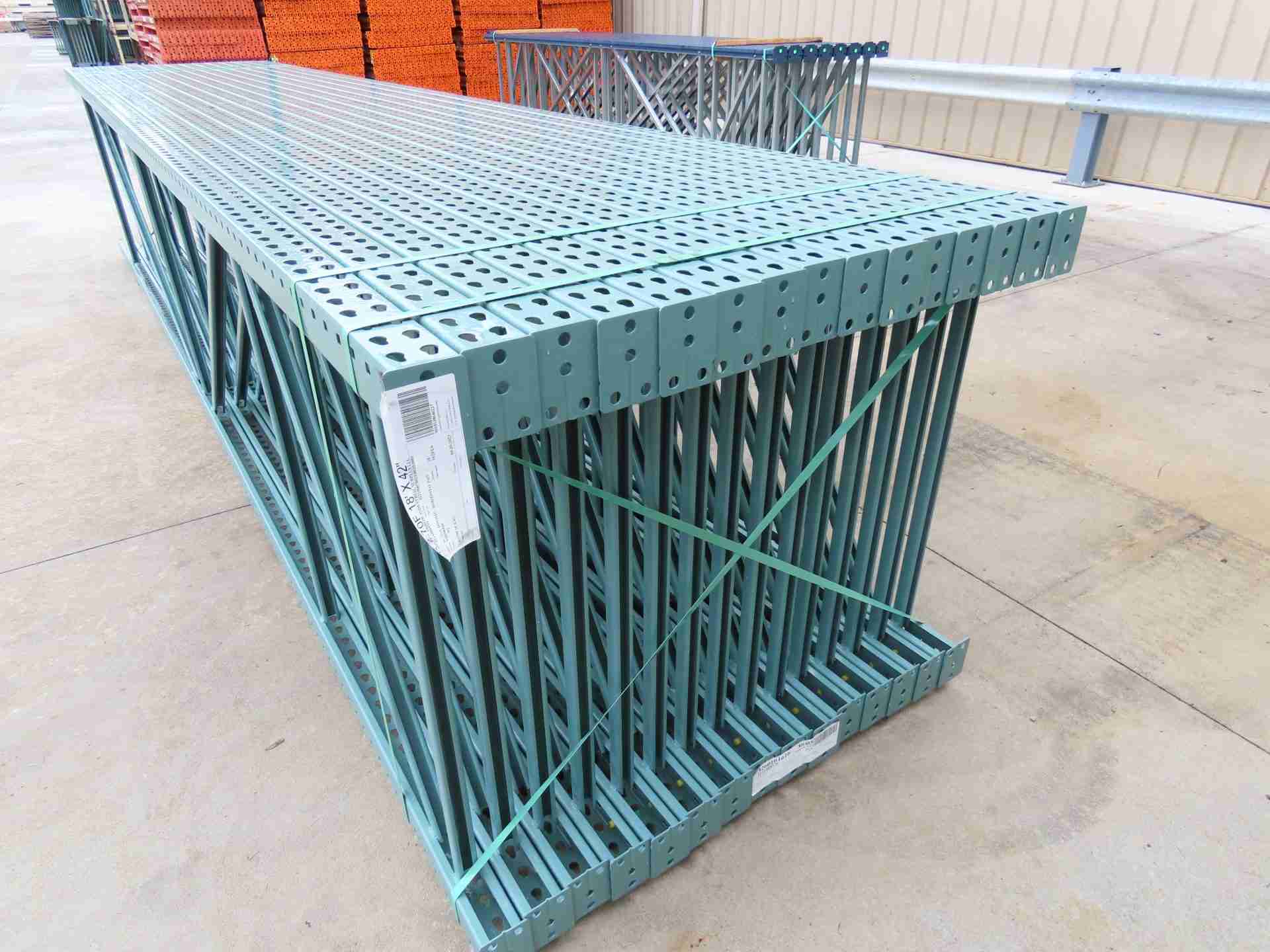
What Ethical Responsibilities Do We Have Towards Our Employees?
What Actions Can We Take to Ensure Consistent Repair Practices?
Imagine a world where tools don’t just sit idle, collecting dust, but where skilled hands wield them with purpose and precision. That’s the world we want: one where every repair is a testament to our commitment, our craftsmanship, and the very essence of community. To get there, we must first recognize that consistency in repair practices is not merely a checklist item; it’s a reflection of our values and our shared responsibility.
Start by racking up education and training. Equip your team or your community with the knowledge necessary to tackle repairs confidently. Workshops, tutorials, or even local meet-ups can bridge the skills gap, turning novices into seasoned pros. It’s not enough to know how to fix things; we need to cultivate a culture where learning is celebrated and mistakes are merely stepping stones to mastery. Remember that every expert was once a beginner, and every successful repair can serve as a shared narrative that strengthens our ties.
Next, let’s talk about standardizing procedures. Picture a playbook tailored to your specific needs—a clear set of guidelines that outlines each step of the repair process. This isn’t just about maintaining quality; it’s about fostering trust. When individuals understand what to expect, both in action and outcome, they approach repairs with renewed confidence and less anxiety. Consistency breeds reassurance, and a well-structured framework allows everyone to take ownership of their role.
Moreover, create a feedback loop. Each completed project should open the door to reflection and improvement. Encourage honest discussions about what went well and what could be improved. This transparency is key to building an ethical and committed repair practice. It shows that every voice matters, and each contribution adds value.
Finally, embody the spirit of community engagement. Collaborate with local organizations, invite others to join in, and even share your successes through social media or community boards. When we engage with our neighbors, we highlight the importance of collective effort. We all have the power to inspire one another, to share stories of triumph, and to celebrate not just finished repairs but the process that unites us.
Repair practices aren’t just about fixing things; they’re about building a foundation of trust, connection, and shared responsibility. Let’s commit to that together, wielding tools not just for repairs but as symbols of our resilience and our dedication to a better, stronger community.
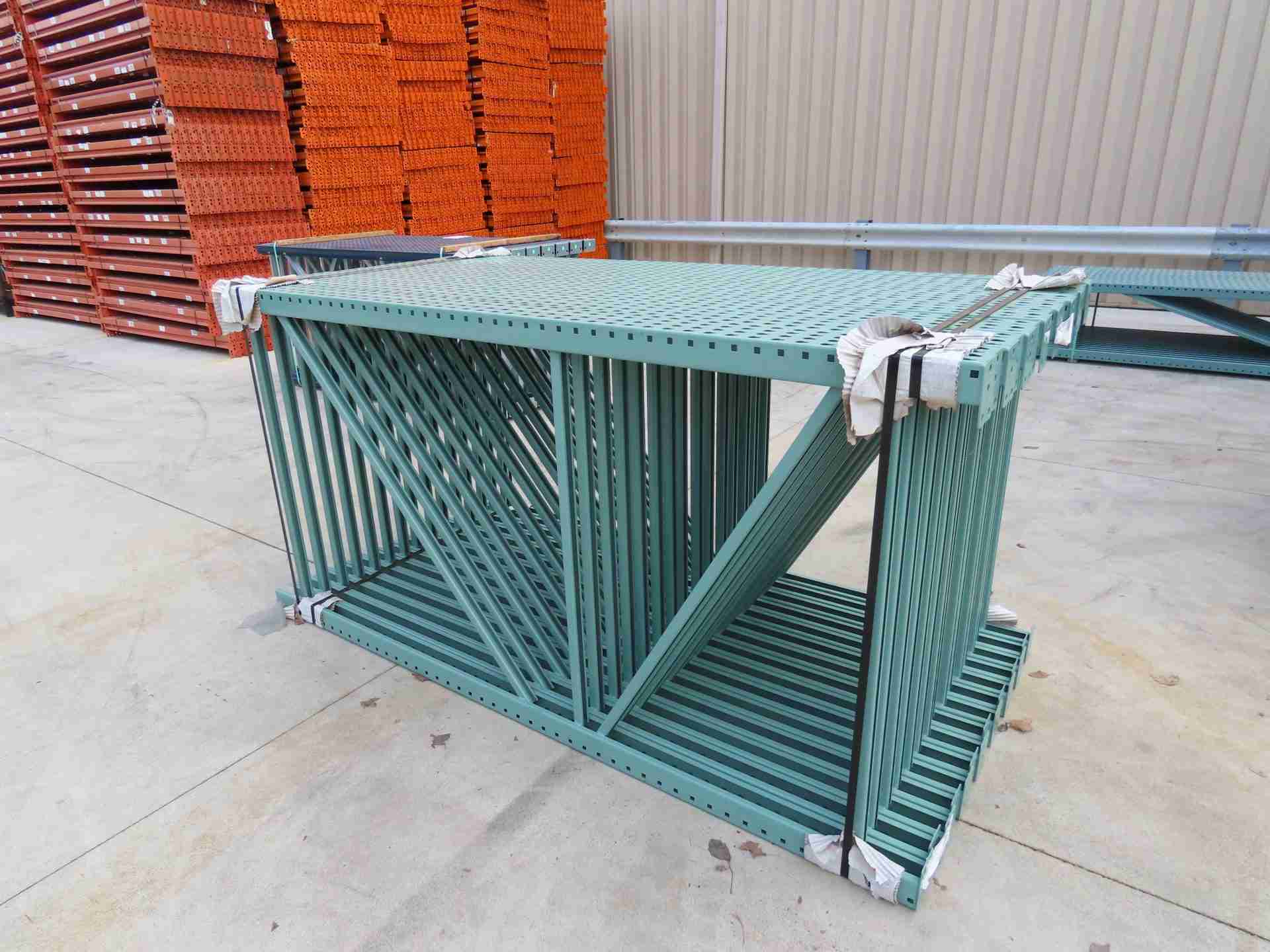
What Actions Can We Take to Ensure Consistent Repair Practices?
What Actions Can We Take to Ensure Consistent Repair Practices?
- Envision a purposeful world where tools are actively used for repairs, reflecting craftsmanship and community commitment.
- Prioritize education and training to equip individuals with the skills needed for confident repairs, transforming novices into pros.
- Cultivate a culture where learning is celebrated, and mistakes are seen as stepping stones to mastery.
- Standardize repair procedures with clear guidelines to maintain quality and foster trust among participants.
- Create a feedback loop for reflection and improvement after each project to enhance ethical repair practices.
- Engage with local organizations and communities to emphasize collective effort and inspire shared stories of success.
- View repair practices as a foundation for trust, connection, and shared responsibility within the community.
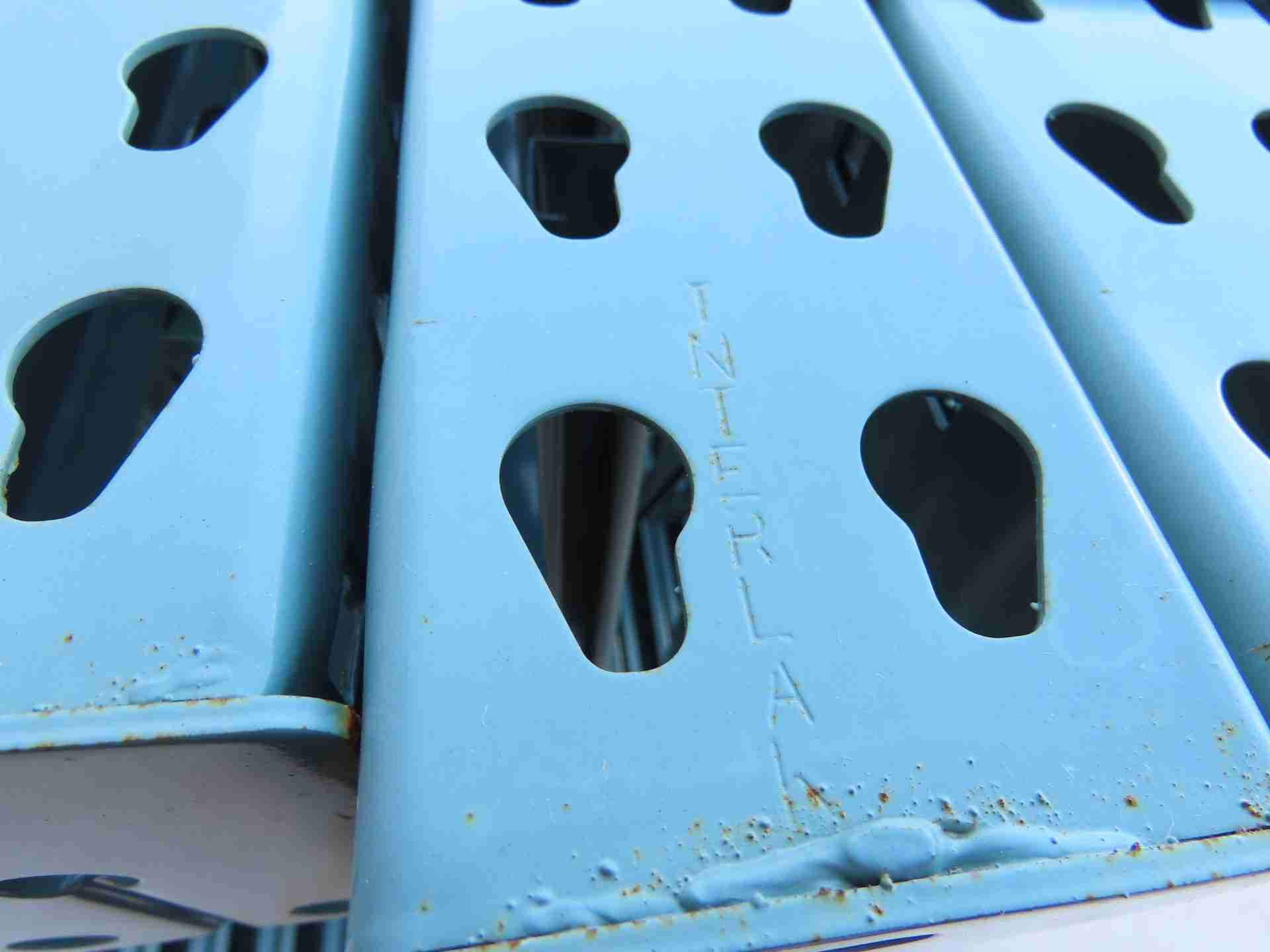
What Actions Can We Take to Ensure Consistent Repair Practices?
What Stories Of Success Can Inspire Better Compliance Practices?
When it comes to compliance, stories of success shine like a beacon, inviting us to reflect on the power of diligence and dedication. Take, for example, the journey of a small manufacturing plant in the Midwest. This company struggled under the weight of regulations and a muddy understanding of compliance. Employees were frustrated; procedures felt cumbersome and pointless. But then, a shift happened – the leadership decided to embrace compliance, not as a set of rules to be endured, but as a culture to be cultivated.
They began by racking up small victories, recognizing that success doesn’t come from huge leaps, but rather from a series of tiny steps incrementally taken. Training sessions turned from obligatory meetings into engaging discussions about the importance of ethical practices, connecting every employee back to the company’s vision and mission. They learned that compliance isn’t merely about avoiding fines; it’s about fostering trust and building a solid foundation where everyone feels a sense of pride in their work.
The results were palpable. Employees became champions of compliance, self-policing their behaviors, sharing stories of caution, and advocating for each other. This collective effort not only improved compliance metrics but sparked a newfound camaraderie among workers who felt part of something bigger than themselves. They became advocates for integrity, reminding each other of the ethical implications behind their daily tasks. People responded, not out of fear of consequences, but out of a desire to do the right thing, inspired to uphold the values of their workplace.
Fun fact: industries that prioritize compliance typically see reduced turnover rates. Imagine a workplace where employees feel aligned with a mission, where the air is thick with purpose. That connection ignites a spark, creating a community where shared values take center stage.
So, why does this matter for your practice? It’s simple. If a small manufacturing plant can whip their expectations into a culture of compliance, imagine what your organization could achieve. Take the story of that plant, racking up those wins one at a time, and apply it to your own challenges. When you foster a space that embraces success stories, you inspire action—building not just compliance but a community grounded in trust and accountability.

What Stories Of Success Can Inspire Better Compliance Practices?
What Stories Of Success Can Inspire Better Compliance Practices?
- The story of a small Midwest manufacturing plant highlights the power of diligence and dedication in achieving compliance.
- Initially, the workforce faced frustration due to cumbersome regulations and a poor understanding of compliance.
- The leadership shifted their perspective to view compliance as a culture rather than mere regulations to follow.
- Small victories were prioritized, demonstrating that success arises from incremental steps rather than giant leaps.
- Engaging training sessions helped align employees with the company’s vision, emphasizing the importance of ethical practices.
- The results included increased employee advocacy for compliance, improved metrics, and a sense of camaraderie.
- The experience suggests that fostering a culture of compliance can enhance employee retention and build a community of trust and accountability.
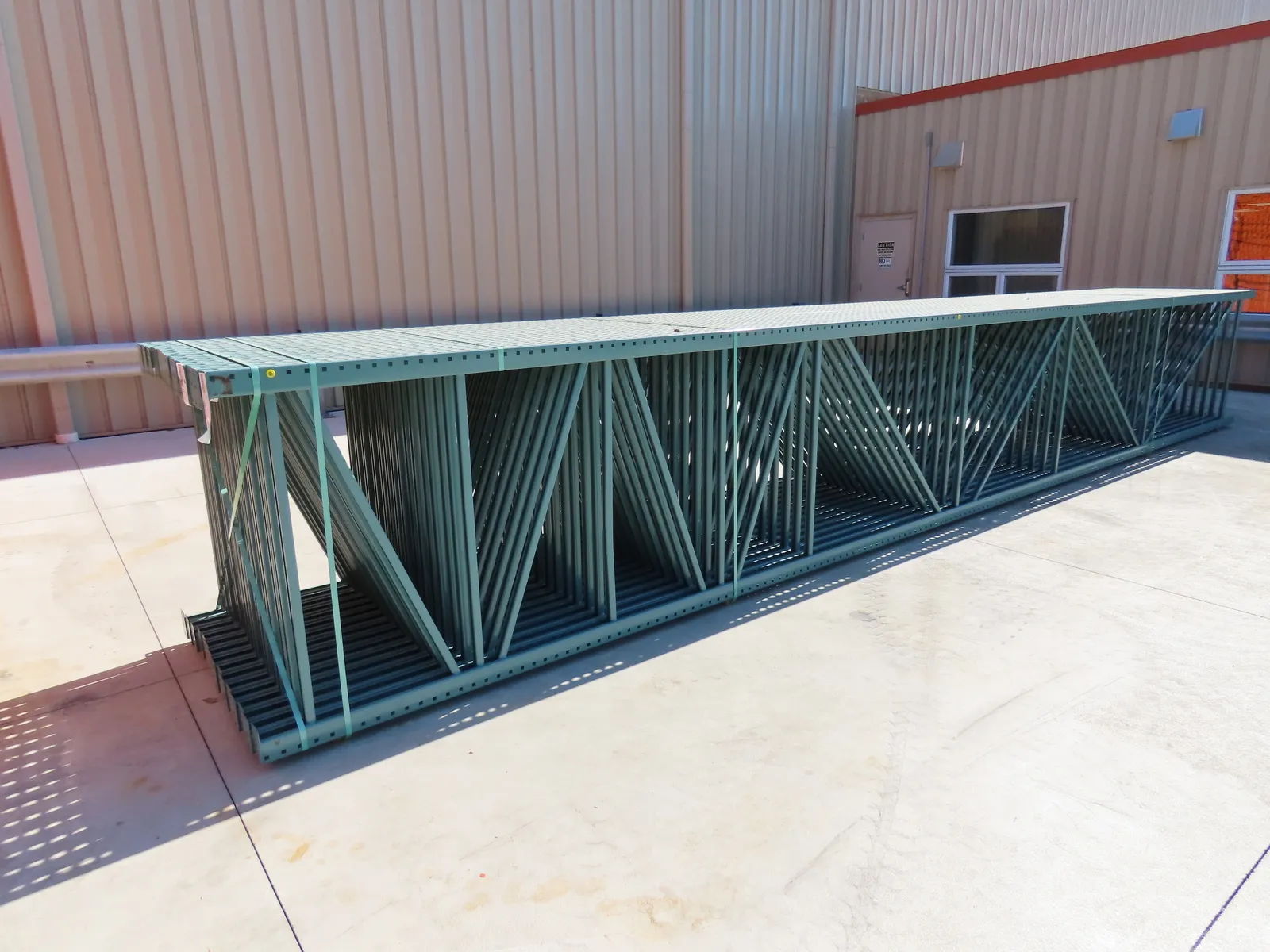
What Stories Of Success Can Inspire Better Compliance Practices?
Conclusion
In the fast-paced world of warehousing and logistics, the importance of diligent documentation and consistent repair practices often gets lost in the daily grind. However, as we’ve seen, meticulous record-keeping is more than a compliance obligation; it is a sacred trust, a pledge to safeguard the lives and livelihoods of everyone who enters those bustling spaces. Every day, workers depend on robust racking systems not just to organize inventory but to support their very existence. Each repair made on those systems is an opportunity to reinforce safety, and every entry in a maintenance log can stand as a testament to an organization’s commitment to ethical practices.
Imagine the heartbreak if a neglected repair leads to a catastrophe, an event that not only endangers lives but also ripples through families and communities, eroding confidence in the workplace. The emotional weight of such occurrences extends beyond the physical; it bears down on our conscience as stewards of safety. It compels us to embrace our ethical responsibilities—not as a burdensome necessity—but as a moral anchoring that fosters resilience, trust, and camaraderie among team members.
This is where the power of narrative comes into play. Successful stories—like the transformation of that small Midwestern manufacturing plant—demonstrate the profound impact of cultivating a compliance culture. Employees who felt frustrated and disengaged became fired-up advocates for safety and accountability, sparking a sense of community that resonated through the entire organization. Just as a well-structured racking system organizes the chaos, a clear framework for documentation and consistent repairs can unify a team under a shared mission.
But let’s not forget the repercussions of cutting corners. The statistics are sobering: OSHA reports thousands of incidents linked to inadequate compliance. Each negligence is a potential disaster, a gamble with human lives. The wise organization recognizes that investing in training and clear documentation isn’t just an operational necessity—it’s an ethical commitment to its people.
When leaders take the stand to emphasize safety and accountability, they elevate their organizations and positively affect broader societal perceptions. This community commitment not only aligns with ethical and regulatory standards but sets the tone for a thriving, engaged workforce. In the end, it’s about more than compliance; it’s about creating safe, respectful environments where every worker feels valued. By harnessing the power of documentation and community engagement, we can inspire confidence and establish legacies built on safety, ethics, and collective pride. In this endeavor, we find not just compliance but a deeper connection to our collective humanity. Let’s rally together and make safety a cornerstone of our community commitment—it’s our shared responsibility.
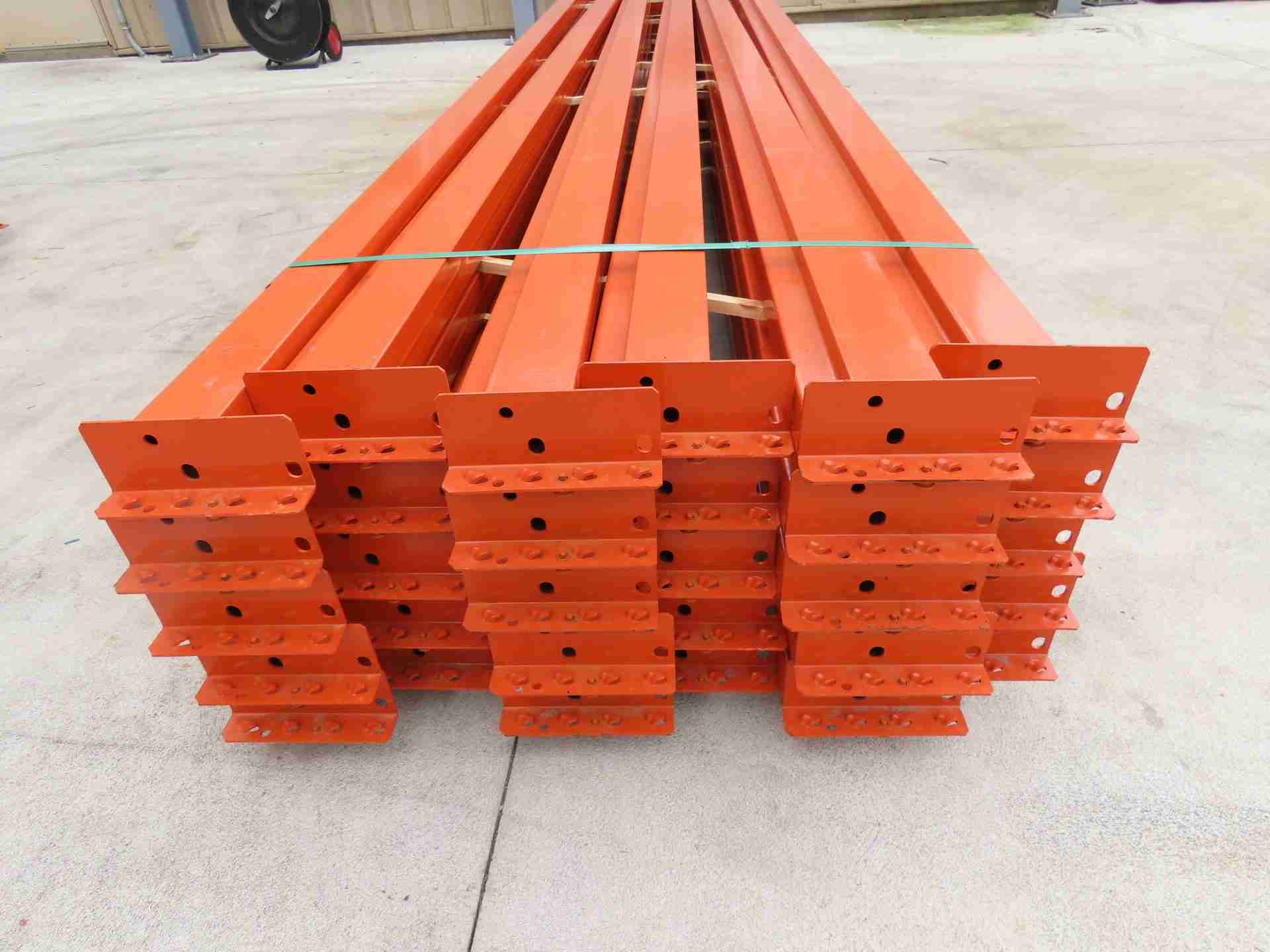
Conclusion
Conclusion:
- Diligent documentation and consistent repair practices are essential in warehousing and logistics.
- Meticulous record-keeping is a commitment to safeguard lives and livelihoods in bustling workspaces.
- Every repair reinforces safety, while maintenance logs reflect an organization’s ethical commitment.
- Neglected repairs can lead to catastrophic events, impacting lives and eroding trust in the workplace.
- A strong compliance culture can transform disengaged employees into advocates for safety and accountability.
- Cutting corners leads to dangerous incidents; investing in training and documentation is an ethical responsibility.
- Emphasizing safety and accountability enhances organizational reputation and fosters a thriving, engaged workforce.
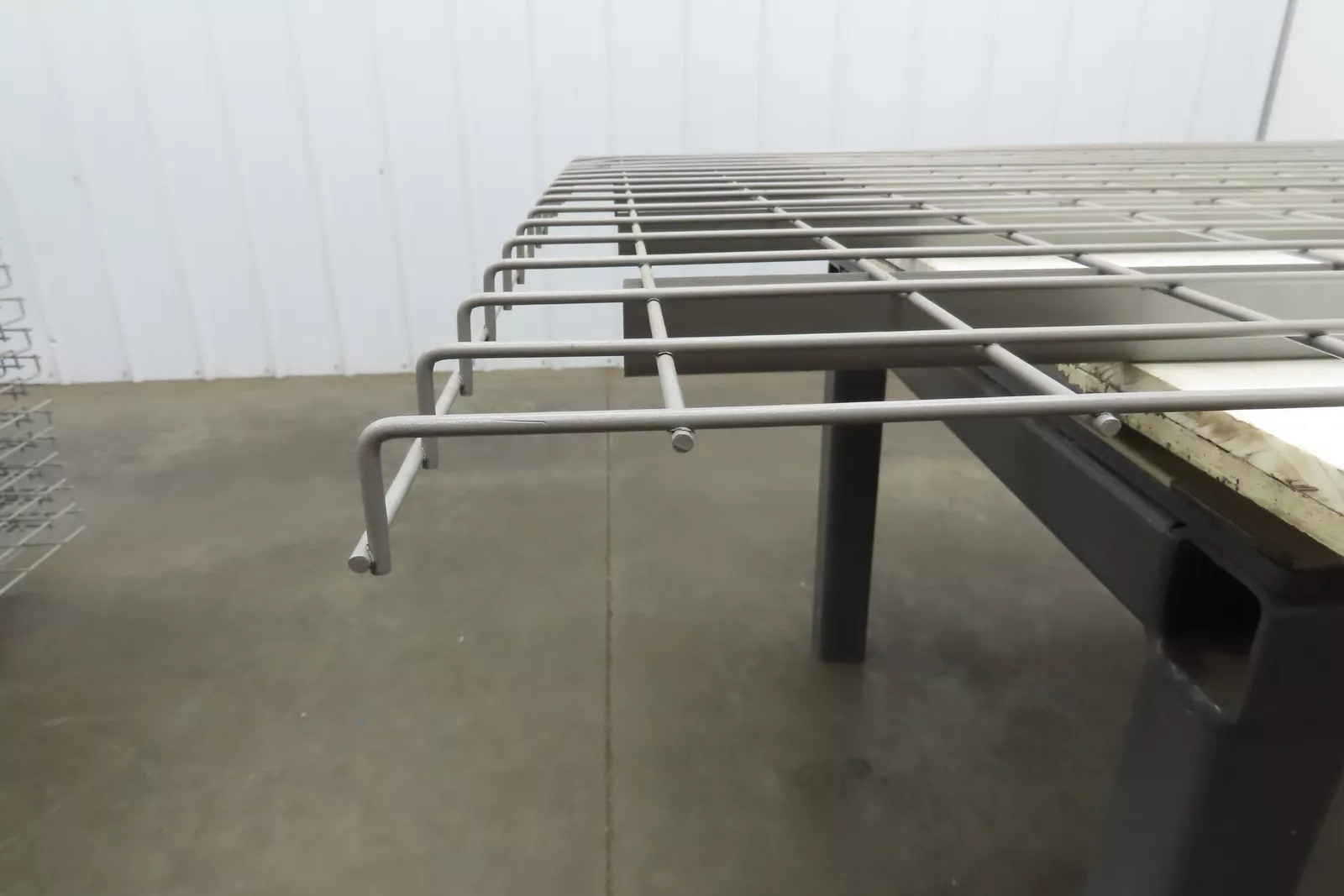
Conclusion
Other Resources
Other Resources
Here is a list of other resources you can review online to learn more:
- What is Selective Pallet Racking
- Warehouse Automation
- Warehouse Storage Racking in Illinois
- Pallet Racking systems in Illinois, Great Lakes
- Cantilever Racks Chicago
- Selective Rack – Raymond West
- Bradford Systems
- Pallet Racking systems in Illinois and Great Lakes
- WERC
- Selective Pallet Racking Systems – Container Systems
- What is Selective Racking: Understanding Benefits & Options
- Chicago Pallet Racking
- Teardrop Pallet Rack – Ridg-U-Rak
- Arrow Industrial Sales
- Teardrop Racks – Pallet Rack World
- Rack Manufacturers Institute
- The Ultimate Pallet Racking Guide – Speedrack West
- Pallet Racking systems in Illinois and Great Lakes
- Overhead Lifting
- CMMA
Use This Prompt To Get More Resources With Your Favorite Online AI Tool: Please provide me with a list of online articles with their URLs in a bulleted list that I can read regarding How to Document Rack Repairs for Compliance

Other Resources
Glossary Terms
How to Document Rack Repairs for Compliance – Glossary Of Terms
1. Compliance: Adherence to laws, regulations, standards, and guidelines set by governing bodies.
2. Documentation: A detailed record of actions, procedures, and communications related to repairs and maintenance.
3. Rack: A framework or structure designed to hold, store, or support equipment, typically in data centers.
4. Repair: The process of fixing or restoring a malfunctioning or damaged component.
5. Maintenance: Routine actions taken to preserve the functionality and integrity of equipment.
6. Inspection: A thorough examination of racks and related equipment to ensure safety and functionality.
7. Logbook: A formal record in which repair actions and inspection results are documented.
8. Work Order: A formal request to perform repair or maintenance tasks, often containing specific details about the work needed.
9. Incident Report: A document outlining details about a specific malfunction or failure, including corrective actions taken.
10. Audit Trail: A chronological record of all activities related to repairs and inspections, ensuring traceability.
11. Regulatory Standards: Guidelines established by government or industry bodies that dictate acceptable practices for safety and compliance.
12. Corrective Action: Steps taken to rectify a problem identified during inspections or audits.
13. Preventive Maintenance: Scheduled upkeep tasks performed to prevent equipment failures before they occur.
14. Checklists: Tools used to ensure that all necessary steps or items have been addressed during repairs or inspections.
15. Safety Protocols: Established procedures to ensure the safety of personnel during rack repairs and maintenance.
16. Record Keeping: The practice of maintaining accurate and organized records related to maintenance and repairs.
17. Traceability: The ability to track the history and progress of repair actions, ensuring accountability.
18. Certification: An official document confirming that repairs comply with applicable standards and regulations.
19. Repairs Log: A dedicated record specifically documenting all repair actions taken on the racks.
20. Quality Assurance: A systematic process to ensure that repair work meets predefined quality standards.
21. Standard Operating Procedure (SOP): Written instructions detailing the steps to follow for specific repair tasks.
22. Risk Assessment: The process of identifying and evaluating potential hazards associated with rack repairs.
23. Incident Management: Procedures for addressing and resolving equipment failures or safety concerns as they arise.
24. Workplace Safety: Guidelines and regulations aimed at ensuring a safe working environment during repairs.
25. Performance Metrics: Measurements used to assess the effectiveness and efficiency of maintenance practices.
26. Supplier Compliance: The assurance that third-party vendors and suppliers adhere to necessary safety and quality standards during equipment repairs.
27. Training Records: Documentation of personnel training and qualifications related to rack repairs and compliance.
28. Repair Strategy: A planned approach for executing repairs, balancing cost, time, and resource allocation.
29. Failure Analysis: The process of investigating and determining the cause of equipment failures to prevent recurrence.
30. Reporting: The act of conveying information about repairs, inspections, and compliance status to management or regulatory bodies.
Glossary Of Terms
Other Questions
How to Document Rack Repairs for Compliance – Other Questions
If you wish to explore and discover more, consider looking for answers to these questions:
- What are the best practices for documenting rack repairs?
- How often should rack inspections and repairs be documented?
- What specific information should be included in repair documentation?
- How can we train employees on proper documentation practices?
- What tools or software can assist with compliance documentation?
- How do regulatory requirements vary by industry for rack repairs?
- What are the consequences of failing to document rack repairs adequately?
- How can companies improve employee engagement in safety practices?
- What metrics can be used to measure the effectiveness of documentation efforts?
- How can documentation impact insurance claims in case of rack-related incidents?
- What role do audits play in the documentation of rack repairs?
- Are there case studies demonstrating the importance of compliance in rack repairs?
- How can we ensure that all employees understand the importance of documentation?

Other Questions
Checklist
How to Document Rack Repairs for Compliance – A Checklist
Checklist for Documenting Rack Repairs for Compliance
Heartfelt Commitment
_____ Recall personal stories of individuals impacted by workplace safety—let these motivate your dedication.
_____ Reflect on the emotional benefits of a safe work environment for your team and their families.
_____ Share your vision of a workplace built on mutual respect and care.
Rational Strategy
_____ Develop a clear documentation process that outlines every step involved in rack repairs.
_____ Ensure all repairs are logged with specific details: date, type of repair, personnel involved, and parts replaced.
_____ Conduct regular audits of documentation to identify gaps and areas for improvement.
Ethical Responsibility
_____ Commit to prioritizing safety over convenience by fully adhering to proper repair practices.
_____ Encourage open discussions about safety protocols and the ethical implications of compliance.
_____ Emphasize the collective duty to protect the well-being of all employees in your operations.
Authority and Expertise
_____ Stay informed of industry standards and OSHA regulations related to rack repairs and safety.
_____ Engage with experts for training sessions to enhance knowledge of proper repair techniques.
_____ Create a resource library of compliance standards and best practices for reference.
Narrative and Culture Building
_____ Share success stories about improved compliance and safety within your organization or community.
_____ Highlight individual contributions to creating a culture of safety and accountability in discussions or meetings.
_____ Foster a culture where team members feel empowered to share their thoughts on safety practices.
Social Connection and Community Engagement
_____ Collaborate with surrounding businesses and local organizations to share repair practices and safety strategies.
_____ Promote team-building activities focused on safety enhancement and compliance awareness.
_____ Celebrate milestones achieved in safety and compliance with your team to reinforce commitment.
Continuous Improvement
_____ Establish a feedback loop where team members can discuss the effectiveness of documentation practices.
_____ Schedule regular training refreshers to keep skills and knowledge current.
_____ Invite employees to contribute their ideas for improving repair practices and documentation efforts.
Checklist
At RackingWorld, we help guide you through selecting warehouse storage systems and racking.
Be sure to read our other related stories at RackingWorld to learn more about warehouse storage systems.
0 Comments