
Unlock Efficiency And Savings: The Smart Storage Strategy Behind Wholesale Clubs
By Tom Seest
At RackingWorld, we help guide you through selecting warehouse storage systems and racking.
Be sure to read our other related stories at RackingWorld to learn more about warehouse storage systems.
How Do Wholesale Clubs Leverage Pallet Racking?
When you walk into a wholesale club, stacks of products tower above you, neatly organized but piled high enough to make your neck ache from looking up. That’s pallet racking working behind the scenes. It’s not just some fancy shelving system; it’s the backbone that keeps everything running smooth, efficient, and downright reliable.
Think about it. Wholesale clubs thrive on moving massive quantities of goods—bulky packages, pallets loaded with everything from canned beans to giant jugs of detergent. Without pallet racking, all that inventory would be a chaotic mess, a logistical nightmare. Pallet racking lets these places stack stuff safely and accessibly, making sure the aisles don’t turn into a hazard and that employees can grab what’s needed without wrestling an avalanche of cardboard and plastic.
Here’s where the heart kicks in: pallet racking means more than just clever metal beams and bars. It means thousands of workers can do their jobs safely, stocking shelves and loading trucks without risking a trip to the ER. It means customers can load their carts with confidence, knowing what’s up there was put there responsibly. It’s about respect for the people who make wholesale clubs work day in and day out. That kind of care sticks, builds trust, and keeps the whole operation honest and upright.
From a head-on, practical viewpoint, pallet racking maximizes space like no other system. When you’re dealing with giant pallets, every inch counts. Pallet racking turns empty warehouse ceilings into prime storage zones, helping clubs keep prices low and shelves stocked full. It’s solid, scalable, and tested tough—nothing fragile about it. It’s straightforward engineering—sturdy steel built to hold thousands of pounds, designed so forklifts can do their dance without missing a beat.
And ethically? Using pallet racking smartly keeps waste and damage to a minimum. Products don’t get crushed or tossed around, reducing spoilage and loss. It’s a small but fat step towards responsible retailing, feeding families, and communities in a way that makes sense.
So, pallet racking isn’t just a storage method. It’s the humble hero behind the scenes, the trusted tool that keeps wholesale clubs humming. Knowing that, you walk down those aisles not just seeing products but seeing a system built on hard work, safety, and good old-fashioned common sense. That’s pallet racking—quiet, steady, and absolutely indispensable.
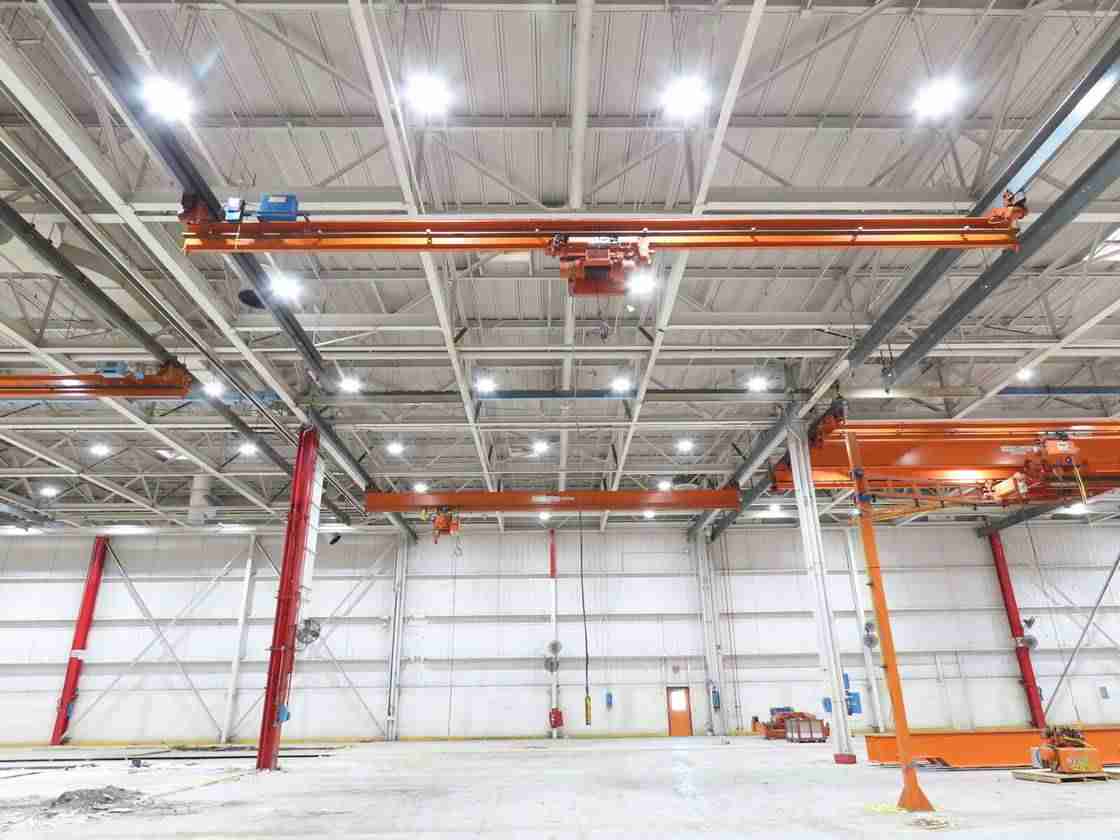
How Do Wholesale Clubs Leverage Pallet Racking?
How Do Wholesale Clubs Leverage Pallet Racking?
- Pallet racking is the essential structural system that organizes and supports towering stacks of products in wholesale clubs.
- It enables safe and accessible storage of massive quantities of bulky goods, preventing hazardous clutter and facilitating efficient inventory management.
- Pallet racking protects workers by providing a secure environment for stocking and loading, enhancing overall workplace safety and customer confidence.
- The system maximizes warehouse space by utilizing vertical storage, helping maintain low prices and fully stocked shelves.
- Constructed from sturdy steel, pallet racking supports heavy pallets and accommodates forklift operations smoothly and reliably.
- It minimizes product damage and waste, contributing to responsible retail practices and reducing spoilage and loss.
- Pallet racking acts as a quiet, dependable backbone of wholesale clubs, embodying efficiency, safety, and practical engineering.

How Do Wholesale Clubs Leverage Pallet Racking?
Table Of Contents
- How Do Wholesale Clubs Leverage Pallet Racking?
- How Do Wholesale Clubs Optimize Space with Pallet Racking?
- How Does Pallet Racking Improve Inventory Management Efficiency?
- What Are the Cost Benefits Of Using Pallet Racking In Wholesale Clubs?
- How Does Pallet Racking Impact the Safety Of Warehouse Workers?
- Can Pallet Racking Reduce Product Damage In Wholesale Clubs?
- What Ethical Considerations Arise In Pallet Racking Design and Use?
- Conclusion
- Other Resources
- Glossary Of Terms
- Other Questions
- Checklist
How Do Wholesale Clubs Optimize Space with Pallet Racking?
When you walk into a wholesale club, the last thing you think about is how every bit of space got squeezed into that giant warehouse. But behind the scenes, Pallet Racking is the unsung hero making it all happen. It’s the no-nonsense workhorse that turns square footage into dollars and sense. These racks aren’t just metal shelves; they’re the backbone that lets wholesale clubs stack mountains of products safely and efficiently without turning the place into a maze.
Think about it. Wholesale clubs deal with massive volumes — from bulk bags of flour to rows and rows of canned goods. Without Pallet Racking, all that stock would be sprawled out on the floor like a messy garage on moving day. That kind of chaos drains money, wastes time, and causes headaches. But with the right pallet racking system, every pallet finds a tidy home, maximizing vertical space instead of just spreading out sideways. It’s like working smarter, not harder, with storage.
There’s something satisfying about seeing a warehouse with neat, orderly rows of pallet racks, all loaded up and ready for customers. It’s a testament to good planning, hard work, and a respect for efficiency. You know the folks behind this have been on the floor, dirt under their nails, figuring out the best way to make things fit like puzzle pieces. It’s not just about stuffing as much as possible into the space; it’s about making sure the flow works so employees can move fast, keep safety tight, and customers can get what they came for without hassle.
From a practical standpoint, pallet racking saves real money. It reduces the footprint needed for storage, which means less wasted space and better energy use in lighting and climate control. That’s good for business and good for the environment — a two-for-one win. Plus, it helps uphold safety standards by securely holding heavy pallets above ground, avoiding accidents and keeping workers and shoppers safe.
There’s a kind of local pride in these warehouses too. When your community can count on a clean, efficient, and well-stocked wholesale club, it means steady jobs, fair prices, and reliable supplies. Pallet Racking is part of that promise, silently working behind the scenes to keep shelves full and spirits high.
So next time you roll that cart through a wholesale club, spare a thought for the pallet racking system. It’s humble, sturdy, and absolutely essential. Without it, the whole show falls apart. It’s a good reminder that sometimes, the things you don’t see are the things holding it all together.

How Do Wholesale Clubs Optimize Space with Pallet Racking?
How Do Wholesale Clubs Optimize Space with Pallet Racking?
- Pallet racking maximizes warehouse space in wholesale clubs, turning square footage into efficient storage.
- It prevents clutter by stacking products vertically, avoiding chaotic floor sprawl and saving time and money.
- Neat rows of pallet racks reflect careful planning, efficiency, and optimized workflow for employees and customers.
- Pallet racking reduces storage footprint, improving energy use in lighting and climate control, benefiting both business and environment.
- The system securely holds heavy pallets, enhancing safety for workers and shoppers.
- Efficient warehouses supported by pallet racking contribute to local pride by ensuring steady jobs, fair prices, and reliable supplies.
- Pallet racking is an essential, behind-the-scenes element keeping wholesale clubs organized, safe, and operational.
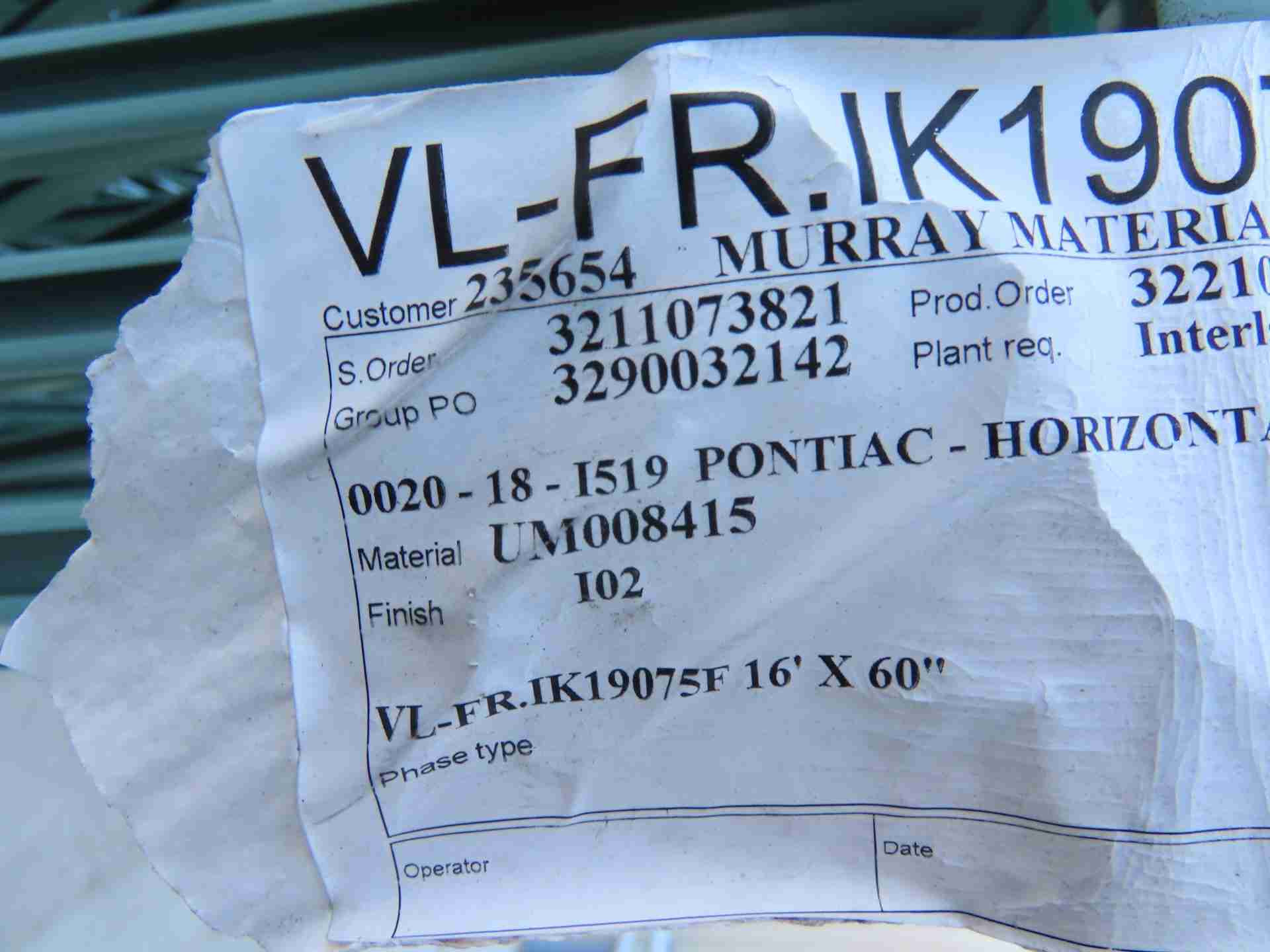
How Do Wholesale Clubs Optimize Space with Pallet Racking?
How Does Pallet Racking Improve Inventory Management Efficiency?
Look, when you’re knee-deep in pallets, boxes, and shipping deadlines, the last thing you need is a cluttered warehouse that feels more like a junkyard than a well-oiled machine. Pallet racking steps in like a reliable workhorse, turning chaos into order. It’s not just about stacking stuff neat and tidy; it’s about giving every single item its own spot where it belongs, easy to find and ready to move. When your team isn’t wasting half their day hunting down inventory, that’s not just efficiency—it’s respect for their time and effort.
From where I stand, pallet racking isn’t some fancy, overcomplicated gadget; it’s a straightforward solution grounded in common sense. It makes the most of your space vertically, not just sprawling all over the floor like a mess that nobody can navigate. More vertical space means you store more without needing a bigger warehouse, which keeps costs down and operations smooth. That’s cold, hard math speaking right from the warehouse floor. Fewer trips around, less fumbling for items, and faster loading and unloading—it all adds up to leaner inventory management.
This system earns your trust because it’s built on solid design and practical use—metal frames that hold thousands of pounds without breaking a sweat. Over time, it proves itself every day, carrying everything from heavy machinery parts to delicate goods without fail. When your inventory moves faster and errors drop, you’re holding a system that’s not just working for you but working with you.
There’s something more personal about it too. When your crew sees their workspace is smarter and safer with pallet racking, it boosts morale. You’re telling them with this simple setup that their job matters, and you’ve invested in the tools to help them do it right. That respect creates a team ready to tackle even the busiest seasons without breaking a sweat.
In a world where inventory errors and wasted time can sink any business, pallet racking stands firm as the backbone of solid inventory management. It’s the tool that saves your neck, your bottom line, and your team’s sanity all at once. If you want to run a warehouse that works like clockwork—this is where you start.
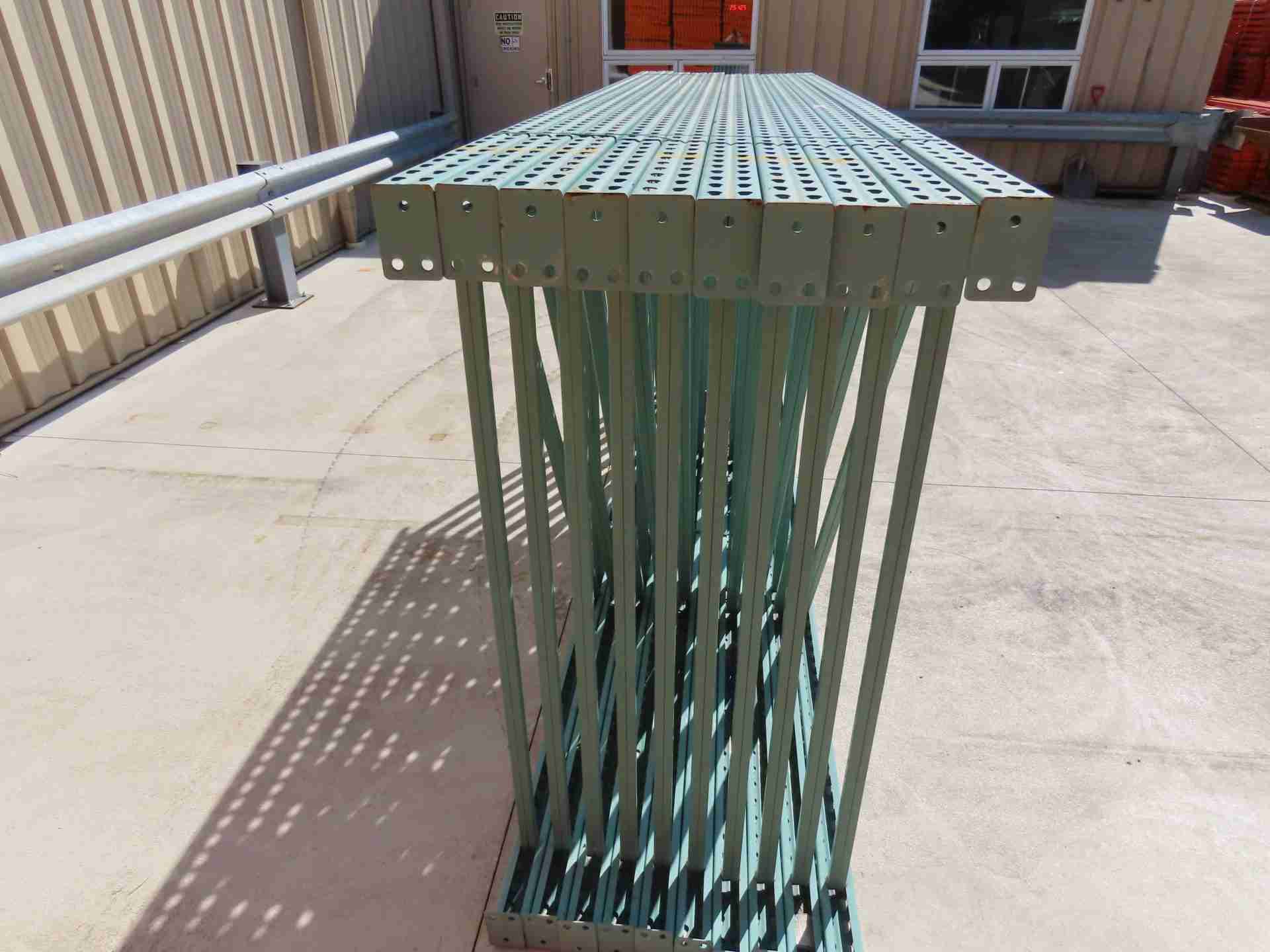
How Does Pallet Racking Improve Inventory Management Efficiency?
How Does Pallet Racking Improve Inventory Management Efficiency?
- Pallet racking transforms cluttered warehouses into organized, efficient spaces by giving each item a designated spot for easy access.
- It maximizes vertical space, allowing more storage without expanding warehouse size, reducing costs and improving operations.
- The system reduces time wasted searching for inventory, speeding up loading and unloading to streamline inventory management.
- Built with durable metal frames, pallet racking safely supports heavy and delicate items, proving reliable over time.
- Improved organization and safety boost employee morale, showing respect for their work and supporting productivity.
- Pallet racking minimizes inventory errors and wasted time, serving as a crucial tool for effective inventory control.
- It is essential for running a smoothly operating warehouse, protecting the business’s bottom line and team efficiency.
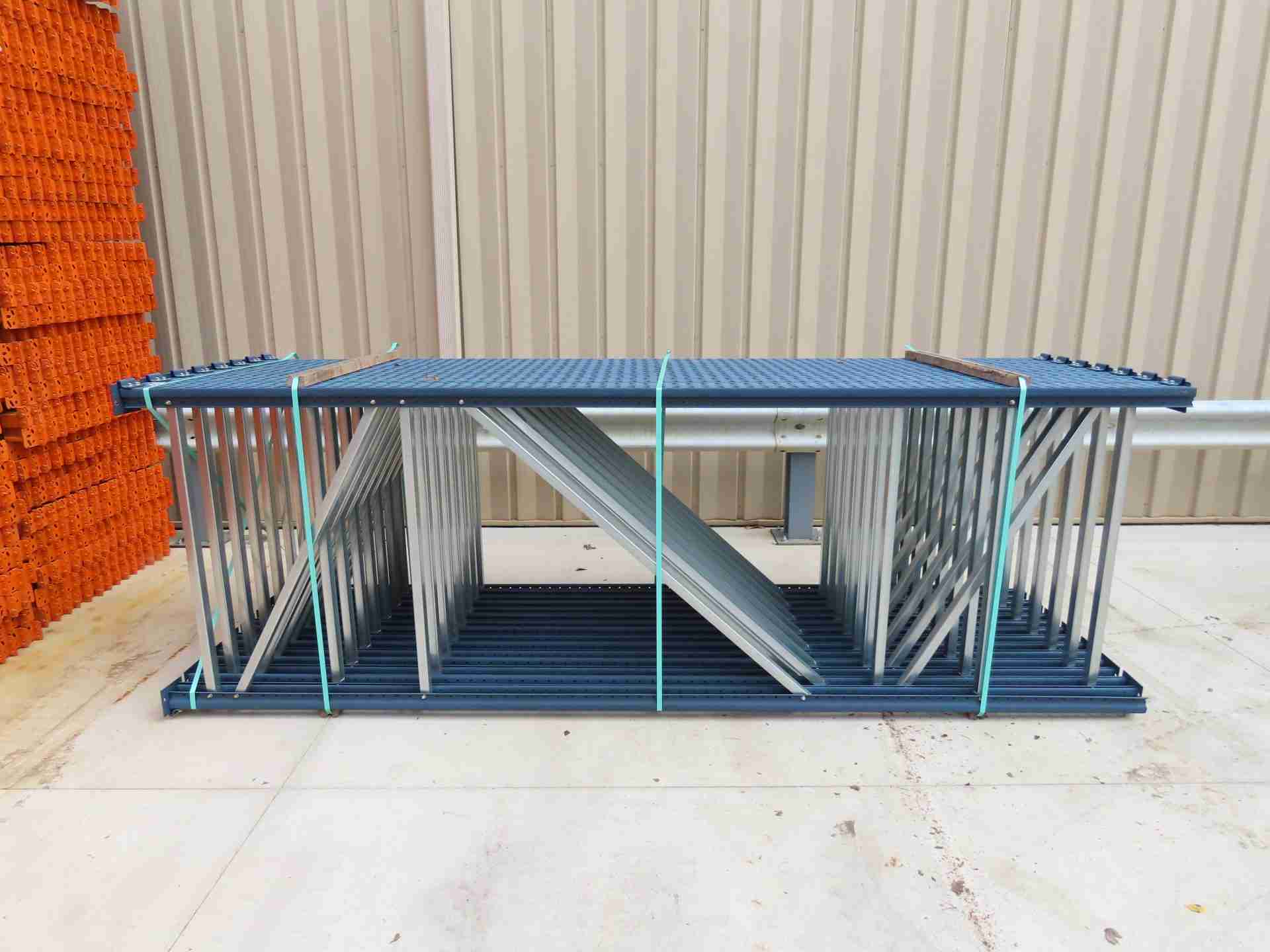
How Does Pallet Racking Improve Inventory Management Efficiency?
What Are the Cost Benefits Of Using Pallet Racking In Wholesale Clubs?
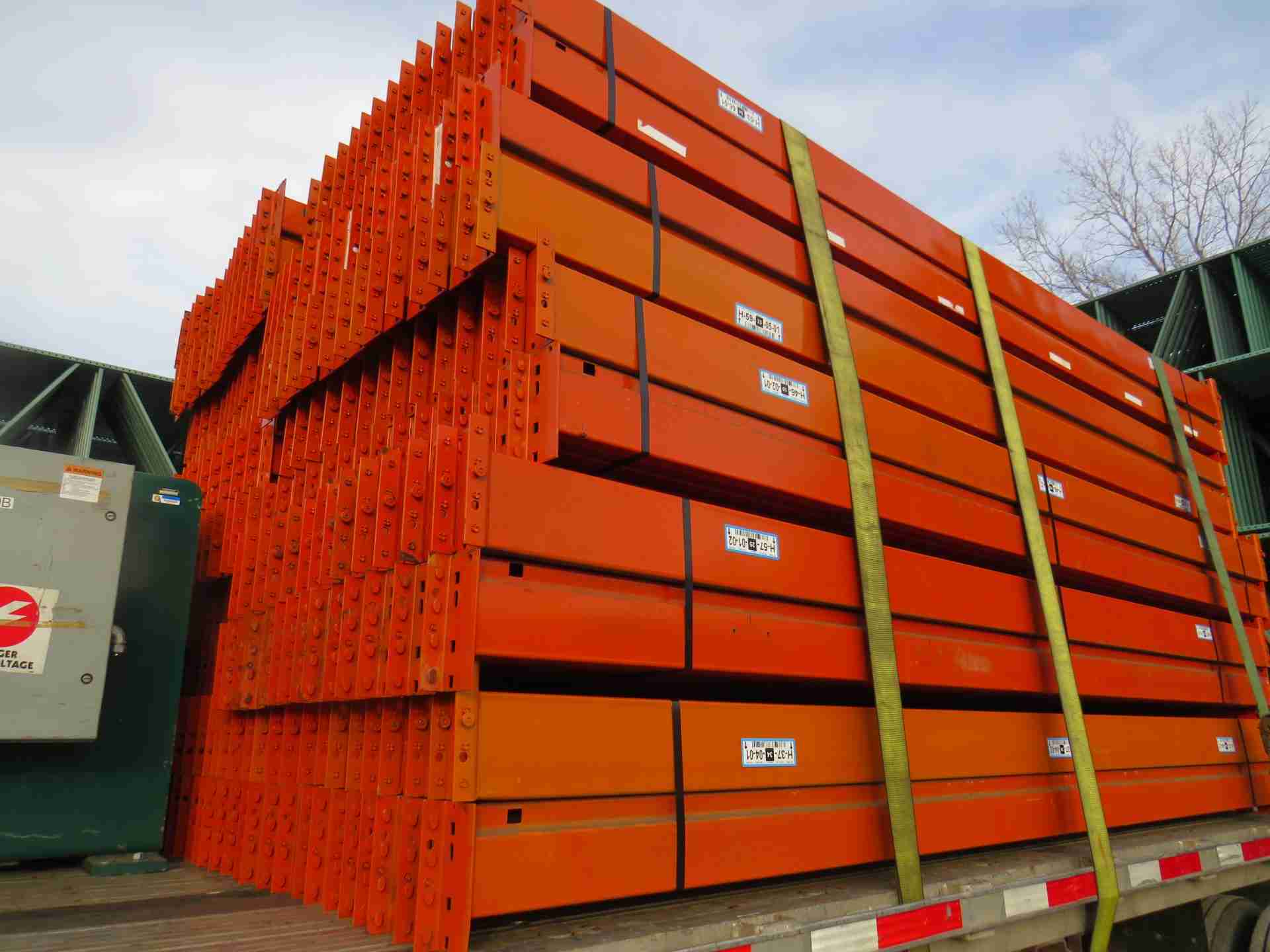
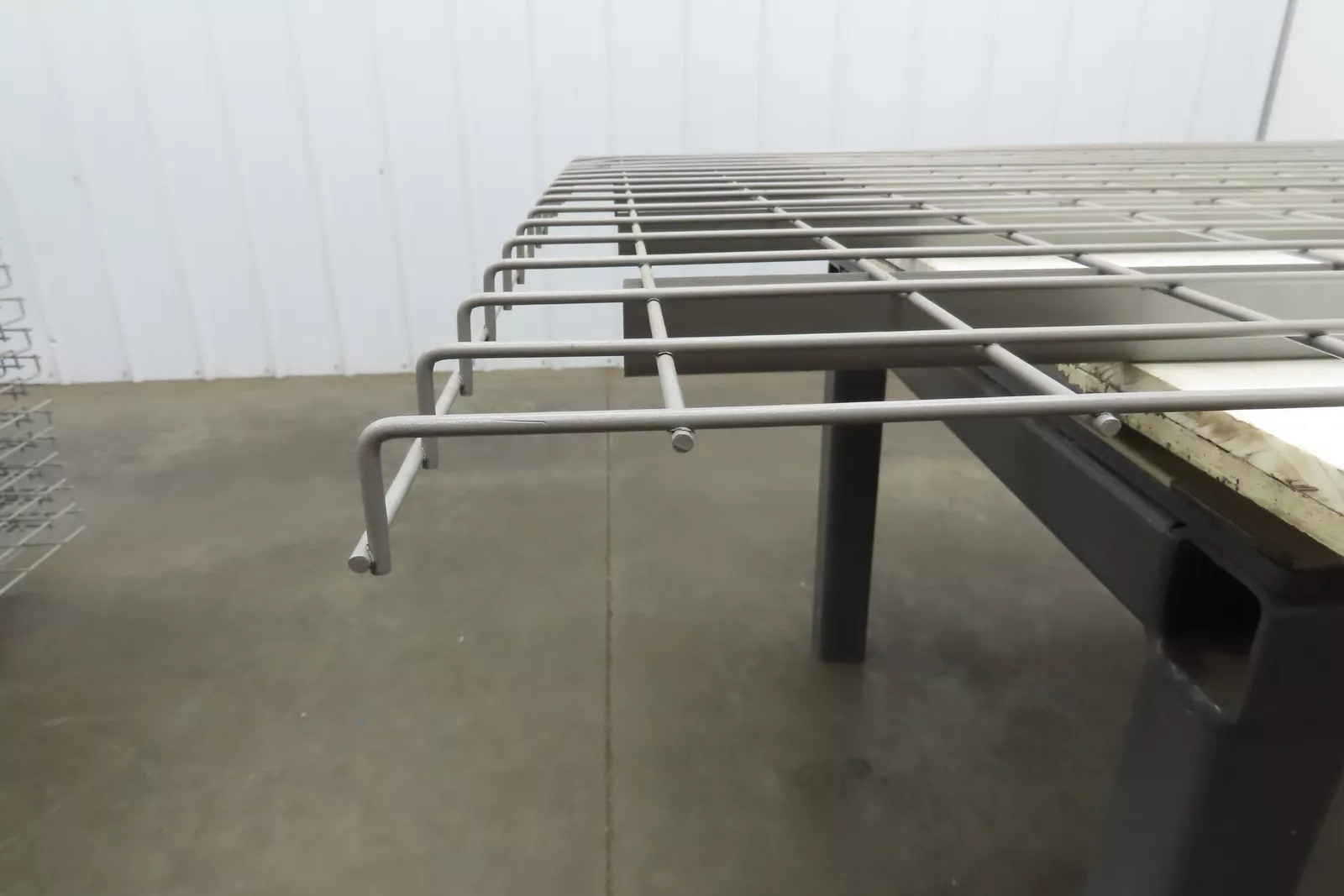
Look, when you run a wholesale club, every inch of space and every dollar counts. Pallet racking isn’t just some fancy storage rig; it’s the backbone that keeps things moving smoothly without tearing a hole in your budget. Picture this: before pallet racking, boxes are stacked like a game of Jenga—wobbly, unsafe, and a waste of vertical space. With pallet racking, you’re turning that chaos into order, using height to your advantage so your floor doesn’t overflow with clutter. This isn’t just about neat stacks; it’s about saving money on expensive real estate. More goods stored in the same footprint means fewer expansions or costly warehouse leases down the line.
The bottom line? Pallet racking maximizes storage efficiency, and efficiency translates directly into profit. When inventory is organized and accessible, your team can move goods faster, cutting down on labor hours and mistakes. Fewer mistakes mean fewer lost sales, fewer damaged products, and happier customers walking out with what they wanted on their first try. On an ethical level, this system improves workplace safety. It prevents accidents from toppling goods or cramped aisles, showing you care about the folks who stock shelves and help customers every day. Investing in pallet racking isn’t just good business—it’s responsible business.
You’re not just spending money on metal beams; you’re investing in a proven system that delivers reliability. Companies stick with pallet racking because it’s built tough and lasts long, resisting the wear and tear of daily grind. It’s simple, no-nonsense gear that won’t break your back or blow your budget. And from a social perspective, a clean, well-organized warehouse reflects on your whole operation. It says you’re professional, ready, and trustworthy—qualities that build loyalty among employees and customers alike.
In this line of work, you learn fast that shortcuts cost more later. Pallet racking is where smart planning meets gritty reality, delivering real savings that anyone managing inventory can appreciate. It’s the kind of practical fix that pays for itself, freeing up resources to focus on better deals, better service, and keeping the whole place humming. That’s the cost benefit you can bank on.
What Are the Cost Benefits Of Using Pallet Racking In Wholesale Clubs?
What Are the Cost Benefits Of Using Pallet Racking In Wholesale Clubs?
- Pallet racking transforms unsafe, cluttered stacking into efficient, vertical storage, maximizing use of space.
- It saves money on expensive real estate by increasing storage capacity within the same footprint.
- Improved organization speeds up inventory movement, reducing labor hours, mistakes, and lost sales.
- Enhances workplace safety by preventing accidents from unstable stacks and cramped aisles.
- Durable and reliable, pallet racking withstands daily wear and reduces long-term costs.
- A clean, organized warehouse projects professionalism and builds loyalty among employees and customers.
- The system provides practical cost savings, allowing focus on better deals and service while keeping operations efficient.
What Are the Cost Benefits Of Using Pallet Racking In Wholesale Clubs?
How Does Pallet Racking Impact the Safety Of Warehouse Workers?
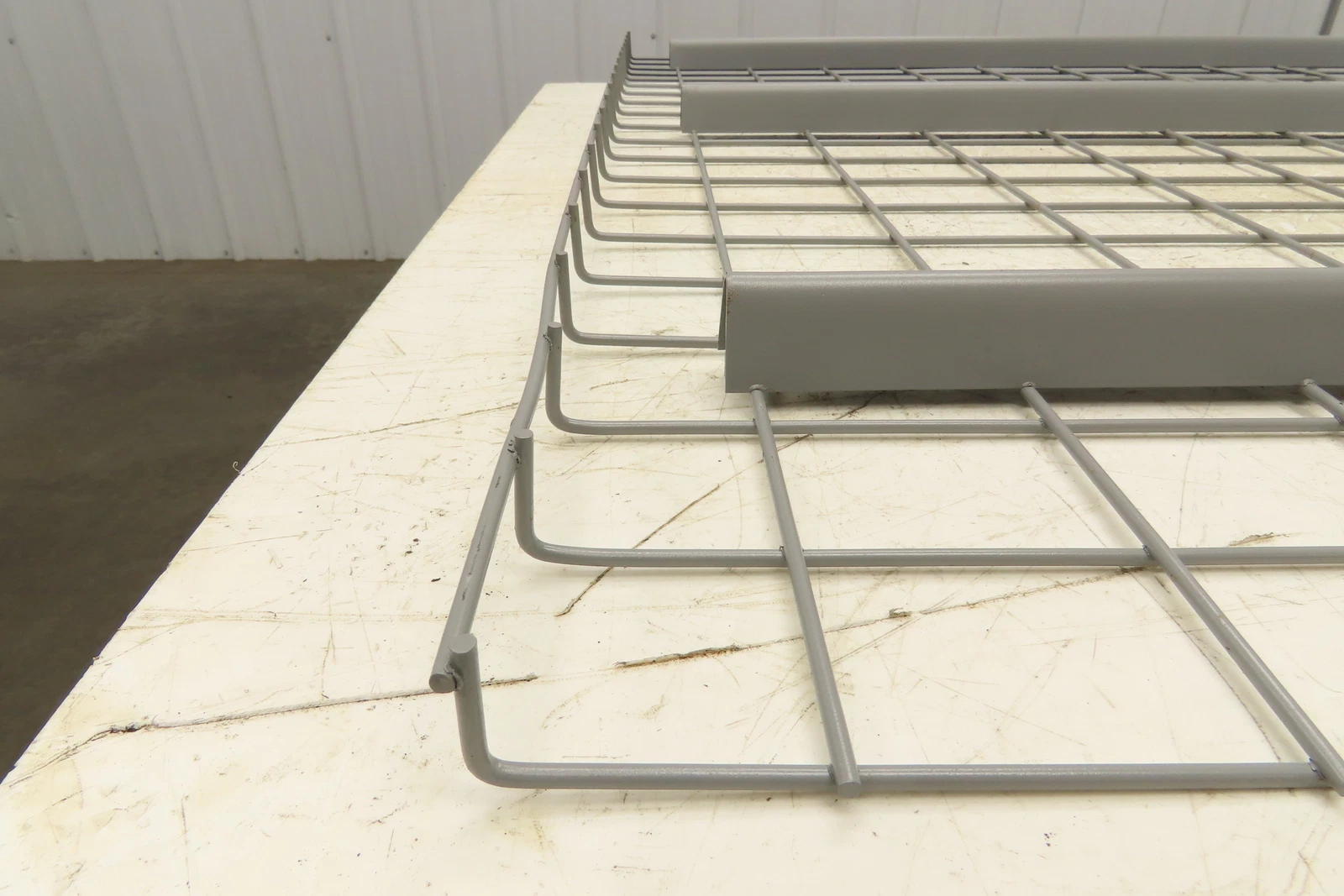
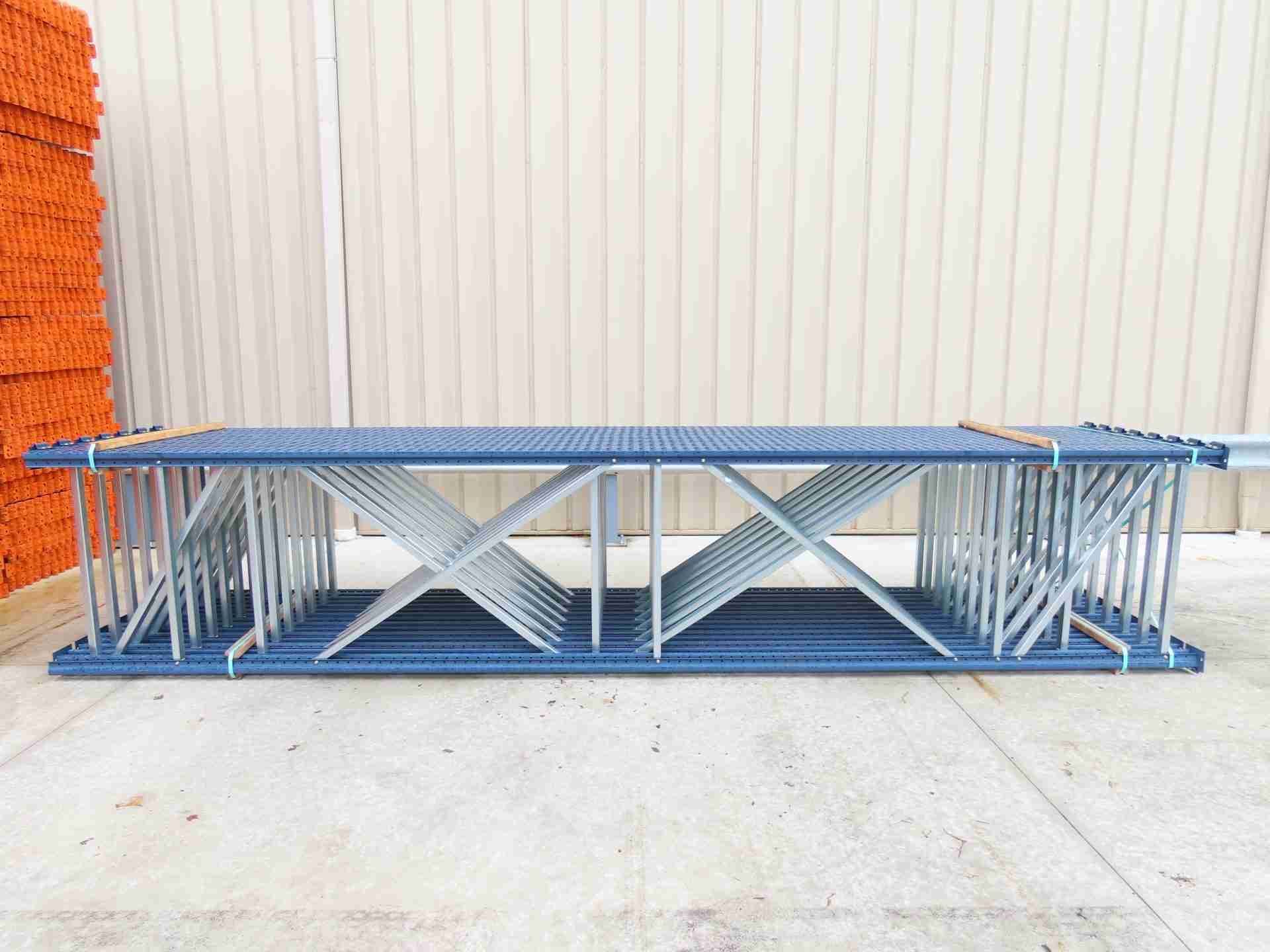
When you step into a busy warehouse, you see more than just boxes and metal beams—you see people putting in the sweat and grit to keep things moving. Pallet racking isn’t just some fancy storage setup; it’s the backbone that holds up the whole operation and, more importantly, the safety net for every worker hustling down those aisles. You mess up that setup, and you’re not just risking a few missing pallets—you’re risking someone’s fingers, backs, or worse. It’s real, and it’s serious.
Pallet racking matters because it organizes space in a way that keeps everything stable and accessible. When racks are solid and well-maintained, folks don’t have to twist themselves into weird knots or reach into unsafe spots just to grab a crate. That cuts down on strain and prevents falls, the kind of accidents that can sideline a worker for weeks or worse. It’s a simple fact: a well-laid-out pallet racking system means fewer injuries and less downtime, and that’s good for the men and women on the floor and the company’s bottom line alike.
But here’s where it gets bigger than just bricks and steel. Workers trust that the gear around them keeps them safe. That trust is earned every day, through solid racks that don’t wobble and clear aisles that let them do their jobs without second-guessing every move. When that trust is broken—when racks buckle or get overloaded—it shakes confidence and chips away at the sense of belonging and pride in the job. No one wants to clock in worried about their next trip through the storage lines.
The folks running the warehouse have a responsibility that goes beyond just ticking a checklist. Real leadership means owning that responsibility and investing time and resources into regular inspections, repairs, and training. It means knowing the specs of your pallet racking system like the back of your hand and making damn sure it’s not being pushed past its limits. When warehouses do this right, it shows—they build a culture where safety isn’t just rules on paper but something lived and breathed, and that culture saves lives.
Pallet racking isn’t just about storing stuff—it’s about protecting people. The metal racks stand as silent guardians, holding up the day-to-day grind and guarding against accidents. Treat them with respect, and you’re not just safeguarding inventory—you’re standing up for the folks who make the whole machine run, keeping their families whole and their workdays injury-free. That’s a kind of common sense and decency that no warehouse should do without.
How Does Pallet Racking Impact the Safety Of Warehouse Workers?
How Does Pallet Racking Impact the Safety Of Warehouse Workers?
- Pallet racking is the essential structure supporting warehouse operations and worker safety.
- Well-maintained racks organize space efficiently, reducing physical strain and preventing falls.
- Reliable pallet racking builds worker trust, confidence, and pride in their workplace.
- Damaged or overloaded racks undermine safety and harm worker morale.
- Warehouse leadership must prioritize inspections, repairs, training, and adherence to rack specifications.
- A strong safety culture focused on pallet racking helps prevent injuries and downtime.
- Pallet racking protects both inventory and the well-being of workers, reflecting basic decency and common sense.
How Does Pallet Racking Impact the Safety Of Warehouse Workers?
Can Pallet Racking Reduce Product Damage In Wholesale Clubs?
Look, anyone who’s spent time in a wholesale club knows product damage isn’t just a headache—it hits the wallet and shakes the trust customers have in the place. Boxes crushed, pallets tipping over, items smashed in the chaos of tight aisles and hurried restocks—it’s a mess that no manager wants to clean up or explain. Pallet racking, though, offers a simple, solid fix to a problem everyone’s faced but too often just tolerates. It’s the kind of upgrade that doesn’t just make sense on paper; it works in the dirt, day in and day out.
At its core, pallet racking is about respect—respect for the goods, the workers, and the customers standing behind those shelves. When products are stacked haphazardly, the chance of damage skyrockets. Shelves collapse, forklifts bump the wrong thing, and valuable stock turns to scrap before the customer even eyeballs it. Pallet racking steps in as the unsung hero—a sturdy, reliable system designed to hold everything in place with room to breathe. That means less clumsy handling and more confidence that boxes stay intact, from the warehouse floor to the checkout lane.
You can tell a lot by how a wholesale club handles storage. Pallet racking sends a clear message: “We care about what we sell and the folks buying it.” It’s not just about protecting merchandise financially but about running a smooth operation where employees aren’t scrambling to clean up messes or sort through damaged goods. That kind of order and attention builds a reputation customers notice, even if they don’t say it aloud. Trust follows when people see their favorite spot takes care of its stuff—and by extension, takes care of them.
There’s a story behind every broken package, and every dented can lost a sale—sometimes more. The real cost of damaged goods runs deeper than numbers. It’s about pride in the job, respect for hard-earned money, and a commitment to doing things right. Pallet racking isn’t flashy or fancy; it’s practical, tough, and ready to take the bumps so the products don’t have to.
For wholesale clubs wanting to cut losses and build respect, pallet racking isn’t just an option—it’s a no-brainer. It organizes the chaos, guards the goods, and keeps the business moving without losing ground. When everything’s in its place, damage drops, morale rises, and customers leave satisfied. That’s the kind of dependable, smart investment that turns daily grind into quiet success stories.

Can Pallet Racking Reduce Product Damage In Wholesale Clubs?
Can Pallet Racking Reduce Product Damage In Wholesale Clubs?
- Product damage in wholesale clubs harms finances and customer trust due to crushed boxes, tipped pallets, and chaotic handling.
- Pallet racking offers a practical, reliable solution that organizes inventory and reduces damage in busy storage areas.
- It represents respect for goods, employees, and customers by preventing haphazard stacking and minimizing accidents.
- Pallet racking improves operational efficiency by reducing cleanup and damaged goods, enhancing overall workflow.
- The system builds a positive reputation, signaling that the club values its merchandise and customers.
- Damaged goods carry hidden costs beyond finances, affecting pride and commitment to quality.
- Investing in pallet racking lowers losses, raises employee morale, and increases customer satisfaction by maintaining order and protecting products.
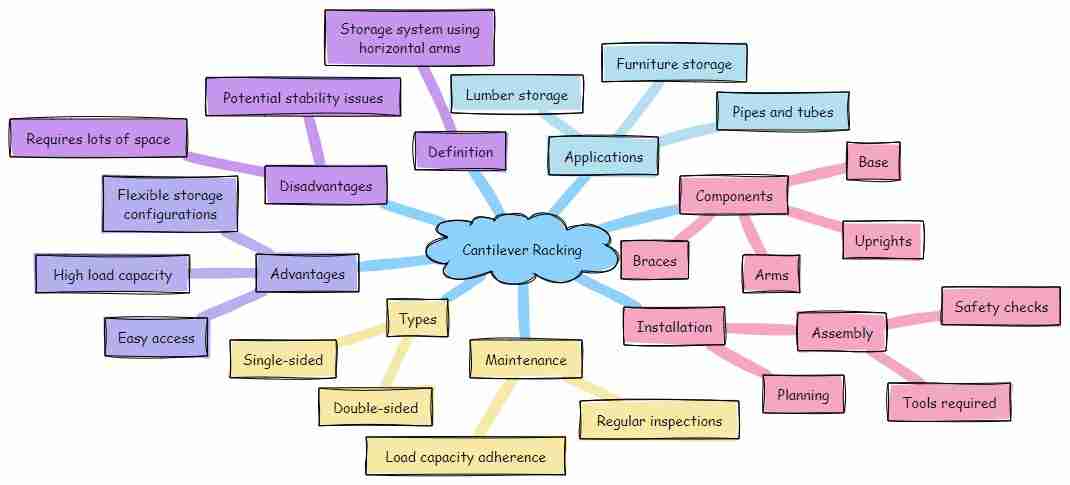
Can Pallet Racking Reduce Product Damage In Wholesale Clubs?
What Ethical Considerations Arise In Pallet Racking Design and Use?
When you’re stacking tons of goods on a pallet racking system, it’s not just about fitting as much as possible into a warehouse. There’s a real human side to this puzzle—people’s lives and livelihoods depend on getting this right. A racking system that looks good on paper but feels like a ticking time bomb on the floor is no good to anyone. It’s about more than steel beams and bolts; it’s about responsibility. You owe it to the crew walking those aisles every day to build and use pallet racking that won’t let them down.
Let’s keep things straightforward. From the get-go, pallet racking design has to respect the forces at play—weight distribution, equipment wear, even the unexpected wobble when a forklift bumps a beam. Neglect those details, and what you get isn’t just a poorly designed rack; it’s a lurking hazard waiting to happen. Ethical design means the engineering is solid, verified, and respects the limits. It’s about honoring the trust companies place in the system to keep their people safe and their goods intact.
But it’s not just about avoiding accidents. Ethical use means ongoing care, inspection, and respect for the system’s boundaries. It’s cutting corners when you decide to double up load beyond the posted limits, or ignoring a damaged beam because it “still looks okay.” Real experience shows that’s where small slips turn into costly, sometimes tragic mistakes. A pallet racking system is only as good as the respect it commands from users and managers alike.
The story in warehouses and storage yards isn’t just about logistics; it’s about communities working hard and counting on their employers to look out for them. When someone walks into a facility and sees a robust, well-maintained pallet racking system, it builds confidence—confidence that the company cares, that the operation is professional, and that everyone’s safety is a priority. That feeling matters. It’s more than just meeting standards—it’s about honoring the unwritten code of care that keeps our workmates coming home in one piece.
In the hands of people who know the ropes, pallet racking isn’t just metal stacked high; it’s a foundation of trust. Treat it like that, and you’re not just designing or using shelving—you’re protecting lives and livelihoods. That’s the kind of plain, hard truth that ought to guide every beam put up, every load placed, and every inspection run.

What Ethical Considerations Arise In Pallet Racking Design and Use?
What Ethical Considerations Arise In Pallet Racking Design and Use?
- Pallet racking systems impact not only warehouse space but also the safety and livelihoods of workers.
- Effective design must consider weight distribution, equipment wear, and potential impacts to prevent hazardous conditions.
- Ethical design requires solid, verified engineering that respects safety limits and company trust.
- Ongoing care, inspection, and adherence to load limits are essential to prevent accidents and costly mistakes.
- Respect and proper use of the racking system by users and managers determine its safety and reliability.
- Well-maintained racking systems foster worker confidence, demonstrating company care and professionalism.
- Pallet racking is a foundation of trust, protecting lives and livelihoods through responsible design, use, and inspection.
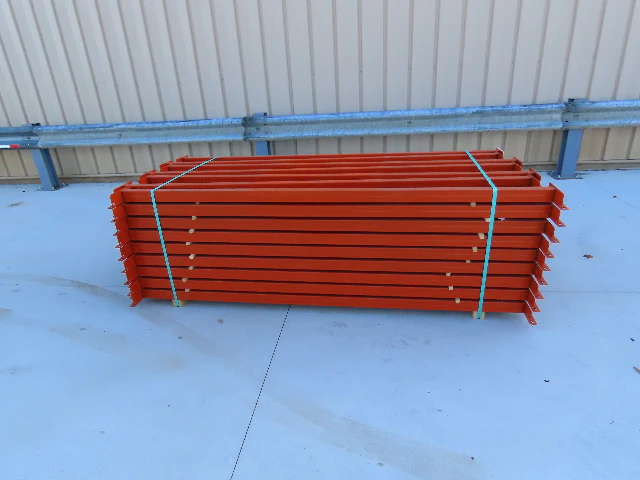
What Ethical Considerations Arise In Pallet Racking Design and Use?
Conclusion
When you step into a wholesale club, what you see stacked high and tight isn’t just product—it’s the result of a system that’s been hammered out on the warehouse floor, born of sweat, smarts, and plain old common sense. Pallet racking is that system’s backbone, silently bearing the weight of thousands of pounds, making sure there’s order in what could easily be chaos. It ain’t fancy, but it’s reliable as hell—built to keep workers safe, products intact, and the whole operation running smooth.
At its core, pallet racking is about respect. Respect for the folks risking their backs and fingers every day, stacking shelves and moving pallets without a second thought. It’s about giving them a workspace that’s safe and sensible, where nothing’s wobbling overhead and aisles don’t feel like obstacle courses. That’s not just about avoiding accidents; it’s about showing the people who keep the place humming that their safety and dignity matter. When that respect is there, morales rise, work flows better, and trust grows—inside the crew and out with the customers.
There’s also the cold, hard math behind this: stacking upward instead of spreading out keeps costs down and pockets lined. Space is a premium in wholesale clubs, and good pallet racking turns empty air into dollars saved on rent, lighting, and climate control. That efficiency means prices stay fair and shelves stay stocked, a win-win that touches everything from the balance sheet to the families who rely on these stores for their groceries.
Ethically, this system is a humble promise. It promises fewer crushed boxes, less waste, and a smoother chain from warehouse to shopping cart. Running a warehouse that respects its product and people isn’t just smart business—it’s the decent thing to do. A well-maintained rack system tells a story of care, professionalism, and responsibility. It’s a quiet kind of leadership showing that shortcuts have a cost and that the folks who show up to work every day deserve better.
In the end, pallet racking stands as more than steel and bolts. It’s the unsung hero holding everything together—the foundation of trust, safety, and efficiency that wholesale clubs depend on. The next time you roll your cart down those towering aisles, remember there’s a whole world beneath that organization, built on hard work, grit, and a straightforward promise to get the job done right.
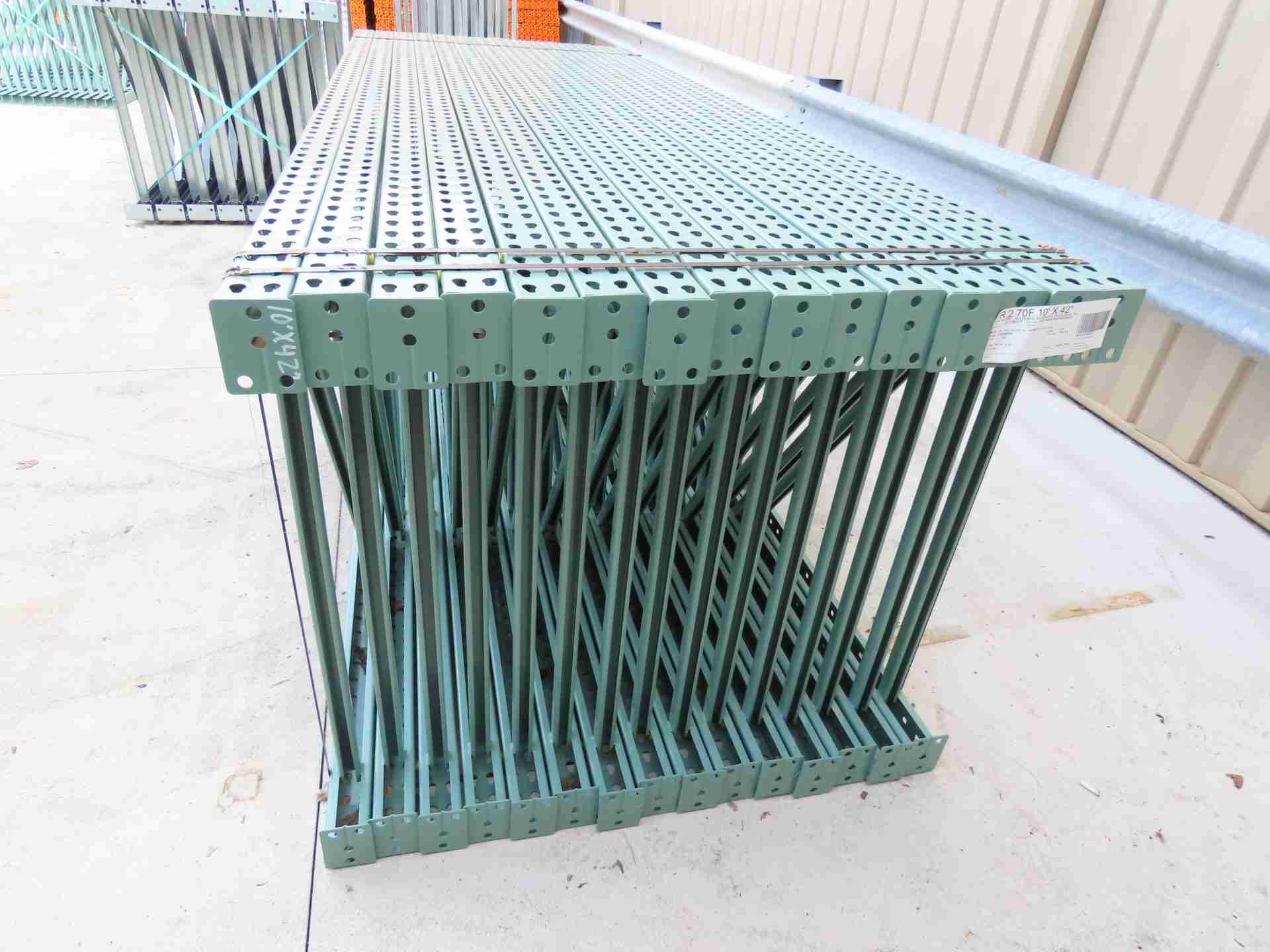
Conclusion
Conclusion:
- Pallet racking is the backbone of wholesale clubs, organizing large quantities of products efficiently while ensuring safety and order.
- It provides a safe and sensible workspace, respecting the workers who handle heavy lifting and stocking daily.
- Proper pallet racking improves morale, work flow, and trust both among employees and with customers.
- Stacking products vertically saves space and reduces costs related to rent, lighting, and climate control.
- Efficient racking helps maintain fair prices and consistent product availability for customers.
- The system reduces waste, prevents product damage, and ensures a smooth supply chain from warehouse to store shelves.
- Pallet racking represents a foundation of care, professionalism, and responsibility vital to the success of wholesale clubs.
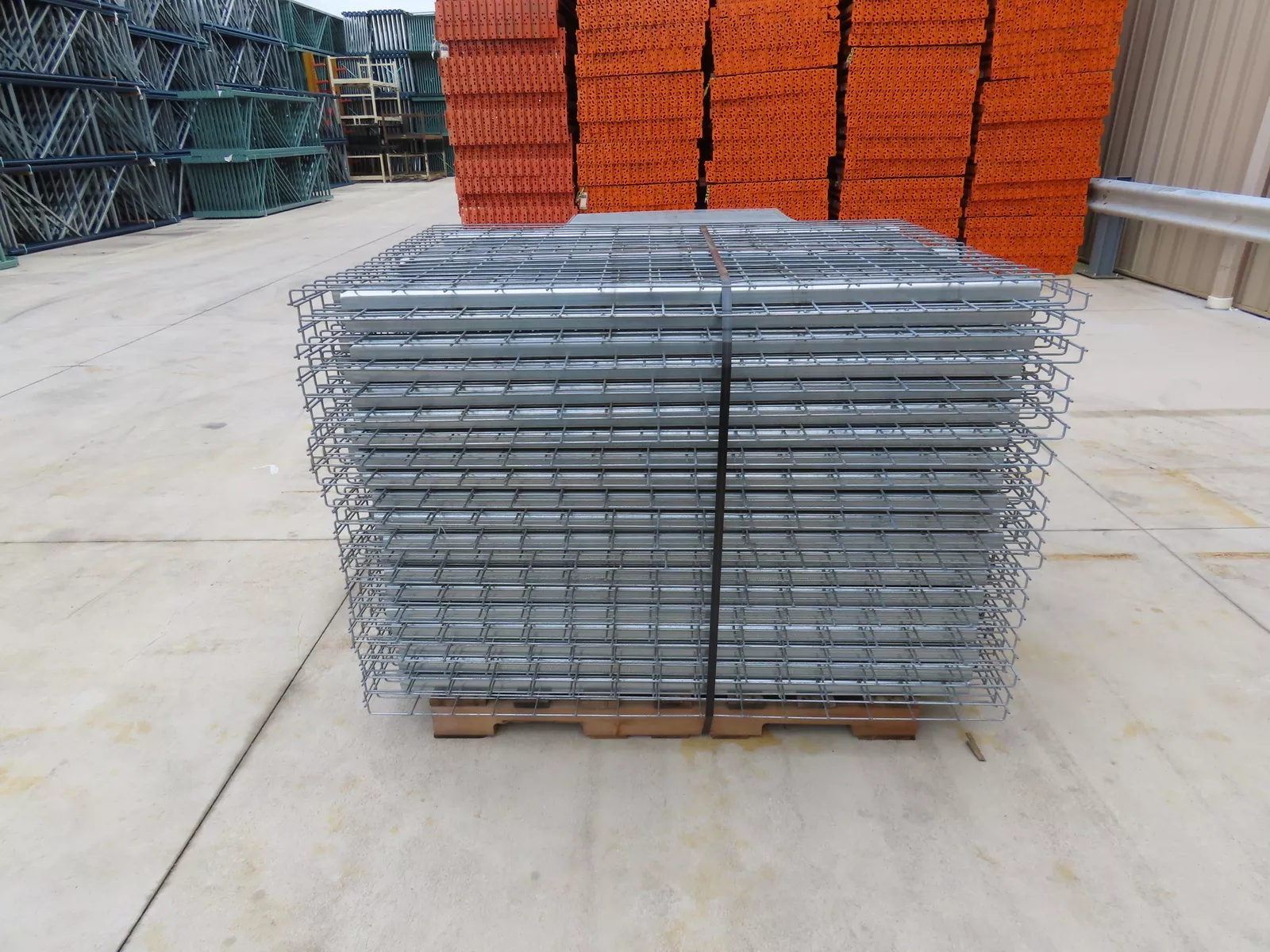
Conclusion
Other Resources

Other Resources
Here is a list of other resources you can review online to learn more:
- Heavy-Duty Cantilever Storage Racks
- Selective Racking
- Warehouse Racking Layout: The Ultimate Guide – Conger
- Selective Rack – Raymond West
- Shipping Boxes, Packaging Materials, Pallet Racking
- Warehousing Education and Research Council: https://www.werc.org/
- Overhead Lifting
- Wolter
- Used Pallet Rack for Sale in Illinois – American Surplus
- Warehouse Racking System: Powerful Guide to Optimise, 2024
- MHI
- Teardrop Pallet Rack – Ridg-U-Rak
- IIWS Inc. Rack Installation Illinois & Rack Repairs Illinois
- Teardrop Pallet Rack – Ridg-U-Rak
- Pallet Racking systems in Illinois, Great Lakes
- Chicago Pallet Racking
- Iowa Illinois Warehouse Racking
- CMMA
- Crane Manufacturers Association Of America Inc.
- National Safety Council
Use This Prompt To Get More Resources With Your Favorite Online AI Tool: Please provide me with a list of online articles with their URLs in a bulleted list that I can read regarding How Do Wholesale Clubs Leverage Pallet Racking?
Other Resources
Glossary Terms
How Do Wholesale Clubs Leverage Pallet Racking? – Glossary Of Terms
1. Pallet Racking: A storage system designed to hold materials on pallets in horizontal rows with multiple levels.
2. Wholesale Club: A retail store offering bulk products at discounted prices to members.
3. Inventory Management: The process of ordering, storing, and using a company’s goods efficiently.
4. Bulk Storage: The practice of storing large quantities of products in a warehouse or retail space.
5. Load Capacity: The maximum weight a pallet rack can safely hold.
6. Warehouse Efficiency: The optimization of storage space and retrieval processes in a warehouse.
7. Space Utilization: The effective use of available storage area to maximize inventory.
8. SKU (Stock Keeping Unit): A unique identifier for each product type stored or sold.
9. Pallet: A flat platform used for stacking and transporting goods.
10. Rack Accessibility: The ease with which products can be retrieved from pallet racks.
11. Forklift Compatibility: The design of racks to allow forklift access for loading and unloading pallets.
12. Vertical Storage: Using the height of a space to store products on multiple levels.
13. Inventory Turnover: The rate at which inventory is sold and replaced over time.
14. Load Stability: Ensuring stored pallets are secure and do not shift or fall.
15. Product Segmentation: Organizing products within racks by category or type.
16. Member Savings: Discounts passed on to wholesale club members through efficient storage and reduced costs.
17. Supply Chain: The entire process of producing and delivering goods from manufacturer to consumer.
18. Bulk Buying: Purchasing large quantities of goods to reduce costs and increase stock.
19. Stock Replenishment: The process of restocking products in the warehouse or retail area.
20. Pallet Flow Racking: A type of pallet racking system that uses gravity to move pallets forward for easy access.
21. Cross-Docking: Transferring products directly from receiving to shipping with minimal storage time.
22. Space Density: The concentration of stored goods per unit of warehouse space.
23. Load Distribution: Even spreading of weight across a rack to ensure safety and stability.
24. Rack Configuration: The arrangement of pallet racks to suit product types and warehouse layout.
25. Bulk Aisle: A wide corridor in warehouses allowing movement of forklifts and products.
26. Inventory Visibility: The ability to track and monitor stock levels and locations.
27. Cost Efficiency: Reducing expenses while maintaining or improving storage and retrieval processes.
28. Safety Standards: Guidelines ensuring the safe use and installation of pallet racking systems.
29. Logistics Optimization: Improving the flow of goods to reduce handling time and costs.
30. Demand Forecasting: Predicting future product demand to manage inventory levels effectively.
Glossary Of Terms
Other Questions
How Do Wholesale Clubs Leverage Pallet Racking? – Other Questions
If you wish to explore and discover more, consider looking for answers to these questions:
- What types of pallet racking systems are commonly used in wholesale clubs (selective, drive-in, push-back, pallet flow, etc.)?
- How do wholesale clubs choose the right pallet racking system for their product mix?
- What is the upfront cost to install pallet racking versus expected long-term savings?
- What is the typical return on investment (ROI) timeframe after installing pallet racking?
- How does pallet racking affect warehouse layout and aisle width planning?
- How do pallet racking systems integrate with warehouse management systems (WMS) and inventory software?
- What loading capacities do different racking designs support and how are capacities calculated?
- How often should pallet racking be inspected and by whom?
- What maintenance and repair practices are required to keep racking safe and compliant?
- What safety standards and regulations apply to pallet racking (local building codes, RMI/ANSI standards, fire codes)?
- How do pallet racking systems affect worker ergonomics and injury risk?
- What training do employees need to work safely around pallet racking and forklifts?
- How do wholesale clubs prevent product damage when using high-density racking?
- What protective accessories (column guards, rack protectors, wire decking) should be used to reduce damage?
- How do pallet racking choices influence inventory picking speed and order fulfillment times?
- What are best practices for product rotation (FIFO vs LIFO) within different racking systems?
- How does pallet racking support seasonal demand spikes and scalability?
- What retrofit options exist for older warehouses that need pallet racking upgrades?
- How do racking designs accommodate different pallet sizes and load configurations?
- What are the fire safety implications of high-bay pallet racking and sprinkler system compatibility?
- How are seismic and wind loads accounted for in pallet racking design in different regions?
- What role does automation (conveyors, AS/RS, automated forklifts) play with pallet racking?
- How can pallet racking layout be optimized for mixed manual and automated operations?
- What metrics should managers track to measure the impact of pallet racking on operations (throughput, inventory accuracy, labor hours)?
- How does pallet racking influence energy consumption and lighting strategies in large warehouses?
- What are common installation mistakes and how can they be avoided?
- How do clubs manage liability and insurance relating to racking failures or accidents?
- What warranties and certifications should buyers look for when procuring racking systems?
- Should wholesale clubs lease, buy, or finance pallet racking equipment?
- How long do typical pallet racking systems last and what is their lifecycle cost?
- What are the environmental and sustainability considerations (material recyclability, end-of-life disposal)?
- How can pallet racking help reduce shrinkage, theft, and inventory loss?
- What signage, labeling, and barcode strategies work best with pallet racking for inventory control?
- How do clubs balance maximum storage density with safe forklift access and maneuverability?
- What emergency procedures and evacuation considerations should be planned around tall racking?
- How are load limits communicated and enforced on shop floors to prevent overloading?
- What inspection checklists or audit procedures are recommended for compliance and safety?
- How do wholesale clubs choose reliable racking suppliers and installers?
- What customization options (mezzanines, shelving attachments, pick modules) are available for specific product categories?
- How does pallet racking design affect customer-facing areas and in-store presentation?
- What case studies exist that quantify the operational improvements from pallet racking upgrades?
- How do ethical considerations (worker safety, responsible maintenance, transparency) get implemented and monitored?
- What are the costs and benefits of periodic professional structural assessments of racking systems?
- How should damaged racking be decommissioned and replaced to minimize downtime and risk?

Other Questions
Checklist
How Do Wholesale Clubs Leverage Pallet Racking? – A Checklist
Planning and Layout
✅______ Current and projected SKU count, cube, and velocity analyzed
✅______ Clear separation of reserve storage and sales-floor pick faces
✅______ Aisle widths set for forklift type and turning radius
✅______ Travel paths minimize cross-traffic between lift trucks and pedestrians
✅______ Seasonal and peak plan for flex space and temporary overflow
✅______ Staging zones defined for receiving, putaway, and outbound
Rack Selection and Engineering
✅______ Rack type selected for inventory flow (selective, double-deep, drive-in, push-back, pallet flow)
✅______ Beam, frame, and decking capacities engineered for worst-case loads
✅______ Pallet standard defined (stringer or block, dimensions, condition) and compatible with rack and deck
✅______ Backstops, row spacers, end-of-aisle guards, and column protectors specified
✅______ Pallet flow lanes designed for required FIFO and case weights
✅______ System stamped or approved by a qualified engineer where required
Space Optimization
✅______ Vertical clear height fully utilized within code and sprinkler constraints
✅______ Bay heights matched to common pallet load heights to reduce dead space
✅______ Slotting by velocity (A/B/C) with fast movers in the most accessible positions
✅______ Cross-aisles placed to reduce travel distance and congestion
✅______ Overhang limits and uniform pallet footprints enforced
✅______ Flue spaces maintained per code (transverse and longitudinal)
Safety and Compliance
✅______ Load capacity plaques visible on every bay
✅______ Racks anchored and beam locks installed throughout
✅______ Racks plumb and level within tolerances; damage tagged and removed from service
✅______ Guarding in high-traffic and impact-prone areas
✅______ Compliance with RMI and ANSI standards, local building and seismic codes, and fire code (for example, NFPA)
✅______ Sprinkler coverage, flues, and clearance to deflectors maintained
✅______ Clear egress routes, emergency signage, and lighting
Operations and Inventory Control
✅______ WMS locations mapped 1:1 to rack bays and levels; barcode or RFID in place
✅______ Replenishment triggers set; reserve-to-pick workflows defined
✅______ Cycle counting schedule aligns with slotting and velocity
✅______ FIFO/LIFO practices matched to rack type and product needs
✅______ Dedicated locations for returns, quarantine, and damage
✅______ Off-peak restocking windows to reduce aisle congestion
Damage Prevention
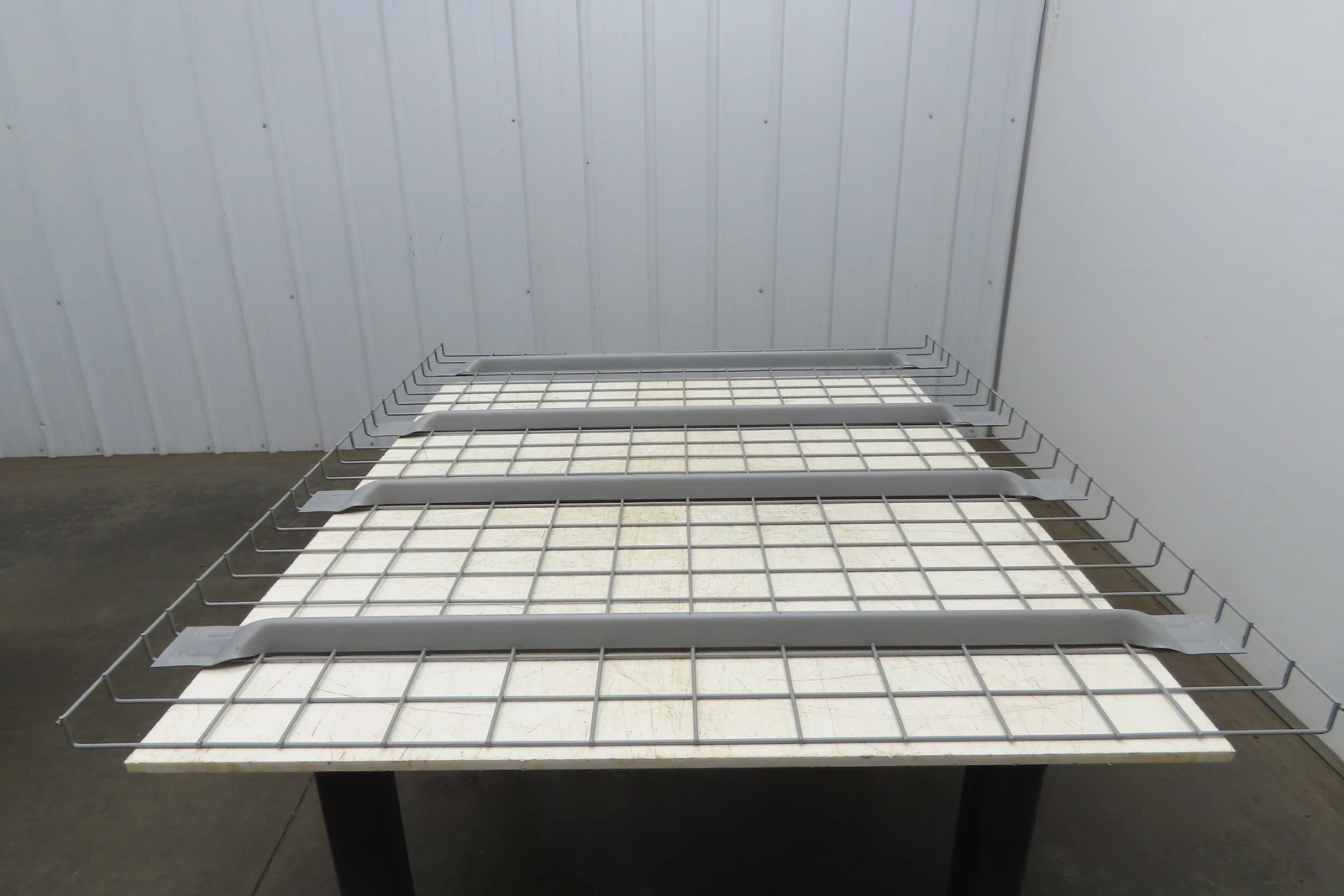
✅______ Wire mesh decking or appropriate support under loads
✅______ Corner boards, stretch wrap, and load containment standards enforced
✅______ Pallet condition inspected at receiving; broken pallets rejected
✅______ Backstop beams used to prevent push-through into flues and aisles
✅______ Speed limits and impact-reduction rules for lift trucks
✅______ End-of-aisle rack guards and floor guides in drive-in lanes
Maintenance and Inspection
✅______ Formal inspection schedule (daily visual; monthly documented; annual third-party)
✅______ Immediate tag-out and repair protocol for bent or damaged components
✅______ Torque checks on anchors and connectors; corrosion control plan
✅______ Housekeeping program keeps aisles, flues, and pick faces clear
✅______ Spare parts inventory (beams, uprights, safety locks) on hand
Worker Training and Culture
✅______ Certified operator training for each equipment type
✅______ Load building and placement SOPs trained and enforced
✅______ Clear maximum load postings and compliance checks
✅______ Near-miss reporting and safety huddles conducted regularly
✅______ New-hire and refresher training tied to seasonal peaks
Cost and Performance Metrics
✅______ Storage density (pallets per square foot and per cubic foot) tracked
✅______ Throughput KPIs (putaway, picks, replenishment time) monitored
✅______ Damage and shrink rates measured and trended
✅______ Labor hours per pallet move and per order tracked
✅______ Energy usage per stored pallet monitored; lighting controls optimized
✅______ ROI model for racking upgrades and protection hardware maintained
Sustainability and Community
✅______ Reduced damage and spoilage targets set and reviewed
✅______ Pallet and dunnage recycling or reuse program in place
✅______ LED aisle lighting and smart controls implemented
✅______ Packaging optimization with suppliers to improve stack stability
Customer-Facing Sales Floor
✅______ Overhead storage above shoppers meets safety and code requirements
✅______ Secure display pallets with proper containment and edge protection
✅______ Clear sightlines and uncluttered aisles for carts and emergency access
✅______ Accurate, visible price and location signage at pick faces
Readiness and Continuous Improvement
✅______ Commissioning checklist completed before go-live or re-slot
✅______ Post-implementation audits at 30/60/90 days with corrective actions
✅______ Annual re-slot based on velocity and seasonality
✅______ Vendor compliance audits for pallet quality and load stability

Checklist
At RackingWorld, we help guide you through selecting warehouse storage systems and racking.
Be sure to read our other related stories at RackingWorld to learn more about warehouse storage systems.
0 Comments