
Revolutionize Your Warehouse With Advanced Tech
By Tom Seest
At RackingWorld, we help guide you through selecting warehouse storage systems and racking.
Be sure to read our other related stories at RackingWorld to learn more about warehouse storage systems.
How Can Technology Transform Your Warehouse Operations?
In today’s fast-paced business environment, staying ahead means embracing innovation, particularly when it comes to your warehouse operations. Think about this—what if your warehouse could operate like a well-oiled machine, seamlessly integrating technology at every level? It’s not only possible; it’s essential for achieving efficiency, reducing costs, and maximizing space.
Imagine your current pallet racking system. Now, visualize it upgraded with the latest technology outfit—smart sensors and automated inventory management. Suddenly, you’re not just storing products; you’re optimizing their flow. The digital transformation doesn’t stop at racking either. Advanced software solutions now offer real-time visibility into inventory levels and warehouse performance. This means you can say goodbye to the days of manual stock checks and unexpected shortages. Picture the relief of knowing exactly how much product is on hand—lend yourself to proactive decision-making rather than reactive scrambling.
Harnessing technology isn’t just about increasing output; it’s about enhancing the experience for everyone involved. Whether it’s an employee on the warehouse floor or a manager overseeing operations, streamlined processes mean effective workflows. With mobile applications, workers can engage with the warehouse management system directly from their devices, making communication smoother and actions more immediate. Think about the impact on morale when your team can confidently execute tasks with the right tools at their fingertips.
Let’s talk numbers—because that’s what drives results. Technology improves accuracy by up to 99% in picking and inventory management, meaning fewer errors and less wasted time. For the bottom line, that’s not just a win; it’s a game-changer. You’ll see enhanced productivity, leading to faster turnaround times, better customer satisfaction, and ultimately, increased profits.
Furthermore, investing in a modern, technology-driven warehouse signifies a commitment to growth. Your clients will notice the difference. When they know they can rely on you for precise order fulfillment and timely deliveries, their loyalty deepens. It builds trust—something that is invaluable in business.
So, are you ready to revolutionize your warehouse? Embrace the opportunities that technology offers, and watch as your operations transform before your eyes. Join the ranks of forward-thinking businesses that don’t just keep up with the competition but leap ahead, setting new standards for efficiency and excellence. The future of your warehouse is bright—turn on the lights and seize it!
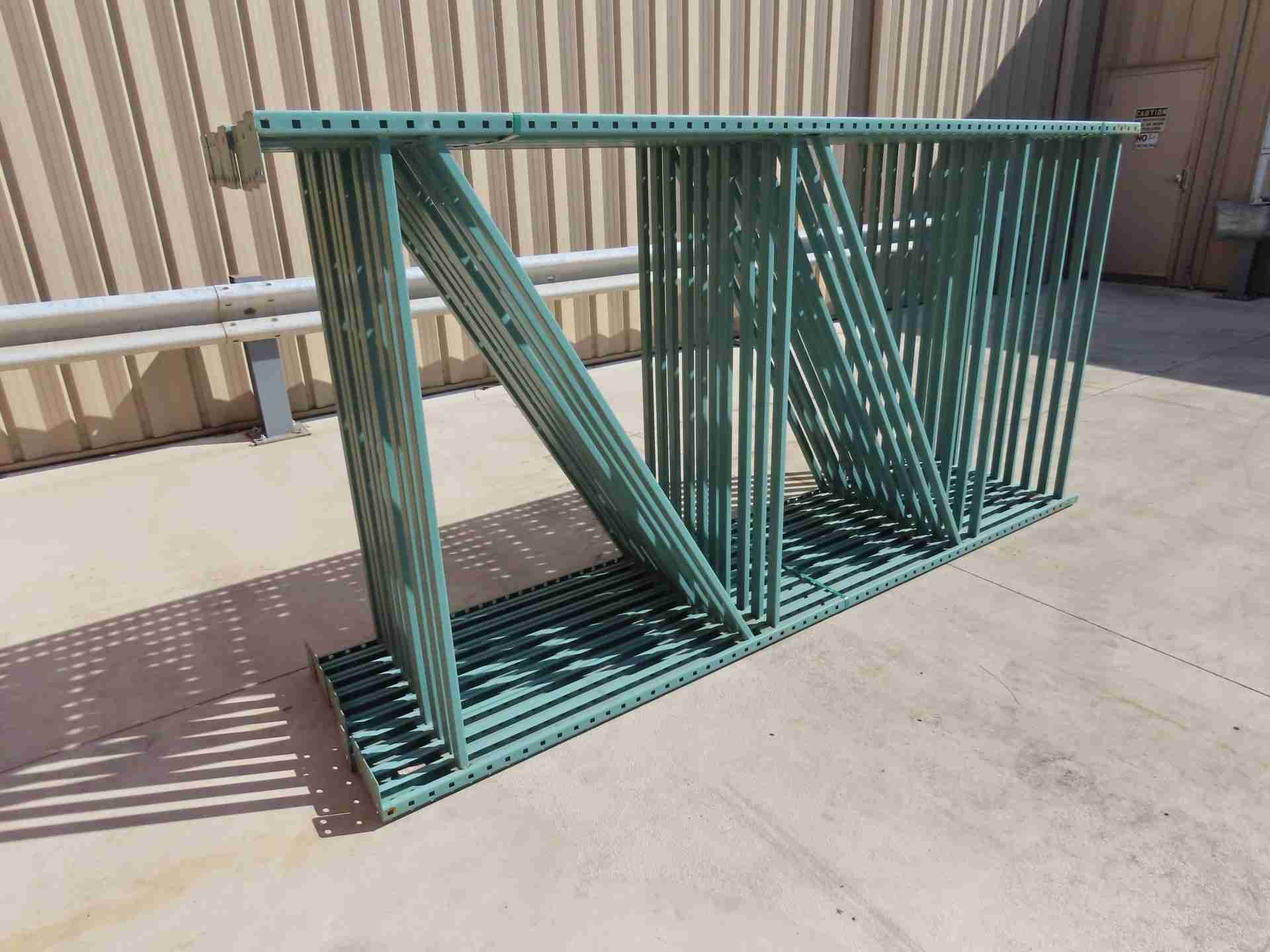
How Can Technology Transform Your Warehouse Operations?
How Can Technology Transform Your Warehouse Operations?
- Embracing innovation in warehouse operations is essential for efficiency and cost reduction.
- Upgrading pallet racking systems with smart sensors and automated inventory management can optimize product flow.
- Advanced software provides real-time visibility into inventory, eliminating manual stock checks and shortages.
- Streamlined processes enhance employee and manager experiences, contributing to effective workflows.
- Mobile applications enable workers to interact with warehouse management systems directly, improving communication.
- Technology dramatically improves accuracy in picking and inventory management, leading to increased productivity and customer satisfaction.
- Investing in modern warehouses builds client trust and loyalty through precise order fulfillment and timely deliveries.
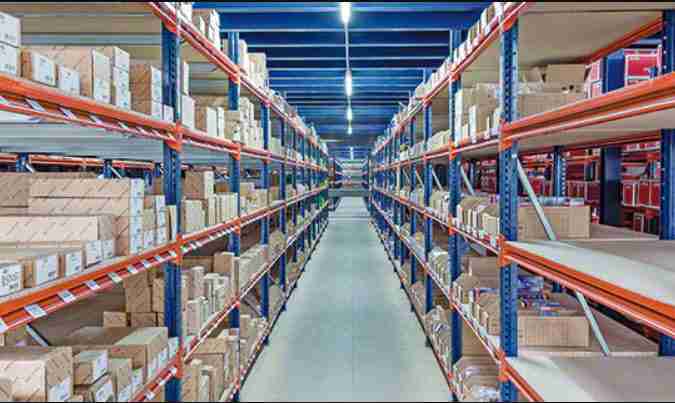
How Can Technology Transform Your Warehouse Operations?
Table Of Contents
- How Can Technology Transform Your Warehouse Operations?
- What Are The Key Technologies Improving Warehouse Efficiency?
- How Does Automation Streamline Warehouse Processes?
- What Role Does Inventory Management Software Play?
- How Can Data Analytics Enhance Decision-Making In Warehouses?
- What Impact Do Robotics Have On Warehouse Labor?
- How Can Iot Devices Optimize Warehouse Operations?
- Conclusion
- Other Resources
- Glossary Of Terms
- Other Questions
- Checklist
What Are The Key Technologies Improving Warehouse Efficiency?
In today’s fast-paced world, the operational efficiency of a warehouse can make or break a business. Imagine a bustling hub of activity, where every square foot is optimized to perfection, allowing products to move in and out like a well-oiled machine. This is the promise of modern warehouse technologies, each designed to streamline processes and enhance productivity. So, what exactly are the game-changers propelling warehouses into a new age of efficiency?
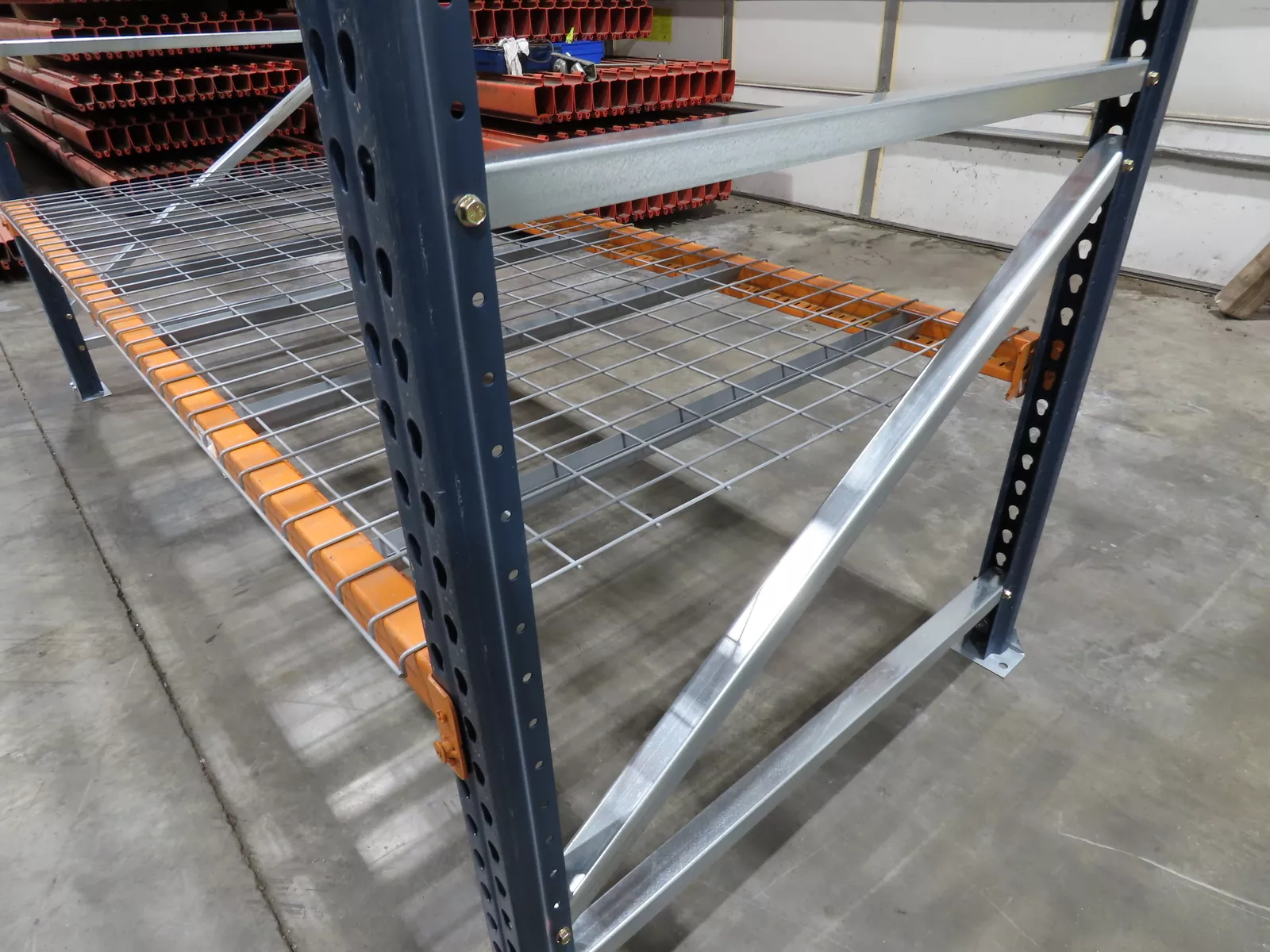
First and foremost, let’s talk about Pallet Racking. This system is not just a storage solution; it’s an essential backbone of modern logistics. By utilizing vertical space effectively, pallet racking maximizes storage capacity and minimizes clutter. With racking systems tailored to your specific needs, you can customize your warehouse layout to ensure that your most frequently picked items are easily accessible. Picture flowing aisles, swift retrieval processes, and a workspace free of chaos—sounds appealing, right?
Next up are Automation Technologies. From robotic pickers to conveyor systems, automation is revolutionizing how we manage inventory. Picture a scenario where your products are transported seamlessly from one end of the warehouse to the other, all without the need for manual intervention. This not only speeds up operations but also reduces the potential for human error, giving you peace of mind knowing your inventory is in capable hands.
Then, we come to Warehouse Management Systems (WMS). These software solutions are critical in orchestrating your operations. Think of WMS as the conductor of a symphony, ensuring every element plays in harmony. From real-time inventory tracking to order fulfillment analytics, this technology provides insights that empower warehouse managers to make informed decisions, ultimately driving performance and profitability.
Lastly, let’s not overlook the effectiveness of Data Analytics. Data is the new currency, and having the ability to analyze your warehouse operations can unveil hidden inefficiencies. Utilizing predictive analytics, you can forecast needs, anticipate busy seasons, and better allocate resources. It transforms a traditional warehouse into a dynamic, responsive environment that adjusts to challenges before they arise.
Investing in these key technologies not only enhances your warehouse efficiency but establishes a foundation for sustained growth. The landscape of logistics is evolving, and embracing these innovations will position your business ahead of the curve. So, why not take the first step toward transforming your warehouse into a beacon of efficiency? Your future self will thank you.

What Are The Key Technologies Improving Warehouse Efficiency?
What Are The Key Technologies Improving Warehouse Efficiency?
- Operational efficiency in warehouses is crucial for business success.
- Pallet racking maximizes storage capacity by effectively utilizing vertical space.
- Automation technologies, like robotic pickers and conveyor systems, streamline inventory management and reduce human error.
- Warehouse Management Systems (WMS) act as essential software tools to orchestrate operations and drive performance.
- Data analytics helps identify inefficiencies and forecast needs for better resource allocation.
- Investing in modern warehouse technologies enhances efficiency and supports sustained growth.
- Adopting these innovations positions businesses competitively in the evolving logistics landscape.
What Are The Key Technologies Improving Warehouse Efficiency?
How Does Automation Streamline Warehouse Processes?
Imagine walking into a bustling warehouse, where order after order is processed seamlessly, the once-chaotic environment transformed into a dance of precision and efficiency. This is the power of automation, and it’s revolutionizing the way we think about warehouse operations. Are you still relying on outdated methods that slow down your processes? It’s time to embrace change and unlock the potential of your business!
At the heart of a well-oiled warehouse system lies well-designed pallet racking. When integrated with automation, this essential component becomes even more formidable. Through advanced technology, automation systems can optimize the usage of pallet racking, ensuring that every square foot of space is used to its fullest potential. No longer do you need to waste time fumbling through cramped aisles. Instead, automated systems can swiftly locate and retrieve products, leading to faster delivery times and ultimately, happier customers.
But it’s not just about speed; it’s about precision. With automated systems managing inventory, human error is significantly reduced. Say goodbye to costly mistakes that stem from manual counting or misplacing items. Automated solutions also provide real-time data, giving you complete visibility into your inventory levels, which means you can make informed decisions about restocking and managing supply. This level of foresight fosters trust not only within your team but also with your customers, who appreciate the reliability of accurate order fulfillment.
Let’s not forget the human element. Manufacturers and retailers alike face the challenge of staffing their warehouses effectively. Automation doesn’t replace the human touch; it empowers your workforce to focus on higher-level tasks rather than mundane, repetitive activities. Imagine your team engaged in strategic planning or customer service instead of spending hours picking and packing. By utilizing automated technologies, you’re not just streamlining processes—you’re investing in your people, creating a motivated team that can truly shine.
So, what’s stopping you? The future of your warehouse is waiting just around the corner. Don’t let hesitation hold you back. By adopting automation, you can revolutionize your operations and pave the way for sustained growth. Transitioning to automated systems may seem like a leap, but by integrating features like intelligent pallet racking, you’ll not only streamline your warehouse processes but also enhance your overall bottom line. Seize this opportunity to elevate your business and stand at the forefront of your industry. The time for automation is now!
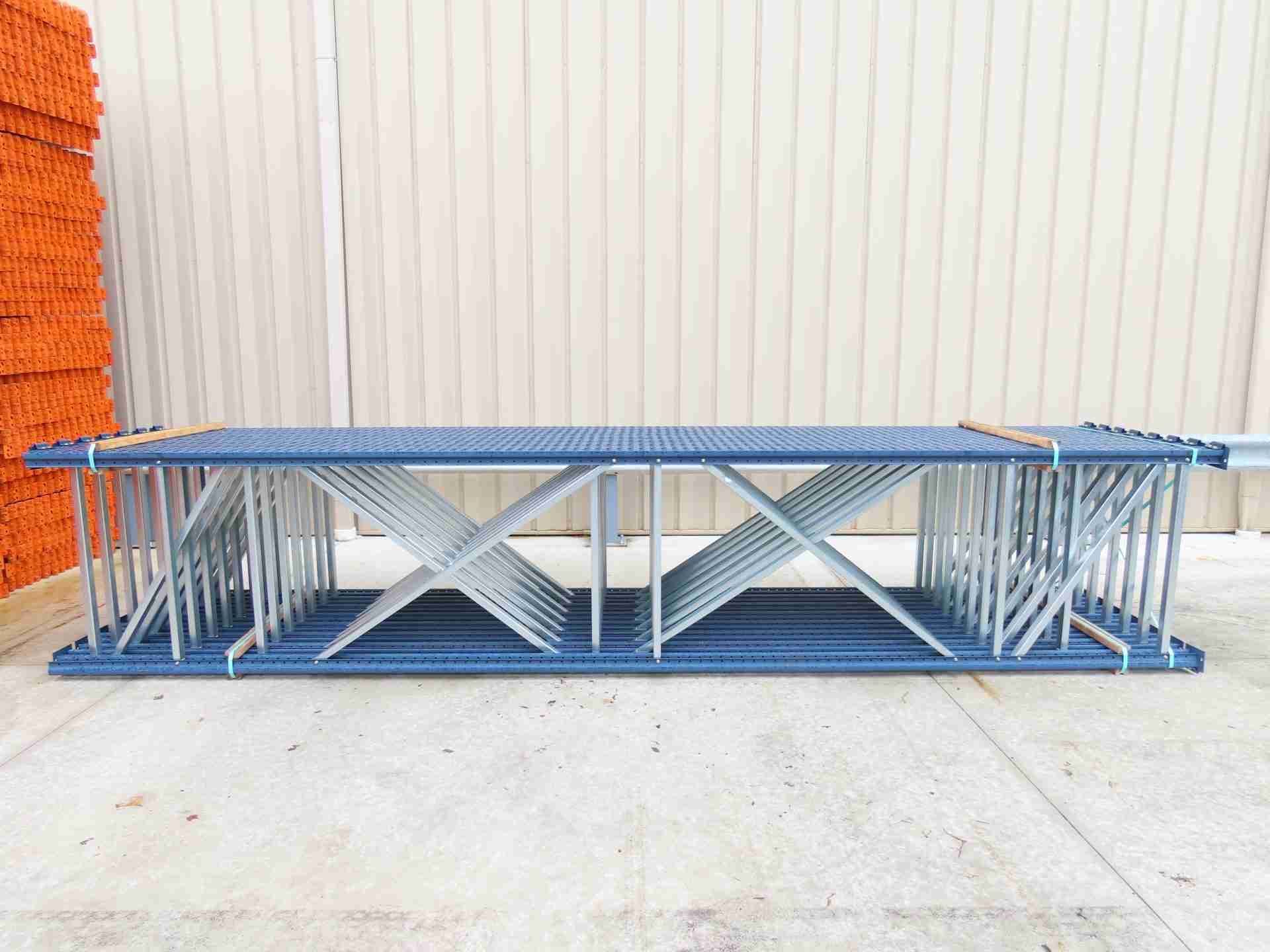
How Does Automation Streamline Warehouse Processes?
How Does Automation Streamline Warehouse Processes?
- Automation is transforming warehouse operations, enhancing precision and efficiency.
- Well-designed pallet racking combined with automation optimizes space usage in warehouses.
- Automated systems can quickly locate and retrieve products, leading to faster delivery times.
- Automation reduces human error, minimizing costly mistakes in inventory management.
- Real-time data from automated solutions enhances visibility and decision-making for restocking.
- Automation empowers workers to focus on higher-level tasks, improving team engagement.
- Embracing automation positions your business for sustained growth and industry leadership.
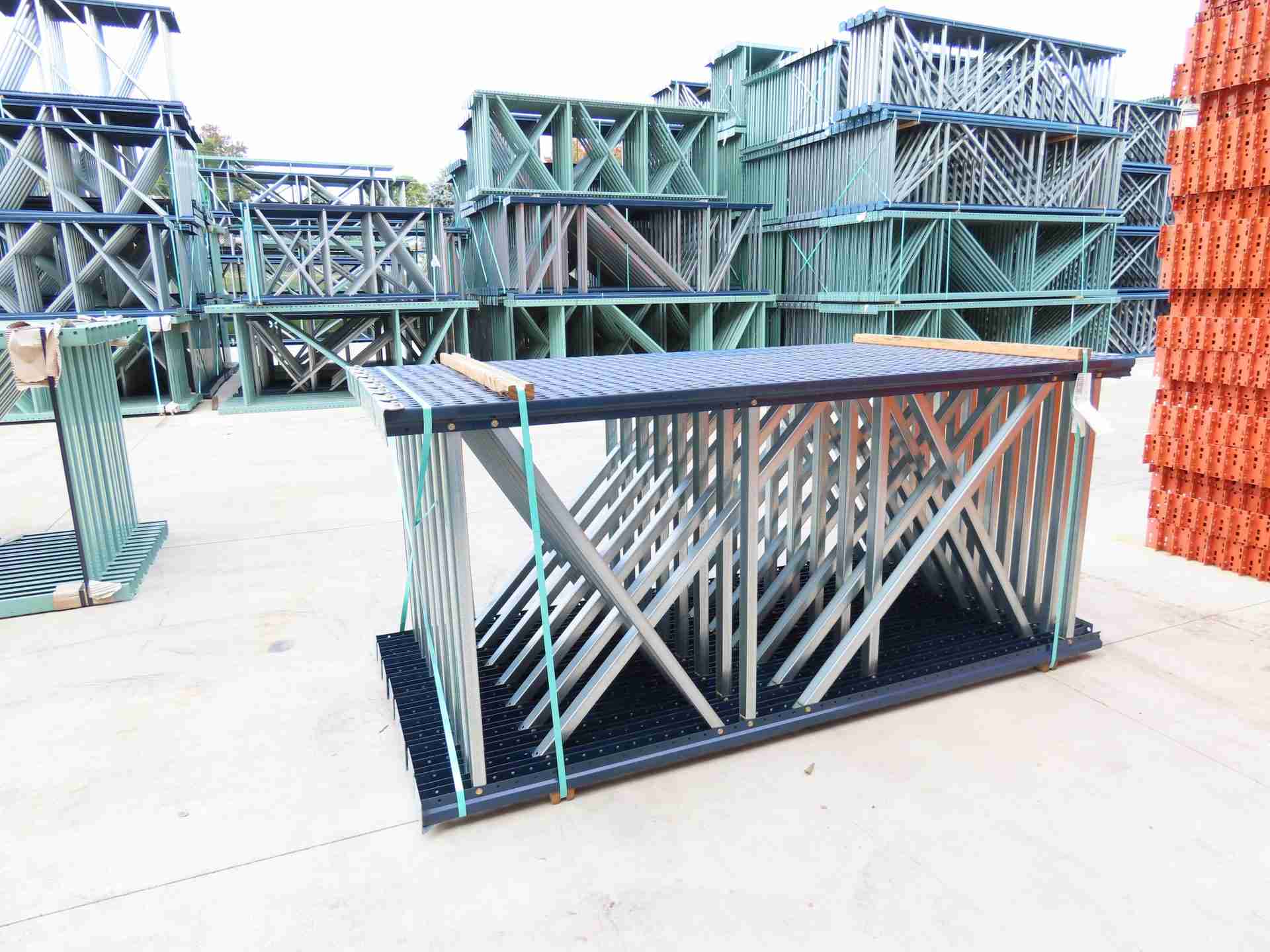
How Does Automation Streamline Warehouse Processes?
What Role Does Inventory Management Software Play?
In today’s fast-paced business environment, effective inventory management isn’t just a luxury—it’s a necessity. Imagine a bustling warehouse with rows of pallet racking, each shelf loaded with merchandise that needs to be tracked and optimized. With so much on the line, how do you ensure that everything runs smoothly without losing your mind in the process? This is where inventory management software steps in as your lifeline, your secret weapon in the battle for efficiency and profit.
Think of inventory management software as the trusty navigator guiding your ship through stormy seas. It empowers you to keep an eagle eye on each item in your inventory, from the moment it arrives on those pallet racks to the instant it leaves your warehouse. Gone are the days of tedious manual counts and guesswork. With just a few clicks, you can access real-time data that paints a vivid picture of your stock levels, sales trends, and reorder points. This immediate insight means you can make informed decisions that impact your bottom line, allowing you to seize opportunities before your competitors even notice they exist.
But it’s not just about keeping track of what you have; it’s about making every decision count. Inventory management software helps you identify slow-moving items and eliminate excess stock that’s tying up your capital. Imagine the relief as you clear out those overstocked pallet racks, transforming clutter into cash flow. The power of data-driven decision-making creates a ripple effect that boosts your operational efficiency, enhances customer satisfaction, and ultimately drives profitability.
Perhaps what’s most refreshing about incorporating inventory management software is the confidence it instills. As you streamline your processes, you will notice the reduction in errors, the increase in accuracy, and a newfound sense of control over your inventory. Your team can shift their focus from mundane tasks to strategic thinking that propels your business into the future. They can collaborate seamlessly, ensuring that each member is on the same page and working toward common goals.
So, why continue managing your inventory with outdated methods when you can harness the power of technology? Elevate your business with inventory management software that clears the fog, makes sense of complexity, and paves the way for growth. Don’t wait—take that step toward greater efficiency and profitability today.
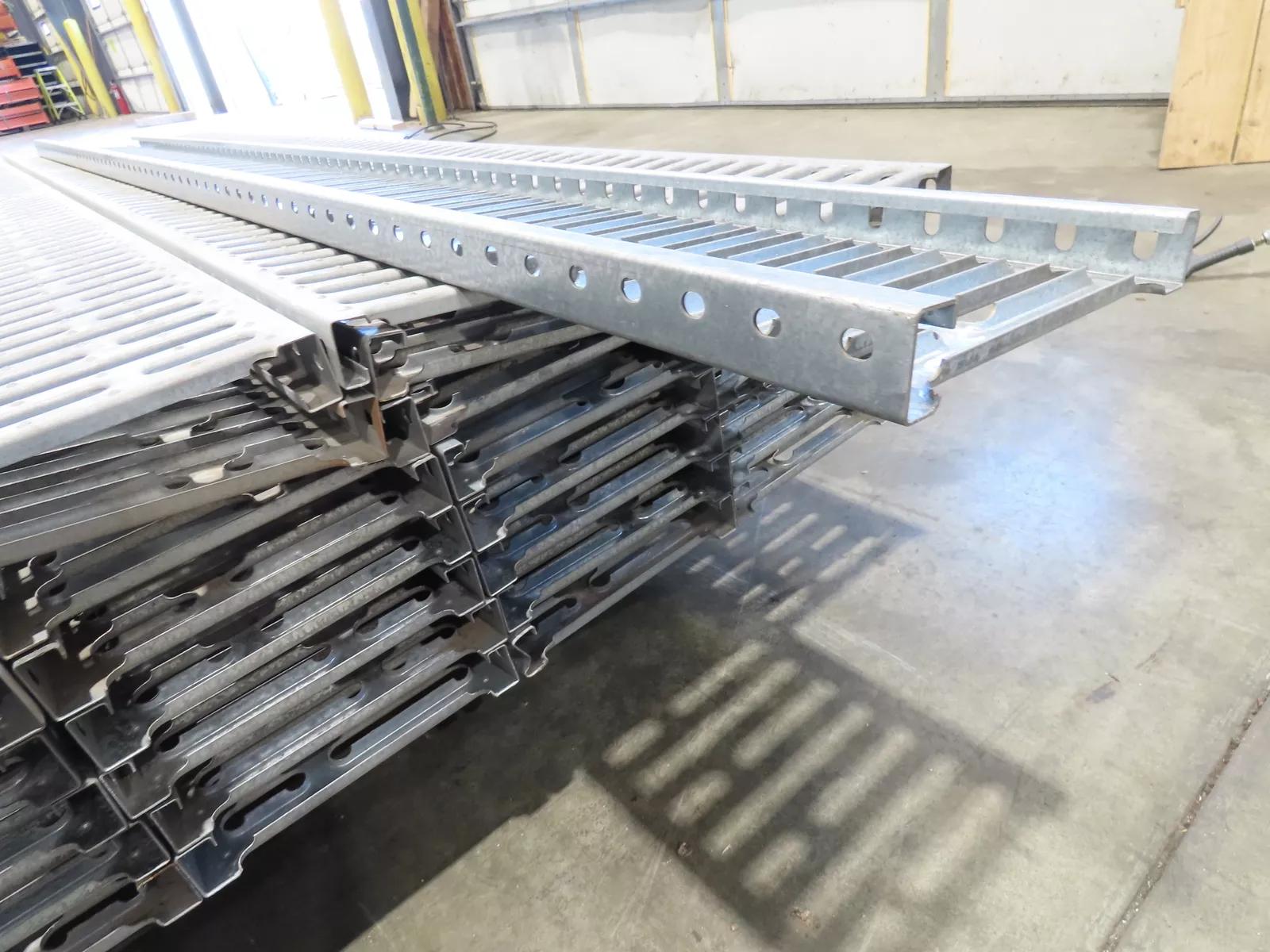
What Role Does Inventory Management Software Play?
What Role Does Inventory Management Software Play?
- Effective inventory management is crucial in today’s fast-paced business environment.
- Inventory management software acts as a navigator, providing real-time data on stock levels, sales trends, and reorder points.
- Manual inventory counts and guesswork are replaced by streamlined processes and data-driven decisions.
- The software helps identify slow-moving items and eliminate excess stock, improving cash flow.
- Increased accuracy and reduced errors enhance operational efficiency and customer satisfaction.
- Teams can focus on strategic thinking, improving collaboration and productivity.
- Utilizing inventory management software promotes growth and profitability through technological advancement.
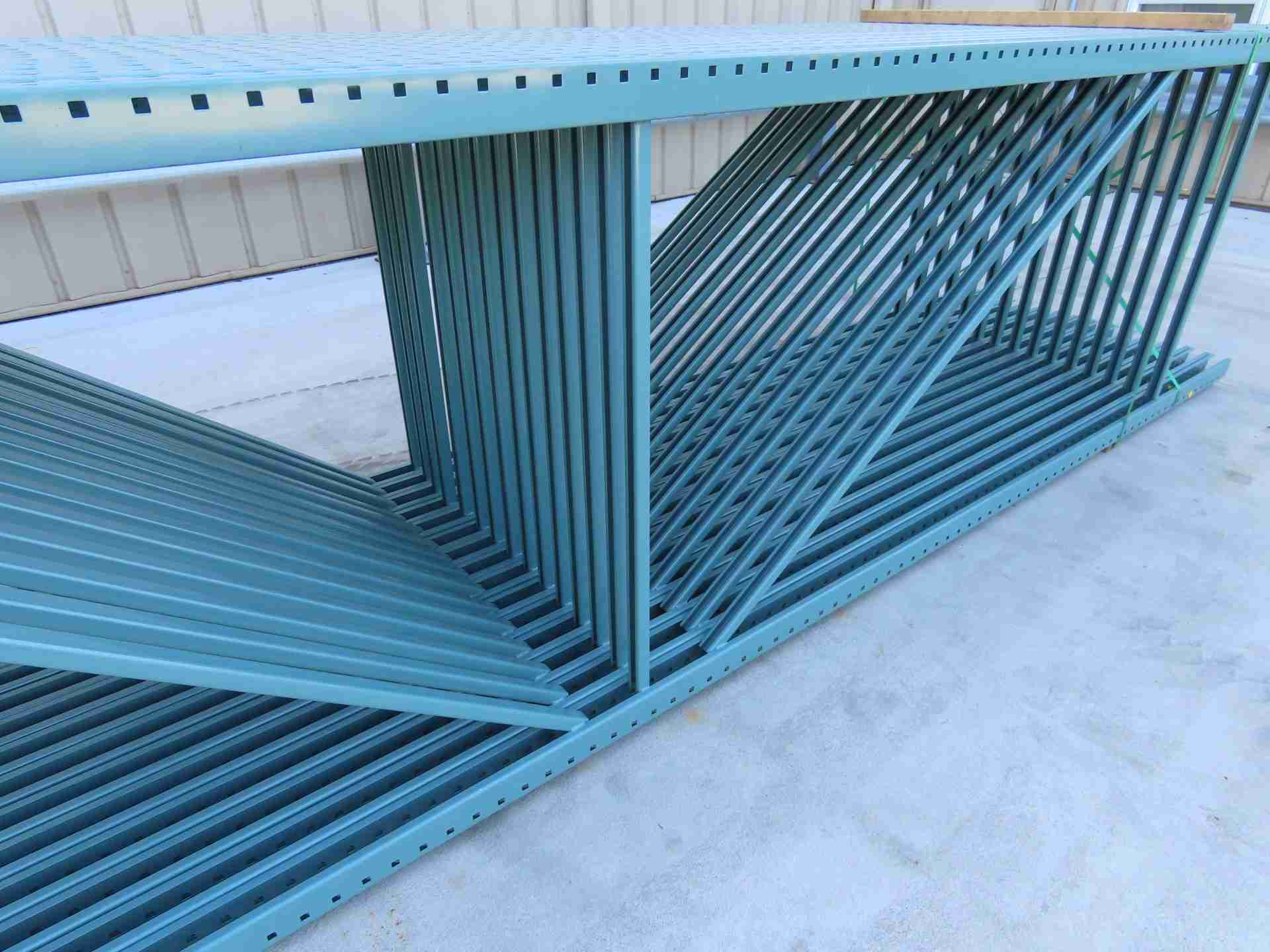
What Role Does Inventory Management Software Play?
How Can Data Analytics Enhance Decision-Making In Warehouses?
In today’s fast-paced logistics landscape, every decision made in a warehouse can either make or break your operations. Think about your pallet racking system. It’s not just an ergonomic solution for storing goods; it’s a critical point where strategic data can unlock unparalleled efficiency. Imagine standing in your warehouse surrounded by rows of neatly organized pallet racking, only to realize that each stack contains a treasure trove of insights just waiting to be uncovered.
Data analytics transforms your warehouse from a simple storage space into a powerhouse of informed decisions. Picture this: you’re armed with real-time data on inventory turnover rates, demand forecasts, and customer preferences, enabling you to adjust your pallet racking layouts dynamically. No longer are you just reacting to trends but anticipating them, streamlining operations, and maximizing your space. Every square foot of that warehouse deserves to be used wisely—data analytics makes sure of that.
But why stop at simply managing your inventory? Data analytics can be your trusted ally in enhancing operational efficiency. By examining workflow bottlenecks and understanding how products are moved within your pallet racking, you can reengineer processes that minimize downtime and improve labor productivity. Empower your team with insights that turn them into proactive problem solvers, not just order pickers.
And let’s talk about safety for a moment. A well-analyzed warehouse isn’t just efficient; it’s safe. Data analytics helps identify potential hazards, providing insights that lead to proactive measures. Imagine reducing workplace accidents by using data to inform better shelving practices, ensuring that your pallet racking isn’t just functional but also fortified against mishaps.
Investing in data analytics isn’t just a trend; it’s a lifeline for forward-thinking warehouse managers. This isn’t about fancy dashboards or obscure metrics that only a data scientist can understand. This is about you and your team, making informed decisions that cultivate a thriving business environment.
So, are you ready to step into the future? Are you ready to dismantle the walls of inefficiency and embrace the power of data? Trust in data analytics, and watch as it elevates your decision-making to new heights. Embrace this opportunity today, and turn that pallet racking from a simple structure into a symbol of growth, safety, and intelligent design. Your warehouse deserves it. Your business deserves it.
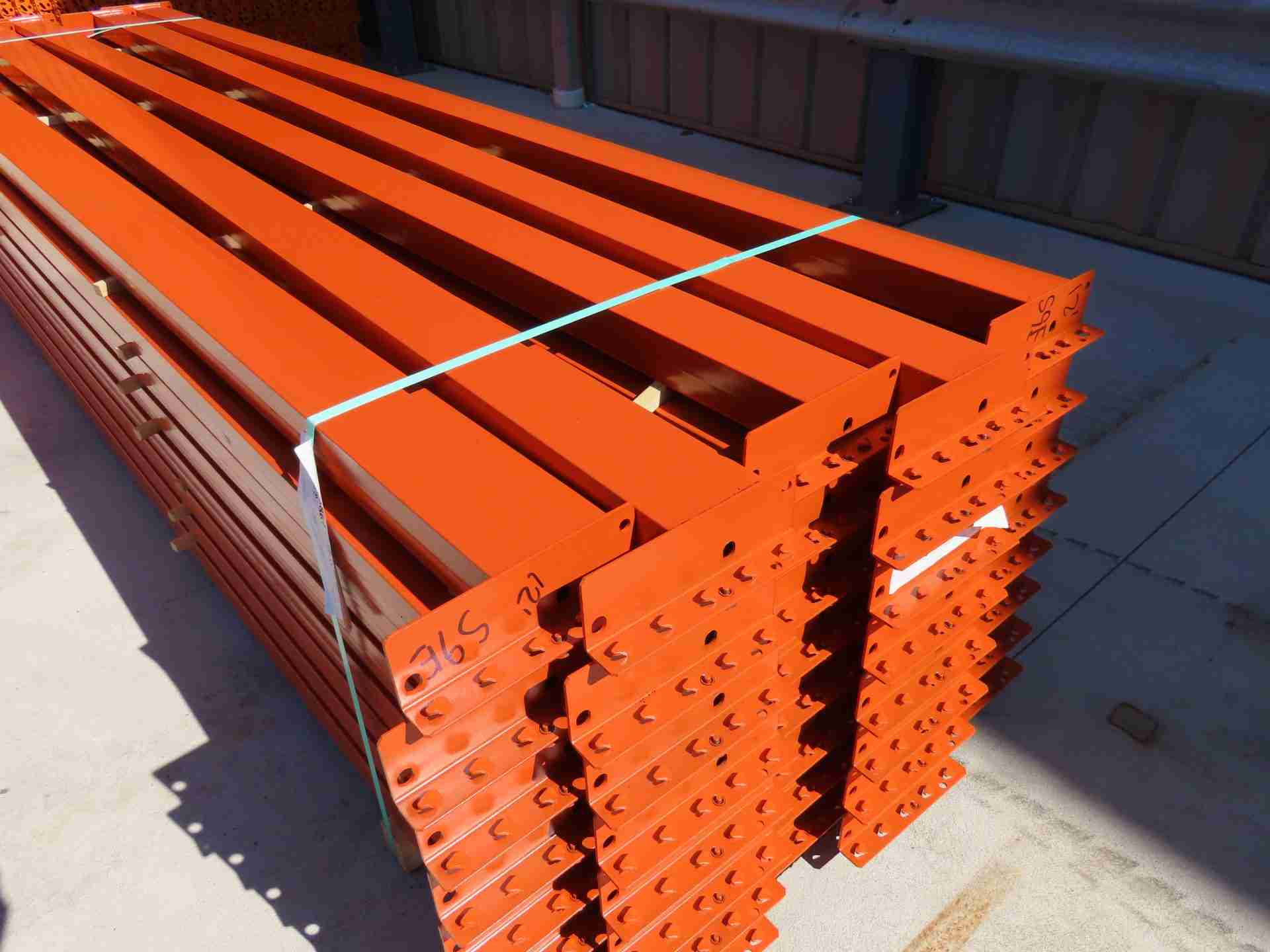
How Can Data Analytics Enhance Decision-Making In Warehouses?
How Can Data Analytics Enhance Decision-Making In Warehouses?
- Warehouse decisions significantly impact operations.
- Pallet racking systems offer strategic data for efficiency.
- Data analytics transforms warehousing into a decision-making powerhouse.
- Real-time data enables dynamic adjustments to pallet racking layouts.
- Insights from data help minimize downtime and improve labor productivity.
- Data analytics enhances safety by identifying potential hazards.
- Investing in data analytics promotes informed decision-making for business growth.

How Can Data Analytics Enhance Decision-Making In Warehouses?
What Impact Do Robotics Have On Warehouse Labor?
In the bustling world of warehousing, the traditional image of workers toiling away among stacks of boxes is being transformed by an alliance that promises efficiency and innovation. Robotics are stepping onto the scene, not as a replacement for human labor but as a powerful partner. Imagine a future where pallet racking systems are swiftly organized, filled, and refreshed by intelligent machines capable of navigating complex environments. This is not science fiction; it’s the operational reality that countless warehouses are already embracing.
Let’s face it—work in a warehouse can be both physically demanding and repetitive. The introduction of robotics into warehouse labor lightens that load. Picture a worker guiding a robotic arm to efficiently retrieve items from those towering pallet racking systems. This not only cuts down on time but also improves accuracy while allowing your team to focus on what truly matters—enhancing customer satisfaction and driving sales.
But it’s not just about getting the job done faster; it’s about creating a culture where human ingenuity and robot precision go hand in hand. The presence of robotics in the warehouse doesn’t erase the need for skilled employees; instead, it elevates their roles, providing opportunities for employees to master complex problem-solving and technical tasks previously reserved for engineers. When workers aren’t bogged down with monotonous lifting and stocking, they can innovate, strategize, and contribute to a thriving business.
Moreover, consider the financial implications. Robotics reduce overhead costs associated with injuries and inefficiencies. When critical tasks involving those high-reaching pallet racking systems are handled by automated solutions, safety risks decline significantly. This means fewer work-related injuries, lower insurance costs, and ultimately a healthier bottom line.
Investing in robotic solutions isn’t just about embracing technology; it’s about driving transformation within your operations. It’s an invitation to rethink what’s possible. Imagine a workforce that collaborates seamlessly with intelligent machines to not only fulfill orders but to scale operations to new heights. Your warehouse could evolve into a vibrant ecosystem where both human and machine thrive together.
So, why wait? Embrace the wave of change that robotics brings to warehouse labor. Let automated solutions elevate your operations, safeguard your team, and create efficiencies that keep your business ahead of the competition. The future is here—are you ready to seize it?
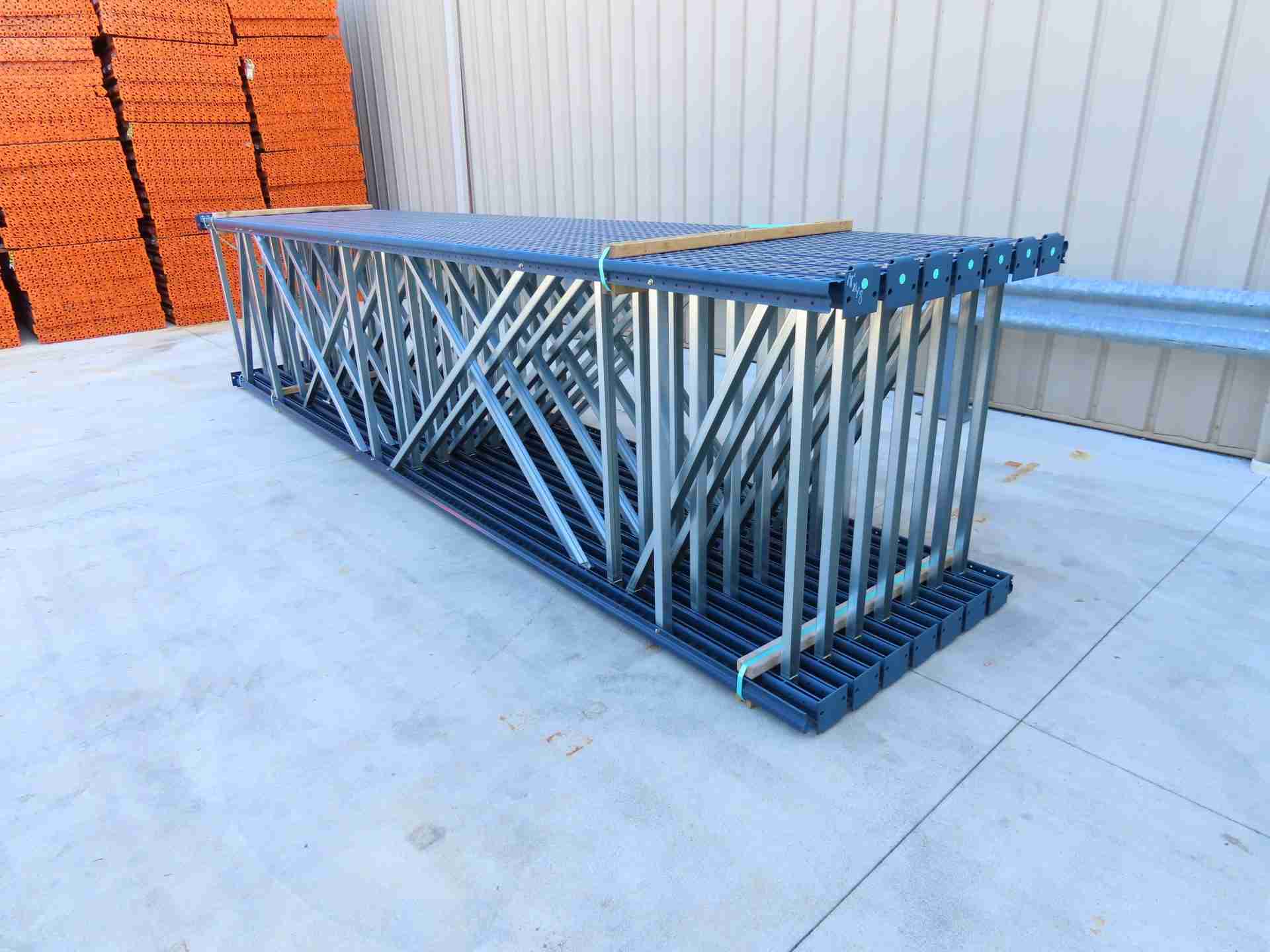
What Impact Do Robotics Have On Warehouse Labor?
What Impact Do Robotics Have On Warehouse Labor?
- Robotics in warehousing are transforming traditional labor roles, serving as efficient partners rather than replacements for human workers.
- Automated systems improve organization and management of pallet racking, enhancing operational efficiency.
- Robotics help alleviate physical demands and repetitive tasks, allowing workers to focus on enhancing customer satisfaction and driving sales.
- The integration of robotics elevates the roles of employees, offering opportunities for complex problem-solving and technical skill development.
- Robotic solutions reduce overhead costs by lowering injury rates and improving operational efficiencies within warehouses.
- Investing in automation encourages operational transformation and rethinking possibilities within warehouse operations.
- Embracing robotics provides a competitive edge, creating a harmonious workplace where human ingenuity and machine precision coexist.
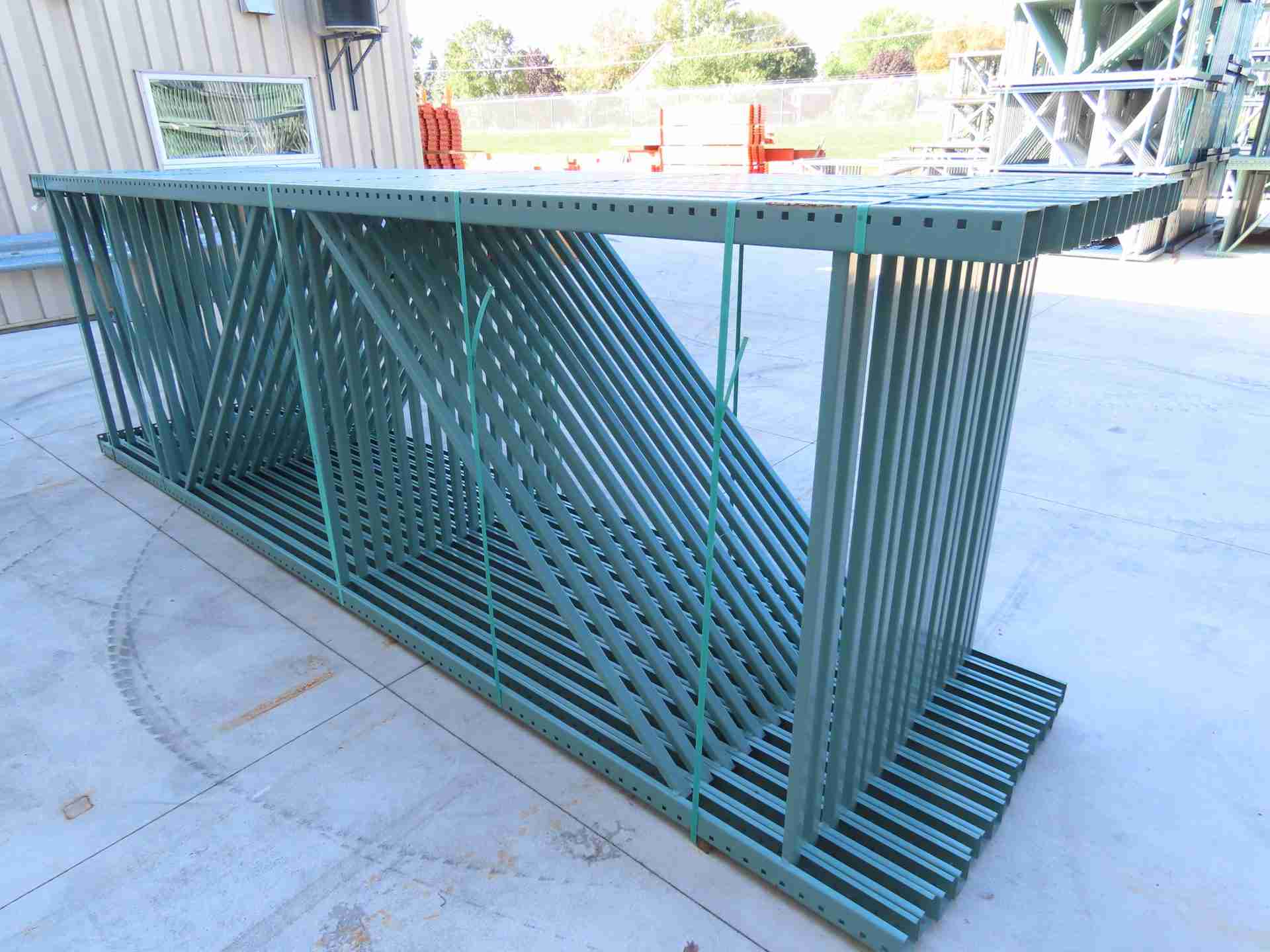
What Impact Do Robotics Have On Warehouse Labor?
How Can Iot Devices Optimize Warehouse Operations?
How Can IoT Devices Optimize Warehouse Operations?
Imagine walking into a warehouse where everything runs like a well-oiled machine. The aisles are clear, the inventory is perfectly organized, and time-wasting inefficiencies are a thing of the past. With the rise of the Internet of Things (IoT), achieving this vision isn’t just possible; it’s easier than ever.
One of the most potent tools that IoT brings to the table is in the management of pallet racking systems. Gone are the days when managers relied on outdated manual methods to track inventory or reposition pallets. With smart sensors installed in your pallet racking, you can monitor stock levels, understand item flow rates, and even receive real-time alerts when supplies are running low. This means no more guessing games—everything is right at your fingertips.
Picture this: you’re managing a warehouse bustling with activity. You have multiple tasks to oversee and decisions to make, all while ensuring operations remain smooth. Now, imagine having a sophisticated network of IoT devices that streamlines processes and saves you time. Sensors can help monitor conditions such as temperature and humidity, which is vital for perishable goods. With a quick glance at your mobile device, you can maintain optimal conditions and ensure the integrity of your products. Your confidence in operations will skyrocket, and so will your team’s productivity.
Moreover, because IoT devices gather and analyze data, you can generate insights to refine your inventory management strategies. Understanding patterns in product movement will allow you to optimize pallet racking placement, reducing the time it takes for employees to pick items and enhancing overall satisfaction among your workforce. A well-informed team is a motivated one, and happy employees lead to better service for your customers.
You may be wondering, “Is this investment worth it?” That’s a fair question. But consider this: a single mismanaged inventory issue can lead to significant costs that compound over time. Embracing IoT in your warehouse operations not only mitigates risk but also drives efficiency.
The path to transformation is clear: embrace the IoT. Optimizing your warehouse operations sets you on the route to not just survive in today’s competitive climate, but thrive. Take the leap now, and watch your operations—and profits—soar to new heights.

How Can Iot Devices Optimize Warehouse Operations?
How Can Iot Devices Optimize Warehouse Operations?
- IoT enhances warehouse operations to create streamlined, efficient workflows.
- Smart sensors in pallet racking improve inventory management and provide real-time stock monitoring.
- IoT devices help monitor environmental conditions, ensuring product integrity for perishables.
- Data analysis from IoT helps refine inventory management strategies and optimize racking placement.
- Efficient operations increase employee productivity and job satisfaction.
- Investment in IoT mitigates risks associated with inventory mismanagement, reducing long-term costs.
- Embracing IoT positions warehouses to thrive in a competitive market and boosts profits.
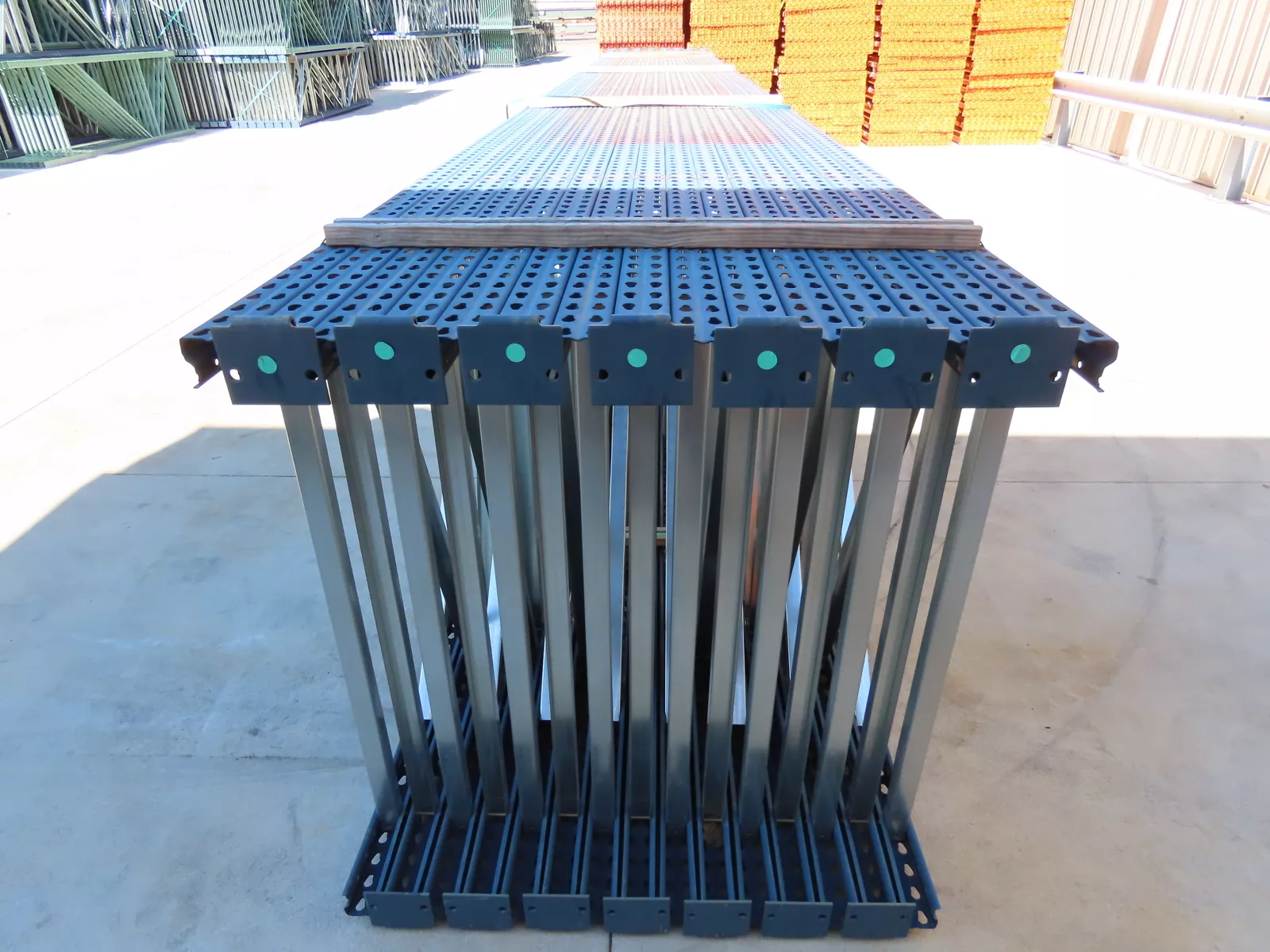
How Can Iot Devices Optimize Warehouse Operations?
Conclusion
Conclusion: Embrace the Future of Warehouse Efficiency with Arrow Industrial Sales
The modern warehouse landscape is evolving at an unprecedented pace, driven by technology that empowers businesses to operate with unparalleled efficiency. At RackingWorld.com and Arrow Industrial Sales, we recognize that embracing this transformation is not merely advantageous; it’s essential for survival in an ever-competitive marketplace. Imagine stepping into a warehouse where advanced pallet racking systems marshal products seamlessly, where automation and robotics streamline processes, where IoT devices keep real-time tabs on inventory flow, and where data analytics illuminate every decision made. This is not a distant dream—this is your warehouse’s future, and it can be operational today.
Every key element of warehouse efficiency—whether it’s optimized pallet racking, automated systems, comprehensive inventory management software, or actionable data analytics—is within your reach. You no longer have to rely on outdated practices that hinder productivity and inflate costs. Instead, think about the profound impact that technology can have on your bottom line. Increased accuracy, reduced operational costs, and enhanced customer satisfaction are just the tip of the iceberg.
But why act now? Because every moment you delay is a moment your competition could seize. The supply chain waits for no one, and as your rivals adopt these innovative technologies, the gap will only widen. Don’t let your warehouse become a relic of inefficiency. Equip your operation with the tools to excel—unlock potential and realize growth that you may have thought unattainable.
So take action! Call Arrow Industrial Sales today at (574) 349-6575. Our team of experts is ready to guide you through the process of integrating state-of-the-art technology into your warehouse operations. Time is of the essence, and with every tick of the clock, opportunities are presenting themselves. Don’t fall behind; be the leader in your industry. Your future, your efficiency, and your profitability depend on the choices you make today. Embrace the technological revolution, and watch your warehouse operations transform into a shining example of modern efficiency. The journey begins now—will you take the first step?
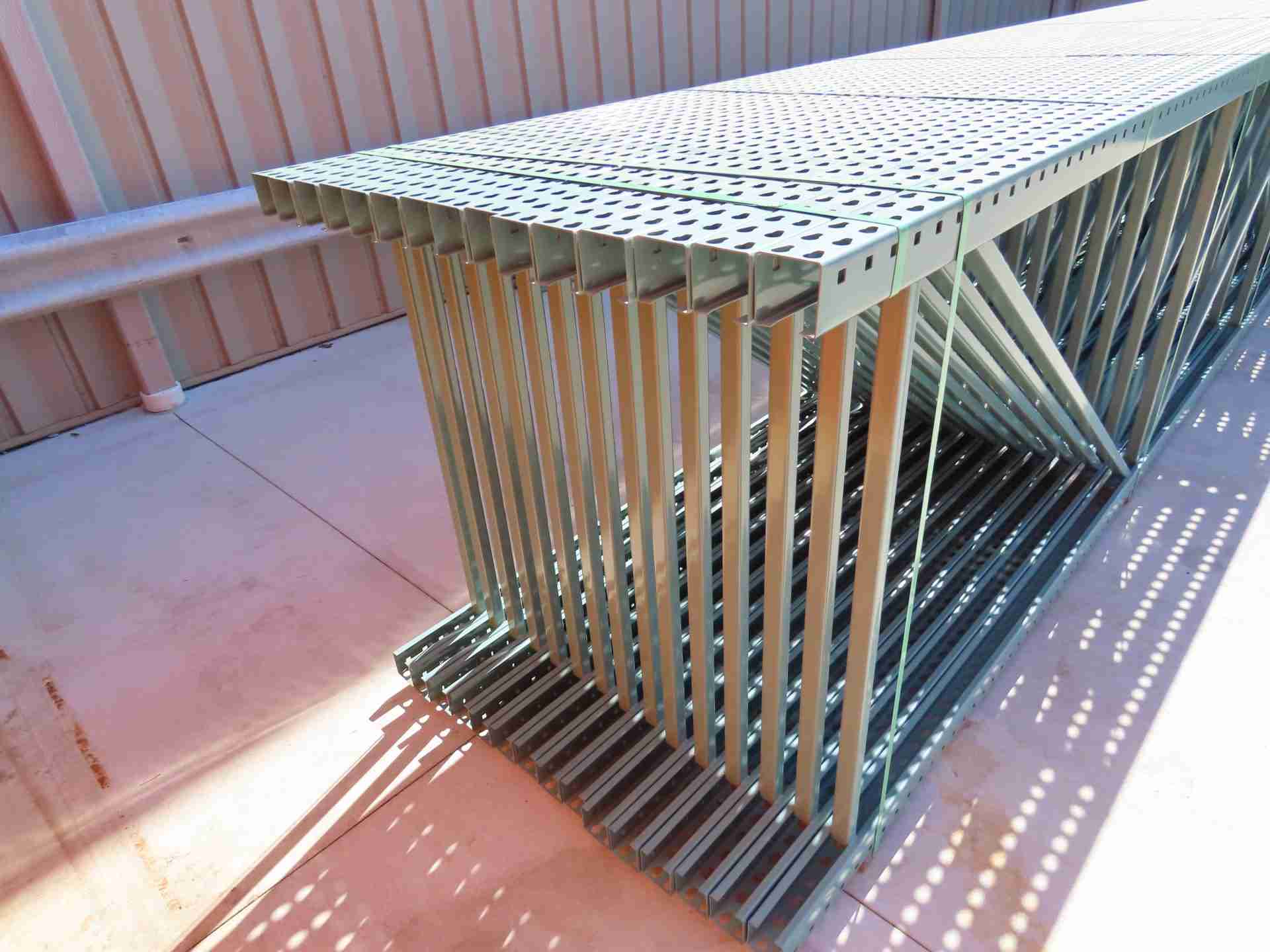
Conclusion
Conclusion:
- The modern warehouse landscape is rapidly evolving due to technology that enhances efficiency.
- Arrow Industrial Sales advocates for embracing technological transformation as essential for survival in a competitive market.
- Advanced pallet racking systems, automation, IoT devices, and data analytics are integral to modern warehouse operations.
- Businesses can achieve improved accuracy, lowered operational costs, and heightened customer satisfaction through technology.
- Delaying action could result in losing competitive advantage as rivals adopt innovative technologies.
- Arrow Industrial Sales offers expertise in integrating state-of-the-art technology into warehouse operations.
- Act decisively to transform your warehouse into a model of modern efficiency and ensure future profitability.
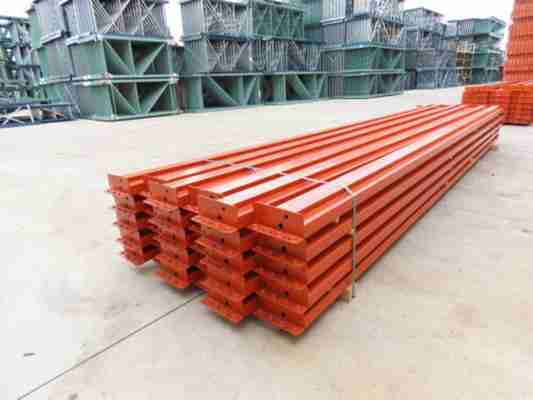
Conclusion
Other Resources
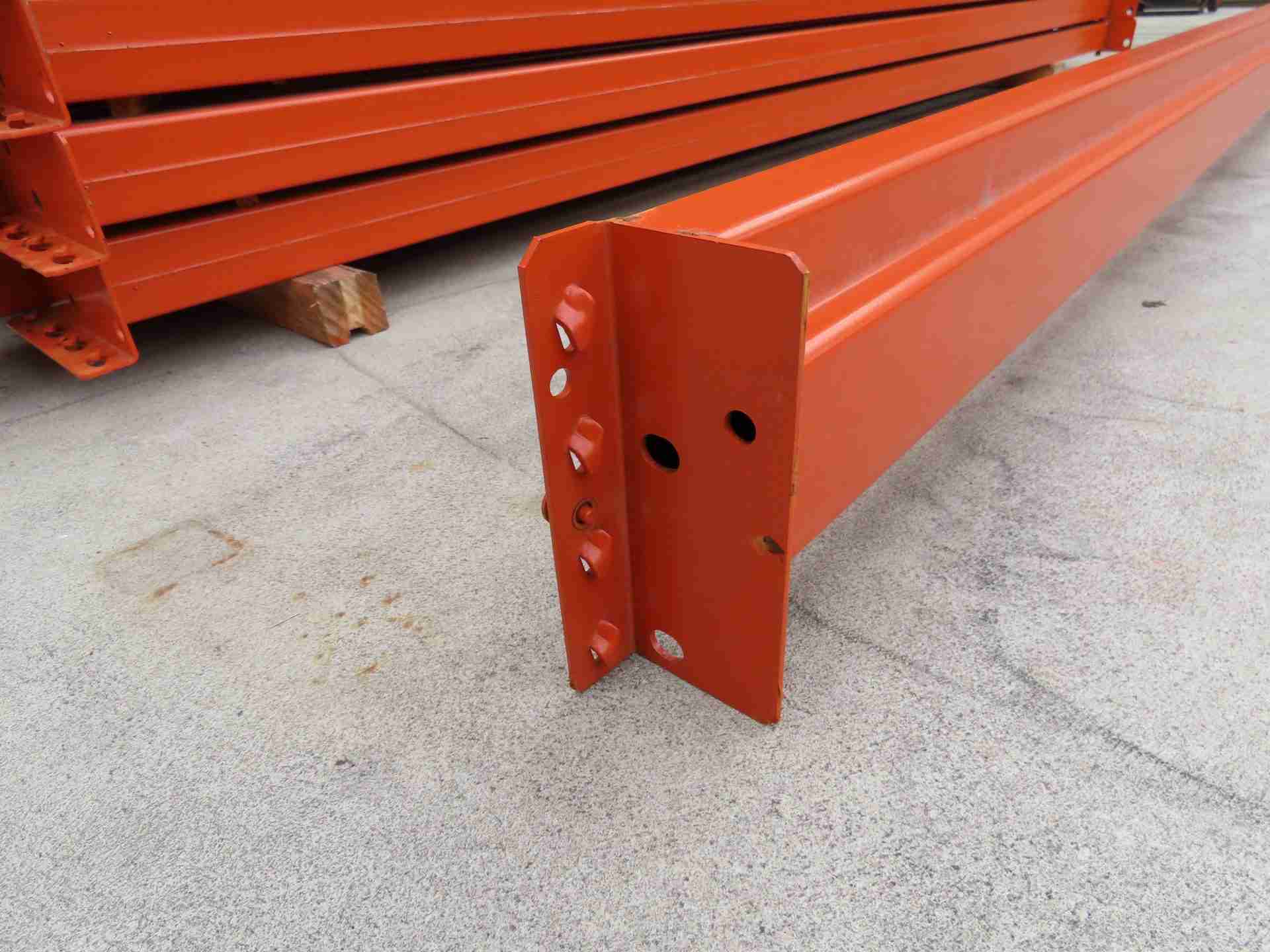
Other Resources
Here is a list of other resources you can review online to learn more:
- Warehousing and Fulfillment
- Teardrop Uprights
- Mustang Material Handling
- Cantilever Rack Guide: Ordering Cantilever Racking
- Pallet Racks, Pallet Racking, Pallet Shelves in Stock – ULINE
- Shipping Boxes, Packaging Materials, Pallet Racking
- Warehouse Racking Systems: Beginner’s Guide to Rack Systems
- Chicago Pallet Racking
- Warehouse Storage Racking in Illinois
- Pallet Racking 101: A Comprehensive Guide & Options Explained
Use This Prompt To Get More Resources With Your Favorite Online AI Tool: Please provide me with a list of online articles with their URLs in a bulleted list that I can read regarding How Can Technology Transform Your Warehouse Operations?
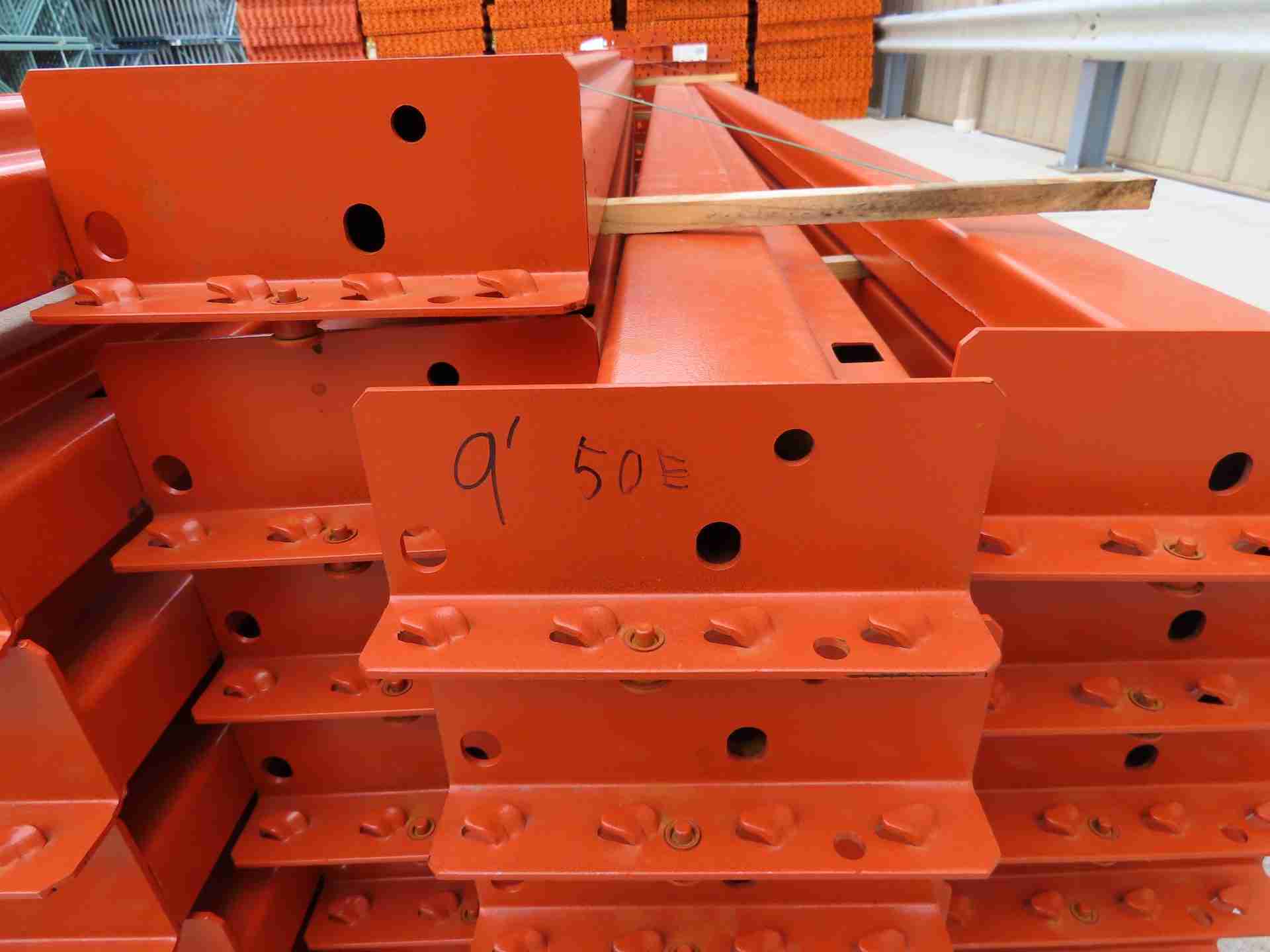
Other Resources
Glossary Terms
How Can Technology Transform Your Warehouse Operations? – Glossary Of Terms
1. Automation: The use of technology and machinery to perform tasks without human intervention, improving efficiency and accuracy in warehouse processes.
2. Warehouse Management System (WMS): A software solution designed to support and optimize warehouse functionality, including inventory management, order fulfillment, and shipping.
3. Robotics: The branch of technology dealing with robots, which can be utilized in warehouses for tasks such as picking, packing, and sorting products to reduce labor costs and increase precision.
4. Internet of Things (IoT): The network of interconnected devices and sensors that collect and exchange data, which can enhance visibility and monitoring of warehouse operations in real-time.
5. Barcode Scanning: The use of devices that read barcodes on products to ensure accurate inventory management and streamline the picking process.
6. Artificial Intelligence (AI): The simulation of human intelligence in machines, which can analyze large data sets to improve decision-making processes and optimize operations in warehouses.
7. Machine Learning: A subset of AI that allows systems to learn from data, adapt over time, and improve efficiency in tasks such as demand forecasting and supply chain management.
8. Pick-and-Pack Automation: The use of automated systems to pick items from inventory and prepare them for shipment, increasing speed and reducing errors.
9. Cloud Computing: The delivery of computing services over the internet, enabling warehouses to access real-time data and collaborate more effectively across locations.
10. Inventory Optimization: The process of managing stock levels efficiently to meet customer demand while minimizing carrying costs and stockouts.
11. Augmented Reality (AR): Technology that overlays digital information onto the physical world, assisting workers in tasks such as picking and locating items more efficiently.
12. Virtual Reality (VR): A simulated environment that can be used for employee training in warehouse operations, providing immersive experiences without real-world consequences.
13. Real-Time Data Analytics: The continuous analysis of live data to provide insights into operational efficiency, aiding in informed decision-making and proactive issue resolution.
14. Fleet Management Software: Tools used to manage and optimize a fleet of vehicles used for logistics and delivery, enhancing route planning and reducing costs.
15. Cross-Docking: A logistics practice where incoming shipments are directly transferred to outbound vehicles, minimizing storage time and speeding up delivery.
16. Labeling Solutions: Systems that provide accurate, high-quality labeling for products, essential for tracking and managing inventory effectively.
17. Telematics: Technology that combines telecommunications and monitoring systems to track vehicle movements and enhance supply chain visibility.
18. Predictive Analytics: Data analysis techniques that forecast future trends, allowing warehouses to anticipate demand and manage inventory accordingly.
19. Energy Management Systems: Tools designed to monitor and reduce energy consumption within warehouse facilities, contributing to sustainability efforts.
20. Mobile Devices: Handheld devices used by warehouse staff for scanning, tracking, and managing inventory on-the-go, improving efficiency.
21. 3D Printing: The additive manufacturing process used to create products directly in warehouses, reducing lead times and supply chain complexities.
22. Kinesthetic Learning: A training method that emphasizes learning through hands-on experiences, often used in warehouse staff training programs.
23. Order Fulfillment: The complete process of receiving, processing, and delivering customer orders, which can be optimized with technological solutions.
24. Returns Management: Technology and processes that facilitate the handling of returned items, improving customer satisfaction and reducing losses.
25. Supply Chain Visibility: The ability to track and monitor all components of the supply chain in real time, enhancing coordination and responsiveness.
26. Digital Twin: A digital replica of physical assets or processes, which can be used to simulate and optimize warehouse operations.
27. Cognitive Computing: Advanced AI technologies that simulate human thought processes, allowing complex problem-solving in logistics and inventory challenges.
28. Smart Shelving: Innovative storage solutions that use sensors and technology to monitor inventory levels and optimize space utilization.
29. Location-Based Services (LBS): Applications that utilize geolocation to provide information and services based on the physical location of warehouse assets.
30. Blockchain Technology: A decentralized digital ledger used to enhance transparency and traceability across the supply chain, improving trust and efficiency.
These terms and descriptions can serve as a foundational glossary for understanding how technology can enhance warehouse operations.
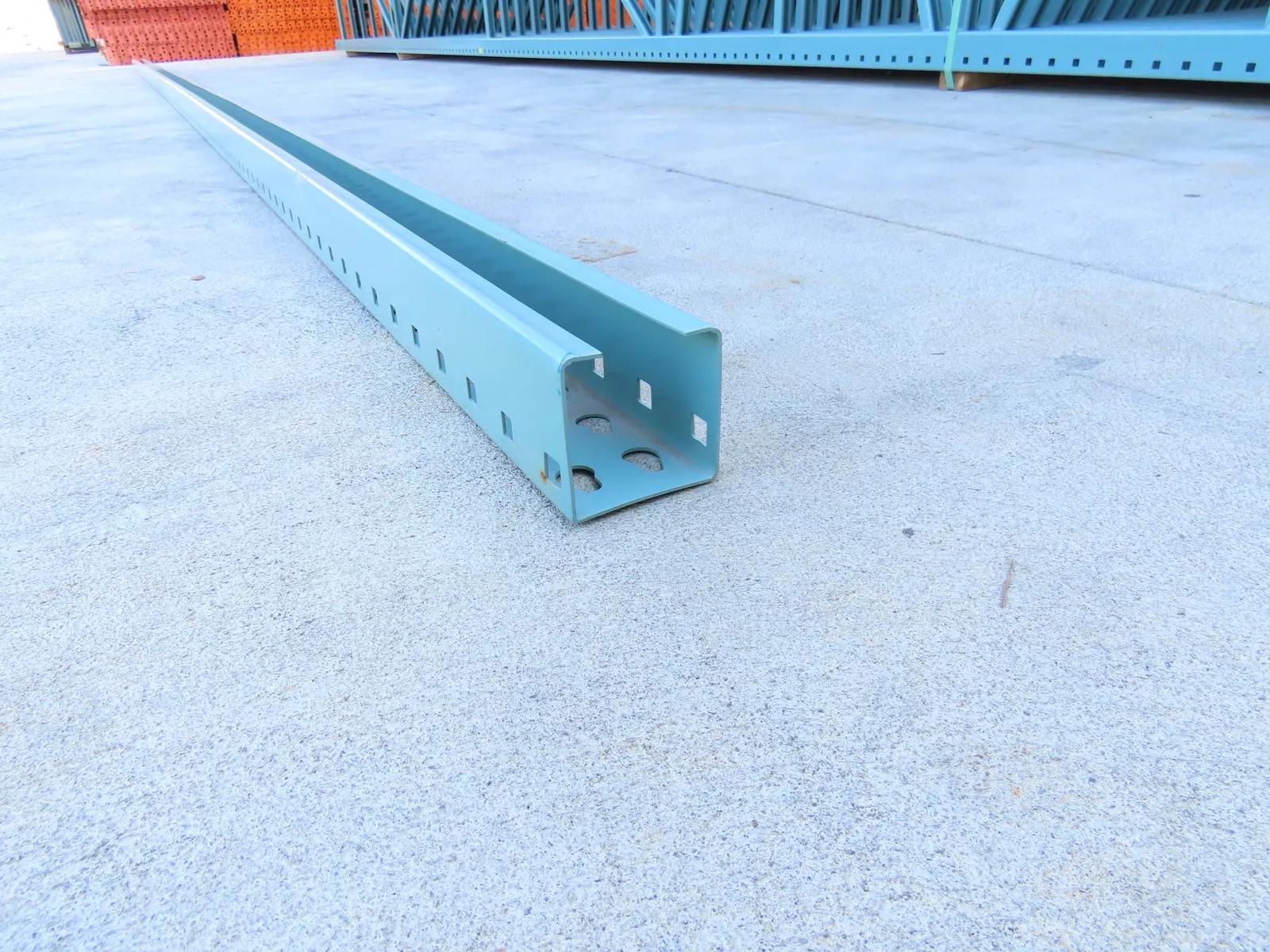
Glossary Of Terms
Other Questions
How Can Technology Transform Your Warehouse Operations? – Other Questions
If you wish to explore and discover more, consider looking for answers to these questions:
- What specific technology solutions are best suited for small to medium-sized warehouses?
- How much does it typically cost to implement advanced technology in a warehouse?
- What are the common challenges faced during the digital transformation of warehouse operations?
- How long does it take to see a return on investment (ROI) after implementing new warehouse technology?
- What training is required for employees to effectively use new technologies in a warehouse?
- How can businesses assess their current warehouse efficiency before technology integration?
- What are some examples of successful warehouse technology implementation in different industries?
- How do technology advancements impact the jobs of warehouse staff?
- What are the environmental impacts of using technology in warehousing operations?
- How can businesses measure the effectiveness of the technology they implement in their warehouses?
- What role do customers play in driving the adoption of technology in warehousing?
- How do regulatory requirements influence technology adoption in warehouse operations?
- Are there any emerging technologies that are set to further transform warehouse operations?
- What are the cybersecurity concerns associated with implementing new technologies in warehouses?
- How can small businesses compete with larger corporations in adopting warehouse technology?
Other Questions
Checklist
How Can Technology Transform Your Warehouse Operations? – A Checklist
Checklist for Transforming Your Warehouse Operations with Technology
1. Evaluate Your Current Operations
_____ Review existing processes, equipment, and workflows in your warehouse.
_____ Identify bottlenecks and inefficiencies needing improvement.
2. Upgrade Pallet Racking Systems
_____ Assess the current pallet racking layout.
_____ Consider implementing smarter racking solutions to optimize space.
3. Integrate Automation Technologies
_____ Explore options for automated picking systems and conveyor belts.
_____ Assess robotic solutions to streamline item retrieval and transport.
4. Implement Warehouse Management Systems (WMS)
_____ Research and select an appropriate WMS for real-time inventory tracking.
_____ Train staff on how to use the new WMS effectively.
5. Leverage Inventory Management Software
_____ Implement software for tracking stock levels and managing order fulfillment.
_____ Set up alerts for low stock levels and overdue items.
6. Utilize Data Analytics
_____ Invest in data analytics tools to monitor and analyze warehouse performance.
_____ Use insights from data to make informed decisions and anticipate inventory needs.
7. Incorporate Internet of Things (IoT) Devices
_____ Install smart sensors to monitor inventory levels and warehouse environment.
_____ Utilize IoT data for better decision-making and operational efficiency.
8. Enhance Employee Training
_____ Provide ongoing training for staff on new technologies and systems.
_____ Encourage employees to engage with technology to enhance job satisfaction.
9. Monitor Key Performance Indicators (KPIs)
_____ Identify essential KPIs to track warehouse efficiency, such as picking accuracy and order fulfillment time.
_____ Regularly review performance metrics and adjust strategies as necessary.
10. Evaluate Safety Measures and Protocols
_____ Implement data-driven safety improvements based on analytics findings.
_____ Train employees on safety protocols, especially when integrating robotics.
11. Solicit Feedback from Staff
_____ Gather input from warehouse employees regarding new technology and processes.
_____ Make adjustments based on valuable insights from those on the frontlines.
12. Plan for Continuous Improvement
_____ Establish a culture of continuous improvement and innovation within your warehouse.
_____ Regularly reassess the effectiveness of technology implementations and stay updated on new advancements.
13. Assess Customer Satisfaction
_____ Regularly gauge client feedback regarding order accuracy and deliverability.
_____ Use customer satisfaction insights to refine processes and technology usage.
14. Allocate Budget for Future Tech Investments
_____ Set aside funds for ongoing technology upgrades and maintenance.
_____ Stay informed about emerging technologies that could further improve operations.
This checklist provides actionable steps to help you effectively implement and maximize technology in your warehouse operations, ultimately leading to increased efficiency and profitability.

Checklist
At RackingWorld, we help guide you through selecting warehouse storage systems and racking.
Be sure to read our other related stories at RackingWorld to learn more about warehouse storage systems.
0 Comments