
Maximizing Efficiency And Trust: Pallet Racking’s Role In Concrete Supply Success
By Tom Seest
At RackingWorld, we help guide you through selecting warehouse storage systems and racking.
Be sure to read our other related stories at RackingWorld to learn more about warehouse storage systems.
How Do Concrete Product Suppliers Leverage Pallet Racking?
When it comes to running a concrete product supply business, you quickly learn that muscle and smarts have to go hand in hand. Pallet racking isn’t just some fancy storage option—it’s the backbone holding the whole operation together, day in and day out. You’ve got heavy blocks, bags of mix, molds, and who knows what else, all demanding a tough, reliable system to stack and store without turning the warehouse into a junkyard. Pallet racking does exactly that, with no fuss and no frills.
Think about the grind: tight schedules, big orders, tricky deliveries. Pallet racking helps keep everything organized, safe, and within easy reach. When your concrete products sit on sturdy racks, you spend less time hunting for materials and more time getting the job done. That’s not just good business sense—it’s respect for the men and women hustling behind the scenes, making sure every piece arrives intact and on time. It cuts down on accidents and wear and tear, protecting both the product and the people.
There’s a certain pride in running a lean, efficient shop where every square foot is accounted for. Pallet racking makes use of vertical space like a champ, turning what could be a cluttered mess into a neat, orderly setup that even the pickiest foreman would nod at. It’s not just about stacking stuff higher; it’s about working smarter, cutting costs in the long run, and reducing waste. The right setup lets you move product faster, keep inventory straight, and answer your customers’ needs without that gut-wrenching scramble.
On the ethical side, reliable pallet racking shows you care—not just about profits, but about doing things right. Safety, value, and responsibility all come into play. Your crew feels it when they know the gear they’re handling has a solid place to live, and that good feeling spreads through the whole business. It builds trust with customers who rely on you for quality and consistency when they need it most.
Pallet racking is more than just racks. It’s part of a story: hard work, respect for the craft, and a no-nonsense approach to making sure every ton of concrete product gets where it needs to go. In a tough business, that kind of reliability doesn’t just keep you afloat—it sets you apart.

How Do Concrete Product Suppliers Leverage Pallet Racking?
How Do Concrete Product Suppliers Leverage Pallet Racking?
- Pallet racking is essential in concrete product supply, providing a strong, reliable system for stacking heavy materials safely and efficiently.
- It keeps operations organized and accessible, reducing time spent searching for materials and improving workflow.
- Sturdy racks protect products and workers by minimizing accidents and wear and tear.
- Efficient use of vertical space helps maintain a clean, orderly warehouse, cutting costs and reducing waste.
- The right pallet racking setup accelerates product movement, inventory management, and customer responsiveness.
- Reliable pallet racking reflects ethical business practices, emphasizing safety, responsibility, and respect for workers.
- Beyond storage, pallet racking embodies hard work and reliability that distinguish successful concrete supply businesses.

How Do Concrete Product Suppliers Leverage Pallet Racking?
Table Of Contents
- How Do Concrete Product Suppliers Leverage Pallet Racking?
- How Does Pallet Racking Improve Warehouse Efficiency?
- How Can Pallet Racking Reduce Product Damage?
- What Are the Cost Benefits Of Using Pallet Racking?
- How Does Pallet Racking Support Inventory Management?
- Why Is Organization Vital In Concrete Product Storage?
- How Do Safety Standards Influence Pallet Racking Use?
- Conclusion
- Other Resources
- Glossary Of Terms
- Other Questions
- Checklist
How Does Pallet Racking Improve Warehouse Efficiency?
You’ve been in a warehouse long enough to know it can get messy fast, piles of crates and boxes stacked every which way. Pallet racking changes the whole game. It’s not just metal shelves bolted to the floor—it’s the backbone that turns chaos into order, making work smoother for everyone on the floor.
Imagine walking into a warehouse where everything has its place, where pallet racking lines the aisles like organized rows in a library. You don’t waste time hunting down that one box or scrambling over stacks that teeter on the edge. That’s efficiency you feel deep in your bones at the end of the day—a sense that the job got done without the usual headaches.
Pallet racking isn’t just about saving space, though that’s a big part of it. It’s about respecting the craft of warehouse work and the folks who do it every day. When you’ve got sturdy racks holding your gear, you know you’re taking care of your team. It means fewer injuries from awkward lifts or accidents caused by clutter. That sense of safety builds trust—because workers won’t hesitate when they know their tools and materials are right where they expect them.
On the practical side, pallet racking maximizes vertical space, turning tall ceilings into extra square footage. This translates into more inventory stored without stomping all over the floor space you need for forklifts and foot traffic. You’re able to move goods faster, stock faster, ship faster. Efficiency here doesn’t just save minutes; it boosts the bottom line without cutting corners.
The ethics of it ring clear too—doing a decent job. Warehouses that invest in pallet racking are sending a message: “We care about quality. We respect the people who make this place run.” That kind of integrity resonates beyond the walls, building a reputation that attracts good workers and loyal clients alike.
Experience tells you this isn’t fancy or complicated. It’s simple, straightforward, honest work. Pallet racking is the unsung hero in any warehouse operation that values hard work, safety, and getting the job done right. It’s a practical upgrade that invites pride in your craft, trust in your environment, and confidence in your results.

How Does Pallet Racking Improve Warehouse Efficiency?
How Does Pallet Racking Improve Warehouse Efficiency?
- Pallet racking transforms messy, chaotic warehouses into organized, efficient workspaces.
- It provides a clear, designated place for all items, eliminating time wasted searching or navigating clutter.
- Beyond space-saving, it promotes worker safety by reducing injuries and accidents caused by disorder.
- Maximizes vertical storage, increasing inventory capacity without compromising floor space needed for movement and equipment.
- Enhances workflow speed, allowing faster stocking, moving, and shipping of goods, improving overall efficiency and profitability.
- Investing in pallet racking reflects a commitment to quality, respect for workers, and building a strong reputation.
- Simple and practical, pallet racking supports pride in craftsmanship, trust in the workspace, and confidence in results.

How Does Pallet Racking Improve Warehouse Efficiency?
How Can Pallet Racking Reduce Product Damage?
You ever seen a warehouse where boxes are piled up like a bad Jenga game? One wrong move, and everything comes crashing down—damaged goods, lost money, and headaches for days. That’s where pallet racking steps in like a reliable workhorse, steady and no-nonsense, keeping everything organized and safe. It’s not just about stacking stuff on top of each other; it’s about respect for the product and the people who count on those goods to arrive intact.
Pallet racking makes sense because it puts everything in its place, taking the guesswork out of storage. When pallets are stored the right way—off the floor, evenly supported, and neatly lined up—it cuts down on bumps, scrapes, and falls that wreck products. That’s a big win for anyone who’s ever stared at a pile of broken goods and wondered how it happened. It’s about doing your job right, so the stuff you’re trusted with stays whole, undamaged, and ready to go.
Think of pallet racking like the backbone of a shop floor; it keeps chaos in check with simple but smart design. By using racks to hold pallets securely, forklifts can work with confidence, knowing they won’t send a load toppling. Fewer accidents mean fewer wasted hours and fewer sour calls from customers expecting perfect deliveries. This system isn’t just some fancy add-on—it’s a tried and true method that businesses rely on to protect hard-earned inventory every day.
There’s something almost honorable about the way pallet racking protects product integrity—it’s a quiet promise. You treat your product with care, and you’re honoring the effort behind it, whether it’s fresh produce, machinery parts, or stacks of customer orders waiting to head out the door. When damage drops, so do frustrations and costs. Everyone benefits, from the warehouse crew who can work without fearing a pileup, to the customers who get exactly what they paid for, every time.
Socially, it brings teams together too. When the storage system works right, it’s easier for everyone to do their job without second-guessing or finger-pointing. Trust builds when product damage is kept low—it’s proof of doing the basics well and respecting the craft. Pallet racking isn’t just racks and beams; it’s peace of mind in steel form, a straightforward fix that shows care for your product, your people, and the bottom line. If you want to keep things running smooth and avoid the mess of damaged goods, investing in proper pallet racking isn’t just smart—it’s necessary.
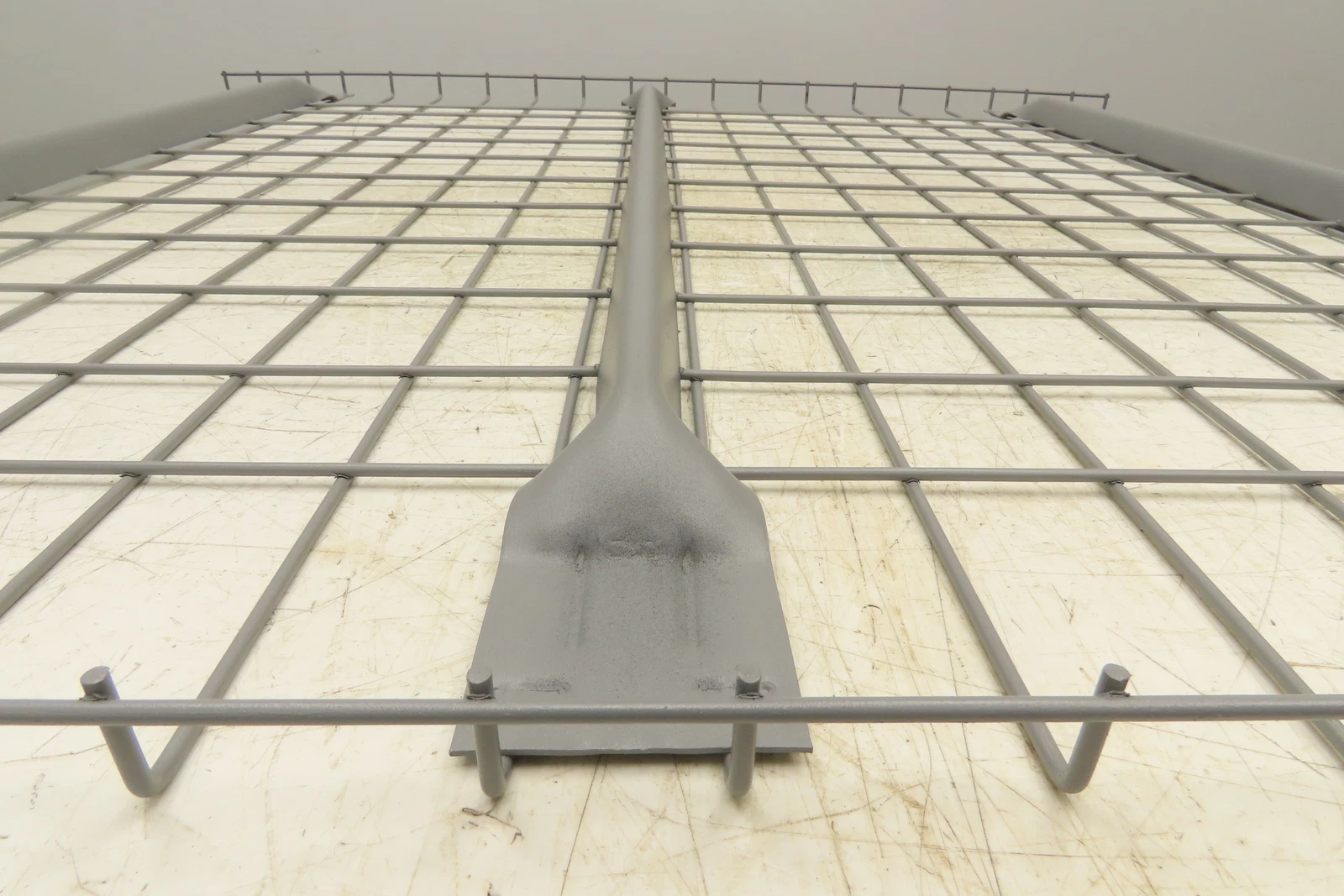
How Can Pallet Racking Reduce Product Damage?
How Can Pallet Racking Reduce Product Damage?
- Pallet racking prevents warehouse chaos by securely organizing pallets to avoid damage and loss.
- Proper storage off the floor and even support reduces bumps, scrapes, and falls, protecting product integrity.
- It supports efficient forklift operation, minimizing accidents and wasted time.
- The system is a reliable, proven method that safeguards valuable inventory daily.
- Pallet racking honors the care behind products, reducing damage, frustration, and costs for all involved.
- It fosters team trust and cooperation by enabling smooth workflows and low product damage.
- Investing in pallet racking is essential for maintaining order, protecting goods, and supporting business success.
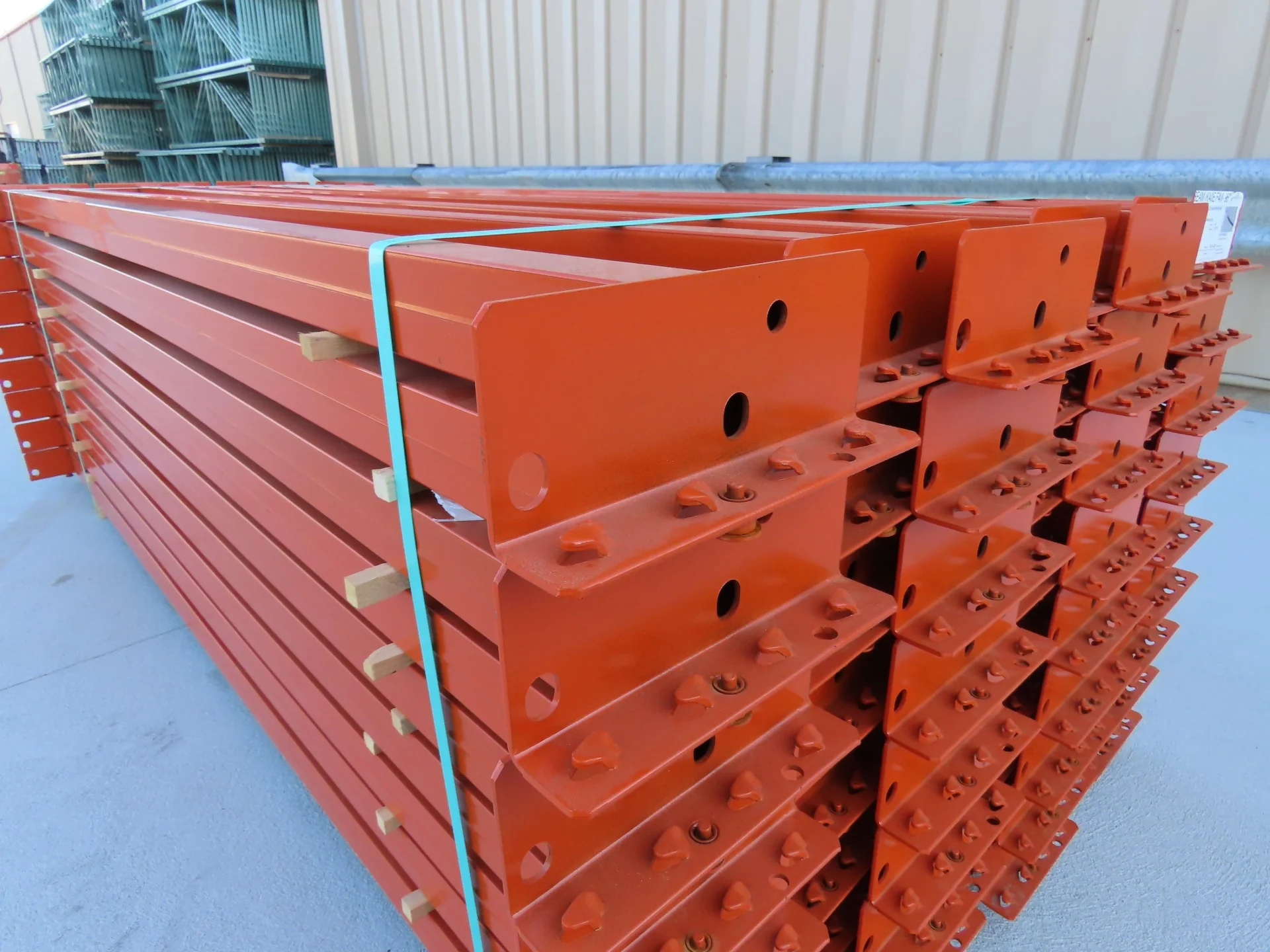
How Can Pallet Racking Reduce Product Damage?
What Are the Cost Benefits Of Using Pallet Racking?
When you look at Pallet Racking, it’s not just about stacking boxes higher or saving a few square feet of floor space. The real cost benefits run deeper, into the nuts and bolts of your operation, and the peace of mind that comes with running a smooth, reliable warehouse. Think about the daily grind—forklifts buzzing, workers hustling to find what they need. Without Pallet Racking, you’re spreading inventory all over the place, wasting time and risking damage. That’s money literally rolling away slow and steady.
Using Pallet Racking means you’re making every inch count. You push vertical storage, freeing up room for more goods, which means less renting of extra space or moving to a bigger facility sooner than you need to. Both of those options hit the budget hard. It’s common sense: stack smart, store safe, and keep your operation lean. When your stuff is organized on racks, employees spend less time hunting and more time moving, packing, and shipping. That translates straight to increased productivity, saving wages and cutting frustration.
Then there’s the safety angle. Pallet Racking keeps your stock off the floor, protecting it from spills, pests, and accidental kicks. Damaged goods are dead money, and with proper racking, those losses shrink. Plus, a safer warehouse means fewer accidents and less downtime, which is a bigger hit on the ledger than most realize. Nobody wants to pick up the pieces after a fork truck collision, or deal with insurance premiums that creep up because of preventable hazards.
There’s also something to be said for the ethical side of using Pallet Racking. Treat your stuff—and your people—with respect. A clean, orderly space says you care about quality and about the folks who show up every day pushing through the tough hours. It’s a morale boost that flies under the radar but pays off in loyalty and pride. When workers see a well-managed system, confidence grows, mistakes drop, and everyone feels they’re part of a well-oiled machine. That’s a value no spreadsheet captures fully.
Bottom line: Pallet Racking isn’t just a piece of hardware. It’s a smart investment that grips your operation by the shoulders, steadies your spine, and lets you move forward knowing your costs are trimmed and your warehouse isn’t just bigger—it’s better.

What Are the Cost Benefits Of Using Pallet Racking?
What Are the Cost Benefits Of Using Pallet Racking?
- Pallet Racking optimizes storage by utilizing vertical space, reducing the need for extra facility rental or expansion.
- It streamlines warehouse operations, minimizing time wasted searching for inventory and boosting productivity.
- Organized racking reduces product damage by keeping stock off the floor and protected from spills, pests, and accidents.
- Enhances warehouse safety, lowering the risk of accidents, downtime, and increased insurance costs.
- Promotes a clean, orderly work environment that improves employee morale, loyalty, and reduces mistakes.
- Contributes to operational efficiency by cutting costs in labor, space, and damage-related losses.
- Pallet Racking is a strategic investment that improves overall warehouse performance and reliability.

What Are the Cost Benefits Of Using Pallet Racking?
How Does Pallet Racking Support Inventory Management?
When you’ve spent years stacking boxes in cramped spots, juggling inventory like a circus act, you learn fast: pallet racking isn’t just some fancy metal shelf—it’s the backbone that keeps the whole operation running smooth. Picture the warehouse floor without pallet racking: piles of goods scattered everywhere, a maze that slows down every move. Pallet racking brings order to that chaos. It’s about respecting your stock and your team’s time. When things are easy to find and reach, you cut down on the sweat and frustration, and that counts for a lot at the end of the day.
From a practical standpoint, pallet racking maximizes every inch of your space. Instead of spreading products out horizontally, you build up, stacking pallets safely and securely. That makes inventory management smarter, more straightforward. You can track what’s in and what’s out with less guesswork because the system keeps things organized and visible. No more endless searches or “Where did that go?” moments. That kind of clarity isn’t just good for business; it’s good for morale, too—because nobody likes wasting time on avoidable headaches.
There’s an ethical angle here, too. Pallet racking helps protect your products and your people. When goods are stacked right, accidents slow down, damages drop, and you’re showing some respect—to the workforce who relies on a safe place and to your customers who expect quality. It’s a sign of a well-run shop that cares, not just about the bottom line, but about doing things right.
You might not see pallet racking as a hero, but it quietly keeps everything accountable. It holds your stock where you can see it, making inventory counts easier and more accurate. That builds trust between management and staff and with clients who count on you for on-time delivery. It’s reliable, solid, and unpretentious—the kind of tool you want in your corner.
Every pallet rack tells a story of long days and hard work, of tweaks made on the fly to solve real problems. Investing in pallet racking is investing in a smoother workflow, less wasted effort, and a warehouse where everyone knows their place and their job. That’s how pallet racking supports inventory management—not just with racks and metal, but with peace of mind, respect for the grind, and confidence to keep moving forward.

How Does Pallet Racking Support Inventory Management?
How Does Pallet Racking Support Inventory Management?
- Pallet racking is essential for organizing warehouse space, preventing chaos and inefficiency on the floor.
- It maximizes vertical space, allowing safer and more secure pallet stacking and smarter inventory management.
- Improves visibility and accessibility of stock, reducing time spent searching and minimizing frustration.
- Enhances safety by reducing accidents and product damage, demonstrating care for workers and customers.
- Supports accurate inventory counts, fostering trust between management, staff, and clients.
- Represents a reliable and unpretentious tool that quietly ensures accountability and operational smoothness.
- Investing in pallet racking leads to a more efficient workflow and a respectful, confident warehouse environment.
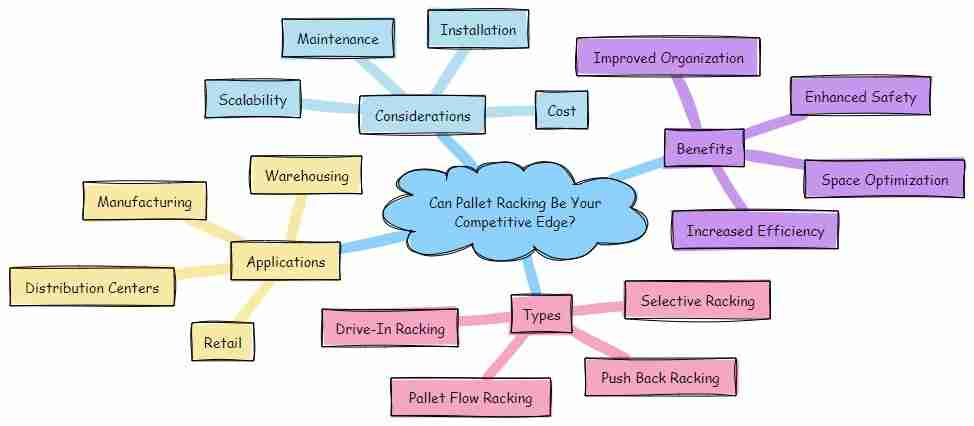
How Does Pallet Racking Support Inventory Management?
Why Is Organization Vital In Concrete Product Storage?
When you’re dealing with concrete products, it’s not just about stacking blocks or bags anywhere they fit. It’s about respect for the material, for the team, and for the whole job itself. Organization in concrete product storage isn’t just some fancy idea from a suit down at HQ—it’s the backbone of getting things done right and safe every day.
You want to think about how much smoother the worksite runs when every pallet racking is used properly, every load is where it’s supposed to be, and you don’t have folks hunting around like they’re looking for a needle in a haystack. That feeling of chaos and wasted time? It weighs heavy on everyone’s shoulders, and it wears down the morale quicker than you’d guess. When things are organized, people trust the system; they’re confident they’re not going to trip over something dangerous or waste precious hours trying to find materials. That saves money, yes, but more importantly, it saves stress.
There’s also the ethical side. Keeping concrete products tidy and secure isn’t just about neatness; it’s about responsibility. Pallet racking that’s overloaded, or products piled up without care, can easily lead to accidents—injuries that could’ve been prevented if someone took that extra moment to think it through. It’s about looking out for your crew like you’d want someone looking out for your own family. When you take that responsibility seriously, it shows. It builds trust and respect among the team and with everyone who steps foot on the site.
Experience teaches you that disorganization invites waste and damage. Concrete products are tough, but they aren’t invincible. A chipped block or a busted pallet here and there? That adds up faster than you think, costing time and money the hard way. Pallet racking systems, when used right, protect the goods and make inventory easier to track, helping you catch issues before they spiral out of control. Keeping things orderly is just plain smart business—it’s how you stay competitive and reliable.
At the end of the day, it’s about pride—pride in your work, your materials, and your crew. Organizing concrete product storage doesn’t have to be a headache; it’s about putting common sense and elbow grease where they belong. When everyone’s got skin in the game, and the system is solid, the whole operation hums like a well-oiled machine. That’s the kind of place anyone wants to work in, where hard work pays off, and safety isn’t a gamble. Organized storage is the first step to making that happen.

Why Is Organization Vital In Concrete Product Storage?
Why Is Organization Vital In Concrete Product Storage?
- Concrete product storage requires respect for the material, the team, and the job, with organization as the foundation for safety and efficiency.
- Proper use of pallet racking and designated load placement prevents chaos, saves time, reduces stress, and boosts morale on the worksite.
- Organized storage is an ethical responsibility to prevent accidents and protect the crew, fostering trust and respect among team members.
- Disorganization leads to waste and damage, increasing costs; careful storage protects products and aids in inventory management.
- Using pallet racking correctly helps catch issues early, maintaining competitiveness and reliability in business operations.
- Pride in work, materials, and team drives the need for common sense and effort in storage organization.
- A solid storage system engages everyone, creating a safe, efficient, and rewarding work environment where safety is guaranteed.

Why Is Organization Vital In Concrete Product Storage?
How Do Safety Standards Influence Pallet Racking Use?
When it comes right down to it, safety standards aren’t just some red tape folks have to jump through for pallet racking—they’re the reason the whole operation doesn’t turn into a disaster waiting to happen. Every time you stack those pallets high, you’re trusting the system to hold steady, to keep you and your crew out of harm’s way. That little checkbox or label on the rack? It’s a lifeline. It’s what says someone’s taken the time to make sure those steel beams won’t snap under pressure, that weight limits are clear and built on solid engineering, not just guesswork.
You feel it in your gut when you walk the warehouse floor—something’s off if the pallet racking looks half-cocked or rusted through. Maybe it’s a bent beam or a BB-sized chip in the safety net. Those are the details that speak louder than a stack of rules. Following safety standards keeps the chaos at bay; it makes the workplace predictable and a place you can trust your paycheck isn’t being spent on hospital visits. It’s about protecting your team, your livelihood, and the pride you take in doing the job right.
Put yourself in the boots of someone who found out the hard way what ignoring these standards means. Each dent in the rack is a story of shortcuts taken, stress ignored, or maybe just a day when someone looked the other way. These aren’t just metal shelves; they carry the weight of responsibility for every single person who walks by. When safety standards are respected, everyone shares a piece of that responsibility, and it shows in the way the workplace hums—organized, steady, and solid as a rock.
There’s a quiet honesty to following proper pallet racking safety. It’s not flashy, but it’s the backbone of trust between management and workers. It says, “We care enough to do this right.” And that makes folks feel seen, respected, and included in something bigger—a community that values life over shortcuts. When everyone buys into those standards, the warehouse turns from a potential hazard zone into a space where hard work pays off, and nobody’s gotta look over their shoulder every minute. That’s why those safety rules matter. They protect what you build, what you pack, and who you are. Nothing more, nothing less.

How Do Safety Standards Influence Pallet Racking Use?
How Do Safety Standards Influence Pallet Racking Use?
- Safety standards for pallet racking prevent disasters and ensure the system holds steady to protect workers.
- Labels and checkboxes on racks confirm engineering-based weight limits and structural integrity.
- Visible damage or rust signals safety risks and the importance of adhering to standards.
- Following safety standards creates a predictable workplace, reducing accidents and protecting livelihoods.
- Ignoring standards can lead to damage, shortcuts, and increased danger for everyone nearby.
- Respecting safety rules fosters shared responsibility and a stable, organized work environment.
- Proper safety practices build trust and a community that values life, turning hazardous spaces into safe, productive ones.

How Do Safety Standards Influence Pallet Racking Use?
Conclusion
Running a concrete supply business isn’t about fancy gimmicks—it’s about grit, respect for the grind, and making every inch of your warehouse work as hard as you do. Pallet racking stands at the heart of that effort, quietly holding up the whole operation with a straightforward promise: keep things organized, keep people safe, and keep the product solid. When those heavy blocks and bags of mix are stacked right, off the floor and on sturdy racks, you’re not just saving space—you’re saving time, money, and headaches. It’s the no-nonsense tool that turns warehouse chaos into a smooth-running machine, where every pallet has a home and every worker knows their part.
Efficiency in this line of work isn’t a luxury; it’s survival. Pallet racking maximizes vertical storage, freeing floor space for forklifts and foot traffic, speeding up the daily hustle without sacrificing safety. Fewer accidents happen when there’s a system you can trust, and fewer damaged goods mean fewer sour calls and wasted dollars. It’s a simple kind of respect: respect for the people putting in the hard hours, and respect for the customers counting on shipments to show up flawless and on time.
The cost benefits are plain as day. Investing in pallet racking isn’t just stacking metal shelves—it’s cutting down on lost inventory, warding off unnecessary expansions, and trimming down labor costs by keeping operations lean and predictable. It boosts morale too. A clean, well-organized warehouse sends a clear message that this isn’t a place where shortcuts rule, but where care and craftmanship matter. That kind of environment builds trust between management and crew, creating a workplace where everyone pulls in the same direction.
Inventory management moves from a guessing game to a straightforward process when everything has its place. You don’t waste time hunting for materials; you keep better tabs on stock and avoid the pains of damaged or misplaced goods. Organized pallet racking is more than metal beams—it’s peace of mind, a backbone that supports not just materials, but the dignity of the work itself.
Above all, safety stands as a non-negotiable. Following proper standards isn’t red tape; it’s the difference between a warehouse that hums along and one that teeters on disaster. Every beam, every label, every careful stacking job plays into protecting the crew and the product. It’s about taking responsibility—not just for profits, but for the people who trust that they’ll go home in one piece.
At the end of the day, pallet racking isn’t just about storage—it’s a living part of the story. It’s the quiet, steady force that keeps the concrete supply business moving forward with integrity, efficiency, and a respect for the hard work nobody sees but everyone depends on. That’s the real backbone of success.
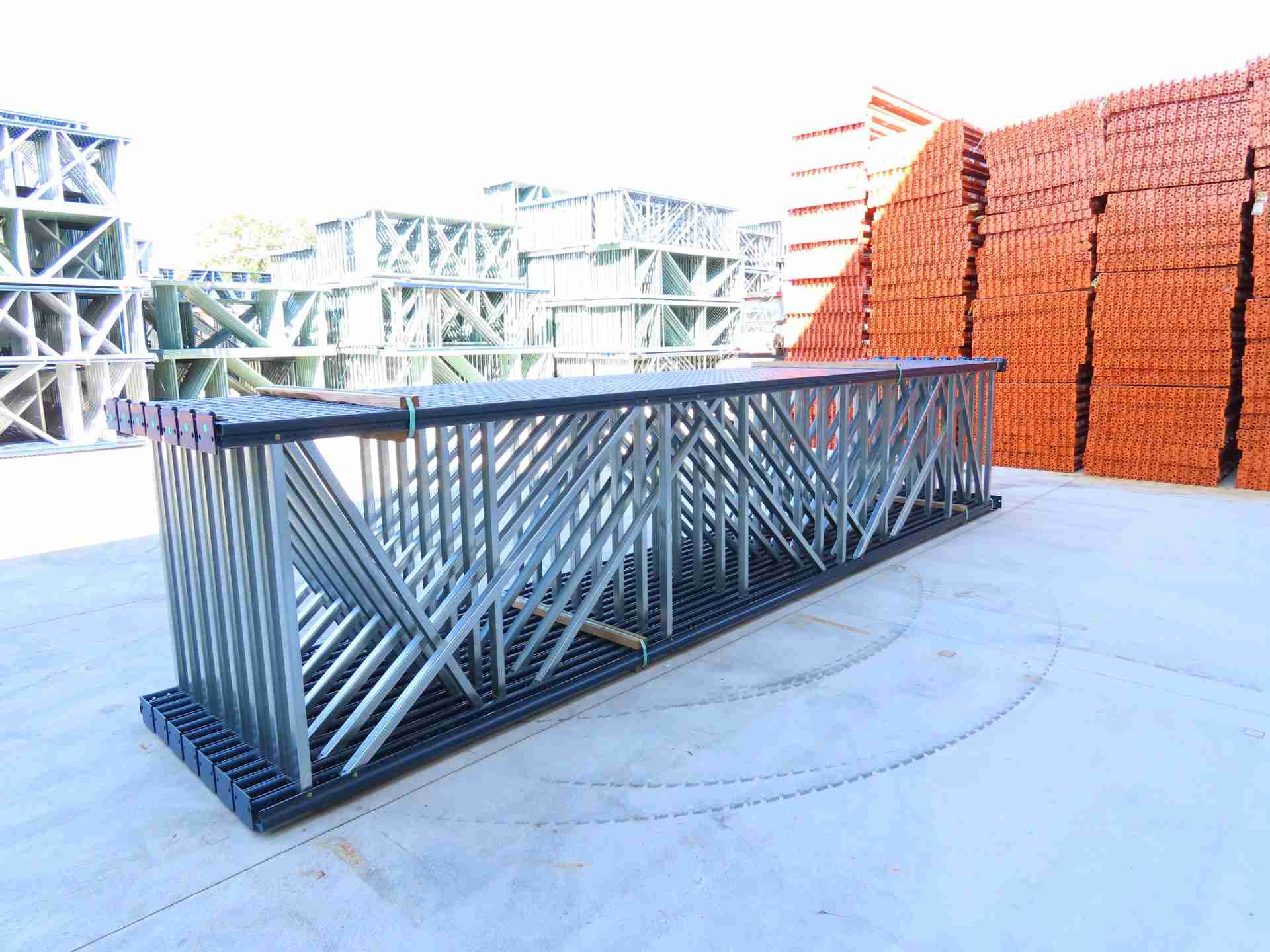
Conclusion
Conclusion:
- Pallet racking is essential for organizing a concrete supply warehouse, ensuring safety and product integrity while maximizing space.
- Proper stacking off the floor saves time, money, and reduces operational headaches by creating a smooth workflow.
- Maximizing vertical storage frees floor space for machinery and foot traffic, improving efficiency and reducing accidents.
- Investing in pallet racking lowers inventory loss, prevents unnecessary facility expansion, and cuts labor costs.
- A clean, organized warehouse boosts morale and fosters trust between management and employees.
- Effective inventory management is enabled by having designated places for materials, reducing damage and misplacement.
- Safety standards in pallet racking protect workers and products, supporting a reliable and responsible operation.

Conclusion
Other Resources

Other Resources
Here is a list of other resources you can review online to learn more:
- IIWS Inc. Rack Installation Illinois & Rack Repairs Illinois
- IWLA
- The Ultimate Pallet Racking Guide – Speedrack West
- Wolter
- Pallet Racking 101: A Comprehensive Guide & Options Explained
- Chicago Pallet Racking
- American Society of Safety Professionals
- What is Selective Racking: Understanding Benefits & Options
- Cantilever Rack Configuration & Installation: A Comprehensive Guide – BMH
- Cantilever Racking Specialists – Get the Right Racks
- Interlake Mecalux
- RMI
- Selective Pallet Racking Systems
- Warehouse Storage Racking in Illinois
- Chicago Pallet Racking
- Warehouse Automation
- Intro to Warehouse Racks & Warehouse Racking Systems – ShipBob
- The Complete Pallet Rack Guide – Simply Rack
- Teardrop Uprights
- WERC
Use This Prompt To Get More Resources With Your Favorite Online AI Tool: Please provide me with a list of online articles with their URLs in a bulleted list that I can read regarding How Do Concrete Product Suppliers Leverage Pallet Racking?

Other Resources
Glossary Terms
How Do Concrete Product Suppliers Leverage Pallet Racking? – Glossary Of Terms
1. Pallet Racking: A storage system designed to hold materials on pallets in horizontal rows with multiple levels.
2. Concrete Products: Manufactured items made from concrete, including blocks, pipes, and precast panels.
3. Supplier Efficiency: The ability of suppliers to optimize processes to reduce costs and time.
4. Inventory Management: The supervision of non-capitalized assets and stock items.
5. Space Utilization: The effective use of available storage area to maximize capacity.
6. Load Capacity: The maximum weight that pallet racking can safely hold.
7. Vertical Storage: Using height to store products stacked above each other to save floor space.
8. Material Handling: The movement, protection, storage, and control of materials throughout the supply chain.
9. Accessibility: The ability to easily reach and retrieve products stored in the racking system.
10. Productivity: The rate at which suppliers can store, retrieve, and ship concrete products efficiently.
11. Safety Measures: Protocols and equipment to prevent accidents when using pallet racking.
12. Forklift Compatibility: The suitability of racking systems for forklift handling and movement.
13. Customization: Tailoring racking systems to meet specific storage needs of concrete products.
14. Cost Reduction: Decreasing expenses related to storage and handling by optimizing racking use.
15. Organization: Structuring the storage area to systematize the placement of concrete products.
16. Load Distribution: Evenly spreading weight across the racking system to maintain stability.
17. Lead Time: The amount of time between order placement and product delivery.
18. Stock Rotation: Managing inventory so that older stock is used before newer stock.
19. Scalability: The ability to expand or reduce racking systems according to inventory needs.
20. Structural Integrity: The strength and durability of the pallet racking under load.
21. Storage Density: The amount of product stored per unit of floor area.
22. Just-in-Time: Inventory strategy to reduce storage time and holding costs.
23. Supplier Logistics: Planning and controlling the efficient flow of products from supplier to customer.
24. Handling Equipment: Tools and machinery used to move concrete products within warehouse space.
25. Warehouse Layout: The physical arrangement of storage and operational areas.
26. Supply Chain Optimization: Improving efficiency and reducing costs throughout the supply chain.
27. Damage Prevention: Methods to avoid harm to concrete products during storage and handling.
28. Inventory Accuracy: The precision of recorded stock levels versus actual stock.
29. Turnover Rate: The frequency at which inventory is sold and replaced.
30. Automation Integration: Incorporating technology to automate storage and retrieval in pallet racking.
Glossary Of Terms
Other Questions
How Do Concrete Product Suppliers Leverage Pallet Racking? – Other Questions
If you wish to explore and discover more, consider looking for answers to these questions:
- What types of pallet racking are best suited for heavy concrete products?
- How do I calculate the required load capacity per beam and per bay?
- How much does pallet racking cost to purchase and install for a typical warehouse?
- What is the expected return on investment (ROI) and typical payback period?
- How should pallet racking be laid out to optimize workflow and truck/forklift access?
- What are the safety regulations and standards (local, national, industry) that apply to pallet racking?
- How often should pallet racking be inspected and what should inspections include?
- What maintenance is required to keep racking safe and functional?
- How do you prevent and manage corrosion or environmental damage (moisture, chemicals) to racks storing concrete products?
- What pallet types and quality standards work best for concrete blocks, bags, and precast items?
- How do pallet racking systems handle irregularly shaped or oversized concrete products?
- What protective accessories (column guards, beam protectors, netting) are recommended to reduce damage?
- How should weight be distributed on racks to avoid overloading and collapse?
- What training do warehouse staff and forklift operators need for safe rack use?
- How can racking integrate with inventory management systems and WMS for better tracking?
- Are there specialized racking solutions for storing bagged cement versus cured concrete products?
- What are the insurance implications and requirements for pallet racking and stored inventory?
- How do seismic, wind, or other site-specific factors influence racking design and anchoring?
- Can existing warehouses be retrofitted with pallet racking, and what are the common challenges?
- What lead times and delivery considerations should suppliers expect when ordering racking?
- How do I choose a reliable racking supplier or installer, and what certifications matter?
- What warranty, replacement, or parts policies should I look for when buying racking?
- How long do pallet racking systems typically last, and when should components be replaced?
- Are there case studies or performance metrics showing concrete suppliers’ efficiency gains from racking?

Other Questions
Checklist
How Do Concrete Product Suppliers Leverage Pallet Racking? – A Checklist
Checklist Information
Company
Location
Assessor
Date
Next Review
Strategy & Layout
✅______ Storage zones defined for blocks, bagged mix, molds, and accessories
✅______ Aisle widths verified to match material handling equipment specifications
✅______ Clear pedestrian and forklift routes with floor markings and signage
✅______ Vertical space utilized while maintaining sprinkler, lighting, and roof clearances
✅______ Staging lanes marked for inbound, quarantine, and outbound
✅______ Rack map and location IDs documented and posted
Rack Selection & Specification
✅______ Load capacities calculated using heaviest pallets and worst-case stacking
✅______ Beam deflection within manufacturer limits under full load
✅______ Finish appropriate for environment: galvanized for outdoor, powder coat for indoor
✅______ Seismic and wind design meets local code; slab capacity verified
✅______ Compatible with pallet types used (stringer or block) and fork entry
✅______ Accessories specified: wire decking, pallet supports, backstops, and netting
✅______ End-of-aisle and column protectors and row spacers selected where needed
✅______ Capacity placards and load diagrams provided by the manufacturer
Installation & Commissioning
✅______ Uprights anchored per specification; slab flatness checked and shimmed as needed
✅______ Racks plumb and level within tolerance; no twist or sway
✅______ Acceptance inspection completed and documented
✅______ Rack IDs, bin labels, and barcodes/QR codes integrated with WMS/ERP
✅______ Safe working load signage installed at aisle ends
Operations & Material Handling
✅______ Standard pallet build for blocks and bags (pattern, banding or wrap, corner boards)
✅______ Load containment prevents bag sag and product overhang
✅______ Forklift mast height and attachments match rack elevations
✅______ Speed limits, mirrors, and horn use enforced at intersections
✅______ Aisles kept clear; no floor storage encroaching into travel paths
✅______ Housekeeping schedule in place for dust and debris control
Inventory Management
✅______ Fixed bin locations per SKU; location control enforced
✅______ FIFO/FEFO rules applied (FEFO for bagged cement and chemicals)
✅______ Cycle count program with documented variances and root causes
✅______ Reorder points and min-max levels set and reviewed
✅______ Real-time scanning for receipts, moves, and picks
✅______ Obsolete or slow-mover process defined (relocate, liquidate, or remove)
Damage Prevention
✅______ Pallet quality inspections; damaged pallets removed from service
✅______ No pallet overhang beyond rack depth outside allowed tolerance
✅______ Decking used beneath bags and small items; support bars under heavy molds
✅______ Backstops or netting installed where push-through risk exists
✅______ Fork tine height controlled to prevent beam or deck impact
✅______ Defined handling methods for molds, forms, and irregular shapes
Safety & Compliance
✅______ PPE requirements posted and followed in racked areas
✅______ Egress routes, extinguishers, and electrical panels unobstructed
✅______ Weekly visual rack checks by supervisors
✅______ Quarterly documented inspections; annual competent or third-party audit
✅______ Damage tagging and out-of-service procedure enforced
✅______ Training: forklift certification, rack safety, and pedestrian awareness
✅______ Incident and near-miss log maintained and reviewed
Maintenance & Repairs
✅______ Routine checks for corrosion, loose anchors, and hardware torque
✅______ Bent or damaged components replaced with OEM parts; no field welding or drilling
✅______ Protective guards maintained and replaced when impacted
✅______ Spare parts (beams, clips, anchors) on hand
✅______ Vendor contact information, drawings, certifications, and manuals on file
Environmental & Site Conditions
✅______ Outdoor racks rated for weather; drainage prevents standing water
✅______ Bagged mix protected from moisture (covers or roofed bays)
✅______ Corrosion control program for alkaline dust and moisture
✅______ Temperature and humidity considered for product integrity and labeling
✅______ Lighting sufficient for label reads and safe handling at all levels
Cost & Performance Tracking
✅______ Space utilization (percent of locations used and vertical utilization) monitored
✅______ Dock-to-stock time and order cycle time tracked
✅______ Product damage rate and cost per month tracked
✅______ Labor hours per unit moved or picked monitored
✅______ Equipment impacts and repair costs trended
✅______ Insurance claims and premiums reviewed for improvements
Culture & Accountability
✅______ Start-of-shift safety huddles include rack conditions and hotspots
✅______ Simple escalation path for reporting rack damage or congestion
✅______ Recognition for zero-damage and zero-impact periods
✅______ New-hire orientation includes rack tour and safe travel paths
✅______ Visual management boards show KPIs and open corrective actions
Continuous Improvement
✅______ Quarterly layout review for growth, SKU changes, and seasonality
✅______ Peak season overflow and cross-dock plans defined
✅______ Slotting review to keep fast movers accessible and near shipping
✅______ Return, rework, and quarantine flow mapped and visible
✅______ Lessons learned from incidents translated into SOP updates
Notes
____________________________________________________________
____________________________________________________________
____________________________________________________________

Checklist
At RackingWorld, we help guide you through selecting warehouse storage systems and racking.
Be sure to read our other related stories at RackingWorld to learn more about warehouse storage systems.
0 Comments