
Ensuring Safety Through Expert Installation And Diligent Upkeep
By Tom Seest
At RackingWorld, we help guide you through selecting warehouse storage systems and racking.
Be sure to read our other related stories at RackingWorld to learn more about warehouse storage systems.
Rack Collapse Prevention: Engineering and Maintenance
When you walk into a warehouse, the towering racks filled with product tell a story of human ingenuity and industriousness. But today, let’s take a moment to talk about the very foundation of that narrative—rack safety. Nothing can dismantle that story faster than the dreaded collapse of racking systems. It’s not just about the loss of inventory; it’s about the lives affected and the families behind those lives. Each item on those shelves represents someone’s hard work, dreams, and values.
Engineering plays a pivotal role in preventing rack collapse. The meticulous design of racking systems isn’t merely a process; it’s a commitment—to safety, to efficiency, and to the workers who rely on that infrastructure every day. Imagine the peace of mind that comes when you know your racking is built on sound engineering principles. It’s the kind of confidence that allows employees to focus on what they do best, knowing they are supported by a system that has been thoroughly vetted for safety.
But engineering is just one part of the equation. Maintenance has often been sidelined, as if to say, “if it’s not broke, don’t fix it.” This mentality could not be more misplaced. Routine checks and preventative measures serve to uphold the integrity of those stacked shelves. We’re not merely talking about replacing a bolt or tightening a beam; we’re talking about honoring the livelihoods and communities that rely on these warehouses. It’s ethical to promote a culture of safety, where maintenance is treated with the same reverence as the initial installation.
The real power of rack collapse prevention is in its execution—a blend of diligent engineering and unwavering maintenance. It’s a team effort: manager, worker, and safety officer, all united under one common goal. This is where social responsibility intersects with individual accountability. We all have a role to play. When you take the time to check a rack, to ensure it’s safe for the next shift, you’re not just performing a task; you’re being a steward of your workplace and community.
So, the next time you look up at those towering racks, remember the impact safety has on lives. It’s not about the steel and plastic—it’s about protecting our collective future, ensuring that every story within those shelves continues to flourish rather than shatter. Let’s uplift one another by taking responsibility, embracing both the engineering marvels and the day-to-day rituals that keep our workplaces safe, sound, and full of promise.
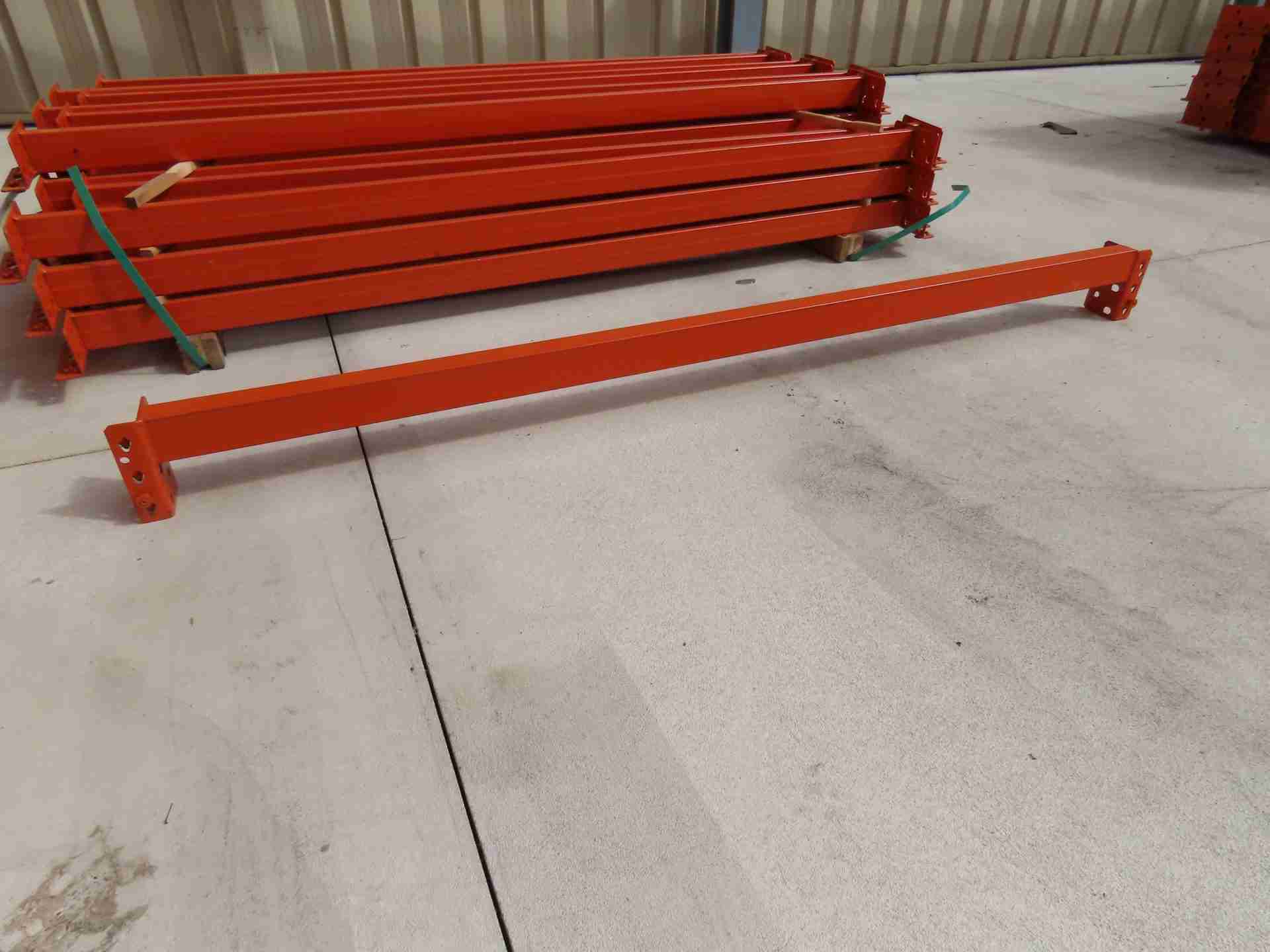
Rack Collapse Prevention: Engineering and Maintenance
Rack Collapse Prevention: Engineering and Maintenance
- Warehouses symbolize human ingenuity, emphasizing the importance of rack safety.
- A rack collapse is not only about lost inventory but also lives and families affected.
- Engineering is critical in rack design, ensuring safety and efficiency for workers.
- Maintenance is essential; adopting a proactive approach preserves the integrity of racking systems.
- Promoting a culture of safety elevates maintenance to be as important as the original installation.
- Preventing rack collapse requires teamwork among managers, workers, and safety officers.
- Emphasizing safety impacts lives and ensures the future of the workplace and community remains bright.
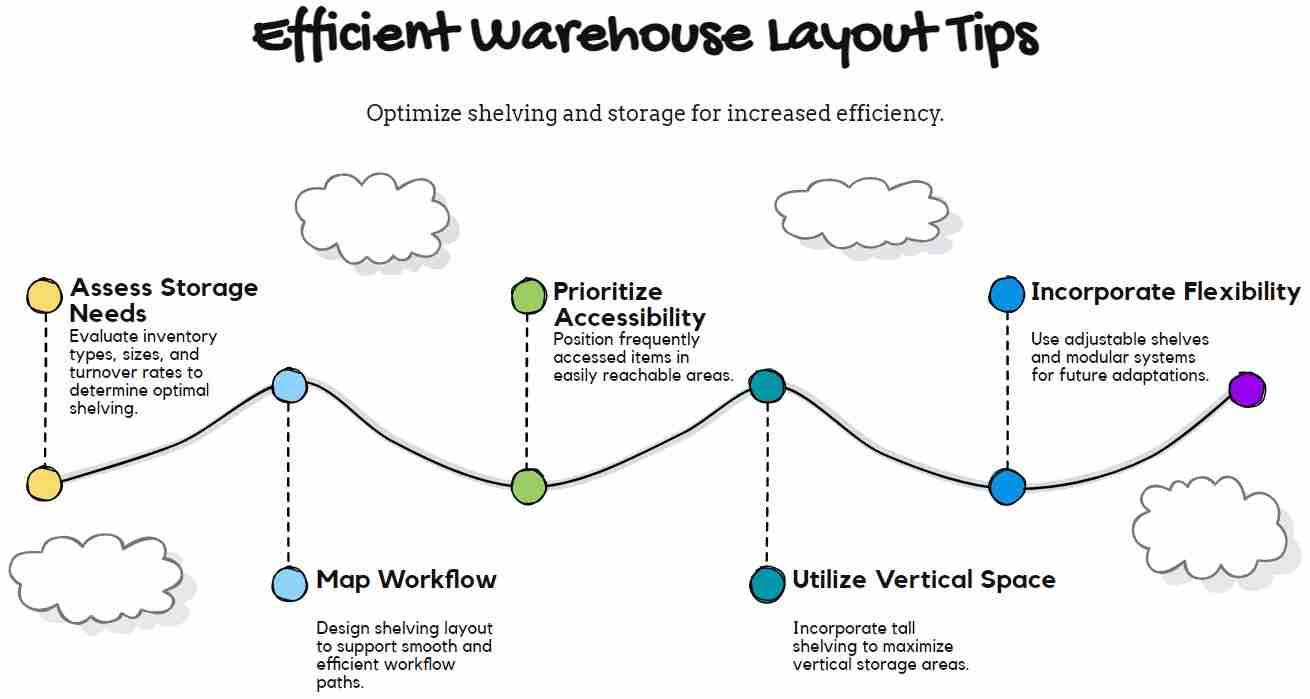
Rack Collapse Prevention: Engineering and Maintenance
Table Of Contents
- Rack Collapse Prevention: Engineering and Maintenance
- What Safeguards Can Prevent Rack Collapses and Protect Lives?
- How Do We Measure the Risks Associated with Rack Stability?
- What Engineering Practices Ensure Optimal Rack Design and Safety?
- Which Maintenance Protocols Can Extend the Lifespan Of Storage Racks?
- How Can We Foster a Safety Culture Around Rack Usage In Workplaces?
- Conclusion
- Other Resources
- Glossary Of Terms
- Other Questions
- Checklist
What Safeguards Can Prevent Rack Collapses and Protect Lives?
When we think about racking systems in warehouses, it’s easy to focus on efficiency and space-saving designs, almost like they’re just shelves waiting for products to fill them up. But let’s pause for a moment and remember what’s truly at stake—people’s lives. A rack collapse can turn a simple day at work into a scene of chaos, leaving behind not just the wreckage of fallen pallets but also shattered trust in workplace safety.
So, what can be done to prevent these tragedies? The answer lies in an amalgamation of practical safeguards that speak to our shared responsibility for safety and lives. First, regular inspections of racking are imperative. Look, racking systems aren’t invincible; they’re built to bear heavy loads under the right conditions. Over time, wear and tear will occur. Training a dedicated team to assess the integrity of these structures is not merely a recommendation; it’s an ethical obligation. We owe it to every team member to provide an environment where they can work without fear.
Next up, let’s talk about proper load distribution. Each racking system has a weight limit for a reason. It’s not just a suggestion; it’s a lifeline. Encouraging employees to be diligent about compliance fosters a culture of responsibility and awareness. When workers understand the ‘why’ behind these regulations, it’s more than just a rule; it becomes a personal commitment to their fellow workers.
And let’s not forget the importance of technology in this age. Employing advanced sensors and monitoring systems can drastically reduce the risk of overloading. Picture a network of eyes watching over the racking, alerting you at the first sign of danger. It’s not just smart; it’s essential.
Creating an open dialogue about safety can make a world of difference, too. When employees feel empowered to voice their concerns, they become active participants in a safety culture. This camaraderie, this sense of shared purpose, transforms workplaces from mere task centers into communities where everyone looks out for one another.
It’s about more than just preventing rack collapses; it’s about protecting dreams, families, and futures. By prioritizing safety and embracing a culture of vigilance, we don’t just safeguard pallets; we safeguard lives. It’s time we take these steps seriously. Because when we work together for safety, we pave the way to not only a secure workplace but a stronger community.
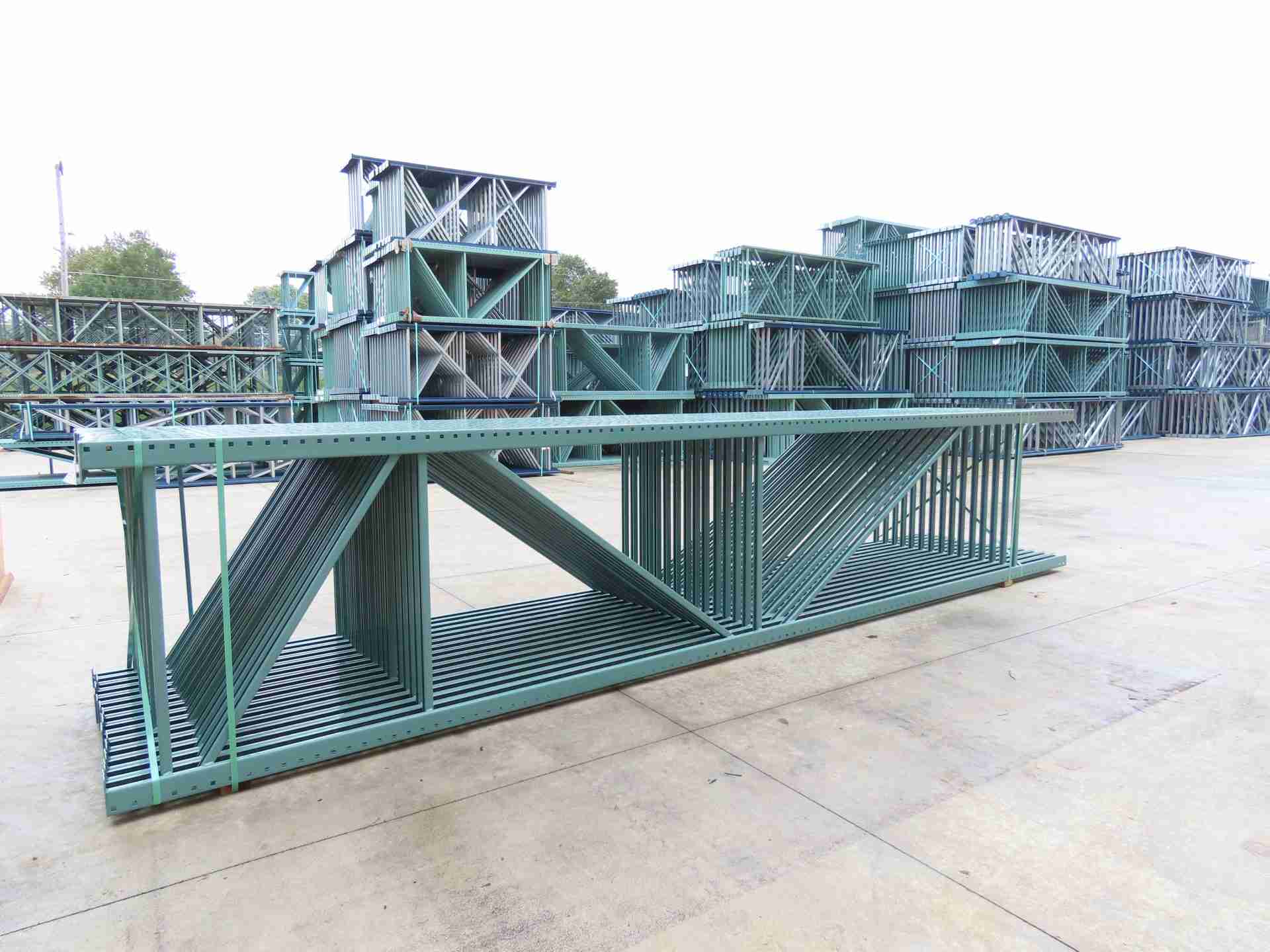
What Safeguards Can Prevent Rack Collapses and Protect Lives?
What Safeguards Can Prevent Rack Collapses and Protect Lives?
- Racking systems in warehouses are often viewed purely for efficiency and space-saving, but safety is paramount.
- A rack collapse can lead to chaos and a loss of trust in workplace safety.
- Regular inspections of racking systems are essential due to wear and tear over time.
- Proper load distribution is crucial; understanding weight limits fosters a sense of responsibility among employees.
- Utilizing advanced technology, such as sensors, can significantly decrease the risk of overloading racking systems.
- Encouraging open dialogue about safety empowers employees to participate in creating a safety culture.
- Prioritizing safety protects lives and fosters a stronger community in the workplace.
What Safeguards Can Prevent Rack Collapses and Protect Lives?
How Do We Measure the Risks Associated with Rack Stability?
When it comes to the stability of racking systems, we aren’t just talking about cold steel and industrial design. We’re diving into the very heart of safety, responsibility, and community. Picture the warehouse floor, bustling with hardworking individuals. Each of those racks stands as a silent sentinel, holding up not just inventory, but the livelihoods of the people who rely on that inventory to make a living. We’re not just measuring risks; we’re measuring trust.
From a rational standpoint, we utilize methods such as load testing and structural analysis to gauge the integrity of racking systems. We inspect each beam and joint, considering factors like weight distribution and material fatigue. But while spreadsheets and stress tests form the backbone of our assessment, they don’t capture the pulse of what it means to work in that space. Imagine a worker reaching for that top shelf, knowing that the racking has been meticulously rated for the job. When we ensure stability, we are reaffirming their right to feel safe among the steel.
Ethically, we need to confront our responsibility. Each load bears weight—as does our duty to the team that relies on proper racking. Shoddy design or neglect in maintenance could lead to disastrous outcomes. The stakes are real. Every management decision carries with it the potential to make or break not just a business, but the lives tied to it. Stability in racking isn’t just a check mark on a list; it’s a commitment to the people who trust their lives and safety to the environment we create.
Narratively, think of a father bringing home a paycheck thanks to the smooth operation of a distribution center. His family depends on this. When we take the time to ensure our racking is stable, we’re not only protecting steel against collapse; we’re defending dreams, aspirations, and futures.
So, let’s engage our social fabric as well. Speak up, share best practices, and foster a culture of safety where everyone feels empowered to contribute to stability. In doing so, we not only protect what we hold dear but also strengthen the community we build around our work. Together, we can create a culture of safety and trust that resonates with every powerful clank of metal that underscores our labor.
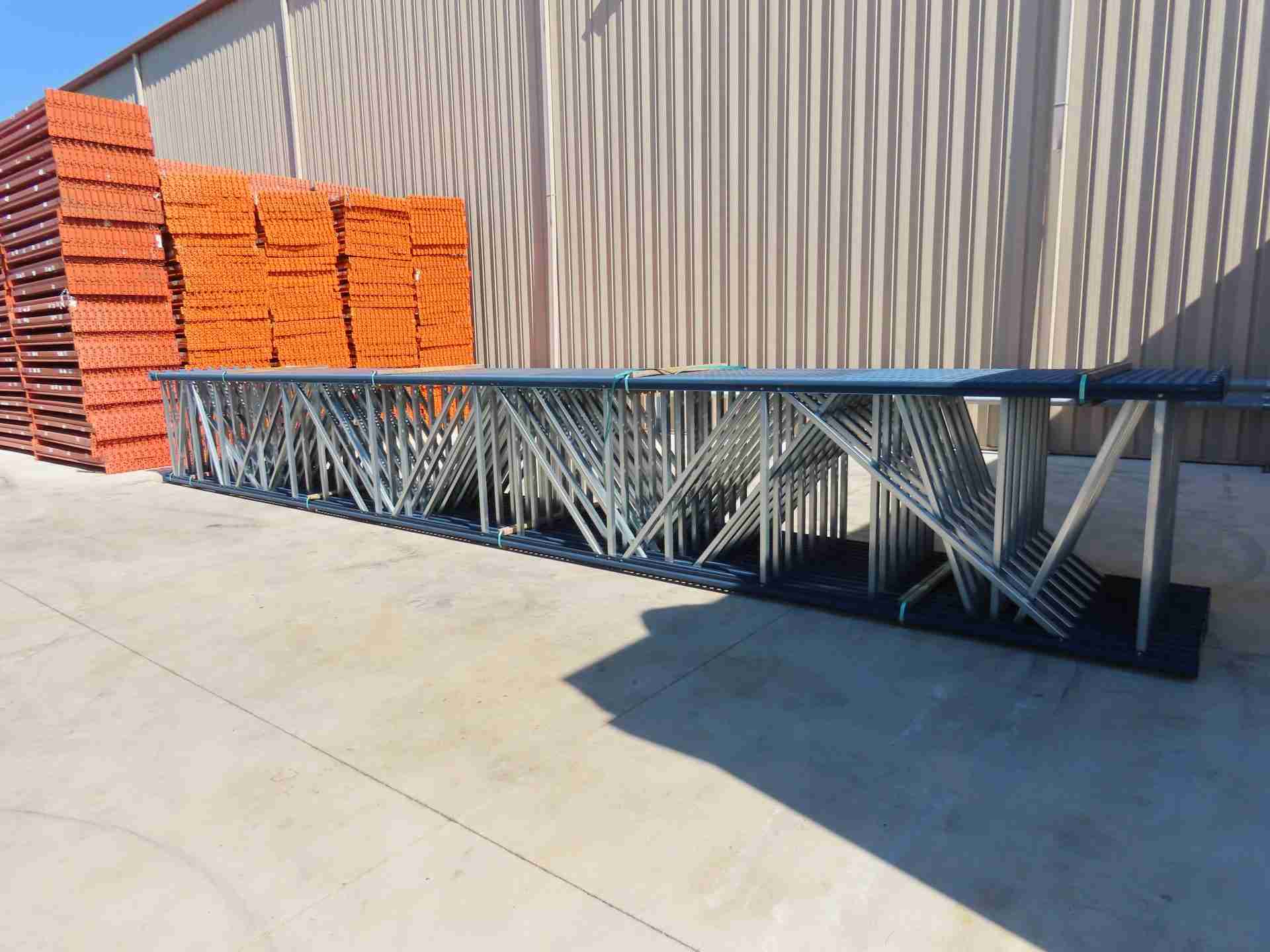
How Do We Measure the Risks Associated with Rack Stability?
How Do We Measure the Risks Associated with Rack Stability?
- The stability of racking systems is crucial for safety, responsibility, and community well-being.
- Racks hold not just inventory, but also the livelihoods of workers depending on them.
- Load testing and structural analysis are fundamental in assessing racking integrity.
- Ensuring stability reaffirms workers’ right to feel safe in their work environment.
- Ethical responsibility in design and maintenance is critical to prevent potentially disastrous outcomes.
- Stable racking systems protect not only equipment but also dreams and futures tied to workers’ livelihoods.
- Fostering a culture of safety and community engagement enhances overall stability and trust in the workplace.
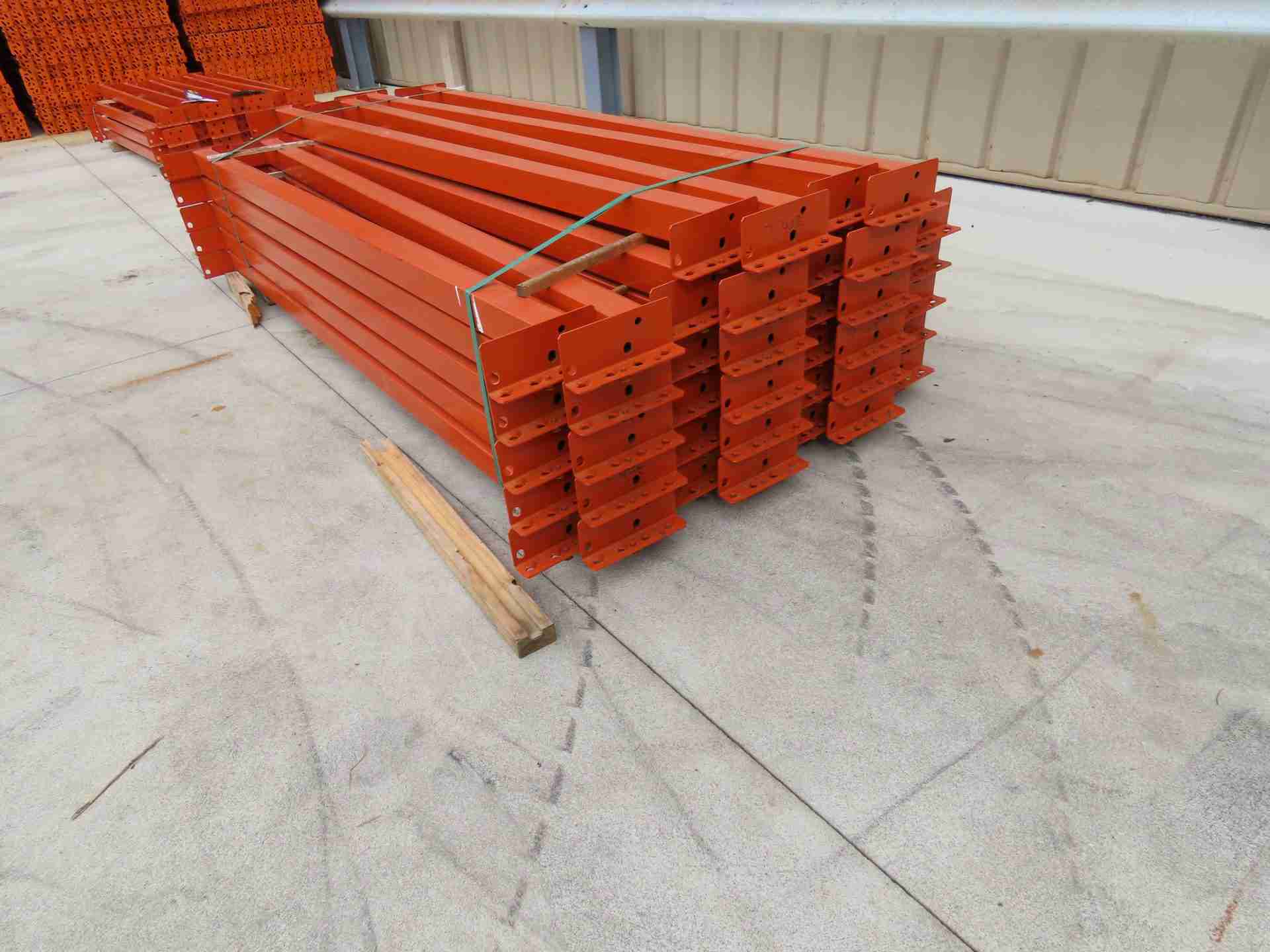
How Do We Measure the Risks Associated with Rack Stability?
What Engineering Practices Ensure Optimal Rack Design and Safety?
When it comes to ensuring that racking systems meet the highest standards for safety and efficiency, it all begins with a deep understanding of the engineering practices behind them. Imagine a bustling warehouse—a space filled with the hum of activity, where men and women work together to create something vital. It’s not just raw materials getting stored; it’s the bustling heartbeat of industry. That’s why optimal rack design is more than just a blueprint—it’s a commitment to humanity.
The heart of the matter lies in scalability. Engineers don’t just design racks to hold products; they think about the future. By creating modular and flexible racking systems, they allow businesses to grow without sacrificing safety. A safe workplace isn’t just an ethical responsibility; it’s a moral imperative. When employees feel secure in their environment, they’re empowered to focus on their tasks, first and foremost, fostering a more productive atmosphere.
From a rational standpoint, the load capacity must be meticulously calculated. This involves rigorous testing processes that simulate real-world conditions to ensure that racks can withstand not just the weight of goods but also the dynamic forces of machines and human interaction. Such diligence comes from an understanding that every bolt and beam tells a story—one of reliability and trust.
Moreover, established safety standards serve as the guiding star in this endeavor. Compliance with local and international regulations isn’t merely a box to check—it’s a demonstration of integrity and accountability. Engineering teams take pride in their certifications, knowing they uphold the lives and livelihoods of those who depend on their designs. Their work isn’t just about racks; it’s about the people who rely on them daily.
Let’s not forget the stories that unfold in these environments—each rack holds dreams, aspirations, and hard work. When a team comes together, optimizing their racking solutions, they’re not just chasing numbers; they’re creating a legacy, a system that transforms how we think about storage and efficiency.
Safety is communal; when we invest in better racking systems, we’re not just safeguarding our own future— we’re enhancing it for everyone. It’s a powerful vision, one that calls upon all of us to participate, connect, and advocate for practices that ensure our workspaces remain both safe and efficient. Together, we can build a world where racking isn’t just a structure—it’s a foundation for success.
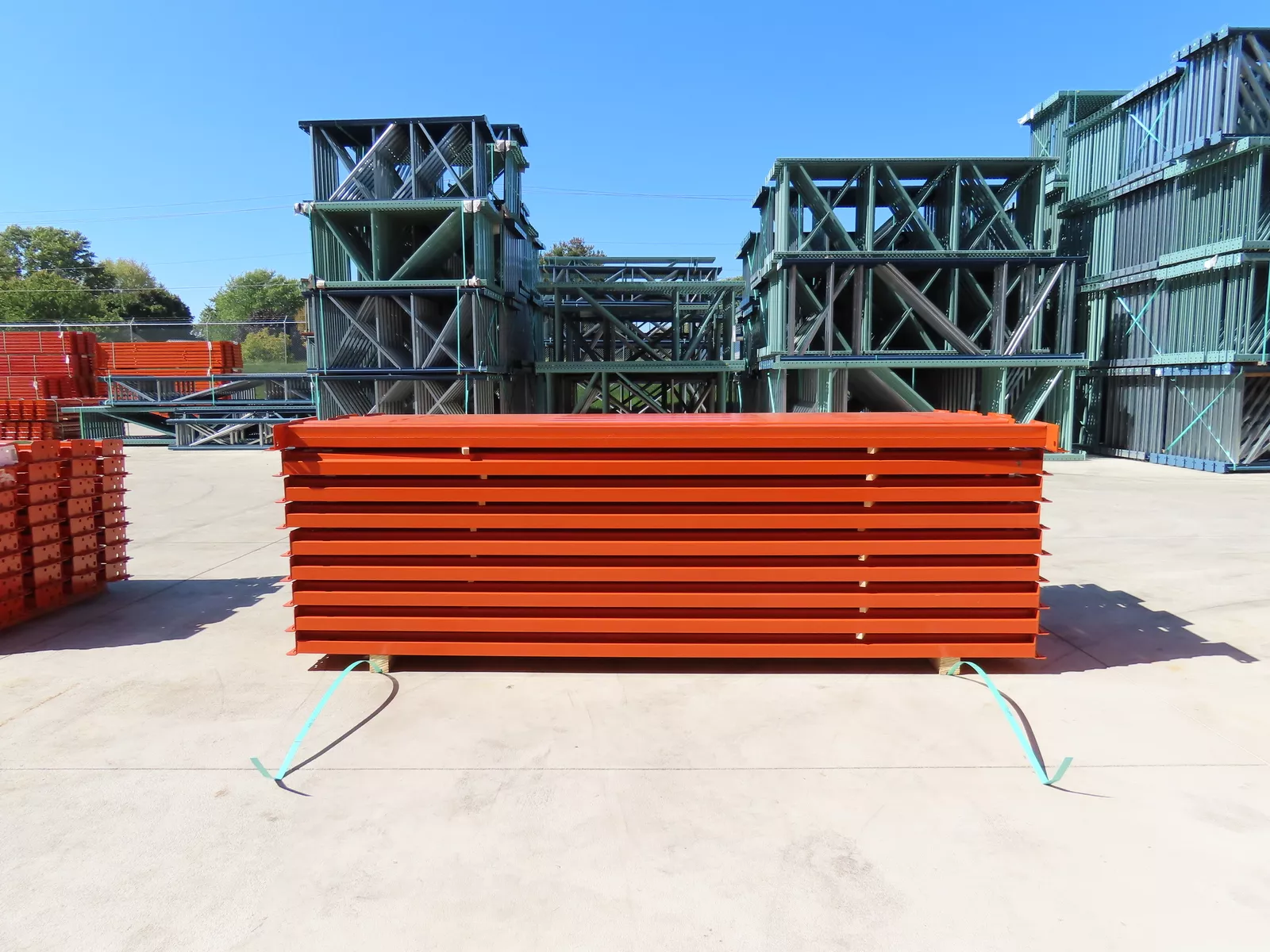
What Engineering Practices Ensure Optimal Rack Design and Safety?
What Engineering Practices Ensure Optimal Rack Design and Safety?
- Racking systems must adhere to high standards of safety and efficiency through strong engineering practices.
- Optimal rack design signifies a commitment to both efficiency and the well-being of workers in bustling warehouse environments.
- Scalable, modular racking systems enable business growth while ensuring workplace safety, fostering productivity.
- Careful calculation of load capacity and rigorous testing ensures racks withstand the weight of products and dynamic forces.
- Compliance with safety standards and regulations reflects integrity and accountability in engineering practices.
- Each racking solution embodies the ambitions and efforts of the workforce, transforming storage and efficiency perceptions.
- Improving racking systems enhances safety for all, promoting a collective vision for better workspaces.

What Engineering Practices Ensure Optimal Rack Design and Safety?
Which Maintenance Protocols Can Extend the Lifespan Of Storage Racks?
When it comes to ensuring the longevity of your storage racks, a few vital maintenance protocols can make a world of difference. Picture this: those heavy-duty racking systems standing tall in your warehouse, significantly impacting your operational efficiency. Now imagine if they could last beyond their expected lifespan, saving you money and resources while keeping your inventory safe.
First, let’s talk about routine inspections. Just like a seasoned mechanic knows the telltale signs of an engine about to sputter, you have to be that watchful eye over your racking. Regular inspections—think of it as a wellness check-up for your storage systems—allow you to catch potential issues before they turn catastrophic. A small crack today could mean the collapse of an entire section tomorrow. In maintaining racking, the cost of a diligent eye is far less than the price of an accident.
Next is load verification. Every shelf, every beam has a weight limit designed by engineers who thought about the safety and strength of racking. Ignoring these limits isn’t just bad practice; it’s asking for trouble. By adhering to the manufacturer’s guidelines, you’re honoring the craftsmanship and integrity that went into creating those racks. It’s a matter of respect—for the material, for your team, and for the processes that keep your business thriving.
Also, let’s not forget about cleanliness. It sounds simple, but a clean rack is a happy rack. Dust, debris, and spills can lead to corrosion over time. Taking a moment to wipe down surfaces and inspect for wear ensures you’re investing in quality rather than cutting corners. Your racks are the backbone of your operation—treat them well, and they will serve you for years.
Finally, training your staff is crucial. They’re the ones on the front lines, interacting with your storage systems daily. Equip them with knowledge about best practices and safe handling. It’s not just a matter of creating a culture of safety; it’s about fostering a sense of ownership and pride within your team. When everyone understands the significance of maintaining racking, together, you’ll build a legacy of reliability.
These maintenance protocols are more than just checklists; they are commitments to excellence. When you invest in the health of your storage racks, you’re investing in the very foundation of your operation. So, roll up your sleeves and get to work—your racks deserve it, and so do you.
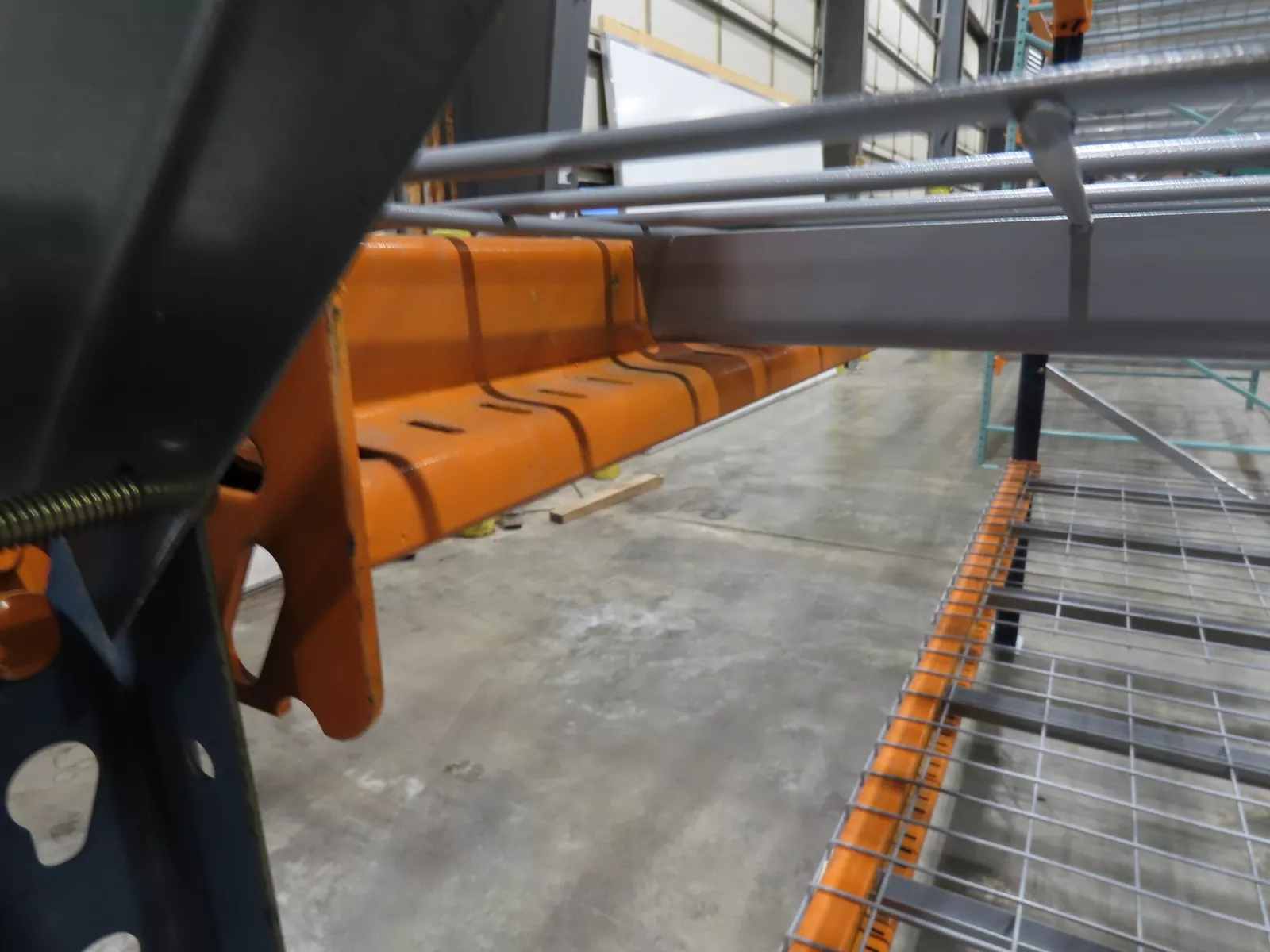
Which Maintenance Protocols Can Extend the Lifespan Of Storage Racks?
Which Maintenance Protocols Can Extend the Lifespan Of Storage Racks?
- Regular inspections are essential to catch potential issues before they escalate into major problems.
- Load verification ensures compliance with weight limits to maintain safety and structural integrity.
- Keeping racks clean prevents corrosion and contributes to the longevity of the storage systems.
- Train staff on best practices and safe handling to promote a culture of safety and ownership.
- Investing in maintenance protocols enhances operational efficiency and saves money and resources.
- Commitment to rack maintenance is a commitment to the overall success of the business.
- Prioritize the health of your storage racks to build a legacy of reliability and quality.
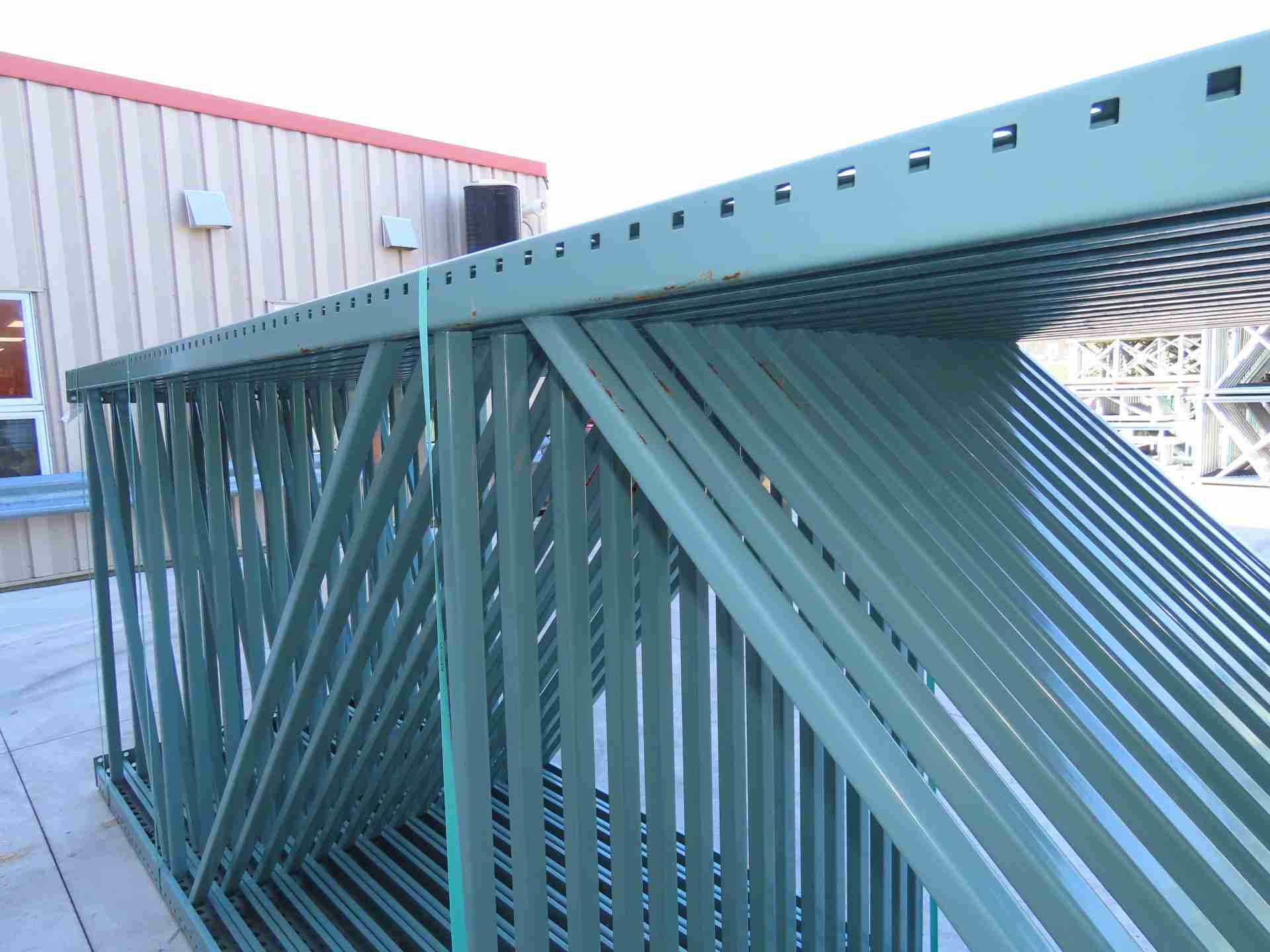
Which Maintenance Protocols Can Extend the Lifespan Of Storage Racks?
How Can We Foster a Safety Culture Around Rack Usage In Workplaces?
When it comes to fostering a safety culture around racking in workplaces, we need to go beyond checklists and safety manuals. It’s about connecting deeply with the people who interact with those racks every day. Imagine walking through a warehouse or a workshop, and along with the clanging of equipment and the hum of machinery, you hear conversations centered on safety—a shared commitment that resonates with both heart and mind.
Every racking system you encounter is more than just an array of shelves; it holds the potential for great joy and terrible consequences. Workers need to know they’re not just numbers in a safety report, but valued team members contributing to a culture that prioritizes safety above all else. When folks walk past that racking, it shouldn’t just evoke a sense of danger but a feeling of responsibility—responsibility to themselves and their teammates.
On a rational level, we can’t ignore the numbers: workplace accidents related to improper racking can cost companies millions and can devastate families. Ensuring that everyone understands how to safely stack, store, and retrieve items is critical. By educating employees about weight limits, best practices, and regular inspections, we empower them to take ownership of their environment. Knowledge isn’t just power—it’s the foundation of safety.
Ethically speaking, every company has a duty to protect its people. A safety culture means creating an atmosphere where every voice is important and every concern is addressed. Maybe it’s a simple conversation by the break room table about past experiences, or a formal safety meeting where everyone shares their thoughts. These dialogues help break down barriers and build trust.
When we share stories—whether it’s a near-miss or a successful intervention—those narratives create emotional connections among team members, reinforcing the belief that everyone has a part to play in safety. It’s not just about following rules; it’s about fostering a community that looks out for one another. By engaging everyone in the conversation, we create a collective consciousness geared towards safety.
Let’s remember, a culture of safety around racking in the workplace doesn’t just happen; it’s cultivated. It thrives on communication, respect, and above all, a shared commitment to returning home safe, one rack at a time. The time to act is now: let’s make safety the cornerstone of our workplace culture.

How Can We Foster a Safety Culture Around Rack Usage In Workplaces?
How Can We Foster a Safety Culture Around Rack Usage In Workplaces?
- Fostering a safety culture around racking requires deeper connections with employees, beyond checklists and manuals.
- Every racking system is more than shelves; it represents both potential risks and responsibilities for workers.
- Workplace accidents related to racking can cost millions and devastate families, making education on safety critical.
- Empowering employees with knowledge about weight limits, best practices, and inspections is essential for safety.
- Companies have an ethical duty to protect their employees by creating a safe atmosphere where every voice matters.
- Sharing stories and experiences fosters emotional connections and builds trust among team members regarding safety.
- A culture of safety is cultivated through communication, respect, and a collective commitment to ensuring everyone returns home safe.
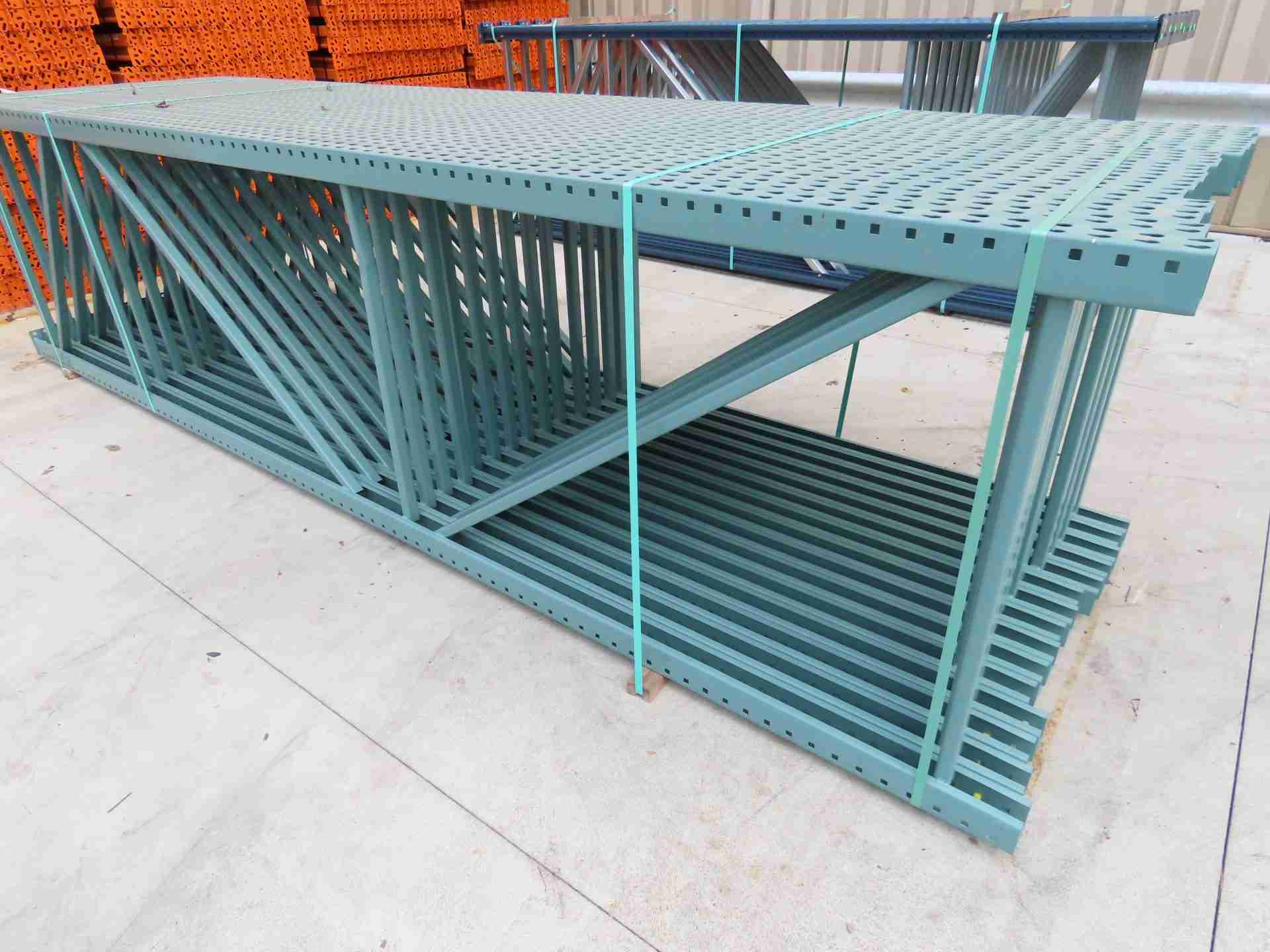
How Can We Foster a Safety Culture Around Rack Usage In Workplaces?
Conclusion
Walking into a warehouse, you’re greeted not just by rows of sturdy racks but by the promise of hard work and dreams held aloft. It’s vital to recognize that the safety of these structures is what keeps that promise alive. A rack collapse isn’t just a logistical nightmare; it shatters trust and threatens lives. Each item on those shelves tells a story, a culmination of effort from countless individuals. Ensuring the integrity of racking systems is a commitment that transcends mere compliance; it’s a moral obligation to protect livelihoods and foster an environment where every worker can thrive without fear.
Expert engineering and diligent maintenance converge to create a fortress of safety. Yes, the design of racking systems is foundational, marrying technical prowess with the everyday realities faced by workers. But engineering is only half the battle. Maintenance shifts from being a mundane task to an act of stewardship, a sacred ritual that honors the community relying on these infrastructures. Regular inspections, load evaluations, and even cleanliness comprise the routine checks that urge everyone to take personal accountability. Each time an employee examines a shelf, they’re not just checking off a requirement; they’re actively safeguarding their partners and their future.
But it doesn’t stop at maintenance. Building a culture of safety is an evolution, requiring open dialogue and real discussions among team members. When employees share their insights and concerns, they don’t just participate in safety measures—they become champions of it. This camaraderie creates a fortress of mutual vigilance, turning workplaces into communities where collective responsibility reigns.
Practical safeguards combined with a culture of safety do more than protect assets—they herald a commitment to human dignity. It’s an ethical imperative; ensuring stability in racking means more than peak performance; it means affirming the lives that depend on that very infrastructure. Safety protocols should resonate as deeply as the hum of machinery, echoing a shared ethos that values each worker’s contribution.
It’s time to herald a transformation where rack safety isn’t just an afterthought but woven into the very fabric of workplace culture. Together, let’s turn every inspection into a moment of pride, every conversation into a tool for change, and every rack into a testament of our commitment to protecting the future. When we embrace our roles, we do more than ensure safety—we inspire a legacy of resilience and strength.
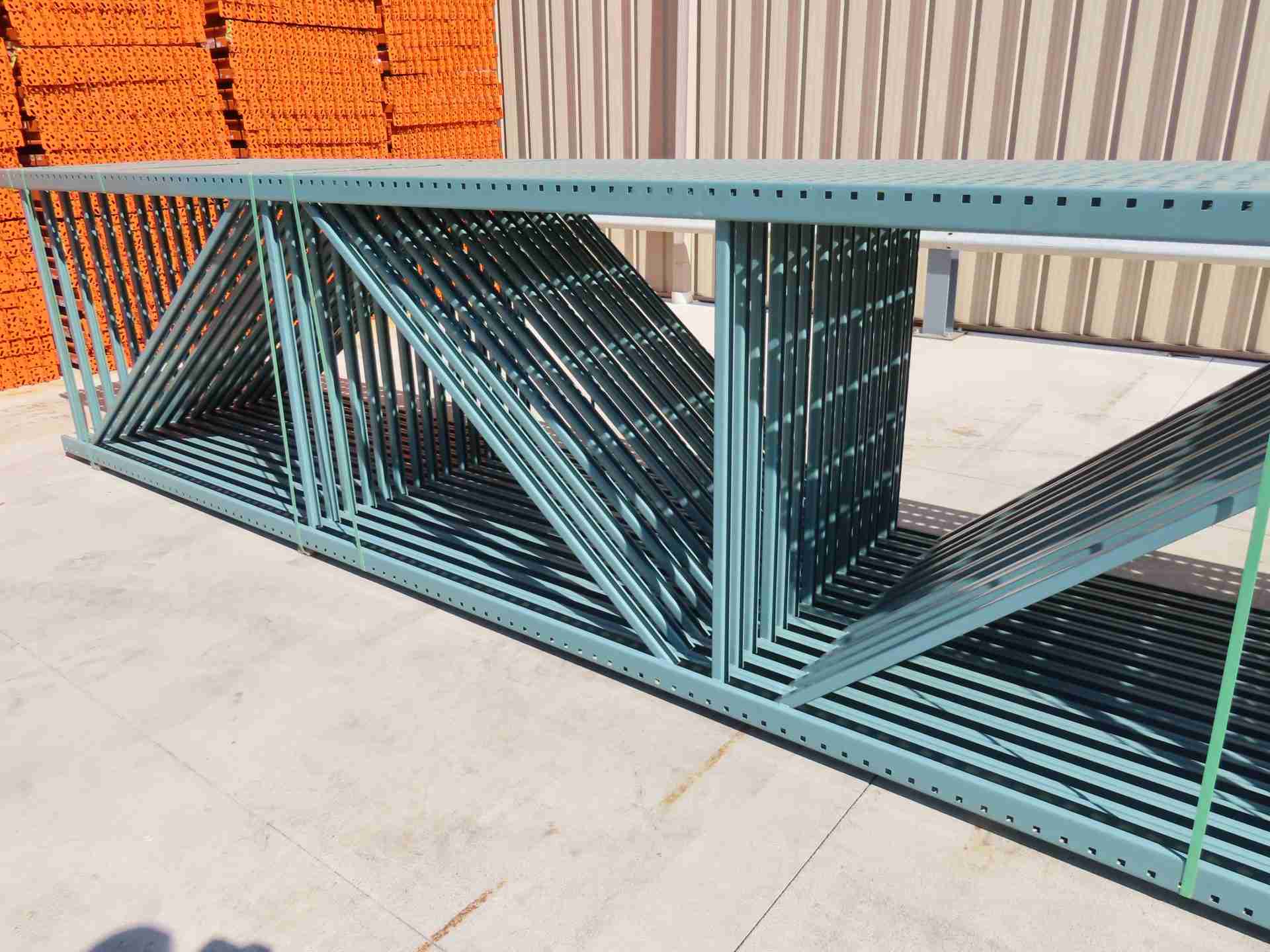
Conclusion
Conclusion:
- Walking into a warehouse symbolizes hard work and potential, but safety is crucial to maintain this promise.
- Rack collapses not only disrupt logistics but also erode trust and risk lives.
- Ensuring racking integrity is a moral obligation that protects livelihoods and fosters a safe environment for workers.
- Expert engineering and diligent maintenance form the foundation of safety in racking systems.
- Regular inspections and maintenance encourage personal accountability and active engagement in safety measures among employees.
- Building a culture of safety involves open dialogue, transforming employees into champions of safety and creating a sense of collective responsibility.
- Prioritizing rack safety reflects a commitment to human dignity and stability, affirming the value of every worker’s contribution.

Conclusion
Other Resources
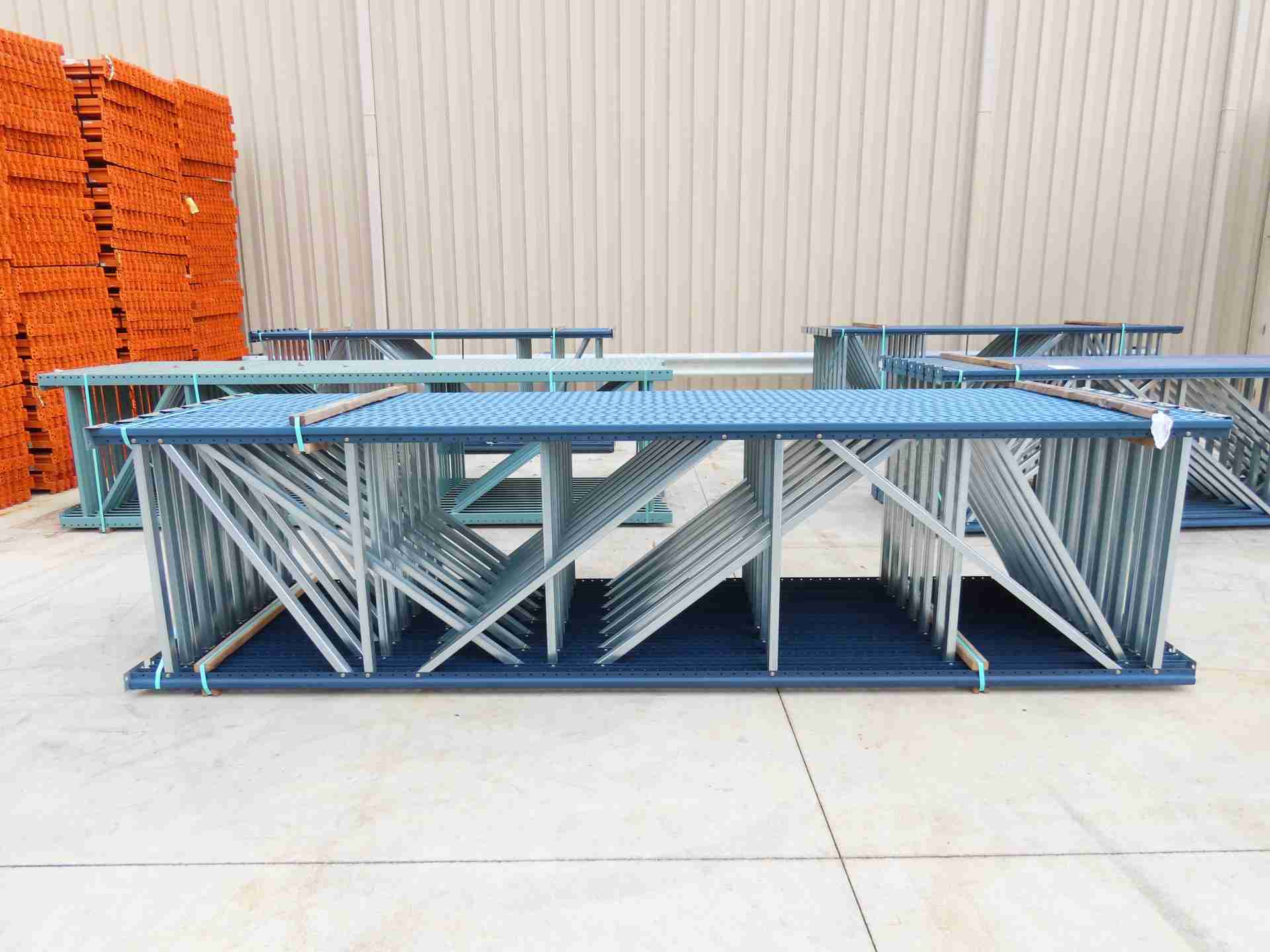
Other Resources
Here is a list of other resources you can review online to learn more:
- What is Cantilever Racking? – AK Material Handling Systems
- Warehouse Racking System: Powerful Guide to Optimise, 2024
- Used Pallet Rack for Sale in Illinois – American Surplus
- Shipping Boxes, Packaging Materials, Pallet Racking
- Pallet Rack Systems – New and Used Pallet Racking and Shelving Experts
- Interlake Mecalux
- IIWS Inc. Rack Installation Illinois & Rack Repairs Illinois
- Cantilever Rack Guide: Ordering Cantilever Racking
- Teardrop Industrial Shelving Rack
- Selective Rack – Raymond West
- Cantilever Rack Guide: Ordering Cantilever Racking
- Interlake
- Warehouse Automation
- Material Handling Safety
- CA Wire
- Cantilever Rack Configuration & Installation: A Comprehensive Guide – BMH
- IIWS Inc. Rack Installation Illinois & Rack Repairs Illinois
- RMI
- What is Selective Racking: Understanding Benefits & Options
Use This Prompt To Get More Resources With Your Favorite Online AI Tool: Please provide me with a list of online articles with their URLs in a bulleted list that I can read regarding Rack Collapse Prevention: Engineering and Maintenance

Other Resources
Glossary Terms
Rack Collapse Prevention: Engineering and Maintenance – Glossary Of Terms
1. Rack: A structure designed to hold and support goods, typically in warehouse or storage environments.
2. Collapse: A failure of a structure resulting in a sudden falling down or inward, often leading to potential damage or injury.
3. Load Capacity: The maximum weight a rack can safely support without risk of failure or collapse.
4. Safety Factor: A design criterion that provides a margin of safety to ensure that a structure can withstand unexpected loads.
5. Stability: The ability of the rack to maintain its position and resist tipping or collapsing under load.
6. Design Standards: Established guidelines and specifications used to ensure the safe construction and operation of racks.
7. Inspection: The process of examining rack systems to identify signs of wear, damage, or structural integrity.
8. Maintenance: Routine tasks performed to ensure that racks remain in good condition and function properly over time.
9. Bracing: Structural elements added to racks to improve stability and prevent movement and collapse.
10. Upright: The vertical support component of a rack, crucial for load distribution.
11. Beam: A horizontal element of a rack that supports the weight of stored items.
12. Deflection: The degree to which a beam or rack structure bends under load, which can indicate potential failure.
13. Load Distribution: The manner in which weight is spread across a rack, critical for preventing collapse.
14. Impact Load: A sudden load applied to a rack, often resulting from heavy items being placed or removed.
15. Vertical Load: Weight applied in a downward direction, typically from goods stored on the racks.
16. Lateral Load: Forces applied horizontally, which can cause tipping or instability in rack systems.
17. Rack Stability Analysis: A detailed examination of the stability of a rack structure under various load conditions.
18. Forklift: A powered industrial vehicle used to lift and transport materials, often influencing rack design and loading.
19. Pallet: A flat structure used to support goods for storage and handling, often placed on racks.
20. Overloading: Placing more weight on a rack than its designated load capacity, leading to structural failure.
21. Tipping: The pivoting of a rack structure, usually triggered by uneven load distribution or lateral forces.
22. Failure Mode: The manner in which a rack or structural element can fail or collapse.
23. Emergency Protocols: Established procedures to follow in the event of a rack collapse or other safety incident.
24. Training: Instruction provided to employees on safe handling and storage practices concerning rack systems.
25. Material Handling: The movement, protection, storage, and control of materials and products within a facility.
26. Documentation: Records of rack inspections, maintenance activities, and incident reports related to collapse prevention.
27. Assessment: The evaluation of rack integrity and compliance with safety regulations and standards.
28. Modular Racking: A system of adjustable shelving that can be reconfigured for different storage needs while maintaining safety.
29. Weight Sensors: Devices integrated into rack systems to monitor load and alert operators to potential overloading.
30. Regulatory Compliance: Adherence to laws, regulations, and standards governing the design and use of racks to ensure safety and legality.

Glossary Of Terms
Other Questions
Rack Collapse Prevention: Engineering and Maintenance – Other Questions
If you wish to explore and discover more, consider looking for answers to these questions:
- What are the most common causes of rack collapses in warehouses?
- How often should racking systems be inspected?
- What training should employees receive regarding rack safety?
- What are the signs of wear and tear in racking systems?
- How can technology enhance rack safety monitoring?
- What are the legal requirements for racking system safety?
- How can load distribution be effectively managed in racking systems?
- What best practices can businesses implement for routine maintenance?
- How do different types of products affect racking system design?
- What role do safety officers play in rack safety?
- How can a company measure the effectiveness of its safety culture?
- What are the costs associated with rack collapses, both financial and human?
- How can leadership promote a culture of safety within teams?
- What are the impacts of a safe versus unsafe racking system on employee morale?
- What additional resources are available for training and safety practices?
Other Questions
Checklist
Rack Collapse Prevention: Engineering and Maintenance – A Checklist
Rack Safety Culture Checklist
Emotional Appeals:
_____ Reflect on the lives impacted by workplace safety—commit to actions that protect your team.
_____ Share stories of safety successes and near-misses to foster connection and awareness within your team.
_____ Encourage a sense of pride and responsibility in maintaining a safe work environment.
Rational Appeals:
_____ Schedule regular inspections of racking systems—identify potential issues before they escalate.
_____ Implement proper load distribution practices—educate your team on weight limits and compliance.
_____ Utilize technology like monitoring systems to prevent overloading and ensure safety proactively.
Ethical Appeals:
_____ Emphasize the duty of care owed to all employees—create policies that prioritize their safety.
_____ Foster an inclusive environment where every voice is heard—encourage team members to share safety concerns.
_____ Promote a culture of accountability, where maintaining equipment is seen as a shared responsibility.
Authority Appeals:
_____ Refer to industry standards and local regulations as guiding principles for racking safety.
_____ Utilize certified training programs for staff on best practices related to rack maintenance and inspection.
_____ Create partnerships with safety inspectors to ensure adherence to safety protocols.
Narrative Appeals:
_____ Create a narrative around the racking— each rack holds dreams and aspirations; safeguard them with diligence.
_____ Introduce mentorship or buddy systems to share knowledge and experiences about rack safety and maintenance.
_____ Capture testimonials from workers about how an effective safety culture enhances their confidence and productivity.
Social Appeals:
_____ Develop a team safety committee to actively engage in safety discussions and initiatives.
_____ Host safety workshops where employees can collaborate on best practices for rack usage.
_____ Celebrate safety milestones and achievements as a team to strengthen community ties and encourage ongoing commitment.
Checklist
At RackingWorld, we help guide you through selecting warehouse storage systems and racking.
Be sure to read our other related stories at RackingWorld to learn more about warehouse storage systems.
0 Comments