
Optimizing Storage, Efficiency, And Trust: Cantilever Racking In Auto Parts
By Tom Seest
At RackingWorld, we help guide you through selecting warehouse storage systems and racking.
Be sure to read our other related stories at RackingWorld to learn more about warehouse storage systems.
How Do Automotive Metal Parts Suppliers Leverage Cantilever Racking?
In the world of automotive metal parts, space is king, and every inch counts. Suppliers aren’t just stacking metal beams and pipes any old way—they’re using cantilever racking like a trusted workhorse. This isn’t some fancy, flaky system; it’s straightforward, tough, and built for the grit of real warehouse life. Unlike traditional pallet racking that boxes you into square shapes and limits what you can store, cantilever racking opens the doors wide for any long, bulky metal parts that don’t play nice with pallets. It’s about working smarter, not just harder.
Picture this: a warehouse floor usually cluttered with mismatched metal pieces, awkward angles, and tangled messes finds order and rhythm. Cantilever racking arms reach out like strong, steady hands ready to cradle everything from metal rods to extrusions. That accessibility? It’s a game-changer. The folks running these places can grab exactly what they need without awkward contortions or wasting time digging through piles. It saves frustration, cuts down accidents, and speeds up the job—because nobody wants to waste their day wrestling with storage when they could be moving metal out the door.
This system doesn’t just help the day-to-day hustle; it builds trust with customers. When a supplier knows where every part is and can pull it with ease, deliveries come through slick and on time. That reliability earns respect and keeps business rolling, plain and simple. It’s an honest way to prove you care—showing you’ve got your operation dialed in and your customer’s needs front and center. Using cantilever racking isn’t just about space; it says you value quality in every link of your supply chain.
Ethically, it’s about safety and respect for the crew. Those steel arms hold heavy loads steady, prevent messy piles, and reduce the risk of injury. It’s the responsible choice, showing a company who looks out for its people and its product. Better storage means fewer accidents and a smoother workflow, which keeps the whole team confident and accountable.
The story here is simple: cantilever racking turns chaos into order, frustration into flow, and a crowded warehouse into a well-oiled machine. It’s a practical solution rooted in common sense and hard-earned experience. In the tough world of automotive metal parts, that kind of smart, dependable storage system makes all the difference. It’s not just a tool—it’s part of the backbone that keeps metal moving, businesses thriving, and everybody a little less worn out at the end of the day. Pallet racking has its place, but cantilever racks grab those long parts with a grip that speaks the language of real work.

How Do Automotive Metal Parts Suppliers Leverage Cantilever Racking?
How Do Automotive Metal Parts Suppliers Leverage Cantilever Racking?
- Cantilever racking maximizes space in automotive metal parts storage by efficiently handling long, bulky items unsuitable for traditional pallet racks.
- Unlike pallet racking, it offers flexible, accessible storage for metal beams, pipes, rods, and extrusions, improving warehouse organization.
- This system enhances productivity by reducing time spent searching for parts, minimizing frustration, and decreasing accident risk.
- Reliable storage with cantilever racks supports timely deliveries, fostering customer trust and business continuity.
- It promotes workplace safety by securely holding heavy loads and preventing hazardous clutter, showing care for employees.
- Cantilever racking transforms chaotic warehouse spaces into efficient, orderly environments that streamline operations.
- More than just storage, cantilever racking is an essential component supporting quality supply chains and business success in the automotive metal industry.

How Do Automotive Metal Parts Suppliers Leverage Cantilever Racking?
Table Of Contents
- How Do Automotive Metal Parts Suppliers Leverage Cantilever Racking?
- How Does Cantilever Racking Improve Warehouse Space Efficiency?
- How Can Metal Parts Suppliers Reduce Damage with Proper Storage?
- What Makes Cantilever Racks Ideal for Automotive Parts?
- How Do Suppliers Balance Cost with Storage Solutions?
- Can Cantilever Racking Speed Up Order Fulfillment Processes?
- What Safety Standards Apply to Cantilever Racking Systems?
- Conclusion
- Other Resources
- Glossary Of Terms
- Other Questions
- Checklist
How Does Cantilever Racking Improve Warehouse Space Efficiency?
Look, when you’re toe-deep in the daily grind of moving, stacking, and sorting, space isn’t just a luxury—it’s the difference between smooth sailing and chaos. Cantilever racking steps in like the reliable workhorse you didn’t know you needed, reshaping your warehouse from a crowded mess into a lean, mean, storage machine. Unlike Pallet Racking that can box you in with fixed frames and limited reach, cantilever racks give you wide-open arms—no front columns to wrestle around, making it a breeze to load and unload long, bulky items like lumber, pipes, or steel bars.
Now, why does this matter? It matters because every inch counts. When you free up floor space by stacking smarter, not just harder, you’re not just organizing; you’re optimizing. That means fitting more product without expanding your footprint—not just a win for your wallet but a sustainable, smarter way to run your warehouse. It’s like turning a cluttered garage into a well-oiled workshop where everything’s got a spot and you know right where to find it.
This isn’t just about efficiency either—it’s about respect for the work, the workers, and the product. When your team glides through aisles clear of obstacles, it cuts down on frustration and accidents, proving you care about more than the bottom line. A safe, accessible space boosts morale, making work less of a slog and more of a smooth operation. That builds trust—between employer and crew—that reliability we all count on when deadlines growl and pressure mounts.
Think of cantilever racking as a no-nonsense solution born from real-world needs. It’s not flashy, it’s not complicated, but like a well-seasoned wrench, it just works. It’s a proven setup that folks who’ve been around the block rally behind, doing what Pallet Racking can’t when your inventory has odd shapes or lengths. Doors open wider, forklifts maneuver easier, and inventory management gets a horsepower boost.
Bottom line: choosing cantilever racking means stepping into a warehouse where every cubic foot earns its keep, every load sits steady, and every driver pulls out with confidence. It’s common sense made steel, inviting you to streamline your operation without the fluff—because at the end of the day, getting the job done is what counts.

How Does Cantilever Racking Improve Warehouse Space Efficiency?
How Does Cantilever Racking Improve Warehouse Space Efficiency?
- Cantilever racking transforms cluttered warehouses into efficient storage spaces by eliminating front columns and allowing easy loading of long, bulky items.
- It optimizes floor space usage, enabling more product storage without expanding the warehouse footprint.
- Improved organization boosts operational efficiency and helps workers find items quickly.
- Clear, obstacle-free aisles reduce accidents and frustration, enhancing worker safety and morale.
- The system builds trust and reliability within teams, supporting smooth operations under pressure.
- Cantilever racking suits odd-shaped or long inventory better than traditional pallet racking, improving maneuverability for forklifts and overall inventory management.
- Choosing cantilever racking maximizes space utility, secures loads, and simplifies warehouse workflows, focusing on practical, effective storage solutions.
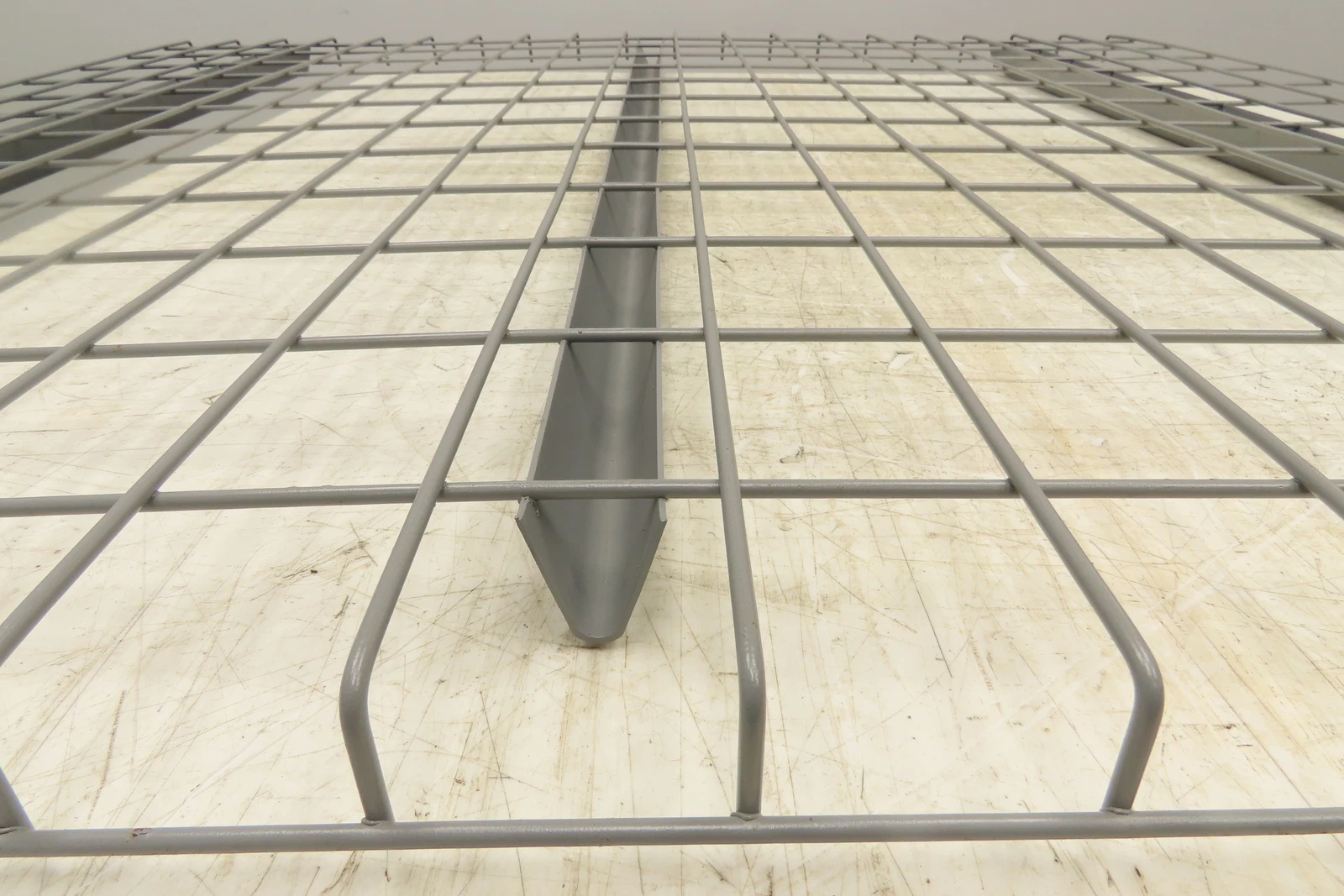
How Does Cantilever Racking Improve Warehouse Space Efficiency?
How Can Metal Parts Suppliers Reduce Damage with Proper Storage?
When you’re running a shop that deals with metal parts, every dent, scratch, or rust spot isn’t just a blemish—it’s lost time, lost money, and a customer’s hard-earned trust slipping through your fingers. Proper storage isn’t just a box to check; it’s the backbone of keeping your business solid and your customers coming back. You know from experience how a single mishandled load can throw a wrench into the whole operation. That’s why metal parts suppliers can’t afford to leave storage to chance.
Pallet racking is where the rubber meets the road. These heavy-duty racks keep parts off the floor, out of harm’s way, and organized so nothing’s left to chance. When metal sits stacked in a heap, it invites scratches, bends, and corrosion. But when it’s neatly stored on pallet racking, each piece has a home, reducing the shuffle and rough handling that damages parts before they ever leave the yard. The right racks are built tough, engineered for your kind of load, so they don’t buckle under pressure, and neither do you.
There’s something ethical about treating parts like they matter, because they do. Every part placed on that rack represents someone’s job, a project’s finish line, or a client counting on you to deliver without excuses. Proper storage isn’t just good housekeeping—it’s respect for the work, the workers, and the customers who put their trust in your hands. It shows you care enough to protect the tools of progress, to keep quality intact from your floor to theirs.
Look around any solid operation and you’ll see a story told in methodical rows of pallet racking and carefully stacked metal. It’s a story of foresight, pride, and grit. Nobody’s glammed-up inventory looks like that—it’s honest, reliable, and built to last. You want your team to move parts confidently, not gingerly because everything’s a mess. That confidence trickles down, making your whole process tighter and more efficient.
So, if you’re looking to cut down on damage and keep your edges sharp, start with proper storage. Pallet racking isn’t flashy, but it’s the unsung hero that keeps damage off the books and customers coming back with a smile. Treat your metal parts right, and they’ll reward you by making your life easier every day.

How Can Metal Parts Suppliers Reduce Damage with Proper Storage?
How Can Metal Parts Suppliers Reduce Damage with Proper Storage?
- Proper storage of metal parts is essential to prevent damage, save time and money, and maintain customer trust.
- Pallet racking keeps metal parts off the floor, organized, and protected from scratches, bends, and corrosion.
- Heavy-duty racks are designed to handle specific loads without buckling, ensuring durability and reliability.
- Storing parts carefully shows respect for the work, workers, and customers depending on quality delivery.
- Organized pallet racking systems reflect a company’s foresight, pride, and commitment to efficient operations.
- A clean, systematic storage approach builds team confidence and streamlines handling processes.
- Pallet racking, though unassuming, is crucial in reducing damage, boosting customer satisfaction, and making daily operations easier.

How Can Metal Parts Suppliers Reduce Damage with Proper Storage?
What Makes Cantilever Racks Ideal for Automotive Parts?
When you’re knee-deep in fixing cars or managing a parts shop, you learn real quick that not all storage solutions are cut out for the job. Cantilever racks earn their keep because they get what automotive parts really need: easy access, tough support, and no-nonsense efficiency. Unlike bulky pallet racking that tries to shove everything into tight corners, cantilever racks put the spotlight on big, awkward, and oddly shaped parts—exhaust pipes, bumpers, frame rails—that just don’t fit neatly on a pallet.
There’s something honest about how cantilever racks operate. No walls, no front beams, just strong arms that hold up what matters most. That means you can grab what you need without playing crane operator or wrestling with forklift forks in a crowded aisle. When you’re under the clock, needing that part fast, this kind of straightforward access is more than a convenience—it’s a lifeline. It respects the rhythm of the daily grind and makes it smoother.
From a brain-work perspective, cantilever racks optimize storage without overcomplicating the space. They’re designed with practical flexibility—arms adjust, trunks of gear find their place, and the whole setup bends to your workflow, not the other way around. It’s rational, clear-headed design rooted in real-world experience, not fancy specs on paper. You’re investing in a system that reduces wasted motion and cuts down on the headaches that come with cluttered stockrooms.
On the ethical side, using cantilever racks feels right because it minimizes damage to parts. Automotive components aren’t cheap or easy to replace. This isn’t just shelving; it’s a promise that you’re treating valuable tools with respect, cutting down on waste, and looking after the bottom line in a way that’s fair and smart. Reliability here isn’t just about metal beams—it’s about trust, both in the equipment and in the people who rely on it.
This gear isn’t just sold—it’s proven every day in shops, garages, and warehouses across the country. When hands-on workers recommend cantilever racks, it’s backed by countless miles of elbow grease and stories of “thank God for that rack,” turning chaos into order. It’s a community of folks who’ve rolled up their sleeves and swear by a system that just works, no frills needed.
If you’re tired of battling unwieldy pallets and wrestling with clunky racks, cantilever racks offer a smarter path. They meet you where the rubber hits the road, delivering practical solutions with quiet strength and trust you can lean on. That’s why, for automotive parts storage, there’s truly nothing else quite like them.

What Makes Cantilever Racks Ideal for Automotive Parts?
What Makes Cantilever Racks Ideal for Automotive Parts?
- Cantilever racks provide easy access, strong support, and efficient storage tailored for bulky, awkward automotive parts like exhaust pipes and bumpers.
- Designed without walls or front beams, they allow straightforward grabbing of parts without the need for forklifts or cranes in tight spaces.
- Flexible arm adjustments accommodate different gear sizes, optimizing space and workflow without unnecessary complexity.
- The design reduces wasted motion and clutter, enhancing daily operational efficiency in busy repair shops and parts stores.
- They minimize part damage, protecting expensive automotive components and promoting responsible, cost-effective storage practices.
- Widely trusted and recommended by professionals, cantilever racks prove their value through real-world use and reliability.
- Offer a practical, durable alternative to bulky pallet racks, meeting the demands of automotive parts storage with strength and simplicity.

What Makes Cantilever Racks Ideal for Automotive Parts?
How Do Suppliers Balance Cost with Storage Solutions?
When you’re running a business that moves goods, balancing cost with storage isn’t just a numbers game—it’s the difference between keeping the doors open or watching them close. Suppliers know this all too well. They’ve been in the trenches, wrestling with tight budgets and the never-ending need for more space. It’s tough, no doubt, but it’s also where smart choices like Pallet Racking come into play.
Think about it: pallets stacked in neat, efficient racks aren’t just saving floor space; they’re saving money every single day. More organized storage means less time wasted hunting for products and fewer accidents knocking over stacks. That’s hard-earned cash right there, and it feels good to see your team work without the extra headaches. It’s the kind of setup that earns respect on the floor and trust from your partners because you’re not just tossing goods around—you’re handling them with care and thought.
On a gut level, it just makes sense. If your storage is cluttered, you’re inviting risks that hit your bottom line. Damage, delays, misplaced orders—these hurt more than your wallet; they hurt your reputation. Pallet Racking systems might not be flashy, but they’re solid. They deliver reliability you can count on, day after day. Choosing the right racking isn’t putting a band-aid on the problem; it’s building a foundation that carries your business forward.
There’s also an ethical side that gets overlooked. When you streamline storage, you make the workplace safer for everyone hustling in the warehouse. No one wants to work around piles stacked like Jenga towers or trip over misplaced pallets. Doing right by your crew means both lowering injury risk and boosting morale. Trust is built on that kind of care—on knowing you don’t just chase profits but respect the people who make it all happen.
Stories circulate in supply circles about the suppliers who tried to cut corners on storage. The short-term savings always come back to bite them—broken pallets, lost inventory, frustrated customers. On the flip side, those who invest wisely in solutions like Pallet Racking see smoother operations, better relationships, and a reputation that lasts. That’s the kind of business you can lean on when times get tough.
Balancing cost and storage is a balancing act in real life, not just on paper. It calls for grit, judgment, and a down-to-earth approach, knowing every square foot in your space carries weight in your business’s future. Pallet Racking stands as a tried-and-true tool in that fight—lifting more than pallets, it lifts confidence and keeps the whole operation running lean and strong.

How Do Suppliers Balance Cost with Storage Solutions?
How Do Suppliers Balance Cost with Storage Solutions?
- Balancing cost and storage is crucial for businesses moving goods, impacting their survival and efficiency.
- Pallet Racking saves floor space, reduces time spent searching for products, and minimizes accidents, leading to cost savings.
- Organized storage prevents damage, delays, and misplaced orders, protecting both finances and reputation.
- Pallet Racking systems provide reliable, long-term storage solutions that support business growth.
- Streamlined storage improves workplace safety, lowers injury risk, and boosts employee morale.
- Cutting corners on storage leads to broken pallets, lost inventory, and frustrated customers, while investing in proper racking strengthens operations and relationships.
- Effective storage management requires practical judgment and grit, with Pallet Racking serving as a foundational tool for lean, confident operations.
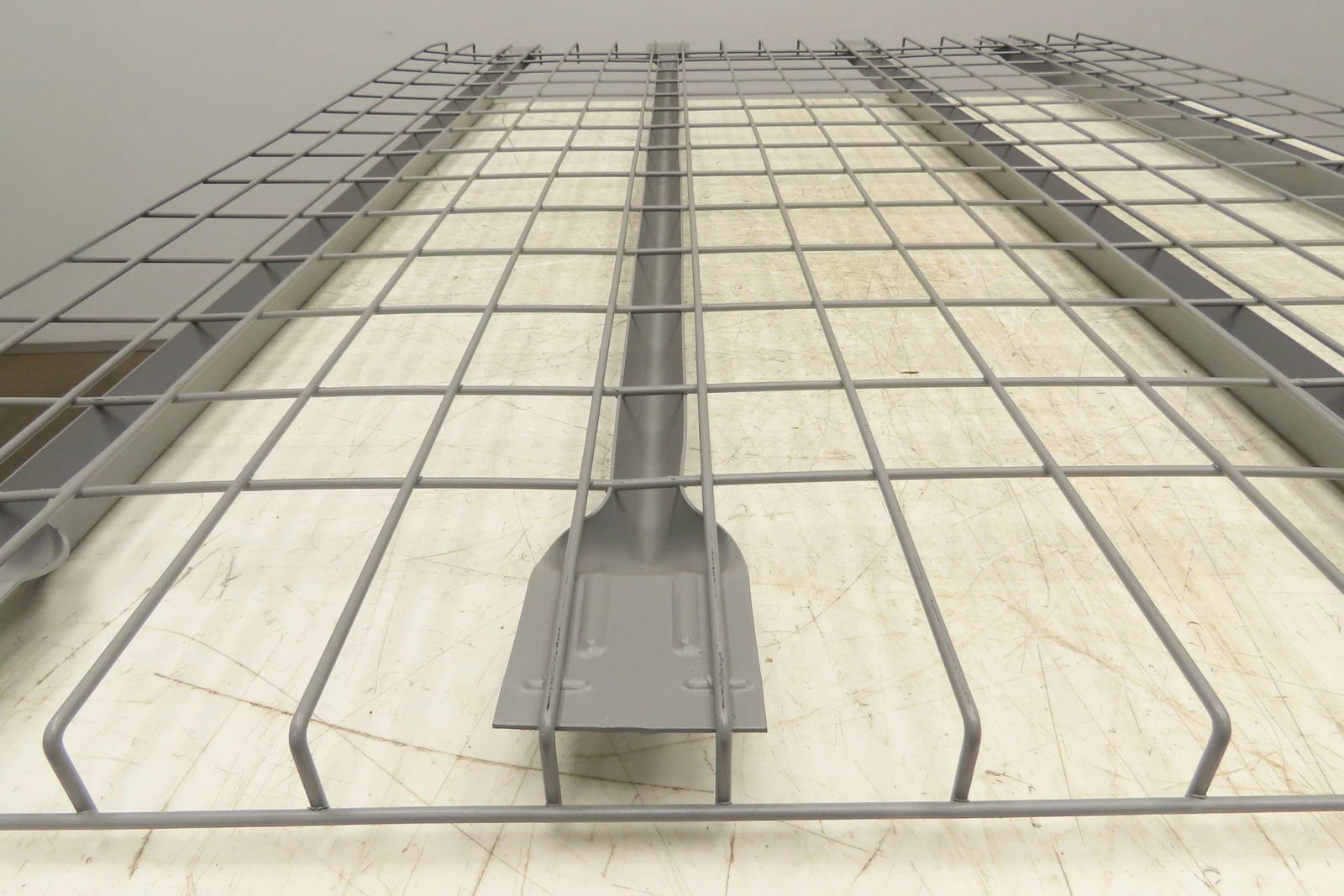
How Do Suppliers Balance Cost with Storage Solutions?
Can Cantilever Racking Speed Up Order Fulfillment Processes?
When the backroom is a jumble of pallets and boxes, it’s like trying to find a wrench in a junk drawer—you waste time, get frustrated, and the clock keeps ticking. That’s where cantilever racking steps in, not as some fancy gadget but as a straightforward fix that speaks to real work. Unlike traditional pallet racking that crams things front to back, cantilever racks open up space and keep long, bulky stuff—pipes, lumber, steel bars—lined up and easy to grab. It’s the difference between fishing through a pile and reaching out to grab exactly what you need. That’s speed the heart recognizes: less sweat, less stress, more time for the family or the next job.
From a practical standpoint, cantilever racking aligns with how things move in the real world. We’re talking about fewer forklift trips, smoother aisles, and clear sightlines that let a team spot what’s ready to ship or needs restocking without a second guess. When orders come flying in, having a system that feels more like a well-oiled machine than a game of guesswork cuts down mistakes and holds up the whole chain—warehouse to customer. Efficiency here doesn’t just mean faster; it means smarter use of space and people, which is good business and a straight-up boost to the bottom line.
There’s something honest about cantilever racking too that hits on ethics. It’s durable, reliable, and safe, reducing the chances of accidents that put workers out of commission or shipments on hold. Treating your team right with gear that fits the job shows respect, which echoes back in morale and productivity. Plus, a tidy, organized warehouse sends a message to everyone—customers, partners, employees—that you mean business and care about how things run from the ground up.
Consider the tales from plenty of warehouses that made the switch: the slow days got faster, frustration turned into focus, and the crew started trusting the system. When you bring cantilever racking in, you’re not just investing in shelves; you’re investing in a process that respects people, moves product, and adds up to real results. That’s the kind of no-nonsense upgrade that turns order fulfillment from a chore into a rhythm everyone can count on.

Can Cantilever Racking Speed Up Order Fulfillment Processes?
Can Cantilever Racking Speed Up Order Fulfillment Processes?
- Cantilever racking replaces cluttered storage by organizing long, bulky items like pipes, lumber, and steel bars for easy access.
- Unlike traditional pallet racking, it opens up space and simplifies retrieval, reducing wasted time and frustration.
- Improves workflow with fewer forklift trips, smoother aisles, and clear sightlines for quick restocking and shipping decisions.
- Enhances overall efficiency by optimizing space and labor, resulting in better business performance and cost savings.
- Durable, reliable, and safe design reduces workplace accidents, boosting morale and productivity.
- Promotes respect for workers by providing appropriate equipment, reflecting positively on company culture and reputation.
- Successful implementations transform order fulfillment from a stressful task into a reliable, streamlined process.

Can Cantilever Racking Speed Up Order Fulfillment Processes?
What Safety Standards Apply to Cantilever Racking Systems?
When you walk into a warehouse or shop stocked with cantilever racking, you’re looking at more than just metal beams holding up goods – you’re seeing a system that’s supposed to do its job day in and day out without fail. Safety standards for these setups aren’t just red tape; they’re the lifeline between a smooth-running operation and a disaster waiting to happen. Think about it—pallet racking has been the backbone of storage for a long time, and cantilever racking systems, designed to handle bulky, awkward loads like pipes or lumber, have their own set of rules. These standards keep the stuff you store secure and the people working around it safer than a cornered mule.
Look at the codes and guidelines laid down by experts who’ve studied how these racks perform under weight, stress, and accidental knocks. It’s all rooted in common sense mixed with lots of hard-earned knowledge. These standards spell out the load capacities—that’s how much weight each arm and column can safely carry without bowing or breaking. Overloading isn’t just about risking collapse; it’s about the years of wear and tear that could catch you off guard down the line. The rules also cover proper installation — no shortcuts with shaky anchors or uneven floors. If your cantilever racking system was put in with a “close enough” attitude, you’re playing with fire.
On the ethical side, running a workplace that respects these safety measures sends a clear message: you value the folks clocking in every day, the hands that build, move, and retrieve materials. Not cutting corners on pallet racking safety isn’t just compliance, it’s common decency. When everyone knows their environment is sound, trust grows, people work sharper, and the whole operation hums better. Socially, it sets a standard. No one wants to be the place known for accidents or shaky shelves. Safe cantilever racking nurtures a culture where safety isn’t an afterthought—it’s part of the daily grind.
The truth is, nothing beats seeing a well-maintained, sturdy rack handling heavy timber or steel square after square without a hiccup. That’s the kind of confidence you build with the right safety standards in place. It’s a story told in quiet reliability, a testament that when you honor those standards, you’re honoring the people and the work itself. So, when it comes to cantilever racking systems, the rules aren’t just lines on paper—they’re the difference between dread and dependable, between risk and resilience.

What Safety Standards Apply to Cantilever Racking Systems?
What Safety Standards Apply to Cantilever Racking Systems?
- Cantilever racking systems are designed to securely hold bulky, awkward loads like pipes and lumber while ensuring operational reliability.
- Safety standards are essential to prevent disasters, setting clear guidelines on load capacities and proper installation.
- These standards protect against overloading, structural wear, and risks from improper installation such as unstable anchors or uneven floors.
- Adhering to safety measures demonstrates respect and care for workers handling and interacting with the racking system.
- Following safety protocols builds trust, improves workplace morale, and enhances overall operational efficiency.
- Safe cantilever racking promotes a culture where safety is integral to daily work, avoiding accidents and reputational damage.
- Well-maintained, code-compliant racks provide dependable, long-term performance, reflecting commitment to both safety and quality.

What Safety Standards Apply to Cantilever Racking Systems?
Conclusion
In the gritty world of automotive metal parts, storage isn’t just about shoving things onto shelves—it’s about turning chaos into order and making every inch count. Cantilever racking steps in as the unsung hero, the tough, no-nonsense system that understands the shape of the job. Unlike the rigid confines of pallet racks, these cantilever arms reach out wide and open, cradling long, bulky parts with a steady grip that respects both the material and the folks handling it. It’s practical, reliable, and built for the real world where parts don’t come in neat little boxes.
This storage method doesn’t just clear space; it clears minds. When workers can grab exactly what they need without wrestling forks or digging through piles, it speeds up orders, cuts down injuries, and lowers frustration. That kind of smooth operation isn’t just efficient—it’s the heart of trust between supplier and customer. Knowing where every beam and bar lives means deliveries go out right and on time, building a reputation that’s as solid as the steel stacked on those racks.
But it’s not just about the bottom line. Proper storage reflects a respect for the craft and the crew. Cantilever racking holds heavy loads steady and trims the risk of damage and accidents, proving that safety isn’t just policy—it’s doing right by the people who make the business run. When a warehouse is organized and safe, morale rises, confidence grows, and everyone moves with purpose. Those aren’t just warehouse walls holding metal—they’re the backbone of a working community.
Cost-wise, choosing cantilever racking is a calculated bet on common sense and sweat equity. It’s about investing in tools that pay off in fewer mishaps, tighter workflows, and a workplace that runs lean and tough. The alternative—cluttered, unsafe storage—may save a few bucks upfront but eats away at reputation and productivity. Wise suppliers know this isn’t about flashy upgrades; it’s about laying down a foundation that keeps their operation standing strong for the long haul.
When it comes to speeding up order fulfillment, cantilever racks turn the warehouse into a well-oiled machine. They clear aisles, ease forklift traffic, and keep parts within reach, reducing wasted motion and errors. This isn’t just smart storage—it’s smart business, respecting workers’ time and customers’ deadlines alike. The racks say, “We’ve got this,” delivering order to the daily grind without fuss or frills.
Underpinning it all, safety standards are the quiet but firm promise that these racks won’t falter. They’re tested, anchored, and built to handle the weight and wear of real work without falling short. Following these rules is more than ticking boxes—it’s an ethical commitment to everyone who puts in a day’s work here. Safe cantilever racking builds a culture where respect, reliability, and responsibility aren’t just ideals—they’re the bedrock of everyday action.
At the end of the day, cantilever racking is more than metal and bolts; it’s a practical, honest solution shaped by hands-on wisdom. It turns messy yards into orderly spaces, frustration into flow, and uncertainty into trust. For automotive metal parts suppliers who know their business, it’s the storage system that just works—strong, steady, and ready to hold up the hard grind that keeps things moving.

Conclusion
Conclusion:
- Cantilever racking is an efficient storage system designed to handle long, bulky automotive metal parts by providing open, extendable arms that offer steady support.
- It improves workflow by making parts easily accessible, reducing the need for heavy equipment and minimizing worker frustration and injuries.
- Proper use of cantilever racks fosters trust between suppliers and customers through accurate, timely deliveries and organized inventory.
- Safety and respect for workers are central to cantilever racking, as it ensures stability, reduces damage risk, and supports a positive workplace environment.
- Investing in cantilever racking pays off by enhancing productivity, tightening workflows, and avoiding the hidden costs of cluttered, unsafe storage.
- The system optimizes order fulfillment by clearing aisles, easing forklift traffic, and minimizing errors, making warehouse operations more efficient.
- Built to meet rigorous safety standards, cantilever racks represent a commitment to reliability, responsibility, and a strong workplace culture.

Conclusion
Other Resources

Other Resources
Here is a list of other resources you can review online to learn more:
- Warehouse Racks, Warehouse Racking in Stock – ULINE
- IWLA
- Warehouse Racking Systems: Beginner’s Guide to Rack Systems
- International Warehouse Logistics Association
- Crane Manufacturers Association Of America Inc.
- Illinois Pallet Racking – Storage Solutions
- Intro to Warehouse Racks & Warehouse Racking Systems – ShipBob
- Teardrop Uprights
- Arrow Industrial Sales
- CMMA
- Shipping Boxes, Packaging Materials, Pallet Racking
- Chicago Pallet Racking
- Bradford Systems
- Logic Material Handling
- Warehouse Racking System: Powerful Guide to Optimise, 2024
- IIWS Inc. Rack Installation Illinois & Rack Repairs Illinois
- Rack Manufacturers Institute
- Cantilever Racks Chicago
- Selective Racking
- Interlake Mecalux
Use This Prompt To Get More Resources With Your Favorite Online AI Tool: Please provide me with a list of online articles with their URLs in a bulleted list that I can read regarding How Do Automotive Metal Parts Suppliers Leverage Cantilever Racking?

Other Resources
Glossary Terms
How Do Automotive Metal Parts Suppliers Leverage Cantilever Racking? – Glossary Of Terms
1. Cantilever Racking: A storage system designed with arms extending from a central column to hold long, bulky items such as metal parts.
2. Automotive Metal Parts: Components made of metal used in vehicle manufacturing or repair.
3. Supplier: A company or entity that provides products or materials to another organization.
4. Storage Efficiency: The optimization of space usage and accessibility in inventory management.
5. Accessibility: The ease with which stored items can be reached and retrieved.
6. Inventory Management: The process of ordering, storing, and using a company’s stock.
7. Load Capacity: The maximum weight that a racking system can safely support.
8. Structural Integrity: The ability of the racking system to withstand loads without failure.
9. Arms: Horizontal supports on the cantilever racking that hold metal parts.
10. Vertical Columns: The upright supports of a cantilever racking system.
11. Adjustability: The capability to change arm positions to accommodate various sizes of metal parts.
12. Heavy-Duty Storage: Storage solutions designed to handle substantial weight and robust materials.
13. Long Material Storage: The specific organization of lengthy items such as pipes, bars, or sheets.
14. Space Optimization: Using storage layout techniques to maximize available warehouse space.
15. Material Handling: The movement, protection, storage, and control of materials throughout manufacturing and warehousing.
16. Safety Margin: The design factor ensuring racking safety beyond expected loads.
17. Forklift Access: The ability for forklifts to navigate and retrieve materials from the racking system.
18. Customization: Tailoring racking components to fit specific supplier or parts requirements.
19. Load Distribution: Even spreading of weight across the racking system to prevent damage.
20. Warehouse Organization: The systematic arrangement of materials for efficient workflow.
21. Durability: The racking system’s capability to resist wear and damage over time.
22. Corrosion Resistance: The ability of racking materials to withstand rust and environmental degradation.
23. Modular Design: A racking system constructed from interchangeable parts for easy modification.
24. Vertical Storage: Utilizing height to store longer materials and free up floor space.
25. Inventory Turnover: The rate at which stocked items are used and replenished.
26. Ergonomics: The design consideration for user safety and efficiency in accessing stored parts.
27. Load Bearing Arms: Cantilever arms specifically engineered to hold heavy metal parts.
28. Assembly Time: The duration required to install or adjust the racking system.
29. Return on Investment (ROI): The financial benefit gained from efficiency improvements through cantilever racking.
30. Operational Workflow: The sequence of processes involved in managing automotive metal parts within a warehouse.

Glossary Of Terms
Other Questions
How Do Automotive Metal Parts Suppliers Leverage Cantilever Racking? – Other Questions
If you wish to explore and discover more, consider looking for answers to these questions:
- How do cantilever racks compare to pallet racks in cost per square foot of usable storage?
- What are the typical load capacities for cantilever arms and columns, and how are they calculated?
- How do you determine the right cantilever rack configuration for specific automotive parts (length, weight, quantity)?
- What are the installation requirements and typical lead times for cantilever racking systems?
- What foundation or floor conditions are required for safe cantilever rack anchoring?
- How do cantilever racks perform in seismic or high-wind regions and what reinforcements are needed?
- What inspection and maintenance schedules are recommended to keep cantilever racks safe and reliable?
- Which industry safety standards and codes (e.g., ANSI, RMI, local codes) apply to cantilever racking?
- How should racks be protected from forklift impacts and other common warehouse hazards?
- What are best practices for load distribution and stacking to avoid overloading or unbalanced loads?
- How can suppliers minimize damage from corrosion, scratching, or deformation while parts are stored?
- What padding, coatings, or accessories are available to protect finished automotive parts on cantilever arms?
- How do cantilever racks integrate with forklifts, cranes, or specialized handling equipment?
- What safety training do workers need to operate around cantilever racking and handle long parts safely?
- How does using cantilever racks affect order-picking workflows and fulfillment times quantitatively?
- What metrics should be tracked to measure ROI after installing cantilever racking (e.g., throughput, damage reduction)?
- What are common customization options (arm length, spacing, tiers) and their cost implications?
- Can cantilever racking be reconfigured easily as inventory or product mix changes?
- What are the options and trade-offs between buying new, buying used, or leasing cantilever racks?
- How do warranties, certifications, and supplier support vary between manufacturers?
- What are realistic lifespan expectations for cantilever systems under heavy daily use?
- How do suppliers handle labeling, inventory control, and WMS integration for long items on cantilever racks?
- What are the considerations for lighting, aisle width, and ergonomics when planning cantilever layouts?
- How do cantilever racks affect insurance premiums and liability exposure for suppliers?
- What retrofit options exist for converting existing pallet racking areas to cantilever storage?
- Are there case studies or before/after examples showing productivity or cost improvements from cantilever installations?
- How should damaged rack components be assessed, repaired, or replaced to maintain structural integrity?
- What environmental or sustainability benefits (or drawbacks) are associated with cantilever racking?
- How do transportation and delivery constraints (e.g., narrow doors, loading docks) influence rack selection and layout?

Other Questions
Checklist
How Do Automotive Metal Parts Suppliers Leverage Cantilever Racking? – A Checklist
Strategy and KPIs
✅______ Define objectives: space utilization, damage reduction, pick speed, on-time delivery
✅______ Set baseline metrics and target improvements with deadlines
Inventory and Handling Profile
✅______ Catalog long or bulky SKUs (pipes, extrusions, bumpers, frame rails) with lengths, weights, and bundle sizes
✅______ Identify surface sensitivities (painted or coated, soft alloys) and protection needs
✅______ Determine handling methods (forks, booms, carpet poles) and minimum turning radii
Facility and Equipment Readiness
✅______ Verify ceiling height and obstructions for column height and lift mast clearance
✅______ Confirm floor slab thickness, compressive strength, and load capacity
✅______ Map columns, doors, docks, and utilities; validate forklift class and attachments
✅______ Plan aisle widths based on equipment envelope plus safety clearance
System Design Choices
✅______ Choose single- or double-sided racks and bay spacing for SKU lengths
✅______ Select arm length, arm capacity, column spacing, and base length per load calculations
✅______ Specify end stops or lips, dividers, or tubing cradles for round and awkward stock
✅______ Decide finish or coating (galvanized or powder coat) and corrosion protection
✅______ Address seismic and bracing requirements per local code
Safety and Compliance
✅______ Comply with ANSI MH16.3 (RMI), OSHA 1910, and local building and seismic codes
✅______ Obtain PE-stamped drawings and load calculations
✅______ Post load capacity signage at each bay or arm
✅______ Specify anchor type and quantity; plan anchor pull tests and torque verification
✅______ Create a written rack safety and inspection program
Installation Quality
✅______ Survey floor flatness (FF/FL) and level or shim where needed
✅______ Lay out positions; install plumb within tolerance; align row spacers
✅______ Torque anchors to specification; document with records and photos
✅______ Complete commissioning punch list before loading
Operations and Flow
✅______ Develop slotting: fast movers at knee-to-shoulder height; slow or oversize items higher or lower
✅______ Establish pick paths and one-way traffic; mark staging and buffer zones
✅______ Implement clear labeling: aisle, bay, level, and arm IDs with barcodes
✅______ Define inbound QC and putaway rules (bundle integrity, labeling, protection)
Damage Prevention
✅______ Use arm lips or stops for round stock; require full support across at least two arms
✅______ Add non-marring pads or dunnage between layers and edge guards for coated parts
✅______ Segregate soft versus hard metals; avoid mixed-bundle storage
✅______ Ban unapproved floor stacking outside marked zones
Training and Work Practices
✅______ Train operators on cantilever-specific loading and unloading and tip-load avoidance
✅______ Set rules for overhang limits and load centering
✅______ Review near-miss reporting and corrective actions
✅______ Certify operators on attachments used for long stock
Inspection and Maintenance
✅______ Schedule daily visual checks, monthly documented inspections, and an annual third-party audit
✅______ Define criteria to tag out or lock out damaged components and escalate repairs
✅______ Stock critical spares (arms, bolts, anchors, protectors)
✅______ Inspect coatings and corrosion and touch up as needed
Order Fulfillment Performance
✅______ Track lines per hour, pick time, accuracy, and OTIF (on-time, in-full) improvements
✅______ Implement min–max replenishment and visual signals
✅______ Zone fast movers near shipping; keep cross-aisles clear
Space Optimization
✅______ Validate aisle width with turning templates; optimize for equipment used
✅______ Target vertical cube utilization (for example, >85%) while maintaining safe clearances
✅______ Combine cantilever for long stock with pallet racking for small items; define interfaces
✅______ Evaluate over-aisle bracing or mezzanine interactions as applicable
Cost and ROI
✅______ Compare total installed cost versus alternatives and hybrid layouts
✅______ Model labor savings and travel time reduction
✅______ Quantify damage cost reduction and safety incident reduction
✅______ Calculate payback period and sensitivity scenarios
Scalability and Flexibility
✅______ Choose adjustable arm increments and modular add-on bays
✅______ Plan for future lengths, weights, and SKU growth
✅______ Standardize components for easy reconfiguration
Guarding and Visual Controls
✅______ Install end-of-aisle barriers, column protectors, and rack end guards
✅______ Mark floors for traffic, loading zones, and no-go areas
✅______ Post clear signage for PPE, speed limits, and right-of-way
Housekeeping and Culture
✅______ Implement 5S routines; assign ownership for aisles and zones
✅______ Schedule audits and feedback loops with operators
✅______ Recognize teams for safety and fulfillment performance
Documentation
✅______ Maintain as-built drawings, load charts, manuals, and torque and anchor records
✅______ Keep inspection logs, repair history, and training records
✅______ Control changes with a documented approval and revalidation process
Vendor and Partner Due Diligence
✅______ Source from RMI member or equivalent manufacturers
✅______ Check references from similar metal parts operations
✅______ Review warranty, lead times, and after-sales support
✅______ Confirm availability of engineering support and replacement parts
Go-Live Readiness
✅______ Run dry tests of putaway and pick flows at peak scenarios
✅______ Stage contingency for overflow and exceptions
✅______ Communicate new processes and expected benefits to the team and stakeholders

Checklist
At RackingWorld, we help guide you through selecting warehouse storage systems and racking.
Be sure to read our other related stories at RackingWorld to learn more about warehouse storage systems.
0 Comments