
Maximizing Efficiency And Adaptability In Your Storage Space
By Tom Seest
At RackingWorld, we help guide you through selecting warehouse storage systems and racking.
Be sure to read our other related stories at RackingWorld to learn more about warehouse storage systems.
How to Create a Flexible Racking Layout for Seasonal Shifts
Creating a flexible racking layout for seasonal shifts isn’t just about stacking boxes or making room in a warehouse; it’s about crafting a responsive ecosystem that meets the ebb and flow of your business needs. Think of your racking structure as a living organism, one that must adapt to the changing seasons, just as nature itself does. When winter rolls in, we see an uptick in demand for warm clothing and holiday items, while summer brings a surge for outdoor gear. So how do you prepare your racking for these shifts?
First, embrace the heart of the operation—your workforce. Engage your team in the planning process. This fosters a sense of ownership and connection to the space they work in. When employees feel involved, they’re more likely to take pride in keeping the racking area optimized, ensuring it remains flexible. Draw on their insights; they know firsthand what works and what doesn’t. Their on-the-ground experience can be invaluable as you design a system that responds effectively to seasonal demands.
Next, let’s talk numbers. Flexibility should marry efficiency. An effective racking layout not only accommodates seasonal inventory but also maximizes space utilization. This is where the head comes in. Implement adjustable shelving and modular racking systems that can be easily reconfigured. This solution not only saves time but also minimizes the risk of inventory loss due to improper storage. Your bottom line will appreciate the agility that comes with being a step ahead of the competition.
Ethically speaking, maintaining a safety-first mindset is paramount. A flexible racking system isn’t just efficient—it’s responsible. By investing in durable materials and designs that can easily accommodate shifts, you safeguard the well-being of your team. An environment that prioritizes safety will reflect strong leadership—one that values the lifeblood of the business: its people.
Lastly, foster that connection. Showcase success stories—where adaptable racking helped navigate seasonal challenges with ease. Share these narratives across the company, building a culture that celebrates innovation and resilience. Invite your team to contribute their own stories, creating a rich tapestry of shared experiences that fosters camaraderie.
As seasons change, so too should your racking layout. It’s not just about storing goods; it’s about creating a responsive, efficient, and safe environment that empowers every individual who walks through your doors. And that’s the kind of operation that turns heads, touches hearts, and inspires action.

How to Create a Flexible Racking Layout for Seasonal Shifts
How to Create a Flexible Racking Layout for Seasonal Shifts
- Creating a flexible racking layout is essential for adapting to seasonal business shifts.
- Engage your workforce in planning to foster ownership and connection to the racking area.
- Utilize employee insights to design a responsive system based on their on-the-ground experience.
- Implement adjustable shelving and modular racking to maximize space utilization and efficiency.
- Maintain a safety-first mindset by using durable materials that support a flexible racking system.
- Showcase success stories of adaptable racking to build a culture of innovation and resilience.
- Prioritize a responsive and safe environment that empowers all employees within the operation.

How to Create a Flexible Racking Layout for Seasonal Shifts
Table Of Contents
- How to Create a Flexible Racking Layout for Seasonal Shifts
- What Seasonal Shifts Impact Your Current Racking Design?
- How Can Your Racking System Adapt to Changing Demands?
- What Are the Cost Implications Of an Inflexible Racking Layout?
- How Does a Flexible Racking System Enhance Workplace Safety?
- What Best Practices Have Experts Adopted for Seasonal Racking?
- Conclusion
- Other Resources
- Glossary Of Terms
- Other Questions
- Checklist
What Seasonal Shifts Impact Your Current Racking Design?
As the seasons shift, so too should our approach to racking design. This isn’t just about maximizing square footage or ensuring easy access; it’s about creating an environment that respects both the products we store and the people who rely on them. As the year progresses and temperatures fluctuate, the way we utilize our racking systems must adapt, considering both the emotional ties and functional needs at play.
Step back for a moment and think about the impact of seasonality. Winter’s chill can create a harsh environment for sensitive materials, while summer’s heat demands additional precautions. This isn’t merely a logistical challenge; it’s a moral call to action. By implementing racking designs that accommodate temperature shifts, we safeguard our inventory, whether it’s fragile glass bottles or perishable foods. It’s about ensuring that nothing is wasted, and every product reaches its full potential.
From a rational standpoint, we know that a well-thought-out racking system can cut costs and reduce labor inefficiencies. But beyond numbers lies a deeper narrative: the story of skilled workers navigating these systems, day in and day out. When the racking design is intuitive and responsive to seasonal changes, employees can work safer and smarter, fostering a sense of pride and ownership over their tasks. Isn’t that what we all want? A workspace where we feel valued, empowered, and ready to tackle the next challenge?
Ethically, investing in racking solutions that take seasonal changes into account displays a commitment to sustainability. It’s a nod to future generations; a promise that we are mindful of how our decisions today impact tomorrow. No one wants to be part of a system that recklessly tosses aside efficiency for the sake of convenience. By designing with purpose, we create spaces that embody respect for both our environmental responsibilities and our community’s needs.
Moreover, think about how this approach cultivates trust. When customers know that their products are stored and handled within a system that considers seasonal variations, their confidence in your brand grows. This relationship is built not just on transactions, but on the values intertwined with every racking design decision.
Ultimately, embracing the dance of seasonal shifts in racking design is about more than the aesthetics or logistics—it’s about connection. It’s about recognizing that every rack tells a story of care, innovation, and responsibility, creating a shared experience that resonates with us all. So let’s trust our instincts, design with integrity, and elevate our racking systems to reflect the rhythm of the seasons.

What Seasonal Shifts Impact Your Current Racking Design?
What Seasonal Shifts Impact Your Current Racking Design?
- Racking design must adapt with the seasons, prioritizing the needs of both products and people.
- Seasonal changes impact how materials are stored, with winter’s cold and summer’s heat posing unique challenges.
- Effective racking systems safeguard inventory, ensuring the integrity of sensitive and perishable products.
- A well-designed racking system reduces costs and enhances worker safety and efficiency.
- Investing in adaptable racking solutions demonstrates a commitment to sustainability and future generations.
- Trust with customers grows when they know their products are stored considering seasonal variations.
- The essence of seasonal racking design is about connection, care, and responsibility, reflecting a deeper narrative.

What Seasonal Shifts Impact Your Current Racking Design?
How Can Your Racking System Adapt to Changing Demands?
In an ever-evolving world of logistics and inventory management, having a racking system that’s as adaptable as your business is not just a luxury; it’s a necessity. Picture this: a bustling warehouse, full of promise and potential, where every inch of space is optimized for efficiency. Suddenly, demands shift. Whether it’s a surge in online orders or a seasonal influx of new products, your racking system must rise to the occasion, just like the dedicated workers who keep the wheels in motion.
Think about it—a rigid racking system is like an outdated map in the age of GPS. It offers no flexibility, no foresight. But a versatile racking system, one that can be reconfigured and expanded, equips your team to pivot in real-time. This adaptability not only boosts productivity but fosters a sense of security. When your workers know that their environment can change to meet the moment, they’re empowered to tackle challenges head-on, turning potential setbacks into remarkable success stories.
Imagine, late on a Friday afternoon, a thunderstorm prevents a crucial shipment from arriving on time. Your team might feel the pressure, but with a well-thought-out racking system, they quickly repurpose available space to accommodate new inventory. This isn’t just about the racking—it’s about the solidarity among your team, the sense of purpose that unites each individual towards a common goal. When your system supports your people, you’re creating not just a workflow but a family.
Moreover, consider the ethical implications of investing in a smart racking solution. By prioritizing sustainability and efficiency, you contribute to a culture that values resources. It’s about leaving a legacy—not just for your business, but for the community that supports it. When your customers see that you’re a responsible and adaptable leader, it not only builds trust but also strengthens loyalty.
Every racking system tells a story—the ones that adapt tell tales of resilience and triumph. They allow businesses to innovate, challenge the status quo, and embrace the winds of change. So as you reevaluate your warehouse setup, remember: it’s not merely about storing goods; it’s about creating a responsive, reliable space that echoes the heartbeat of your business. Equip your racking system to do just that, and you’ll not only survive changing demands; you’ll thrive in them.

How Can Your Racking System Adapt to Changing Demands?
How Can Your Racking System Adapt to Changing Demands?
- Adaptable racking systems are essential in logistics and inventory management to meet changing demands.
- A flexible racking system allows for efficient space optimization in a bustling warehouse.
- Such systems enhance productivity and empower workers to respond to challenges effectively.
- A well-thought-out racking solution can help mitigate issues like delayed shipments.
- Investing in smart racking promotes sustainability and demonstrates corporate responsibility.
- Adaptable racking systems foster loyalty and trust with customers by showcasing a commitment to efficiency.
- Evaluating and upgrading racking systems can transform warehouses into responsive and reliable spaces.

How Can Your Racking System Adapt to Changing Demands?
What Are the Cost Implications Of an Inflexible Racking Layout?
When you walk into a warehouse, what do you see? Shelves towering in neat rows, boxes stacked high, and goods ready to meet demand. But take a closer look at those racking systems—what if they aren’t as flexible as they could be? Suddenly, this seemingly innocuous layout could transform into a ticking time bomb of inefficiencies.
Consider the emotional toll of an inflexible racking layout. Picture the employees, trapped in a never-ending cycle of frustration. They spend hours rearranging stock, searching for misplaced items. Morale plummets as the daily grind turns into a battle against an unyielding system. When team members feel stuck, that energy turns from productivity to resentment. It’s disheartening to see talented individuals squandering their skills due to poor design choices.
Now let’s put on our rational hats. An inflexible layout doesn’t just complicate daily operations; it directly impacts the bottom line. Inefficiencies lead to wasted time, increased labor costs, and longer lead times. The numbers don’t lie. A racking system that can’t adapt means you might miss out on new products hitting the market, trends of consumer demands, or even the chance to optimize space as inventory fluctuates. The reality is simple: rigidity comes at a cost.
Ethically, we have a responsibility to our teams to foster an environment that encourages their best work. When we adopt racking designs that fail to adapt, we’re essentially saying we don’t value efficiency or our people’s time. A good racking layout matters not just for economics but for the dignity of the work. It’s our duty to create a workspace that respects and enables our employees to flourish.
In the social sphere, a flexible racking system cultivates a culture of adaptability and innovation. When employees know their environment supports change, they’re more likely to embrace challenges and collaborate. It fosters an atmosphere where problem-solving becomes second nature, a bonding experience shared among coworkers.
Each of these factors creates a narrative—one of potential loss and missed opportunities. An effective racking layout isn’t just about storage; it’s about evolving with our business needs, nurturing the human aspects of work, and embracing an ethical commitment to operational excellence. When we invest in the right racking systems, we’re investing in the heartbeat of our organization—people and processes intertwined in a dance of profitability and purpose. It’s time to rethink what lies behind those shelves and choose flexibility, the true crown jewel of operational success.

What Are the Cost Implications Of an Inflexible Racking Layout?
What Are the Cost Implications Of an Inflexible Racking Layout?
- Warehouse layouts often appear efficient but may contain inflexible racking systems.
- Inflexible layouts can lead to employee frustration, reduced morale, and wasted productivity.
- Inefficiencies from rigid designs impact labor costs and prolong lead times, hurting the bottom line.
- Companies risk missing out on new products, consumer trends, and space optimization due to rigidity.
- Creating adaptable racking designs respects employees’ time and dignity, fostering an efficient workplace.
- A flexible racking system promotes a culture of innovation and collaboration among team members.
- Investing in adaptable storage solutions is crucial for operational excellence and employee satisfaction.

What Are the Cost Implications Of an Inflexible Racking Layout?
How Does a Flexible Racking System Enhance Workplace Safety?
When you walk into a warehouse, what do you see? Steel frames stacked high, goods crammed in haphazardly, and workers navigating a maze that doesn’t always feel safe. Now, imagine a world where that chaos transforms into order, where every item has its own designated spot, and employees glide through their environment like seasoned pros. That’s the beauty of a flexible racking system. It’s not just about maximizing space; it’s about creating a sanctuary of safety amidst the hustle and bustle.
Picture this: it’s 5 p.m., and you’re racing against the clock to fulfill that last-minute order. In a cluttered or chaotic racking setup, the chances of accidents skyrocket. A misplaced pallet can lead to something far worse than a moment of frustration; it can lead to serious injury. But with a flexible racking system, each item has a designated space, reducing clutter and minimizing risk. Employees can breathe easier knowing that safety isn’t just an afterthought—it’s woven into the very fabric of their workspace.
Now let’s talk about productivity, the bread and butter of any business operation. A organized environment naturally fosters efficiency. When racking systems allow for easy access and adjustment based on the flow of work, employees spend less time searching for what they need and more time getting the job done. That translates directly into happier workers and a healthier bottom line. It’s a win-win scenario where safety supports performance.
Ethically, providing a safe environment is a non-negotiable responsibility of any employer. It’s not just about compliance; it’s about valuing human lives. You wouldn’t gamble with the safety of your friends, yet each day in a disorganized space is exactly that—playing with fire. By investing in a flexible racking solution, you’re sending a clear message: you care about your workforce and are committed to their well-being.
Furthermore, think about how you communicate safety within your team. Shared values resonate. If everyone knows that their workplace prioritizes safety through well-organized racking, it cultivates a culture of accountability and care. Employees become champions of their environment. They help shape a workplace where safety isn’t an obligation but a point of pride.
A flexible racking system goes beyond mere functionality. It’s about crafting a culture where safety reigns supreme, encouraging workers to thrive without fear. That’s a workplace where everyone thrives, where every day feels like a step toward a brighter future.

How Does a Flexible Racking System Enhance Workplace Safety?
How Does a Flexible Racking System Enhance Workplace Safety?
- Flexible racking systems transform chaotic warehouses into organized, safe environments.
- Designated spaces for items reduce clutter, minimizing risks of accidents and injuries.
- An organized workspace enhances productivity, allowing employees to access items easily.
- Safety in the workplace is a fundamental responsibility of employers, beyond mere compliance.
- Investing in safety demonstrates care for the workforce and commitment to their well-being.
- A culture of safety encourages accountability and pride among employees.
- Flexible racking systems foster environments where employees can thrive without fear.

How Does a Flexible Racking System Enhance Workplace Safety?
What Best Practices Have Experts Adopted for Seasonal Racking?
When it comes to seasonal racking, experts aren’t just stacking items; they’re building solutions that resonate deeply with the heart, head, and gut of every operation. Let’s face it: seasonal shifts bring a whirlwind of chaos, and how we manage our space can make or break our productivity. So, what’s the secret sauce? It boils down to a set of best practices that ensure our racking systems are not just effective, but also efficient, safe, and ethically sound.
First off, let’s talk about the magic of organization. The most successful racking schemes are fueled by a solid understanding of inventory turnover and seasonal demand. By anticipating needs, businesses can optimize their layouts for those peak times, ensuring that every pallet, drum, or box is precisely where it needs to be. This foresight saves time and reduces waste—common sense at its best, wouldn’t you say?
Next, consider the importance of safety. Experts remind us that a well-designed racking system minimizes risk and promotes a culture of care. Proper training and regular inspections ensure that everyone knows how to navigate the warehouse like a pro. It fosters teamwork, creates camaraderie, and builds a sense of shared responsibility for safety—something we can all agree is non-negotiable. When workers feel safe, their productivity skyrockets, and they take pride in their environment.
But it’s not just about stacking and safety; it’s also about sustainability. Professionals in the industry are increasingly advocating for ethically sourced materials and eco-friendly racking solutions. Think of it as an investment in the future—not just for your business but for the planet we all call home. Aligning our practices with environmental responsibility isn’t just smart; it’s the right thing to do.
Lastly, let’s not underestimate the power of community. When businesses share their experiences, challenges, and successes with one another, they foster a culture of learning and innovation. Social connections lead us to better practices and new ideas—like the organic cultivation of knowledge that nurtures growth in everyone.
In the great tapestry of business, seasonal racking isn’t merely a series of shelves; it’s an interconnected system that reflects our values, our ethics, and our commitment to excellence. Those who adopt these best practices not only enhance their operations but also inspire confidence and trust among their teams and customers alike. So roll up your sleeves, put these practices into play, and watch how a well-structured approach can transform the way you do business.

What Best Practices Have Experts Adopted for Seasonal Racking?
What Best Practices Have Experts Adopted for Seasonal Racking?
- Seasonal racking involves building solutions that optimize productivity during chaotic seasonal shifts.
- Understanding inventory turnover and seasonal demand helps in organizing layouts effectively.
- A well-designed racking system enhances safety, promoting a culture of care among workers.
- Proper training and inspections are crucial for ensuring safety and teamwork in the warehouse.
- Advocacy for ethically sourced materials and eco-friendly racking aligns practices with sustainability goals.
- Sharing experiences within the business community fosters innovation and better practices.
- Implementing best practices in racking can enhance operations and build trust among teams and customers.

What Best Practices Have Experts Adopted for Seasonal Racking?
Conclusion
Crafting a flexible racking layout isn’t just a matter of logistics; it’s about creating an adaptable ecosystem that responds to the ever-changing demands of your business and the seasons. Each shift in season—whether it’s the brisk arrival of winter or the vibrant pulse of summer—involves a unique inventory need, much like the natural world around us. The heart of your operation, your workforce, plays an essential role in this transformation. Engaging your team in the planning process isn’t just smart; it cultivates a culture of ownership and pride. When employees feel their insights and experiences matter, you can all but guarantee a more efficient and optimized racking system.
From a rational standpoint, flexibility and efficiency go hand in hand. Implementing adjustable shelving and modular systems not only accommodates seasonal demands but also maximizes space, averting potential inventory losses. These changes lead to significant cost savings, enhancing your bottom line and placing your business ahead of competitors. Ethically, this design choice prioritizes safety, using durable materials to protect both your inventory and your employees. A commitment to safety reflects strong leadership, demonstrating that you value the well-being of your people—the true lifeblood of any operation.
The narrative doesn’t end there. Celebrating stories of adaptability, where your racking system has successfully navigated seasonal shifts, fosters a sense of community among your team. This storytelling creates a tapestry of shared experiences that add richness to your workplace culture. The implication is clear: as seasons change, so too should your racking layout—not just for goods, but for the empowerment of every individual who contributes to your success.
Ultimately, designing a versatile racking system aligns your operation with the rhythm of nature and the market. It’s about more than mere storage; it’s about creating a responsive, efficient, safe environment that considers all facets of your operation—people, products, and principles. The backbone of your organization deserves a structure that echoes respect, innovation, and responsibility. When you invest in such a system, you’re not just enhancing logistics; you’re building a legacy of efficiency and integrity that will resonate through your entire organization. Embrace the dance of seasonal shifts, because when your racking system adapts, you’re not just surviving change; you’re thriving within it.

Conclusion
Conclusion:
- Crafting a flexible racking layout is essential for adapting to changing business demands and seasons.
- Each season brings unique inventory needs, and employee engagement in planning fosters ownership and pride.
- Adjustable shelving and modular systems maximize space and efficiency while accommodating seasonal demands.
- Implementing a flexible racking system can lead to cost savings and enhanced competitiveness.
- Prioritizing safety with durable materials reflects strong leadership and values employee well-being.
- Celebrating stories of adaptability encourages a sense of community and enriches workplace culture.
- Designing a versatile racking system aligns operations with nature and market rhythms, creating a legacy of efficiency and integrity.

Conclusion
Other Resources

Other Resources
Here is a list of other resources you can review online to learn more:
- Pallet Racking systems in Illinois, Great Lakes
- Teardrop Pallet Rack – Ridg-U-Rak
- NSC
- Material Handling Industry
- Selective Pallet Racking Systems
- Selective Rack – Raymond West
- CA Wire
- Wolter
- Warehouse Racking Chicago, IL
- Interlake
- What is Cantilever Racking? – AK Material Handling Systems
- Cantilever Racking Specialists – Get the Right Racks
- RMI
- Arrow Industrial Sales
- Storage Equipment Manufacturers Association
- Warehouse Racking System: Powerful Guide to Optimise, 2024
- Bradford Systems
- Racking World
- IWLA
- Pallet Racking 101: A Comprehensive Guide & Options Explained
Use This Prompt To Get More Resources With Your Favorite Online AI Tool: Please provide me with a list of online articles with their URLs in a bulleted list that I can read regarding How to Create a Flexible Racking Layout for Seasonal Shifts

Other Resources
Glossary Terms
How to Create a Flexible Racking Layout for Seasonal Shifts – Glossary Of Terms
1. Flexible Racking: An adaptable shelving system that can be reconfigured to meet changing storage needs.
2. Racking Layout: The arrangement and organization of shelves or racks within a storage area.
3. Seasonal Shifts: Changes in inventory or product demand based on seasonal trends, requiring adjustments in storage.
4. Dynamic Storage: A storage system that allows for quick and efficient reconfiguration in response to fluctuating inventory levels.
5. Space Optimization: The process of efficiently utilizing available storage space to enhance capacity and accessibility.
6. Modular Design: A racking design comprised of interchangeable components that provide flexibility in setup and arrangement.
7. Load Capacity: The maximum weight a racking system can safely hold without compromising structural integrity.
8. Inventory Management: The supervision and control of storage and stock levels to meet demand while minimizing excess.
9. Adjustable Shelving: Shelves that can be repositioned at various heights to accommodate different items.
10. SKU (Stock Keeping Unit): A unique identifier for each distinct product and service that can be purchased.
11. Vertical Space Utilization: The use of height in a storage area to maximize capacity, often through taller racking systems.
12. Integration: The process of combining new racking solutions with existing storage systems for a cohesive setup.
13. Accessibility: The ease with which items can be retrieved or stored in a racking system.
14. Warehouse Management System (WMS): Software that helps manage inventory and warehouse operations efficiently.
15. Pallet Racking: A type of racking designed for storing palletized goods, often used in warehouses.
16. Nesting: Arranging items in such a way as to save space, particularly in temporary storage solutions.
17. Cross-docking: A logistics practice where products are directly transferred from inbound to outbound transportation without storage.
18. Seasonal Inventory: Products that are only sold or stored during certain times of the year, requiring flexible racking.
19. Safety Standards: Guidelines and regulations that ensure the racking system is safe for use and meets compliance requirements.
20. Loading Aisle: The pathway between racks that allows for the movement of goods and personnel.
21. Product Rotation: The practice of organizing inventory to ensure older stock is sold before newer stock.
22. Flexibility: The ability of a racking system to adapt to changing inventory needs without significant structural changes.
23. Overstock: An excess supply of products that may require adjustment in storage strategies.
24. Behavioral Analysis: The study of how inventory moves through a storage space to inform better layout decisions.
25. Zoning: The practice of dividing storage areas into sections based on product type or seasonal needs.
26. Material Handling Equipment: Tools and machinery used to facilitate the movement of goods in a warehouse.
27. Utilization Rate: A measure of how effectively space within a racking system is being used compared to its total capacity.
28. Responsive Design: Creating racking solutions that can quickly respond to changes in inventory demand.
29. Storage Density: The amount of product stored in a given space, maximizing efficiency per square foot.
30. Operational Efficiency: The effectiveness of a storage system in reducing costs and improving logistics productivity.

Glossary Of Terms
Other Questions
How to Create a Flexible Racking Layout for Seasonal Shifts – Other Questions
If you wish to explore and discover more, consider looking for answers to these questions:
- What are the key components of a flexible racking system?
- How do I assess my current racking layout’s adaptability?
- What specific seasonal trends should I be aware of in my industry?
- How can I effectively engage my team in the racking redesign process?
- What types of adjustable shelving and modular racking systems are available?
- What safety regulations should I consider when designing a flexible racking system?
- How can I measure the effectiveness of my racking layout over time?
- What are the most common mistakes to avoid in racking design?
- How can technology be integrated into racking systems to enhance flexibility?
- What are the long-term benefits of investing in a flexible racking system?
- How can I improve inventory management alongside my racking updates?
- What role does employee training play in maintaining a flexible racking system?
- How do other companies in my industry handle seasonal shifts in their racking systems?
- What are the signs that my current racking system is inflexible?
- How can I promote a culture of safety and adaptability among my team?
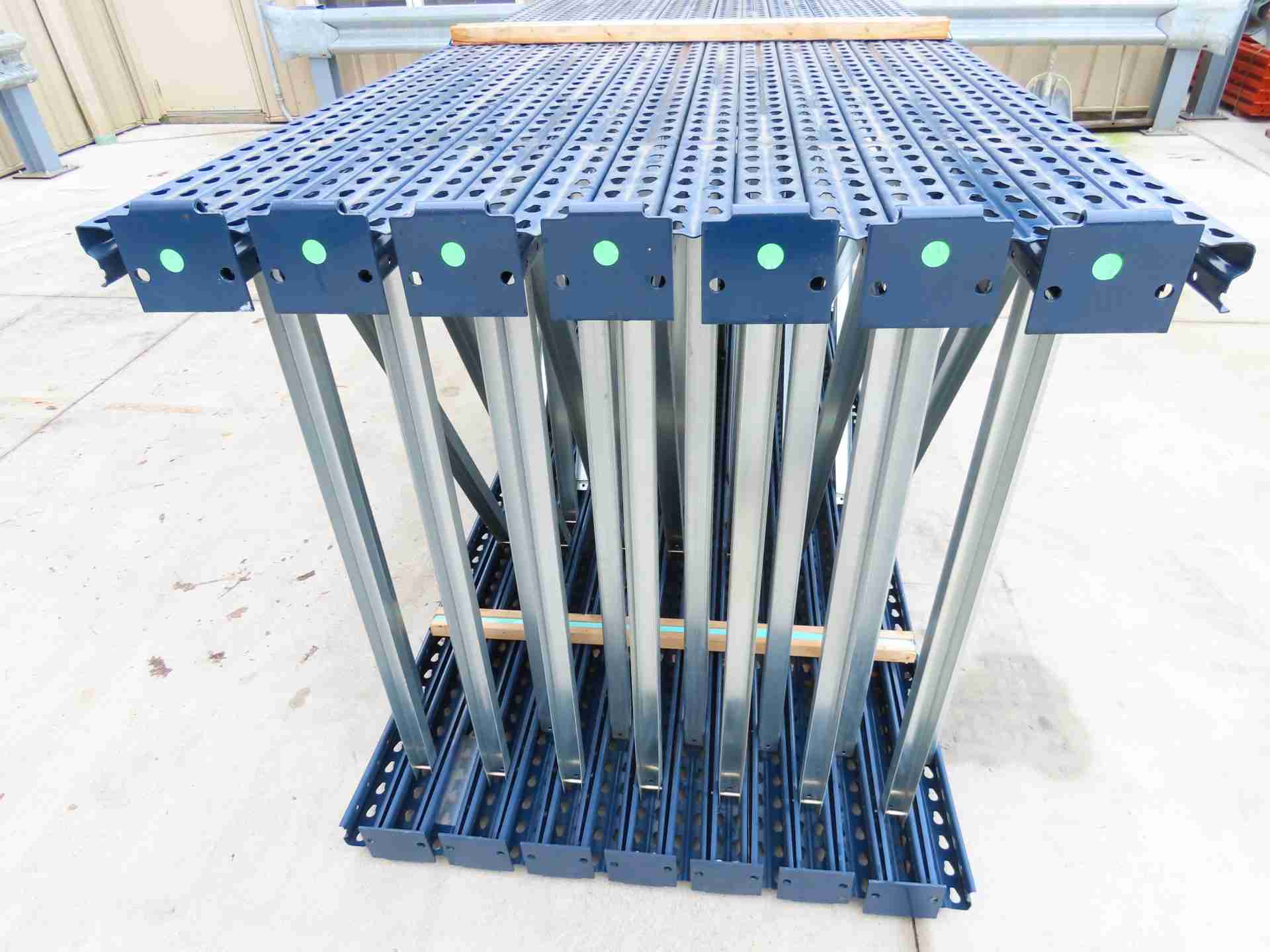
Other Questions
Checklist
How to Create a Flexible Racking Layout for Seasonal Shifts – A Checklist
Checklist for Creating a Flexible Racking Layout for Seasonal Shifts
Emotional Appeals:
_____ Engage your workforce: Involve employees in racking layout planning to foster pride and ownership.
_____ Share success stories: Highlight instances where adaptive racking overcame seasonal challenges to inspire and motivate the team.
_____ Create a culture of camaraderie: Encourage team bonding through shared experiences and problem-solving in racking design.
Rational Appeals:
_____ Analyze seasonal demands: Assess the types of inventory needed throughout the year to adjust the racking system accordingly.
_____ Implement adjustable systems: Choose modular racking and adjustable shelving for easy reconfiguration as seasons change.
_____ Evaluate space utilization: Regularly assess the space and identify opportunities for optimizing inventory storage based on seasonal needs.
Ethical Appeals:
_____ Prioritize safety: Ensure that the racking layout minimizes risks of injury and promotes a safe work environment.
_____ Commit to sustainability: Utilize durable and eco-friendly materials in racking design to show responsibility toward future generations.
_____ Foster ethical leadership: Lead by example in valuing the well-being of your workforce through thoughtful racking solutions.
Authority Appeals:
_____ Consult industry experts: Seek insights from logistics and racking specialists on best practices and innovations.
_____ Stay informed on regulations: Keep current with safety standards to ensure your racking system meets or exceeds compliance.
Narrative Appeals:
_____ Tell the story of transformation: Document the journey of your racking layout from inflexible to responsive and its positive impacts on operations.
_____ Highlight individual contributions: Recognize employees’ insights and innovations that lead to improved racking designs and processes.
Social Appeals:
_____ Share community successes: Learn from similar businesses by discussing adaptations to racking systems that have enhanced operations.
_____ Build a culture of adaptability: Encourage open communication and feedback among teams regarding racking efficiency and ideas for improvement.
Conclusion:
Embrace the evolving needs of your business by cultivating a flexible racking system that connects with the heart, head, and gut of your operation, ensuring both employee satisfaction and operational excellence.

Checklist
At RackingWorld, we help guide you through selecting warehouse storage systems and racking.
Be sure to read our other related stories at RackingWorld to learn more about warehouse storage systems.
0 Comments