
Essential Tools For Keeping Your Rack In Top Shape
By Tom Seest
At RackingWorld, we help guide you through selecting warehouse storage systems and racking.
Be sure to read our other related stories at RackingWorld to learn more about warehouse storage systems.
What Tools Do You Need for Rack Maintenance?
Racking systems, those unsung heroes of the storage world, are the backbone of any warehouse or distribution center. They hold our valuable goods, making it imperative that we care for them. For effective rack maintenance, you’ll need a trusty set of tools, but it’s not just about having the right gear; it’s about understanding the responsibility behind the upkeep of these structures.
First and foremost, let’s talk about the basics. A solid toolbox equipped with a quality wrench set, screwdrivers, and a level is vital. Wrenches allow you to tighten those bolts that often get too loose after heavy usage, while screwdrivers help anchor in place what needs to stay put. A level ensures that everything remains squared away, preventing disastrous tilting or toppling. Don’t overlook a good pair of safety goggles and gloves, either. Let’s face it: safety is no accident.
Moving beyond the physical tools, a rack inspection checklist is crucial. This is your roadmap for maintaining the integrity of your racking. Regular checks help identify any weaknesses, like dents or corrosion, before they become catastrophic failures. Trust me, no one wants to be the person who overlooks a tiny crack only to witness an avalanche of stock in a frantic moment. That gut feeling of responsibility is what drives the best workers in the field.
In the decision to maintain your racking system, there lies an ethical commitment not just to yourself, but to your colleagues and customers as well. A safe working environment promotes productivity and builds trust within your team. If your colleagues see you taking pride in maintenance, they will recognize the effort and likely mirror that commitment.
Now, let’s get practical. Want to tackle the mundane repair tasks with some pop? Here’s where a practical guide becomes invaluable. It’s much easier to pull up a tutorial on how to reinforce rack beams or adjust shelving than to navigate the guessing game while your heart races, wondering if it’s secure enough. Knowledge is power, and you’ll feel empowered knowing you’re equipped with advice from seasoned pros.
Lastly, connect with your peers. Share experiences, create a culture of maintenance where every voice feels heard. Whether through formal meetings or casual conversations over coffee, these connections foster a community dedicated to excellence and safety.
Every tool, every moment invested in racking maintenance, reflects your commitment to quality and safety. Remember, you’re not just a worker; you are a custodian of integrity, ensuring that everyone who walks through your door can do so with confidence.

What Tools Do You Need for Rack Maintenance?
What Tools Do You Need for Rack Maintenance?
- Racking systems are essential in warehouses and distribution centers for storing valuable goods.
- Maintenance requires a solid toolbox, including wrenches, screwdrivers, a level, safety goggles, and gloves.
- A rack inspection checklist is crucial for identifying weaknesses like dents or corrosion.
- Commitment to maintenance fosters a safe working environment that enhances productivity and trust among colleagues.
- Utilizing practical guides and tutorials can simplify maintenance tasks and improve confidence in repairs.
- Encouraging peer connections and discussions builds a culture of maintenance and safety.
- Investing in maintenance reflects a commitment to quality, safety, and integrity in the workplace.

What Tools Do You Need for Rack Maintenance?
Table Of Contents
- What Tools Do You Need for Rack Maintenance?
- What Emotions Do You Feel When Your Rack Gets Disorganized?
- How Can an Organized Rack Improve Your Workflow Efficiency?
- Which Tools Can Ensure Your Rack Lasts Longer and Minimizes Costs?
- Is It Worth Investing In High-Quality Tools for Your Rack Maintenance?
- What Are the Best Practices for Safe Handling Of Rack Equipment?
- Conclusion
- Other Resources
- Glossary Of Terms
- Other Questions
- Checklist
What Emotions Do You Feel When Your Rack Gets Disorganized?
Picture this: you walk into your space, and your eyes settle on your rack. A chaotic mess. Clothing haphazardly thrown, shoes camped out in the wrong places, and that favorite item of yours buried under a pile of neglect. Your heart sinks just a little. The gut reaction? Frustration, maybe even despair. You may think, “How did it get to this?” When our immediate environment is chaotic, it can feel like a mirror reflecting our inner turmoil—stress, anxiety, a frantic mind.
But let’s dig deeper. Rationally, we know that organization = efficiency. When everything has its place, we can navigate our tasks with clarity, energy flowing where it needs to go. A cluttered rack does more than just hide your favorite jacket; it clutters your thoughts, dampening creativity and motivation. You start questioning your priorities. Do I even know myself anymore? Racking is about more than just items on a shelf; it represents how we approach our lives.
Ethically, consider the broader implications of your space and how it impacts others. A disorganized environment can lead to miscommunication or unintended chaos in shared spaces. Each procrastinated clean-out sends ripples, affecting family members or roommates with our untidiness. We owe it to our community to foster a sense of peace and order.
But ah, let’s not forget the power of personal narrative. Each garment, every pair of shoes tells a story—moments of joy, experiences sewn into fabric. You’ve worn that jacket on a night where everything felt just right. Yet, the disarray erases those memories, leaving them buried under layers of chaos. Digging in and restoring order to the rack can reignite those stories, helping us reconnect with who we are.
Lastly, think socially. There’s a camaraderie in shared experiences. As you work to rejuvenate your space, you may find others in the same boat—friends, family, even strangers on the internet, all sharing tips and stories of transformation. This journey from disorganization to intention cultivates a sense of belonging and mutual support.
So, the next time your rack stares back at you in hopeless disillusion, use that moment to pause and rejuvenate. Engaging with your space isn’t just an act of cleaning; it’s an invitation to reclaim control, celebrate history, and inspire harmony in your life.

What Emotions Do You Feel When Your Rack Gets Disorganized?
What Emotions Do You Feel When Your Rack Gets Disorganized?
- Disorganized spaces reflect inner turmoil such as stress and anxiety.
- Organization leads to efficiency, enabling clearer navigation of tasks.
- A cluttered environment can stifle creativity and make one question priorities.
- Disorder affects not just individuals but also impacts shared living spaces and relationships.
- Each item carries a personal narrative, and organization helps to reconnect with those memories.
- The process of decluttering fosters a sense of community and shared experiences.
- Reclaiming your space is an act of control that celebrates personal history and promotes harmony.

What Emotions Do You Feel When Your Rack Gets Disorganized?
How Can an Organized Rack Improve Your Workflow Efficiency?
An organized rack is much more than just a place to store tools or supplies; it represents a way of working that honors efficiency and respect for your craft. Picture the satisfaction of walking into a space where every item has a designated spot, neatly arranged and easily accessible. This isn’t merely about hygiene—it’s a reflection of your values. When you take the time to organize, you’re telling yourself and your team that what you do matters, and that every minute counts.
Imagine facing a challenge: you’ve snagged a big project that requires your undivided attention. The last thing you want is to waste precious seconds fumbling through a chaotic heap of supplies. An organized rack can save you that time, allowing you to focus your energy on what truly matters. Each time you reach for a tool or a material, the joy of a well-ordered space reduces stress and fosters creativity. You’re driven to do your best work when you can find what you need instantly. A structured environment also serves as a mental map, guiding you through the intricate landscape of your tasks with confidence.
Ethically speaking, there’s a value in efficiency that extends beyond personal benefit. Whether you’re in a workshop, a warehouse, or a home office, an organized rack symbolizes a commitment to excellence that can inspire those around you. It sets a standard that motivates your colleagues and reflects a culture of accountability. When everyone is on the same page, efficiency flourishes, teamwork strengthens, and the quality of output skyrockets.
Moreover, think about your role in a larger community. Every action you take resonates with others, creating a ripple effect. By organizing your tools and resources, you’re fostering a culture of precision and respect in your workplace. This can encourage those who look up to you to adopt similar practices, turning a simple act of racking into a shared ethos of excellence.
So, start small. Each item you neatly place on your organized rack is a testament to your commitment—not just to your work, but to the values that drive you. Harness the power of organization not just to improve workflow but to elevate your entire environment. You’ll be amazed at how a simple shift can spark inspiration and transform your daily grind into a celebration of craftsmanship.

How Can an Organized Rack Improve Your Workflow Efficiency?
How Can an Organized Rack Improve Your Workflow Efficiency?
- An organized rack signifies efficiency and respect for your craft.
- A well-arranged space enhances satisfaction and reflects your values.
- Organization saves time, allowing focus on important tasks.
- A structured environment reduces stress and fosters creativity.
- Organized tools symbolize a commitment to excellence and inspire others.
- Doing so creates a positive ripple effect in the workplace community.
- Small acts of organization can elevate your entire work environment.

How Can an Organized Rack Improve Your Workflow Efficiency?
Which Tools Can Ensure Your Rack Lasts Longer and Minimizes Costs?
When it comes to investing in your racking systems, the tools you choose can mean the difference between a lasting solution and a costly headache. Picture this: your racking plays the unsung hero in your facility, silently bearing the weight of your operations. Treat it right, and it’ll dutifully support you for years to come. Neglect it, and you’ll be faced with unexpected repair bills and downtime that threatens your bottom line.
Start with regular inspections and maintenance tools. A simple checklist can help you maintain the integrity of your racking systems. Inspect for rust, deformation, and any signs of wear and tear. Take it from folks who’ve been in the trenches; proactive maintenance not only prolongs the life of your racking but also fosters a culture of accountability and pride among your team. Everyone wants to work at a place that’s been cared for, where safety isn’t just a buzzword but a reality.
Next up, consider investing in quality materials and protective coatings. It may feel tempting to cut corners when costs are tight, but think long-term. High-quality racking—even if it requires a heftier initial investment—will pay dividends down the road. Think of your racking as the backbone of your operation. A solid, durable backbone will withstand the strain of heavy loads, while subpar options can collapse under pressure, literally and financially.
Don’t skimp on training either. Equip your team with the knowledge to handle loads correctly and understand the importance of safeguarding your racking. An empowered workforce is indispensable—they become your eyes and ears, spotting potential issues before they escalate. By fostering an ethical approach toward safety and maintenance, you’re building a resilient community around your operations.
Lastly, leverage technology that monitors the condition of your racking in real time. Many modern systems can alert you to potential overloads or structural weaknesses before they become a problem. The trust and confidence you’ll gain by embracing this technology can help put your mind at ease.
The heart of any facility lies in its racking, so treat it with respect. Ask yourself: have I done everything I can to ensure it lasts? Let’s work together to create a safer, more efficient future, one sturdy rack at a time.

Which Tools Can Ensure Your Rack Lasts Longer and Minimizes Costs?
Which Tools Can Ensure Your Rack Lasts Longer and Minimizes Costs?
- Investing in quality racking systems is crucial for operational success and long-term savings.
- Regular inspections and maintenance are essential to identify rust, deformation, and wear and tear.
- Proactive maintenance extends the lifespan of racking and fosters a culture of safety and accountability among employees.
- Invest in high-quality materials and protective coatings to ensure durability and avoid costly repairs.
- Provide training to staff on handling loads properly and maintaining racking systems for early identification of issues.
- Utilize technology to monitor racking conditions in real-time for early alerts on potential problems.
- Taking care of racking systems is critical for creating a safer, more efficient operational environment.

Which Tools Can Ensure Your Rack Lasts Longer and Minimizes Costs?
Is It Worth Investing In High-Quality Tools for Your Rack Maintenance?
When it comes to maintaining your racking system, the pressure is always on. You might think that investing in high-quality tools could be an unnecessary expense. But let’s take a moment and look not just at the cost but at the value. Every time your fingers wrap around a tool, remember that it’s not just metal and plastic; it’s an extension of you—a reliable partner in your pursuit of excellence.
Imagine the scene: You’ve just finished a grueling day in the warehouse, surrounded by towering racks, and it’s time to perform essential maintenance. You reach for that cheap, flimsy wrench you bought last minute, and that’s when it hits you—this tool has never quite fit right in your hand. You feel the strain in your wrist as it slips under pressure, and suddenly, you’re not just risking a damaged rack; you’re risking the safety of everyone around you. It’s moments like these that highlight the ethical responsibility we carry, not just to ourselves, but to our colleagues, our families, and ultimately to the work we do.
High-quality tools cut through not just the physical, but the emotional burdens too. They empower you to approach your tasks with confidence and precision. Each repair you make enhances the safety of the environment, fostering a culture of reliability and professionalism that echoes through the organization. You’re no longer just a technician; you’re an essential part of a larger narrative, one that values craftsmanship and care.
On the flip side, think about the long-term costs of shoddy equipment. Investing in high-quality tools isn’t just a financial decision; it’s a commitment to your craft and to those who depend on your work. A good tool can last years, while a cheap one can lead to costly accidents and unplanned downtime. It’s not just about racking; it’s about your reputation, your safety, and the livelihoods tied to your operations.
Most importantly, you are not alone in this journey. Join a community that shares these values. The more we embrace quality, the more we inspire others to do the same, creating a ripple effect of excellence throughout industries everywhere. So the next time you find yourself pondering whether to invest in those high-quality tools, remember: it’s not just about the tools; it’s about you, your colleagues, and the legacy of quality you build together. Your racking is only as strong as the tools that support it—make the right choice for all of us.

Is It Worth Investing In High-Quality Tools for Your Rack Maintenance?
Is It Worth Investing In High-Quality Tools for Your Rack Maintenance?
- Investing in high-quality tools is a valuable decision, not just a cost.
- Flimsy tools can lead to physical strain and safety risks in the workplace.
- Quality tools enhance confidence and precision in maintenance tasks.
- Each repair made with quality tools improves safety and professionalism.
- Shoddy equipment can lead to costly accidents and reputation damage.
- Investing in quality tools is a commitment to craft and the safety of colleagues.
- Join a community that values quality, creating a ripple effect of excellence.

Is It Worth Investing In High-Quality Tools for Your Rack Maintenance?
What Are the Best Practices for Safe Handling Of Rack Equipment?
What Are the Best Practices for Safe Handling of Rack Equipment?
When it comes to racking equipment, safety isn’t just a box to tick; it’s a responsibility that weighs as heavily as the gear itself. Imagine standing in a server room, the heartbeat of an entire operation pulsing around you. Each rack holds not just hardware, but critical data, collaborations, and careers. This connection fuels the urgency to handle this equipment with care.
First, let’s talk about preparation. Before even touching a rack, treat the space as a sacred zone. Clear clutter, raise awareness among your team, and know the layout. Those racks, straining under the weight of servers, switches, and routers, demand your respect. A slip or error can turn a routine upgrade into a costly disaster. Take the time to plan your movements, and ensure everyone involved is on the same page. This proactive approach shows you value not only the equipment but also your colleagues, fostering a culture of trust that radiates across the workplace.
Next, consider the gear you’re working with. Proper lifting techniques can be the difference between a successful upgrade and a trip to the ER. Knees bent, back straight—it’s a simple mantra, but one that many forget when adrenaline takes over. When you lift something heavy, know your limits, and don’t hesitate to ask for help. Trust your instincts here; safety interactions with colleagues should feel seamless—a simple nod, a knowing smile, or even a quick “I got your back” can shift the atmosphere into one of unity.
Then there’s the nitty-gritty: grounding and cable management. These aren’t just technical necessities; they’re part of the ethical responsibility we hold. Properly grounded equipment not only prevents malfunctions but protects lives. It’s about doing the right thing for both the gear and the people relying on it.
Finally, always follow the manufacturer’s guidelines. They’ve poured knowledge and expertise into those specifications for a reason. Ignoring them is like ignoring a recipe; you might get lucky once, but that’s not a gamble anyone should take with crucial infrastructure.
So, as you step into that server room, remember: every action counts. Lift with care, handle with purpose, and treat every rack like the lifeline it truly is. This commitment to best practices resonates beyond the cold metal and blinking lights; it’s a testament to our dedication to each other and the work we do—together.
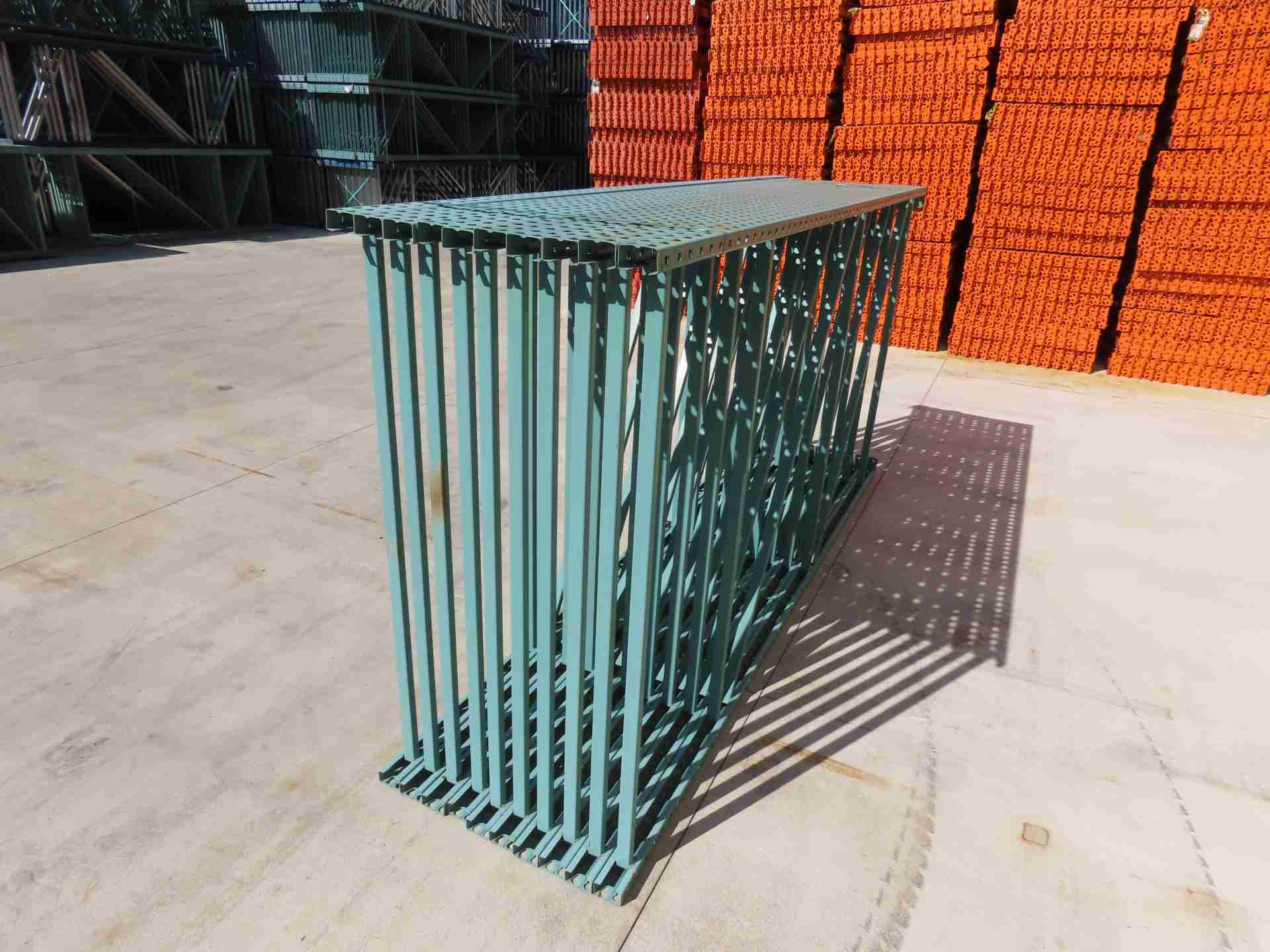
What Are the Best Practices for Safe Handling Of Rack Equipment?
What Are the Best Practices for Safe Handling Of Rack Equipment?
- Safety in handling rack equipment is a critical responsibility, not just a formality.
- Preparation is key: clear clutter, raise awareness, and understand the layout of the workspace.
- Plan movements carefully and ensure that the entire team is coordinated.
- Use proper lifting techniques to avoid injuries; know your limits and ask for help if needed.
- Focus on grounding and cable management to prevent malfunctions and protect lives.
- Always adhere to the manufacturer’s guidelines to ensure safe and effective operation.
- Every action in the server room matters; handle equipment with care and respect.

What Are the Best Practices for Safe Handling Of Rack Equipment?
Conclusion
Rack maintenance isn’t just a task; it’s a commitment to safety, efficiency, and teamwork that reverberates through the very fabric of any operation. These racking systems, often overlooked, are the unsung heroes holding the weight—quite literally—of our workflows and livelihoods. To effectively care for them, you need more than tools; you require a mindset shaped by responsibility and community values.
Let’s start with the essentials: a quality toolbox brimming with wrenches, screwdrivers, and safety gear like goggles and gloves. These aren’t just items; they’re the foundation of conscientious maintenance, empowering you to tackle every loose bolt and ensure every shelf is secure. The importance of a rack inspection checklist can’t be overstated, as it transforms maintenance into a proactive mission rather than a reactive scramble when disaster strikes.
This responsibility extends beyond the walls of your workspace; it’s about building a culture of safety and accountability among your colleagues. When you take pride in your rack maintenance, that energy inspires others. You’re not just a cog in the machine; you’re a steward of safety, fostering trust within your work environment. And let’s face it, an organized rack is a symbol of respect—not only for your work but for everyone who relies on that space.
The emotional weight of a disorganized rack can’t be ignored. Picture the chaos as a reflection of inner turmoil, while a well-kept rack serves as a mental map guiding you through your tasks with clarity. Each item in its rightful place resonates with your values—efficiency, reliability, and craftsmanship. These are not merely concepts; they create a ripple effect that elevates the entire team, showcasing a commitment to excellence.
Investing in high-quality tools is equally crucial. Think of it as an extension of yourself; a reliable tool enhances precision and confidence while reducing the risk of accidents. Choosing quality over convenience is an ethical decision that safeguards not just your investment but also the safety of those around you.
Lastly, embrace community. Share experiences and insights with peers to create a culture that values safety and organization. As you embark on this journey, remember that every hour spent on maintenance and every tool chosen thoughtfully is a testament to your dedication—not just to your role but to fostering a secure, efficient, and high-integrity work environment. In this interconnected world, each choice makes a difference, and together, we can ensure our racks—and our workplaces—stand strong for years to come.

Conclusion
Conclusion:
- Rack maintenance is essential for safety, efficiency, and teamwork in any operation.
- A quality toolbox with tools and safety gear is fundamental for effective racking care.
- A rack inspection checklist promotes proactive maintenance, preventing potential disasters.
- Building a culture of safety and accountability inspires pride and trust among colleagues.
- An organized rack symbolizes respect for one’s work and others relying on that workspace.
- Investing in high-quality tools enhances safety, precision, and reduces the risk of accidents.
- Community engagement through shared experiences fosters a culture valuing safety and organization.

Conclusion
Other Resources

Other Resources
Here is a list of other resources you can review online to learn more:
- Selective Rack – Raymond West
- Chicago Pallet Racking
- Intro to Warehouse Racks & Warehouse Racking Systems – ShipBob
- Rack Manufacturers Institute
- Selective Pallet Racking Systems – Container Systems
- Teardrop Uprights
- Warehouse Automation
- Rack Manufacturers Institute
- Selective Racking
- Warehouse Racks, Warehouse Racking in Stock – ULINE
- Pallet Racking systems in Illinois and Great Lakes
- Cantilever Rack Guide: Ordering Cantilever Racking
- MHI
- Warehouse Racking Layout: The Ultimate Guide – Conger
- BMH
- Pallet Racking systems in Illinois and Great Lakes
- Pallet Racking 101: A Comprehensive Guide & Options Explained
- IIWS Inc. Rack Installation Illinois & Rack Repairs Illinois
- Teardrop Racks – Pallet Rack World
Use This Prompt To Get More Resources With Your Favorite Online AI Tool: Please provide me with a list of online articles with their URLs in a bulleted list that I can read regarding What Tools Do You Need for Rack Maintenance?

Other Resources
Glossary Terms
What Tools Do You Need for Rack Maintenance? – Glossary Of Terms
1. Rack: A structured framework designed for storing equipment, servers, or components in data centers or server rooms.
2. Screws: Fasteners used to secure components to the rack or to hold parts together during maintenance.
3. Nuts: Mechanisms paired with screws to provide tightening and stability in rack assembly.
4. Washers: Flat discs placed under nuts or screws to distribute load and prevent damage to surfaces.
5. Rack Rails: Vertical supports within a rack that provide mounting points for equipment.
6. Cable Management: Techniques or tools used to organize and secure cables, preventing clutter and improving airflow.
7. Rack Mount: Equipment designed to be installed into a standard rack with standardized dimensions.
8. Power Distribution Unit (PDU): A device that supplies power to multiple devices within a rack, ensuring proper distribution.
9. Environmental Monitoring: Systems or tools that measure temperature, humidity, and other environmental conditions for equipment safety.
10. Cooling Units: Devices integrated into or around racks to maintain optimal operating temperatures for equipment.
11. Ratcheting Wrench: A hand tool used for tightening or loosening nuts without needing to remove the tool from the fastener.
12. Torx Driver: A tool used to drive screws with a star-shaped (Torx) socket, providing better grip than flat or Phillips screwdrivers.
13. Cable Ties: Fastening devices used to bundle and secure cables neatly.
14. Label Maker: A tool for creating labels that identify equipment, cables, and connections for easy maintenance.
15. Level: A tool used to ensure that a rack or equipment is installed perfectly horizontal or vertical.
16. Impact Driver: A power tool that provides high torque, making it easier to drive screws through tough materials.
17. Screwdriver Set: A collection of tools with different head types (e. g. , Phillips, flathead) for various screw types.
18. Multimeter: An electrical testing device used to measure voltage, current, and resistance in equipment.
19. Grounding Straps: Safety accessories used to prevent static discharge by grounding equipment to avoid damage.
20. Laser Level: A tool that projects a straight line and is used to ensure accurate alignment of racks.
21. Bin Organizer: Storage solutions for small parts and tools to keep maintenance areas tidy and efficient.
22. Forklift: A powered industrial truck used to lift and move heavy racks and equipment.
23. ESD Mat: Anti-static mats that prevent static buildup during maintenance to protect sensitive electronics.
24. Tool Tote: A portable container to organize and carry tools, facilitating easy access during maintenance tasks.
25. Service Manual: Documentation that provides guidelines and instructions for proper equipment maintenance and troubleshooting.
26. Cable Tray: A structural component designed for supporting insulated electrical cables in a building or an industrial facility.
27. Drill: A tool used for making holes in materials or driving screws quickly during rack assembly.
28. Heat Sink: A component used to disperse heat generated by electronic equipment, preventing overheating.
29. Patch Panel: A board containing ports used to manage cable connections between network cables and devices within a rack.
30. Racking System: An organized framework composed of multiple racks meant for efficient storage and accessibility of equipment.

Glossary Of Terms
Other Questions
What Tools Do You Need for Rack Maintenance? – Other Questions
If you wish to explore and discover more, consider looking for answers to these questions:
- What safety precautions should I take while performing rack maintenance?
- How often should I conduct inspections on my racking system?
- What are the signs that indicate my rack needs immediate attention?
- What is the impact of disorganized racks on employee morale?
- Can I use common household tools for rack maintenance, or do I need specialized equipment?
- How do I create an effective rack inspection checklist?
- What specific features should I look for in high-quality rack maintenance tools?
- Are there any recommended brands for rack maintenance tools?
- What are the financial implications of neglecting rack maintenance?
- How can I involve my team in the maintenance process to foster a culture of safety?
- What technology can assist in monitoring the condition of my racking system?
- In what ways can an organized rack influence productivity in the workplace?
- How can I effectively train my team on safe handling of rack equipment?
- What are the consequences of failing to follow manufacturer guidelines during rack maintenance?
- How can I balance the costs of high-quality tools with budget constraints?

Other Questions
Checklist
What Tools Do You Need for Rack Maintenance? – A Checklist
Rack Maintenance Checklist
Heartfelt Actions
_____ Embrace Responsibility: Acknowledge the importance of caring for your racking systems as essential to the team’s safety and well-being.
_____ Foster Team Spirit: Connect with colleagues through conversations about maintenance practices and share your experiences for collective growth.
_____ Celebrate Order: Take pride in maintaining an organized rack, reflecting your values and commitment to excellence in your workspace.
Rational Decisions
_____ Equip Yourself: Ensure you have a quality toolbox, including wrenches, screwdrivers, and a level to maintain rack integrity effectively.
_____ Utilize Checklists: Implement a regular rack inspection checklist to identify weaknesses before they escalate into significant issues.
_____ Invest in Quality: Prioritize purchasing high-quality tools and protective coatings to avoid costly repairs and ensure long-term durability of your racks.
Ethical Commitments
_____ Commit to Safety: Recognize the ethical obligation to maintain a safe working environment for yourself and your colleagues.
_____ Practice Accountability: Encourage a culture of responsibility where everyone is motivated to uphold the integrity of the workspace.
_____ Support Others: Share your learnings about safe handling and maintenance with peers to cultivate a community focused on excellence.
Authority Insights
_____ Follow Best Practices: Adhere to manufacturer guidelines for installation and maintenance to ensure the proper functioning of all equipment.
_____ Engage with Experts: Seek advice and tutorials from seasoned professionals to enhance your maintenance skills and confidence.
_____ Leverage Technology: Consider using modern monitoring systems to track the condition of your racking, ensuring timely maintenance.
Narrative Connections
_____ Reflect on the Past: Revisit the stories behind the items on your racks and consider how organization can help you reconnect with those memories.
_____ Visualize Improvement: Picture the satisfaction of entering a clean, organized space and how it can enhance your workflow and creativity.
_____ Inspire Change: Use your experiences to motivate others to embrace an organized approach, helping to generate a culture of pride and commitment.
Social Engagement
_____ Build a Maintenance Community: Create opportunities for your team to share experiences and strategies for effective rack care during team meetings.
_____ Encourage Open Dialogue: Facilitate casual discussions about maintenance practices during breaks to foster a supportive environment.
_____ Celebrate Milestones: Acknowledge team efforts when significant maintenance tasks are completed to reinforce a sense of community and shared success.

Checklist
At RackingWorld, we help guide you through selecting warehouse storage systems and racking.
Be sure to read our other related stories at RackingWorld to learn more about warehouse storage systems.
0 Comments