
Ensuring Safety, Efficiency, And Quality In Your Rack Setup
By Tom Seest
At RackingWorld, we help guide you through selecting warehouse storage systems and racking.
Be sure to read our other related stories at RackingWorld to learn more about warehouse storage systems.
Checklist for Final Rack Setup Inspection
Picture this: you’re standing before your freshly assembled racking system, the culmination of teamwork, dedication, and hard work. It’s not just a structural framework; it’s a testament to every bit of effort that went into this moment. But before you step back and admire the view, let’s get down to the nitty-gritty—a final inspection that could mean the difference between a smooth operation and a catastrophic failure.
Start with the essentials: load capacity. Every rack has its limit, set by those who know—engineers and safety experts who poured their knowledge into that design. Check the labels, make sure they’re visible and clear. If you don’t heed these warnings, you’re playing a dangerous game. Think of the consequences, not just for the equipment but for everyone who works here. It’s easy to overlook, but doing so can shatter trust, endanger lives, and cost much more than a simple inspection.
Then, move to the structural integrity. Lean in, give it a shake. Do any bolts seem loose? Is there any sign of wear or damage? Imagine the stories these racks might tell if they could speak—tales of reliance and resilience if maintained but disaster if neglected. Don’t just see them as metal and wood; they represent livelihoods, stories, and futures. Your inspection reinforces that bond.
Next, consider the organization of inventory. Racking isn’t just about storing items; it’s about building an environment that fosters efficiency and productivity. An impeccably stocked rack steers your entire operation toward success, creating a rhythm that resonates through every aisle and workspace. Ask yourself: Is this setup intuitive? Is it accessible? Cuz if it’s not, you’re making life tougher for your team. They deserve better, after all.
Finally, walk the floor. Engage with your colleagues. Ask for input, share insights, and open a dialogue about the setup. Instilling a culture of accountability and teamwork will create a sense of ownership around the racking systems. When everyone takes pride in the process, trust grows, and operations hum smoothly.
Take this checklist to heart. Treat it as a promise to your team, to safety, and to your company’s success. Because when we all pull together, operate with purpose, and recognize the importance of our actions, that’s when we build something truly remarkable.

Checklist for Final Rack Setup Inspection
Checklist for Final Rack Setup Inspection
- Inspect the racking system as a testament to teamwork and hard work.
- Check the load capacity labels; ignore them at your own risk for safety.
- Examine structural integrity by checking for loose bolts and signs of wear.
- View racks not just as equipment, but as representations of livelihoods.
- Organize inventory to enhance efficiency and productivity in your workspace.
- Engage with colleagues for feedback to foster accountability and teamwork.
- Treat your inspection checklist as a promise to prioritize safety and success.
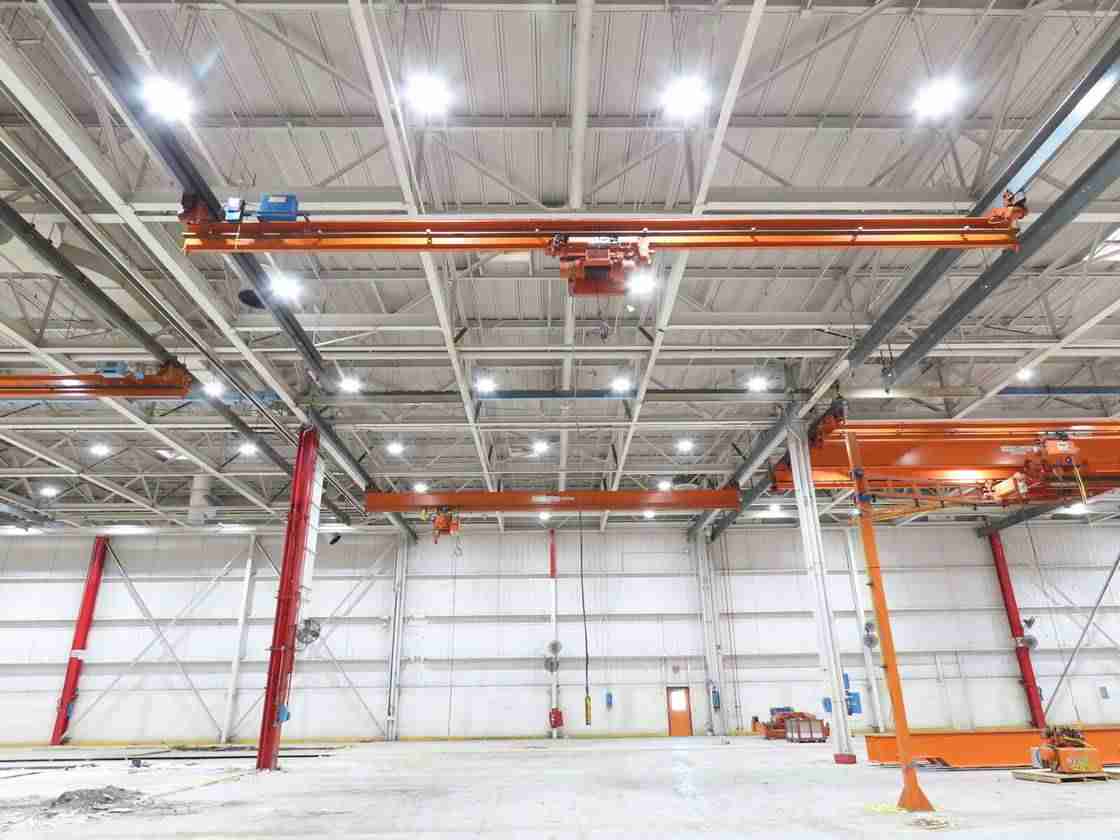
Checklist for Final Rack Setup Inspection
Table Of Contents
- Checklist for Final Rack Setup Inspection
- What Happens If We Overlook a Last-Minute Detail In Our Setup?
- How Can a Thorough Inspection Save Time and Resources Later On?
- Are We Following Industry Best Practices In Our Final Rack Inspection?
- What Stories Of Failure Can Guide Us to Avoid Common Setup Mistakes?
- Who Can We Trust to Provide Expert Insights on Rack Setup Inspections?
- Conclusion
- Other Resources
- Glossary Of Terms
- Other Questions
- Checklist
What Happens If We Overlook a Last-Minute Detail In Our Setup?
When we’re in the thick of any setup—be it for a big presentation, a family reunion, or a strategic operation—the final moments can feel like a whirlwind. You’re juggling a hundred last-minute details while the clock seems to mock you. But let’s take a moment to consider the implications of overlooking just one tiny element—maybe it’s a racking system that wasn’t quite secured, a crucial piece of equipment that slipped your mind, or even a simple communication breakdown.
Imagine standing in front of eager faces, ready to unveil something special, only to realize that essential aspect was overlooked. It’s not just about a missed detail; it’s about the ripple effect that follows—a loss of credibility, the letdown of expectations, and that sinking feeling in your gut when you know you could have prevented it. As the stakes rise, so does the weight of responsibility. That’s where the heart of this whole endeavor lies; the effort we pour into our plans and the trust we foster in others.
Rationally, it’s not simply about avoiding failure. Consider the systems we implement—the racking that holds our objectives together. When we meticulously ensure each part is accounted for, we enhance our chances for success and minimize the risk of those heart-stopping moments. There’s an ethical obligation too. When we engage others, we owe it to them, and to ourselves, to deliver our best, to respect their time and investment.
Think about the narratives we construct — the stories we tell ourselves about who we are and what we can achieve. Each setup reflects our values, our dedication, and our commitment to quality. When we falter, it can feel like we’re not just letting down the task at hand, but also those who trust us to execute it.
Social bonds flourish in environments where mutual respect and reliability reign. Everyone—friends, colleagues, or community members—are affected by our performance. So, as you approach those final moments of setup, don’t underestimate the importance of that last racking check, that critical detail, or that final piece of the puzzle. It’s not just a task; it’s an investment in trust, in camaraderie, and in the shared journey towards success. Make every detail count, for the sake of your heart, your head, and your gut.
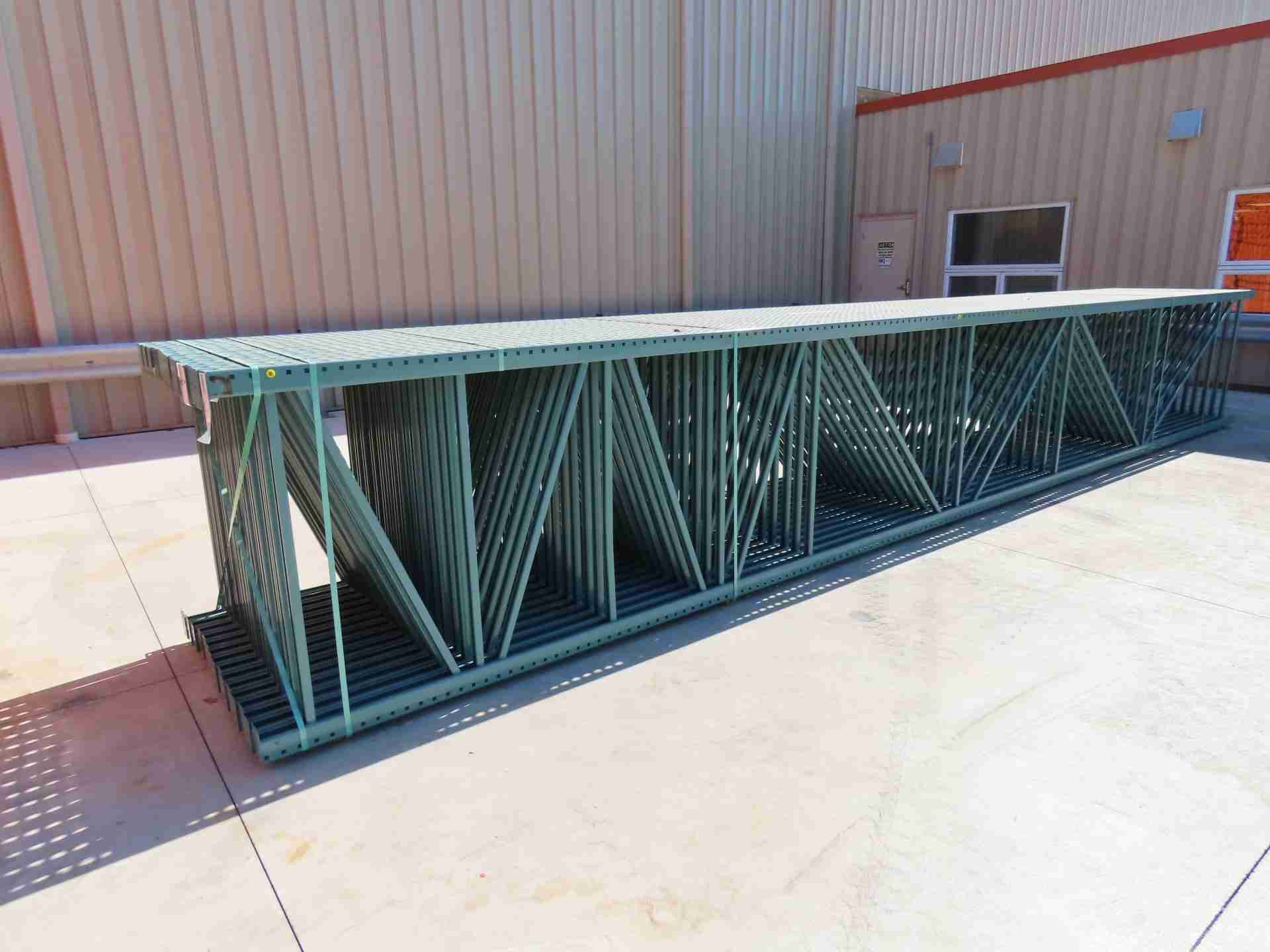
What Happens If We Overlook a Last-Minute Detail In Our Setup?
What Happens If We Overlook a Last-Minute Detail In Our Setup?
- The final moments of setup can feel chaotic with numerous last-minute details to manage.
- Overlooking even a small element can lead to significant consequences, such as a loss of credibility and unmet expectations.
- The responsibilities increase as the stakes rise, highlighting the importance of careful planning.
- Ensuring every component is in place enhances the likelihood of success and reduces the risk of failure.
- There’s an ethical obligation to deliver high-quality work, respecting the time and investment of others.
- Our setups reflect our values and commitment; failing to execute can impact those who rely on us.
- Final checks are crucial, as they represent an investment in trust, camaraderie, and the overall journey towards success.

What Happens If We Overlook a Last-Minute Detail In Our Setup?
How Can a Thorough Inspection Save Time and Resources Later On?
When you think about a thorough inspection, let’s be honest: it might feel like an inconvenience. It’s like going to the dentist when you’re pretty sure you don’t have a cavity. But here’s the reality—investing that time upfront to scrutinize every nook and cranny could save you a world of heartache later on.
Picture this: you’re standing in a warehouse filled with racking systems. It looks pristine, gleaming under fluorescent lights. Everything seems fine, but a closer look reveals cracks and weaknesses in the framework. Ignoring these tells might spare you a headache today, but down the road, those cracks could lead to catastrophic failures—the kind that are not just costly but can jeopardize the safety of your crew. Emotionally, who wants to live with that weight?
From a rational perspective, consider the cost of a single breakdown versus the expense of conducting those inspections. Sure, it requires resources now: time, money, labor. But peace of mind isn’t just priceless; it fuels productivity. When your operations run smoothly, and the team feels secure, they can focus on their jobs rather than worrying about potential disasters lurking in the shadows. Using resources wisely today allows us to funnel them into innovation and growth tomorrow—ultimately a smarter investment.
Ethically, prioritizing inspections signals that you care about your employees. Security and safety aren’t just checkboxes; they are intrinsic values that build a culture of trust. When workers see management investing in their well-being, it fosters loyalty and morale, leading to higher outputs and a strong team spirit. They’re more likely to arrive each day with passion, not fear.
It’s not just about you or your bottom line; it’s about the community you build. Every ounce of effort you put into these inspections paves the way for a safer workplace, one where camaraderie thrives. It extends beyond your organization to families and neighborhoods. When we commit to thorough inspections, we’re basically choosing to take responsibility for a network of lives, ensuring that everyone goes home safe at the end of the day. So, while that initial inspection might feel like a drag, remember—it’s a meaningful step toward a brighter, safer future for us all.
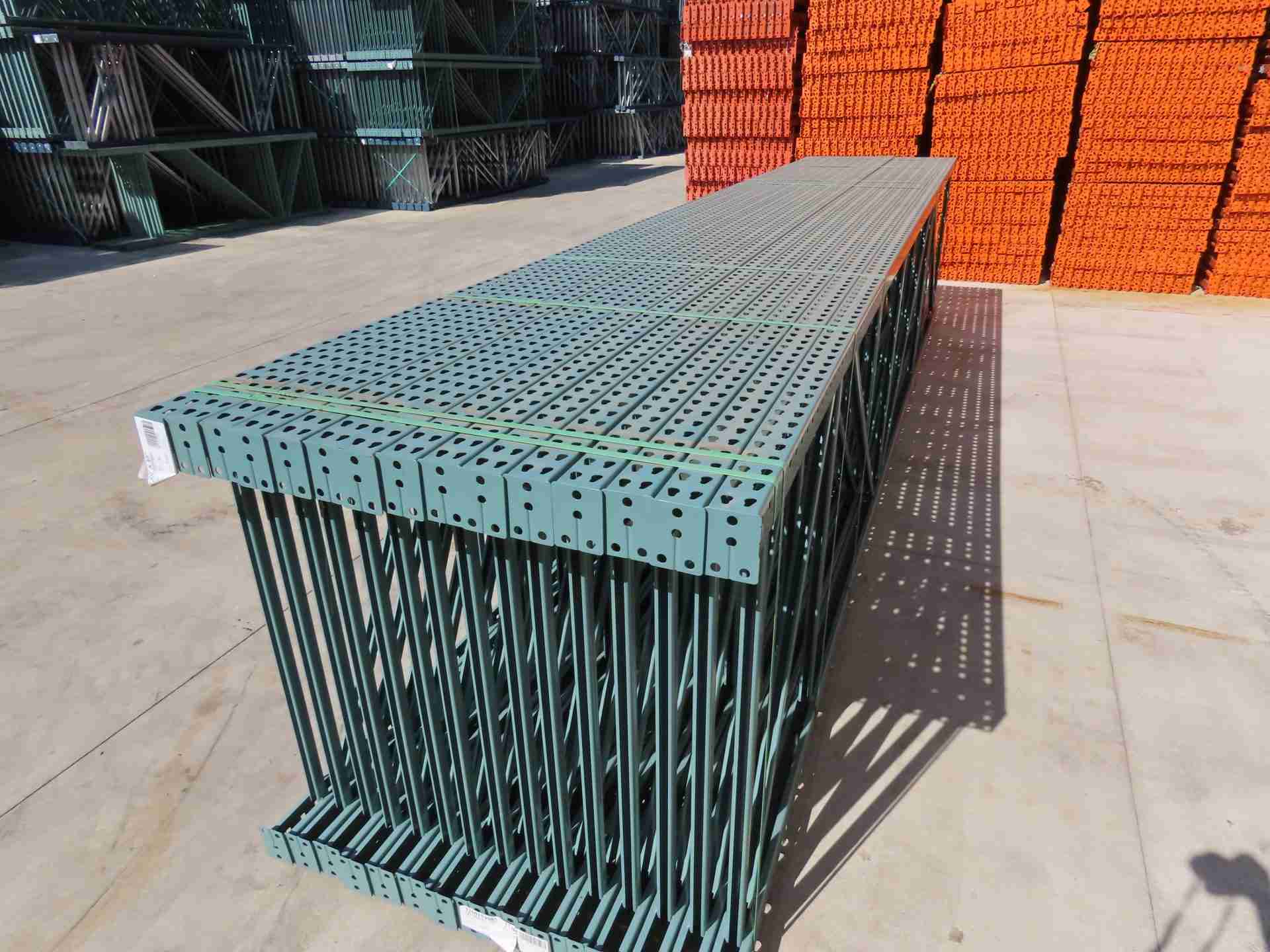
How Can a Thorough Inspection Save Time and Resources Later On?
How Can a Thorough Inspection Save Time and Resources Later On?
- Thorough inspections may feel inconvenient but are crucial for long-term safety and wellness.
- Close examination of facilities can reveal hidden weaknesses that, if ignored, might lead to costly failures.
- Investing time and resources in inspections results in peace of mind and boosts overall productivity.
- Prioritizing safety measures reflects a commitment to employee well-being, fostering loyalty and morale.
- Creating a safe workplace enhances community ties and ensures that families feel secure.
- Conducting regular inspections is a responsible choice that impacts not just the organization but the broader community.
- Initial inconveniences of inspections lead to a safer and brighter future for everyone involved.
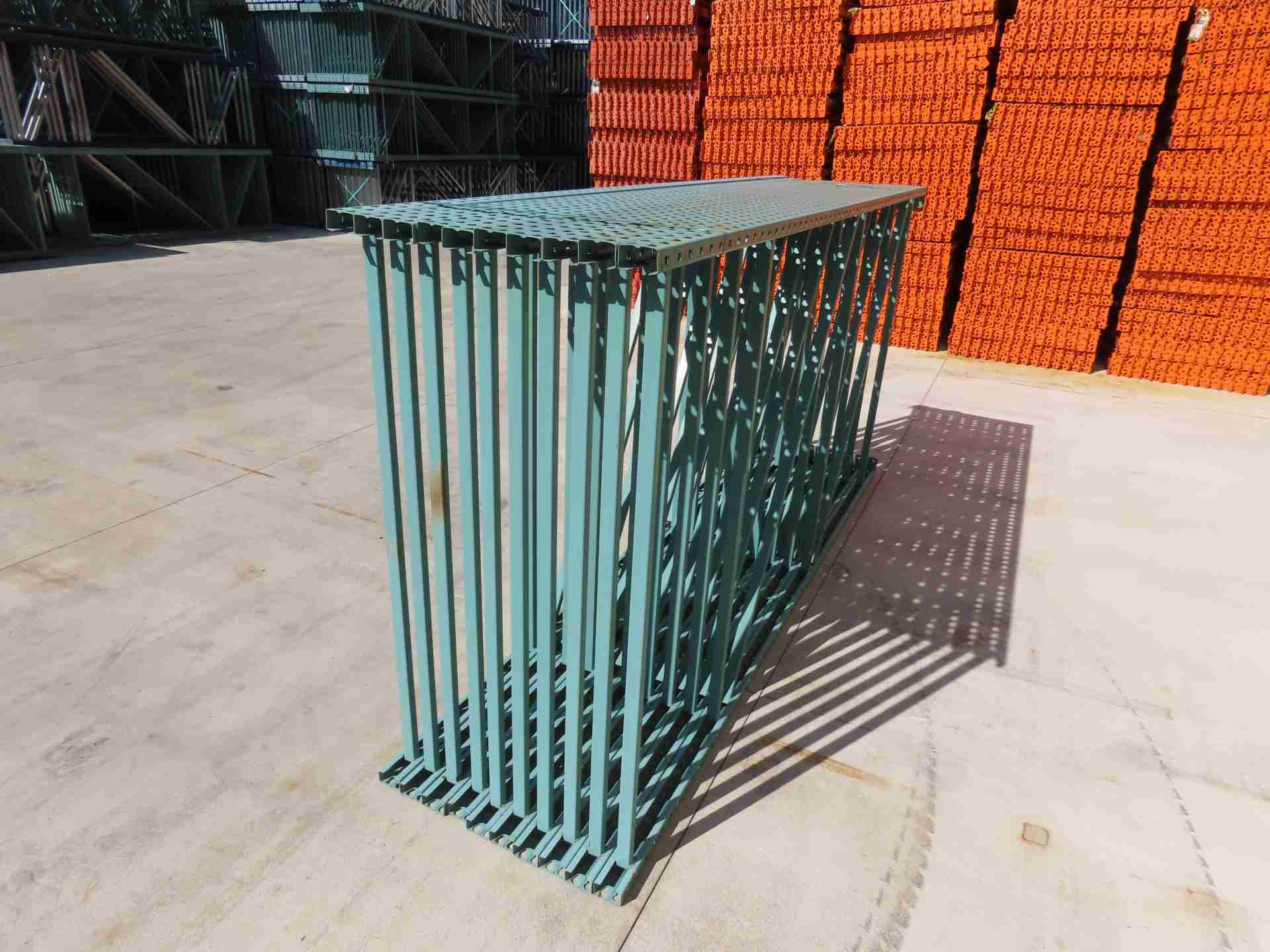
How Can a Thorough Inspection Save Time and Resources Later On?
Are We Following Industry Best Practices In Our Final Rack Inspection?
When it comes to racking, the final inspection isn’t just another checkbox on a list—it’s the linchpin of safety, the quiet protector of everyone involved in a facility’s operations. Picture yourself walking through a warehouse. The towering metal racks stand like sentinels, holding countless products and supplies, and one misstep here can mean catastrophic consequences. The heart races, doesn’t it? Your gut tightens at the thought that something could go awry—because if we’re not diligent about our final inspection, we’re putting more than just inventory at risk; we’re jeopardizing lives.
Racking systems are designed to save us time and space, but they come with an enormous responsibility. Each component serves a purpose, and understanding those nuances is crucial. We must ask ourselves: Are we embracing the best practices that elevate our inspections from mere ritual to vital safeguard? The truth is that every warehouse or distribution center relies heavily on the strength of racking decisions. Get it right, and you’re looking at smooth operations; get it wrong, and chaos can ensue, leading to financial loss and, worse, injuries.
Here’s where ethics steps in. Inspecting with integrity isn’t just about compliance; it’s about accountability to our workforce and community. Imagine the trust we can instill by prioritizing these inspections, ensuring that every rack is not only functional but safe—an unwavering commitment to those who count on us daily. This isn’t just another task; it’s a legacy of safety and quality.
Consider the authority we gain as leaders in our field. When we commit to rigorous final inspections, we set a standard that resonates throughout the industry. People want to work for, and with, organizations that hold themselves accountable. As a collective, we can foster a culture that values not just getting the job done but getting it done right.
We’ve all heard the old saying about an ounce of prevention being worth a pound of cure. Let’s take it to heart and ensure every rack we inspect is a testament to our dedication. Let’s inspire our teams to take pride in this task, reminding them that each inspection, each bolt tightened, and every check performed is not just a job—it’s a proactive step toward a safer tomorrow. The final inspection isn’t just a duty; it’s a promise to ourselves, our teammates, and our families. Let’s make that promise count.
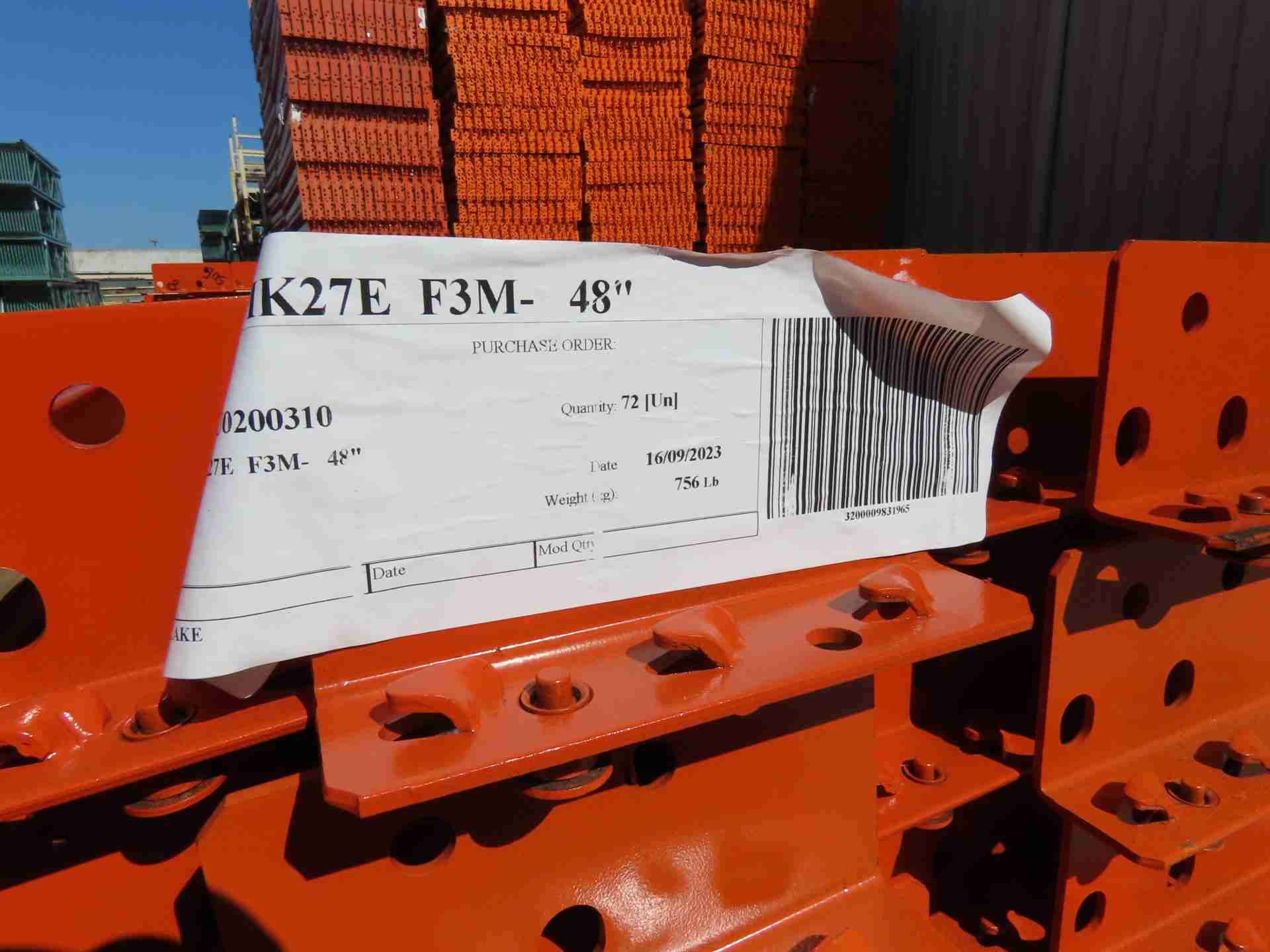
Are We Following Industry Best Practices In Our Final Rack Inspection?
Are We Following Industry Best Practices In Our Final Rack Inspection?
- The final inspection of racking systems is essential for safety, protecting everyone involved in warehouse operations.
- Racking systems save time and space but come with significant responsibilities; understanding their components is crucial.
- Adopting best practices in inspections transforms them from routine tasks into vital safeguards against chaos and injuries.
- Ethics play a key role in inspections, emphasizing accountability to the workforce and community while ensuring functional and safe racking.
- Commitment to rigorous inspections helps set industry standards and fosters a culture of accountability in the workplace.
- Emphasizing the importance of prevention reinforces that proactive inspections lead to safer operational outcomes.
- The final inspection is a promise to teammates and families, highlighting the importance of dedication to safety and quality.
Are We Following Industry Best Practices In Our Final Rack Inspection?
What Stories Of Failure Can Guide Us to Avoid Common Setup Mistakes?
When embarking on any endeavor, the path is often littered with stories of failure, each one a lesson waiting to be unearthed. Consider the tale of a seasoned craftsman who, in a hurry to impress, overlooked the importance of a solid foundation. With every racking sway of the poorly built structure, he realized too late that confidence without careful planning is a recipe for disaster. His cherished creation, once a promise of success, crumbled under the weight of neglect.
This isn’t just a cautionary tale; it’s a universal truth. We’ve all been guilty of skipping the due diligence, of rushing ahead without a second thought. A novice musician, eager to share their voice, might neglect the essential warm-up routines. The result? Strained vocal cords and a fleeting moment of embarrassment. It’s these moments of overconfidence that serve as humbling reminders that foundational efforts are rarely glamorous but are crucial.
Every time we hear about a startup that flopped because they failed to research the market, it strikes a chord. Each misstep echoes through our own experiences. Failure, when approached with an open heart, can guide us down a better path. Embracing these stories fosters a culture of resilience. It’s the reason we gather around campfires, swapping tales of triumph and tribulation; through shared narratives, we connect on a deeper level, unveiling the vulnerabilities that bind us.
The ethical element here is simple yet profound: recognize the power of preparation and the humility to learn from mistakes. It’s not just about avoidance; it’s about growth. For every elder statesman of a trade who shares their pitfalls, there are countless apprentices absorbing wisdom. The torch has to be passed, and in that exchange lies the potential for thriving and succeeding.
As you navigate your current setup, let the echoes of these failures resonate in your gut. Trust that taking the time to reflect on what went wrong in others’ journeys will enhance your own. Before you dive into the fray, ensure you’re equipped with the knowledge, the skills, and the awareness that the right setup isn’t about speed but about structure. With every racking of your plans, remember that success isn’t just about having a vision; it’s about building a foundation that won’t falter.
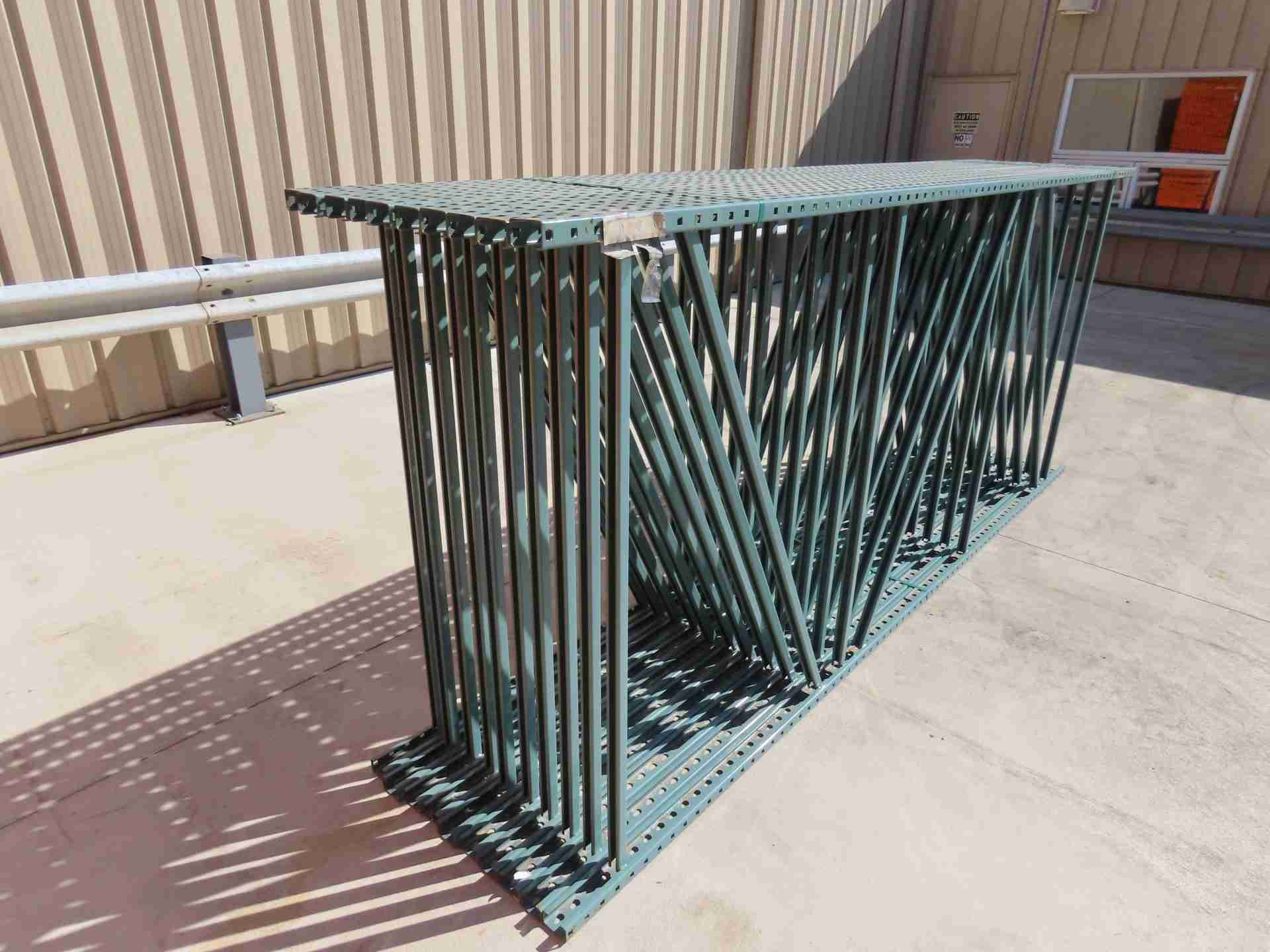
What Stories Of Failure Can Guide Us to Avoid Common Setup Mistakes?
What Stories Of Failure Can Guide Us to Avoid Common Setup Mistakes?
- The path to success is often paved with stories of failure that teach important lessons.
- A seasoned craftsman learned the hard way that confidence without planning leads to disaster.
- Neglecting foundational efforts can result in embarrassing failures, as seen with novice musicians.
- Failures resonate with our experiences, encouraging a culture of resilience and shared narratives.
- Recognizing the power of preparation and humility helps foster personal growth from mistakes.
- Wisdom is passed from experienced individuals to apprentices, facilitating potential success.
- Successful journeys require reflection on past failures and a focus on building a strong foundation.

What Stories Of Failure Can Guide Us to Avoid Common Setup Mistakes?
Who Can We Trust to Provide Expert Insights on Rack Setup Inspections?
When it comes to racking systems, one might ask, who can we trust to provide expert insights on rack setup inspections? Imagine standing in a warehouse filled with towering racking systems, brimming with potential yet shadowed by an ever-present risk. Each shelf holds not just products but the livelihoods of those who depend on them. Here, the stakes are high, and the need for expert guidance becomes crystal clear.
Trust is built on knowledge and experience. It demands a blend of emotional resonance and pragmatic understanding. The types of professionals you’d want on your side in the world of racking are not just the ones with shiny degrees and official titles. Sure, credentials matter, but the real gold lies in their hands-on experience. You want experts who have stood amidst towering shelves, who have shuffled boxes around in the early morning light, and who have felt the weight of responsibility as they fine-tune every bolt and bracket. They understand that an inspection isn’t just a checklist—it’s a commitment to safety and integrity, and they wear that responsibility like a badge of honor.
Look for those who have built their reputations on integrity and ethical standards. These are the champions in the industry who do the heavy lifting at the grassroots level. They stay informed about regulations and best practices, constantly honing their skills and knowledge. In this age of information overload, you want to seek out experts who can cut through the noise and present you with clear, credible advice that resonates in your gut.
But it’s not just about the credentials or the experience; it’s about the stories they carry with them. Reliable experts often share narratives from the front lines—tales of what happened when racking systems failed and how lessons learned turned into robust strategies for success. These stories create a bond; they make it clear that these professionals don’t just talk the talk, they’ve walked that shaky line between compliance and catastrophe.
When you’re on the hunt for expertise in rack setup inspections, seek those who invoke trust not just in their words, but in their actions. Connect with industry veterans who genuinely care about safety and operational excellence. They’ll not only guide you through compliance but will empower you to build a safer, more effective working environment. Trust that when they speak, they’re leaning on years of experience, driven by a passion for safety and reliability. In their hands, you can place not just your racks, but the very backbone of your operations.
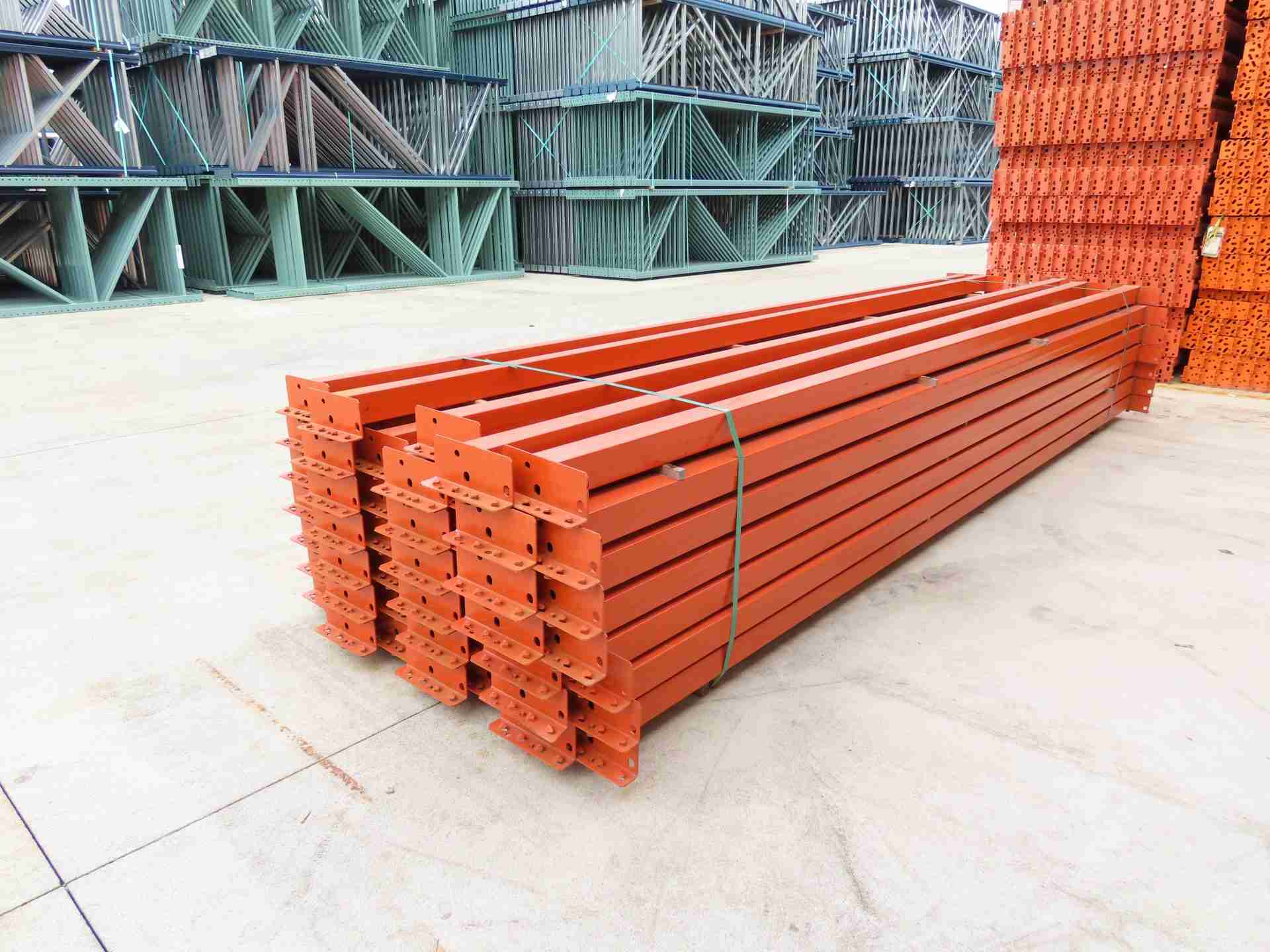
Who Can We Trust to Provide Expert Insights on Rack Setup Inspections?
Who Can We Trust to Provide Expert Insights on Rack Setup Inspections?
- Expert insights on rack setup inspections are crucial in warehouse safety.
- Trust is built on knowledge, experience, and practical understanding.
- Look for professionals with hands-on experience in racking systems.
- Reputable experts prioritize integrity and ethical standards in the industry.
- Seek those who can present clear, credible advice amidst information overload.
- Reliable experts share experiences and stories that enhance their credibility.
- Connect with industry veterans who are passionate about safety and operational excellence.

Who Can We Trust to Provide Expert Insights on Rack Setup Inspections?
Conclusion
Standing in front of a freshly assembled racking system is more than just a moment of pride; it signifies the culmination of hard work, collaboration, and commitment. Yet, the real test isn’t in admiring the structure, but in ensuring its safety and efficiency through a final inspection. This checklist is more than a mundane task; it’s a lifeline to security and productivity. Each racking system has its load capacities determined by engineers and safety experts. Ignoring these limits isn’t just risky; it jeopardizes lives and trust. Outright negligence can devastate not just a workplace but also families relying on its functionality.
Beyond load capacity, structural integrity must be scrutinized. Loose bolts or signs of wear could lead to catastrophe. Every rack embodies stories of resilience and potential—fail to maintain them and those stories could turn into tragedies. Combine this with thoughtful organization of inventory, and you’ll create a workspace that resonates with efficiency. An intuitive setup respects your team’s time and effort, establishing a rhythm that promotes collective success. Engaging with colleagues to foster a culture of accountability transforms inspections into a team endeavor, reinforcing bonds and elevating morale.
This final check is not merely a routine; it’s an investment—a promise to your team and yourself. Failures from overlooked details can ripple far, shattering credibility and trust. Each oversight can become a lesson, shaping a narrative built on accountability and growth. There’s an ethical obligation to deliver safety and reliability, signaling respect for all involved.
Time spent on thorough inspections isn’t wasted; it’s a prudent allocation of resources that prevents future heartbreak. Ignoring potential issues can lead to safety breaches, risking lives and financial loss. Reflect on industry best practices; embrace them not just for compliance but as a pillar of integrity. Your reputation and leadership depend on this diligence, serving as a benchmark for organizational culture.
Finally, draw wisdom from tales of failure. They are potent reminders of the necessity for thoroughness. Learn from the missteps of others to avoid pitfalls in your journey. Seek trusted experts who not only carry credentials but also stories that echo accountability and experience. Forge partnerships rooted in safety and shared values. By adopting a mindset that insists on inspection and care, you’re investing in a safer, more productive tomorrow. So as you prepare for that final setup, remember: each detail not only counts; it defines the future you’re building, impacting lives and communities far beyond those warehouse walls.

Conclusion
Conclusion:
- Completion of a racking system symbolizes hard work, collaboration, and commitment.
- Final inspection is crucial for ensuring safety and efficiency, serving as a lifeline to security and productivity.
- Load capacities determined by engineers must be respected to avoid risking lives and trust.
- Structural integrity should be examined to prevent catastrophes from loose bolts or wear.
- Thoughtful organization of inventory promotes workspace efficiency, respecting team time and effort.
- Thorough inspections foster a culture of accountability, reinforcing team bonds and improving morale.
- Learning from past failures and partnering with trusted experts is essential for building a safer, more productive future.
Conclusion
Other Resources
Other Resources
Here is a list of other resources you can review online to learn more:
- What is Selective Racking: Understanding Benefits & Options
- Cantilever Rack Guide: Ordering Cantilever Racking
- The Ultimate Pallet Racking Guide – Speedrack West
- CMMA
- Pallet Rack Systems – New and Used Pallet Racking and Shelving Experts
- NSC
- The Complete Pallet Rack Guide – Simply Rack
- BMH Equipment LLC
- Selective Racking
- Teardrop Industrial Shelving Rack
- Iowa Illinois Warehouse Racking
- BMH
- ASSP
- Warehouse Storage Racks
- Pallet Racking 101: A Comprehensive Guide & Options Explained
- Total Warehouse
- Warehouse Racks, Warehouse Racking in Stock – ULINE
- International Warehouse Logistics Association
- Storage Equipment Manufacturers Association
- Racking World
Use This Prompt To Get More Resources With Your Favorite Online AI Tool: Please provide me with a list of online articles with their URLs in a bulleted list that I can read regarding Checklist for Final Rack Setup Inspection
Other Resources
Glossary Terms
Checklist for Final Rack Setup Inspection – Glossary Of Terms
1. Final Inspection: The last evaluation before a system or structure is deemed ready for use, ensuring all elements meet specified requirements.
2. Rack: A framework or structure designed to hold and organize equipment or materials, often used in data centers or warehouses.
3. Load Capacity: The maximum weight or stress that a rack can safely support, crucial for equipment stability and safety.
4. Leveling: The process of adjusting the height of a rack or its components to ensure it is perfectly horizontal and stable.
5. Support Brackets: Reinforcements used to hold the rack structure together and secure it against walls or other surfaces.
6. Cable Management: Techniques and tools used to organize and secure cables and wires to prevent tangling and damage.
7. Ventilation: The design feature allowing airflow within and around the rack to prevent overheating of equipment.
8. Grounding: The process of electrically connecting equipment to the ground to prevent electrical shock or surges.
9. Patch Panel: A mounted hardware assembly with multiple ports used to connect and manage incoming and outgoing network cables.
10. Equipment Placement: The strategy for positioning devices within the rack to optimize space and ensure accessibility.
11. U-Spaces: Units of measurement for rack space, where one U (rack unit) equals 1. 75 inches in height.
12. Weight Distribution: Proper allocation of weight across the rack to maintain its stability and prevent tipping.
13. Fasteners: Hardware items like screws, bolts, or clips used to secure equipment or components to the rack.
14. Redundancy: The inclusion of backup components or systems to ensure operational continuity in case of failure.
15. Cabinet Locking Mechanism: Security feature that prevents unauthorized access to the equipment within the rack.
16. Accessibility: The ease with which operators can reach and service the equipment housed in the rack.
17. Fire Suppression: Systems or materials installed to prevent or extinguish fires in the vicinity of the rack.
18. Cooling System: Methods employed to maintain optimal temperatures, such as fans or air conditioning units placed near or in the rack.
19. Documentation: Written records and drawings that outline the specifications and configurations of the rack setup.
20. Compliance: Adherence to industry standards and regulations governing the setup and safety of racks.
21. Cable Tray: A system of trays or ducts used to hold and support electrical or communication cables.
22. RFID Tags: Radio Frequency Identification tags used for tracking and inventory management of equipment.
23. Monitoring System: Tools or technology that oversee environmental conditions and equipment performance within the rack.
24. Interconnectivity: The ability of different devices within the rack to communicate and connect with one another.
25. Migration Plan: A strategy for transitioning equipment or data between setups, ensuring minimal disruption.
26. Labeling: Applying identifiers to cables, ports, and equipment to facilitate easy recognition and organization.
27. Emergency Shutdown: A safety feature allowing for the quick deactivation of all systems in case of an emergency.
28. Inspection Checklist: A detailed list of items and conditions to verify during the final rack setup inspection.
29. Visual Inspection: The process of examining the physical condition and arrangement of the rack and its contents without specialized tools.
30. Work Order: A formal document outlining the tasks to be completed during the final inspection and setup of the rack.
Glossary Of Terms
Other Questions
Checklist for Final Rack Setup Inspection – Other Questions
If you wish to explore and discover more, consider looking for answers to these questions:
- What specific elements should be included in a rack setup inspection checklist?
- How often should inspections of racking systems be conducted?
- What are the common signs of wear or damage to a racking system?
- What training is available for personnel conducting rack inspections?
- How can we improve team communication during the setup process?
- What are the most critical safety standards for racking systems?
- Can you provide examples of successful rack setup inspections in various industries?
- What technologies are available to assist in racking inspections?
- How should feedback from team members be integrated into the inspection process?
- What are the legal implications of neglecting rack inspections?
- How can businesses balance cost and thoroughness in their inspection practices?
- What are the risks associated with overloading a racking system?
- How can one foster a culture of safety within a warehouse team?
- What role do audits play in ensuring the integrity of rack inspections?
Other Questions
Checklist
Checklist for Final Rack Setup Inspection – A Checklist
Emotional Appeals
_____ Visualize Success: Picture how a well-organized rack setup enhances teamwork and boosts morale.
_____ Reflect on Responsibility: Consider the potential impact on your team’s safety and well-being—make each detail count.
Rational Appeals
_____ Assess Load Capacity: Verify that all labels are clear, visible, and compliant with safety standards.
_____ Evaluate Structural Integrity: Inspect for loose bolts, signs of wear, or damage—akin to a comprehensive health check-up.
_____ Organize Inventory Effectively: Ensure your rack layout supports efficiency—ask if it’s intuitive and accessible.
Ethical Appeals
_____ Commit to Safety: Recognize the ethical obligation to uphold safety standards—what message are you sending to your team?
_____ Prioritize Inspections: Treat inspections as integral to your work culture—this is about more than compliance; it’s about values.
Authority Appeals
_____ Consult Experts: Identify seasoned professionals with hands-on experience—experience matters more than just credentials.
_____ Follow Industry Best Practices: Stay informed about current regulations and best practices to set a benchmark for your operations.
Narrative Appeals
_____ Learn from Failures: Reflect on past mistakes or case studies—what went wrong and what lessons were learned?
_____ Share Inspiring Stories: Collect narratives from colleagues about how thorough inspections prevented disasters.
Social Appeals
_____ Engage Colleagues: Foster a culture of accountability and teamwork—invite input on the setup to build a sense of ownership.
_____ Create a Community of Safety: Build trust by expressing shared values centered around diligence and care for the workplace.
Use this checklist as a commitment not just to operational success, but to the safety and well-being of everyone involved in the process.
Checklist
At RackingWorld, we help guide you through selecting warehouse storage systems and racking.
Be sure to read our other related stories at RackingWorld to learn more about warehouse storage systems.
0 Comments