
Unlock Savings On Pallet Racking Today!
By Tom Seest
At RackingWorld, we help guide you through selecting warehouse storage systems and racking.
Be sure to read our other related stories at RackingWorld to learn more about warehouse storage systems.
Are You Overpaying for Local Pallet Racking?
In today’s competitive market, ensuring that your warehouse operations run smoothly and efficiently isn’t just a luxury; it’s a necessity. Pallet racking serves as the backbone of your storage system, but are you sure you’re getting the best deal? Misjudgments in investing in pallet racking can lead to significant financial drains.
Consider this scenario: Company A is a local retailer that recently expanded its operations. They contacted several suppliers and hastily chose one without proper research. They ended up spending over 20% more than necessary due to a lack of market knowledge. Meanwhile, a savvy competitor—Company B—leveraged industry insights and harnessed digital platforms to compare local pallet racking prices. They secured a better deal that not only saved them money but also provided superior service and higher-quality materials.
Here’s the kicker: The landscape is shifting. With the rise of e-commerce and rapid growth in logistics, the demand for high-quality pallet racking systems is soaring. Supply chain disruptions recently highlighted the importance of flexibility, prompting businesses to rethink their storage solutions. This shift can offer both opportunities and pitfalls for the uneducated buyer. If you’re unaware of the trends, you may end up stuck with outdated equipment while your competitors invest in innovative pallet racking designs that optimize space and operations.
To ensure you’re not overpaying, start by conducting meticulous market research. Gather multiple quotes from several local suppliers while breaking down the costs associated with each option. Look for hidden charges, such as delivery fees and installation costs that may not be apparent at first glance. For example, a supplier might quote an attractive price on pallet racking systems, only to add inflated transportation costs that push your budget overboard.
Additionally, consider leveraging technology to access reviews and testimonials from other customers. Understanding their experiences with local providers can guide you to make informed choices. Utilize social media and industry forums to gather real-time feedback on suppliers you’re considering.
Finally, remember that investing in pallet racking is not just a purchase; it’s a long-term commitment to operational efficiency. Conducting thorough due diligence not only saves you money but boosts your bottom line by enhancing performance. After all, smart choices today can prevent overpaying tomorrow. So the question remains: are you prepared to take the steps necessary to safeguard your investment?

Are You Overpaying for Local Pallet Racking?
Are You Overpaying for Local Pallet Racking?
- Warehouse operations require smooth and efficient pallet racking systems to prevent financial drains.
- Company A overpaid by 20% due to hasty supplier selection without market research.
- Company B utilized industry insights and digital platforms for price comparison, securing a better deal.
- The rising demand for quality pallet racking due to e-commerce growth necessitates updated solutions.
- Conduct thorough market research and obtain multiple quotes to avoid hidden costs.
- Leverage technology and social media for reviews and customer experiences with suppliers.
- Investing in pallet racking is a long-term commitment that can improve operational efficiency and profitability.

Are You Overpaying for Local Pallet Racking?
Table Of Contents
- Are You Overpaying for Local Pallet Racking?
- Are You Aware Of The Average Cost Of Pallet Racking Systems?
- Have You Compared Prices From Multiple Suppliers In Your Area?
- How Do You Determine The Quality Of Pallet Racking Before Buying?
- Are There Hidden Costs Associated With Purchasing Pallet Racking?
- Should You Consider Used Pallet Racking To Save Money?
- How Can You Negotiate Better Prices For Pallet Racking?
- What Factors Affect The Pricing Of Local Pallet Racking Systems?
- Conclusion
- Other Resources
- Glossary Of Terms
- Other Questions
- Checklist
Are You Aware Of The Average Cost Of Pallet Racking Systems?
In today’s fast-paced logistics landscape, understanding the average cost of pallet racking systems isn’t just a matter of budgeting—it’s a strategic decision that can influence your bottom line significantly. Let’s dive into what influences these costs so you can make informed choices for your operations.
First, let’s discuss the basics. Pallet racking systems are designed to optimize your warehouse space by storing goods vertically. They come in various styles, including selective, push-back, and drive-in racking, each suited to different inventory types and operational needs. The price range usually starts around $100 per upright and $25 per beam. But don’t be fooled; the total cost can escalate quickly depending on several factors.
One of the biggest influences on the cost is the scale of your operation. For instance, a small business may only require a few racks, while a large distribution center might need hundreds. Recently, companies responding to the e-commerce boom have ramped up their storage strategies, leading to a surge in demand for pallet racking solutions. This increased demand can consequently push prices higher, especially for high-quality materials.
Another critical aspect is the durability and design of the system you choose. A heavy-duty pallet racking system, engineered to withstand more weight and harsh conditions, may come at a premium. However, investments in robust systems can lead to reduced maintenance costs and longer service life, ultimately providing a higher return on investment.
Installation costs are another consideration. Some businesses may attempt a DIY approach to save money, but this can lead to dangerous mistakes. Hiring professionals ensures safety and compliance with regulations—elements that are particularly crucial given the recent focus on workplace safety and OSHA standards.
To give you some concrete figures: a basic selective pallet racking setup for a 10,000-square-foot warehouse can average anywhere from $15,000 to $25,000. However, if you layer in customized solutions, labor and additional accessories like safety nets or seismic bracing, the costs could climb to $50,000 or even beyond.
Understanding the average cost of pallet racking systems isn’t just about the initial outlay. It’s an investment that can yield years of savings and operational efficiency if you do your homework. So, before you decide, assess your specific needs and look for competitive offers that reflect the current market conditions. Remember, it’s not always about the lowest price; it’s about the value and reliability that will serve your business in the long run.

Are You Aware Of The Average Cost Of Pallet Racking Systems?
Are You Aware Of The Average Cost Of Pallet Racking Systems?
- Pallet racking systems optimize warehouse space by storing goods vertically, with various styles like selective, push-back, and drive-in.
- Initial price starts around $100 per upright and $25 per beam; total costs can escalate based on operation scale and inventory needs.
- The recent e-commerce boom has increased demand for pallet racking solutions, pushing prices higher for quality materials.
- Durability and design affects costs; heavy-duty systems may be pricier but offer longer service life and reduced maintenance costs.
- Installation costs should be considered; hiring professionals ensures safety and compliance with regulations, particularly OSHA standards.
- A basic selective pallet racking setup for a 10,000-square-foot warehouse can range from $15,000 to $25,000, potentially over $50,000 with custom solutions.
- Understanding costs involves assessing specific needs and looking for competitive offers, focusing on value and reliability over the lowest price.

Are You Aware Of The Average Cost Of Pallet Racking Systems?
Have You Compared Prices From Multiple Suppliers In Your Area?
In today’s competitive business landscape, not only do you need to know what you want, but you also need to understand how to get it at the best price. Particularly when it comes to essential equipment like pallet racking, comparing prices from multiple suppliers in your area can be the difference between a thriving operation and one that feels the weight of unnecessary overhead.
Imagine you’re in charge of a busy warehouse. Your current pallet racking system is barely functional, and you’re constantly losing time (and money) navigating around clutter. You decide it’s time to upgrade, but before you rush into another purchase, ask yourself: Have you compared prices from multiple suppliers in your area? You might be surprised by what you find.
Just as tech companies are re-evaluating their supply chains in response to global disruptions, like semiconductor shortages, it’s crucial for you to scrutinize your options. Each supplier may have different pricing, delivery schedules, and quality standards. Let’s say Supplier A is offering a discount on a specific type of pallet racking, but when you check Supplier B, you discover they have a longer warranty and superior customer service included at a comparable price. That’s not just a quantity issue; it’s a value proposition.
Furthermore, local suppliers often have different inventory turnarounds. Supply Chain disruptions are currently affecting material costs and availability nationwide. By comparing local suppliers, you can tap into faster delivery times and possibly save on shipping costs by choosing a supplier closer to your location.
Consider also the importance of online reviews and testimonials. While Supplier C may seem appealing with their low prices, current events often reveal that customer service and support have never been more important. If businesses are struggling to get a hold of necessary equipment, but you’re prepared, you’ll put yourself in a competitive position.
Finally, don’t forget to negotiate. Many suppliers are willing to lower their prices if presented with competitive alternatives. By employing strategic negotiation tactics, you can drastically reduce your upfront costs—savings you can then funnel back into your business.
The art of price comparison is not just prudent; it’s essential. Take the time to examine your local options thoroughly, scrutinize every detail, and don’t settle for mediocrity. Finding the right pallet racking supplier today could lead to a streamlined operation tomorrow—and we all know that in business, time is money. So, get out there, do your homework, and secure the best deal today!

Have You Compared Prices From Multiple Suppliers In Your Area?
Have You Compared Prices From Multiple Suppliers In Your Area?
- Understand the importance of comparing prices from multiple suppliers for essential equipment, like pallet racking, to optimize costs.
- Evaluate your current pallet racking system and consider upgrades by researching suppliers before making a purchase.
- Recognize that suppliers may have varying pricing, delivery schedules, and quality standards, which can significantly affect your operation.
- Consider local suppliers for faster delivery times and potential savings on shipping costs due to supply chain disruptions.
- Pay attention to online reviews and testimonials to assess customer service and support, as these qualities have become increasingly vital.
- Negotiate with suppliers by presenting competitive offers; many are open to lowering prices, leading to potential savings for your business.
- Thoroughly examine local supplier options and details to ensure you do not settle for subpar solutions; strategic price comparison is essential for operational success.

Have You Compared Prices From Multiple Suppliers In Your Area?
How Do You Determine The Quality Of Pallet Racking Before Buying?
When investing in pallet racking, the stakes are high. Your warehouse efficiency, employee safety, and, ultimately, your bottom line depend on it. But how do you separate the wheat from the chaff in this critical decision? Here’s a strategic framework to evaluate the quality of pallet racking before making that purchase.
First, Look for Certifications. Quality pallet racking should comply with national and international safety standards. For instance, the American National Standards Institute (ANSI) provides guidelines for storage racking systems. Ask your supplier for documentation proving their pallet racking meets these standards. This not only ensures safety but can also protect you from liability. Recent warehouse incidents have highlighted the importance of compliant storage solutions, making this factor even more crucial today.
Weigh the Materials. The longevity of your investment is tied to the materials used in the construction of the pallet racking. High-quality racking is generally made from robust steel that can withstand heavy loads and daily wear and tear. When evaluating options, don’t be swayed solely by the initial cost; instead, calculate the long-term value. For instance, a competitor who cut corners on material quality may face frequent replacements, translating to hidden costs that far exceed your initial savings.
Inspect the Design and Configuration. Quality pallet racking should offer versatility in layout. A reputable supplier will assist you in selecting a design tailored to your specific needs. Are you dealing with traditional pallets, or do you need to accommodate specialized equipment? Adjustable racking systems provide flexibility as your inventory grows or changes. In a fast-paced economy, this kind of adaptability is essential to maintain efficiency.
Evaluate the Supplier’s Reputation. Before making a purchase, research your supplier’s track record. Do they have positive reviews from other businesses in your industry? A good reputation speaks volumes and often correlates with quality. For instance, after the pandemic, many suppliers have adapted their offerings to meet new industry standards. Reviewing their responses to these changes can give insight into their reliability.
Request a Load Test. Finally, don’t shy away from asking for a load test demonstration. This hands-on assessment can provide you with firsthand experience validating the claims of your potential supplier. You wouldn’t buy a car without a test drive, so don’t settle for anything less with your pallet racking!
By systematically evaluating these factors—certifications, materials, design, supplier reputation, and direct testing—you can confidently determine the quality of pallet racking before buying. Your warehouse deserves it.

How Do You Determine The Quality Of Pallet Racking Before Buying?
How Do You Determine The Quality Of Pallet Racking Before Buying?
- Importance of Pallet Racking: Investing in pallet racking impacts warehouse efficiency, employee safety, and profitability.
- Check for Certifications: Ensure compliance with national and international safety standards, such as ANSI, to protect against liability.
- Evaluate Materials: Look for high-quality steel construction for durability and long-term value; avoid low-cost, low-quality options.
- Inspect Design and Configuration: Seek versatile, adjustable systems that can accommodate changing inventory needs.
- Assess Supplier Reputation: Research suppliers for positive reviews and reliability, especially after industry adaptations post-pandemic.
- Request a Load Test: Ask for a hands-on load test demonstration to validate the supplier’s claims about the racking system.
- Comprehensive Evaluation: Evaluate certifications, materials, design, reputation, and testing to make informed purchasing decisions.

How Do You Determine The Quality Of Pallet Racking Before Buying?
Are There Hidden Costs Associated With Purchasing Pallet Racking?
When it comes to maximizing warehouse efficiency, pallet racking stands as a fundamental investment. However, the allure of low upfront costs can often obscure hidden expenses that significantly impact your overall budget. Understanding these intricacies is not only beneficial but essential for savvy business owners seeking a truly profitable solution.
First and foremost, consider the installation costs associated with your new pallet racking system. While suppliers may quote attractive prices, it’s critical to factor in the cost of professional installation. Poorly assembled racks pose safety hazards, resulting not only in potential accidents but also in costly downtime. For instance, a recent incident reported in Industrial Safety & Hygiene News highlighted how improper installation led to a catastrophic collapse, injuring employees and halting warehouse operations for weeks. Thus, engaging qualified installers could save you money and protect your workforce.
Next, don’t overlook maintenance fees. Once your pallet racking is up and running, it requires regular inspections to ensure it meets safety standards. The Occupational Safety and Health Administration (OSHA) mandates that racking systems are regularly maintained, which can lead to ongoing costs. Imagine being blindsided by repair fees after years of neglecting routine checks—this can quickly drain your profitability. The best practice? Create a maintenance schedule and factor these costs into your annual budget from day one.
Another hidden cost is space optimization. Buying a cheap pallet racking system may seem enticing, but if it doesn’t fit your storage needs, you may end up with inefficient layouts that waste valuable warehouse space. Investing in a tailored solution means you optimize space, which translates into maximized profits. For instance, retailers like Amazon have mastered efficient space utilization through sophisticated racking systems. The result? Enhanced inventory turnover and reduced overhead costs.
Finally, consider insurance implications. Depending on your racking system’s weight capacity and layout, your insurance premiums may rise if your warehouse is deemed high-risk. Regular compliance with safety regulations can mitigate these costs, but the initial investment in the right equipment is crucial.
When considering pallet racking for your business, take a holistic approach. Evaluate installation and maintenance costs, optimize your space to avoid inefficiencies, and remain mindful of insurance repercussions. By doing so, you’re not just purchasing pallet racking; you’re making a strategic investment that enhances your bottom line while safeguarding your operations.

Are There Hidden Costs Associated With Purchasing Pallet Racking?
Are There Hidden Costs Associated With Purchasing Pallet Racking?
- Pallet racking is a key investment for maximizing warehouse efficiency.
- Low upfront costs can hide significant hidden expenses affecting overall budget.
- Professional installation costs should be considered to avoid safety hazards and costly downtime.
- Maintenance fees are essential; regular inspections are mandated by OSHA to ensure safety standards.
- Space optimization is critical; tailored racking solutions prevent inefficient layouts and maximize profits.
- Insurance premiums may increase based on the racking system’s weight capacity and layout.
- A holistic approach to pallet racking includes evaluating all associated costs and strategic investment for better operations.

Are There Hidden Costs Associated With Purchasing Pallet Racking?
Should You Consider Used Pallet Racking To Save Money?
In today’s fast-paced business environment, where margins are tighter than ever, decision-makers are constantly on the lookout for ways to cut costs without sacrificing quality. Enter used pallet racking—a savvy solution that can bolster your bottom line. But should you consider it? Absolutely!
Pallet racking serves as the backbone of any warehouse, allowing businesses to maximize storage space efficiently. As logistics chains evolve and warehouses adapt to new inventory demands, the need for sturdy and reliable racking systems has never been more critical. However, purchasing brand-new pallet racking can be a substantial investment, often running into thousands of dollars. This is where the appeal of used pallet racking shines.
Consider the typical scenario: A local manufacturing firm recently expanded, requiring additional storage capacity. Rather than spending a fortune on brand-new equipment, the company turned to the used market. They found high-quality pallet racking that met their needs at a fraction of the cost. Not only did they save money, but they also secured a solution that was immediately available for installation, allowing them to scale operations quickly.
Right now, in an economy where inflation looms and supply chain challenges persist, the option for used pallet racking has become increasingly relevant. With many businesses streamlining operations and reducing surplus inventory, warehouses often find themselves with excess racking that is still in excellent condition. This means savvy buyers can snag deals that offer both functionality and financial relief.
However, while the allure of savings is enticing, it’s crucial to approach the process strategically. When considering used pallet racking, assess the condition and structural integrity of the equipment thoroughly. A reputable seller should provide clear specifications and demonstrate compliance with safety standards.
Moreover, don’t overlook the importance of planning for future growth. Will your warehouse evolve to include new inventory types? Will you need a more versatile racking system soon? Understanding your long-term vision will help in selecting the right used pallet racking that not only addresses current needs but accommodates future demands.
If you’re looking to cut costs without compromising on quality, considering used pallet racking can be a smart, financially rewarding move. With the right approach, you’ll not only enhance your operational efficiency but also secure a sustainable advantage in an ever-competitive landscape. Think strategically, act wisely, and let your budget flourish!
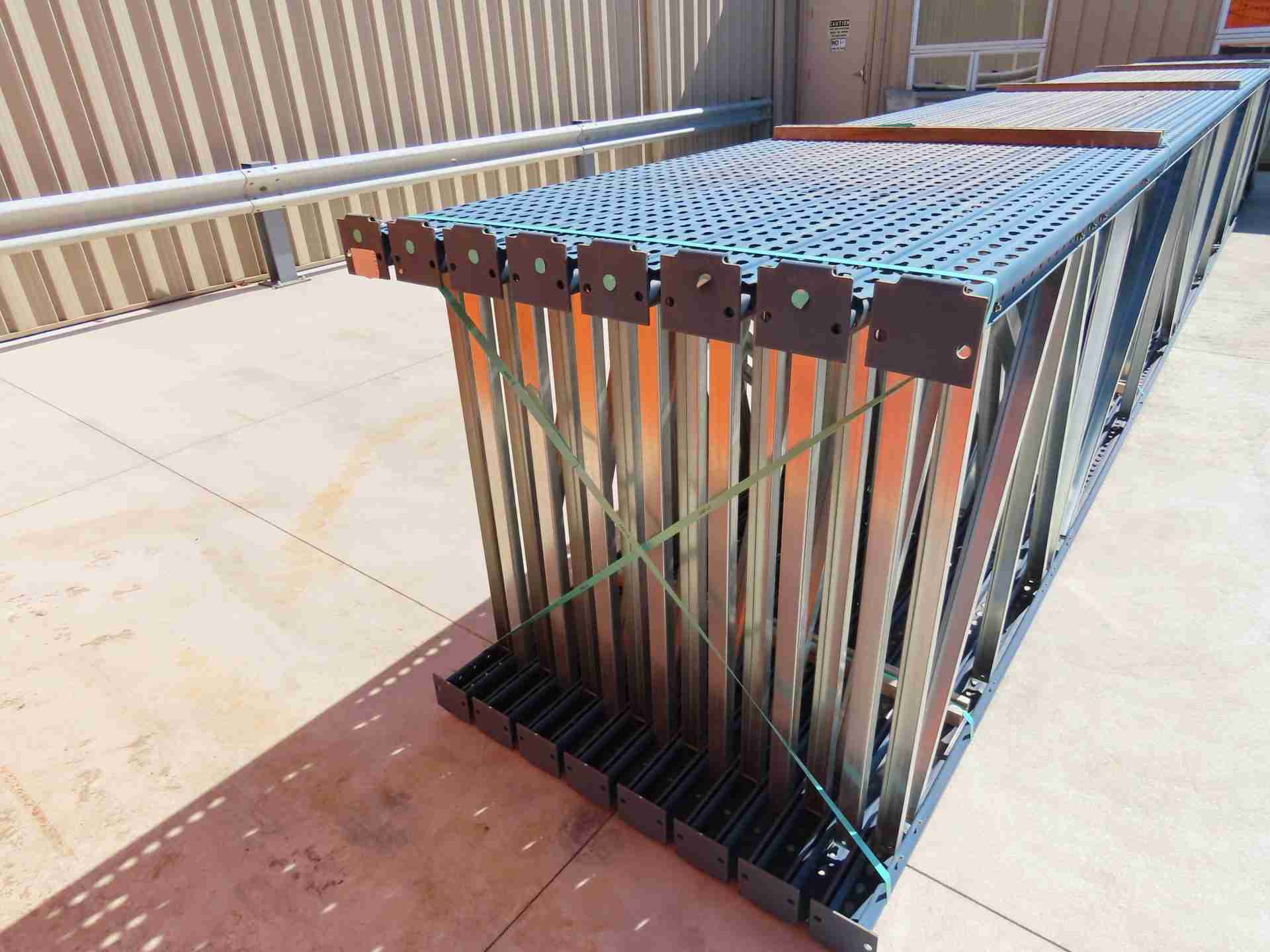
Should You Consider Used Pallet Racking To Save Money?
Should You Consider Used Pallet Racking To Save Money?
- Businesses are increasingly looking for cost-cutting solutions without sacrificing quality in a tight-margin environment.
- Used pallet racking is a practical option that can improve financial outcomes while maximizing warehouse storage space.
- Purchasing new pallet racking can be expensive, with costs often reaching thousands of dollars.
- Used pallet racking provides a cost-effective and readily available solution that supports rapid operational scaling.
- In the current economy, with inflation and supply chain issues, the demand for used racking has risen as warehouses have excess inventory.
- It’s essential to thoroughly assess the condition and safety compliance of used pallet racking when considering a purchase.
- Plan for future warehouse growth by selecting used racking systems that accommodate evolving inventory needs.

Should You Consider Used Pallet Racking To Save Money?
How Can You Negotiate Better Prices For Pallet Racking?
When it comes to investing in pallet racking, securing the best price is essential for maximizing your return on investment. With supply chains still recovering from disruptions caused by pandemic-related constraints, the current market presents both challenges and opportunities for savvy negotiators. Here’s how you can get the best deal on your pallet racking systems.
1. Do Your Homework
Knowledge is power, particularly in negotiation. Research current market prices for pallet racking systems extensively. Use industry publications, online marketplaces, and competitor pricing to benchmark what you should expect to pay. For instance, if you find that a competitor is offering a steel pallet racking setup for $1,200, you know to bring that information to the negotiating table. This positions you as an informed buyer, and sellers may be more inclined to provide a competitive quote to win your business.
2. Build Relationships
In negotiation, who you know can be just as important as what you know. Establishing rapport with distributors and manufacturers can be the key to better prices on pallet racking. Attend industry trade shows and local events to connect with suppliers personally. For example, if you’ve attended a logistics expo and met a racking provider, you may have the edge when discussing prices based on that relationship. Suppliers who recognize you as a potential long-term partner may offer discounts or better terms.
3. Buy in Bulk
Negotiating is not solely about price, but about value. Purchasing pallet racking in bulk can yield significant savings. Consider pooling your order with other businesses to increase volume; this could qualify you for bulk discounts. For instance, a local manufacturers’ association could facilitate a collective purchase for multiple companies needing new racking solutions, capitalizing on scale to negotiate lower prices.
4. Leverage Current Events
Stay updated with economic trends and government policies that might drive prices down. For example, transportation costs fluctuate with fuel prices, which can influence the overall cost of pallet racking. If fuel prices drop or tariffs on steel are lifted, it’s a perfect time to approach vendors about potentially lower prices. Showing awareness of these trends during negotiation discussions conveys that you’re not just a buyer, but a strategic partner.
5. Don’t Hesitate to Walk Away
Finally, remember that the best negotiators are willing to walk away if their terms aren’t met. Have a clear idea of your budget and the maximum price you’re willing to pay for your pallet racking. If a supplier can’t meet that, don’t be afraid to look elsewhere. This tactic often encourages suppliers to reconsider and sweeten the deal.
By following these strategies, you won’t just save money—you’ll also be demonstrating the kind of business acumen that can lead to successful negotiations well beyond pallet racking.

How Can You Negotiate Better Prices For Pallet Racking?
How Can You Negotiate Better Prices For Pallet Racking?
- Do Your Homework: Research current market prices for pallet racking systems using industry publications and competitor pricing to be an informed buyer.
- Build Relationships: Establish rapport with suppliers by attending industry events to potentially secure better prices and terms.
- Buy in Bulk: Consider purchasing pallet racking in bulk or pooling orders with other businesses to qualify for discounts.
- Leverage Current Events: Stay informed about economic trends that may affect prices, using this knowledge to negotiate strategically.
- Don’t Hesitate to Walk Away: Know your budget and maximum price to encourage suppliers to improve their offers.
- Demonstrate Business Acumen: Utilize these negotiation strategies to save money and develop skills for future negotiations.

How Can You Negotiate Better Prices For Pallet Racking?
What Factors Affect The Pricing Of Local Pallet Racking Systems?
When it comes to establishing an efficient storage solution, pallet racking systems are paramount for any warehouse or distribution center. While the primary focus may be on functionality and load capacity, pricing can vary dramatically due to several critical factors.
1. Material Quality and Durability
One of the most significant contributors to cost is the quality of materials used in the construction of pallet racking systems. High-grade steel, for example, not only enhances the structural integrity of the racks but also offers resistance to wear and tear that lower-quality alternatives can’t match. Retailers often face the dilemma of balancing quality with budget constraints, which is why opting for durable materials can result in long-term savings. For instance, brands like Steel King or Interlake Mecalux might command a higher price due to the robust build of their systems, yet they yield substantial returns on investment through longevity.
2. System Configuration
The design of the pallet racking system plays a crucial role in its pricing. A simple selective racking configuration might be more affordable compared to complex drive-in or push-back systems that require intricate engineering. A warehouse manager must assess the layout and specific needs of their operation—do you require high-density storage solutions? Such systems might involve higher initial costs due to their specialized design and installation. For example, businesses evaluating automatic pallet racking systems must not only consider the purchase price but also installation and integration costs, which can exceed traditional racking expenses substantially.
3. Local Market Dynamics
Local market conditions significantly influence pricing. Availability of materials, competition among suppliers, and regional demand play vital roles here. For instance, if you’re operating in a region experiencing economic growth—like certain areas of Texas or Florida—demand for warehousing and storage solutions might drive prices up. Conversely, in areas with an economic downturn, suppliers may offer promotions or discounts to stimulate sales, offering savvy buyers the chance to negotiate better deals.
4. Safety Compliance and Certifications
Compliance with industry safety standards is non-negotiable. Systems that meet specific safety certifications often have high upfront costs due to the rigorous testing and validation required. However, investing in compliant pallet racking systems can prevent costly accidents and liabilities in the long run—a strategic move that protects your business.
5. Recent Supply Chain Challenges
Finally, recent global supply chain disruptions have caused fluctuations in material costs, contributing to variable pricing in pallet racking systems. With manufacturers facing delays and shipping costs rising, savvy buyers should stay alert to market conditions and consider timing their purchases strategically to maximize value.
Understanding these factors allows businesses to make informed decisions when investing in pallet racking, ensuring a balance between functionality, safety, and cost.

What Factors Affect The Pricing Of Local Pallet Racking Systems?
What Factors Affect The Pricing Of Local Pallet Racking Systems?
- Pallet racking systems are essential for efficient storage in warehouses and distribution centers.
- Material quality significantly impacts cost; high-grade steel offers greater durability and load capacity.
- The configuration of the racking system affects pricing; simpler designs are usually more affordable than complex systems.
- Local market dynamics, such as material availability and regional demand, heavily influence racking system prices.
- Compliance with safety standards often results in higher upfront costs but can prevent serious liabilities.
- Recent supply chain disruptions have created volatility in material costs and system pricing.
- Understanding these factors is crucial for businesses to make informed investment decisions in pallet racking systems.

What Factors Affect The Pricing Of Local Pallet Racking Systems?
Conclusion
In the fiercely competitive landscape of warehouse management, where every decision reverberates through your bottom line, discerning whether you’re overpaying for local pallet racking becomes not just a question of cost—it’s a critical business strategy. This article casts a glaring spotlight on the pivotal choices decision-makers face in equipping their facilities with effective storage solutions. By becoming informed about market conditions, comprehending the true costs of various racking systems, and recognizing the hidden expenses that await the unsuspecting purchaser, you’re empowered to make choices that significantly enhance operational efficiency and financial viability.
Throughout our exploration, we’ve highlighted the importance of diligent market research and price comparison among local suppliers. These actions not only shore up your budgeting but also foster a competitive atmosphere that benefits your organization. The urgency of adapting to evolving logistics demands and the fast-paced nature of e-commerce cannot be understated; a lack of awareness could leave you susceptible to exorbitant overcharges while competitors swiftly seize opportunities for growth.
Furthermore, ensuring high quality in your pallet racking is paramount. As we’ve discussed, adherence to safety standards, the durability of materials, and thoughtful design considerations are crucial to your investment’s longevity and effectiveness. Remember, you aren’t just purchasing equipment; you’re committing to a system that could enhance safety, streamline operations, and ultimately bolster profits.
But let’s get to the crux of the matter: Are you ready to take action? The window of opportunity is open, but it won’t stay that way forever. By reaching out to Arrow Industrial Sales at (574) 349-6575, you can begin a conversation that may very well save you significant sums and improve your operational processes. Timing is everything, especially in an environment where supply chain factors and market dynamics are ever-changing.
Don’t let indecision or a lack of information hinder your business growth. Equip yourself with the knowledge and tools necessary to redefine your storage solutions effectively and affordably. Your warehouse efficiency, employee safety, and overall profitability hinge on the decisions you make today. Take the step forward and ensure you don’t just survive but thrive. Grab this opportunity to secure the best deal on your pallet racking needs. Call Arrow Industrial Sales now!

Conclusion
Conclusion:
- Warehouse management demands careful decision-making regarding local pallet racking costs as a critical business strategy.
- Understanding market conditions, true costs of racking systems, and hidden expenses can enhance operational efficiency.
- Diligent market research and price comparisons among local suppliers are vital for budgeting and fostering competitiveness.
- Adapting to evolving logistics demands and the fast-paced e-commerce landscape is crucial to avoid overcharges.
- High-quality pallet racking that meets safety standards and durability is essential for investment longevity.
- Engaging with Arrow Industrial Sales can lead to significant cost savings and improved operations.
- Equipping yourself with knowledge and tools for effective storage solutions is key to enhancing warehouse efficiency and profitability.

Conclusion
Other Resources

Other Resources
Here is a list of other resources you can review online to learn more:
- Cantilever Rack Guide: Ordering Cantilever Racking
- Racking World
- Cantilever Rack Guide: Ordering Cantilever Racking
- Interlake Mecalux
- Pallet Racking systems in Illinois and Great Lakes
- Teardrop Racks – Pallet Rack World
- Rack Manufacturers Institute
- Warehouse Racking Layout: The Ultimate Guide – Conger
- Teardrop Uprights
- CMMA
Use This Prompt To Get More Resources With Your Favorite Online AI Tool: Please provide me with a list of online articles with their URLs in a bulleted list that I can read regarding Are You Overpaying for Local Pallet Racking?

Other Resources
Glossary Terms
Are You Overpaying for Local Pallet Racking? – Glossary Of Terms
1. Pallet Racking: A storage system designed to hold palletized goods in warehouses, allowing for efficient access and organization.
2. Selective Racking: A type of pallet racking system that allows direct access to each pallet, maximizing storage flexibility and accessibility.
3. Drive-In Racking: An efficient racking system that enables forklifts to drive into the rack structure for high-density storage, ideal for large quantities of similar items.
4. Push Back Racking: A system where pallets are loaded from the front and pushed back on a sloped rail as new pallets are added, allowing for high-density storage.
5. Teardrop Racking: A universal pallet racking format characterized by its teardrop-shaped holes, allowing for easy assembly and compatibility.
6. Beam Level: The horizontal beams that form the actual shelves where pallets are stored within a racking system.
7. Vertical Style: The upright columns that support the beams in a pallet racking system and determine the height of the racking structure.
8. Load Capacity: The maximum weight that can be safely carried by a particular section of the racking system, critical for preventing collapse or damage.
9. Installation Costs: Expenses incurred when setting up a pallet racking system, which may include labor, equipment, and materials.
10. Maintenance: The ongoing care and inspection of pallet racking systems to ensure safety and compliance with regulations.
11. Forklift Compatibility: The degree to which a racking system is designed to work with various types of forklifts, affecting storage efficiency.
12. Used Racking: Refers to previously owned pallet racking systems that may be sold at a lower cost than new systems but should be thoroughly inspected for safety.
13. Local Suppliers: Vendors or manufacturers that provide pallet racking systems within a specific geographic area, influencing pricing and shipping costs.
14. Quote Comparison: The process of evaluating different suppliers’ prices and offerings to determine the best deal when purchasing racking systems.
15. Inventory Management: The practice of overseeing and controlling stock levels within a warehouse, significantly influenced by racking systems.
16. Safety Standards: Regulatory guidelines that govern the design, installation, and maintenance of pallet racking systems for the protection of workers and property.
17. Warehouse Layout: The arrangement of storage and operational areas within a warehouse, impacting how pallet racking is configured and utilized.
18. Space Optimization: The process of maximizing usable space in a warehouse, often achieved through strategic pallet racking design.
19. Custom Racking: Tailored racking systems specifically designed to meet the unique needs of a warehouse or industry, often leading to higher costs.
20. Return on Investment (ROI): A measure used to evaluate the profitability of a pallet racking system based on the cost of acquisition versus the benefits it provides.
21. Palletized Load: A collection of goods that are stacked onto a pallet for easier storage, handling, and transportation.
22. Dynamic Racking: A system designed to allow for movement and quick access, often including features like automated storage and retrieval systems.
23. Forklift Aisle Width: The space required between racks for forklifts to maneuver easily, a critical factor in warehouse design.
24. Cost-Benefit Analysis: A systematic evaluation of the costs and advantages associated with a pallet racking system to determine its overall value.
25. Market Rate: The typical price range for pallet racking systems in a specific area, useful for identifying potential overpayment.
26. Regulatory Compliance: Adherence to industry regulations governing warehouse safety and racking system standards, critical to legal operations.
27. Racking Inspection: Regular assessments of pallet racks for structural integrity and safety to prevent accidents or loading failures.
28. Height Adjustment: The ability to modify the height of pallet racking systems during installation or reconfiguration for better space utilization.
29. Load Bed: The part of the racking system that supports the weight of the palletized load, critical for safety and structural integrity.
30. Warehouse Efficiency: The maximization of productivity in warehouse operations, often enhanced by optimal pallet racking solutions.

Glossary Of Terms
Other Questions
Are You Overpaying for Local Pallet Racking? – Other Questions
If you wish to explore and discover more, consider looking for answers to these questions:
- What are the key features to look for in a pallet racking system?
- How can I ensure the pallet racking system I choose will be safe for my warehouse environment?
- What maintenance is required for pallet racking systems?
- Are there different types of pallet racking systems suitable for various warehouse operations?
- What are the benefits of custom pallet racking solutions?
- How do I assess the long-term value of different pallet racking options?
- What financing options are available for purchasing pallet racking systems?
- What are the risks of buying pallet racking from unverified suppliers?
- How does the selection of pallet racking impact my warehouse’s efficiency?
- What regulations or standards should I be aware of when purchasing pallet racking?
- Are there industry-specific pallet racking solutions I should consider?
- Can pallet racking systems be easily adapted or expanded in the future?
- What are some common mistakes to avoid when purchasing pallet racking?
- How can I find reputable reviews or testimonials for different suppliers?

Other Questions
Checklist
Are You Overpaying for Local Pallet Racking? – A Checklist
1. Conduct Market Research
_____ Gather multiple quotes from local suppliers.
_____ Break down the costs associated with each quote (base price, delivery, installation).
_____ Look for hidden charges (e. g. , installation fees, handling charges).
2. Understand Average Costs
_____ Know the average price range for different types of pallet racking systems.
_____ Identify factors influencing costs (e. g. , scale of operation, material quality, design complexity).
3. Compare Prices
_____ Check prices from at least three different suppliers in your area.
_____ Consider the value of additional services (e. g. , warranty, customer service).
4. Assess Quality and Safety
_____ Check for certifications that meet safety standards (e. g. , ANSI).
_____ Evaluate the materials used—opt for robust steel racking.
_____ Inspect the design for flexibility and suitability to your needs.
5. Evaluate Supplier Reputation
_____ Research supplier reviews and testimonials.
_____ Find out how suppliers have adapted to recent market challenges.
6. Explore Hidden Costs
_____ Calculate installation and maintenance costs.
_____ Consider potential space optimization costs (efficiencies vs. cheap options).
_____ Be aware of how insurance costs may vary based on your racking system.
7. Consider Used Pallet Racking
_____ Assess the condition of used pallet racking options.
_____ Ensure compliance with safety standards when buying used.
_____ Determine if the used system can accommodate future growth.
8. Utilize Negotiation Strategies
_____ Research current market prices to arm yourself with knowledge.
_____ Build relationships with suppliers for better negotiating power.
_____ Explore bulk purchasing options for discounts.
_____ Leverage market conditions to negotiate lower prices.
_____ Be prepared to walk away if terms are not favorable.
9. Understand the Influencing Factors on Pricing
_____ Material quality and durability.
_____ Configuration complexity—understand your operational needs.
_____ Local market dynamics—consider supply and demand in your area.
_____ Compliance with safety standards and certifications.
_____ Supply chain challenges affecting pricing and availability.
Action Steps:
_____ Set a timeline for researching and comparing options.
_____ Schedule meetings or calls with suppliers for discussions.
_____ Prepare a budget that includes potential hidden costs.
By following this checklist, you can ensure that you’re making an informed and cost-effective decision for your pallet racking needs!

Checklist
At RackingWorld, we help guide you through selecting warehouse storage systems and racking.
Be sure to read our other related stories at RackingWorld to learn more about warehouse storage systems.
0 Comments