
Maximizing Efficiency: The Power Of Industrial Racks In Warehouses
By Tom Seest
At RackingWorld, we help guide you through selecting warehouse storage systems and racking.
Be sure to read our other related stories at RackingWorld to learn more about warehouse storage systems.
What Are The Key Benefits Of Using Industrial Racks In Warehouses?
It’s no secret that warehouses are the backbone of many businesses, serving as the central hub where products are stored, organized, and shipped out to customers. And when it comes to keeping these bustling warehouses running smoothly, industrial racks play a key role in maximizing efficiency and streamlining operations.
One of the main benefits of using industrial racks in warehouses is their ability to maximize storage space. These racks are designed to make the most of vertical space, allowing businesses to store more inventory in a smaller footprint. This means warehouses can stock a larger variety of products and keep them organized and easily accessible, ultimately increasing productivity and reducing the time spent searching for items.
Industrial racks also help improve safety in the warehouse by keeping inventory off the floor and stored in a secure and stable manner. By utilizing racks, businesses can reduce the risk of accidents and injuries caused by items falling or clutter blocking walkways. This not only creates a safer work environment for employees but also helps prevent damage to valuable inventory.
In addition to safety, industrial racks can also help businesses save money in the long run. By maximizing storage space and improving organization, businesses can reduce the need for additional warehouse space or costly expansion projects. With industrial racks, businesses can make the most of their current space and increase efficiency without breaking the bank.
Another key benefit of using industrial racks in warehouses is their versatility. These racks come in a variety of sizes and configurations to suit different storage needs, whether it’s for heavy-duty pallets or smaller, hand-loaded items. This flexibility allows businesses to customize their storage solutions to fit their specific inventory requirements and optimize their workflow.
Furthermore, industrial racks are designed to withstand the rigors of a busy warehouse environment. Made from durable materials such as steel or aluminum, these racks are built to last and can withstand heavy loads and constant use. This longevity means that businesses can rely on their industrial racks to hold up over time, providing a reliable storage solution for years to come.
Overall, the key benefits of using industrial racks in warehouses are clear: they maximize storage space, improve safety, save money, offer versatility, and provide durable and reliable storage solutions. By incorporating industrial racks into their warehouse operations, businesses can streamline their workflow, increase efficiency, and ultimately, drive success in their industry.
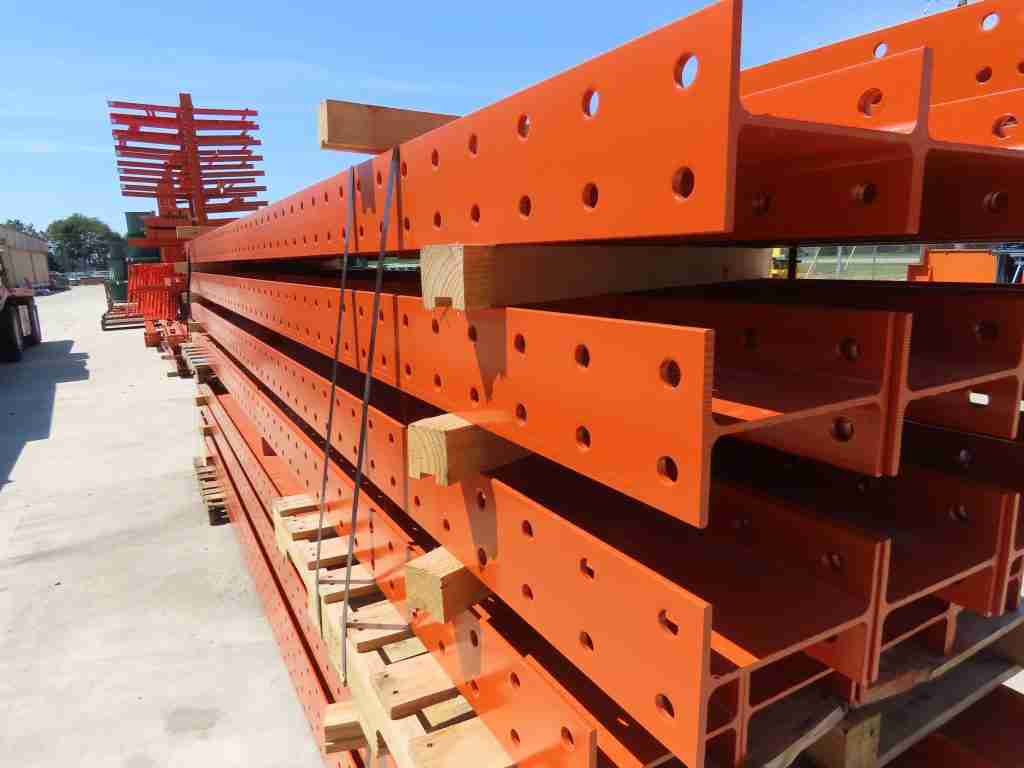
What Are The Key Benefits Of Using Industrial Racks In Warehouses?
What Are The Key Benefits Of Using Industrial Racks In Warehouses?
- Industrial racks maximize storage space in warehouses.
- Racks help improve safety by keeping inventory off the floor.
- Using industrial racks can save businesses money on expansion projects.
- Industrial racks come in various sizes and configurations for different storage needs.
- Racks are designed to withstand the rigors of a busy warehouse environment.
- Industrial racks offer durable and reliable storage solutions.
- Overall, industrial racks help streamline workflow and increase efficiency in warehouses.
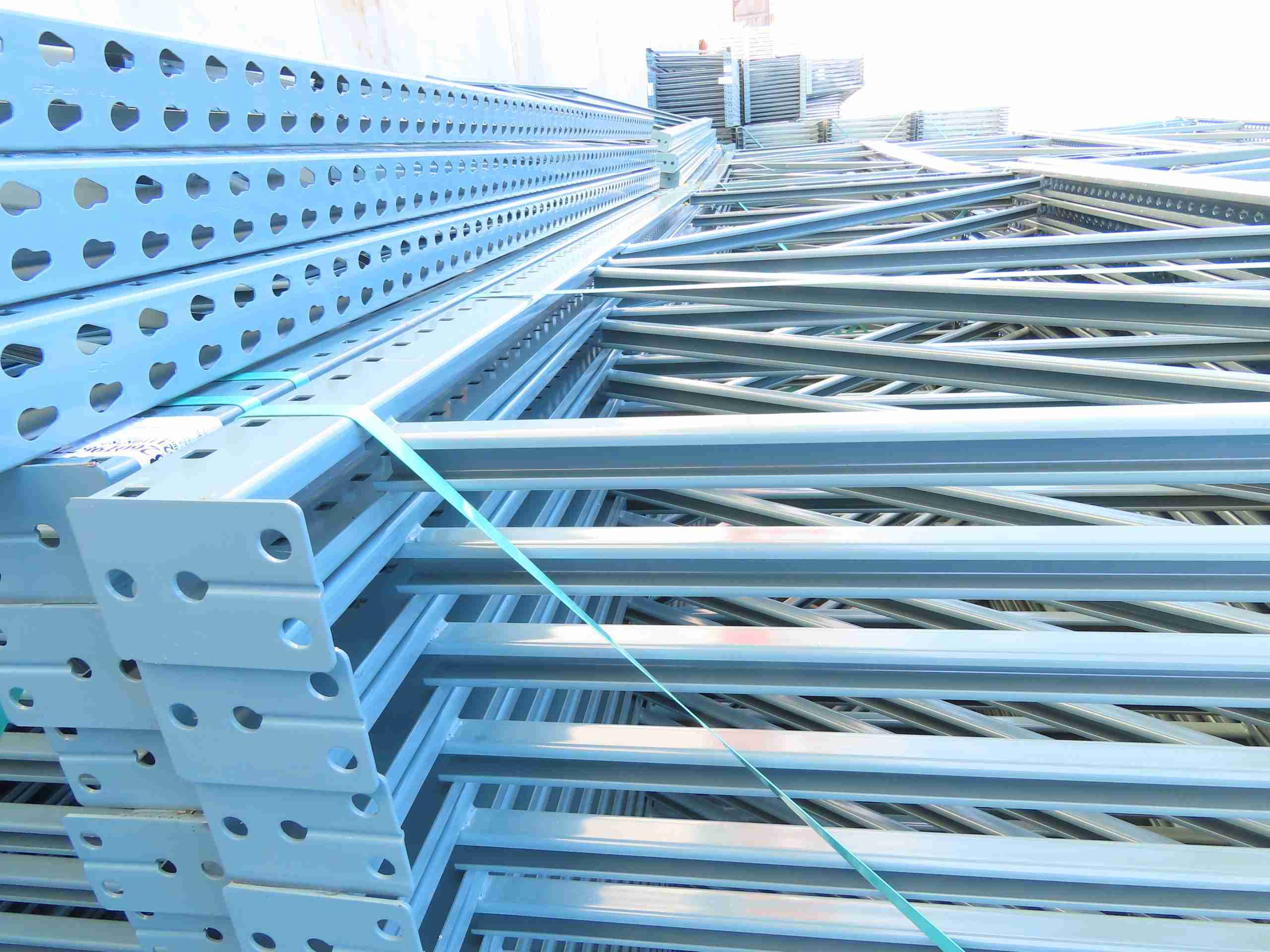
What Are The Key Benefits Of Using Industrial Racks In Warehouses?
Table Of Contents
- What Are The Key Benefits Of Using Industrial Racks In Warehouses?
- What Types Of Industrial Racks Are Available For Warehouses?
- How Do Industrial Racks Help Maximize Storage Space Efficiently?
- What Are The Safety Benefits Of Using Industrial Racks In Warehouses?
- How Do Industrial Racks Improve Inventory Organization?
- How Do Industrial Racks Help Maximize Warehouse Space?
- What Types Of Industrial Racks Are Available For Different Needs?
- How Do Industrial Racks Improve Organization And Efficiency?
- Can Industrial Racks Help Prevent Damage To Inventory?
- Are Industrial Racks Easy To Install And Maintain?
- What Safety Features Do Industrial Racks Typically Have?
- How Do Industrial Racks Contribute To A Clean And Organized Workspace?
- Conclusion
- Other Resources
- Glossary Of Terms
- Other Questions
- Checklist
What Types Of Industrial Racks Are Available For Warehouses?
When it comes to warehouses, having the right industrial racks is essential for maximizing storage space and efficiency. There are several types of industrial racks available, each serving a different purpose and designed to meet specific needs.
One of the most common types of industrial racks used in warehouses is pallet racks. Pallet racks are designed to store palletized materials and come in various configurations, such as selective, drive-in, and push back racks. Selective pallet racks are the most common type and allow for easy access to individual pallets, making them ideal for warehouses with a high turnover of products. Drive-in and push back racks, on the other hand, are better suited for warehouses that need to maximize storage space by storing pallets in a dense configuration.
Cantilever racks are another type of industrial rack commonly used in warehouses, particularly those storing long and bulky items such as lumber, pipes, and metal bars. Cantilever racks feature arms that extend out from a vertical column, providing easy access to materials without the need for horizontal beams that can obstruct loading and unloading.
For warehouses with limited floor space, mezzanine racks are an excellent solution for expanding storage capacity vertically. Mezzanine racks consist of a raised platform that creates additional levels of storage above the warehouse floor. These racks are versatile and can be customized to fit the specific layout and needs of a warehouse.
In addition to traditional pallet racks, there are also specialized industrial racks available for storing items such as tires, carpet rolls, and sheet metal. Tire racks feature horizontal beams that cradle tires securely, while carpet and sheet metal racks have specially designed arms to support these long and heavy items without sagging or bending.
When choosing industrial racks for a warehouse, it is essential to consider factors such as the type of materials being stored, the layout of the warehouse, and the expected volume of inventory. By selecting the right industrial racks, warehouses can optimize their storage space, improve accessibility to materials, and enhance overall efficiency in their operations.

What Types Of Industrial Racks Are Available For Warehouses?
What Types Of Industrial Racks Are Available For Warehouses?
- Industrial racks are essential for maximizing storage space and efficiency in warehouses.
- Pallet racks, including selective, drive-in, and push back racks, are commonly used for storing palletized materials.
- Cantilever racks are suitable for storing long and bulky items like lumber, pipes, and metal bars.
- Mezzanine racks are great for warehouses with limited floor space, as they allow for vertical storage expansion.
- Specialized racks are available for storing items such as tires, carpet rolls, and sheet metal.
- Consider factors like materials being stored, warehouse layout, and inventory volume when choosing industrial racks.
- Choosing the right industrial racks can optimize storage space, improve accessibility to materials, and enhance overall efficiency in warehouse operations.
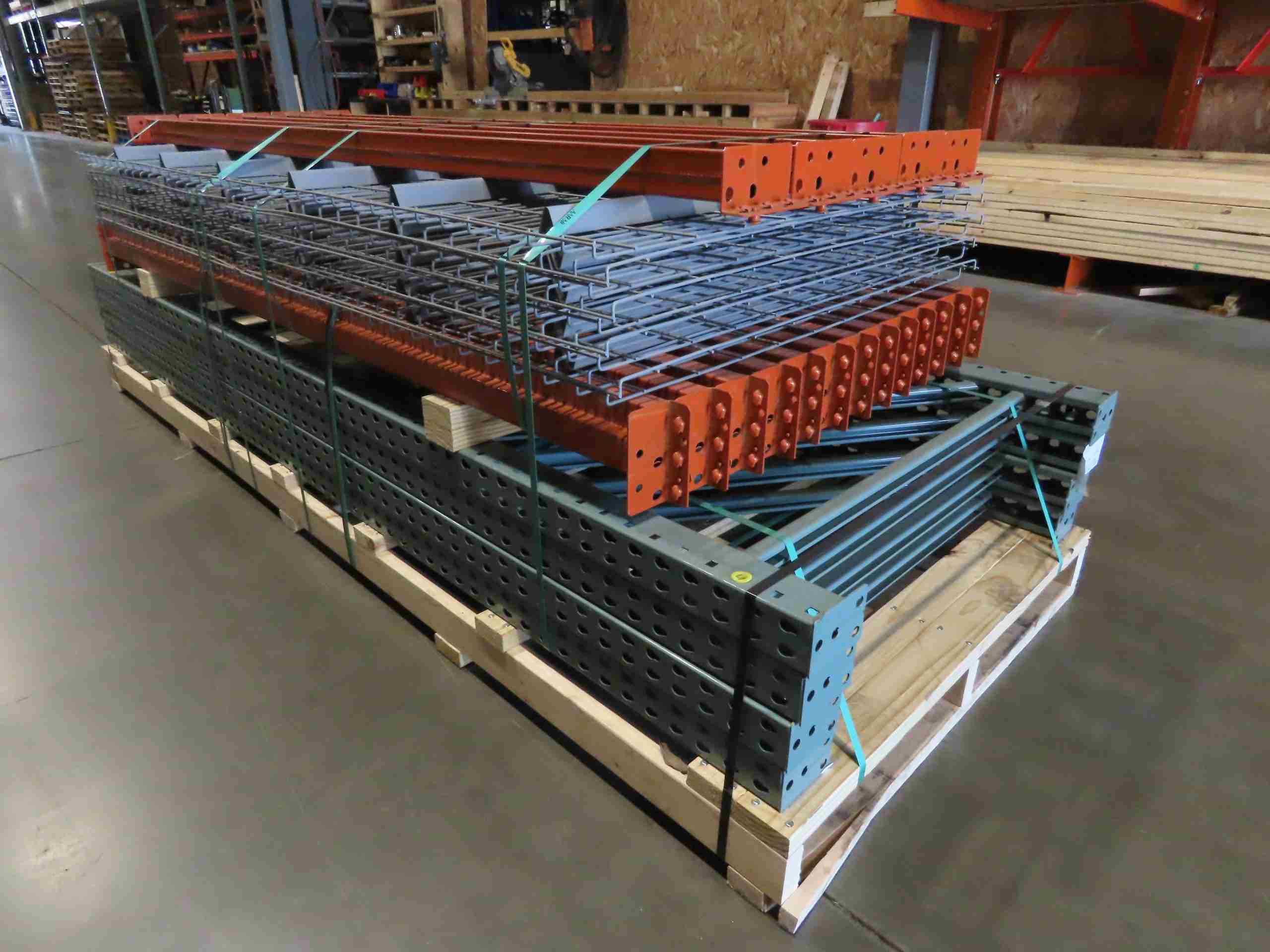
What Types Of Industrial Racks Are Available For Warehouses?
How Do Industrial Racks Help Maximize Storage Space Efficiently?
In the world of industrial storage, maximizing space is key. Whether you’re dealing with a warehouse full of products or a workshop packed with tools, every inch counts. That’s where industrial racks come into play, offering a solution to the age-old problem of limited space.
Industrial racks are essentially heavy-duty shelves that are designed to hold a variety of items in an organized and efficient manner. By utilizing vertical space, these racks can help businesses make the most of their storage areas, allowing them to store more items in less square footage.
One of the key ways that industrial racks help maximize storage space is by allowing for vertical storage. Instead of spreading items out across a large area, racks enable businesses to stack items on top of each other, making use of the often underutilized vertical space in a warehouse or workshop. This not only helps to free up floor space for other uses but also ensures that items are stored in an organized and easily accessible manner.
Another way that industrial racks help maximize storage space is by enabling businesses to customize their storage solutions. Racks come in a variety of sizes, shapes, and configurations, allowing businesses to tailor their storage systems to their specific needs. Whether you need racks with adjustable shelves for storing items of varying sizes or specialized racks for holding specific types of items, there is a rack out there that can help you make the most of your storage space.
Additionally, industrial racks can help businesses make better use of their storage space by improving organization. By providing designated spaces for different types of items, racks can help businesses keep track of their inventory, reduce clutter, and improve overall efficiency. This, in turn, can help businesses save time and money by making it easier to find and retrieve items when needed.
Industrial racks are a valuable tool for businesses looking to maximize their storage space. By enabling businesses to make use of vertical space, customize their storage solutions, and improve organization, racks can help businesses make the most of their storage areas, allowing them to store more items in less space. So, if you’re looking to make better use of your storage space, consider investing in industrial racks – your business will thank you.
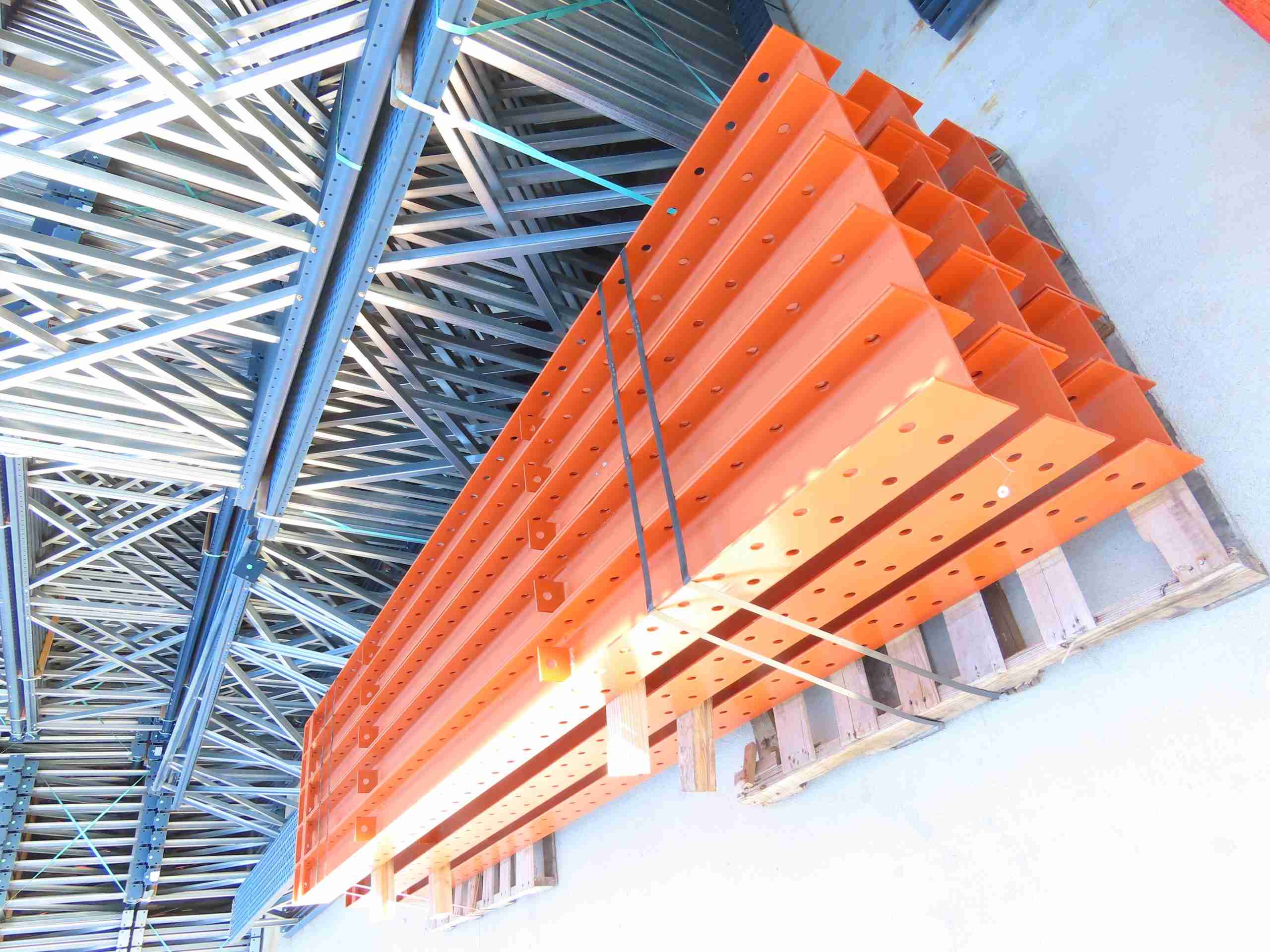
How Do Industrial Racks Help Maximize Storage Space Efficiently?
How Do Industrial Racks Help Maximize Storage Space Efficiently?
- In the world of industrial storage, maximizing space is key.
- Industrial racks are essentially heavy-duty shelves designed to hold a variety of items in an organized manner.
- By utilizing vertical space, racks help businesses store more items in less square footage.
- Racks enable businesses to stack items vertically, freeing up floor space and ensuring items are easily accessible.
- Racks allow for customization to tailor storage solutions to specific needs.
- Industrial racks improve organization by providing designated spaces for different items, reducing clutter and improving efficiency.
- By maximizing storage space, industrial racks help businesses save time and money in the long run.

How Do Industrial Racks Help Maximize Storage Space Efficiently?
What Are The Safety Benefits Of Using Industrial Racks In Warehouses?
When it comes to warehouse safety, industrial racks play a crucial role in keeping both workers and products protected. These heavy-duty storage solutions offer a variety of benefits that help prevent accidents and injuries in a warehouse setting.
One of the main safety benefits of using industrial racks is their ability to organize and optimize storage space. By keeping inventory neatly organized on racks, warehouse workers can easily locate items without having to climb over piles of boxes or navigate through cluttered aisles. This not only reduces the risk of trips and falls but also minimizes the chances of items falling and causing injuries.
Additionally, industrial racks are designed to withstand heavy loads, making them a secure storage solution for warehouses with a high volume of products. When items are properly stored on racks, the risk of shelves collapsing under the weight of the inventory is significantly reduced. This helps prevent accidents such as items falling onto workers or equipment, which can lead to serious injuries.
Furthermore, industrial racks are typically made from durable materials such as steel or aluminum, ensuring they can withstand the wear and tear of daily warehouse operations. Unlike flimsy shelving units that can easily bend or break under pressure, industrial racks are built to last, providing a stable and reliable storage solution for warehouses of all sizes.
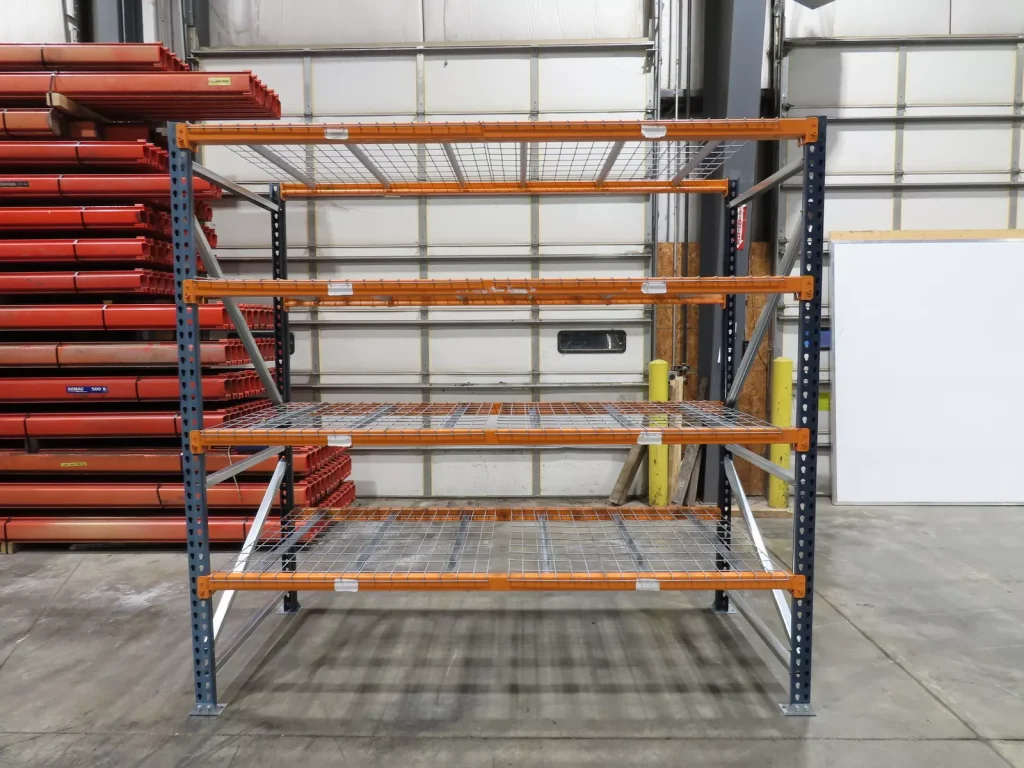
In addition to their durability, industrial racks are also designed with safety features such as beam locks and safety pins that prevent shelves from accidentally dislodging. This added layer of protection ensures that items remain securely stored on the racks, reducing the risk of accidents caused by shelves coming loose or collapsing.
Finally, industrial racks are versatile storage solutions that can be customized to fit the specific needs of a warehouse. Whether you need racks for storing pallets, boxes, or heavy machinery, there are a variety of rack configurations available to accommodate different types of inventory. This flexibility allows warehouses to optimize their storage space while keeping safety a top priority.
The safety benefits of using industrial racks in warehouses cannot be overstated. By providing a secure and organized storage solution, these racks help prevent accidents, injuries, and damage to inventory, making them an essential component of warehouse safety protocols. When it comes to keeping workers and products safe, industrial racks are an invaluable asset that should not be overlooked.
What Are The Safety Benefits Of Using Industrial Racks In Warehouses?
What Are The Safety Benefits Of Using Industrial Racks In Warehouses?
- Industrial racks help organize and optimize storage space.
- Reduces the risk of trips, falls, and items falling.
- Designed to withstand heavy loads, reducing the risk of shelves collapsing.
- Made from durable materials like steel or aluminum.
- Include safety features like beam locks and safety pins.
- Customizable to fit specific warehouse needs.
- An essential component of warehouse safety protocols.
What Are The Safety Benefits Of Using Industrial Racks In Warehouses?
How Do Industrial Racks Improve Inventory Organization?
Do you ever stop to think about how products get to where they need to be for you to purchase them? It’s a fascinating process that involves a lot of moving parts – pun intended. One crucial aspect of this process is inventory organization, and one tool that greatly improves this organization is industrial racks.
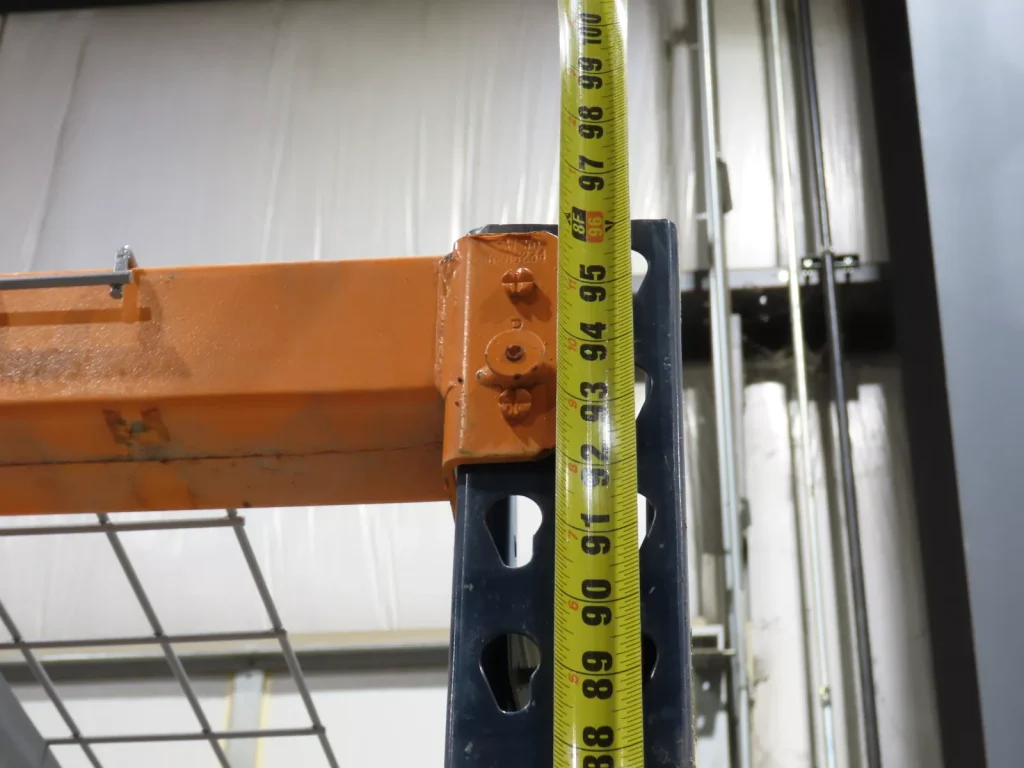
Imagine a warehouse filled with pallets stacked on the floor, boxes haphazardly thrown on top of each other, and workers scrambling to find the right product for an order. Chaos, right? That’s where industrial racks come in to save the day. These sturdy shelving units provide a structured system for storing and organizing inventory, making it easier for workers to locate and retrieve items quickly and efficiently.
By utilizing industrial racks, warehouses can maximize their storage space, allowing for more products to be stored in a smaller footprint. This not only increases efficiency but also saves money by reducing the need for additional warehouse space. Plus, with items stored neatly and securely on racks, the risk of damage or loss is minimized, saving businesses even more in the long run.
But the benefits of industrial racks go beyond just storage and organization. By having a designated place for each item, businesses can implement a more accurate inventory management system. This means better tracking of stock levels, easier replenishment of inventory, and ultimately, reduced costs and improved customer satisfaction.
Furthermore, industrial racks promote a safer working environment for warehouse employees. With items stored properly on racks, there is less risk of accidents caused by items falling or workers tripping over misplaced inventory. This not only protects the well-being of employees but also leads to increased productivity as workers can focus on fulfilling orders rather than navigating through a cluttered and hazardous workspace.
Industrial racks play a crucial role in improving inventory organization in warehouses. By providing a structured system for storing and retrieving inventory, these shelving units increase efficiency, save money, enhance accuracy, promote safety, and ultimately contribute to the overall success of businesses. So, the next time you order a product online or pick something up at a store, take a moment to appreciate the role that industrial racks play in getting that item to you. It’s a small detail that makes a big difference.
How Do Industrial Racks Improve Inventory Organization?
How Do Industrial Racks Improve Inventory Organization?
- Industrial racks are crucial for inventory organization in warehouses.
- They provide a structured system for storing and organizing inventory.
- Racks help maximize storage space and increase efficiency.
- They promote accurate inventory management and reduce costs.
- Industrial racks contribute to a safer working environment for employees.
- Proper storage on racks minimizes the risk of accidents and increases productivity.
- Overall, industrial racks play a key role in the success of businesses by improving inventory organization.
How Do Industrial Racks Improve Inventory Organization?
How Do Industrial Racks Help Maximize Warehouse Space?
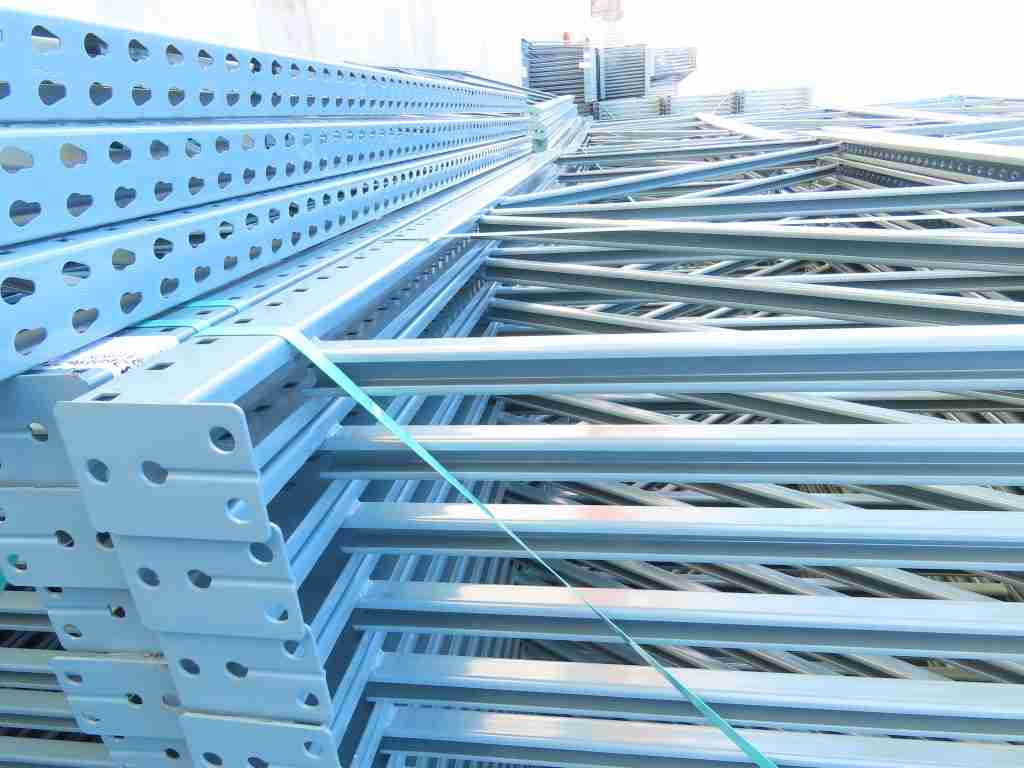
When it comes to maximizing warehouse space, industrial racks play a critical role in helping businesses efficiently store and organize their inventory. These heavy-duty shelving units are designed to make the most of vertical space, allowing warehouses to store more products in a smaller footprint.
One of the key ways that industrial racks help maximize warehouse space is by utilizing vertical space. By stacking products on tall racks, businesses can make use of the often underutilized space above their heads. This not only allows for more efficient use of the warehouse floor but also helps to create a more organized and streamlined inventory management system.
In addition to maximizing vertical space, industrial racks also help warehouses make the most of their available floor space. By neatly organizing products on shelves, businesses can reduce clutter and prevent unnecessary obstructions in the warehouse. This not only makes it easier for workers to navigate the space but also helps to improve overall safety.
Furthermore, industrial racks can be customized to fit the specific needs of a warehouse. Whether businesses need racks with additional support for heavy products or specialized dividers for organizing smaller items, there are a variety of options available to help maximize storage efficiency. By choosing the right industrial racks for their needs, businesses can ensure that they are making the most of their warehouse space.
Another benefit of industrial racks is their durability and longevity. Built to withstand heavy loads and constant use, these shelving units are designed to last for years. This means that businesses can rely on their industrial racks to provide consistent storage solutions and help maximize warehouse space for the long term.
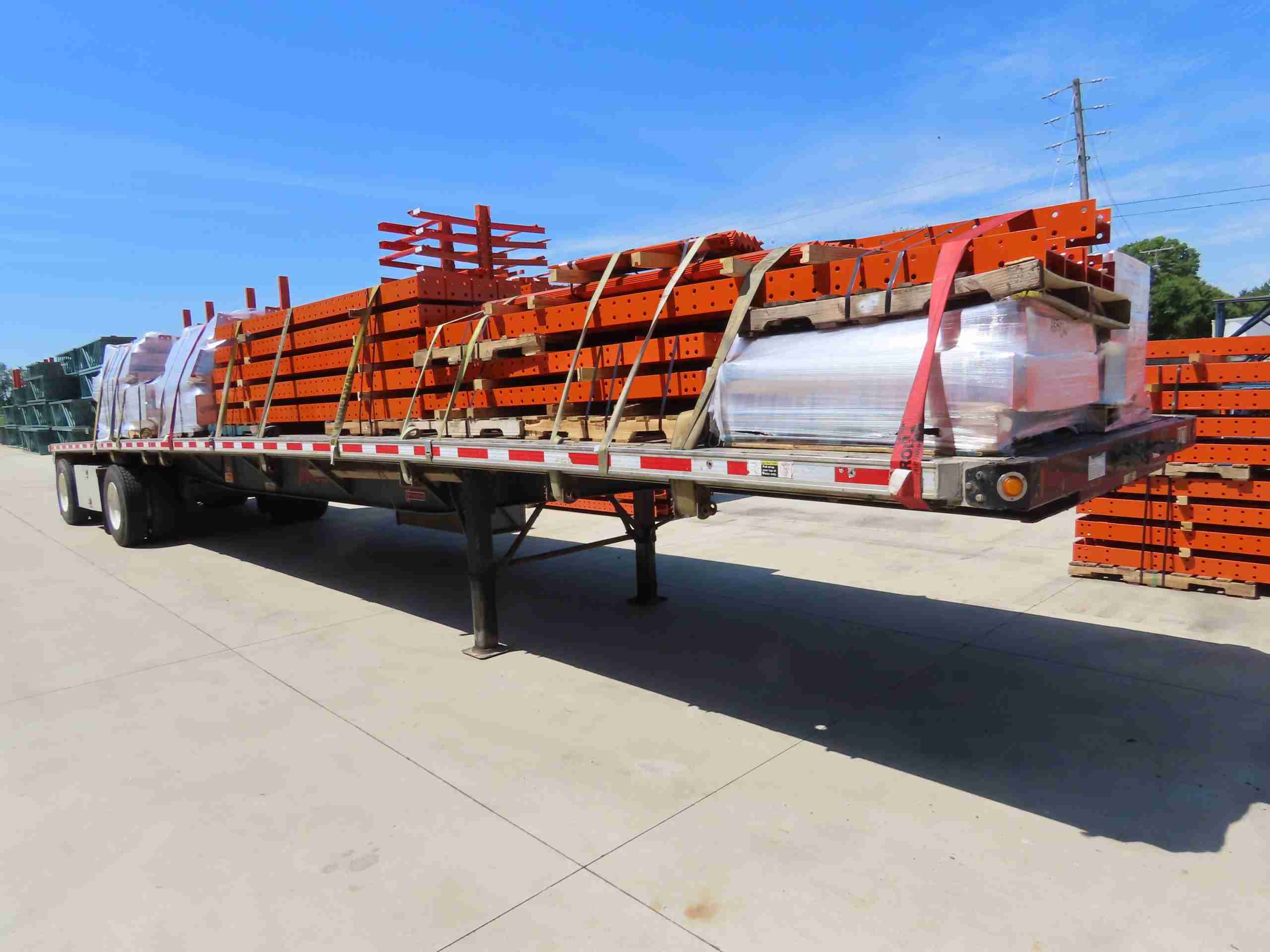
Overall, industrial racks are an essential tool for businesses looking to maximize their warehouse space. By utilizing vertical space, organizing inventory efficiently, and customizing racks to fit their specific needs, businesses can make the most of their storage capabilities. With the durability and longevity of industrial racks, businesses can trust that their investment will continue to pay off in the years to come. So if you want to take your warehouse to the next level, industrial racks are definitely worth considering.
How Do Industrial Racks Help Maximize Warehouse Space?
How Do Industrial Racks Help Maximize Warehouse Space?
- Industrial racks play a critical role in maximizing warehouse space.
- They utilize vertical space to store more products in a smaller footprint.
- Racks help create a more organized inventory management system.
- They help warehouses make the most of their available floor space.
- Racks can be customized to fit specific warehouse needs.
- Industrial racks are durable and built to last for years.
- Businesses can trust that their investment in industrial racks will pay off in the long term.

How Do Industrial Racks Help Maximize Warehouse Space?
What Types Of Industrial Racks Are Available For Different Needs?
When it comes to industrial racks, there are a variety of options to choose from to suit different needs and requirements. From heavy-duty storage to specialized storage solutions, finding the right rack for your industrial space is key to maximizing efficiency and organization.
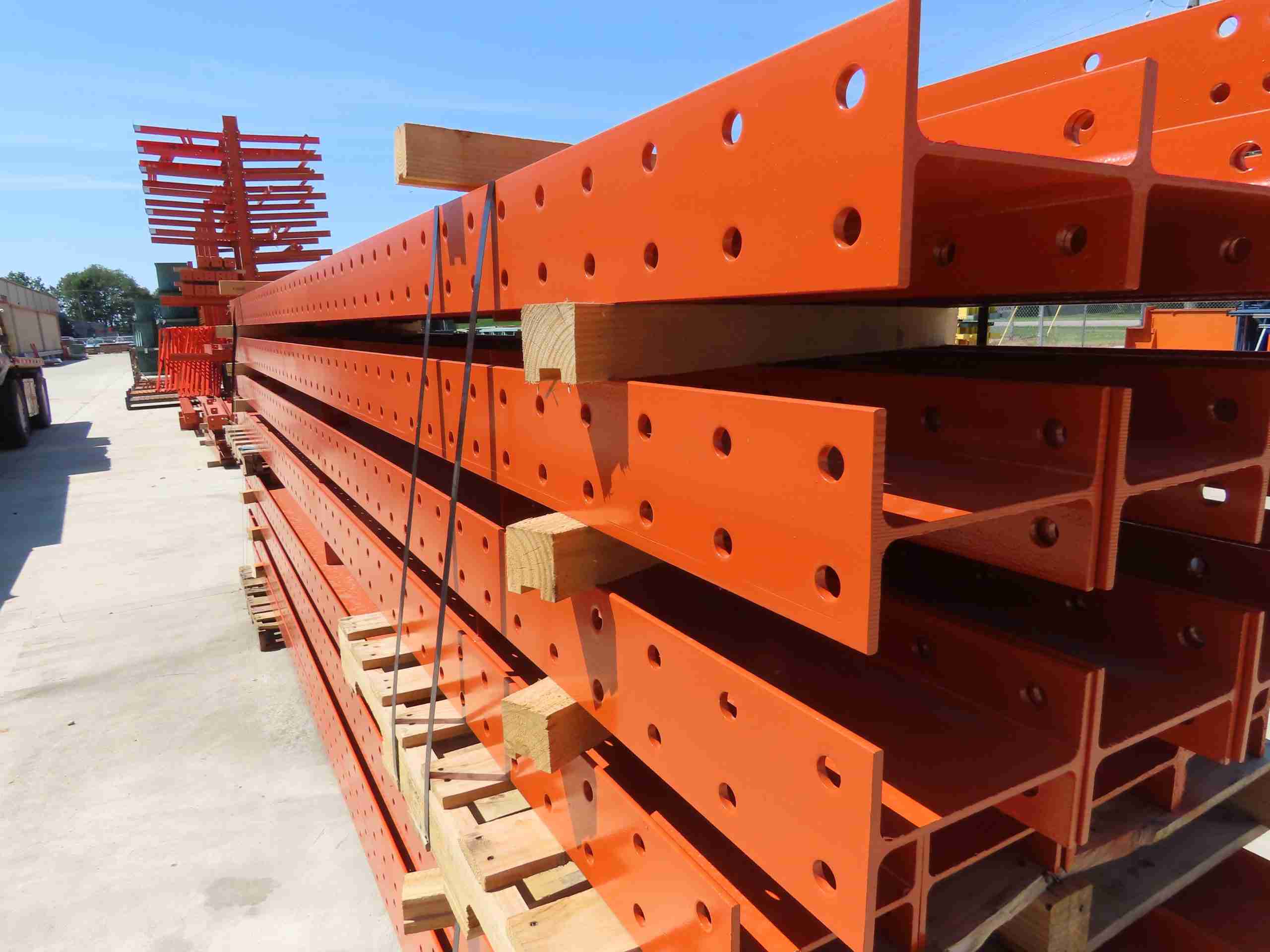
One type of industrial rack that is commonly used is pallet racking. This type of rack is designed to store and organize pallets of goods in a warehouse or distribution center. Pallet racking systems come in various styles, including selective, drive-in, push back, and pallet flow racks. Selective pallet racks are the most common type and allow for easy access to each pallet, while drive-in racks maximize storage density by allowing forklifts to drive directly into the rack to pick up or drop off pallets. Push back racks use a dynamic system that allows for multiple pallets to be stored on each level, and pallet flow racks are a gravity-fed system that allows for easy rotation of goods.
Cantilever racks are another type of industrial rack that is ideal for storing long or bulky items such as piping, lumber, or furniture. These racks have arms that extend out from a central column, allowing for easy loading and unloading of items. Cantilever racks can be customized to fit the specific dimensions of the items being stored and are often used in lumber yards, hardware stores, or manufacturing facilities.
For smaller items or parts, rivet shelving is a cost-effective and versatile storage solution. Rivet shelving systems are easy to assemble and can be adjusted to fit different heights and configurations. These racks are often used in warehouses, retail stores, or workshops to store inventory, tools, or equipment.
When it comes to specialized needs, there are industrial racks designed specifically for unique requirements such as storing drums, tires, or wire spools. Drum racks are designed to securely store and organize drums of various sizes, while tire racks are ideal for organizing and displaying tires in a retail setting. Wire spool racks are made to hold and dispense wire spools in an organized manner.
When choosing an industrial rack for your specific needs, it is important to consider the type of items being stored, the available space in your facility, and any special requirements such as accessibility or weight capacity. By selecting the right rack for your needs, you can optimize storage space, improve efficiency, and create a more organized and productive work environment.

What Types Of Industrial Racks Are Available For Different Needs?
What Types Of Industrial Racks Are Available For Different Needs?
- Pallet racking is commonly used in warehouses and distribution centers for storing pallets of goods..
- Types of pallet racking systems include selective, drive-in, push back, and pallet flow racks..
- Cantilever racks are ideal for storing long or bulky items such as piping, lumber, or furniture..
- Rivet shelving is a cost-effective solution for storing small items or parts in warehouses, retail stores, or workshops..
- There are industrial racks designed for specialized needs such as storing drums, tires, or wire spools..
- When choosing an industrial rack, consider the items being stored, available space, and special requirements..
- By selecting the right rack for your needs, you can optimize storage space and improve efficiency in your industrial space..
What Types Of Industrial Racks Are Available For Different Needs?
How Do Industrial Racks Improve Organization And Efficiency?
If you’ve ever spent time in a busy warehouse or manufacturing facility, you know just how important organization and efficiency are to keeping things running smoothly. That’s where industrial racks come in.
Industrial racks are like the unsung heroes of the operation – quietly and efficiently keeping everything in its place so workers can focus on the task at hand. These racks come in all shapes and sizes, designed to store everything from raw materials to finished products and everything in between.
One of the key ways that industrial racks improve organization is by providing a designated spot for everything. When items have a specific place to go, workers spend less time searching for what they need and more time actually getting the job done. Plus, having a clear layout of where things belong helps prevent mix-ups and ensures that inventory is kept in order.
But it’s not just about keeping things tidy – industrial racks also play a crucial role in maximizing space. By utilizing vertical storage with things like pallet racks or shelving units, warehouses can make the most of their available square footage. This means more room for additional inventory or equipment, without having to expand the facility itself.
In addition to organization and space saving, industrial racks also contribute to efficiency in a few key ways. For one, having easy access to materials and products means that workers can quickly grab what they need and keep production moving smoothly. This reduces downtime and helps meet deadlines with ease.
Furthermore, industrial racks can help streamline workflow by organizing items in a logical manner. For example, grouping similar products together or having raw materials located near the manufacturing area can eliminate unnecessary back and forth, saving time and energy for employees.
And let’s not forget about safety – industrial racks provide a secure way to store heavy or bulky items, preventing accidents and injuries on the job. By keeping items off the floor and properly supported, the risk of things falling or shifting is greatly reduced, creating a safer work environment for all.
In short, industrial racks are the unsung heroes of the warehouse, quietly working behind the scenes to improve organization and efficiency. By providing designated storage, maximizing space, streamlining workflow, and ensuring safety, these racks are essential tools for keeping operations running smoothly. So next time you’re in a bustling warehouse, take a moment to appreciate the role that industrial racks play in keeping things moving.
How Do Industrial Racks Improve Organization And Efficiency?
How Do Industrial Racks Improve Organization And Efficiency?
- Industrial racks are essential for organization and efficiency in warehouses and manufacturing facilities.
- They provide designated spots for everything, reducing search time and preventing mix-ups.
- Industrial racks maximize space by utilizing vertical storage like pallet racks or shelving units.
- They contribute to efficiency by allowing quick access to materials and streamlining workflow.
- Industrial racks help prevent accidents by securely storing heavy items off the floor.
- They play a crucial role in keeping operations running smoothly and meeting deadlines.
- Overall, industrial racks are unsung heroes behind the scenes of busy warehouses.

How Do Industrial Racks Improve Organization And Efficiency?
Can Industrial Racks Help Prevent Damage To Inventory?
When it comes to managing inventory in a warehouse or industrial setting, one of the top priorities should always be protecting your assets. Damage to inventory can lead to costly consequences, including lost profits, unhappy customers, and wasted time. That’s where industrial racks come in.
Industrial racks are a crucial component of any well-organized warehouse or storage facility. They provide a stable and secure structure for storing various items, from heavy machinery to delicate electronics. By utilizing industrial racks, you can help prevent damage to your inventory in several ways.
First and foremost, industrial racks are designed to support heavy loads safely. This means that you can stack items on top of each other without fear of the rack collapsing or buckling under the weight. This not only helps maximize your storage space but also reduces the risk of items falling and getting damaged in the process.
Furthermore, industrial racks are typically made of durable materials such as steel or aluminum, which are designed to withstand the wear and tear of a busy warehouse environment. This means that your inventory is less likely to get damaged due to a rack failing or breaking down over time.
Additionally, industrial racks can help organize your inventory more effectively, reducing the risk of items getting misplaced or lost. By storing items on racks in an organized manner, you can easily access them when needed and avoid the chaos and confusion that can lead to damage.
Another key benefit of industrial racks is their ability to provide proper ventilation and airflow around stored items. This can help prevent issues such as moisture buildup or mold growth, which can damage inventory over time. By keeping items properly ventilated and spaced out on racks, you can help ensure their longevity and overall quality.
Industrial racks play a crucial role in protecting your inventory from damage in a warehouse or storage facility. By providing a stable and secure storage solution, organizing items effectively, and promoting proper ventilation, industrial racks can help safeguard your assets and ultimately save you time and money in the long run. So if you want to prevent damage to your inventory and keep your operation running smoothly, investing in industrial racks is definitely a smart move.
Can Industrial Racks Help Prevent Damage To Inventory?
Can Industrial Racks Help Prevent Damage To Inventory?
- Protecting assets is a top priority in warehouse management.
- Industrial racks are crucial for organizing and storing various items.
- Racks are designed to support heavy loads safely and maximize storage space.
- Racks are made of durable materials to withstand wear and tear.
- Racks help organize inventory effectively to prevent damage due to misplacement.
- Racks provide proper ventilation and airflow to prevent moisture buildup.
- Investing in industrial racks can ultimately save time and money in the long run.
Can Industrial Racks Help Prevent Damage To Inventory?
Are Industrial Racks Easy To Install And Maintain?
When it comes to industrial racks, the installation and maintenance process can vary depending on the type of rack and the specific needs of the facility. However, in general, industrial racks are designed to be relatively easy to install and maintain, especially when compared to other types of storage solutions.
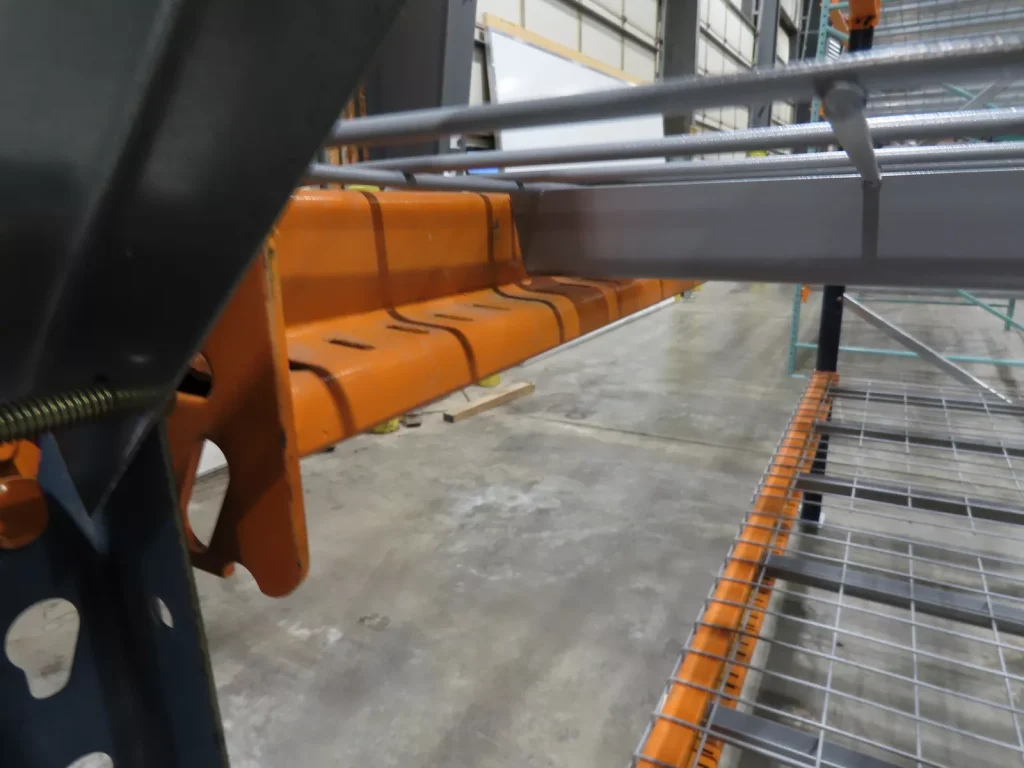
One of the key factors that makes industrial racks easy to install is their modular design. Most industrial racks are made up of interchangeable components that can be easily assembled and disassembled with minimal tools and labor. This means that facilities can quickly and easily adjust their storage systems to meet changing needs without having to invest in entirely new equipment.
Additionally, many industrial racks come with detailed instructions and guides for installation, making the process even simpler for those with little experience in rack assembly. Some manufacturers even offer installation services to help ensure that racks are set up correctly and efficiently.
When it comes to maintenance, industrial racks also have several advantages. Most racks are made from durable materials such as steel or aluminum, which means they are built to withstand heavy use and harsh conditions. This not only extends the lifespan of the racks but also reduces the need for frequent repairs or replacements.
Furthermore, many industrial racks have a minimal number of moving parts, which means there are fewer components that can break or malfunction. This simplifies the maintenance process, as there are fewer things that need to be inspected, repaired, or replaced. Regular inspections and maintenance checks can help prevent issues before they become larger problems.
In terms of cleaning and upkeep, industrial racks can be relatively low-maintenance. Many racks have smooth surfaces that are easy to wipe clean, preventing the buildup of dust, debris, or other contaminants. This helps to maintain a clean and organized storage environment, which is essential for ensuring the safety and efficiency of the facility.
Overall, industrial racks are designed with ease of installation and maintenance in mind. Their modular design, durable materials, and simple construction make them a practical and efficient storage solution for a wide range of industrial applications. By following proper installation and maintenance procedures, facilities can enjoy the benefits of industrial racks for many years to come.
Are Industrial Racks Easy To Install And Maintain?
Are Industrial Racks Easy To Install And Maintain?
- Industrial racks are designed to be relatively easy to install and maintain.
- Modular design allows for easy assembly and disassembly with minimal tools and labor.
- Detailed instructions and guides are often provided for installation.
- Racks are made from durable materials such as steel or aluminum.
- Few moving parts result in simpler maintenance processes.
- Racks have smooth surfaces that are easy to clean and upkeep.
- Industrial racks are a practical and efficient storage solution for a wide range of industrial applications.
Are Industrial Racks Easy To Install And Maintain?
What Safety Features Do Industrial Racks Typically Have?
When it comes to industrial racks, safety is always a top priority. These heavy-duty storage units are designed to hold massive amounts of inventory, equipment, and materials, so it’s essential that they have a variety of safety features in place to protect both the goods being stored and the workers who interact with them.
One of the most common safety features found on industrial racks is sturdy construction. These racks are typically made from high-quality steel or other durable materials to ensure that they can support the weight of whatever is stored on them. Reinforced beams, uprights, and crossbars help to distribute weight evenly and prevent dangerous shifts or collapses.
Additionally, many industrial racks are equipped with safety clips or locking mechanisms to prevent accidental dislodging of shelves or beams. These clips snap into place to secure components together, providing an extra layer of protection against accidental impacts or bumps.
Another important safety feature of industrial racks is proper anchoring. These racks are often installed in warehouses or other industrial settings where heavy machinery and equipment are in use. To prevent tipping or collapsing, industrial racks must be securely anchored to the floor or wall. This ensures that they remain stable and upright, even when subjected to heavy loads or external forces.
Many industrial racks also feature built-in safety guards or barriers to protect workers from falling objects or shifting inventory. These guards can be designed in a variety of configurations, depending on the specific needs of the storage facility. Some racks have solid backings or sides to prevent items from slipping through, while others feature wire mesh or other barriers to contain materials and prevent accidents.
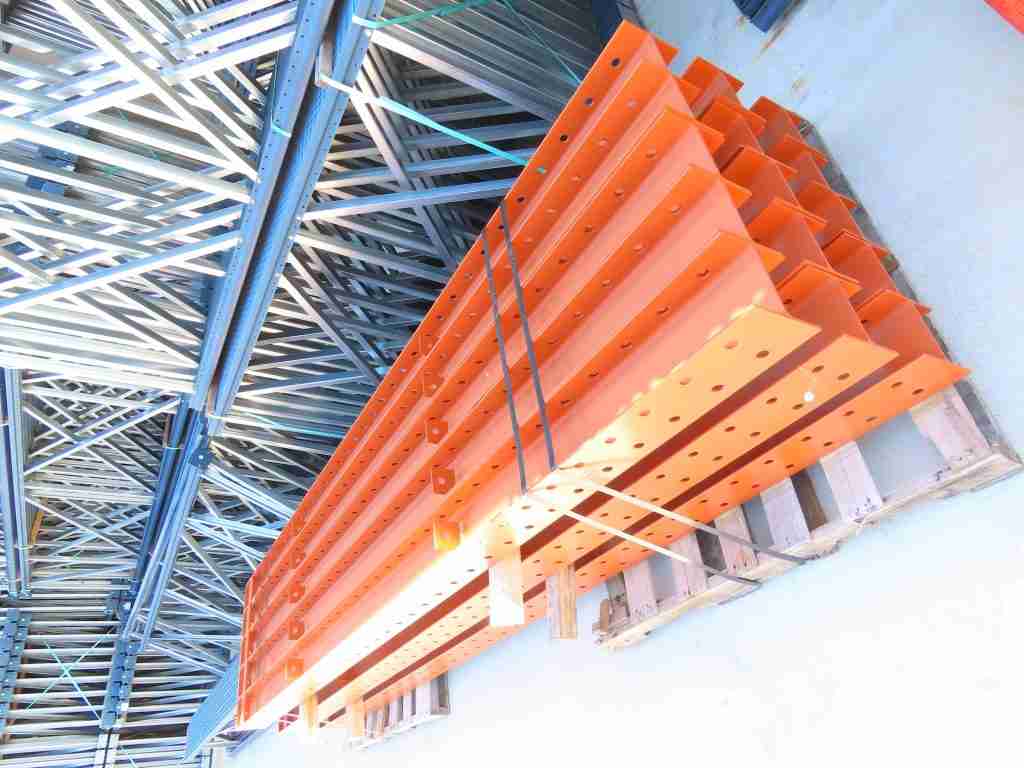
Finally, many industrial racks are designed with safety in mind by incorporating bright colors or reflective tape to increase visibility. This makes it easier for workers to see the shelves and beams, even in dimly lit warehouses or storage areas. By increasing visibility, these safety features help to prevent accidents and ensure that workers can navigate the storage space safely.
Industrial racks are essential storage solutions for warehouses and industrial facilities, but they must be equipped with a variety of safety features to protect both goods and workers. From sturdy construction and anchoring to safety clips and guards, these features ensure that industrial racks are safe and reliable storage options for any industry.
What Safety Features Do Industrial Racks Typically Have?
What Safety Features Do Industrial Racks Typically Have?
- Sturdy construction to support heavy loads.
- Safety clips or locking mechanisms for securing components.
- Proper anchoring to prevent tipping or collapsing.
- Built-in safety guards or barriers to protect workers.
- Bright colors or reflective tape for increased visibility.
- Industrial racks designed with safety features in mind.
- Essential safety features for protecting goods and workers.
What Safety Features Do Industrial Racks Typically Have?
How Do Industrial Racks Contribute To A Clean And Organized Workspace?
When it comes to maintaining a clean and organized workspace in an industrial setting, the importance of having the right storage solutions cannot be overstated. Industrial racks play a crucial role in ensuring that tools, equipment, and materials are stored in a neat and organized manner, ultimately contributing to a more efficient and productive work environment.
One of the key ways in which industrial racks contribute to a clean and organized workspace is by providing a designated storage space for various items. By having a designated place for each tool or piece of equipment, workers are able to easily locate and access what they need without wasting time searching through cluttered workspaces. This not only saves valuable time but also enhances overall productivity and efficiency in the workplace.
In addition, industrial racks help to prevent clutter and disorganization by providing a structured storage system. Without proper storage solutions in place, tools and equipment are often left haphazardly strewn about, creating a hazard for workers and increasing the risk of accidents. Industrial racks help to eliminate this problem by providing a safe and secure place for items to be stored, reducing the risk of tripping hazards and ensuring a safer work environment for everyone.
Furthermore, industrial racks help to maximize the available workspace by utilizing vertical storage space. By taking advantage of the vertical space in a warehouse or workshop, industrial racks enable workers to store more items in a smaller footprint, freeing up valuable floor space for other activities. This not only helps to create a more efficient and organized workspace but also allows for better utilization of the available resources.
Another way in which industrial racks contribute to a clean and organized workspace is by facilitating easy inventory management. With items stored in a systematic and structured manner, workers are able to quickly take stock of what is available, what needs to be replenished, and what may need to be discarded. This ensures that items are always readily available when needed, reducing downtime and enhancing overall productivity.
Industrial racks play a critical role in maintaining a clean and organized workspace in an industrial setting. By providing designated storage space, preventing clutter and disorganization, maximizing available workspace, and facilitating easy inventory management, industrial racks help to create a more efficient and productive work environment. Ultimately, investing in the right storage solutions can have a significant impact on the overall success of a business by promoting safety, efficiency, and organization in the workplace.

How Do Industrial Racks Contribute To A Clean And Organized Workspace?
How Do Industrial Racks Contribute To A Clean And Organized Workspace?
- Industrial racks provide designated storage space for various items.
- They help prevent clutter and disorganization by providing a structured storage system.
- Industrial racks maximize available workspace by utilizing vertical storage space.
- They facilitate easy inventory management by storing items in a systematic manner.
- Industrial racks contribute to a clean and organized work environment in industrial settings.
- They promote safety, efficiency, and organization in the workplace.
- Investing in the right storage solutions can have a significant impact on the overall success of a business.
How Do Industrial Racks Contribute To A Clean And Organized Workspace?
Conclusion
In conclusion, the benefits of using industrial racks in warehouses are clear. These heavy-duty storage solutions play a crucial role in maximizing efficiency, improving safety, saving money, offering versatility, and providing durable and reliable storage solutions. By incorporating industrial racks into warehouse operations, businesses can streamline their workflow, increase efficiency, and ultimately drive success in their industry. With the ability to customize storage solutions to fit specific inventory requirements, industrial racks help businesses make the most of their current space without the need for costly expansion projects. Additionally, the durability and longevity of industrial racks mean that businesses can rely on them to provide a stable and secure storage solution for years to come.
In terms of maximizing storage space efficiently, industrial racks are key in enabling businesses to make the most of vertical space by stacking items on tall racks. This not only frees up floor space for other uses but also ensures that items are stored in an organized and easily accessible manner. By providing designated spots for each item, industrial racks help improve inventory organization, streamline workflow, and ultimately save both time and money by making it easier to find and retrieve items when needed.
Furthermore, industrial racks are essential for maintaining a safe work environment in warehouses. With features such as sturdy construction, proper anchoring, safety guards, and increased visibility, industrial racks help prevent accidents, injuries, and damage to valuable inventory. In addition, industrial racks contribute to a clean and organized workspace by providing a structured storage system that eliminates clutter and maximizes available space.
Overall, industrial racks are a valuable tool for businesses looking to optimize storage space, improve organization, enhance safety, and increase efficiency in their operations. By investing in the right industrial racks for their specific needs, businesses can set themselves up for success in a competitive industry. So, the next time you’re in a bustling warehouse, take a moment to appreciate the unsung heroes – industrial racks – working behind the scenes to keep everything running smoothly.
Conclusion
Conclusion:
- The benefits of using industrial racks in warehouses are clear:
- Maximizing efficiency.
- Improving safety.
- Saving money.
- Offering versatility.
- Providing durable and reliable storage solutions.
.
- Industrial racks help businesses streamline workflow, increase efficiency, and drive success in their industry.
- Customizable storage solutions help make the most of current space without costly expansion projects.
- Maximizing storage space efficiently by stacking items on tall racks.
- Industrial racks help improve inventory organization, streamline workflow, and save time and money.
- Industrial racks are essential for maintaining a safe work environment in warehouses.
- Overall, industrial racks are a valuable tool for optimizing storage space, improving organization, enhancing safety, and increasing efficiency in operations.
Other Resources

Other Resources
Here is a list of other resources you can review online to learn more:
- “Warehouse Safety Insights and Tips”
- “Common Warehouse Mistakes and How to Prevent Them”
- “Types of Industrial Racking for Warehouse: Classification & …”
- “What Is Pallet Racking? An Essential Guide”
- “Guide to Pallet Rack Safety: Best Practices”
- “Drive in Pallet Racking: A Complete Guide”
- “Warehouses: industrial racking risks and prevention …”
- “Pallet Racking Inspections Safety”
- “How to Keep your Warehouse Pallet Racking Systems Safe”
- “Guidelines for Warehousing Health Commodities”
- “Why Tier-Rack Pallet Rack Alternative Beats Standard Racks”
- “Maximizing Efficiency with Warehouse Rack Solutions”
- “Pallet Rack Configuration Tips for Warehouse Managers”
- “How to Choose the Right Pallet Racking System for Your …”
- “Top Benefits of Using Pallets in Warehouse Operations”
- “Pallet Racking (Selective Storage Racks)”
- “Selective Pallet Racking: The Go-To Option for Modern …”
- “Warehousing and Physical Stock Management”
- “Understanding the Differences Between Skids and Pallets”
- “How to choose the right industrial storage solution for your …”
Other Resources
Glossary Terms
What Are The Key Benefits Of Using Industrial Racks In Warehouses? – Glossary Of Terms
Here’s a glossary of terms related to the key benefits of using industrial racks in warehouses:
1. Industrial Racks: Heavy-duty shelving systems designed to support high volumes and weights, optimizing storage space in warehouses.
2. Space Optimization: The efficient use of vertical and horizontal space to maximize storage capacity within a warehouse.
3. Pallet Racking: A storage system designed to hold materials on pallets that can be easily accessed by forklifts.
4. Durability: The ability of industrial racks to withstand heavy loads and frequent use, ensuring long-term use without significant wear and tear.
5. Accessibility: The ease with which warehouse personnel can retrieve items stored on industrial racks, improving operational efficiency.
6. Organizational Efficiency: The systematic arrangement of goods on racks, enabling quicker location, retrieval, and restocking.
7. Safety: Enhanced structural integrity of racks to prevent collapse, reducing the risk of accidents and injuries in the warehouse.
8. Customization: The ability to tailor rack dimensions and configurations to fit specific warehouse requirements or unique storage needs.
9. Scalability: The capacity to expand or reconfigure racks as warehouse storage needs grow or change over time.
10. Cost-Effectiveness: Reducing costs associated with storage space, damage to goods, and labor through better organization and efficiency.
11. Flow-Through Design: A rack design that allows for First-In-First-Out (FIFO) inventory management, rotating stock more effectively.
12. Load Capacity: The maximum weight industrial racks can safely support, critical for ensuring safety and storage efficiency.
13. Versatility: The flexibility of industrial racks to store various types of goods, from pallets to individual items.
14. Inventory Management: Improved oversight and control of inventory levels due to better organization and accessibility.
15. Material Handling: Enhanced methods and equipment used for moving, protecting, and controlling materials, facilitated by industrial racks.
16. Adjustable Components: Rack parts like beams and shelves that can be moved to accommodate different sized items and changing storage needs.
17. Aisle Space: The corridors between racks designed to allow for movement of people and machinery, optimizing operational flow.
18. Modularity: The feature of industrial racks that allows individual units to be combined or separated, providing flexible storage solutions.
19. Ergonomics: Designing rack systems to improve the comfort and efficiency of warehouse workers, reducing fatigue and injury risks.
20. Footprint Reduction: Minimizing the ground space occupied by storage systems, allowing for more storage capacity within the same area.
21. Efficient Retrieval: The swiftness and ease with which items stored on industrial racks can be located and accessed.
22. Static Shelving: Fixed shelving units that do not move, providing stable and secure storage for items.
23. Mobile Racking: Shelving units mounted on tracks that can be moved to create or close gaps for better space utilization.
24. Safety Compliance: Ensuring rack systems meet local and international safety standards and regulations.
25. Vertical Storage: Utilizing the height of a warehouse by stacking goods on tall racks, freeing up floor space.
26. Load Distribution: The even spread of weight across the rack system to maintain structural integrity and safety.
27. FIFO Management: First-In-First-Out; an inventory policy that ensures older stock is used before newly added stock, reducing spoilage.
28. RFID Integration: Embedding Radio-Frequency Identification technology in racks for automated tracking and inventory management.
29. Operational Workflow: The sequence and efficiency of processes affecting the movement of goods in the warehouse facilitated by well-organized rack systems.
30. Reduced Damage: Protection of goods from damage due to better organization and secure storage on robust industrial racks.
These terms collectively encompass the various aspects and benefits of using industrial racks in warehouses, from safety and space utilization to cost savings and efficiency improvements.
Glossary Of Terms
Other Questions
What Are The Key Benefits Of Using Industrial Racks In Warehouses? – Other Questions
If you wish to explore and discover more, consider looking for answers to these questions:
- How can businesses choose the right type of industrial rack for their specific needs?
- What factors should be considered when selecting industrial racks for a warehouse?
- What are the costs associated with purchasing and installing industrial racks?
- How are industrial racks maintained to ensure longevity and safety?
- What industries benefit the most from the use of industrial racks?
- Are there any specific regulations or standards for industrial racks in warehouses?
- What are the differences between selective pallet racks, drive-in racks, push back racks, and pallet flow racks?
- How do industrial racks impact warehouse workflow and productivity?
- What are some common mistakes to avoid when using industrial racks in warehouses?
- Can industrial racks be customized or expanded as a business grows?
- How do industrial racks compare to other storage solutions in terms of cost and efficiency?
- How do industrial racks support environmental sustainability in warehouse operations?
- What are the potential risks if industrial racks are not used correctly?
- How do industrial racks enhance the inventory management process?
- What specific safety inspections should be regularly performed on industrial racks?
- How can businesses train their staff on the proper use and maintenance of industrial racks?
- What are the latest innovations or trends in industrial shelving and racking systems?
- How do industrial racks contribute to reducing the operational costs of a warehouse?

Other Questions
Checklist
What Are The Key Benefits Of Using Industrial Racks In Warehouses? – A Checklist
Maximizing Efficiency and Storage
_____ Utilize Vertical Space: Ensure racks are designed to make the most of vertical space, allowing for increased storage capacity in a smaller footprint.
_____ Increased Inventory: Stock a larger variety of products in an organized and easily accessible manner.
_____ Improved Organization: Employ a structured storage system to keep items neat and reduce time spent searching for inventory.
Enhancing Safety
_____ Secure Storage: Store inventory off the floor in a stable and secure manner to reduce the risk of accidents.
_____ Clear Walkways: Keep walkways clutter-free to prevent trips and falls.
_____ Safety Features: Use racks with built-in safety mechanisms such as beam locks and safety pins.
_____ Durable Materials: Choose racks made from durable materials like steel or aluminum to withstand heavy loads and constant use.
Cost Savings
_____ Optimize Current Space: Reduce the need for additional warehouse space or costly expansion projects.
_____ Long-Term Investment: Invest in durable racks that provide long-lasting storage solutions.
Versatility
_____ Customizable Options: Select racks that come in various sizes and configurations to suit different storage needs.
_____ Specialized Storage: Utilize specialized racks for specific items (e. g. , tires, carpet rolls, sheet metal).
Improving Inventory Management
_____ Designated Storage: Provide designated spaces for different types of items to improve tracking and replenishment.
_____ Enhanced Efficiency: Ensure easy access to materials for quicker retrieval, reducing downtime.
_____ Better Visibility: Implement bright colors or reflective tape to increase rack visibility and enhance inventory identification.
Space Maximization
_____ Vertical Utilization: Employ racks to utilize often underused vertical space in the warehouse.
_____ Floor Space Optimization: Reduce clutter on the floor, making it easier to navigate and improving safety.
Ease of Installation and Maintenance
_____ Modular Design: Choose racks with interchangeable components for easy assembly and reconfiguration.
_____ Durable Construction: Opt for racks made from sturdy materials that require minimal maintenance.
_____ Cleaning and Upkeep: Ensure racks have smooth surfaces that are easy to clean.
Maintaining Clean and Organized Workspace
_____ Reduce Clutter: Implement a structured storage system to prevent clutter and retain a clean workspace.
_____ Inventory Management: Facilitate easy stock-taking and replenishment to maintain organized inventory.
_____ Safety and Efficiency: Promote a safer work environment and increase productivity with a tidy and well-organized storage system.
Note: For each checklist item, provide specific details or action steps to ensure successful implementation and maximize the benefits of using industrial racks in warehouses.

Checklist
At RackingWorld, we help guide you through selecting warehouse storage systems and racking.
Be sure to read our other related stories at RackingWorld to learn more about warehouse storage systems.
0 Comments