
Unlock Your Space: Transform Clutter Into Clarity In Just 60 Days!
By Tom Seest
At RackingWorld, we help guide you through selecting warehouse storage systems and racking.
Be sure to read our other related stories at RackingWorld to learn more about warehouse storage systems.
How to Add 40% More Storage In 60 Days
When it comes to maximizing storage space, we all know the struggle. Whether you’re working out of a cramped garage, a bustling workshop, or a small business, the need for efficient storage solutions is universal. Imagine walking into your space and seeing it organized—not just tidy, but smartly laid out to hold everything you need. That’s where racking systems come in, and they might just be your best friend in this battle for space.
Let’s break it down. Racking systems aren’t just metal frames that hold boxes; they’re the solution you didn’t know you needed. Picture sturdy shelves rising to the ceiling, neatly displaying everything from tools to supplies, allowing you to reclaim precious floor space. This isn’t just about aesthetics; it’s about efficiency. Slapping a racking system together isn’t rocket science. With a little elbow grease and some basic tools, you can turn your cluttered corner into a well-oiled storage machine in the span of two months.
Now, why is this worth your time? It’s not just for the sake of having a pretty workshop. An organized space increases productivity and reduces stress. You’ll save time hunting for that wrench or those extra nails, and you’ll find peace of mind knowing where everything is. The emotional weight of clutter can drain your spirit, but a well-organized area breathes life into your work and gives you room to roam and create.
Moreover, investing in a solid racking system is an ethical choice. Being responsible with your resources, whether it’s your time, money, or materials, reflects well on you. When you commit to an organized environment, you’re choosing to respect the space you work in, making it better for the future.
Think about the times you’ve shared your space with friends or family. A well-organized area means you can show off your hard work instead of hiding in embarrassment. It’s about community—inviting others in without the dread of them seeing the chaos underneath. This sense of connection can galvanize you into action. The notion that your hard work leads to a more inviting space is a powerful motivator.
So, if you’re ready to reclaim your space and boost storage by 40%, dive into the world of racking systems. Your future self will thank you for the ease of access, the joy of organization, and the confidence that comes with a job well done. In sixty days, you could transform a chaotic environment into a model of efficiency, and it all starts with a simple decision to take the plunge. Get ready to roll up your sleeves—your organized dream space awaits!

How to Add 40% More Storage In 60 Days
How to Add 40% More Storage In 60 Days
- Efficient storage solutions are essential for cramped spaces like garages, workshops, or small businesses.
- Racking systems provide vertical storage, maximizing floor space and improving organization.
- Implementing a racking system can be accomplished with basic tools and effort in about two months.
- An organized space boosts productivity, reduces stress, and enhances overall workflow.
- Investing in racking systems reflects responsible resource management and consideration for future space usability.
- A well-organized area fosters community and connection, allowing for shared space without shame or embarrassment.
- Racking systems can increase storage capacity by 40%, transforming cluttered environments into efficient spaces in 60 days.

How to Add 40% More Storage In 60 Days
Table Of Contents
- How to Add 40% More Storage In 60 Days
- How Do You Feel About Running Out Of Storage Space?
- What Causes Clutter In Your Life?
- How Can Organization Impact Your Mental Health?
- What If You Could Reclaim Your Space In Just 60 Days?
- Are You Ready to Tackle Your Storage Problems?
- How Would a Tidy Space Enhance Your Productivity?
- Conclusion
- Other Resources
- Glossary Of Terms
- Other Questions
- Checklist
How Do You Feel About Running Out Of Storage Space?
There’s a sense of frustration that creeps in when you realize you’re running out of storage space. It’s more than just a technical hiccup; it’s a reminder that our lives, both personal and professional, are often packed to the brim, like a cluttered garage that hasn’t seen the light of day in years. You jam that last box of old winter clothes onto racking systems meant for tools, and suddenly you’re in a game of Tetris where one wrong move could bring the whole stack crashing down.
Now, let’s get real. How many times have you found yourself scrolling through an endless list of files, trying to find that one critical document while the clock ticks away? It’s an all-too-familiar scenario that gnaws at your patience. Every “storage full” notification is an unwelcome pause in your day. You might even feel a little anxious, as if that small message carries the weight of unfinished tasks and unmet deadlines.
However, beyond the immediate annoyance, there’s a bigger question at play: How do you prioritize what to keep and what to toss? The ethical dilemma of digital clutter echoes through our lives. Every photograph, every document holds a memory or a purpose. It’s tough to let go, especially when the shelves are filled with echoes of our past, reminders of milestones, whether they’re joyous or bittersweet.
Then there are the costs associated with storage. From physical racking systems that take up space in your garage to cloud services billing you for the extra gigabytes, it can feel like a constant financial drain. Spending money to store things you might never use again doesn’t seem fair. We all want to be wise with our resources, and keeping that in mind can inspire action.
But there’s also connection. Imagine chatting with a friend over a coffee about how they tackled their own storage woes. Sharing stories of triumph over clutter fosters a sense of community. You might swap tips on organizing your files or even decluttering your life, turning a mundane issue into shared laughter and camaraderie.
Take a step back and contemplate your options. Your storage space is not just a physical or digital limitation; it reflects your values and priorities. Choosing to declutter doesn’t just free up space; it opens up possibilities. Embrace the idea that less can truly be more, and allow that newfound room to inspire a fresh start.

How Do You Feel About Running Out Of Storage Space?
How Do You Feel About Running Out Of Storage Space?
- Frustration arises from running out of storage space, symbolizing cluttered lives.
- Finding critical documents among tangled files is a common, time-consuming struggle.
- “Storage full” notifications can induce anxiety tied to unfinished tasks and deadlines.
- Deciding what to keep versus what to discard presents an ethical dilemma related to digital clutter.
- Costs of storage, whether physical or cloud-based, can become a financial burden.
- Sharing experiences about storage solutions creates community and fosters connection.
- Decluttering reflects personal values and opens up possibilities for new beginnings.

How Do You Feel About Running Out Of Storage Space?
What Causes Clutter In Your Life?
Clutter isn’t just a physical mess; it’s a reflection of the chaos often brewing beneath the surface. When life throws curveballs—be it job changes, family pressures, or unexpected setbacks—our spaces can become overwhelmed with items that tell stories we’re not ready to face. Imagine a garage full of old racking systems you bought in a hopeful moment of DIY dreams, now just collecting dust. This isn’t just about keeping things tidy; it’s about reclaiming control over our lives.
For many, clutter stems from a relentless pursuit of certain ideals—success, happiness, or even social approval. We hold onto items as if they validate our past choices, weaving a narrative that doesn’t let us move forward. A lopsided bookshelf packed with unread novels or boxes of old clothes can inspire guilt, serving as constant reminders of what we feel we’ve failed to achieve. This becomes not just an aesthetic issue; it seeps into our day-to-day lives, affecting mental clarity and emotional well-being.
Rationally, clutter impacts our productivity. When you can’t find the tools or resources you need, it becomes a lost battle against time, energy, and even sanity. Studies show that disorganized spaces can actually hinder decision-making and creativity, creating an environment where inspiration feels stifled. On a gut level, coming home to chaos after a long day erodes peace. Nobody wants to feel defeated in their own sanctuary.
Ethically, we owe it to ourselves and our families to create a space that reflects our true lives and aspirations. Clutter can prevent us from fully enjoying what we do have, making it hard to focus on the present when the past keeps pulling us back. It builds walls—not just around our belongings, but between ourselves and our loved ones. Sharing stories around a dining table piled with too much stuff becomes near impossible.
So how do we tackle this? Start with one small corner, one pile of things that no longer serve a purpose. Dismantling clutter isn’t about a massive overhaul; it’s about respectful, piecemeal progress. As you clear physical space, you’ll likely find emotional and mental space opening up as well. The journey to a clearer life is, after all, the real treasure hidden beneath the clutter.

What Causes Clutter In Your Life?
What Causes Clutter In Your Life?
- Clutter reflects underlying chaos in life, arising from job changes, family pressures, and setbacks.
- It often symbolizes a relentless pursuit of ideals like success, happiness, and social approval.
- Holds on to items can create guilt and hinder emotional well-being.
- Clutter impacts productivity by obstructing access to needed tools and resources.
- Disorganized spaces can stifle creativity and decision-making.
- It builds emotional barriers, making it difficult to enjoy the present and connect with loved ones.
- Tackling clutter involves small, manageable steps, leading to emotional and mental clarity.

What Causes Clutter In Your Life?
How Can Organization Impact Your Mental Health?
Life can feel like a chaotic whirlwind, particularly when we disregard the little things that can ground us. One of the game changers is organization, a simple yet impactful tool. Think about your workspace. A cluttered desk is often a reflection of a cluttered mind. Imagine instead walking into a space where everything has its place, where racking systems cradle your tools and supplies, giving them a sense of order. The sight itself can ease anxiety, granting clarity to the mind—a stark contrast to the overwhelm of chaos.
From a rational standpoint, studies have shown that disorganization can spike levels of stress. When you can’t find what you need, that frustration builds, pulling down your mental stamina. In contrast, an organized environment promotes efficiency and reduces the everyday emotional wear and tear. It’s like driving a well-tuned car versus one that’s falling apart; one drives smoothly while the other is a battle against the odds.
Ethically, consider the environment you cultivate for your family or your coworkers. Instilling habits of organization doesn’t just help you; it sets a standard for everyone involved. Your kids, your team, learn from your actions. When they see how a bit of organization transforms chaos into calm, it instills a sense of responsibility and shared success. People are influenced by what they see, and leading by example can foster a culture of care and diligence.
On a social level, organizing can be a bonding experience. Tackling a messy garage or tackling the chaos of shared spaces with friends or family creates teamwork, strengthens relationships, and fosters a sense of community. There’s a certain camaraderie that comes with sorting through the clutter and deciding together what stays and what goes.
Narratively, think back to a time when you joined forces with someone to bring order to the mess. That sense of accomplishment, the laughter shared over sorting old items—those moments create lasting memories. It’s a tangible reminder that it’s okay to ask for help sometimes.
Taking action flourishes from that clarity, whether it involves pursuing a long-abandoned project or simply enjoying a cup of coffee in that tidy space. As organization fosters peace, it invites confidence, enabling you to face the world with your head held high and your heart at ease.

How Can Organization Impact Your Mental Health?
How Can Organization Impact Your Mental Health?
- Life can become chaotic without attention to small grounding elements.
- Organization is a powerful tool that helps reduce stress and improves clarity.
- A cluttered workspace reflects a cluttered mind; organization promotes mental ease.
- Disorganization can increase frustration and diminish mental stamina; an organized space boosts efficiency.
- Instilling organizational habits sets a standard for family and coworkers, promoting shared success.
- Organizing spaces with others fosters teamwork, strengthens relationships, and builds community.
- Taking action after organizing empowers you to face challenges with confidence and peace.
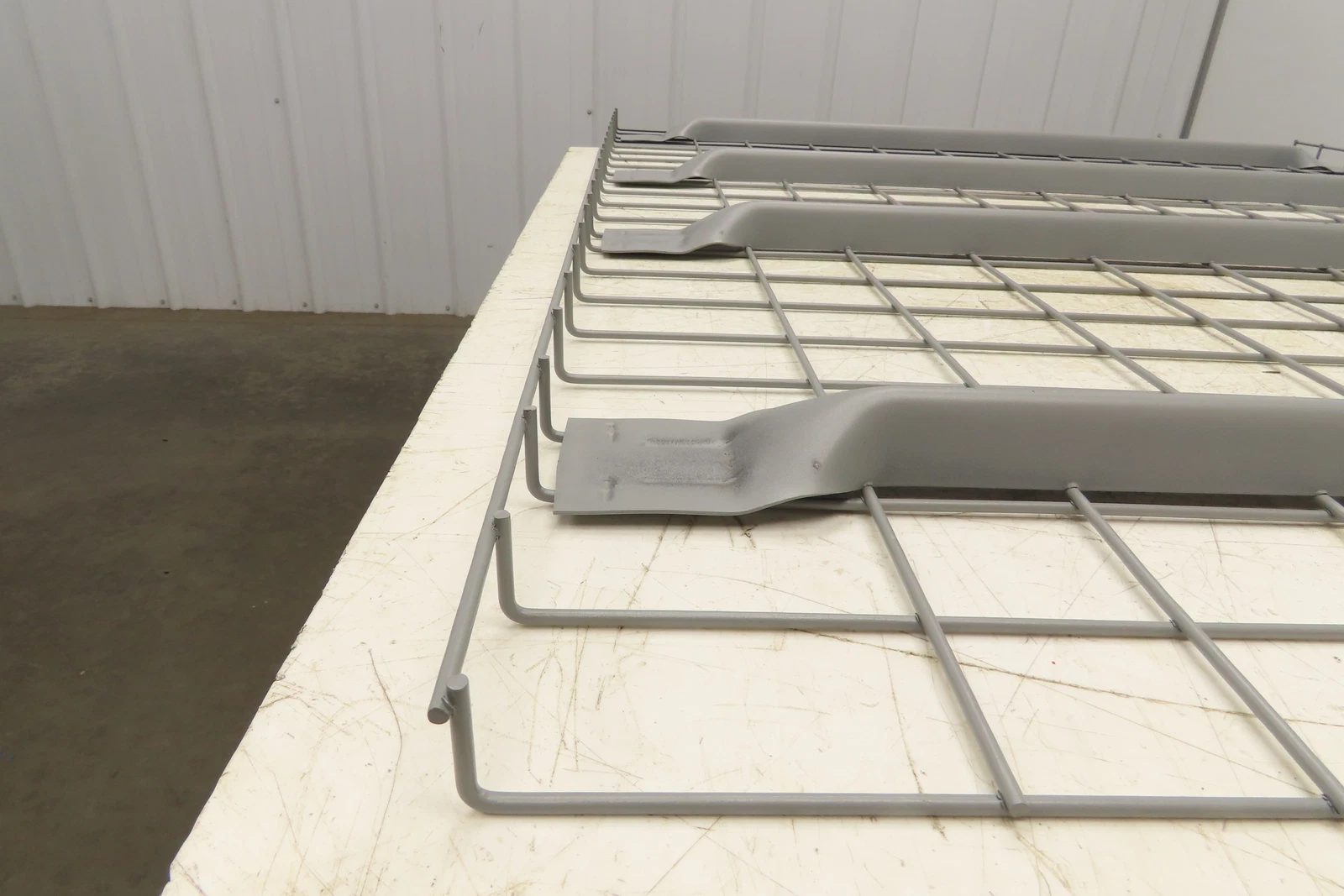
How Can Organization Impact Your Mental Health?
What If You Could Reclaim Your Space In Just 60 Days?
Imagine standing in your garage, a space cluttered with years of neglect, boxes piled like unwelcome guests. Now picture transforming that chaos into a well-organized haven, all within two short months. Racking systems aren’t just metal frames; they’re the backbone of movement, freedom, and clarity, letting you see your tools, your projects, and your potential without the weight of the past dragging you down.
In just 60 days, you can take that first step—no fancy gadgets or expensive contractors needed, just a little elbow grease and the right mindset. Start with the basics: declutter. We’ve all got things we’ve held onto for too long, thinking we’ll use them again someday. That day rarely comes. Give yourself permission to let go, to donate, or to toss. It’s about finding that balance between what you cherish and what crams your space. You’ll feel lighter, both physically and emotionally.
Next comes the fun part, creating a system that works for you. Choosing the right racking systems can feel like a daunting task, but it’s simpler than you might think. Consider your needs. Do you have heavy tools? Look for sturdy, adjustable racks that can hold the weight of your aspirations. Maybe it’s a craft space you’re dreaming of? Opt for shelving that showcases your creativity. These structures don’t just organize; they empower. They say, “Look at what I can do!”
As your space transforms, something deeper shifts within you. You’re taking control—an act that ripples out beyond those four walls. Friends and family will notice, and they’ll be inspired. Your reclaimed space becomes a source of pride, a showcase of your effort and determination, and a tangible reminder of what you can achieve with focus.
Think of it this way: reclaiming your space isn’t just about organization; it’s about your life. It’s clear thinking, a fresh start, and a space that supports the life you wish to live. When you invite others to share in that space, you’re not just sharing a garage but a story of perseverance and commitment.
So, roll up your sleeves and get started. You’ve got 60 days to reclaim not just square footage, but also clarity, purpose, and a sense of community that thrives on shared experiences. You’ll find that when you reclaim your space, you reclaim your life.

What If You Could Reclaim Your Space In Just 60 Days?
What If You Could Reclaim Your Space In Just 60 Days?
- Transform a cluttered garage into a well-organized space in just 60 days.
- Start with decluttering; let go of items you’ve held onto for too long.
- Create a storage system with the right racking that suits your needs.
- Adjustable racks are ideal for heavy tools, while shelving can showcase creativity.
- Reclaiming your space leads to personal growth and inspires others.
- Your organized garage reflects your effort, determination, and clarity.
- Invite others to experience a space that tells a story of perseverance and commitment.

What If You Could Reclaim Your Space In Just 60 Days?
Are You Ready to Tackle Your Storage Problems?
When you look around your space, do you see a battlefield of clutter or a well-oiled machine? Tackling storage problems isn’t just about finding a place for everything; it’s about reclaiming your life, your time, and your peace of mind. Whether you own a garage overflowing with old tools, a basement stuffed with memories, or a small apartment with limited space, the story is the same. You’re not alone in this struggle, and it’s a battle many of us face, often feeling outmatched by the sheer volume of our belongings.
Consider how a well-organized space can transform your day-to-day routine. Racking systems can be your best ally in this fight. They don’t just offer a solution; they provide a way to navigate your possessions with ease, turning chaos into order. Imagine walking into your garage and immediately finding the toolbox you need instead of rummaging through piles of stuff. It’s about efficiency; it saves time and reduces frustration. You don’t have to be a professional organizer or a DIY expert to make it happen. With some humility and determination, you can craft a system that works for you, but don’t underestimate the power of solid advice from those who’ve been in the trenches before.
Ethically, think about the impact of your choices. By decluttering and organizing, you’re not only clearing physical space but also making a statement about your values. A tidy environment speaks to respect for your belongings and for the spaces you inhabit, fostering a sense of responsibility in a world often riddled with excess.
Moreover, there’s a communal aspect to tackling storage problems. When you share tips with neighbors or friends about effective racking systems, it creates a bond. You’re all in this together, swapping stories of triumphs and trials, building a support system that motivates each other to keep going. Your journey can inspire others, too.
So, ask yourself: Are you ready to take this leap? With a little sweat equity, you can transform your space into a haven where you feel confident and in control. It’s about more than just storage; it’s about creating an environment where you can thrive. Take the first step today, and watch how it can change your life bit by bit.
Are You Ready to Tackle Your Storage Problems?
Are You Ready to Tackle Your Storage Problems?
- Clutter impacts mental well-being and daily functioning.
- Organization is key to reclaiming time and peace of mind.
- Racking systems help efficiently manage belongings and reduce frustration.
- You don’t need professional expertise to organize; determination is essential.
- Decluttering reflects personal values and fosters environmental respect.
- Community support enhances the organizing process through shared experiences.
- Transforming your space can significantly improve your quality of life.

Are You Ready to Tackle Your Storage Problems?
How Would a Tidy Space Enhance Your Productivity?
A tidy space can transform your productivity in ways that go beyond mere aesthetics. Picture this: you walk into your work area, and instead of chaos, you’re met with order. Tools are neatly arranged on racking systems, and there’s a spot for everything. This isn’t just about having a clean desk; it’s about creating a sense of control in a world that often feels unruly.
When your surroundings are clutter-free, your mind starts to clear, too. There’s an undeniable connection between physical space and mental clarity. Studies show that organized environments can enhance focus and reduce stress levels. You may find that when distractions are minimized, ideas can flow more freely. In a tidy space, you’re more likely to tackle tasks head-on, making progress instead of getting bogged down in the mess.
There’s an emotional weight to working in a chaotic environment. It can feel like a weight on your shoulders, dragging you down before you even start the day. But when you take the time to organize your workspace—maybe by investing in some robust racking systems—you’re not just improving your efficiency; you’re nurturing your well-being. Each item in its rightful place can boost your mood, inspiring you to dive into your work with renewed enthusiasm.
Ethically, there’s a responsibility we all have to respect our work settings, just as we want others to respect ours. A tidy space fosters a culture of professionalism, showing that we value our work and time. This respect varies from the little things, like putting your tools back in their designated spots, to the larger commitment of maintaining an overall organized environment.
Socially, consider how your organized workspace affects colleagues or family members. A tidy area doesn’t just benefit you; it enhances the entire atmosphere. It invites collaboration and communication, encourages teamwork, and creates a sense of trust. When others see you taking care of your space, it often motivates them to do the same.
Productivity thrives in an organized space. It’s not merely about having a clean desk; it’s about fostering an environment where you can thrive. Organizing isn’t just a chore; it’s an act of empowerment. When you create a tidy space filled with purpose and order, you not only set the stage for success but also inspire those around you to join in the effort.

How Would a Tidy Space Enhance Your Productivity?
How Would a Tidy Space Enhance Your Productivity?
- A tidy workspace enhances productivity beyond aesthetics.
- Clutter-free surroundings promote mental clarity and reduce stress.
- An organized environment allows for better focus and idea flow.
- Emotional well-being improves in a well-organized space.
- Respecting workspace organization fosters a culture of professionalism.
- An organized area encourages collaboration and teamwork.
- Creating a tidy space empowers individuals and inspires others to maintain order.

How Would a Tidy Space Enhance Your Productivity?
Conclusion
In a world where clutter often feels like an unwelcomed guest, finding a path to organization can be a game-changer. The journey to reclaiming your space, whether it’s a garage bursting at the seams or a home office drowning in chaos, is more than just a quest for neatness; it’s a profound act of empowerment. Imagine stepping into a space that not only looks good but feels right—a place where clarity reigns, and you can easily see and access the tools and resources you need. Racking systems provide a strong backbone for this transformation. They’re not just structures for holding items; they’re essential tools that enable you to take control of your environment.
As the clutter clears, the emotional benefits come flooding in. An organized space reduces stress, enhances focus, and inspires creativity. When you know where everything is, the chances of frustration diminish, and your productivity takes a much-needed leap. It’s like getting your life back, one shelf at a time. Ethical considerations also arise; choosing to organize and declutter demonstrates respect—for your belongings, your time, and the space you inhabit. This commitment to tidiness reflects a deeper sense of value, showing that you care not only about your environment but about fostering a healthier space for others too.
Consider the narratives tied to our belongings. Each piece tells a story, and deciding what to keep or let go of can be an emotional hurdle. But this process of decluttering can lead to meaningful conversations with friends and family, creating shared experiences and building a supportive community. It’s a chance to bond over similar struggles, to swap stories about what worked and what didn’t, further reinforcing the connection we have with one another.
As you embark on this journey, recognize that it isn’t merely about making space; it’s about shaping a life filled with intention. In 60 days, you can transform chaos into calmness, reclaiming not just physical square footage but also clarity, purpose, and joy. It’s an investment in your well-being, your community, and your future. So, roll up those sleeves and take that step forward. The organized life you crave is well within reach, and with it comes renewed energy, focus, and the satisfaction of a job well done. Your future self will undoubtedly thank you for the choices you make today.

Conclusion
Conclusion:
- Finding organization amid clutter can empower individuals and transform their spaces.
- Racking systems serve as foundational tools for creating organized environments.
- An organized space reduces stress, enhances focus, and boosts creativity.
- Decluttering reflects respect for belongings, time, and the living space.
- The process of decluttering can foster meaningful conversations and community bonding.
- Embarking on this journey shapes a life filled with intention and clarity.
- Investing in organization leads to well-being, satisfaction, and a positive future.

Conclusion
Other Resources

Other Resources
Here is a list of other resources you can review online to learn more:
- Racking World
- Heavy-Duty Cantilever Storage Racks
- Wolter
- Material Handling Safety
- Warehouse Storage Racking in Illinois
- BMH
- Pallet Racking systems in Illinois, Great Lakes
- BMH Equipment LLC
- Bradford Systems
- The Complete Pallet Rack Guide – Simply Rack
- Used Teardrop Pallet Rack – American Surplus
- Selective Pallet Racking Systems – Container Systems
- Total Warehouse
- American Society of Safety Professionals
- CA Wire
- RMI
- American Surplus
- Teardrop Industrial Shelving Rack
- Mustang Material Handling
- Used Pallet Rack for Sale in Illinois – American Surplus
Use This Prompt To Get More Resources With Your Favorite Online AI Tool: Please provide me with a list of online articles with their URLs in a bulleted list that I can read regarding How to Add 40% More Storage In 60 Days

Other Resources
Glossary Terms
How to Add 40% More Storage In 60 Days – Glossary Of Terms
1. Storage Optimization: Techniques used to increase available storage space.
2. Data Compression: Reducing the size of files to save storage.
3. Cloud Storage: Online space provided by vendors to store digital data.
4. File Archiving: Moving infrequently used data to a separate storage location.
5. Duplication Removal: Eliminating duplicate files to free up storage space.
6. Disk Cleanup: The process of removing unnecessary files from a storage device.
7. External Hard Drive: A portable storage device used to back up data.
8. SSD: Solid State Drive, a faster storage option compared to traditional hard drives.
9. RAID: Redundant Array of Independent Disks, a technology to improve data redundancy and performance.
10. Virtual Storage: Using server resources to create an illusion of additional storage.
11. Storage Tiering: Organizing data into different levels based on access frequency.
12. Data Backup: Creating copies of data to prevent loss during failures.
13. Local Storage: Physical storage located onsite rather than in the cloud.
14. Network Attached Storage (NAS): A file-level storage device connected to a network for data access.
15. SAN: Storage Area Network, a network designed to provide access to consolidated block storage.
16. File System: The method and data structure that an operating system uses to manage files.
17. Data Migration: The process of transferring data between storage systems.
18. Deduplication: A process that eliminates duplicate copies of data within storage.
19. Overprovisioning: Allocating more storage resources than necessary to improve performance.
20. Offsite Backup: Storing backup data in a different location to prevent loss from local disasters.
21. Data Lifecycle Management: The management of data from creation to deletion.
22. Compression Algorithms: Mathematical methods used to reduce file sizes.
23. Capacity Planning: The process of predicting future storage needs based on growth patterns.
24. Fragmentation: The tendency of files to be stored in non-contiguous spaces, reducing efficiency.
25. Virtualization: Creating a virtual version of storage resources to optimize usage.
26. Incremental Backup: Backing up only data that has changed since the last backup.
27. Storage Network: A dedicated network for data storage and retrieval.
28. On-Premises Storage: Physical storage that is managed and maintained in-house.
29. Data Retention Policy: Rules governing how long data is stored and when it is deleted.
30. Load Balancing: Distributing workloads across multiple storage devices to enhance performance.

Glossary Of Terms
Other Questions
How to Add 40% More Storage In 60 Days – Other Questions
If you wish to explore and discover more, consider looking for answers to these questions:
- How exactly is the claim “add 40% more storage” measured and calculated?
- What does a 60-day timeline look like in weekly milestones?
- What types of racking systems are available and which are best for different spaces (garage, workshop, retail, small business)?
- How much do typical racking systems cost, including installation and accessories?
- Can I install racking systems myself or should I hire a professional?
- What tools and materials are required for a DIY installation?
- How do I assess my space to determine the right racking layout and dimensions?
- How do I calculate load capacity for shelves and ensure safety?
- Are there building codes, permits, or insurance considerations for installing heavy racking?
- How do I anchor racks to floor or walls, and what fasteners should I use?
- How do I decide between adjustable shelving, pallet racking, boltless shelving, and cantilever racks?
- What are the best materials and finishes for racking in humid, unheated, or corrosive environments?
- How can I maximize vertical space without compromising accessibility or safety?
- What are common layout patterns (aisle widths, bay depth) for optimal flow and access?
- How should heavy or awkward items be stored for safety and ergonomics?
- How do I prioritize what to keep, donate, recycle, or discard during decluttering?
- What are practical strategies for sorting and categorizing items before installing racks?
- How do I design racking for mixed uses (tools, seasonal items, inventory, personal storage)?
- What labeling, inventory, or tracking systems work best with racking (labels, barcode, RFID)?
- How do I protect stored items from pests, moisture, and temperature fluctuations?
- What lighting and electrical considerations improve use of racked storage?
- How much clearance should I leave at the top, sides, and front of racks for ventilation and safety?
- How do I integrate workbenches, tool storage, and racking for efficient workflow?
- What are low-cost or budget-friendly alternatives to commercial racking?
- Can used or repurposed racking systems be safe and effective?
- What maintenance schedule and checks are needed to keep racking safe and functional?
- How do I handle warranty, replacement parts, and supplier support for racking systems?
- What are the most common installation mistakes and how can I avoid them?
- How does improved storage translate into measurable productivity gains or cost savings?
- How do I plan for future growth or changing storage needs when choosing racking?
- What custom solutions exist for odd-shaped or severely limited spaces?
- How can racking systems be made accessible for people with mobility limitations?
- What safety training or signage should be implemented for shared or commercial spaces?
- How do I safely store hazardous materials, chemicals, or flammables on racks?
- Should I combine cloud/digital organization strategies with physical decluttering, and how?
- How to dispose of unwanted items responsibly (donation, recycling, hazardous disposal)?
- What are efficient methods for labeling and color-coding shelves for quick retrieval?
- How do I plan traffic flow and access if multiple people will use the storage area?
- What ergonomic lifting aids or equipment should I consider for heavy items?
- How can I estimate return on investment (ROI) or payback period for a racking upgrade?
- Are there modular or portable racking options for renters or temporary spaces?
- How can I repurpose existing furniture or cabinetry alongside racking systems?
- What permits, inspections, or compliance issues apply to commercial vs residential installations?
- How do I plan a step-by-step 60-day action checklist from assessment to finished setup?
- Where can I buy reliable racking systems and what brands or retailers are recommended?
- Can racking improvements increase property value or appeal for resale?
- What are smart or tech-enabled storage options (automated shelving, apps) and are they worth it?

Other Questions
Checklist
How to Add 40% More Storage In 60 Days – A Checklist
Set Your Baseline (Days 1–3)
✅______ Define the purpose of the space (work, hobby, inventory, or mixed)
✅______ Photograph the current space from multiple angles
✅______ Measure room dimensions, ceiling height, doorways, and obstructions
✅______ Calculate current storage capacity (linear shelf feet or cubic feet)
✅______ Set a clear target (+40% capacity) and note priority categories
Plan and Budget (Days 4–7)
✅______ List must-store categories (tools, supplies, seasonal, archives)
✅______ Assign zones (daily use, project kits, long-term storage)
✅______ Set a budget for racking, bins, and labels
✅______ Identify required tools for assembly and layout
Declutter Sprint 1 (Days 8–14)
✅______ Use four boxes: Keep/Donate-Sell/Recycle/Trash
✅______ Remove duplicates and broken items
✅______ Pull out “someday” items and decide with a firm deadline
✅______ Schedule donation pickup or drop-off
✅______ Empty at least 25% of the floor/working area for installation
Deep Sort and Categorize (Days 15–21)
✅______ Group like with like across the whole space (do not sort by location yet)
✅______ Create temporary labels for each category
✅______ Containerize small loose items into clear bins
✅______ Identify hazardous or special items that need dedicated storage
✅______ Confirm what truly needs quick access vs. archive
Design Your Racking System (Days 22–28)
✅______ Choose rack types: freestanding shelves, wall-mounted, overhead, bin rails
✅______ Confirm load requirements for each category (light, medium, heavy)
✅______ Plan vertical spacing and number of levels to use the full ceiling height
✅______ Map layout with clear aisles and access to outlets, doors, and windows
✅______ Place heavy items low; reserve eye level for frequent-use items
✅______ Select bins, dividers, hooks, and labels compatible with the chosen racks
Purchase and Prep (Days 29–35)
✅______ Order racks, bins, labels, and any accessories
✅______ Stage components near the installation area; verify counts and hardware
✅______ Clear walls and floor where racks will go; mark stud locations if needed
✅______ Sweep and patch floors and walls; confirm level surfaces
Install Racks (Days 36–42)
✅______ Assemble racks according to manufacturer instructions
✅______ Level and position per layout; adjust shelf heights
✅______ Add accessories (hooks, rails, bin holders)
✅______ Wipe down and prep shelves for loading
Load, Label, and Systemize (Days 43–49)
✅______ Load by zone and frequency of use (frequent-use at chest height)
✅______ Store heavy or bulky items low; light items higher
✅______ Assign a “home” for every category; avoid mixed-purpose shelves
✅______ Create durable labels (text plus category code or color)
✅______ Add a simple location map (rack ID, shelf level, bin code)
✅______ Set a visible “Donate/Discard” box for ongoing edits
Optimize for Flow (Days 50–54)
✅______ Position daily-use tools within a single-step reach (“golden zone”)
✅______ Create project kits (all parts in one bin)
✅______ Add a small work surface or cart if needed
✅______ Post quick rules: 1-in-1-out; 5-minute end-of-day reset
✅______ Check walking paths and adjust for smooth access
Maintenance Habits (Days 55–60)
✅______ Establish a 10-minute daily reset routine
✅______ Schedule a 30-minute monthly tune-up on your calendar
✅______ Keep labels current; update the location map after changes
✅______ Maintain a permanent donation box and regular offloading
✅______ Share the system with family or team so everyone follows the same rules
Measure Results (Day 60)
✅______ Recalculate storage capacity (linear or cubic) and compare to baseline
✅______ Take after-photos from the same angles
✅______ Time a common task (for example, find and return a tool) and record improvement
✅______ Note what worked, what did not, and next tweaks
Ethical and Community Wins (Use Throughout)
✅______ Donate useful items locally before buying more storage
✅______ Recycle responsibly; dispose of non-recyclables promptly
✅______ Share before/after and tips with friends, neighbors, or coworkers
Optional: Digital Storage Tidy (Parallel)
✅______ Clear desktop and downloads; archive by project and year
✅______ Delete duplicates; empty trash; set cloud folders to mirror your physical zones
✅______ Create a simple naming convention and stick to it
Quick Materials and Tools
✅______ Racks (specified type, dimensions, load rating)
✅______ Clear bins with lids, dividers, and small parts organizers
✅______ Labels and marker or labeler; colored tape for zones
✅______ Measuring tape, level, pencil, and basic hand tools
✅______ Floor protectors or mats; cleaning supplies
✅______ Start date
✅______ Target date (60 days)
✅______ Baseline capacity
✅______ Day-60 capacity
✅______ Capacity increase (%)

Checklist
At RackingWorld, we help guide you through selecting warehouse storage systems and racking.
Be sure to read our other related stories at RackingWorld to learn more about warehouse storage systems.
0 Comments