
Maximizing Space And Efficiency For Long Products
By Tom Seest
At RackingWorld, we help guide you through selecting warehouse storage systems and racking.
Be sure to read our other related stories at RackingWorld to learn more about warehouse storage systems.
Vertical Vs. Horizontal Storage for Long Products
When it comes to storing long products—think beams, pipes, or anything that stretches beyond the ordinary—the great debate of vertical versus horizontal storage can evoke a visceral reaction. There’s an underlying complexity that goes far beyond mere square footage. It speaks to efficiency, safety, and the dignity of the workplace.
Let’s dive into the gut of the matter. Imagine a bustling warehouse filled with employees who are proud of what they do, each tasked with more than just moving product; they’re safeguarding the lifeblood of their company. A solid racking system built for vertical storage can lend an air of respect to those who work there. When tools and materials have a designated place, not only does it streamline workflows, but it also signals that their labor is valued. Proper vertical racking not only saves space but can also enhance safety, aligning with our ethical commitment to protect workers from harm. It’s about creating an environment where risk is minimized, and everyone goes home safe at the end of the day.
But let’s not overlook the advantages of horizontal storage. This traditional method allows for easier accessibility, offering a straightforward approach to retrieving long items without the fuss. There’s a reason many have clung to the horizontal model; it’s reliable, and its simplicity appeals to our rational minds. However, it can lead to inefficiencies, wasted time, and even frustration when navigating tight aisles. So we must ask ourselves: How much time is worth sacrificing just to avoid a little change?
When you weigh the options, consider the narrative at play. Picture a warehouse transformed by innovative design. Perhaps it’s a story of a company that made the switch to vertical storage, dramatically freeing up space and enabling its team to work more efficiently. Workers discover newfound pride in their surroundings, and productivity numbers rise. People flourish when they feel organized and in control. Isn’t that what we should all strive for?
So, as you contemplate your next storage decision, think about what resonates deeper: the practicality of horizontal, or the promise of a more streamlined, safer vertical approach. It’s about choosing a system that supports not just the bottom line, but the people behind that line. Dive into the options with confidence; your team deserves a space that inspires trust and produces results.
Vertical Vs. Horizontal Storage for Long Products
Vertical Vs. Horizontal Storage for Long Products
- The choice between vertical and horizontal storage for long products raises significant considerations beyond just space.
- A vertical racking system enhances workplace dignity and signals that employee labor is valued.
- Proper vertical storage can improve safety by minimizing risks for workers in the warehouse.
- Horizontal storage offers easier accessibility but can lead to inefficiencies and frustration in tight spaces.
- Companies that switch to vertical storage may experience improved organization and increased productivity.
- Choosing the right storage system should prioritize both operational efficiency and the well-being of employees.
- Investing in innovative storage solutions fosters a productive work environment and inspires trust among team members.

Vertical Vs. Horizontal Storage for Long Products
Table Of Contents
- Vertical Vs. Horizontal Storage for Long Products
- What Emotional Benefits Could Vertical Storage Bring to Your Business?
- How Can Horizontal Storage Improve Efficiency In Your Operations?
- Are You Considering the Safety Implications Of Your Storage Choice?
- How Might Vertical Storage Systems Enhance Your Workspace Aesthetics?
- Can Horizontal Storage Reduce Material Handling Costs Effectively?
- Conclusion
- Other Resources
- Glossary Of Terms
- Other Questions
- Checklist
What Emotional Benefits Could Vertical Storage Bring to Your Business?
In the world of business, every decision you make has the potential to affect not just your bottom line but the fabric of your workplace culture. Vertical storage, particularly through well-designed racking systems, isn’t just a matter of efficiency; it’s a powerful tool that can transform your entire operation, touching the emotional chords of your team while enhancing productivity.
Imagine stepping into an organized space where every item has its place. The sight of neatly arranged inventory on racking instills a sense of pride and ownership among employees. When the chaos of clutter transforms into order, it’s not just the items being stored that benefit; it’s the people working with them. The feeling of empowerment grows as employees realize they can find what they need without the emotional toll of frustration, thereby promoting collaboration and communication.
Moreover, from a rational perspective, cutting-edge vertical storage solutions optimize your space, allowing for more efficient workflows. Less time spent searching for supplies means more time spent innovating, connecting with clients, and strategizing for the future. This approach not only lifts morale but also encourages a culture of smart problem-solving—one that resonates with the gut instinct of every entrepreneur looking to cultivate a winning team.
Ethically speaking, adopting sustainable storage solutions that make full use of vertical spaces can reduce your overall environmental footprint. By maximizing the potential of your space, you’re also maximizing your resources. It reflects a commitment to responsible management, which can deeply resonate with employees and your customer base alike. You’re putting integrity into action.
As you invite your team to embrace the benefits of vertical storage, you create shared experiences around teamwork and achievement. Picture a spirited discussion around the racking layout that invigorates collaboration, inspiring a sense of community and connection. Each rack becomes a story in itself—an opportunity to celebrate successes while learning from setbacks.
In this way, vertical storage evolves from a mere logistics solution to a crucial pillar of your business’s identity—a beacon of organization, functionality, and morale. It’s not just about what it can hold, but what it can inspire; a shift in perspective that promotes trust across your entire organization and encourages everyone to stand a little taller as they navigate the challenges of the business world. Invest in vertical storage, and you’re not just securing space; you’re paving the way for a culture of purpose and unity.
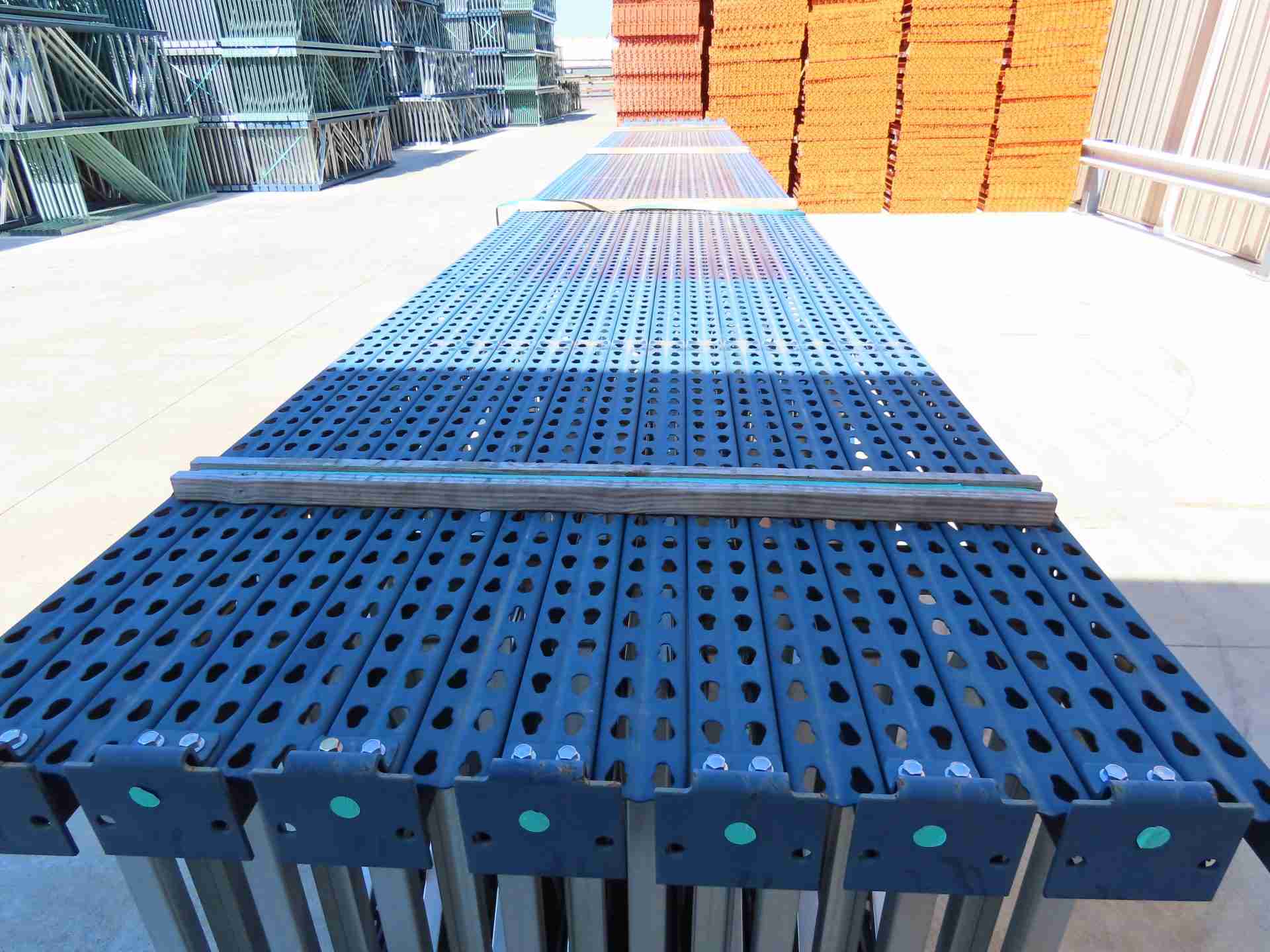
What Emotional Benefits Could Vertical Storage Bring to Your Business?
What Emotional Benefits Could Vertical Storage Bring to Your Business?
- Business decisions impact both financial outcomes and workplace culture.
- Vertical storage through effective racking systems enhances operational efficiency and transforms workplace dynamics.
- An organized space fosters pride, ownership, and emotional empowerment among employees.
- Efficient workflows lead to more time for innovation and strategic planning.
- Sustainable storage solutions contribute to responsible resource management and reduce environmental footprints.
- Vertical storage creates opportunities for teamwork, collaboration, and shared experiences.
- Investing in vertical storage strengthens organizational identity and promotes a culture of trust and purpose.
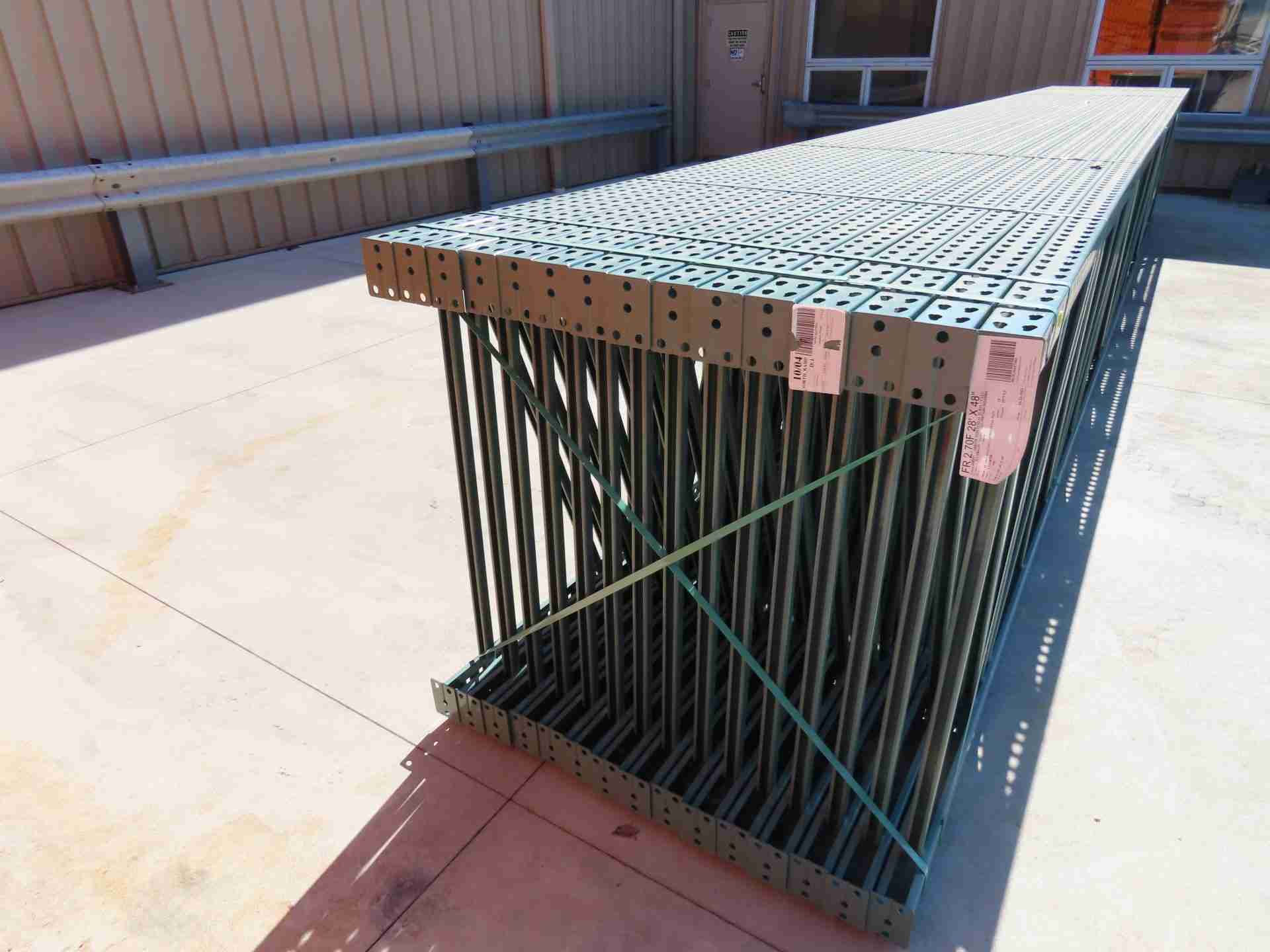
What Emotional Benefits Could Vertical Storage Bring to Your Business?
How Can Horizontal Storage Improve Efficiency In Your Operations?
When you think about efficiency in your operations, let’s take a moment to ponder the power of horizontal storage. Imagine a bustling warehouse, shelves laden with products, each one vying for attention. You’ve got racking systems towering high, teetering on the brink of chaos, but what if you could pivot? What if you could flatten the load, literally, and give each item its space? By employing horizontal storage, you can streamline this visual clutter into an organized symphony of productivity.
First, consider the emotional weight of disorganization. Frustration builds among workers when they can’t find what they need—a lost item can mean lost time, lost time can mean lost money. By embracing horizontal storage, you not only lighten that burden but also foster a sense of pride among your team. Everyone deserves to work in an environment that feels purposeful and efficient. When team members can navigate their space with ease, it transforms the workplace into a well-oiled machine rather than a chaotic maze.
Rationally, horizontal storage offers a strategic advantage. It maximizes available floor space and minimizes retrieval time. Think of it as upgrading from a clunky, outdated software program to a sleek, intuitive interface. It’s efficiency redefined. Your operations can shift from reactive to proactive. You’re not just managing inventory; you’re capitalizing on it. And that’s what every operation should aim for—bottom-line results, with the dignity of knowing you’re making the most of your resources.
Ethically, horizontal storage sends a message: you care about how your team works. It shows you value their time and their contributions. It builds a culture of respect and efficiency, allowing employees to do what they do best without the frustration of impediments. When you invest in solutions that clear the path for success, you empower everyone involved.
Narratively, think back to when you first started your journey. There was a fire within to build something great, and somehow along the way, minor setbacks turned into routine. Horizontal storage reminds you of that original vision — a way to reclaim efficiency and reinvigorate that spark.
Socially, it’s about connection—as teams bond over collaboration, they naturally work better. Shared victories in a space designed for success resonate louder than whispered frustrations in a cluttered corner. When everyone plays their part, it cultivates a cohesive environment where efficiency flourishes, lives, and breathes. So, consider making the switch. Embrace horizontal storage, and witness the transformation unfold.
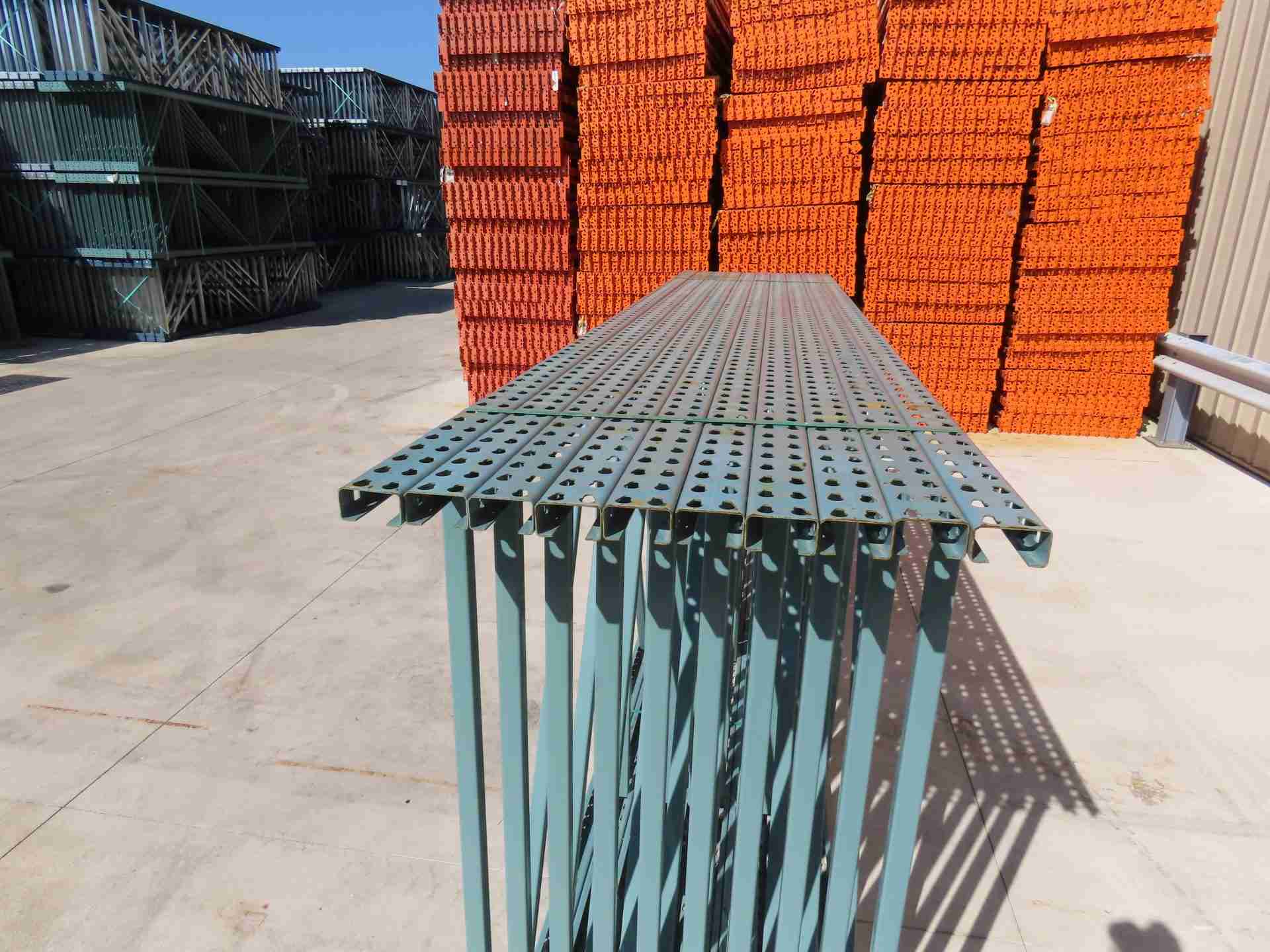
How Can Horizontal Storage Improve Efficiency In Your Operations?
How Can Horizontal Storage Improve Efficiency In Your Operations?
- Horizontal storage can drastically improve efficiency by reducing visual clutter in warehouses.
- Disorganization leads to frustration among workers, impacting productivity and time management.
- Implementing horizontal storage fosters a purposeful and efficient workplace environment.
- It maximizes floor space and decreases retrieval time, enhancing operational efficiency.
- Embracing horizontal storage reflects care for employees’ time and contributions, building a culture of respect.
- This organizational strategy helps teams reconnect with their original goals and drive a vision of greater efficiency.
- Collaborative environments thrive in organized spaces, promoting shared successes and team bonding.
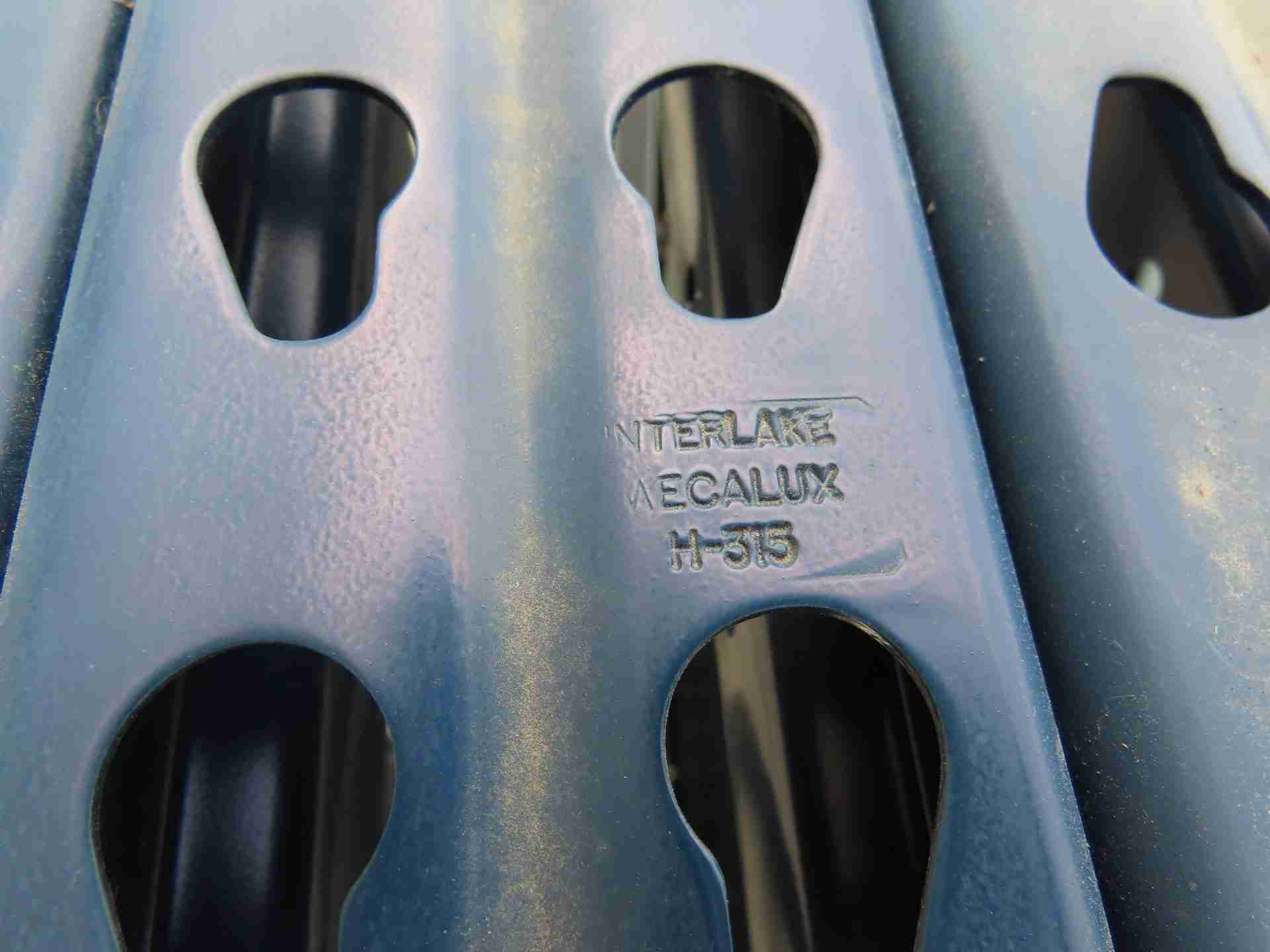
How Can Horizontal Storage Improve Efficiency In Your Operations?
Are You Considering the Safety Implications Of Your Storage Choice?
When it comes to choosing your storage solutions, it’s easy to overlook one critical aspect: safety. Every time you stack a box on a shelf, you might feel confident in your decision, but are you considering the dangers that could lurk beneath the surface? Imagine the sheer weight of that racking system; the wrong choice could have catastrophic consequences.
Think about it. Every piece of equipment, every box you store, tells a story. It’s not just about the items; it’s about the people around them. Families depend on businesses working safely, and employees deserve an environment where they can focus without the ominous shadow of danger hanging over them. Are you aware of the potential risks posed by improper racking? Just envision the horror of an unexpected collapse—a moment that could change lives forever.
Let’s count the ways we rationalize our choices, thinking, “It’s just storage.” Yet, at the same time, we know that a sound, reliable system serves a vital purpose. When working with heavy materials or large inventories, sturdy racking isn’t just a luxury—it’s a necessity. The ethical implications mean that you owe it not only to yourself, but also to your team and customers to invest in quality storage solutions. When you skimp on safety, you’re not just cutting corners; you’re cutting trust.
In an era where so much is at stake, ask yourself: who do you turn to for guidance? Seek out experienced professionals whose expertise can illuminate the often-overlooked investment in safety. These individuals have stories, too—stories that speak to lessons learned through trial and error.
As you navigate the murky waters of storage choices, remember that you’re not alone. There’s an entire community out there looking to foster safe environments, sharing their experiences for the greater good. When you choose wisely, you’re not just preventing accidents—you’re building a legacy of safety and responsibility. The simple act of selecting the right racking can resonate beyond walls and shelves, echoing through the lives you touch. This is the human element of your decision, a connection that transcends the transaction, where every box stacked high reflects the care you chose to invest in — because safety isn’t just a feature; it’s a way of life.
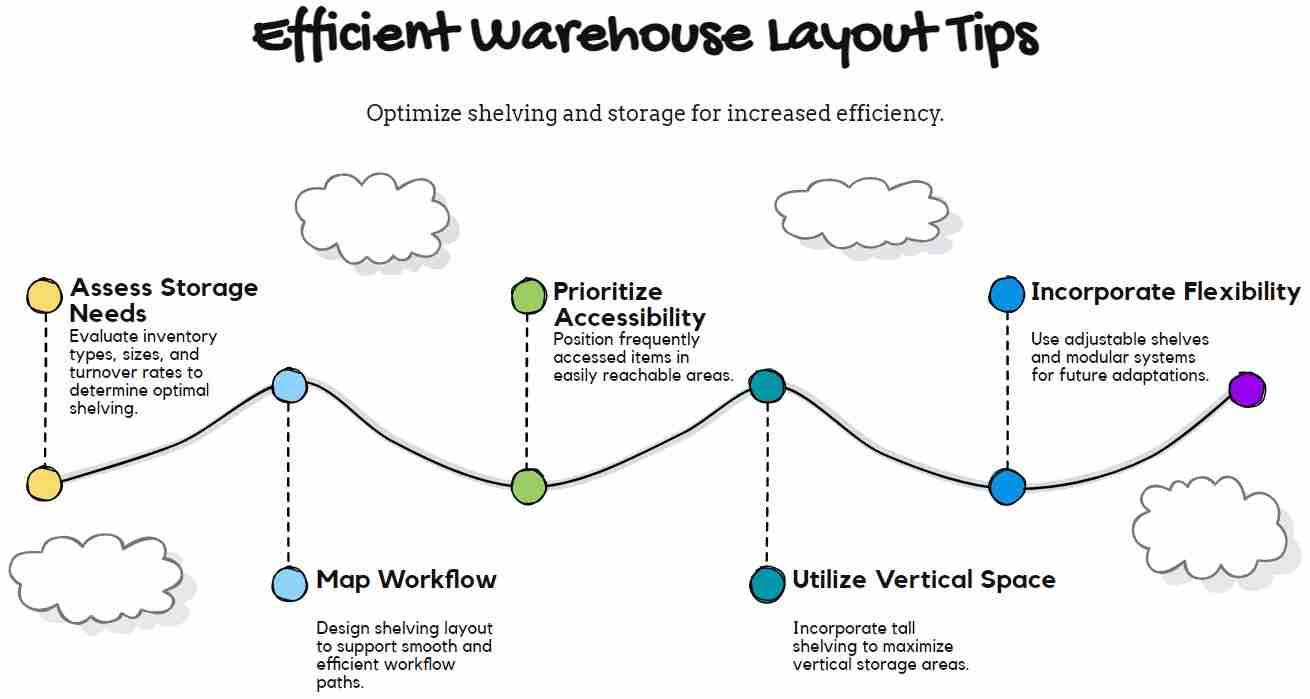
Are You Considering the Safety Implications Of Your Storage Choice?
Are You Considering the Safety Implications Of Your Storage Choice?
- Safety is a critical aspect to consider when choosing storage solutions.
- Improper racking can pose significant risks, including potential accidents and collapses.
- Reliable storage systems are essential for families and employees who depend on safe working environments.
- Quality storage solutions reflect ethical responsibility towards teams and customers.
- Seeking guidance from experienced professionals can help illuminate safe storage investments.
- A supportive community exists to foster safe environments and share valuable experiences.
- Choosing the right racking not only prevents accidents but also builds a legacy of safety and responsibility.
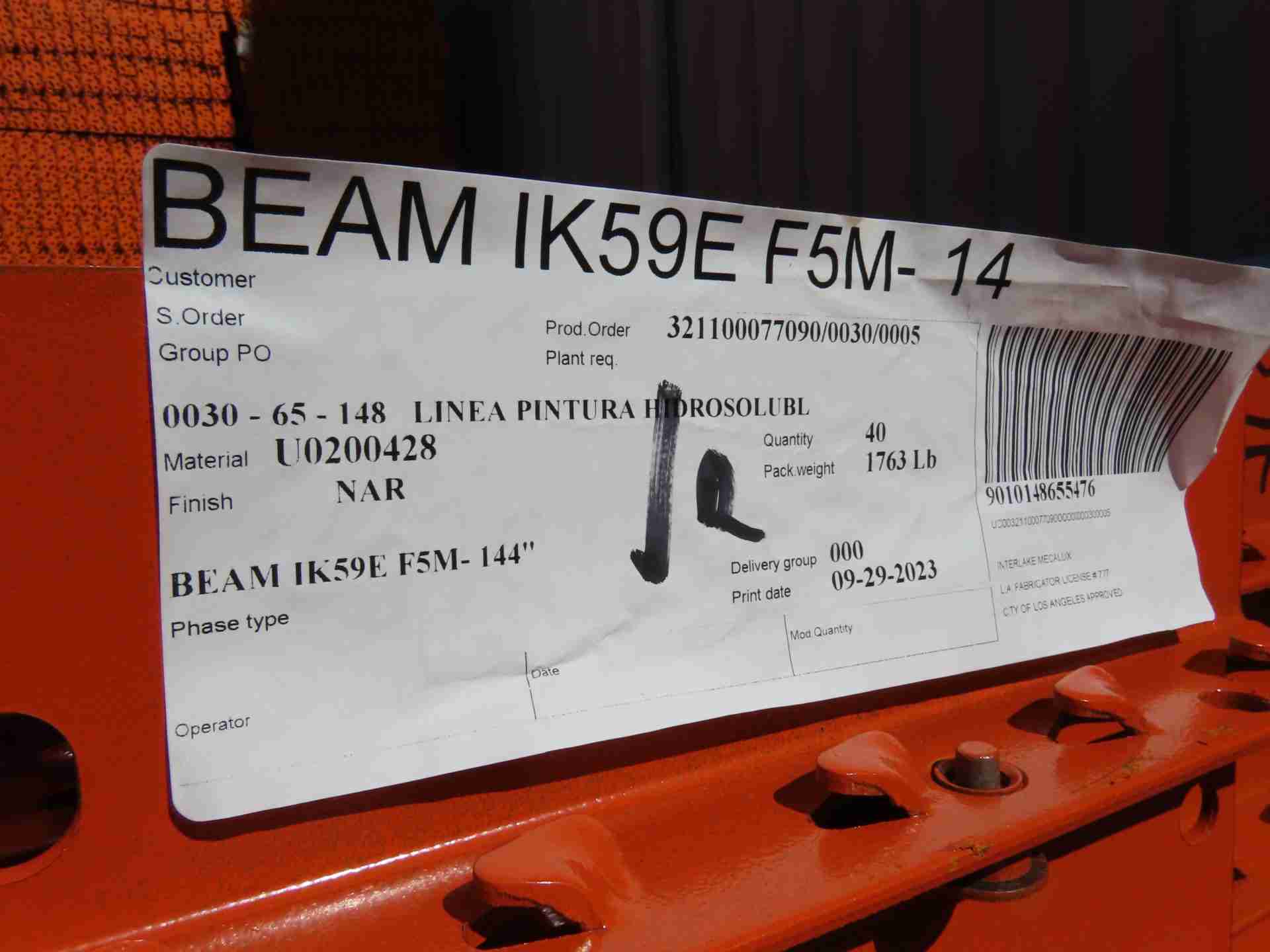
Are You Considering the Safety Implications Of Your Storage Choice?
How Might Vertical Storage Systems Enhance Your Workspace Aesthetics?
When you walk into a workspace, the environment speaks volumes. It tells a story—a narrative shaped by clutter, chaos, or clarity. Enter vertical storage systems: the silent heroes that transform an ordinary office, workshop, or retail space into a masterpiece of organization and beauty. Let’s unpack how these systems not only optimize space but also enhance aesthetics—you might be surprised by the impact.
Imagine stepping into an office where racking is not merely functional but an integral design element. These systems leverage vertical space to create an illusion of expansiveness. The walls of shelves reach toward the ceiling, cradling neatly organized materials and tools. This surge in verticality draws the eye upward, giving the room a sense of openness and sophistication. As your gaze wanders, you can’t help but feel a sense of calm—a stark contrast to spaces overwhelmed by chaotic piles and haphazard stacks.
Beyond visual appeal, there’s a rational element at play. The psychology of a clean and organized workspace can’t be understated. A tidy environment fosters productivity and creativity, allowing you to focus on what truly matters. With everything in its designated place thanks to intelligent racking systems, the distractions melt away. You can think clearly, work efficiently, and maybe even spark that brilliant idea you’ve been waiting for.
But there’s more—an ethical underpinning surrounding our spaces and how we interact with them. In a world obsessed with consumerism, choosing to invest in a well-structured environment is a testament to valuing quality, sustainability, and mindful design. Vertical storage systems are often built to last, helping reduce waste and promote a culture of responsibility towards our resources.
Now, let’s touch on the social aspect. Consider how a well-organized workspace invites collaboration. When your team gathers around sleek, functional structures, the conversation flows naturally. Teammates can easily find what they need, leading to more productive discussions and innovative ideas. There’s a shared pride that comes from a well-maintained, aesthetically pleasing environment, and that sense of belonging cultivates a stronger team dynamic.
In today’s fast-paced world, simplicity and beauty can transform not just our workspaces, but our entire mindset. Embracing vertical storage isn’t just about organizing—it’s a declaration that we respect our space and ourselves. So take that leap, transform your surroundings, and watch as inspiration flows from every corner of your newly curated workspace.
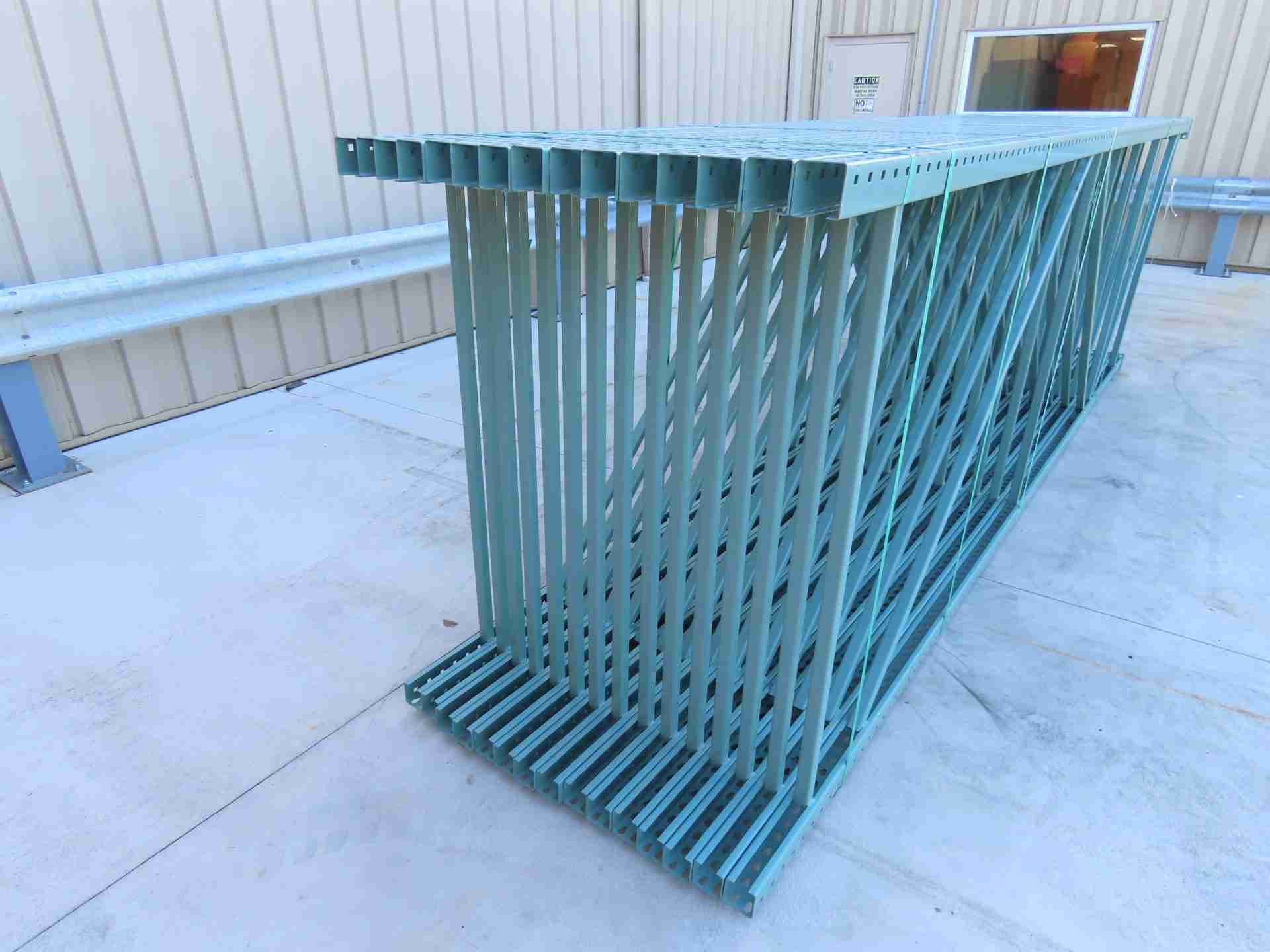
How Might Vertical Storage Systems Enhance Your Workspace Aesthetics?
How Might Vertical Storage Systems Enhance Your Workspace Aesthetics?
- The workspace environment conveys a strong narrative shaped by organization or chaos.
- Vertical storage systems transform spaces into organized and appealing environments.
- Utilizing vertical space creates an illusion of openness and sophistication in the office.
- A clean workspace boosts productivity and creativity by minimizing distractions.
- Investing in well-structured environments reflects values of quality, sustainability, and mindful design.
- Organized spaces foster collaboration and enhance team dynamics through shared pride.
- Embracing vertical storage represents a respect for one’s space and mindset, enabling inspiration.
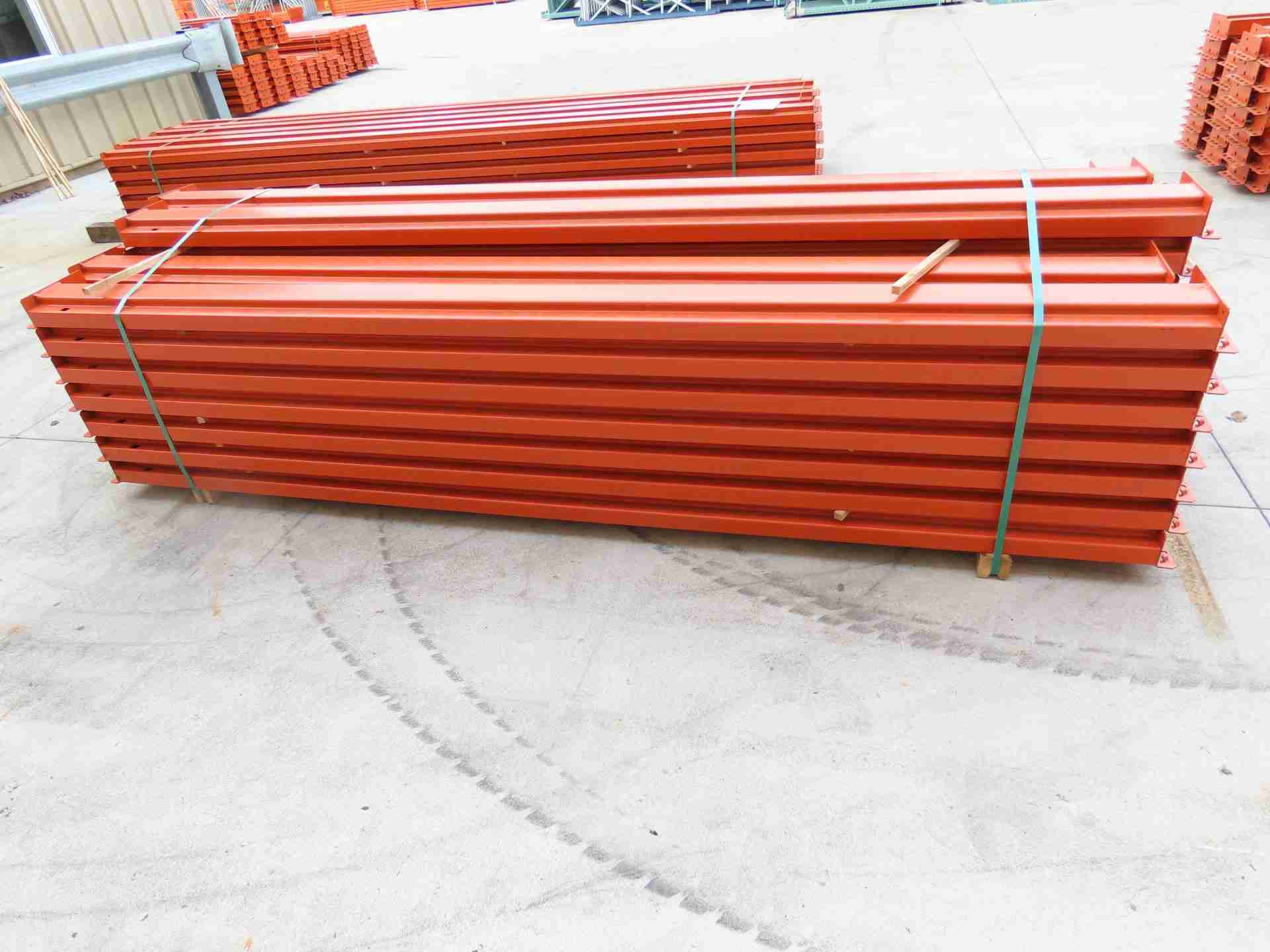
How Might Vertical Storage Systems Enhance Your Workspace Aesthetics?
Can Horizontal Storage Reduce Material Handling Costs Effectively?
In the gritty world of manufacturing and warehousing, every dollar counts. Materials lie in wait, stacked precariously and placed in confusion. It’s a chaotic ballet of boxes and pallets, all yearning for a better way. Now, imagine a cleaner approach—horizontal storage. It’s not just a system; it’s a revolution. This is where racking comes into play. Transforming your storage strategy can be more than a financial decision–it can be a path to a smoother, safer, and more efficient operation.
Consider this: Navigating a warehouse cluttered with vertical towers of tangled gear will wear down not just your budget but the spirits of your workforce. They deserve better than dreading the next shift, squeezing through tight spaces, and risking injury. Racking systems designed for horizontal storage open up a world of possibilities. Want to increase safety and promote a culture of efficiency? With everything laid out in a structured manner, materials are more easily accessible. Workers can locate what they need with minimal fuss, saving hours on the clock. This doesn’t just preserve sanity; it ignites productivity.
Now, let’s get practical. Investing in horizontal storage isn’t just a whim; it’s a smart, calculated move. Think of the cost reductions that roll out—less manpower strain, injuries mitigated, and time on task maximized. You’re not merely rearranging your inventory; you’re strategically fighting waste. For every dollar invested in the right racking system, imagine the savings that come trickling back to you in lower labor costs and fewer accidents. And let’s be honest: when the boss walks through, a neatly organized space speaks volumes about commitment.
But it’s not only about the bottom line; it’s about fostering a workplace culture that respects both the people and the product. By thoughtfully redesigning how materials are handled, you showcase an ethical commitment to their wellbeing. Employees feel valued, and that translates into lower turnover rates and boosted morale. You’re not just choosing to streamline processes; you’re choosing to uplift the people behind those processes.
So, why not step back, assess the chaos, and consider how horizontal storage can make a difference? This is about more than just cutting costs; it’s about building a community where efficiency, safety, and responsibility come together. In a world where every inch and every dollar matters, are you ready to transform how you do business?
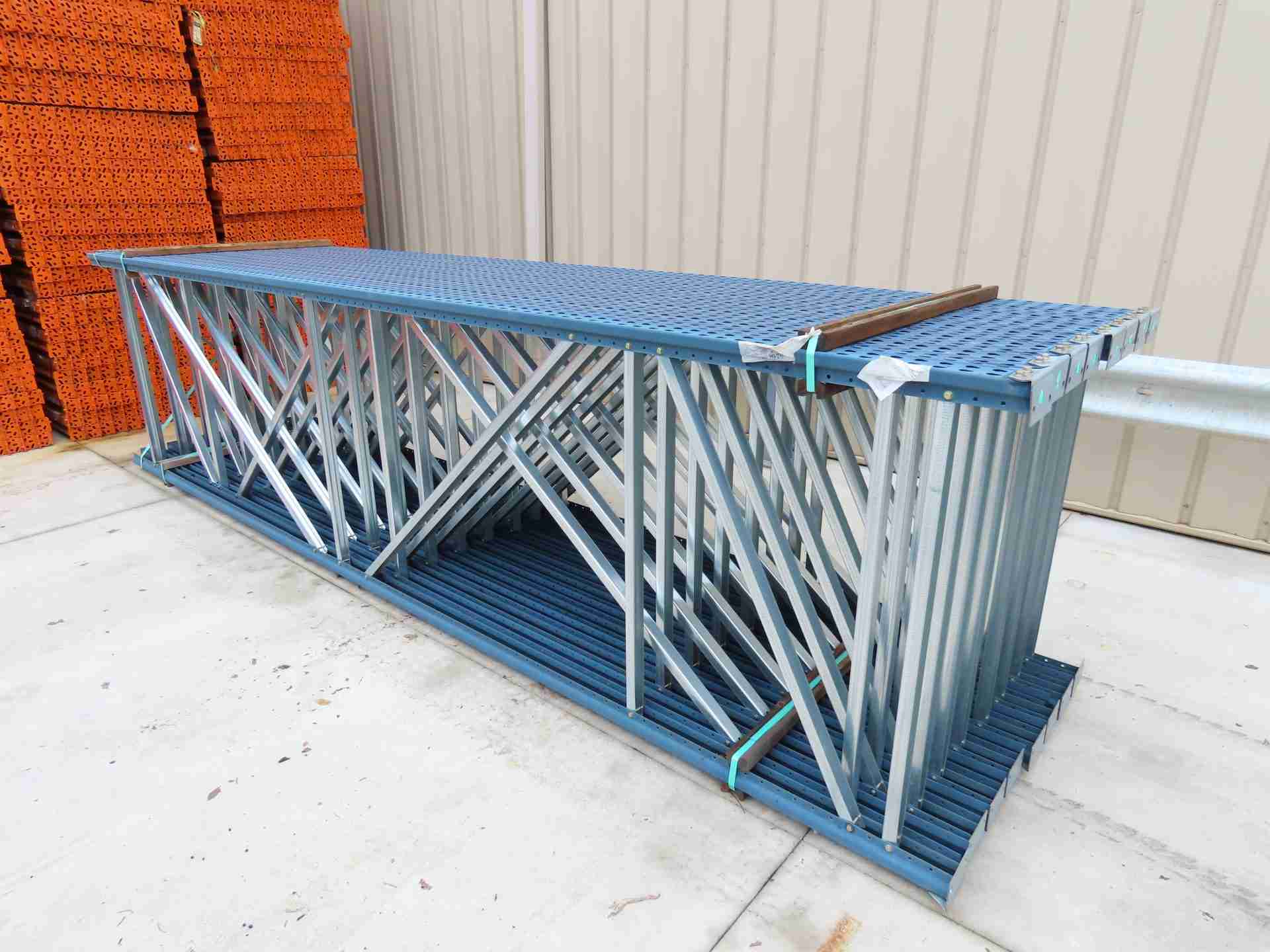
Can Horizontal Storage Reduce Material Handling Costs Effectively?
Can Horizontal Storage Reduce Material Handling Costs Effectively?
- Manufacturing and warehousing environments are chaotic, with materials haphazardly stored.
- Horizontal storage represents a revolutionary change in storage strategy that enhances safety and efficiency.
- Racking systems facilitate better organization, making materials more accessible for workers.
- A well-organized warehouse significantly saves time, reduces injury risks, and preserves workforce morale.
- Investing in horizontal storage leads to cost reductions, lower labor costs, and fewer accidents.
- Improved organization shows a commitment to employee wellbeing, resulting in higher morale and lower turnover rates.
- Transitioning to horizontal storage fosters a culture of efficiency, safety, and community within the workplace.
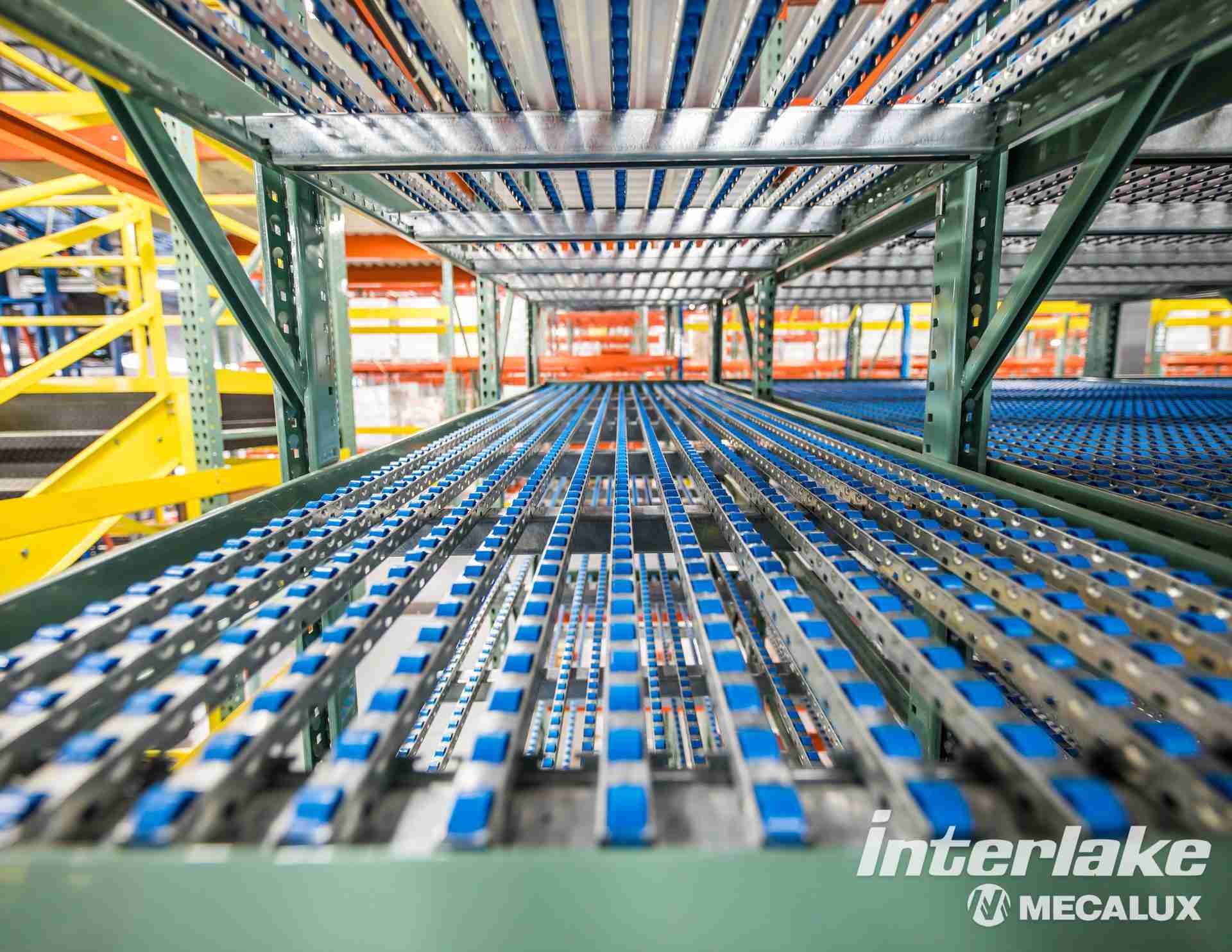
Can Horizontal Storage Reduce Material Handling Costs Effectively?
Conclusion
The conversation around vertical versus horizontal storage might seem like a logistics debate at first glance, but it quickly spirals into a matter deeply rooted in the essence of how we value our labor, our teammates, and ultimately, our business. Consider this: each method of storage isn’t just about fitting materials into a space; it’s about fitting dignity and efficiency into the work culture itself.
Vertical storage systems offer a blueprint for more than just organized aisles; they create a polish and professionalism that resonates throughout your workforce. Picture a warehouse transformed, where every box is neatly arranged, giving workers a sense of pride as they navigate the space without confusion or frustration. This order fosters a cohesive environment, where communication flows and collaboration thrives. When employees can find what they need without chaos, productivity soars, and that makes economic sense.
Conversely, horizontal storage systems often feel like the familiar old friend—pragmatic and straightforward. Yet, while they allow for easy access, they can also lead to clutter and inefficiencies, dampening morale and eating away at precious time. By positioning storage as a priority, we challenge ourselves to consider: Is a little inconvenience worth the risk of lost productivity and morale?
Both storage methods have ethical implications that we need to reckon with. The safer and more organized our storage solutions are, the safer our workplaces become. Every decision we make in storage reflects a commitment to the wellbeing of our teams. Choosing robust, reliable racking isn’t merely about making space; it’s an investment in safety—a pledge that employees will return home safe to their families.
So as you weigh these options, recognize what they represent: a chance to cultivate a workplace culture that prioritizes efficiency and respect for personnel. Taking steps toward effective storage means taking steps toward a unified system where every worker feels valued and every task feels achievable.
In the end, it’s more than just the space you’re maximizing; it’s the lives you’re impacting. Investing in vertical or horizontal storage isn’t just a matter of cost—it’s about building a legacy of responsibility, dignity, and purposeful invention. Are you ready to choose wisely? Are you ready to inspire your team to embrace spaces that ignite trust and foster collaboration? The right decision is waiting to be made, and your entire operation stands to gain.

Conclusion
Conclusion:
- The debate between vertical and horizontal storage goes beyond logistics, reflecting how we value labor, teamwork, and business.
- Vertical storage systems promote order and professionalism, enhancing worker pride and productivity through an organized environment.
- Horizontal storage is practical but can lead to clutter and inefficiencies, potentially harming morale and wasting time.
- Evaluating storage methods raises ethical questions about workplace safety and employee wellbeing.
- Choosing effective storage solutions signifies a commitment to creating a respectful and efficient workplace culture.
- Investing in storage is about more than space—it impacts the lives of employees and reflects a legacy of responsibility and dignity.
- Making informed storage choices can inspire teams, foster collaboration, and enhance overall operational effectiveness.

Conclusion
Other Resources

Other Resources
Here is a list of other resources you can review online to learn more:
- CA Wire
- What is Selective Racking: Understanding Benefits & Options
- Teardrop Racks – Pallet Rack World
- Cantilever Racking Specialists – Get the Right Racks
- Storage Equipment Manufacturers Association
- Warehouse Racks, Warehouse Racking in Stock – ULINE
- Teardrop Pallet Rack – Ridg-U-Rak
- The Ultimate Pallet Racking Guide – Speedrack West
- Overhead Lifting
- Pallet Rack Systems – New and Used Pallet Racking and Shelving Experts
- What is Selective Pallet Racking
- What is Cantilever Racking? – AK Material Handling Systems
- Heavy-Duty Cantilever Storage Racks
- Intro to Warehouse Racks & Warehouse Racking Systems – ShipBob
- Pallet Racks, Pallet Racking, Pallet Shelves in Stock – ULINE
- Chicago Pallet Racking
- Chicago Pallet Racking
- New Cantilever Racks and Racking Kits
- Warehousing Education and Research Council: https://www.werc.org/
- Warehouse Storage Racking in Illinois
Use This Prompt To Get More Resources With Your Favorite Online AI Tool: Please provide me with a list of online articles with their URLs in a bulleted list that I can read regarding Vertical Vs. Horizontal Storage for Long Products
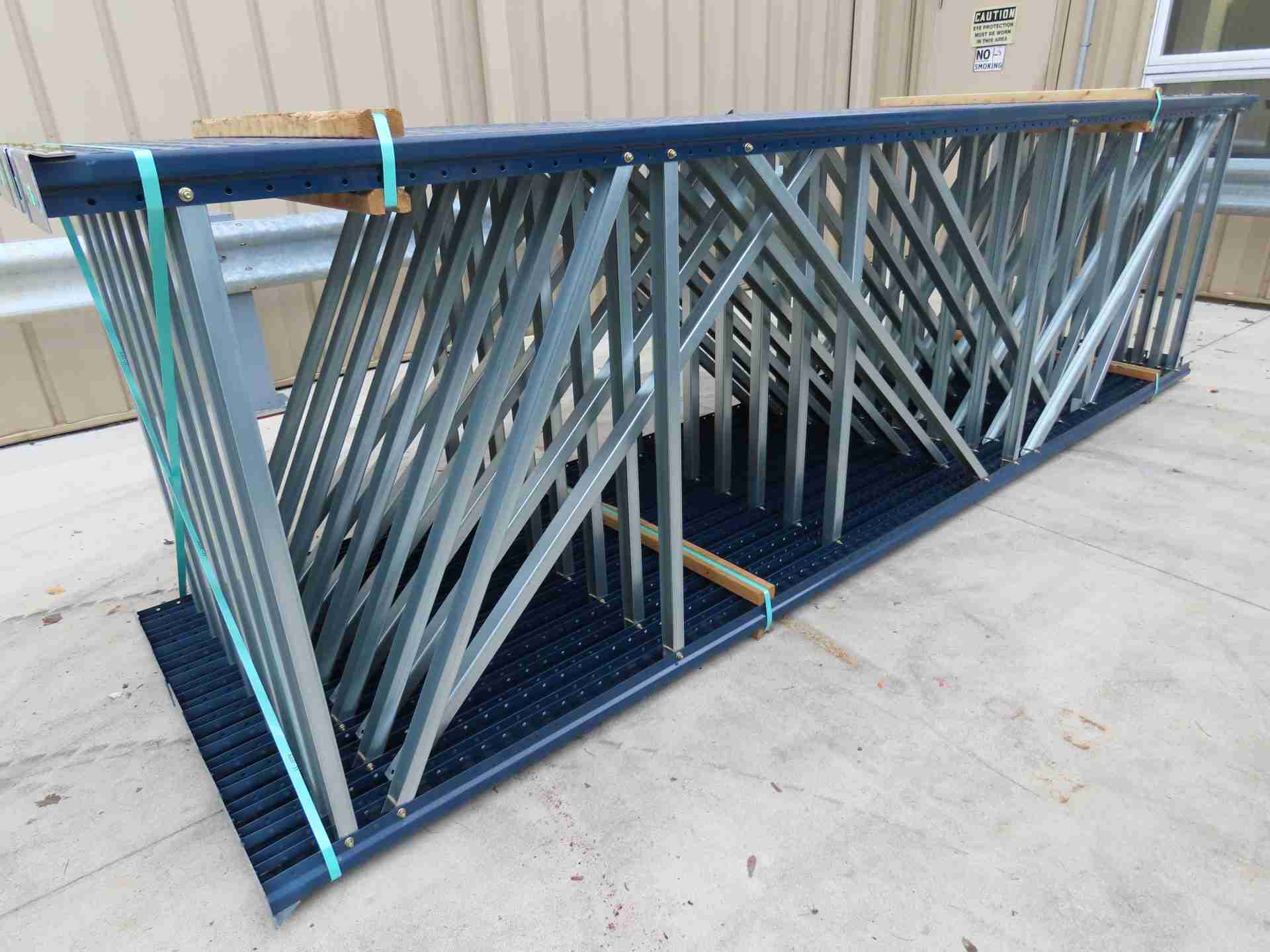
Other Resources
Glossary Terms
Vertical Vs. Horizontal Storage for Long Products – Glossary Of Terms
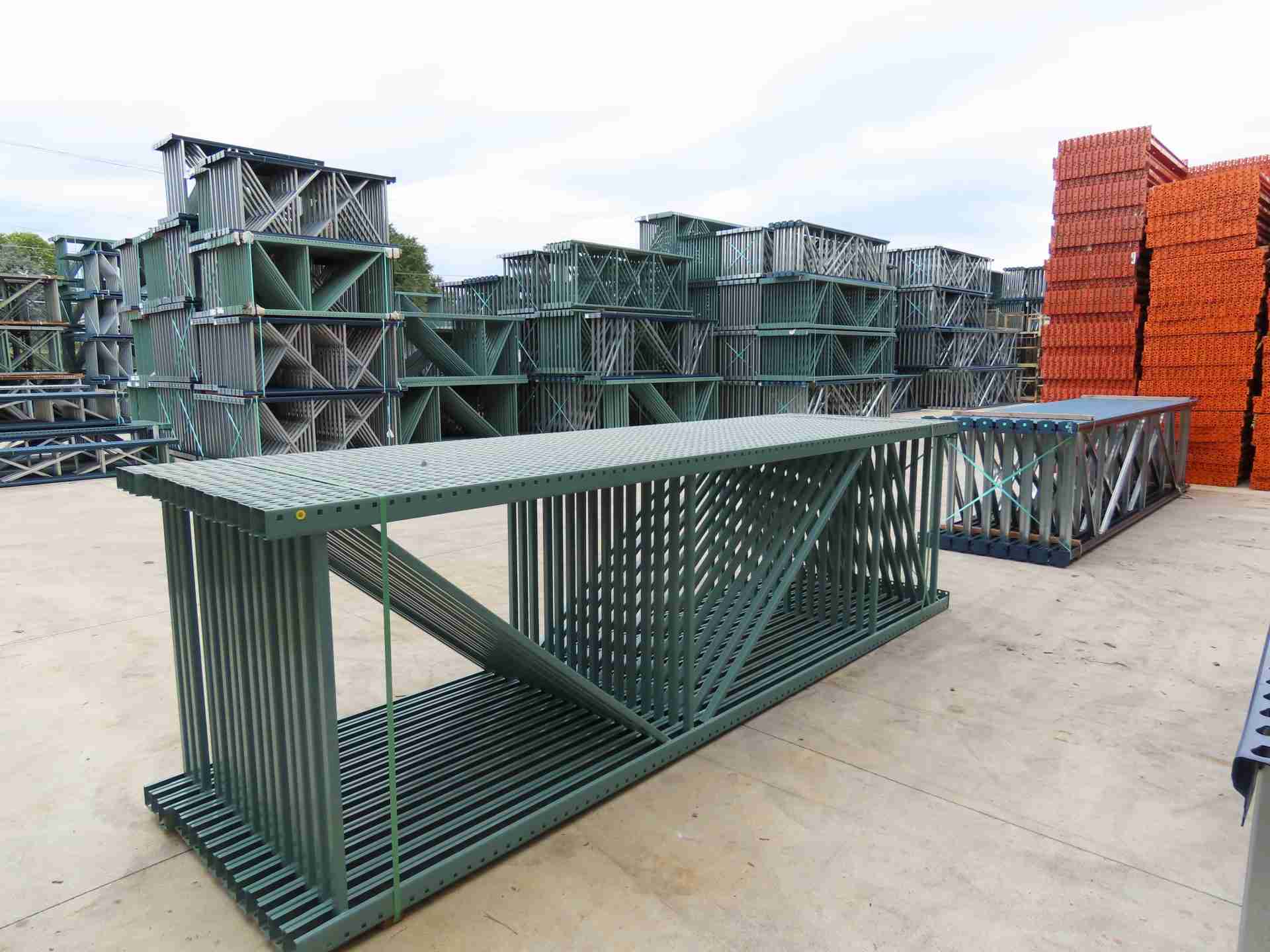
1. Vertical Storage: A method of storing long products in an upright position, often maximizing vertical space in a facility.
2. Horizontal Storage: A technique where long products are stored flat and parallel to the ground, typically on racks or shelves.
3. Long Products: Steel or metal products characterized by their extended shape, such as beams, rods, and bars.
4. Steel Beams: Structural elements made from steel, commonly used in construction for support and stability.
5. Warehouse Efficiency: The ability to optimize space and resources in a storage facility to maximize productivity and minimize costs.
6. Space Utilization: The effective use of available space in a storage area, focusing on maximizing storage capacity and minimizing waste.
7. Rack Systems: Frameworks used to store items in warehouses, available in vertical or horizontal configurations.
8. Accessibility: The ease with which stored items can be reached and retrieved in a storage setup.
9. Weight Distribution: The method of balancing the weight of stored products to prevent hazards and damage to the storage structure.
10. Inventory Management: The process of overseeing and controlling stock levels in storage to maintain supply and demand.
11. Safety Standards: Regulations and guidelines designed to ensure safe storage and handling of materials in warehouses.
12. Load Capacity: The maximum weight that a storage system can safely hold or support.
13. Forklift Access: Availability of space for forklifts to maneuver and retrieve stored products, crucial in warehouse operations.
14. Stock Rotation: A strategy to manage inventory by moving older stock to the front and newer stock to the back to reduce spoilage.
15. Material Handling: The movement, protection, storage, and control of products within a warehouse or manufacturing facility.
16. Cost Efficiency: The ability to minimize expenses associated with storage methods while maximizing operational efficiency.
17. Space Optimization: The process of arranging storage items in a manner that utilizes the least amount of space for maximum output.
18. Environmental Impact: The effect that storage methods have on the surrounding environment, including considerations for waste and emissions.
19. Storage Density: The amount of product stored in a given space, often used as a measure of efficiency in storage.
20. Retrieval Time: The amount of time it takes to locate and extract a product from storage, important for operational efficiency.
21. Custom Racking: Tailored storage solutions designed specifically for unique long products to maximize space and efficiency.
22. Operational Workflow: The sequence of processes involved in managing storage, inventory, and retrieval in a warehouse.
23. Stacking Limitations: Restrictions on how high products can be stacked due to safety concerns, weight, and stability.
24. Climate Control: The management of temperature and humidity in storage areas to protect certain materials from damage.
25. Inventory Accuracy: The precision of records regarding stock levels and product locations within a storage system.
26. Modular Storage: Flexible storage solutions that can be easily reorganized or expanded based on changing needs.
27. Durability: The ability of storage racks and systems to withstand wear, pressure, or damage over time.
28. Turnover Rate: The frequency with which inventory is sold or used within a given time period, impacting storage strategies.
29. Storage Segmentation: Dividing storage space into specific areas for different types of products to streamline access and management.
30. Lean Storage: An approach focused on minimizing waste in inventory management and storage processes for greater efficiency.
Glossary Of Terms
Other Questions
Vertical Vs. Horizontal Storage for Long Products – Other Questions
If you wish to explore and discover more, consider looking for answers to these questions:
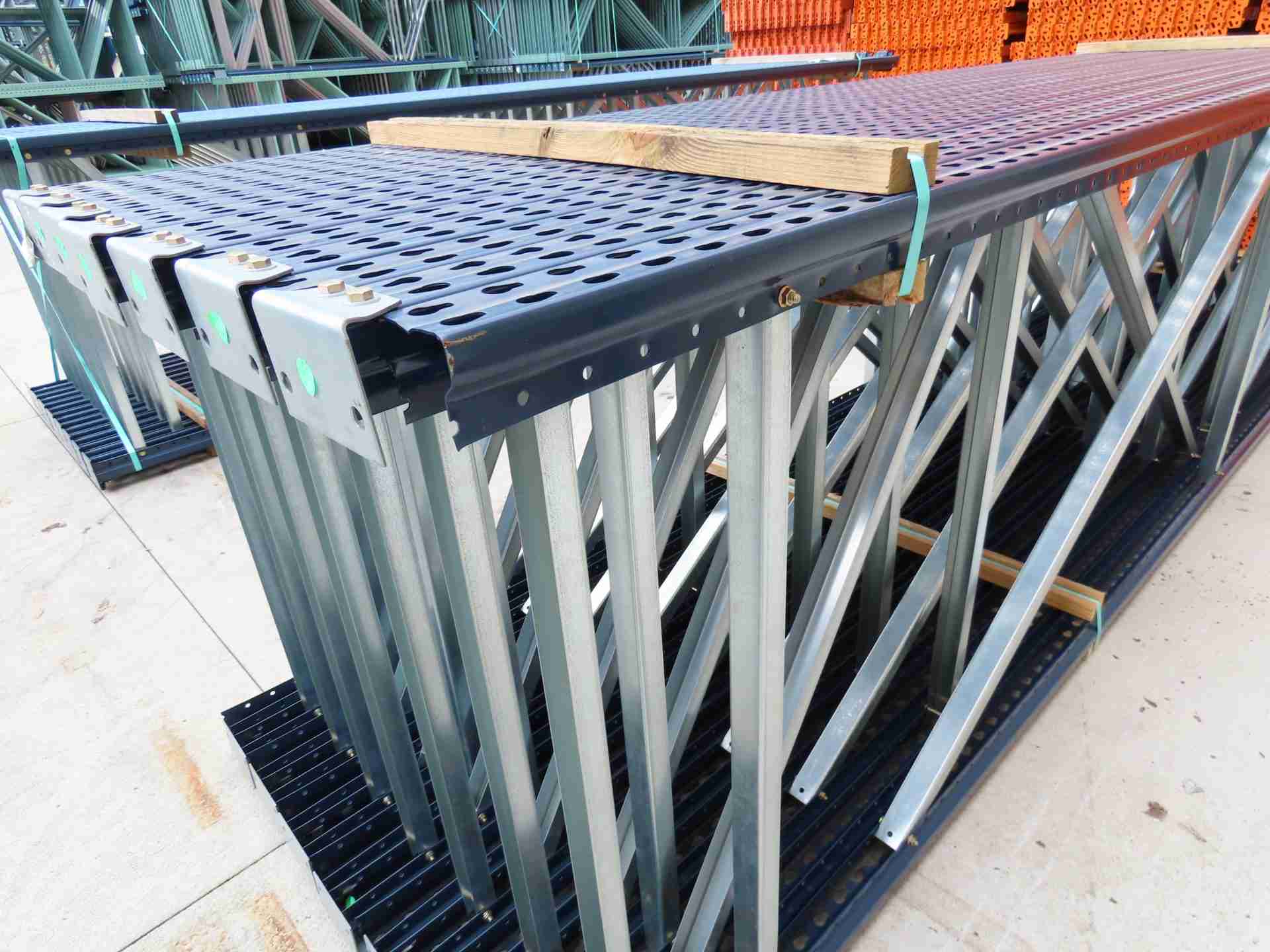
- What are the key factors to consider when choosing between vertical and horizontal storage?
- What are the safety risks associated with vertical and horizontal storage systems?
- How can vertical storage impact employee morale and productivity?
- What are the long-term costs associated with each storage method?
- How does the layout of a warehouse influence the choice of storage type?
- Are there specific industries that benefit more from vertical or horizontal storage?
- What are the environmental implications of vertical versus horizontal storage?
- How can businesses measure the efficiency gains from switching storage methods?
- What maintenance is required for vertical versus horizontal storage systems?
- How can technology be integrated into storage systems to enhance efficiency?
Other Questions
Checklist
Vertical Vs. Horizontal Storage for Long Products – A Checklist
Checklist: Storage Solutions for Long Products
Heart
_____ Empower Employees: Assess how your storage choice can enhance employee pride and ownership in their work environment.
_____ Create a Safe Space: Evaluate the emotional impact of a clutter-free, organized workspace on employee morale and job satisfaction.
_____ Foster Collaboration: Consider how a well-structured storage system can promote teamwork and improve communication among staff.
Head
_____ Efficiency Matters: Analyze how vertical or horizontal storage options can streamline workflows and reduce time spent searching for items.
_____ Cost-Effectiveness: Calculate potential savings in labor costs and material handling by adopting a more efficient storage solution.
_____ Rational Decision-Making: Weigh the pragmatic advantages of vertical versus horizontal storage in terms of accessibility, space optimization, and operational efficiency.
Gut
_____ Safety First: Reflect on the safety implications of your storage choice—consider the potential risks associated with improper racking systems.
_____ Trust & Reliability: Think about the ethical responsibility you have to your team and customers to invest in robust storage solutions that prioritize safety.
_____ Gut Check: Trust your instincts when contemplating changes—does the proposed storage solution excite you and feel right for your team’s culture?
Emotional Appeal
_____ A Sense of Pride: Envision a workspace where everything has a designated place, boosting team confidence and morale.
_____ Transformational Narratives: Share stories of companies that successfully transitioned to vertical storage and the positive outcomes they experienced.
Rational Appeal
_____ Logical Framework: Utilize data and statistics on productivity improvements and cost savings related to each storage method.
_____ Expert Insights: Seek the guidance of specialists in storage solutions to inform your decision-making process.
Ethical Appeal
_____ Sustainability Commitment: Consider the environmental impact of your storage systems and how efficient design aligns with responsible resource management.
_____ Duty of Care: Prioritize the well-being of your employees by investing in safe and efficient storage solutions.
Social Appeal
_____ Team Satisfaction: Evaluate how storage organization fosters a culture of respect and productivity among employees.
_____ Customer Impressions: Think about how an organized workspace reflects your company’s values to clients and stakeholders.
Checklist
At RackingWorld, we help guide you through selecting warehouse storage systems and racking.
Be sure to read our other related stories at RackingWorld to learn more about warehouse storage systems.
0 Comments