
Maximizing Efficiency And Profitability Through Intelligent Rack Height Choices
By Tom Seest
At RackingWorld, we help guide you through selecting warehouse storage systems and racking.
Be sure to read our other related stories at RackingWorld to learn more about warehouse storage systems.
The Role Of Rack Height In Layout Planning
When it comes to designing a warehouse or any storage facility, the height of your racking is not just a technical specification; it’s a critical element that can make or break your operational efficiency and safety. Imagine walking into a space that feels expansive yet organized, where every item has a designated place, accessible when you need it. That sense of order transforms a chaotic environment into a well-oiled machine, and at the heart of that transformation is the height of your racking.
Setting the right rack height isn’t merely about maximizing vertical space; it’s about creating a layout that reflects the dynamics of your daily operations. Think about it: the taller the racking, the more items you can fit, but there’s a fine line between efficiency and safety. You want to keep the goods reachable, ensuring that your workers spend less time stretching and straining to pull down heavy boxes. It’s more than just good design; it directly influences the morale and well-being of the team. When people can work safely and efficiently, they bring their best selves to the job every day.
From a financial perspective, optimizing rack heights can significantly reduce overhead costs. Higher racking can yield more product storage, cutting down on real estate expenses. But with that increase in height comes responsibility. Ethical layout planning means considering not only what benefits the business but also what keeps employees safe. You wouldn’t put performance over people’s well-being. A well-crafted racking strategy respects the balance between productivity and safety, forging a pathway to success that everyone can feel good about.
Narratives of warehouse redesigns often highlight the impact of rack height changes. Facilities that reassess their layout often report not just improved efficiency but also enhanced teamwork and communication. Racking can become a conversation starter among employees—an element that fosters collaboration rather than isolation. Every time they reach for a box with ease, they’re reminded that their environment values and supports them.
Engaging with rack height is not just about the nuts and bolts; it’s about constructing a culture where every inch is thoughtfully leveraged for the common good. So, let’s take a hard look at our racking strategies—not only to see how high we can go but to understand how high we can truly rise as a team. It’s time to elevate our approach, one rack at a time.

The Role Of Rack Height In Layout Planning
The Role Of Rack Height In Layout Planning
- The height of racking in warehouses is essential for operational efficiency and safety.
- Optimal rack height enhances organization and accessibility, leading to an orderly workspace.
- Higher racking can increase storage capacity but must be balanced with safety considerations.
- Proper design impacts employee morale and well-being by making tasks easier and safer.
- Optimizing rack heights can reduce overhead costs by maximizing storage and minimizing real estate expenses.
- Racking strategy should respect both productivity and employee safety, fostering a successful environment.
- Engaging with rack height can strengthen team collaboration and create a supportive workplace culture.

The Role Of Rack Height In Layout Planning
Table Of Contents
- The Role Of Rack Height In Layout Planning
- How Does Rack Height Impact Our Daily Work Efficiency?
- What Emotional Strain Does Poor Layout Cause for Employees?
- Are We Maximizing the Vertical Space Available In Our Warehouse?
- How Can the Right Rack Height Reduce Accidents and Improve Safety?
- What Best Practices Should We Follow for Optimal Rack Height?
- Conclusion
- Other Resources
- Glossary Of Terms
- Other Questions
- Checklist
How Does Rack Height Impact Our Daily Work Efficiency?
Racking height isn’t just a matter of convenience; it can be a silent partner in our daily grind, influencing how efficiently we work. Picture this: you’re at the warehouse, standing before towering shelves, the very same ones you’ve navigated countless times. But today, as you reach for that essential tool buried at arm’s length—or worse, out of reach—frustration bubbles up. Each stretch and shuffle costs time, energy, and focus. Suddenly, that task takes twice as long. Racking becomes more than just structured storage; it’s a pivotal element in shaping our workflow.
Let’s get real. The human spirit thrives on efficiency. When we’re able to access what we need seamlessly, we unlock not just time but also mental space to innovate, collaborate, and even just breathe. Think about it: when racks are designed with height in mind, everyone—from seasoned pros to eager novices—benefit. It’s about respect for every member of the team, valuing their time and energy. Proper racking isn’t just a design feature; it’s a commitment to improving the workplace culture.
We’ve all experienced moments where the simplest solution has profound implications. A colleague of mine shared a story about how, in a previous job, a poorly designed racking system led to regular safety complaints—an unexpected rift in teamwork and trust. When management braved the change and invested in an ergonomic racking solution, not only was frustration diminished, but productivity surged. This wasn’t just about lifting boxes; it was about lifting morale.
There’s an ethical dimension here, too. When organizations prioritize thoughtful design in racking, they acknowledge their workforce’s dignity. It’s an invitation to work smarter, not harder—fostering a community where every individual feels valued. And trust me, when you feel valued, your output speaks volumes. It resonates with your colleagues and customers alike, fostering a sense of pride in what you accomplish every day.
We all want to be effective in our roles, to win our small battles with grace and efficiency. Racking height may seem like a mundane detail, but when we adjust our environment to accommodate the human experience, we initiate a ripple effect of trust, confidence, and ultimately, success. So next time you pass those towering shelves, remember: it’s more than just storage—it’s a commitment to elevating daily work efficiency.

How Does Rack Height Impact Our Daily Work Efficiency?
How Does Rack Height Impact Our Daily Work Efficiency?
- Racking height significantly influences work efficiency and productivity.
- Inaccessible tools can lead to frustration, wasting time and energy.
- Efficient racking design allows for seamless access, enhancing mental space for innovation.
- Proper racking values the time and efforts of all team members, improving workplace culture.
- A case study highlighted how an ergonomic racking system improved safety and boosted morale.
- Thoughtful racking design acknowledges workforce dignity, promoting smarter work practices.
- Adjusting racking height can create trust, confidence, and success within the workplace.

How Does Rack Height Impact Our Daily Work Efficiency?
What Emotional Strain Does Poor Layout Cause for Employees?
Everyday life in the office should be a canvas for creativity and collaboration, yet the stark reality is often a meticulously chaotic racking of desks, paper, and personalities bumping into one another in a disordered maze. Poor layout isn’t just a design flaw; it’s a silent thief that robs employees of their peace of mind. Picture this: you arrive at work, ready to tackle the day, and instead of a flow that educates and inspires, you’re met with stumbling blocks that leave you feeling lost and frazzled.
From the moment people step through that door, they should feel an atmosphere that encourages teamwork, not frayed nerves. When desks are crammed together, or conference rooms lie in the farthest corner of the building, employees are constantly navigating hurdles—both physical and psychological. It’s hard to cultivate trust and open communication when the space itself seems to conspire against collaboration. It’s not just an inconvenience; it’s an emotional strain that can spiral into fatigue and frustration.
Consider the stories of those who are navigating these poorly laid spaces daily. Each shuffle and sidestep tells a tale of hesitation and anxiety that builds up over time, weighing on employees’ shoulders like a heavy coat in the summer heat. You can practically feel the discomfort as friendships fray under the pressure of clashing personalities in cramped quarters or the isolation of someone working alone on the outskirts of the team’s laughter and conversation. The damage isn’t simply physical; it chips away at morale, creativity, and ultimately, productivity, which the boss is undoubtedly counting on for a thriving business.
This layout mess matters because it affects people at their most vulnerable—when they’re trying to focus, to learn, and to connect. The heart aches for those who struggle in these environments, aspiring for ease but instead battling against the odds each day. Ethically, we have a responsibility to foster spaces that don’t restrict our colleagues but instead liberate them, reviving their spirit and prompting innovation.
Let’s advocate for a workspace that embodies openness and fluidity, where every square inch is designed with intention and care—not just for the sake of aesthetics but to build a community that people genuinely want to be a part of. When we invest in thoughtful layouts, we’re not just rearranging furniture; we’re reshaping lives.

What Emotional Strain Does Poor Layout Cause for Employees?
What Emotional Strain Does Poor Layout Cause for Employees?
- Office environments should promote creativity and collaboration but often result in chaotic and disordered settings.
- Poor layout acts as a barrier to employees’ peace of mind, making it difficult to work effectively.
- Cramped desks and distant conference rooms create physical and psychological hurdles for employees.
- The space can hinder trust and open communication, leading to emotional strain and fatigue.
- Employees experience hesitation and anxiety, impacting morale and overall productivity.
- It is essential to create workspaces that enable focus, learning, and connections among colleagues.
- Investing in thoughtful office layouts fosters a supportive community and fuels innovation.

What Emotional Strain Does Poor Layout Cause for Employees?
Are We Maximizing the Vertical Space Available In Our Warehouse?
When you’re standing in a warehouse, surrounded by towering pallets and aisles that seem to stretch into infinity, it’s easy to overlook the potential that lies just above your head. That vertical space is like a hidden treasure waiting to be unearthed—if only we learn to maximize it. Imagine how much more efficient your operation could be with the proper racking systems in place, designed to stretch upwards rather than just spreading out.
Let’s face it: every inch of that space has the power to affect your bottom line. Ethically speaking, isn’t it our responsibility to make the most of what we have? When we treat our resources with respect by maximizing vertical storage, we’re not just making a smarter business decision; we’re creating a sustainable environment that benefits everyone—from the workers on the floor to the customers awaiting their orders. This is not just about profit; it’s about stewardship and improvement.
Picture your team, laser-focused and connected, moving with purpose. They don’t just contain chaos; they harness it through smart organizational strategies. Racking is not merely a collection of metal beams and shelves—it’s a system that can either uplift or restrict the collective efforts of your warehouse crew. Every person there is a key player, and when they can navigate their surroundings with ease, you foster an atmosphere of teamwork and pride.
From a rational perspective, optimizing vertical space isn’t just a good idea; it’s a necessity. Inefficient use of space leads to wasted time, which translates to wasted money. Consider the impact of improved workflows on morale. Employees are happier when they can find what they need without rummaging through clutter or navigating tight spaces. A well-organized warehouse is a reflection of respect for everyone involved.
Socially, think about the message you send to your employees, your suppliers, and your customers. By investing in racking and optimizing that vertical real estate, you demonstrate a commitment to efficiency and respect for the common goals that bind us together. The transformation may act as a spark, igniting a culture of continuous improvement, ultimately sharing a narrative of success with everyone.
So, let’s challenge ourselves to look up—and take action. Let’s seize that vertical opportunity and elevate not just our inventory, but the very spirit of our operation. Maximize that space, and you’ll find that it maximizes potential in ways you never thought possible.

Are We Maximizing the Vertical Space Available In Our Warehouse?
Are We Maximizing the Vertical Space Available In Our Warehouse?
- The vertical space in warehouses often goes overlooked, representing untapped potential.
- Implementing proper racking systems can significantly improve operational efficiency.
- Maximizing vertical storage aligns with ethical stewardship and sustainability, benefiting workers and customers alike.
- A well-organized warehouse environment fosters teamwork and productivity among employees.
- Optimizing vertical space is essential to reduce wasted time and money, enhancing employee morale.
- Investing in racking systems communicates a commitment to efficiency and shared goals with stakeholders.
- Encouraging a culture of continuous improvement can elevate operations and unlock new potentials.

Are We Maximizing the Vertical Space Available In Our Warehouse?
How Can the Right Rack Height Reduce Accidents and Improve Safety?
Choosing the right rack height in a warehouse isn’t just about efficiency; it’s about lives. Imagine a place where safety reigns supreme, where every rack serves a purpose beyond just holding products. Picture workers, steadfast and focused, not having to reach beyond their natural limits to grab that one crucial item. These seemingly simple decisions can make an extraordinary difference in their daily lives.
When racks are appropriately positioned, the risk of accidents plummets. Each year, countless injuries stem from improper lifting, awkward reaches, and mishaps that could have been prevented. A well-designed racking system minimizes the strain on the body, particularly the back and shoulders, aligning with what we know about ergonomics. It’s rational thinking that leads to a safer workplace, translating into fewer days lost to injury.
But let’s get to the heart of the matter: ethics. As employers, we have a duty to care for those who toil in our warehouses. Opting for adjustable racks isn’t just a logistical decision—it’s a moral imperative. When companies implement the right rack height, they send a message to their employees: “Your safety matters to us.” This cultivates an ethic of trust and loyalty, making workers feel valued and respected. When people know they are being looked after, they give their best effort.
The authority of experience supports this too. Studies show that workplaces that prioritize ergonomic considerations see a marked reduction in injury rates and a corresponding boost in productivity. It’s simple math. The time spent reevaluating rack heights pales in comparison to the benefits of a safe work environment. Numbers can be cold and calculating, but behind every statistic are stories of individuals whose lives will be changed for the better.
And let’s not ignore the social aspect. A culture of safety creates camaraderie among workers. They become advocates for one another, watching out for each other and fostering a sense of community. When someone adjusts that rack height because they care about a colleague, it transforms the workplace into a family—a tribe that looks out for one another.
So, the next time you consider racking, remember: It’s not just about maximizing space; it’s about maximizing safety, morale, and humanity. Make the right choice today, and inspire a safer tomorrow for everyone who walks those aisles.

How Can the Right Rack Height Reduce Accidents and Improve Safety?
How Can the Right Rack Height Reduce Accidents and Improve Safety?
- Choosing the right rack height in a warehouse is crucial for both efficiency and safety.
- Proper positioning of racks significantly reduces the risk of accidents and injuries.
- A well-designed racking system aligns with ergonomic principles, minimizing physical strain on workers.
- Employers have an ethical responsibility to ensure worker safety through thoughtful decisions like adjustable racks.
- Prioritizing ergonomic considerations leads to lower injury rates and higher productivity in the workplace.
- A culture of safety fosters camaraderie among workers, creating a supportive community.
- Rack height decisions impact not just space utilization but also the safety, morale, and well-being of employees.

How Can the Right Rack Height Reduce Accidents and Improve Safety?
What Best Practices Should We Follow for Optimal Rack Height?
When it comes to racking, the height of your racks can make all the difference—not just for efficiency but for the safety and well-being of everyone involved. Let’s start at the heart of the matter: we all want to feel secure in our work environment. Being able to access your materials without straining your back or climbing precarious heights doesn’t just prevent injuries; it cultivates a sense of trust among your team. After all, a workplace that prioritizes safety shows a commitment to each employee’s well-being.
Now, shift your focus to the head. Dimensional stability and accessibility play a crucial role in planning optimal rack height. Consider the standard dimensions of your materials and the average height of your team. If everyone needs to stretch or climb dangerously to reach vital tools or supplies, productivity plummets. Design your racking system to maximize efficiency, streamline workflows, and ultimately boost morale. A well-thought-out height allows for ease of access, ensuring that the right tools are always at hand.
Ethics and authority come into play here too. We have a moral obligation to foster not just a functional space, but a safe one. Racking systems should adhere to industry standards and safety regulations. Seek out manufacturers and experts with a proven track record—people who embody the values of quality and safety. A well-respected voice in the industry can guide you toward making choices that aren’t just smart but also responsible and ethical.
Perhaps think of your own experiences. Remember a time when you wrestled with a cumbersome rack, or perhaps had to rely on a colleague to help you reach something out of your grasp? Those moments can stick with us. They teach us the importance of design and height. When we choose to prioritize optimal rack height, we create a fulfilling workspace and foster a culture of teamwork and respect.
Finally, let’s touch on the social aspect. Everyone enjoys working in an organized, well-planned environment. When racks are positioned at the right height, not only do we make our lives easier, but we create an inviting atmosphere where collaboration thrives. So, let’s take a moment to evaluate our spaces. Optimal rack height isn’t just about logistics; it’s an investment in people, culture, and a safer, more productive workplace. The impact of those decisions can be profound, touching the core of how we work together.

What Best Practices Should We Follow for Optimal Rack Height?
What Best Practices Should We Follow for Optimal Rack Height?
- The height of racks is crucial for workplace efficiency and safety.
- Accessing materials without physical strain fosters trust and security among team members.
- Dimensional stability and accessibility are key in planning optimal rack height.
- Proper rack height maximizes efficiency and boosts workplace morale.
- Racking systems must adhere to industry standards and safety regulations.
- Designing well-thought-out rack systems promotes teamwork and a fulfilling workspace.
- Optimal rack height contributes to a collaborative and organized work environment.

What Best Practices Should We Follow for Optimal Rack Height?
Conclusion
Racking isn’t just a logistical detail; it’s an essential thread woven into the fabric of how we operate, interact, and thrive in our workplaces. The height of those racks serves as both a practical blueprint and a lesson in leadership. In a world where efficiency is king, every inch of vertical space matters—not just for maximizing storage but for enhancing human potential. Imagine walking into a warehouse where every item is within reach, where employees work without frustration or strain. That’s more than just good design; it’s a mission statement about valuing human dignity.
When racks are too high or poorly organized, frustrations bubble over, snuffing out creativity and undermining teamwork. Yet, when designed thoughtfully, they elevate the entire workplace, fostering collaboration and respect among employees. It’s about much more than boxes on shelves; it’s about the heartbeat of an operation—the individuals driving it forward.
From a financial standpoint, optimal rack height translates to reduced costs and improved productivity. This conscious choice sends a clear message: we care about our workforce. Ergonomically sound environments cultivate loyalty, inspiring teams to give their best. Every company should aspire to create spaces where safety, efficiency, and respect are the cornerstones of daily operations.
This is not simply an organizational challenge; it’s an ethical obligation. By engaging workers in the process, businesses enrich their culture, turning design into a source of pride. Each time an employee can retrieve a product quickly and safely, they’re reminded that their well-being is paramount. This thoughtful approach doesn’t just preserve health; it cultivates a sense of community and shared responsibility.
Moreover, it’s critical to recognize the ripple effects of these design choices. Elevating rack height isn’t merely about maximizing storage space but enhancing social connections among staff. A well-structured environment minimizes chaos, paving the way for open communication and effective teamwork.
In the grand scheme of things, investing in the right rack height isn’t just a business decision; it’s an investment in people, culture, and safety. It’s a chance to reshape lives and forge a path to collective success. So let’s do more than measure our spaces; let’s measure our impact. By taking deliberate steps toward optimizing rack height, we can lift not just our goods but also the very spirit of our operations. Each rack can become a symbol of care, commitment, and a brighter future for all involved.

Conclusion
Conclusion:
- Racking is essential for operational efficiency and workplace interaction.
- Well-designed racks enhance accessibility, reducing frustration and maximizing human potential.
- Poorly organized racks hinder creativity and teamwork, negatively impacting morale.
- Optimal rack height leads to cost reduction and increased productivity, signaling care for the workforce.
- Creating ergonomic environments fosters loyalty and inspires employees to perform at their best.
- Engaging workers in design promotes a positive culture and emphasizes employee well-being.
- Investing in rack height not only impacts business but reshapes lives and builds community and success.

Conclusion
Other Resources

Other Resources
Here is a list of other resources you can review online to learn more:
- Teardrop Industrial Shelving Rack
- Total Warehouse
- Pallet Racking systems in Illinois and Great Lakes
- Wolter
- IWLA
- What is Selective Pallet Racking
- Teardrop Uprights
- Crane Manufacturers Association Of America Inc.
- Teardrop Industrial Shelving Rack
- Interlake
- Logic Material Handling
- Material Handling Industry
- Illinois Pallet Racking – WPRP
- Rack Manufacturers Institute
- Heavy-Duty Cantilever Storage Racks
- Interlake Mecalux
- Chicago Pallet Racking
- Warehouse Storage Racks
- Warehouse Racks, Warehouse Racking in Stock – ULINE
Use This Prompt To Get More Resources With Your Favorite Online AI Tool: Please provide me with a list of online articles with their URLs in a bulleted list that I can read regarding The Role Of Rack Height In Layout Planning
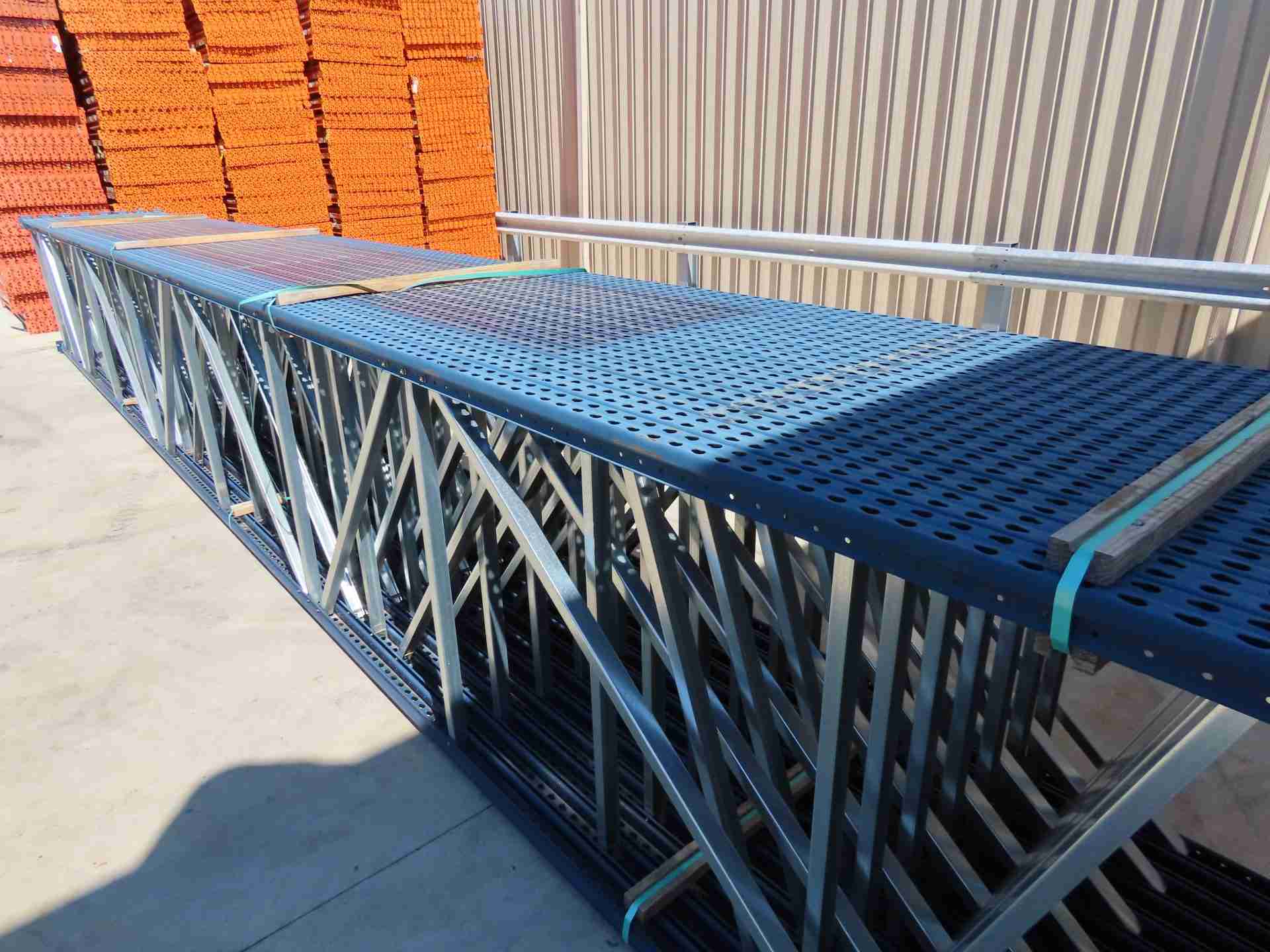
Other Resources
Glossary Terms
The Role Of Rack Height In Layout Planning – Glossary Of Terms
1. Rack Height: The vertical measurement of storage racks affecting accessibility and storage capacity in a facility.
2. Layout Planning: The process of arranging physical space, including racks, to optimize efficiency and workflow.
3. Vertical Space: The use of upward space within a facility that influences storage density and product visibility.
4. Storage Density: The number of products stored within a given area, often impacted by rack height.
5. Accessibility: The ease with which items can be reached; influenced by the height of racks and the equipment used.
6. Ergonomics: The study of people’s efficiency in their working environment, relevant to rack heights for reducing strain.
7. Forklift: A powered industrial vehicle that can lift and move materials; the design of racks must accommodate these machines when planning their heights.
8. Aisle Width: The space between racks that must be considered in layout planning to ensure safe and efficient movement.
9. Safety Regulations: Guidelines that dictate how high racks can be safely configured to protect workers and products.
10. Load Capacity: The maximum weight each rack can safely hold, directly influencing the choice of rack height.
11. Storage System: An organized method for storing items, incorporating racks of varying heights based on the type of products.
12. SKU: Stock Keeping Unit; unique identifiers for products that impact how racks are organized and the height options chosen.
13. Pick Paths: The most efficient routes workers take to retrieve items, which can be affected by rack placement and height.
14. Space Utilization: The effective use of available space, crucial for deciding optimal rack height alongside layout.
15. Vertical Lift Module (VLM): An automated storage system that uses vertical space to enhance storage efficiency without traditional rack heights.
16. Mobile Racking: A system of racks mounted on wheeled bases to allow for dynamic spacing, often used where vertical shelf height is a factor.
17. Overhead Storage: Utilizing upper spaces above eye level for storage, typically requiring careful planning of rack height.
18. Beam Adjustability: The ability of rack beams to be moved to different heights, allowing for customization based on products stored.
19. Clearance Height: The vertical distance between the top of a stored product and the ceiling, which affects rack height choices.
20. Inventory Turnover: The rate at which inventory is sold and replaced, influencing how racks are arranged and utilized.
21. Automation: The use of technology to facilitate storage and retrieval processes, impacting how rack height is implemented.
22. Material Handling: The movement and management of materials in a facility, closely related to decisions about rack height and layout.
23. Design Standards: Established criteria for creating layouts that include optimal rack heights for safety and efficiency.
24. Bin Size: Dimensions of storage containers that impact how products are organized on racks of various heights.
25. Maximum Reach Height: The highest point a worker can safely reach when picking items, an important factor in determining rack height.
26. Warehouse Management System (WMS): Software that helps manage inventory and layouts, guiding decisions on rack height and storage methods.
27. Open Space: Areas without shelving or racks that contribute to site layout; affects how rack heights are perceived in overall planning.
28. Environmental Factors: Conditions such as temperature and humidity that may affect product storage needs and rack height considerations.
29. Order Fulfillment: The complete process from order receipt to delivery; rack height choice can significantly affect this efficiency.
30. Modular Racking: A storage system designed to be reconfigurable, allowing adjustments in height depending on changing needs.

Glossary Of Terms
Other Questions
The Role Of Rack Height In Layout Planning – Other Questions
If you wish to explore and discover more, consider looking for answers to these questions:
- What are the key factors to consider when determining optimal rack height?
- How can we effectively measure the impact of rack height on employee productivity?
- What specific safety standards should be followed for rack height in warehouses?
- What role does employee feedback play in designing an effective racking system?
- How can technology assist in optimizing rack height and layout planning?
- What are some examples of successful warehouse redesigns that improved rack height?
- How can we ensure that our racking solutions are both effective and ethical?
- What types of racking systems are available, and how do they differ in height efficiency?
- How often should businesses evaluate their racking systems for effectiveness?
- What training can help employees navigate and utilize warehouse racking more effectively?

Other Questions
Checklist
The Role Of Rack Height In Layout Planning – A Checklist
Checklist for Optimal Rack Height and Layout Planning
Emotional Appeals:
_____ ✅ Visualize an organized and accessible warehouse environment to boost morale.
_____ ✅ Foster a sense of community by ensuring employees feel valued and supported.
_____ ✅ Encourage open collaboration through thoughtful space utilization.
Rational Appeals:
_____ ✅ Assess average employee height and the dimensions of materials for effective rack height.
_____ ✅ Analyze workflow efficiency to determine if the current rack design meets operational needs.
_____ ✅ Calculate potential overhead cost savings by maximizing vertical space.
Ethical Appeals:
_____ ✅ Commit to safety by evaluating the ergonomic design of racking systems.
_____ ✅ Consider employees’ well-being as a priority in layout decisions.
_____ ✅ Adhere to industry safety standards and regulations when designing storage solutions.
Authority Appeals:
_____ ✅ Research best practices from industry experts on racking systems.
_____ ✅ Consult with safety professionals to ensure conformity to recognized standards.
_____ ✅ Leverage case studies demonstrating successful rack height adjustments and their impact.
Narrative Appeals:
_____ ✅ Share employee experiences or testimonials about improved workspace design.
_____ ✅ Document success stories from other warehouses that transformed their layouts.
_____ ✅ Create a compelling narrative around the positive changes brought by optimizing rack height.
Social Appeals:
_____ ✅ Promote teamwork by designing spaces that facilitate easy communication and access.
_____ ✅ Encourage employees to contribute ideas for improving layout and design.
_____ ✅ Recognize and celebrate improvements in efficiency and safety to strengthen team bonds.
Utilize this checklist to inspire proactive discussions and actions in your organization about optimizing rack height and layout for enhanced efficiency, safety, and employee satisfaction.

Checklist
At RackingWorld, we help guide you through selecting warehouse storage systems and racking.
Be sure to read our other related stories at RackingWorld to learn more about warehouse storage systems.
0 Comments