
Maximizing Efficiency And Sustainability In Farm Storage
By Tom Seest
At RackingWorld, we help guide you through selecting warehouse storage systems and racking.
Be sure to read our other related stories at RackingWorld to learn more about warehouse storage systems.
Using Rack Systems In Agricultural Storage Facilities
Imagine stepping into a bustling agricultural storage facility. The air is rich with the earthy scent of freshly harvested crops, and there’s a palpable energy fueled by hard work and commitment. Here, racking systems play a pivotal role, transforming how we store and preserve the bounty of our labor. These aren’t just metal shelves; they are the backbone of efficiency and organization, designed to hold vast quantities of produce while keeping it safe and accessible.
From grains to fruits, proper racking ensures that every item is stored at optimal conditions, reducing waste and maximizing shelf life. Think about it: every time we lose a potato to rot or a bushel of apples to bruising because they weren’t stored right, it’s not just a loss of food; it’s a loss of hard-earned resources and, ultimately, a betrayal of the farmers who poured their sweat and soul into the ground. By investing in robust racking solutions, we honor their efforts and the land that provides.
Racking systems aren’t just about preservation; they’re about making sense of the chaos that can be agriculture. With clearly defined spaces, workers can navigate the facility with ease, slashing unnecessary time spent searching for items that may be hidden at the back of an ill-organized pile. This increased efficiency reduces labor costs and fosters an environment of teamwork and responsibility. Each shelf becomes a part of a larger narrative, each row tells a story of collaboration, success, and sustainability.
The landscape of modern agriculture is evolving, and as stewards of the land, we have a responsibility to keep pace. Utilizing racking systems isn’t just smart; it’s ethical. It reflects a commitment to reducing waste, promoting sustainability, and getting food from farm to table, fresher and healthier than ever. And it shows our communities that we care, that we’re invested not only in profits but in the future of our local markets and those who depend upon them.
So, let’s step back and appreciate the beauty of a well-run agricultural storage facility. Let the sight of organized racking systems inspire confidence—both in our methods and our mission. Each time we choose quality storage solutions, we are choosing to protect our crops, support our farmers, and serve our communities. It’s more than storage; it’s a calling. Step up, invest in racking, and take part in a legacy that feeds not just people, but the heart of a community.
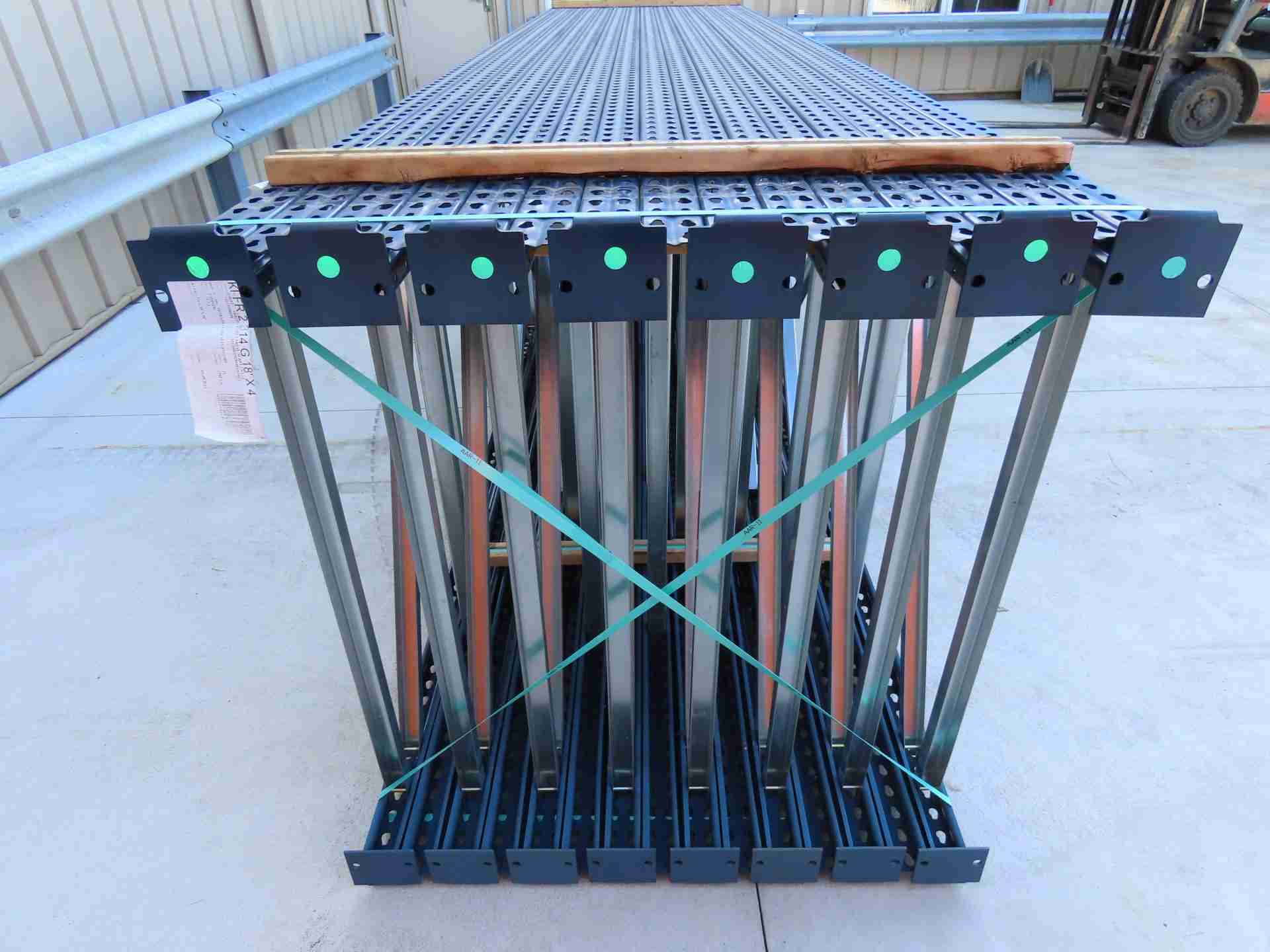
Using Rack Systems In Agricultural Storage Facilities
Using Rack Systems In Agricultural Storage Facilities
- Vibrant agricultural storage facilities focus on efficiency and organization through racking systems.
- Proper racking reduces food waste and maximizes the shelf life of stored produce.
- Investing in robust racking solutions honors the efforts of farmers and the land.
- Well-organized racking systems improve navigation and reduce labor costs in storage facilities.
- Modern agriculture must adapt and utilize racking systems for sustainability and reduced waste.
- Quality storage solutions reflect a commitment to local markets and community welfare.
- Choosing effective racking is a call to action that supports farmers and strengthens communities.
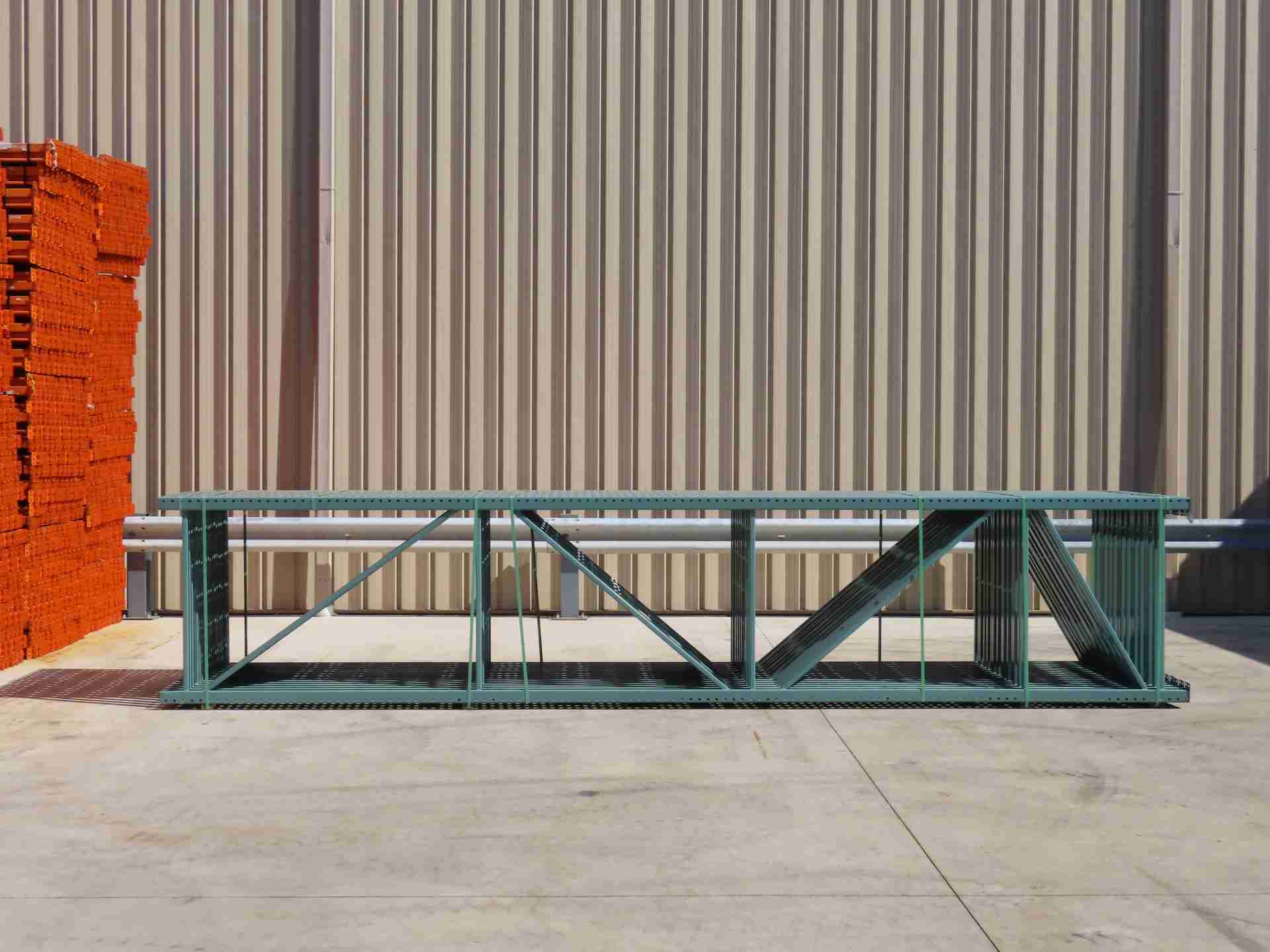
Using Rack Systems In Agricultural Storage Facilities
Table Of Contents
- Using Rack Systems In Agricultural Storage Facilities
- What Benefits Do Rack Systems Bring to Agricultural Efficiency?
- How Do Rack Systems Reduce Waste In Storage Facilities?
- Can Smarter Storage Solutions Enhance Food Security?
- What Is the Cost-Effectiveness Of Using Rack Systems In Farming?
- How Do Rack Systems Improve Crop Preservation Through Organization?
- Conclusion
- Other Resources
- Glossary Of Terms
- Other Questions
- Checklist
What Benefits Do Rack Systems Bring to Agricultural Efficiency?
When you think of farms, you might picture vast landscapes, crops swaying in the breeze, and hardworking hands toiling under the sun. What you might not immediately see are the ingenious racking systems quietly revolutionizing agricultural efficiency. These unsung heroes of modern farming provide a framework that supports not just crops, but the very backbone of our food supply chain.
Imagine a world where every inch of space is maximized, where each layer of racking is not just a structure but a strategic move to enhance productivity. Picture a farmer reaping the benefits of vertical storage, where fruits and vegetables are neatly organized, extending their shelf life and reducing spoilage. Wasted produce not only impacts profits but carries an emotional weight—think of the families depending on that food. Racking helps bridge that gap, ensuring that every harvested item makes it to the plate, nourishing communities and reducing waste.
Rationally, these systems optimize storage, allowing for better workflow and inventory management. By organizing produce in an efficient manner, farmers can access their bounty quickly, leading to time savings that translate into greater efficiencies. In today’s fast-paced world, every second counts. Imagine a farmer hurriedly searching through piles of crates, only to discover rotting tomatoes at the bottom. Now, envision the relief and pride when that same farmer confidently slides open a neatly stacked racking system, grabbing what’s needed in moments. It’s a game-changer.
Ethically, racking systems empower farmers to operate sustainably. With limited resources and ever-changing climates, finding ways to reduce waste isn’t just a smart choice; it’s a responsibility. By allowing for better air circulation and temperature control, these systems help maintain quality and safety, fostering a sense of trust among consumers about where their food comes from.
The social impact is profound—efficient racking can elevate entire communities. When farms thrive through smart practices, they can hire local workers, spur economic growth, and ensure that families have access to fresh produce. This isn’t just about productivity; it’s about creating a network where farmers are leaders in their communities, inspiring future generations to cultivate the land responsibly.
So, as we dig into the heart of agricultural innovation, consider the racking systems transforming our farms. They’re not just shelves; they’re lifelines, connecting us to the food we eat, the workers who grow it, and the land that sustains us all.
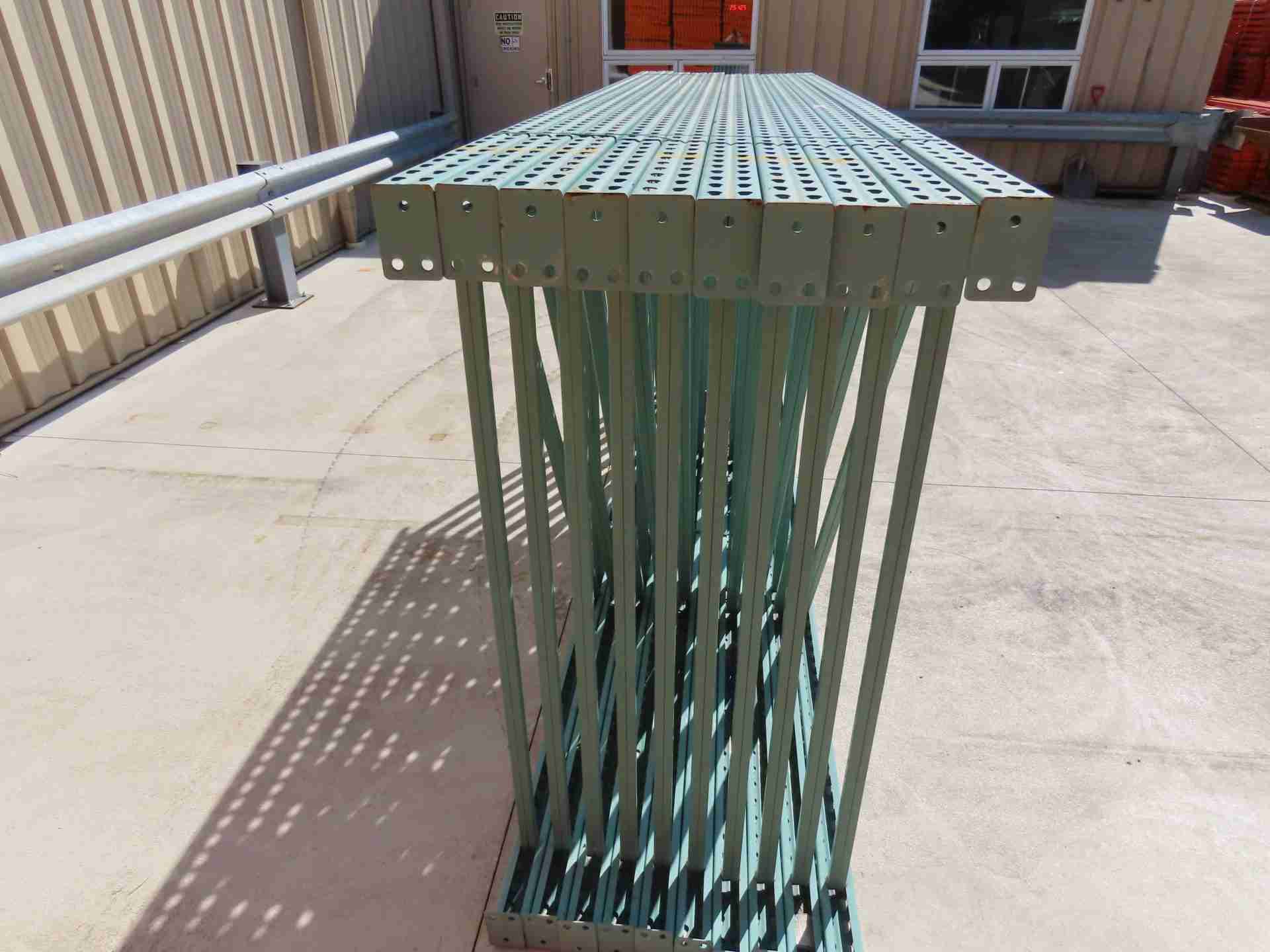
What Benefits Do Rack Systems Bring to Agricultural Efficiency?
What Benefits Do Rack Systems Bring to Agricultural Efficiency?
- Modern farms leverage innovative racking systems to enhance agricultural efficiency and support food supply chains.
- Vertical storage maximizes space and helps organize produce, extending shelf life and reducing spoilage.
- Efficient racking systems minimize waste, ensuring harvested items nourish communities and positively impact profits.
- Racking systems optimize workflow and inventory management, saving time and improving access to fresh produce.
- They empower farmers to operate sustainably by promoting better air circulation and temperature control.
- Efficient racking can elevate communities by creating job opportunities and ensuring access to fresh produce.
- Racking systems symbolize agricultural innovation, strengthening the connection between food, farmers, and the land.

What Benefits Do Rack Systems Bring to Agricultural Efficiency?
How Do Rack Systems Reduce Waste In Storage Facilities?
In a world where resources are finite and waste looms larger than ever, the humble racking system emerges as an unsung hero in storage facilities. Imagine walking into a vast warehouse, rows upon rows of meticulously organized shelves reaching for the ceiling. This isn’t just about neatness; it’s a testament to efficiency. Racking systems redefine how we interact with our space, transforming chaotic environments into models of order. When storage areas are optimized, it’s more than just inventory management—it’s about stewardship, about making the most of what we have.
Picture the warehouse worker, standing amidst towering racks, their hands deftly retrieving products. With every pull of a box, that worker isn’t just moving goods; they’re playing a vital role in reducing waste. Each racking system allows for better visibility and accessibility, cutting down time spent searching for items. But it’s not just about speed; it’s about sustainability. By maximizing vertical space and minimizing footprints, these systems lead to less consumption of materials and energy. This isn’t merely a business improvement; it’s an ethical commitment to our planet, producing fewer emissions while promoting a more responsible approach to storing goods.
Furthermore, consider the ripple effect of waste reduction on communities and the economy. When storage facilities operate efficiently, businesses can cut costs. These savings often translate into job stability, investments in local initiatives, or even lower prices for consumers. It’s a cycle that fosters trust—when businesses flourish responsibly, everyone benefits. Socially, it unites us in a common goal: to be better stewards of not just our resources but our environment.
Let’s not overlook the authority of those who’ve embraced these systems. Industry leaders champion the virtues of racking, showcasing success stories that resonate with both heart and head. From small operations to sprawling logistics centers, the evidence is clear: efficiency isn’t just sound practice; it’s a pathway to innovation and growth.
So, the next time you walk through a well-organized warehouse, take a moment to appreciate the racking systems that silently work behind the scenes. They don’t just hold products; they hold the promise of a more sustainable, connected future. Embracing racking systems isn’t merely a choice; it’s a commitment to progress, community, and responsible resource management. Embrace it.
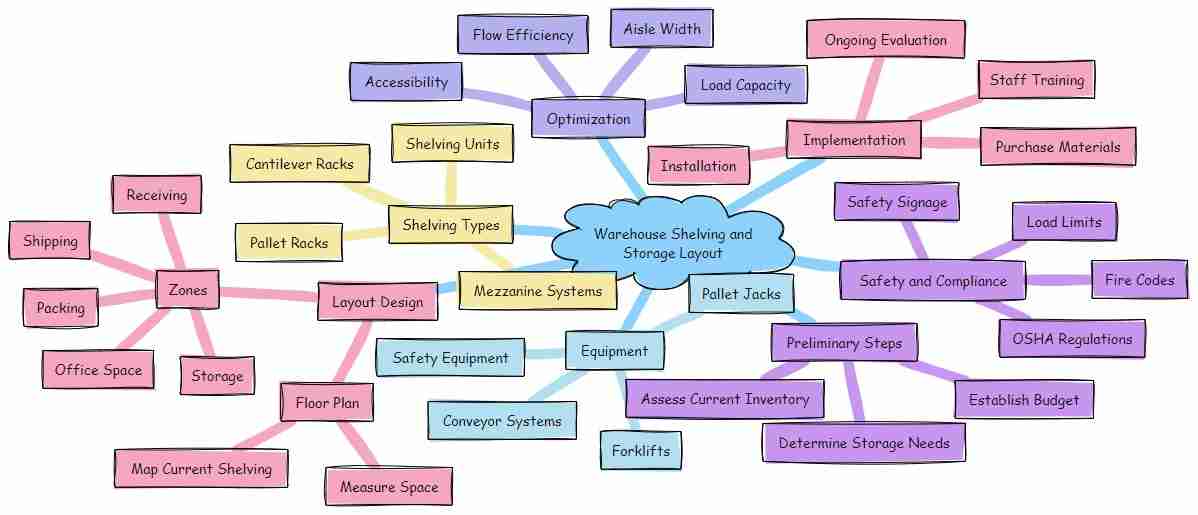
How Do Rack Systems Reduce Waste In Storage Facilities?
How Do Rack Systems Reduce Waste In Storage Facilities?
- Racking systems transform chaotic storage environments into models of order and efficiency.
- Optimized storage areas enhance stewardship, making the most of limited resources.
- Warehouse workers improve waste reduction by efficiently retrieving products from well-organized racks.
- Maximizing vertical space decreases material and energy consumption, promoting sustainability.
- Efficient storage can cut business costs, leading to job stability and community investment.
- Industry leaders highlight the success of racking systems, showing their role in innovation and growth.
- Embracing racking systems is a commitment to progress, community, and responsible resource management.
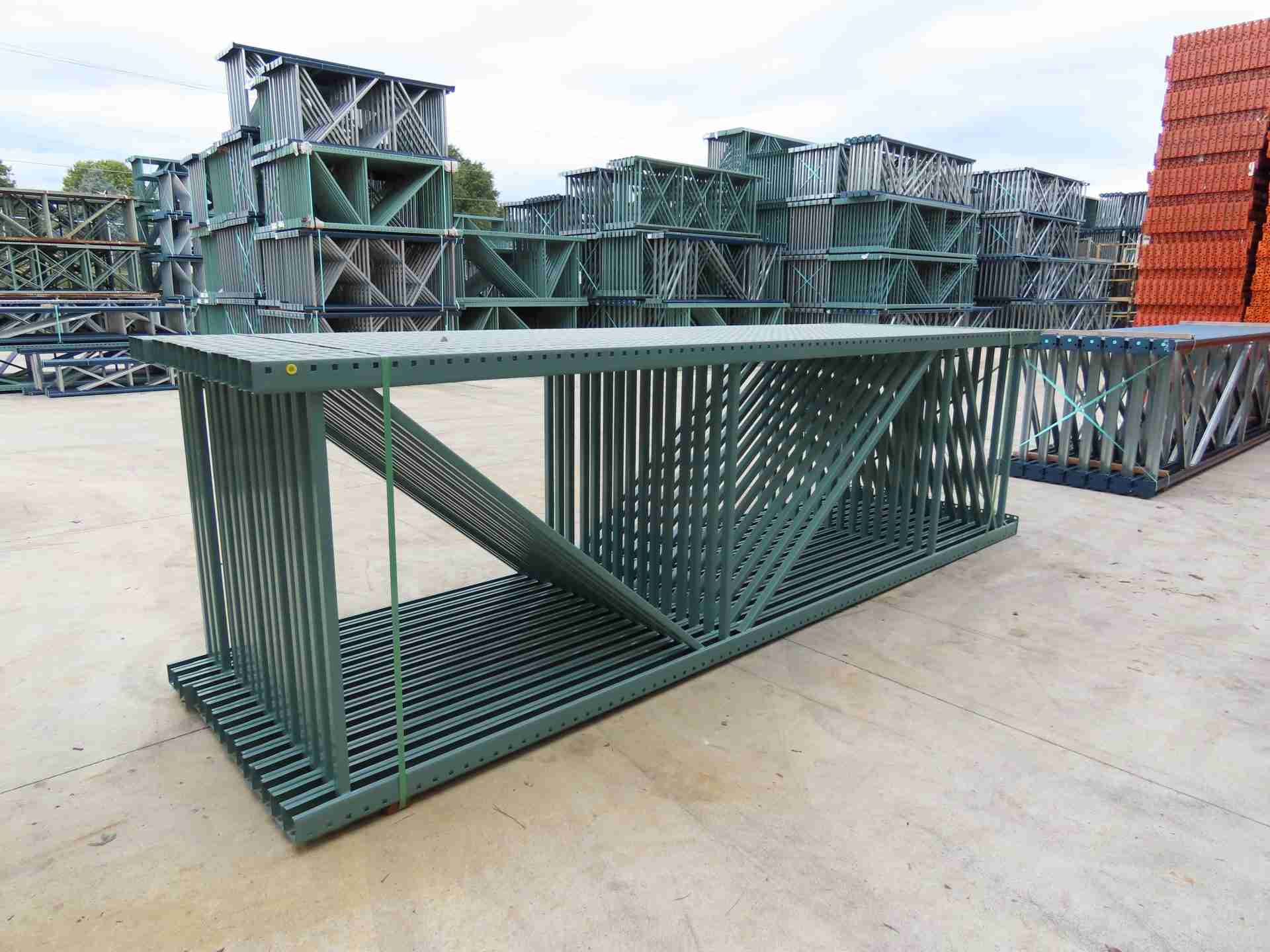
How Do Rack Systems Reduce Waste In Storage Facilities?
Can Smarter Storage Solutions Enhance Food Security?
When we think about food security, we often picture long lines at soup kitchens or the heart-wrenching images of families struggling to put meals on the table. But below the surface of this pressing issue lies an invisible hero: smarter storage solutions. Imagine a world where our food supply is not just abundant but efficiently stored, preserved, and accessible to everyone who needs it. The solution is simpler than it seems, and it begins with the very shelves that hold our nourishment.
Let’s break down the Racking system. It’s not merely a set of shelves; it’s a lifeline. Properly organized storage can significantly reduce food waste, increasing the sustainability of our food systems. Think about it: when fresh produce is stacked neatly, properly ventilated, and rotated regularly, it reaches our plates, not the compost heap. It’s a practical step that taps into the heart—providing communities with access to fresh, healthy food, and affirming their dignity.
Rationally speaking, investment in smart storage solutions pays off. Losses from food waste are staggering—billions of dollars wasted each year that could’ve been used to feed families. This is not just a moral dilemma; it’s an economic one. By utilizing advanced techniques in racking and temperature control, we can preserve a significant portion of the food that otherwise would spoil. When you look at the facts and figures, it becomes clear: smarter solutions equal greater returns on investment, both economically and socially.
Ethically, we owe it to one another to ensure that everyone has access to food. In a world where we can quantum leap forward with technology, it’s a shame to let inefficiency dictate hunger. By fostering community partnerships to implement these storage solutions, we not only empower local systems but create a web of trust and collaboration that connects us all.
Narratively, consider this: Each tightly packed shelf at a community food bank holds a story—a tale of resilience, survival, and hope. Those racked potatoes and canned goods are symbols of human ingenuity, reminding us that when we come together, we can solve big problems.
So, as you reflect on your next meal or the food you’ll share with loved ones, think about what goes into its journey. A little more thought about smarter storage could go a long way in enhancing food security for all. Let’s step up, invest in these solutions, and make a lasting impact that resonates from the heart to the household.
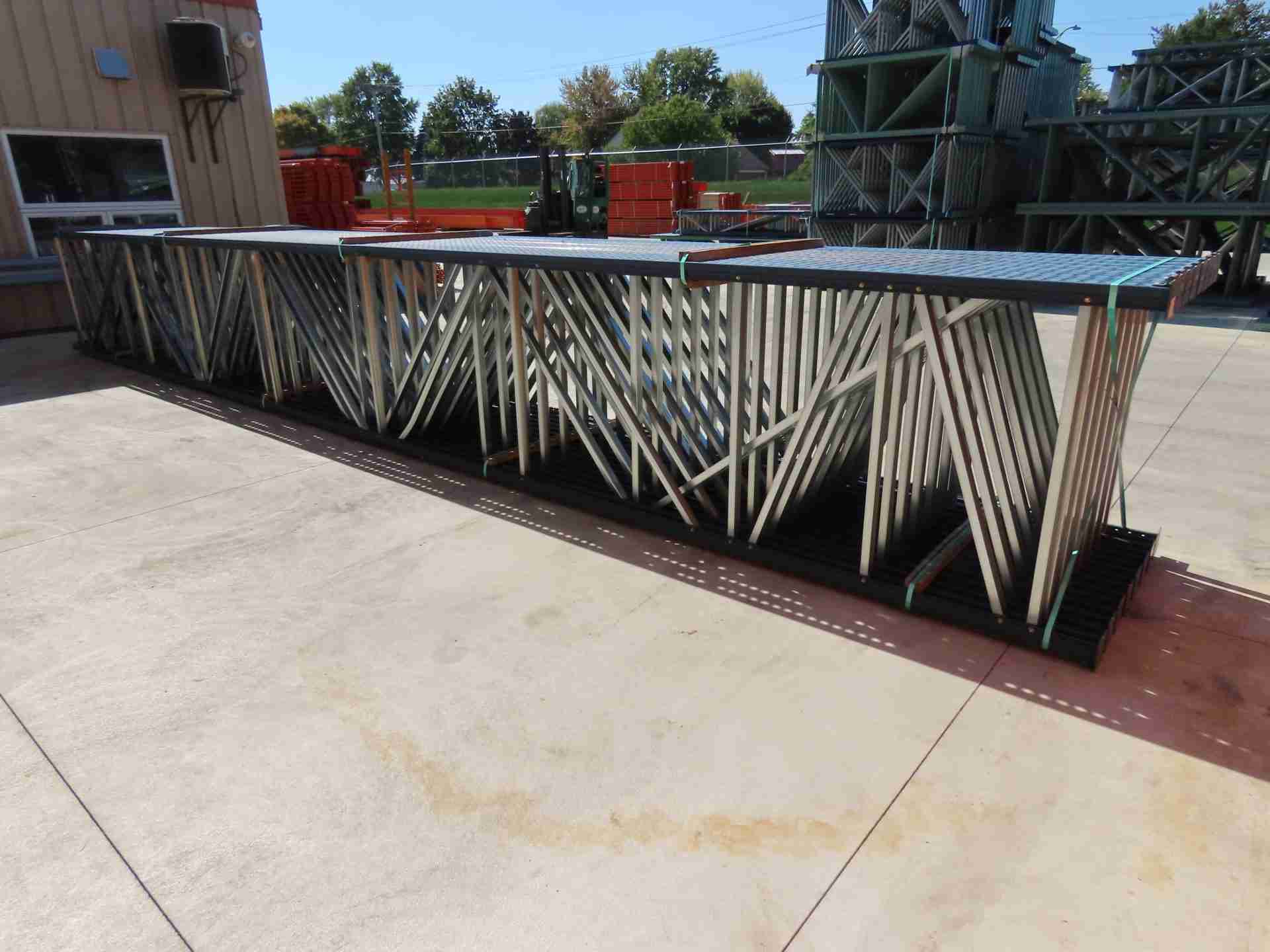
Can Smarter Storage Solutions Enhance Food Security?
Can Smarter Storage Solutions Enhance Food Security?
- Food security often conjures images of hunger, but smart storage solutions play a critical role.
- Efficiently organized racking systems reduce food waste and enhance sustainability in food supply.
- Proper storage methods help maintain freshness and ensure food reaches those who need it.
- Investment in advanced storage techniques can prevent billions in food waste, providing economic benefits.
- Ensuring access to food is an ethical obligation, aided by innovative storage solutions.
- Community partnerships to promote efficient storage foster collaboration and trust within local systems.
- Thoughtful consideration of food storage practices can significantly improve overall food security.
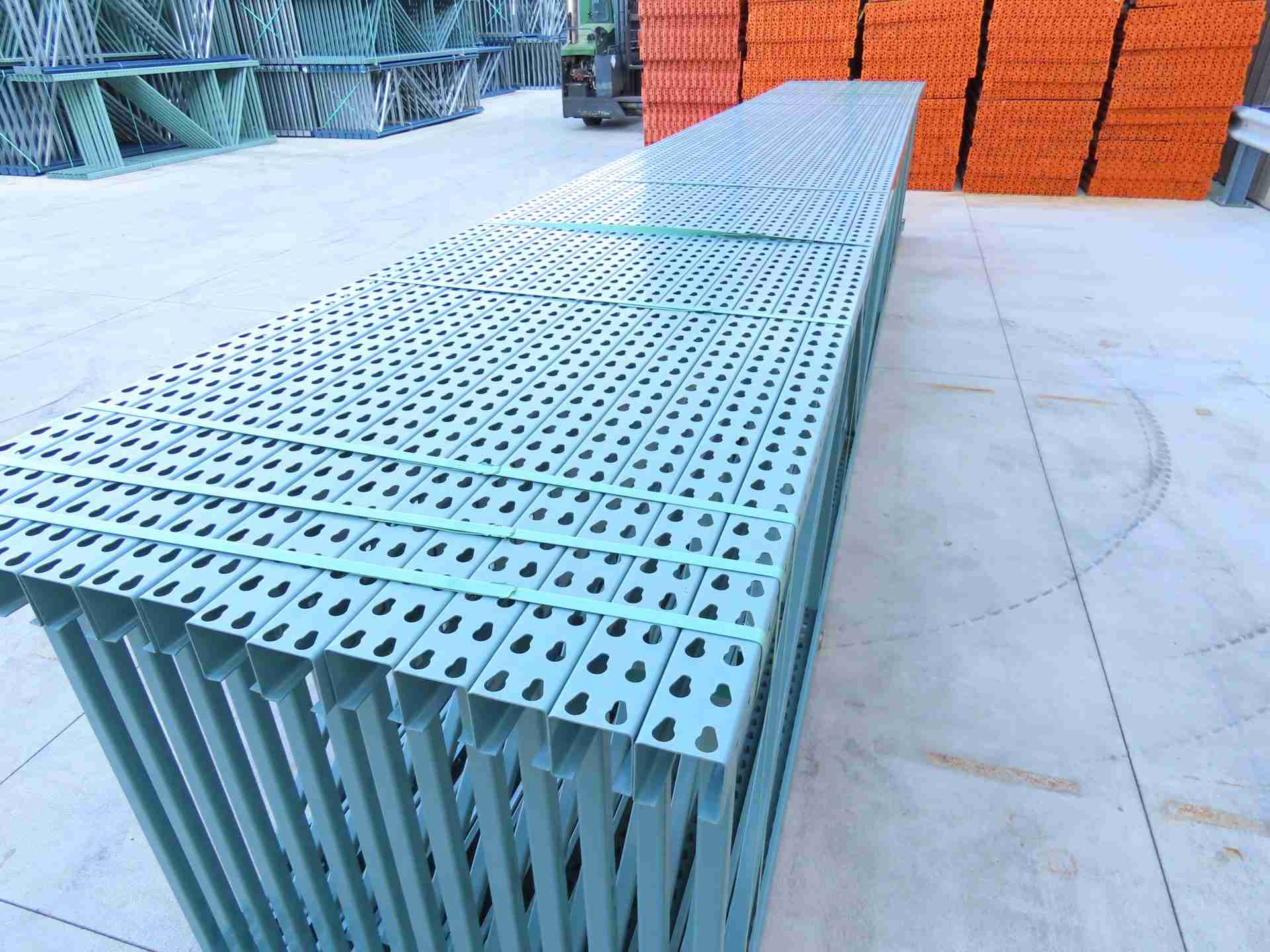
Can Smarter Storage Solutions Enhance Food Security?
What Is the Cost-Effectiveness Of Using Rack Systems In Farming?
When pondering the cost-effectiveness of racking systems in farming, we’re not merely juggling numbers on a spreadsheet; we’re looking at the very heart of sustainable agriculture. Picture a farmer—a resilient individual who rises with the sun, pouring sweat and passion into the land. This is someone who understands that every investment counts. Racking systems can transform traditional farming operations, maximizing space and yield while minimizing labor costs.
Imagine squeezing every bit of potential from a field; the right racking can elevate crops, quite literally. By ensuring proper air circulation and sunlight exposure, these systems not only enhance growth but also reduce pest infestations. This isn’t just financial sense; it’s about honoring the time and effort put into every seed sown, and every crop harvested. For farmers who are often seen as the backbone of our communities, adopting such innovative approaches resonates deeply with both their labor and the legacy they wish to leave for future generations.
From a rational standpoint, racking systems can lead to significant cost savings. They can bolster efficiency, cutting down the need for vast expanses of land. For farmers battling the pressures of rising operational costs and resource scarcity, this approach stands as a shining beacon of hope. Imagine being able to produce more while using less–that’s not just smart; it’s ethical. It’s an act of stewardship toward the planet that feeds us all.
Now, let’s tap into the emotional pull of community. Farming isn’t merely an occupation; it’s a way of life shared among families and neighbors. A successful farm can empower entire communities, providing jobs, nourishing local markets, and preserving traditions. When farmers invest in racking systems, they aren’t just optimizing yields; they are shaping a future where farming is viable for their children and their neighbors’ children. This tangible impact fosters trust within communities and fortifies social bonds.
Racking isn’t just about crates stacked high; it represents innovation, sustainability, and resilience. It embodies a narrative that champions not just productivity, but a deep respect for the land and its bounty. As we consider the cost-effectiveness of these systems, remember that every choice a farmer makes ripples across the community, making each turn of the calendar feel a little more hopeful, a little more connected. So let’s rally behind the farmers in our lives, supporting their journey toward smarter, more sustainable practices that honor the toil of their hands and the dreams of their hearts.
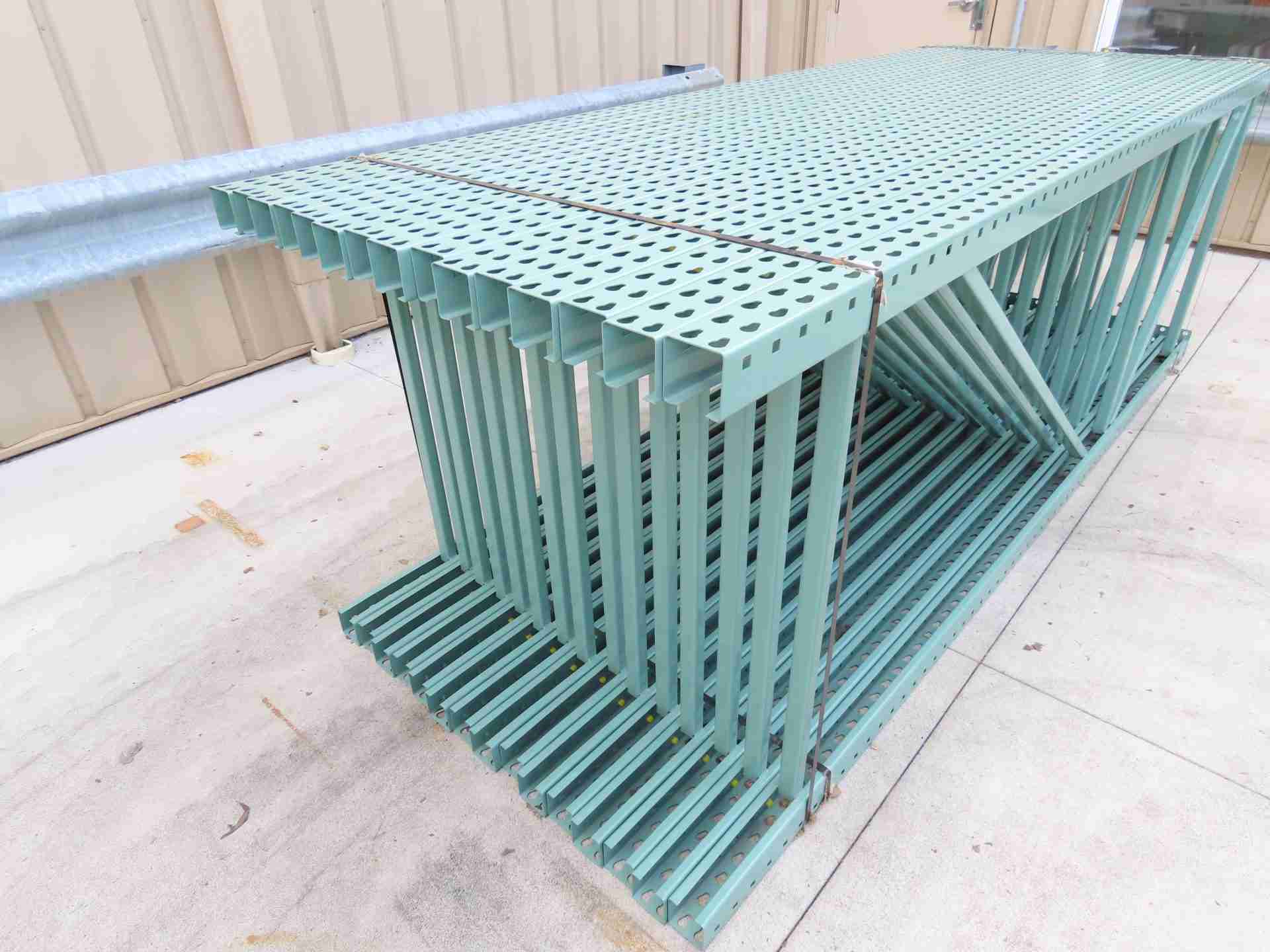
What Is the Cost-Effectiveness Of Using Rack Systems In Farming?
What Is the Cost-Effectiveness Of Using Rack Systems In Farming?
- Racking systems in farming enhance cost-effectiveness and promote sustainable agriculture.
- They maximize space and yield while minimizing labor costs, transforming traditional farming operations.
- Racking systems improve air circulation and sunlight exposure, promoting growth and reducing pest infestations.
- Adopting these systems honors the hard work of farmers and supports their legacy for future generations.
- They lead to significant cost savings and increase efficiency, addressing rising operational costs and resource scarcity.
- Investing in racking systems can empower communities by creating jobs and nourishing local markets.
- Racking embodies innovation, sustainability, and resilience, fostering trust and connections within farming communities.

What Is the Cost-Effectiveness Of Using Rack Systems In Farming?
How Do Rack Systems Improve Crop Preservation Through Organization?
When you step into a flourishing greenhouse brimming with fresh produce, you might not realize the silent guardians at work behind the scenes—the racking systems that keep it all together. Imagine rows of vibrant fruits and vegetables, neatly organized and easily accessible. This meticulous arrangement goes beyond mere aesthetics; it’s about preserving the life and quality of our crops. The racking system is not just a structure; it’s a commitment to supporting our farmers and ensuring that the bounty of the earth reaches our tables with its rich flavors intact.
From a practical standpoint, racking enhances efficiency. It streamlines workflows, allowing farmers to move swiftly through their tasks without the chaos of disarray. Think of the last time you rummaged through a cluttered pantry: time lost, frustration mounting, and potential waste looming over your head. With a well-organized racking system, farmers can easily inventory what they have, minimizing spoilage and maximizing harvest potential. It’s a simple shift that resonates powerfully with both your heart and head. We see the direct impact of organization—less waste translates to more food for families, less strain on our precious resources, and a good feeling knowing that nothing goes to waste.
But there’s more than just functionality at play. Implementing racking systems is also an ethical choice. It speaks to the respect we owe to the land, the laborers, and the local communities. By optimizing crop preservation, we honor the efforts that go into growing our food and acknowledge our role in a sustainable future. It becomes a social narrative where each harvest is safeguarded, celebrated, and efficiently delivered to the people who need it most.
And let’s not forget the emotional connection. When you enjoy a fresh tomato or savor the crispness of a well-preserved vegetable, remember the system behind it. Racking encourages a sense of pride among farmers; when their work is supported by organization, they can share the fruits of their labor with confidence. It creates a bond between producer and consumer, fostering trust that the food on our plates is cared for every step of the way.
In this dance between agriculture and innovation, racking systems are the unsung heroes. They embody efficiency, ethics, and pride in the process—a solid reassurance that, even in today’s fast-paced world, we can savor every bite of nature’s offerings.
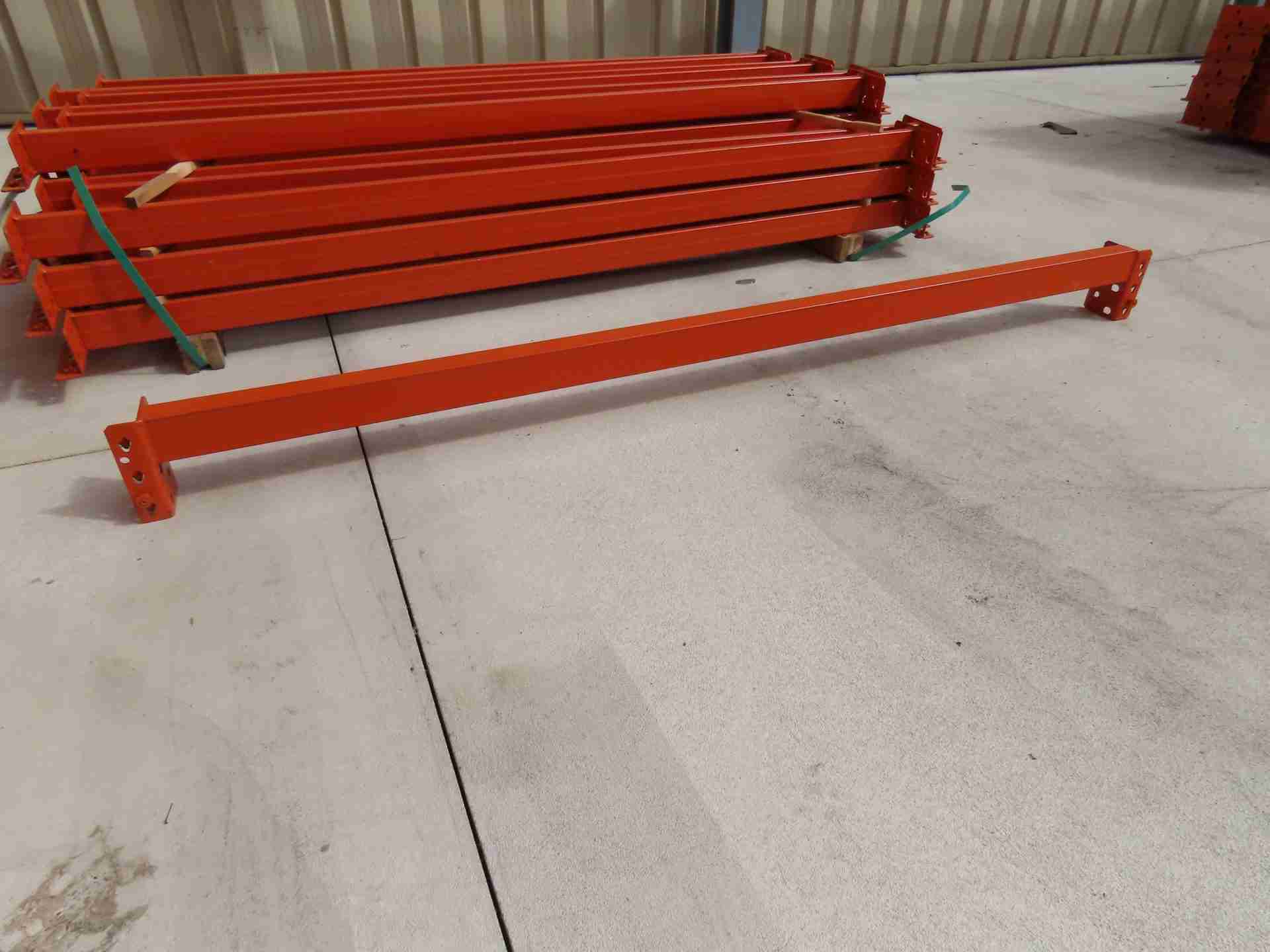
How Do Rack Systems Improve Crop Preservation Through Organization?
How Do Rack Systems Improve Crop Preservation Through Organization?
- Racking systems in greenhouses are essential for organizing fresh produce and preserving crop quality.
- These systems enhance efficiency, streamlining workflows for farmers and reducing chaos in operations.
- A well-organized racking system minimizes spoilage and maximizes harvest potential, reducing waste.
- Implementing racking is an ethical choice that respects the land, laborers, and local communities.
- Racking promotes sustainable practices that honor the efforts of those growing our food.
- Farmers take pride in an organized system, fostering trust and a connection with consumers.
- Overall, racking systems are crucial for efficiency, sustainability, and maintaining the quality of agricultural products.
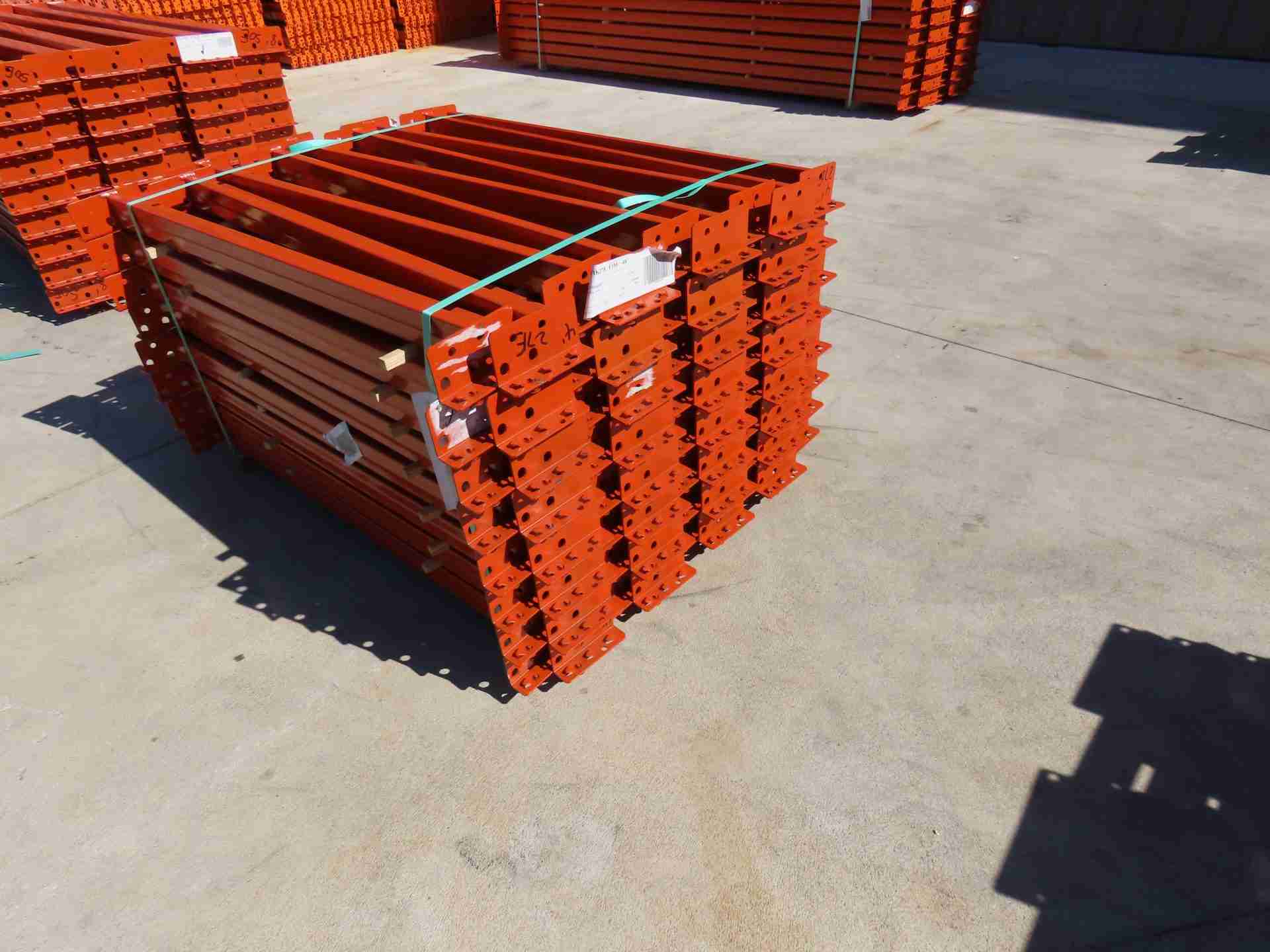
How Do Rack Systems Improve Crop Preservation Through Organization?
Conclusion
In the realm of agriculture, there exists an unheralded champion that silently but profoundly shapes our food systems: racking systems in agricultural storage facilities. Step into any bustling storage setup, and you’ll find a world transformed by these robust organizing solutions. More than just metal frameworks, they serve as the backbone of efficiency, keeping crops—fruits, grains, and vegetables—safeguarded and maximized at every turn. Imagine if farmers could save every last potato from rot or every apple from bruising. It’s not just about preserving food; it’s about honoring the hard work of those who cultivate the land. Investing in these racking solutions is a testament to our commitment to sustainability and efficiency, safeguarding not only crops but also the very essence of farming heritage.
Racking systems aren’t simply about neatness; they are a strategic necessity in maximizing productivity. Each organized shelf provides a clearly defined space that allows workers to navigate the storage facility with ease, minimizing time wasted searching for items and fostering teamwork. The deeper story here is one of community and collaboration; racking systems serve as catalysts for efficient workflows and responsible stewardship of resources. They help us respond effectively to the evolving challenges of agriculture, ensuring that food reaches our communities fresher and healthier.
The ethical implications are profound. These systems reduce waste while nurturing our environment, showing that we care not just about profits but about our shared future and the local markets upon which we all rely. Each racked shelf represents a commitment to preserve food and protect our planet while empowering farmers to operate sustainably, which nurtures a culture of trust within our communities.
As we reflect on our connection to food, let’s recognize the silent warriors behind the scenes—the racking systems that stand as symbols of innovation and resilience. They’re more than just storage solutions; they embody a narrative of empowerment and responsibility. So, as we embrace smarter storage solutions, let’s do it with a sense of pride, knowing each investment is a step towards a better future. By choosing quality racking systems, we join an enduring legacy that nourishes communities and upholds the dreams of farmers who work tirelessly to feed us all. This is our call to action—a chance to take part in something bigger, something transformative, reinforcing our shared bond with the land and each other.
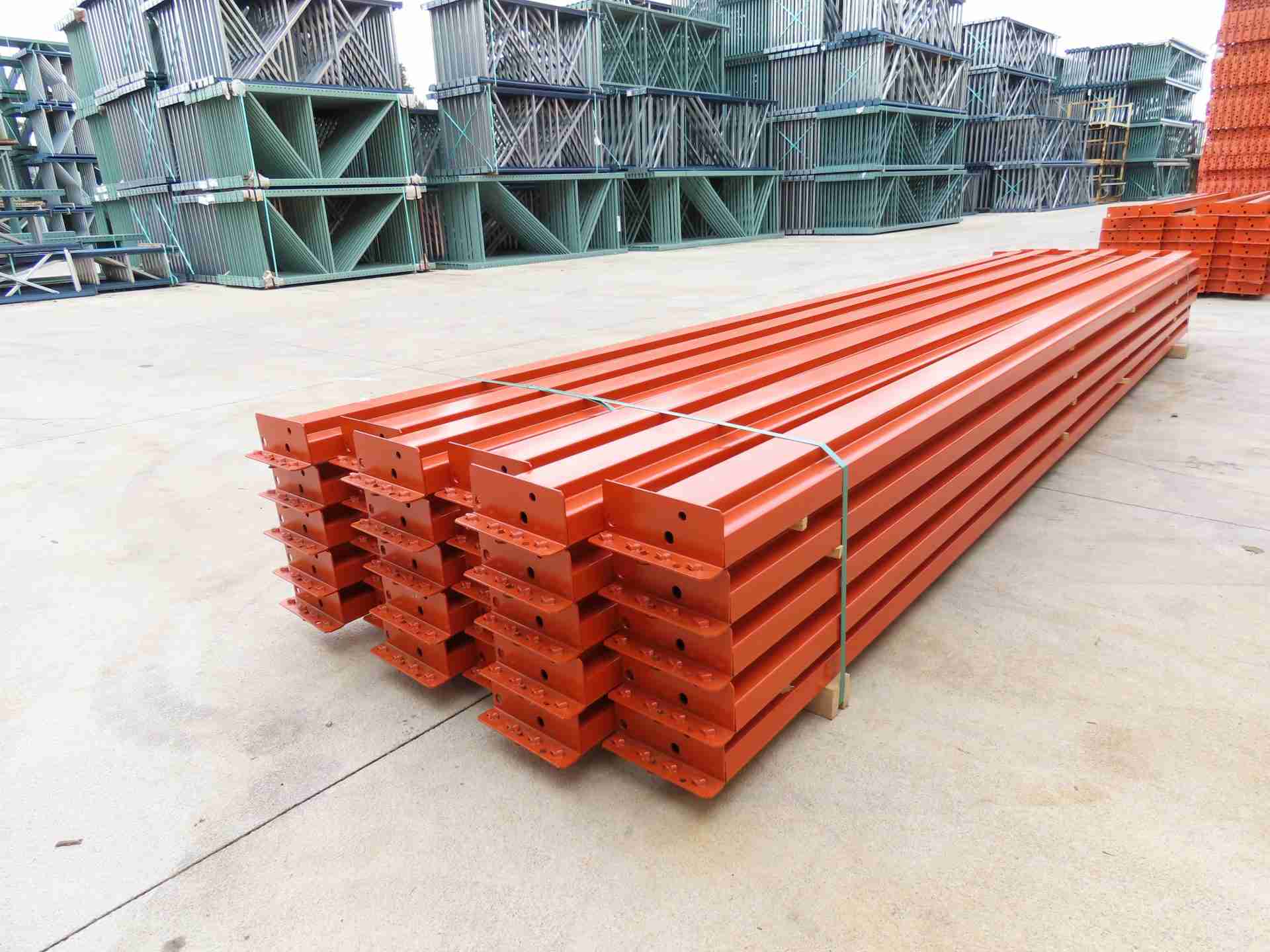
Conclusion
Conclusion:
- Racking systems in agricultural storage facilities play a crucial role in shaping food systems and enhancing efficiency.
- These systems protect crops—fruits, grains, and vegetables—thereby honoring the efforts of farmers.
- Investing in racking solutions reflects a commitment to sustainability and the preservation of farming heritage.
- Organized shelves maximize productivity and foster teamwork by streamlining navigation in storage facilities.
- Racking systems promote community collaboration and responsible resource stewardship, ensuring fresher, healthier food distribution.
- They reduce waste and prioritize environmental care, demonstrating a commitment to local markets and shared futures.
- Embracing quality racking systems embodies empowerment and responsibility, reinforcing our bond with food and each other.
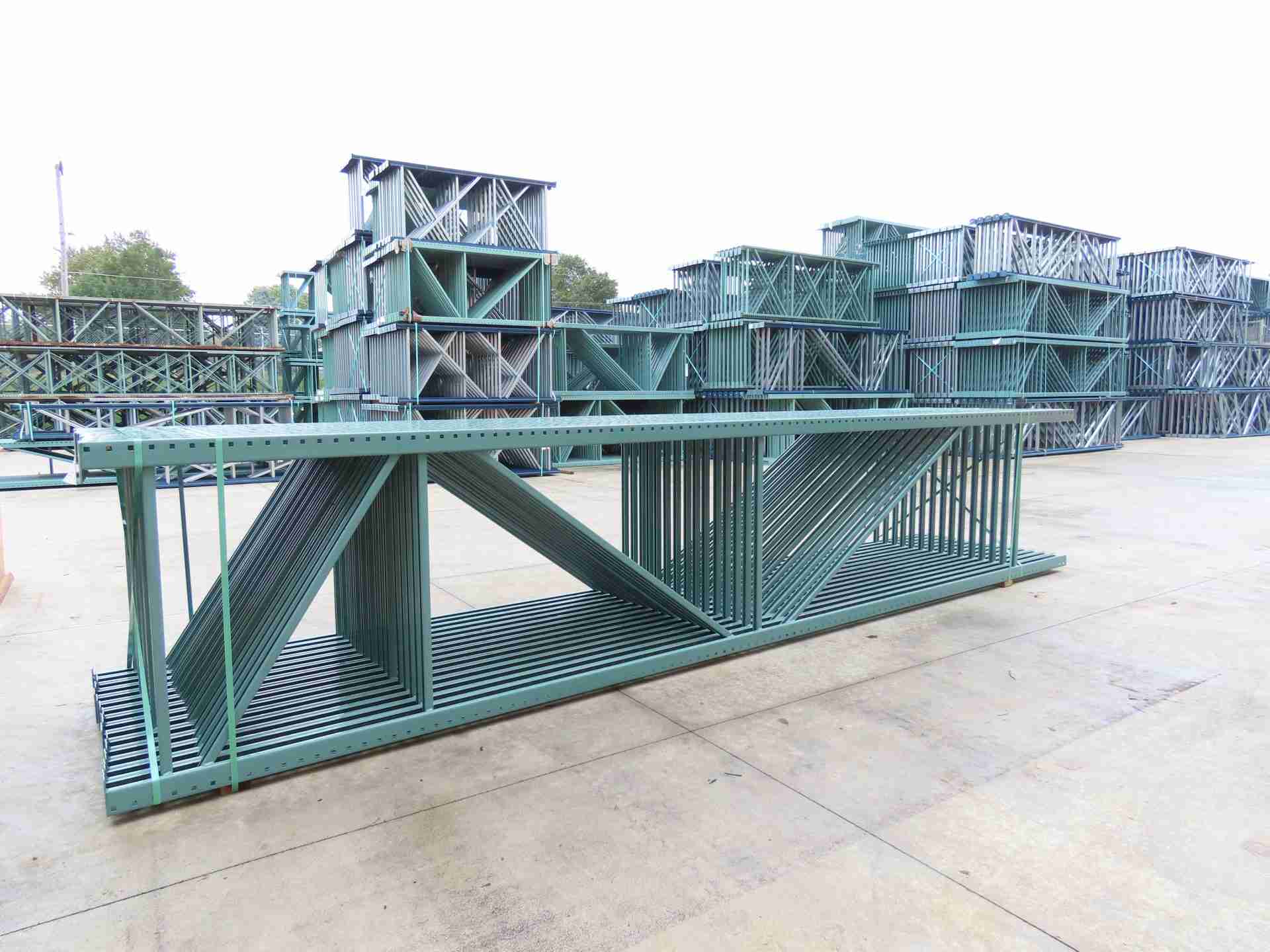
Conclusion
Other Resources
Other Resources
Here is a list of other resources you can review online to learn more:
- Material Handling Safety
- Teardrop Uprights
- Warehouse Automation
- Cantilever Racks Chicago
- IIWS Inc. Rack Installation Illinois & Rack Repairs Illinois
- Bradford Systems
- Storage Equipment Manufacturers’ Association
- Selective Racking
- Teardrop Pallet Rack – Ridg-U-Rak
- ASSP
- Warehouse Storage Racking in Illinois
- Pallet Racks, Pallet Racking, Pallet Shelves in Stock – ULINE
- International Warehouse Logistics Association
- IWLA
- Selective Pallet Racking Systems – Container Systems
- Total Warehouse
- Interlake Mecalux
- Overhead Lifting
- Teardrop Racks – Pallet Rack World
- The Complete Pallet Rack Guide – Simply Rack
Use This Prompt To Get More Resources With Your Favorite Online AI Tool: Please provide me with a list of online articles with their URLs in a bulleted list that I can read regarding Using Rack Systems In Agricultural Storage Facilities

Other Resources
Glossary Terms
Using Rack Systems In Agricultural Storage Facilities – Glossary Of Terms
1. Rack System: A structured framework designed to support and store agricultural products efficiently.
2. Pallet: A portable platform used for stacking, storing, and transporting goods within a rack system.
3. Vertical Storage: Utilizing vertical space in storage facilities to maximize capacity and organization.
4. Load Capacity: The maximum weight that a rack system can safely support without compromising safety or integrity.
5. Aisle Width: The distance between racks, essential for accessibility and safe movement of equipment.
6. Shelf Life: The duration that agricultural products remain viable for use or sale while stored.
7. Inventory Management: The process of tracking goods stored in a rack system to ensure optimal stock levels and minimize waste.
8. Temperature Control: Systems that maintain specific conditions to prolong the quality and longevity of perishable goods.
9. Humidity Regulation: The management of moisture levels in storage to prevent spoilage and degradation of products.
10. FIFO (First In, First Out): An inventory method ensuring that older stock is used or sold before newer stock.
11. Cross-Docking: A logistics practice where goods are directly transferred from receiving to shipping, minimizing storage time.
12. Modular System: A flexible rack design that allows for easy expansion or reconfiguration based on storage needs.
13. Automated Storage: A system that incorporates technology for the handling and retrieval of stored items without manual labor.
14. Safety Standards: Regulations and guidelines ensuring the structural integrity and operational safety of rack systems.
15. Inspection Protocols: Scheduled assessments of racks and storage systems to ensure compliance with safety and operational standards.
16. Access Control: Measures implemented to regulate and monitor who can enter storage facilities and handle inventory.
17. Ergonomics: The study of optimizing workspace design for the safety and comfort of workers.
18. Space Optimization: Techniques aimed at maximizing usable storage space within agricultural facilities.
19. Weight Distribution: Ensuring that products are evenly supported across a rack system to maintain structural stability.
20. Hazardous Materials: Certain agricultural products that require specific storage conditions to ensure safety and compliance.
21. Stock Rotation: The practice of organizing inventory to ensure that older products are used before newer arrivals.
22. Climate Control: Technologies and methods used to maintain specific environmental conditions in storage areas.
23. Storage Density: The amount of product stored per square foot in a facility, often increased through effective rack systems.
24. Labeling Systems: Organizational methods for clearly identifying and tracking products in storage.
25. Transport Handling: The procedures involved in moving goods to and from storage racks without damage.
26. Cold Storage: Specialized storage environments that maintain low temperatures to extend the life of perishable goods.
27. Cost Efficiency: The principle of optimizing operations and resources to minimize costs in agricultural storage.
28. Sustainability: Practices that ensure agricultural storage operations have minimal environmental impact and promote long-term viability.
29. Retrieval System: The method or technology used to access stored goods quickly and effectively.
30. Overstock: Inventory levels that exceed demand, often leading to product spoilage or increased storage costs.
Glossary Of Terms
Other Questions
Using Rack Systems In Agricultural Storage Facilities – Other Questions
If you wish to explore and discover more, consider looking for answers to these questions:
- What are the different types of racking systems used in agricultural storage?
- How do racking systems affect the overall yield of crops?
- What maintenance is required for racking systems in agricultural facilities?
- How can farmers assess the best racking system for their specific needs?
- What are the initial costs associated with implementing racking systems?
- How does racking system design impact labor efficiency in storage facilities?
- Are there case studies highlighting the success of racking systems in farming?
- How do racking systems adapt to different types of produce?
- What role do technology and automation play in modern racking systems?
- How can small-scale farmers benefit from racking systems?
- What are the environmental benefits of using racking systems in food storage?
- How do racking systems contribute to food safety regulations compliance?
Other Questions
Checklist
Using Rack Systems In Agricultural Storage Facilities – A Checklist
Checklist for Implementing Rack Systems in Agricultural Storage Facilities
Heartfelt Appeal
_____ Reflect on the Impact: Consider how organized storage can reduce food waste and honor the hard work of farmers.
_____ Connect with the Community: Visualize how efficient storage solutions can lead to fresh, healthy food for local families.
_____ Emphasize Sustainability: Acknowledge the role of racking systems in promoting sustainable farming practices.
Rational Appeal
_____ Evaluate Cost Savings: Analyze potential reductions in labor costs and increased sales from reduced spoilage.
_____ Optimize Space: Assess how vertical storage and effective layout can maximize every inch of storage space.
_____ Enhance Workflow: Look for ways to streamline operations and improve access to inventory.
Ethical Appeal
_____ Prioritize Sustainability: Commit to using practices that minimize waste and reduce environmental impact.
_____ Support Local Farmers: Consider how intelligent storage systems can empower farmers and strengthen local economies.
_____ Promote Ethical Stewardship: Ensure that storage solutions are designed with respect for resources and community welfare.
Authority Appeal
_____ Learn from Leaders: Research case studies from successful farms that have integrated racking systems.
_____ Consult Experts: Seek advice from agricultural supply specialists on the best racking options for your facility.
_____ Stay Informed: Keep up with industry trends related to agricultural efficiency and sustainability.
Narrative Appeal
_____ Explore Success Stories: Share testimonials from farmers who have transformed their operations with racking systems.
_____ Create a Vision: Craft a narrative around your farm’s journey toward organization and sustainability.
_____ Celebrate Each Harvest: Acknowledge the connection between well-preserved crops and happy communities.
Social Appeal
_____ Foster Collaboration: Build connections with local producers to share resources and best practices.
_____ Engage with the Community: Organize workshops or meetings to educate others about the benefits of racking systems.
_____ Create a Support Network: Form or join groups focused on sustainable agriculture practices and shared successes.
By following this checklist, you can enhance agricultural efficiency, support local farmers, and make a meaningful impact in your community.
Checklist
At RackingWorld, we help guide you through selecting warehouse storage systems and racking.
Be sure to read our other related stories at RackingWorld to learn more about warehouse storage systems.
0 Comments