
Maximizing Efficiency And Sustainability In Agriculture Storage Solutions
By Tom Seest
At RackingWorld, we help guide you through selecting warehouse storage systems and racking.
Be sure to read our other related stories at RackingWorld to learn more about warehouse storage systems.
How Do Agriculture Companies Leverage Pallet Racking?
In the world of agriculture, every inch of space counts, and every minute saved in handling goods translates to fresher produce and better margins. That’s where pallet racking steps into the picture like a trusty old workhorse—steady, reliable, and quietly doing its job without fuss. Agriculture companies lean on pallet racking not just because it makes storage easier, but because it’s about respect—for the land, for the harvest, and for the folks who rely on delivering quality from farm to table.
Imagine a busy warehouse during harvest season. Crates of apples, sacks of grain, rows of cartons waiting to move out. Pallet racking organizes this chaos like a well-set barn, turning clutter into clarity. It’s a straightforward, no-nonsense tool that cuts down time spent hunting for the right batch, meaning workers can focus on keeping things running smooth and fresh. It’s a simple piece of metal engineering, but it carries the weight of livelihoods on its beams.
From a practical standpoint, pallet racking adds layers—literally. Instead of piling goods in a heap and risking spoilage or damage, companies stack pallets up safely and soundly, maximizing vertical space. That’s smart business. It stretches the warehouse footprint without the need for costly expansions, which matters when farming margins are thin and unpredictable. Trust in this method isn’t wishful thinking; it’s backed by cold, hard numbers in efficiency, safety, and cost savings. Warehouses that get pallet racking right often see fewer accidents and less product loss—real wins in an industry that’s as unforgiving as the weather.
But the real pull is deeper than dollars and cents. There’s pride and ethical grit in making sure good food reaches homes, preventing waste, and honoring the effort that goes into every harvest. Pallet racking helps agriculture companies do right by the community by supporting sustainable practices—less spoilage means less landfill, a kinder footprint on the earth. It’s common sense meeting conscience in a functional design.
At its heart, pallet racking is about connection. It’s the unsung link between field and fork, grounding an entire supply chain in reliability. Farming’s tough enough without storage issues dragging things down. Lean on pallet racking, and you build a backbone strong enough to carry the crop and the commitment it represents. It’s practical, it’s proven, and it’s part of the rugged, honest work that feeds us all.

How Do Agriculture Companies Leverage Pallet Racking?
How Do Agriculture Companies Leverage Pallet Racking?
- Pallet racking is essential in agriculture for maximizing storage space and saving time, leading to fresher produce and better margins.
- It organizes warehouses during busy harvest seasons, turning clutter into clarity and reducing time spent locating goods.
- Pallet racking maximizes vertical space, preventing spoilage or damage by safely stacking pallets instead of piling goods.
- This method increases efficiency, safety, and cost savings, helping warehouses reduce accidents and product loss.
- Pallet racking supports sustainable practices by minimizing waste and lowering the environmental footprint of agricultural storage.
- It embodies respect for the land, harvest, and the people involved, ensuring quality food reaches consumers.
- Pallet racking is a reliable, practical backbone linking the supply chain from field to fork in the agriculture industry.

How Do Agriculture Companies Leverage Pallet Racking?
Table Of Contents
- How Do Agriculture Companies Leverage Pallet Racking?
- How Does Pallet Racking Improve Storage Efficiency In Agriculture?
- How Can Pallet Racking Reduce Crop Damage During Storage?
- What Cost Benefits Does Pallet Racking Offer to Farm Operations?
- How Does Pallet Racking Support Sustainable Farming Practices?
- Can Pallet Racking Increase the Lifespan Of Agricultural Products?
- How Does Easy Access to Goods Via Pallet Racking Boost Productivity?
- Conclusion
- Other Resources
- Glossary Of Terms
- Other Questions
- Checklist
How Does Pallet Racking Improve Storage Efficiency In Agriculture?
You don’t need a fancy degree to know that farming is about making every inch of your workspace count. Pallet Racking steps in like a reliable old friend who knows the value of order and hard work. It’s not just metal shelves stacked neatly—it’s a game-changer that turns chaotic barns and warehouses into streamlined hubs where everything has its place. When you’re juggling seeds, tools, feed, and equipment, the last thing you want is to waste time digging through piles or playing a guessing game. Pallet Racking keeps your stock within reach and visible, cutting down the guesswork and the grind.
On the surface, it’s simple physics: more vertical space used means more product stored without sprawling all over your yard. This saves room for moving machines or just gives your staff easier paths to work their magic. But it’s not just about space; it’s about control. Pallet Racking sets a rhythm for how goods flow in and out, keeping inventory tight and damage low. Low damage means less waste and higher profit—plain and simple. When a farmer knows where to find that crucial part or bag of fertilizer without second-guessing, the day runs smoother, and the stress settles down.
There’s something honest about a system that respects the land — and the people working it. Pallet Racking offers a solid backbone for an operation to run fair, safe, and efficient. It’s not just good for business; it’s good for the folks who show up before dawn and burn the midnight oil. Knowing your materials are organized and secure means fewer injuries and less strain, which sends a clear ethical message: you value your team.
From the practical side, Pallet Racking has earned its stripes on farms across the country. It’s sturdy, dependable, and tailor-made for the kind of rough-and-tumble environment agriculture demands. You measure success here by how well tools and supplies stand up to daily use—and Pallet Racking passes that test without fuss.
At the end of the day, it’s about respect—for your craft, your crew, and your land. Pallet Racking isn’t just a storage solution; it’s part of a story about working smarter, keeping faith with the sweat on your brow, and making every piece count. So when you’re looking to tighten up your storage and free up your workspace, this simple upgrade is worth its weight in clear, honest value.
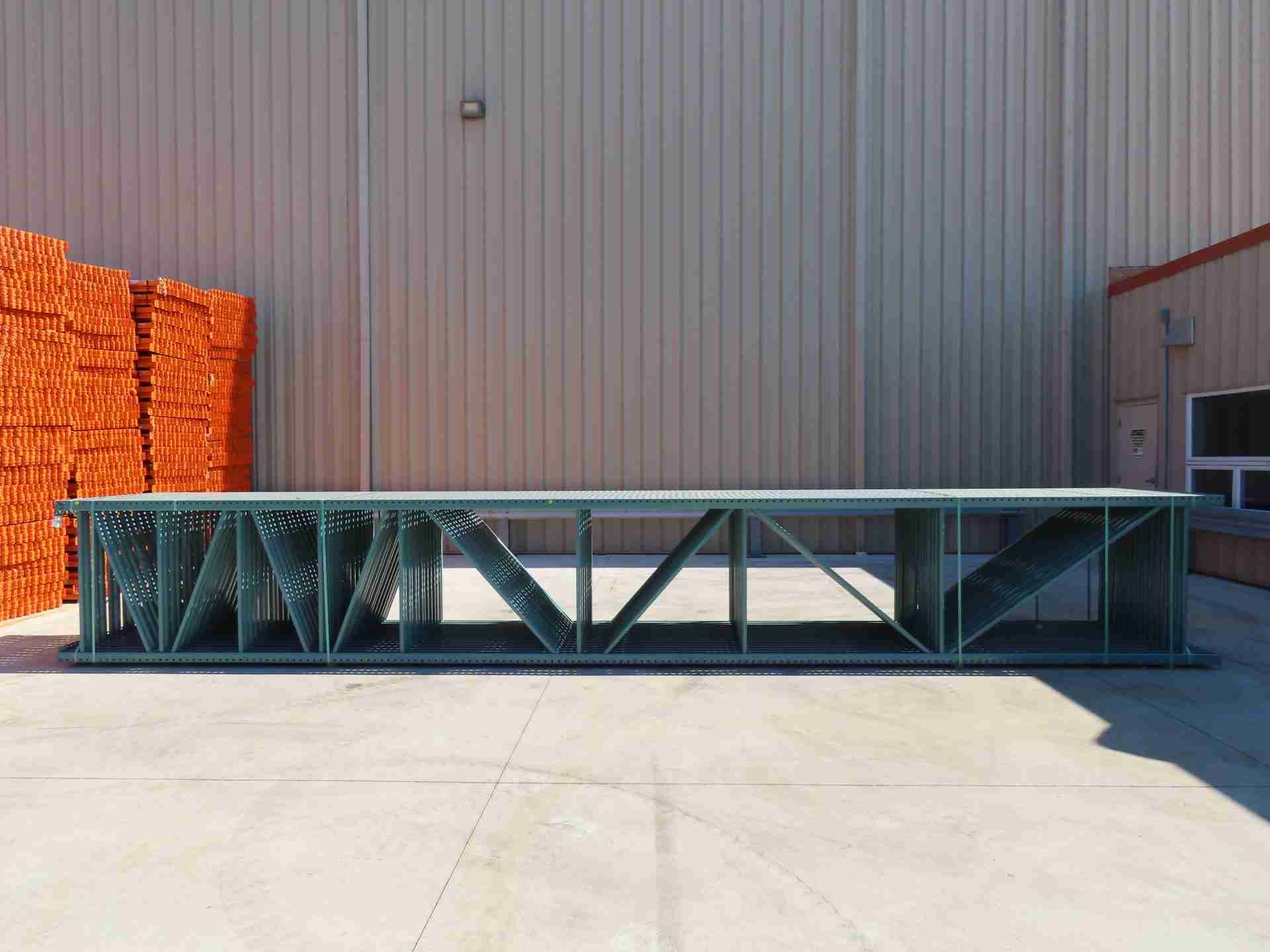
How Does Pallet Racking Improve Storage Efficiency In Agriculture?
How Does Pallet Racking Improve Storage Efficiency In Agriculture?
- Pallet Racking optimizes workspace by transforming disorganized barns and warehouses into efficient storage hubs.
- It maximizes vertical space usage, allowing more products to be stored without expanding the storage area.
- Improves inventory control by keeping stock visible and accessible, reducing guesswork and time wasted.
- Helps maintain a smooth workflow, lowering product damage, waste, and increasing overall profit.
- Enhances safety and reduces strain for workers, showing respect for the team and their labor.
- Designed for durability, it meets the demands of tough agricultural environments and daily use.
- Represents an ethical and practical investment that supports efficient, respectful farming practices.

How Does Pallet Racking Improve Storage Efficiency In Agriculture?
How Can Pallet Racking Reduce Crop Damage During Storage?
You’ve put in the sweat and long hours planting, tending, and harvesting your crops. When it’s finally time to store them, the last thing you want is to see all that hard work go to waste because of bruised, crushed, or rotten produce. That’s where pallet racking steps in—not some fancy, shiny gadget, but a simple, honest solution that treats your crops right.
Pallet racking isn’t just a fancy name for a shelf; it’s a rugged, reliable system designed to keep your harvested bounty off the ground and stacked with care. Think about it—when pallets of tomatoes or crates of apples sit directly on a cold, damp floor, the risk of moisture buildup, pests, and crushing skyrockets. Pallet racking lifts everything up, giving your crops room to breathe and stay dry. This little bit of elevation can mean the difference between a haul that lasts weeks versus one that rots away in days.
There’s something intuitive about it, too. Good pallet racking uses open steel frames and beams that let air flow freely around the stacked produce. That’s no accident. It’s straightforward physics—ventilation reduces humidity, which cuts down on mold and spoilage. You’re not just stacking boxes; you’re building a breathable fortress around what took you a season to grow. This practical setup respects the crop, making a real difference in how well it holds up after harvest.
From an ethical standpoint, pallet racking helps reduce waste. Wasted crops mean wasted labor, wasted water, and wasted soil fertility. It’s simply the right thing to do—handle your harvest with respect and keep as much of it as you can out of landfills. Using pallet racking is a commitment to being a good steward of the land and the food it gives us.
There’s no need to guess or gamble here—farmers and warehouse managers who rely on pallet racking know it stops damage before it starts. Its durability supports heavy loads without collapsing, and its design keeps things organized and accessible for quick inspections or shipments. You protect your bottom line and uphold your reputation for quality.
So when you’re thinking about how to safeguard your crop after the last pick, don’t overcomplicate it. Pallet racking is the straightforward answer born in warehouses and barns from years of knowing how easily precious harvests can go wrong. Hold your ground, treat your crop right, and let pallet racking carry the load.
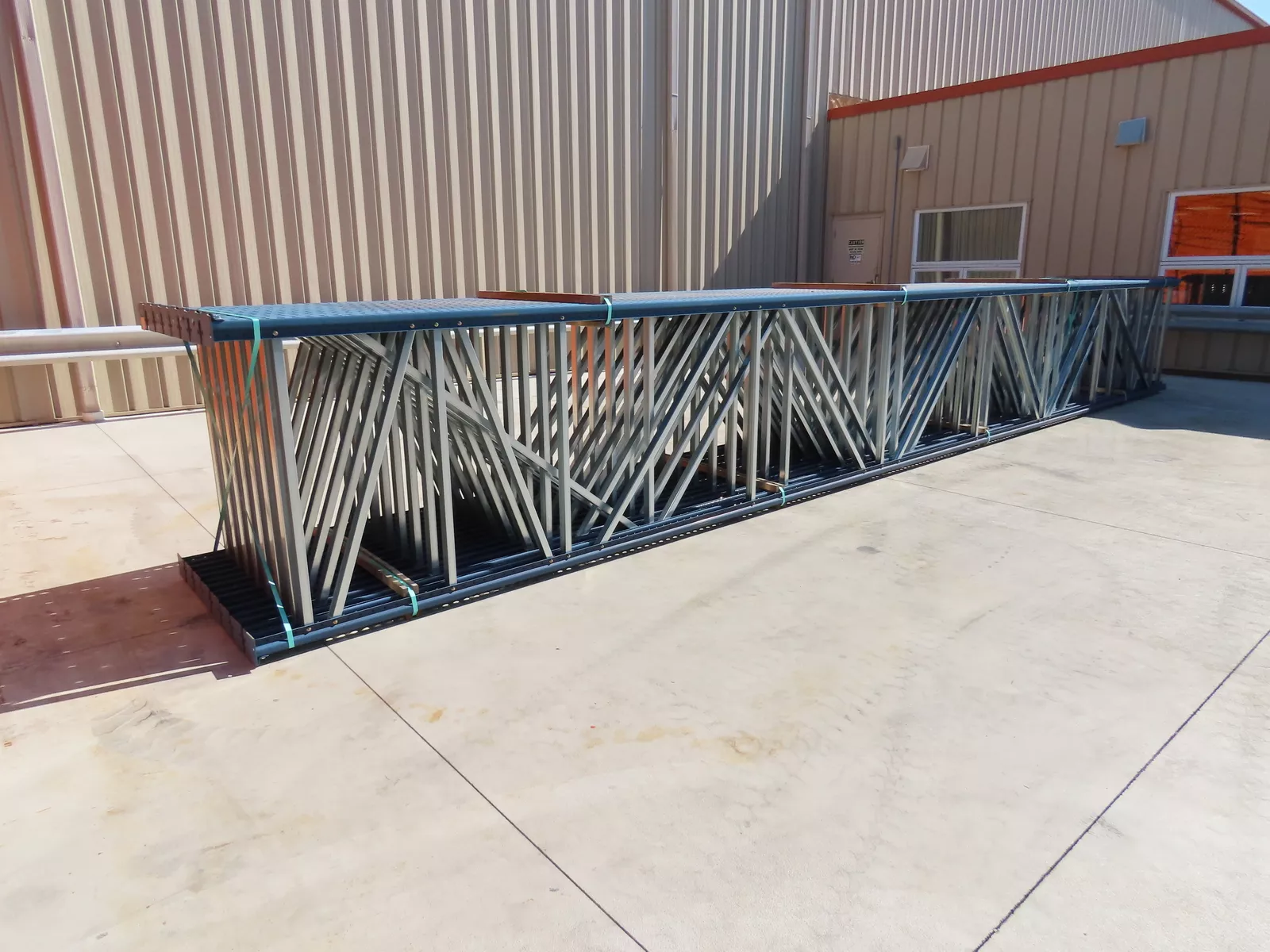
How Can Pallet Racking Reduce Crop Damage During Storage?
How Can Pallet Racking Reduce Crop Damage During Storage?
- Pallet racking protects harvested crops by keeping them off cold, damp floors, reducing damage from moisture, pests, and crushing.
- Its open steel frame design promotes airflow, decreasing humidity and mold, which preserves crop quality.
- Elevating produce prolongs freshness, turning a haul that could rot in days into one that lasts weeks.
- Using pallet racking reduces food waste, conserving labor, water, and soil fertility, supporting ethical farming practices.
- The system is durable, supports heavy loads, and maintains organized, accessible storage for inspections and shipments.
- Farmers and warehouse managers trust pallet racking to prevent damage and protect their financial and quality reputation.
- Pallet racking is a straightforward, proven solution that treats crops with care and ensures post-harvest preservation.

How Can Pallet Racking Reduce Crop Damage During Storage?
What Cost Benefits Does Pallet Racking Offer to Farm Operations?
Farming ain’t just about hard work in the fields; it’s about keeping the whole operation running smooth, day in and day out. That’s where pallet racking comes into play, and it’s a game-changer for any farm looking to stretch every dollar without cutting corners. When you stack things the right way, not only do you save space, but you cut down on wasted time hunting for equipment or materials. That extra time saved means you can get back to what really matters—tending to the crops, the animals, and the land.
Pallet racking puts you in control. It’s about making order out of chaos. When feed sacks, tools, or spare parts have their own place on sturdy racks, you avoid those frantic searches during busy seasons. That kind of organization translates into less frustration and fewer mistakes, which can cost you both money and peace of mind. Being able to quickly assess your inventory cuts back on overbuying or running short, balancing out costs smartly. It’s simple math: better storage leads to better planning, which leads to better spending.
Beyond the dollars, there’s a moral side to it too. Taking care of your gear by keeping it off damp floors and safely tucked away respects the tools and products that keep your farm alive. Damage and losses aren’t just costly; they can derail hard-earned trust with vendors and customers. Pallet racking helps guard against that, showing you’ve got pride in your operation and stand behind your work and produce.
This isn’t just theory; it’s tried-and-true wisdom from the folks who’ve been in the trenches. Farms organized with pallet racking don’t just survive—they thrive. The efficiency gained builds a rhythm to the day that’s worth more than the initial investment. And the confidence that comes from knowing everything is right where it should be can’t be overstated. It’s the kind of setup that calls you back early in the morning, ready to face whatever comes next, knowing your farm’s backbone is solid.
Pallet racking blends good sense with smart spending, turning your storage space into a powerful ally. It’s about working smarter, protecting your hard work, and keeping the whole farm humming. For any farm looking to cut costs without cutting corners, pallet racking isn’t just a tool—it’s a partner.
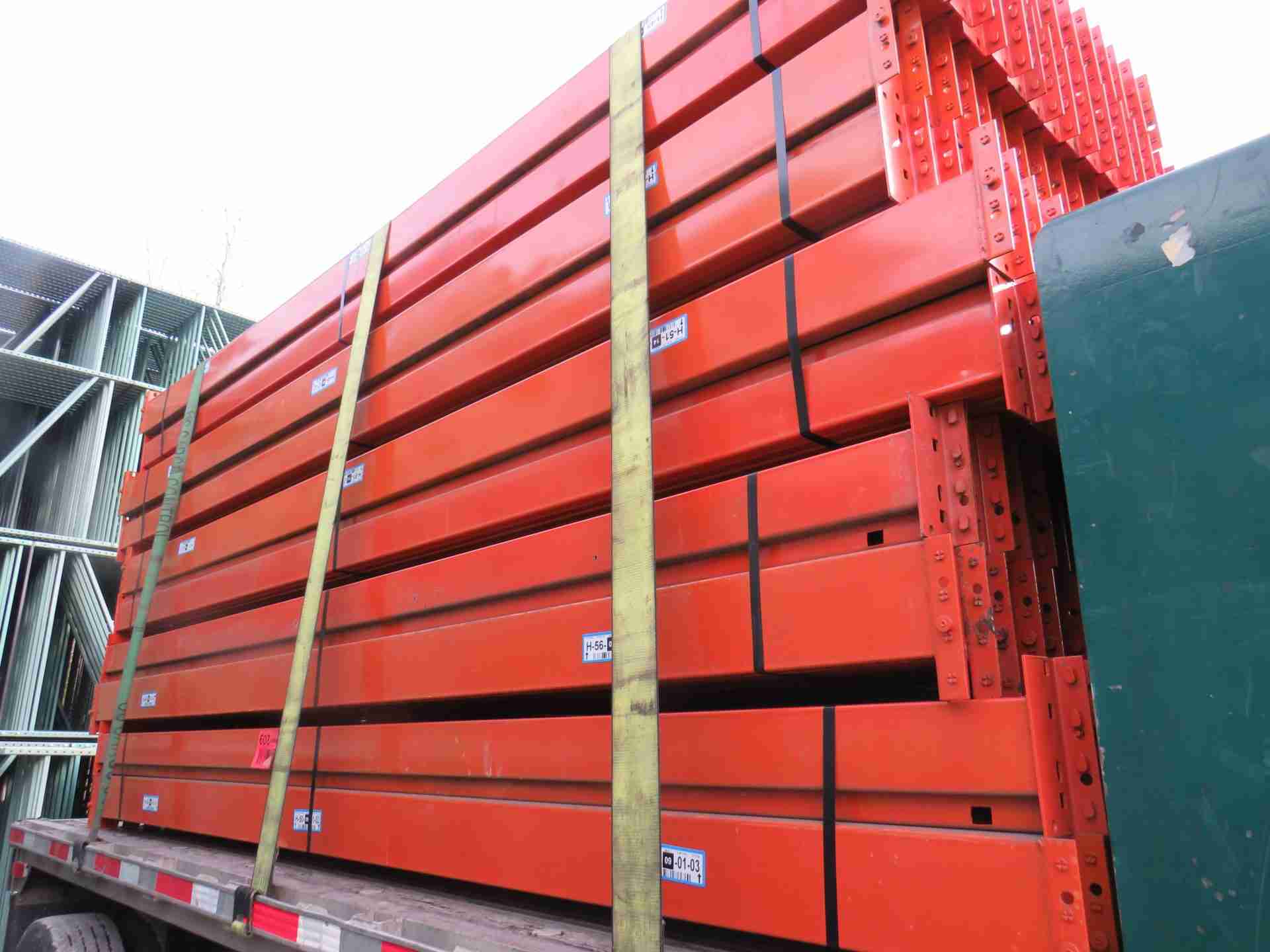
What Cost Benefits Does Pallet Racking Offer to Farm Operations?
What Cost Benefits Does Pallet Racking Offer to Farm Operations?
- Pallet racking optimizes farm operations by saving space and reducing time spent searching for equipment and materials.
- It creates order and organization, minimizing frustration and costly mistakes during busy seasons.
- Efficient storage enables better inventory management, preventing overbuying or shortages and balancing costs.
- Proper storage protects equipment from damage, maintaining trust with vendors and customers.
- Farms using pallet racking gain efficiency and rhythm, enhancing daily productivity beyond the initial investment.
- Confidence in an organized setup supports early starts and readiness for daily farming challenges.
- Pallet racking represents smart spending and work management, acting as a reliable partner for cost-effective farm operations.
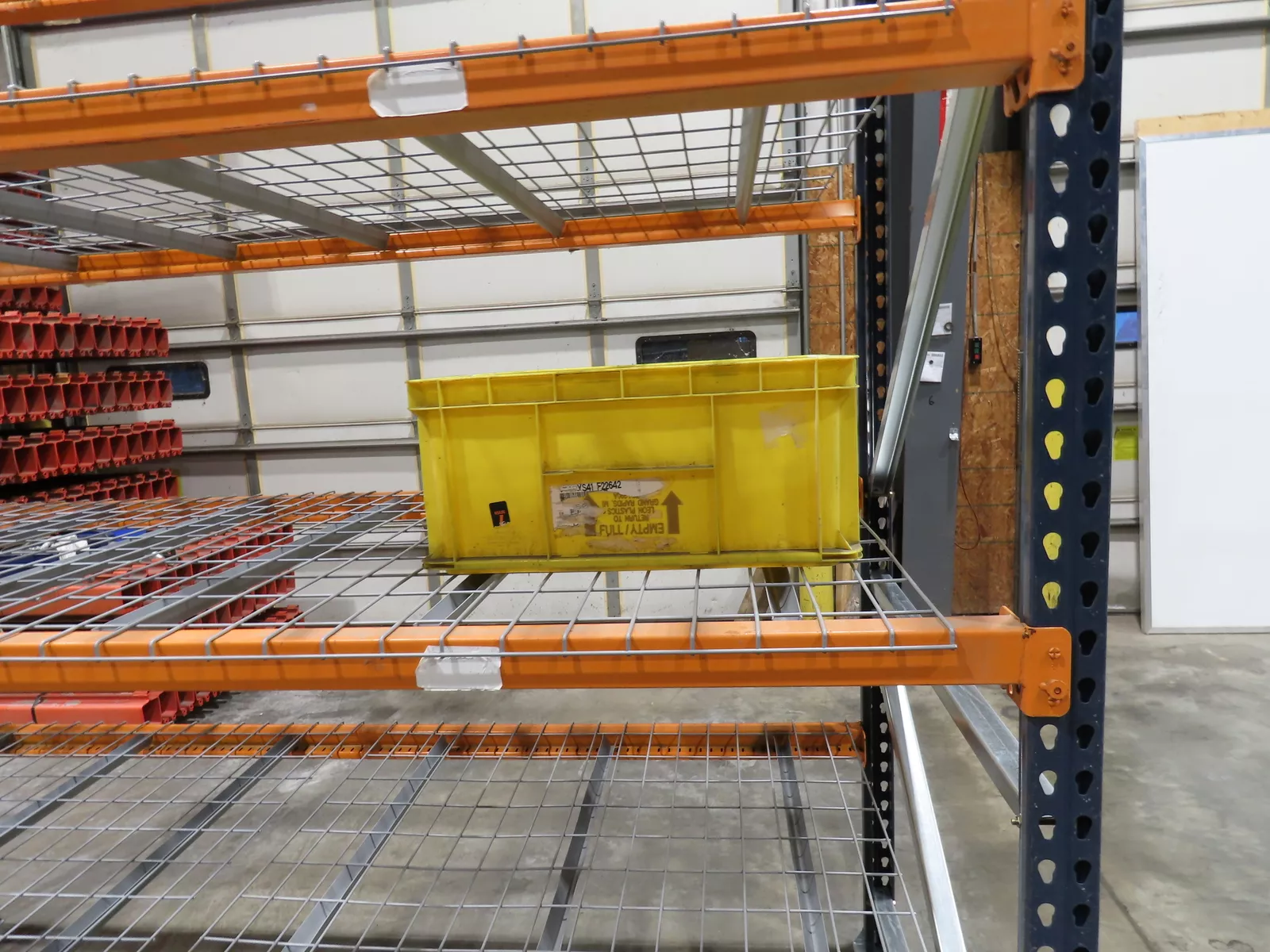
What Cost Benefits Does Pallet Racking Offer to Farm Operations?
How Does Pallet Racking Support Sustainable Farming Practices?
Farming isn’t just about dirt and crops; it’s about timing, care, and making every bit of space and effort count for the long haul. Pallet racking, at first glance, might seem like just another piece of warehouse gear, but out on the farm, it’s quietly becoming a real backbone for sustainable practices. When you’ve stacked and stocked your seeds, tools, and harvest on sturdy pallet racking, you’re doing more than just storing stuff—you’re shaping a smarter, kinder way to farm.
Here’s the plain truth: sustainable farming starts with smart organization. Pallet racking lets farmers stack high and keep order, reducing waste that comes from overbuying or spoiling. When you know exactly what you have and where it lives, you don’t drown in forgotten feed bags or rotten fruits tucked away in messy corners. It’s simple common sense—being able to see and access supplies easily means less waste and more respect for the hard work put into growing every seed.
But it’s not just about saving money or keeping things tidy. There’s a bigger purpose. Using pallet racking means you’re choosing a system that supports long-term stewardship of the land. Sustainable farming is about caring for the earth while feeding the people who depend on it. When storage solutions reduce clutter and inefficiency, they free up more time and energy to focus on the crops and animals themselves. This practical reliability builds trust—from your neighbors, your customers, and most importantly, from yourself. You’re proving you mean business and are committed to farming right.
Look, farming is tough work, and day to day, it tests your grit. Pallet racking stands up to the challenge—solid, dependable, and straightforward. It’s like a good friend who shows up every day, helping keep your supplies in line, so you can get back to what’s really important without the added headache. Over time, that steady support makes all the difference. It teaches patience, pride, and responsibility.
When communities see farms using pallet racking to cut waste, protect resources, and keep the operation moving smoothly, respect grows. It’s more than gear on a farm; it’s part of an ethical commitment—a promise to care for the land, your work, and your people. Choosing pallet racking means you’re not just storing goods. You’re backing a way of farming that’s smart, sustainable, and built to last. And that’s something worth standing behind.
How Does Pallet Racking Support Sustainable Farming Practices?
How Does Pallet Racking Support Sustainable Farming Practices?
- Pallet racking is essential on farms for efficient organization, enabling farmers to store seeds, tools, and harvests in a smart, space-saving way.
- Using pallet racking reduces waste by preventing overbuying and spoilage through clear visibility and easy access to supplies.
- It supports sustainable farming by promoting long-term stewardship of the land and helping farmers care for both the earth and their communities.
- Efficient storage frees time and energy, allowing farmers to focus on crop and animal care while building trust with neighbors and customers.
- Pallet racking is dependable and sturdy, helping farmers manage daily challenges and maintain pride and responsibility in their work.
- Communities respect farms that use pallet racking to reduce waste, protect resources, and operate smoothly, reflecting an ethical commitment to farming.
- Choosing pallet racking represents backing a smart, sustainable, and lasting approach to farming beyond just storage solutions.
How Does Pallet Racking Support Sustainable Farming Practices?
Can Pallet Racking Increase the Lifespan Of Agricultural Products?
When you think about saving every last bit of your hard-earned harvest, pallet racking isn’t just some fancy storage idea—it’s a down-to-earth game changer. Farmers and growers know the sting of watching crops go bad too soon, wasting months of sweat and back-breaking work. Pallet racking steps in like a reliable partner, giving your produce the space and support it needs to stay fresh longer. By keeping crates off the ground and neatly organized, it cuts down on bruising and spoilage, letting those fruits and veggies keep their best shape for days or even weeks more.
There’s a straightforward logic here: air needs to move. When pallets sit squished on the floor or piled unevenly, moisture builds up and rot sets in fast. Pallet racking opens up the airflow, letting cool, dry conditions do their job naturally. It’s not just about shelf life—it’s about quality, too. Your customers noticing crisper lettuce or firmer apples? That’s trust you build one load at a time. When you handle your produce with care, that care shows on the other side of the sale, making buyers come back and word spread through your community. That’s a kind of reputation money can’t buy, earned simply by respecting the journey from soil to store.
On a deeper level, pallet racking reflects a kind of pride—taking responsibility for every stage of the harvest. It’s honoring the time, sweat, and the hands that nurtured those crops from seed to harvest. You’re doing right by the earth and the folks who’ll eat your work. There’s a quiet ethical satisfaction in knowing your methods aren’t wasting food or resources.
This isn’t just theory either; it’s something field-tested and shop-approved. Farmers who’ve switched to pallet racking tell stories about fewer losses, easier inventory tracking, and less time wasted digging through messy piles. It’s simple, common-sense stuff: a solid rack equals better storage, which equals fresher produce, which equals a better bottom line. Pallet racking doesn’t just store your goods—it safeguards your livelihood and respects the hands that provide the harvest.
Can Pallet Racking Increase the Lifespan Of Agricultural Products?
Can Pallet Racking Increase the Lifespan Of Agricultural Products?
- Pallet racking is a practical solution for preserving fresh produce by providing space and support to keep crops fresh longer.
- Elevating crates off the ground reduces bruising, spoilage, and extends the shelf life of fruits and vegetables.
- Proper airflow enabled by pallet racking prevents moisture buildup and rot, maintaining quality and freshness.
- Improved produce quality builds customer trust, encouraging repeat business and positive community reputation.
- Pallet racking represents pride and responsibility in honoring the entire harvest process and minimizing waste.
- Farmers report benefits like fewer losses, easier inventory management, and less time spent sorting through clutter.
- Effective storage through pallet racking leads to fresher produce and a stronger bottom line, protecting both goods and livelihoods.
Can Pallet Racking Increase the Lifespan Of Agricultural Products?
How Does Easy Access to Goods Via Pallet Racking Boost Productivity?
When you’ve spent your days hustling in a warehouse or on a loading dock, you learn quick: every second wasted hunting down a pallet of goods chips away at your paycheck and your pride in a job well done. That’s where pallet racking comes in—not some fancy gadget, but a straightforward answer that gets the job done. Making goods easy to grab isn’t just about speed; it’s about respect—respect for the hardworking folks who keep the wheels turning. When everything’s organized and right there at arm’s length, it cuts out the frustration. There’s no more scrambling through piles or risking a back injury trying to reach a crate buried too deep. It’s the kind of change that feels good in your bones because it means less sweat and strain every shift.
From a plain old common sense angle, pallet racking turns chaos into clarity. When inventory sits neatly arranged on those racks, it’s a no-brainer to know what’s in stock, what’s moving fast, and what’s just taking up space. That kind of organization adds up to fewer mistakes, faster restocking, and an overall smoother operation. Running a warehouse is no different from running a tight ship—it’s about cutting down unnecessary steps, keeping eyes on the prize, and making every move count. Pallet racking lets you do just that, reducing clutter so your team can focus on the real work instead of playing hide-and-seek with merchandise.
There’s also something quietly ethical about it. When a workplace invests in quality pallet racking, it shows they care about their crew’s safety and well-being. It’s a simple but powerful way to say, “We see you. We want you to get home safe.” Trust grows when your tools don’t betray you. That trust isn’t just about feeling good; it’s a foundation that lifts productivity because people want to work where they know management values them.
Storytelling from the trenches adds another layer—you hear the shift supervisor talking about a change in workflow since the racks went in. “It’s like we finally got a little breathing room,” they’ll say. That breathing room means fewer headaches, less overtime, and a crew that’s more connected because they’re not constantly under pressure.
Pallet racking isn’t some optional upgrade. It’s the backbone of a well-oiled warehouse machine. It feeds the human need for order, supports practical business sense, and stands as the honest way to treat people right while keeping the work moving. If you want productivity to rise, look no further than where the goods sit. Accessible pallet racking gets that done every single day.

How Does Easy Access to Goods Via Pallet Racking Boost Productivity?
How Does Easy Access to Goods Via Pallet Racking Boost Productivity?
- Pallet racking saves time and reduces physical strain by making goods easy to access, respecting hardworking workers.
- It transforms chaotic inventory into organized, clear stock, simplifying tracking and restocking processes.
- Efficient pallet racking reduces errors and clutter, enabling a smoother, more focused warehouse operation.
- Investing in quality pallet racking demonstrates care for employee safety and well-being, building trust between workers and management.
- Improved workflows with pallet racks reduce stress, overtime, and foster better team connection.
- Pallet racking is essential for efficient warehouse management, supporting order and practical business sense.
- Accessible pallet racking consistently boosts productivity by optimizing where and how goods are stored and handled.

How Does Easy Access to Goods Via Pallet Racking Boost Productivity?
Conclusion
Farming is tough work—long hours, unpredictable weather, tight margins—so when it comes to storing the harvest, you want solutions that make life easier, not harder. Pallet racking is that no-nonsense workhorse that turns messy barns and cramped warehouses into well-oiled machines. It’s the kind of straightforward tool that knows its place: maximizing space by stacking goods safely, cutting down time spent rooting through piles, and keeping everything within arm’s reach. This means fresher produce, fewer damaged goods, and workers who get home without aching backs or bruised pride.
The real magic lies in how pallet racking respects the harvest and the people behind it. By lifting loads off damp floors and allowing air to circulate, it fights spoilage and rot—turning what could be lost into something lasting longer on shelves. That’s not just good business sense; it’s an ethical stand against waste, a nod to the land and the sweat that grew those crops. When farms run organized and lean, they cut costs cleanly, avoiding overbuying and shrinking losses. That efficiency doesn’t just fatten the bottom line—it breeds pride, safety, and trust in every hand that touches the supply chain.
Pallet racking makes for a smarter, safer, and more sustainable way to run an operation. It’s a practical ally that keeps tools and feed in order, freeing farmers to focus on what really matters—the care of land and crop. It supports long-term stewardship by reducing waste, cutting clutter, and promoting reliable workflows where mistakes don’t cost a farm money or its reputation. That steady support isn’t glamorous, but it’s the backbone that keeps rural communities fed and farming honest.
At its core, pallet racking is about connection: linking field and fork through dependable, efficient storage that honors the toil it takes to grow food. It’s the solid, simple answer born from hands-on experience—built for tough days and long seasons. For any farm aiming to work smarter without cutting corners, to store better without losing quality, pallet racking isn’t just gear—it’s the quiet partner that carries the weight of a harvest well earned.

Conclusion
Conclusion:
- Pallet racking maximizes storage space by stacking goods safely, improving organization, and reducing the time spent searching for items.
- It protects produce by lifting it off damp floors and allowing air circulation, reducing spoilage and extending shelf life.
- By improving organization and inventory control, it helps farms cut costs and reduce waste.
- Pallet racking enhances worker safety and comfort by reducing physical strain and preventing damage to goods.
- It supports sustainable farming practices by promoting efficient workflows and reducing clutter.
- The system fosters pride, safety, and trust within the supply chain through dependable storage solutions.
- Pallet racking is a practical, durable solution that connects farm operations from field to fork, enabling smarter, better-quality storage.
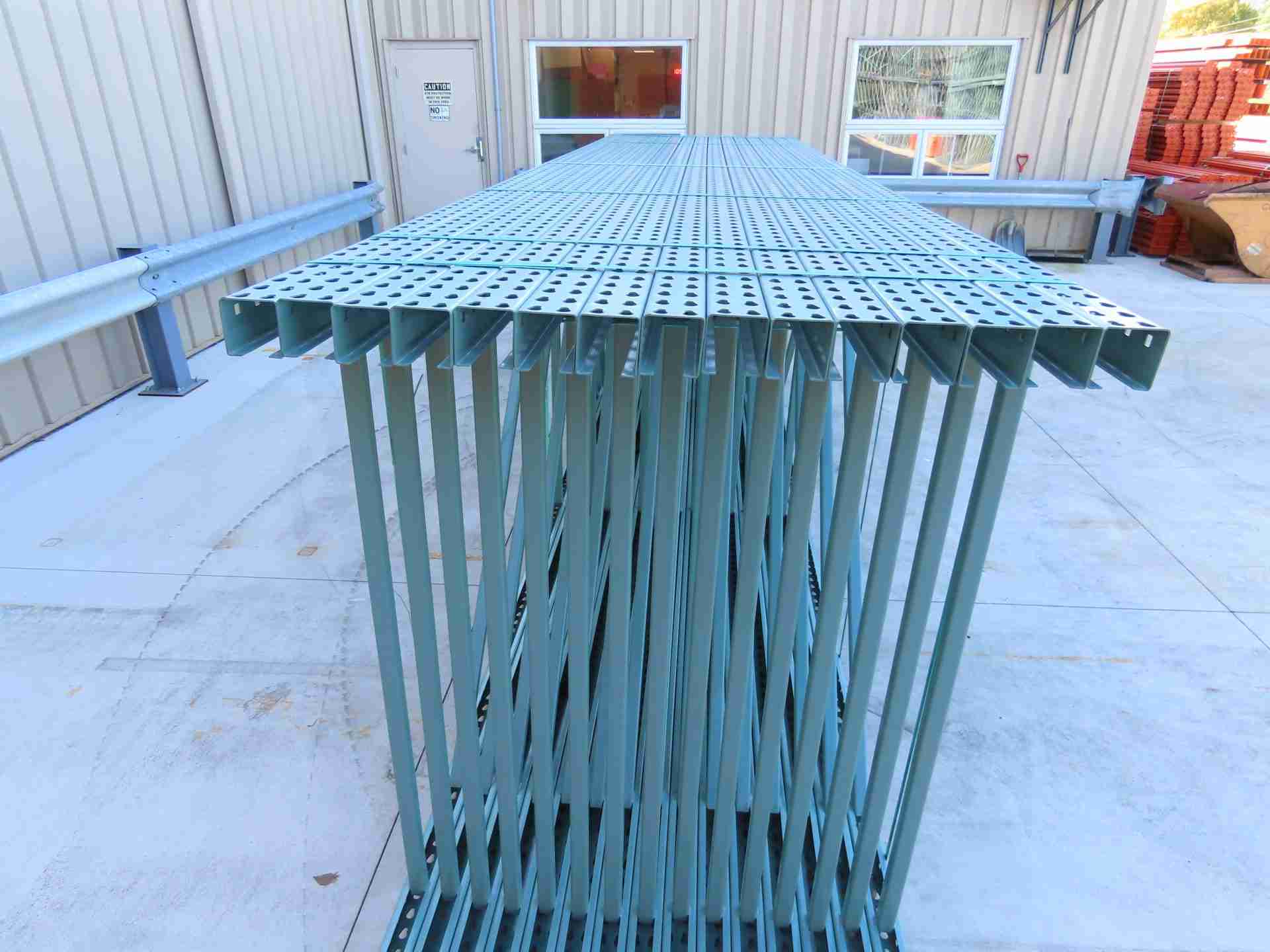
Conclusion
Other Resources
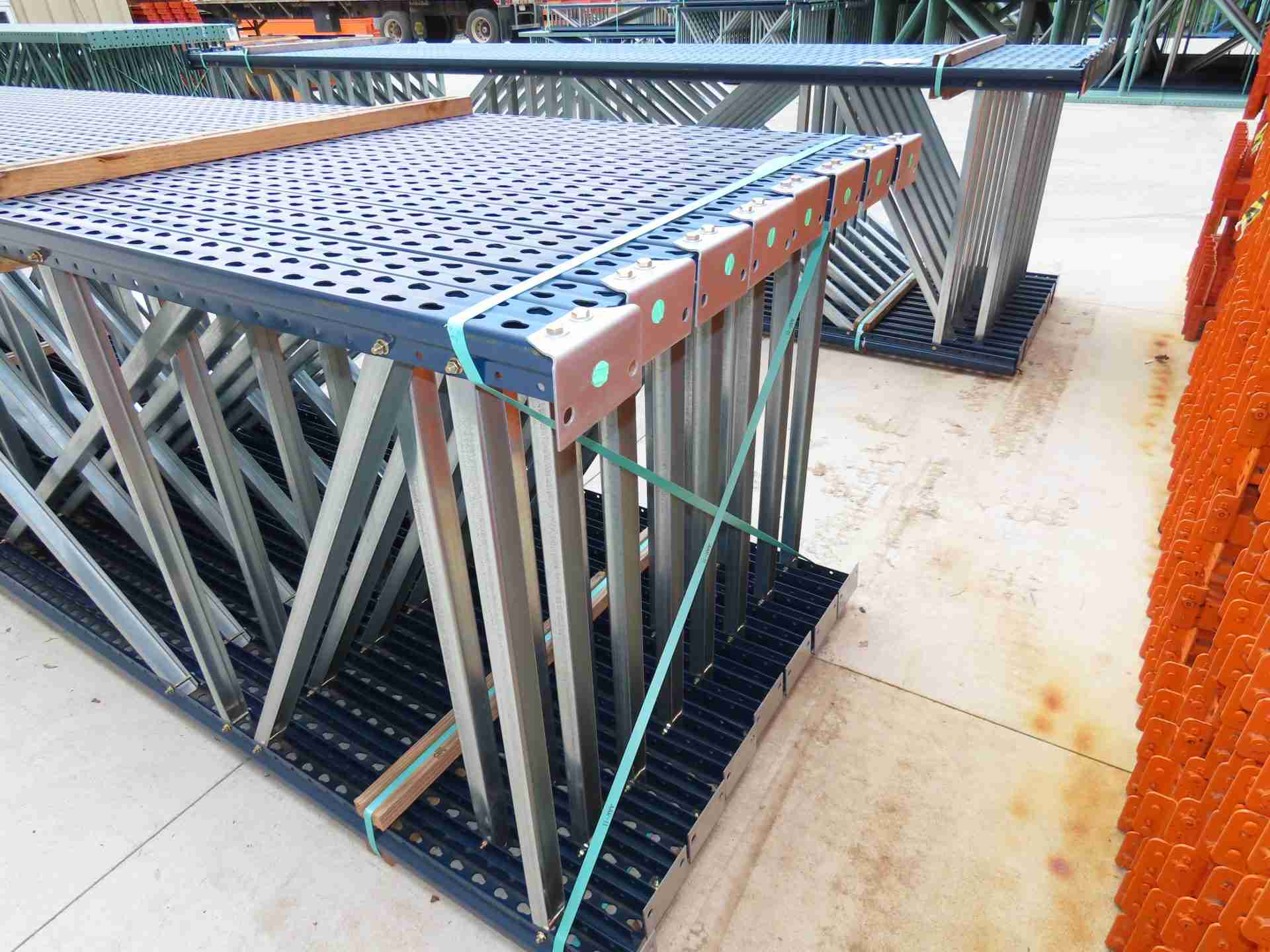
Other Resources
Here is a list of other resources you can review online to learn more:
- The Complete Pallet Rack Guide – Simply Rack
- Teardrop Industrial Shelving Rack
- Teardrop Pallet Rack – Ridg-U-Rak
- Cantilever Racks Chicago
- Arrow Industrial Sales
- Selective Racking
- Warehouse Racking Chicago, IL
- Selective Pallet Racking Systems – Container Systems
- International Warehouse Logistics Association
- Warehouse Racking Systems: Beginner’s Guide to Rack Systems
- Illinois Pallet Racking – WPRP
- Warehouse Storage Racking in Illinois
- CA Wire
- Logic Material Handling
- Overhead Lifting
- What is Selective Pallet Racking
- Selective Pallet Racking Systems
- Storage Equipment Manufacturers’ Association
- IIWS Inc. Rack Installation Illinois & Rack Repairs Illinois
Use This Prompt To Get More Resources With Your Favorite Online AI Tool: Please provide me with a list of online articles with their URLs in a bulleted list that I can read regarding How Do Agriculture Companies Leverage Pallet Racking?
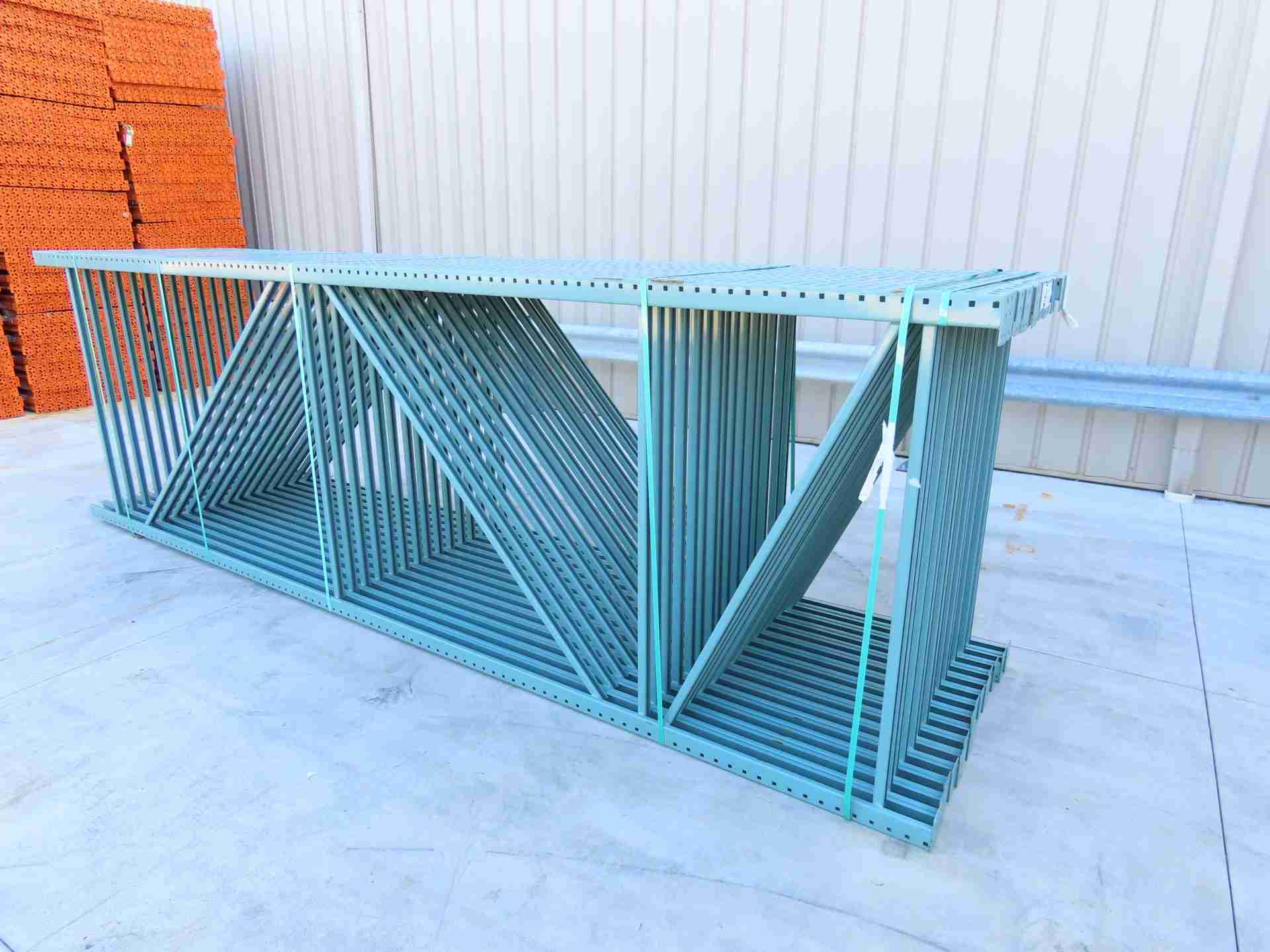
Other Resources
Glossary Terms
How Do Agriculture Companies Leverage Pallet Racking? – Glossary Of Terms
1. Pallet Racking: A storage system designed to hold materials on pallets, allowing efficient use of warehouse space.
2. Agriculture Companies: Businesses involved in farming, production, and distribution of agricultural products.
3. Storage Optimization: The process of maximizing storage capacity and organization within a facility.
4. Inventory Management: Tracking and controlling stock levels to ensure availability and reduce waste.
5. Material Handling: The movement, protection, storage, and control of materials throughout the manufacturing and distribution process.
6. Warehouse Efficiency: The effectiveness of warehouse operations in managing storage, retrieval, and distribution.
7. Load Capacity: The maximum weight a pallet rack can safely support.
8. Vertical Space Utilization: Using the height of a warehouse to store more goods by stacking them vertically.
9. Forklift Access: The ability for forklifts to safely reach and retrieve pallets from racking systems.
10. Cold Storage Compatibility: Ability of pallet racking systems to function effectively in refrigerated or frozen environments used in agriculture.
11. Durability: The strength and longevity of pallet racking systems under heavy use.
12. Adjustable Racking: Pallet racks that can be modified to accommodate different pallet sizes and weights.
13. Space Savings: Reduction in square footage required for storage through efficient racking solutions.
14. Product Visibility: The ease of seeing inventory items stored on pallets within the racking system.
15. Safety Compliance: Adherence to regulations and standards for safe storage and handling.
16. Seasonal Storage: Managing inventory fluctuations due to agricultural production cycles.
17. Direct Access Storage: Storage system design enabling immediate access to any pallet without moving others.
18. Cross-Docking: A logistics process to quickly transfer agricultural goods from inbound to outbound transport, sometimes facilitated by pallet racking.
19. Load Distribution: Ensuring weight is evenly spread across pallet racks to prevent collapse or damage.
20. Automated Storage: Integration of technology like robotics with pallet racking for efficient picking and placing.
21. FIFO System: First In, First Out inventory management enabled by pallet racking layout design.
22. Product Segregation: Separating different types of agricultural products in storage to maintain quality and prevent contamination.
23. Scalability: The ability to expand pallet racking systems as inventory or storage needs grow.
24. Maintenance: Regular inspection and repair of pallet racking to ensure safety and functionality.
25. Cost Efficiency: Reducing costs associated with storage space, labor, and inventory loss.
26. Workflow Optimization: Designing storage layouts to streamline picking, packing, and distribution processes.
27. Pallet Configuration: The specific arrangement and size of pallets used in the racking system.
28. Environmental Control: Managing temperature, humidity, and other conditions within racking systems to preserve agricultural products.
29. Load Stability: The secure placement of goods on pallets to prevent shifting or falling during storage.
30. Just-In-Time Inventory: Minimizing stored inventory by aligning pallet racking with supply chain timing to reduce holding costs.

Glossary Of Terms
Other Questions
How Do Agriculture Companies Leverage Pallet Racking? – Other Questions
If you wish to explore and discover more, consider looking for answers to these questions:
- What types of pallet racking are best suited for different agricultural products (produce, grain sacks, feed, equipment)?
- How do you choose the right pallet racking system for a small farm versus a large distribution center?
- What are the typical load capacities and weight limits for common pallet racking systems?
- How does pallet size and pallet material (wood, plastic, metal) affect racking selection?
- What are the upfront costs of purchasing and installing pallet racking?
- What is the expected return on investment (ROI) and typical payback period for pallet racking on a farm?
- Are there financing, leasing, or grant options available for farms to acquire pallet racking?
- How much does installation cost and how long does installation usually take?
- Can pallet racking be retrofitted into older barns or nonstandard buildings?
- What site preparation is required (floor loading, anchoring, leveling) before installing racks?
- How do pallet racking systems handle uneven or soft floors commonly found in agricultural buildings?
- Which racking systems are best for high-humidity or cold storage environments?
- How should pallet racking be configured for cold rooms, controlled-atmosphere, or refrigerated storage?
- What ventilation and airflow considerations are needed to reduce spoilage when using racks?
- How does pallet racking support FIFO (first-in, first-out) or LIFO inventory practices?
- What racking options assist with picking efficiency (selective, push-back, drive-in, flow racks)?
- How compatible are pallet racks with forklifts, pallet jacks, and other farm material handling equipment?
- What training or certifications are recommended for staff operating around pallet racking?
- How do you inspect and maintain pallet racking to ensure long-term safety and performance?
- What are common signs of rack damage and when should components be repaired or replaced?
- How often should load testing or professional inspections be performed?
- What safety accessories (row spacers, guards, netting, column protectors) are recommended for farms?
- How do local and national safety standards and regulations apply to agricultural pallet racking?
- What fire safety and sprinkler system considerations are required when installing racking?
- Can pallet racking be used safely in seismic or high-wind regions, and what bracing is needed?
- How resistant are racks to corrosion from fertilizer, chemicals, or moisture, and what coatings help?
- Are galvanized or stainless steel racking options worthwhile for wet or corrosive environments?
- How do you prevent pest infestations and contamination when storing produce on racks?
- What cleaning and sanitation protocols work best for pallet racking in food-grade operations?
- How can pallet racking support traceability and food-safety programs (HACCP, organic certification)?
- What labeling, barcode, or RFID systems integrate well with pallet racking for inventory control?
- How effective are sensors (temperature, humidity) when integrated into racking systems?
- Can pallet racking be combined with automation (AS/RS, conveyors, robotics) on a farm scale?
- What are the pros and cons of buying new versus used pallet racking?
- What warranties, service contracts, and supplier reliability should be considered when purchasing racks?
- How modular and expandable are rack systems for seasonal peak storage needs?
- What are best practices for load distribution and pallet placement to avoid overloading beams?
- How do pallet racking choices affect worker ergonomics and injury risk during picking and loading?
- What are the lifecycle and end-of-life options for racking materials (recycling, resale)?
- How much space savings can farms typically expect, and how does that translate into cost savings?
- What case studies or real-world examples exist showing measurable benefits from pallet racking?
- How do pallet racking systems impact insurance rates and liability for farm storage facilities?
- What specialized racking is available for non-palletized items like long tools, ladders, or bales?
- How can farms implement temporary or seasonal racking solutions for peak harvest periods?
- What are the maintenance cost estimates over time for different racking materials and systems?
- How do pallet racking systems compare to alternative storage solutions (silos, bins, shelving) for specific crops?
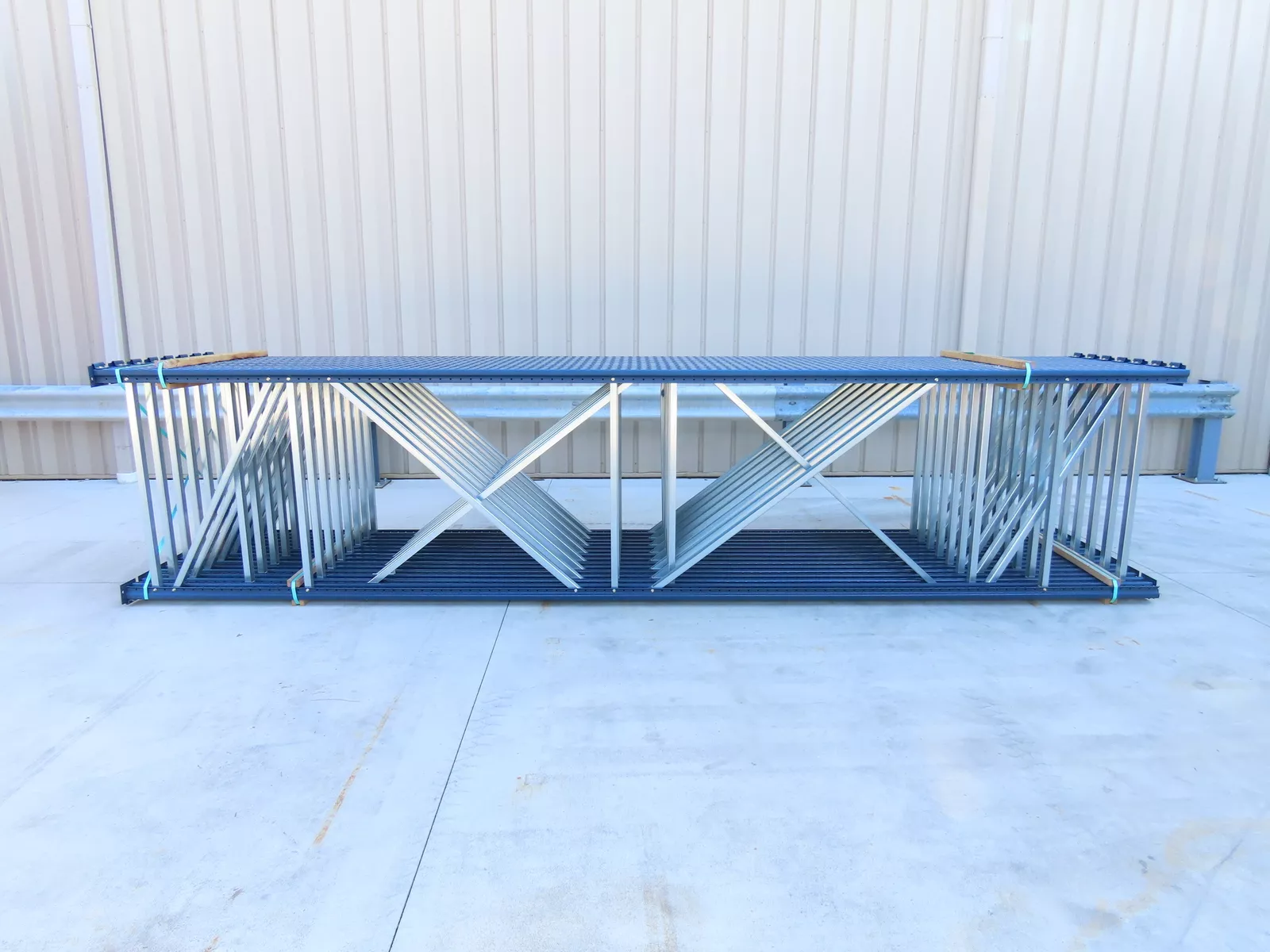
Other Questions
Checklist
How Do Agriculture Companies Leverage Pallet Racking? – A Checklist
Planning and Objectives
✅______ Define primary goals: space optimization, damage reduction, faster access, cost savings, sustainability.
✅______ Identify products to store: produce, seed, feed, parts, packaging, chemicals; segregate hazardous items.
✅______ Choose an inventory strategy (FIFO or FEFO) based on perishability.
✅______ Establish KPIs: spoilage rate, pick time, labor hours, accidents, on-time shipments, space utilization.
Facility and Layout
✅______ Measure clear height, column grid, door locations, and floor flatness and tolerance.
✅______ Verify slab capacity and condition; repair cracks and spalls; confirm anchor suitability.
✅______ Plan aisle widths matching equipment (pallet jacks, forklifts, reach trucks).
✅______ Map material flow: receiving, QA, storage, picking, staging, shipping.
✅______ Ensure emergency egress paths and exit signage remain unobstructed.
✅______ Confirm adequate lighting, ventilation, and access to power and charging.
Racking Specification and Safety
✅______ Select rack type: selective, double-deep, drive-in or drive-through, push-back, pallet flow (supports FEFO), cantilever (for long loads).
✅______ Size beams and uprights by load (pallet weight, dimensions, stack height); verify manufacturer load ratings.
✅______ Use wire decking or slatted decking to improve airflow and prevent drops.
✅______ Install column guards, end-of-aisle protectors, and rack end barriers.
✅______ Anchor all uprights; install beam locks; maintain flue spaces and wall clearances.
✅______ Post load plaques and maximum capacities at aisle ends.
✅______ Confirm compliance with local codes, seismic and wind requirements, and insurer standards.
Produce Quality and Damage Prevention
✅______ Keep product off the floor; maintain ground-to-first-beam clearance for airflow and cleaning.
✅______ Standardize pallets with sound deckboards, no protruding nails, and consistent size and entry.
✅______ Use ventilated crates and containers; avoid overhang and crushing; apply corner boards and dunnage as needed.
✅______ Maintain cross-aisle and longitudinal flue spaces for ventilation and fire protection.
✅______ Place pallet stops or offsets to protect walls and preserve airflow gaps.
✅______ Define stack height and top-load limits by commodity.
✅______ Implement temperature and humidity monitoring where applicable (e.g., coolers and sheds).
Inventory Control and Access
✅______ Slot fast movers in golden zones; place slow movers higher or in remote locations.
✅______ Label bays, levels, and locations with durable barcodes and placards.
✅______ Implement WMS/ERP or simple location control sheets; schedule cycle counts.
✅______ Set staging zones for inbound QA and outbound consolidation.
✅______ Use FEFO lanes or pallet flow racking for perishables.
Material Handling and Productivity
✅______ Verify equipment reach height, capacity, and turning radius match rack design.
✅______ Define safe travel paths; minimize cross-traffic and dead ends.
✅______ Create standard pick paths; provide pick carts or order pickers if needed.
✅______ Train operators on rack interface, safe handling, and damage reporting.
✅______ Provide dock equipment: bumpers, levelers, and restraints; organize load-out zones.
Sustainability Practices
✅______ Track and target reductions in spoilage and product damage.
✅______ Use reusable bins, slip sheets, and pallet repair and recirculation programs.
✅______ Specify racks with recycled content and plan end-of-life recycling.
✅______ Optimize airflow and door management to reduce cooling energy.
✅______ Implement waste sorting for cardboard, film, and organics.
Cost and ROI
✅______ Build CapEx and installation budget; include decking, guards, anchors, and labels.
✅______ Estimate labor savings, space gains, and damage reduction; calculate payback and TCO.
✅______ Obtain multiple quotes; confirm warranty, lead times, and installation scope.
✅______ Schedule installation during low-traffic periods; plan for temporary storage.
✅______ Update insurance coverage and asset records after installation.
Compliance and Risk
✅______ Confirm NFPA and fire code requirements: sprinklers, commodity classification, and height limits.
✅______ Maintain clearances under sprinklers and between loads (flue spaces).
✅______ Segregate chemicals, fertilizers, and fuels from food products.
✅______ Post SOPs for loading and unloading; prohibit climbing on racks.
✅______ Establish incident reporting and rack impact protocols.
Cleaning and Maintenance
✅______ Create a cleaning schedule for floors, lower beams, and decking to control dust and pests.
✅______ Inspect racks weekly for damage; quarterly inspect bolts and anchors, rust, and plumb/level.
✅______ Tag and quarantine damaged components; repair or replace promptly.
✅______ Verify beam locks are engaged; tighten anchors to spec; maintain guards.
✅______ Service MHE regularly; keep charger and vent areas compliant.
Go-Live and Continuous Improvement
✅______ Pilot one zone; validate flow, safety, and quality outcomes.
✅______ Finalize SOPs for receiving, put-away, picking, replenishment, and shipping.
✅______ Train all staff; certify equipment operators.
✅______ Review KPIs at 30/60/90 days; adjust slotting, signage, and processes.
✅______ Document lessons learned and schedule periodic audits.

Checklist
At RackingWorld, we help guide you through selecting warehouse storage systems and racking.
Be sure to read our other related stories at RackingWorld to learn more about warehouse storage systems.
0 Comments